
























Electric vehicles are growing fast across Canada. Yet owning one still feels very different depending on where you live. Some regions have chargers everywhere, generous rebates, and mild winters that help batteries perform well. Others still struggle with sparse infrastructure, long travel gaps, and colder climates that reduce driving range. Local power grids, provincial incentives, and urban density also shape the EV experience. Drivers in certain cities barely think about charging anymore. In other places, planning a trip still feels stressful. Geography matters more than most buyers expect. Here are 12 places in Canada where EV ownership is easiest (and 8 where it’s still a pain).
Places in Canada Where EV Ownership Is Easiest
Vancouver, British Columbia
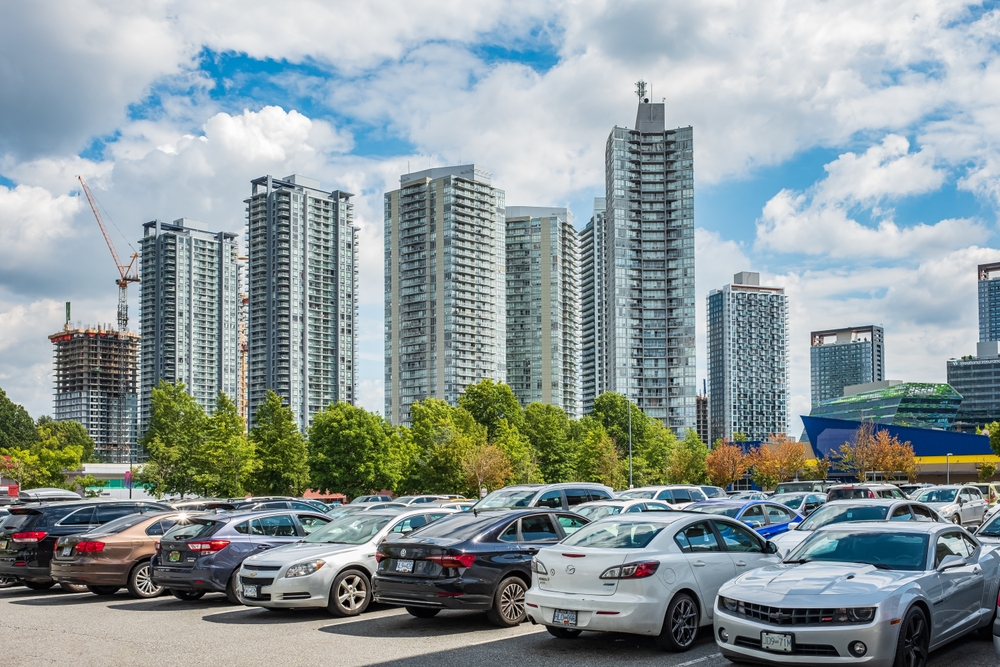
Vancouver is one of the easiest places in Canada to own an EV. Public chargers appear in malls, parking garages, and grocery lots across the city. British Columbia also offers strong provincial rebates that lower purchase prices. Mild coastal weather helps batteries keep more of their rated range. Condo buildings increasingly install shared chargers for residents. Fast charging stations appear along major routes like Highway 1 and the Sea-to-Sky corridor. Drivers rarely worry about finding power during daily travel. Even road trips toward Whistler or Victoria have solid charging coverage. Vancouver drivers often treat EV charging the way people treat coffee stops.
Victoria, British Columbia

Victoria offers another friendly environment for electric vehicles. The city’s smaller size means shorter daily drives for most residents. That alone reduces range anxiety for many owners. Public chargers appear in municipal parking areas and shopping districts. The surrounding Vancouver Island charging network has expanded quickly in recent years. Coastal temperatures stay moderate through winter. Batteries lose less range compared with colder inland provinces. Ferry terminals also include charging stations for drivers waiting to board. Many hotels have added Level 2 chargers for overnight guests. Living with an EV in Victoria often feels simple. Most trips require little planning.
Montreal, Quebec

Montreal sits in the middle of one of North America’s largest charging networks. Quebec’s Circuit Électrique system covers highways, shopping areas, and many neighborhoods. Provincial rebates remain among the strongest in Canada. Electricity prices stay relatively low because of Quebec’s hydro power. That makes charging cheaper than gasoline for many drivers. Cold winters still reduce battery range, but the dense charger network helps offset that problem. Many parking garages now offer dedicated EV spaces. Apartment dwellers also benefit from new charger installations. Montreal drivers often find a plug within minutes. Charging rarely becomes a daily concern.
Quebec City, Quebec
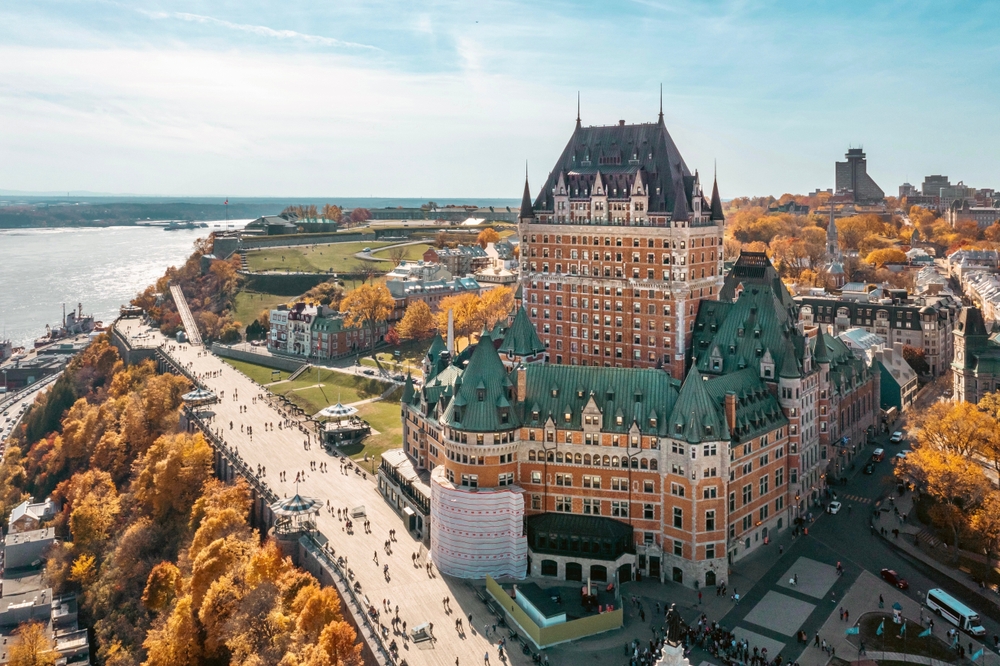
Quebec City benefits from the same extensive charging network used across the province. Drivers can rely on the Circuit Électrique system throughout the region. Fast chargers line major highways leading toward Montreal and the Gaspé Peninsula. Quebec’s purchase rebates continue to attract EV buyers. Electricity remains inexpensive compared with gasoline costs. The city’s compact layout also helps daily driving stay within battery limits. Parking garages and municipal lots include growing numbers of chargers. Even winter driving feels manageable because stations appear frequently. Long trips still require planning. Daily EV use in Quebec City stays relatively convenient.
Toronto, Ontario
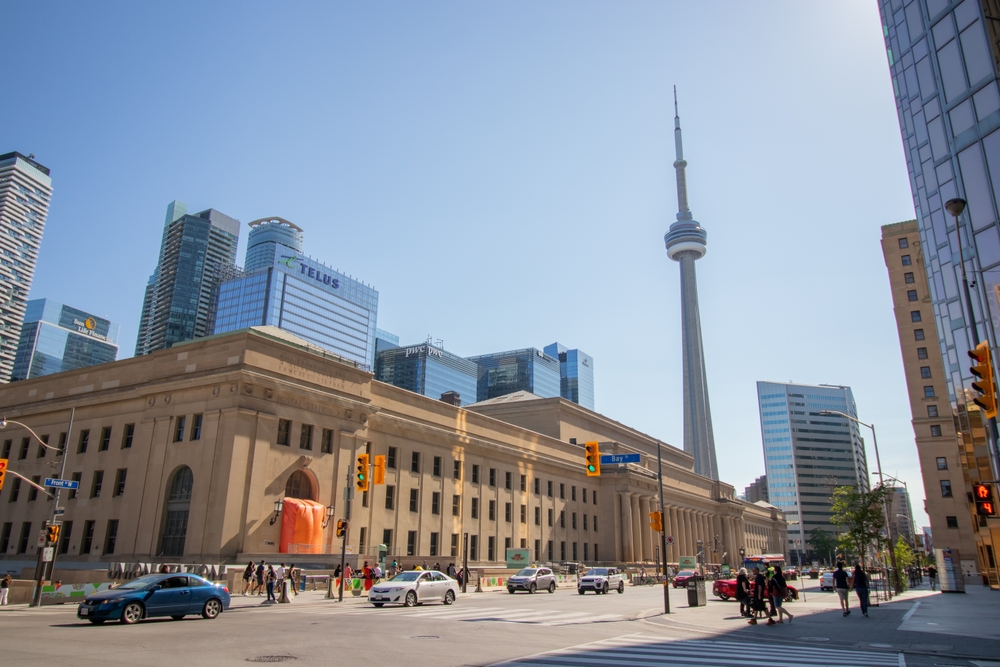
Toronto offers one of the largest charging networks in Ontario. Chargers appear in office towers, parking garages, and shopping plazas. Many new condo buildings include EV charging infrastructure. Public transit also reduces driving distances for many residents. Highway routes around the city now feature more fast chargers than before. Companies install workplace chargers to attract employees with EVs. Winter weather can reduce battery range. However, dense urban charging helps drivers compensate. Many drivers simply plug in overnight or during errands. Owning an EV in Toronto requires planning. Still, charging rarely becomes a serious obstacle.
Ottawa, Ontario
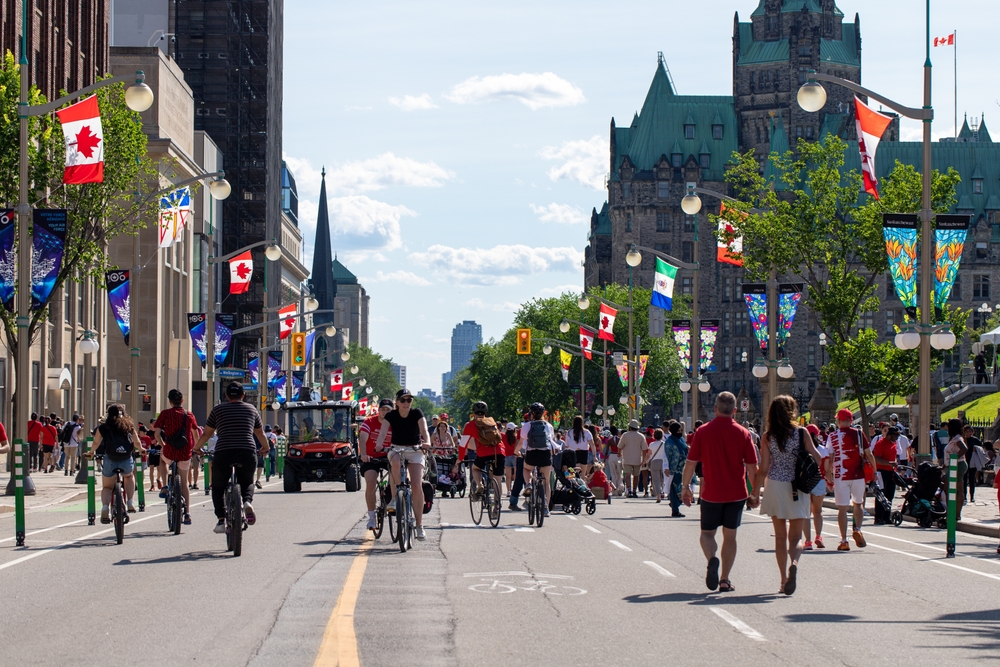
Ottawa provides a comfortable environment for EV ownership. Federal government offices helped with early charging installations across the city. Public stations appear near government buildings, museums, and downtown parking lots. The surrounding National Capital Region also added chargers along major routes. Drivers traveling toward Montreal or Toronto find frequent fast charging stops. Winter temperatures drop sharply, which affects the range. Yet the city’s infrastructure offsets some of that challenge. Many suburban homes include private garages, making home charging simple. Workplace chargers also appear at government facilities. Ottawa drivers often charge overnight and drive all week.
Calgary, Alberta

Calgary has expanded its EV infrastructure steadily in recent years. Public chargers now appear in shopping areas and municipal parking lots. Fast chargers line highways connecting Calgary with Banff and Edmonton. Alberta once lagged behind other provinces in EV adoption. However, growing demand pushed utilities and businesses to install more stations. Many homeowners have garages, which simplifies home charging. Winters remain cold, which affects battery range. Still, daily commuting distances often remain manageable. Charging stations continue to spread across the metropolitan area. Calgary EV drivers now face fewer limitations than they did five years ago.
Edmonton, Alberta

Edmonton’s EV network continues to improve each year. Public chargers appear in downtown parking garages and suburban shopping areas. Fast chargers also line the corridor between Edmonton and Calgary. The city government installed chargers in several municipal facilities. Many residents live in detached homes with garages. That makes home charging easier than in dense apartment cities. Winter temperatures still challenge battery performance. Yet drivers often compensate with regular charging opportunities. Provincial infrastructure programs added new stations along major highways. Edmonton remains less dense than Vancouver or Montreal. Still, EV ownership grows more practical every year.
Halifax, Nova Scotia
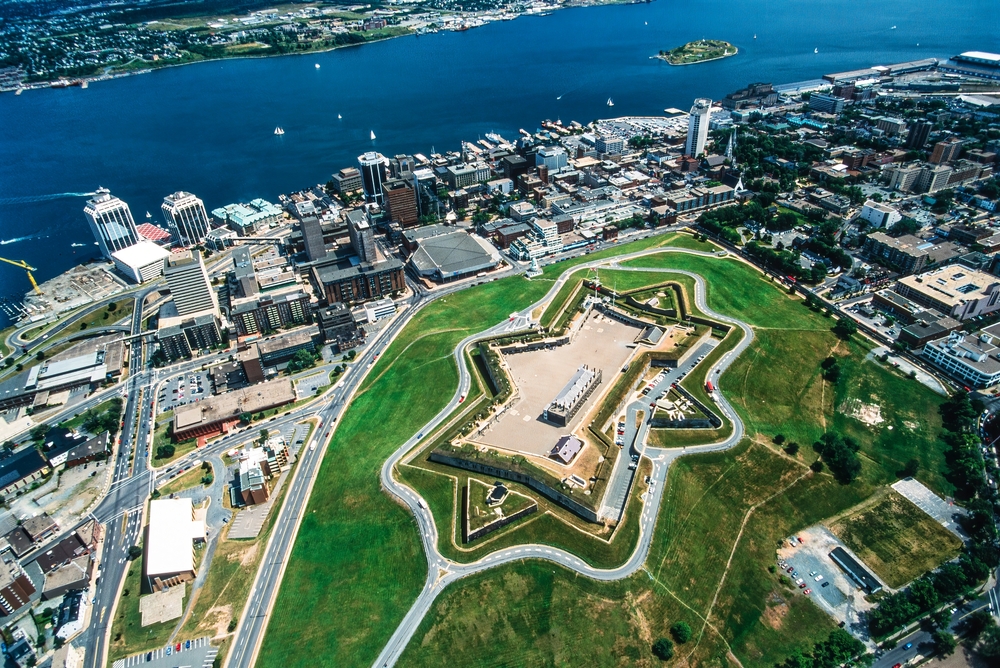
Halifax offers one of Atlantic Canada’s most EV-friendly environments. Public chargers appear throughout the city and surrounding suburbs. Nova Scotia’s charging network connects Halifax with other coastal communities. The province also offers purchase incentives for electric vehicles. Electricity rates remain more stable than gasoline prices. Many commuters drive short distances within the urban core. Coastal weather keeps winter temperatures milder than inland provinces. That helps preserve battery range. Businesses and hotels increasingly install chargers to attract travelers. Halifax drivers often combine home charging with occasional public stations. Daily EV ownership feels fairly manageable here.
St. John’s, Newfoundland and Labrador
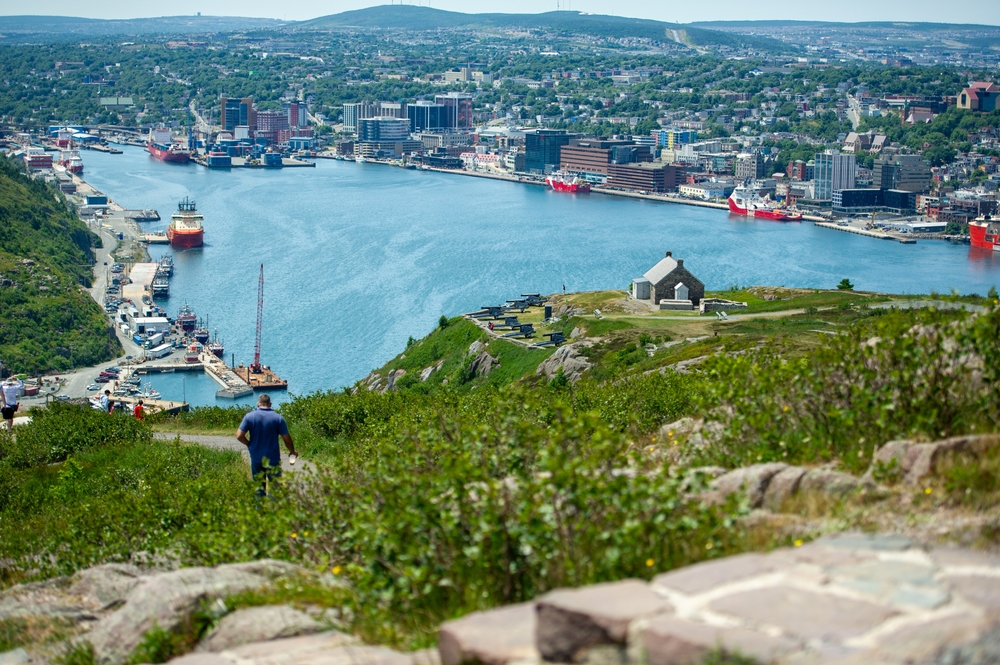
St. John’s has seen gradual EV growth in recent years. Public chargers appear in municipal lots and commercial parking areas. Newfoundland’s electricity comes largely from hydro power. That keeps charging costs relatively low. The city’s modest size means shorter daily driving distances. However, infrastructure remains less dense than in larger provinces. New charging stations continue appearing across the Avalon Peninsula. Local governments promote EV adoption through infrastructure projects. Winter storms and strong winds still affect driving conditions. Yet many residents stay at home overnight. For city driving, EV ownership in St. John’s feels increasingly practical.
Winnipeg, Manitoba
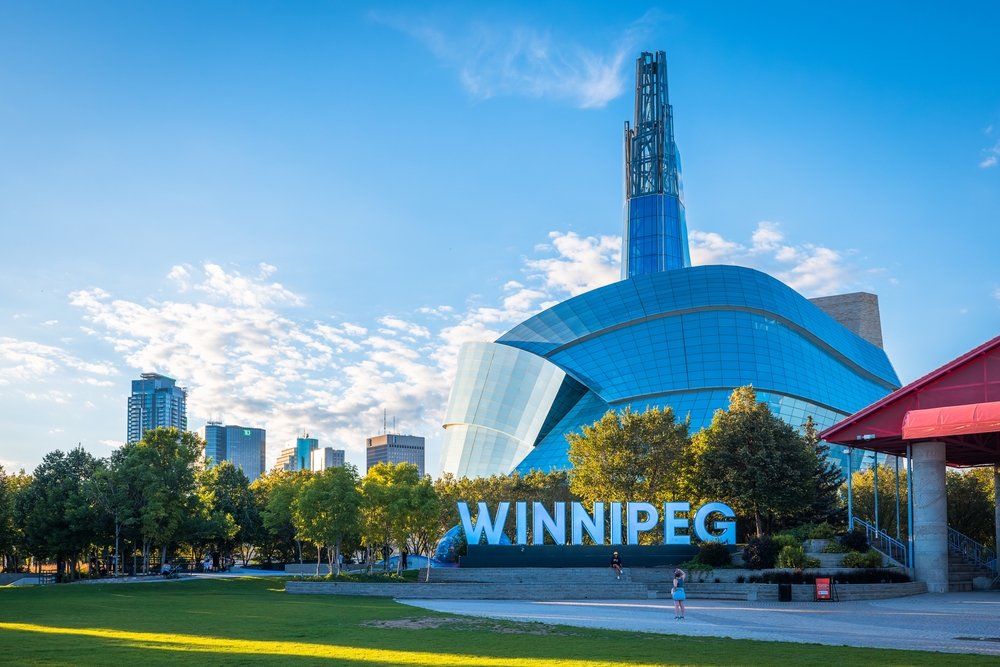
Winnipeg’s EV scene grows steadily despite harsh winters. Public charging stations appear in downtown parking areas and shopping centers. Manitoba Hydro supports EV adoption through infrastructure development. Electricity prices remain relatively affordable compared with gasoline costs. Many residents live in houses with garages for home charging. Winter temperatures can drop far below freezing. That reduces battery range noticeably. Still, daily commuting distances remain manageable for most drivers. Fast chargers appear along major highways leaving the city. Winnipeg owners often adapt with regular charging routines. EV ownership requires planning but remains quite workable.
Kelowna, British Columbia

Kelowna has become one of British Columbia’s EV-friendly interior cities. Charging stations appear across shopping districts and tourist areas. The Okanagan region added fast chargers along Highway 97. That helps drivers travel between cities like Kamloops and Penticton. Mild summers and moderate winters help battery performance. Many homes include garages that support overnight charging. Tourism businesses also install chargers for visitors driving electric vehicles. Provincial rebates encourage EV purchases across the region. Kelowna’s size keeps daily trips short. EV drivers often charge overnight and rarely think about it again.
Places in Canada Where EV Ownership Is Still a Pain
Yellowknife, Northwest Territories
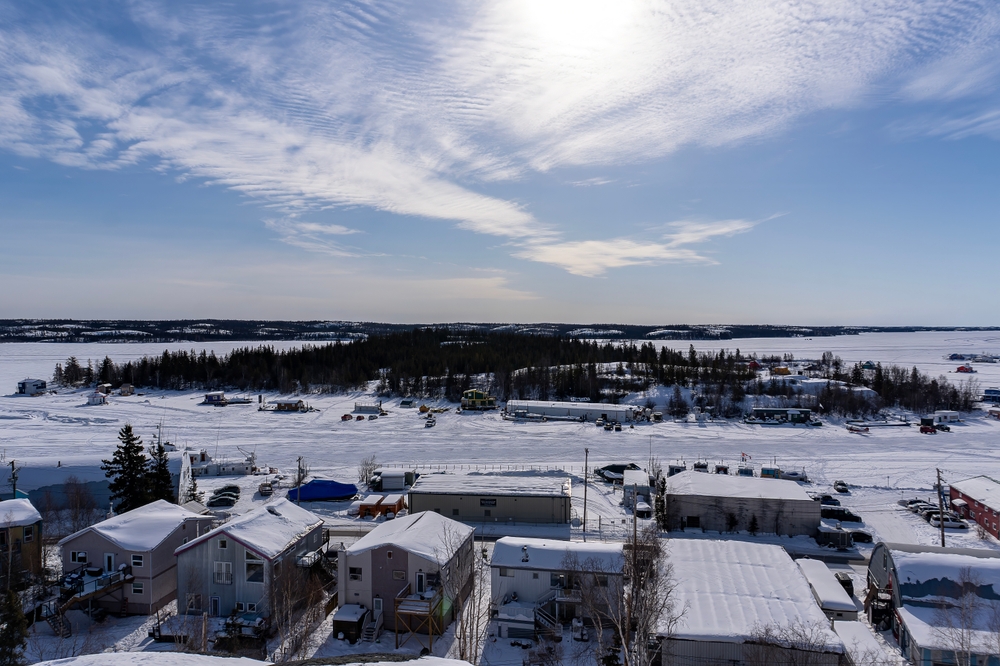
Yellowknife presents several challenges for EV owners. Charging infrastructure remains very limited across the territory. Long distances separate communities and highways. Winter temperatures regularly drop below minus thirty degrees. Cold weather can reduce battery range dramatically. Public chargers remain scarce outside a few municipal locations. Road trips often require gasoline backup vehicles instead. Electricity generation also relies partly on diesel fuel. That reduces some of the environmental advantages of EV use. Many residents prefer traditional trucks for reliability in extreme conditions. EV ownership remains possible in Yellowknife. However, it still demands patience and careful planning.
Whitehorse, Yukon

Whitehorse faces similar challenges for electric vehicle drivers. The city has installed a few public chargers. Still, the overall network remains small compared with southern provinces. Long travel distances between towns create large charging gaps. Winter temperatures frequently reach deep subzero levels. Cold batteries lose range quickly under those conditions. Drivers must plan trips carefully to avoid running low on power. Charging infrastructure continues to grow slowly each year. Government fleets are increasingly adopting electric vehicles. However, private ownership still carries extra complications. EV drivers in Whitehorse often rely heavily on home charging.
Iqaluit, Nunavut
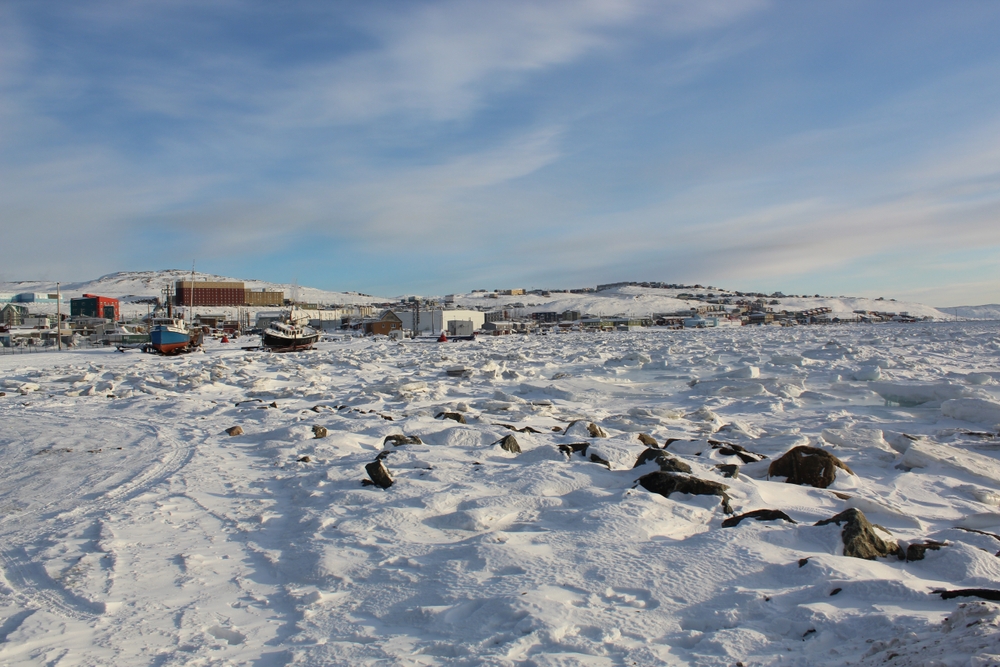
Iqaluit represents one of the toughest places in Canada for EV ownership. The city has extremely limited charging infrastructure. Vehicles and equipment often arrive by ship during the short summer seasons. Electricity generation depends largely on diesel fuel. That raises costs and complicates large charging networks. Harsh Arctic winters also strain battery performance. Temperatures remain well below freezing for long periods. Roads are short and mostly local. That helps daily driving distances stay small. Still, maintaining EV reliability becomes difficult in extreme conditions. Most residents continue relying on gasoline vehicles instead.
Fort McMurray, Alberta
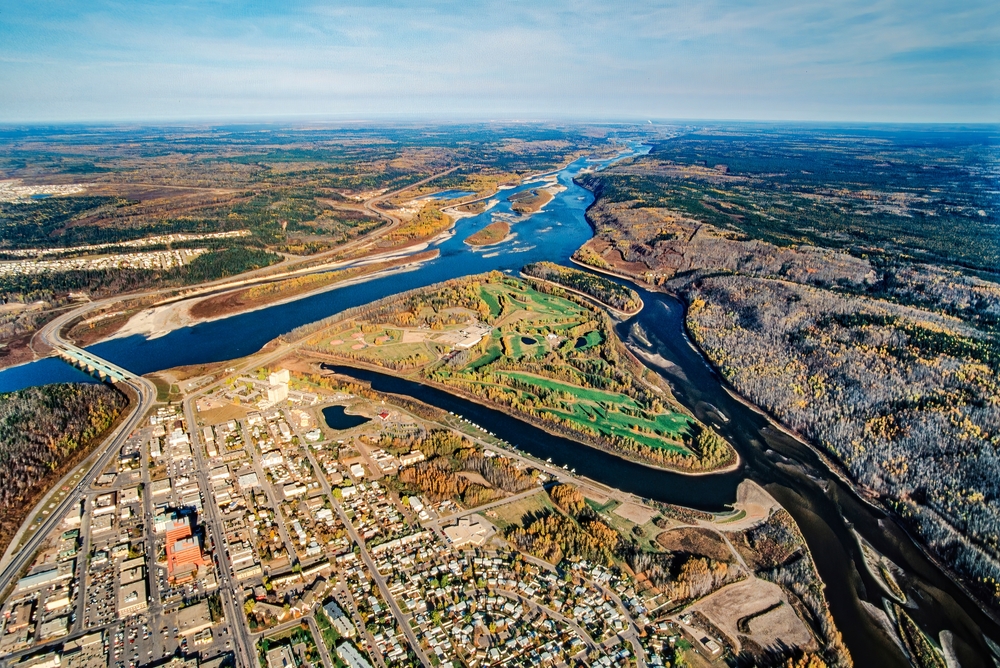
Fort McMurray has fewer charging stations than larger Alberta cities. The region’s economy revolves around the oil and energy industries. Long driving distances remain common for workers commuting to sites. Public chargers remain limited across the broader area. Winter temperatures often drop sharply. Cold weather reduces battery efficiency and charging speed. Highway travel between northern communities also lacks frequent fast chargers. Many residents rely on large trucks suited for rugged conditions. Home charging works for some drivers. However, infrastructure still lags behind urban centers. EV ownership remains possible but often inconvenient.
Thunder Bay, Ontario

Thunder Bay sits far from Ontario’s larger charging networks. Public stations exist, but coverage remains sparse across the region. Long highway stretches separate northern communities. Fast chargers appear infrequently along those routes. Winter conditions also remain harsh for extended periods. Snow and cold temperatures reduce battery performance. Drivers must plan charging stops carefully before long trips. Urban charging within Thunder Bay continues improving slowly. Still, infrastructure remains thinner than in southern Ontario cities. EV ownership works best for short local driving. Longer journeys often require more preparation than expected.
Prince George, British Columbia
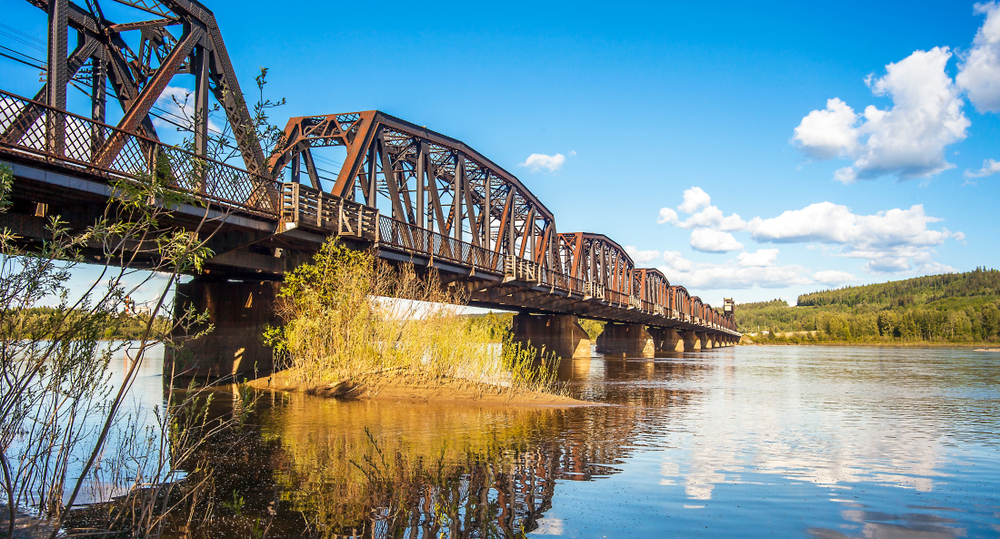
Prince George lies deep in northern British Columbia. Charging infrastructure exists but remains less dense than coastal cities. Long travel distances between towns create range challenges. Highway charging stations appear far apart in some areas. Winters bring cold temperatures that affect battery performance. Drivers sometimes experience slower charging speeds in freezing conditions. Local infrastructure continues expanding through provincial programs. However, coverage still feels patchy outside city limits. Residents who rely on frequent long trips may face difficulties. EV ownership works for city driving. Regional travel still demands extra planning.
Saskatoon, Saskatchewan
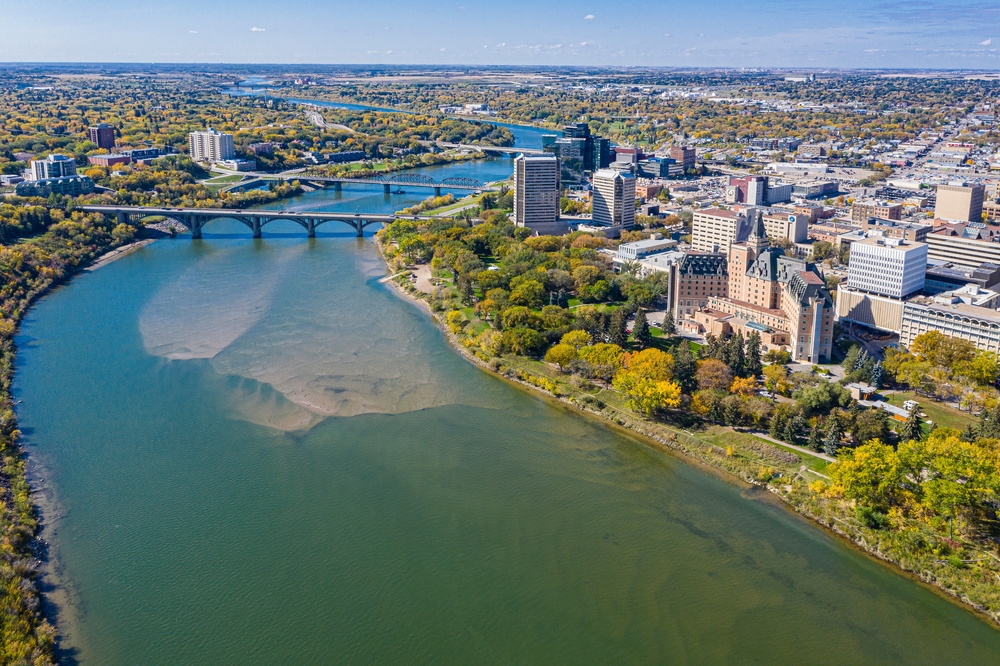
Saskatoon has begun expanding its EV charging network. Yet the city still trails larger Canadian metros. Public chargers appear in select parking areas and shopping centers. Fast charging coverage remains thin across surrounding highways. Saskatchewan winters bring long periods of intense cold. Battery range often drops significantly in those conditions. Many drivers travel longer distances between communities. That increases dependence on reliable charging stops. Infrastructure projects continue across the province. Still, EV ownership requires more planning than in British Columbia or Quebec. Saskatoon drivers sometimes adapt with frequent home charging routines.
Moncton, New Brunswick

Moncton’s EV infrastructure remains modest compared with larger provinces. Public chargers exist but remain limited across the region. Long drives between Atlantic cities can stretch charging availability. Winter temperatures also affect battery range and efficiency. The province continues installing more stations along major highways. However, urban coverage still feels inconsistent in some areas. Many residents rely on home charging whenever possible. Apartment dwellers face fewer options for convenient charging. EV adoption continues to grow slowly across New Brunswick. Moncton drivers often plan trips more carefully than drivers in larger EV markets.