





















Electric vehicles now appear on Canadian roads in growing numbers. Charging networks keep expanding across cities, highways, and small towns. Still, many drivers hesitate because of old myths about EV charging. Some worry about long waits. Others believe cold weather makes charging useless. Social media and outdated headlines often repeat these claims. Real owners report a different daily routine. Charging usually happens at home, overnight, like plugging in a phone. Public chargers also keep improving across Canada. Understanding how charging actually works clears up much of the confusion. Here are 21 EV charging myths Canadians still believe (and what actually happens).
Myth: Charging an EV Always Takes Hours
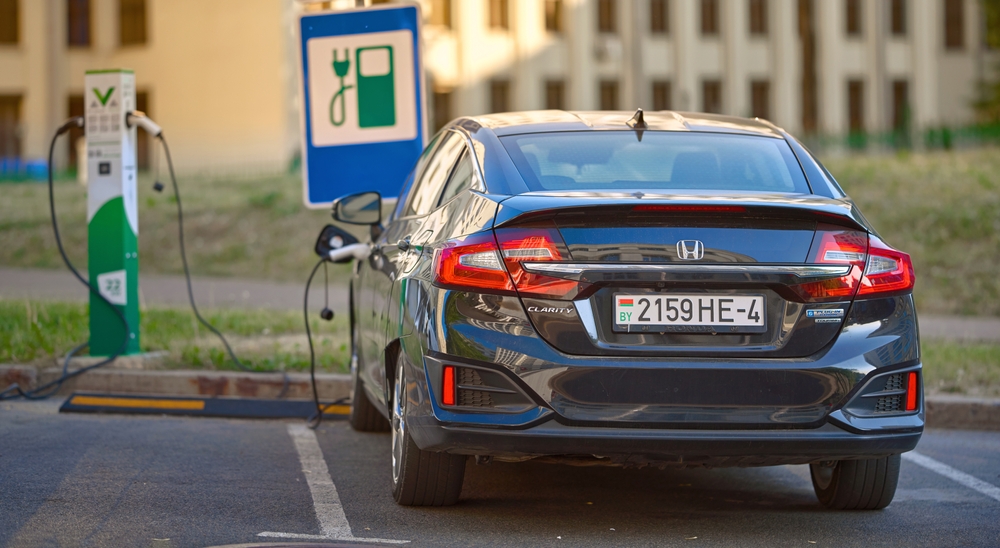
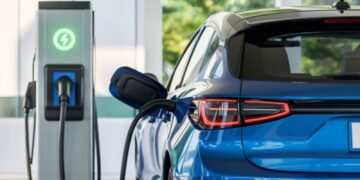
Many people picture sitting at a charger for half a day. Reality looks different. Most Canadian EV owners charge overnight at home. A Level 2 home charger often fills the battery in eight hours. That fits easily into normal sleep schedules. Public fast chargers work much more quickly. Many add hundreds of kilometers in about thirty minutes. Drivers often plug in while shopping or eating. Charging becomes part of normal errands. The car rarely sits waiting for hours. Long waits usually happen only during road trips. Even then, drivers typically stop anyway for food or rest.
Myth: EV Charging Stations Are Rare in Canada
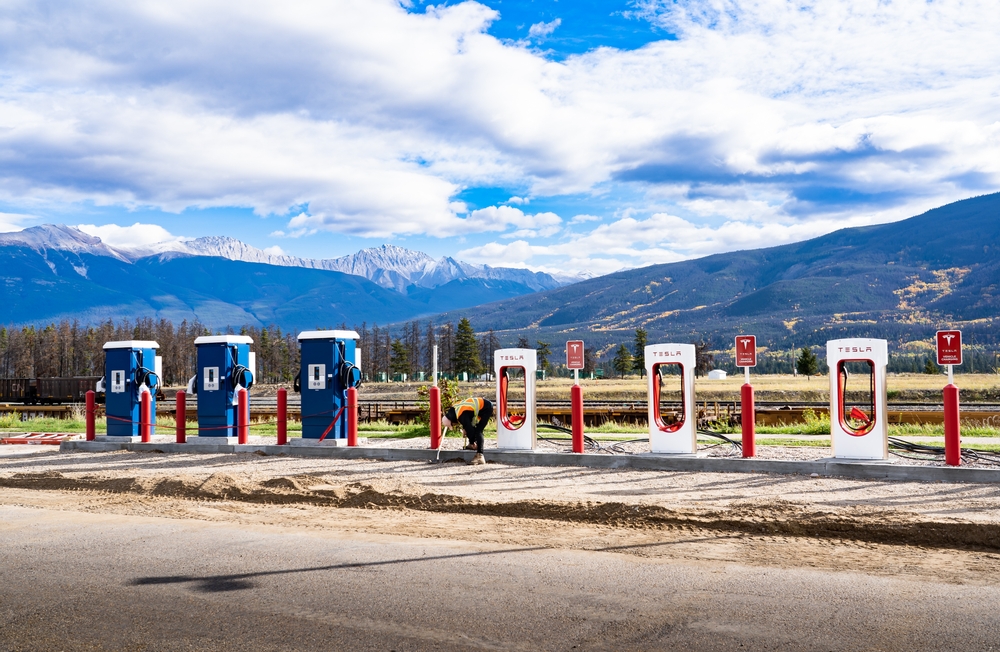
Five years ago, chargers were harder to find. That changed quickly across Canada. Thousands of public chargers now operate nationwide. Networks expand along major highways and city centers. Shopping malls, hotels, grocery stores, and offices install chargers regularly. Federal programs also fund new stations in rural areas. Apps show nearby chargers and real-time availability. Drivers rarely wander blindly looking for power. Many locations offer multiple chargers instead of just one. Home charging still covers most daily needs. Public stations mainly support long trips. The network keeps growing every year as EV ownership rises.
Myth: Charging Costs More Than Gas
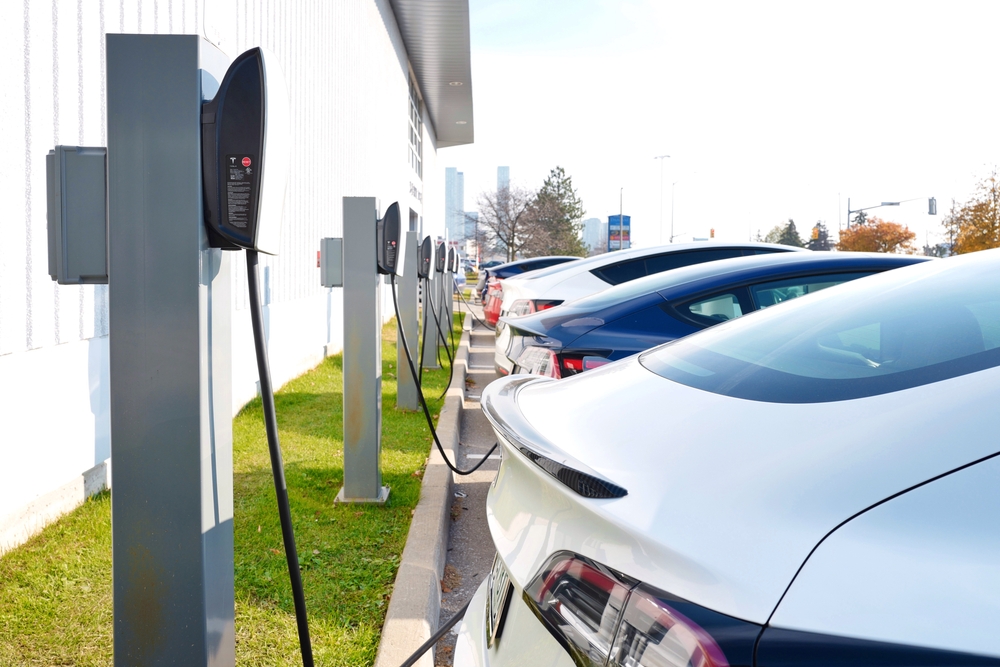
Electricity prices in Canada remain lower than gasoline costs. Home charging is usually the cheapest option. Many provinces offer overnight electricity rates that drop significantly. Charging during off-peak hours saves more money. A typical EV might cost a few dollars to drive 100 kilometers. Gas vehicles often cost several times that amount. Public fast chargers charge higher rates, but still compete with fuel prices. Drivers can also mix home and public charging. Many workplaces offer free or discounted charging for employees. Over time, most EV drivers spend less on energy than gasoline owners.
Myth: You Must Charge Every Day
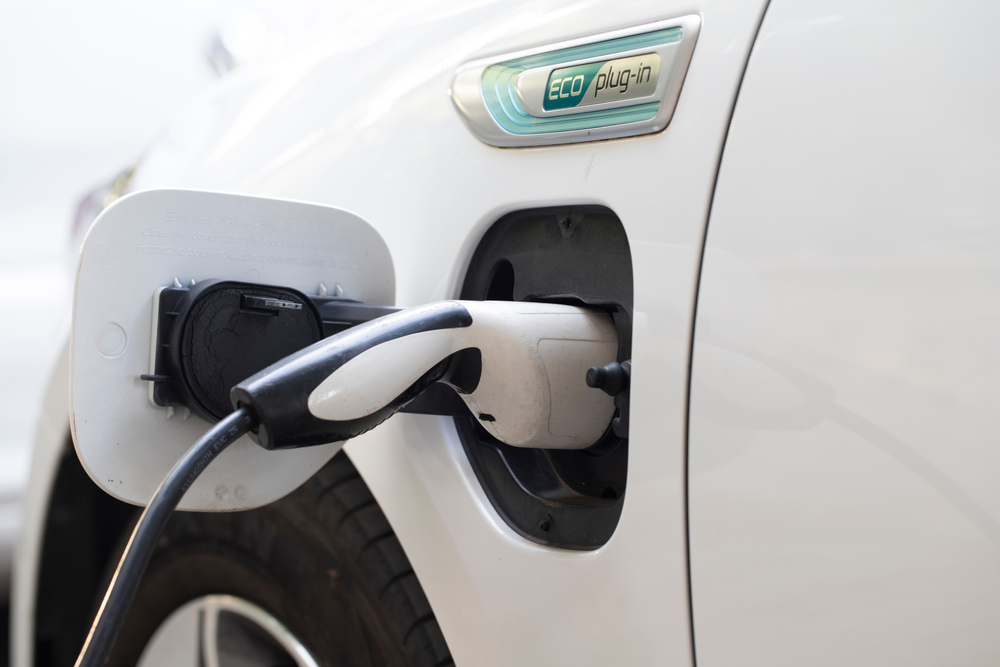
New EV owners often assume daily charging is required. Most drivers do not charge that frequently. Many modern EVs travel 350 to 500 kilometers per charge. The average Canadian commute stays well under 50 kilometers daily. That means one charge can last several days. Some drivers plug in only twice each week. Home charging simply replaces fuel stops. Drivers top up when convenient instead of waiting until empty. Battery systems also manage charging safely. Regular short charges do not cause harm. The car remains ready without constant charging routines.
Myth: EV Charging in Winter Barely Works
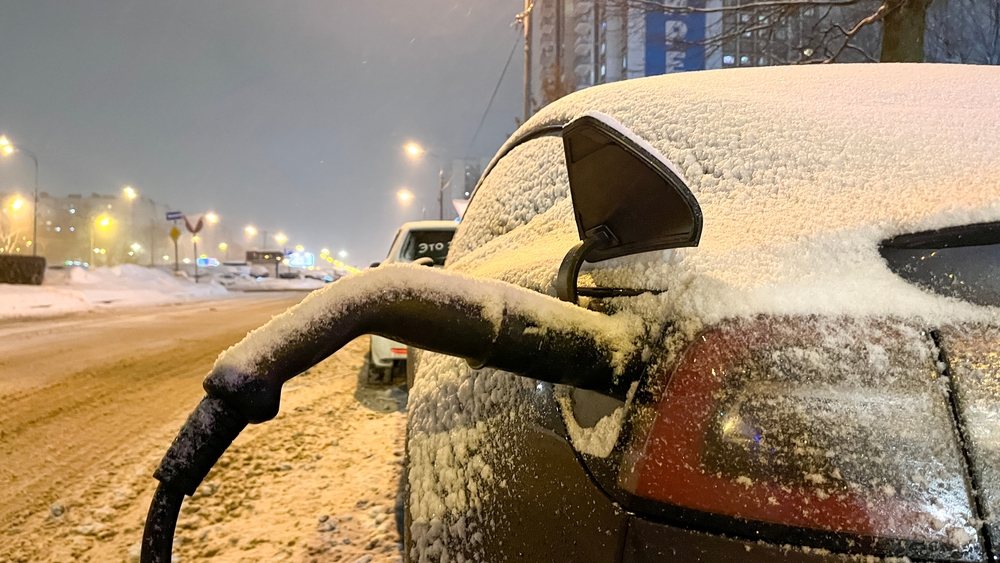
Canadian winters raise questions about EV performance. Cold weather can slow charging speeds slightly. Batteries work best at moderate temperatures. Modern EVs include battery heaters that manage cold conditions. Many vehicles warm the battery before charging begins. Charging stations also operate normally in winter. Drivers may notice slightly longer charging sessions. The difference is usually manageable. Home garages help reduce cold exposure overnight. The range may drop during extreme cold. Charging still functions reliably across Canadian winters. Thousands of EV drivers continue using their cars daily through snow and freezing temperatures.
Myth: Fast Charging Damages EV Batteries
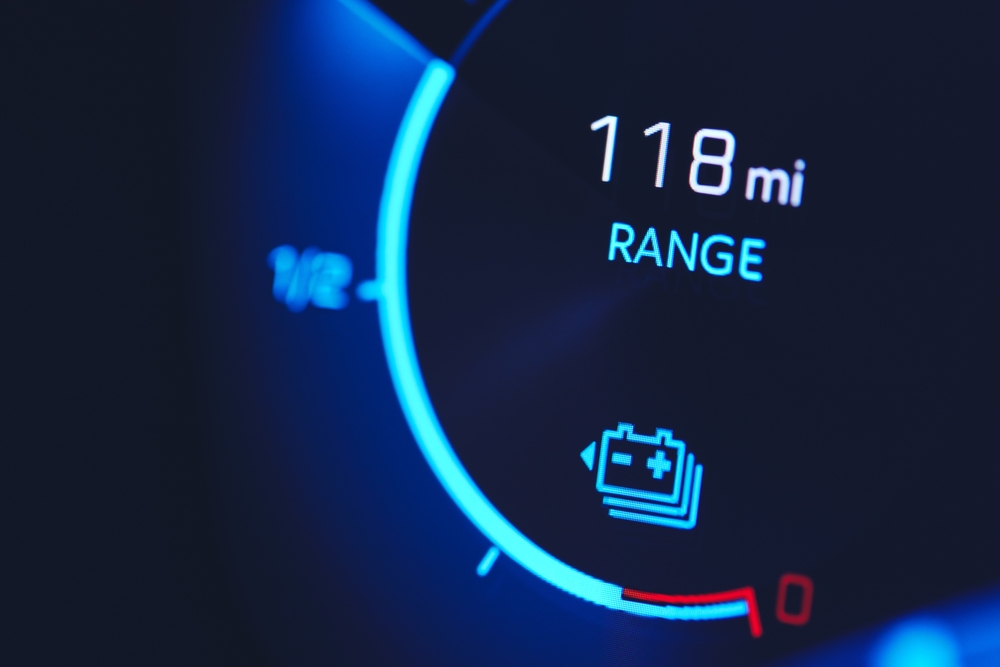
Some drivers fear fast chargers will destroy batteries quickly. Battery management systems control charging speed carefully. Fast charging usually slows automatically as the battery fills. That protects the battery from stress. Occasional fast charging causes little long-term damage. Many drivers use fast chargers during road trips only. Home charging still handles most daily use. Manufacturers design batteries to handle both charging methods. Long-term studies show gradual battery wear over many years. Fast charging alone rarely causes serious degradation. Most EV owners never notice major battery loss during normal ownership.
Myth: Chargers Often Leave Drivers Stranded

Stories about broken chargers circulate widely online. While failures do occur, they are less common now. Charging networks monitor stations remotely. Repairs often happen quickly when issues appear. Apps also report charger status before drivers arrive. Users can check if a station works. Many locations include multiple chargers. If one fails, another may remain available. Road trip planners also suggest backup stations nearby. The experience resembles gas stations closing pumps occasionally. Drivers adapt and move to the next station. Becoming stranded due to charging failures remains uncommon.
Myth: Apartment Residents Cannot Charge EVs
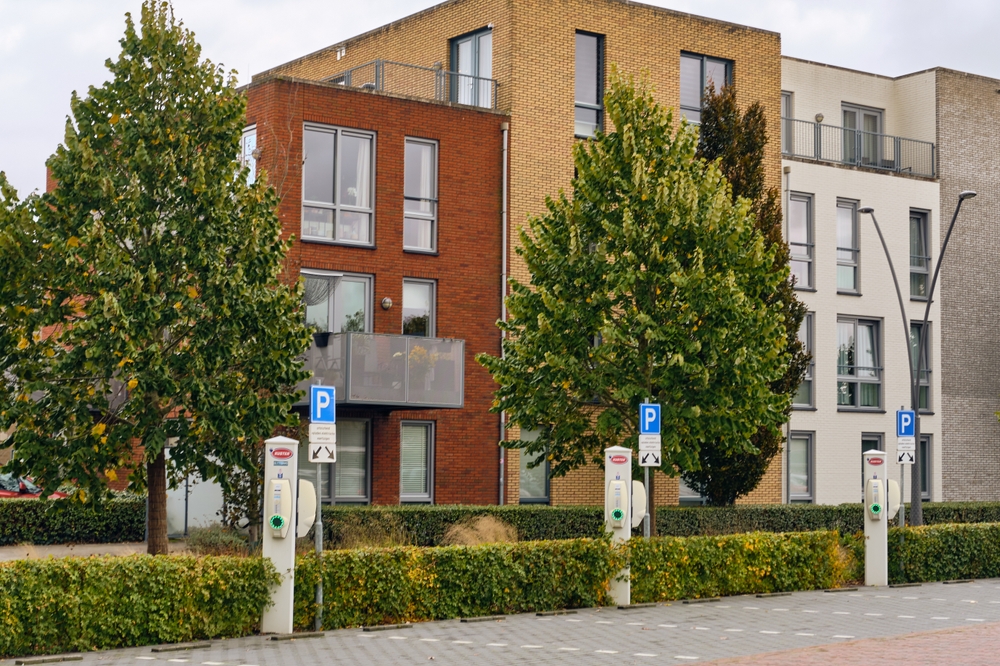
Apartment living once limited EV charging options. Property owners now add chargers to parking garages. Many buildings install shared charging stations for residents. Some cities encourage these upgrades through incentives. Portable chargers can also connect to standard outlets in certain cases. Condo boards increasingly approve charger installations. New apartment buildings often include charging infrastructure during construction. Workplace charging also helps apartment residents. Public chargers near homes fill remaining gaps. Apartment drivers can manage charging with some planning. Access improves each year as EV adoption rises.
Myth: EV Charging Requires Expensive Equipment
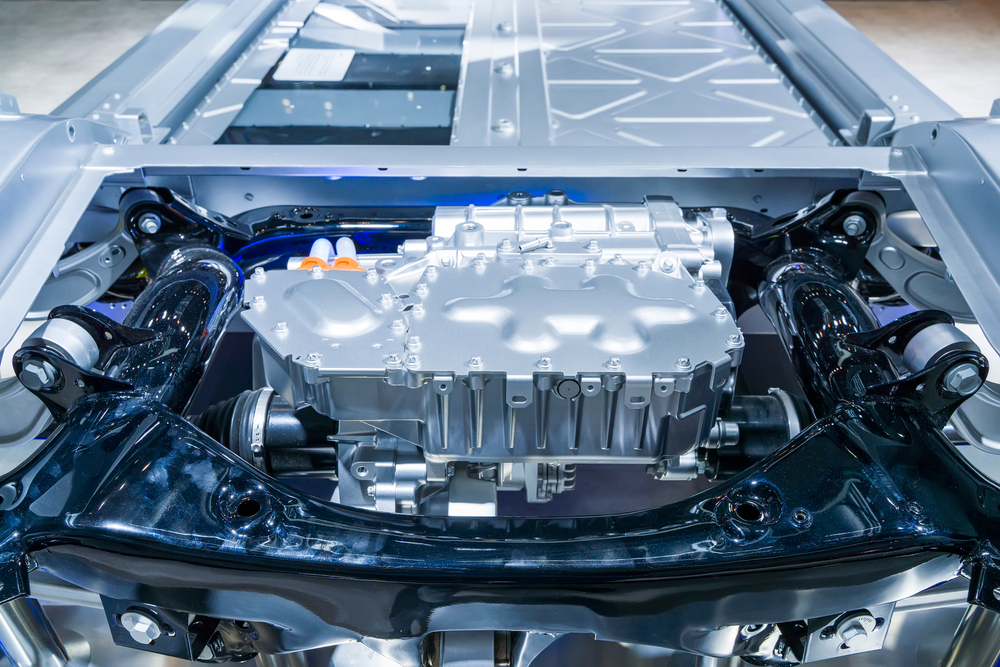
Basic home charging can start with simple equipment. Many EVs include portable charging cables. These plug into standard household outlets. Charging from a regular outlet works slowly but reliably. Many drivers upgrade to Level 2 chargers later. These units cost several hundred dollars plus installation. Government rebates sometimes cover part of that expense. Home charging equipment does not always require complex electrical upgrades. Electricians evaluate existing circuits first. Some homes already support Level 2 chargers easily. The initial cost remains lower than many drivers expect.
Myth: Public Charging Always Has Long Lines
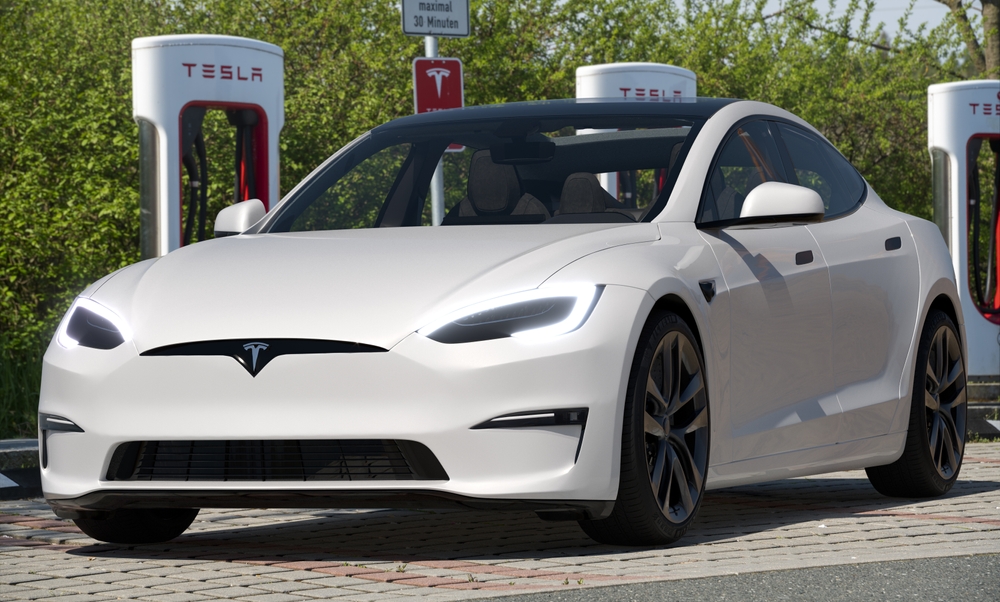
Crowded chargers appear in some busy areas. This situation usually happens during holidays or peak travel times. Most charging stations remain quiet during normal days. Many locations install several chargers instead of one. Drivers also charge at home overnight. That reduces demand during daytime hours. Apps show available stations nearby. Drivers often find alternative chargers quickly. Expansion continues along major routes. More stations reduce waiting times. As networks grow, congestion gradually improves. Long lines still make headlines but remain uncommon for everyday EV use.
Myth: EVs Cannot Charge During Power Outages
Power outages affect many types of energy systems. Gas stations often stop operating without electricity. EV charging also pauses during outages. Some homes now install solar panels and battery systems. These setups can charge EVs independently. Certain EVs also support vehicle-to-home technology. That allows the car battery to power the house temporarily. Charging resumes normally once electricity returns. Outages rarely last long enough to affect most drivers significantly. Drivers usually maintain plenty of range before storms arrive. Charging interruptions typically resolve quickly after power restoration.
Myth: Charging Plugs Are Confusing and Incompatible
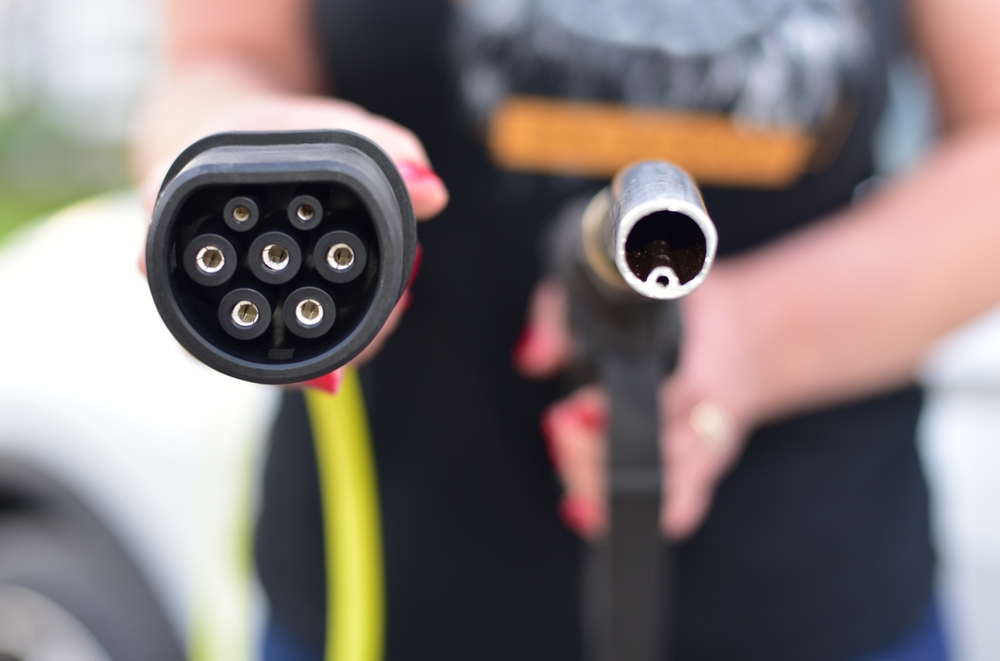
Early EV charging involved several plug types. The situation has become simpler over time. Most public chargers support widely used connectors. New standards are gradually unifying charging networks. Many vehicles can also use adapters when needed. Charging apps display compatible stations clearly. Drivers learn the system quickly after buying an EV. Plugging in becomes routine within weeks. The process usually involves connecting the cable and tapping a payment card. Technology changes continue to improve compatibility. Charging confusion fades quickly once drivers gain real experience.
Myth: EV Charging Is Bad for the Power Grid

Concerns about grid overload appear frequently in discussions. Most EV charging happens overnight when electricity demand drops. Utilities often encourage off-peak charging through lower rates. Smart chargers also manage power flow automatically. They can reduce charging speed during heavy grid demand. Governments study grid capacity carefully as EV adoption grows. Power systems already adapt to large industrial loads daily. EV charging represents a manageable increase. Many regions add renewable energy alongside EV growth. Coordinated planning keeps electricity systems stable as more vehicles electrify.
Myth: You Must Install a Charger Before Buying an EV
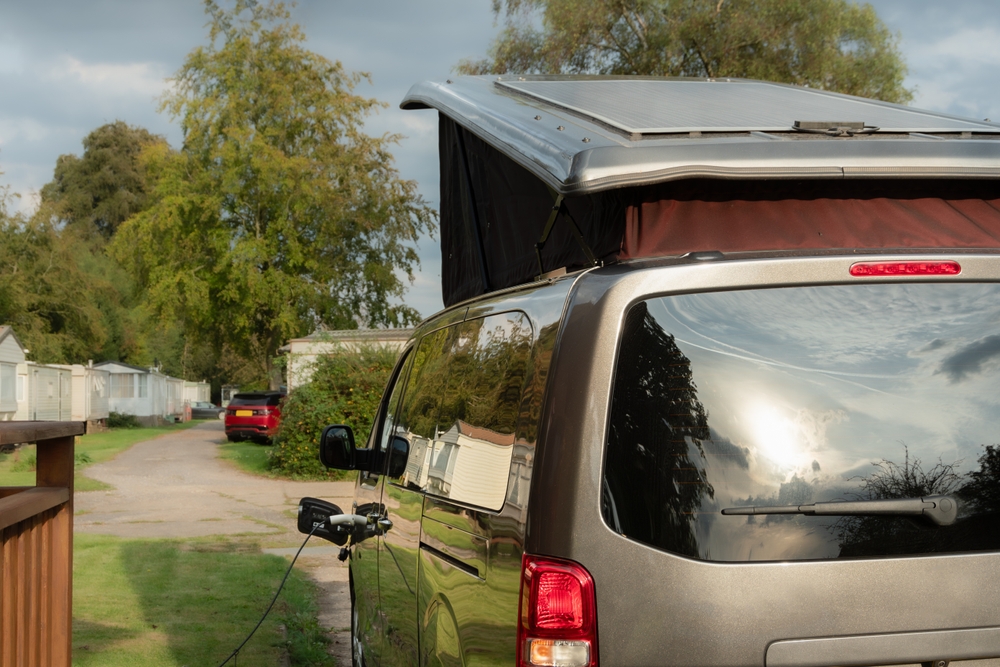
Many drivers think home chargers are a mandatory first step. Some EV owners begin with standard wall outlets instead. That setup works for light driving schedules. Drivers can upgrade later if needed. Public chargers also support daily use for certain commuters. Workplace charging helps many urban drivers. Buying the vehicle first allows drivers to understand real charging habits. Many discover they need less infrastructure than expected. Installing a Level 2 charger later becomes easier once driving patterns become clear. Immediate installation is not always required.
Myth: EV Charging Always Stops at 80 Percent
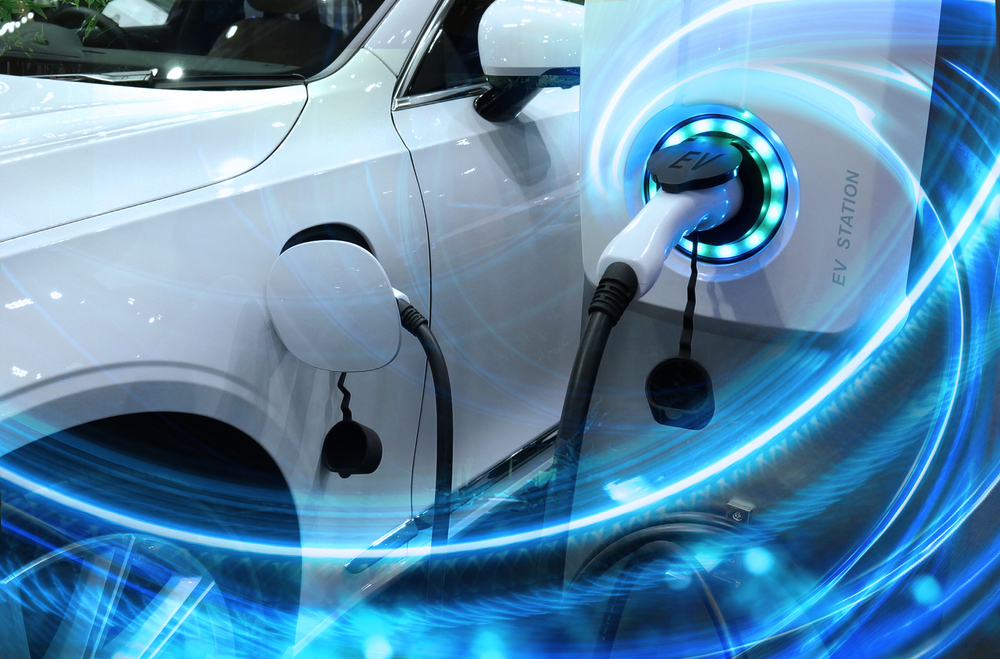
Many fast chargers slow down after reaching 80 percent battery. That behavior protects battery health and reduces waiting times. Drivers can still charge to 100 percent if needed. It simply takes longer. Road trip drivers often stop at 80 percent because it saves time. Home charging easily reaches full capacity overnight. The 80 percent limit usually applies only to fast charging speed. It does not represent a permanent restriction. Drivers control charging levels through vehicle settings. The battery can still reach full range when required.
Myth: EV Charging Is Complicated for Seniors

Charging an EV often proves simpler than people expect. Many vehicles allow automatic charging at home. Drivers plug in and walk away. Payment apps handle billing for public chargers. Some stations accept credit cards directly. Vehicle screens also guide the charging process. Seniors already manage smartphones and online banking regularly. Charging technology follows similar steps. Drivers quickly learn basic routines after a few uses. Many older EV owners report fewer hassles than with gas stations. The process becomes familiar within days of ownership.
Myth: Charging Infrastructure Only Exists in Big Cities
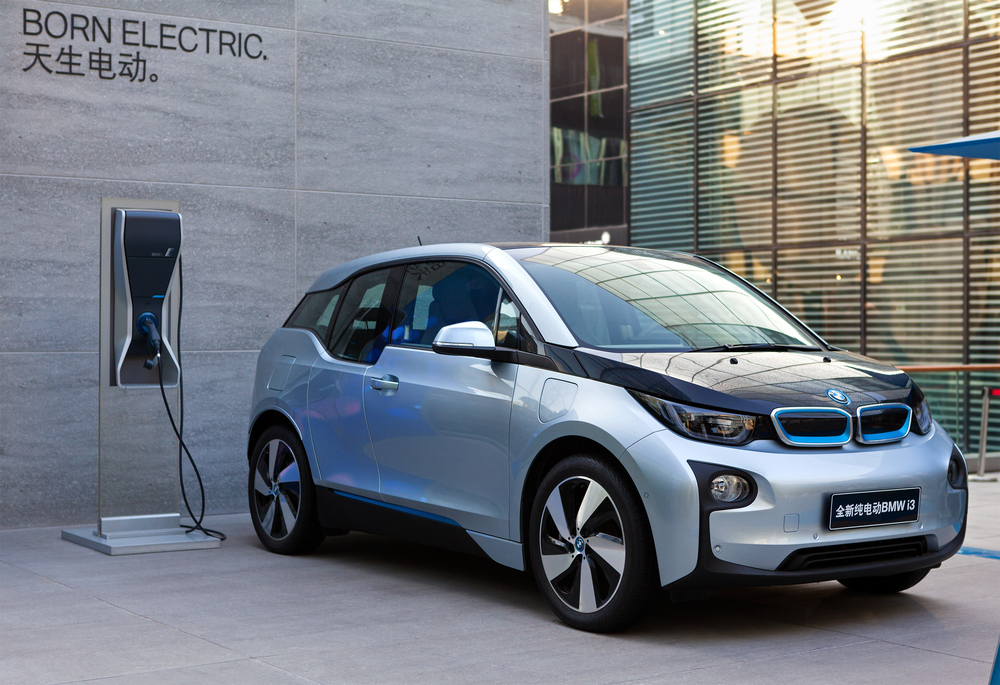
Major Canadian cities built early charging networks first. Expansion now reaches smaller towns and highways. National programs fund rural charging corridors. Popular road trip routes already feature frequent charging stops. Many small communities welcome chargers to attract visitors. Gas stations and restaurants often host them. Tourism regions benefit from EV travelers stopping longer. Charging maps now show thousands of stations nationwide. Rural access continues improving each year. Drivers traveling across provinces now find charging stops more easily than before.
Myth: Charging an EV Always Requires Apps
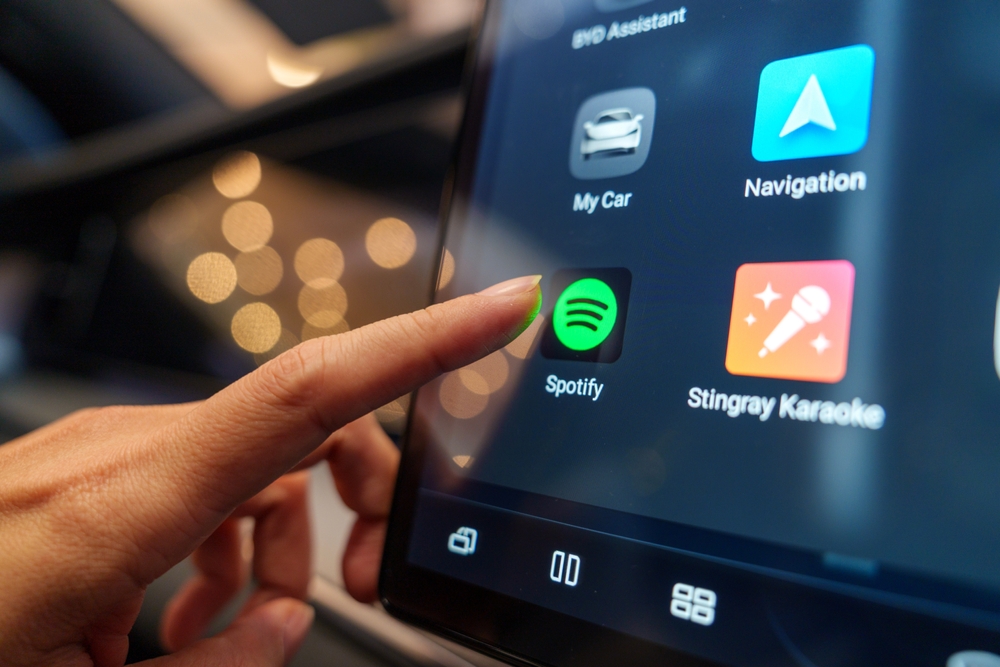
Some charging networks use mobile apps for convenience. Many stations now accept contactless payment cards. Drivers tap their credit card and begin charging. The process resembles paying at a gas pump. Apps remain useful for locating stations or checking availability. They are not always required to start charging. Several networks allow guest charging without accounts. Simpler payment options reduce barriers for new EV drivers. Charging networks are gradually standardizing payment systems. Drivers can often charge without downloading multiple apps.
Myth: EV Charging Makes Long Road Trips Impossible
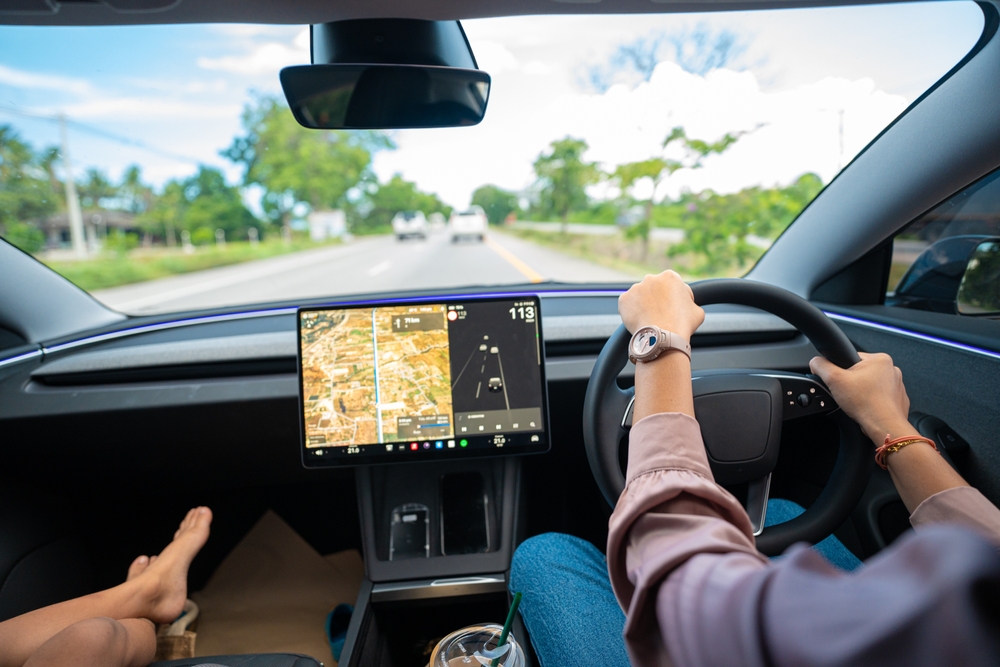
Road trips remain possible with electric vehicles. Planning plays a larger role compared with gasoline cars. Charging stations now cover major Canadian highways. Drivers typically stop every few hours to charge. Those breaks often align with meals or rest stops. Navigation systems suggest charging locations automatically. Many EV drivers report comfortable travel experiences after learning the routine. Travel time may increase slightly on very long trips. For most routes, the difference remains manageable. Charging infrastructure improves every year across Canada.
Myth: EV Charging Always Uses Coal Electricity

Canada produces electricity from several energy sources. Hydroelectric power supplies a large portion of the national electricity. Wind, solar, and nuclear power also contribute significantly. Fossil fuel generation still exists in certain provinces. Even there, EV emissions often remain lower than those of gasoline vehicles. Electricity systems continue shifting toward cleaner sources. Charging an EV becomes cleaner over time automatically. Drivers do not need to change vehicles to benefit. Grid improvements gradually reduce emissions across all electric transportation.
Myth: EV Charging Technology Has Stopped Improving
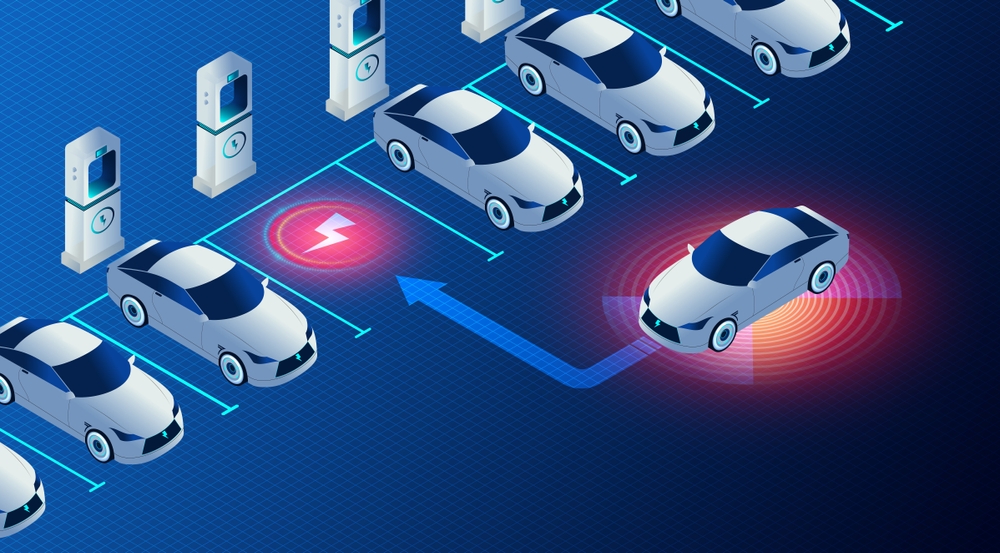
Some drivers assume current charging speeds represent the final stage. Technology continues to develop quickly. New chargers deliver much higher power levels than early models. Future stations aim to charge vehicles faster than today. Battery chemistry also improves charging performance. Automakers update software to optimize charging behavior. Charging infrastructure expands alongside these changes. Governments and companies invest billions into faster networks. Early limitations slowly disappear with each new generation. EV charging continues evolving across Canada.