

























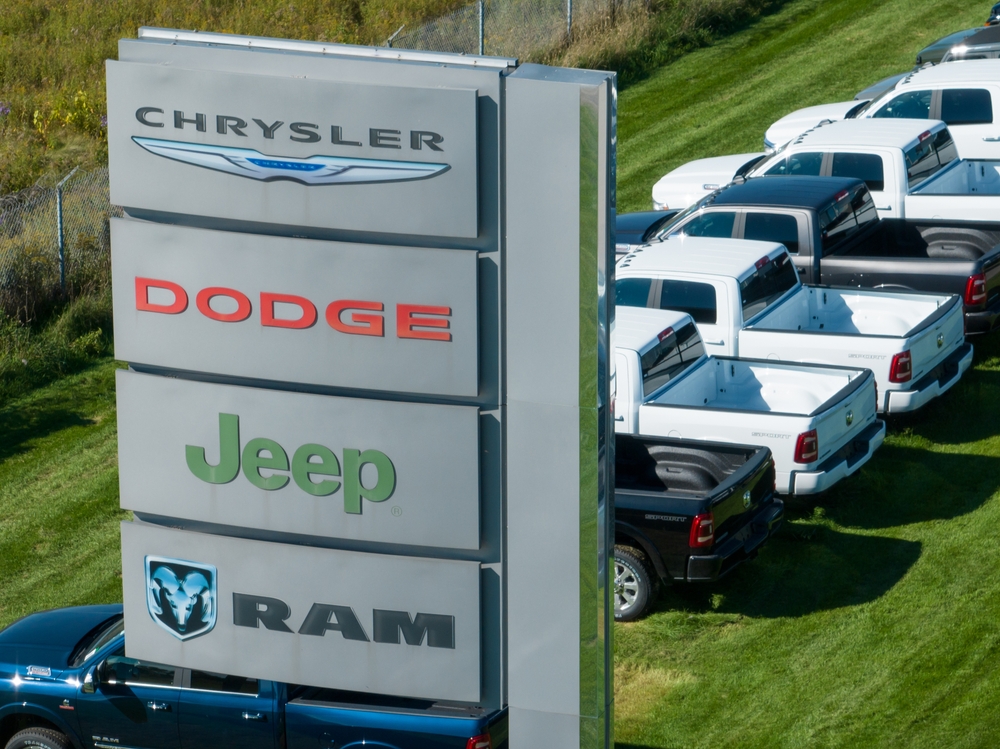
Brand loyalty in Canada’s auto market has always shifted slowly. Recently, though, attitudes are changing faster. Rising repair costs, confusing tech features, and reliability concerns have pushed some drivers to rethink familiar badges. At the same time, newer competitors are gaining attention with simpler designs, strong warranties, and better long-term value. Canadian buyers now read forums, watch reliability rankings, and compare ownership costs more carefully than before. A brand that looked dependable last year can lose ground quickly if problems appear. Here are 13 car brands Canadians trust less than they did a year ago (and what replaced them).
Ford Losing Ground to Toyota
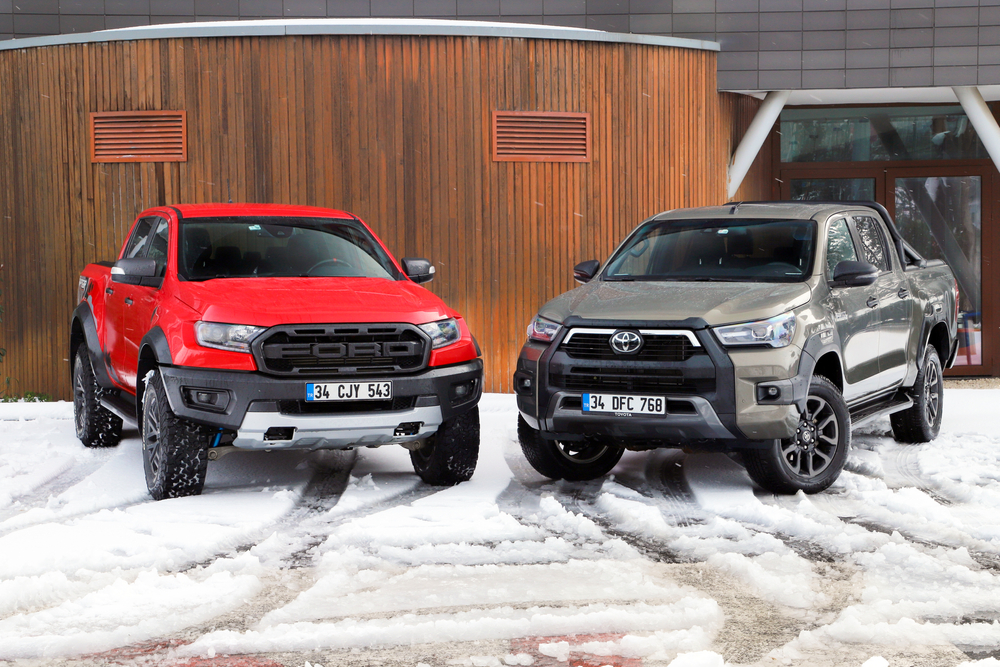
Ford still sells strongly in Canada, especially with trucks. Yet some drivers now question long-term reliability. Complaints often mention software glitches, transmission issues, and rising repair bills. Certain models also require dealership updates to address basic system issues. That experience frustrates owners who expect simple maintenance. Insurance rates for some Ford vehicles also increased after theft trends. At the same time, Toyota continues to gain trust. Buyers appreciate its reputation for durability and predictable upkeep costs. Hybrid models like the RAV4 Hybrid also appeal to Canadians seeking fuel savings. Many drivers who once bought Ford crossovers now compare Toyota first. That shift slowly reshapes brand confidence.
Chevrolet Losing Ground to Hyundai
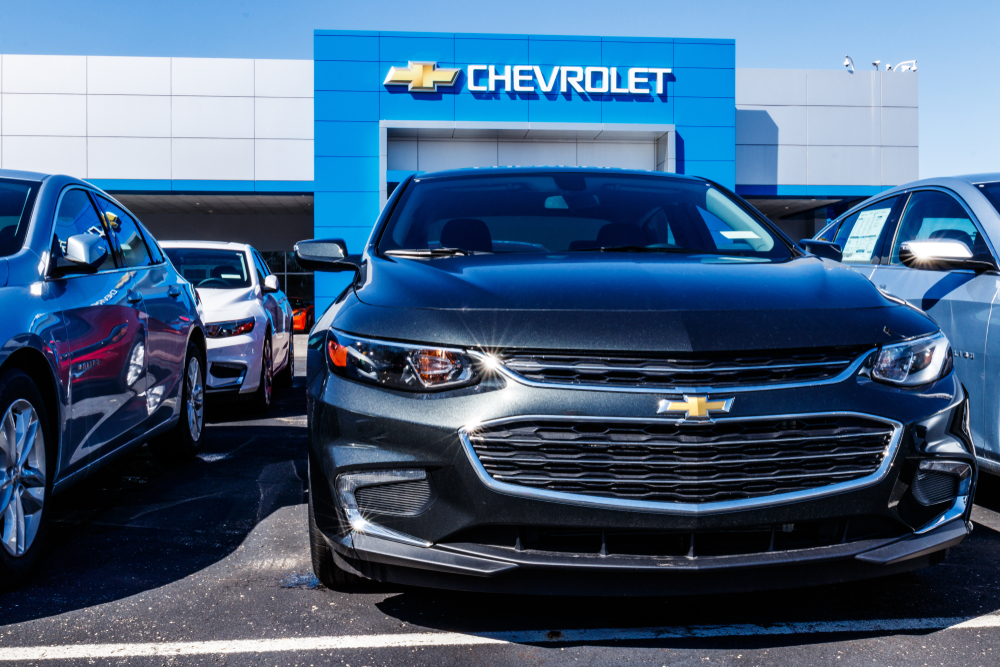
Chevrolet once dominated Canadian family garages. Today, some owners complain about inconsistent reliability across newer models. Electrical problems and infotainment bugs appear in owner forums often. Repair parts for certain vehicles also take longer to arrive. Delays frustrate drivers who rely on their cars daily. Hyundai has benefited from that dissatisfaction. The company improved its build quality and added long warranties. Canadians notice the value offered in models like the Tucson and Elantra. Pricing often undercuts rivals while offering strong technology features. Hyundai also built trust through better fuel economy. Many buyers who previously considered Chevrolet now shortlist Hyundai first.
Jeep Losing Ground to Subaru
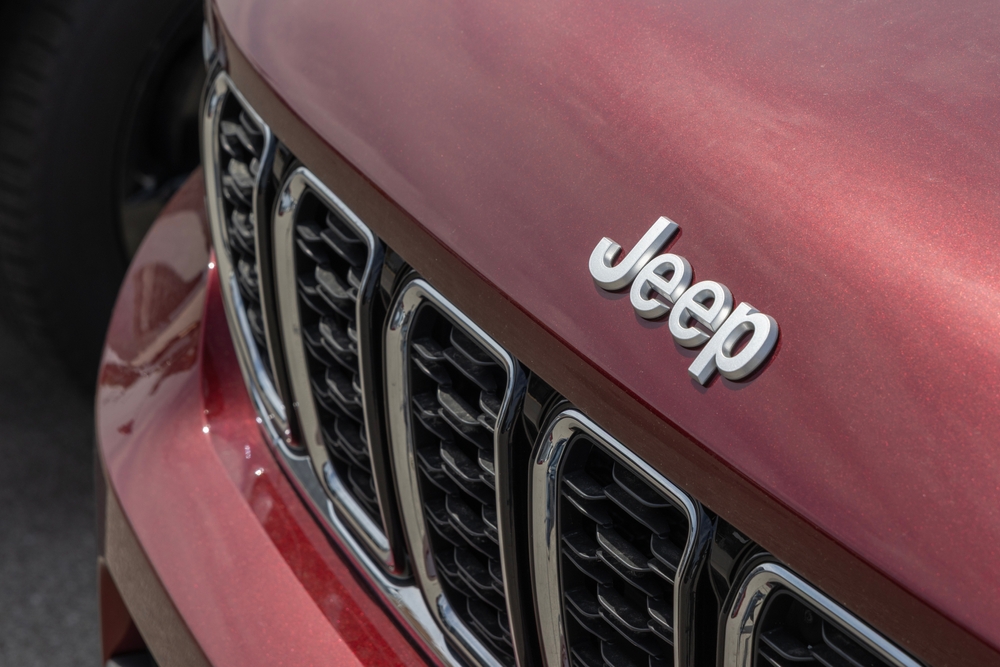
Jeep built its reputation on rugged capability. Yet reliability concerns continue to affect owner confidence. Reports of electrical faults and transmission issues appear frequently online. Some drivers also dislike high fuel consumption in everyday commuting. Repair costs can rise quickly after warranty coverage ends. Subaru has quietly taken advantage of that shift. Canadians value its All-Wheel Drive system and predictable reliability scores. The brand fits Canada’s weather and terrain well. Models like the Forester and Outback appeal to practical buyers. Many former Jeep shoppers now choose Subaru for daily dependability rather than off road image.
Nissan Losing Ground to Honda
Nissan once attracted Canadians with competitive pricing. Recently, however, its reputation suffered from transmission complaints. Earlier continuously variable transmissions caused long-term reliability concerns. Even newer models still face skepticism from cautious buyers. Resale values also dropped slightly in several segments. Honda benefits from that hesitation. Canadians trust Honda for consistent engineering and durable engines. Vehicles like the CR V and Civic remain common across Canadian cities. Owners often keep them for many years with minimal trouble. That reputation spreads through word of mouth. Some drivers who previously bought Nissan sedans now return to Honda instead.
Volkswagen Losing Ground to Mazda
Volkswagen vehicles still attract drivers who enjoy European styling. However, repair costs remain a concern for many Canadian owners. Parts prices and specialized service often raise maintenance expenses. Electronics problems also appear in reliability discussions. That combination weakens confidence over time. Mazda has gained from this shift. The brand focuses on driving feel while keeping maintenance simple. Canadians also like Mazda’s modern interiors and improved reliability ratings. Models like the CX 5 balance style with dependable ownership. Fuel efficiency helps daily commuters as well. Buyers who once wanted Volkswagen character increasingly consider Mazda for a similar design with fewer worries.
Tesla Losing Ground to Hyundai EVs
Tesla once dominated the electric vehicle conversation in Canada. Recently, some drivers question build quality and service access. Owners report long waits for parts and repair appointments. Interior materials and fit issues also appear in reviews. Meanwhile, Hyundai expanded its electric lineup quickly. The Ioniq 5 and Kona Electric earned strong praise from Canadian buyers. Charging compatibility and warranty coverage add confidence. Hyundai dealerships also provide more traditional service support. That familiarity appeals to many drivers. Canadians still admire Tesla technology, yet some now prefer Hyundai for practical ownership and predictable maintenance.
Ram Losing Ground to GMC
Ram trucks gained popularity for comfort and interior quality. Recently, however, reliability reports worry some owners. Electrical problems and transmission concerns appear in long-term surveys. Fuel economy also lags behind newer truck rivals. Fleet buyers and contractors watch those factors carefully. GMC has slowly gained trust in the truck segment. Models like the Sierra offer durable powertrains and strong towing capability. Owners often report fewer unexpected issues over time. Interior quality improved significantly in newer models as well. Canadian truck buyers now compare GMC more seriously before choosing Ram.
BMW Losing Ground to Lexus
Luxury buyers in Canada often admired BMW for its driving performance. However, maintenance costs remain a major concern. Parts prices and specialized labor add up quickly after warranties expire. Reliability rankings also show mixed results for certain models. That uncertainty pushes some luxury buyers elsewhere. Lexus benefits from that hesitation. The brand combines luxury comfort with Toyota reliability standards. Canadians appreciate lower repair risk over long ownership periods. Hybrid options also deliver strong fuel efficiency. Many drivers who once leased BMWs now purchase Lexuses instead. The shift reflects a growing focus on dependable luxury rather than performance image.
Mercedes-Benz Losing Ground to Genesis

Mercedes-Benz still represents prestige for many Canadians. Yet recent models include complex technology that can cause expensive repairs. Owners sometimes face high service bills once warranties end. Reliability surveys also show uneven results across the lineup. Genesis has taken advantage of that gap. The brand offers luxury design with generous warranty coverage. Canadian buyers also appreciate strong dealership service ratings. Vehicles like the GV70 and G80 gained attention quickly. Pricing often undercuts traditional luxury competitors. Drivers who once aspired to Mercedes now explore Genesis as a practical alternative.
Dodge Losing Ground to Kia
Dodge built its identity around muscle cars and bold styling. However, everyday practicality matters more for many Canadian families. Fuel economy remains a weakness in several Dodge vehicles. Reliability scores also lag behind many competitors. Insurance costs can rise for performance-oriented models. Kia now attracts buyers seeking value and dependability. The brand improved dramatically over the past decade. Canadians notice strong warranties and modern designs. SUVs like the Sportage and Sorento meet family needs well. Many drivers who once bought Dodge crossovers now consider Kia for lower ownership costs.
Mini Losing Ground to Toyota
Mini vehicles still attract drivers who enjoy quirky design and fun handling. However, maintenance costs can surprise new owners. Specialized parts and service visits raise long-term expenses. Reliability ratings also fluctuate across model years. That unpredictability affects trust. Toyota continues gaining buyers who prefer simplicity and durability. Even smaller models like the Corolla Cross offer practicality and efficiency. Canadian drivers value vehicles that start every morning without surprises. Toyota’s reputation spreads through long-term ownership stories. Some drivers who once chose Mini for style now prioritize Toyota reliability instead.
Jaguar Losing Ground to Volvo
Jaguar once symbolized British luxury and performance. Recently, reliability concerns and dealership availability affected confidence. Repair costs also remain high compared with rivals. Owners sometimes face long waits for specialized parts. Volvo quietly attracts buyers seeking premium comfort without drama. The brand emphasizes safety and practical Scandinavian design. Canadians appreciate strong crash safety ratings and advanced driver assistance features. Plug-in hybrid options also attract environmentally conscious buyers. Volvo vehicles feel refined yet dependable. Drivers who once considered Jaguar increasingly view Volvo as the safer luxury choice.
Chrysler Losing Ground to Kia
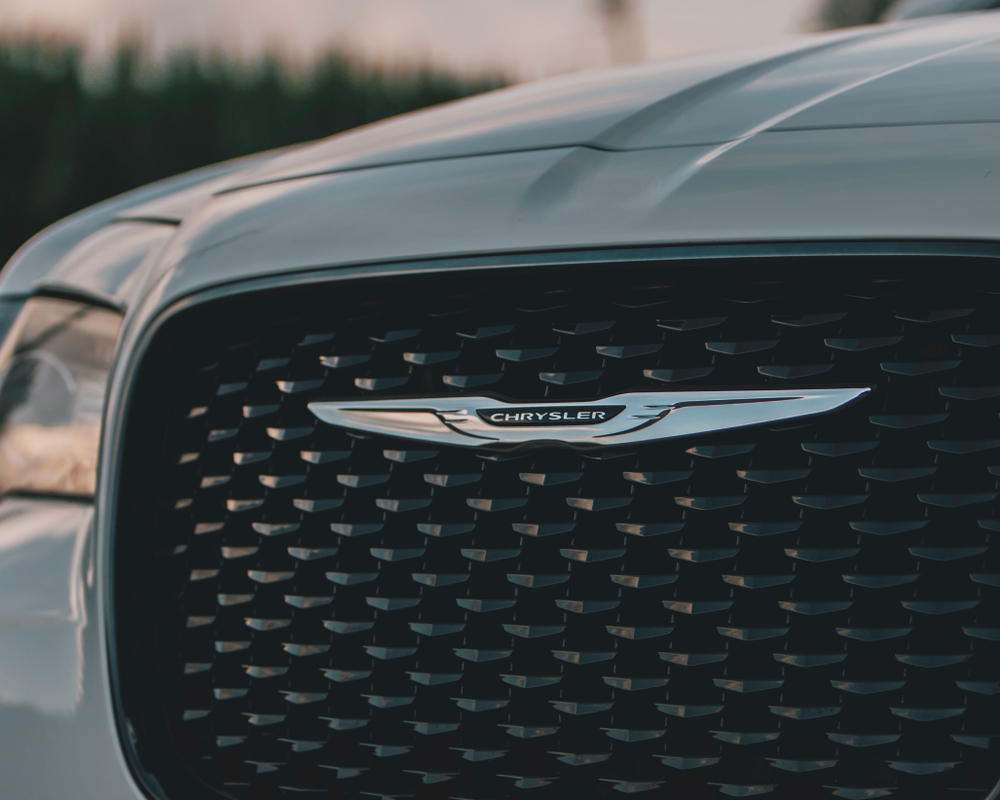
Chrysler once held strong recognition in Canadian family vehicles. Today, the lineup remains small and aging. Limited model variety reduces excitement among buyers. Reliability discussions around older models also affect perception. Some Canadians feel the brand lacks fresh direction. Kia has stepped into that space with modern design and competitive pricing. Its minivan, the Carnival, gained strong praise for comfort and features. Warranty coverage adds peace of mind for families. Canadian drivers looking for practical vehicles now compare Kia before Chrysler. The shift reflects changing expectations around value and reliability.