























Canadian drivers have warmed to leasing electric vehicles. Monthly payments feel easier than large purchase prices. Automakers also push leases to keep customers upgrading every few years. That system works when prices, residual values, and supply stay predictable. But a new factor is quietly forming in the background. Chinese electric vehicle makers build cars far cheaper than most global rivals. If those vehicles reach Canada in larger numbers, leasing math could shift quickly. Here is the quiet reason Chinese EVs could upend Canadian leasing deals in 2026.
Lower Manufacturing Costs Could Reshape Lease Pricing

Chinese EV companies build vehicles with far lower manufacturing costs. Battery supply chains sit close to factories, which reduces logistics expenses. Many Chinese automakers also design components in-house. That cuts supplier margins and lowers vehicle prices. When cheaper EVs reach global markets, pricing pressure spreads quickly. Canadian leasing models depend heavily on vehicle pricing benchmarks. If Chinese models enter below competitors, the lease calculations change immediately. Residual values, incentives, and monthly payments adjust across the market. Even drivers leasing non-Chinese brands could feel the shift. Dealers must respond to new price anchors. Leasing companies often revise forecasts when cheaper alternatives appear nearby.
Residual Value Predictions Could Become Harder

Leasing depends heavily on predicted resale value. Lenders estimate a vehicle’s value after three or four years. That value determines the monthly lease payment. Chinese EVs introduce uncertainty to those predictions. If cheaper models arrive later, used EV prices could fall faster. A vehicle worth twenty-five thousand dollars today might resell for far less later. Lenders hate unpredictable resale markets. When risk increases, leasing companies protect themselves with higher payments. Some models may receive shorter lease terms. Others could lose attractive deals entirely. Residual value volatility often spreads across brands, not just the vehicles causing it.
Battery Price Drops Could Pressure Existing EV Leases
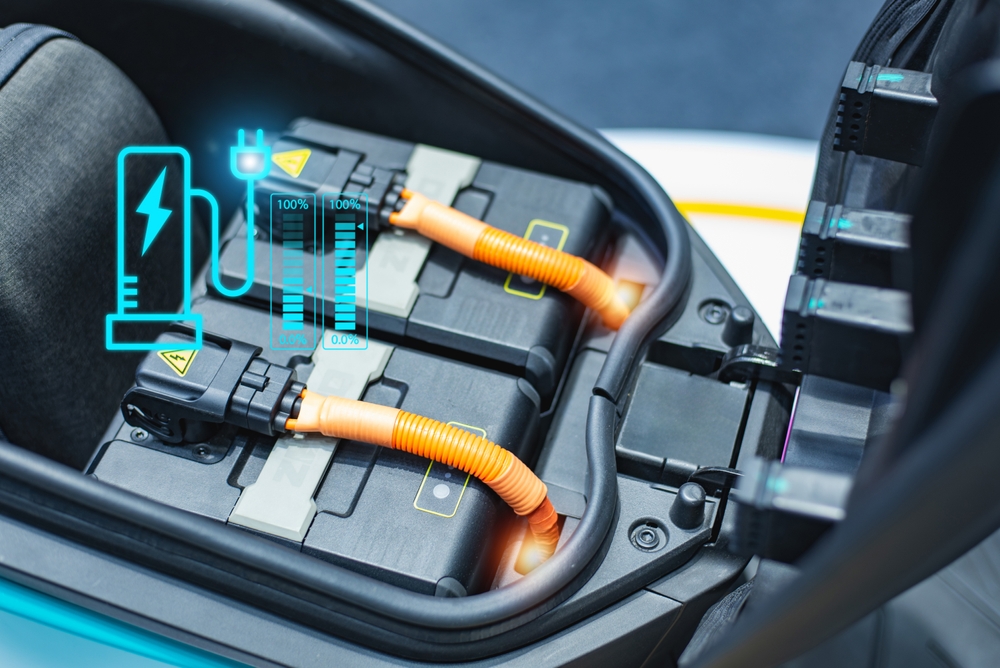
Battery costs drive a large share of EV prices. Chinese manufacturers lead global battery production and supply chains. As production scales, battery prices keep dropping. That trend makes newer EVs cheaper each year. Drivers leasing today might return vehicles worth less than expected. New models could offer longer range and lower prices simultaneously. Leasing companies watch technology improvements closely. Rapid price declines weaken older vehicles in the used market. When resale values slip, lenders adjust lease terms quickly. Monthly payments often rise to offset that risk. Customers may notice smaller incentives or higher down payments. Technology progress sometimes works against lease stability.
Aggressive Export Strategies Could Flood Global Markets

Chinese automakers increasingly target export markets. Europe already sees strong growth from brands like BYD and MG. Canada may follow similar patterns if trade rules allow expansion. Large export volumes can move quickly once distribution networks form. That sudden supply shift affects pricing across the market. Dealers competing with cheaper imports must adjust discounts and incentives. Leasing programs often rely on a stable vehicle supply and demand balance. When supply grows sharply, resale forecasts become harder. Used vehicle prices often drop when inventory increases. Lenders track those signals closely. If supply rises too quickly, lease structures may tighten across many brands.
Government Policies Could Change Leasing Economics

Canadian EV incentives shape the leasing market heavily. Federal and provincial rebates reduce monthly lease payments significantly. Government policy may react if Chinese EV imports expand quickly. Tariffs, eligibility rules, or incentive limits could appear. Leasing companies dislike policy shifts during multi-year contracts. A rebate today may not exist when a lease ends. That uncertainty affects financial calculations. Some lenders raise payments to protect against policy changes. Others reduce available models for promotional leases. Drivers often overlook how political decisions affect vehicle financing. Government policy changes sometimes alter leasing markets faster than consumer demand does.
Dealer Networks Could Adjust Their Leasing Strategy

Dealers rely on leasing to move large EV inventories. Monthly payments help sell expensive vehicles to cautious buyers. Chinese EV competition may push dealers to rethink this approach. Some brands could reduce lease promotions to protect resale values. Others might push financing instead of leasing. Dealers also monitor used vehicle demand closely. If EV resale prices weaken, lease returns become harder to sell. That risk changes dealership strategy quickly. Inventory planning becomes more cautious. Promotional offers may appear less often. Drivers might see fewer zero-down leases. Retail financing deals could replace aggressive leasing campaigns in many showrooms.
Used EV Markets Could Become Unpredictable
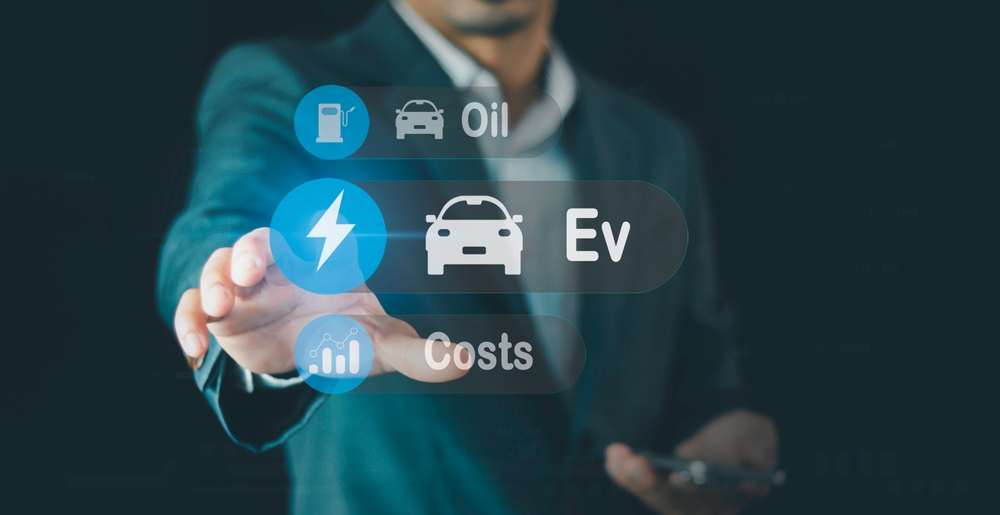
The EV market is still developing in Canada. Leasing relies on predictable resale demand after vehicles return. Chinese EV expansion could disrupt that balance. Lower-priced new cars often push down used vehicle prices. Buyers prefer new models if the price gap shrinks. Lease returns could pile up at dealerships with slower demand. When used vehicles sell slowly, lenders lose money. Leasing companies respond by tightening contract terms. Residual values may drop across multiple brands. Monthly payments then rise for new leases. The used market acts like a pressure gauge for leasing risk. Sudden changes ripple through the entire system.
Faster Technology Cycles Could Shorten Lease Lifespans

Electric vehicles evolve quickly compared with traditional cars. Battery density, charging speed, and software change each year. Chinese manufacturers release updates rapidly across their lineups. Faster innovation cycles can age existing vehicles quickly. Drivers returning leased EVs may compare them with much newer technology. That difference affects resale demand strongly. Vehicles with shorter range lose value faster. Leasing companies track these technology gaps closely. Rapid upgrades can shorten the useful leasing window. Some lenders might favor shorter contracts. Three-year leases may replace four-year options. Faster product cycles introduce another layer of uncertainty into EV leasing forecasts.
Financing Arms May Rethink EV Lease Risk

Most automakers run their own financing divisions. These companies handle leases, loans, and incentive programs. They calculate risk using resale data and market forecasts. Chinese EV expansion complicates those forecasts. Lower-priced competitors affect long-term resale predictions. Financing arms may respond by tightening approval standards. Down payments could increase for certain models. Some vehicles may lose promotional lease rates entirely. Automakers prefer stability in their financial products. When markets shift quickly, lenders protect themselves first. Customers then see the impact in monthly payments. Changes often appear slowly at first, then spread across many models.
Consumers Could See More Lease Variability
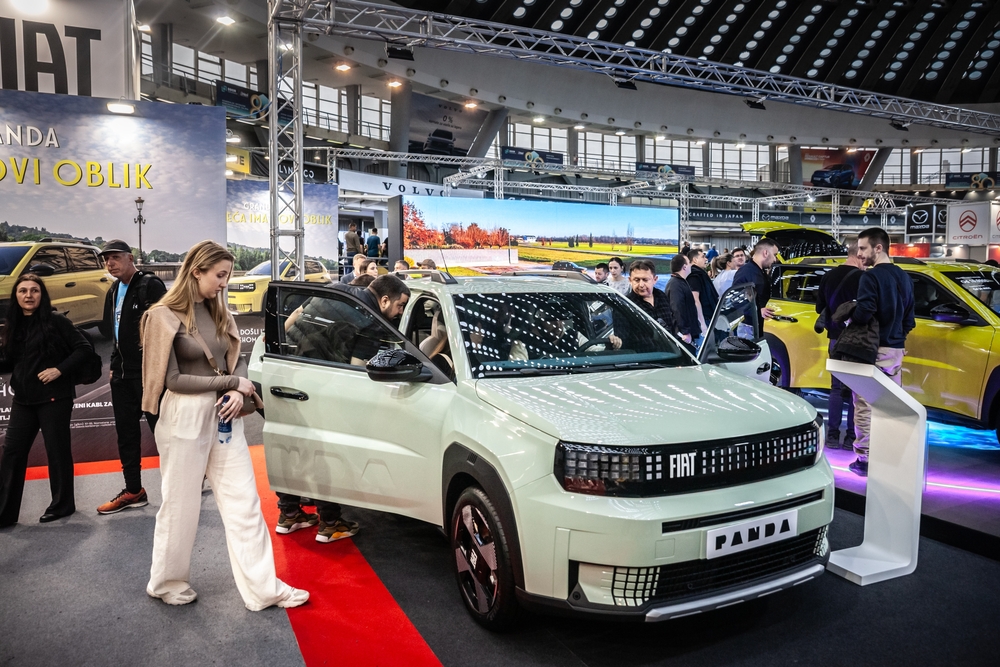
Canadian drivers often expect similar lease deals across competing EV brands. Chinese EV growth could change that pattern. Some vehicles may keep strong lease incentives. Others could lose them if resale values weaken. Monthly payments might vary widely between similar vehicles. Drivers may need to compare deals more carefully. Leasing companies will react differently depending on risk tolerance. Some lenders move quickly when markets shift. Others wait longer before adjusting contracts. That creates uneven pricing across dealerships. Consumers could face a more complex leasing environment. Understanding residual values and incentives may become more important for future EV shoppers.