

























Canada’s electric vehicle rules are changing faster than most people expected. Federal targets are pushing for a higher percentage of zero-emission vehicle sales by 2035. Provinces are adjusting rebates, fees, and long-term plans. Automakers are shifting production toward electric models. That leaves some gasoline vehicles in an awkward spot. They may still drive well today, but future resale values, fuel costs, and policy shifts could hurt buyers. If you are shopping for a new car, timing suddenly matters more than ever. Here are 16 gas cars that might be “Bad Buys” now that Canada’s EV rules are shifting.
Full-Size Gas Pickup Trucks
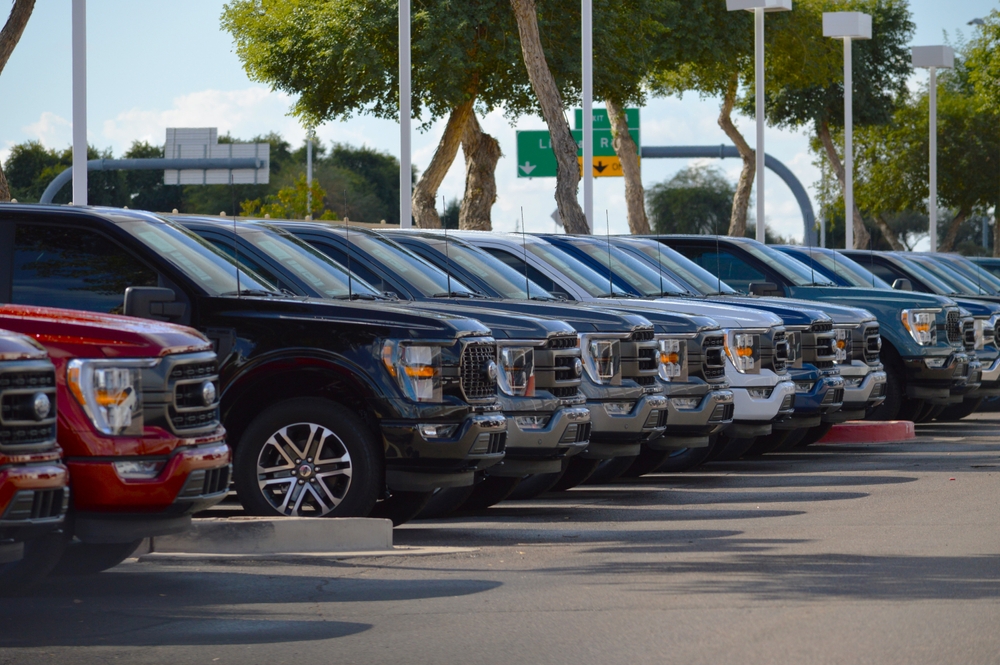
Full-size gasoline pickups still dominate Canadian roads. Models like the Ford F-150 and Chevrolet Silverado remain strong sellers. However, fuel costs remain high, and carbon pricing policies could push operating costs higher. Electric alternatives are arriving with strong towing claims and lower running expenses. Insurance rates may also shift as governments reward lower-emission vehicles. Resale values could soften if fleets move to electric vehicles faster than expected. Buyers who drive mostly in cities may not use the truck’s full capability. A large gas pickup now carries more long-term risk than it did five years ago.
Large Gasoline SUVs
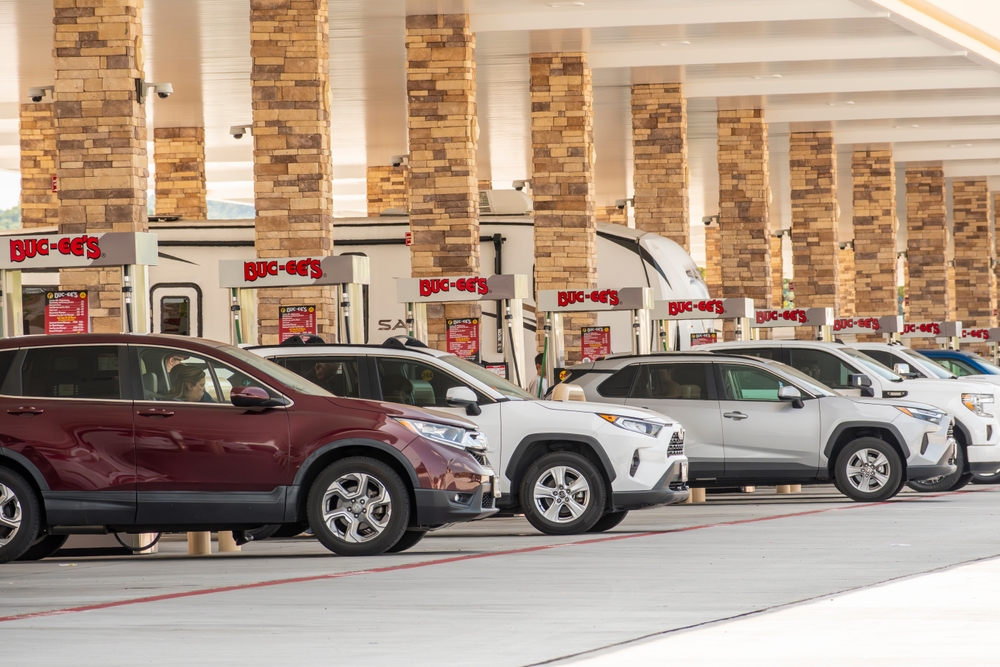
Large SUVs such as the Chevrolet Tahoe and Ford Expedition offer space and towing strength. They also burn a lot of fuel. As EV charging networks expand, families may reconsider paying for regular fill-ups. Federal zero-emission targets could tighten the supply of new gas-only models. That may reduce future support and trim options. Some provinces may adjust registration fees to favor cleaner vehicles. If resale demand drops, depreciation could accelerate. Buyers who only need occasional third-row seating might find better long-term value elsewhere. Big gas SUVs now face more uncertainty than before.
V8 Powered Performance Sedans
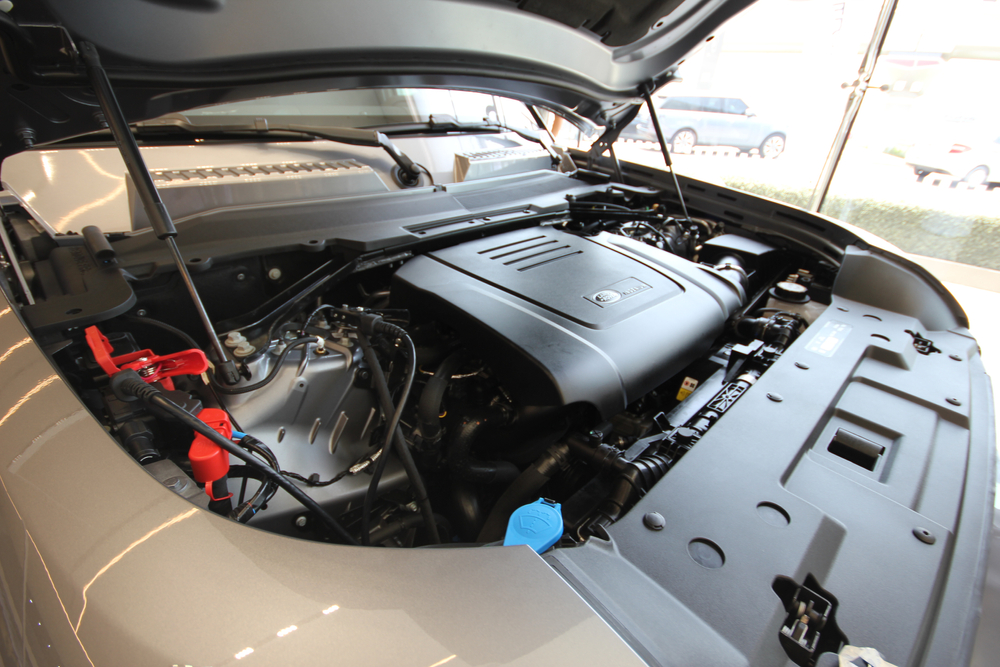
Performance sedans with V8 engines still appeal to enthusiasts. Models like the Dodge Charger offer strong acceleration and bold styling. Yet fuel economy remains poor compared with hybrid or electric rivals. Insurance premiums often reflect higher risk and repair costs. As automakers phase out large engines, parts availability may tighten over time. Future emissions rules could limit resale markets in certain provinces. Electric performance cars are gaining speed and range every year. That could weaken demand for older gas performance models. Buyers should weigh emotional appeal against likely depreciation in an EV-focused market.
Subcompact Gas Cars
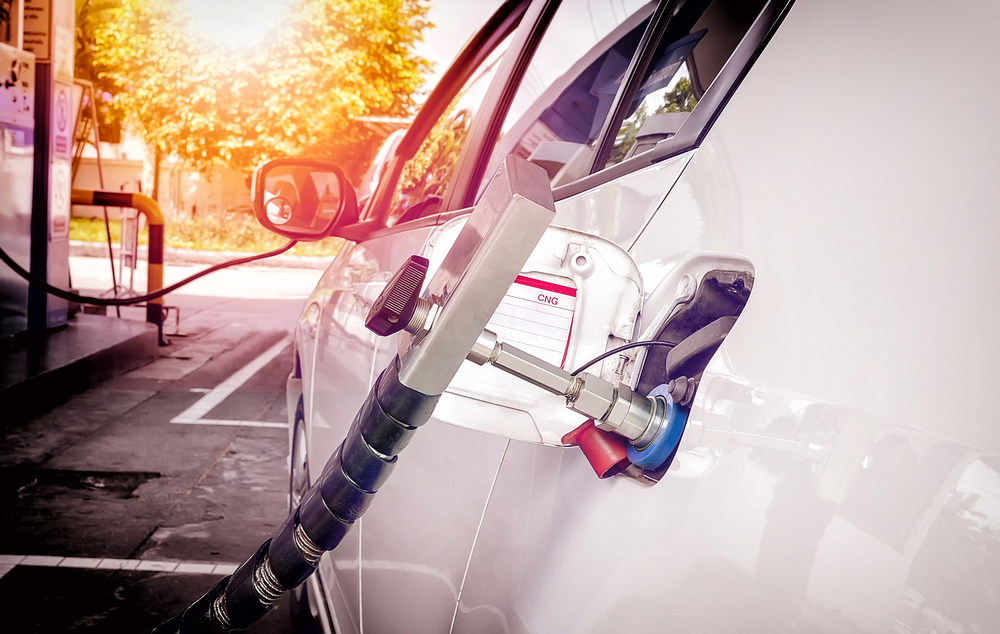
Small gasoline cars once made sense for budget buyers. Models like the Nissan Versa promised low upfront pricing. Now, entry-level EVs and hybrids are closing the cost gap. Fuel savings over several years can offset higher sticker prices. Governments may continue offering incentives for electric models. Gas subcompacts often lack advanced safety features found in newer EVs. Resale values may fall if demand shifts strongly toward electrified options. Maintenance costs can also surprise owners over time. A basic gas subcompact may no longer be the cheapest long-term choice.
Luxury Gas Sedans
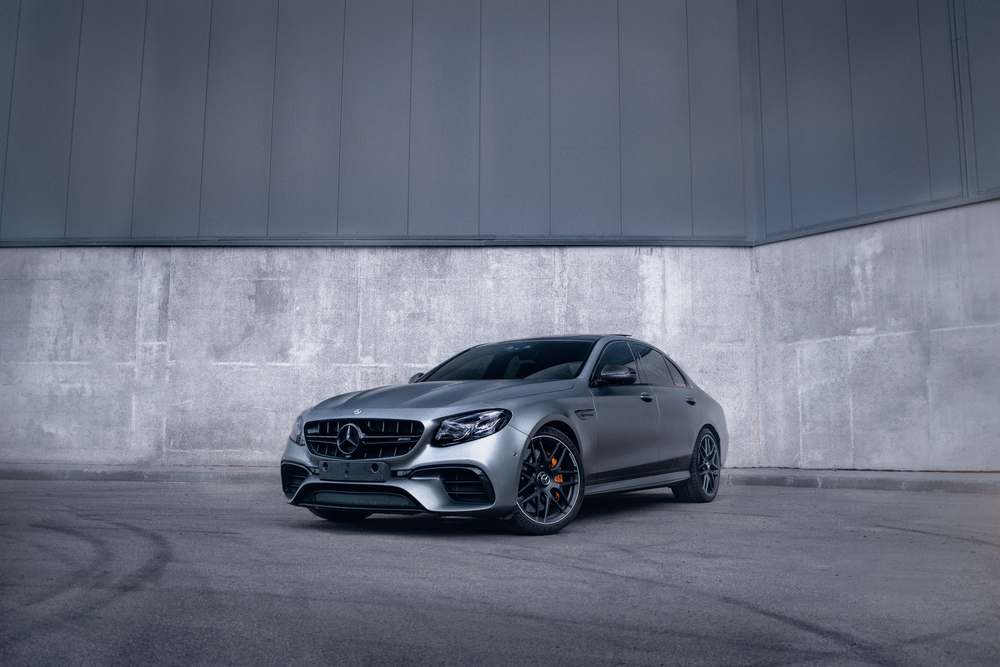
Luxury sedans such as the BMW 5 Series and Mercedes-Benz E-Class deliver comfort and prestige. Many versions still rely on gasoline engines. Luxury brands are rapidly moving toward electric lineups. Buyers may prefer newer electric models for tax benefits and image. Depreciation on luxury vehicles is already steep. Added policy pressure could make it worse. Fuel costs for premium gasoline add to ownership expenses. If resale buyers demand electrified options, older gas luxury sedans could struggle. Spending top dollar on a gas-only luxury sedan now carries more financial risk.
Compact Gas Crossovers
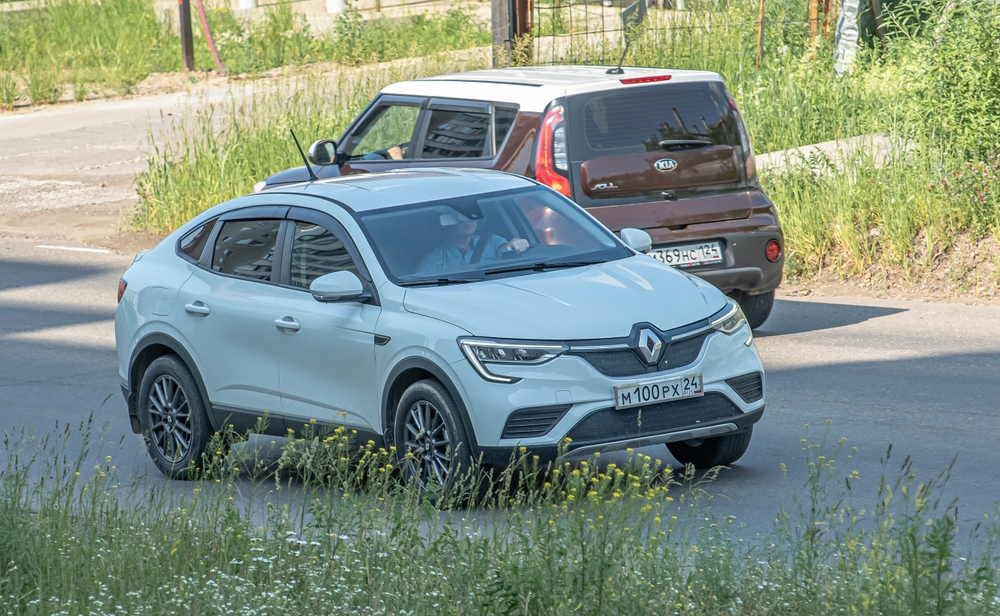
Compact crossovers like the Honda CR V and Toyota RAV4 remain popular. Hybrid versions are gaining market share quickly. Pure gasoline trims may see weaker demand in a few years. Federal targets aim to increase zero-emission sales steadily. Automakers may prioritize hybrid and electric production. That could limit updates for gas-only versions. Buyers focused on resale should consider long-term trends. Fuel savings from hybrid models add up in daily commuting. A gas-only compact crossover might look affordable today, but lose appeal faster than expected.
Two Door Sports Cars
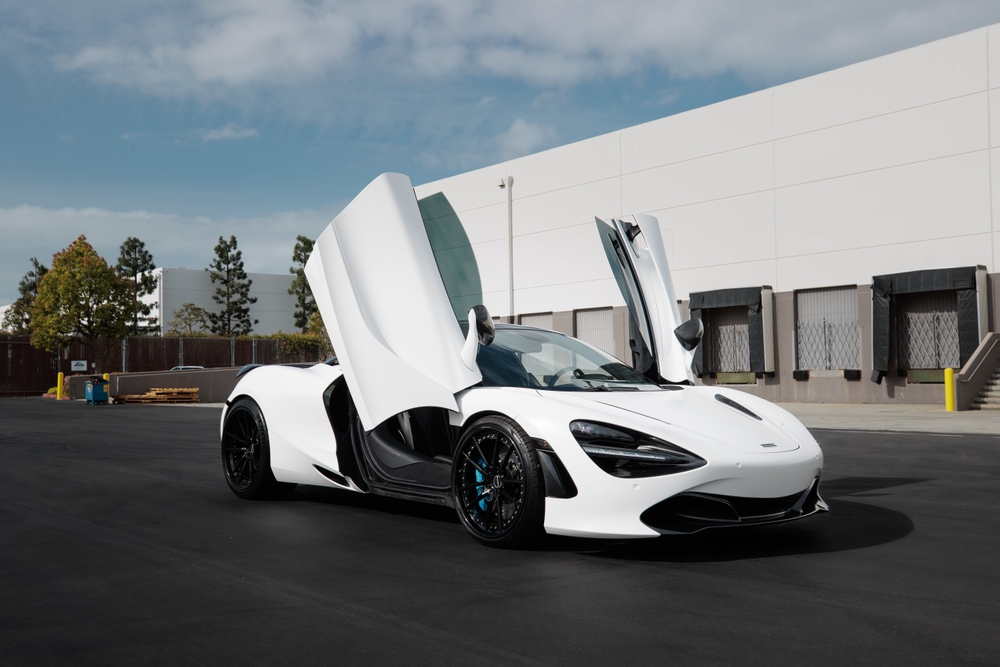
Two-door sports cars deliver fun on open roads. Models like the Ford Mustang still rely heavily on gasoline engines. As EV performance improves, acceleration gaps are shrinking. Some provinces may tighten emissions testing or fees over time. Insurance for sports cars is often already higher. Fuel economy is rarely strong in this segment. Younger buyers may lean toward electric alternatives for daily use. That could shrink the resale market for gas sports cars. Passion purchases can still make sense, but they may not hold value well in a shifting policy landscape.
Mid-Size Gas Sedans

Mid-size sedans such as the Toyota Camry have long been safe choices. Many buyers still prefer gasoline versions. Hybrid trims are becoming more common and widely available. As fuel prices fluctuate, hybrids offer more stability in monthly costs. Governments may continue promoting electrified vehicles through incentives. Gas-only sedans could feel dated quickly in showrooms. If automakers reduce production, resale values may soften. Buyers planning to keep a car for many years should consider future market demand. A mid-size gas sedan now faces stronger competition from electrified rivals.
Minivans Without Hybrid Options
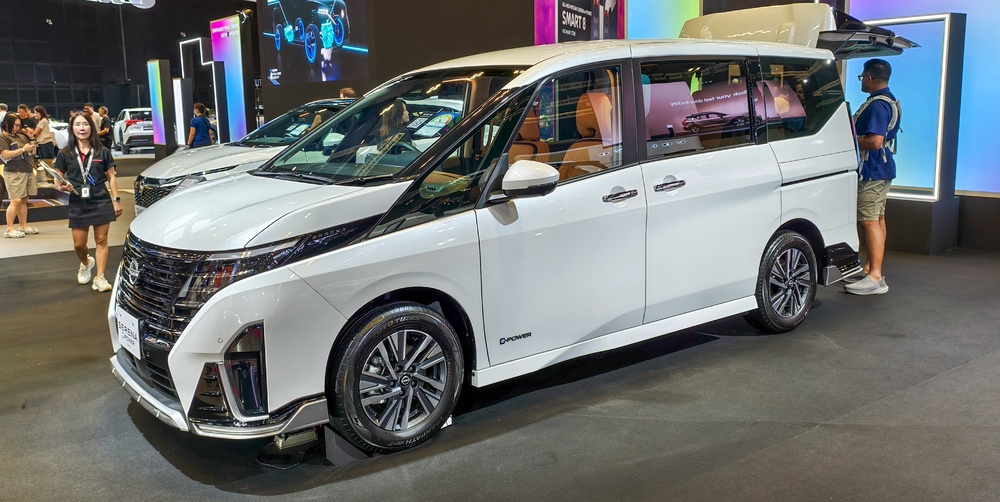
Minivans remain practical for large families. The Chrysler Pacifica offers a plug-in hybrid variant. Gas-only minivans may seem cheaper at purchase. Over time, fuel expenses can outweigh that difference. As charging access improves, more families may choose plug-in options. Government policy often favors vehicles with lower emissions ratings. If hybrid minivans dominate sales, gas versions could depreciate faster. Family budgets are sensitive to fuel price swings. Choosing a gas-only minivan today may mean higher long-term costs and weaker resale demand later.
Entry-Level Luxury Crossovers
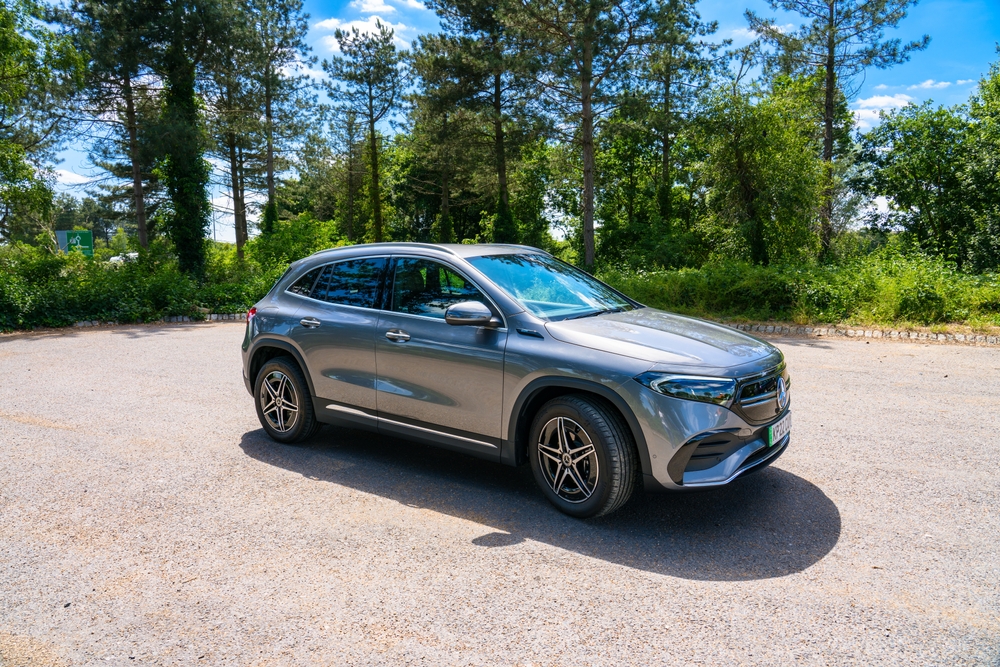
Entry-level luxury crossovers attract first-time premium buyers. Models like the Audi Q3 and BMW X1 often come with small turbo gas engines. Luxury brands are investing heavily in electric crossovers. Buyers may prefer those newer platforms for technology and efficiency. Incentives can narrow the price gap between gas and electric versions. Fuel and maintenance costs for premium vehicles add up quickly. If resale buyers expect electrified drivetrains, gas models may lose appeal. Paying a premium for a gas-only luxury crossover now could feel dated sooner than expected.
Large Body On-Frame SUVs
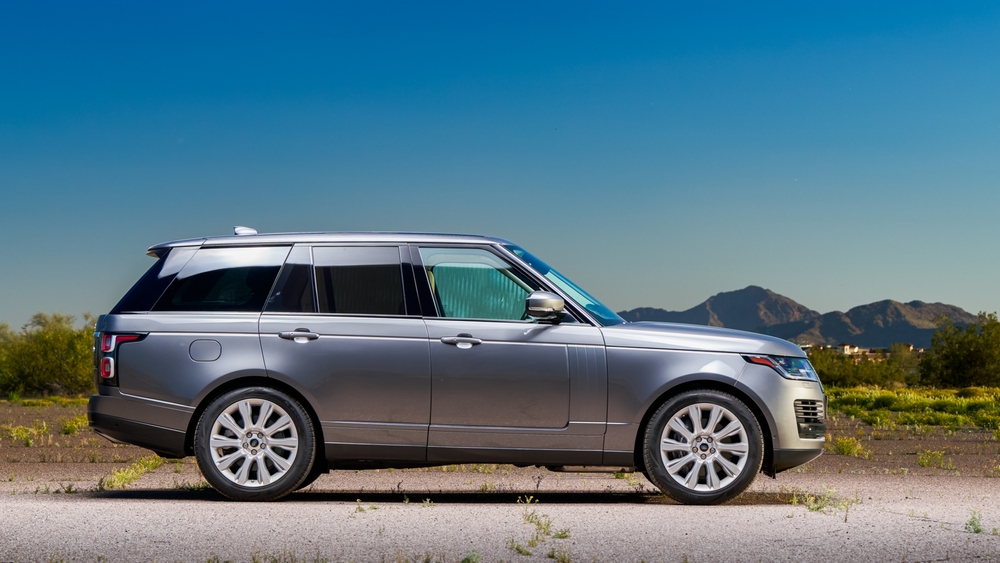
Body-on-frame SUVs such as the Toyota 4Runner are known for durability. They also consume significant fuel in daily driving. As urban emissions goals tighten, demand may shift away from heavy gas vehicles. Electric and hybrid SUVs are entering even the off-road segment. Some buyers may value lower running costs over traditional powertrains. If production shifts toward electrified models, updates for gas versions could slow. That can affect long-term desirability. A rugged gas SUV still serves a purpose, but it may face steeper depreciation in the coming years.
Gas-Only Fleet Sedans
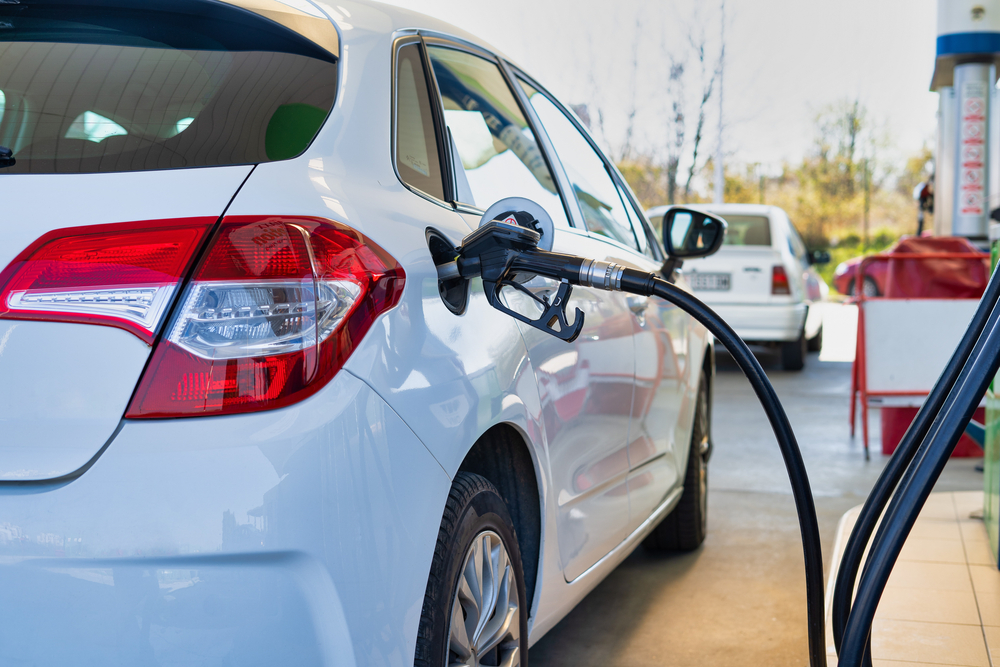
Fleet sedans are common in rental and corporate fleets. Many are gasoline-powered models like the Chevrolet Malibu. Large fleet operators are beginning to test electric alternatives. If bulk purchases move electric, used gas sedans could flood the market. That often drives resale prices down quickly. Policy incentives may encourage companies to electrify sooner. Individual buyers could face heavier depreciation as a result. Gas fleet sedans may remain affordable upfront. Their long-term value, however, may weaken as commercial demand shifts toward zero-emission vehicles.
Compact Hatchbacks Without Hybrid Trims
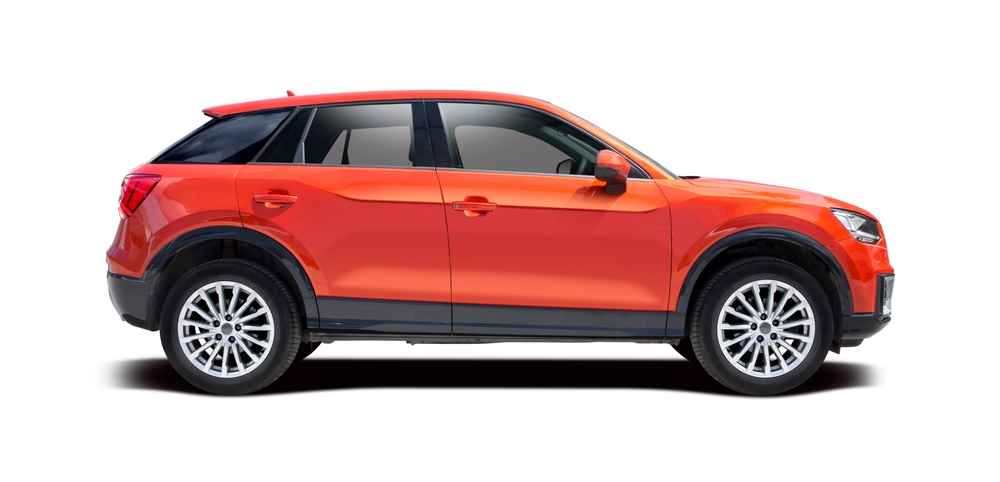
Compact hatchbacks offer practicality and easy parking. Some models still rely only on gasoline engines. Hybrid and electric hatchbacks are expanding in Canadian cities. Fuel savings matter more for urban drivers facing high commuting costs. Governments may support smaller electric vehicles through rebates. If buyers prefer electrified hatchbacks, gas versions may struggle on resale lots. Automakers could discontinue certain gas trims entirely. That uncertainty affects parts support and long-term desirability. A gas-only hatchback might seem sensible today, but less attractive in a few short years.
High-Performance Gas SUVs

High-performance SUVs combine large engines with heavy bodies. Models like the Jeep Grand Cherokee SRT deliver speed and sound. They also carry high fuel bills. As electric SUVs improve acceleration, performance advantages may shrink. Insurance premiums for powerful SUVs can already be steep. Future emissions rules could make such vehicles less appealing to buyers. Depreciation may accelerate if demand falls. Owners could face higher running costs compared with electrified rivals. A performance gas SUV remains exciting, but its financial case looks weaker in an EV-driven market.
Base Model Gas Compacts
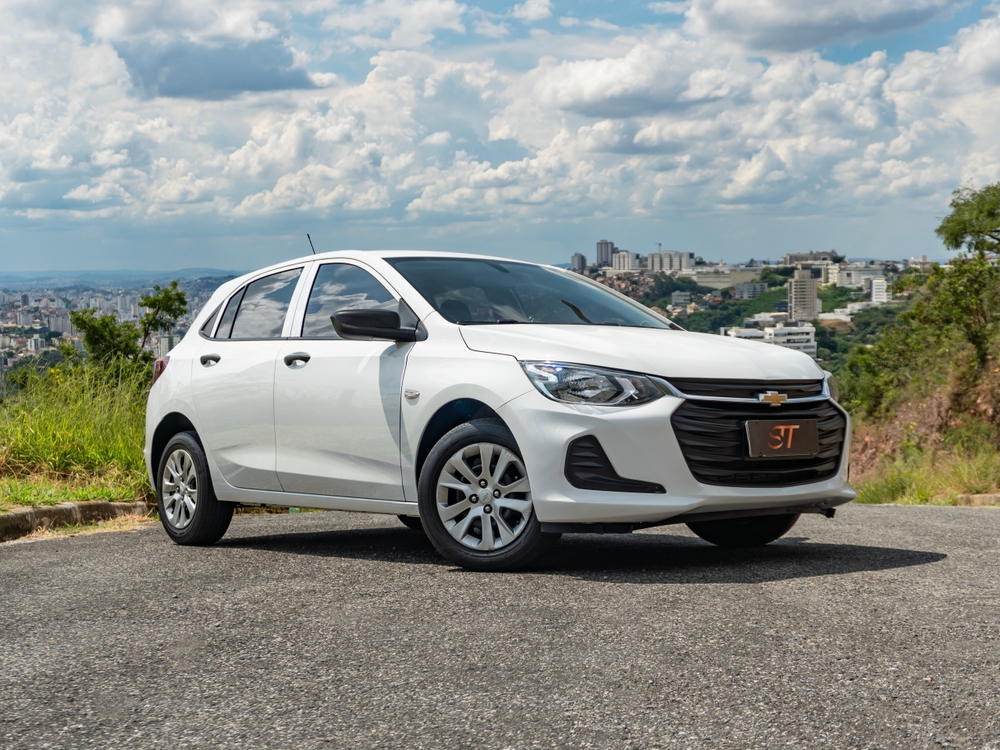
Base model compact cars attract price-focused shoppers. They often skip hybrid systems to keep costs low. Over several years, fuel expenses narrow that initial savings. As the use of EV supply grows, budget buyers gain more options. Governments may continue offering incentives for zero-emission vehicles. Gas-based models may feel outdated quickly in comparison. Safety and technology updates often appear first in electrified trims. Resale buyers could favor vehicles with lower emissions ratings. Choosing the cheapest gas compact today might not deliver the lowest total ownership cost.
Older Platform Gas Crossovers
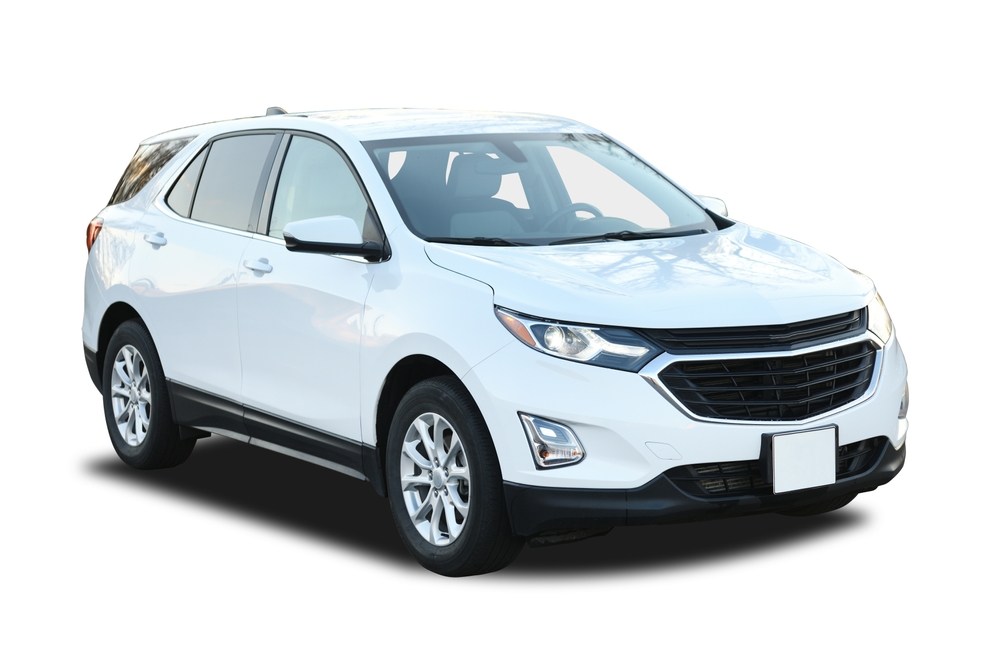
Some crossovers still ride on aging gasoline platforms. They may lack hybrid or electric variants entirely. As manufacturers roll out new electric architectures, older models can feel behind. Buyers may question long-term support and resale demand. Policy shifts toward zero-emission sales targets could reduce attention on these vehicles. Updates may become less frequent over time. Fuel costs also remain a concern for daily drivers. An older gas crossover might meet current needs. It could lose value faster as newer electrified options become the norm.