













• About
  • Contact
AutoIgloo
  • News & Trends
    22 Spring Car Mistakes Canadians Make Every Year (That Cost Hundreds)

    15 Things That Can Make Police Pay Closer Attention to Your Car

    Why So Many Drivers Are Ditching EVs for Hybrids Again

    Canada’s EV Rebates Pass 44,700—Tesla Captures Just 1,009

    20 Used SUVs Canadians Should Think Twice About Buying

    20 Car Colours That Can Be Harder to Live With Than Expected

    The Road Trip Mistake That Can Overload Your Car Without You Knowing

    The Road Trip Mistake That Can Overload Your Car Without You Knowing

    23 Features That Are Making New Cars Harder (and Pricier) to Repair in Canada

    Nearly 75% of Canadians Want Mandatory Anti-Theft Technology in New Vehicles: Survey

    Why the Next Wave of Chinese EVs Could Force Canada’s Biggest Price War Yet

    Chinese-Made EV Imports Jump 41% in 10 Days as Canada’s Quota Reaches 9,235 Vehicles

  • Car Reviews
    21 Cars Canadians Are Starting to Regret Buying

    Why Some Drivers Regret Buying Big Wheels and Low-Profile Tires

    17 Vehicles That Are Quietly Getting Crushed by Insurance Costs in Canada

    Why So Many Drivers Are Nervous About Chinese-Made EV Batteries

    20 Used SUVs Canadians Should Think Twice About Buying

    20 Used SUVs Canadians Should Think Twice About Buying

    15 Vehicles That Are Starting to Feel Like a Bad Deal Around May Long Weekend

    15 Vehicles That Are Starting to Feel Like a Bad Deal Around May Long Weekend

    15 Vehicles That Are Starting to Scare Off Canadian Buyers

    15 Vehicles That Are Starting to Scare Off Canadian Buyers

    25 Vehicles That Make the Most Sense for Canadian Families in 2026

    16 Vehicles That Suddenly Look Smart for a Canadian Summer Road Trip

  • Buying Guides
    21 Used Car Features That Can Become Expensive Problems Later

    Why Some Canadians Are Choosing Front-Wheel Drive Over All-Wheel Drive

    20 Things Police Notice First When They Pull Over a Driver

    Why Some Buyers Regret Skipping the Test Drive

    15 Ways a Low Monthly Payment Can Fool Canadian Car Buyers

    16 Ways a Car Dealership Can Make a Monthly Payment Look Cheaper

    20 Things Police Notice First When They Pull Over a Driver

    The Simple Reason Your Car Windows Keep Fogging Up

    The Driving Position Mistake That Makes Long Trips More Painful

    22 Mistakes People Make During a Dealership Test Drive

    20 Cars Canadians Love Buying but Hate Owning Long Term

    Why Some Vehicles Are Nearly Impossible to Insure in Certain Canadian Cities

  • Comparisons
    21 Used Car Features That Can Become Expensive Problems Later

    Why Some Canadians Are Choosing Front-Wheel Drive Over All-Wheel Drive

    Canada’s Auto Fight Gets Uglier as BYD Threatens to Sue Trump Administration

    Tesla Vs. BYD: Are Chinese EV’s Actually Better for Canadians?

    17 Vehicles That Are Quietly Getting Crushed by Insurance Costs in Canada

    Why So Many Drivers Are Nervous About Chinese-Made EV Batteries

    20 Used SUVs Canadians Should Think Twice About Buying

    20 Used SUVs Canadians Should Think Twice About Buying

    16 Cars That Are a Nightmare to Repair Because Parts Are Backordered

    23 Cars Canadians Love That Have One Deal-Breaker Flaw

    21 Vehicles Insurance Companies Are Quietly Flagging as “High Risk” in Canada (2026 Update)

    19 Vehicles Canadians Regret Leasing (And the Ones They Don’t)

  • EVs & Hybrids
    16 Used-EV Surprises Canadians Don’t See Coming Until After They Buy

    The EV Charging Habit That Can Annoy Everyone Around You

    17 SUVs That Are Losing Their Appeal Fast in Canada

    GM Canada Says EV Sales Jumped More Than 30% as CUSMA Uncertainty Hangs Over Showrooms

    9 Auto Brands Canadians Are Watching Much More Closely Right Now

    Toyota Canada Says Electrified Vehicles Are Now Nearly 70% of Its Q2 Sales

    25 EV Charging Mistakes Canadians Make in March (That Wreck Range)

    Ottawa Orders New Study on Whether Canada’s EV Grid Can Handle the Next Wave of Chargers

    23 Features That Are Making New Cars Harder (and Pricier) to Repair in Canada

    Why the Cheapest EVs May Not Be the Best Deal After Three Winters

    Canada’s Auto Fight Gets Uglier as BYD Threatens to Sue Trump Administration

    Tesla Vs. BYD: Are Chinese EV’s Actually Better for Canadians?

  • More
    • Pricing & Deals
    • Winter Driving
    • Ownership & Maintenance
No Result
View All Result
AutoIgloo
  • News & Trends
    22 Spring Car Mistakes Canadians Make Every Year (That Cost Hundreds)

    15 Things That Can Make Police Pay Closer Attention to Your Car

    Why So Many Drivers Are Ditching EVs for Hybrids Again

    Canada’s EV Rebates Pass 44,700—Tesla Captures Just 1,009

    20 Used SUVs Canadians Should Think Twice About Buying

    20 Car Colours That Can Be Harder to Live With Than Expected

    The Road Trip Mistake That Can Overload Your Car Without You Knowing

    The Road Trip Mistake That Can Overload Your Car Without You Knowing

    23 Features That Are Making New Cars Harder (and Pricier) to Repair in Canada

    Nearly 75% of Canadians Want Mandatory Anti-Theft Technology in New Vehicles: Survey

    Why the Next Wave of Chinese EVs Could Force Canada’s Biggest Price War Yet

    Chinese-Made EV Imports Jump 41% in 10 Days as Canada’s Quota Reaches 9,235 Vehicles

  • Car Reviews
    21 Cars Canadians Are Starting to Regret Buying

    Why Some Drivers Regret Buying Big Wheels and Low-Profile Tires

    17 Vehicles That Are Quietly Getting Crushed by Insurance Costs in Canada

    Why So Many Drivers Are Nervous About Chinese-Made EV Batteries

    20 Used SUVs Canadians Should Think Twice About Buying

    20 Used SUVs Canadians Should Think Twice About Buying

    15 Vehicles That Are Starting to Feel Like a Bad Deal Around May Long Weekend

    15 Vehicles That Are Starting to Feel Like a Bad Deal Around May Long Weekend

    15 Vehicles That Are Starting to Scare Off Canadian Buyers

    15 Vehicles That Are Starting to Scare Off Canadian Buyers

    25 Vehicles That Make the Most Sense for Canadian Families in 2026

    16 Vehicles That Suddenly Look Smart for a Canadian Summer Road Trip

  • Buying Guides
    21 Used Car Features That Can Become Expensive Problems Later

    Why Some Canadians Are Choosing Front-Wheel Drive Over All-Wheel Drive

    20 Things Police Notice First When They Pull Over a Driver

    Why Some Buyers Regret Skipping the Test Drive

    15 Ways a Low Monthly Payment Can Fool Canadian Car Buyers

    16 Ways a Car Dealership Can Make a Monthly Payment Look Cheaper

    20 Things Police Notice First When They Pull Over a Driver

    The Simple Reason Your Car Windows Keep Fogging Up

    The Driving Position Mistake That Makes Long Trips More Painful

    22 Mistakes People Make During a Dealership Test Drive

    20 Cars Canadians Love Buying but Hate Owning Long Term

    Why Some Vehicles Are Nearly Impossible to Insure in Certain Canadian Cities

  • Comparisons
    21 Used Car Features That Can Become Expensive Problems Later

    Why Some Canadians Are Choosing Front-Wheel Drive Over All-Wheel Drive

    Canada’s Auto Fight Gets Uglier as BYD Threatens to Sue Trump Administration

    Tesla Vs. BYD: Are Chinese EV’s Actually Better for Canadians?

    17 Vehicles That Are Quietly Getting Crushed by Insurance Costs in Canada

    Why So Many Drivers Are Nervous About Chinese-Made EV Batteries

    20 Used SUVs Canadians Should Think Twice About Buying

    20 Used SUVs Canadians Should Think Twice About Buying

    16 Cars That Are a Nightmare to Repair Because Parts Are Backordered

    23 Cars Canadians Love That Have One Deal-Breaker Flaw

    21 Vehicles Insurance Companies Are Quietly Flagging as “High Risk” in Canada (2026 Update)

    19 Vehicles Canadians Regret Leasing (And the Ones They Don’t)

  • EVs & Hybrids
    16 Used-EV Surprises Canadians Don’t See Coming Until After They Buy

    The EV Charging Habit That Can Annoy Everyone Around You

    17 SUVs That Are Losing Their Appeal Fast in Canada

    GM Canada Says EV Sales Jumped More Than 30% as CUSMA Uncertainty Hangs Over Showrooms

    9 Auto Brands Canadians Are Watching Much More Closely Right Now

    Toyota Canada Says Electrified Vehicles Are Now Nearly 70% of Its Q2 Sales

    25 EV Charging Mistakes Canadians Make in March (That Wreck Range)

    Ottawa Orders New Study on Whether Canada’s EV Grid Can Handle the Next Wave of Chargers

    23 Features That Are Making New Cars Harder (and Pricier) to Repair in Canada

    Why the Cheapest EVs May Not Be the Best Deal After Three Winters

    Canada’s Auto Fight Gets Uglier as BYD Threatens to Sue Trump Administration

    Tesla Vs. BYD: Are Chinese EV’s Actually Better for Canadians?

  • More
    • Pricing & Deals
    • Winter Driving
    • Ownership & Maintenance
No Result
View All Result
AutoIgloo
No Result
View All Result

Home » News & Trends

Nearly 380,000 Canadians Tell Ottawa Their Headlights Are Too Bright

Nate Brewer by Nate Brewer
June 10, 2026
Reading Time: 6 mins read
A A
Image Credit: Shutterstock

Image Credit: Shutterstock

471
SHARES
1.5k
VIEWS
Share on FacebookShare on Twitter

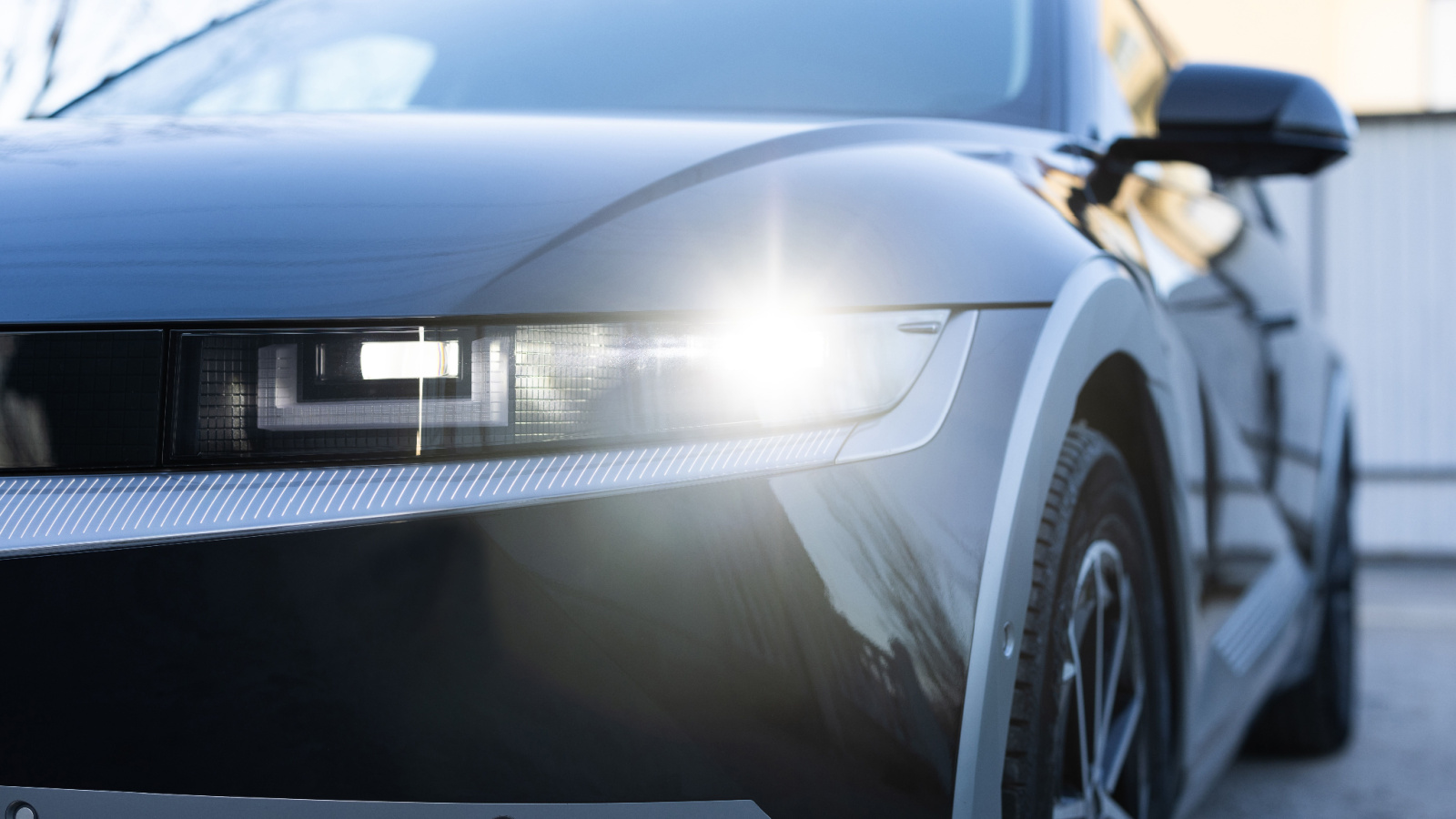
The glare hits before the vehicle fully passes — a sharp white burst across the windshield, a momentary squint, then the uneasy wait for vision to settle again. For many drivers, cyclists and pedestrians, nighttime travel has started to feel harsher, even when everyone on the road appears to be using legal headlights.

Nearly 380,000 Canadians have now sent Ottawa the same message: modern vehicle lights may help some drivers see farther, but they are also making others feel less safe. The response has turned headlight glare from a familiar complaint into a national road-safety file, forcing federal officials to weigh technology, vehicle design, human vision and public frustration at the same time.

A Complaint Too Big for Ottawa to Ignore

Transport Canada’s headlight-glare feedback period ran from March 6 to April 20, and the response was unusually large. Close to 380,000 Canadians participated, giving the department enough material that officials said analysis and compilation could take several months. For a technical road-safety issue, that level of response is striking. It suggests this is not only a niche concern from car enthusiasts or older drivers, but a daily irritation for people commuting after work, driving kids home from practice or walking along roads at dusk.

The federal department asked about nighttime travel, driver behaviour, contributing factors to glare and possible solutions. That matters because the complaint is not simply that lights are “bright.” Drivers often describe a specific experience: low beams that feel like high beams, white-blue glare bouncing off mirrors, or approaching SUVs whose lights sit directly at eye level. Until Ottawa releases its report, the government has public pressure, technical standards and lived experience all pointing toward the same question: how can headlights improve visibility without making everyone else feel blinded?

Why Modern Headlights Feel Harsher Than Older Ones

The shift from yellowish halogen bulbs to whiter LED lighting changed the feel of night driving. Older halogen headlights often had a warmer appearance, while many LED headlights produce a cooler white or bluish light. Research organizations have noted that this colour difference matters because bluer light can feel more uncomfortable to look at, even when the measured intensity is not dramatically different. That helps explain why some drivers insist newer low beams feel more aggressive than older high beams did.

There is also a human factor that raw engineering numbers do not always capture. A headlight can meet a laboratory standard and still feel punishing on a wet, uneven, curved or hilly road. Anyone who has driven over a small rise at night knows the problem: a perfectly legal beam can suddenly aim straight into another person’s eyes. The same thing can happen when a vehicle is loaded heavily, when headlights are poorly aimed, or when aftermarket bulbs change the original beam pattern. The frustration is often less about one bad driver and more about a lighting environment that feels increasingly unforgiving.

The SUV and Pickup Factor

Vehicle shape has become part of the glare debate. Larger SUVs and pickups place headlights higher than many sedans and compact cars, which can put the beam closer to the eye line of oncoming drivers. That does not mean every truck or SUV is unsafe, but it does change how glare is experienced. A small car meeting a tall vehicle on a dark two-lane road can feel like looking directly into a wall of light, especially when the road surface is wet and reflective.

Recent driver research in the United States found that pickup drivers were less likely to report headlight glare than drivers of other vehicle types. That finding makes intuitive sense: sitting higher can reduce how often another vehicle’s lights shine directly into the cabin. Meanwhile, drivers in lower vehicles may feel exposed from both directions — headlights ahead and mirror glare from behind. This is why the issue has become more complicated than asking whether headlights are technically legal. The modern vehicle mix itself has changed, and glare is now shaped by height, beam pattern, road slope, and the growing number of taller vehicles sharing the same roads.

Legal Does Not Always Mean Comfortable

The House of Commons petition connected to the issue makes a central point that many drivers already feel: glare can occur even when headlights comply with current rules. That is a powerful distinction. Regulations are often built around controlled testing, measured light output and defined beam patterns. Real roads are messier. They have potholes, hills, curves, snowbanks, rain, fog, dirty windshields and vehicles loaded with passengers or cargo. All of those factors can change how light reaches another person’s eyes.

The petition calls for Ottawa to modernize federal headlight rules, add criteria that consider how people actually perceive brightness, and more strictly regulate colour spectrum, power and beam dispersion, particularly for LED technology. That kind of language shows the public is not asking only for dimmer lights. Many people want smarter rules that reflect real driving conditions. A headlight that helps one driver spot a deer sooner is valuable. But if the same system leaves another driver squinting through glare, the safety benefit becomes harder to judge. The challenge is balancing visibility with comfort, not sacrificing one entirely for the other.

Older Drivers May Feel the Problem More Sharply

Glare is not experienced equally. Aging eyes often need more time to recover after exposure to bright light, and older drivers can be more sensitive to disability glare and discomfort glare. That does not mean the issue belongs only to seniors. Younger drivers also complain about LED glare, especially in rain or on unlit roads. But the stakes rise for older Canadians because night driving already becomes more demanding with age, and a brief loss of visual comfort can make intersections, lane markings and pedestrians harder to judge.

This is one reason the petition specifically mentions seniors. It reflects a practical reality: Canada’s roads are used by people with very different vision, reaction time and comfort levels. A 25-year-old in a new crossover, a 72-year-old in a compact sedan and a cyclist crossing at dusk are all sharing the same lighting environment. If standards are based only on what a headlamp emits in controlled conditions, they may miss how glare feels to people outside the emitting vehicle. Human perception is messy, but road safety depends on it.

The Safety Trade-Off Is Real

The headlight debate has a tricky tension at its centre. Poor lighting is dangerous. Better headlights can help drivers spot pedestrians, cyclists, animals and obstacles sooner, especially on rural roads without overhead lighting. Canadian collision data also show why nighttime and visibility questions matter: thousands of people are killed or seriously injured on Canadian roads each year, and any technology that helps drivers see hazards sooner deserves serious attention.

At the same time, glare cannot be dismissed as just annoyance. Even if police-reported crash data in the United States suggest headlight glare is listed in only a small fraction of nighttime crashes, discomfort remains widespread and can still affect driver confidence. A driver who slows down, looks away, overcorrects, or avoids driving at night is experiencing a real safety and mobility issue. The best solution is not a return to weak headlights. It is lighting that puts more useful illumination on the road while reducing unnecessary light into other people’s eyes. That balance is harder to achieve than simply making lamps brighter.

Adaptive Driving Beams Could Be Part of the Answer

Adaptive driving beam technology is often presented as the most promising compromise. Instead of forcing drivers to choose between high beams and low beams, these systems use sensors to adjust the beam pattern. When another vehicle is detected, part of the light can dim or shift away from that vehicle while continuing to illuminate empty areas of the road. In theory, the driver gets better visibility without blasting full light into oncoming traffic.

Canada has already moved its vehicle lighting rules toward allowing this kind of technology, and Transport Canada describes adaptive beams as a system that can make pedestrians and cyclists easier to see while reducing glare for other road users. But the benefits will not appear overnight. New rules affect new vehicles first, and Canada’s vehicle fleet turns over slowly. Many cars, trucks and SUVs already on the road will keep their existing lights for years. That means Ottawa’s response may need to include more than future technology. Headlight aim, inspections, aftermarket bulbs, colour temperature and public education could all become part of the conversation.

What Ottawa Does Next Matters

Transport Canada has said it will release findings from the public feedback, but no publication date has been set. That leaves Canadians waiting to see whether the government treats the nearly 380,000 responses as a warning sign or simply as background information. The size of the response gives Ottawa political cover to act, but any new rule would need to satisfy safety experts, automakers, parts suppliers, provincial inspection systems and drivers who want both better visibility and less glare.

The likely path is not a sudden ban on LED headlights. LEDs are efficient, durable and widely used across the auto industry. A more realistic outcome would involve tighter attention to beam aim, colour, dispersion and advanced lighting systems that respond to road conditions. The public message, however, is already clear. Canadians are not rejecting better headlights. They are asking for headlights that work for everyone on the road, not just for the person behind the brightest pair of lamps.


Recommended.

20 Things Police Notice First When They Pull Over a Driver

20 Things Police Notice First When They Pull Over a Driver

June 2, 2026
16 Cars That Could Be the Biggest Ownership Money Pits in Canada This Summer

16 Cars That Could Be the Biggest Ownership Money Pits in Canada This Summer

May 21, 2026

Trending.

9 Auto Brands Canadians Are Watching Much More Closely Right Now

Toyota Canada Says Electrified Vehicles Are Now Nearly 70% of Its Q2 Sales

July 7, 2026
Canada’s Auto Fight Gets Uglier as BYD Threatens to Sue Trump Administration

Tesla Vs. BYD: Are Chinese EV’s Actually Better for Canadians?

June 19, 2026
16 Vehicles That Are Going to Plummet in Resale Value If Chinese EVs Flood the Market

Polestar Abandons Fight Against Trump’s U.S. Ban, Leaving Canada as Its North American Lifeline

July 20, 2026
Why the Next Wave of Chinese EVs Could Force Canada’s Biggest Price War Yet

Chinese-Made EV Imports Jump 41% in 10 Days as Canada’s Quota Reaches 9,235 Vehicles

July 20, 2026
20 Things Police Notice First When They Pull Over a Driver

Why Some Buyers Regret Skipping the Test Drive

July 27, 2026
  • About
  • Contact
  • Privacy Policy
  • Disclaimer
  • Editorial Policies
  • Terms and Conditions
A Revir Media Group Website

2026 Autoigloo - © All rights reserved

No Result
View All Result
  • News & Trends
  • Car Reviews
  • Buying Guides
  • Comparisons
  • EVs & Hybrids
  • More
    • Pricing & Deals
    • Winter Driving
    • Ownership & Maintenance

2026 Autoigloo - © All rights reserved

This website uses cookies. By continuing to use this website you are giving consent to cookies being used. Visit our Privacy and Cookie Policy.