


























Canadian winter has a way of exposing every weak point in a vehicle. A car that feels perfectly fine in October can suddenly feel nervous, stiff, cramped, foggy, or underprepared once roads turn icy and temperatures sink well below freezing. Snowbanks, black ice, road salt, slush, short daylight hours, and long cold starts all demand more than basic transportation.
These 19 things can make a vehicle especially frustrating, unsafe, or expensive during Canadian winters. Some are obvious, like poor tires or weak heat. Others are easy to overlook until a storm hits, such as low washer-fluid capacity, poor defrosting, awkward traction-control behaviour, or doors that freeze shut after a wet snowfall. Together, they show why winter suitability is not just about having all-wheel drive. It is about how the entire vehicle handles cold, visibility, traction, corrosion, and daily winter inconvenience.
Tires That Are Not Built for Real Cold

A vehicle can have plenty of power, modern electronics, and a confident-looking stance, but poor winter tires can make it feel helpless in Canadian conditions. All-season tires are often marketed in a way that sounds reassuring, yet their rubber compounds and tread patterns are not optimized for deep cold, packed snow, or polished ice. Once temperatures stay around freezing and below, traction becomes less about horsepower and more about how the tire stays flexible and clears snow from its grooves.
The difference becomes obvious in ordinary winter moments. A compact car with proper winter tires can feel more controlled on a snowy residential hill than a larger vehicle on worn all-seasons. Drivers often notice it when braking for a yellow light, pulling away from a curbside snow ridge, or turning into a parking lot glazed with ice. In many provinces, winter tires are strongly recommended, while Quebec requires them during the winter season. Without them, even a capable vehicle can become a poor winter companion.
Low Ground Clearance That Turns Snow Into a Wall
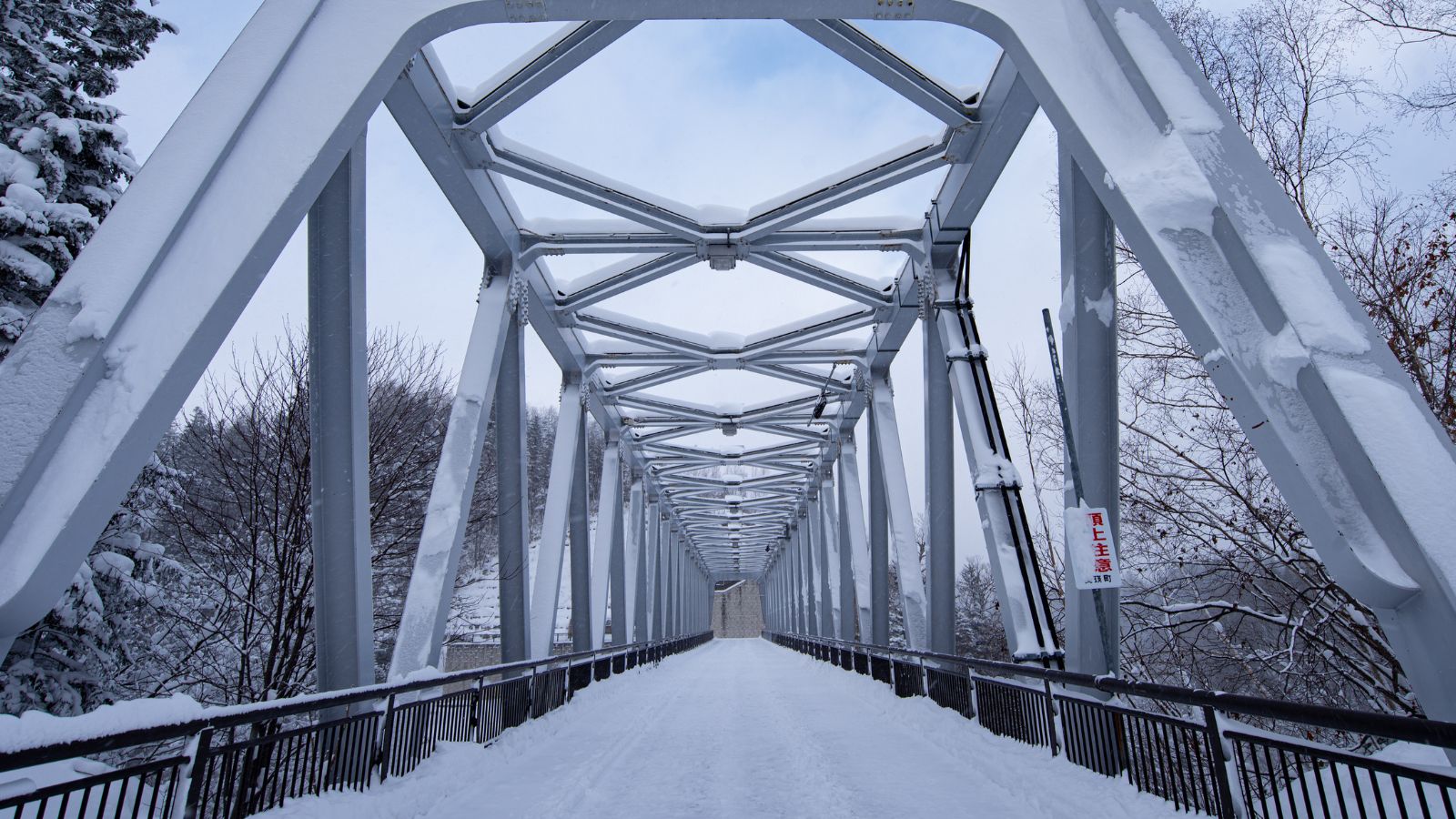
Low ground clearance can make a vehicle miserable after a heavy snowfall. The issue is not just whether the bumper looks close to the pavement. It is whether the underside, front lip, exhaust, and suspension components can clear packed snow, frozen ruts, and uneven plow ridges. In many Canadian neighbourhoods, a vehicle may have to cross a windrow at the end of a driveway before it even reaches the main road.
The trouble often appears during routine errands. A sedan that handled dry roads beautifully can start scraping over frozen chunks in a grocery-store lot or get hung up on compacted snow at a cottage road entrance. Once the vehicle begins plowing snow with its front fascia, steering can feel vague and traction can disappear because the tires are no longer carrying weight properly. Low vehicles can still survive winter with care, but when ground clearance is too limited, every storm adds stress, noise, and risk of damage.
A Weak Battery That Gives Up Overnight
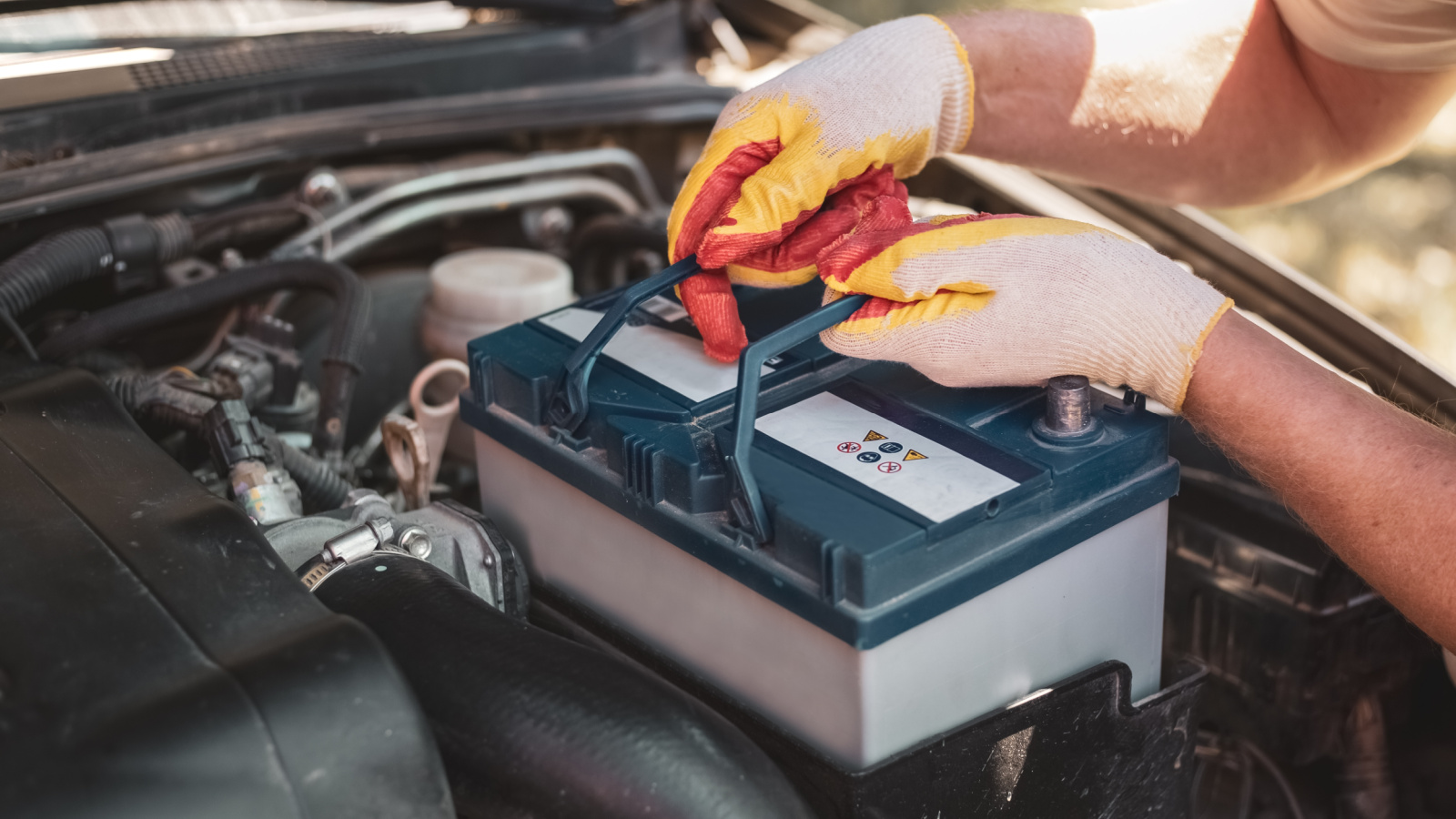
Cold weather is hard on starting systems, and a weak battery can turn a normal morning into a cancelled commute. In freezing temperatures, batteries deliver less power just as the engine needs more effort to crank because oil and mechanical parts are colder and stiffer. A battery that seemed fine in September may struggle after one night of deep cold, especially in vehicles loaded with heated seats, defrosters, remote starters, and short-trip driving.
The human side of this problem is familiar across Canada: a driver bundled in a parka, coffee going cold, clicking the starter again while the dashboard lights dim. Older batteries, corroded terminals, and neglected charging systems are especially risky. Vehicles parked outside are more exposed than those kept in garages. A winter-ready vehicle does not need a luxury electrical system, but it does need a healthy battery, clean connections, and enough reserve capacity to handle repeated cold starts.
Poor Heating That Never Catches Up
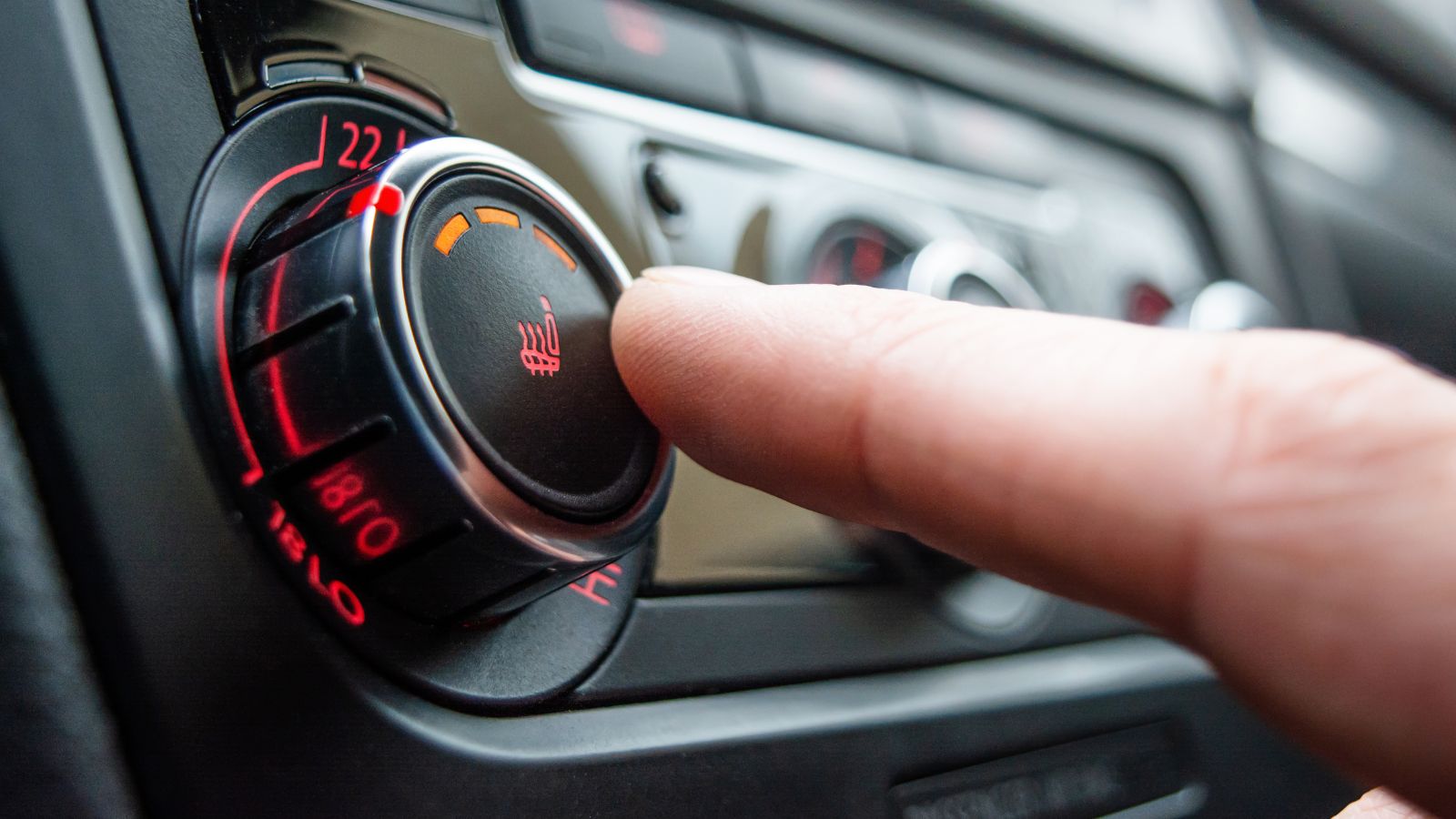
A weak heating system makes winter driving feel punishing long before the vehicle becomes mechanically unsafe. Cabin heat is not only about comfort; it helps keep windows clear, reduces driver fatigue, and makes long drives through cold weather more manageable. If the heater core is restricted, the thermostat is faulty, the blower motor is weak, or the cabin air filter is clogged, the interior may stay cold even after the engine has warmed.
This becomes especially frustrating during short Canadian winter trips. A driver may spend ten minutes brushing snow off the vehicle, only to sit in a cabin that remains barely warm by the time the destination appears. Children in the back seat, elderly passengers, and workers driving before sunrise feel the problem most. Vehicles with slow warm-up times can also encourage excessive idling, which wastes fuel and still may not solve visibility problems. In winter, heat is not a luxury feature. It is part of basic usability.
Slow or Uneven Defrosting
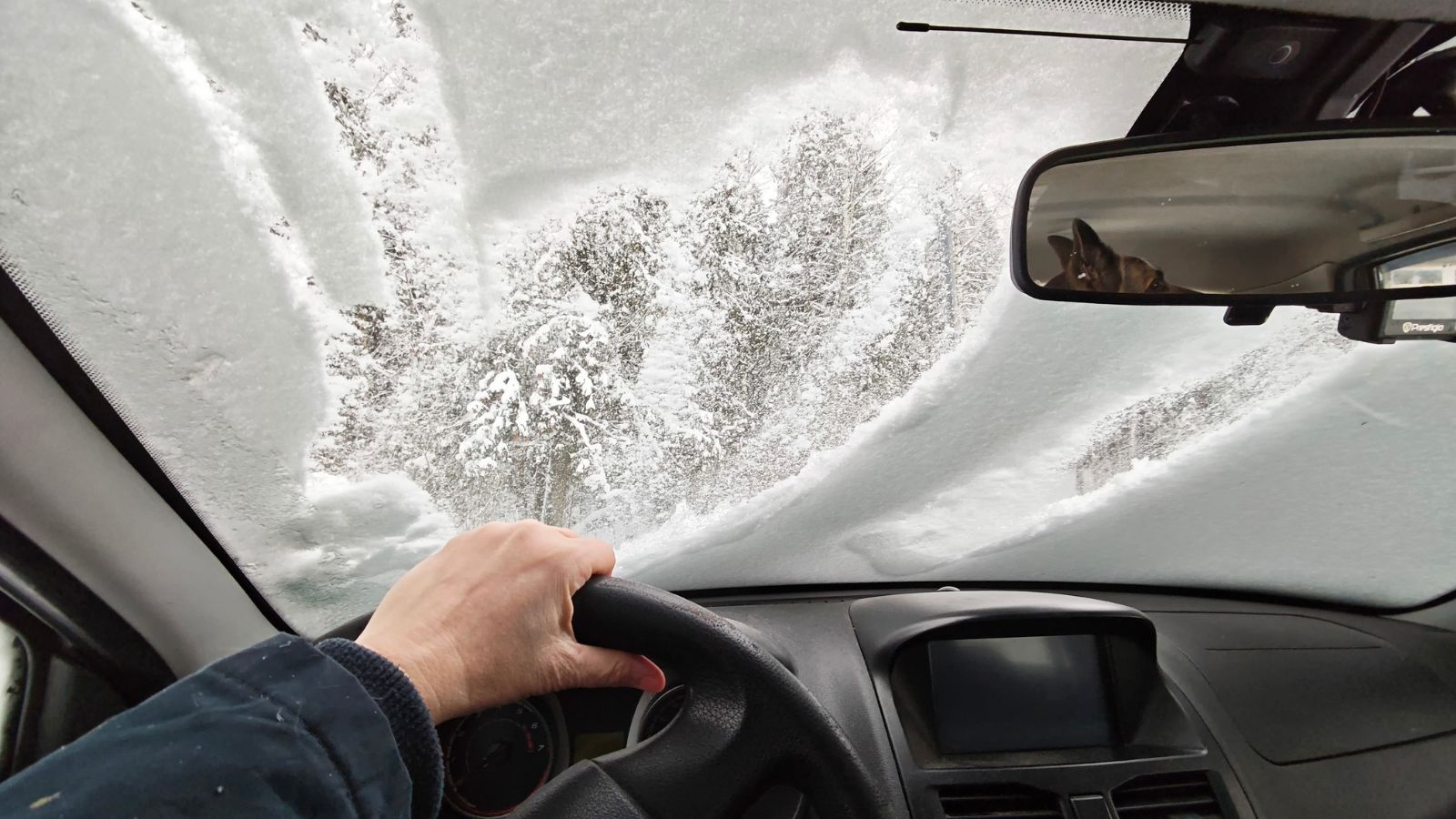
A vehicle that cannot clear its glass properly is terrible in Canadian winters, no matter how well it accelerates. Defrosting depends on airflow, heat, humidity control, clean glass, and working vents. When one area of the windshield clears while the edges remain fogged or frosted, the driver’s field of vision shrinks. Side windows and mirrors matter too, especially when merging in blowing snow or backing out of a packed driveway.
The danger often develops gradually. A driver may start with a small clear patch and tell themselves it is enough for a quick trip. Then traffic, glare, snowbanks, and pedestrians turn that shortcut into a risk. Transport Canada advises drivers to clear frost, fog, and snow from windows and lights before driving because visibility problems can affect both the driver and surrounding traffic. A winter-capable vehicle should defrost quickly, evenly, and predictably, not force the driver to choose between waiting endlessly and driving half-blind.
Windshield Wipers That Ice Up Constantly
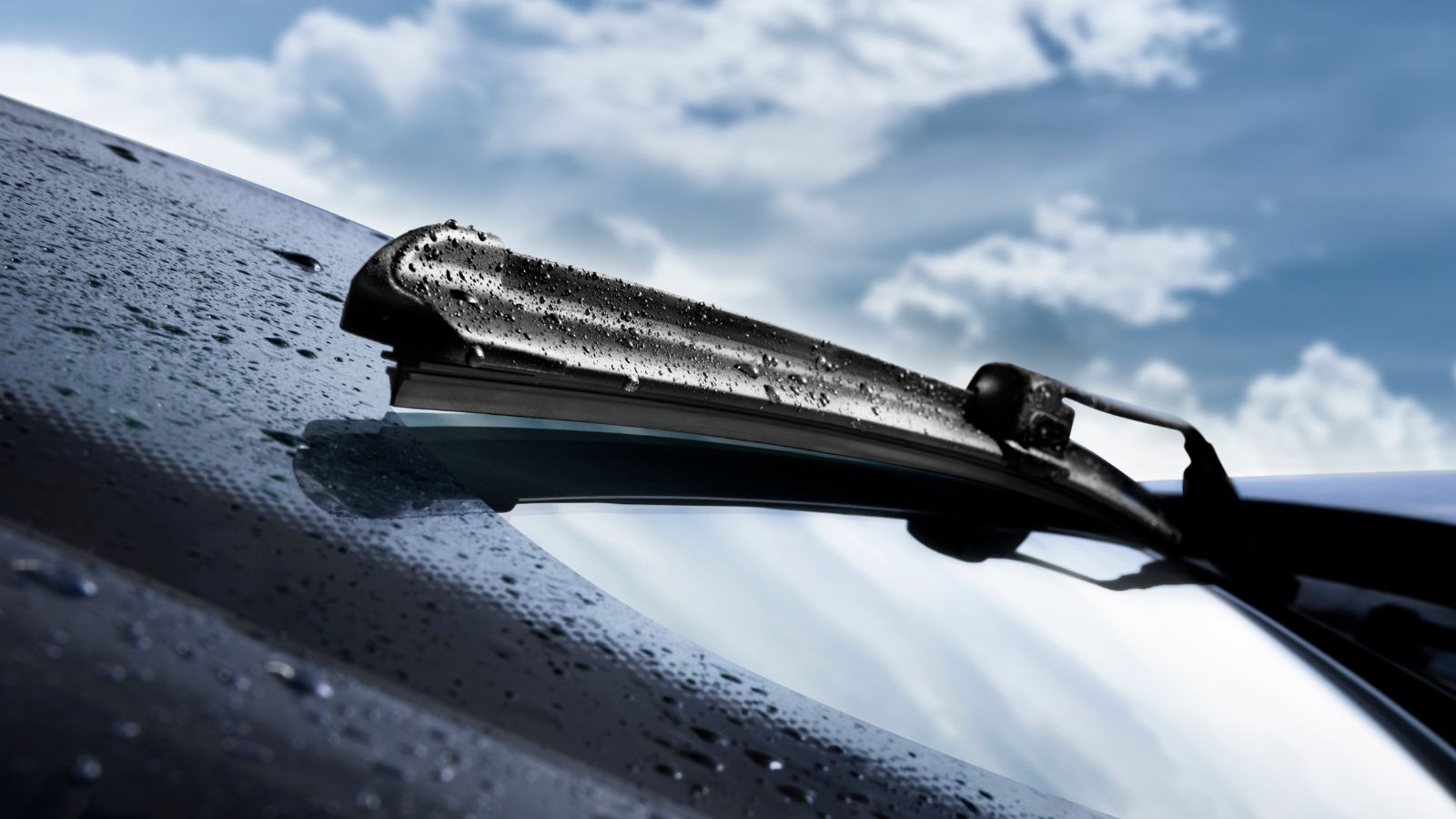
Wipers are easy to ignore until they fail in the exact conditions where they matter most. In Canadian winter, blades face wet snow, freezing rain, road spray, slush, salt film, and sudden temperature swings. Standard wipers can clog with ice, lose contact with the glass, or chatter across the windshield instead of clearing it. Once that happens, even bright headlights and careful driving cannot fully compensate for poor visibility.
A common winter scene says it all: traffic on a slushy highway, transport trucks throwing mist across the lane, and a driver repeatedly spraying washer fluid while the wipers smear grey streaks across the glass. Winter wiper blades, good washer fluid, and functioning defrosters make a large difference. Vehicles with recessed wiper areas that collect ice can be especially annoying, because the blades freeze in place after parked snow melts and refreezes. If a vehicle cannot keep its windshield clear, winter driving becomes tiring fast.
Tiny Washer-Fluid Capacity
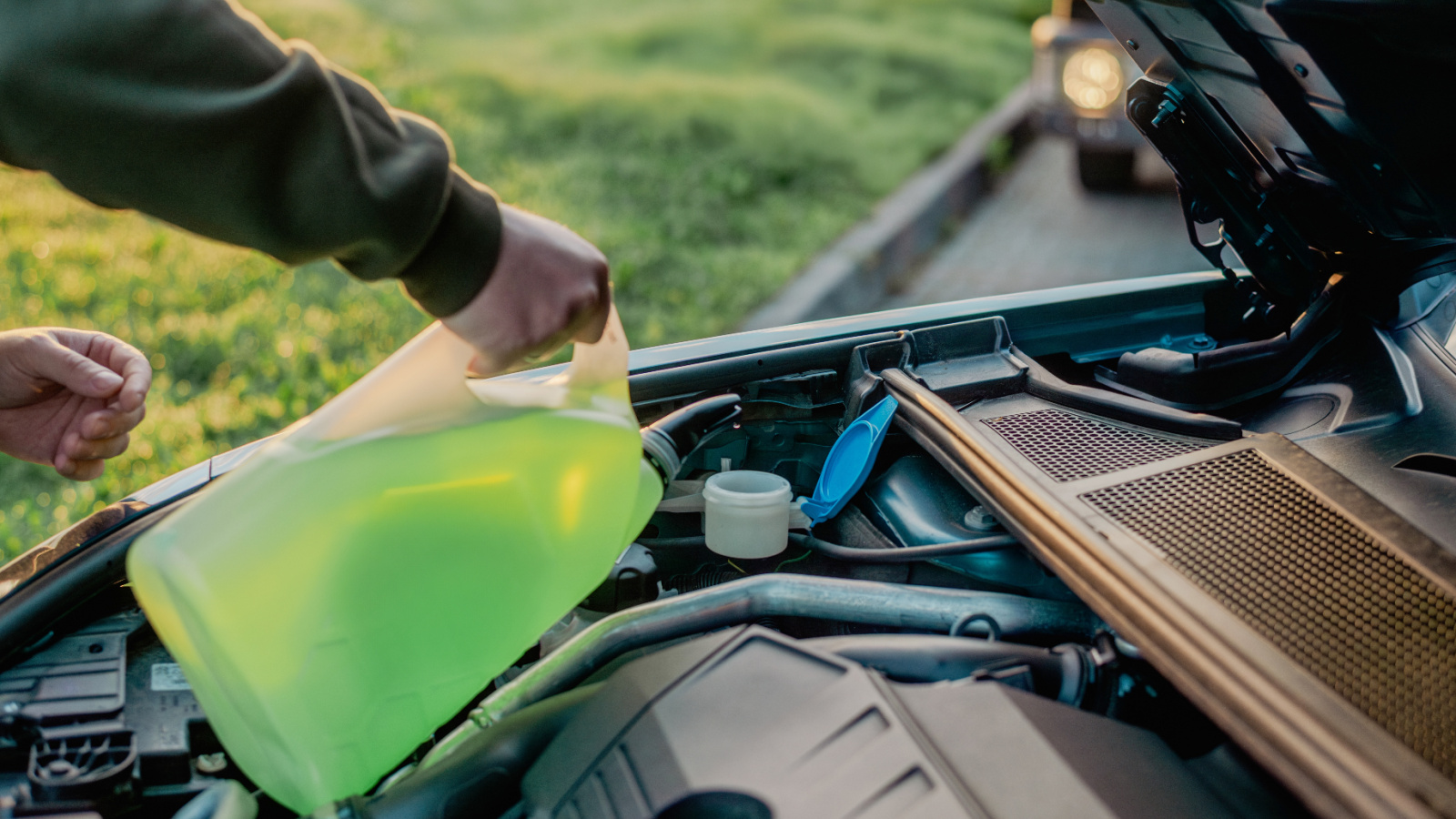
Washer fluid may sound minor until a vehicle runs out on a highway coated with salt spray. Canadian winter roads can cover a windshield with a dull white film within minutes, especially behind trucks or buses. A vehicle with a small washer-fluid reservoir, poor spray pattern, or hard-to-access filler neck becomes more frustrating than expected. The problem is worse when drivers forget that summer fluid can freeze in cold weather.
The practical consequences can be surprisingly serious. A commuter may leave home with a clean windshield and reach the highway only to discover the glass turning opaque under low sun. Pulling over in winter traffic is not always easy, and driving without clear glass is unsafe. Winter-ready vehicles usually make this basic task simple: generous fluid capacity, strong nozzles, heated washer features where available, and a filler opening that does not require acrobatics in gloves. In Canada, washer fluid is not an afterthought.
Rear-Wheel Drive Without Enough Winter Support
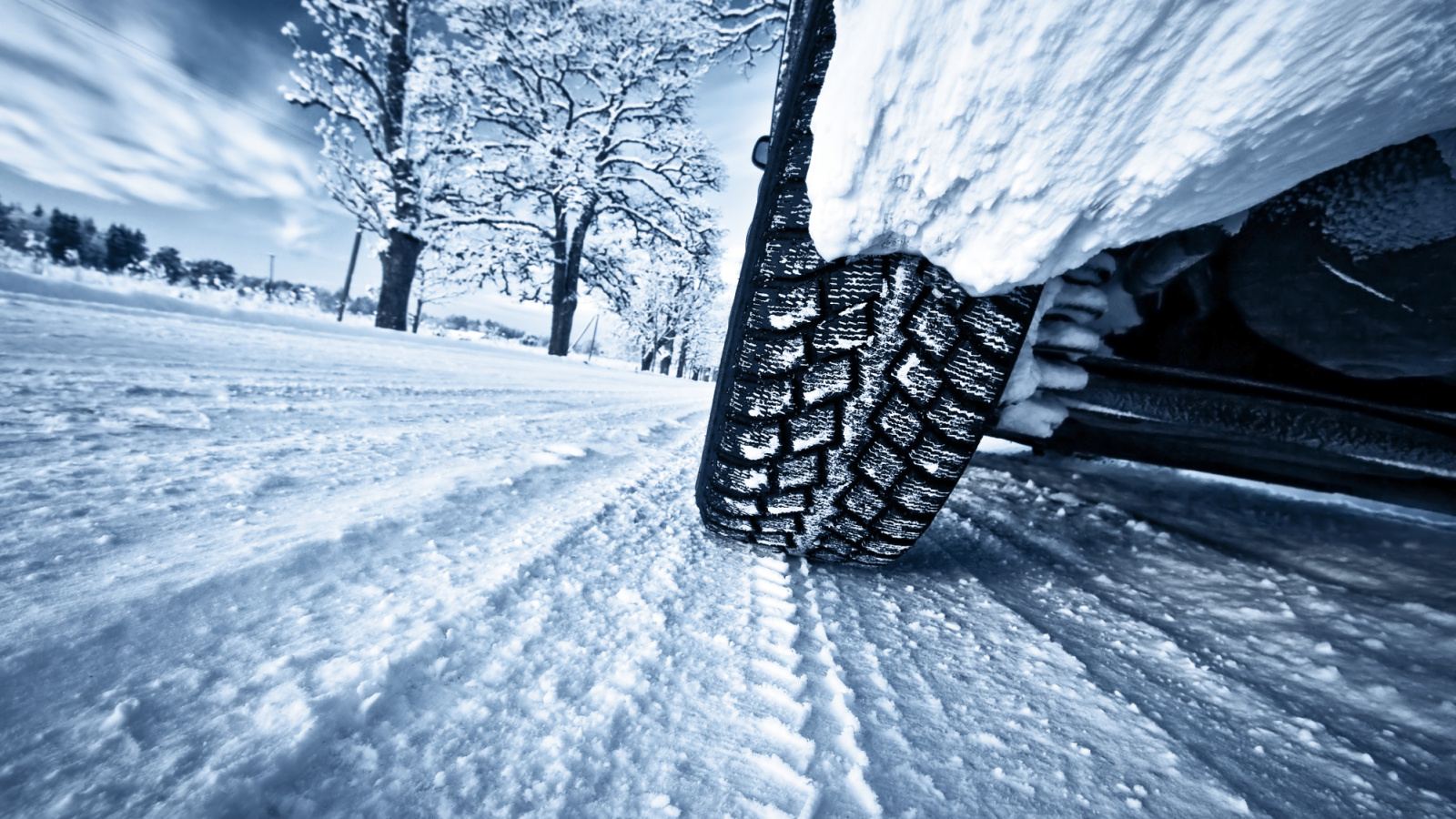
Rear-wheel drive can be enjoyable on dry pavement, but it can become challenging in snow when a vehicle lacks the right tires, weight balance, and stability control. The drive wheels push from the back, which can make starts on icy hills more delicate and make the rear end more willing to step out during turns. Skilled drivers can manage it, but winter commuting rarely happens on empty test tracks with perfect sightlines.
The issue is not that every rear-wheel-drive vehicle is bad in winter. Many perform well with proper winter tires and modern stability systems. The problem comes when a powerful rear-drive car is paired with wide performance tires, low ride height, and a driver expecting summer behaviour in February. A snowy uphill driveway or polished intersection can quickly expose the mismatch. In Canadian winters, predictable traction matters more than dramatic acceleration, and unsupported rear-wheel drive can make even routine trips feel tense.
All-Wheel Drive That Creates False Confidence
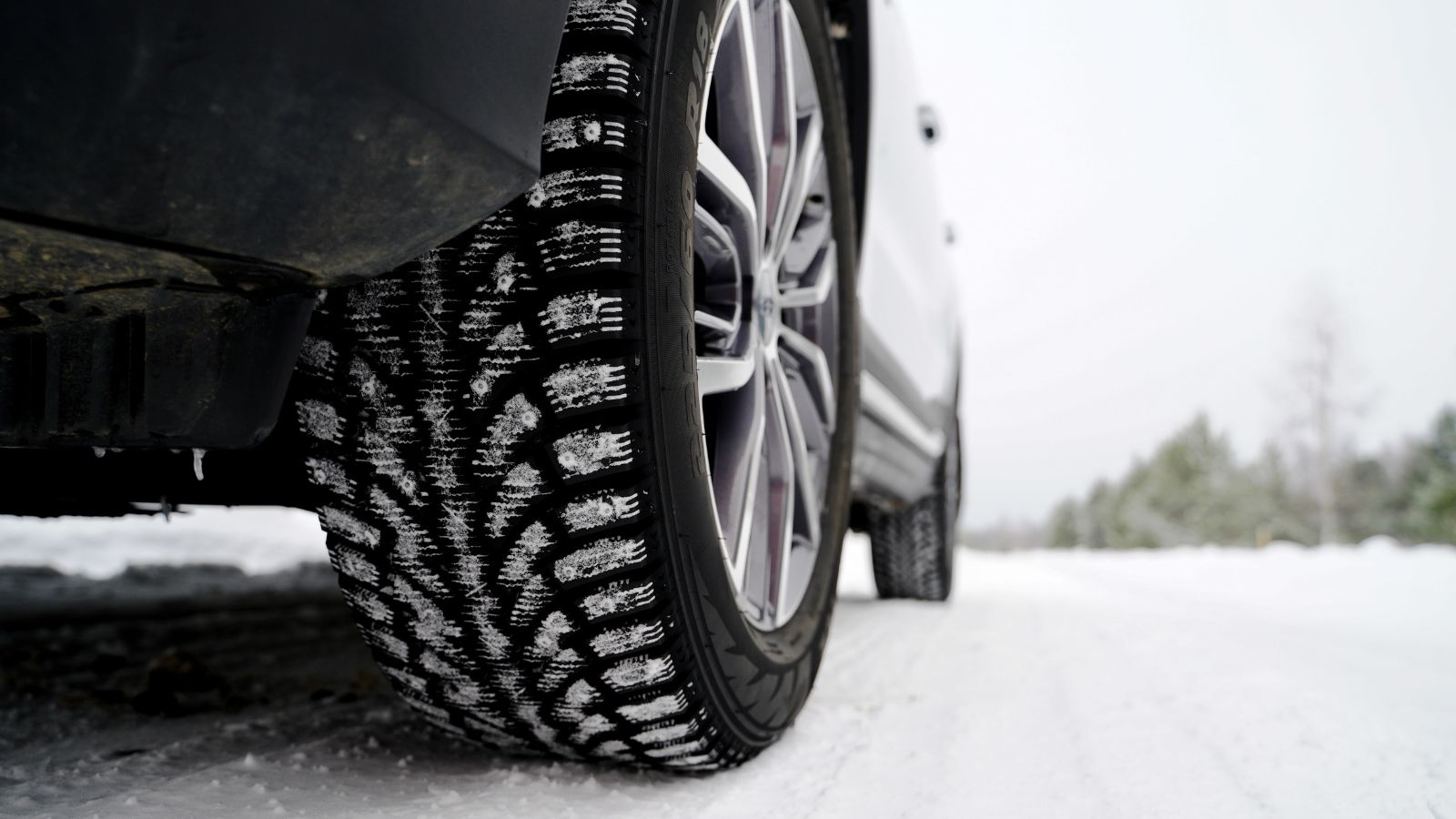
All-wheel drive can help a vehicle move away from a stop, climb snowy grades, and distribute power more effectively. That advantage is real, but it can also create false confidence. All-wheel drive does not shorten stopping distances the way proper tires do, and it cannot change the laws of physics on ice. A driver who accelerates easily may assume the road has more grip than it actually does, only to discover the truth while braking or turning.
This is why some winter crashes involve vehicles that looked capable. A crossover may pull out of a snowy side street without drama, then slide wide at the next corner because speed exceeded available traction. Winter safety depends on tires, braking distance, visibility, and driver judgment as much as drivetrain layout. A good all-wheel-drive system is valuable, but a vehicle becomes terrible for winter when its design or marketing encourages drivers to treat AWD as a substitute for caution.
Overly Wide Performance Tires
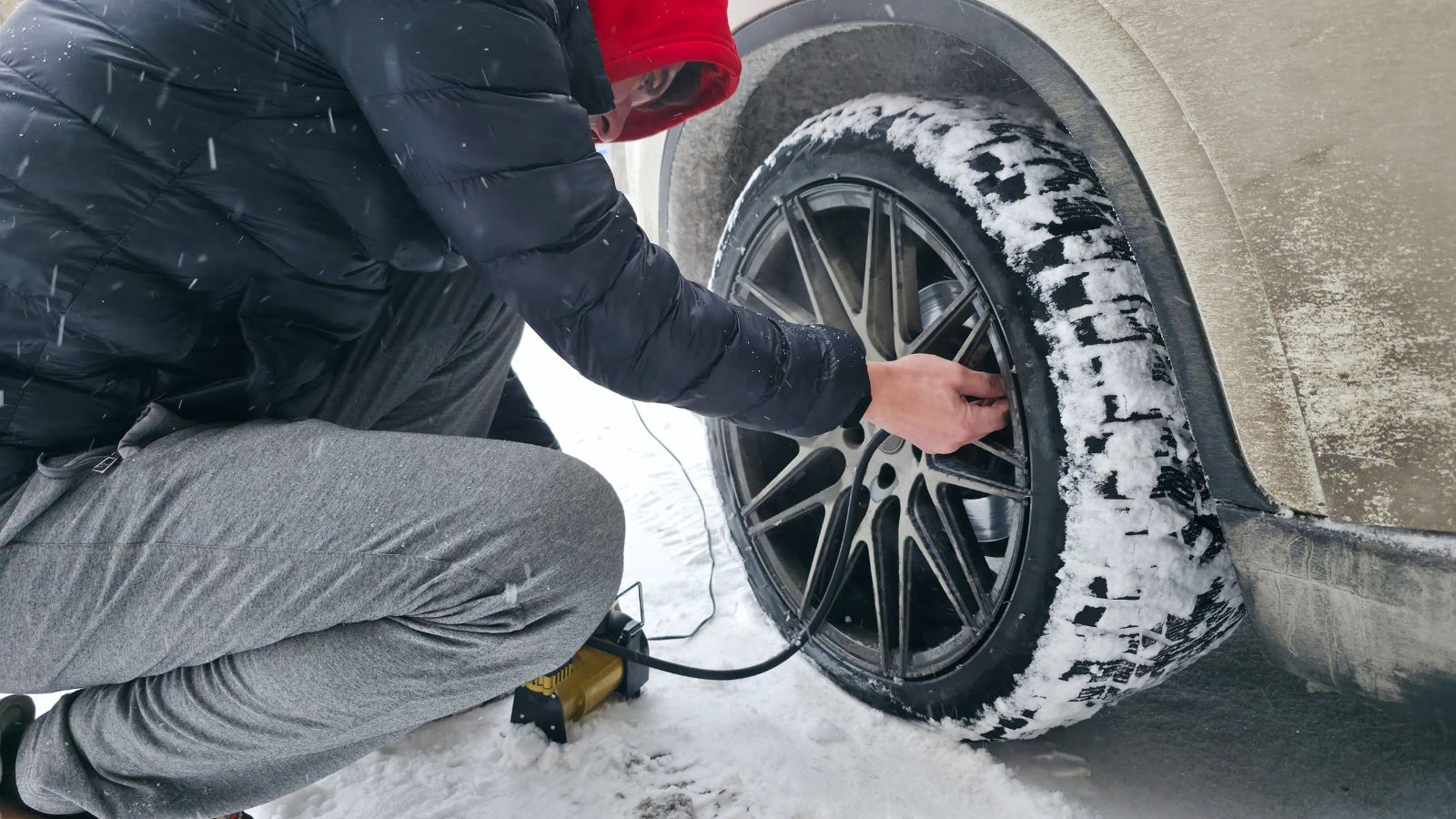
Wide tires can look aggressive and improve dry-road grip, but they are often poorly suited to deep snow and slush. A wider contact patch can float on top of loose snow rather than cutting through it, and many performance tires use rubber compounds designed for warmer conditions. In winter, the result can be a vehicle that feels nervous, noisy, and reluctant to track straight through ruts.
This problem often appears on sporty trims of otherwise practical vehicles. The base model may wear narrower tires with taller sidewalls, while the premium version arrives with large wheels and low-profile rubber. That upgrade can look appealing in a showroom but feel harsh in February when potholes open and slush builds between lanes. Replacing wide performance tires with proper winter sizes can help, but not every vehicle has affordable or easily available winter-wheel options. A vehicle that makes sensible winter tire fitment difficult is already at a disadvantage.
Low-Profile Wheels That Hate Potholes
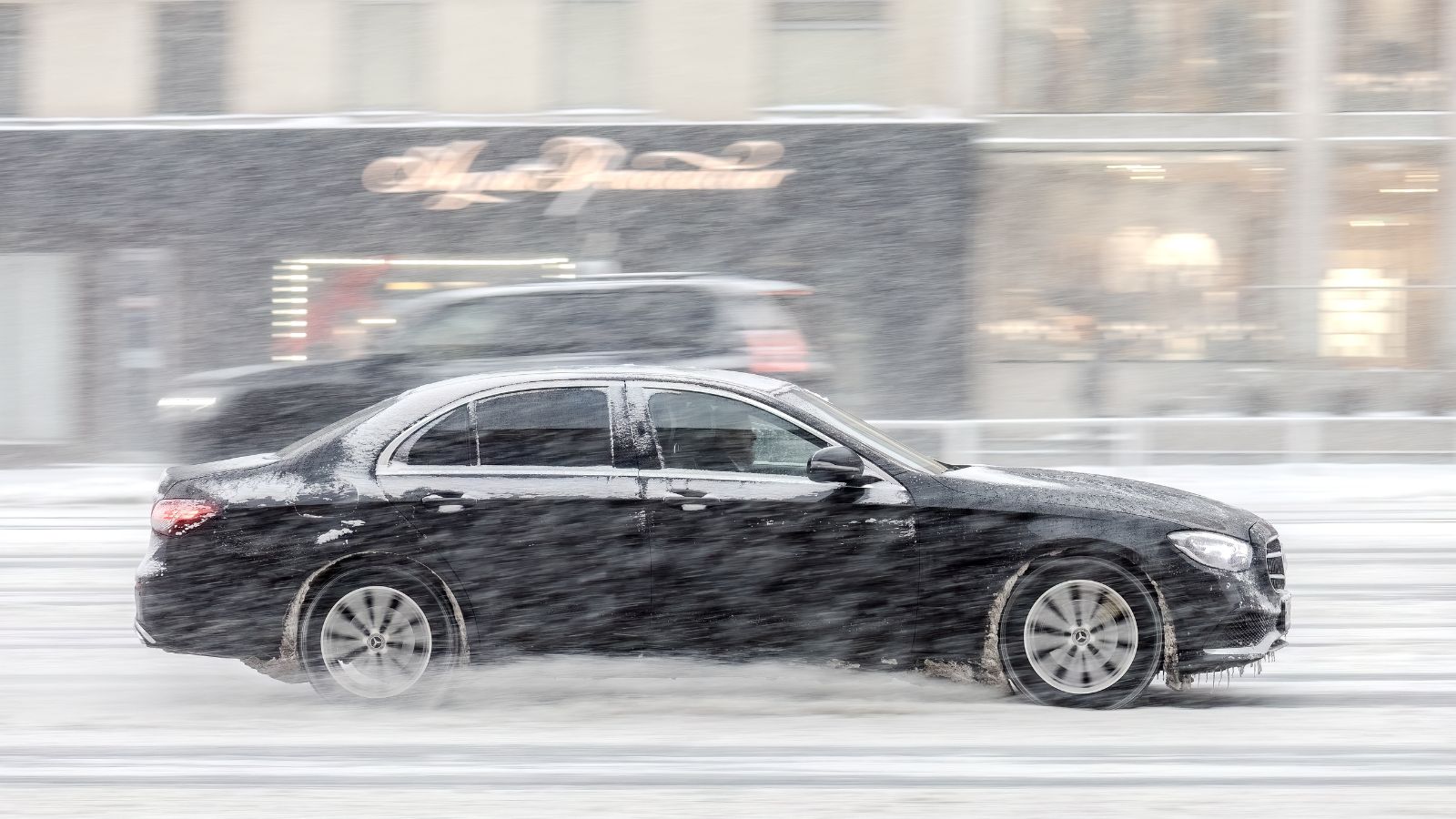
Canadian winters are rough on wheels. Freeze-thaw cycles, plows, salt, and hidden potholes can punish low-profile tires and large rims. When there is not much sidewall between the wheel and the road, the tire has less ability to absorb impacts. That can mean bent rims, sidewall bubbles, cracked wheels, or sudden vibrations after hitting a pothole concealed beneath slush.
The cost can sour ownership quickly. A driver may choose a stylish trim level in summer, then discover that winter roads make the ride harsh and repairs expensive. Low-profile winter tires can also cost more than smaller sizes, and some performance brake packages limit the ability to downsize wheels. In practical Canadian terms, a little more sidewall can be a gift. It helps absorb broken pavement, protects the rim, and makes the vehicle feel less fragile when winter roads turn into a patchwork of ice, ruts, and craters.
No Block Heater or Cold-Weather Package
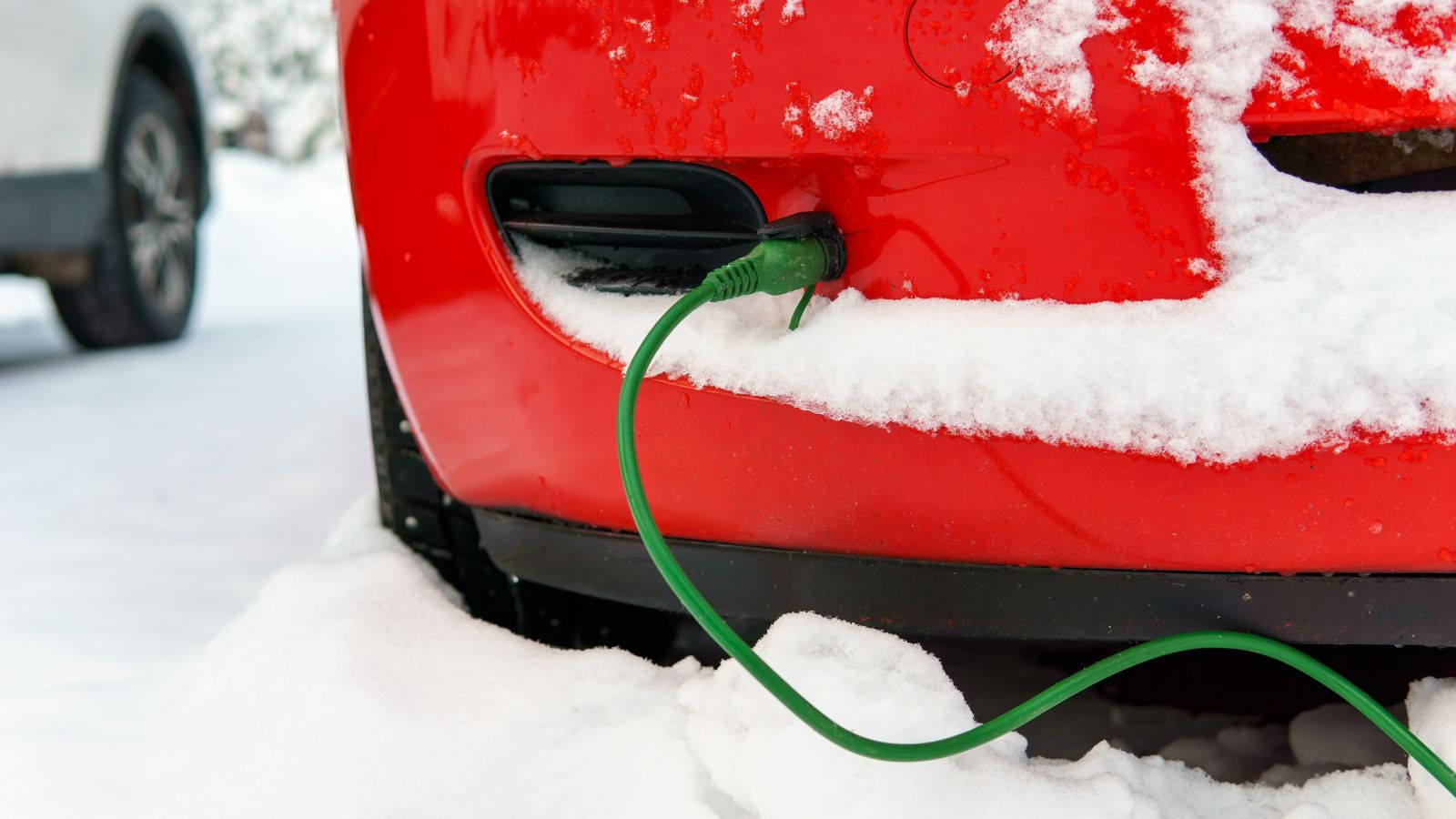
In many parts of Canada, especially the Prairies, northern Ontario, northern Quebec, and the territories, a block heater can make winter ownership much easier. It warms the engine coolant or block area so the vehicle starts more readily and reaches operating temperature sooner. Vehicles without a block heater, battery warmer, heated mirrors, or other cold-weather equipment may still function, but they can feel underprepared when temperatures fall sharply.
This matters most for people who park outside overnight or drive early in the morning. A vehicle that starts reluctantly at -25°C, groans through the first few minutes, and takes ages to produce heat is not ideal for harsh winter life. Cold-weather packages are sometimes treated as optional comfort bundles, but in many Canadian regions they are practical equipment. A vehicle designed mainly for milder climates can feel out of place when winter is not a season but a daily operating condition.
Poor Rust Protection Underneath
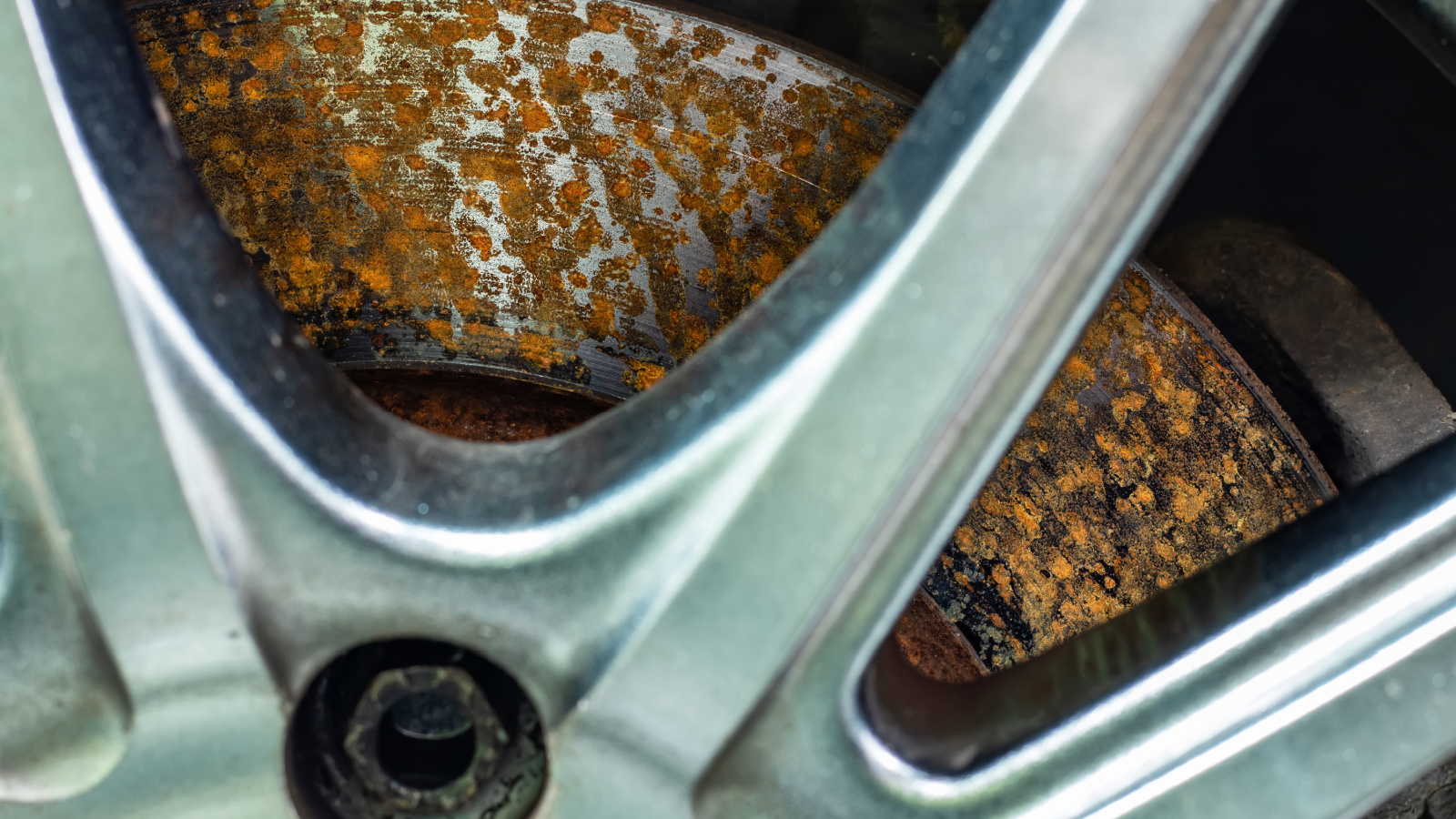
Road salt helps make winter roads safer, but it is brutal on vehicles. Salt and moisture can accelerate corrosion on exposed metal, especially underneath where brake lines, fasteners, suspension parts, fuel lines, subframes, and seams are harder to inspect. A vehicle with poor underbody protection, exposed components, or badly designed moisture traps can age quickly in Canadian winter conditions.
The frustrating part is that corrosion often hides until it becomes expensive. A vehicle may look clean from the outside while rust develops behind plastic covers or around mounting points. Owners in provinces that use heavy salt can face seized bolts, rusty brake parts, exhaust failures, and lower resale value. Washing the underbody and applying proper rust protection can help, but some vehicles simply tolerate salt better than others. For Canadian winters, corrosion resistance is not cosmetic. It affects long-term safety, repair costs, and whether the vehicle feels worth keeping.
Doors, Handles, and Seals That Freeze Shut
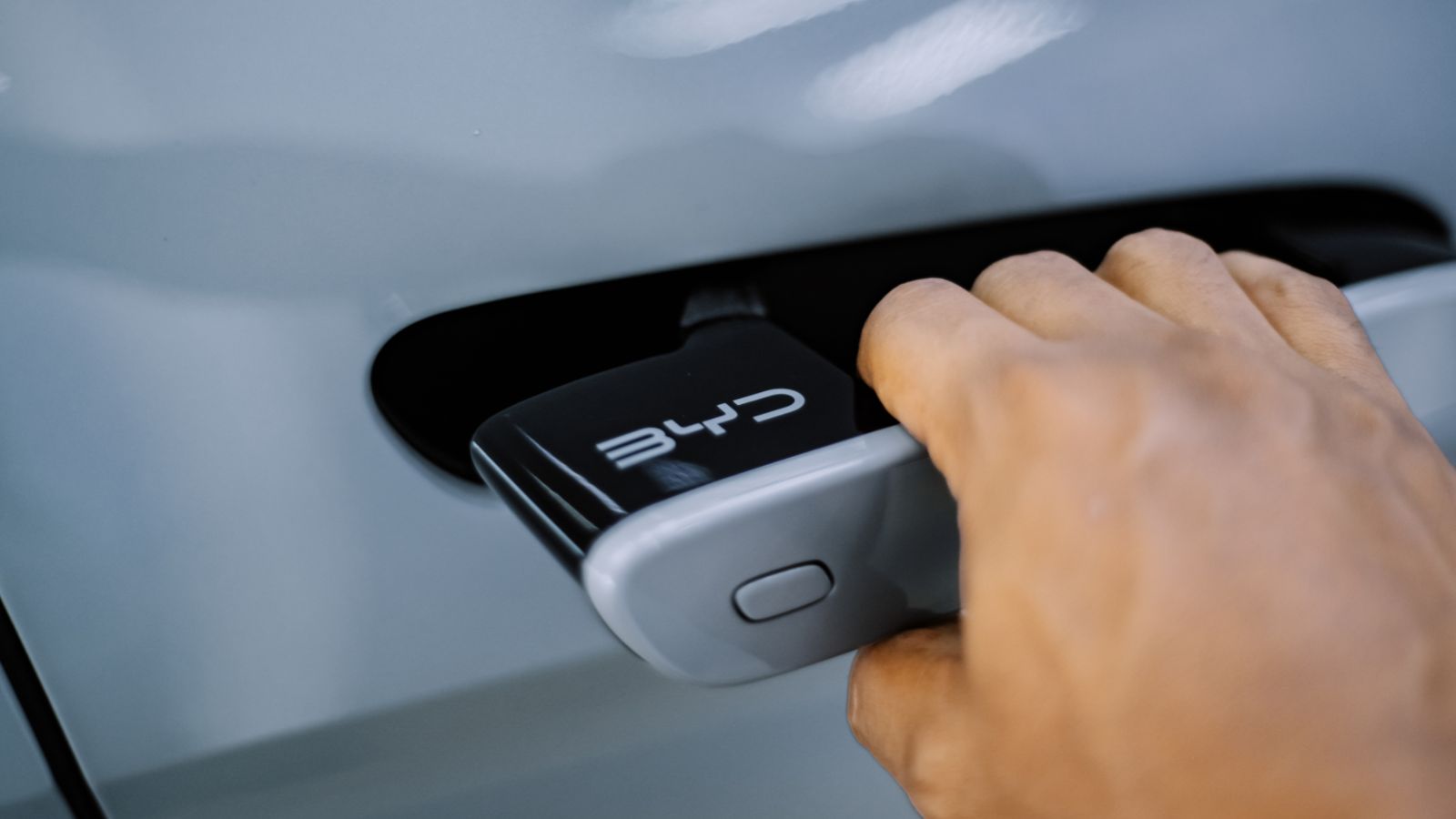
A vehicle can become terrible for winter before the engine even starts if the doors, locks, handles, or fuel door freeze shut. Wet snow, freezing rain, and rapid temperature swings can turn small design weaknesses into daily annoyances. Flush door handles, frameless windows, weak seals, or poorly drained handle pockets may look sleek in warm weather but become awkward when coated with ice.
This is the kind of problem that rarely appears in a brochure yet shapes real ownership. A driver heading to work may tug carefully on a frozen handle, worried about snapping plastic. Another may find the charging port or fuel door stuck after freezing rain. Families dealing with child seats feel the frustration even more when rear doors resist opening in a storm. Good winter vehicles make access simple with durable handles, effective seals, and designs that shed water rather than trapping it where it freezes overnight.
Safety Tech That Gets Confused by Snow
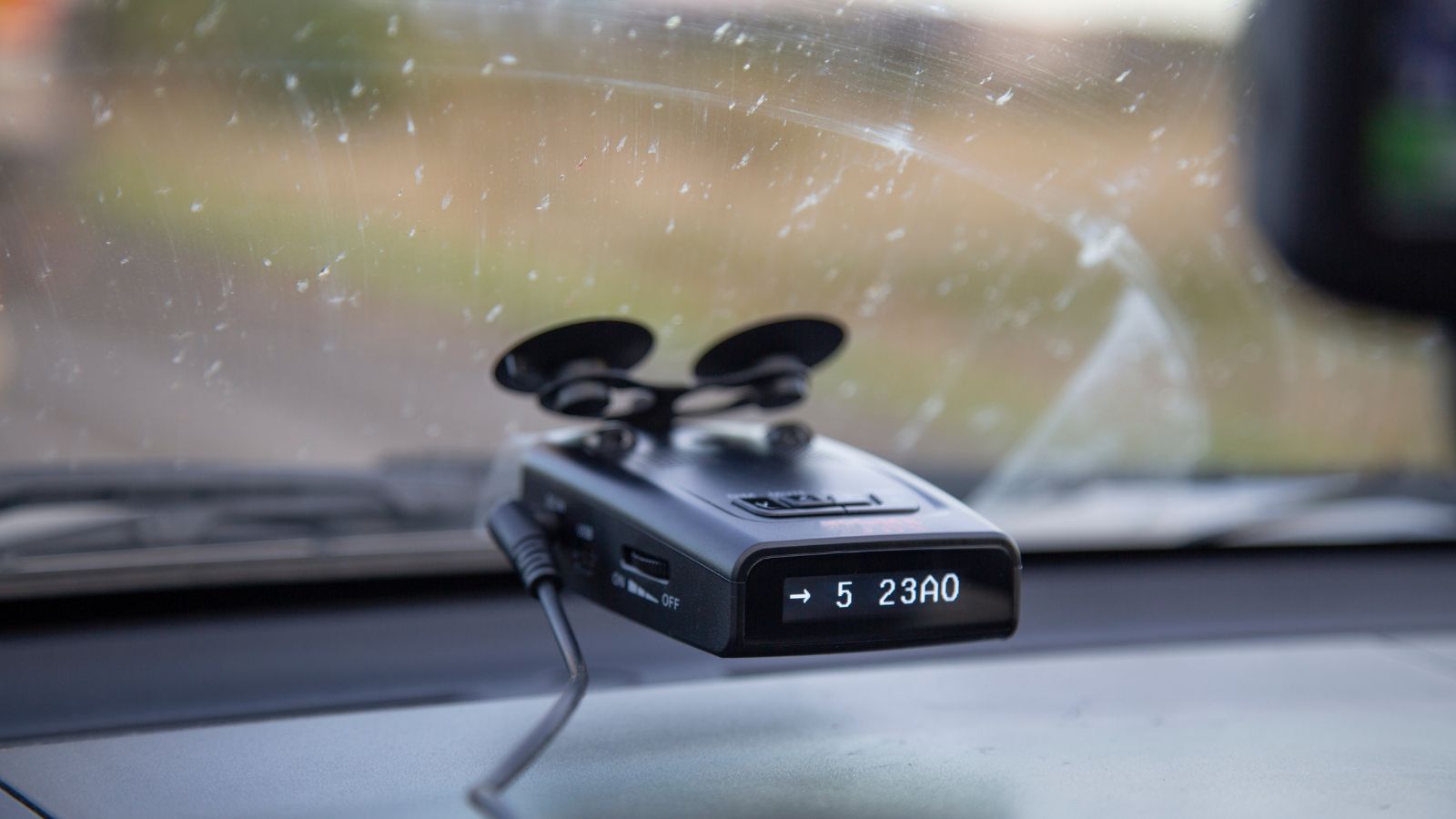
Modern driver-assistance systems can be helpful, but Canadian winter can limit them. Cameras, radar sensors, ultrasonic sensors, and lidar-style systems may be blocked by snow, ice, slush, road grime, or frost. When that happens, features such as lane-keeping assistance, adaptive cruise control, parking sensors, blind-spot alerts, and automatic emergency braking may reduce function or shut off temporarily.
The concern is not that the technology is useless. It is that some vehicles rely heavily on sensors placed in areas that collect winter grime quickly. A camera behind the windshield may struggle if the glass fogs or wipers leave streaks. A front radar unit can become coated after a few kilometres of highway spray. Drivers may see warning messages appear just when conditions are already demanding. A winter-friendly vehicle should make these systems easy to clean, communicate limitations clearly, and still feel safe and predictable when electronic assistance is reduced.
Weak Headlights and Poor Rear Visibility
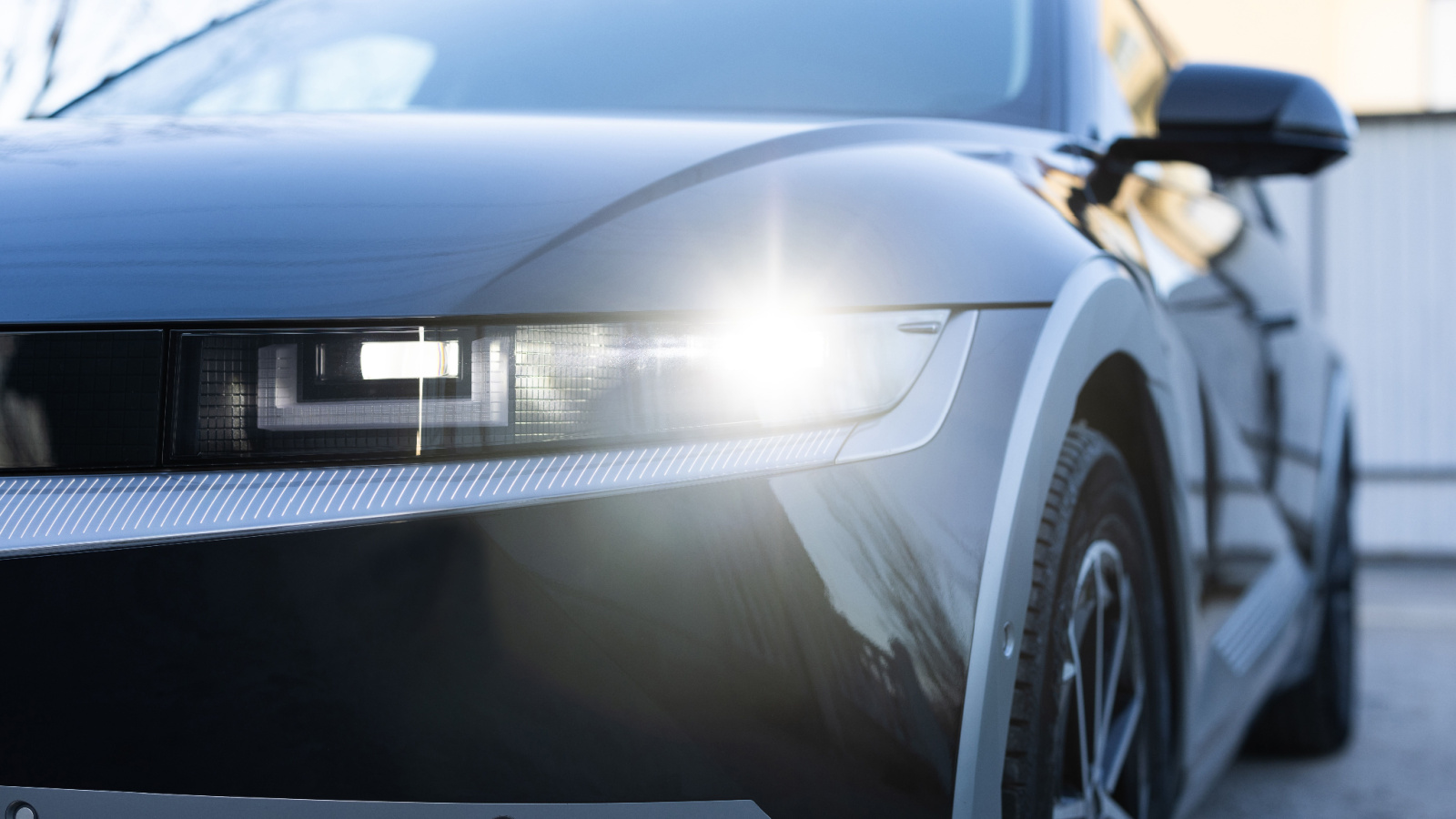
Winter driving often happens in darkness, low sun, blowing snow, or flat grey light. Weak headlights, poor beam patterns, dim taillights, small rear windows, and bad mirror coverage can make a vehicle much harder to live with. Visibility is not only about seeing the road; it is also about being seen by other drivers through snow spray, dusk, and whiteout conditions.
This becomes especially important on rural roads and highways where lighting is limited. A vehicle with dirty or poorly aimed lights may leave the driver guessing at lane edges, snowbanks, pedestrians, wildlife, or stopped traffic. Rear visibility matters when backing out between snowbanks that are taller than the trunk. Transport Canada advises clearing snow from lights and windows before driving, but vehicle design also plays a role. Narrow glass, thick pillars, and weak lighting can make winter feel more hazardous than it needs to be.
Brakes That Feel Grabby or Unpredictable
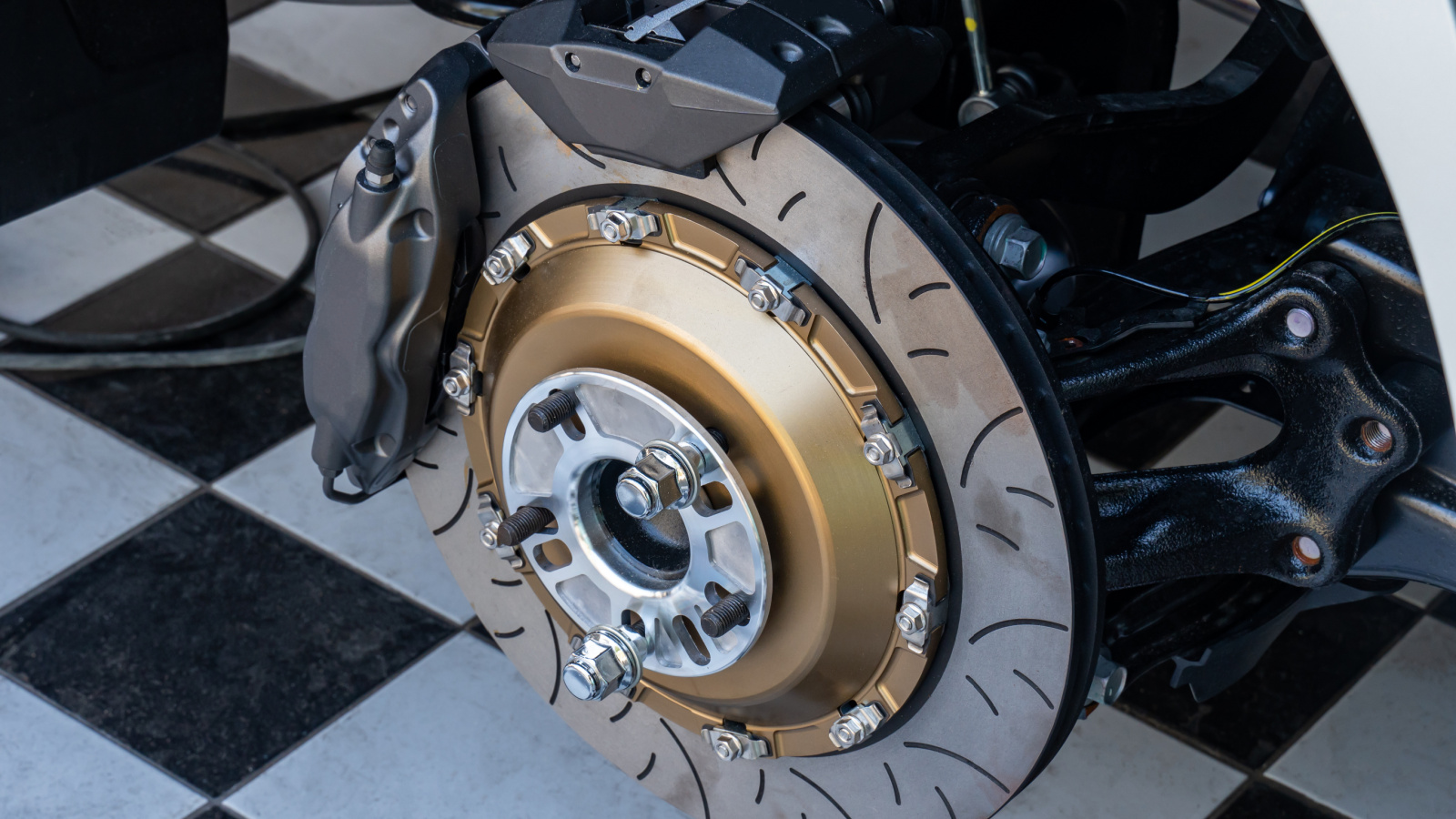
Good brakes matter all year, but winter exposes systems that feel abrupt, uneven, or poorly matched to the tires. On slippery surfaces, smooth brake modulation is crucial. If a vehicle’s brake pedal is overly grabby, if the anti-lock braking system feels rough, or if the rear brakes are corroded from salt exposure, stopping can feel less predictable. That can make drivers tense during every icy intersection approach.
Winter braking is also affected by weight, tires, suspension, and road surface. A heavy vehicle on poor tires may take far longer to stop than expected, even if its brake hardware is large. A lighter vehicle with good winter tires can feel more reassuring because grip arrives progressively. Drivers often remember the first time ABS chatters underfoot on black ice; the vehicle is still trying to help, but available traction is limited. A winter-ready vehicle should communicate grip clearly and stop consistently, not surprise the driver at the worst moment.
Fuel Economy That Collapses in Short Trips
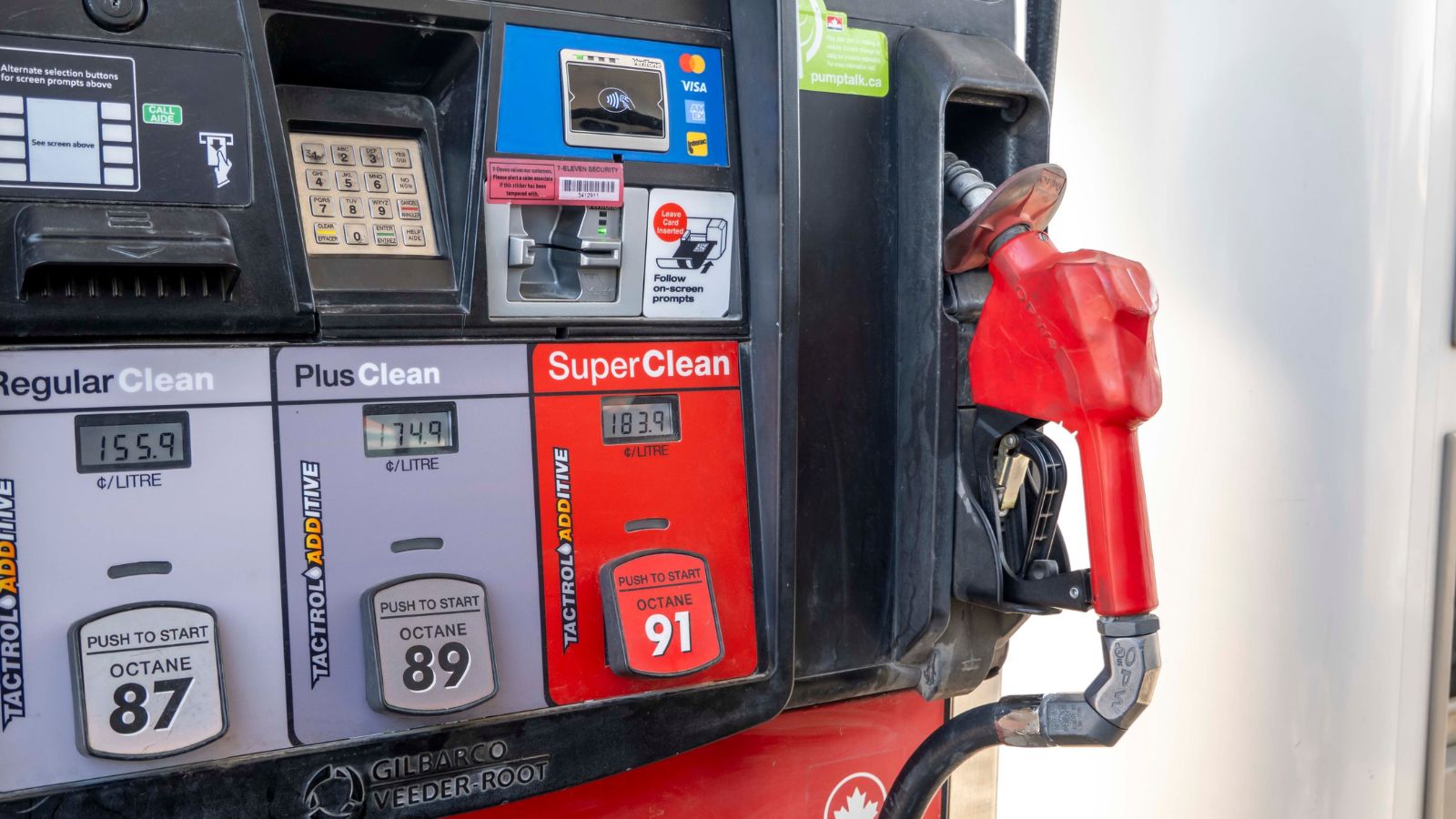
Many vehicles use more fuel in winter, but some become noticeably inefficient during short Canadian trips. Cold engines run richer, fluids are thicker, tire pressures drop, aerodynamic drag increases in dense cold air, and accessories such as defrosters, heated seats, and rear-window heaters draw energy. Short errands are especially hard because the vehicle may barely reach full operating temperature before being parked again.
The result can be a winter fuel bill that feels out of proportion to the distance driven. A vehicle that seems economical in summer highway driving may disappoint during January school runs, grocery stops, and city commutes. Natural Resources Canada has noted that winter conditions affect fuel efficiency, including the role of denser cold air and added rolling resistance. A terrible winter vehicle is not always the one that gets stuck. Sometimes it is the one that turns every cold start and short trip into a surprisingly expensive routine.
Electric Range That Drops Too Much in Cold Weather
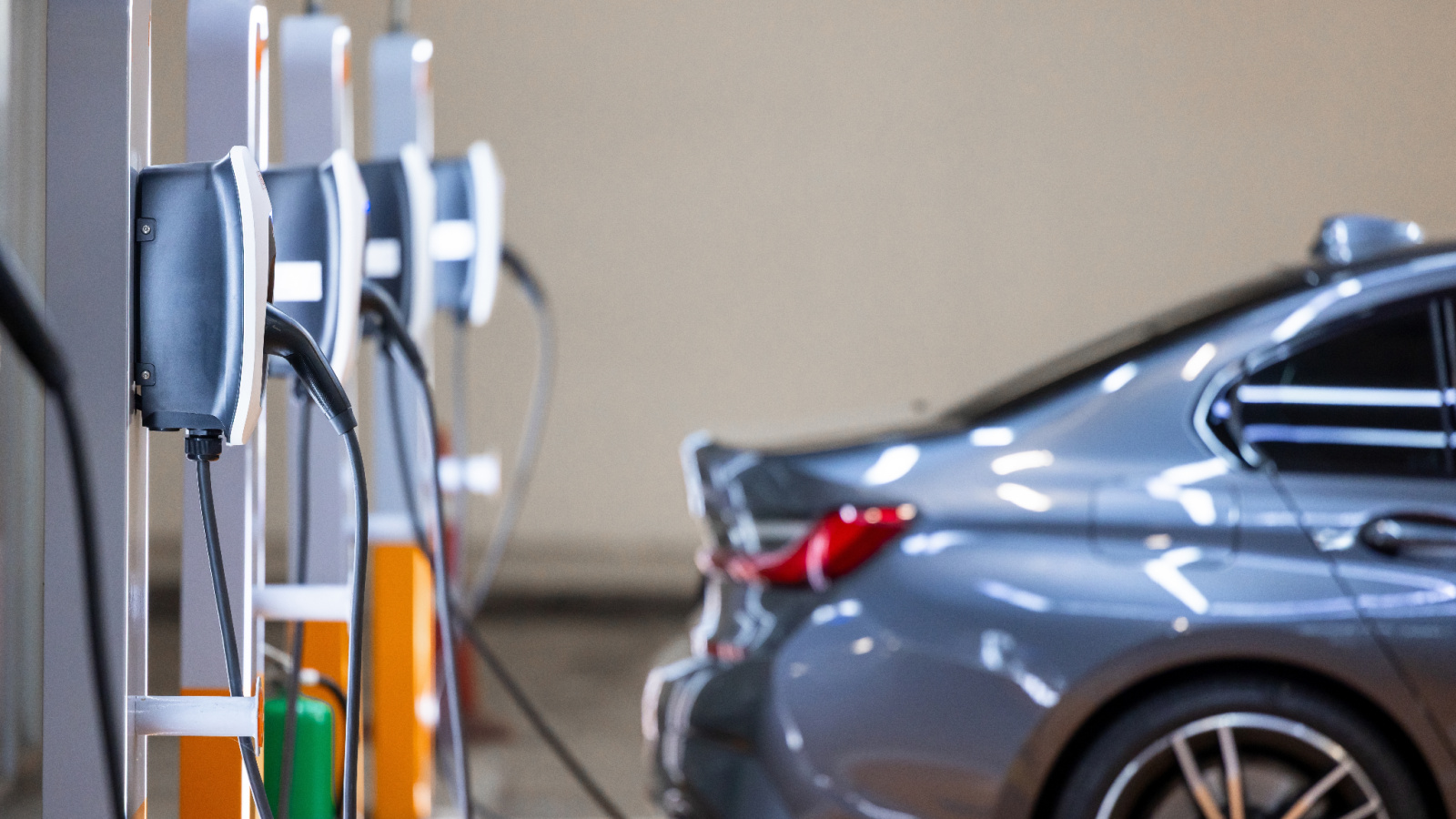
Electric vehicles can work in cold climates, and many Canadian owners use them successfully. The problem begins when a specific EV lacks enough battery buffer, efficient thermal management, a heat pump, reliable preconditioning, or convenient charging access for winter habits. Cold temperatures reduce battery efficiency, and cabin heating can draw significant energy. Long highway drives in sub-zero weather can make range estimates feel less reassuring than they do in spring.
The daily experience depends heavily on use case. An EV with home charging, a heat pump, and predictable commuting may be perfectly practical. The same vehicle can feel stressful for apartment dwellers, rural drivers, or people who regularly travel between towns in severe cold. Public charging stops are less pleasant when wind chills are brutal, and charging speed can slow if the battery is cold. A winter-suitable EV needs more than an optimistic range number; it needs cold-weather engineering that matches Canadian driving reality.
Awkward Cargo Space for Winter Gear
Winter driving in Canada often means carrying more than passengers and groceries. Snow brushes, scrapers, booster cables, blankets, gloves, emergency kits, washer fluid, traction aids, shovels, hockey bags, ski gear, and bulky coats all take space. A vehicle with a small trunk opening, shallow cargo area, awkward underfloor storage, or no place for wet gear can become irritating quickly.
This problem is easy to miss during a summer test drive. The cargo area may look adequate until winter adds boots, bags, and safety supplies. Families feel it when slushy mats and sports equipment compete for space. Commuters notice it when a long-handled snow brush will not fit cleanly. A practical winter vehicle does not need to be enormous, but it should handle messy, bulky, cold-weather life without constant rearranging. Storage that is easy to access with gloves on can matter as much as total cargo volume.
Controls That Are Hard to Use With Gloves

Touchscreens, tiny buttons, glossy sliders, and buried climate menus can become frustrating in winter. Drivers often wear gloves, deal with fogging glass, or need to adjust heat and defrost quickly. If basic controls require multiple screen taps or precise finger movements, the vehicle can feel poorly adapted to cold-weather use. Physical knobs and buttons may not look as futuristic, but they can be easier to operate by feel.
This issue becomes more than an annoyance when visibility changes quickly. A driver may need to increase defrost, redirect airflow, activate heated mirrors, or change fan speed while watching icy traffic. If the interface is slow, distracting, or unresponsive to gloves, attention shifts away from the road. Good winter design respects the reality of numb fingers and bulky clothing. A vehicle that hides essential climate and visibility controls behind complicated menus may feel modern in a showroom but clumsy in a February storm.
22 Things Canadians Do to Their Cars in Spring That Mechanics Hate

Spring brings relief to many Canadian drivers after months of snow, freezing temperatures, and icy roads that put serious strain on vehicles. As temperatures rise across the country, drivers begin washing cars, switching tires, and preparing vehicles for warmer weather and upcoming road trips. However, mechanics across Canada notice the same mistakes every spring when drivers attempt to recover from winter damage. Road salt, potholes, and harsh winter driving conditions often leave vehicles with hidden problems that drivers ignore. Some spring habits even create new mechanical issues that could have been avoided with proper maintenance. Here are 22 things Canadians do to their cars in spring that mechanics hate.