


























Canadian driveways used to be dotted with hatchbacks, compact sedans, and bare-bones runabouts that made sense for commuting, parking, fuel bills, and first-time ownership. Now, even modest neighbourhood streets are filled with crossovers, pickups, and SUVs that would have looked oversized a generation ago.
The shift is not happening because small cars suddenly stopped being useful. It is the result of pricing, profit margins, winter expectations, safety perceptions, changing regulations, and the way automakers allocate factory capacity. These twelve forces help explain why small cars are fading from Canadian roads, even as many households still need affordable transportation.
Automakers Make More Money on Bigger Vehicles

The clearest reason small cars are disappearing is not mysterious: bigger vehicles usually leave more room for profit. A basic hatchback can require many of the same expensive systems as a larger SUV, including airbags, cameras, sensors, infotainment screens, emissions equipment, and crash structures. When those costs are spread across a low-priced car, the business case becomes thin.
That is why automakers often prefer to sell compact SUVs instead of small sedans, even when the buyer still wants something affordable. A crossover can use similar mechanical parts while carrying a higher sticker price and more profitable option packages. Heated seats, larger screens, all-wheel drive, roof rails, and appearance trims can turn an entry-level vehicle into a much stronger earner. For manufacturers, the small-car customer has not disappeared as much as been redirected.
Canadian Sales Have Shifted Hard Toward “Trucks”
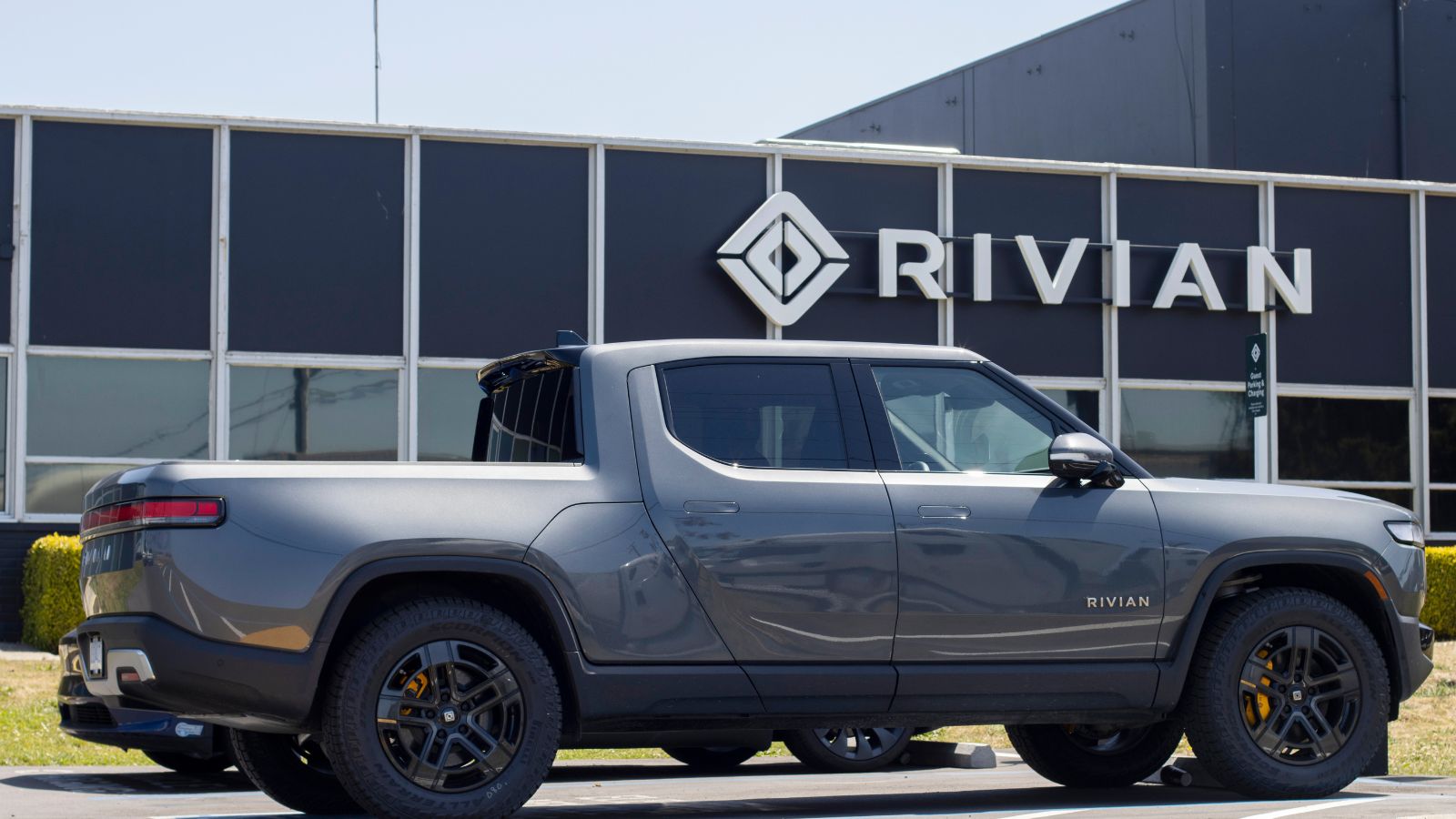
The category that Statistics Canada calls “trucks” includes pickups, vans, minivans, SUVs, and many crossovers. That matters because this broad group now dominates new-vehicle sales in Canada. In 2025, trucks accounted for 88 percent of new motor vehicles sold, while passenger-vehicle sales had fallen by more than half compared with 2019.
This is the market signal automakers watch closely. When Canadian shoppers keep choosing taller vehicles, companies respond by sending dealers more of them. A family replacing an aging compact may find three rows of small SUVs on the lot and only a few conventional cars. Over time, the imbalance becomes self-reinforcing: fewer small cars are stocked, fewer are advertised, fewer are test-driven, and then manufacturers point to lower sales as proof that demand is gone.
Crossovers Became the New Small Car
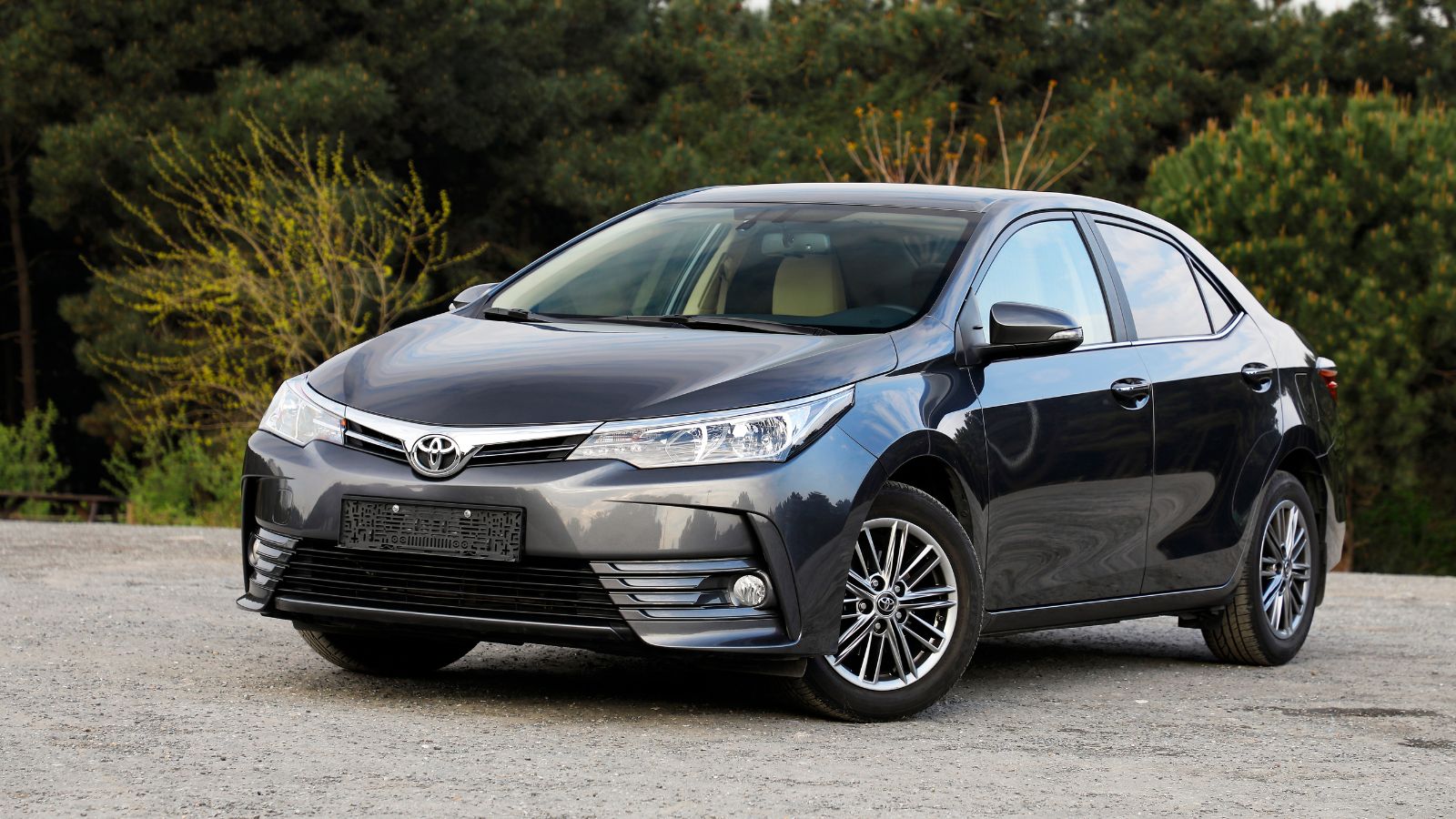
Many drivers who once bought a Corolla, Civic, Accent, Yaris, Fit, Rio, or Micra now end up looking at a small SUV instead. Models such as the Toyota Corolla Cross, Honda HR-V, Hyundai Kona, Chevrolet Trax, Nissan Kicks, and Kia Seltos occupy the emotional space that small cars used to own: practical, relatively efficient, city-friendly, and not too intimidating.
The difference is that crossovers feel more versatile on paper. They offer a higher seating position, a hatch, easier child-seat loading, and the impression of all-weather confidence. For someone shopping in Calgary, Moncton, Sudbury, or suburban Montréal, that extra ride height can feel worth the money. The result is not that Canadians stopped wanting compact transportation. They increasingly want compact transportation shaped like an SUV.
Winter Driving Changed Buyer Priorities
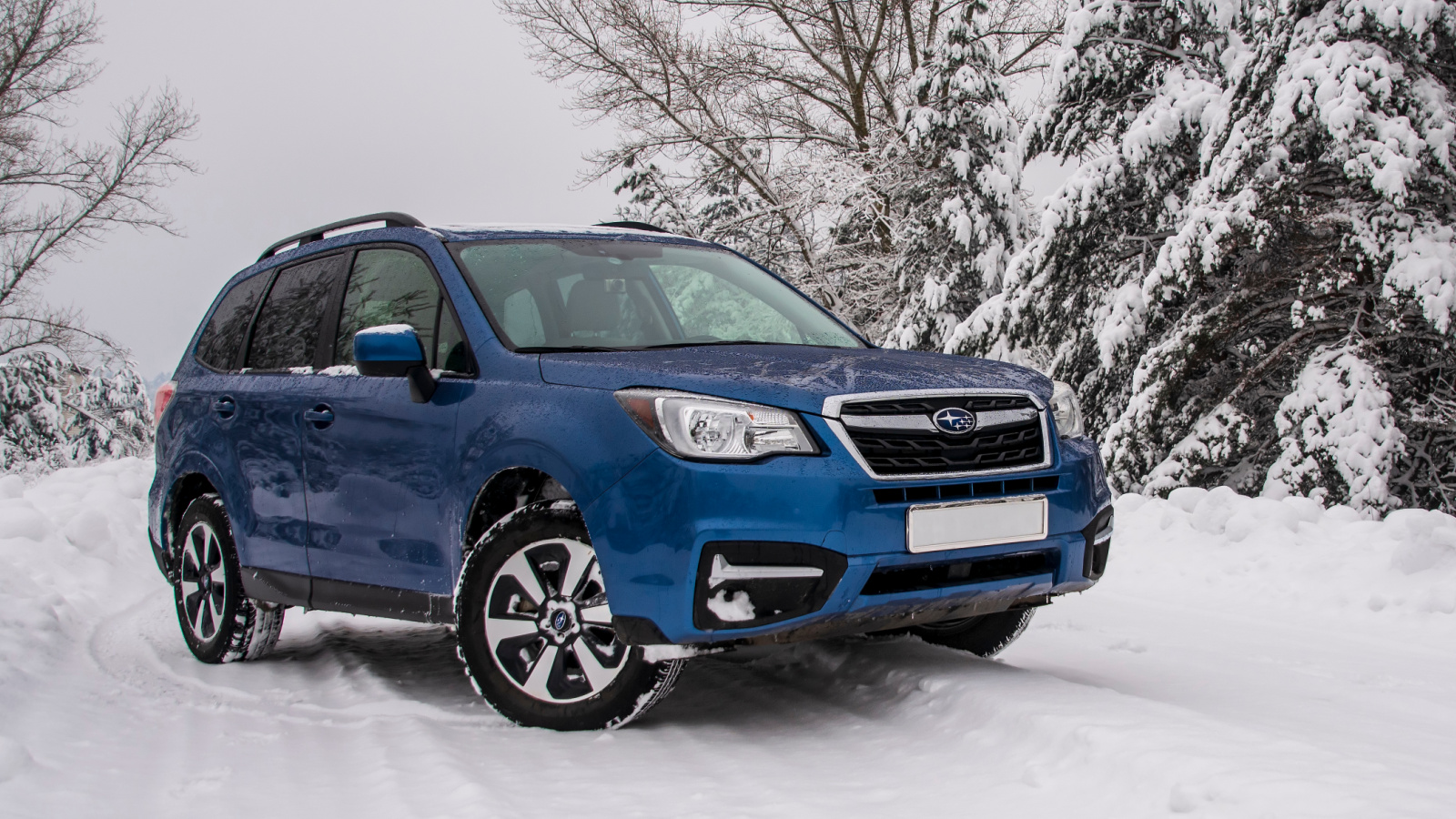
Canadian winters have always influenced vehicle choices, but the modern small SUV has turned that influence into a sales advantage. All-wheel drive, extra ground clearance, and a taller seating position are powerful selling points in provinces where snowbanks, slush ridges, potholes, and icy side streets are part of everyday driving for months.
A small car with proper winter tires can still be excellent in cold weather, and many compact sedans are safer and more predictable than people assume. Yet showroom psychology matters. A buyer remembering a low bumper scraping frozen ruts may gravitate toward a crossover before comparing braking distances, tire quality, or actual traction needs. Dealers understand this, so winter-ready language appears heavily in SUV marketing. Small cars lose because they look less prepared, even when the real difference is often more complicated.
Safety Perception Favours Size
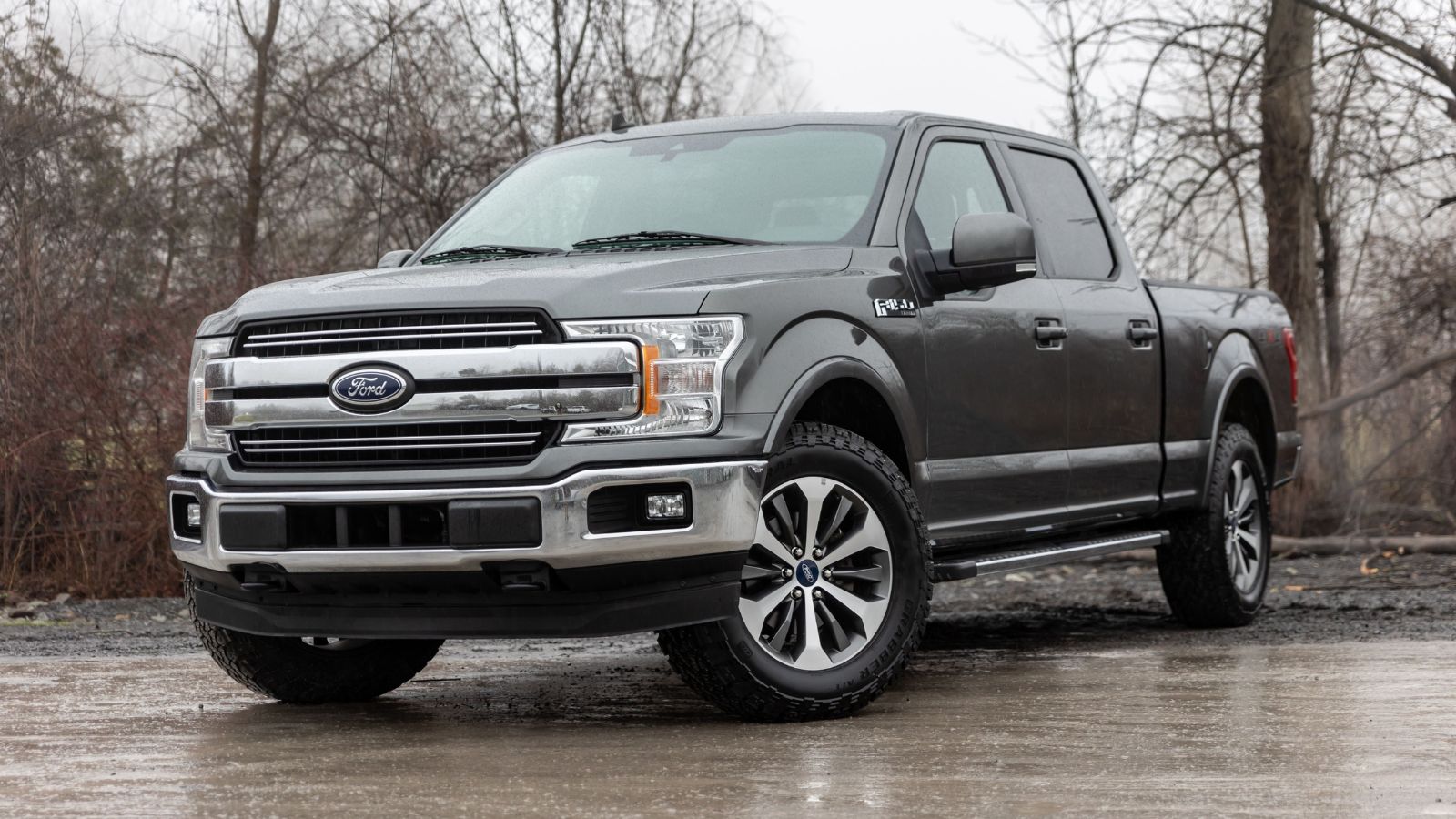
Modern small cars must meet Canadian safety standards, and many are engineered far beyond what older compact cars offered. Still, size perception is difficult to overcome. When roads are filled with pickups and SUVs, a lower compact car can make occupants feel surrounded by larger metal, higher bumpers, and taller headlights.
This perception affects buying decisions even when safety ratings are not that simple. Crash outcomes depend on vehicle design, weight, structure, speed, restraint systems, and crash compatibility. However, many households do not analyze crash-test details before choosing a vehicle. They make a practical emotional decision: sitting higher feels safer. As more drivers move into larger vehicles for that reason, others feel pressure to do the same. Small cars then seem less like normal transportation and more like an underdog in traffic.
Small Cars Lost Their Price Advantage

Small cars used to have an obvious argument: they were cheap. That advantage has weakened. Technology that was once optional or unavailable is now expected, including backup cameras, large touchscreens, advanced driver-assistance systems, connectivity features, and increasingly complex emissions equipment. These costs do not shrink just because the vehicle is smaller.
At the same time, average new-vehicle prices in Canada have moved sharply upward. Statistics Canada reported that dealerships received an average of $55,827 per vehicle sold in 2025, compared with $43,567 in 2019. When a small car is no longer dramatically cheaper than a small crossover, buyers often stretch into the vehicle that feels more useful. The monthly-payment difference can look manageable, especially over longer loan terms, even if the total cost is much higher.
Discontinued Models Made the Segment Feel Abandoned
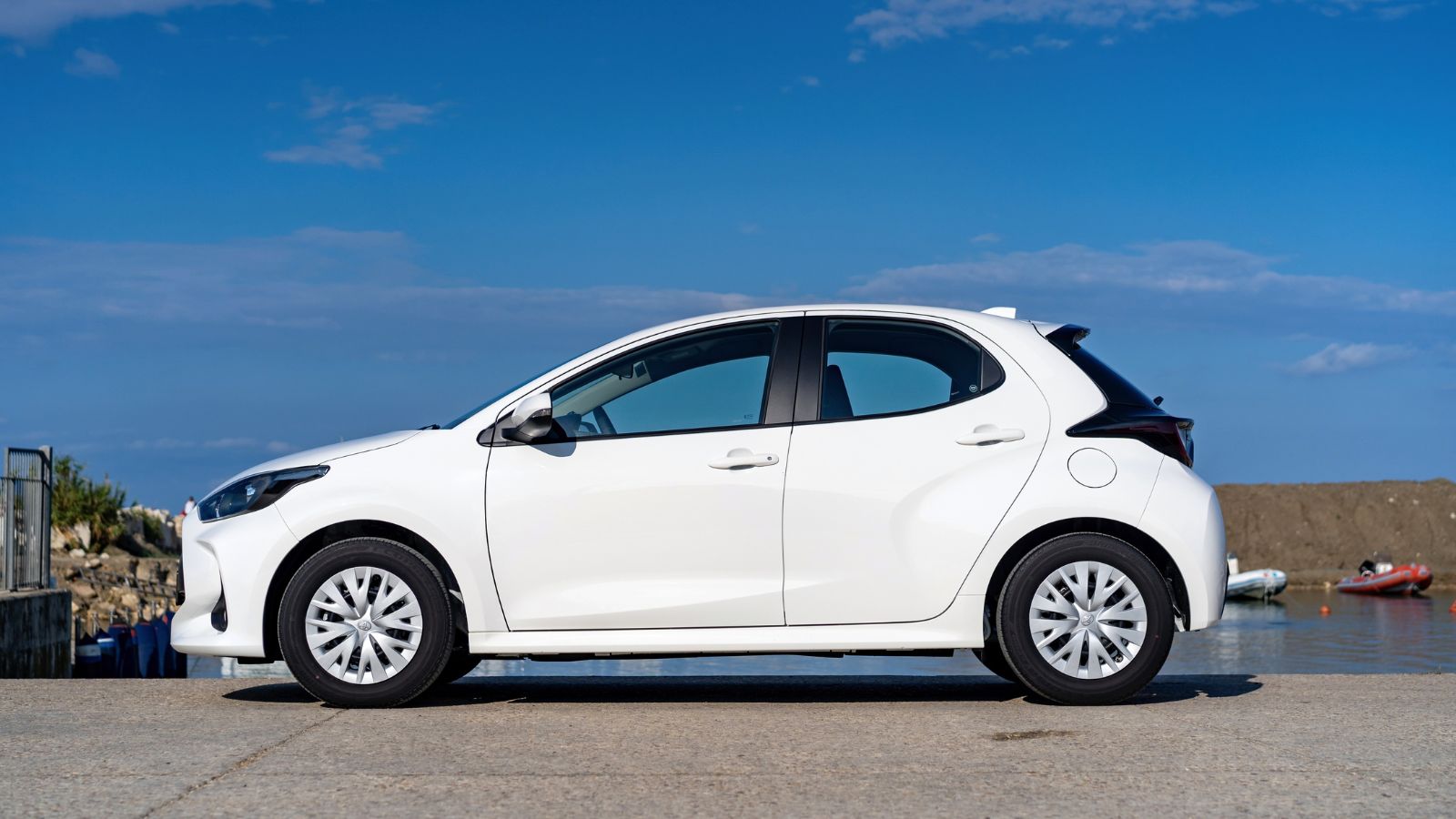
Once familiar small-car nameplates began leaving Canada, the category started to look unstable. The Toyota Yaris left, the Nissan Micra disappeared, and the Honda Fit did not continue in the Canadian market. Earlier losses included the Ford Fiesta, Fiat 500, smart fortwo, and Chevrolet Sonic. For shoppers, this created a sense that small cars were becoming leftover products rather than long-term commitments.
That perception matters for resale value, parts availability, and buyer confidence. A driver may still like a used subcompact, but wonder whether the manufacturer is committed to the segment. Dealers may also be less enthusiastic about promoting vehicles that are ending production or shrinking in supply. Each departure narrows consumer choice, and the fewer choices remain, the easier it becomes for the next model to vanish quietly.
Dealers Prefer Inventory That Turns a Bigger Return

Dealerships are not just neutral display rooms. They have floorplan financing costs, limited lot space, service departments, and sales targets. A small car that earns a modest margin competes for attention with an SUV that can generate more revenue through financing, accessories, extended warranties, winter packages, and higher trims.
This affects what shoppers actually see. A buyer who arrives asking for an inexpensive commuter may be shown a compact SUV with similar payments, more cargo space, and a stronger resale pitch. The sales conversation naturally moves toward the product with broader appeal and better economics. Over thousands of transactions, this nudges the market. Small cars are not always rejected directly; they are often out-positioned before the buyer gets serious.
Fuel Economy Matters Less Than It Used To

Fuel costs still matter to Canadian households, but small cars no longer own the efficiency story. Hybrid crossovers, turbocharged small SUVs, plug-in hybrids, and electric vehicles have complicated the old assumption that the smallest gasoline car is always the obvious fuel saver. Natural Resources Canada’s fuel-consumption tools now let buyers compare many vehicle types, not just traditional cars.
There is also a psychological gap between fuel economy and total cost. A buyer may notice that a compact SUV uses more fuel than a sedan but decide the extra cargo room, seating height, or all-wheel drive is worth it. If the monthly payment is the main focus, fuel savings can become secondary. Small cars still have efficiency advantages in many cases, but they no longer dominate the conversation as cleanly as they once did.
Regulations Add Cost to Every Vehicle

Vehicle regulations serve important public goals, including safety, emissions reduction, and consumer protection. In Canada, vehicles made for sale or imported for sale must meet federal safety standards. Emissions policy also pushes manufacturers to reduce greenhouse gases and increase zero-emission options over time.
The challenge for small cars is that compliance costs can be harder to absorb at low prices. A $20,000 car and a $45,000 SUV both need sophisticated engineering, testing, documentation, safety systems, and emissions compliance. The more expensive vehicle gives manufacturers more room to recover those investments. This does not mean regulations alone killed the small car. It means regulations interact with pricing and profit pressure in a way that makes low-margin cars less attractive to build and sell.
Used Small Cars Are Doing the Job New Ones Once Did
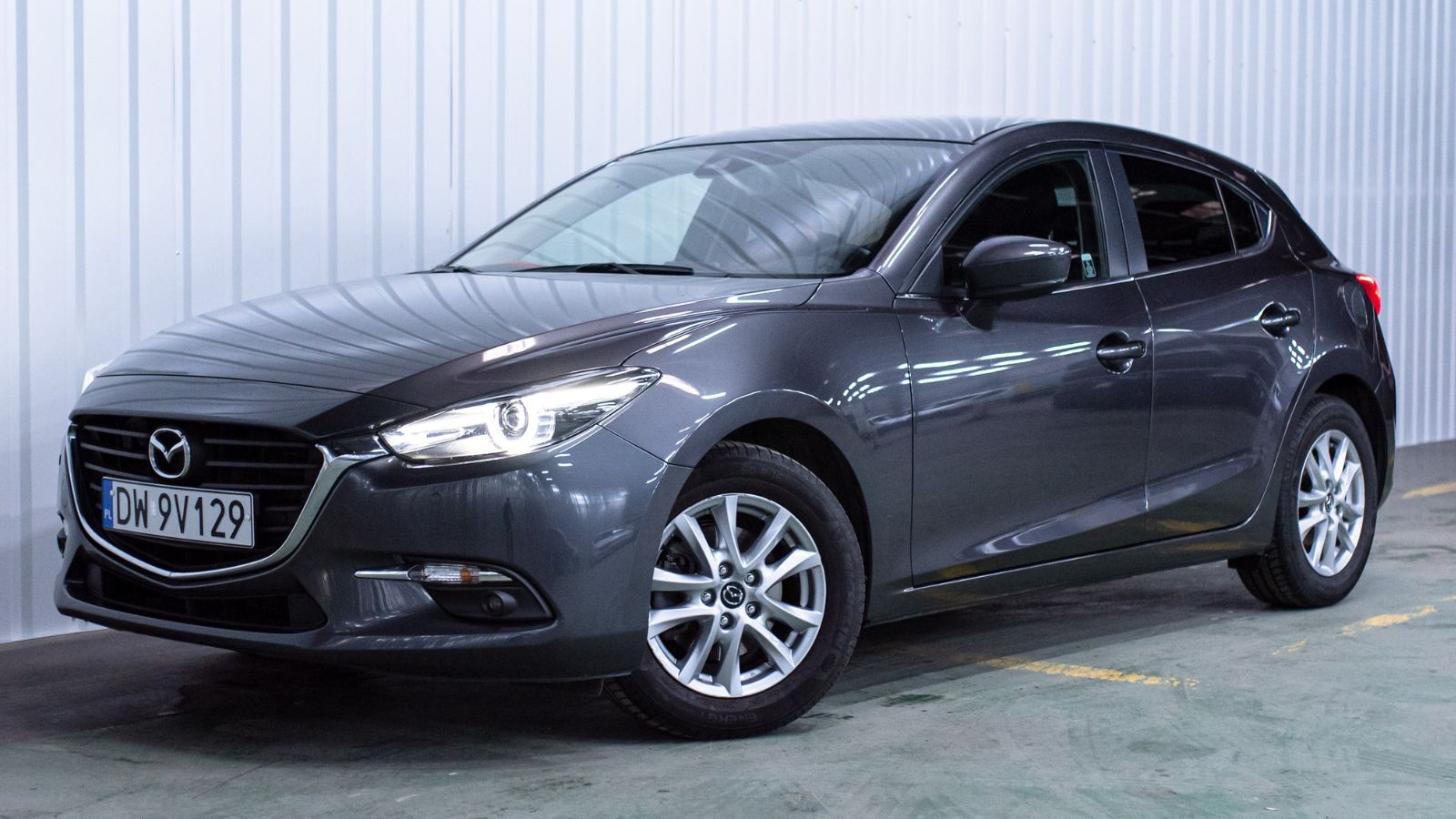
Many Canadians still want small, affordable vehicles, but they increasingly find them in the used market rather than the new-car showroom. A five-year-old Civic, Corolla, Mazda3, Fit, Yaris, Rio, or Accent can still deliver low operating costs and manageable insurance compared with many newer SUVs. This keeps small cars visible on the road even as new supply thins.
The problem is that used supply eventually depends on past new-car sales. If fewer small cars are sold new, fewer will enter the used market later. Canadian Black Book’s market commentary has also shown how affordability fears and price volatility can pressure used-car values. For budget-conscious households, that creates a squeeze: the new small car is harder to find, while the desirable used small car may hold value longer than expected.
Automakers Are Building for North America, Not Just Canada
Canada is important, but it is not large enough to dictate most vehicle programs on its own. Many models sold here are planned for the broader North American market, where factory allocation, U.S. demand, emissions strategy, supply chains, tariffs, and profitability all influence what reaches Canadian dealers. If a small car no longer works for the larger regional business case, Canada may lose it even if some Canadian shoppers still want it.
This is why the disappearance feels uneven. A model might remain available in Europe, Asia, or Latin America but vanish from Canadian showrooms. Small cars can thrive in markets with dense cities, narrower roads, higher fuel prices, and different tax structures. Canada’s buying habits are closer to the United States than to many overseas markets, so the Canadian small-car shopper is often caught inside a continental SUV-and-truck strategy.
The Real Reason Is a Chain Reaction
Small cars are not disappearing for one single reason. They are being squeezed from several directions at once: lower margins, higher required equipment costs, fewer nameplates, stronger SUV marketing, winter preferences, perceived safety advantages, dealer economics, and changing factory priorities. Each factor alone might be survivable. Together, they reshape the road.
The result is a Canadian market where many people still say they want affordable transportation, but the system increasingly offers them a small crossover instead. That does not mean compact cars are useless or unloved. It means the industry has found a more profitable way to package compact practicality. The real reason small cars are disappearing is that automakers, dealers, and consumers have all been pushed toward the same conclusion: the small car’s job now often wears SUV clothing.
22 Things Canadians Do to Their Cars in Spring That Mechanics Hate

Spring brings relief to many Canadian drivers after months of snow, freezing temperatures, and icy roads that put serious strain on vehicles. As temperatures rise across the country, drivers begin washing cars, switching tires, and preparing vehicles for warmer weather and upcoming road trips. However, mechanics across Canada notice the same mistakes every spring when drivers attempt to recover from winter damage. Road salt, potholes, and harsh winter driving conditions often leave vehicles with hidden problems that drivers ignore. Some spring habits even create new mechanical issues that could have been avoided with proper maintenance. Here are 22 things Canadians do to their cars in spring that mechanics hate.