



















• About
  • Contact
AutoIgloo
  • News & Trends
    Bosch Workers Demand ‘Made in EU’ Rules as Supplier Plans 13,000 Auto Job Cuts

    Bosch Workers Demand ‘Made in EU’ Rules as Supplier Plans 13,000 Auto Job Cuts

    Buick Is Refreshing Its Electra E7 Just Five Months After Launch as China’s EV Cycle Speeds Up

    Buick Is Refreshing Its Electra E7 Just Five Months After Launch as China’s EV Cycle Speeds Up

    Leapmotor Unveils Next-Generation EV Platform and Promises a Second Brand in 2027

    Leapmotor Unveils Next-Generation EV Platform and Promises a Second Brand in 2027

    18 Vehicles That Could Trigger Buyer’s Remorse Faster Than Expected in Canada

    Maserati Reportedly Turns to Huawei and JAC for Two New EVs as Luxury Brand Fights Sales Slump

    The EV Charging Habit That Can Annoy Everyone Around You

    Leapmotor and FAW Team Up on Solid-State and Sodium-Ion Batteries as China’s EV Tech Race Accelerates

    Chinese EV Price Pressure Gets a New Benchmark as Voyah Opens $63,420 Luxury MPV Orders

    Europe’s EV Share Jumps to 30.5% as Electric-Car Sales Blow Past Forecasts

  • Car Reviews
    Honda Asked Suppliers for 30% Parts Cost Cuts as $9.4-Billion Savings Drive Hits Global Supply Chain

    Why Some Buyers Are Choosing Older Hondas Over Newer SUVs

    18 Things That Can Make a Car Unsafe for Winter Road Trips

    Why Some Drivers Are Avoiding Vehicles With Complex Infotainment Systems

    21 Cars Canadians Are Starting to Regret Buying

    Why Some Drivers Regret Buying Big Wheels and Low-Profile Tires

    17 Vehicles That Are Quietly Getting Crushed by Insurance Costs in Canada

    Why So Many Drivers Are Nervous About Chinese-Made EV Batteries

    20 Used SUVs Canadians Should Think Twice About Buying

    20 Used SUVs Canadians Should Think Twice About Buying

    15 Vehicles That Are Starting to Feel Like a Bad Deal Around May Long Weekend

    15 Vehicles That Are Starting to Feel Like a Bad Deal Around May Long Weekend

  • Buying Guides
    18 Things That Can Make a Car Harder to Park Than Expected

    Why Some Buyers Regret Choosing the Sport Package

    The Traffic Stop Mistake That Can Turn a Warning Into a Ticket

    20 Things Canadians Should Check Before Buying a Vehicle With a Loan Still Owing

    The Dealership Fee That Buyers Should Always Ask About

    The Dealership Fee That Buyers Should Always Ask About

    23 Features That Are Making New Cars Harder (and Pricier) to Repair in Canada

    Why Some Canadians Are Avoiding Cars With Expensive Windshields

    18 Red Flags a Used Vehicle May Be a Money Pit

    The Car Buying Mistake That Makes Negotiating Almost Impossible

    Why Some Canadians Are Regretting Buying Vehicles With No Spare Tire

    Why Some Canadians Are Regretting Buying Vehicles With No Spare Tire

  • Comparisons
    Honda Asked Suppliers for 30% Parts Cost Cuts as $9.4-Billion Savings Drive Hits Global Supply Chain

    Why Some Buyers Are Choosing Older Hondas Over Newer SUVs

    25 EV Charging Mistakes Canadians Make in March (That Wreck Range)

    Why Some Canadians Are Choosing Hybrids Over Full EVs Again

    21 Used Car Features That Can Become Expensive Problems Later

    Why Some Canadians Are Choosing Front-Wheel Drive Over All-Wheel Drive

    Canada’s Auto Fight Gets Uglier as BYD Threatens to Sue Trump Administration

    Tesla Vs. BYD: Are Chinese EV’s Actually Better for Canadians?

    17 Vehicles That Are Quietly Getting Crushed by Insurance Costs in Canada

    Why So Many Drivers Are Nervous About Chinese-Made EV Batteries

    20 Used SUVs Canadians Should Think Twice About Buying

    20 Used SUVs Canadians Should Think Twice About Buying

  • EVs & Hybrids
    The Used EV Question Canadians Should Ask Before Buying One

    The Used EV Question Canadians Should Ask Before Buying One

    Why Some EV Owners Are Getting Sticker Shock From Home Charging Setups

    Why Some EV Owners Are Getting Sticker Shock From Home Charging Setups

    20 Signs Your Car Battery Is About to Leave You Stranded

    Canadian Auto Jobs Become a Central Fault Line as Ottawa Reveals Why It Rejected U.S. Vehicle Terms

    25 EV Charging Mistakes Canadians Make in March (That Wreck Range)

    Why Some Canadians Are Choosing Hybrids Over Full EVs Again

    The EV Charging Habit That Can Annoy Everyone Around You

    Canada Is Missing an EV-Battery Export Opening as EU Lithium Demand Heads for a 9-to-12-Fold Jump: Report

    16 Used-EV Surprises Canadians Don’t See Coming Until After They Buy

    The EV Charging Habit That Can Annoy Everyone Around You

  • More
    • Pricing & Deals
    • Winter Driving
    • Ownership & Maintenance
No Result
View All Result
AutoIgloo
  • News & Trends
    Bosch Workers Demand ‘Made in EU’ Rules as Supplier Plans 13,000 Auto Job Cuts

    Bosch Workers Demand ‘Made in EU’ Rules as Supplier Plans 13,000 Auto Job Cuts

    Buick Is Refreshing Its Electra E7 Just Five Months After Launch as China’s EV Cycle Speeds Up

    Buick Is Refreshing Its Electra E7 Just Five Months After Launch as China’s EV Cycle Speeds Up

    Leapmotor Unveils Next-Generation EV Platform and Promises a Second Brand in 2027

    Leapmotor Unveils Next-Generation EV Platform and Promises a Second Brand in 2027

    18 Vehicles That Could Trigger Buyer’s Remorse Faster Than Expected in Canada

    Maserati Reportedly Turns to Huawei and JAC for Two New EVs as Luxury Brand Fights Sales Slump

    The EV Charging Habit That Can Annoy Everyone Around You

    Leapmotor and FAW Team Up on Solid-State and Sodium-Ion Batteries as China’s EV Tech Race Accelerates

    Chinese EV Price Pressure Gets a New Benchmark as Voyah Opens $63,420 Luxury MPV Orders

    Europe’s EV Share Jumps to 30.5% as Electric-Car Sales Blow Past Forecasts

  • Car Reviews
    Honda Asked Suppliers for 30% Parts Cost Cuts as $9.4-Billion Savings Drive Hits Global Supply Chain

    Why Some Buyers Are Choosing Older Hondas Over Newer SUVs

    18 Things That Can Make a Car Unsafe for Winter Road Trips

    Why Some Drivers Are Avoiding Vehicles With Complex Infotainment Systems

    21 Cars Canadians Are Starting to Regret Buying

    Why Some Drivers Regret Buying Big Wheels and Low-Profile Tires

    17 Vehicles That Are Quietly Getting Crushed by Insurance Costs in Canada

    Why So Many Drivers Are Nervous About Chinese-Made EV Batteries

    20 Used SUVs Canadians Should Think Twice About Buying

    20 Used SUVs Canadians Should Think Twice About Buying

    15 Vehicles That Are Starting to Feel Like a Bad Deal Around May Long Weekend

    15 Vehicles That Are Starting to Feel Like a Bad Deal Around May Long Weekend

  • Buying Guides
    18 Things That Can Make a Car Harder to Park Than Expected

    Why Some Buyers Regret Choosing the Sport Package

    The Traffic Stop Mistake That Can Turn a Warning Into a Ticket

    20 Things Canadians Should Check Before Buying a Vehicle With a Loan Still Owing

    The Dealership Fee That Buyers Should Always Ask About

    The Dealership Fee That Buyers Should Always Ask About

    23 Features That Are Making New Cars Harder (and Pricier) to Repair in Canada

    Why Some Canadians Are Avoiding Cars With Expensive Windshields

    18 Red Flags a Used Vehicle May Be a Money Pit

    The Car Buying Mistake That Makes Negotiating Almost Impossible

    Why Some Canadians Are Regretting Buying Vehicles With No Spare Tire

    Why Some Canadians Are Regretting Buying Vehicles With No Spare Tire

  • Comparisons
    Honda Asked Suppliers for 30% Parts Cost Cuts as $9.4-Billion Savings Drive Hits Global Supply Chain

    Why Some Buyers Are Choosing Older Hondas Over Newer SUVs

    25 EV Charging Mistakes Canadians Make in March (That Wreck Range)

    Why Some Canadians Are Choosing Hybrids Over Full EVs Again

    21 Used Car Features That Can Become Expensive Problems Later

    Why Some Canadians Are Choosing Front-Wheel Drive Over All-Wheel Drive

    Canada’s Auto Fight Gets Uglier as BYD Threatens to Sue Trump Administration

    Tesla Vs. BYD: Are Chinese EV’s Actually Better for Canadians?

    17 Vehicles That Are Quietly Getting Crushed by Insurance Costs in Canada

    Why So Many Drivers Are Nervous About Chinese-Made EV Batteries

    20 Used SUVs Canadians Should Think Twice About Buying

    20 Used SUVs Canadians Should Think Twice About Buying

  • EVs & Hybrids
    The Used EV Question Canadians Should Ask Before Buying One

    The Used EV Question Canadians Should Ask Before Buying One

    Why Some EV Owners Are Getting Sticker Shock From Home Charging Setups

    Why Some EV Owners Are Getting Sticker Shock From Home Charging Setups

    20 Signs Your Car Battery Is About to Leave You Stranded

    Canadian Auto Jobs Become a Central Fault Line as Ottawa Reveals Why It Rejected U.S. Vehicle Terms

    25 EV Charging Mistakes Canadians Make in March (That Wreck Range)

    Why Some Canadians Are Choosing Hybrids Over Full EVs Again

    The EV Charging Habit That Can Annoy Everyone Around You

    Canada Is Missing an EV-Battery Export Opening as EU Lithium Demand Heads for a 9-to-12-Fold Jump: Report

    16 Used-EV Surprises Canadians Don’t See Coming Until After They Buy

    The EV Charging Habit That Can Annoy Everyone Around You

  • More
    • Pricing & Deals
    • Winter Driving
    • Ownership & Maintenance
No Result
View All Result
AutoIgloo
No Result
View All Result

Home » Ownership & Maintenance

The Fuel-Saving Tricks That Actually Make Your Mileage Worse

Nate Brewer by Nate Brewer
July 15, 2026
Reading Time: 7 mins read
A A
Image Credit: Shutterstock

Image Credit: Shutterstock

467
SHARES
1.5k
VIEWS
Share on FacebookShare on Twitter

Some fuel-saving advice sounds clever until the fuel gauge proves otherwise. Modern vehicles are managed by sensors, computers, emissions systems, tire-pressure specifications, and drivetrain settings that do not always respond well to old garage wisdom. A trick that worked on a carbureted sedan decades ago may waste fuel, create extra drag, or cause the engine to run outside its most efficient range today.

This breakdown covers 12 common fuel-saving habits that can backfire. Some cost only a few drops of fuel at a time, while others can quietly erase the savings from careful driving. The bigger lesson is simple: mileage improves most when the vehicle is driven smoothly, maintained properly, and used the way its manufacturer intended.

Pumping Tires Up to the Sidewall Number
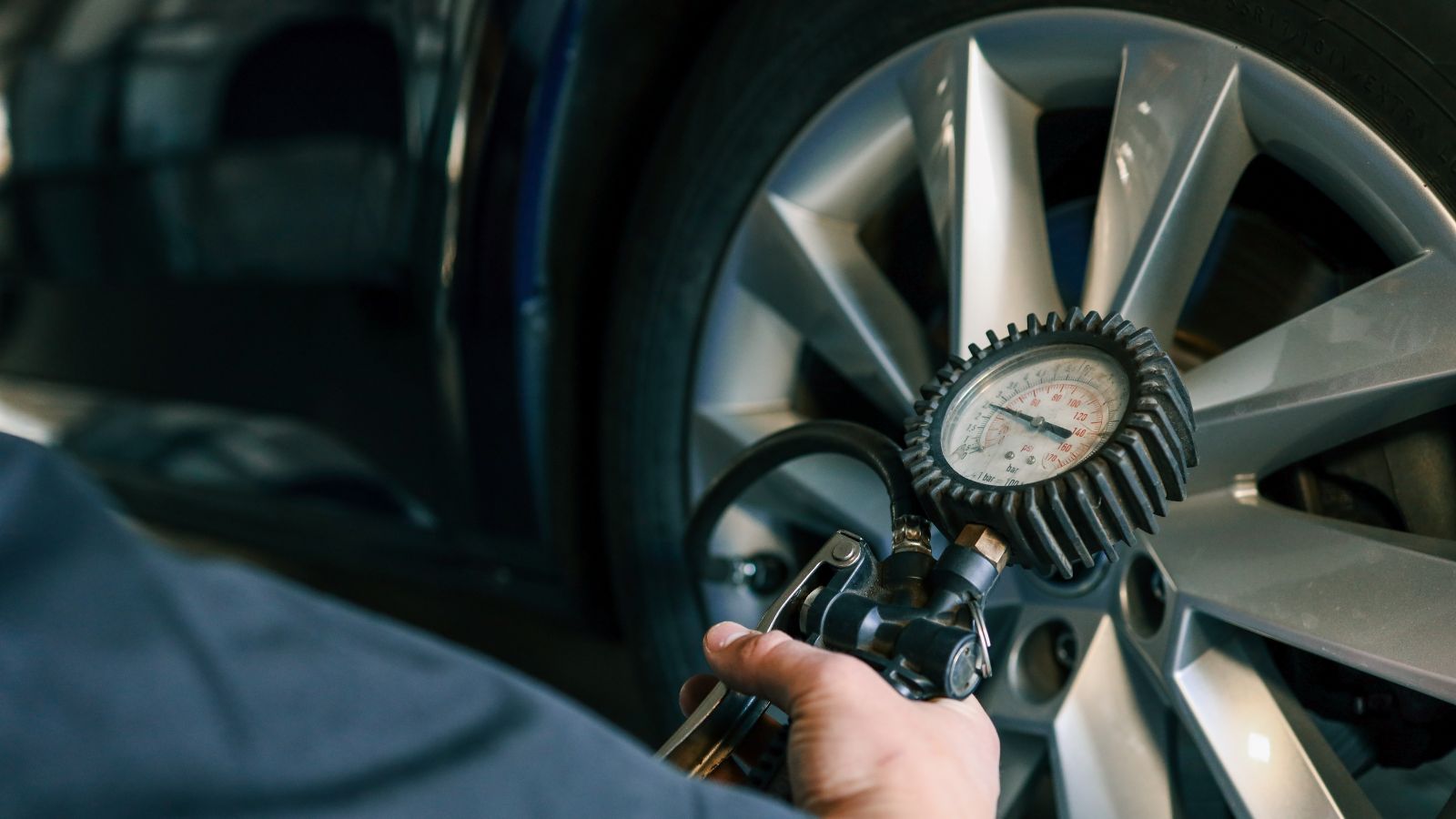
Image Credit: Shutterstock

Overinflating tires is often promoted as a shortcut to less rolling resistance, but the number molded into the tire sidewall is not the recommended driving pressure for that specific vehicle. It is a maximum cold pressure for the tire itself. The correct figure is usually on the driver’s door jamb, glove box, fuel door, or owner’s manual, and it accounts for the vehicle’s weight, suspension, ride quality, and handling balance.

The mileage gain from proper inflation is real, but pushing beyond the recommended pressure can create uneven tire wear, a harsher ride, and less predictable grip. A driver chasing a tiny fuel saving may end up replacing tires earlier, braking less confidently on rough pavement, or losing traction in rain. In practical terms, the smarter fuel-saving move is not “more air,” but “the right air.”

Waiting for the Tire-Pressure Light Before Checking
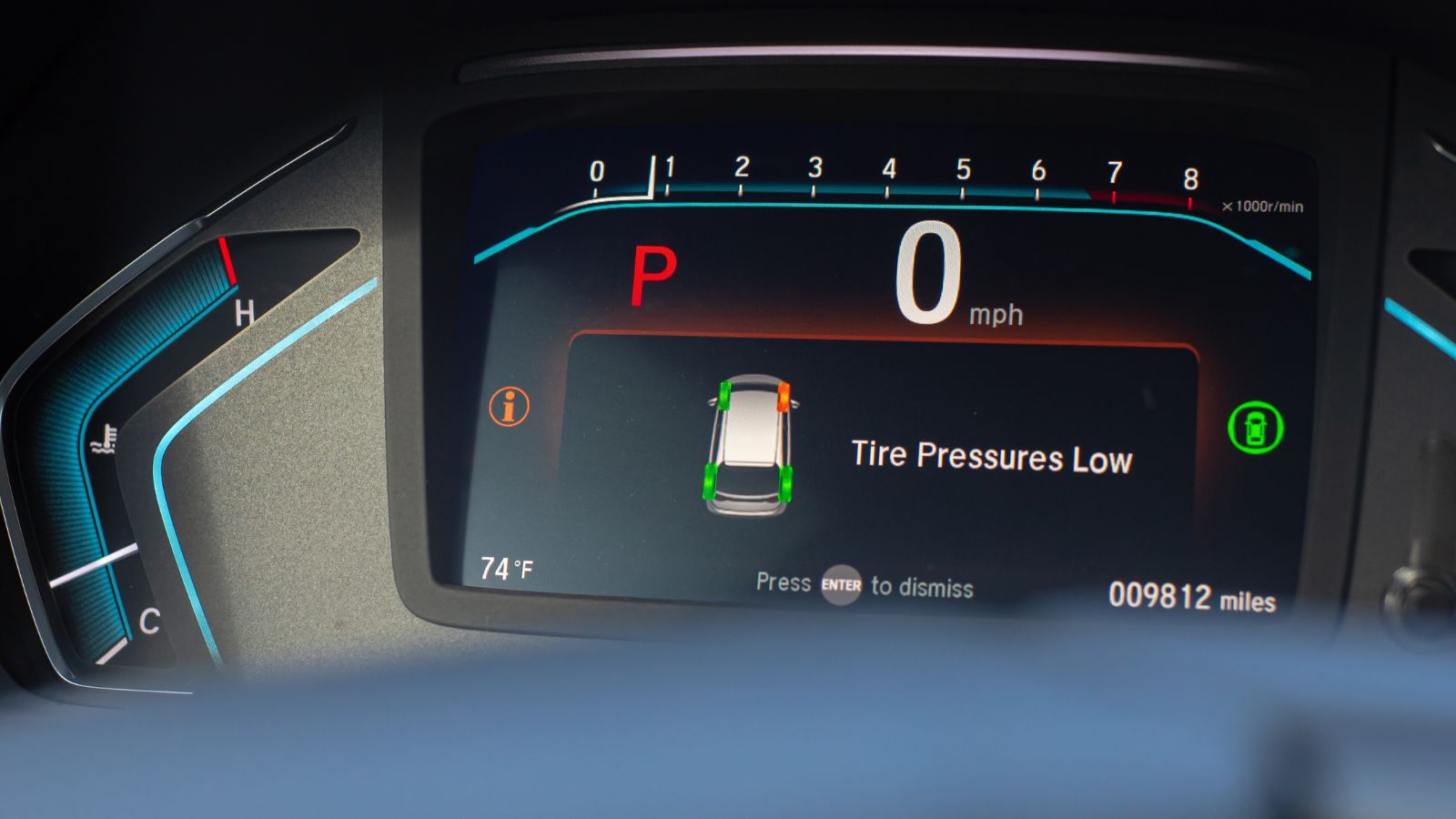
Photo Credit: Shutterstock

Some drivers treat the tire-pressure warning light as a fuel-saving assistant, assuming there is no need to check pressures until the dashboard says so. That habit can quietly waste fuel because many systems are designed to warn only after pressure has fallen significantly below the recommended level. By then, rolling resistance has already increased and the vehicle has been working harder for days or weeks.

A commuter who checks pressure only after the light comes on may spend a whole month driving on soft tires, especially during cold mornings when pressure drops. The fuel penalty from one or two pounds may look small, but it compounds across four tires and thousands of kilometres. Monthly cold-pressure checks are boring, but they beat letting a warning lamp become the maintenance schedule.

Coasting in Neutral Downhill

Photo Credit: Shutterstock

Coasting in neutral feels efficient because the engine sounds relaxed and the vehicle keeps rolling. In many modern vehicles, however, lifting off the accelerator while staying in gear can trigger deceleration fuel cut-off, which reduces or stops fuel delivery under certain conditions. In neutral, the engine usually must keep idling, which means it is still burning fuel just to stay running.

The bigger problem is that neutral coasting can also remove useful engine braking. On a long downhill road, that can force more brake use and make speed harder to manage smoothly. Any tiny fuel advantage on one slope can disappear if the driver has to brake harder, accelerate again, or ride the brakes through traffic. Efficient driving is usually about anticipation, not disconnecting the drivetrain.

Warming the Car Up in the Driveway
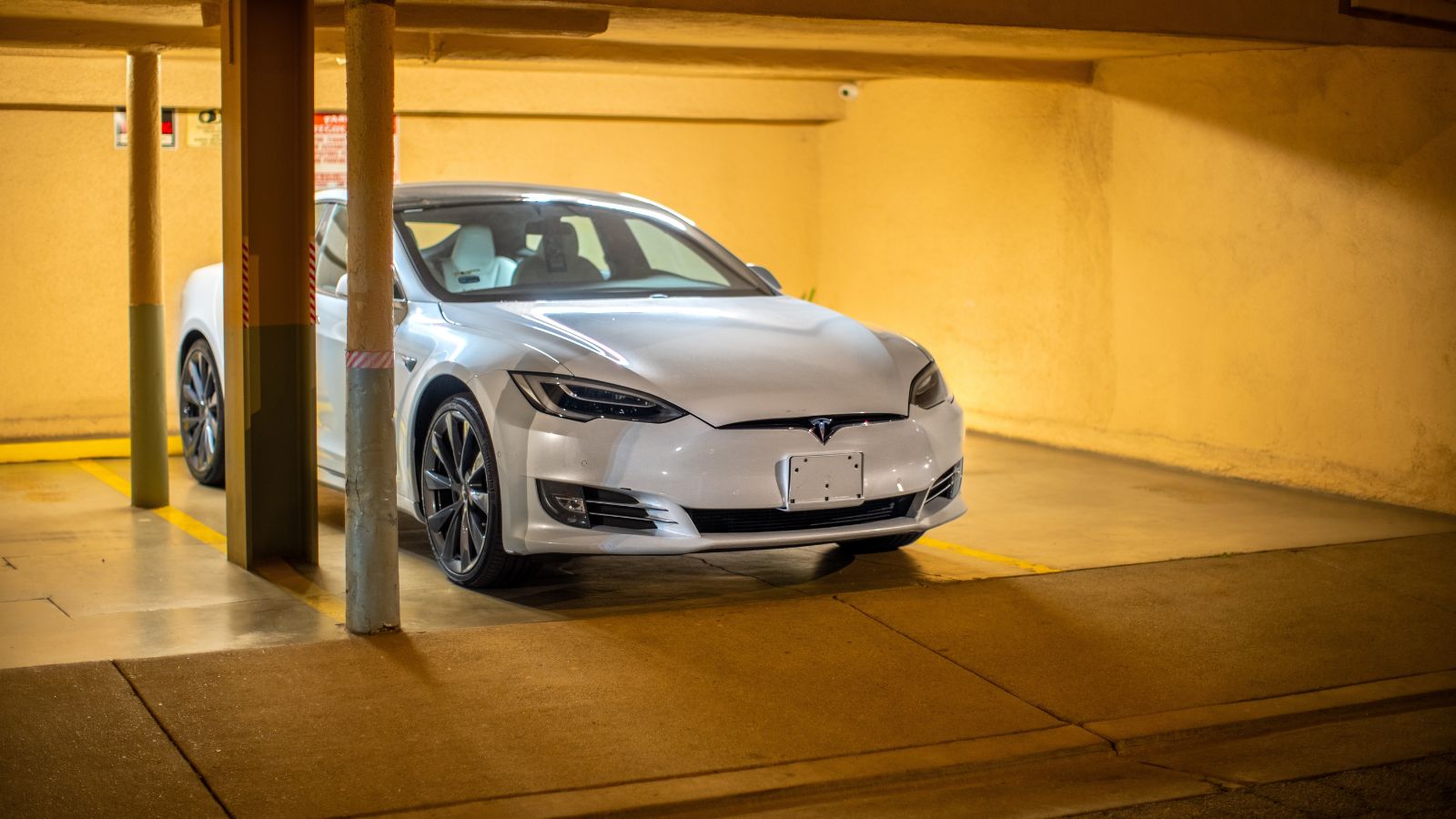
Image Credit: Shutterstock

Long warm-ups are one of the most persistent fuel-saving myths. Many drivers still believe a vehicle must sit and idle until the cabin feels warm, especially in winter. Modern engines generally warm up faster when driven gently, and idling delivers zero kilometres per litre while the engine, transmission, tires, and other components remain cold. The fuel is being burned without moving the vehicle anywhere.

A short warm-up may be necessary for visibility, comfort, or clearing ice, but leaving a car running for several extra minutes can erase the savings from careful driving later. The same pattern shows up with remote starters: convenient on freezing mornings, but expensive when started too early. A gentle departure after a brief warm-up is usually the more efficient routine.

Turning Off A/C but Opening Windows on the Highway
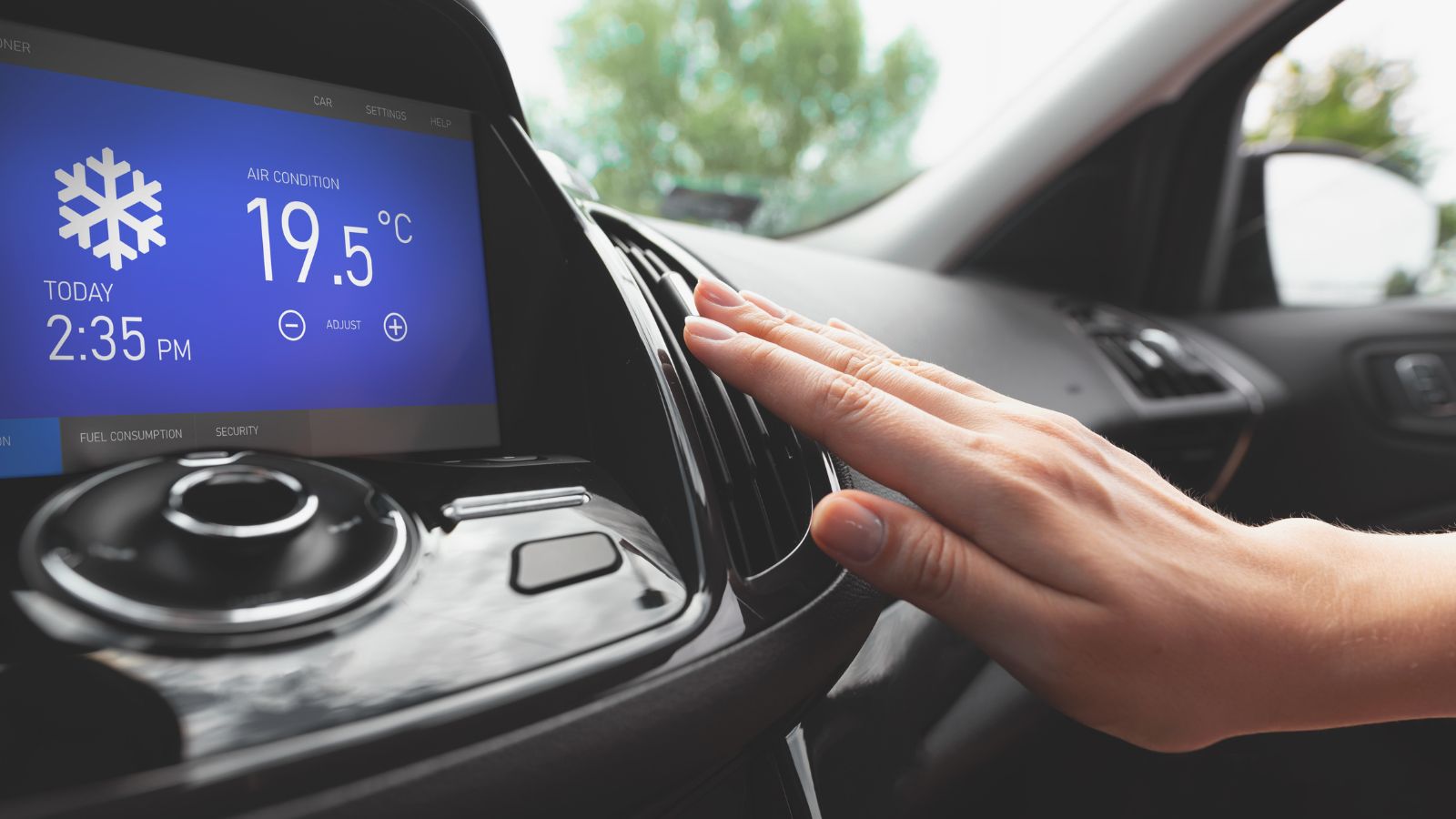
Photo Credit: Shutterstock

Avoiding air conditioning can save fuel in some conditions, especially at lower speeds, but the “windows down always saves gas” rule is too simple. At highway speeds, open windows and sunroofs increase aerodynamic drag. The vehicle has to push through the air with more resistance, which can force the engine to use more energy than expected.

A city driver crawling through traffic may do better with windows open and the A/C off. On the highway, the opposite can be true, especially with wide-open windows, roof vents, or a sunroof. A practical example is a summer road trip where four windows are cracked open for hours at 100 km/h. The cabin feels naturally cooled, but the aerodynamic penalty may quietly offset the intended savings.

Idling With the A/C Running Before Leaving

Image Credit: Shutterstock

Another common trick is to cool the cabin before driving, especially when a vehicle has been sitting in the sun. It feels reasonable: the car is comfortable before anyone gets in, and the engine is not yet under driving load. The trouble is that idling with the air conditioning on burns fuel without covering distance, and A/C demand is often highest when the cabin is heat-soaked.

A more efficient approach is usually to vent the hot air first, begin driving, and then use the A/C sensibly. Most systems cool faster when the vehicle is moving, because airflow across the condenser improves performance. A driver who idles for five minutes in a parking lot may think the engine is doing light work, but the mileage math is brutal: parked idling is still zero mileage.

Buying Premium Fuel for a Regular-Fuel Car
Image Credit: Shutterstock

Premium gasoline sounds like it should deliver premium mileage, which is why some drivers buy it before long trips or after noticing higher fuel prices. In most vehicles designed for regular fuel, higher octane does not automatically mean better fuel economy. Octane is mainly about resisting knock, not containing dramatically more usable energy for a regular-compression engine.

The mistake is especially costly because premium often costs much more than regular. Even if a vehicle gains a tiny benefit under hot, heavy-load conditions, the price difference can exceed the fuel saved. Premium is worth using when the manufacturer requires it, and sometimes when it is recommended for specific performance reasons. In a regular-fuel car driven normally, it often just makes each tank more expensive.

Using Lower Octane Than Required
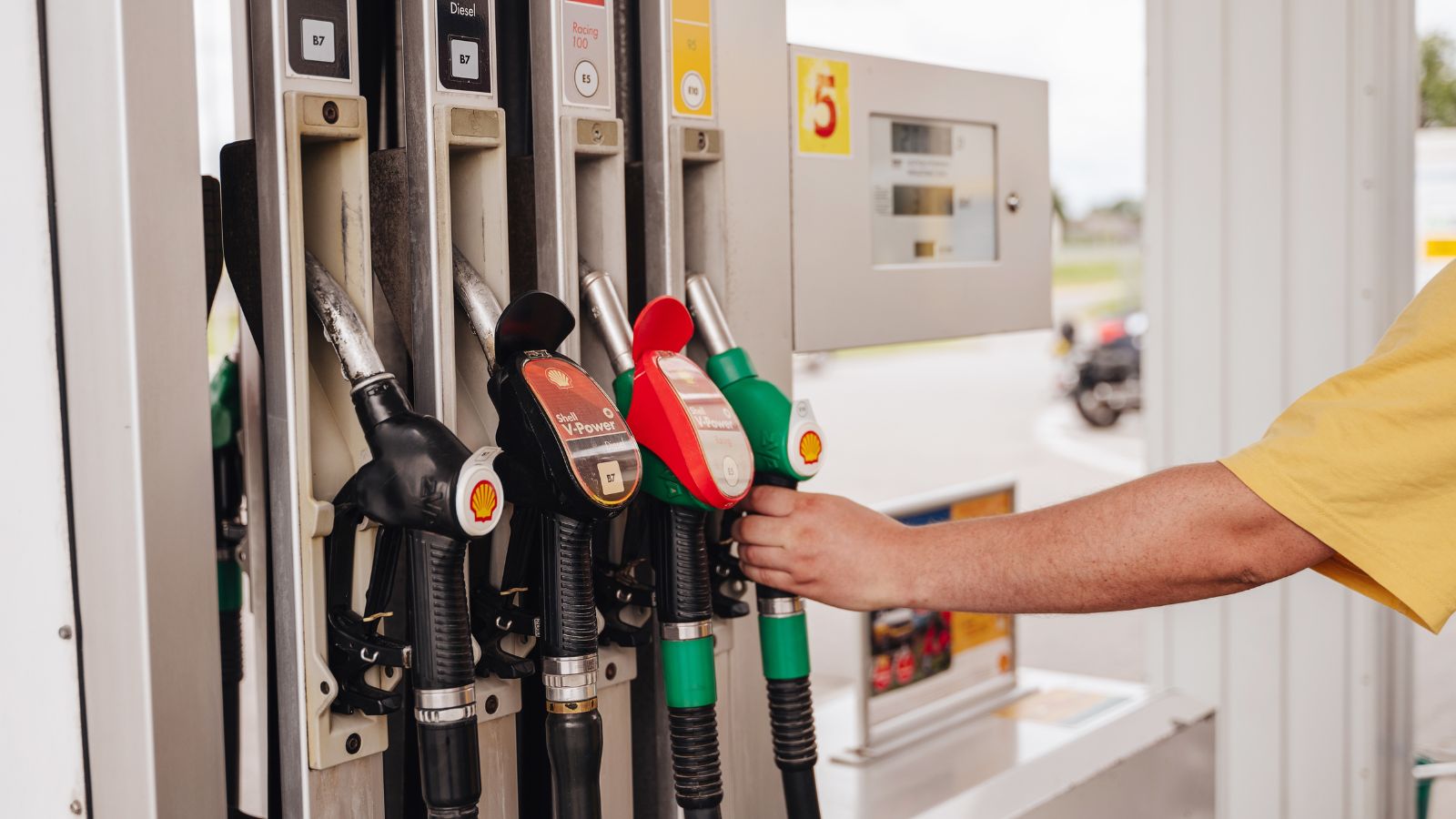
Photo Credit: Shutterstock

The opposite mistake can also make mileage worse. Some drivers put regular fuel into a vehicle that requires premium, hoping the lower pump price will beat any efficiency loss. Modern engines can often detect knock and adjust timing to protect themselves, but that protection can reduce power and fuel economy. The vehicle may still run, but not necessarily efficiently.

This is a classic case where the cheaper litre can become the more expensive trip. A turbocharged or high-compression engine may need higher octane to operate as designed, particularly under heat, hills, towing, or fast acceleration. If the engine pulls timing, the driver may press the accelerator harder to get the same response. The result can be weaker performance, worse mileage, and possible long-term risk.

Leaving Roof Racks and Cargo Boxes Installed
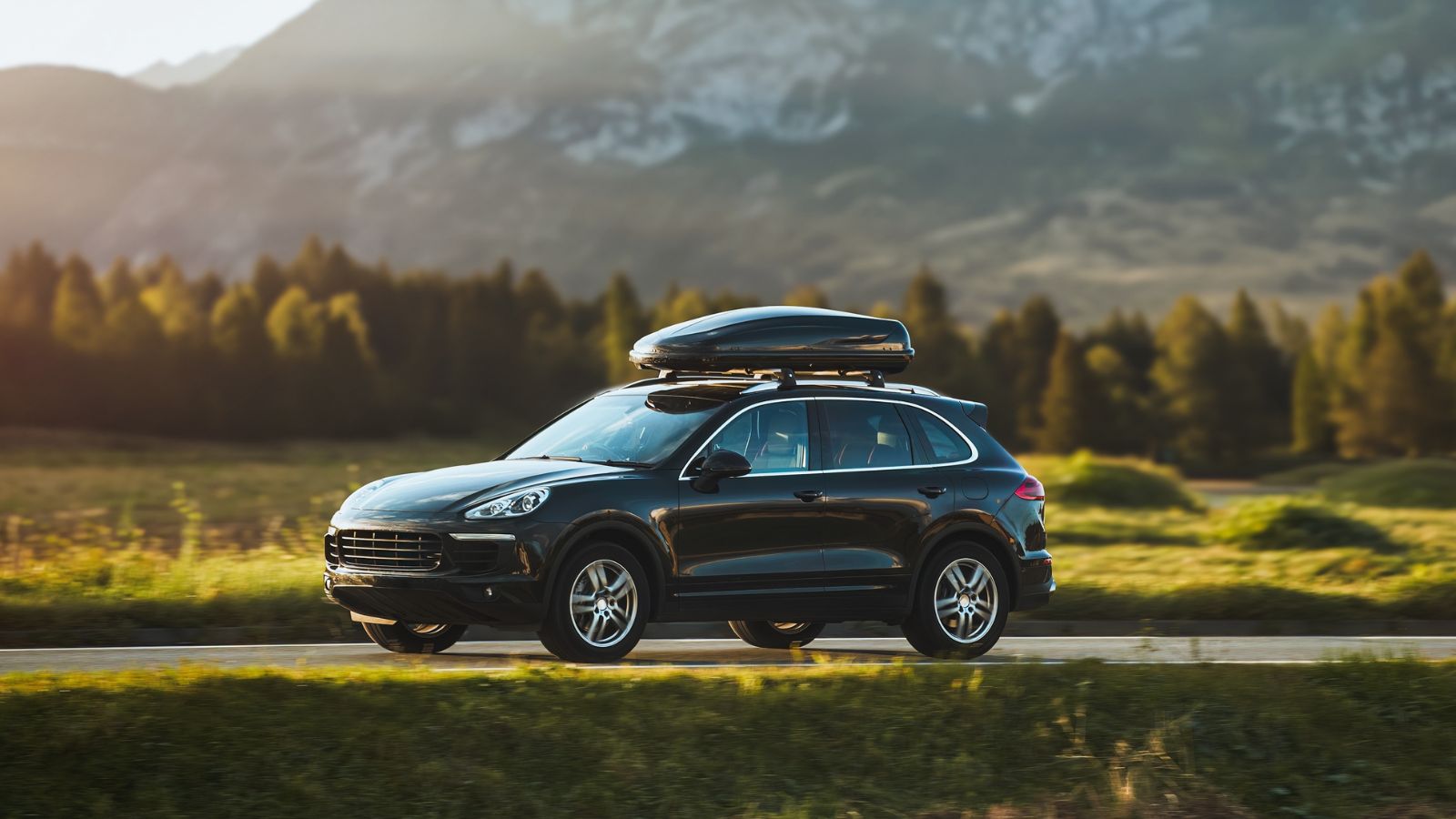
Photo Credit: Shutterstock

A roof rack or cargo box can look harmless when empty, and some drivers leave it installed because it keeps the cabin uncluttered. The problem is aerodynamic drag. At city speeds, the penalty may be modest, but at highway speeds a blunt roof box can reduce fuel economy sharply because air resistance rises quickly as speed increases.

This is why a family trip can produce disappointing fuel numbers even after careful packing. Removing a few kilograms from inside the vehicle matters far less than strapping a large box into the airflow above it. A rear-mounted carrier usually creates less drag than a roof-mounted container, but any external accessory can still cost fuel. If the rack is not needed, taking it off is often the easiest mileage win.

Copying Pulse-and-Glide Without the Smoothness

Image Credit: Shutterstock

Pulse-and-glide driving is sometimes discussed as a high-efficiency technique, but crude versions can backfire badly. The problem starts when drivers accelerate too hard during the “pulse” phase, then coast unpredictably in traffic. The fuel saved during the glide can be overwhelmed by aggressive acceleration, unnecessary braking, and constant speed changes.

Real-world traffic rarely behaves like a controlled test route. A driver trying to game the fuel display may irritate nearby traffic, trigger more stops, and end up accelerating harder than a steady-speed driver would have. Smooth acceleration and gentle braking are proven fuel savers; exaggerated surging is not the same thing. The more practical version is simple: look far ahead, maintain space, and avoid turning every green light into a drag race.

Using Cruise Control on Every Hill

Photo Credit: Shutterstock

Cruise control can save fuel on flat highways because it helps maintain a steady speed. On rolling hills, however, basic cruise systems may fight gravity by adding throttle aggressively uphill just to hold the exact set speed. That can use more fuel than allowing a small, safe speed drop on the climb and recovering gently on the descent.

The issue is not cruise control itself but using it everywhere without judgment. A driver crossing hilly rural highways may see the system downshift repeatedly, rev higher, and chase the set speed at the worst moments. Skilled, attentive throttle control can sometimes do better in those conditions. Cruise is best treated as a useful tool for suitable roads, not a fuel-saving button that automatically wins in every landscape.

Taking Several Short Trips to Avoid a Loaded Car

Photo Credit: Shutterstock

Some drivers split errands into smaller trips because a lighter car seems more efficient. The logic sounds reasonable: less weight means less fuel. But cold starts and short trips can be much more damaging to mileage than carrying a moderate load once. An engine, drivetrain, and emissions system operate more efficiently after warming up, so multiple cold-start trips can waste more fuel than one combined route.

The difference can be obvious in daily life. Driving to the grocery store in the morning, pharmacy at noon, and post office at night may feel lighter each time, but the vehicle repeatedly starts cold. Combining those errands into one loop often reduces distance, warm-up losses, and idling. Unless the load is genuinely heavy, trip planning usually beats weight-splitting as a fuel-saving strategy.

22 Things Canadians Do to Their Cars in Spring That Mechanics Hate

Image Credit: Shutterstock

Spring brings relief to many Canadian drivers after months of snow, freezing temperatures, and icy roads that put serious strain on vehicles. As temperatures rise across the country, drivers begin washing cars, switching tires, and preparing vehicles for warmer weather and upcoming road trips. However, mechanics across Canada notice the same mistakes every spring when drivers attempt to recover from winter damage. Road salt, potholes, and harsh winter driving conditions often leave vehicles with hidden problems that drivers ignore. Some spring habits even create new mechanical issues that could have been avoided with proper maintenance. Here are 22 things Canadians do to their cars in spring that mechanics hate.


Recommended.

More Than 400 Cars Take Over Port Coquitlam as B.C. Auto Show Draws Crowd Expected to Top 70,000

More Than 400 Cars Take Over Port Coquitlam as B.C. Auto Show Draws Crowd Expected to Top 70,000

August 17, 2026
16 Features Canadians Thought Were Included — Until the Charges Started

Why Some Canadians Are Buying Vehicles With Fewer Screens on Purpose

September 14, 2026

Trending.

⁠$28 Billion in Canadian Goods Face 50% Trump Tariffs at Midnight as Deal Still Isn’t Final

Canada-U.S. Trade Deal Fell Apart After Washington Left Ontario-Built Ford and GM Trucks Out of Auto Tariff Relief

August 23, 2026
Doug Ford Says U.S. ‘Wasn’t Budging’ on 25% Auto Tariffs as Ontario Puts ‘Every Single Tool’ on the Table

Doug Ford Says U.S. ‘Wasn’t Budging’ on 25% Auto Tariffs as Ontario Puts ‘Every Single Tool’ on the Table

August 23, 2026
Chinese EV Price Pressure Gets a New Benchmark as Voyah Opens $63,420 Luxury MPV Orders

Ottawa EV Owners Put Electric Cars on Display as Gas Prices Push Back Toward $2 a Litre

September 5, 2026
Mexico Pushes U.S. to Cut Auto Tariff From 25% to 5%–10% — and Give Canadian Parts More Room

Ottawa’s Chinese-EV Quota Opens Canada to 6.1% Tariffs Instead of the Former 100% Surtax

August 22, 2026
16 Cars That Could Lose Their Cool Factor Fast in Canada This Summer

Tesla Raises Canadian Prices by as Much as $30,000 as U.S. Auto Tariffs Hit Buyers

September 4, 2026
  • About
  • Contact
  • Privacy Policy
  • Disclaimer
  • Editorial Policies
  • Terms and Conditions
A Revir Media Group Website

2026 Autoigloo - © All rights reserved

No Result
View All Result
  • News & Trends
  • Car Reviews
  • Buying Guides
  • Comparisons
  • EVs & Hybrids
  • More
    • Pricing & Deals
    • Winter Driving
    • Ownership & Maintenance

2026 Autoigloo - © All rights reserved

This website uses cookies. By continuing to use this website you are giving consent to cookies being used. Visit our Privacy and Cookie Policy.