

























Luxury SUVs can look almost untouchable when they are new: polished showrooms, quilted leather, oversized screens, and price tags that suggest lasting prestige. Yet in Canada, some of these vehicles lose value surprisingly quickly once they leave the dealership and face real-world ownership costs.
This piece examines 12 reasons certain luxury SUVs depreciate so fast in Canada, from high starting prices and expensive repairs to fuel costs, theft concerns, shifting EV demand, and buyers becoming more cautious about long-term ownership. The result is a market where status still matters, but resale value often depends on reliability, running costs, brand confidence, and whether the vehicle still feels desirable after the warranty clock starts ticking.
Luxury Pricing Creates a Bigger Drop From Day One
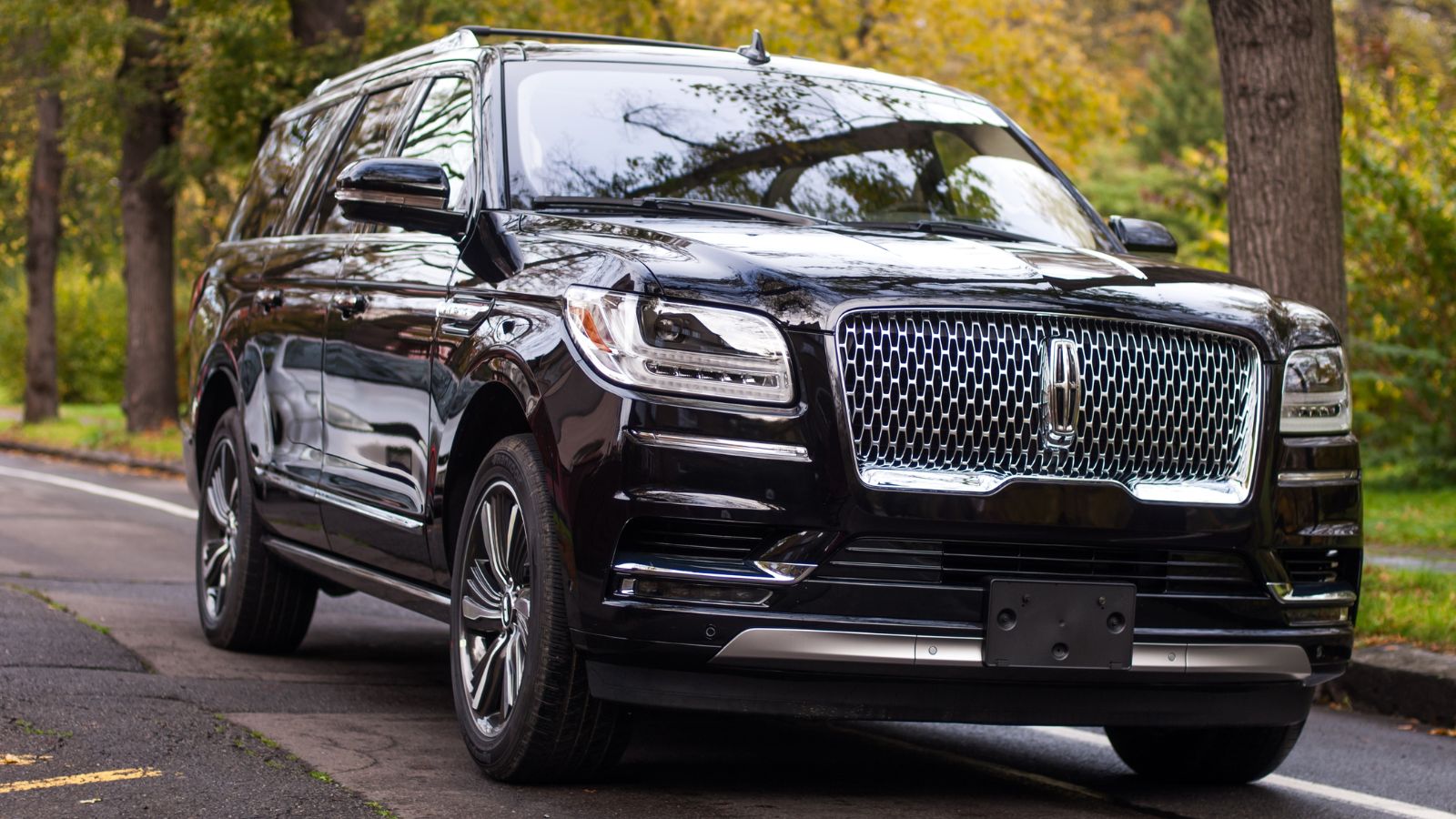
A luxury SUV often starts with a much higher transaction price than a mainstream model, and that creates more room for depreciation to look dramatic. A vehicle that sells new for $95,000 can lose tens of thousands of dollars even if its percentage decline is similar to a less expensive SUV. In Canada, where taxes, freight, dealer fees, and financing costs already stretch budgets, the used buyer pool becomes much smaller once prices climb into premium territory.
The first owner often pays for the newest design, the freshest technology, and the prestige of being early. The second owner is usually more practical. That buyer may still want comfort and performance, but expects a discount big enough to offset future repair bills. When a three-year-old luxury SUV is no longer the newest status symbol, the market often reprices it as a costly used vehicle rather than a bargain luxury purchase.
Residual Value Depends Heavily on Brand Trust
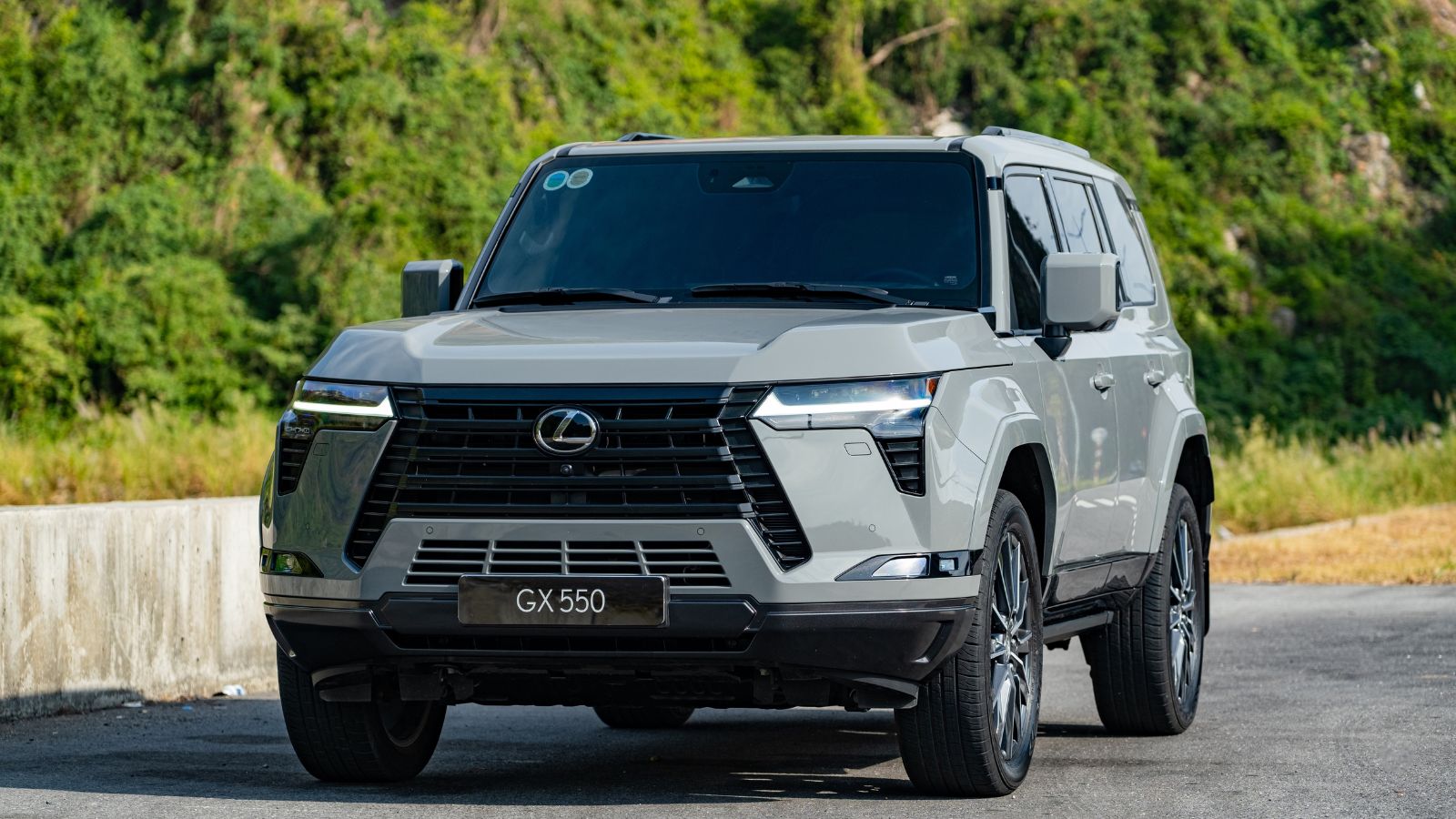
Not all luxury SUVs depreciate equally. In Canada, residual value awards consistently show that brands with strong reputations for reliability, broad appeal, and disciplined pricing tend to hold value better. Lexus, for example, has repeatedly ranked strongly in Canadian residual value studies, while Porsche has also performed well in premium retained-value categories. That matters because used buyers are not just buying a badge; they are buying confidence.
A luxury SUV from a brand with a reputation for expensive surprises can fall faster, even if it looks impressive on paper. Buyers may admire the styling and performance but still hesitate when they imagine air suspension repairs, electronic faults, or parts delays. In the used market, trust becomes a form of currency. When trust is weaker, depreciation becomes the discount needed to convince someone to take the risk.
Complicated Technology Can Age Quickly

Luxury SUVs often introduce new technology before it becomes common in mainstream vehicles. Large curved screens, gesture controls, active suspension systems, night vision, electronic door handles, semi-automated driving features, and complex infotainment suites can all feel exciting at launch. A few years later, however, dated software or glitchy electronics can make the same vehicle feel less premium than expected.
Used buyers tend to judge luxury technology harshly because expectations are high. A slow navigation system in a basic commuter car may be forgiven; a lagging touchscreen in an expensive luxury SUV can feel like a major flaw. Even features that once sounded advanced can become liabilities if updates are limited or repairs require dealer-only diagnostics. As vehicles become more software-heavy, depreciation increasingly reflects how well the technology ages, not just how well the engine runs.
Repair Costs Make Used Buyers Nervous
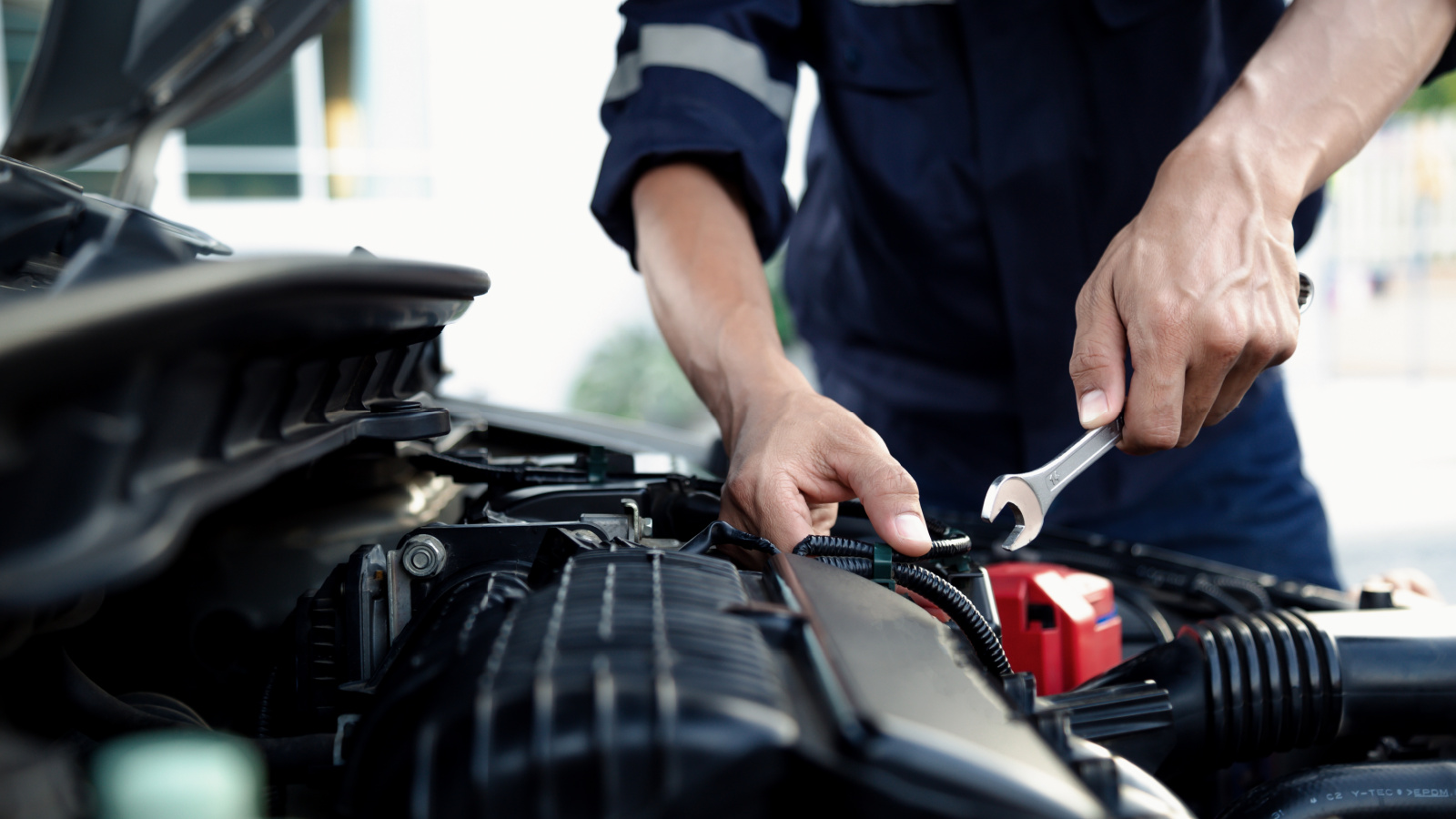
Luxury SUVs can be expensive to repair because they often use specialized parts, advanced drivetrains, adaptive suspensions, turbocharged engines, and tightly packaged components. Even routine maintenance may require premium fluids, larger tires, high-performance brakes, or brand-specific service procedures. Once the original warranty ends, these costs become a major reason some buyers avoid older premium models.
That fear shows up in resale values. A used luxury SUV may look like an incredible deal compared with its original price, but buyers know one major repair can erase the savings. A family shopping for a used vehicle may love the idea of a German or British luxury SUV, then step back after pricing out brakes, tires, or a suspension issue. Depreciation becomes the market’s way of pricing in the possibility of costly ownership.
Canadian Winters Are Hard on Expensive Hardware
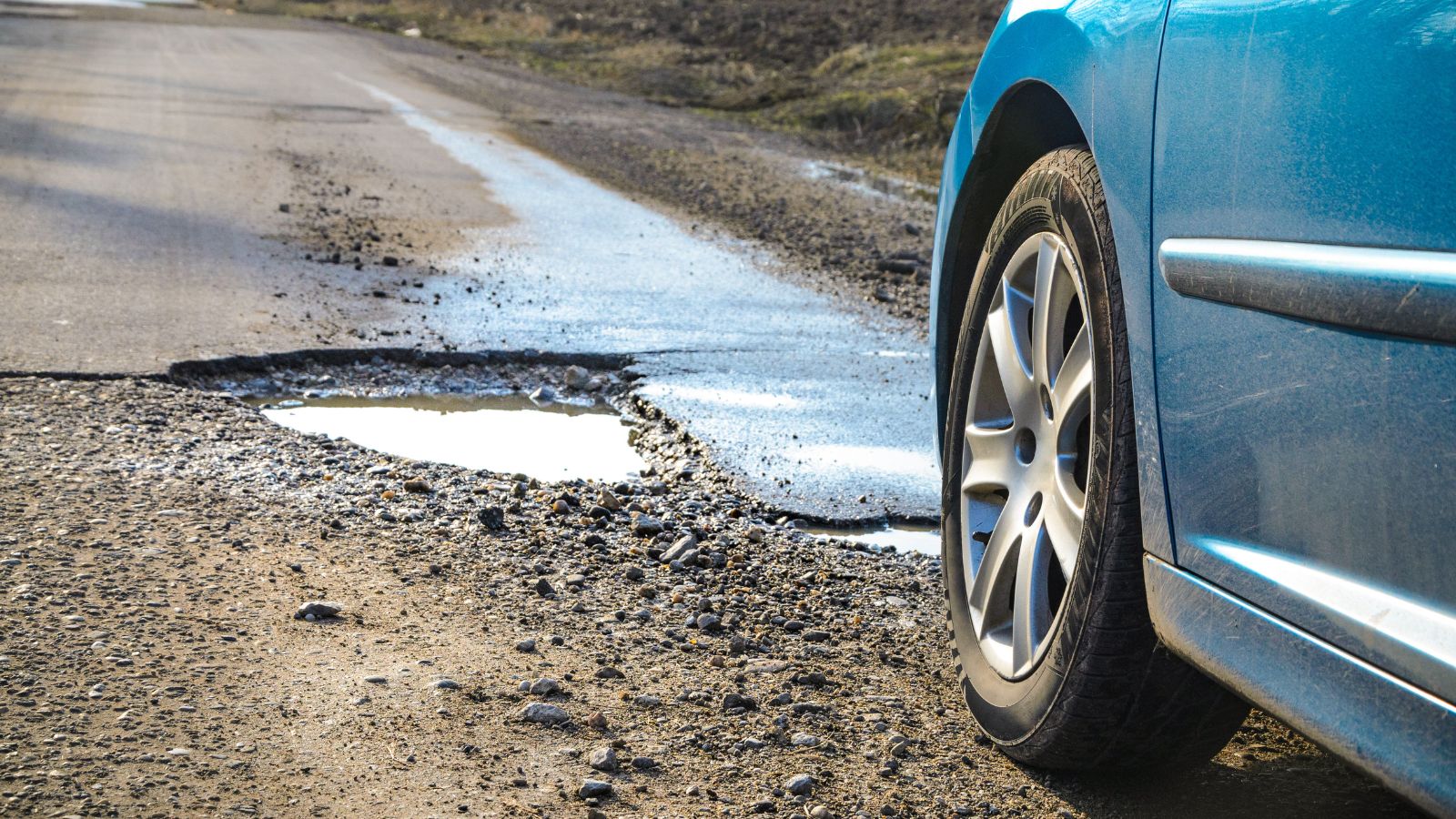
Canada’s climate can be brutal on vehicles, especially heavy SUVs with large wheels, low-profile tires, complex all-wheel-drive systems, and electronic suspension components. Road salt, freeze-thaw cycles, potholes, slush, and sub-zero starts all add stress. A luxury SUV that feels serene on smooth pavement can become expensive to keep perfect after several winters in Ontario, Quebec, Atlantic Canada, or the Prairies.
Used buyers often inspect luxury SUVs with winter wear in mind. Curb rash on large alloy wheels, corroded fasteners, worn suspension parts, salt-stained interiors, and cracked low-profile tires all weaken resale appeal. A vehicle may still drive well, but cosmetic and mechanical wear can make it feel less special. Since luxury value depends heavily on condition, winter exposure can accelerate the gap between what the first owner paid and what the next buyer is willing to offer.
Fuel Costs Can Shrink the Buyer Pool
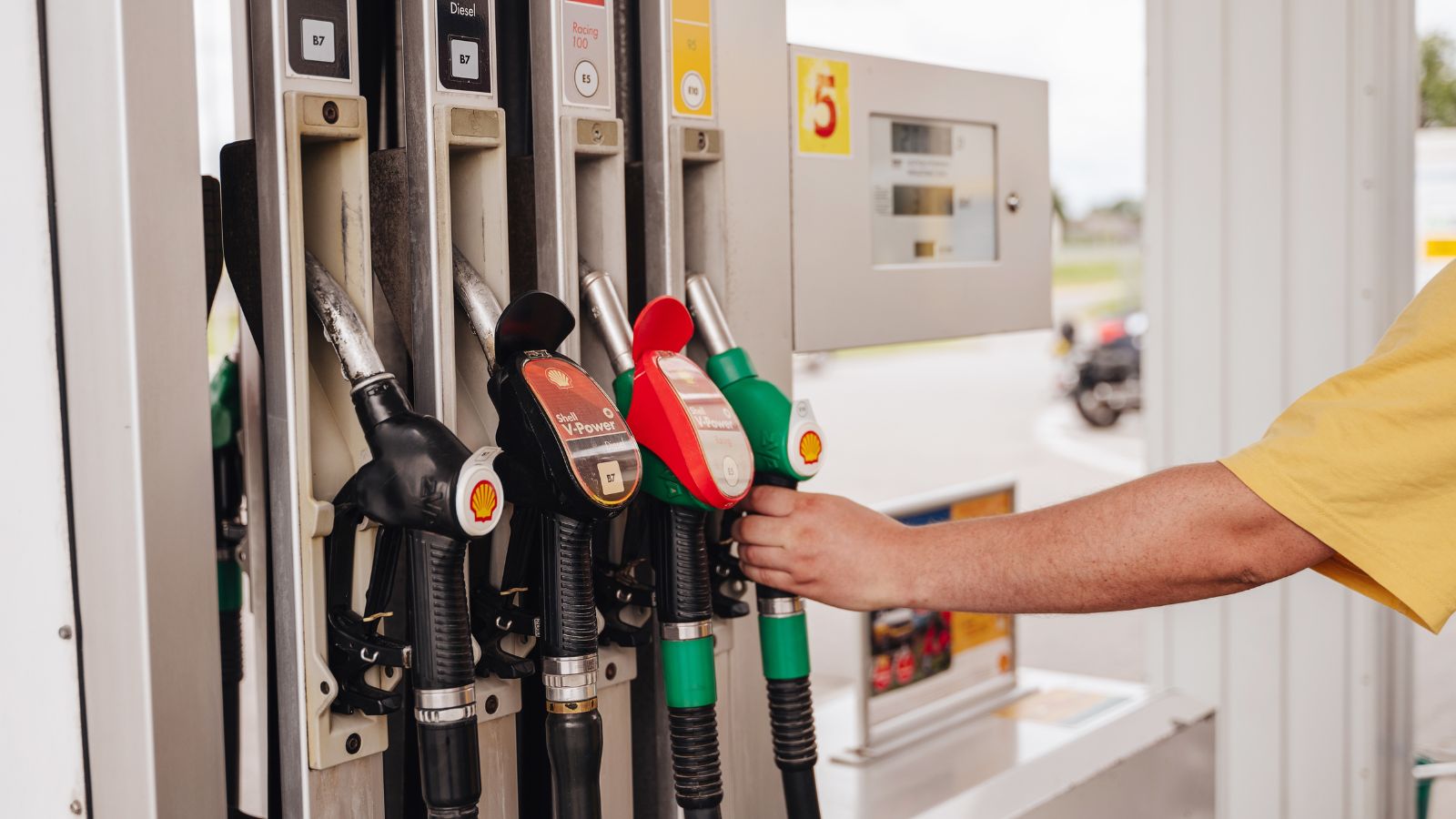
Many luxury SUVs are powerful, heavy, and tuned for performance rather than maximum efficiency. Even when official fuel ratings are reasonable, real-world Canadian driving can include cold starts, winter tires, roof boxes, short trips, and heavy traffic. Premium gasoline requirements can add another layer of cost, especially for turbocharged or high-output engines.
Fuel costs affect depreciation because they influence demand. When gasoline prices rise or household budgets tighten, buyers often become less interested in large, thirsty luxury SUVs. A vehicle with impressive acceleration may suddenly look less attractive next to a hybrid, plug-in hybrid, or smaller premium crossover. In Canada, where long distances and winter idling are common realities, fuel economy is not just a spec-sheet detail. It can become a resale-value problem.
Luxury Tax and High MSRPs Can Distort Value
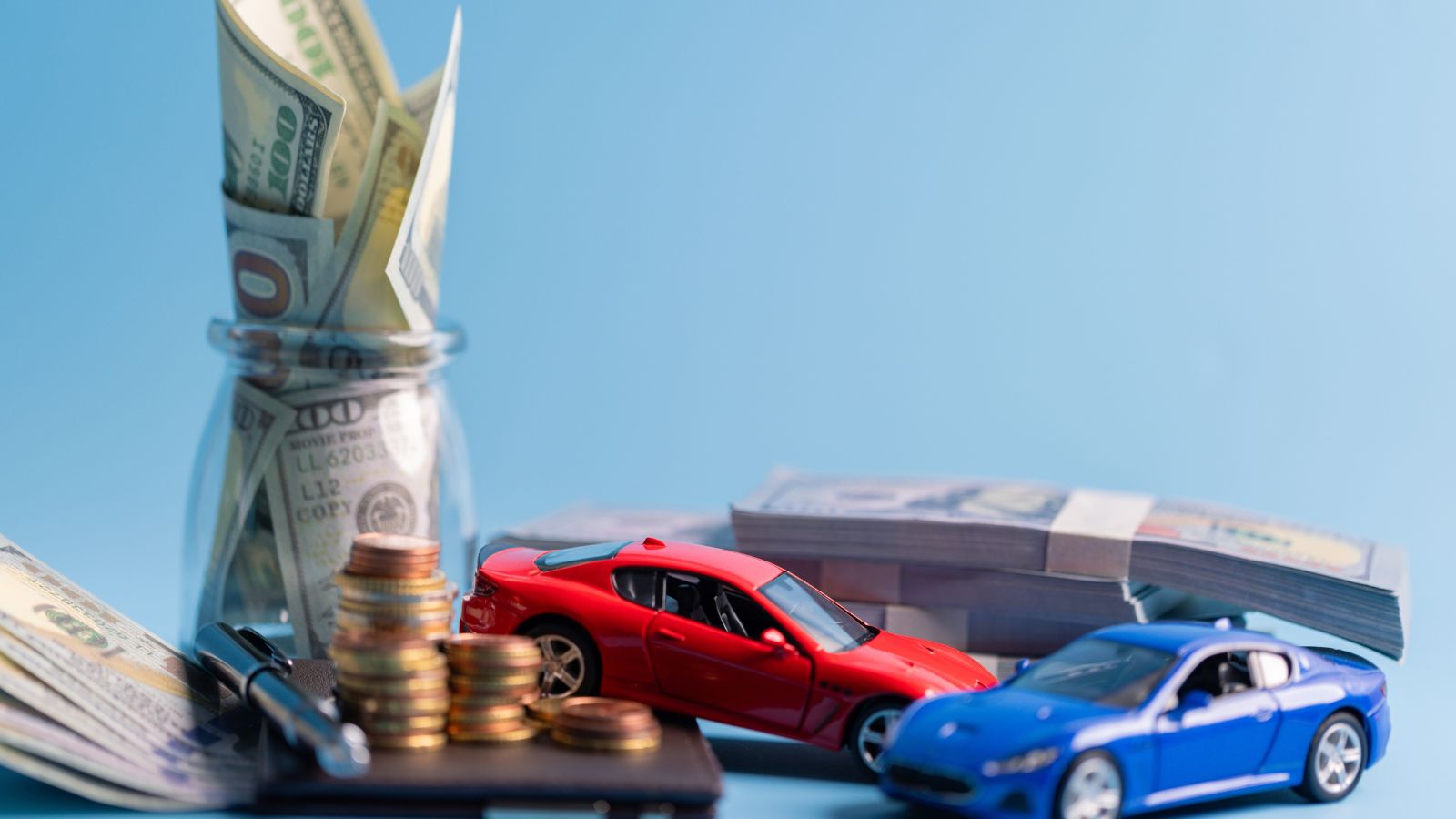
Canada’s luxury tax applies to certain vehicles priced above $100,000, adding another cost layer to high-end purchases. While the tax is paid when the vehicle is new, it can still shape depreciation because used buyers rarely give full credit for taxes and fees that the first owner absorbed. A vehicle that crossed the six-figure threshold new may look much less valuable once it is competing as a used purchase.
This creates a harsh gap between total drive-away cost and resale value. The first owner may remember the final bill with luxury tax, sales tax, accessories, freight, and financing. The used market, however, tends to focus on the vehicle’s current desirability and comparable listings. That difference can make depreciation feel especially steep on luxury SUVs that were heavily optioned or priced just above major tax thresholds.
Theft Concerns Can Hurt Desirability

Auto theft has become a serious concern in Canada, particularly for newer and high-end vehicles. Insurance industry data has linked rising theft losses to pressure on premiums, and high-end vehicles can be attractive targets because of their value in illegal export markets. For luxury SUV owners, that can mean higher insurance costs, required anti-theft devices, or added inconvenience.
Used buyers pay attention to these risks. A model with a reputation for being targeted may become harder to sell privately or may require a larger discount to compete. Even buyers who like the vehicle may worry about driveway theft, insurance surcharges, or waiting lists for replacement parts after a claim. In resale terms, theft risk becomes another hidden ownership cost, and hidden costs tend to push values down.
Electric Luxury SUVs Face Fast-Changing Expectations
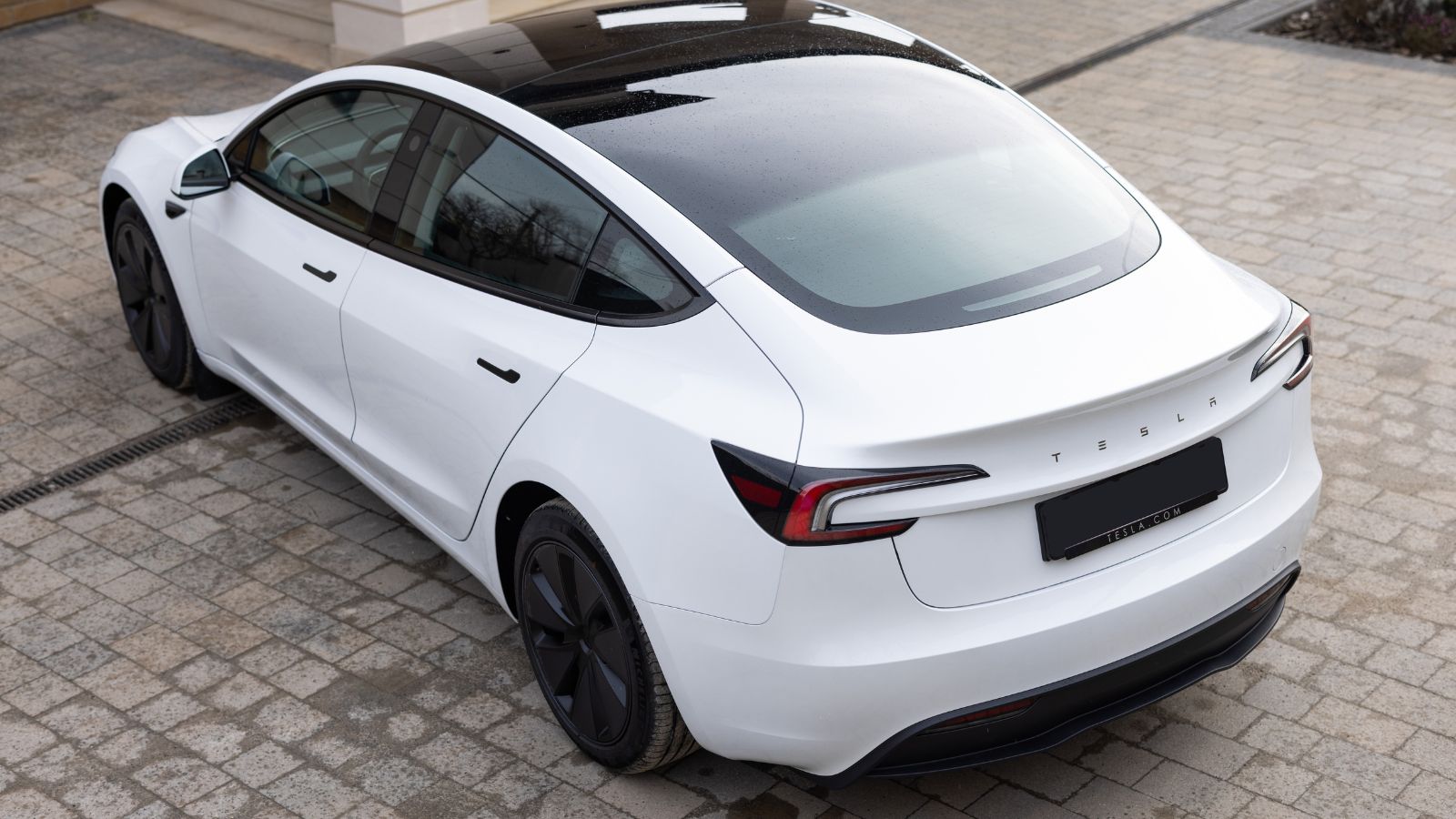
Luxury electric SUVs can depreciate quickly when technology, incentives, charging standards, and battery expectations shift. A new EV may launch with impressive range and futuristic styling, but a few years later buyers may compare it with newer models offering better range, faster charging, improved software, or lower prices. In a technology-driven segment, being slightly outdated can matter more than mileage alone.
Canada’s EV market has also been affected by changing incentives and uneven demand. When rebates change or new-vehicle prices move, used EV values can react quickly. Luxury EV buyers are especially sensitive because battery warranty, charging performance, cold-weather range, and software support all influence confidence. A premium electric SUV can still be desirable, but it must compete in a market where expectations evolve faster than traditional vehicle cycles.
Expensive Options Rarely Return Their Full Cost
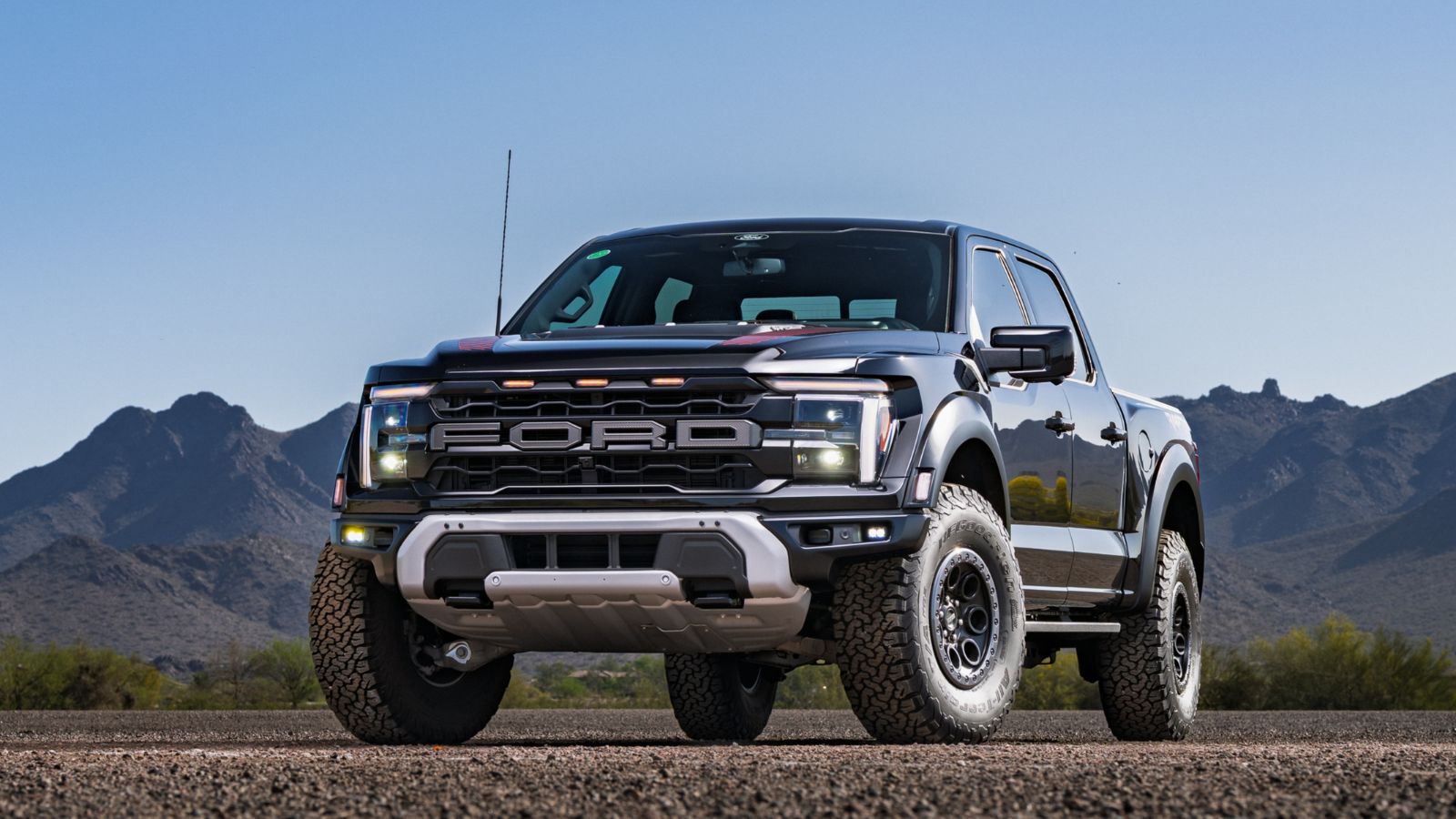
Luxury SUVs are often sold with costly option packages: larger wheels, upgraded leather, premium sound, sport appearance kits, rear-seat entertainment, advanced lighting, and driver-assistance bundles. These features can make the new purchase feel more personal and impressive, but used buyers rarely pay dollar-for-dollar for them. A $12,000 option package may add appeal, yet only a fraction of that cost may survive at resale.
This is especially true when options do not match used-market priorities. A buyer may value heated seats, clean service records, and a strong warranty more than carbon-fibre trim or a rare interior colour. Highly customized luxury SUVs can also narrow the audience if the original owner chose bold paint, unusual wheels, or performance packages that increase maintenance costs. Depreciation often punishes vehicles that were expensive to configure but not broadly desirable later.
Lease Returns Can Flood the Market

Luxury SUVs are commonly leased because monthly payments can make expensive vehicles feel more accessible. When many similar vehicles return to dealers after three or four years, supply can rise quickly in the used market. If demand does not match that supply, prices soften. This is especially noticeable when a redesigned model arrives just as older lease returns begin appearing in large numbers.
A shopper comparing several similar off-lease SUVs may choose the cleanest one, the lowest-mileage one, or the one with the best certified warranty. That leaves less distinctive examples competing on price. Dealers know this and may adjust trade-in offers accordingly. For the original owner, the vehicle may still feel premium and well cared for. For the market, it may be one of many similar units arriving at the same time.
New Model Updates Make Older Ones Look Dated
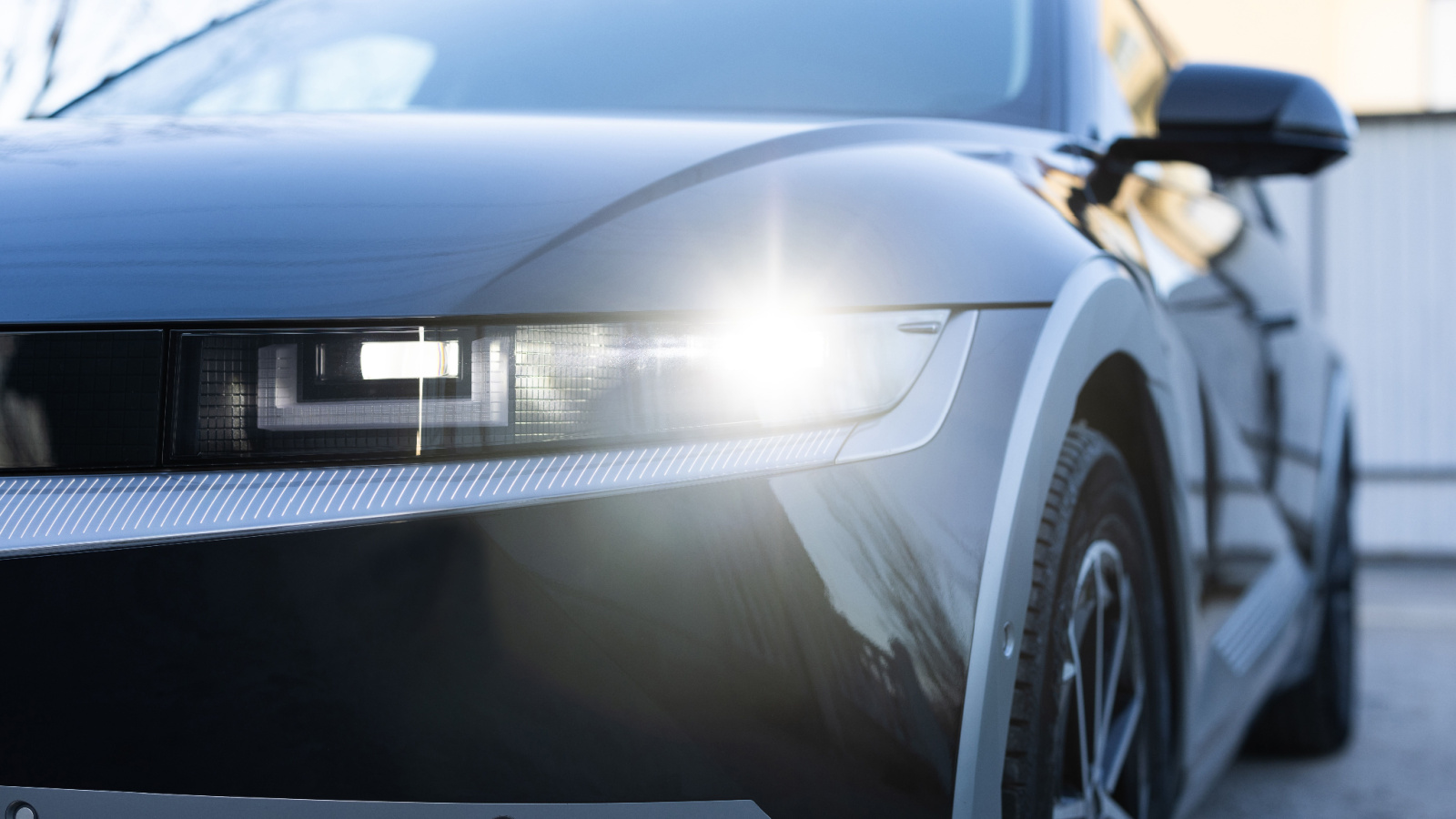
Luxury buyers are often style-conscious, and manufacturers know it. A refreshed grille, cleaner interior, larger display, new lighting signature, or updated hybrid system can quickly make the previous version feel older. In mainstream vehicles, a mild redesign may not crush values. In luxury SUVs, appearance and perceived modernity carry more weight because buyers are paying for image as much as transportation.
This effect can be harsh when a model receives a major interior upgrade. A used luxury SUV with an older screen layout or dated cabin design may suddenly feel less special, even if it is mechanically sound. Buyers browsing listings often compare photos before service records. If the newer version looks dramatically more modern, the older one needs a lower price to remain attractive. Depreciation often follows design momentum.
Reliability Reputation Can Matter More Than Horsepower
Luxury SUVs often advertise power, towing ability, cabin quietness, and advanced features, but used buyers tend to become more conservative. They ask whether the engine is proven, whether the transmission has a good record, whether the electronics behave, and whether independent mechanics can service it. A powerful SUV with uncertain reliability may lose value faster than a less dramatic model with a stronger ownership reputation.
This is why some luxury SUVs remain surprisingly resilient while others fall quickly. The market rewards confidence. A buyer may accept an older cabin or less aggressive styling if the vehicle has a reputation for lasting well. Meanwhile, a high-performance model with complex hardware can become intimidating once warranty coverage fades. In Canada’s used market, peace of mind can be worth more than horsepower, and resale values often reflect that preference.
22 Things Canadians Do to Their Cars in Spring That Mechanics Hate

Spring brings relief to many Canadian drivers after months of snow, freezing temperatures, and icy roads that put serious strain on vehicles. As temperatures rise across the country, drivers begin washing cars, switching tires, and preparing vehicles for warmer weather and upcoming road trips. However, mechanics across Canada notice the same mistakes every spring when drivers attempt to recover from winter damage. Road salt, potholes, and harsh winter driving conditions often leave vehicles with hidden problems that drivers ignore. Some spring habits even create new mechanical issues that could have been avoided with proper maintenance. Here are 22 things Canadians do to their cars in spring that mechanics hate.