
























New cars increasingly arrive with technology that feels impressive during a test drive, especially when the steering wheel gently nudges a vehicle back between the lines. Lane-keeping assist and lane-centering systems promise less stress, fewer drifting mistakes, and a glimpse of the semi-automated future buyers have heard about for years.
Yet the same feature can become one of the first settings drivers hunt down in the menu. Chimes, steering corrections, road-marking confusion, and a sense that the car is second-guessing ordinary driving can turn early excitement into quiet irritation. These 12 sections examine why a feature designed to help often becomes one that owners switch off, adjust, or learn to tolerate only in very specific conditions.
The Showroom Moment Feels Like the Future
Lane-keeping assist often makes a strong first impression because it is visible, physical, and easy to understand. Unlike a hidden crash structure or improved airbag algorithm, this technology announces itself through the steering wheel. During a brief demonstration, the car appears to notice the lane, respond quickly, and help correct a small drift before it becomes a bigger problem.
That first experience can feel reassuring, especially for drivers who spend time on highways or worry about fatigue. Automakers also present these systems as part of a broader safety package, placing them beside automatic emergency braking, blind-spot monitoring, and adaptive cruise control. The appeal is obvious: a car that seems to watch the road with the driver feels more advanced than one that simply waits for human input.
Then the Alerts Start Feeling Personal
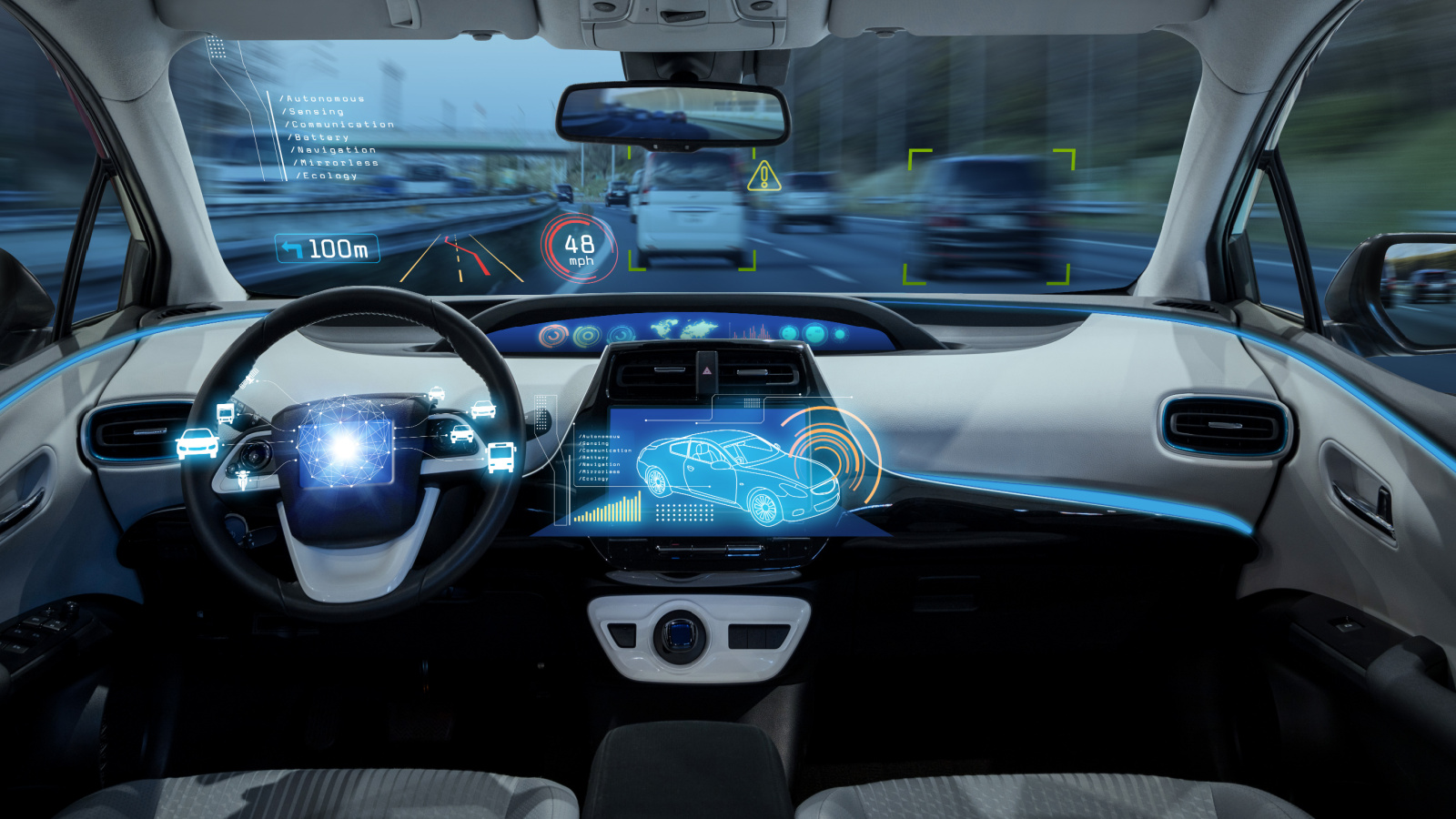
The relationship changes when the feature begins interrupting normal driving. A lane-warning chime or steering-wheel vibration may be useful once, but repeated alerts can make a driver feel scolded. The system may not know whether the driver is carefully avoiding debris, giving a cyclist extra space, or following a temporary construction lane that no longer matches the faded road markings.
That is where irritation begins. Research and owner studies have repeatedly shown that driver acceptance matters as much as technical capability. When drivers view alerts as nagging, they are more likely to disable the system, even when the technology has a legitimate safety purpose. A feature that initially felt protective can quickly feel like an overly cautious passenger grabbing the wheel.
Lane Markings Are Not Always Clean and Simple
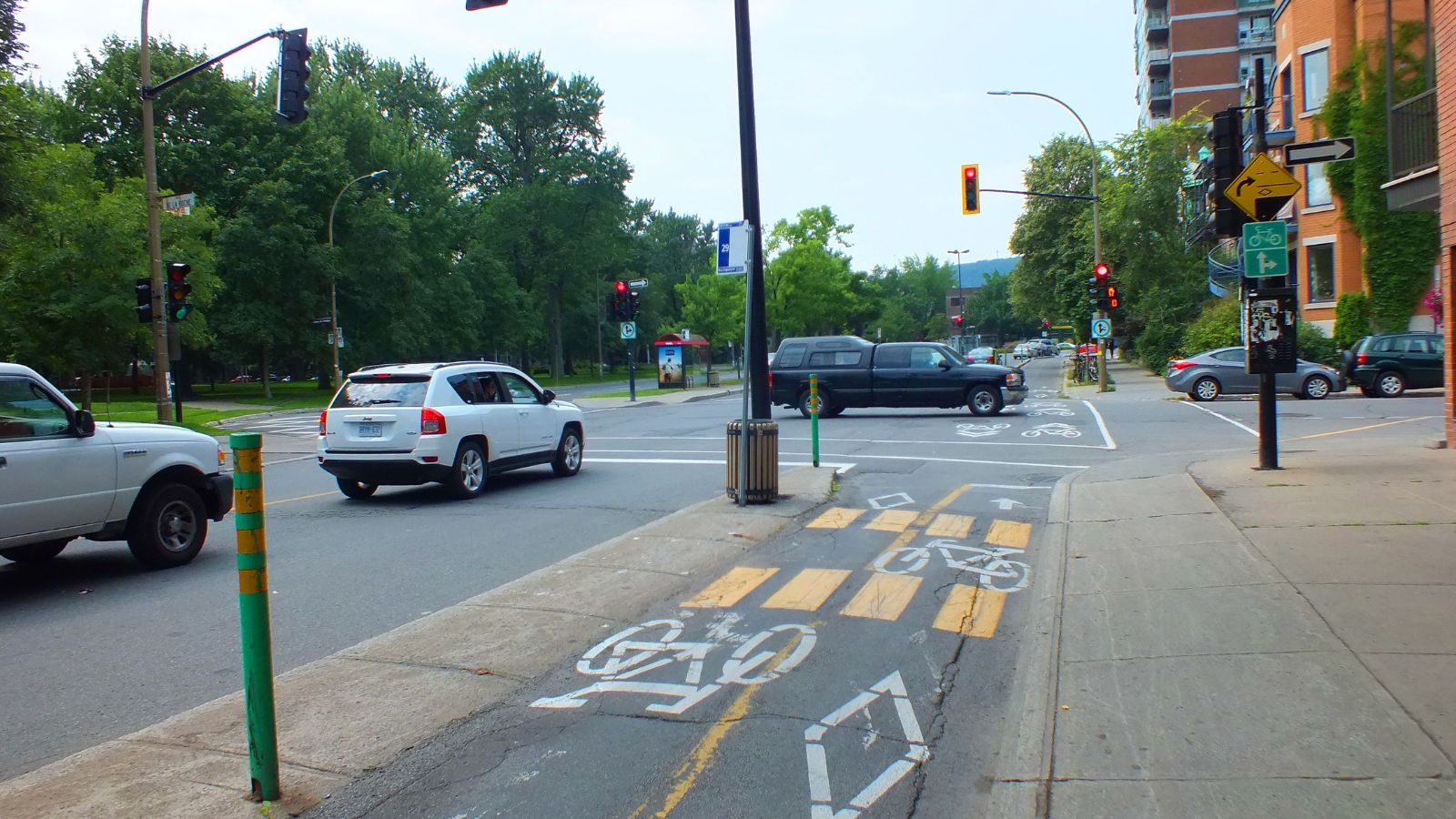
Lane-keeping systems depend heavily on cameras and lane markings. That works well on freshly painted highways in good weather, but real roads are messier. Snow, rain, glare, pothole repairs, tar lines, and worn paint can all make the lane harder for the system to interpret. In some places, an old lane line may still be visible beside a newer one, creating confusion for both cameras and drivers.
This is one reason the feature can feel inconsistent. On one road, it behaves smoothly; on another, it may wander, hesitate, or give warnings that seem unnecessary. A driver commuting through construction zones or rural roads with weak markings may decide the system is not worth the interruptions. The technology is improving, but it still depends on road conditions that are far from uniform.
The Steering Nudge Can Feel Too Assertive
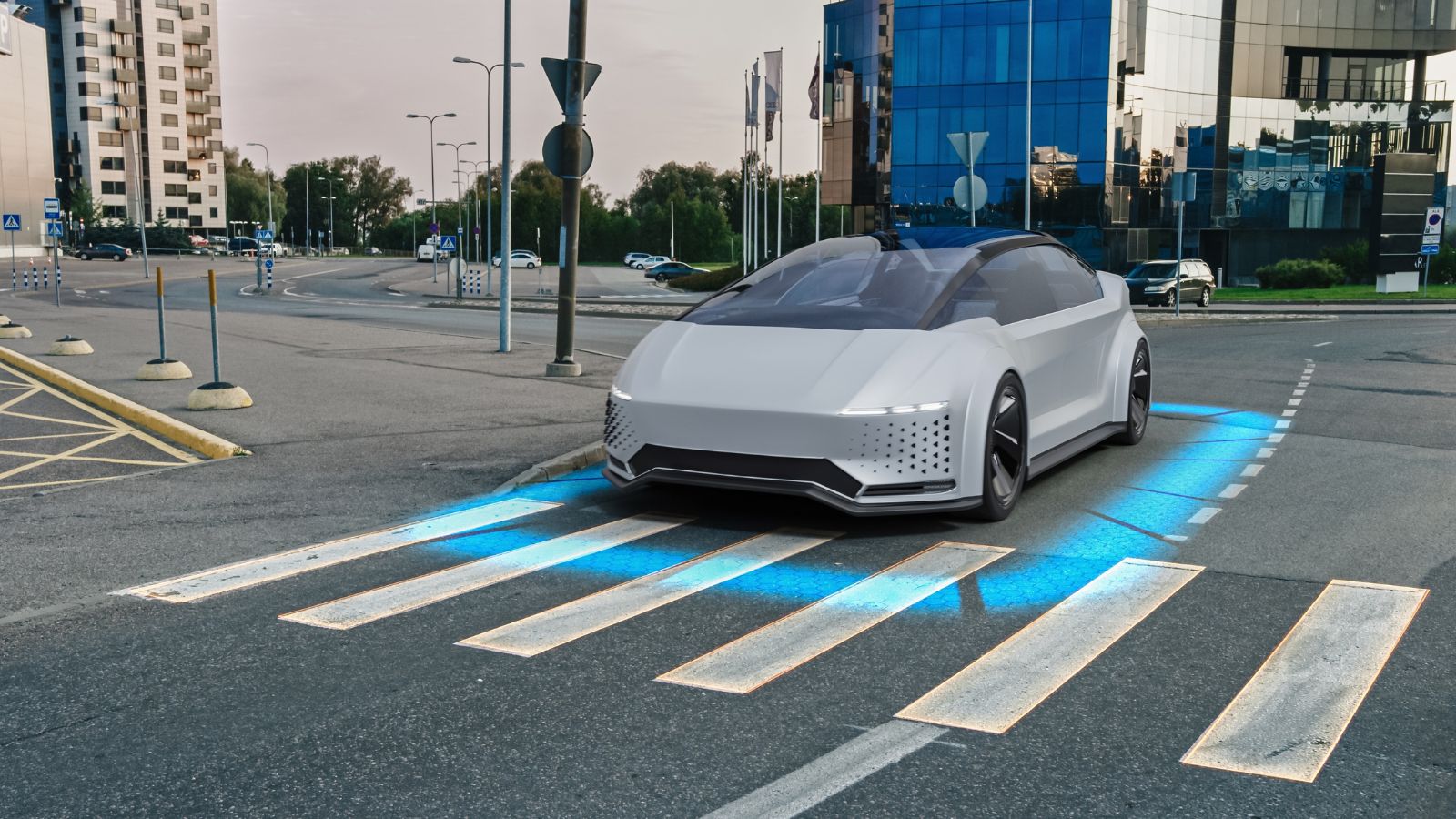
The most controversial part of lane-keeping assist is not always the warning. It is the steering correction. A gentle nudge can feel helpful during a moment of inattention, but it can also feel intrusive when the driver is already in control. Even a small steering input from the car can be unsettling if it happens at the wrong moment.
That sensation matters because driving is built around trust and muscle memory. Drivers expect the steering wheel to communicate the road, not argue with them. When the car resists a deliberate lane position or tries to pull back during a careful maneuver, confidence can fade quickly. The driver may still believe the technology is useful in theory, while deciding it is too involved for everyday use.
False Warnings Create Real Fatigue

A safety alert must be rare enough to matter. If it happens too often, it becomes background noise. Lane-departure warnings can lose their authority when they activate for harmless situations, such as a wide curve, a poorly marked shoulder, or a lane change made without a signal. Some drivers eventually stop treating the alert as important because too many previous warnings felt irrelevant.
That creates a difficult design problem. A system that is too quiet may miss a dangerous drift, while one that is too sensitive may annoy owners into turning it off. Studies on warning reliability have found that driver acceptance is stronger when alerts are accurate and weaker when warnings are unreliable. The safety value depends not just on detecting danger, but on convincing drivers the warning is worth respecting.
Drivers Often Learn the Feature by Trial and Error

Many owners do not receive deep training on advanced driver-assistance systems when they buy a vehicle. A salesperson may explain the basics, but the fine details often emerge later, during real driving. Owners learn when the system works, when it drops out, how hard it steers, and where the off switch is located through experience rather than formal instruction.
That learning curve can create frustration. If a driver expects the car to hold the lane like a semi-autonomous system, disappointment follows quickly. If another driver expects only a warning but gets steering correction, the system may feel aggressive. Clear education helps, but many drivers still discover the boundaries of lane assistance at highway speed, in traffic, or during weather changes. That is not an ideal classroom.
Highway Help Does Not Always Translate to City Driving
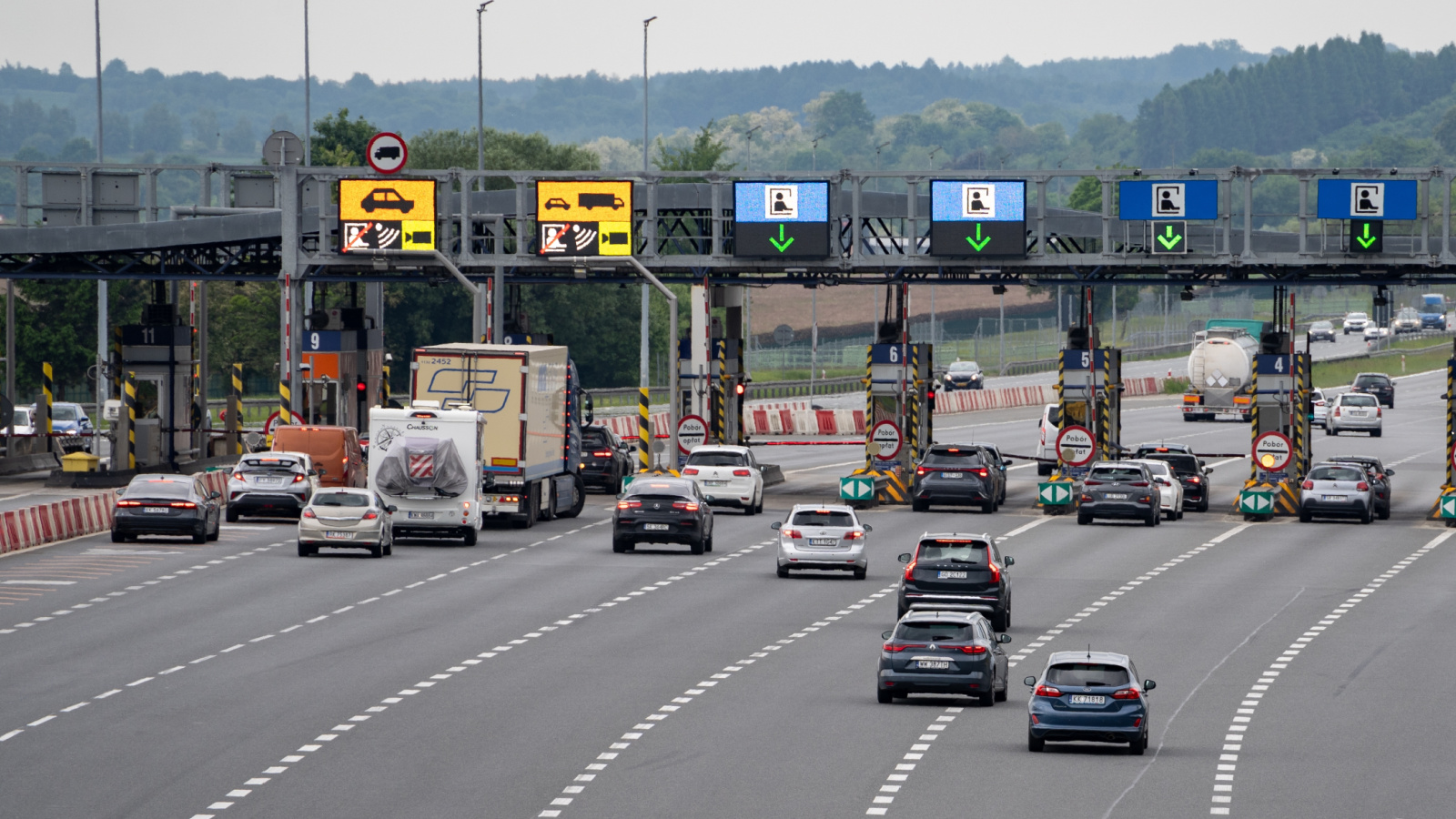
Lane assistance usually makes the most sense on highways, where lane markings are clearer, traffic flow is steadier, and curves are more predictable. In that setting, the feature can reduce small drifting errors and support long-distance driving. Many drivers who dislike it around town still tolerate it on divided highways.
City streets are different. Parked cars, cyclists, delivery vehicles, bus lanes, construction cones, and faded markings create constant exceptions. A driver may intentionally move within the lane to create space, while the system interprets the motion as drifting. After several unnecessary alerts in a short urban trip, the feature can feel mismatched to the environment. For some owners, the solution is simple: leave it off unless a long highway drive is ahead.
It Can Clash With a Driver’s Personal Style

Every driver has habits. Some keep slightly left in a lane to avoid parked cars. Others move right to create distance from oncoming traffic. On narrow rural roads, many drivers adjust their lane position constantly based on shoulders, curves, and visibility. Lane-keeping assist, however, is designed around a more standardized idea of lane discipline.
That difference can feel like a personality conflict between driver and machine. The car may be technically correct, but still wrong for the moment. A cautious driver giving extra room to a truck may not appreciate a steering nudge back toward the center. Over time, the driver may conclude the system understands lane lines better than context. That is often enough to push the feature into the off position.
Some Systems Are Better Than Others
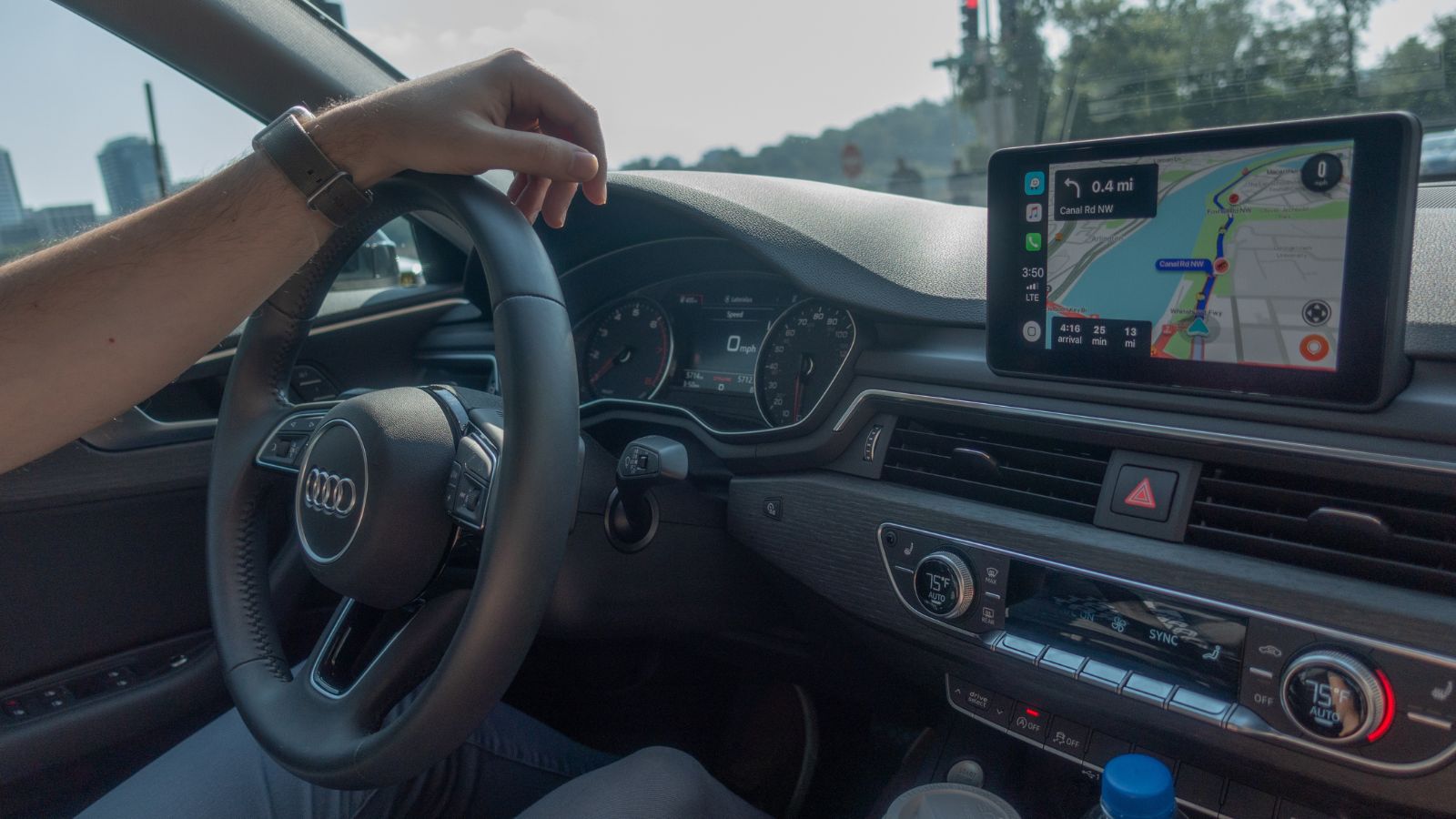
Not all lane-keeping systems behave the same way. Some deliver subtle haptic feedback and allow easy override, while others use louder warnings or firmer steering correction. Even within the same brand, tuning can vary by model year, trim, camera setup, software version, and regional regulation. That inconsistency explains why one driver may praise the feature while another finds it unbearable.
This also affects trust in the broader technology. A well-calibrated system can make the car feel polished and cooperative. A poorly calibrated one can make an expensive new vehicle feel unfinished. Industry research has pointed to lane-keeping and lane-centering alerts as a frequent source of annoyance, especially when owners feel the car is constantly judging their driving. Good design turns assistance into backup; poor design turns it into friction.
Turning It Off Can Become a Ritual
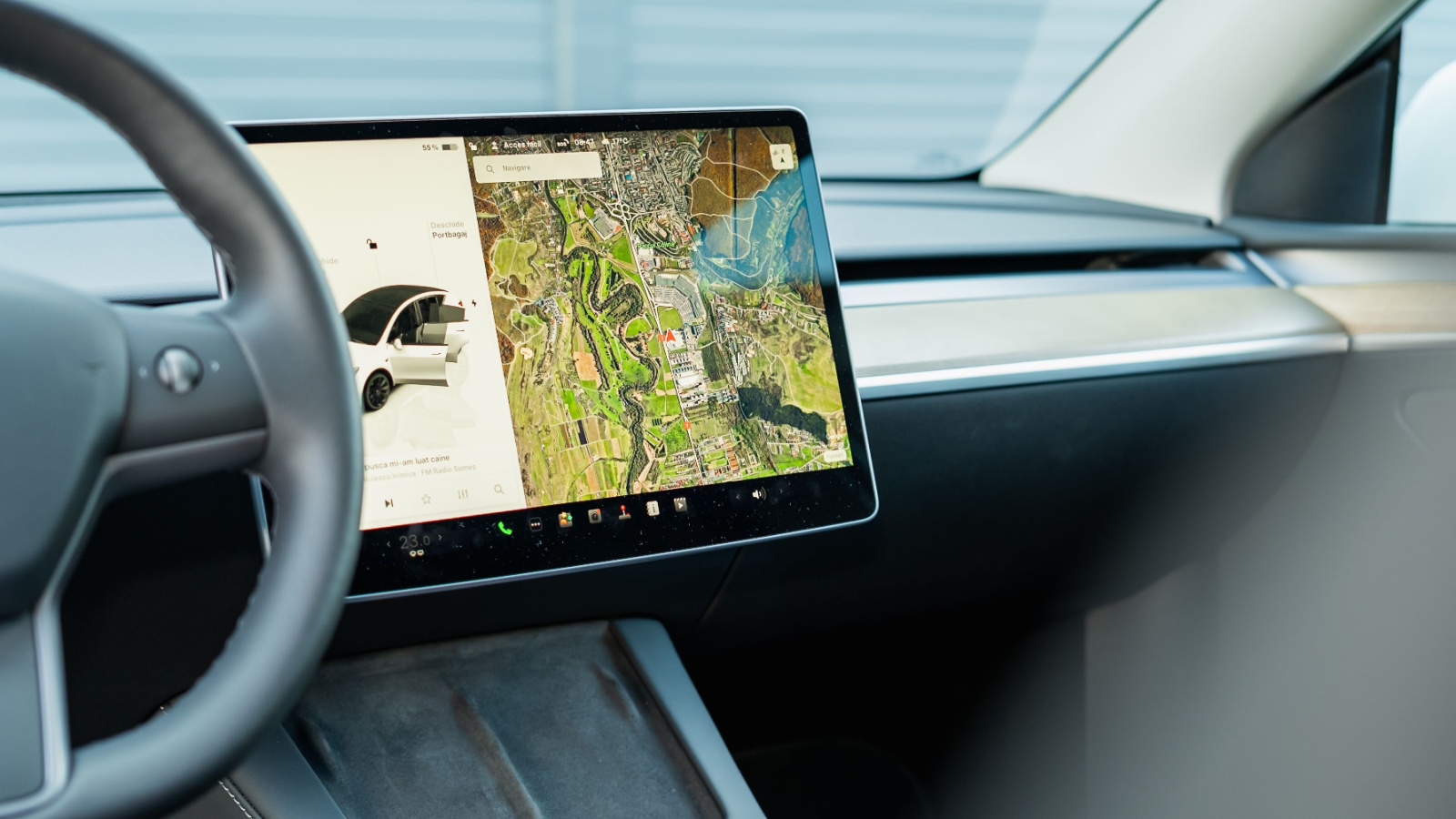
Many vehicles allow lane-keeping assist to be disabled through a dashboard button, steering-wheel control, or infotainment menu. Some drivers do it once and forget about it; others must repeat the process each time the car starts, depending on how the system is designed and regulated. In markets where certain safety features are required to reactivate, the daily off-switch routine can become part of starting the car.
That ritual says a lot about user acceptance. Drivers rarely disable features they find genuinely helpful, such as backup cameras or blind-spot indicators. When a safety feature is repeatedly turned off, it usually means the owner has decided the annoyance outweighs the benefit in normal driving. The feature may still be switched back on for road trips, bad weather, or late-night highway stretches, but it loses its default place in the driving experience.
The Safety Case Is Still Real

The frustration does not erase the reason the feature exists. Lane-departure technologies are aimed at serious crash types, including single-vehicle run-off-road crashes, sideswipes, and head-on collisions. These are exactly the kinds of crashes that can happen when a driver is tired, distracted, impaired, or momentarily inattentive. A brief warning or steering correction can matter when the alternative is leaving the lane at speed.
That is the tension at the heart of the debate. Drivers may dislike the alerts, but safety organizations have found evidence that lane-departure warning can reduce certain police-reported crash types. The best version of the feature is not one that drivers feel forced to endure. It is one they trust enough to leave on, because it intervenes rarely, clearly, and only when the situation deserves it.
The Future Depends on Making It Less Annoying

The next generation of lane assistance will likely be judged less by whether it can see lane lines and more by whether it can cooperate with human drivers. Better cameras, improved software, driver-monitoring systems, and smarter alert strategies may reduce unnecessary warnings. Regulators and safety groups are also paying closer attention to whether advanced assistance is useful without becoming distracting.
That shift is important because a safety feature only works when it remains active and trusted. Drivers do not reject lane assistance because they dislike safety. They reject it when it feels unpredictable, intrusive, or poorly matched to real roads. The winning version will be calmer, clearer, and easier to override without drama. Until then, lane-keeping assist will remain the new-car feature many drivers admire first, then quietly switch off.
22 Things Canadians Do to Their Cars in Spring That Mechanics Hate

Spring brings relief to many Canadian drivers after months of snow, freezing temperatures, and icy roads that put serious strain on vehicles. As temperatures rise across the country, drivers begin washing cars, switching tires, and preparing vehicles for warmer weather and upcoming road trips. However, mechanics across Canada notice the same mistakes every spring when drivers attempt to recover from winter damage. Road salt, potholes, and harsh winter driving conditions often leave vehicles with hidden problems that drivers ignore. Some spring habits even create new mechanical issues that could have been avoided with proper maintenance. Here are 22 things Canadians do to their cars in spring that mechanics hate.