



















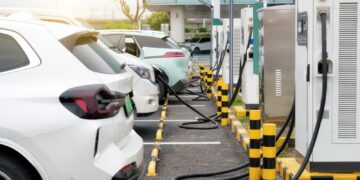
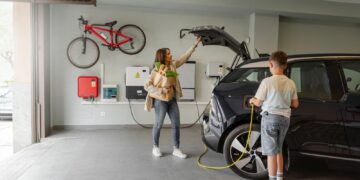

Electric vehicles still deliver clear advantages: quiet driving, lower routine maintenance, and the ability to skip gas stations entirely when home charging works well. Yet the ownership experience does not fit every household, commute, climate, or budget as neatly as early expectations suggested. For some drivers, the novelty fades when charging becomes a weekly puzzle, winter range falls short, repair bills feel unpredictable, or resale values drop faster than planned. This look at 12 reasons explains why some EV owners are returning to gas-powered vehicles sooner than expected, not because electric driving has failed, but because real-world ownership can be more complicated than the showroom promise.
Charging Takes More Planning Than Expected
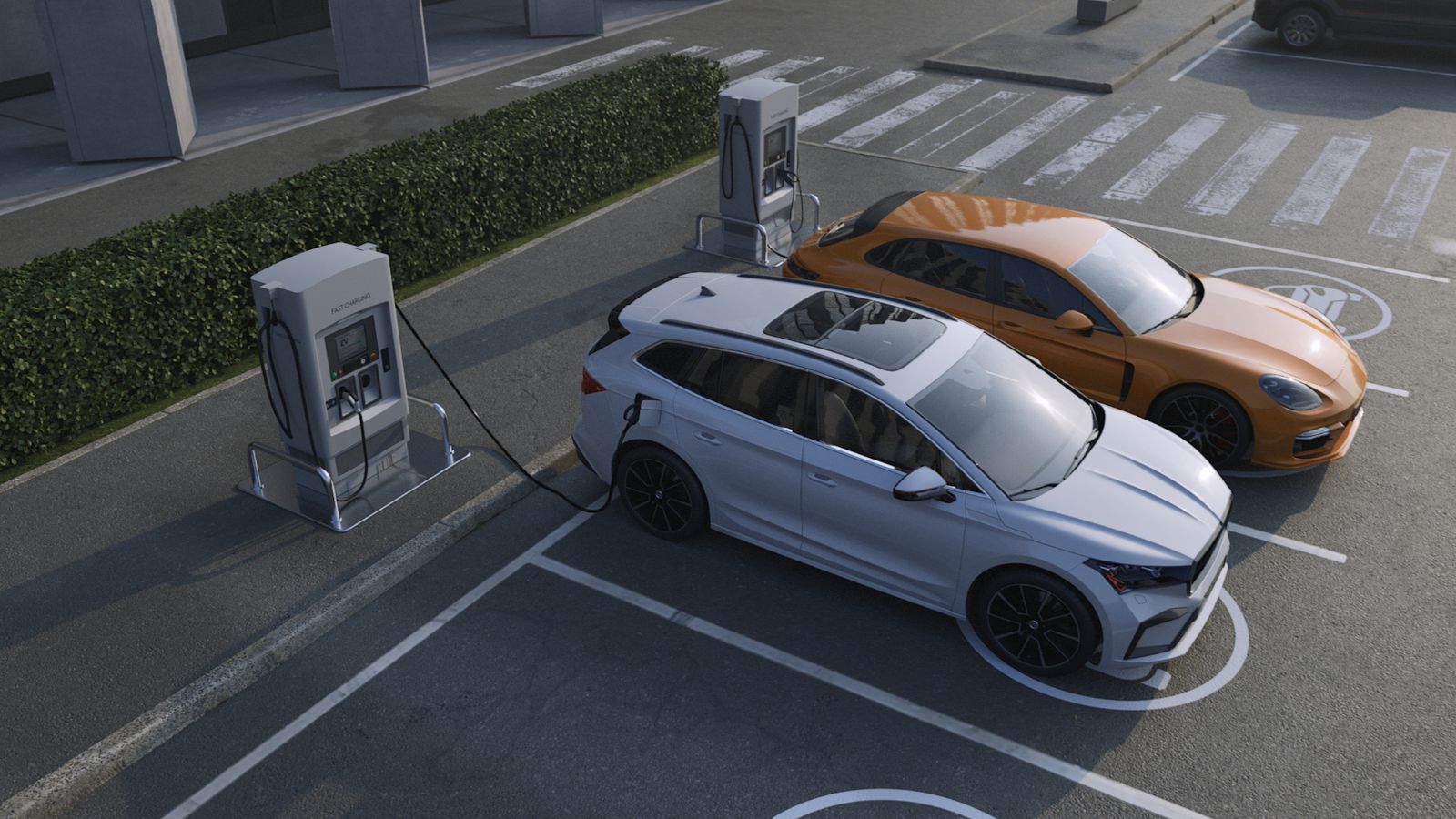
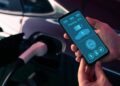
For many EV owners, the biggest adjustment is not the car itself but the routine around keeping it charged. A gas stop usually takes a few minutes and requires little planning. EV charging can be effortless at home, but without that setup, daily use often depends on public chargers, workplace plugs, or carefully timed errands. That extra planning becomes frustrating when schedules change or a charger is already occupied.
The problem is especially noticeable for drivers who bought an EV expecting it to function exactly like a gas vehicle. Even fast charging can take longer than refueling, and charging speed varies by battery temperature, charger output, vehicle limits, and battery state of charge. A driver who regularly arrives at public chargers during busy hours may start viewing the EV less as a convenience upgrade and more as another task to manage.
Public Chargers Still Feel Unreliable in Some Areas
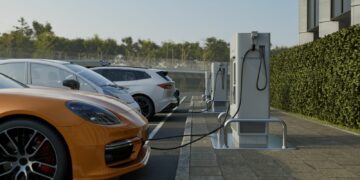
Charging networks have expanded, but reliability remains uneven. Some EV owners report arriving at a station only to find broken equipment, payment problems, slow charging speeds, or chargers blocked by other vehicles. The experience can be manageable during routine local driving, but it becomes more stressful on road trips, in rural areas, or during bad weather when backup options are limited.
This is one reason charging anxiety differs from simple range anxiety. The car may have enough advertised range, but the owner also needs confidence that the next charger will work. A family driving late at night with children in the back seat has a very different tolerance for risk than a commuter charging at home. When public charging does not feel predictable, a gas vehicle can seem simpler.
Home Charging Is Not Available to Everyone
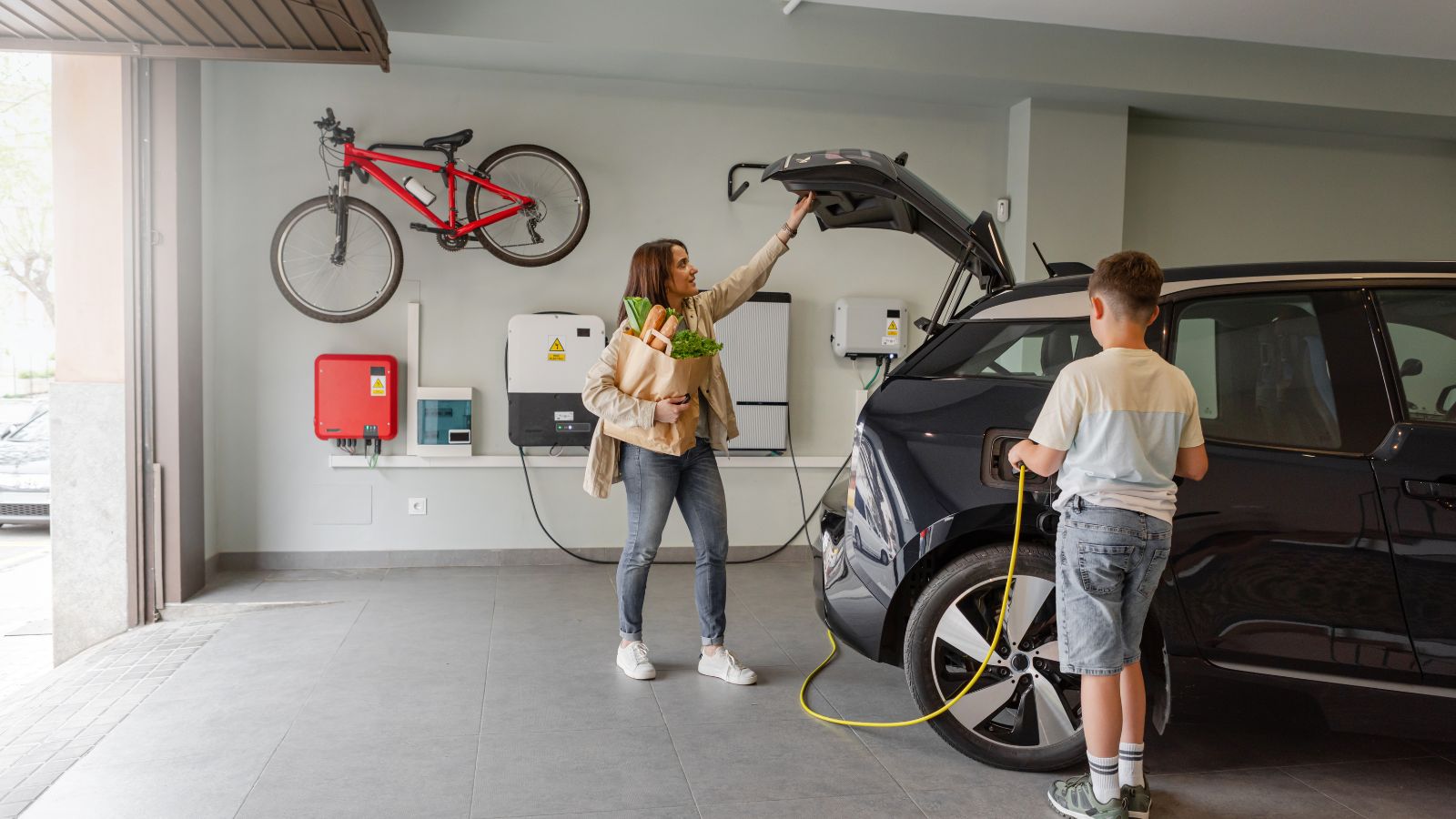
EV ownership works best when charging happens where the vehicle is parked overnight. For homeowners with driveways, garages, and electrical capacity, that can make an EV feel easier than a gas car. For renters, condo residents, and people relying on street parking, the equation changes quickly. Without a dependable plug at home, owners often become dependent on public stations for routine charging.
Apartment and condo charging access remains a major barrier because installation can require landlord approval, building electrical upgrades, shared parking decisions, and extra costs. Even when a building technically has chargers, availability may be limited. A resident who expected to charge casually after work may discover that the chargers are full, expensive, or too slow. In that situation, returning to gas can feel less like resistance to EVs and more like a practical response to housing reality.
Winter Range Loss Surprises Some Drivers
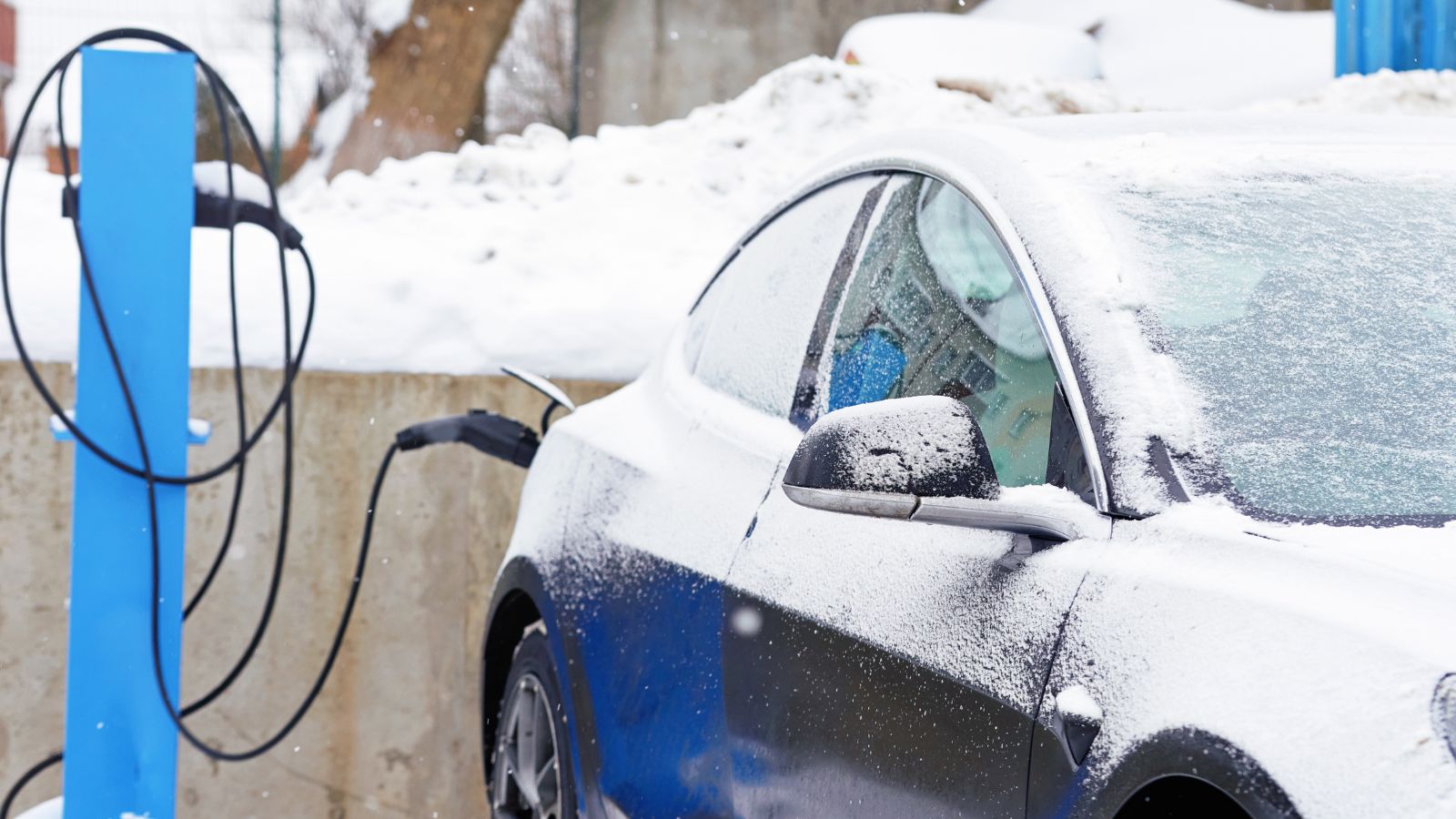
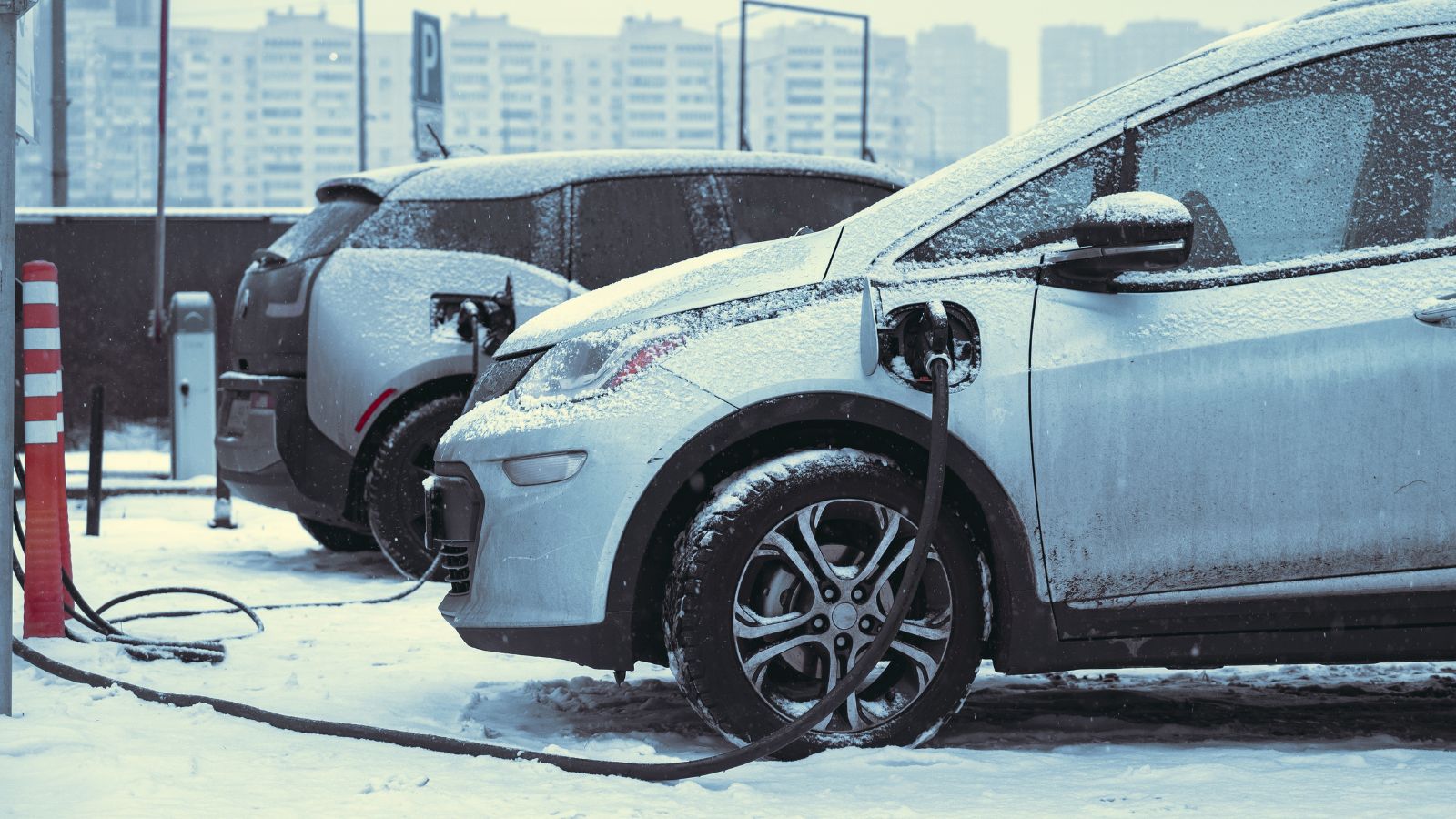
Cold weather can reduce EV range more sharply than some new owners expect. Batteries operate less efficiently in low temperatures, and cabin heating draws additional energy. In moderate climates, the difference may be manageable. In regions with long winters, the same vehicle that feels comfortable in September may feel more limiting in January, especially for highway driving.
The frustration often comes from the gap between advertised range and seasonal range. A driver may buy an EV rated for a comfortable daily buffer, then discover that winter commuting, snow tires, highway speeds, and heater use cut deeply into that cushion. Some owners adapt by preconditioning the cabin, charging more often, or choosing models with heat pumps. Others decide that a gas vehicle better fits their climate and driving habits.
Road Trips Can Become Too Complicated

Many EV owners enjoy local driving but struggle with longer trips. Route planning, charging stops, charger compatibility, and wait times can turn a familiar highway journey into a more calculated exercise. That may be acceptable for enthusiasts, but it can wear on families, workers, and travelers who want flexibility. A missed exit or broken charger can add far more stress than a low fuel light in a gas vehicle.
The issue is not simply distance. It is the need to plan around the charging network rather than personal preference. Some drivers dislike choosing restaurants, hotels, or rest stops based on plug availability. Others find that towing, mountain driving, cold weather, or high-speed travel reduces range faster than expected. After a few inconvenient trips, a gas vehicle may feel like the easier long-distance tool.
Insurance Costs Can Offset Fuel Savings
EV buyers often focus on fuel savings, but insurance can change the ownership math. Many electric vehicles have expensive battery packs, advanced sensors, specialized body structures, and complex software-linked systems. When repairs require special training or manufacturer procedures, insurers may price that risk into premiums. For some owners, higher insurance bills reduce the savings they expected from lower energy and maintenance costs.
This does not mean every EV is expensive to insure. Premiums vary widely by model, driver history, location, repair network, and vehicle value. Still, the surprise can be significant when a driver compares quotes after purchase or receives a renewal increase. A household that bought an EV to lower monthly transportation costs may reconsider if insurance, loan payments, and charging costs together feel less predictable than a conventional vehicle.
Collision Repairs Can Be Expensive and Slow

EVs generally have fewer routine maintenance needs, but collision repairs can be a different story. Battery inspection, high-voltage safety procedures, calibration of driver-assistance sensors, and specialized parts can add time and complexity. Even a moderate accident may require a shop that is trained and equipped for the specific model. In some regions, that narrows repair options.
Long repair delays can turn an ownership annoyance into a financial problem. If the vehicle waits weeks for parts, diagnosis, or approval, the owner may depend on rentals or loaners. The emotional effect matters too: a driver who expected fewer service visits may feel blindsided by a single complicated repair. Gas vehicles also suffer from repair delays, but EV-specific procedures can make some owners feel exposed to a less mature service ecosystem.
Depreciation Has Been Hard to Predict

Some EV owners expected strong resale value because electric vehicles were once scarce and in high demand. The market changed as more models arrived, incentives shifted, Tesla adjusted prices, and used EV inventory grew. For owners who financed at high prices, a sudden drop in trade-in value can be discouraging. The problem is sharper when the vehicle is traded earlier than planned.
Depreciation does not affect every EV equally. Popular models with strong charging access and proven battery performance can hold value better than niche or older models. Still, the perception of rapid value loss can push owners back to gas or toward hybrids. A driver who sees thousands of dollars disappear from trade-in value may decide that the next vehicle should be more familiar and easier to price.
Real-World Costs Are More Complicated Than Advertised
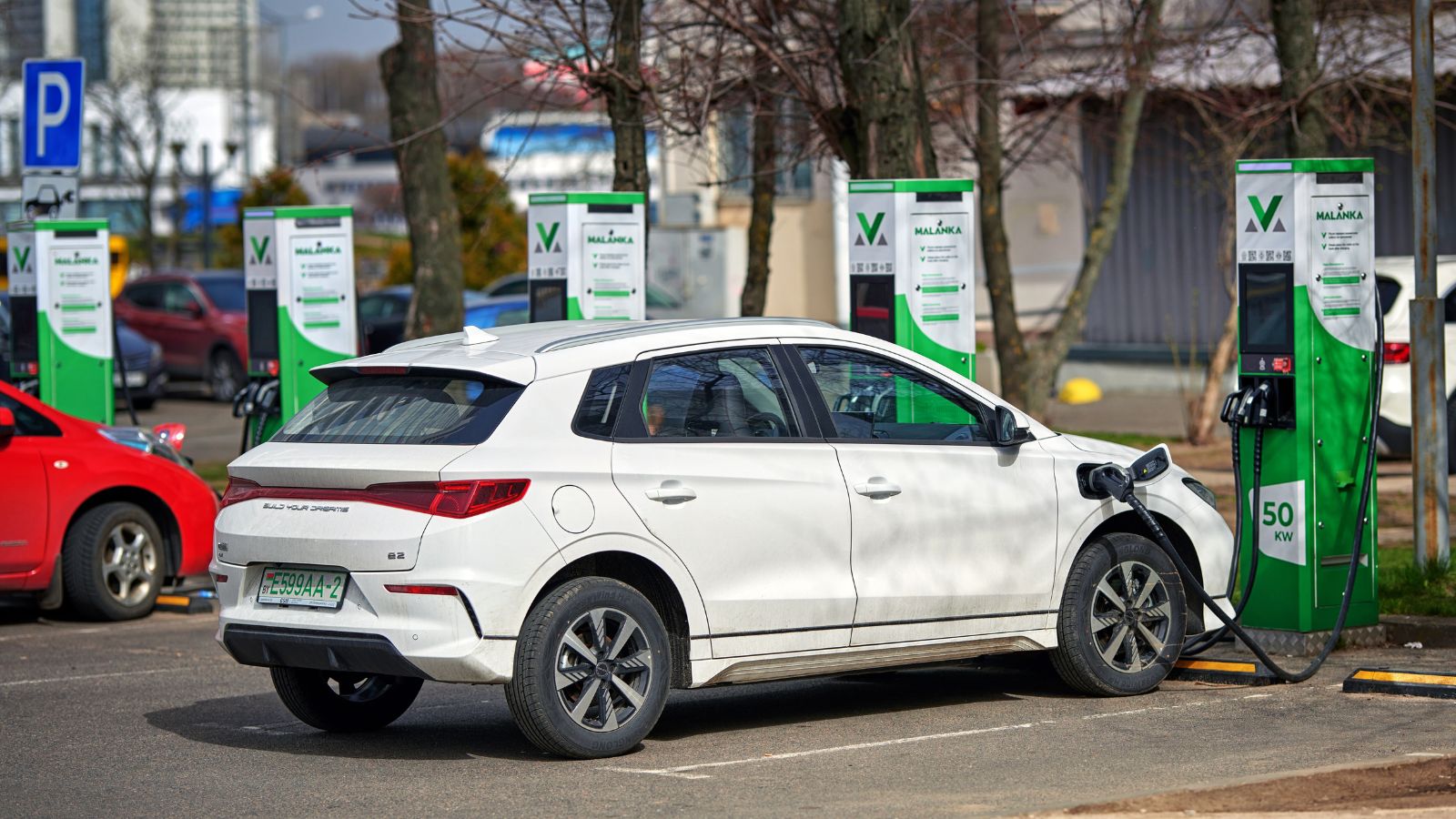
EVs can be cheaper to operate, especially when charged at home during low-cost electricity periods. The challenge is that not every owner gets that ideal scenario. Public fast charging can be much more expensive than home charging, utility rates vary, and some drivers need electrical upgrades before installing Level 2 charging. Tires can also wear faster on some EVs because of weight and instant torque.
This makes the total cost of ownership highly personal. One driver with a garage, solar panels, and a short commute may save substantially. Another who fast-charges often, pays higher insurance, and drives in cold weather may see fewer savings. When the monthly numbers do not match the sales pitch, some owners return to gas because the old cost structure feels easier to understand.
Technology Glitches Can Wear Down Patience
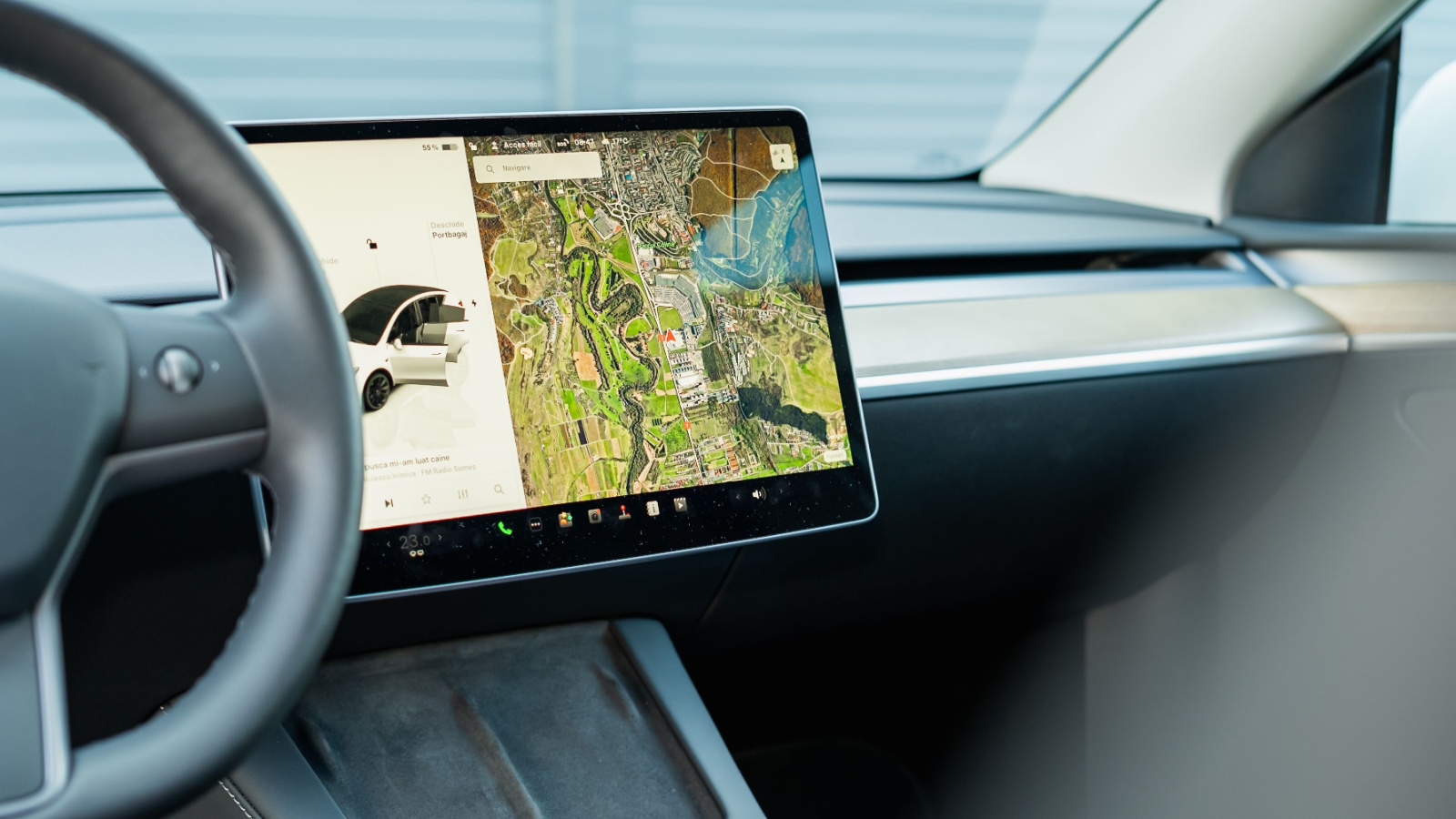
EVs often arrive with advanced software, large touchscreens, over-the-air updates, app-based controls, and connected features. When everything works, the experience can feel modern and convenient. When software glitches appear, frustration builds quickly. Owners may complain about frozen screens, faulty sensors, app connection problems, charging errors, or warning messages that require service appointments.
These problems are not exclusive to EVs; modern gas vehicles also rely heavily on software. But EV buyers often expect a futuristic, seamless experience, so small failures can feel more disappointing. A driver who cannot precondition the cabin, open a charging session, or trust the range estimate may lose confidence. For some, a simpler gas vehicle with fewer digital dependencies becomes appealing again.
Rural and Small-Town Driving Can Be Less Forgiving
EV convenience depends heavily on geography. Dense urban and suburban areas often have more chargers, more service options, and shorter daily driving distances. Rural drivers may face longer gaps between chargers, fewer repair facilities, and more routes where detours are inconvenient. A charging problem that is minor in a city can become a serious delay in a remote area.
This matters for people who drive for work, visit family outside major corridors, or travel through regions with limited infrastructure. Trucks, SUVs, and long-range models can reduce the concern, but they often cost more. Some rural EV owners adapt successfully, especially with home charging. Others decide that the margin for error is too narrow and that gas still fits their travel patterns better.
Hybrids Offer a More Comfortable Middle Ground
Some EV owners do not return to traditional gas vehicles because they dislike electrification. They switch to hybrids or plug-in hybrids because those vehicles solve the parts of EV ownership that frustrated them. A hybrid can reduce fuel use without requiring daily charging. A plug-in hybrid can handle short electric trips while keeping a gas engine for long drives, winter conditions, or charging gaps.
This middle ground is increasingly attractive for drivers who like electric torque and lower fuel consumption but dislike planning around chargers. It also appeals to households with one vehicle that must handle every possible trip. For many owners, the move back from a full EV is not a rejection of cleaner technology. It is a shift toward a setup that better matches unpredictable real life.
22 Things Canadians Do to Their Cars in Spring That Mechanics Hate

Spring brings relief to many Canadian drivers after months of snow, freezing temperatures, and icy roads that put serious strain on vehicles. As temperatures rise across the country, drivers begin washing cars, switching tires, and preparing vehicles for warmer weather and upcoming road trips. However, mechanics across Canada notice the same mistakes every spring when drivers attempt to recover from winter damage. Road salt, potholes, and harsh winter driving conditions often leave vehicles with hidden problems that drivers ignore. Some spring habits even create new mechanical issues that could have been avoided with proper maintenance. Here are 22 things Canadians do to their cars in spring that mechanics hate.