
























Winter is the quickest way to separate electric-vehicle hype from everyday usefulness, and the Cadillac OPTIQ enters that test with a lot to prove. It is the brand’s smaller luxury EV, it arrives with all-wheel drive as standard in its Canadian launch form, and it promises the kind of design, technology, and refinement that buyers expect from a premium badge.
This review breaks the experience into 10 key areas: styling, traction, range, charging, ride quality, cabin comfort, technology, practicality, driver assistance, and overall value. Taken together, they show an EV that feels impressively polished in the right conditions, but also one that still has to answer the hard questions every Canadian winter asks.
1. The Design Has Presence Without Looking Overdone
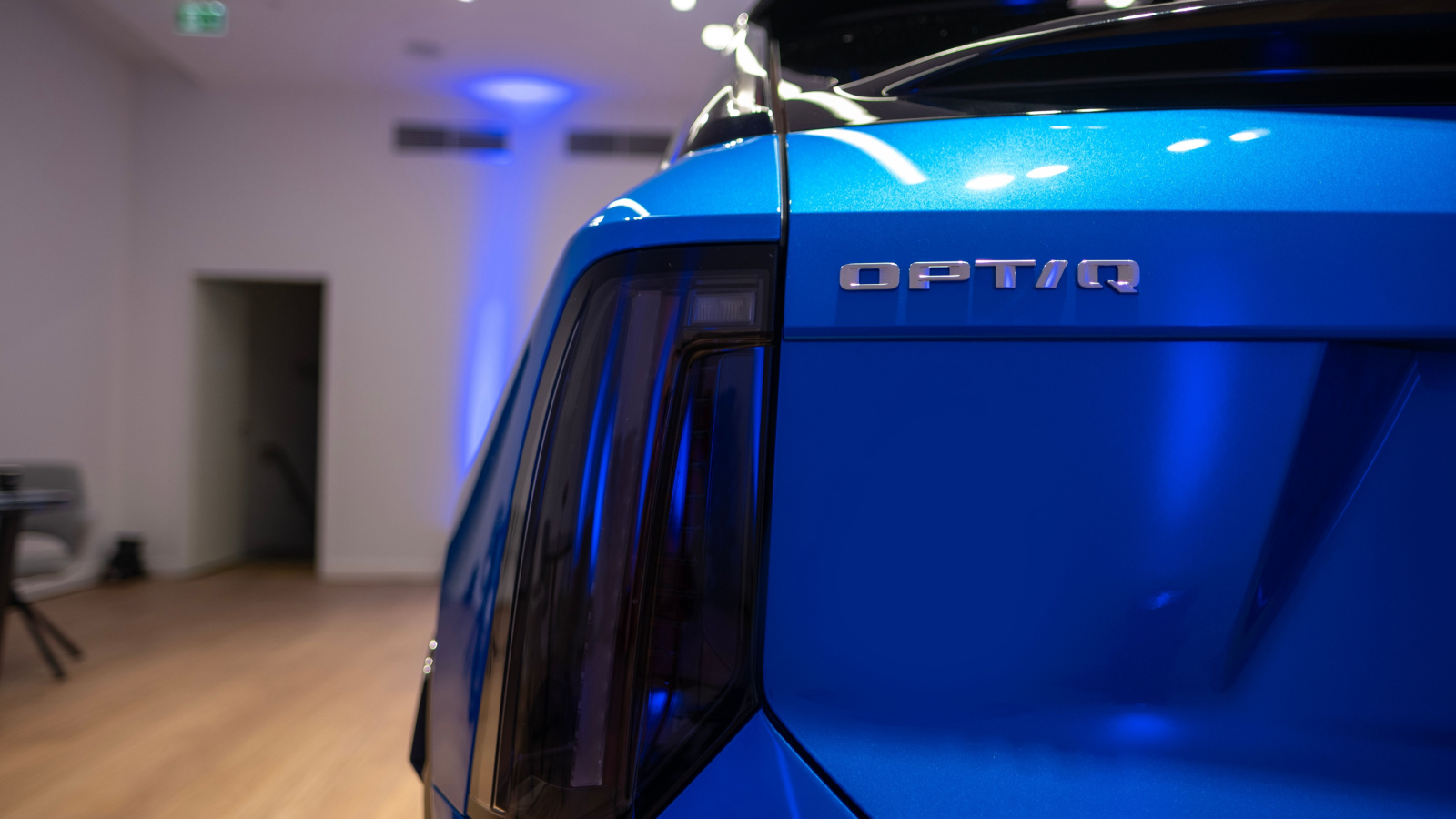
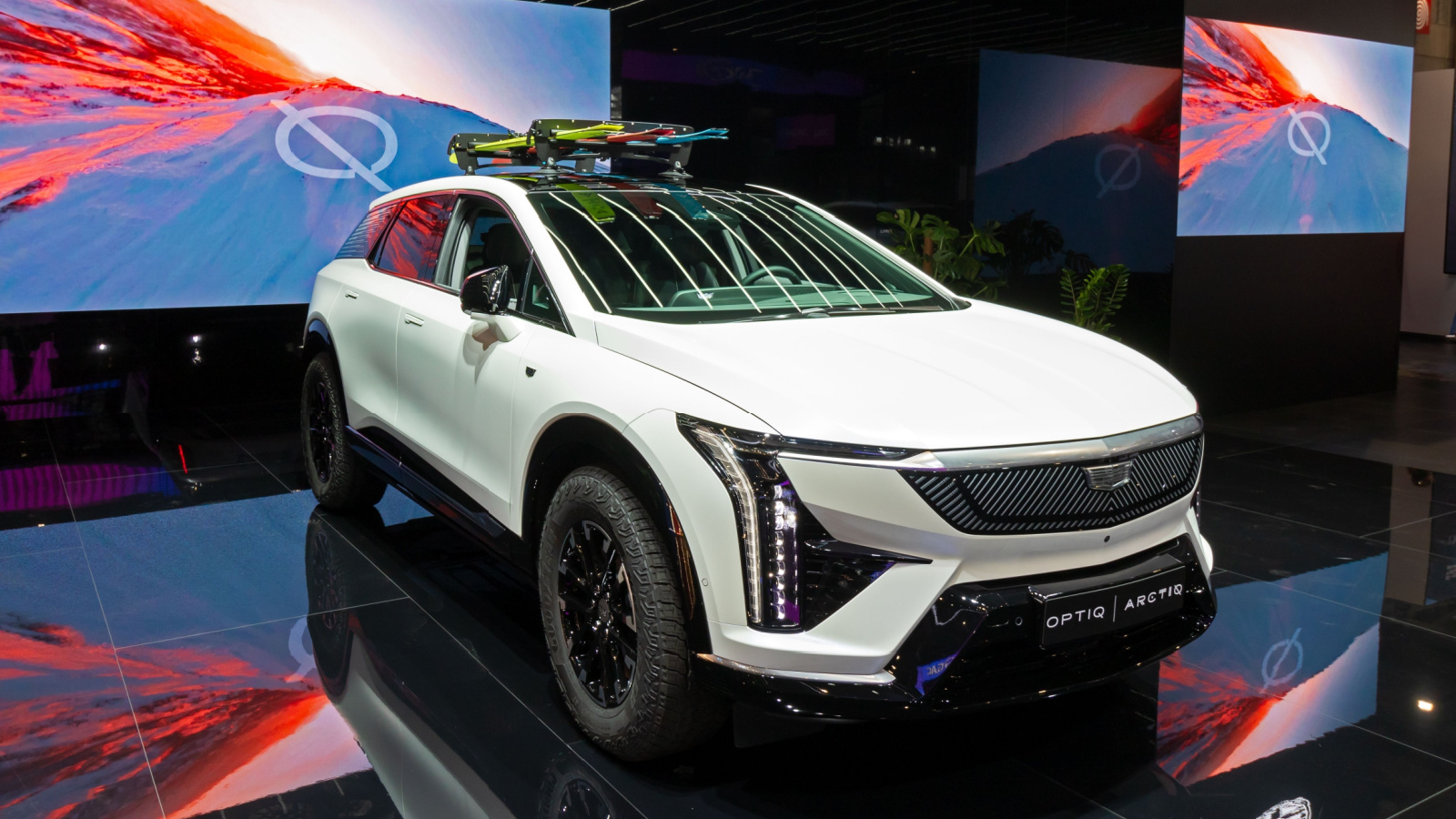
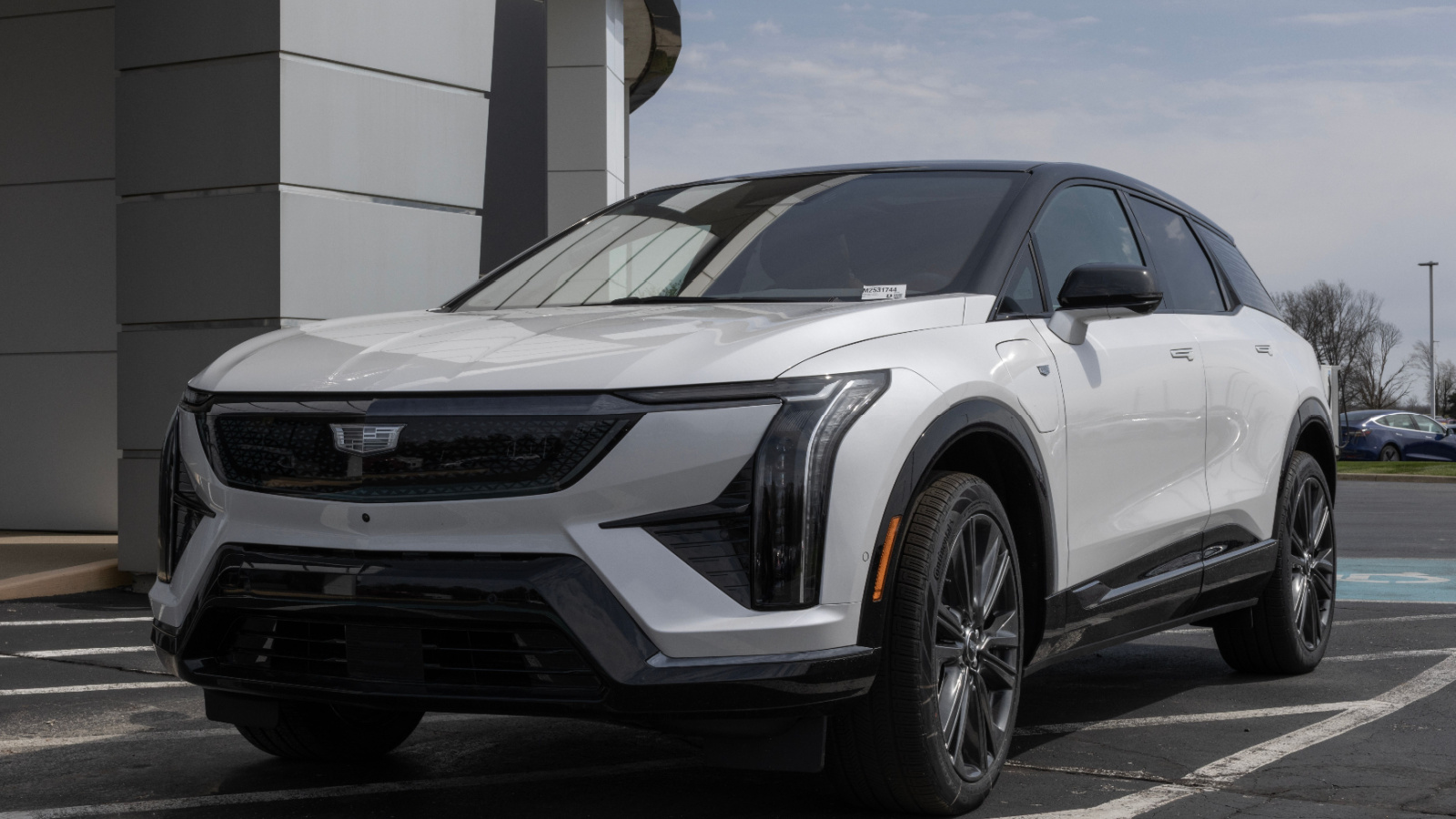
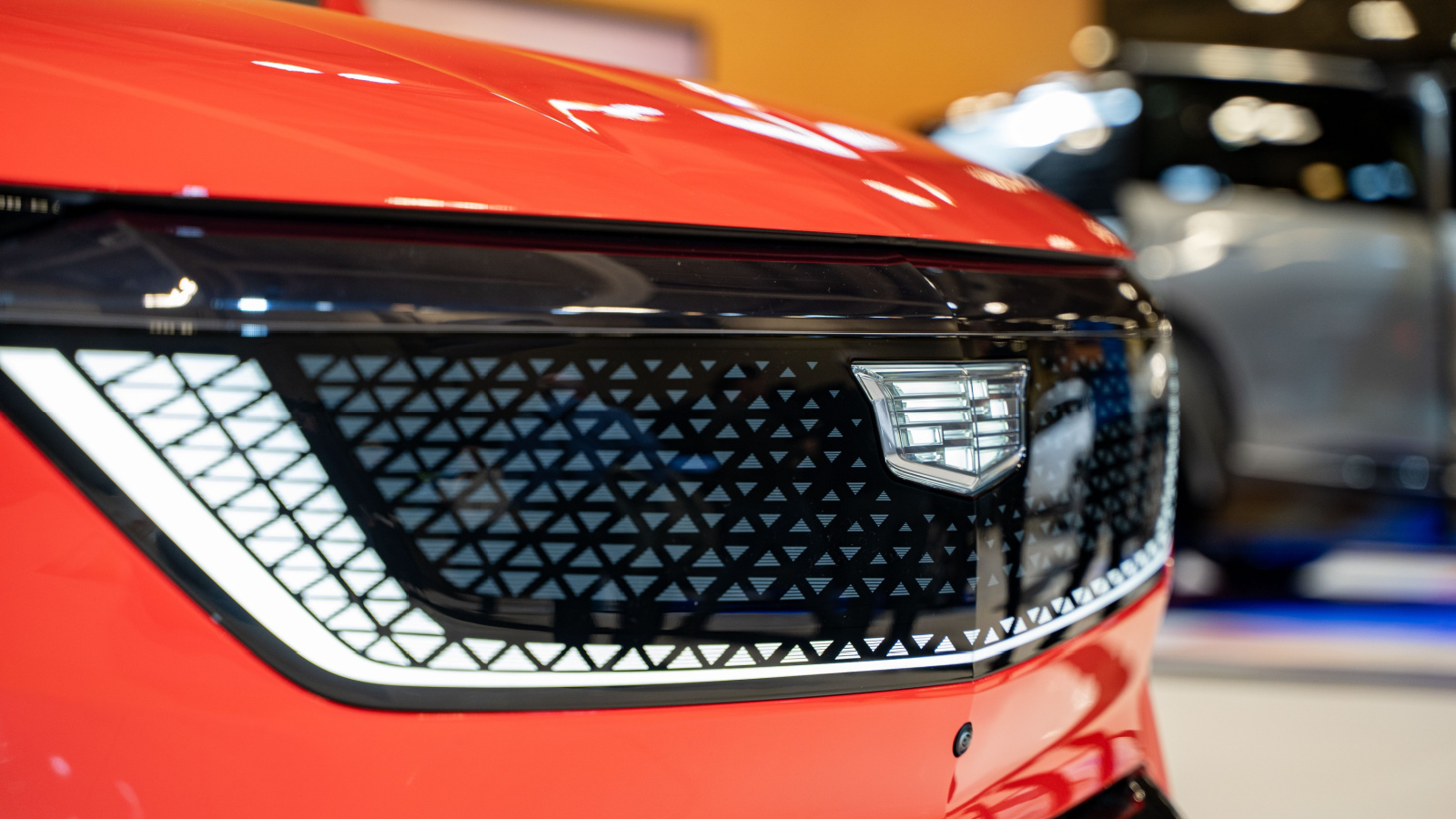
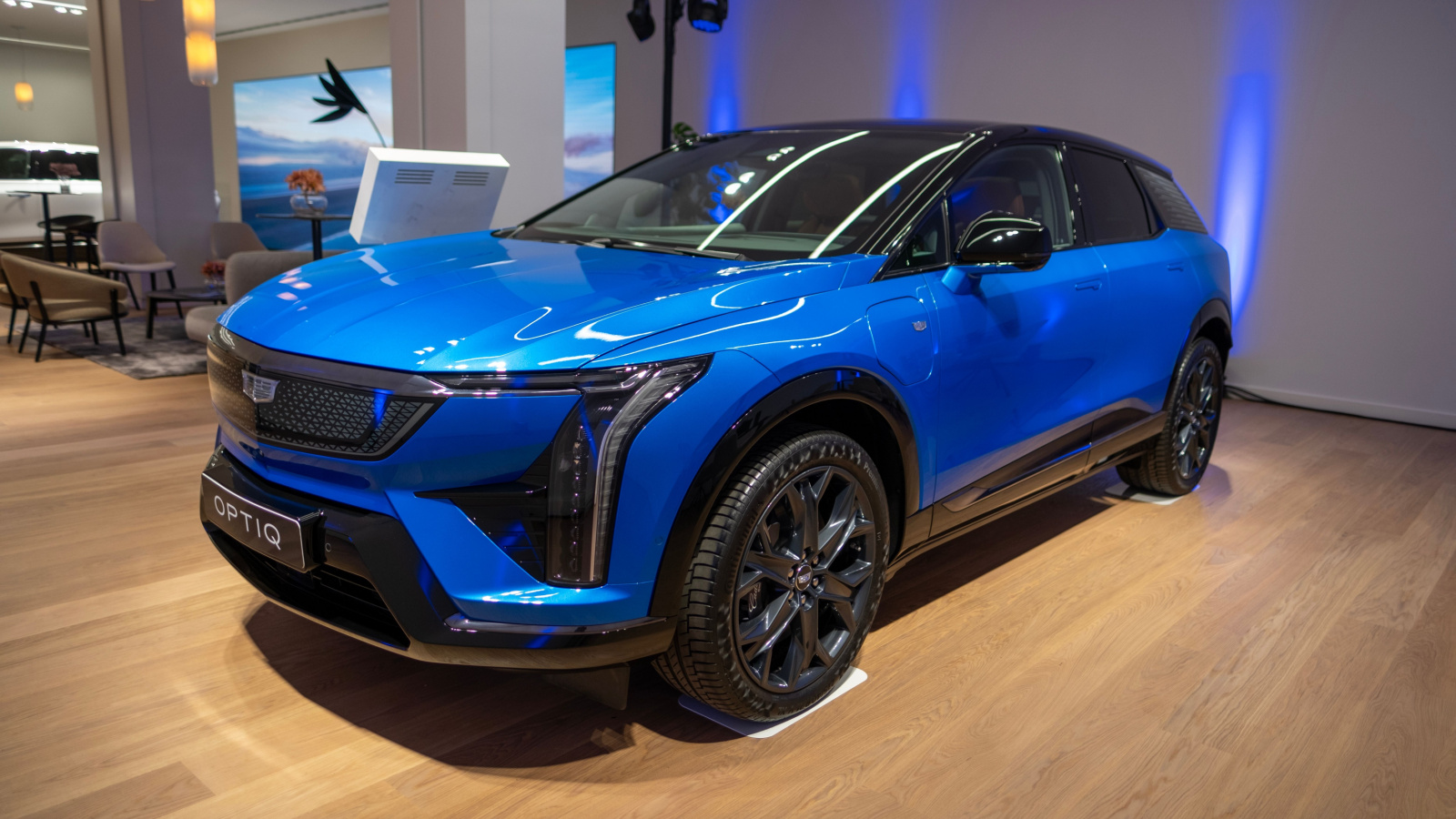
The Cadillac OPTIQ makes a strong first impression because it looks expensive without trying too hard. Its proportions are cleaner and leaner than many electric SUVs, and that matters in winter when bulky crossovers can start to feel visually heavy. At 190 inches long with a 116-inch wheelbase, it is not tiny, but it wears its size well. The signature lighting choreography, black crystal grille treatment, and fastback-like roofline give it a distinctly modern Cadillac identity without drifting into gimmick territory.
That shape also works surprisingly well in day-to-day Canadian use. It looks sleek in a driveway dusted with fresh snow, yet it is still upright enough to feel like a practical two-row utility vehicle instead of a design exercise. Ground clearance sits at 6 inches, which is adequate for plowed suburban roads and slushy city streets, though it is not the kind of number that invites confidence in deep, unbroken snow after a storm.
2. The Standard AWD Setup Feels Right for Canada
Cadillac made the correct call by launching the Canadian OPTIQ with standard dual-motor all-wheel drive. The setup pairs an 85-kWh battery with 300 horsepower and 354 lb-ft of torque, which means there is enough shove to feel properly premium without making the SUV seem hyperactive. In normal winter driving, that matters more than headline acceleration. The power comes on smoothly, there is no drama when merging into fast traffic, and the EV’s instant torque gives it that effortless step-off feel that still makes electric powertrains so satisfying.
What stands out more than raw speed is how well the powertrain appears suited to mixed winter conditions. Cadillac includes Snow/Ice mode, plus One-Pedal Driving and Regen On Demand, giving the driver more control over how the vehicle sheds speed. That flexibility is useful when roads are patchy with salt, slush, and black ice. This is not a hard-edged performance EV; it is a quick, composed luxury crossover, and that balance feels exactly right for a week of real Canadian commuting.
3. Range Is Good on Paper, but Winter Still Changes the Math
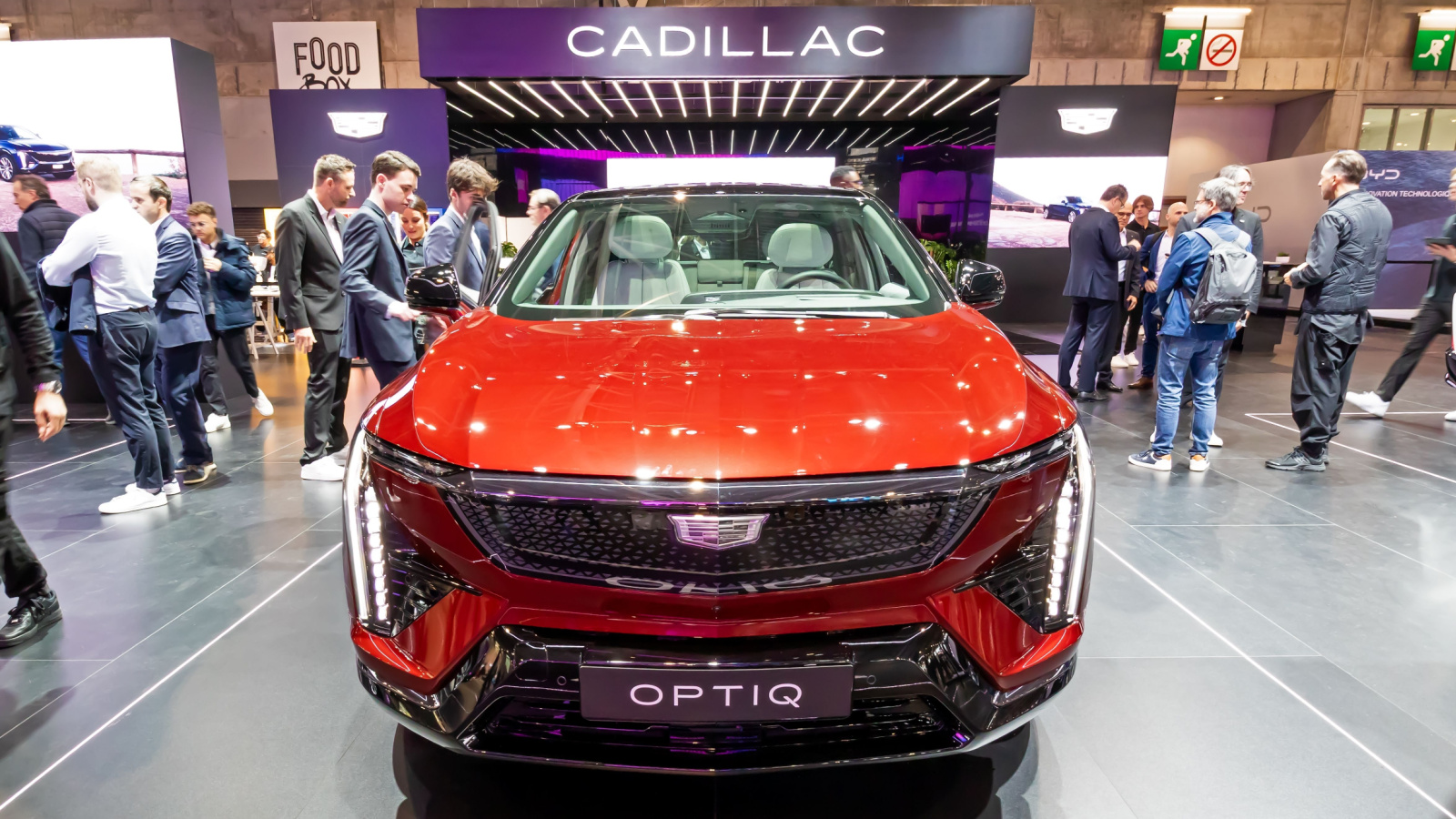
Officially, the Canadian-launch OPTIQ was rated for up to 482 kilometres on a full charge, which puts it in a healthy spot for a compact luxury EV. That number sounds reassuring enough to make the vehicle feel road-trip ready, and in fair-weather driving it should be more than sufficient for the average owner. The issue, of course, is that winter is where range claims stop being a marketing line and start becoming a planning exercise.
CAA’s winter EV testing found real-world cold-weather range losses of 14 to 39 percent across the vehicles it tested, while Natural Resources Canada has said EVs can lose roughly 25 to 30 percent of range in cold weather. That does not mean the OPTIQ suddenly becomes impractical, but it does mean expectations have to be recalibrated. A conservative owner would be wise to think in terms of low-to-mid-300-kilometre winter days rather than the official figure, especially with highway speeds, cabin heat, and snow-covered pavement all working against efficiency.
4. Charging Is Competent, Not a Segment Headliner
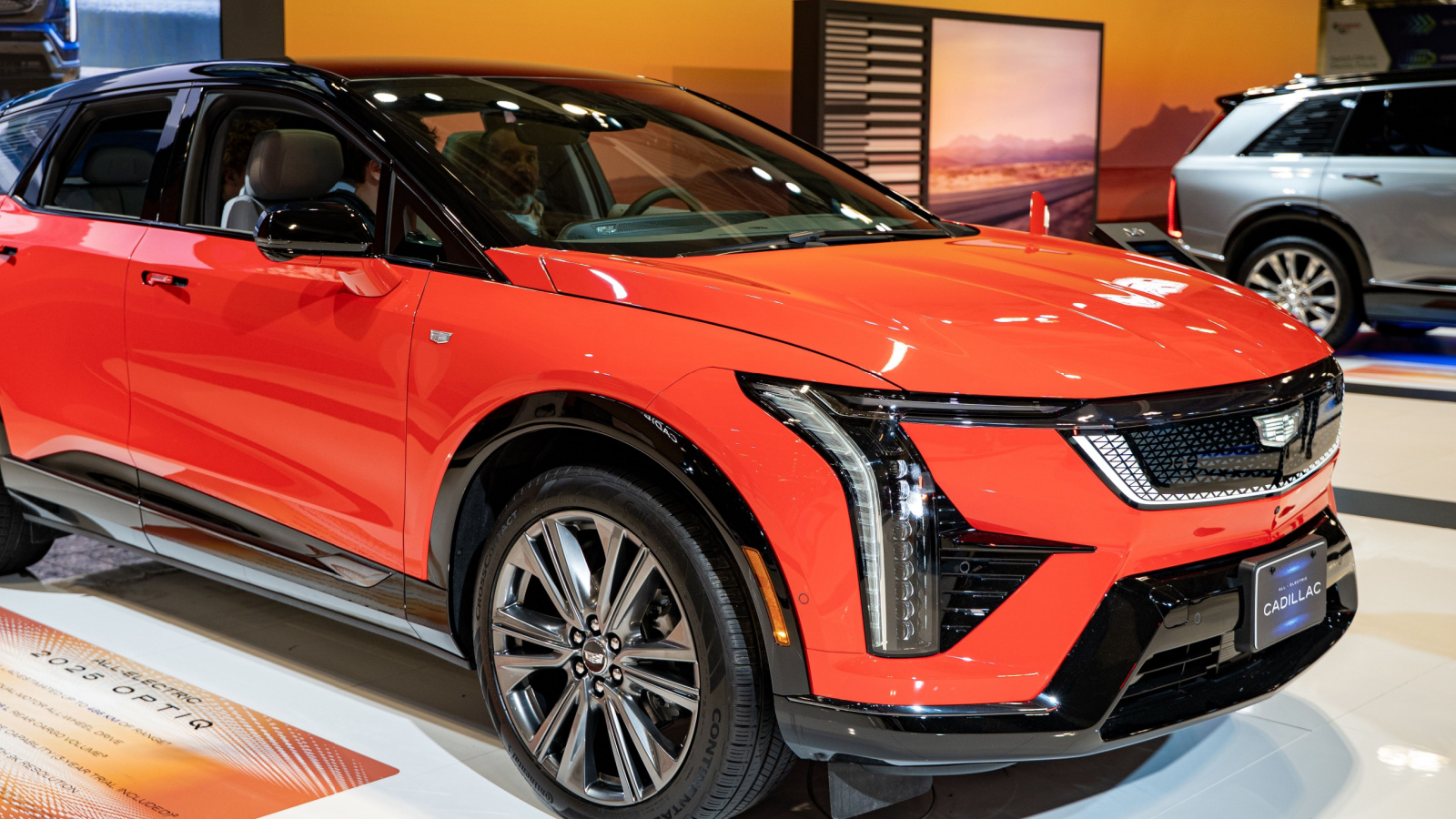
The OPTIQ’s charging story is solid, but it is not the reason to buy the vehicle. Cadillac quotes up to 112 kilometres of added range in about 10 minutes on a DC fast charger capable of at least 150 kW, and the SUV supports standard 11.5-kW AC charging with an available 19.2-kW onboard setup for faster home replenishment. On paper, that gives owners enough flexibility to handle overnight charging at home and shorter top-ups on the road without much drama.
The catch is that winter magnifies every weakness in a charging curve. Car and Driver recorded a 10-to-90-percent session of about 55 minutes, which is acceptable rather than exceptional by today’s standards. In other words, the OPTIQ is perfectly livable for Canadian winter use if home charging is part of the routine, but less compelling as a constant fast-charge road-tripper. Infrastructure is improving, with Canada now past 30,000 installed chargers through NRCan-backed programs, yet this still feels like an EV that rewards planning more than spontaneity.
5. The Ride Quality Is Where the Luxury Pitch Really Lands
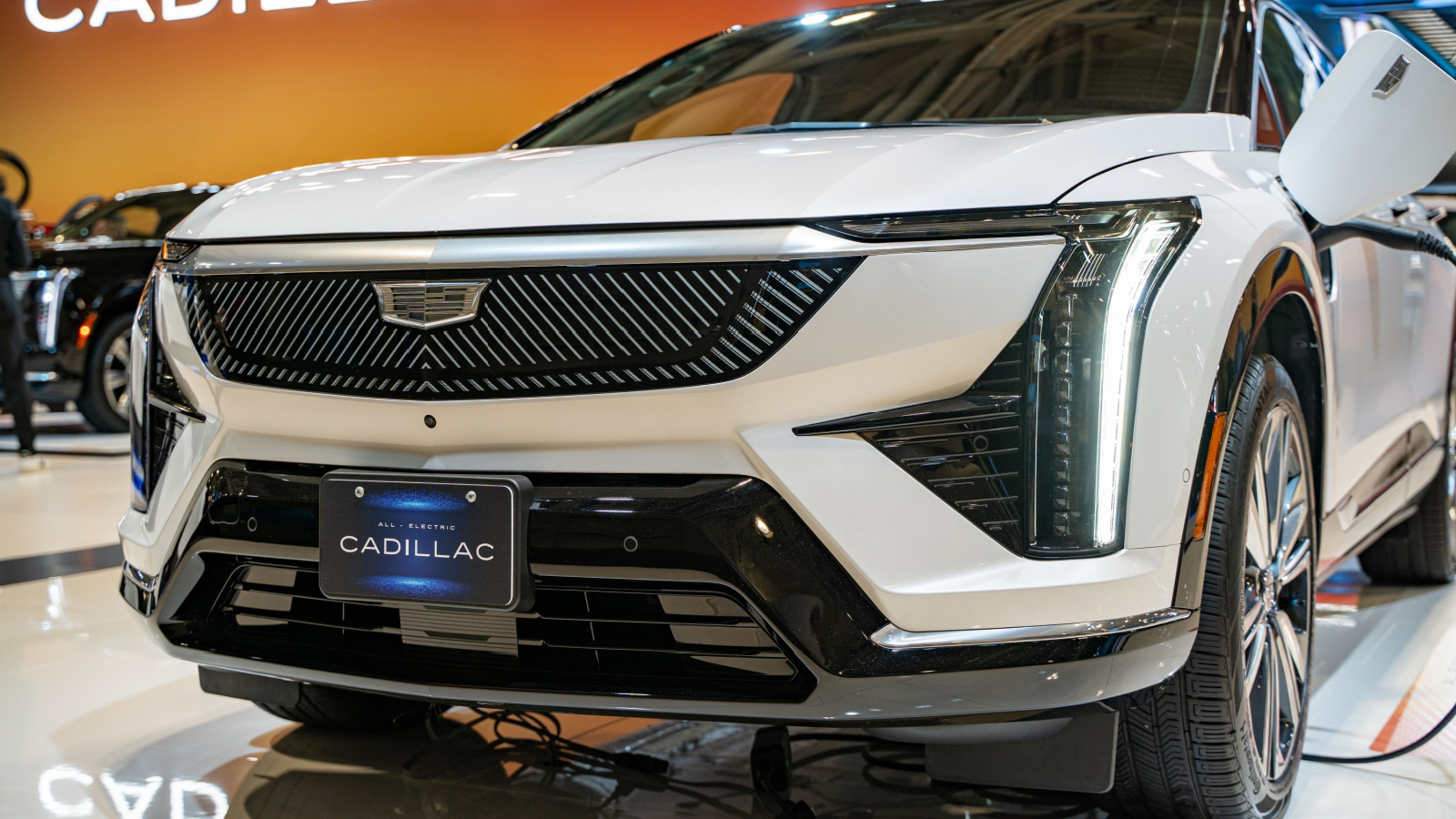
The most convincing luxury trait in the OPTIQ is not the screen or the lighting; it is the way the vehicle rides. Winter roads are a brutal test because they pile together potholes, cracked pavement, frost heaves, and rough expansion joints, often on the same commute. In that environment, the OPTIQ appears to play to Cadillac’s strengths. Reviews consistently point to a suspension tune that keeps impacts controlled without letting the SUV feel floaty, which is exactly what buyers want in a premium daily driver.
That polish matters because EVs can sometimes feel heavy in a clumsy way, especially when the battery mass is not well managed. The OPTIQ seems to avoid that trap. Its body control is tidy, the low centre of gravity helps it feel planted, and Cadillac’s passive suspension tuning earns real praise for balancing comfort and composure. The result is an SUV that does not beg to be hustled, but also never feels loose or lazy. In bad weather, that kind of quiet competence counts for a lot.
6. The Cabin Feels Warm, Modern, and More Thoughtful Than Flashy
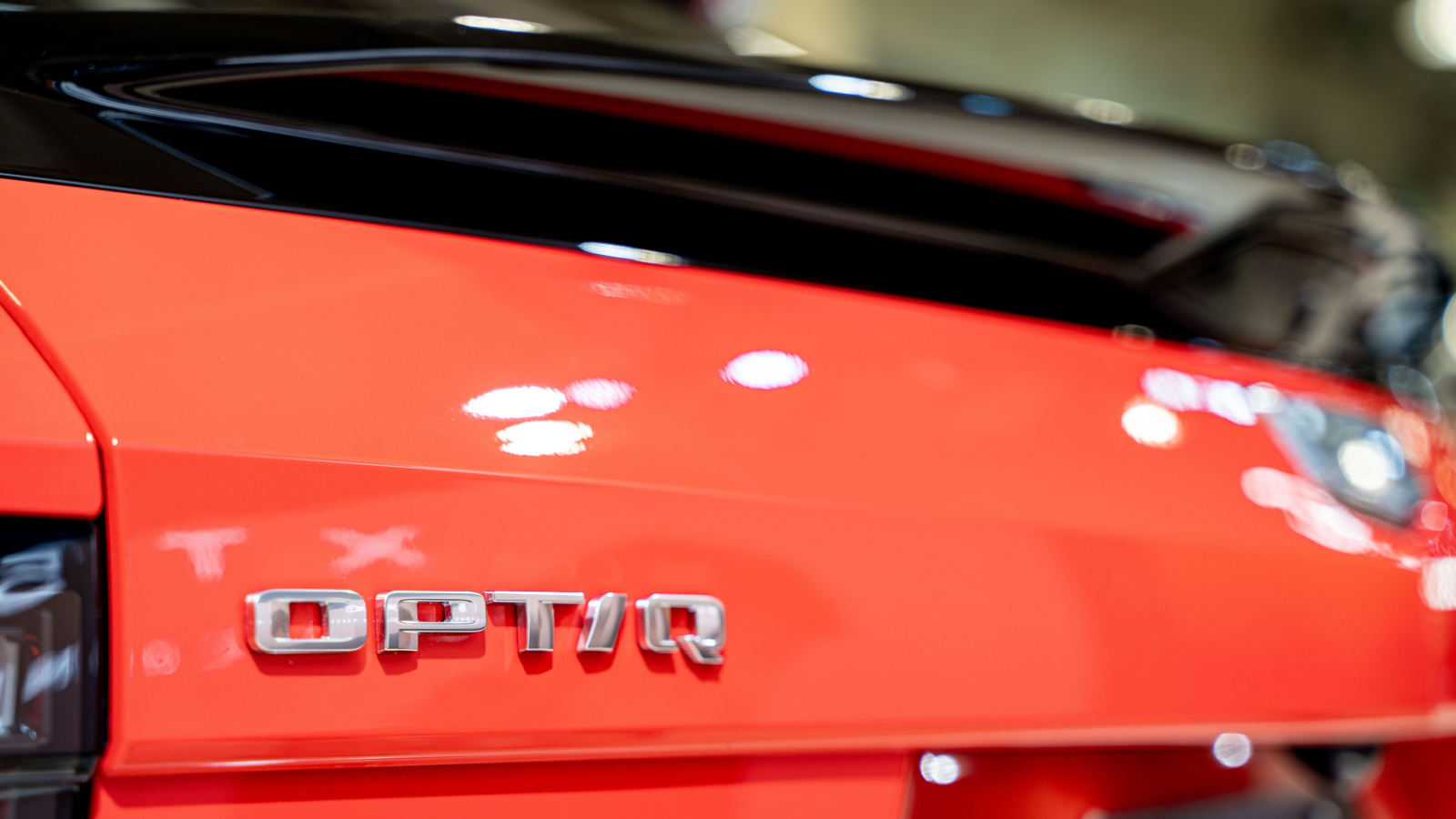
Inside, the OPTIQ makes a stronger case for itself than many similarly priced luxury EVs. The 33-inch advanced LED display is the obvious centrepiece, and the 9K panel gives the cabin the visual drama buyers now expect in a premium electric vehicle. More important, the rest of the interior is not overwhelmed by the screen. Heated front seats and a heated steering wheel are standard, which feels non-negotiable in Canada, and the overall atmosphere is more lounge-like than tech-bunker cold.
Cadillac also deserves credit for giving the interior some personality. The patterned accent fabric uses yarn made from 100 percent recycled materials, while the PaperWood veneer blends tulip wood with recycled newspaper. Those details could have felt like sustainability theatre, but in this cabin they come across as genuinely distinctive. Combined with the quietness reviewers keep mentioning, the effect is upscale without being sterile. In a week of dark mornings and frigid starts, that sense of warmth would likely matter more than any single spec-sheet highlight.
7. The Technology Is Impressive, but Not Everyone Will Love the Setup
There is a lot to like in the OPTIQ’s tech package. Cadillac’s Google built-in system means native Google Maps, Google Assistant, and a familiar interface for drivers already living inside that ecosystem. The large display is crisp, the graphics look expensive, and the standard 19-speaker AKG audio system with Dolby Atmos is one of the standout features in the entire vehicle. This is the kind of stereo that can make a mundane winter commute feel a little less bleak.
Still, there is one omission that will frustrate plenty of buyers: no Apple CarPlay or Android Auto phone mirroring. That decision will matter more to some people than Cadillac likely wants to admit. For drivers who rely heavily on their own apps, podcasts, and navigation preferences, built-in Google is not always a full replacement. The OPTIQ’s interface looks premium and behaves like a luxury product should, but it also asks owners to adapt to GM’s ecosystem rather than simply bringing their digital habits with them.
8. Practicality Is Better Than the Sleek Roofline Suggests
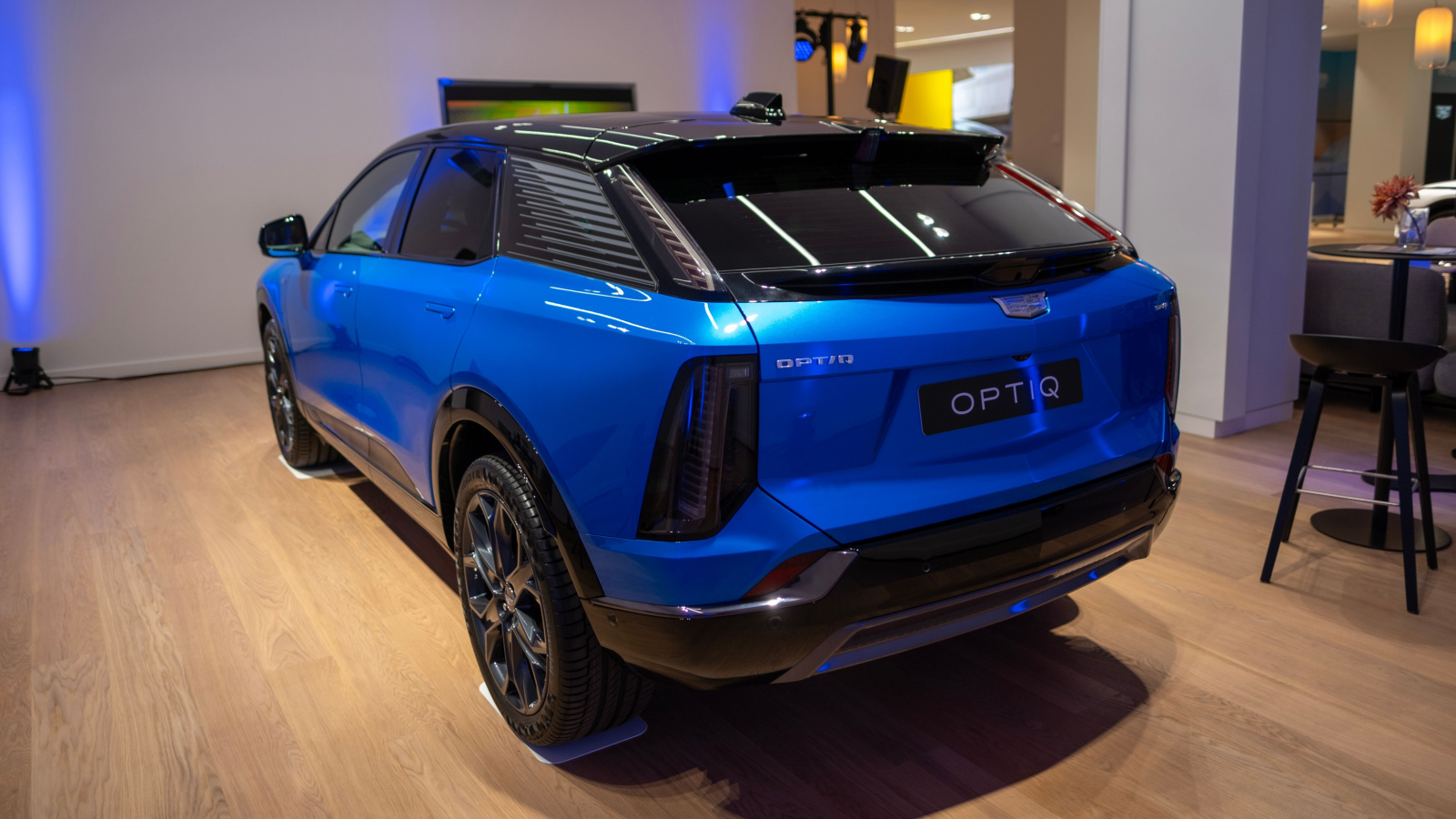
The OPTIQ does a credible job of backing up its stylish shape with usable space. Official figures list 26 cubic feet of cargo room behind the second row and 57 cubic feet with the seats folded, while rear legroom checks in at 37.8 inches. Those are healthy numbers for a two-row luxury EV, and they make the vehicle feel more family-viable than its rakish roofline might suggest from the outside. For groceries, hockey bags, strollers, or weekend luggage, the OPTIQ should be comfortably up to the task.
There are a few trade-offs. Car and Driver notes that the sloping rear roofline does nibble at cargo practicality, and the OPTIQ does without a front trunk. That last point is worth noting because many EV buyers have come to expect a frunk as a bonus storage area. Even so, the fundamentals are sound. Five-passenger seating, a roomy second row, and a genuinely useful cargo hold mean the OPTIQ behaves more like a real household vehicle than a design-led indulgence, which is important in a Canadian winter week full of errands.
9. Super Cruise Adds Real Daily Value
Super Cruise is one of the OPTIQ’s strongest arguments, especially for buyers who spend real time on major highways. Cadillac includes standard Super Cruise capability, and the system brings hands-free driving on compatible mapped roads along with features like automated lane changes and a driver-attention system. In heavy commuting corridors, that kind of tech can take a genuine bite out of daily fatigue. It feels less like a party trick now and more like something that can meaningfully improve the ownership experience.
The rest of the driver-assistance package is substantial, too. Cadillac lists adaptive cruise control, Blind Zone Steering Assist, Enhanced Automatic Parking, and Forward Collision Alert among the standard safety and assistance technologies. That said, winter always asks drivers to stay realistic. Slush-covered lane markings, blowing snow, and poor visibility can quickly turn advanced driver aids from confidence boosters into systems that simply need supervision. In that sense, the OPTIQ earns credit not because it makes winter easy, but because it adds useful support without pretending to replace judgment.
10. The Canadian Verdict Is Mostly Positive, With One Clear Caveat
Priced from about C$60,000 before fees at launch in Canada, the OPTIQ was positioned carefully: premium enough to feel like a real Cadillac, but not so expensive that it drifts out of reach for buyers stepping into the luxury EV market. That matters because the feature list is unusually rich for an entry-point model. Standard all-wheel drive, a huge display, Super Cruise capability, heated comfort features, and a genuinely premium audio system give it substance beyond styling alone.
The caveat is simple. The OPTIQ makes the most sense for the Canadian buyer who can charge at home and who does not expect miracle performance from fast chargers in deep cold. For that owner, it looks like a very convincing luxury EV: refined, comfortable, spacious, and easy to like. For someone who regularly does long winter highway runs with little margin for charging delays, the slower-than-best charging performance will remain the one lingering weak spot in an otherwise impressively rounded package.