


























Canada’s shift toward electrification is not as simple as it first looked. Fully electric vehicles still face real-world hurdles such as cold-weather range loss, charging gaps, and higher upfront costs. That has pushed many buyers toward hybrids, which feel like a safer middle ground. They offer better fuel savings without forcing a lifestyle change. You still get gas when you need it, and some electric help when you want it. In 2026, hybrids are no longer a compromise. They are a calculated choice. Here are 20 hybrids Canadians are choosing instead of full EVs in 2026.
Toyota RAV4 Hybrid
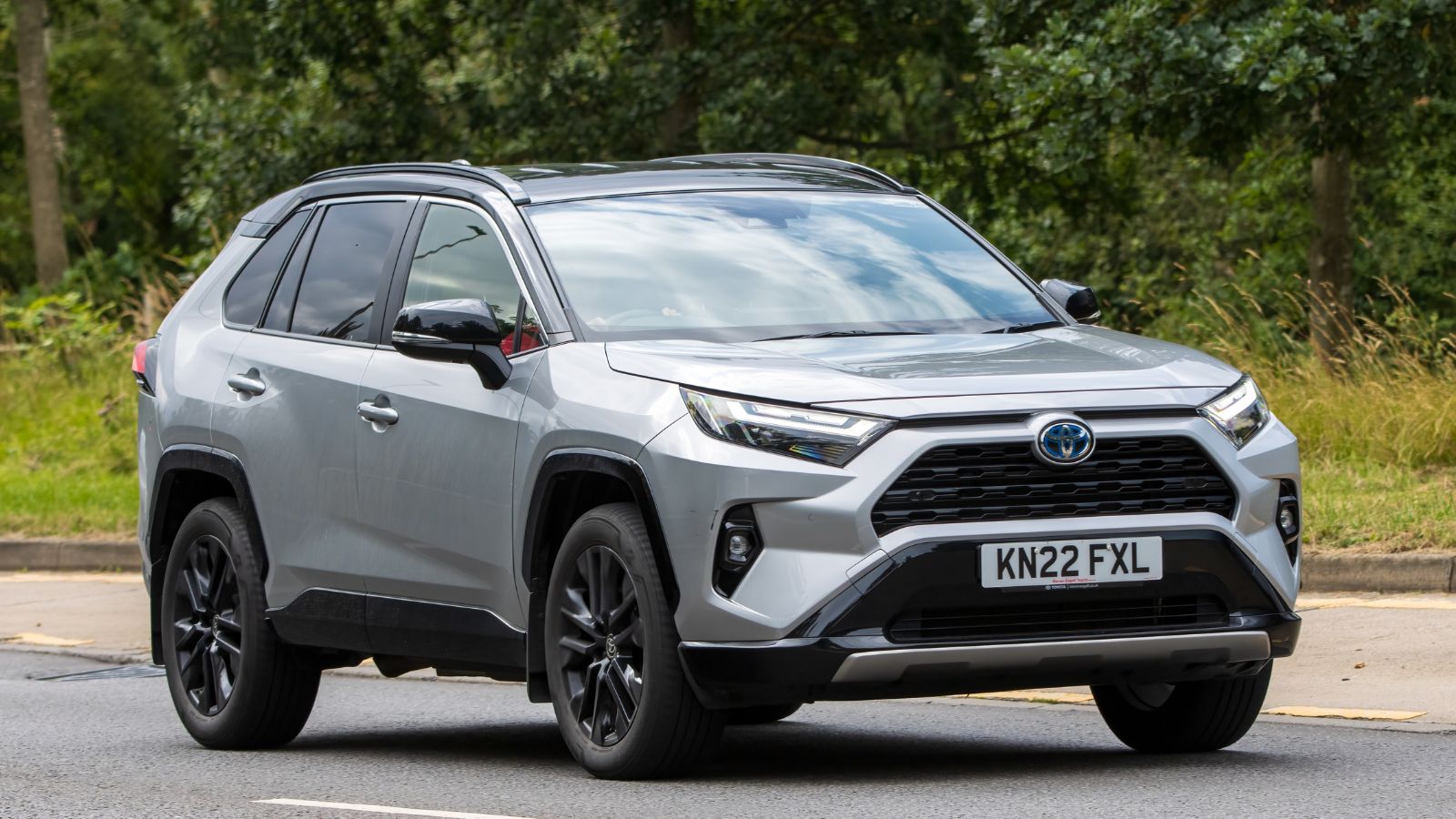
The Toyota RAV4 Hybrid continues to dominate Canadian driveways. It blends practicality with strong fuel savings in mixed driving. Winter performance feels predictable thanks to standard all-wheel drive. Many buyers like that it needs no charging routine at home. The cabin is simple, yet comfortable for long drives. Fuel economy stays consistent even in colder temperatures. That matters more than advertised numbers for many owners. Resale value also remains strong, which lowers long-term costs. It does not try too hard to impress. It simply works well for everyday life. That reliability keeps it ahead of many newer options.
Toyota Corolla Hybrid
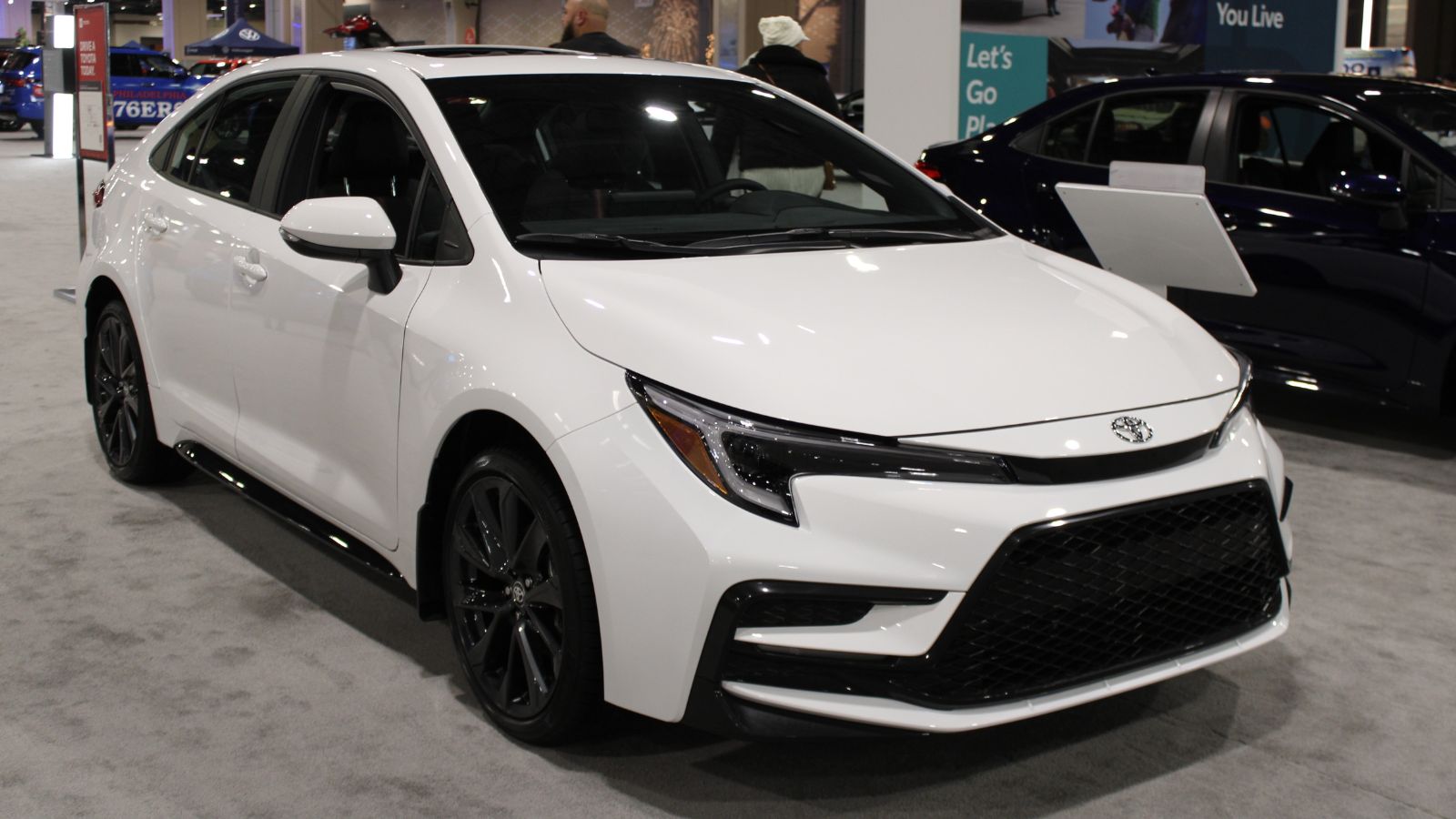
The Corolla Hybrid appeals to budget-conscious buyers. It offers excellent fuel efficiency without the price jump of an EV. Many drivers appreciate its compact size in urban areas. Parking becomes easier, especially in crowded Canadian cities. The ride feels smooth enough for daily commuting. It also handles winter roads better than expected. The hybrid system operates quietly and consistently. Maintenance costs tend to stay low over time. Buyers trust its long-term durability. It may not feel exciting, but it does not disappoint either. For many, it is the simplest step into electrified driving without complications or lifestyle changes.
Ford Maverick Hybrid
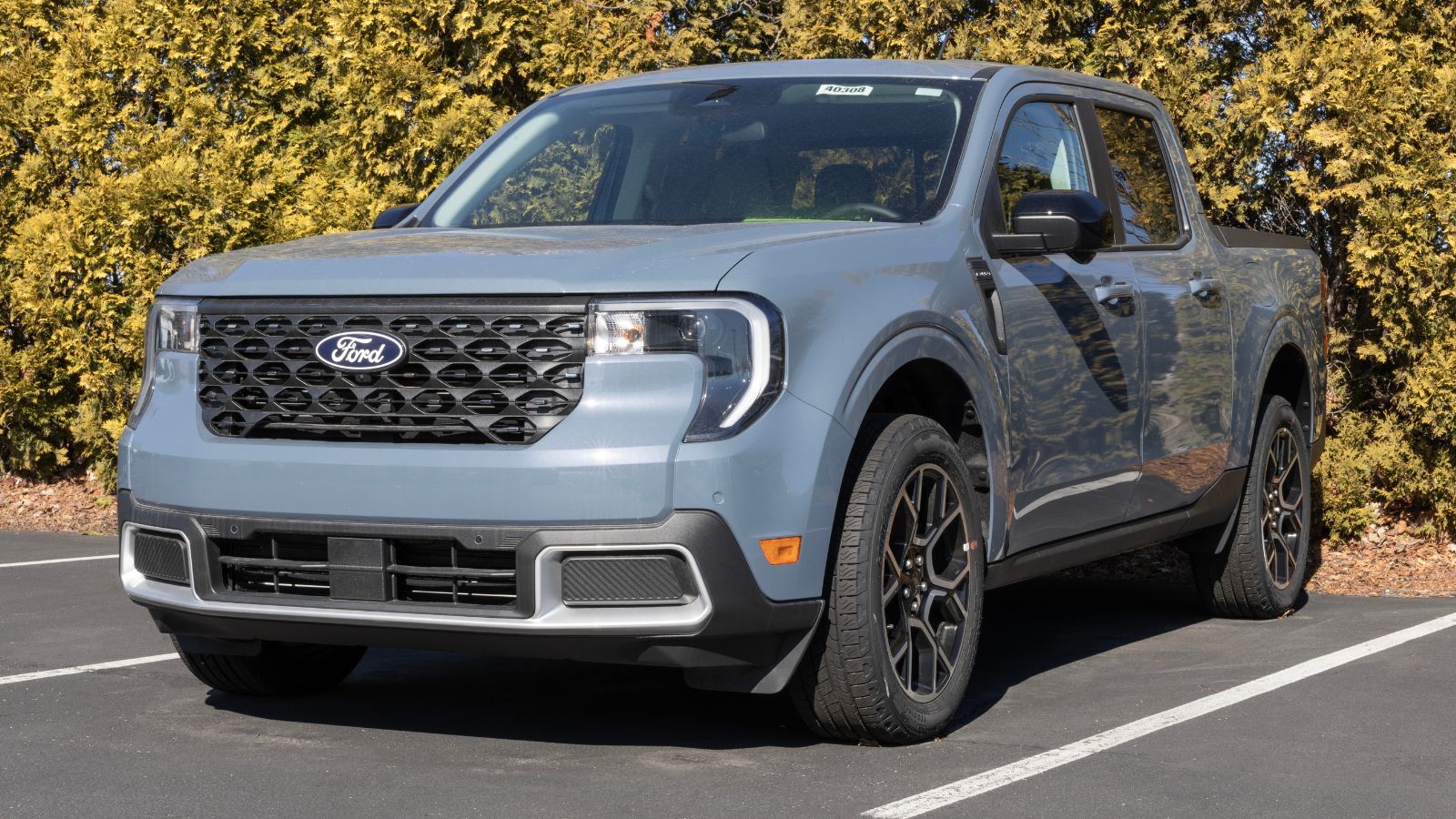
The Ford Maverick Hybrid has created its own category. It is a compact truck with surprising efficiency. Canadians like its versatility for work and weekend use. The open bed adds practicality that SUVs cannot match. Fuel savings make it cheaper to run than traditional pickups. It handles light snow and rough roads without much fuss. Interior materials feel basic but functional. Many buyers value utility over luxury here. It suits people who need a truck without high fuel bills. That balance makes it a strong alternative to both EVs and larger pickups in Canada’s changing market.
Hyundai Tucson Hybrid
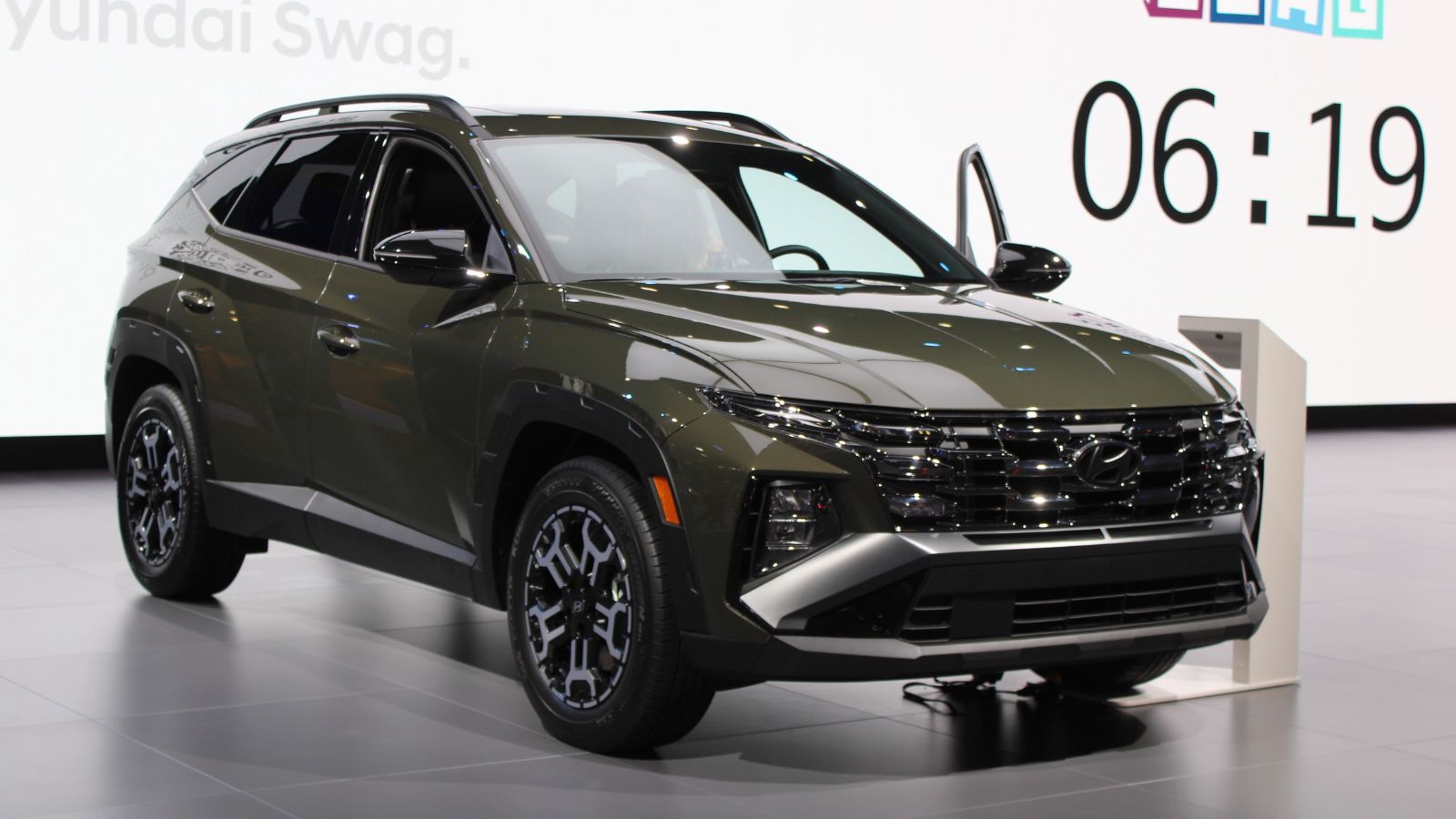
The Hyundai Tucson Hybrid stands out for its modern design. It offers a smooth ride with a quiet cabin. Many Canadians choose it for comfort during long drives. The hybrid system delivers solid efficiency in city traffic. All-wheel drive adds confidence during the winter months. Interior technology feels up-to-date and easy to use. The space inside works well for families. It avoids the range anxiety tied to full EVs. Drivers can rely on fuel stations when needed. That flexibility matters in colder regions. It feels like a safe, well-rounded option without forcing major changes in daily habits.
Honda CR-V Hybrid
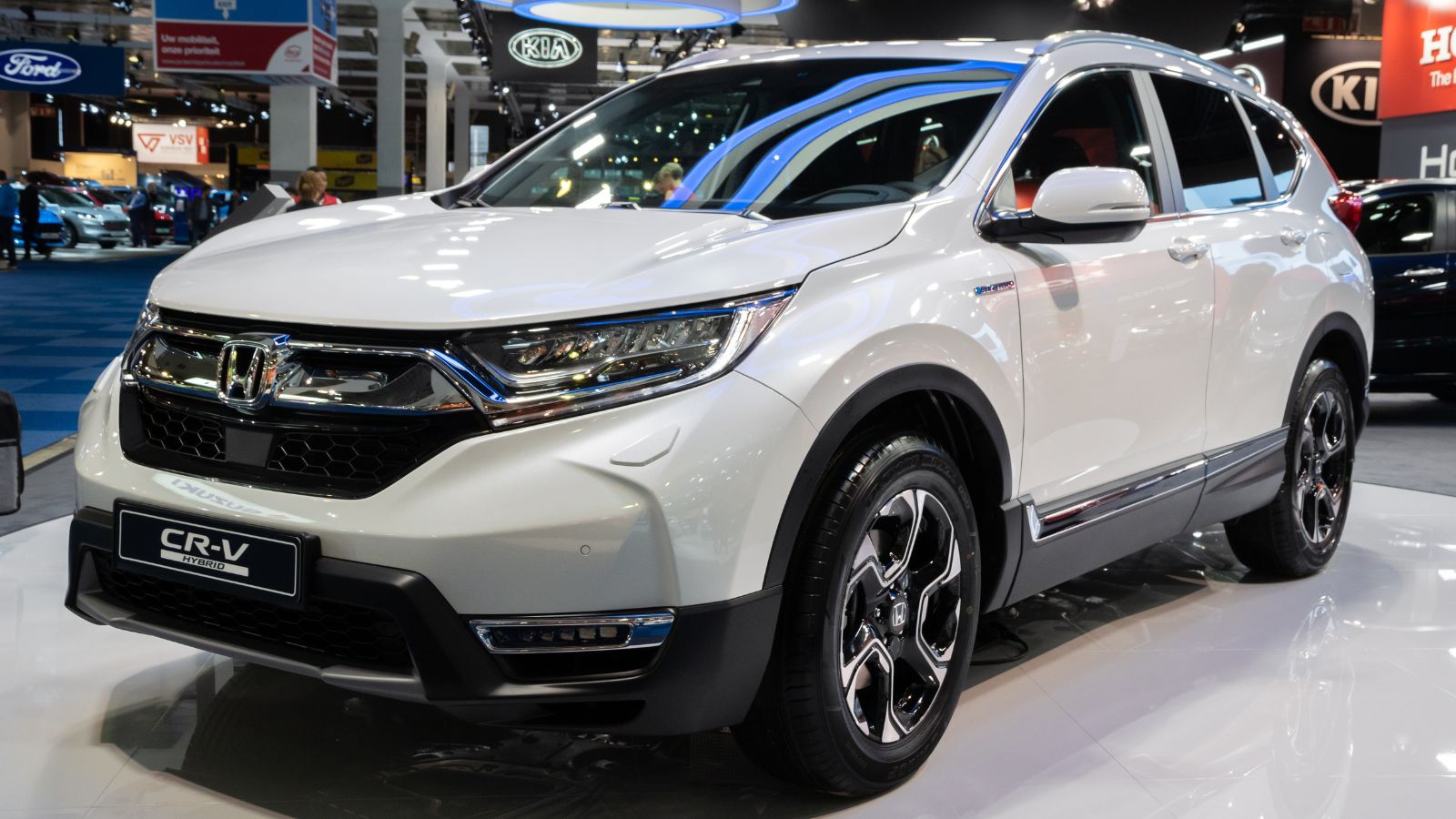
The Honda CR-V Hybrid focuses on comfort and practicality. It offers a spacious cabin with thoughtful storage. Canadian families appreciate its reliability and easy driving feel. The hybrid system provides steady fuel savings without being complex. Winter performance remains predictable with the available all-wheel drive. Ride quality feels refined for long trips. It does not chase aggressive styling or gimmicks. Instead, it delivers consistency across seasons. Maintenance costs remain manageable over time. Many buyers trust the brand’s reputation. That trust plays a big role in purchase decisions. It quietly meets expectations without drawing unnecessary attention.
Toyota Highlander Hybrid
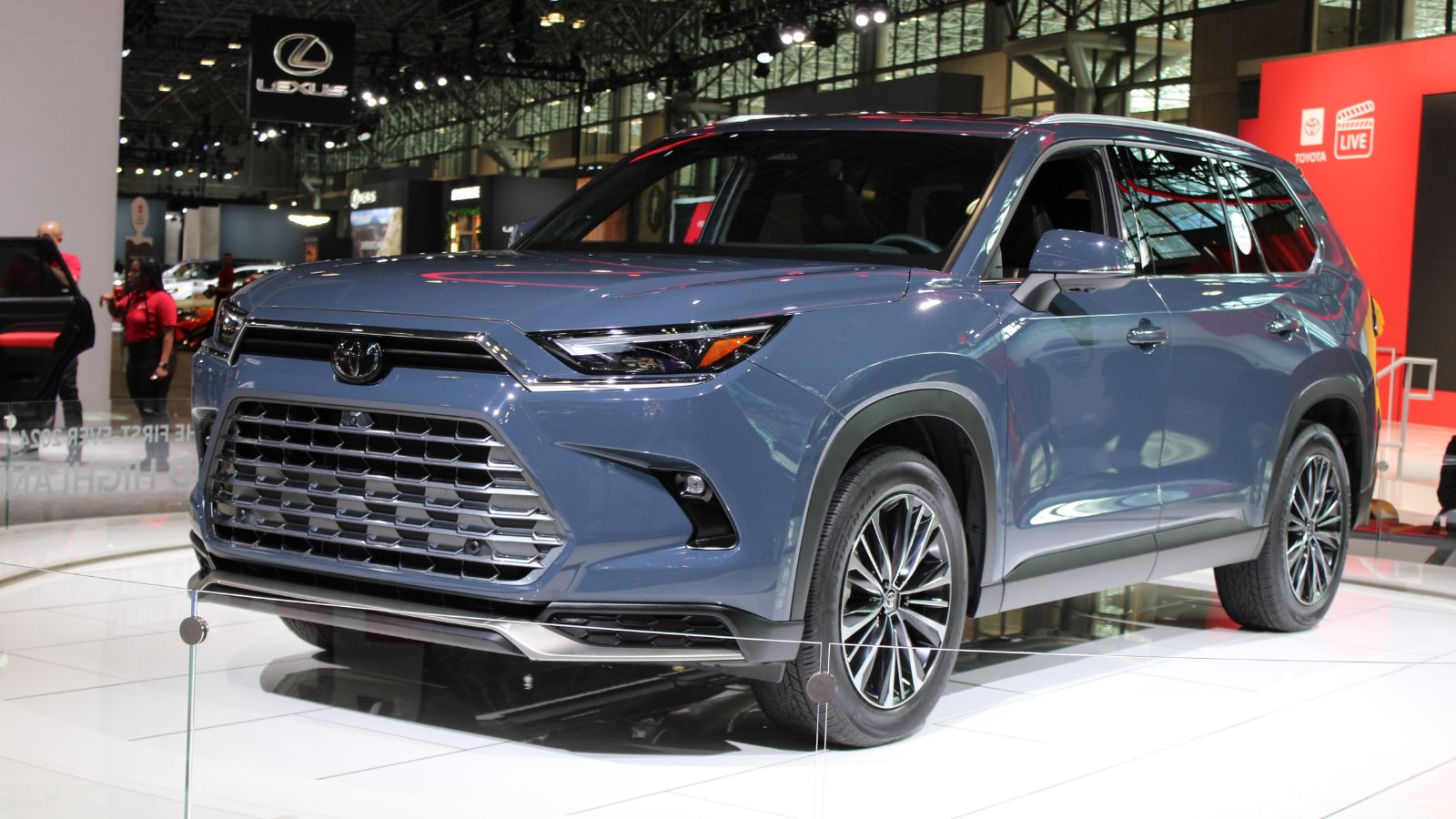
The Toyota Highlander Hybrid targets larger households. It offers three rows without heavy fuel consumption. That alone makes it appealing in Canada. The hybrid system handles highway driving efficiently. Families benefit from the added space and comfort. All-wheel drive helps during snow-heavy months. The cabin feels quiet and composed on longer trips. It avoids the charging challenges tied to electric SUVs. Many buyers see it as a practical upgrade from smaller hybrids. It balances size and efficiency better than most rivals. That balance makes it a preferred choice for families not ready to go fully electric yet.
Lexus RX Hybrid
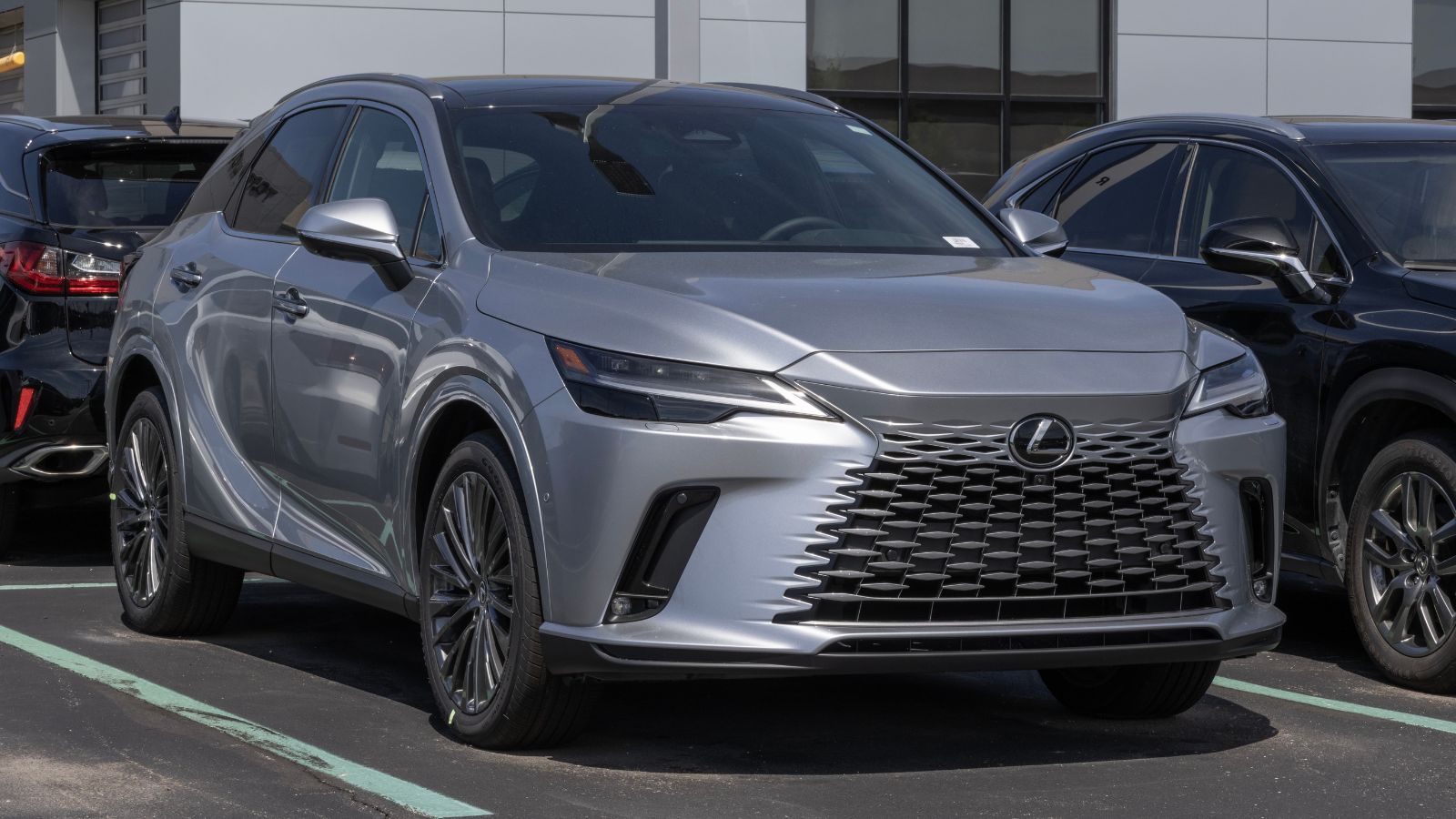
The Lexus RX Hybrid appeals to buyers seeking comfort and quiet driving. It offers a smooth experience that suits long-distance travel. The interior feels refined without being flashy. Many Canadians value its reliability in colder climates. The hybrid system provides decent efficiency for its size. It also avoids the inconvenience of charging infrastructure. All-wheel drive adds stability during winter. Owners often mention how easy it feels to live with. It does not require lifestyle adjustments. That simplicity attracts luxury buyers who want fewer compromises. It remains a calm and predictable choice in a market filled with rapid changes.
Kia Sportage Hybrid
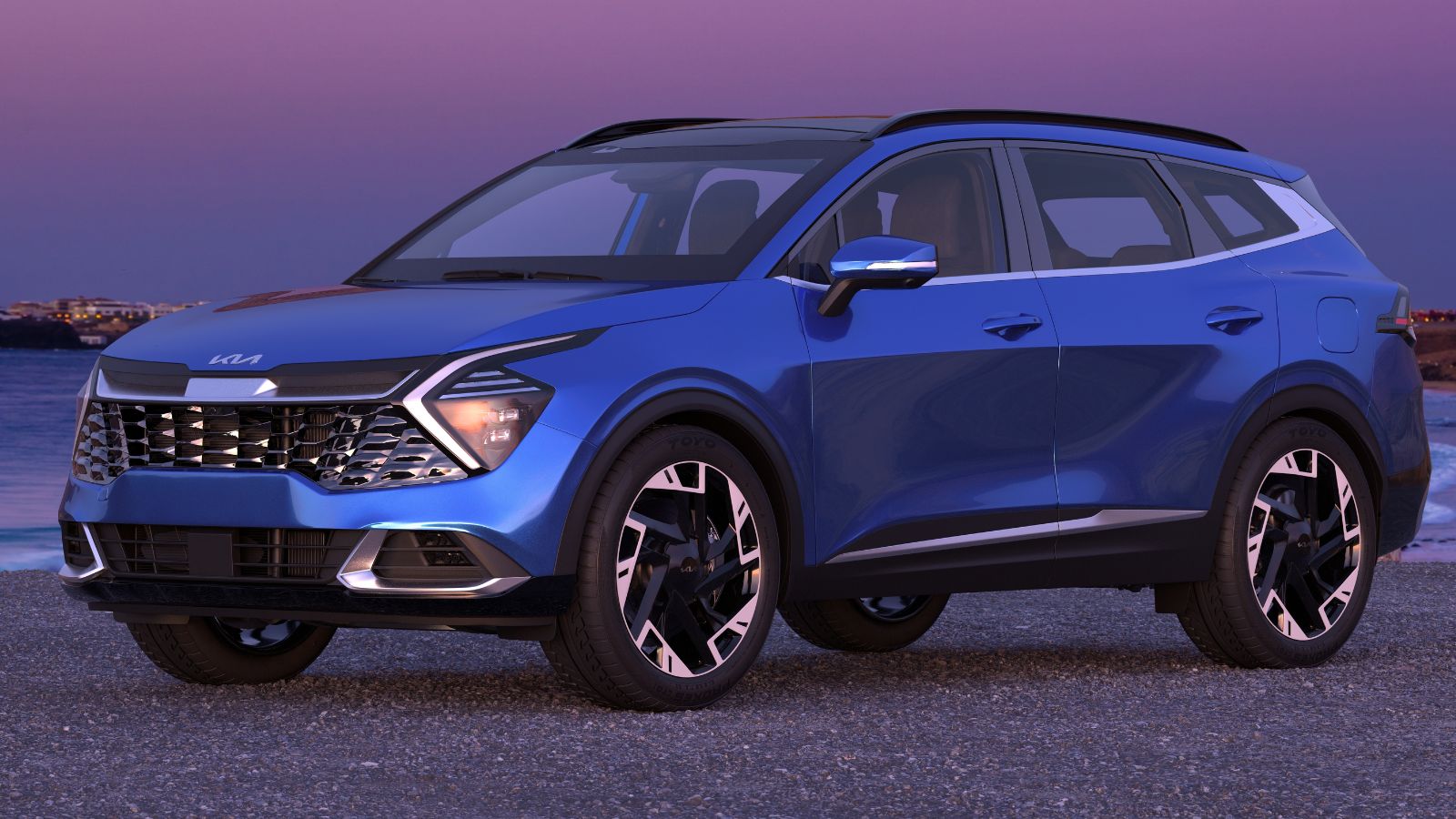
The Kia Sportage Hybrid combines bold styling with practical benefits. It stands out visually without sacrificing usability. Fuel efficiency remains strong in both city and highway driving. The cabin feels modern and comfortable for daily use. Canadians appreciate the available all-wheel drive system. It handles winter conditions with confidence. Technology features are easy to navigate. Buyers often see it as a value-focused option. It delivers a lot without pushing into luxury pricing. That balance helps it compete well. Many drivers choose it over EVs because it offers flexibility without needing a charging infrastructure at home.
Ford Escape Hybrid
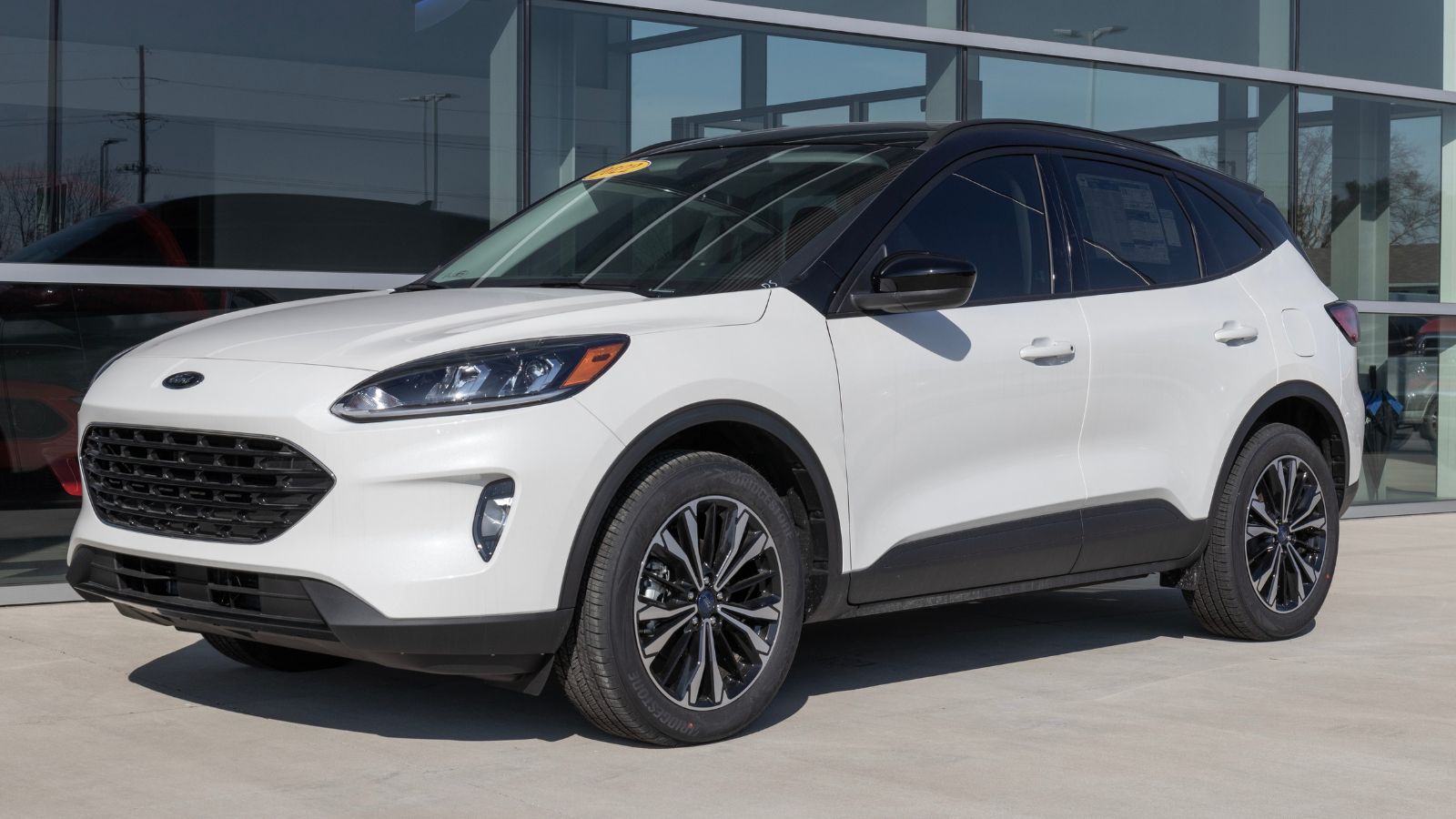
The Ford Escape Hybrid continues to attract practical buyers. It offers a straightforward driving experience with good fuel savings. Many Canadians prefer its familiar design and layout. The hybrid system works efficiently in stop-and-go traffic. It also performs well on longer highway drives. Interior space suits small families or commuters. Winter handling is stable with all-wheel-drive models. It does not demand much from the driver. That simplicity becomes a strong selling point. Owners appreciate its low learning curve. It fits into daily routines without disruption. That ease of use keeps it relevant in a competitive segment.
Toyota Camry Hybrid
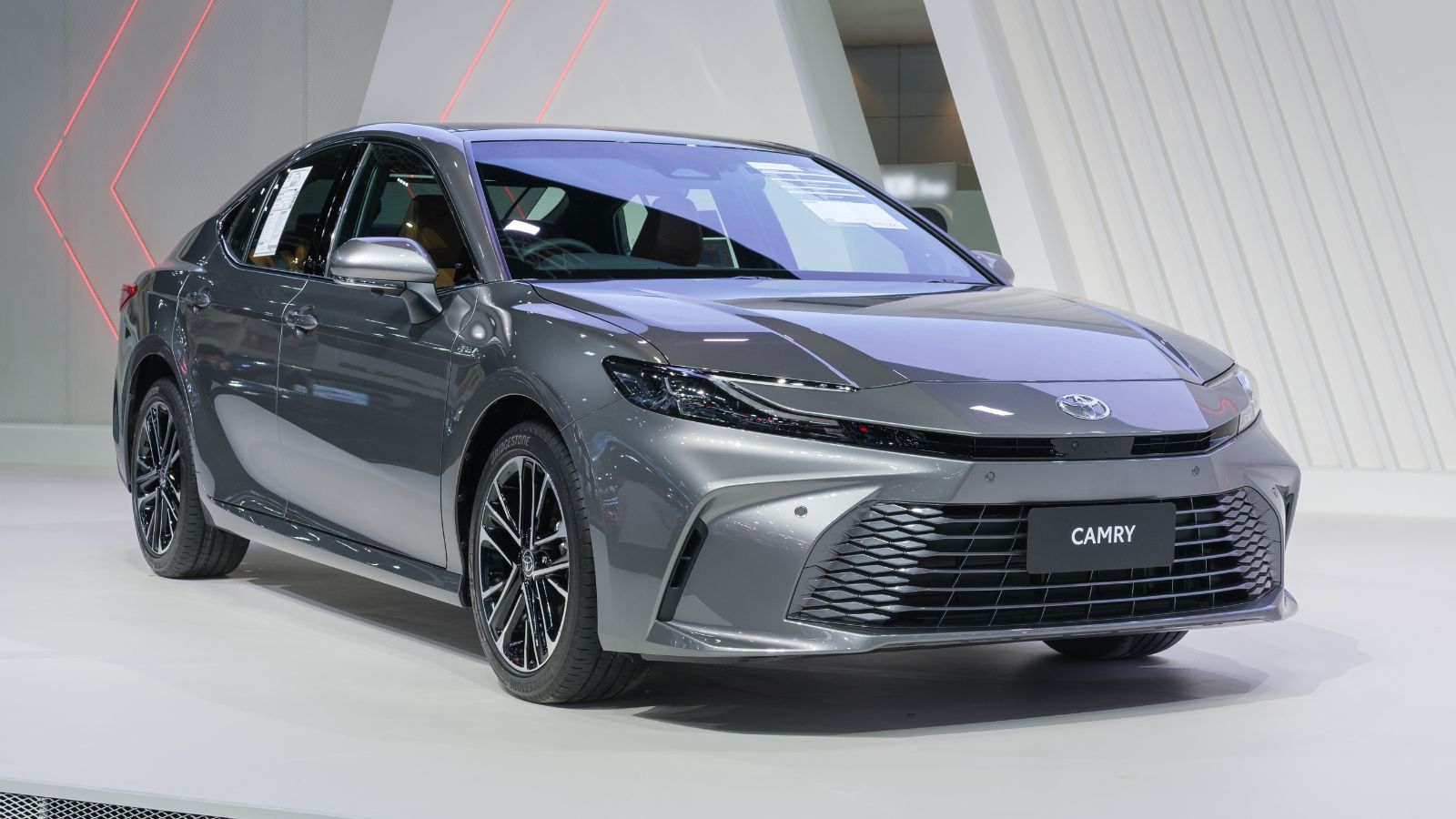
The Toyota Camry Hybrid remains a popular sedan choice. It offers strong fuel efficiency without sacrificing comfort. Many Canadians prefer sedans for highway driving. The ride feels smooth and quiet across long distances. Winter performance stays predictable with proper tires. The hybrid system delivers consistent savings year-round. Interior quality feels solid and familiar. Buyers trust its durability over time. It avoids the higher costs linked to EV ownership. That affordability matters in uncertain markets. It appeals to drivers who want efficiency without changing habits. The Camry Hybrid continues to hold its place as a reliable daily driver.
Hyundai Elantra Hybrid
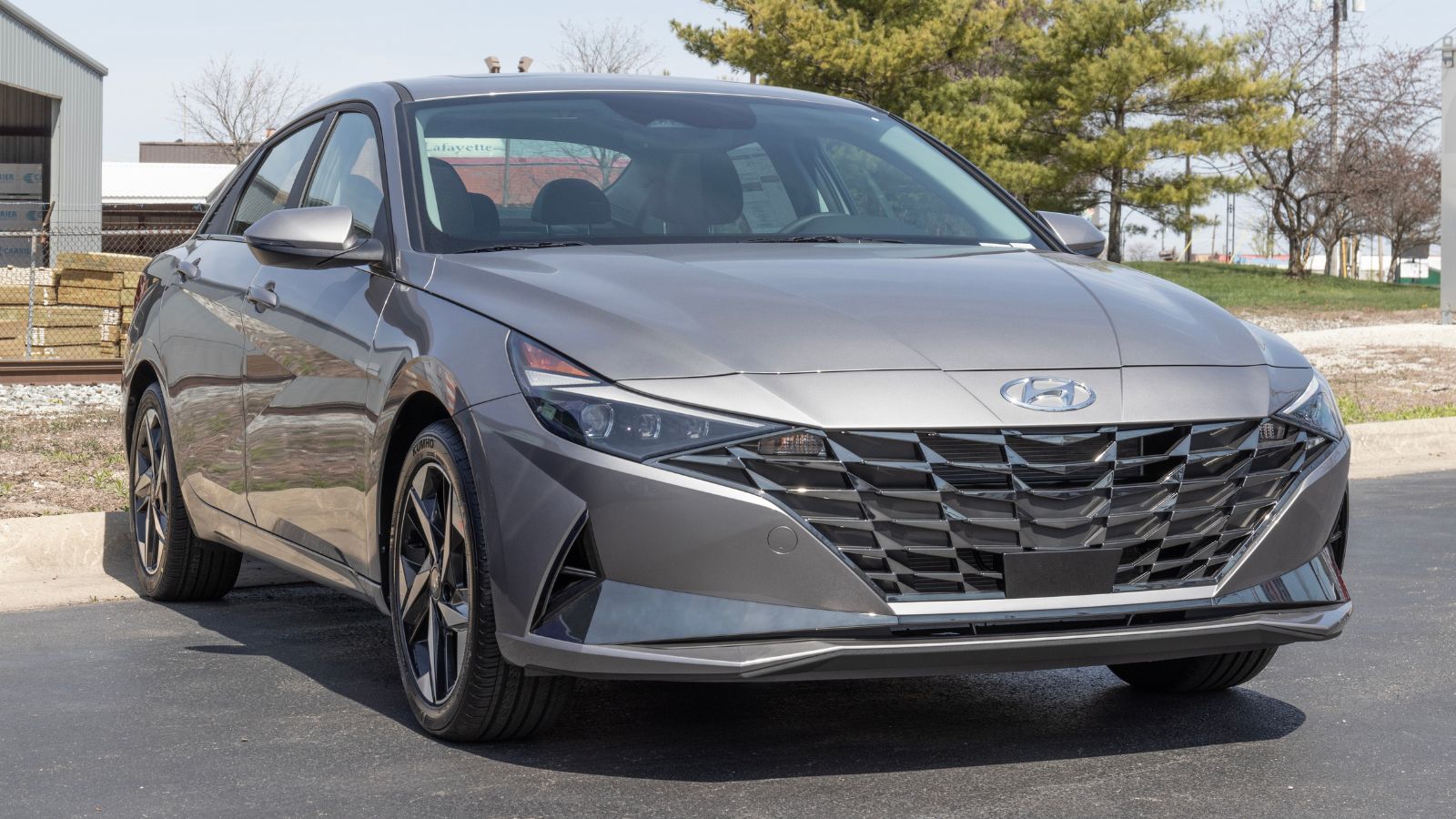
The Hyundai Elantra Hybrid stands out for value and efficiency. It offers impressive fuel savings for a compact sedan. The design feels sharp and modern inside and out. Canadians like its affordability compared to EVs. The cabin includes useful technology without complexity. Driving feels smooth and easy for daily commutes. It performs well in city traffic conditions. Winter driving remains manageable with good tires. Many buyers choose it as a first hybrid. It provides a gentle transition into electrified driving. That accessibility helps it gain popularity. It offers enough features without pushing buyers into higher price ranges.
Toyota Prius
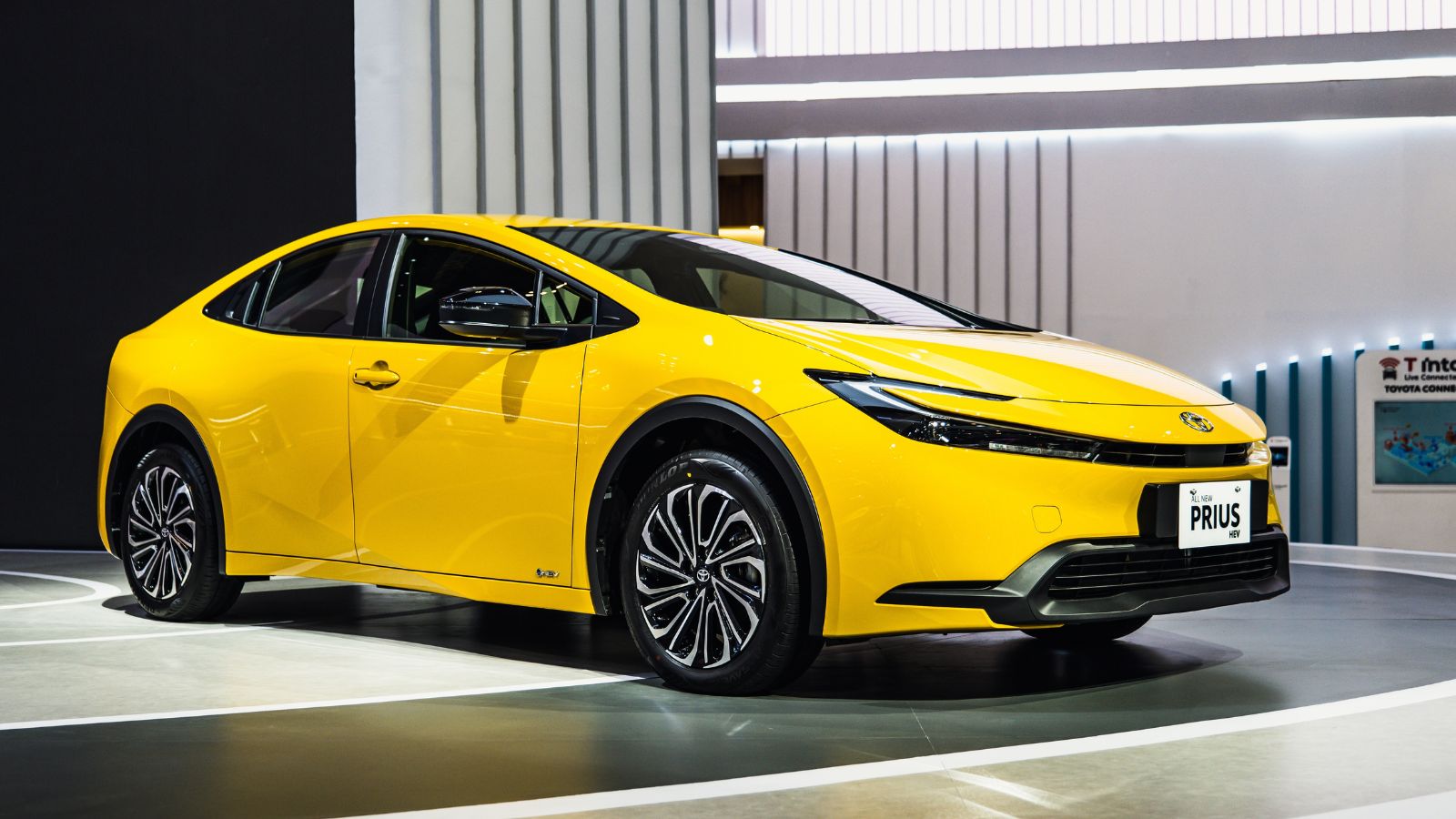
The Toyota Prius continues to define hybrid efficiency. It has evolved with better styling and improved performance. Canadians appreciate its strong fuel economy in real conditions. The latest version feels more refined than older models. It handles daily driving with ease and consistency. Winter range does not fluctuate as much as EVs. The interior focuses on function over luxury. Many buyers trust its long-term reliability record. It remains a safe choice for those prioritizing efficiency. Charging is not required, which simplifies ownership. That convenience keeps it relevant even as newer hybrids enter the market.
Mitsubishi Outlander PHEV
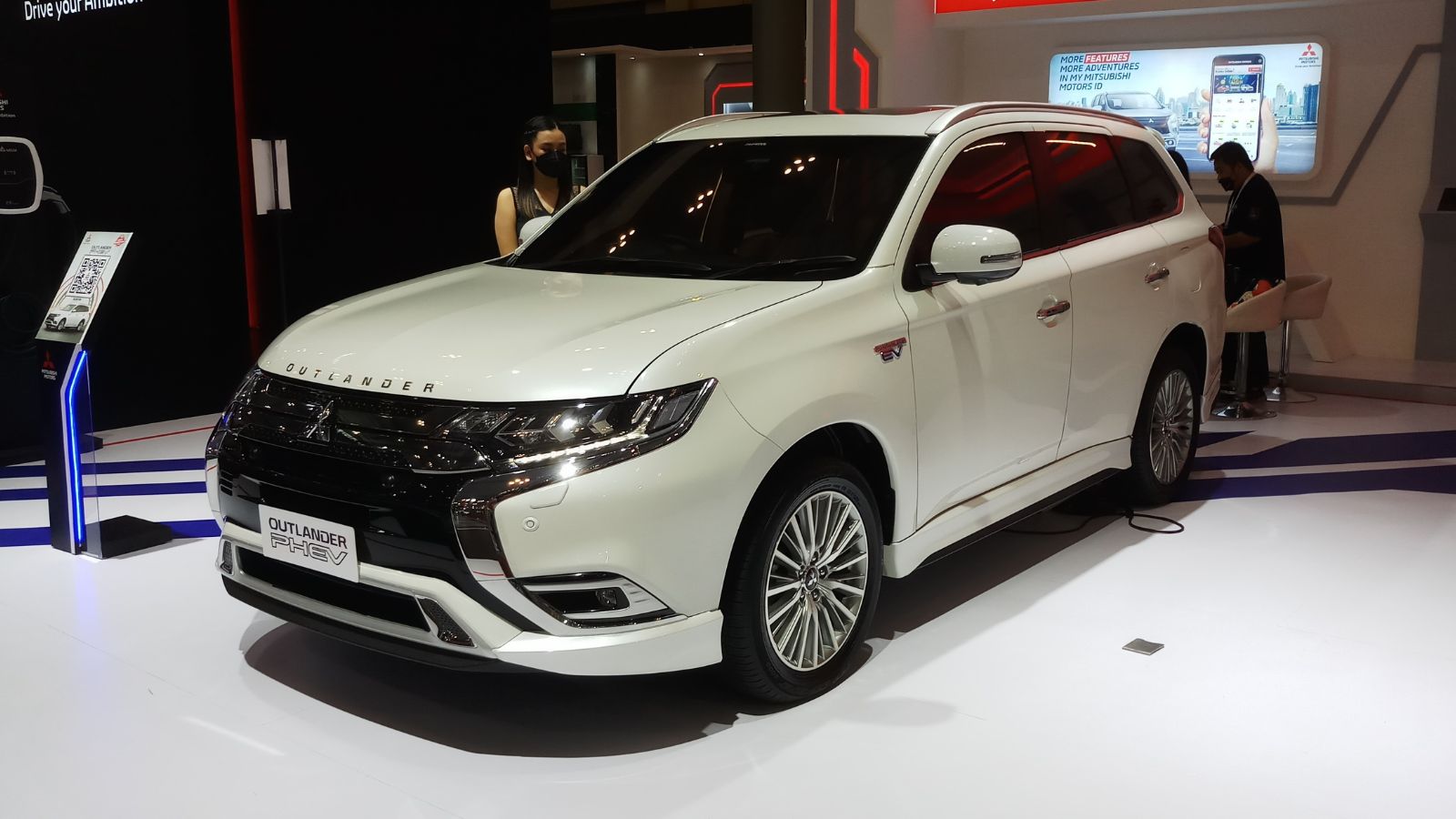
The Mitsubishi Outlander PHEV offers a different approach. It allows short electric driving without full EV commitment. Many Canadians use it for daily commutes on electric power. Longer trips still rely on gasoline when needed. That flexibility reduces range anxiety significantly. It performs well in varied weather conditions. The cabin offers enough space for families. Charging at home remains optional, not required. Buyers like having both options available. It feels like a bridge between hybrid and EV. That dual capability makes it appealing. It fits well in regions where the charging infrastructure is still developing slowly.
Kia Sorento Hybrid
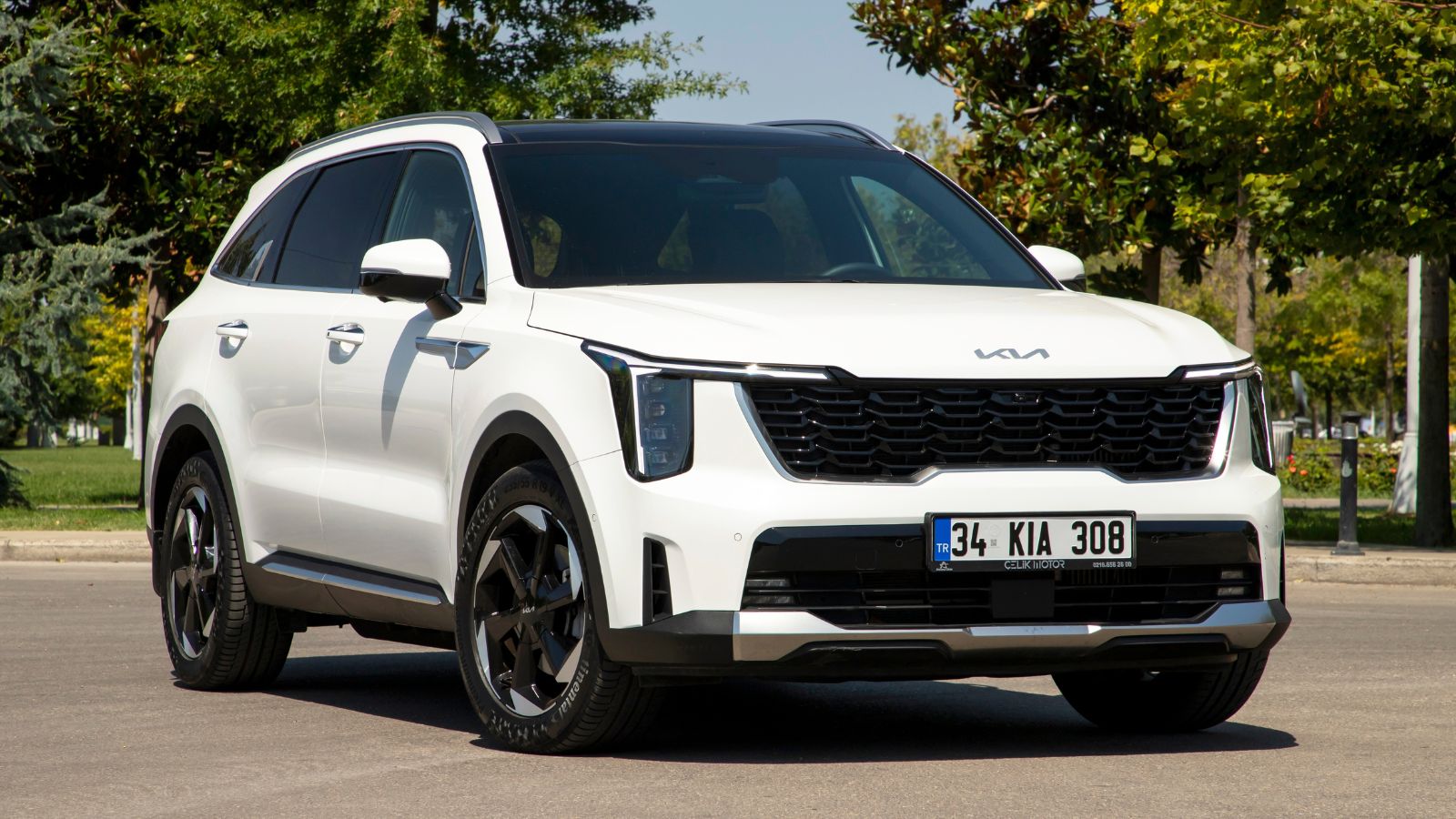
The Kia Sorento Hybrid brings efficiency to a larger SUV. It offers three rows with better fuel economy than expected. Canadians appreciate the added passenger space. The hybrid system works smoothly across driving conditions. Interior quality feels modern and comfortable. All-wheel drive helps during harsh winters. It balances size with reasonable operating costs. Buyers see it as a family-friendly alternative. It avoids the limitations of full electric SUVs. That practicality matters in colder climates. It delivers enough versatility for daily use. Many families choose it for its balance between space, efficiency, and usability.
Lexus NX Hybrid
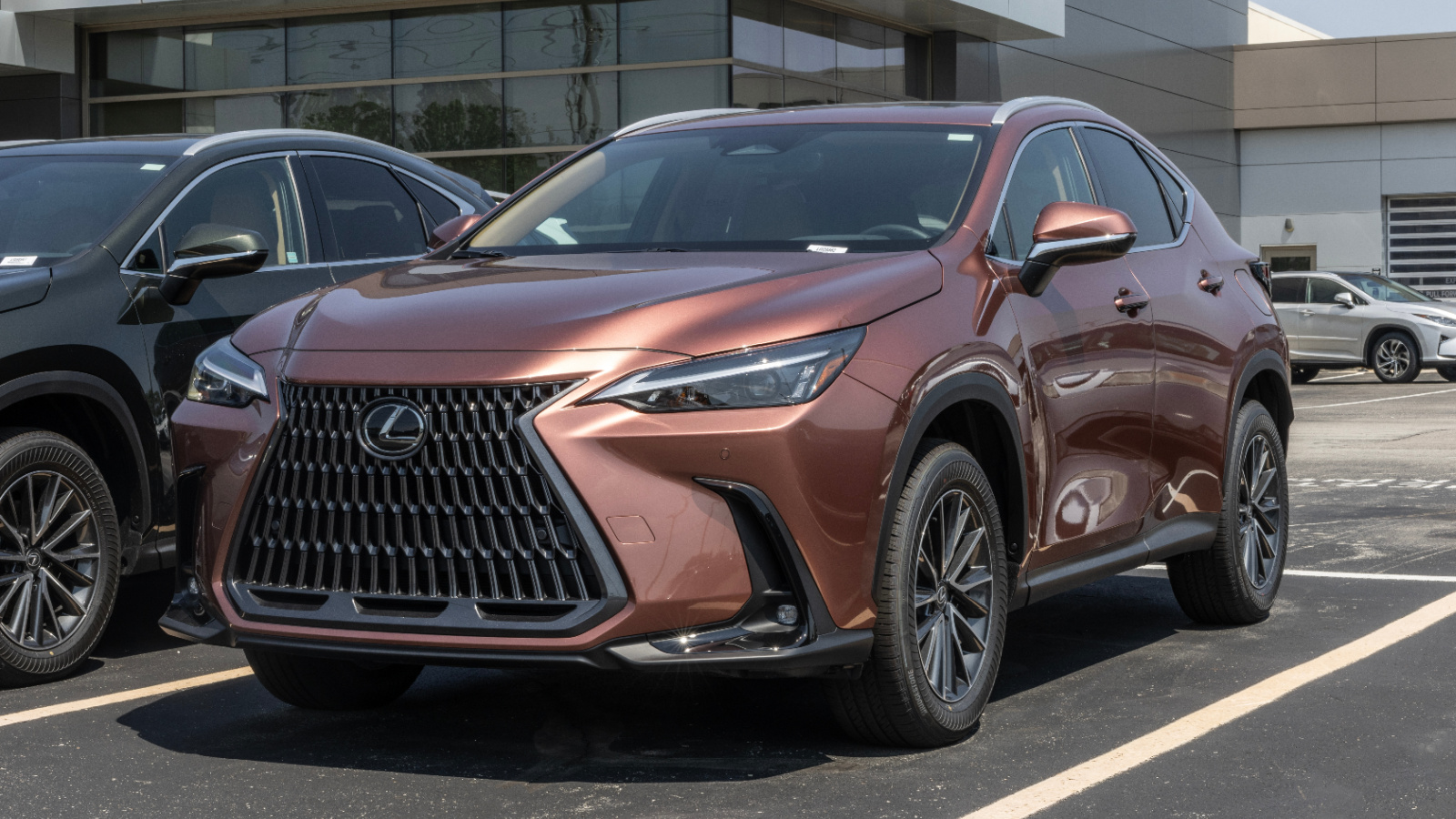
The Lexus NX Hybrid appeals to urban drivers seeking comfort. It offers a quiet ride with refined interior materials. Fuel savings remain respectable for a luxury SUV. Canadians appreciate its smooth handling in city traffic. Winter driving feels stable with all-wheel drive. It does not rely on charging infrastructure. That simplicity attracts many buyers. The design feels modern without being overwhelming. It suits those upgrading from non-hybrid vehicles. Ownership feels straightforward and predictable. It avoids surprises often tied to new EV platforms. That reliability keeps it competitive in the premium hybrid segment.
Toyota Venza Hybrid
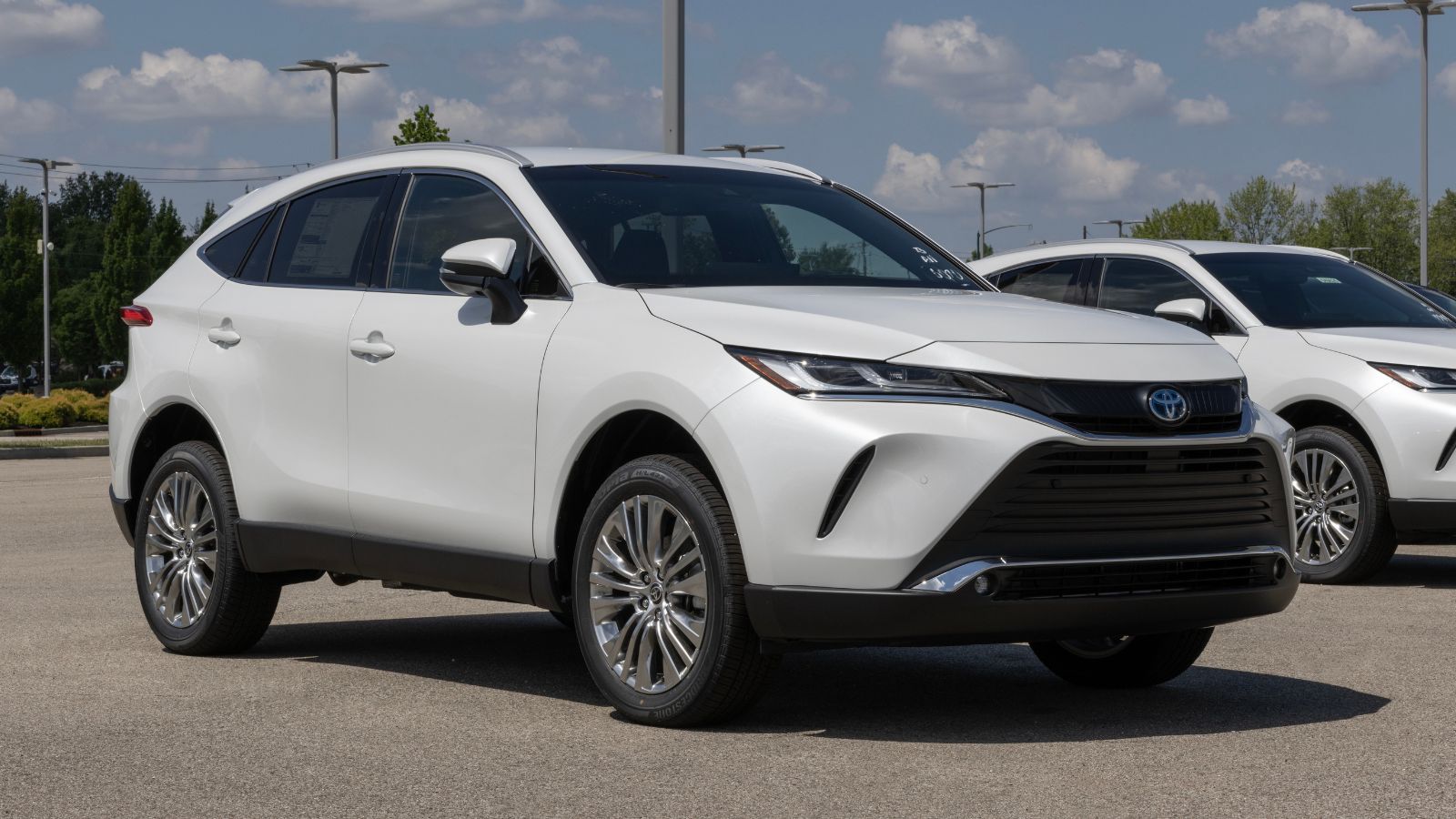
The Toyota Venza Hybrid focuses on comfort and quiet driving. It offers a more refined feel than typical SUVs. Fuel efficiency remains strong for its size. Canadians like its smooth ride on long trips. All-wheel drive provides added winter confidence. The interior feels calm and well-designed. It does not chase aggressive styling trends. Buyers often choose it for its relaxed driving experience. It fits well between mainstream and luxury options. That positioning makes it unique. It delivers enough features without excess complexity. Many drivers see it as a sensible upgrade without stepping into fully electric territory.
Honda Accord Hybrid
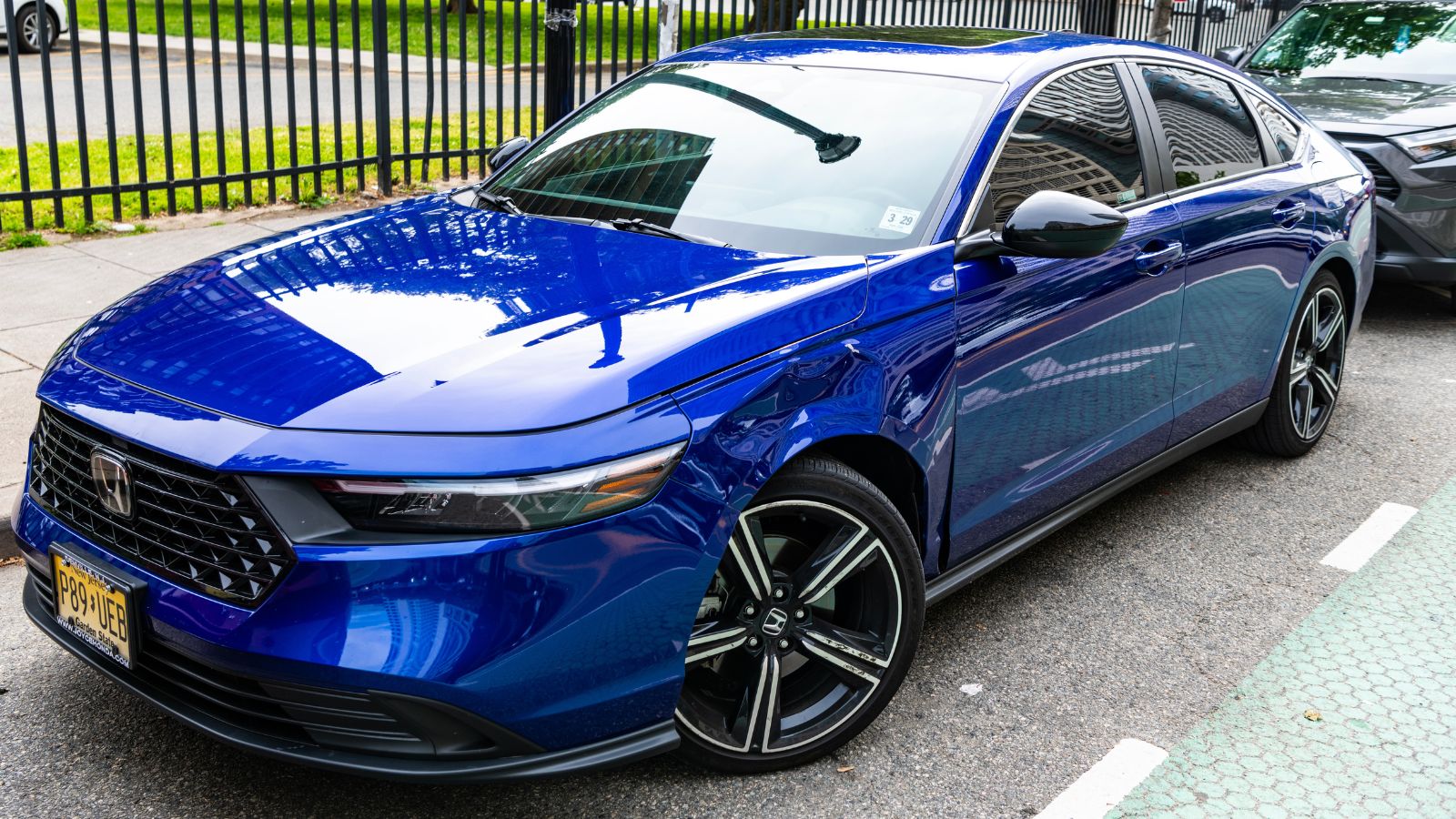
The Honda Accord Hybrid continues to attract sedan buyers. It offers strong efficiency combined with a spacious interior. Highway comfort remains one of its key strengths. Canadians value its predictable performance year-round. The hybrid system works smoothly without noticeable transitions. It handles daily commutes with ease. Winter driving feels stable with a proper setup. Buyers trust its long-term reliability. It avoids the higher costs tied to EV ownership. That affordability keeps it relevant. It appeals to those who prefer traditional driving layouts. The Accord Hybrid remains a steady choice in a shifting market.
Chrysler Pacifica Hybrid
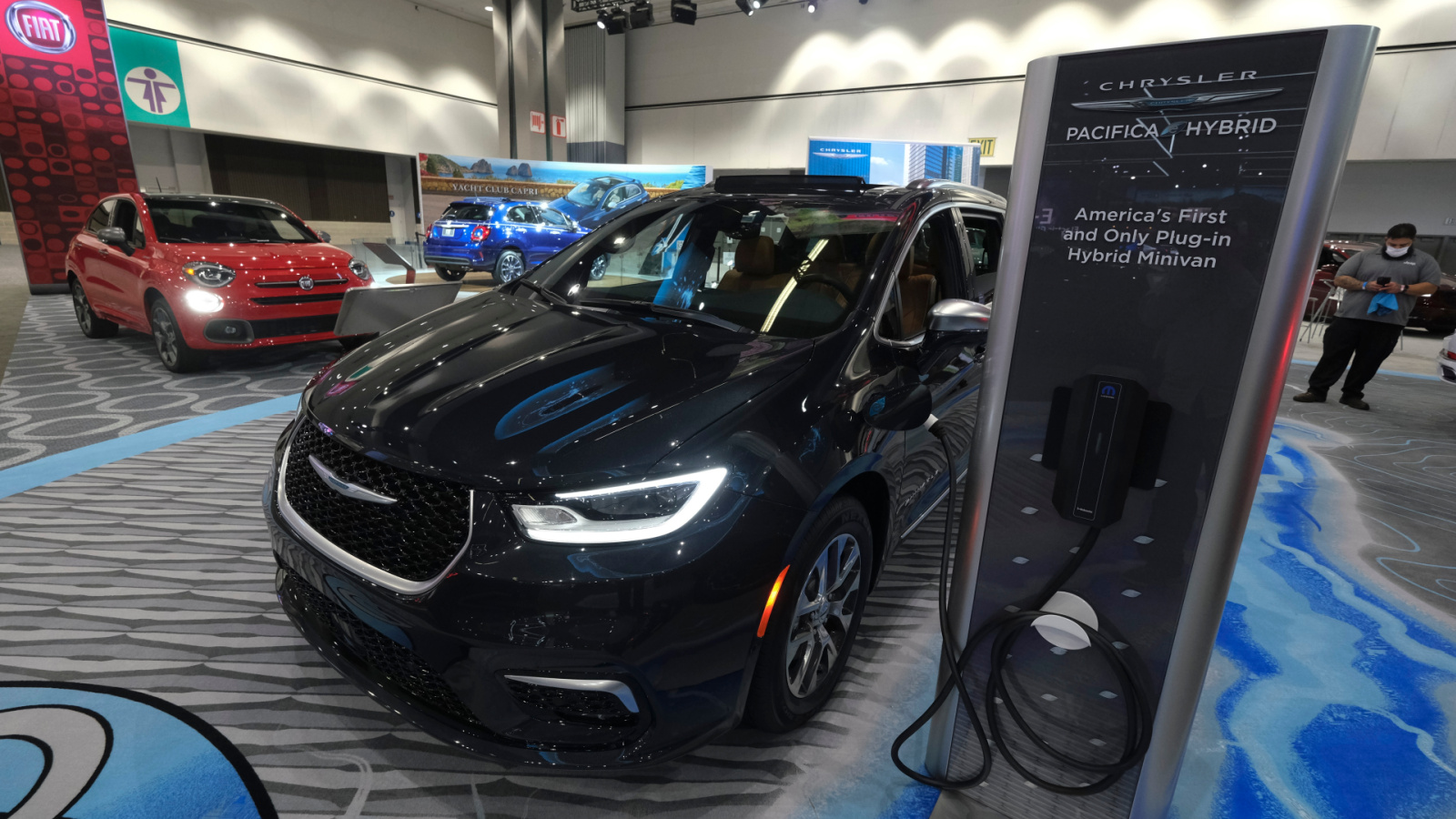
The Chrysler Pacifica Hybrid targets families needing maximum space. It offers plug-in capability for short electric trips. Many Canadians use it for school runs and errands. Longer drives rely on gasoline without concern. The interior provides flexible seating arrangements. Comfort remains a strong selling point. It works well for large households. Charging remains optional rather than necessary. That flexibility attracts buyers hesitant about EVs. It combines practicality with efficiency in a unique way. The Pacifica Hybrid stands out in its segment. Few vehicles offer the same mix of space and electrification.
Subaru Crosstrek Hybrid
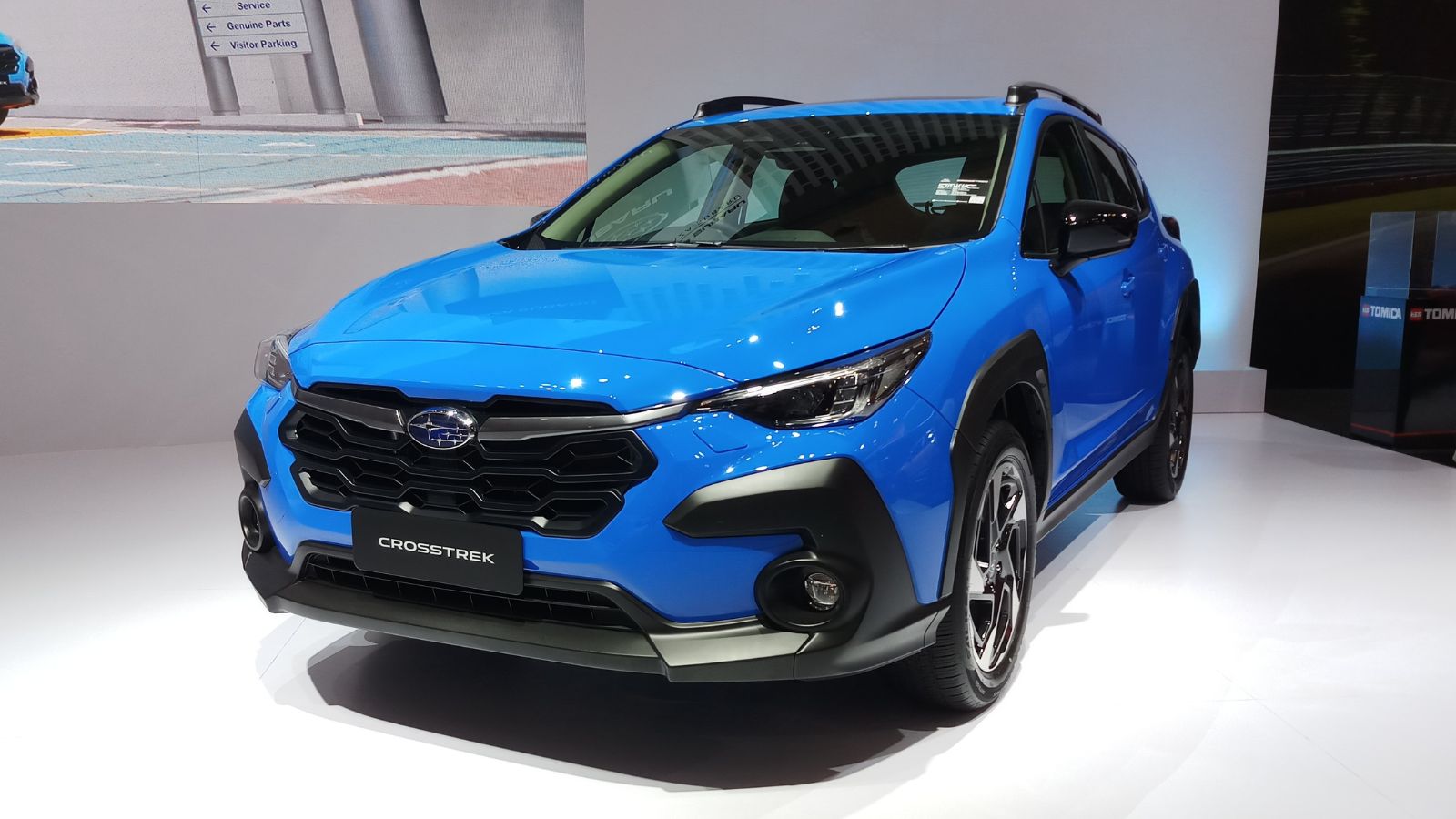
The Subaru Crosstrek Hybrid appeals to outdoor-focused buyers. It offers standard all-wheel drive with hybrid efficiency. Canadians value its capability on rough terrain. It handles snow and trails with confidence. The hybrid system adds fuel savings without complexity. Interior space suits smaller adventures and daily use. It feels rugged yet manageable in cities. Buyers like its versatility across seasons. It avoids the limitations of full EVs in remote areas. That independence matters for many drivers. It balances practicality and efficiency without sacrificing capability. That mix keeps it relevant in Canada’s diverse driving conditions.
Volvo XC60 Recharge
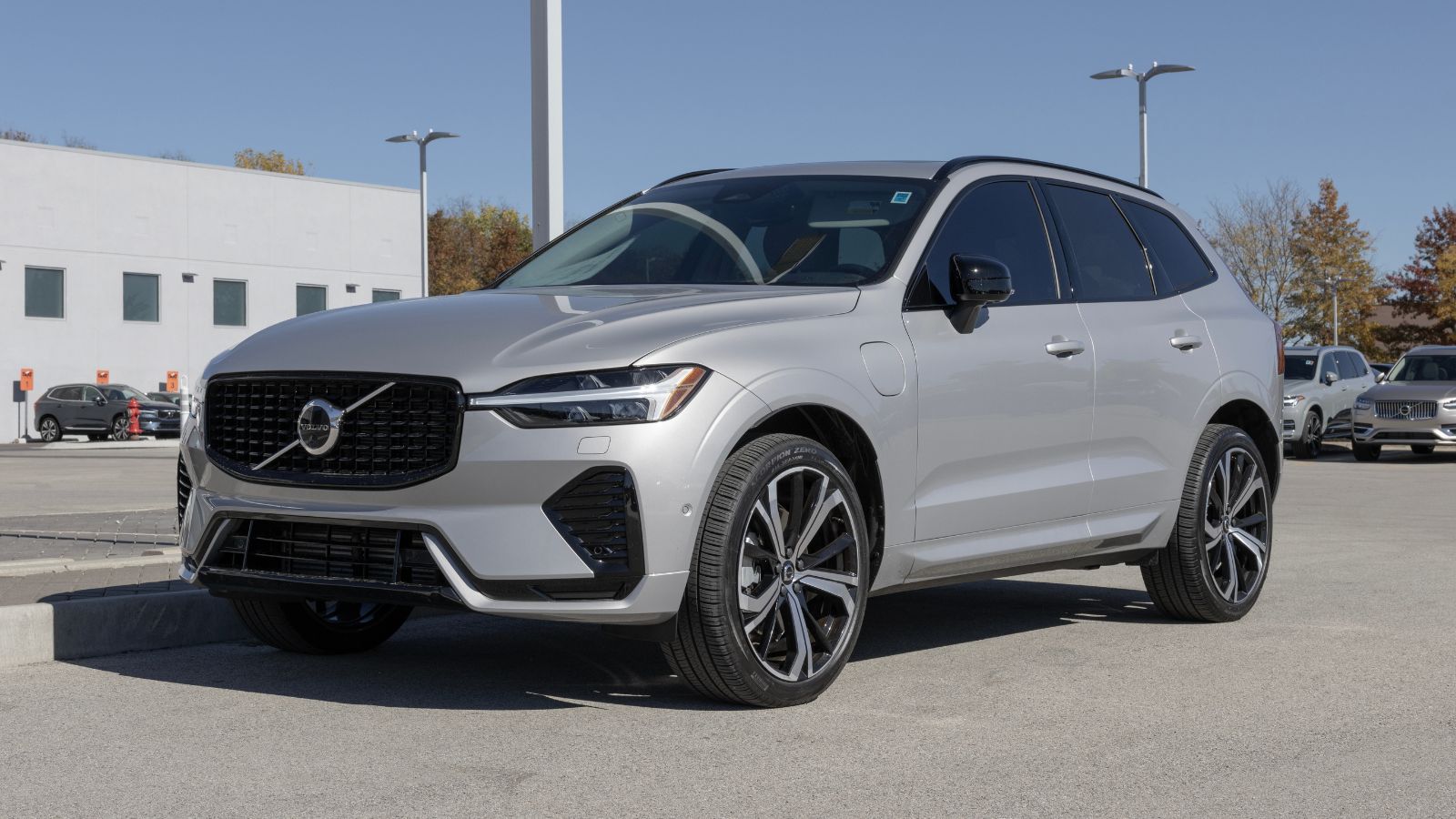
The Volvo XC60 Recharge offers a premium hybrid experience. It combines electric driving with strong gasoline support. Many Canadians use their electric range for daily commuting. Longer trips feel seamless without charging concerns. The interior feels clean and well-crafted. Safety features remain a key highlight. Winter driving feels stable and controlled. It suits buyers looking for a refined yet practical option. Charging adds convenience but is not required. That flexibility attracts many. It bridges luxury and efficiency effectively. The XC60 Recharge continues to draw attention from those not ready for a full electric transition.
22 Things Canadians Do to Their Cars in Spring That Mechanics Hate

Spring brings relief to many Canadian drivers after months of snow, freezing temperatures, and icy roads that put serious strain on vehicles. As temperatures rise across the country, drivers begin washing cars, switching tires, and preparing vehicles for warmer weather and upcoming road trips. However, mechanics across Canada notice the same mistakes every spring when drivers attempt to recover from winter damage. Road salt, potholes, and harsh winter driving conditions often leave vehicles with hidden problems that drivers ignore. Some spring habits even create new mechanical issues that could have been avoided with proper maintenance. Here are 22 things Canadians do to their cars in spring that mechanics hate.