


























Cold starts, long commutes, and heavy winter tires all take a toll on fuel use in Canada. Official ratings often look decent on paper. Real life tells a different story. Short trips in freezing temperatures burn more fuel. Idling to warm up the cabin adds even more consumption. Larger vehicles also struggle in stop-and-go traffic. Many drivers notice the gap between ratings and reality every day. This list looks at cars that feel especially thirsty in Canadian conditions. Here are 26 cars that are brutal on fuel in real Canadian driving.
Ford F-150
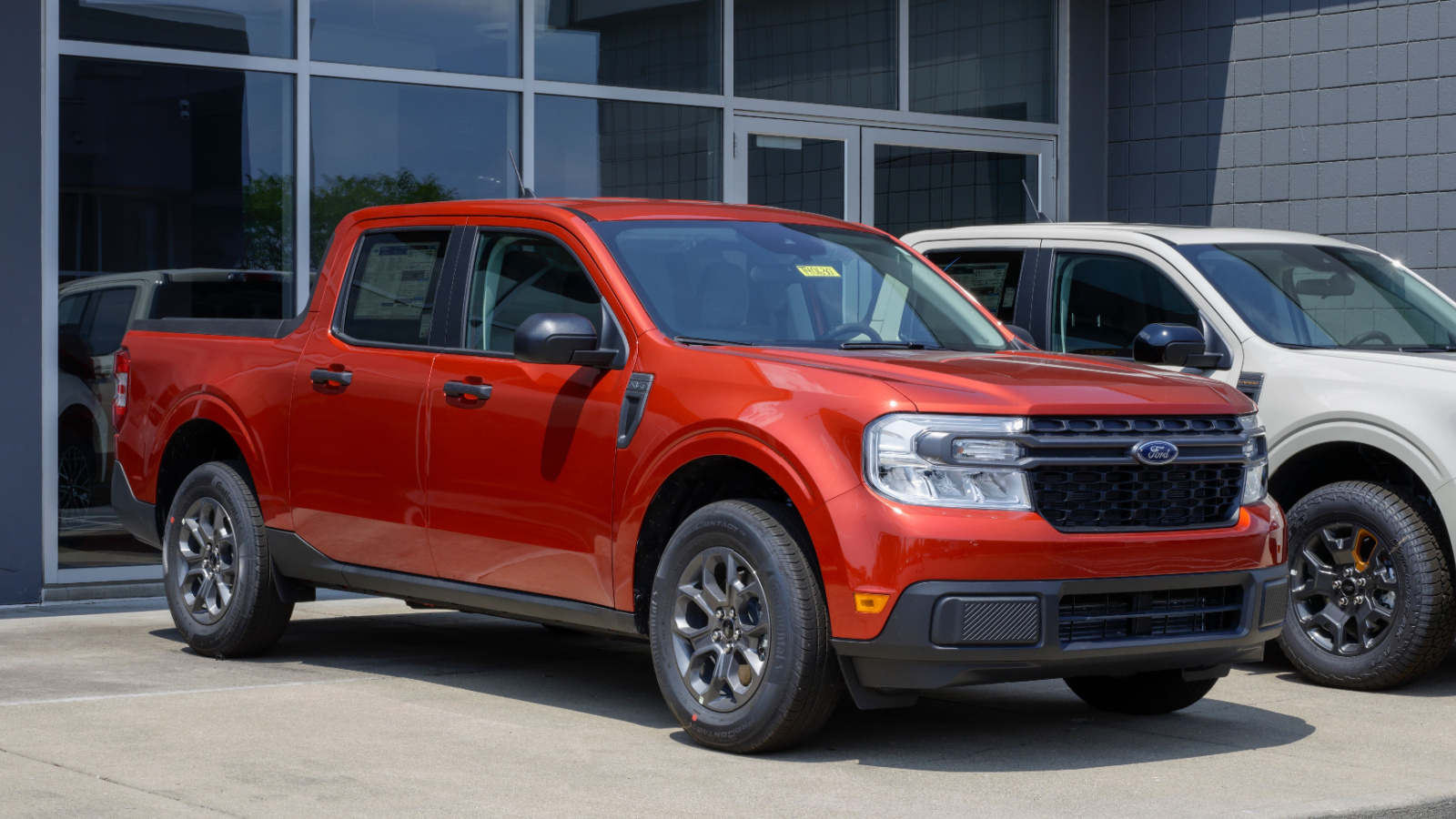
The Ford F-150 remains Canada’s top seller, but fuel use can surprise owners. Larger engines drink heavily during city driving. Cold weather makes things worse, especially on short trips. Many drivers idle longer to warm up cabins in winter. That habit increases consumption quickly. Towing or hauling adds even more strain. Real-world numbers often climb far above official ratings. Even EcoBoost engines struggle when pushed hard. Snowy roads and winter tires add resistance. Combined, these factors make the F-150 one of the thirstiest daily drivers.
Chevrolet Silverado 1500
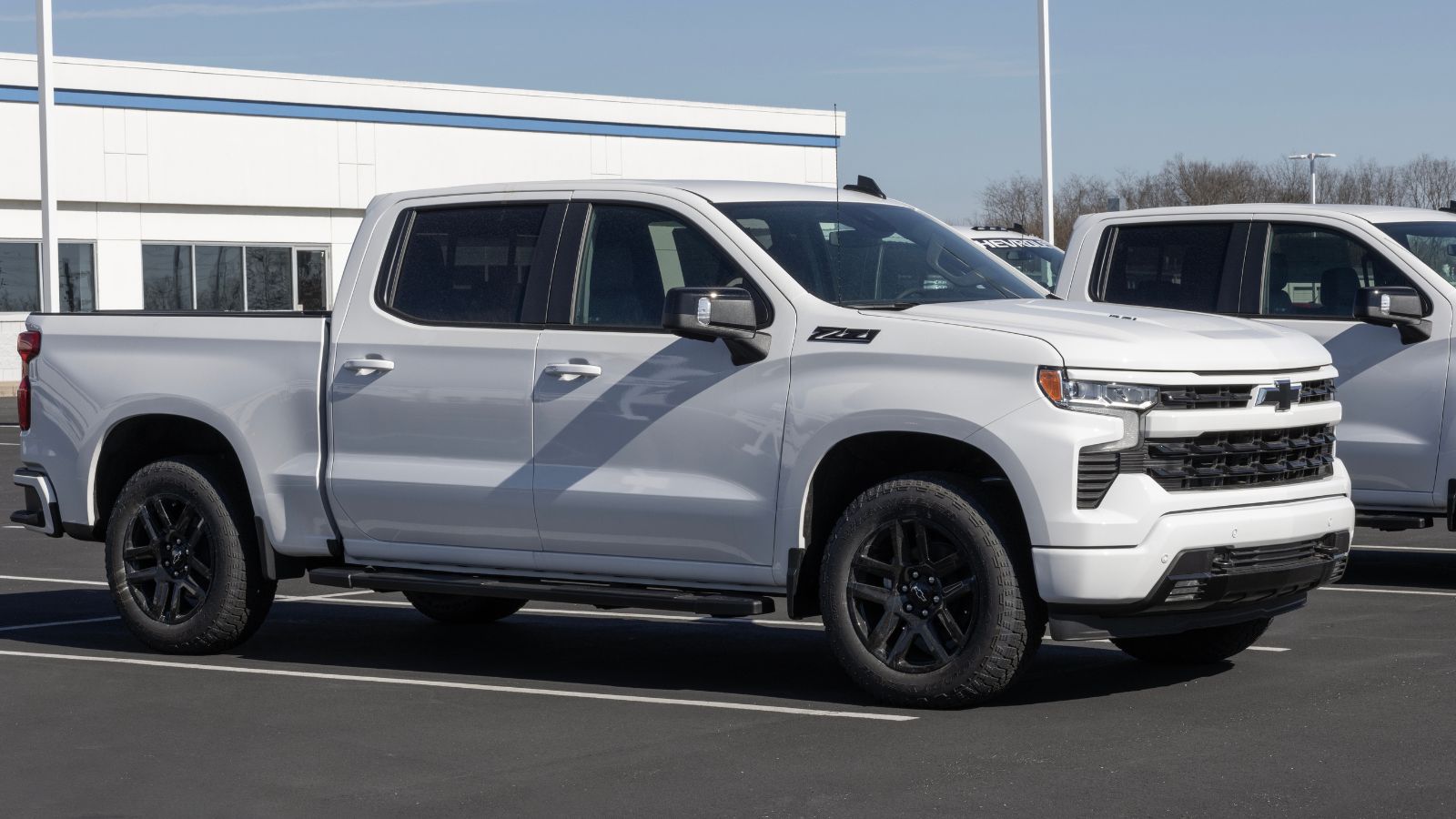
The Chevrolet Silverado 1500 offers strong performance, but fuel economy takes a hit. Big V8 engines burn through gas quickly in traffic. Winter driving only amplifies the problem. Cold starts force richer fuel mixtures. Drivers also idle longer in freezing temperatures. Heavy bodies and Four-Wheel Drive systems add weight. That increases consumption during acceleration. Real-world fuel use often exceeds expectations. Highway numbers look better, but city driving tells another story. Many owners report higher costs than they planned.
Ram 1500
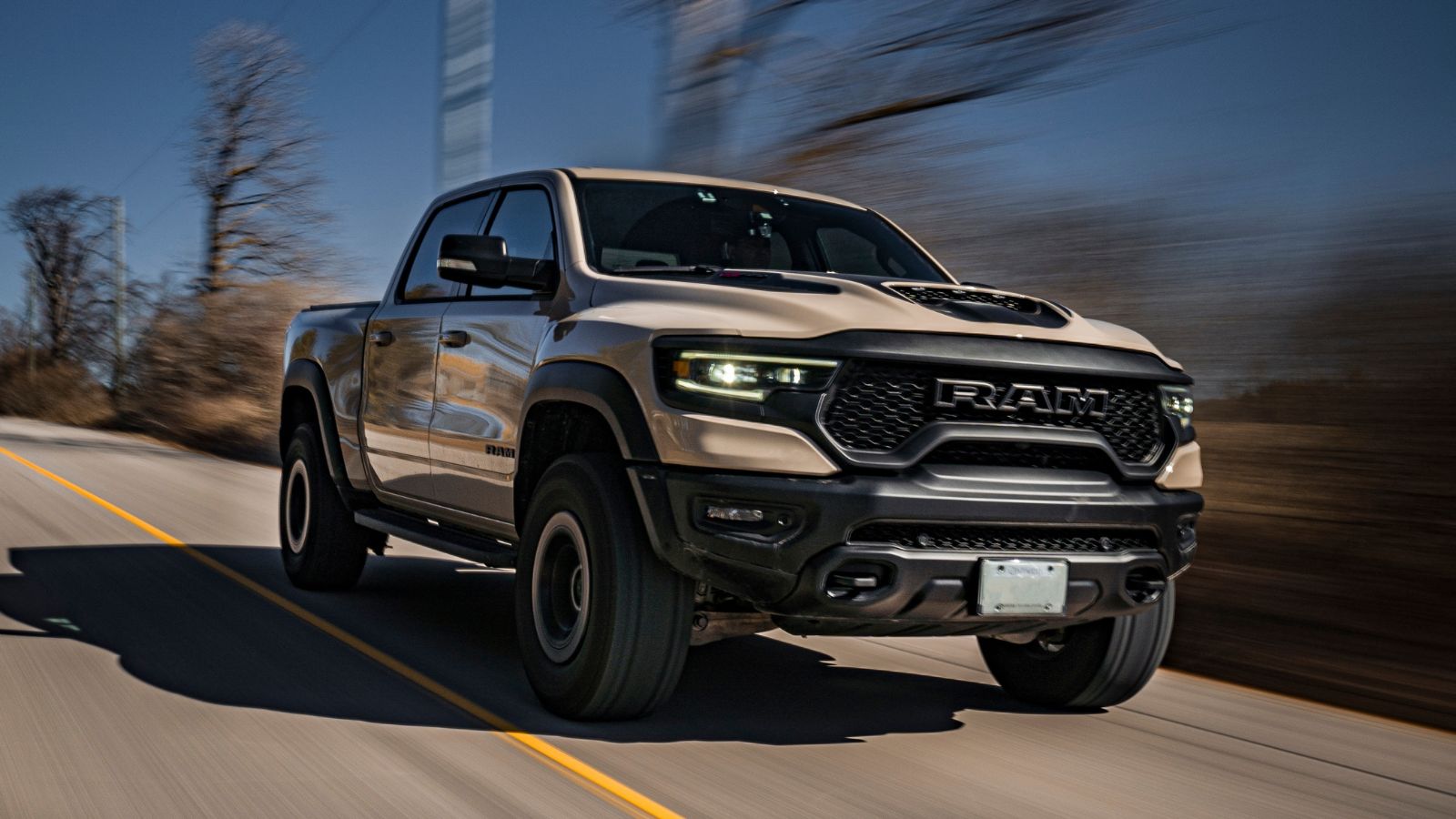
The Ram 1500 delivers comfort, yet it comes with a fuel tradeoff. Its HEMI V8 feels powerful but thirsty. Stop-and-go driving in cities pushes consumption higher. Winter conditions make things worse across Canada. Idling to heat the cabin burns extra fuel daily. Snow and slush increase rolling resistance on roads. Even mild towing sharply increases fuel use. Official ratings rarely match real driving experiences. Many drivers see large gaps between estimates and reality. Over time, those extra liters add up fast.
Toyota Tundra
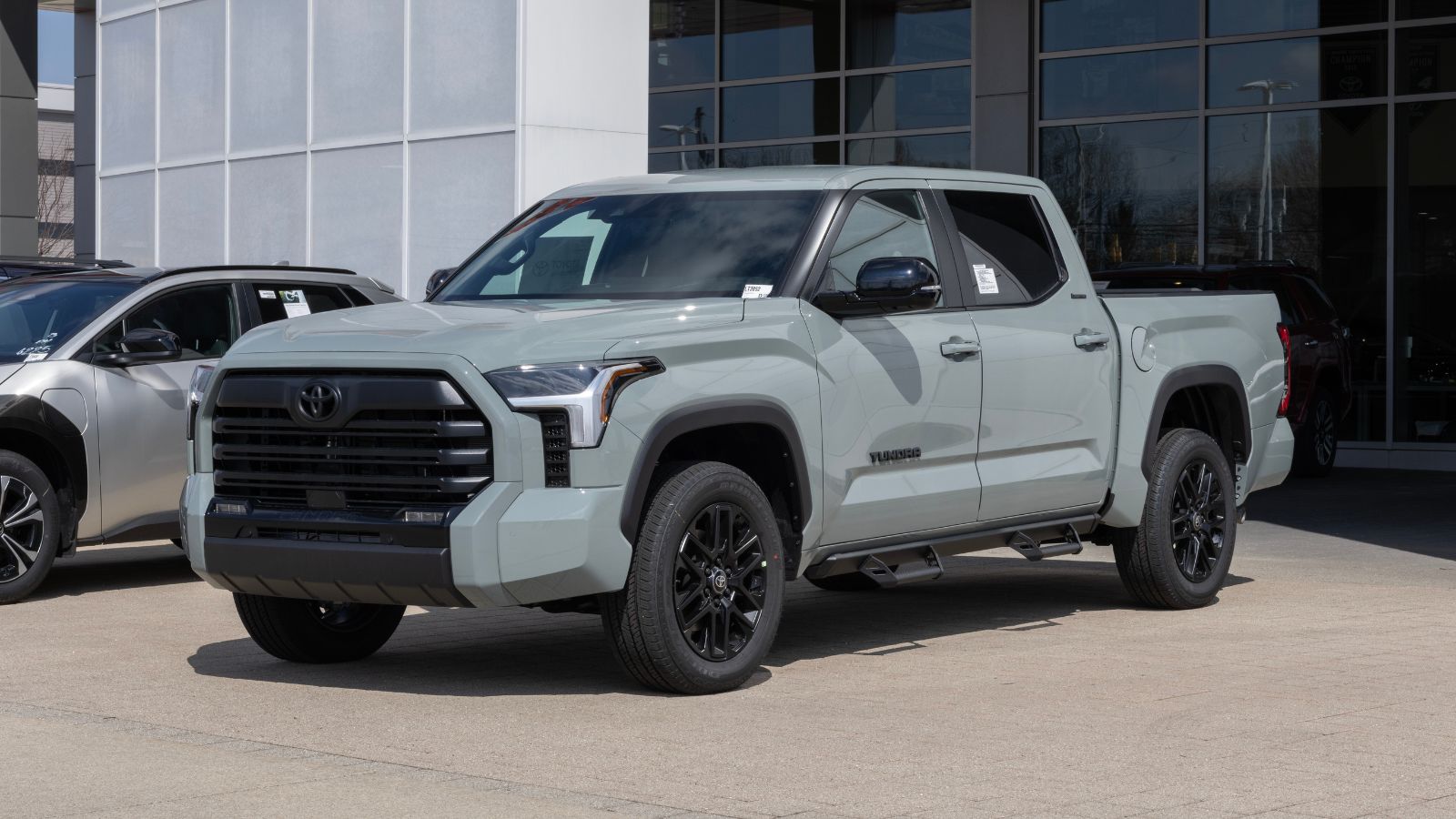
The Toyota Tundra is known for reliability, not efficiency. Older V8 models are especially heavy on fuel. Even newer versions struggle in city conditions. Cold-weather driving increases fuel use quickly. Short trips prevent engines from reaching ideal temperatures. That leads to inefficient combustion cycles. Drivers often notice higher consumption during the winter months. Large size and weight also contribute. Towing and hauling make things worse. Despite durability, fuel costs remain a constant complaint.
Nissan Titan
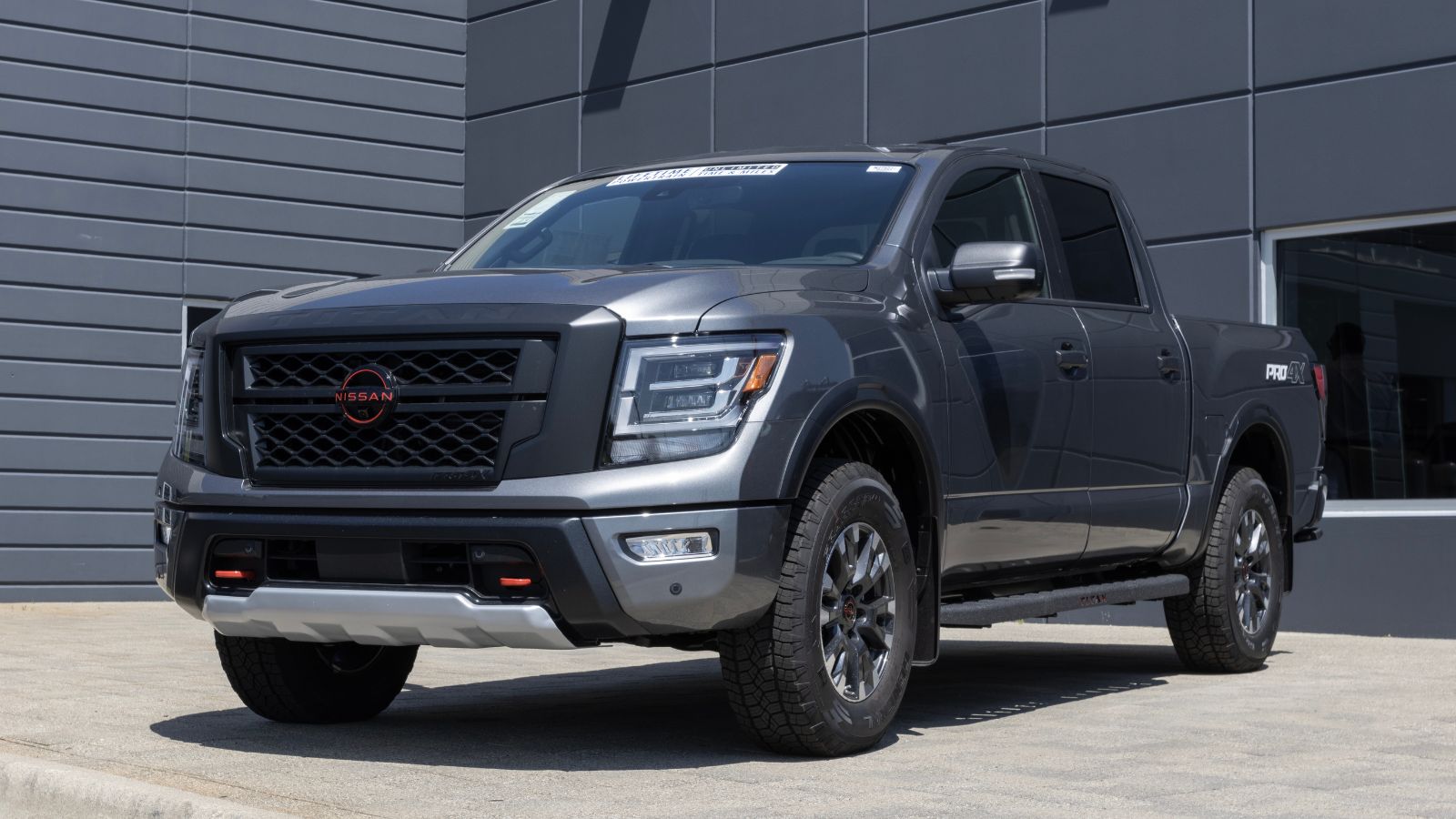
The Nissan Titan never gained widespread popularity, partly due to its fuel economy. Its V8 engine delivers power but lacks efficiency. Real-world driving reveals high consumption figures. Cold climates exaggerate the issue further. Many drivers rely on remote start systems. That adds idle time every morning. Heavy construction increases fuel demand during acceleration. Winter tires and snow add resistance. Owners often report higher-than-expected fuel bills. It remains a capable truck, but not a frugal one.
Jeep Wrangler
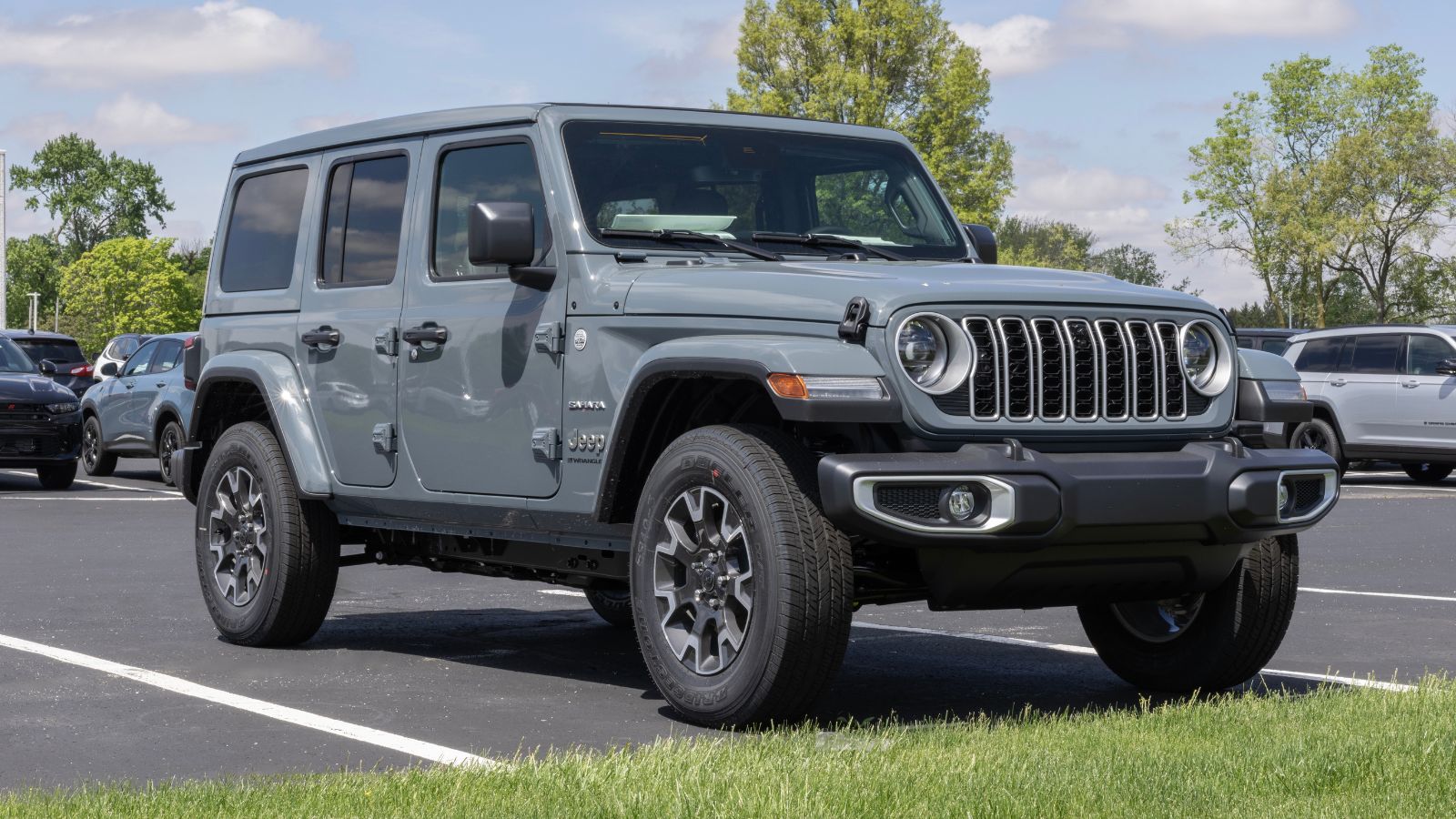
The Jeep Wrangler excels off-road, but fuel economy suffers. The boxy design creates strong wind resistance. That hurts efficiency at highway speeds. Short city trips make things worse in winter. Cold starts and idling increase fuel use quickly. Four Wheel Drive systems add weight and drag. Larger tires also reduce efficiency. Drivers often accept this tradeoff for capability. Real-world fuel numbers often disappoint. It remains fun to drive, but not easy on fuel budgets.
Jeep Grand Cherokee
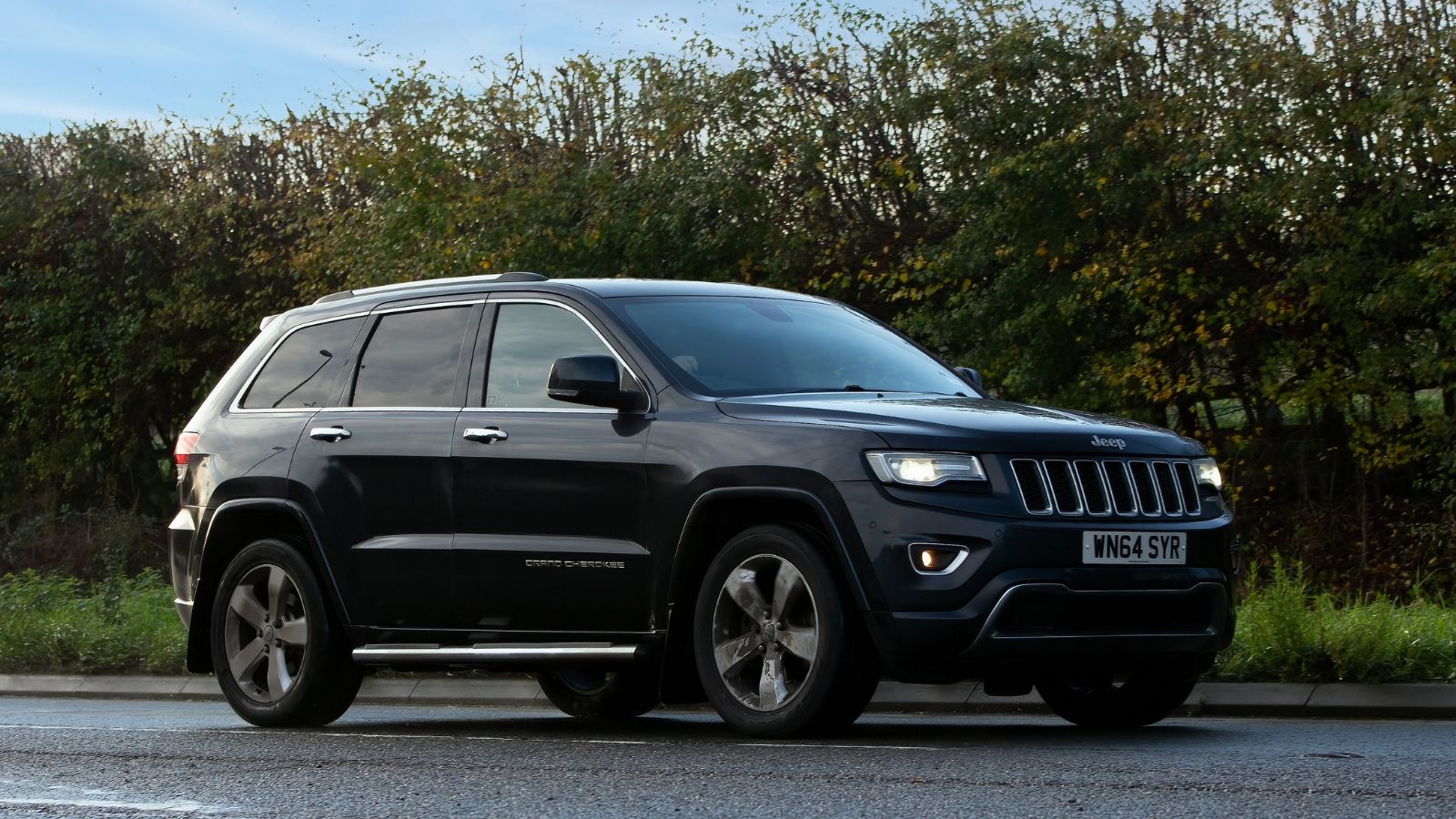
The Jeep Grand Cherokee blends comfort with power, but fuel use climbs quickly. V6 and V8 engines both consume heavily in cities. Winter conditions amplify the issue across Canada. Drivers often idle longer during cold mornings. Short trips prevent efficient engine operation. Heavy construction adds to fuel demand. Snow-covered roads increase rolling resistance. Many owners report higher-than-expected consumption. Official ratings rarely reflect real driving habits. Over time, fuel costs become noticeable.
Dodge Durango
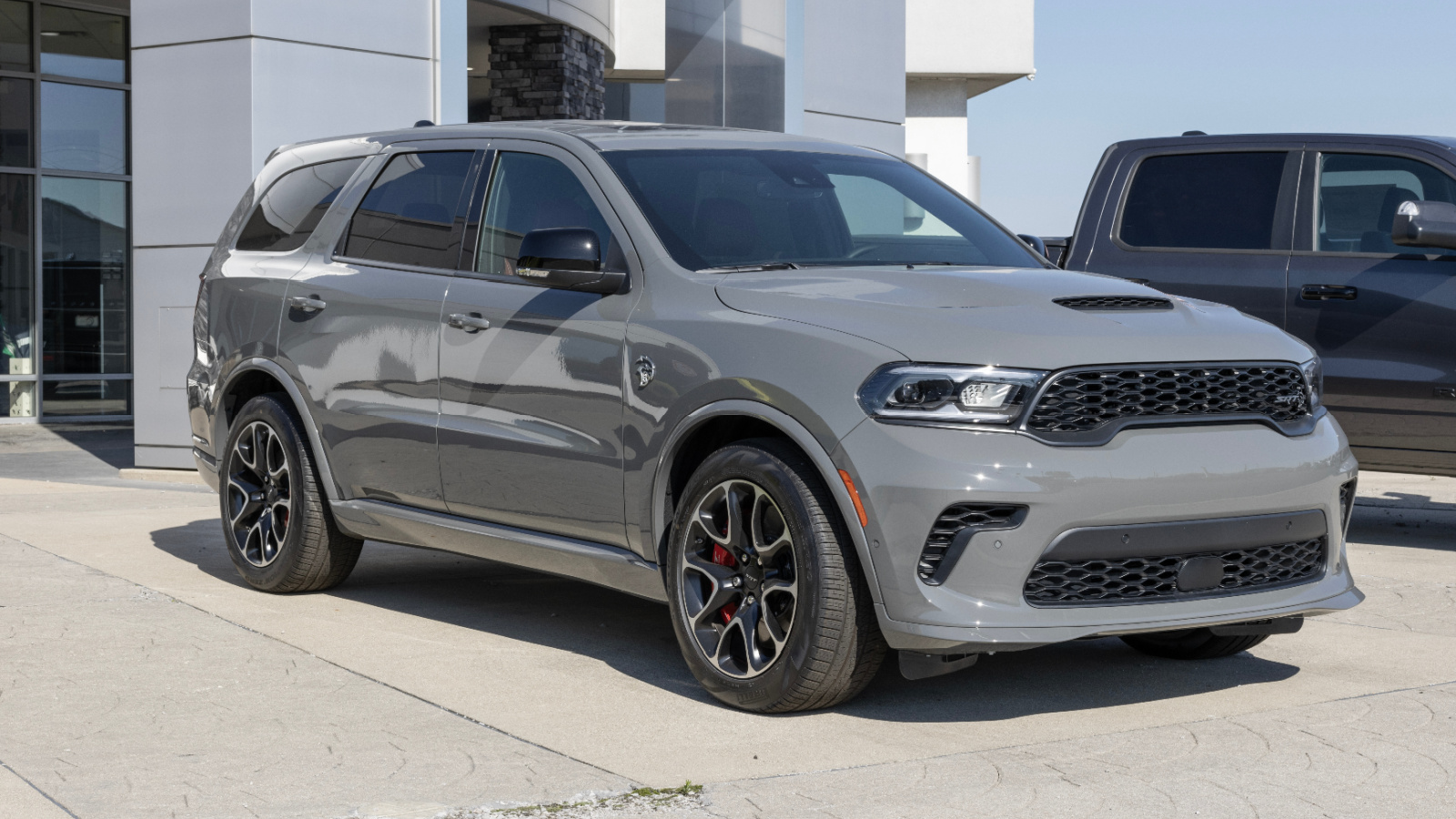
The Dodge Durango offers strong performance, especially with V8 options. That power comes at a cost. City driving pushes fuel use much higher than expected. Cold weather makes engines run less efficiently. Idling during winter mornings adds to consumption. Larger size and weight increase fuel demand. Stop-and-go traffic worsens the situation. Real-world numbers often exceed official estimates. Many drivers notice the difference quickly. Fuel expenses can rise faster than planned.
Chevrolet Tahoe
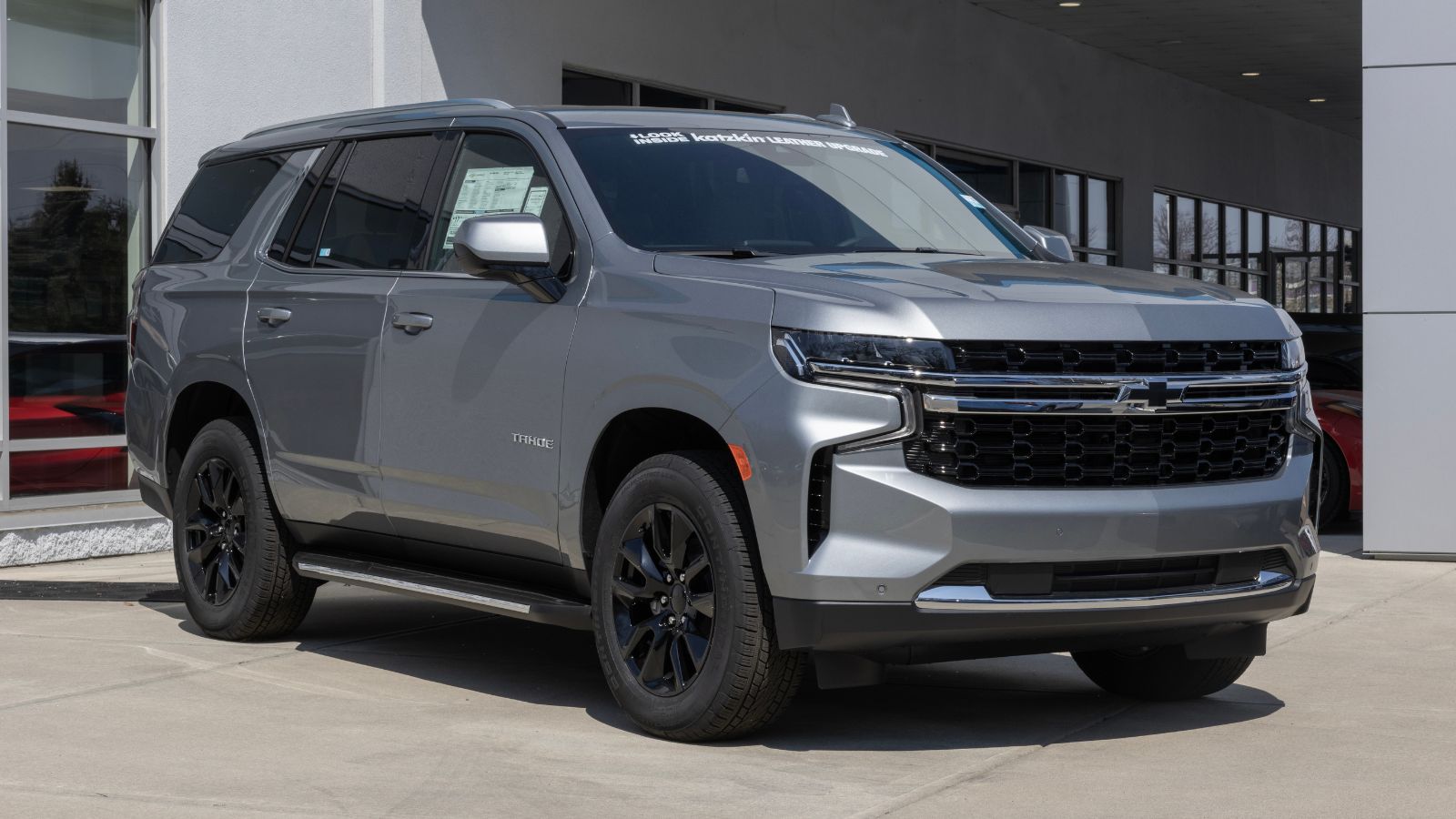
The Chevrolet Tahoe is built for space and power, not efficiency. Its large V8 engine burns fuel quickly in city driving. Canadian winters make things worse right away. Cold starts require more fuel before engines warm up properly. Short trips reduce efficiency further. Drivers often idle longer to heat cabins. Heavyweight also increases fuel demand during acceleration. Snow and slush create extra resistance on roads. Highway numbers look better, but daily city use dominates. Many owners feel the impact at the pump.
GMC Yukon
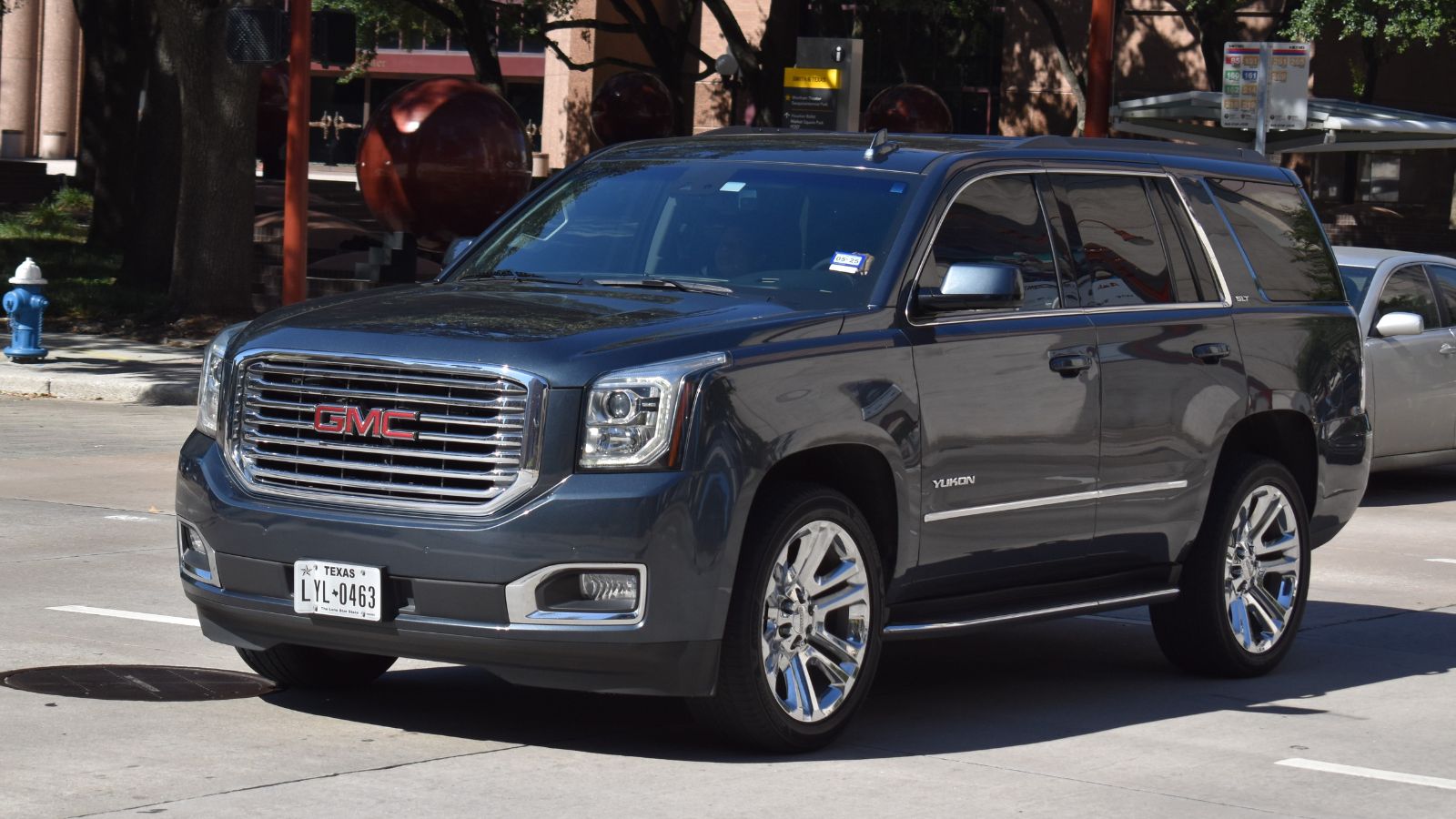
The GMC Yukon shares its DNA with the Tahoe, including fuel habits. Large engines and heavy frames push consumption higher. Cold-weather driving adds another layer of inefficiency. Engines burn more fuel during warm-up periods. Short commutes never allow optimal efficiency. Drivers often idle longer in freezing mornings. Snow-covered roads increase resistance noticeably. Stop-and-go traffic increases fuel use. Real-world numbers often exceed official ratings. Many owners see rising costs sooner than expected.
Ford Expedition
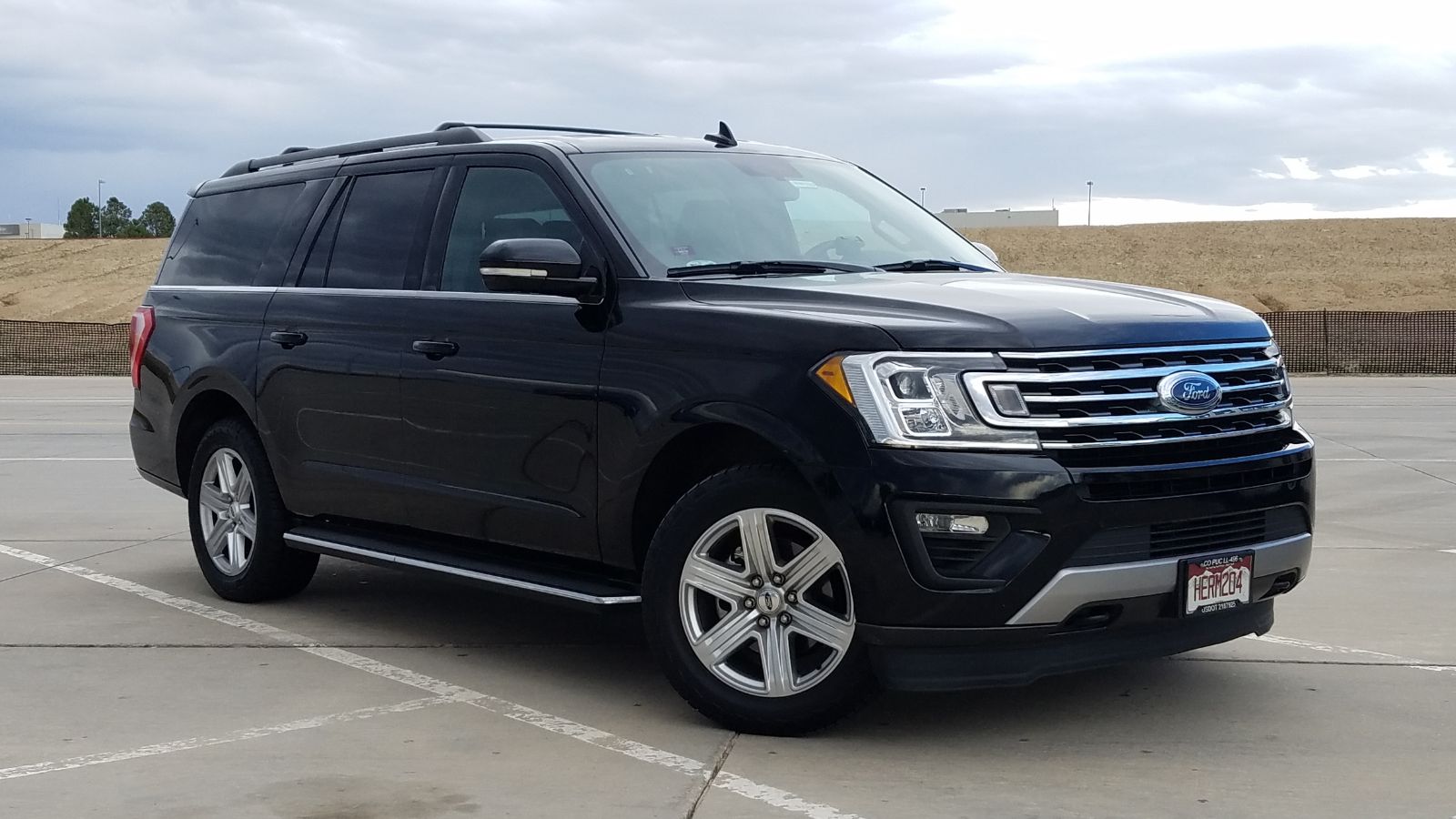
The Ford Expedition uses turbocharged engines, but fuel use still climbs quickly. Its large body needs significant energy to move. Cold Canadian mornings reduce efficiency right away. Short trips keep engines from reaching proper temperature. Drivers often rely on remote start systems in winter. That increases idle time and fuel burn. Snow and ice add resistance on the road. City driving shows the biggest drop in efficiency. Real-world numbers often exceed estimates. Fuel costs build steadily over time.
Nissan Armada
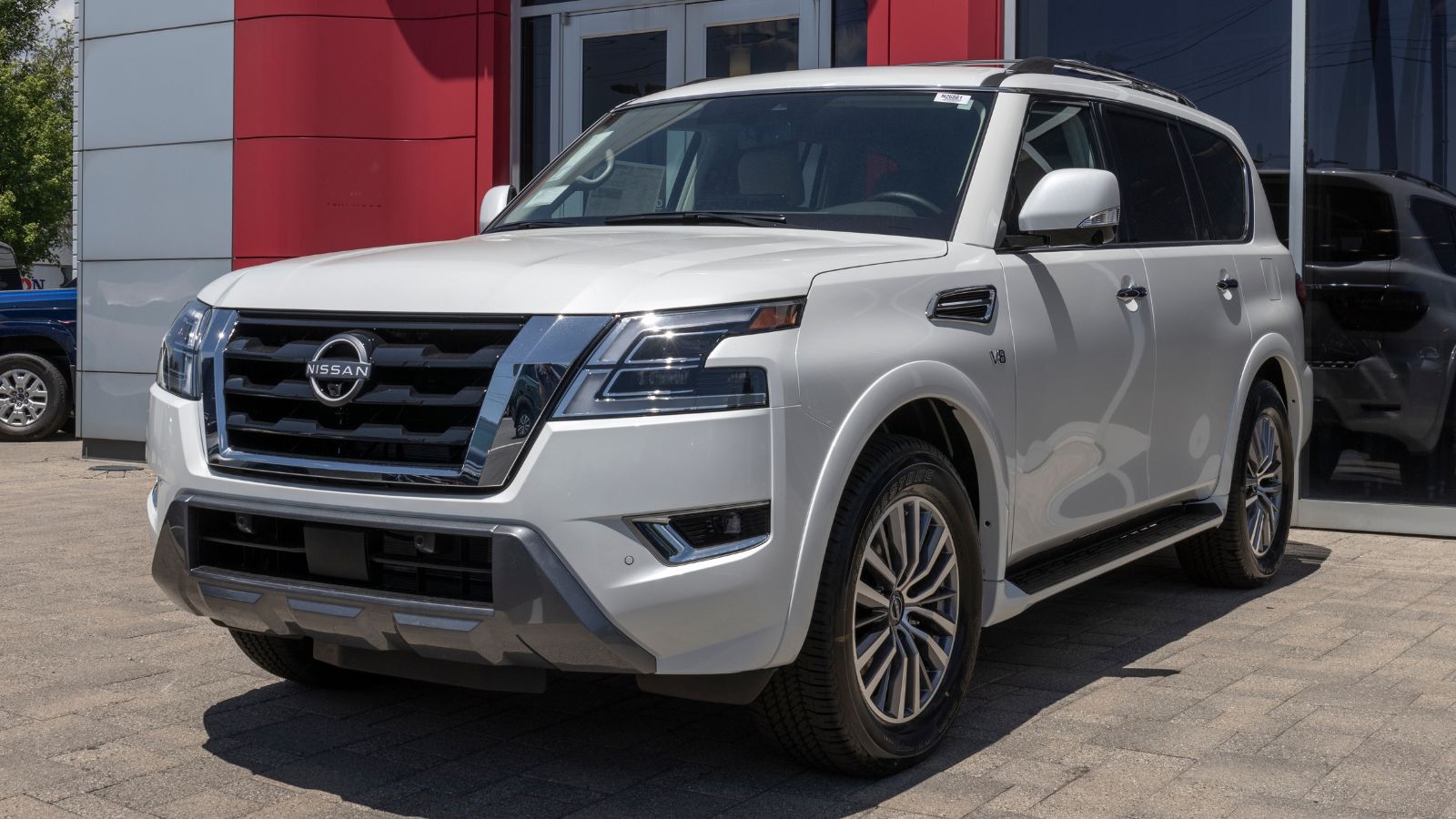
The Nissan Armada delivers strong performance, but fuel use remains high. Its V8 engine consumes heavily in daily driving. Cold weather makes things worse across Canada. Short trips reduce engine efficiency significantly. Drivers often idle longer for warmth. Heavyweight increases fuel demand during acceleration. Snow and winter tires add extra resistance. Real-world fuel numbers often exceed expectations. Highway driving helps slightly, but not enough. Many owners notice rising fuel expenses quickly.
Toyota 4Runner
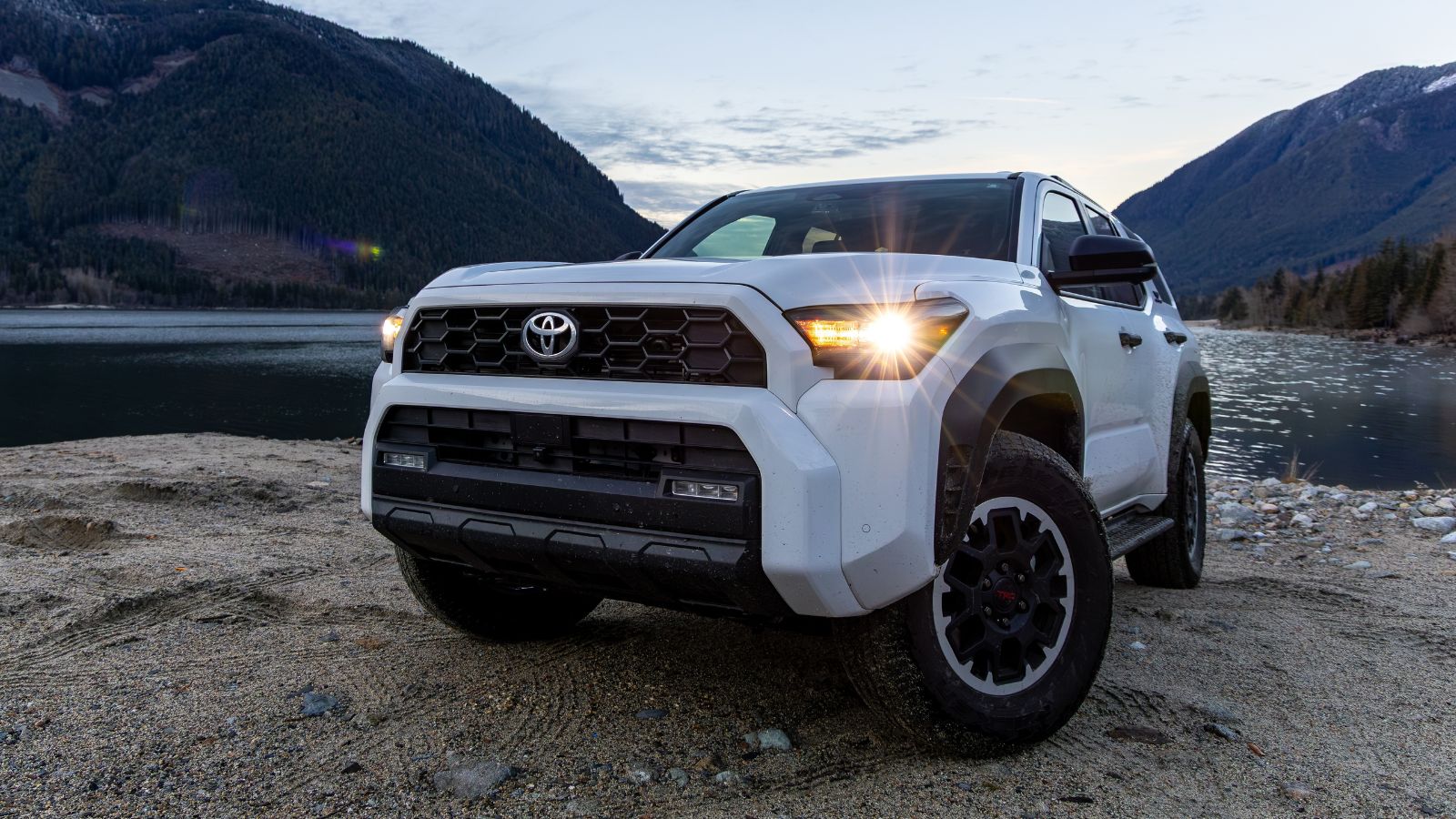
The Toyota 4Runner is rugged and reliable, but not fuel-friendly. Its older engine design lacks modern efficiency improvements. City driving pushes consumption higher than expected. Cold temperatures reduce efficiency further. Short trips prevent proper engine warm-up. Drivers often idle longer during winter mornings. Larger tires increase rolling resistance. Heavy construction adds to fuel demand. Real-world numbers often disappoint. Owners accept the tradeoff for durability, but fuel costs remain noticeable.
Subaru Outback Wilderness
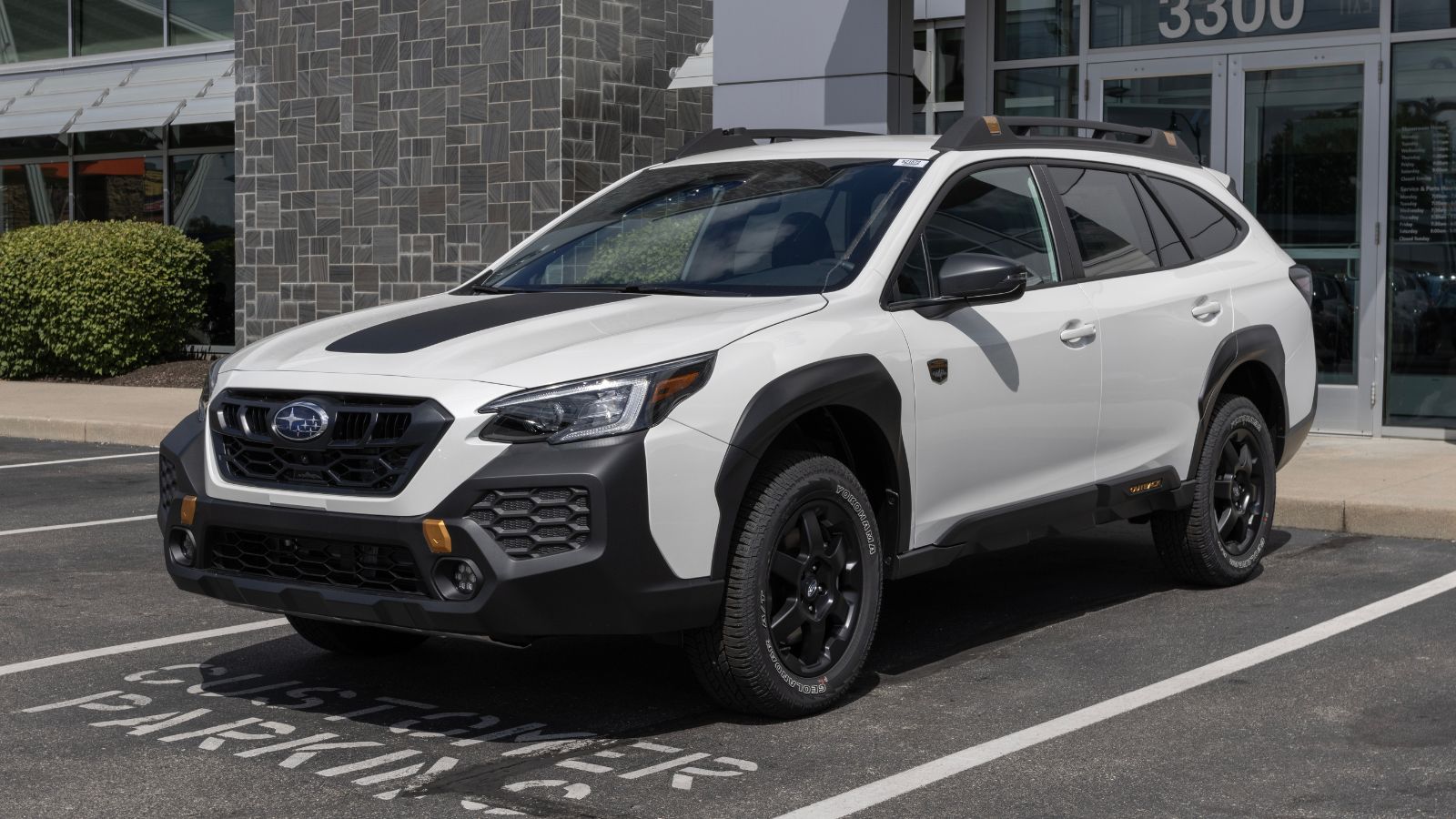
The Subaru Outback Wilderness looks ready for adventure, but fuel use climbs quickly. Lifted suspension increases drag at higher speeds. All Wheel Drive adds a constant load on the engine. Cold-weather driving reduces efficiency further. Short trips limit engine performance. Drivers often idle longer in winter conditions. Winter tires also increase rolling resistance. Real-world numbers often exceed standard Outback versions. Capability improves, but fuel savings drop. Many owners notice the difference quickly.
Ford Bronco
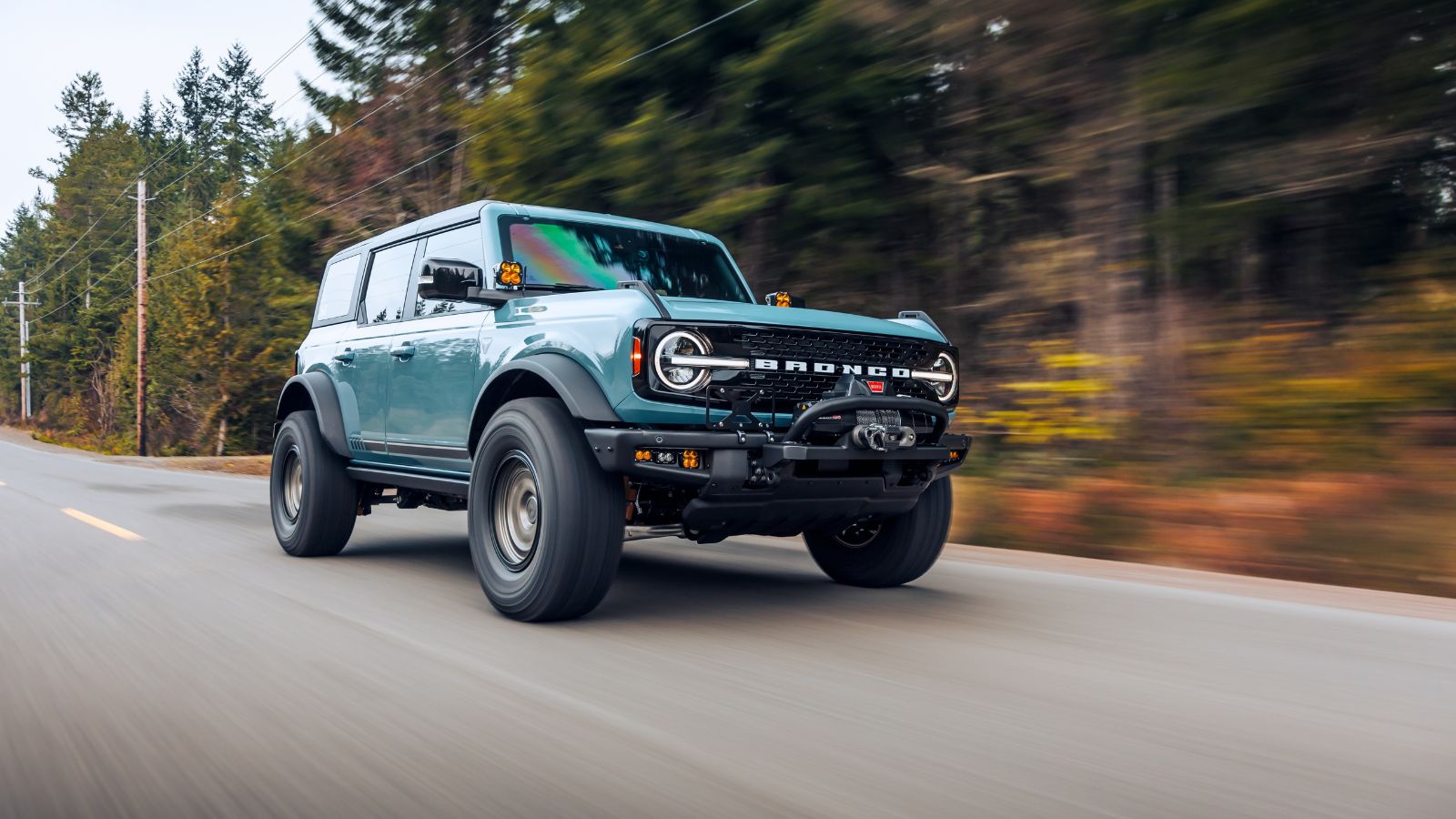
The Ford Bronco focuses on off-road fun, not fuel economy. Its boxy shape increases wind resistance on highways. Larger tires reduce efficiency even more. Cold-weather driving amplifies fuel consumption quickly. Short trips keep engines inefficient. Drivers often idle longer during winter mornings. Heavy construction increases energy demand. Snow-covered roads add resistance. Real-world numbers often disappoint owners. Capability remains strong, but fuel costs continue to rise.
Land Rover Defender
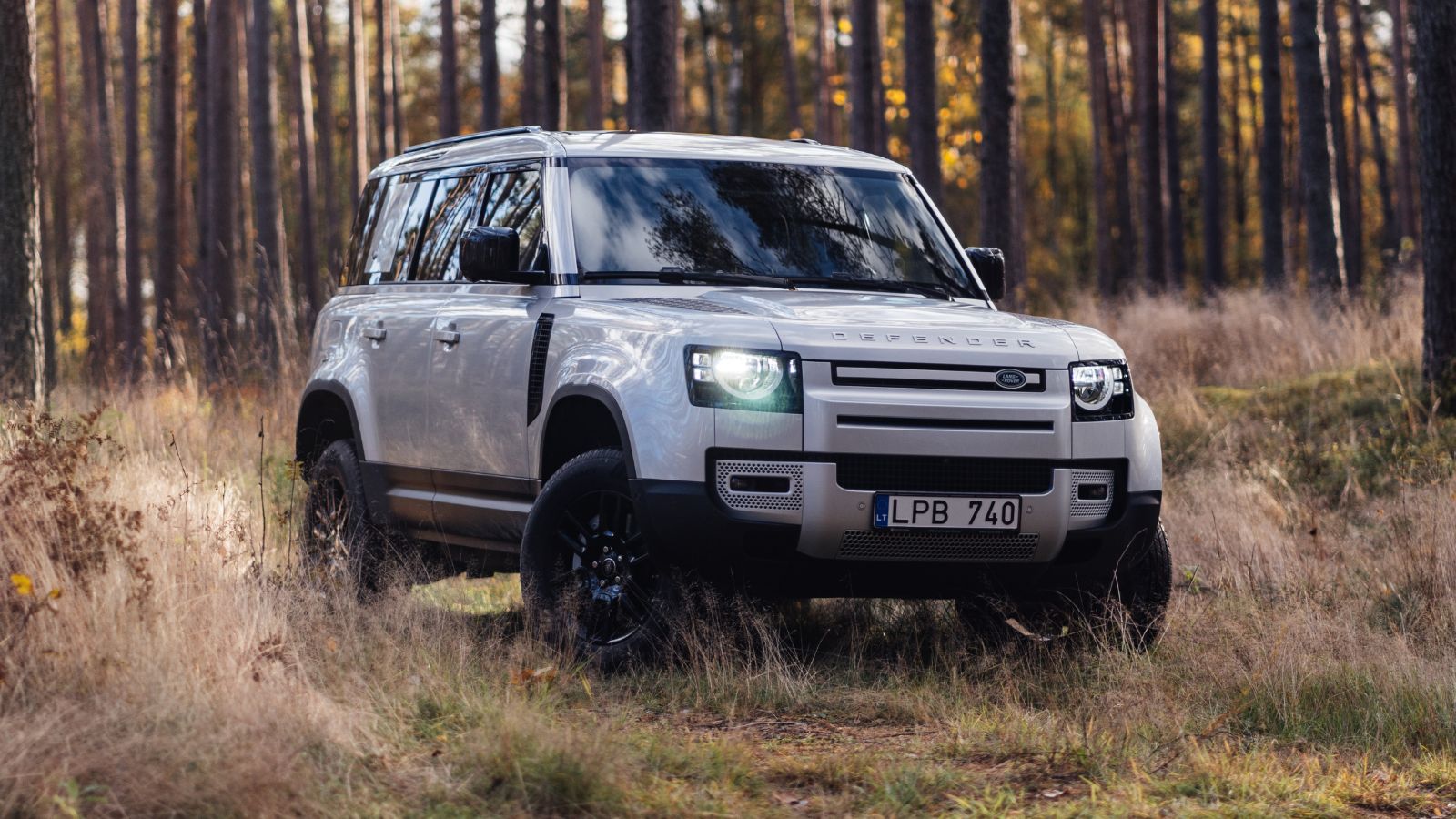
The Land Rover Defender combines luxury with serious capability, but fuel use climbs fast. Powerful engines consume heavily in urban driving. Cold weather increases consumption further. Short trips reduce efficiency significantly. Drivers often idle longer for cabin comfort. Heavy build adds to fuel demand. Snow and slush increase rolling resistance. Real-world numbers often exceed official ratings. Many owners notice higher fuel costs quickly. Performance comes with a steady fuel tradeoff.
BMW X5 M

The BMW X5 M prioritizes speed over efficiency. Its high-output engine burns fuel rapidly in city driving. Cold weather reduces efficiency further. Short trips prevent optimal engine performance. Drivers often idle longer during the winter months. Heavyweight adds to fuel demand. Aggressive driving increases consumption even more. Real-world numbers often exceed expectations. Many owners accept this tradeoff. Fuel costs remain consistently high over time.
Mercedes-Benz G-Class

The Mercedes-Benz G-Class stands out in style, but struggles with efficiency. Its boxy design creates strong wind resistance. Large engines consume heavily in city conditions. Cold-weather driving worsens the situation further. Short trips reduce engine efficiency quickly. Drivers often idle longer for warmth. Heavy construction increases fuel demand. Real-world numbers often exceed ratings. Many buyers expect high fuel costs. Ownership includes frequent visits to the pump.
Lexus LX
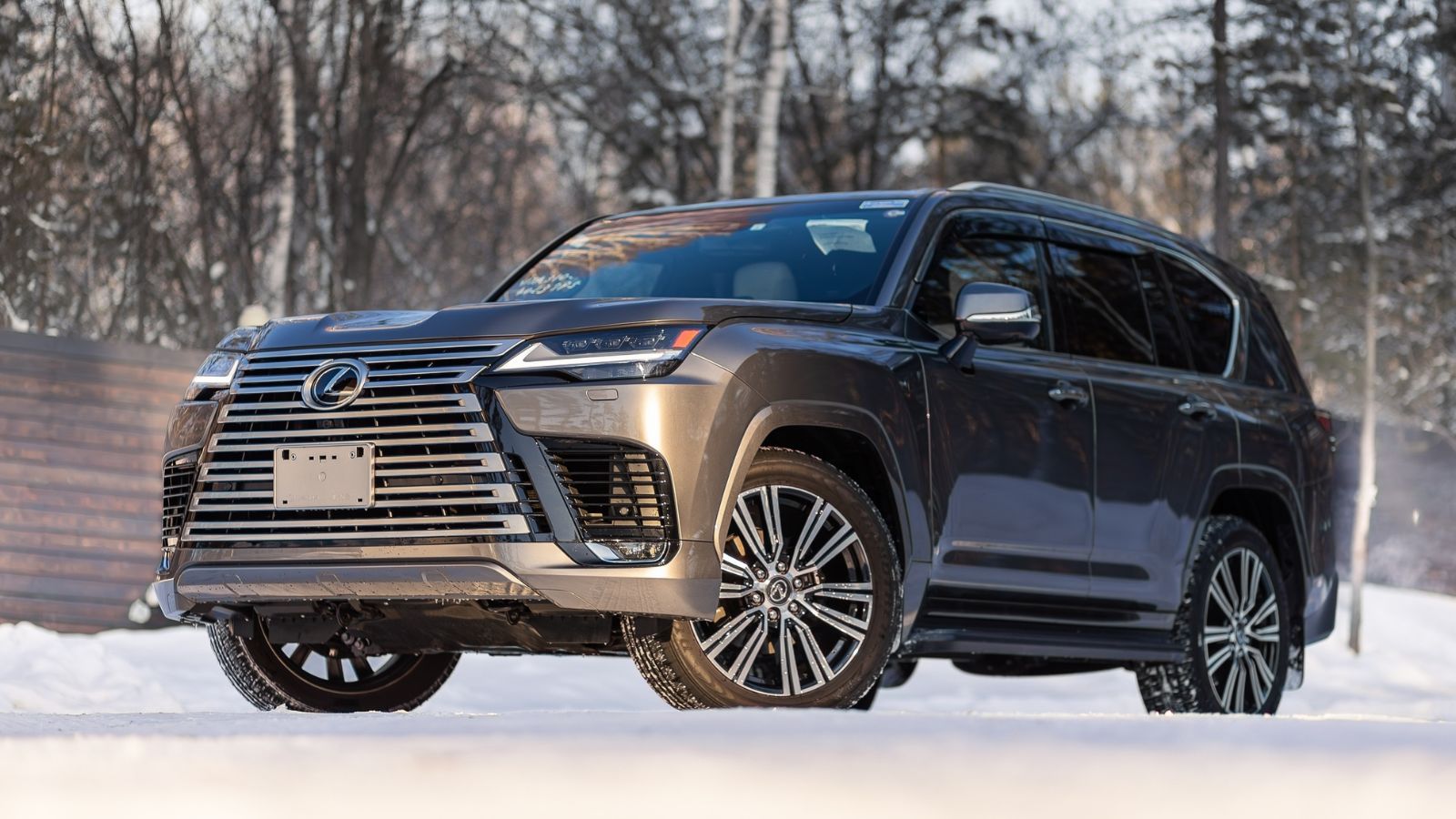
The Lexus LX focuses on comfort and durability, but fuel savings are not part of the deal. Its large engine consumes heavily in city driving conditions. Cold Canadian winters increase fuel use right away. Short trips reduce efficiency because engines stay cold. Drivers often idle longer to properly warm the cabin. Heavyweight adds to fuel demand during acceleration. Snow and slush increase rolling resistance. Real-world numbers often exceed official ratings. Many owners accept this tradeoff, but fuel costs stay consistently high.
Infiniti QX80
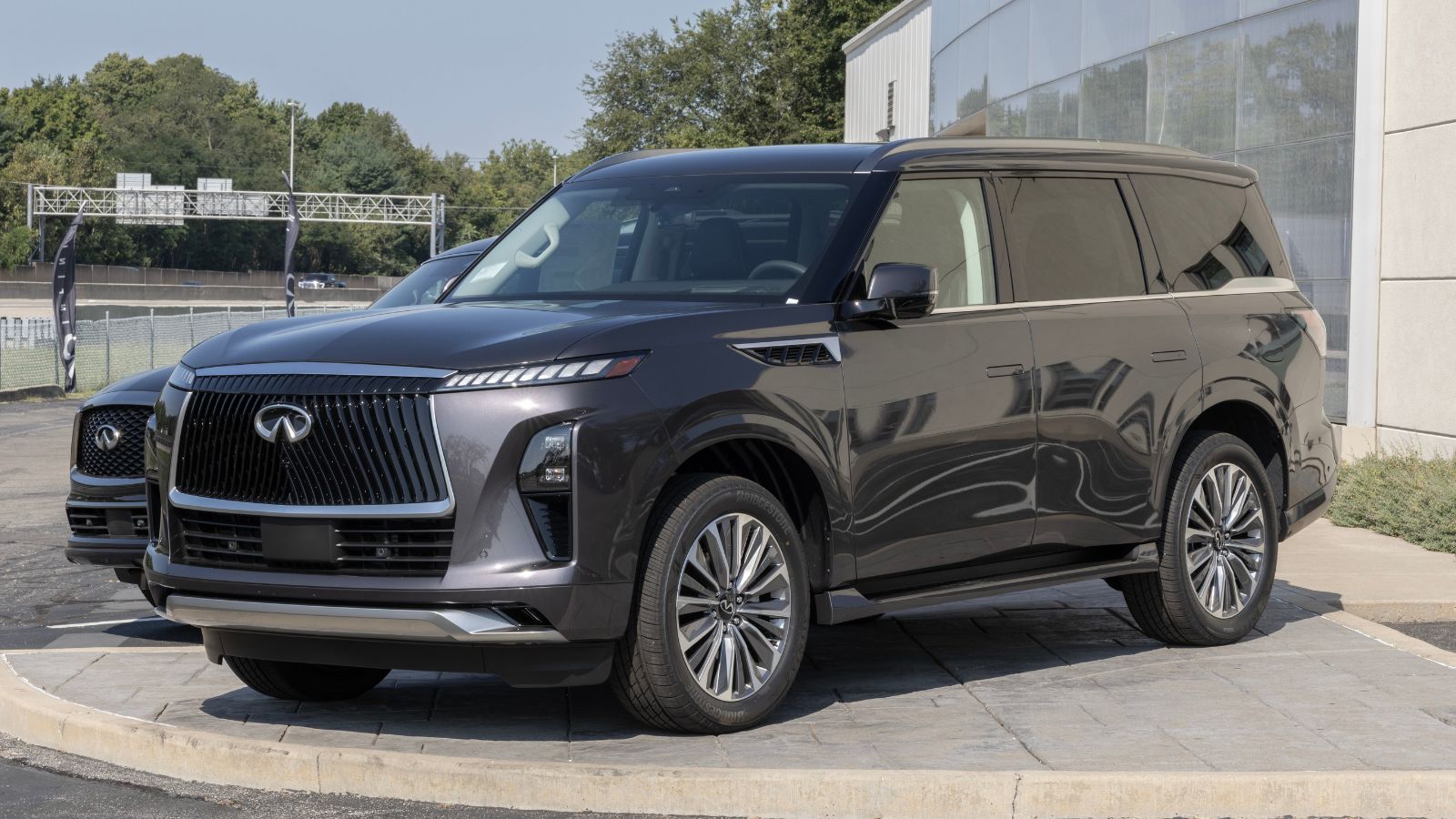
The Infiniti QX80 uses a large V8 engine that burns fuel quickly in everyday driving. City traffic pushes consumption higher than expected. Cold weather reduces efficiency further across Canadian winters. Short trips prevent engines from reaching proper temperature. Drivers often idle longer during freezing mornings. Heavy construction increases fuel demand under acceleration. Snow and winter tires add resistance on roads. Real-world numbers often exceed ratings. Many owners notice rising fuel costs quickly. Comfort and space come with a steady fuel penalty.
Chevrolet Camaro SS

The Chevrolet Camaro SS delivers strong performance, but fuel use rises quickly in daily conditions. Its V8 engine consumes heavily during city driving. Cold weather reduces efficiency even more. Short trips prevent the engine from reaching optimal temperature. Drivers often idle longer during winter mornings. Aggressive acceleration increases fuel demand significantly. Snow and cold pavement reduce traction and efficiency. Real-world numbers often exceed expectations. Many owners accept this tradeoff. Fuel costs remain noticeable over time, especially during colder months in Canada.
Dodge Challenger R/T
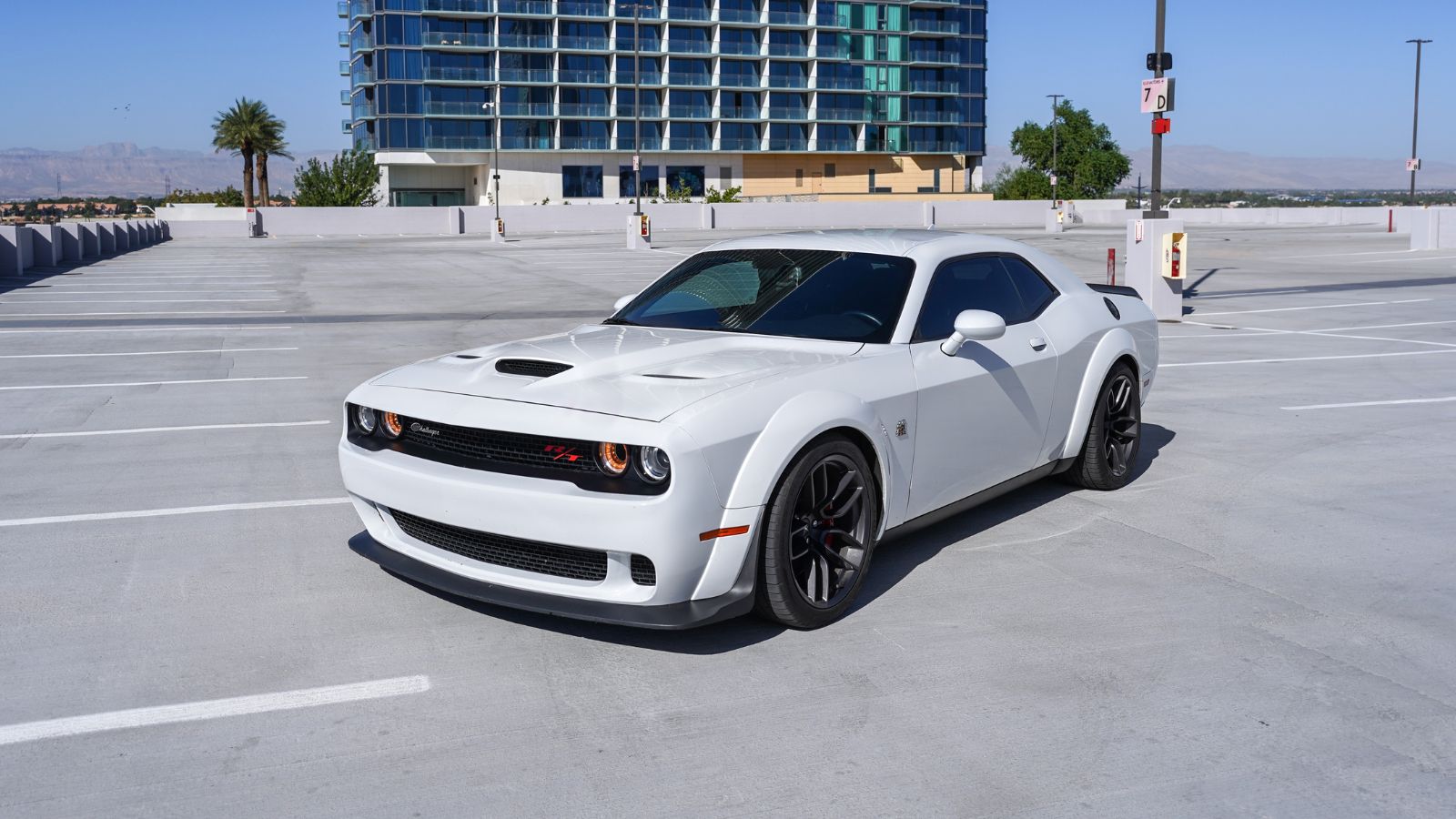
The Dodge Challenger R/T delivers classic muscle-car power at the expense of fuel economy. Its V8 engine burns fuel quickly in daily driving conditions. City traffic pushes consumption higher than expected. Cold weather worsens efficiency further. Short trips prevent proper engine warm-up. Drivers often idle longer during winter mornings. Heavyweight increases fuel demand during acceleration. Snow and slush add resistance on roads. Real-world numbers often exceed ratings. Many owners expect higher fuel costs, but the impact still adds up quickly.
Ford Mustang GT
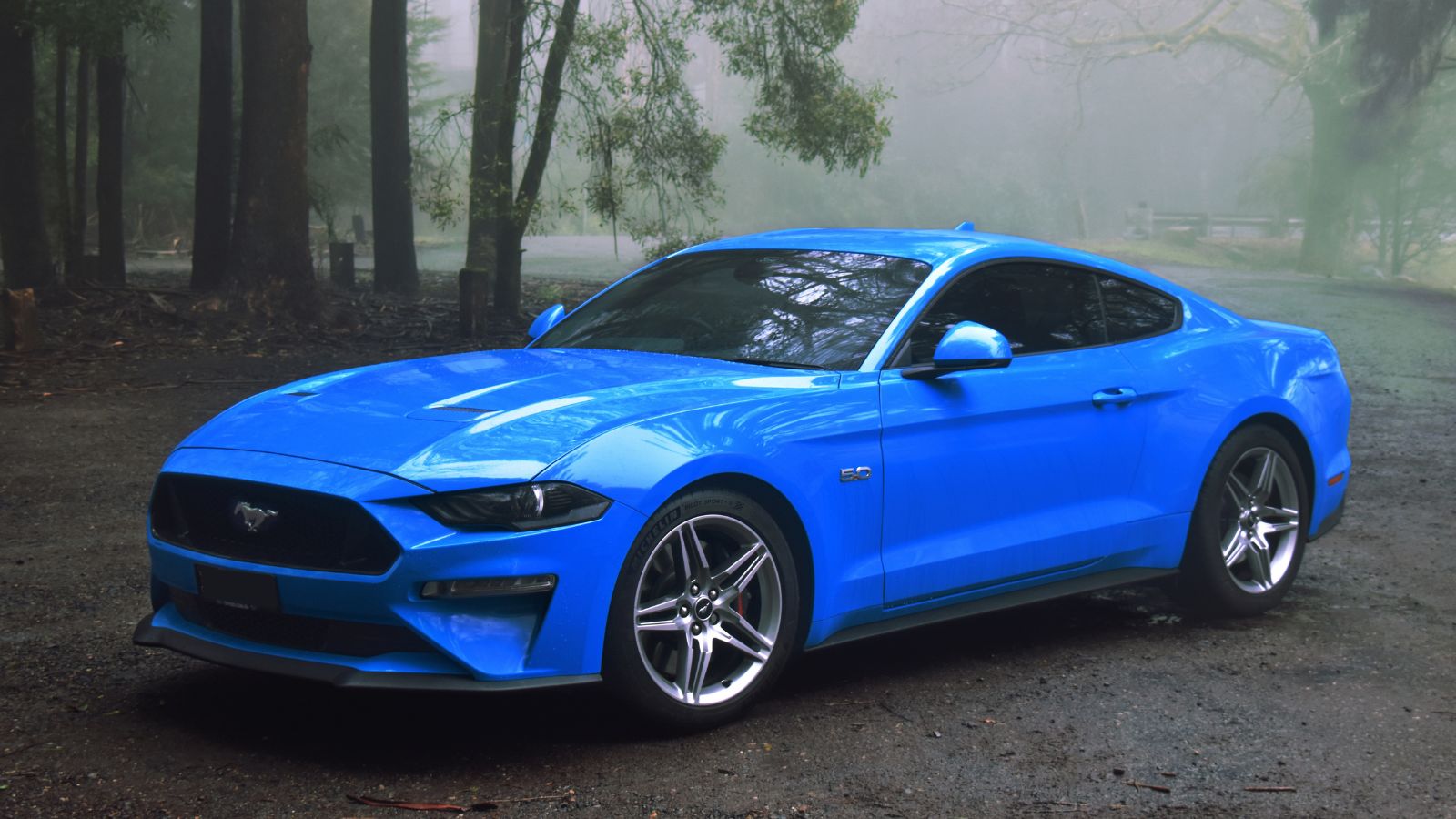
The Ford Mustang GT combines speed with noticeable fuel consumption in daily driving. Its V8 engine burns fuel quickly in city conditions. Cold weather reduces efficiency further across Canadian winters. Short trips prevent proper engine warm-up. Drivers often idle longer during freezing mornings. Performance driving increases fuel demand even more. Snow and winter tires add resistance on roads. Real-world numbers often exceed expectations. Many owners accept this trade-off, but fuel costs continue to rise steadily.
Audi Q7
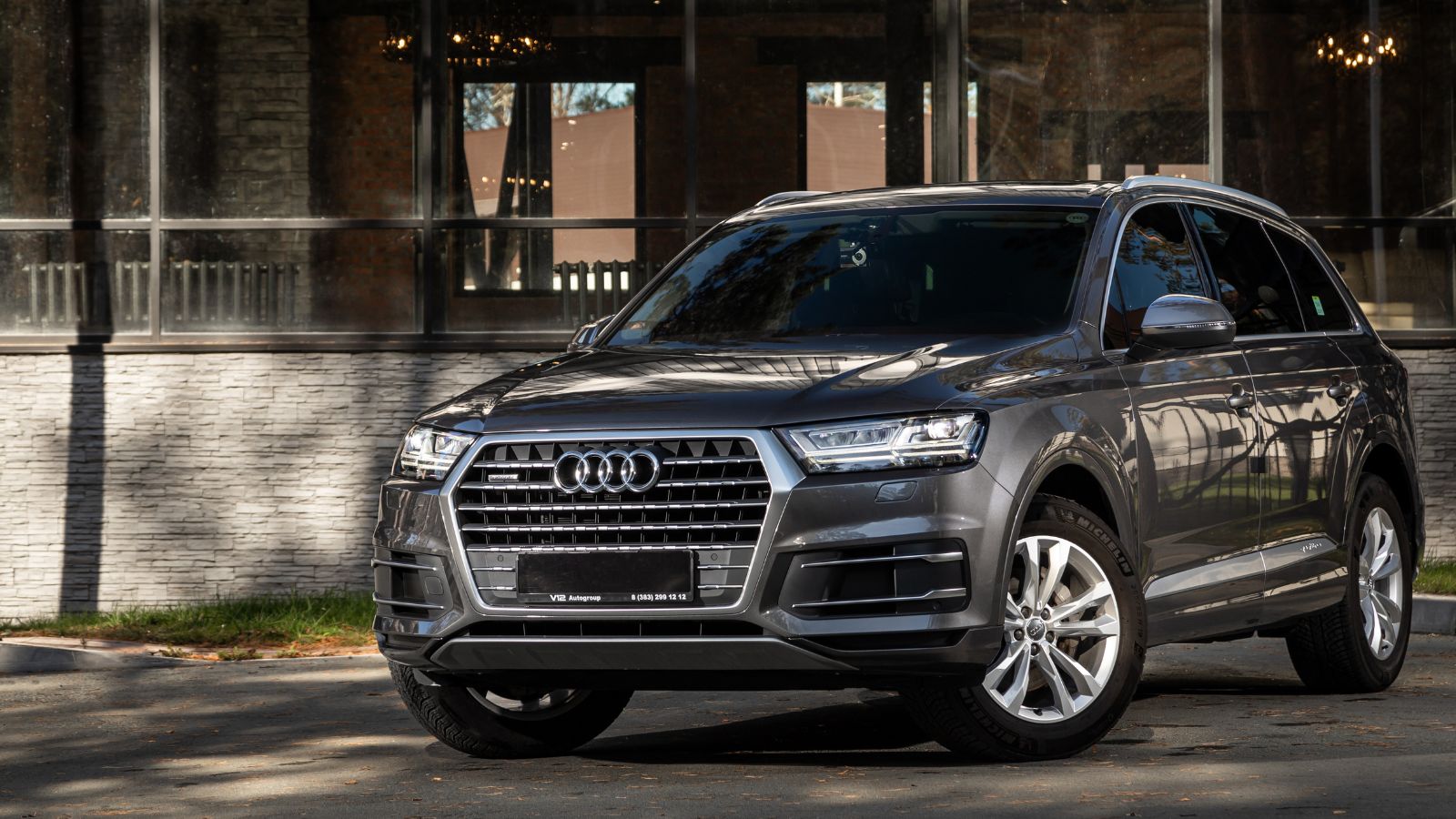
The Audi Q7 offers luxury and smooth driving, but fuel efficiency can disappoint owners. Turbocharged engines still consume heavily in city use. Cold weather increases fuel demand further in the winter months. Short trips reduce engine efficiency significantly. Drivers often idle longer for cabin warmth. A heavy build adds to overall fuel consumption. Snow-covered roads increase resistance during driving. Real-world numbers often exceed official ratings. Many owners quickly notice rising fuel costs. Comfort comes with ongoing fuel expenses throughout the year.
Volvo XC90
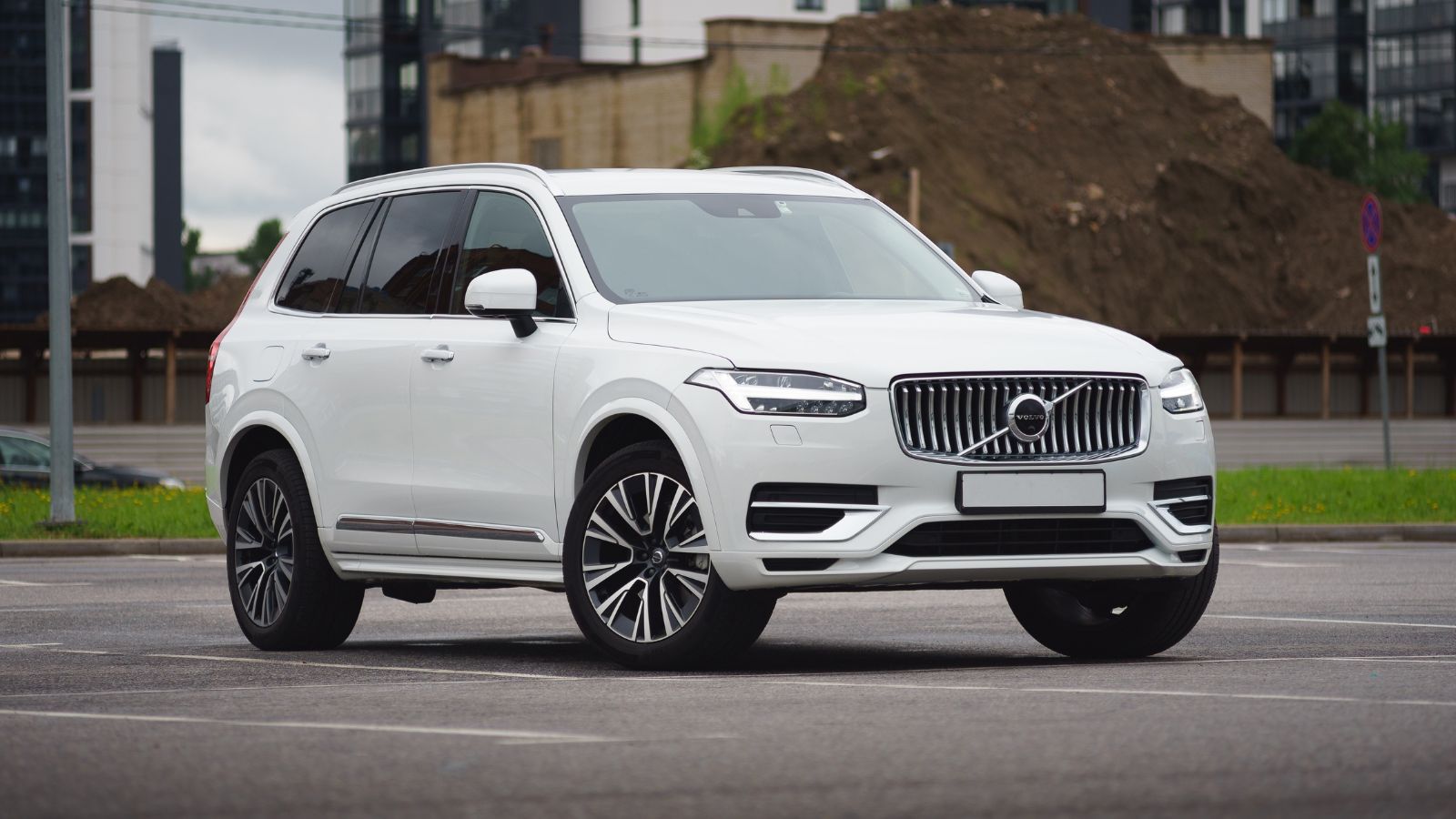
The Volvo XC90 uses advanced engines, yet fuel use can climb quickly in daily driving. Hybrid systems help, but not always in winter conditions. Cold weather reduces battery efficiency significantly. Short trips limit hybrid benefits and increase reliance on the engine. Drivers often idle longer during freezing mornings. Heavyweight increases fuel demand during acceleration. Snow and slush add resistance on roads. Real-world numbers often exceed expectations. Many owners notice higher consumption, especially during the winter months across Canada.
Kia Telluride

The Kia Telluride offers strong value and space, but fuel use can surprise drivers. Its V6 engine consumes more in city conditions than expected. Cold weather increases fuel demand further during the winter months. Short trips reduce engine efficiency significantly. Drivers often idle longer during freezing mornings. Heavy weight increases fuel consumption during acceleration. Snow and slush increase resistance on roads. Real-world numbers often exceed ratings. Many owners notice rising fuel costs over time with regular use.
22 Things Canadians Do to Their Cars in Spring That Mechanics Hate

Spring brings relief to many Canadian drivers after months of snow, freezing temperatures, and icy roads that put serious strain on vehicles. As temperatures rise across the country, drivers begin washing cars, switching tires, and preparing vehicles for warmer weather and upcoming road trips. However, mechanics across Canada notice the same mistakes every spring when drivers attempt to recover from winter damage. Road salt, potholes, and harsh winter driving conditions often leave vehicles with hidden problems that drivers ignore. Some spring habits even create new mechanical issues that could have been avoided with proper maintenance. Here are 22 things Canadians do to their cars in spring that mechanics hate.