























Modern vehicles are safer, quieter, quicker, and more refined than ever, but that progress has come with a bill. In Canada, rising parts prices, more electronics, and increasingly complex repairs are turning ordinary ownership into something more fragile. A single failed turbo, cracked windshield, damaged air spring, or aging hybrid battery can change the math of a vehicle almost overnight.
That is especially true when a vehicle’s reputation suggests the opposite. Some are popular trucks that look built for cheap fixes. Others are sensible hybrids that seem like the responsible choice. A few are luxury SUVs where expensive parts are expected, but still arrive with sticker shock. These 18 models stand out because one major component can make ownership feel a lot heavier than the monthly payment ever suggested.
Ford F-150
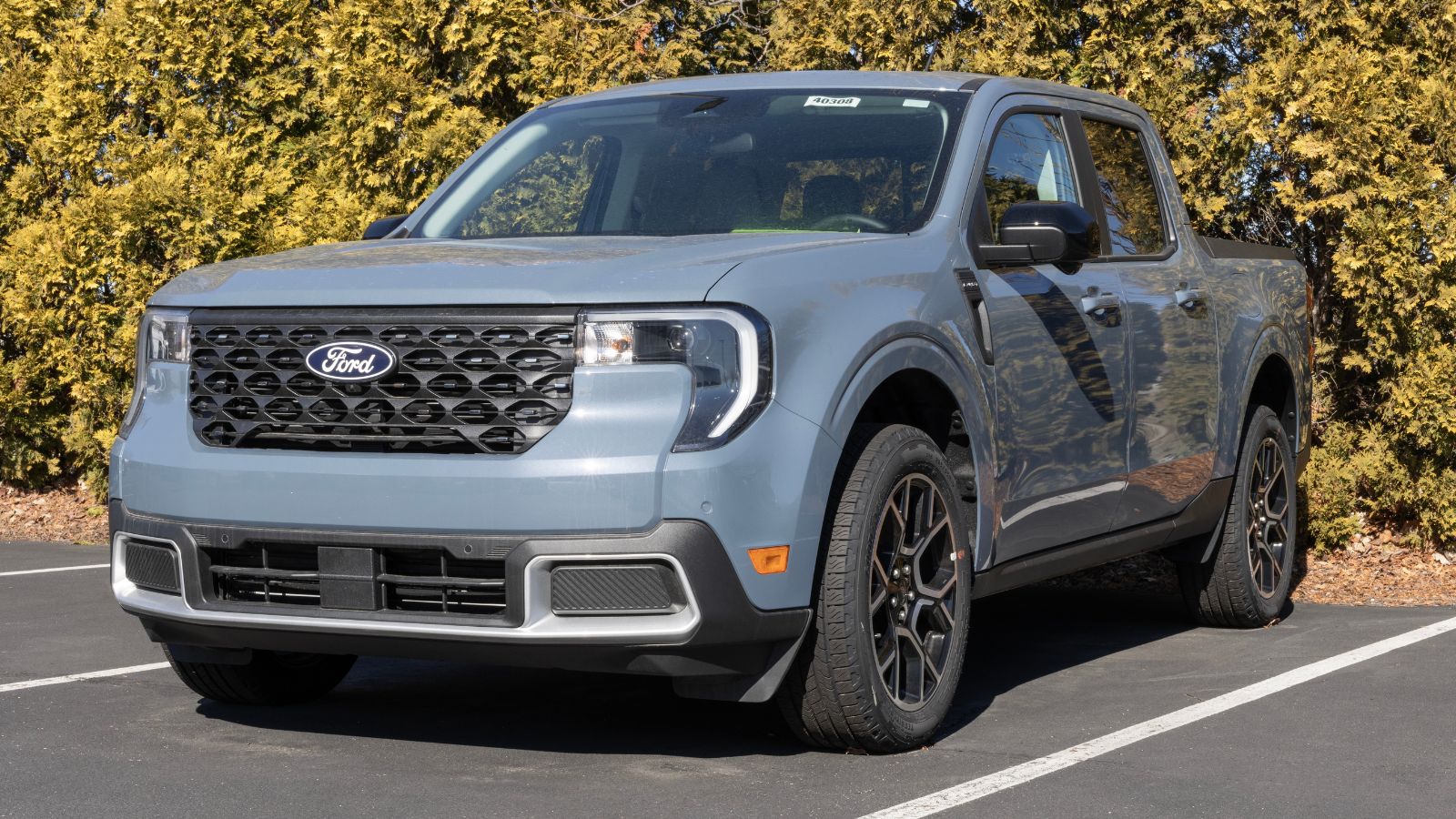
The Ford F-150 is one of those vehicles that still carries a “regular truck” image in the minds of many owners. That is exactly why its repair math can catch people off guard. On newer EcoBoost-equipped versions, a turbocharger issue is no longer a small annoyance or a routine shop visit. It becomes the kind of repair that makes an otherwise useful truck suddenly feel premium in all the wrong ways. For a vehicle that often lives a hard life towing trailers, commuting long distances, and surviving rough winters, that matters.
Chevrolet Silverado 1500
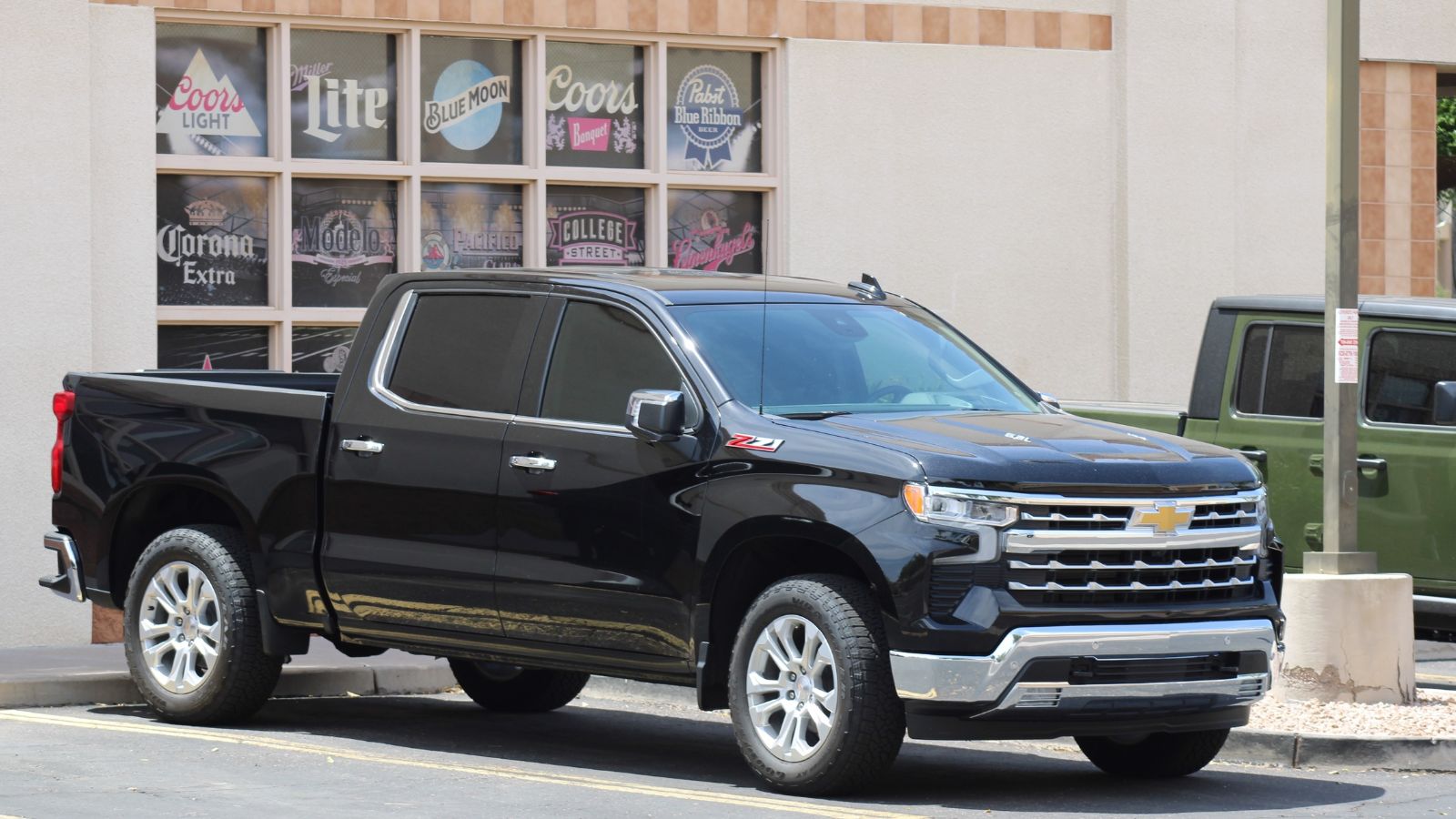
The Chevrolet Silverado 1500 has long traded on durability, familiarity, and a work-ready reputation. The problem is that modern Silverado ownership does not always feel as simple as old Silverado ownership. Once turbocharged hardware and more integrated systems enter the picture, the truck starts behaving like a far more expensive vehicle when something significant fails. That becomes frustrating because the Silverado still looks like a machine that should be easy to keep on the road without financial drama.
GMC Sierra 1500
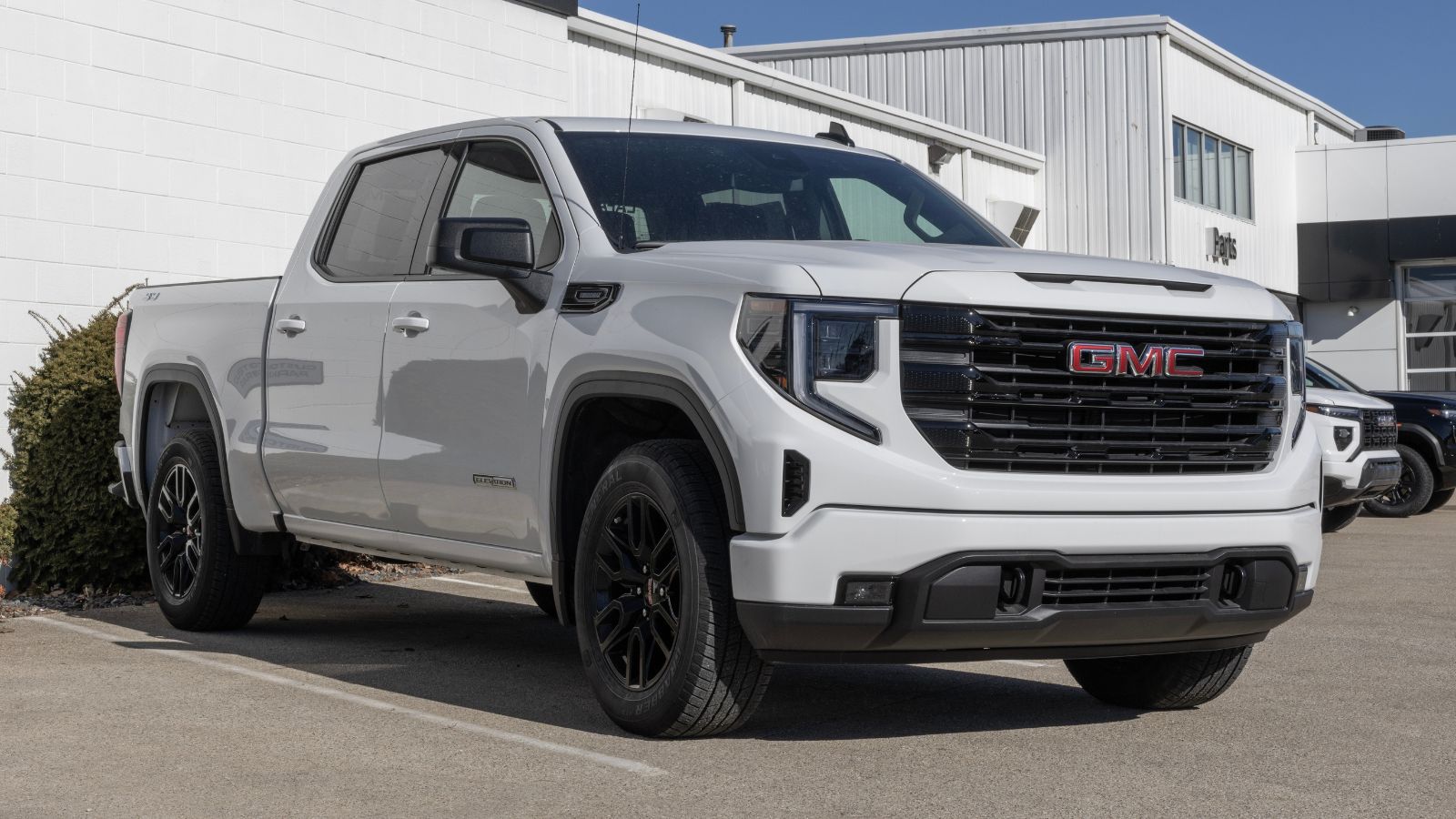
The GMC Sierra 1500 often sits just a notch above the Silverado in price, trim, and presentation, which means owners are already paying for a more upscale truck experience. What catches some people is that the parts pricing often keeps that premium theme alive long after the purchase is done. A repair that would already be annoying on a regular half-ton can feel especially hard to swallow when the truck is marketed as refined, confident, and polished enough to replace an SUV for daily life.
Cadillac Escalade
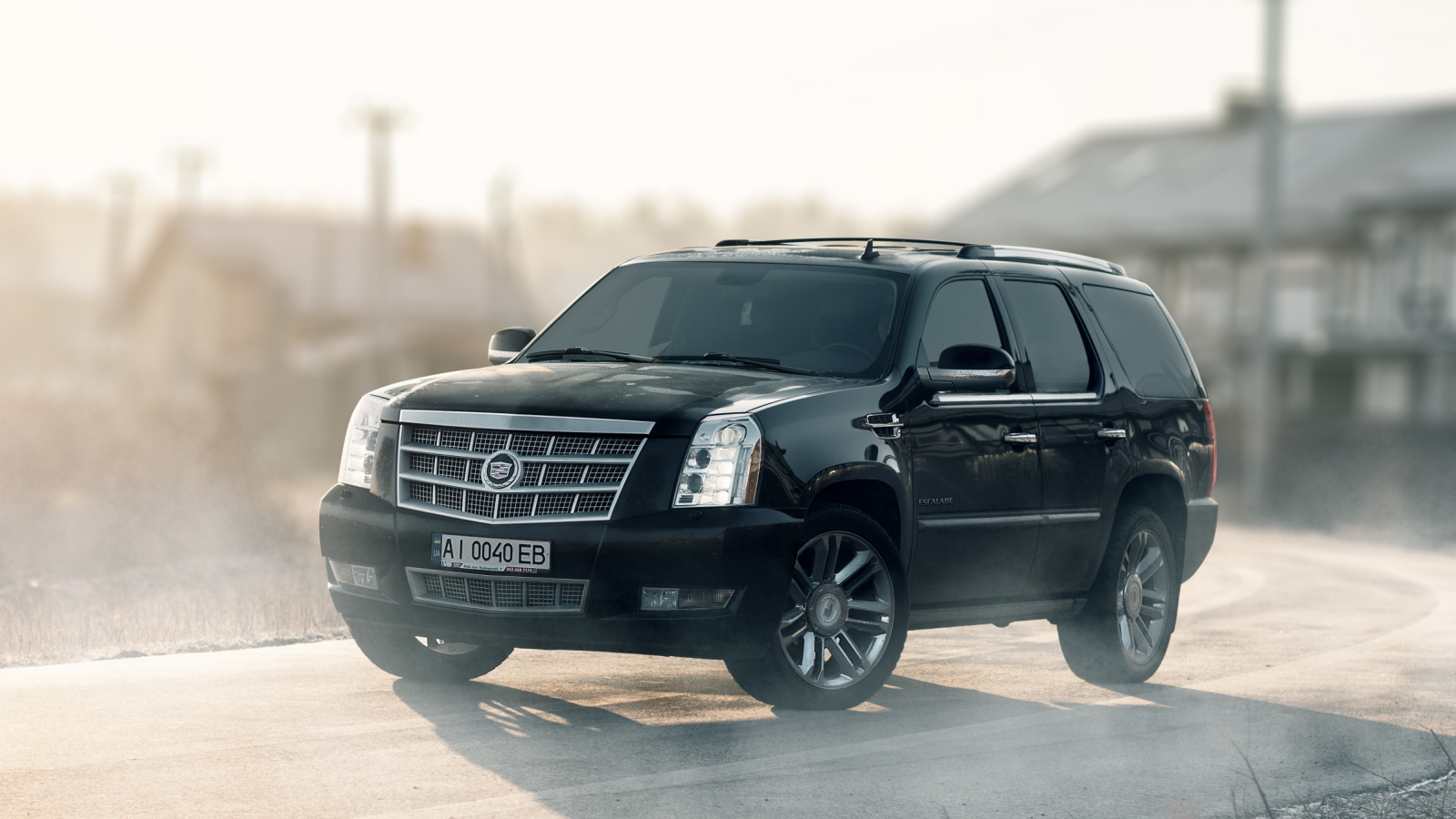
The Cadillac Escalade has never pretended to be inexpensive, but what makes it tricky is how quickly routine luxury becomes expensive hardware. Its size, weight, and ride-control sophistication are part of the appeal. It glides, isolates, and carries itself like a rolling VIP lounge. The trouble comes when that comfort needs fresh parts. The same hardware that makes an Escalade feel special can make a repair invoice feel almost theatrical, especially once the vehicle is a few years removed from warranty protection.
Toyota Prius
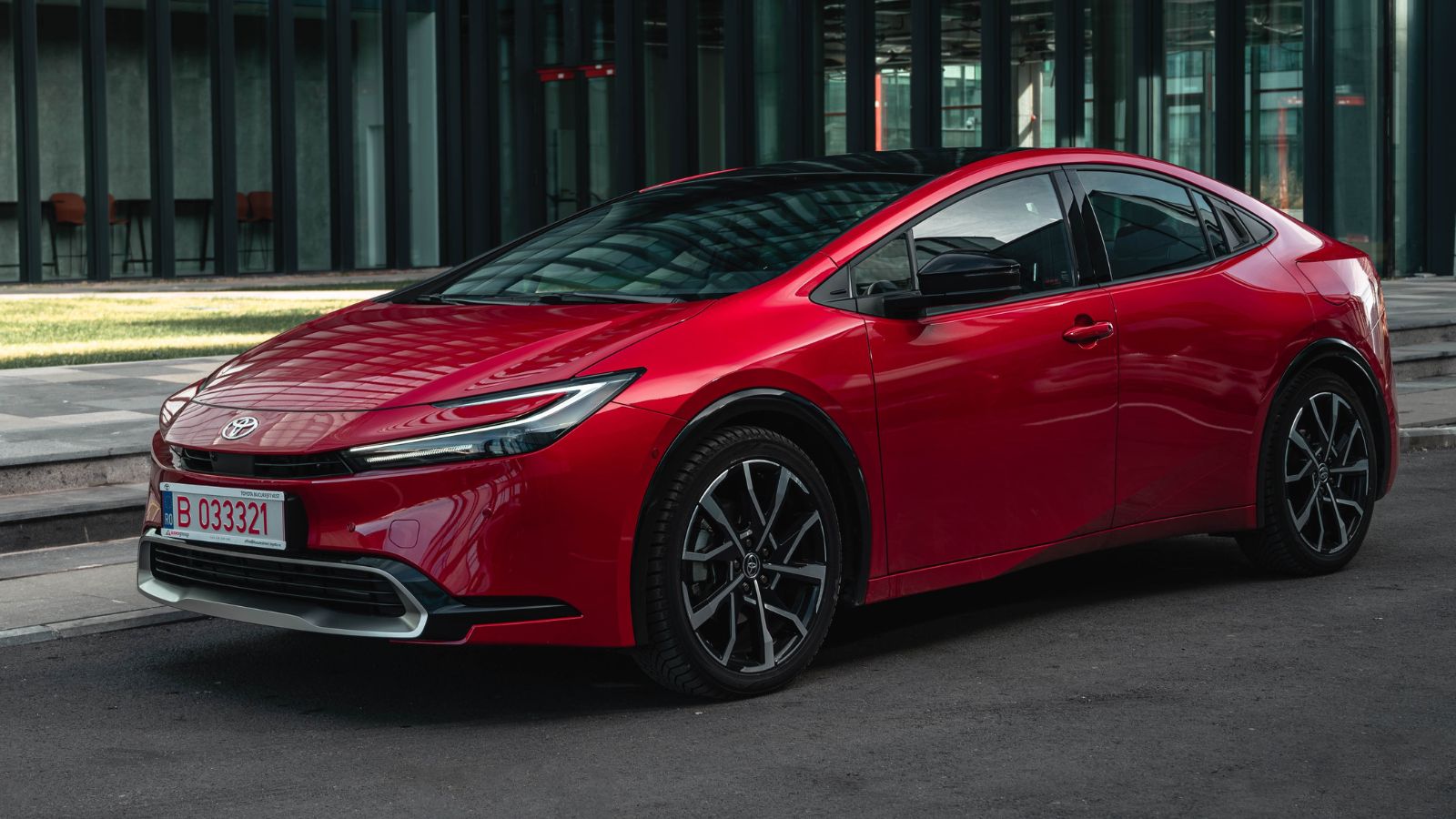
The Prius has spent years building a reputation as the anti-drama car. It is efficient, sensible, and usually bought by owners who think in long horizons. That is why its expensive parts can feel so jarring. The biggest example is the catalytic converter. On a vehicle associated with thrift, one emissions component can cost enough to erase a lot of fuel savings in a hurry. That creates a strange ownership paradox: the car is economical, but one major part can still hit like a premium-car repair.
Toyota RAV4 Prime
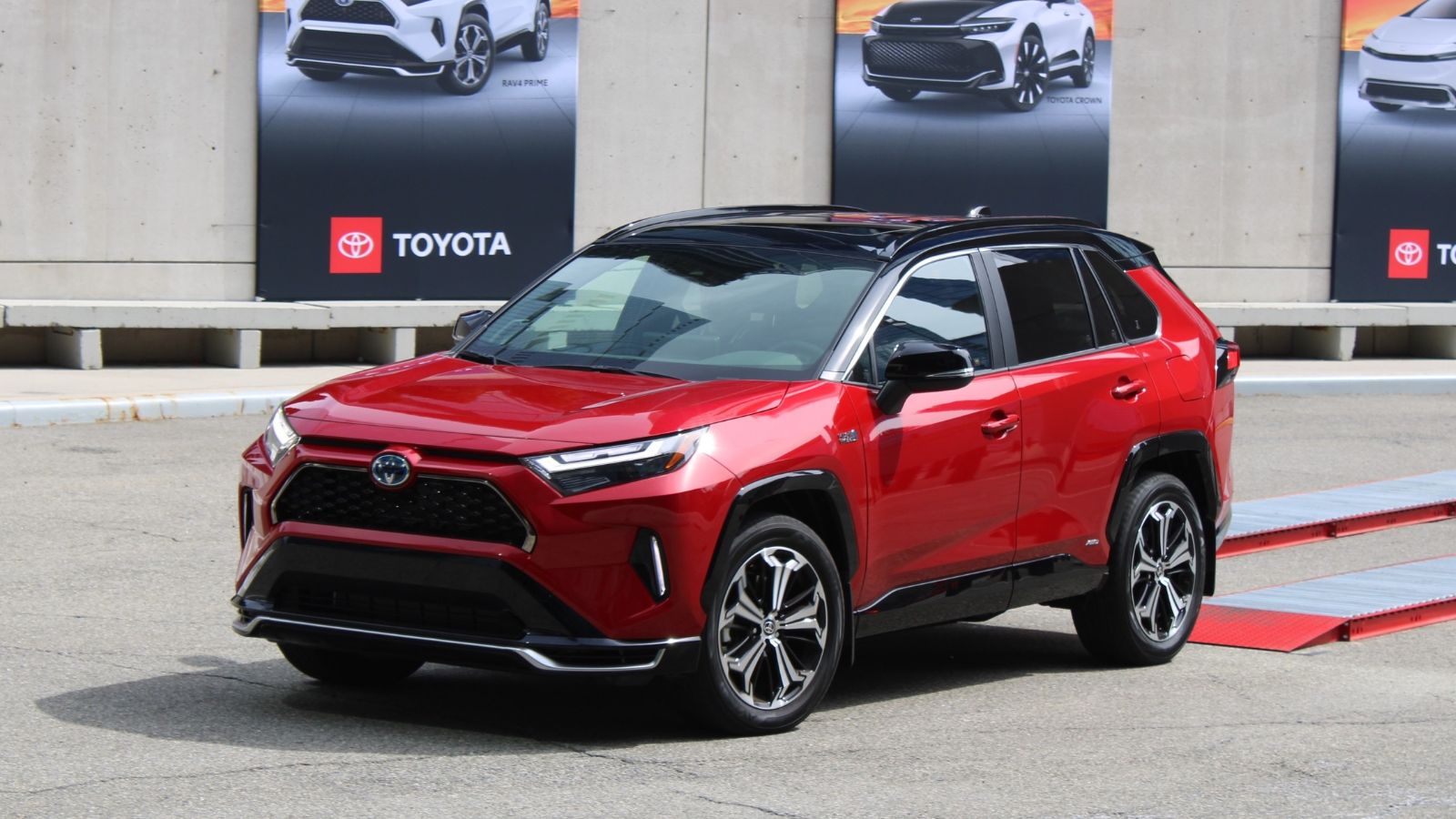
The Toyota RAV4 Prime looks like the perfect modern Canadian formula: crossover practicality, Toyota credibility, electric-first commuting potential, and enough flexibility to make fuel stops feel optional for some owners. The problem is not the everyday running cost. The problem is the scale of the rare but frightening repair. When a high-voltage battery becomes part of the conversation, the numbers leap from “annoying repair” to “major financial event” with almost no middle ground.
Honda Accord Hybrid
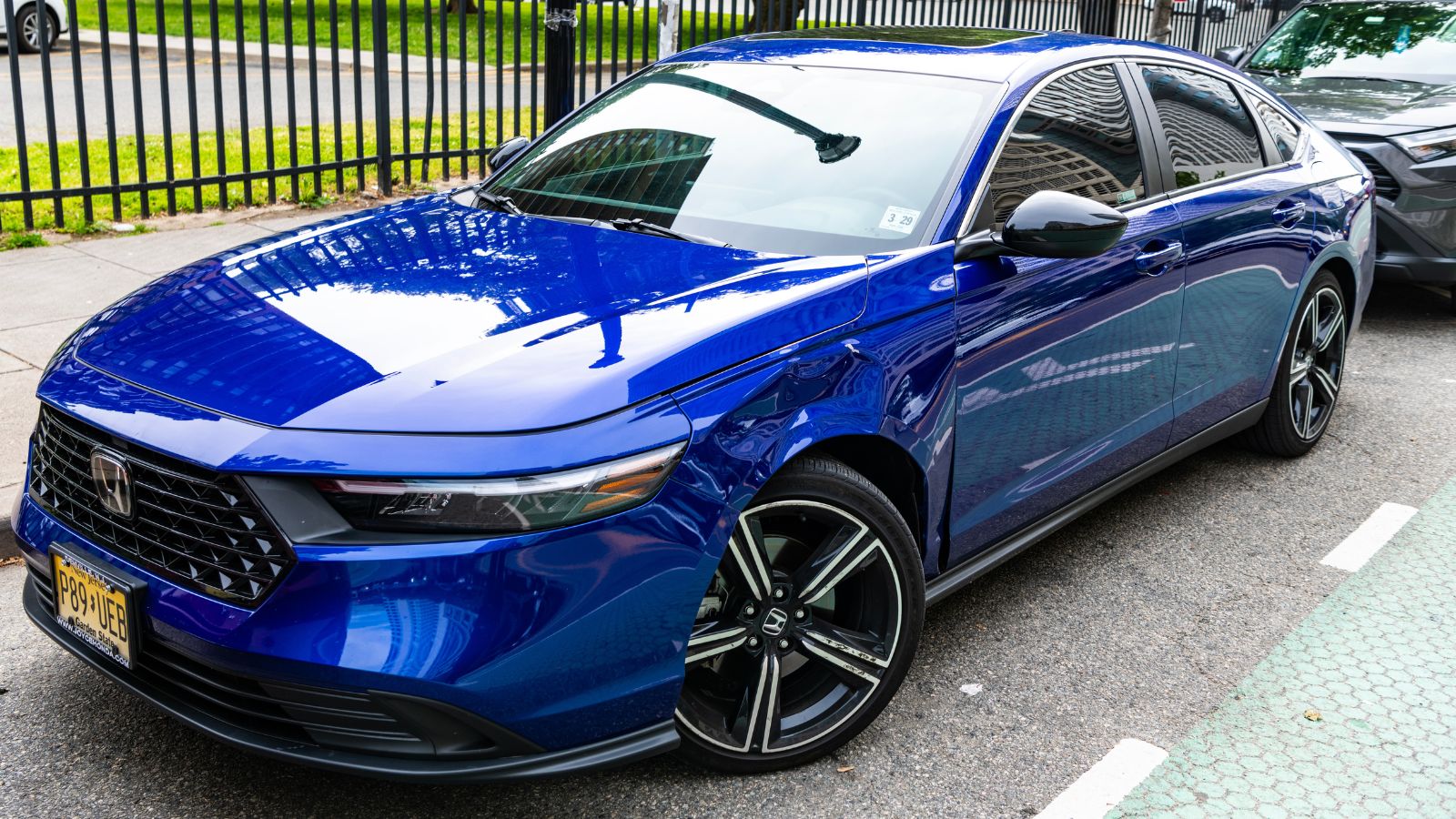
The Honda Accord Hybrid feels like one of the last rational adult decisions left in the car market. It is roomy, efficient, handsome without trying too hard, and backed by a nameplate that has earned decades of trust. That calm reputation makes its expensive parts more surprising than the same bill would be on a luxury badge. The Accord Hybrid is not the kind of vehicle buyers mentally prepare for four-figure component replacements on, which is exactly why they sting when they appear.
Lexus RX450h
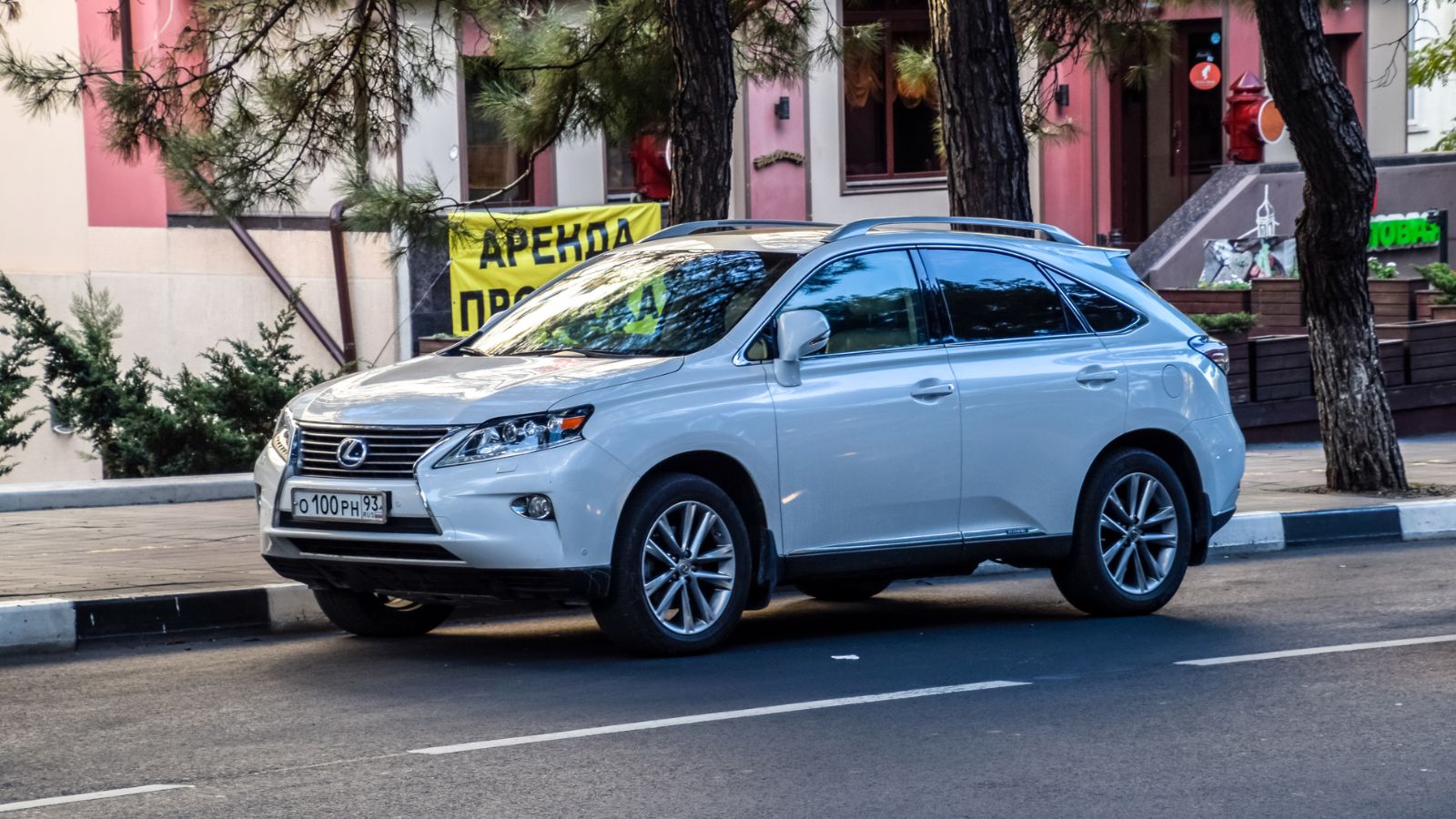
The Lexus RX450h is the kind of vehicle people buy when they want luxury without chaos. It promises comfort, quiet, dealer polish, and a reputation for avoiding the worst ownership horror stories that haunt European SUVs. In many ways, it earns that reputation. But it is still a complex hybrid luxury crossover, and when the expensive hardware becomes relevant, the invoices stop sounding like “smart premium” and start sounding like true luxury maintenance.
Subaru Outback
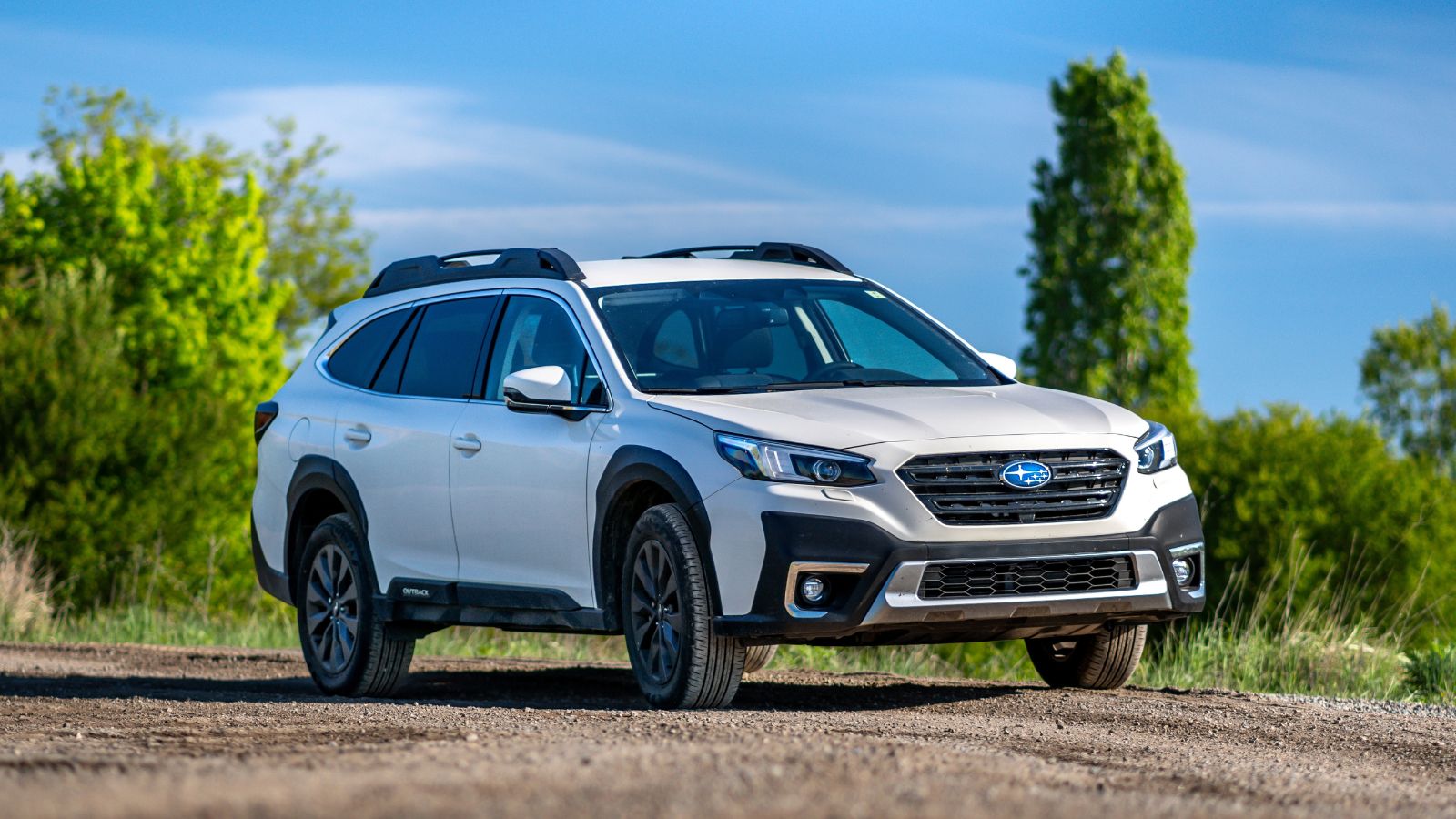
The Subaru Outback is one of Canada’s most believable vehicles. It fits gravel roads, ski lots, cottage driveways, and winter highways without needing to shout about any of it. That grounded image makes one of its most annoying ownership costs especially memorable: the windshield and the calibration that can come with it. On a car designed for rough weather and outdoor life, a cracked windshield should feel like a nuisance. Too often, it feels like a proper expense.
Ford Bronco
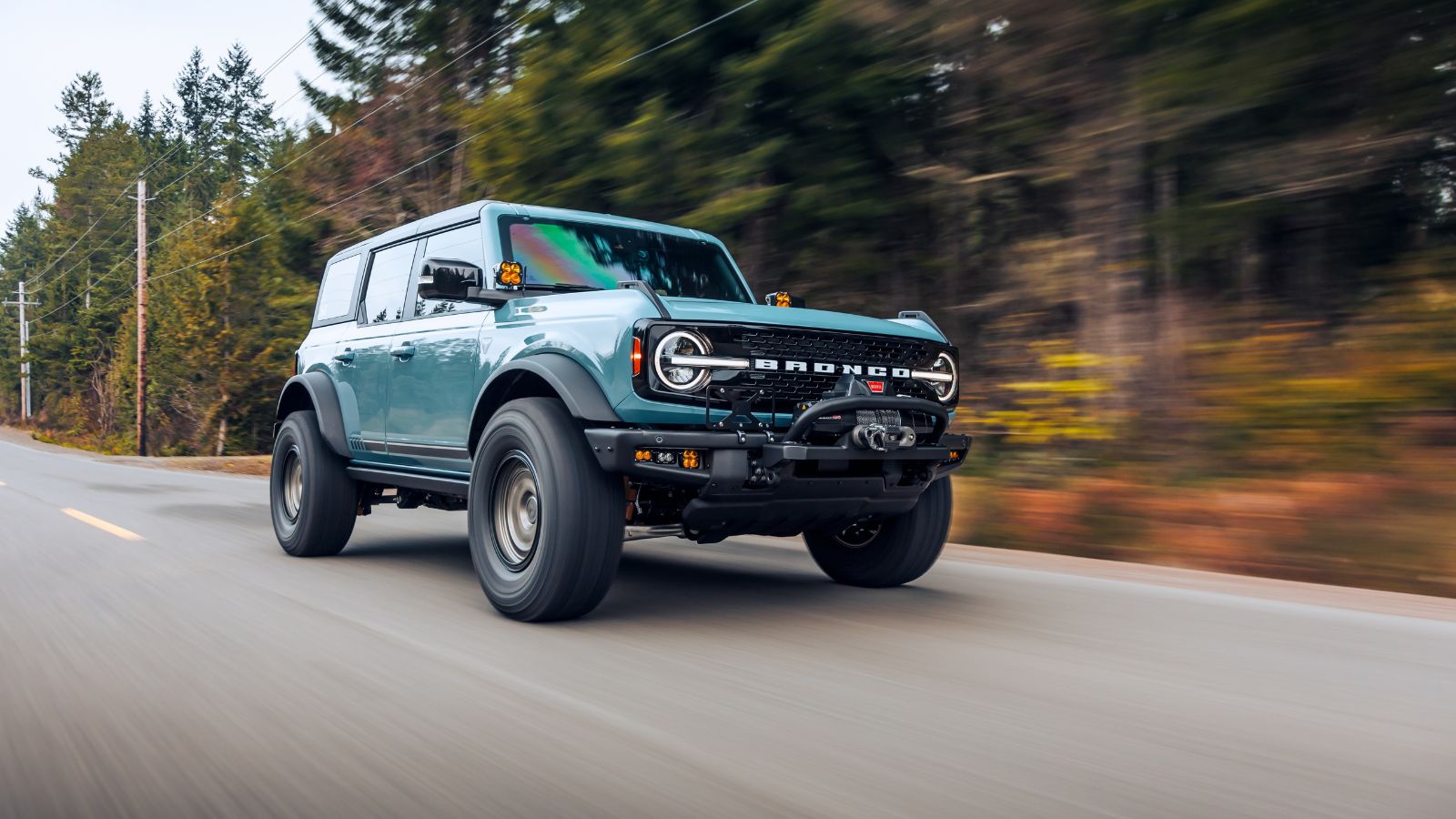
The Ford Bronco sells a dream as much as a vehicle. It promises trail confidence, retro charisma, and the sense that every drive could detour into something fun. But adventure-themed vehicles often come with adventure-themed wear, and that is where the ownership charm can turn expensive. Suspension components matter more on a Bronco because the vehicle invites harder use, larger tires, rougher surfaces, and a general willingness to shrug off pavement. The parts bill, unfortunately, does not shrug back.
Jeep Grand Cherokee
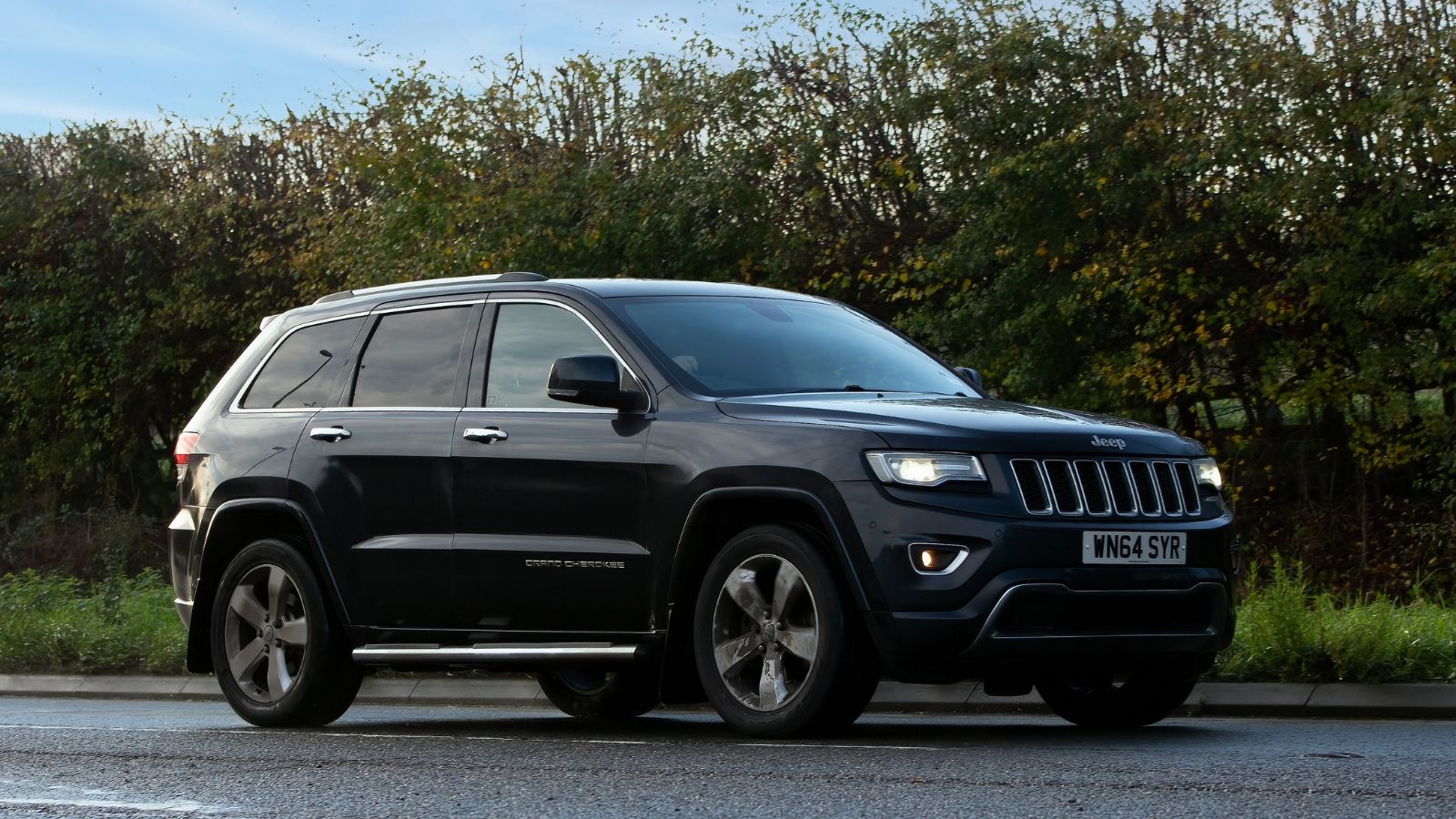
The Jeep Grand Cherokee has long mastered the balancing act between rugged image and upscale ambition. It can look equally believable outside a suburban garage, a ski hill, or a campground. The issue is that the more refined versions often bring along complex suspension hardware that feels fantastic right up until it does not. Once those systems age, the repair conversation can get expensive very quickly, and it often arrives on vehicles that owners expected to be versatile rather than delicate.
Ram 1500
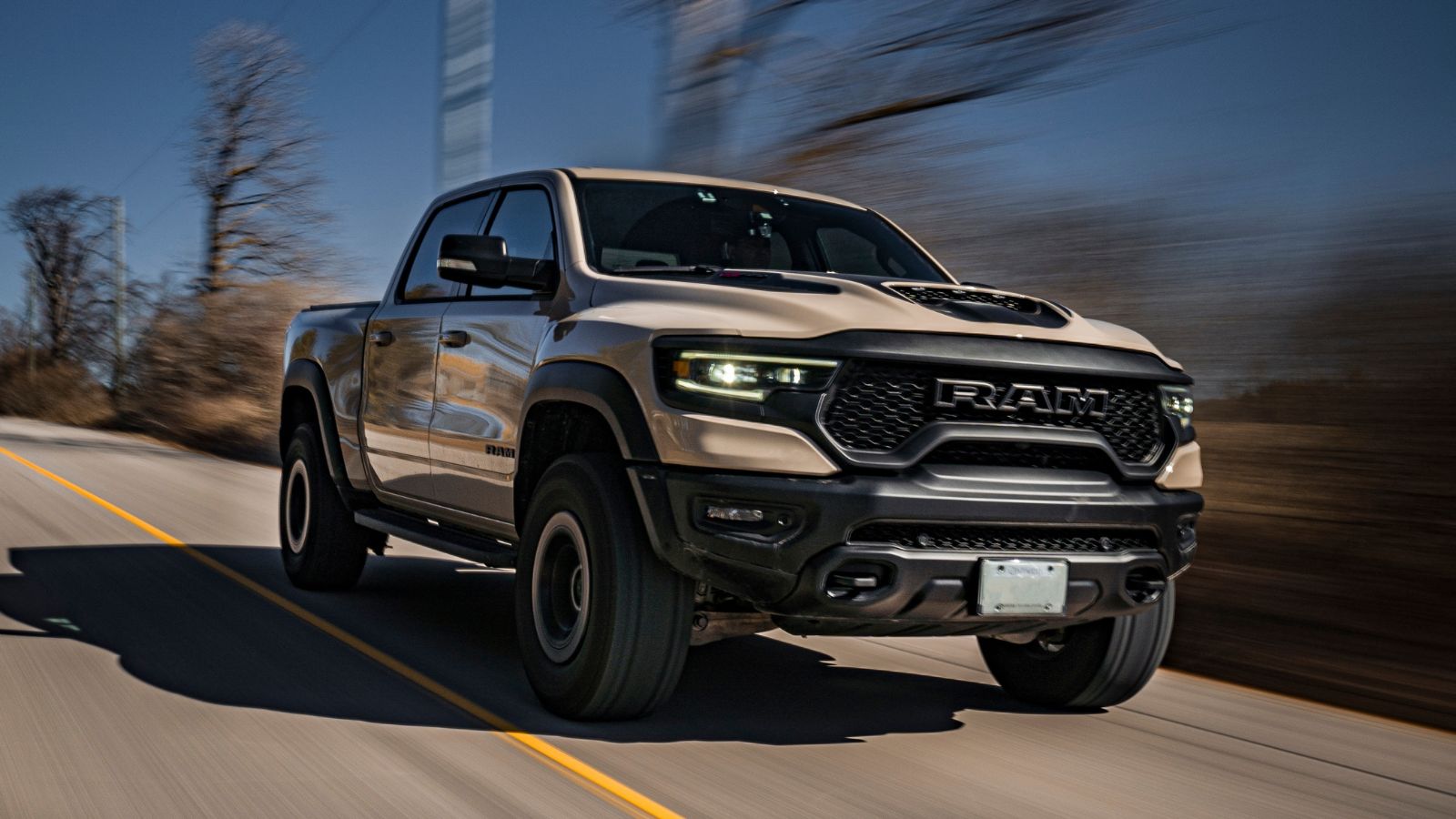
The Ram 1500 built much of its modern reputation on comfort. It became the truck for buyers who wanted pickup capability without giving up a genuinely smooth, polished ride. That strategy worked, but it also introduced more owners to the cost of truck luxury. On models equipped with air suspension, one of the Ram’s best selling points can become one of its more expensive weaknesses. The soft ride feels great until a component decides it no longer wants to participate.
BMW X5
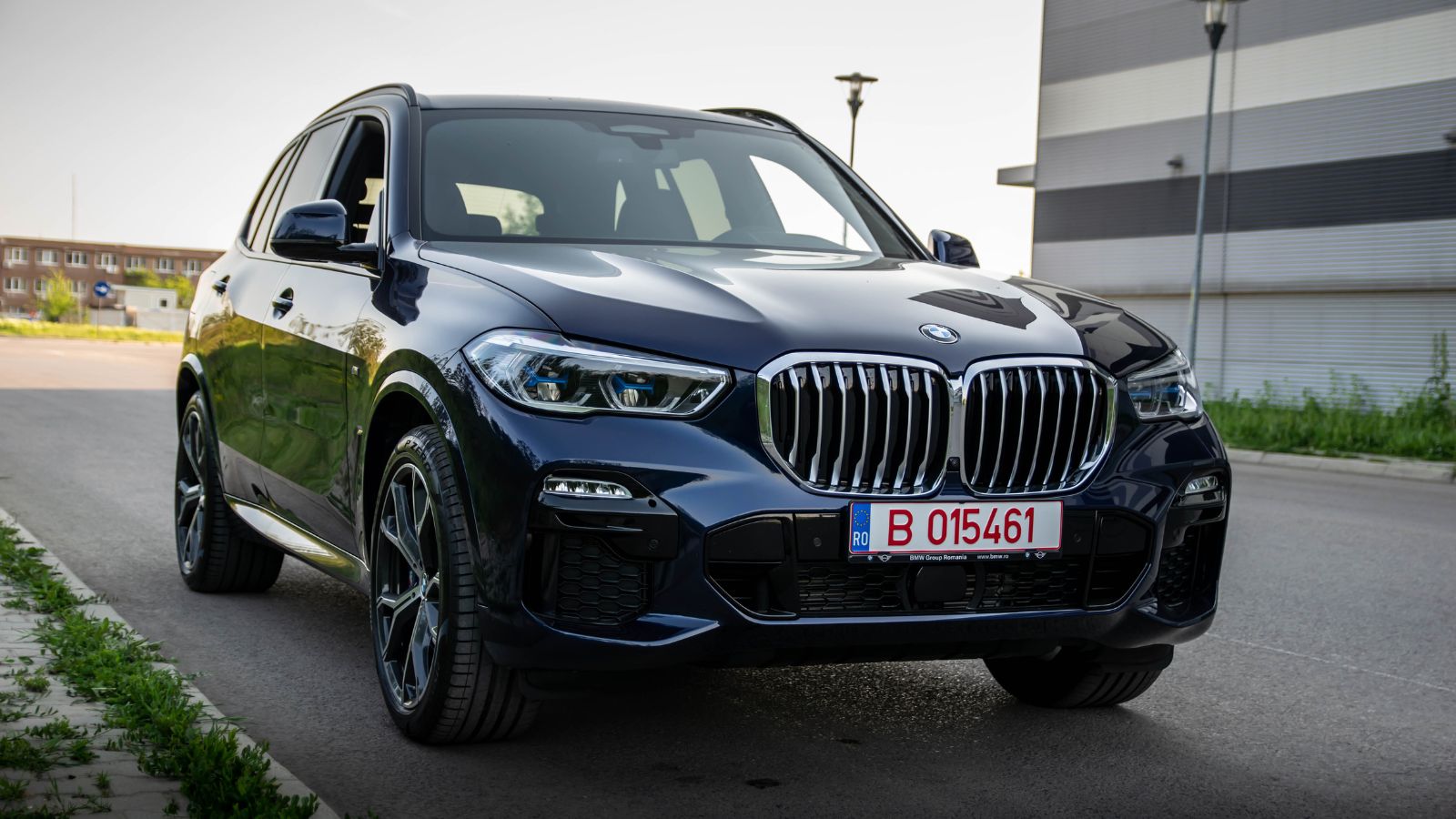
The BMW X5 is one of those vehicles that can make almost any driveway look better. It is fast, composed, upscale, and deeply convincing in the role of family performance SUV. The problem is that BMW’s engineering brilliance rarely comes with bargain-bin parts pricing. Once the X5 needs substantial suspension work, the owner is reminded that this is still a sophisticated German machine with premium hardware buried underneath its clean design and everyday usability.
Mercedes-Benz GLE
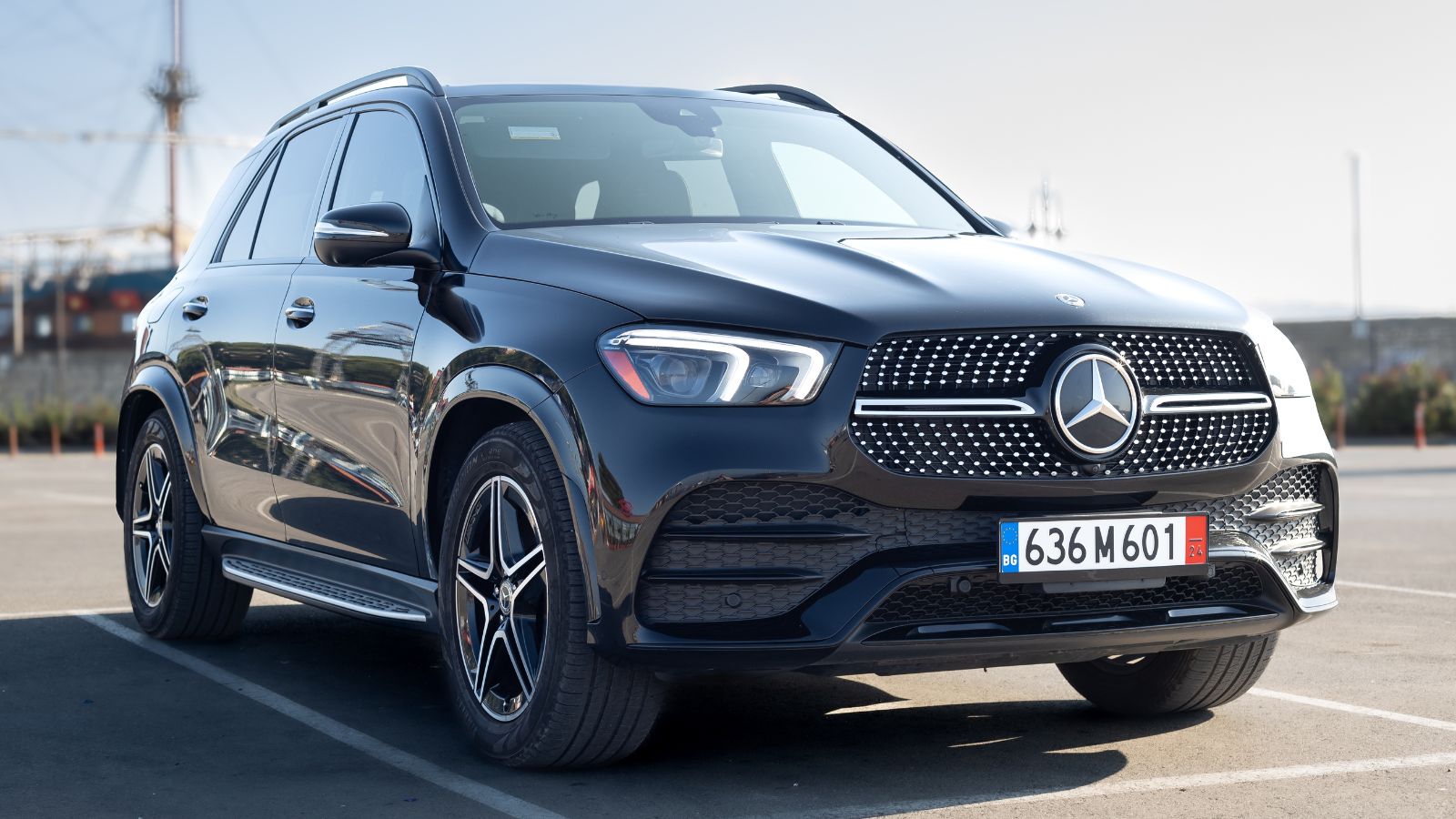
The Mercedes-Benz GLE does an excellent job of feeling expensive in the ways buyers actually want. It is quiet, stately, comfortable, and often less flashy than some rivals. That understated character can make the repair reality feel even harsher, because the vehicle never seems unruly or fragile in daily life. Then one suspension-related issue shows up, and the calm, elegant ownership experience suddenly has a very hard number attached to it.
Audi Q7
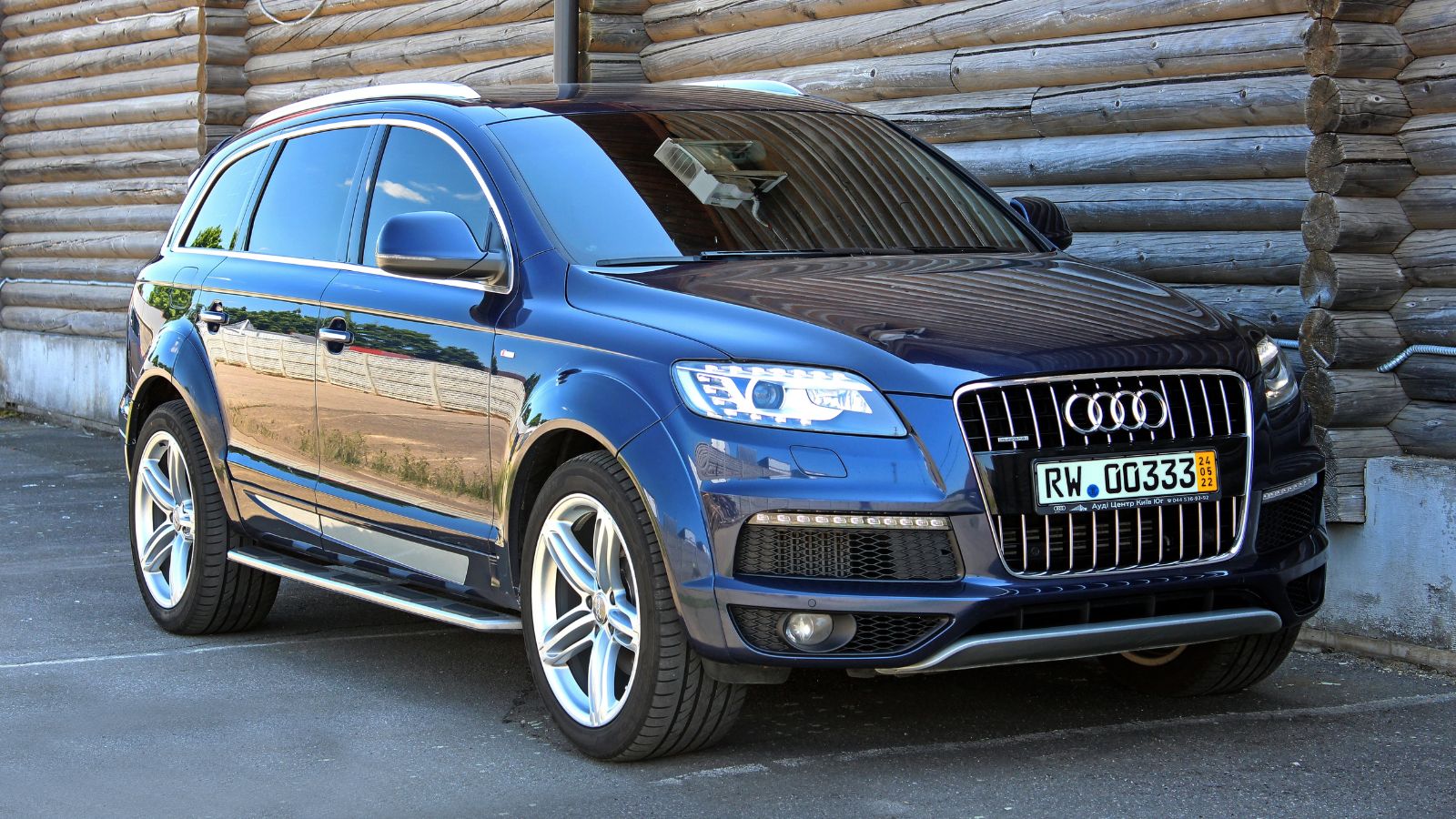
The Audi Q7 has always appealed to buyers who want luxury without shouting. It is handsome, solid, and quietly technical, with an interior and ride quality that still feel expensive years later. That same technical refinement, though, often shows up again when suspension parts wear out. The Q7’s polished road manners are not the product of simple components, and the price of restoring that feel can be much steeper than owners of mainstream three-row SUVs are prepared for.
Porsche Macan
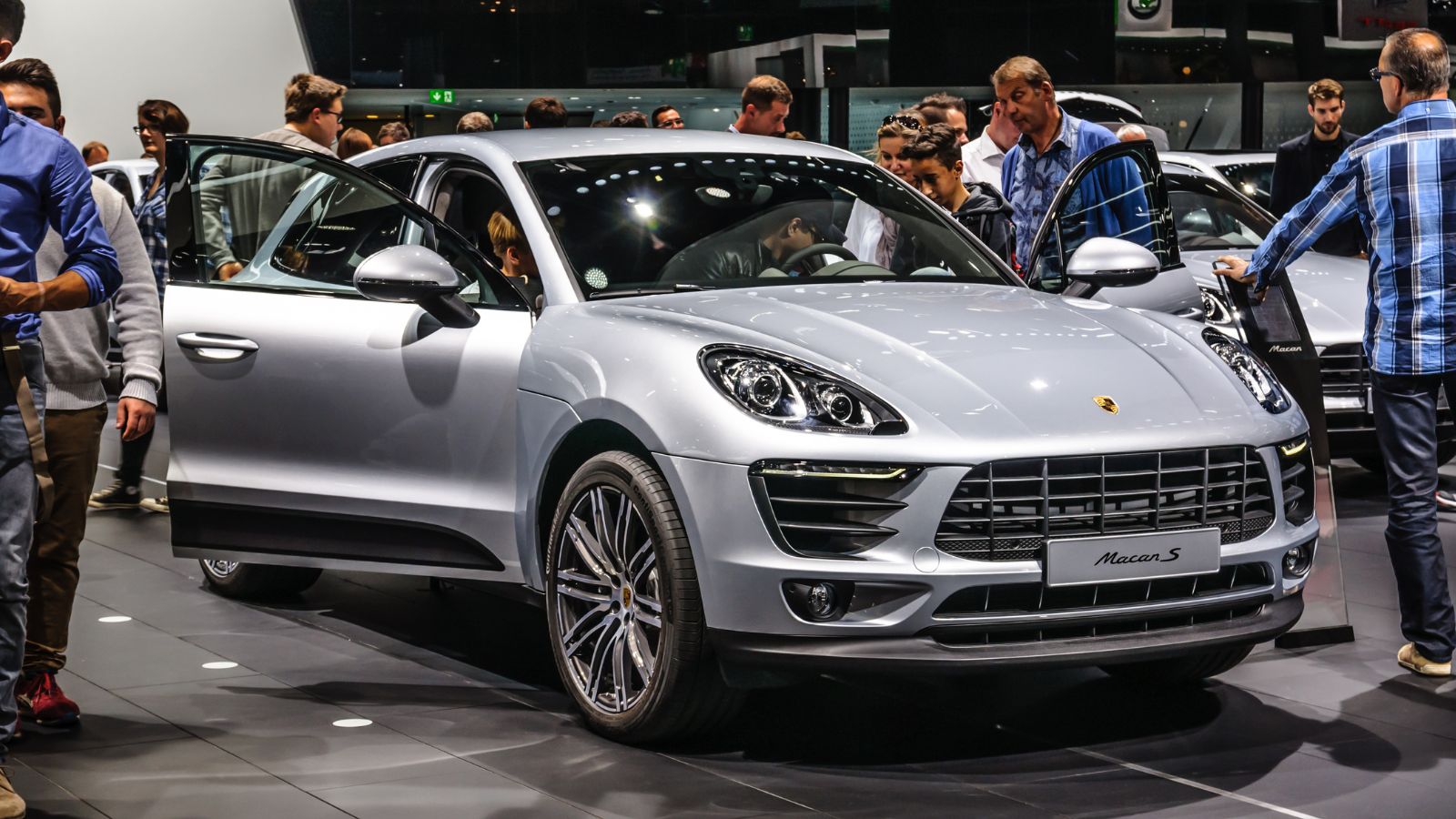
The Porsche Macan is a dangerous vehicle for budgets because it feels so much better than most compact luxury SUVs. The steering, body control, and road feel are unusually sharp, which makes it easy to forget that great dynamics usually come from great hardware, not magic. Owners often buy the Macan thinking it will be the “smart Porsche,” the one that delivers the badge and the driving experience without supercar drama. That logic works until major parts pricing enters the picture.
Land Rover Range Rover Sport
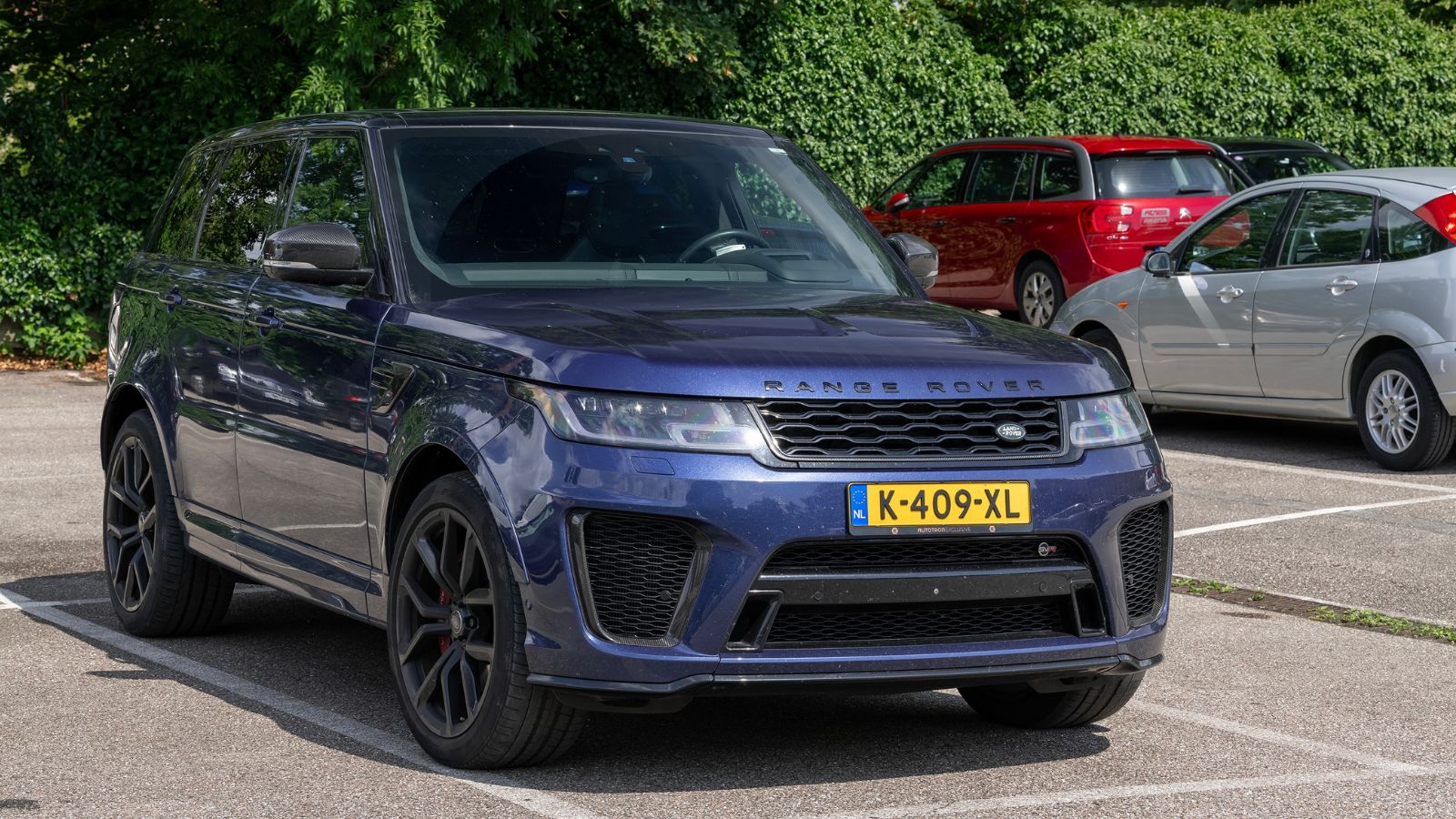
The Range Rover Sport is one of the clearest examples of how desirable vehicles can also be financially intimidating once the warranty glow fades. It looks expensive, feels expensive, and drives with a mix of confidence and polish that few SUVs match. The trouble is that its signature sophistication comes from complicated systems, and those systems can become brutally expensive when they need attention. Air suspension is a big part of the experience, and it is not a small part of the bill either.
Volvo XC90
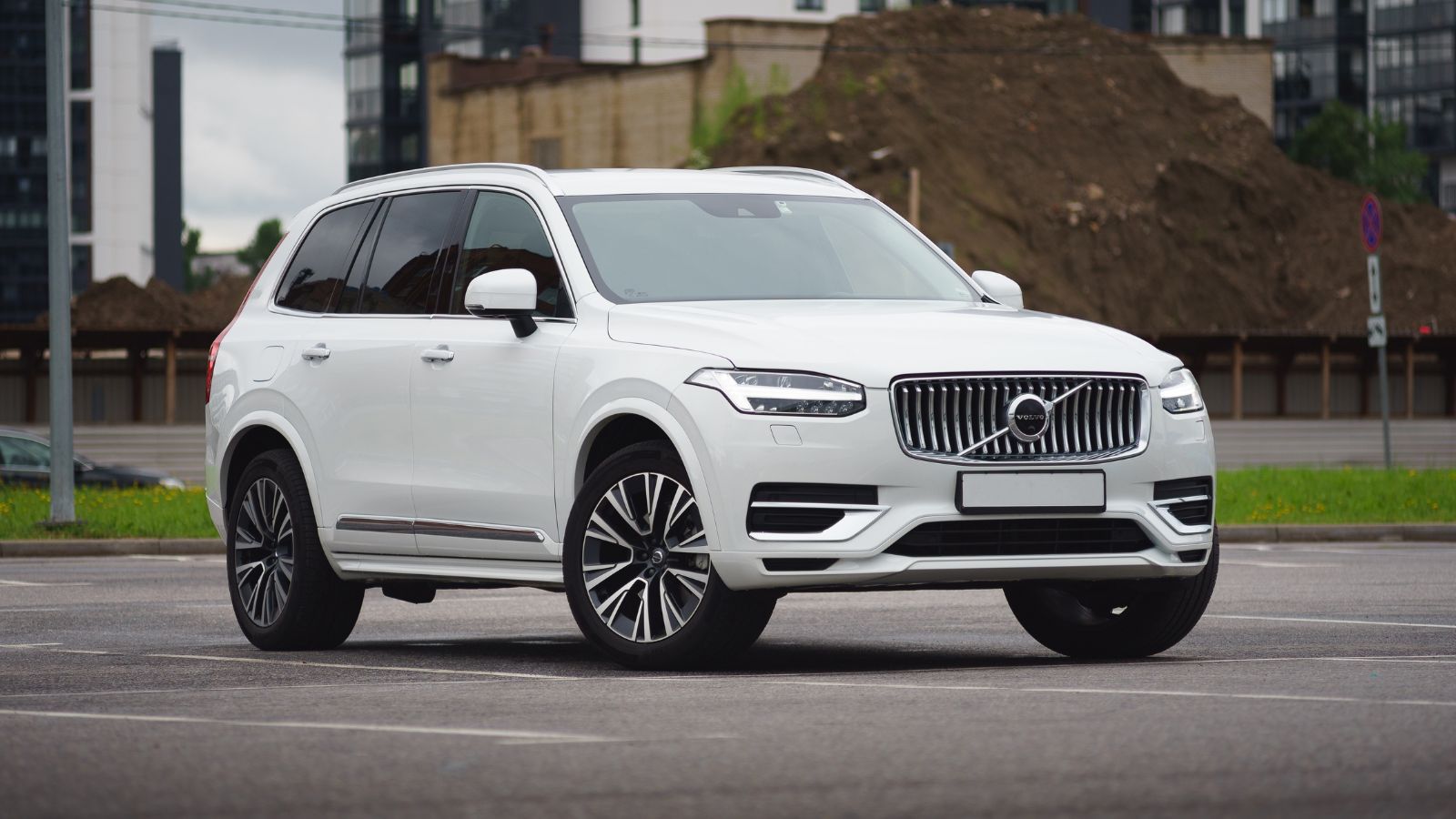
The Volvo XC90 has a uniquely calm appeal. It is elegant, family-friendly, safety-focused, and usually chosen by buyers who want tasteful luxury rather than badge theatre. That makes its expensive parts feel more surprising than those of some flashier rivals. The XC90 does not present itself as temperamental or extravagant. It presents itself as intelligent. But intelligent luxury still relies on premium components, and when suspension parts fail, the bill can cut against the vehicle’s serene image.
22 Things Canadians Do to Their Cars in Spring That Mechanics Hate

Spring brings relief to many Canadian drivers after months of snow, freezing temperatures, and icy roads that put serious strain on vehicles. As temperatures rise across the country, drivers begin washing cars, switching tires, and preparing vehicles for warmer weather and upcoming road trips. However, mechanics across Canada notice the same mistakes every spring when drivers attempt to recover from winter damage. Road salt, potholes, and harsh winter driving conditions often leave vehicles with hidden problems that drivers ignore. Some spring habits even create new mechanical issues that could have been avoided with proper maintenance. Here are 22 things Canadians do to their cars in spring that mechanics hate.