





















The next wave of EV competition is not just about lower prices. It is about faster charging, more screen-heavy cabins, better software, and a pace of product updates that legacy automakers often struggle to match. Chinese brands have already turned that formula into massive domestic scale, and their overseas push is widening. In Canada, policy has shifted again in 2026, creating a new framework for Chinese EV imports just as brands like BYD and XPeng keep raising the bar on charging speed and product cadence.
That does not mean every car on this list is bad. Many are perfectly usable, comfortable, and in some cases still easy to recommend. The problem is perception. When newer Chinese EVs arrive with fresher interfaces, sharper efficiency, and quicker top-ups, these 18 models are the ones most likely to feel like they belong to the last chapter of the EV story rather than the next one.
Nissan Leaf
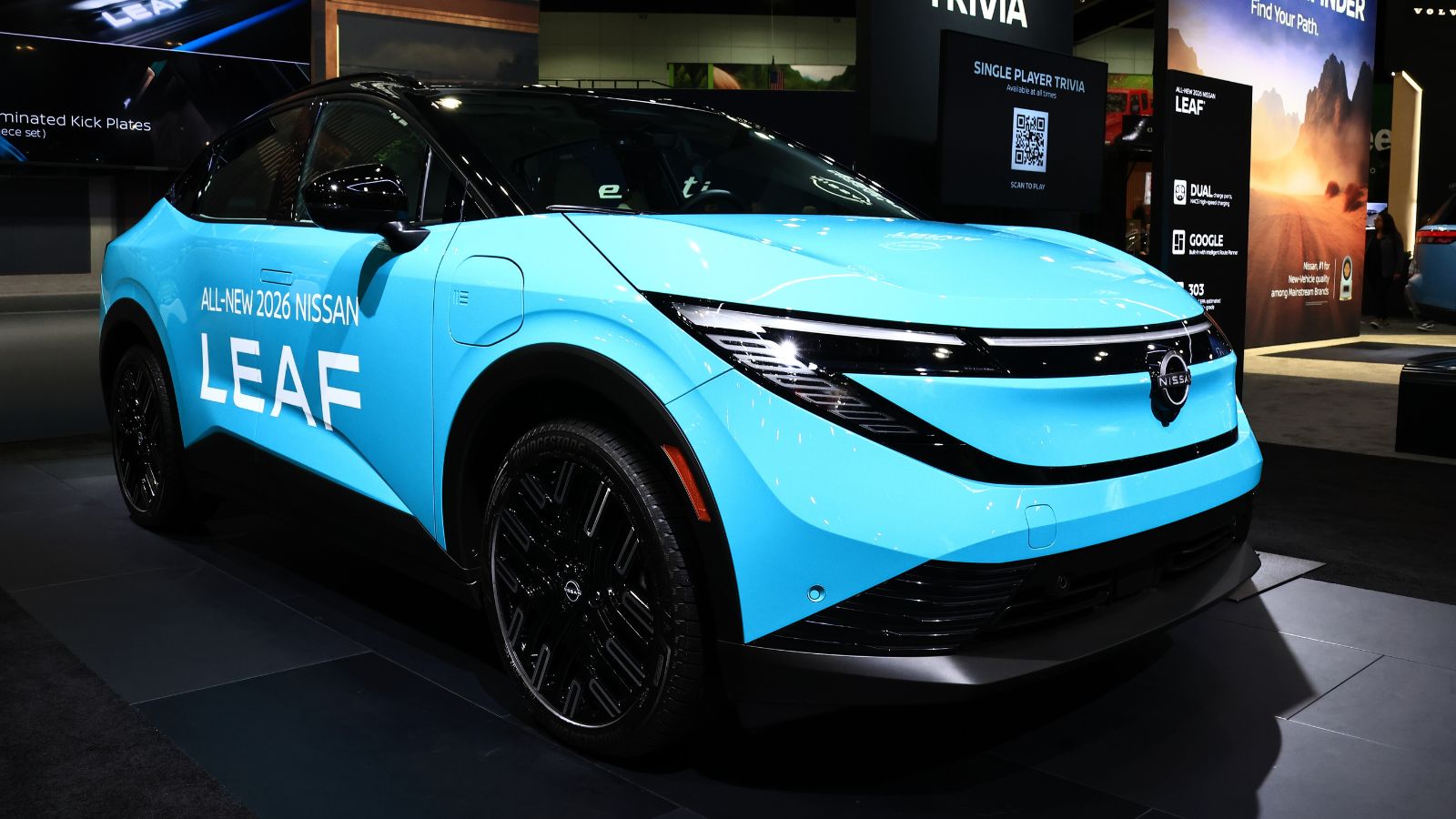
The Leaf deserves respect because it helped make EVs feel normal long before the current wave of electric crossovers. Even now, its simple layout, familiar size, and easy around-town manners still make sense for someone who wants an uncomplicated commuter. But the numbers now tell a different story. In 2025 form, the Leaf tops out at 212 EPA-estimated miles with its larger battery, and the aging formula is harder to hide when the broader market is moving toward bigger range, faster charging, and more modern packaging.
What really makes the Leaf vulnerable is that Nissan itself is already showing where the segment is going next. The 2026 Leaf for Canada moves to a NACS port and a much more contemporary shape, with up to 488 kilometres of claimed range. That instantly makes the outgoing car look like a holdover from an earlier EV era. Against incoming Chinese models that lean hard on speed, value, and cabin tech, the current Leaf is the clearest example of how quickly a pioneer can start to look old.
Nissan Ariya
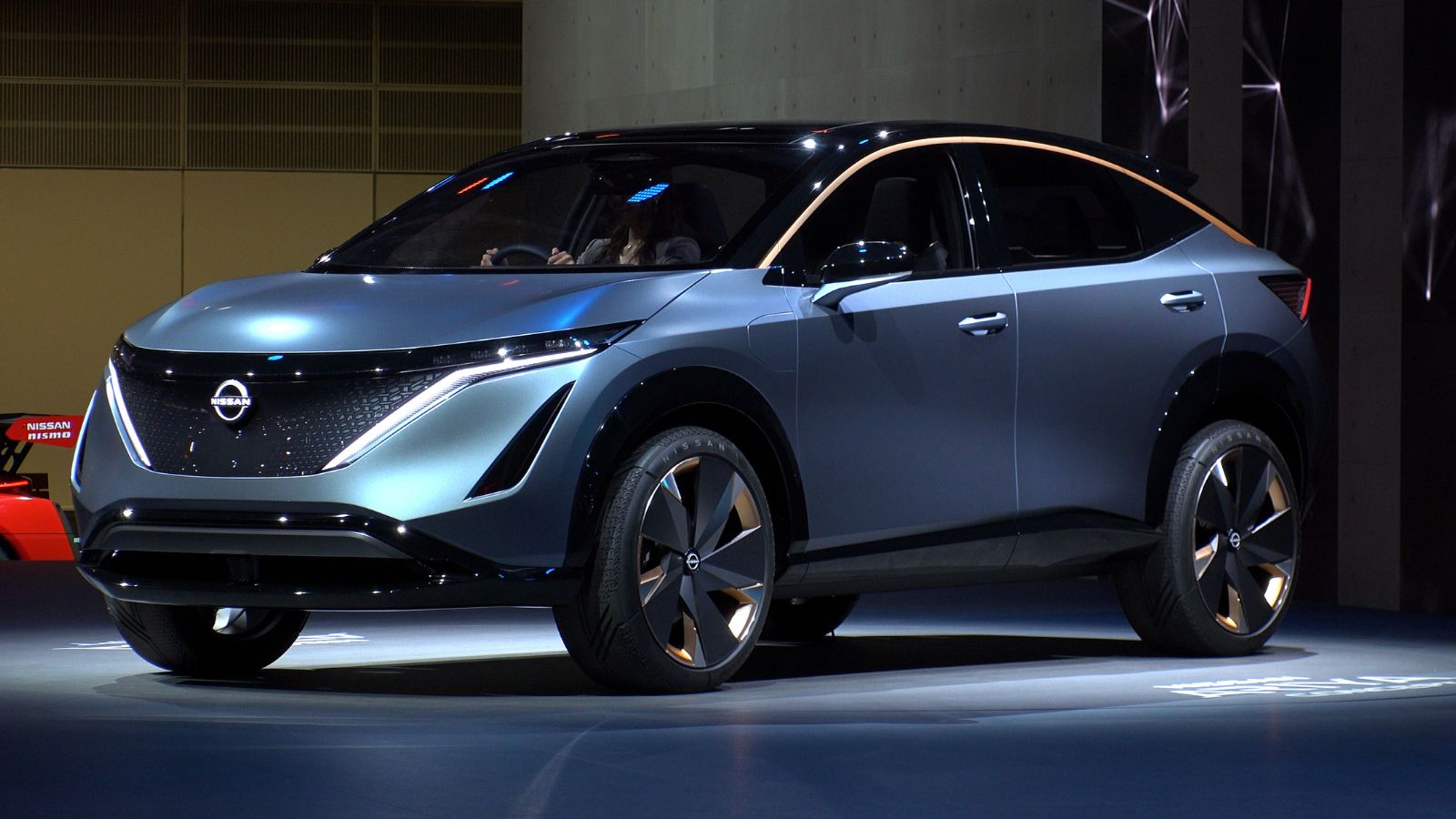
The Ariya is not a bad vehicle at all. In fact, it is one of the more polished mainstream electric crossovers to drive, with a quiet cabin and a calmer, more upscale feel than some rivals. Nissan also gives it a usable headline figure, with Canadian specs reaching up to 465 kilometres in the SL+ FWD trim. For commuting, school runs, and the kind of weekday driving most owners actually do, that is still comfortably competitive.
The problem is that the Ariya feels like a bridge product in a market that is suddenly sprinting. Nissan has now opened access to thousands of Tesla Superchargers through an adapter, which helps, but network access is not the same thing as feeling cutting-edge. Chinese EV makers are pushing much harder on the visual drama of software, faster charging hardware, and frequent hardware updates. The Ariya still feels thoughtfully engineered, yet it increasingly reads like an early-modern EV rather than the sort of fresh platform that will wow shoppers once new Chinese rivals land in volume.
Toyota bZ4X
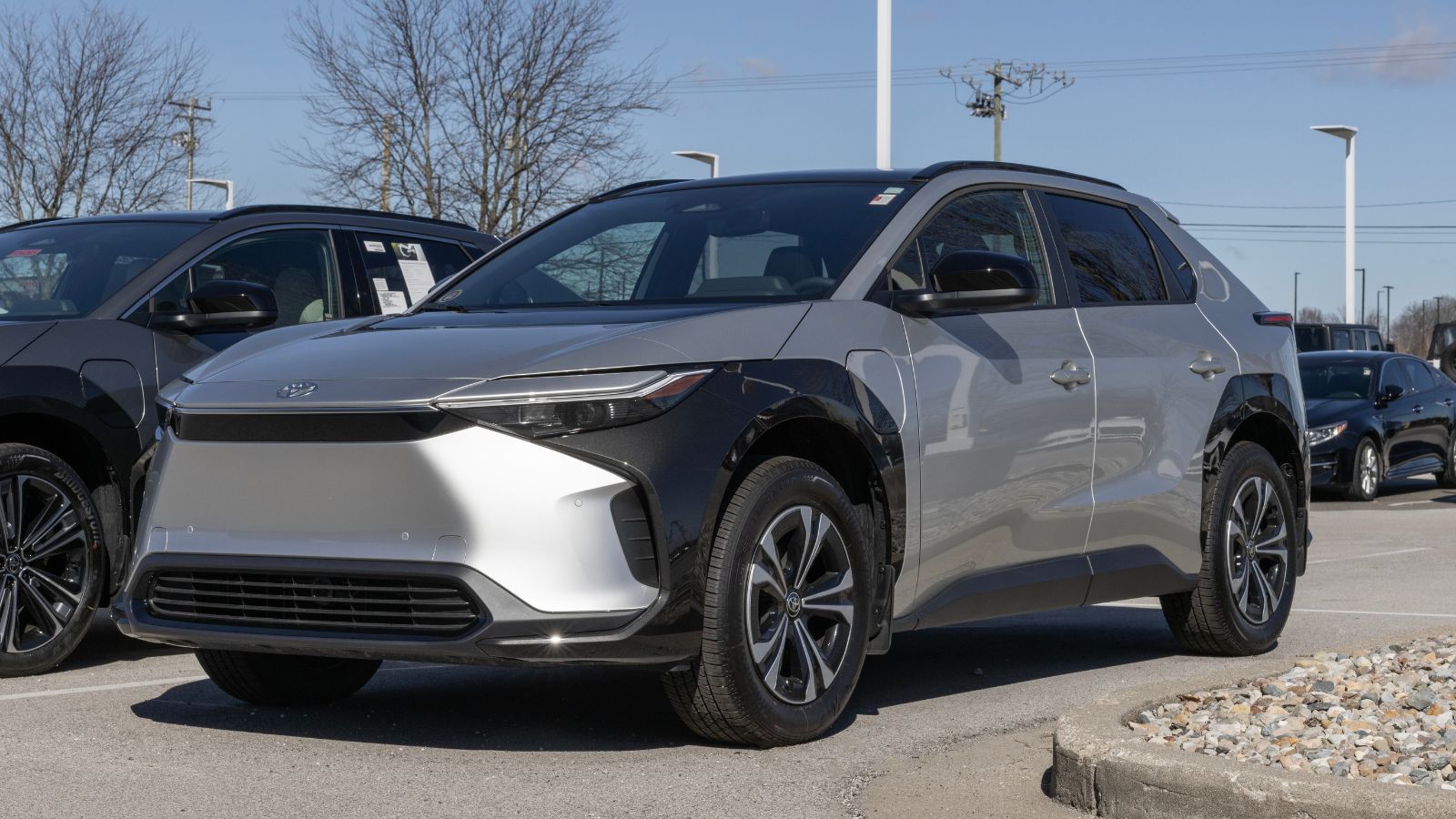
The bZ4X has always felt more sensible than exciting. That has advantages. Toyota buyers tend to care about trust, ergonomics, and predictability more than bragging rights, and the bZ4X offers exactly that sort of energy. Its charging times are workable, and the overall look is distinctive enough that it does not disappear in a parking lot. For buyers easing into electric ownership, there is something reassuring about how measured the whole package feels.
That same restraint is also what could age it quickly. Toyota has already previewed a revised bZ with more range, more power, and faster charging, including projected AWD range of up to 468 kilometres in Canada. Once a brand’s own update looks significantly stronger, the current version starts to feel like the draft rather than the final product. And in a world where Chinese EV makers are normalizing faster refresh cycles and more dramatic leaps between generations, a cautious first-wave electric SUV like the current bZ4X risks looking conservative in all the wrong ways.
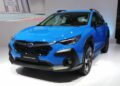
Subaru Solterra
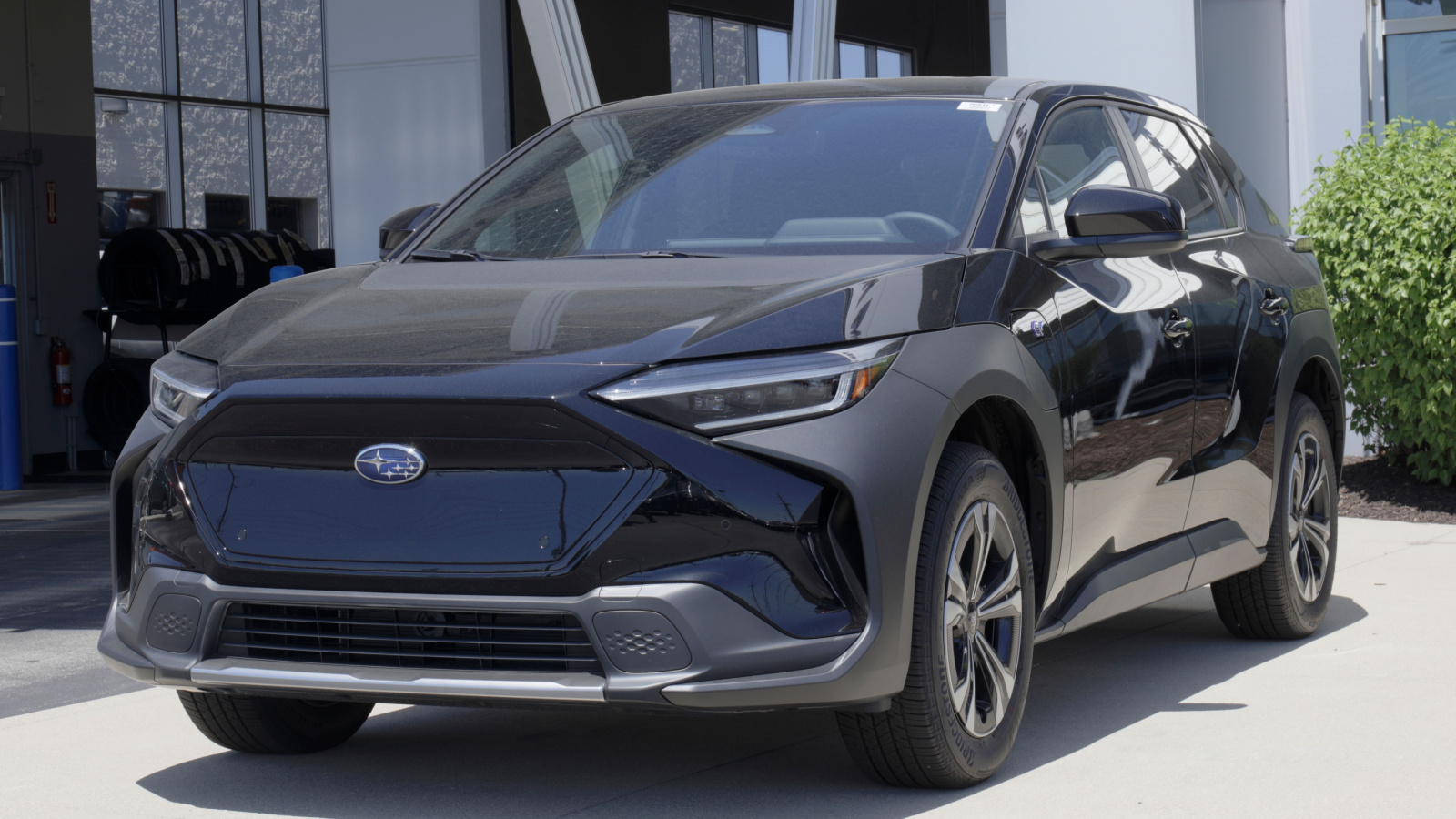
The Solterra has a built-in audience because it wears a Subaru badge and comes standard with all-wheel drive, which matters in snowbelt markets and cottage-country conversations. That alone gives it a kind of practical credibility that a lot of newer brands still have to earn. Subaru also gives it a straightforward promise: up to 227 EPA-estimated miles of range, which is enough for ordinary errands, winter school pickups, and daily commuting with room to spare.
But ordinary is the issue here. The Solterra does not feel dramatically ahead in any category, and that becomes more noticeable when more aggressive EVs enter the picture. Chinese rivals are not waiting for the market to catch up; they are selling style, charging speed, and cabin theater as part of the basic pitch. The Solterra feels more like a safe adaptation of EV trends than a leap into the future. That may keep current Subaru owners happy, but it also means the vehicle could feel dated almost overnight once shoppers start cross-shopping it against newer, more visually ambitious Chinese alternatives.
Lexus RZ
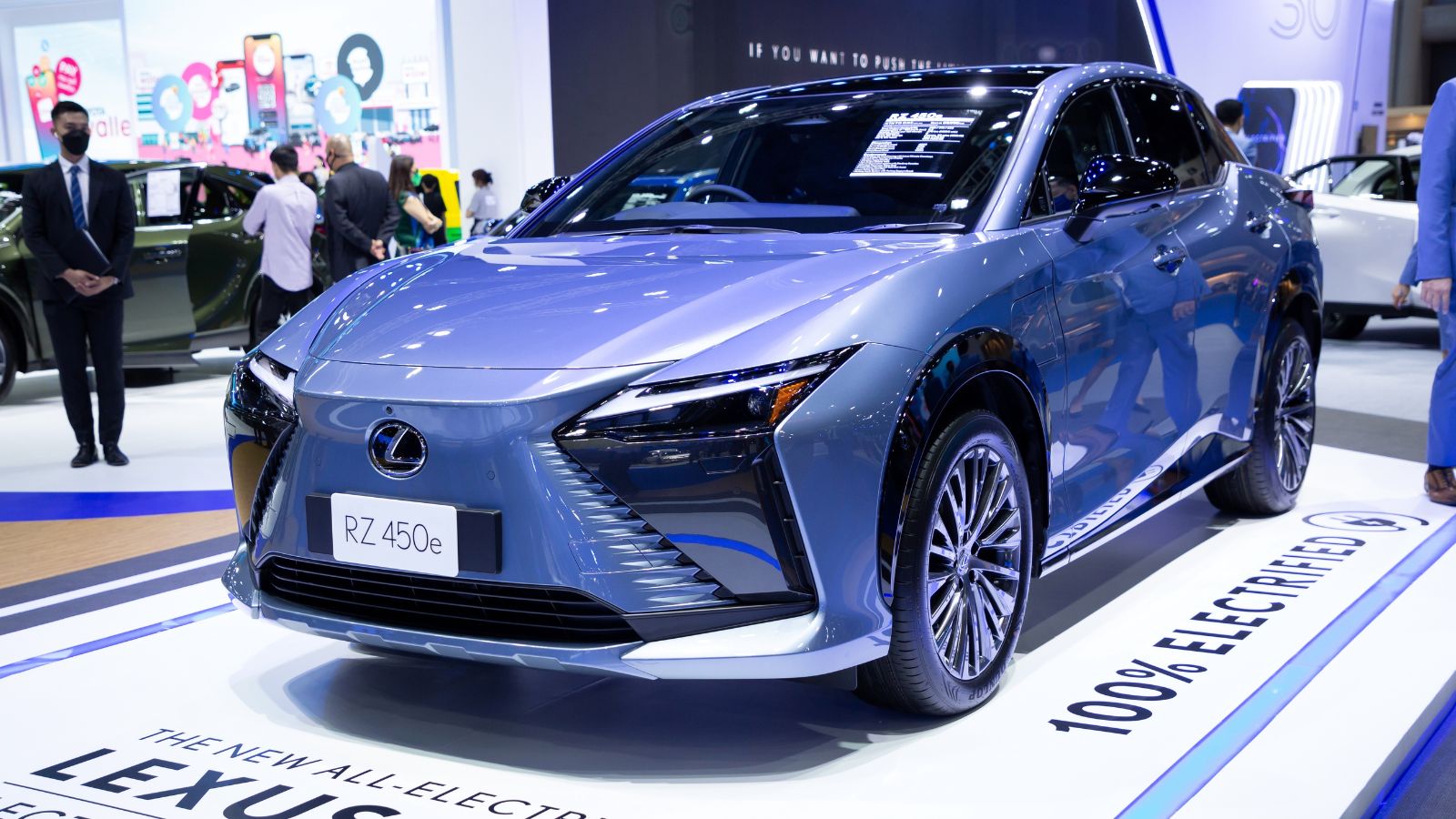
The 2025 Lexus RZ has the sort of quiet, polished road manners buyers expect from Lexus, and there is still a market for that. The cabin feels expensive, the ride is serene, and the badge carries more emotional trust than many startup EV names can match. Yet the hard numbers already hint at the issue: Lexus Canada lists the 2025 RZ 450e at up to 354 kilometres of range, which is fine for urban luxury use but not especially impressive in a market where range has become a shorthand for technical confidence.
What makes the RZ especially easy to place on this list is how quickly Lexus itself is moving past it. The 2026 Canadian RZ lineup jumps as high as 478 kilometres for the FWD version and 418 kilometres for the AWD Signature model. That is a meaningful step, not a tiny tweak. Once one model year makes such a large jump, the previous one instantly starts to feel like transitional technology. Chinese EVs thrive on exactly that sense of constant motion, so the current RZ could lose its futuristic aura faster than most luxury buyers expect.
Kia Niro EV
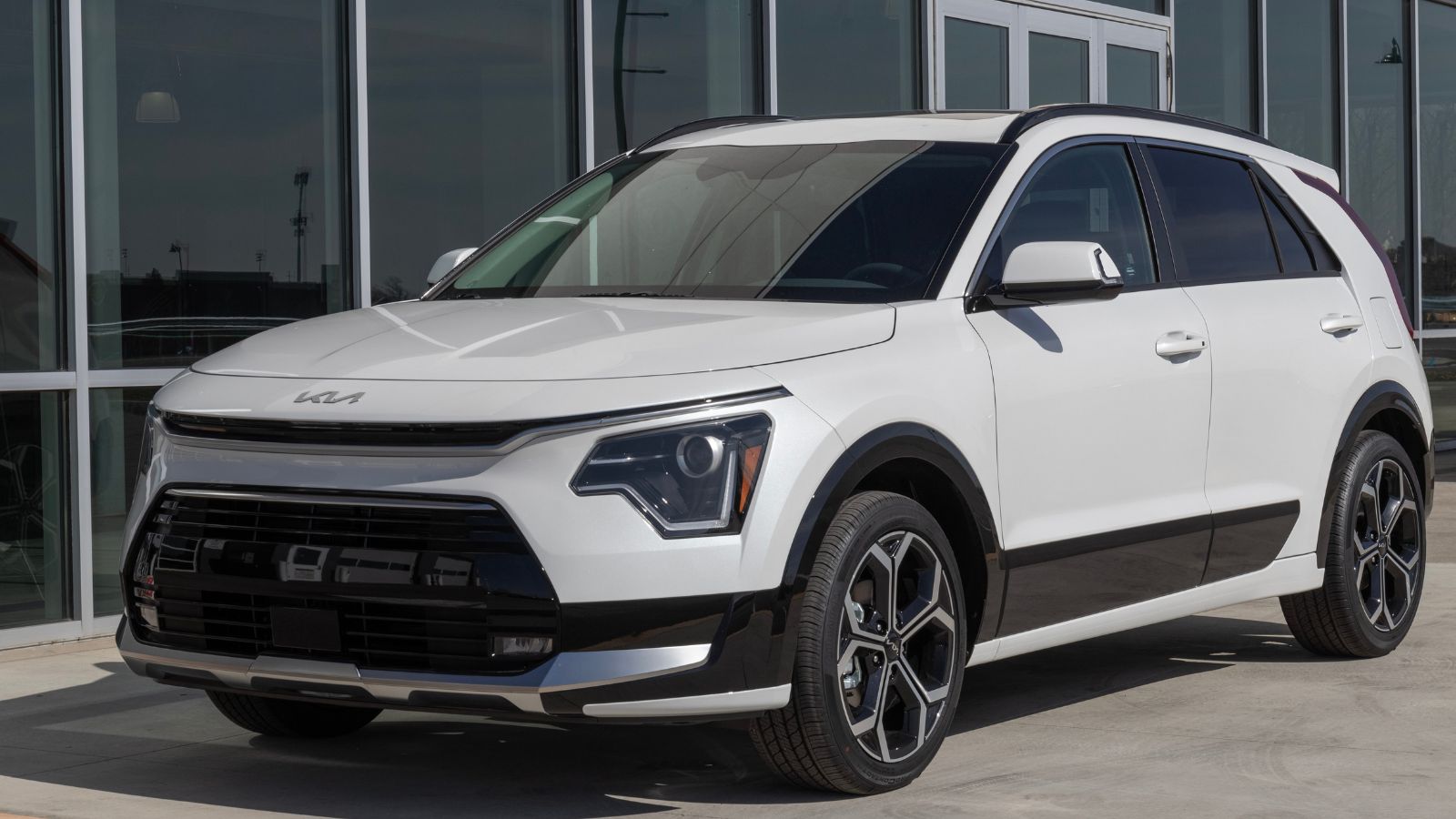
The Niro EV remains one of the most rational electric vehicles on sale. It is easy to park, easy to understand, and sized for real life rather than social media flexing. Kia says the 2025 Niro EV uses a 64.8-kWh battery and delivers an EPA-estimated 253 miles of range, which places it firmly in the practical middle of the market. For households that want an EV to quietly replace a compact crossover, that still works beautifully.
The challenge is that the Niro EV now feels like competence without surprise. Fast charging from 10% to 80% in roughly 43 minutes is good enough, but “good enough” is exactly where some legacy EVs begin to look old. Chinese competitors are increasingly built to create a bigger first impression, whether that comes from charging stats, interface design, or a stronger sense that the car belongs to the next generation of electronics as much as transportation. The Niro EV still makes sense on paper, but it may feel less special very quickly once more shoppers experience what newer Chinese models bring to the showroom.
Hyundai Kona Electric
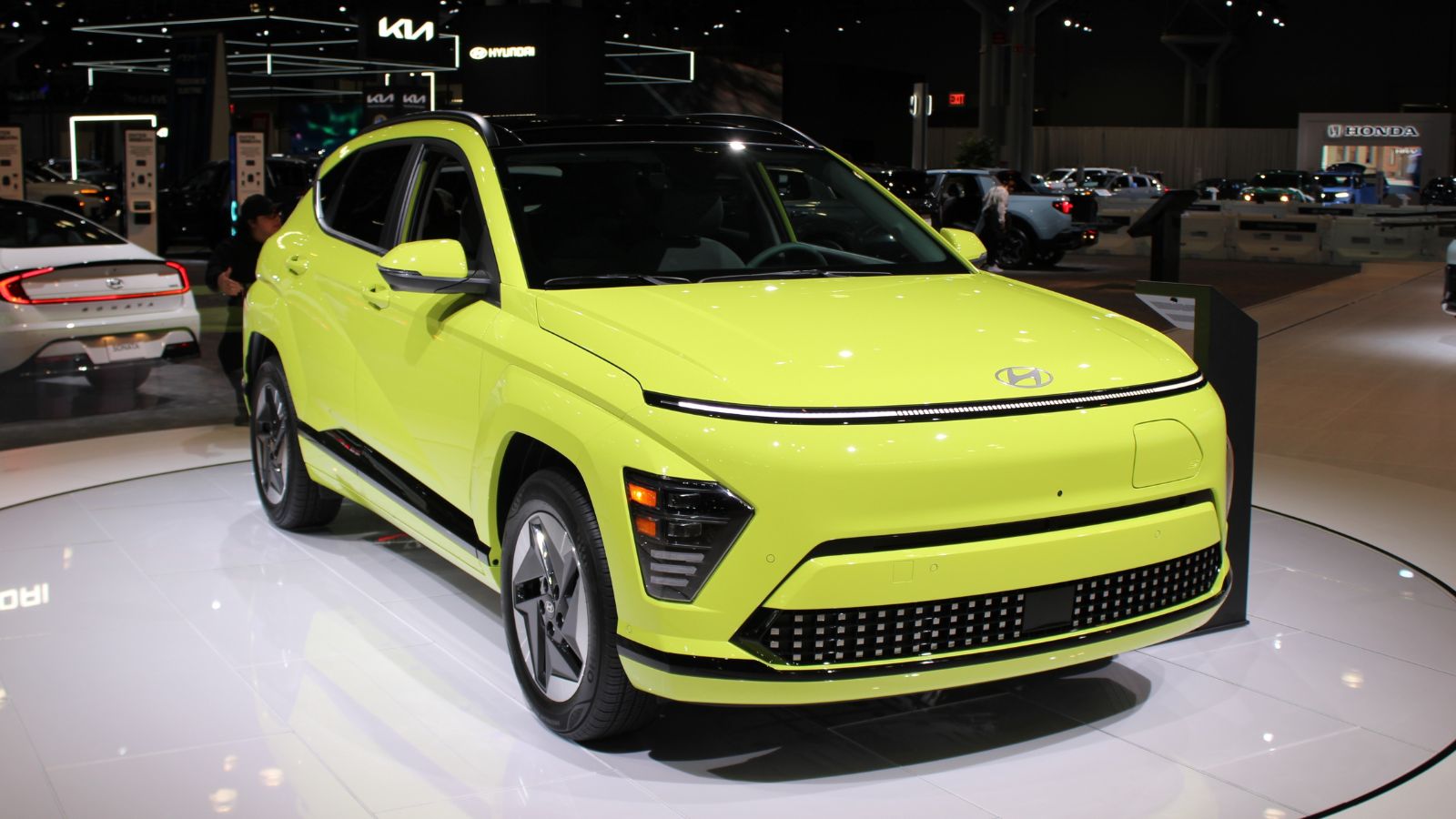
The latest Kona Electric is a clear improvement over the older version, and that should not be ignored. It has a more modern shape, a stronger digital cockpit, and a much more mature feel inside. Hyundai quotes up to 261 EPA-estimated miles in the U.S. and 420 kilometres in Canada, which keeps it highly relevant for urban and suburban driving. It also benefits from cold-weather features that matter in places where winter is not a theoretical inconvenience but a real part of ownership.
Still, the Kona Electric lives in a part of the market where shoppers notice the difference between “modern” and “state of the art.” Hyundai’s approximate 43-minute 10% to 80% fast-charge time is usable, but it is not the kind of spec that changes the conversation. Chinese EV makers are arriving with a habit of making even smaller crossovers feel like personal tech products first and transportation second. The Kona Electric is clever, tidy, and easy to live with, but it could start to look like a very good answer to yesterday’s question rather than tomorrow’s.
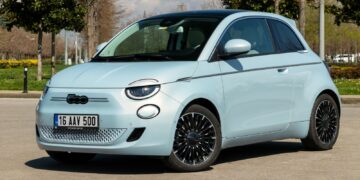
Fiat 500e
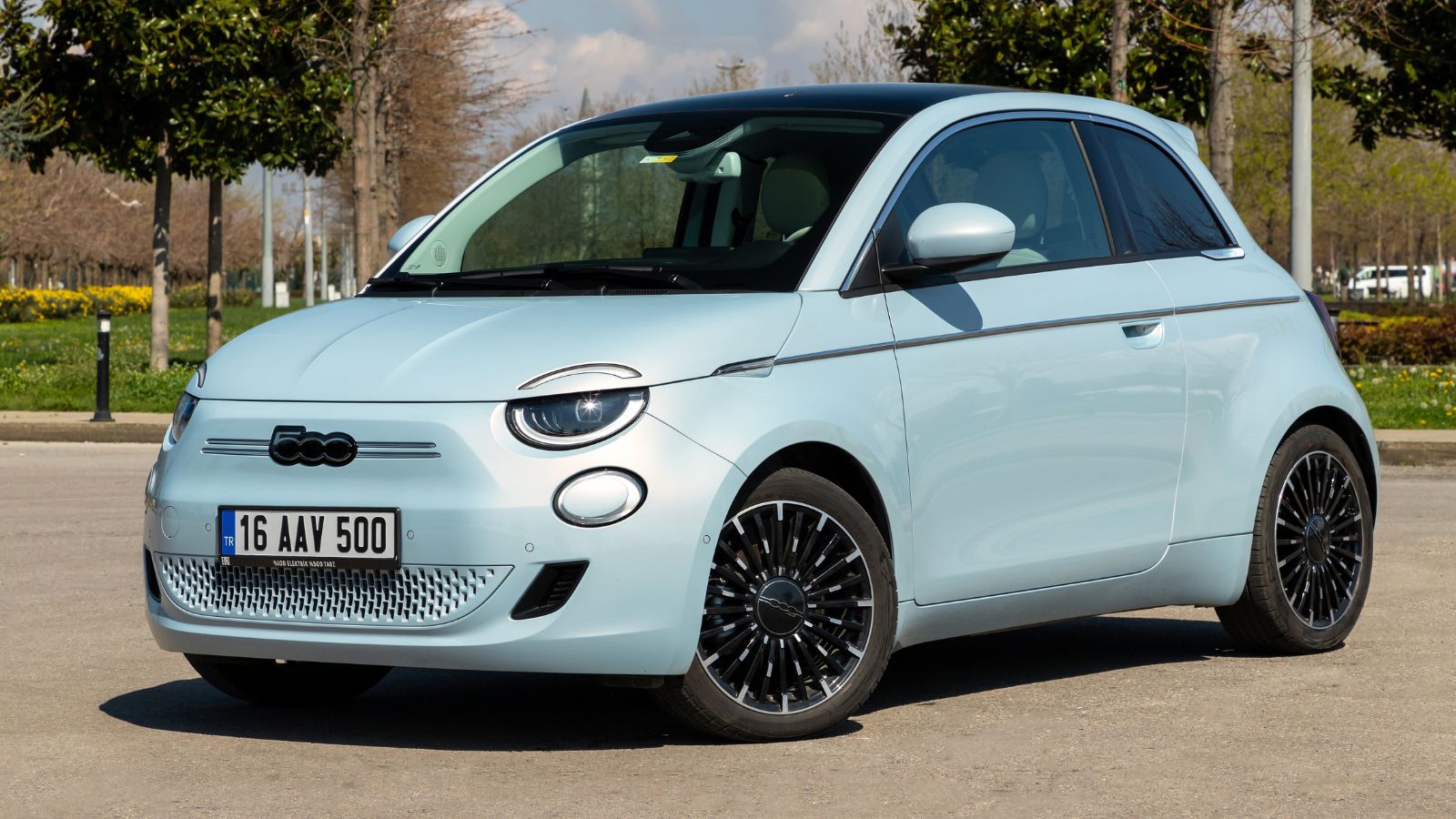
The Fiat 500e wins people over before anyone looks at a spec sheet. It is charming, compact, and one of the few EVs that genuinely feels like it was designed to be fun in a dense city rather than merely efficient. That matters. Plenty of cars are bought because they make ordinary trips feel lighter, and the 500e absolutely does that. Its tiny footprint and design-first personality give it an emotional edge that many more serious EVs never develop.
But the numbers are hard to ignore. Fiat’s own materials and mainstream reviews put the car at about 149 miles, or roughly 227 kilometres, of range, with DC fast charging to 80% in around 35 minutes. That keeps it squarely in the city-car lane. There is nothing wrong with that, but it leaves almost no room for the 500e to feel advanced once more Chinese EVs arrive with stronger battery packaging, richer interfaces, and better range even at lower price points. The Fiat still has style, yet style alone is becoming a thinner shield in the EV era.
Mercedes-Benz EQB
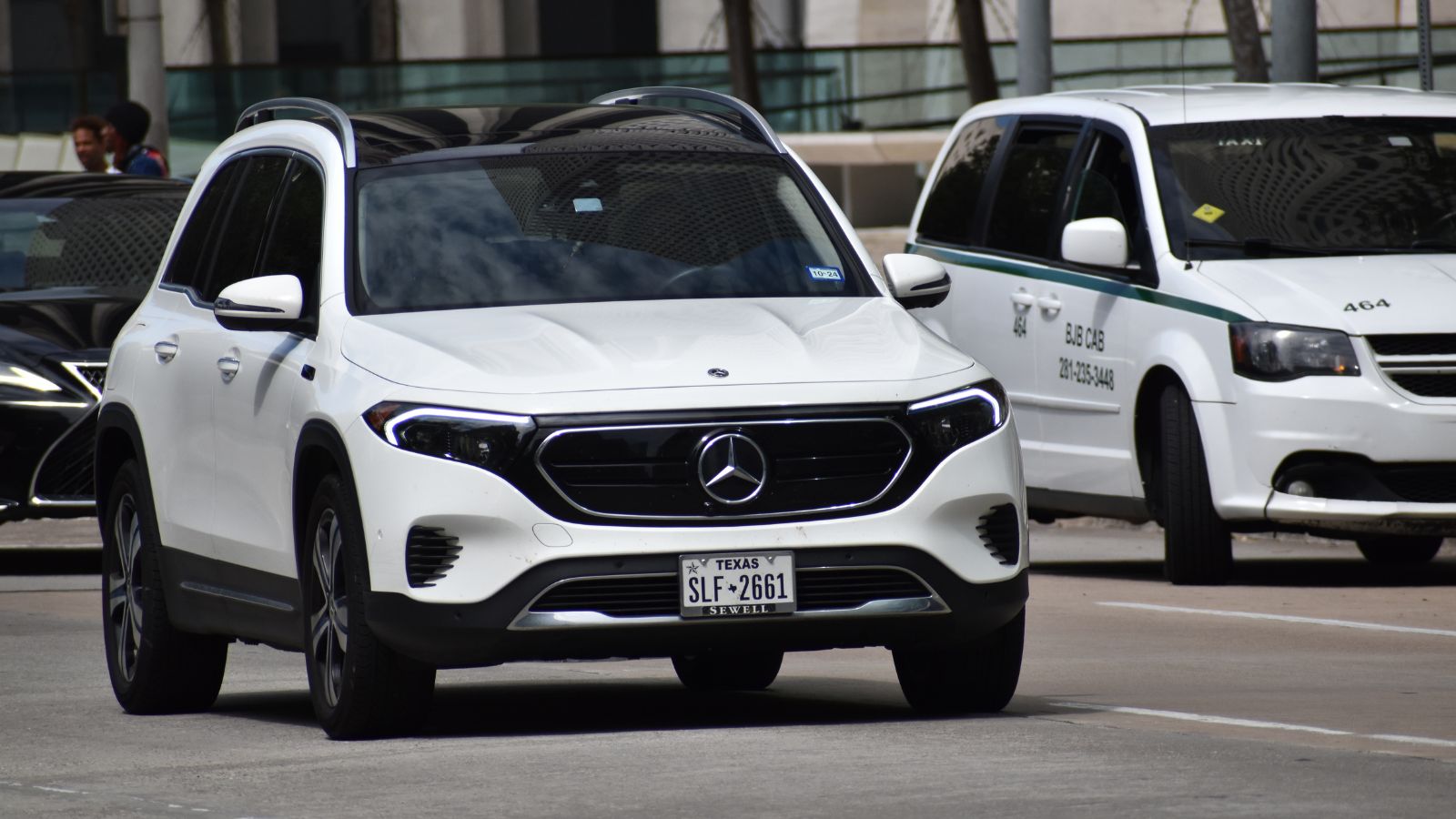
The EQB is the kind of vehicle that works well for a buyer who wants an EV to behave like a familiar luxury SUV. It is upright, practical, and less visually experimental than many electric rivals. That restraint is part of its appeal. Recharged pegs the EQB 250+ at roughly 250 to 251 miles of range, and charging from 10% to 80% in around 35 minutes remains entirely livable for a premium family vehicle.
The issue is that the EQB increasingly feels like luxury translated into electric form, not reimagined for it. Chinese brands are far more aggressive about making the interior feel like a digital event, and they are increasingly treating fast charging as a core selling point rather than a supporting feature. The EQB still feels solid and expensive, but the spec sheet now reads more evolutionary than visionary. In a premium segment where being perceived as ahead matters almost as much as actual quality, that makes the EQB unusually exposed to feeling old sooner than buyers may expect.
Mercedes-Benz EQA
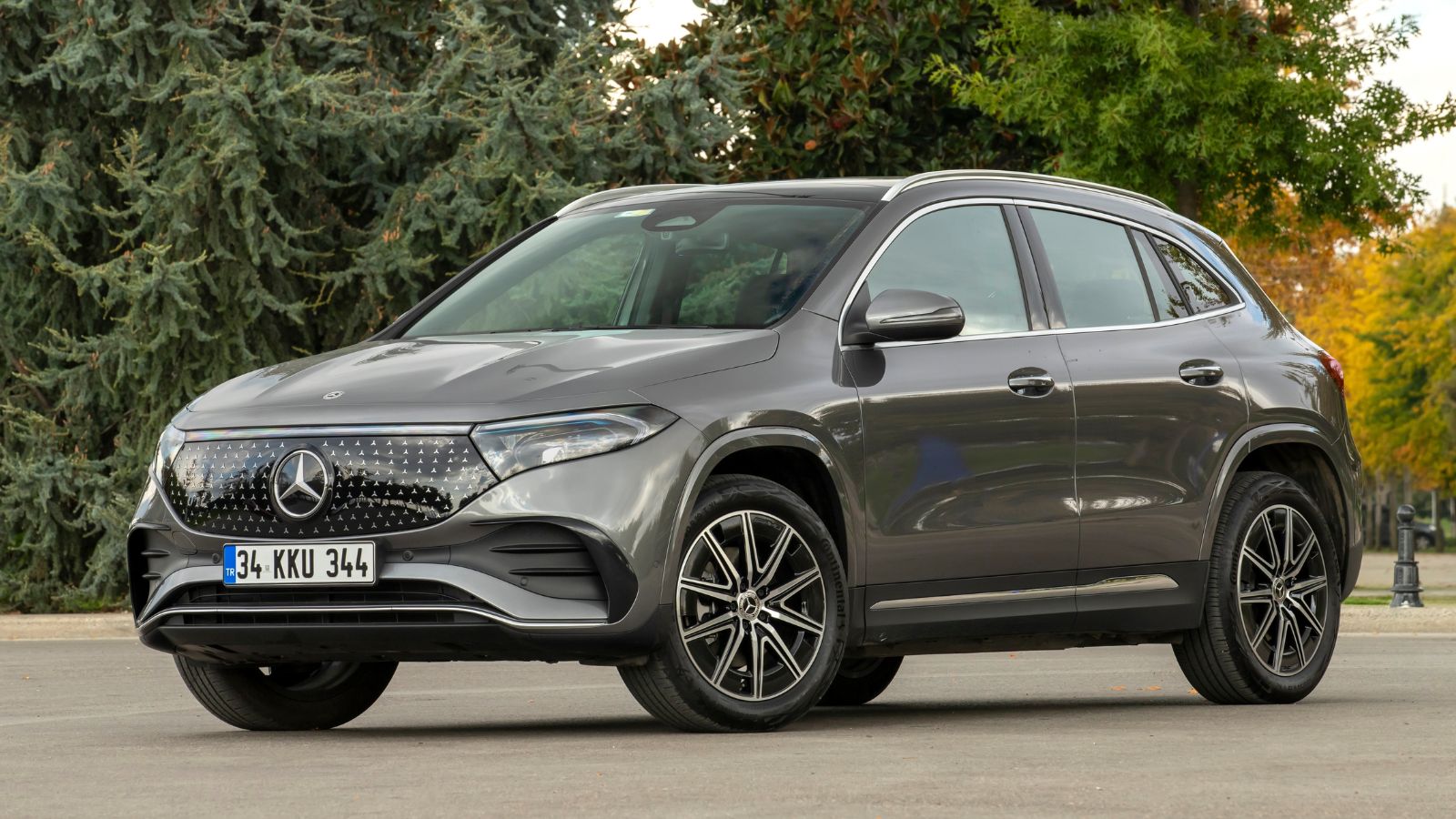
The EQA has a strong case as a neat, polished European compact EV. Mercedes positions it as a premium entry point, and on paper the EQA 250+ can look persuasive, with Mercedes citing up to 560 kilometres WLTP and supporting documents showing a usable battery around 70.5 kWh. That gives it an everyday legitimacy that should not be dismissed. It also carries the kind of restrained design that many luxury buyers still prefer to more theatrical EV styling.
Yet the EQA’s likely problem is not basic competence. It is timing. Estimated rapid-charging figures place 10% to 80% at roughly 29 minutes with peak charging around 112 kW, which is respectable but not especially headline-grabbing anymore. That matters because Chinese entrants increasingly sell excitement alongside usability. They are not just aiming to match premium badges; they are trying to make them look cautious. The EQA still works as a tasteful Mercedes EV, but tasteful alone can start to read as dated when the market begins rewarding bolder tech narratives and more obvious visual modernity.
Volvo EX40
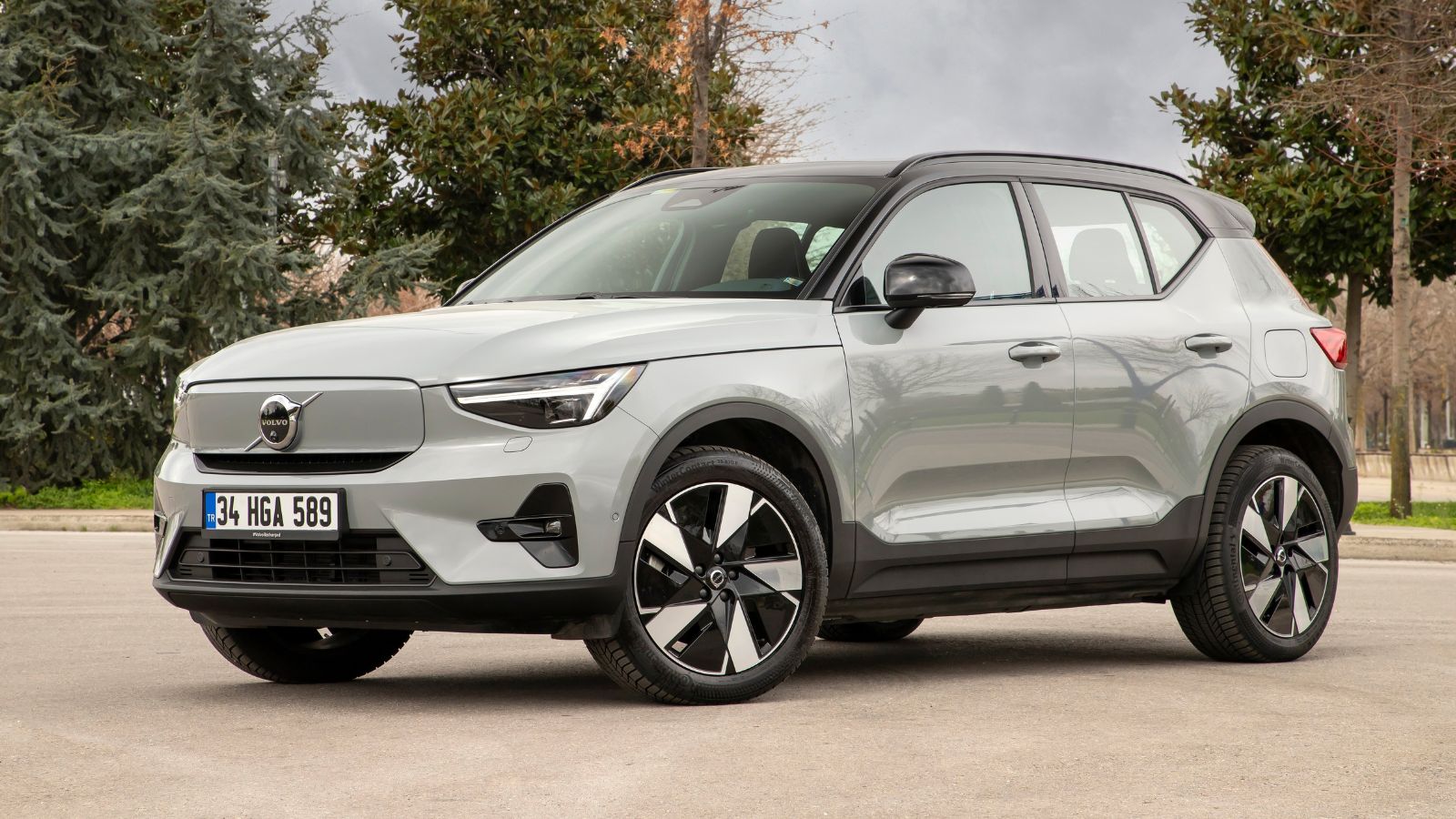
The EX40 is a reminder that a name change does not always equal a generational leap. Volvo’s compact EV is still handsome, well built, and very easy to recommend to someone who values simplicity over spectacle. The latest U.S.-market EX40 delivers up to 296 miles of range and can charge from 10% to 80% in as fast as 28 minutes, so this is not a weak vehicle by any stretch. The fundamentals remain sound, especially for buyers who care more about a calm cabin than flashy gimmicks.
But that is also why it may feel dated quickly. The EX40 is, in many ways, the XC40 Recharge with a cleaner badge strategy and incremental development rather than a deep reinvention. Chinese EVs are arriving with a much less patient philosophy. They tend to announce products that feel visually and digitally new in one glance. The EX40 feels mature, almost understated, which some buyers will love. Yet in a fast-moving EV market, mature can be interpreted as from the previous phase rather than built for the one now beginning.
Volvo EC40
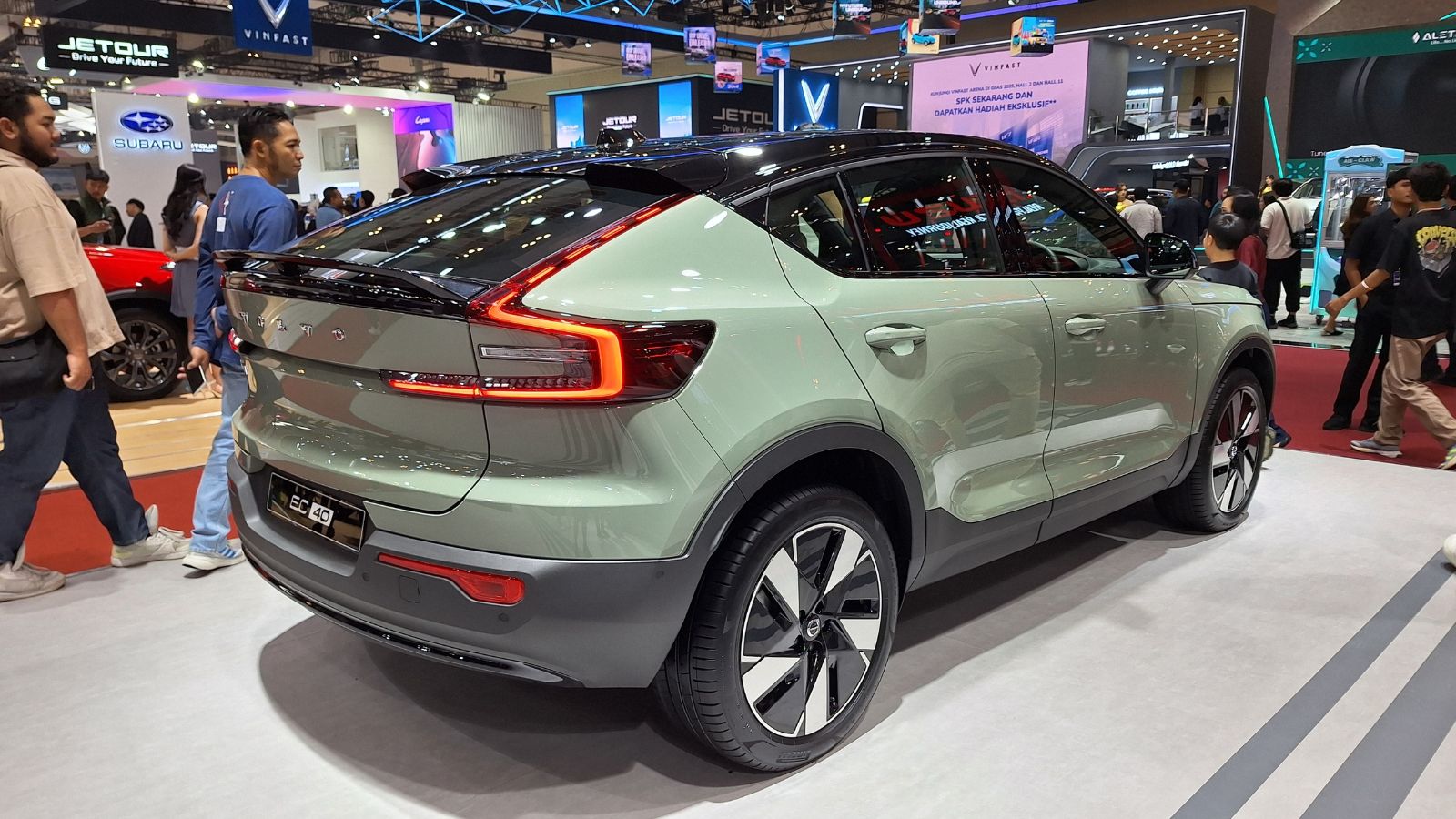
The EC40 has always leaned more emotional than the EX40 thanks to its coupe-like roofline and sleeker profile. It is the sort of EV that appeals to buyers who want Scandinavian design with a bit more visual flair. Volvo continues to market it with competitive range, up to 530 kilometres in some markets, and support documentation shows quick 10% to 80% charging under the right conditions. On the surface, that sounds future-proof enough.
The catch is that the EC40 can feel like a refined continuation of a known formula rather than a vehicle that resets expectations. Its cabin, technology approach, and overall demeanor all fit the earlier premium-EV playbook: handsome, clean, competent, quietly expensive. Chinese rivals are often less subtle. They are more likely to overwhelm shoppers with screen layouts, charging narratives, or sharper value equations. That means the EC40 risks aging by comparison, not because it suddenly becomes bad, but because it can start to feel like a beautifully finished product from an EV generation that has already started to pass.
Audi Q4 e-tron
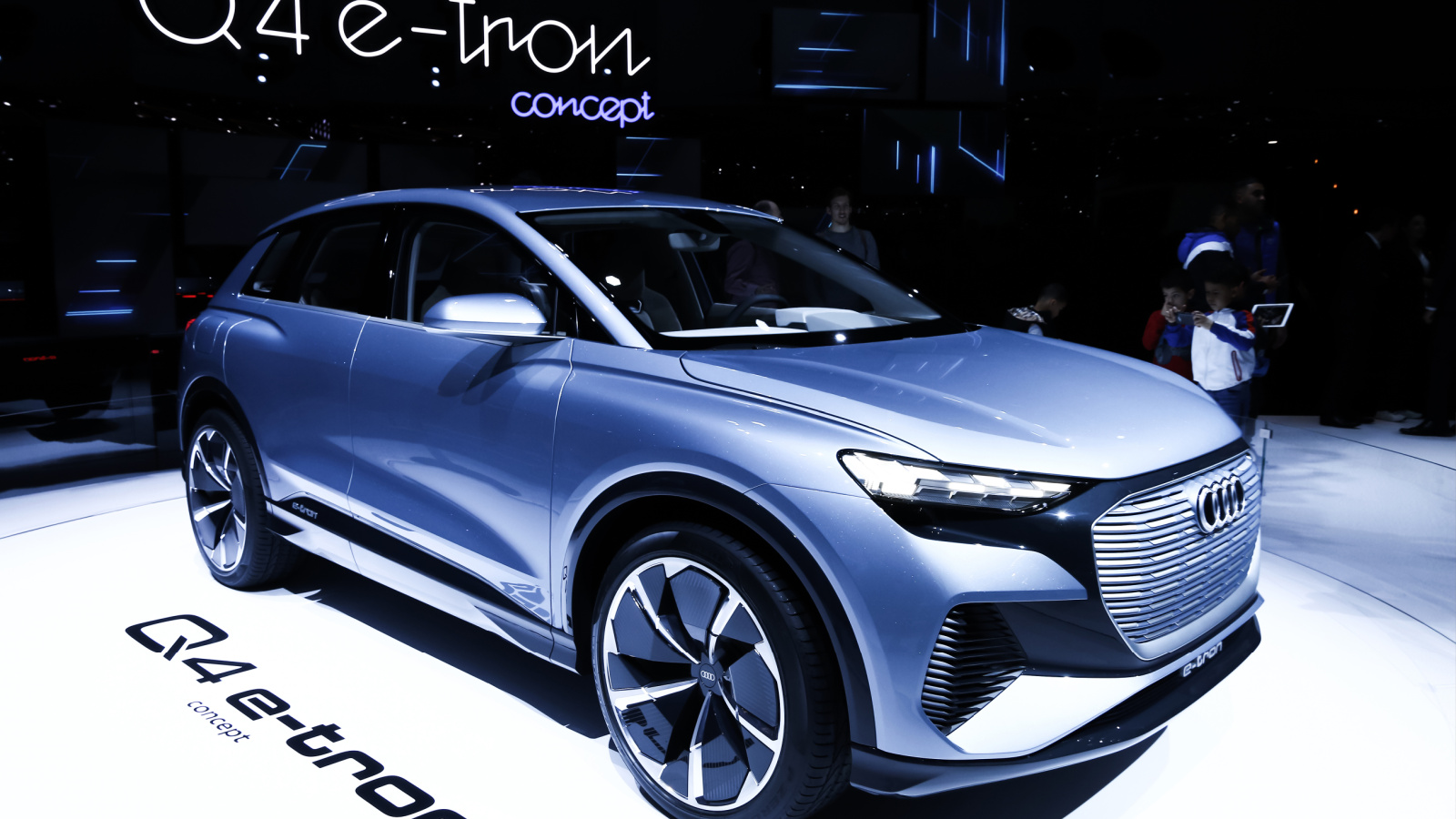
The Q4 e-tron is one of Audi’s easier EVs to understand. It looks like an Audi, drives like a compact premium crossover, and offers enough range to feel completely normal in everyday use. Audi Canada quotes up to 463 kilometres for the Q4 45 e-tron, while fast charging to 80% can take about 28 minutes in the right configuration. Those are healthy numbers, and for many buyers the Q4 will still feel like a very complete package.
Where the Q4 may start to lose ground is not basic utility but emotional freshness. The premium compact EV space is becoming intensely crowded, and Chinese competitors are moving in with cabins and features designed to feel more dramatic at first glance. Audi’s understated approach can look elegant, but it can also feel conservative when the competition is framing every interaction as a tech demo. The Q4 e-tron remains competent and polished, yet it may be one of those vehicles people suddenly describe as “still nice” instead of “really exciting” once new Chinese entries start showing up in the same conversations.
Audi Q8 e-tron
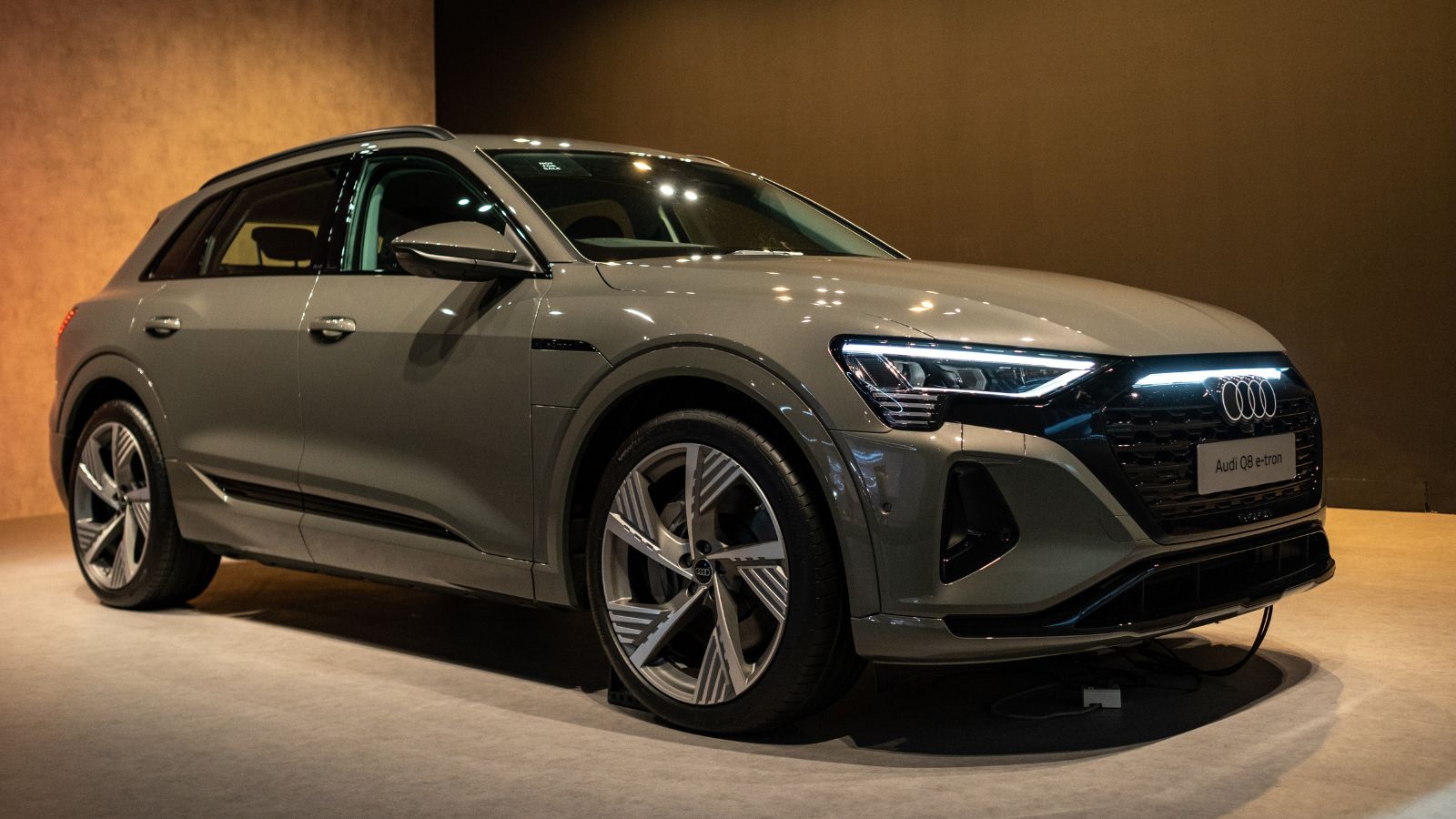
The Q8 e-tron is a luxury EV with real presence. It is quiet, substantial, and built for buyers who want their electric SUV to feel reassuringly expensive. Audi’s own technical data show just how much battery is involved: depending on version, the Q8 e-tron uses packs up to 114 kWh gross, with combined range figures stretching as high as the upper-500-kilometre band in some WLTP configurations and around the high-200-mile range in EPA terms. It can also charge from 10% to 80% in roughly half an hour under ideal conditions.
That all sounds impressive until efficiency becomes part of the conversation. The Q8 e-tron gets much of its range with a very large battery and a big, heavy luxury-SUV body. Chinese EV makers are getting increasingly good at delivering strong real-world usability with cleaner packaging and a more obvious sense of technical novelty. In other words, the Q8 e-tron may still feel luxurious, but not necessarily advanced. As the market shifts toward doing more with less, big-battery prestige without obvious next-gen wow factor can start to read as old-school remarkably fast.
Peugeot E-2008
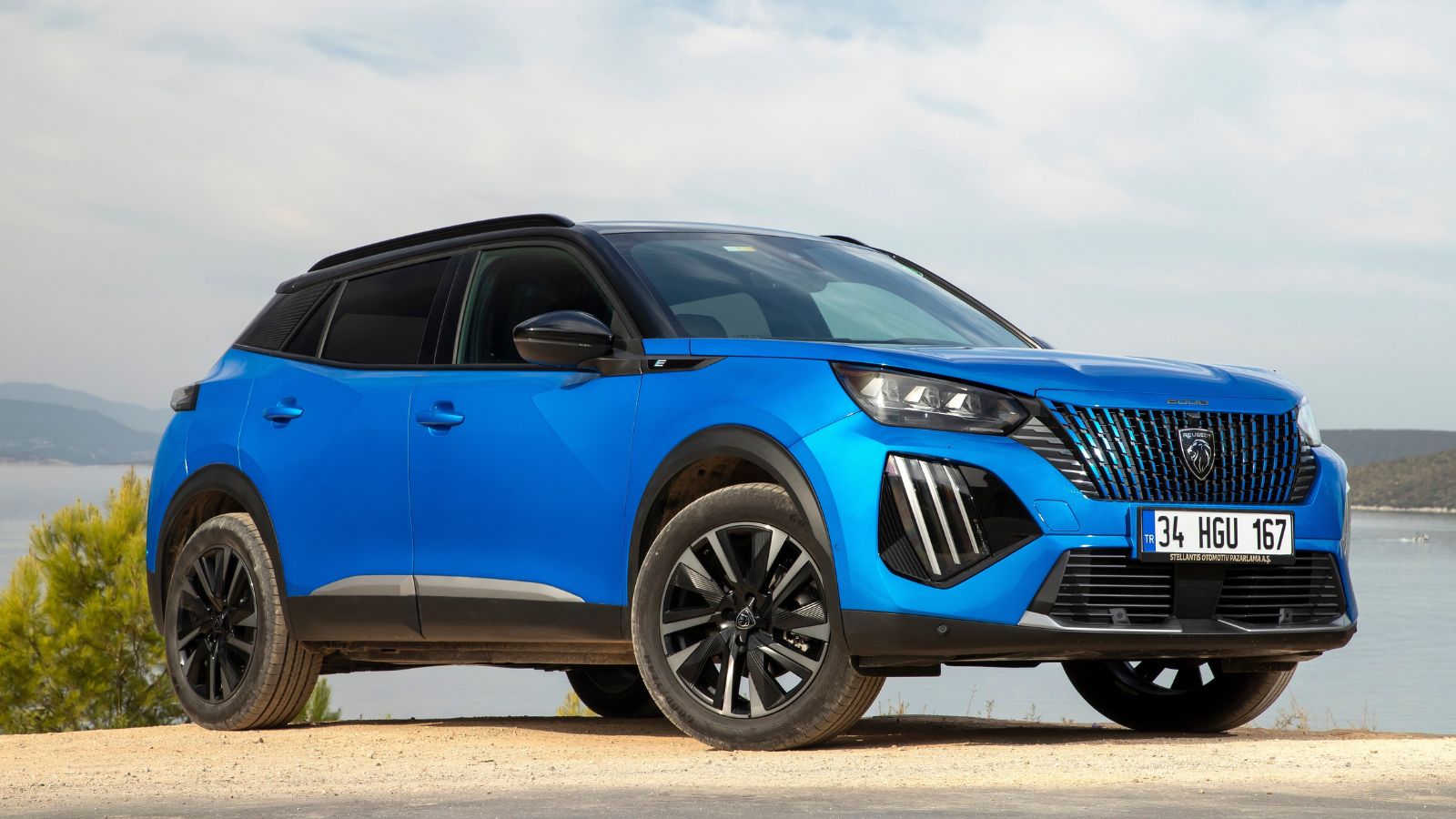
The E-2008 is one of those EVs that makes a lot of sense in Europe because it sits neatly between small-car maneuverability and crossover practicality. The styling is smart, the footprint is manageable, and the 54-kWh version offers a respectable estimated range of roughly 185 miles, with rapid charging from 20% to 80% in around 25 to 30 minutes depending on source and charger. For urban families and mixed-use commuting, that remains a sensible recipe.
Still, the E-2008 feels like a compact electric crossover from the stage of the market when “good enough” was enough. Chinese brands increasingly aim for more than that. They tend to add a bigger visual statement, more aggressive software presentation, and a stronger sense that the cabin was designed around digital habits rather than adapted from existing small-SUV thinking. The Peugeot remains stylish and practical, but it does not scream future. That makes it especially vulnerable to seeming ordinary the moment a more ambitious Chinese rival appears beside it at a similar price.
Opel/Vauxhall Mokka Electric
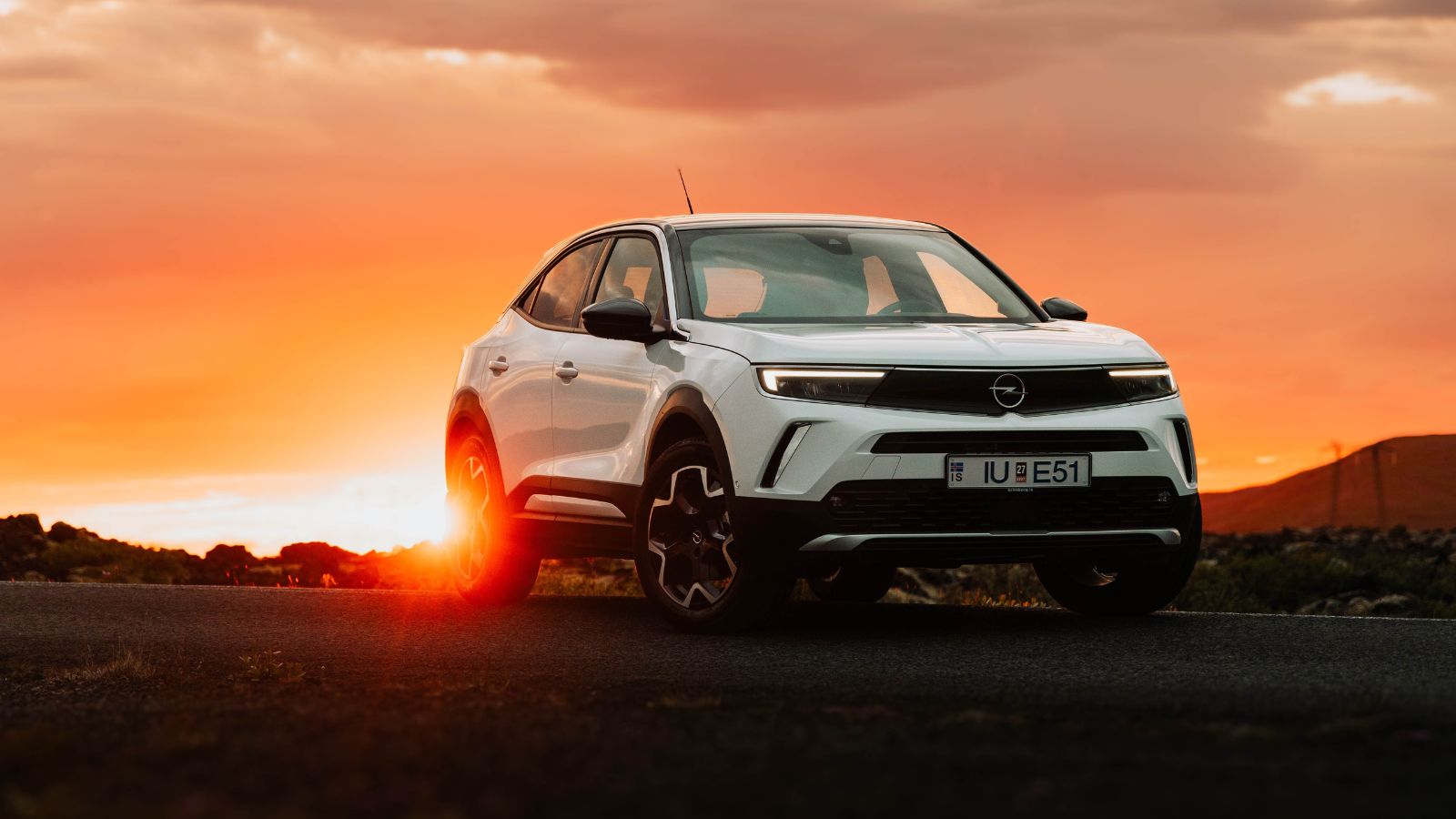
The Mokka Electric is a case study in how quickly a competent EV can become easy to overlook. Vauxhall advertises up to 252 miles WLTP for the latest electric Mokka, and Opel says the battery can be recharged to 80% in around 30 minutes at a 100-kW DC station. Those are solid compact-EV credentials, and the car’s sharp, squared-off styling still gives it a more youthful edge than many conservative crossovers.
But in EVs, solid can slip into forgettable very quickly. The Mokka Electric does not really dominate any key benchmark, and that matters when the next wave of competitors arrives trying to overwhelm on value, visuals, or convenience. Chinese EV makers have become very good at turning modestly sized vehicles into products that feel more expensive and more futuristic than their footprints suggest. The Mokka Electric is attractive and capable, but it already feels like a tidy answer from the current market rather than the kind of big leap that keeps a model looking fresh several years into the next one.
MINI Countryman SE ALL4
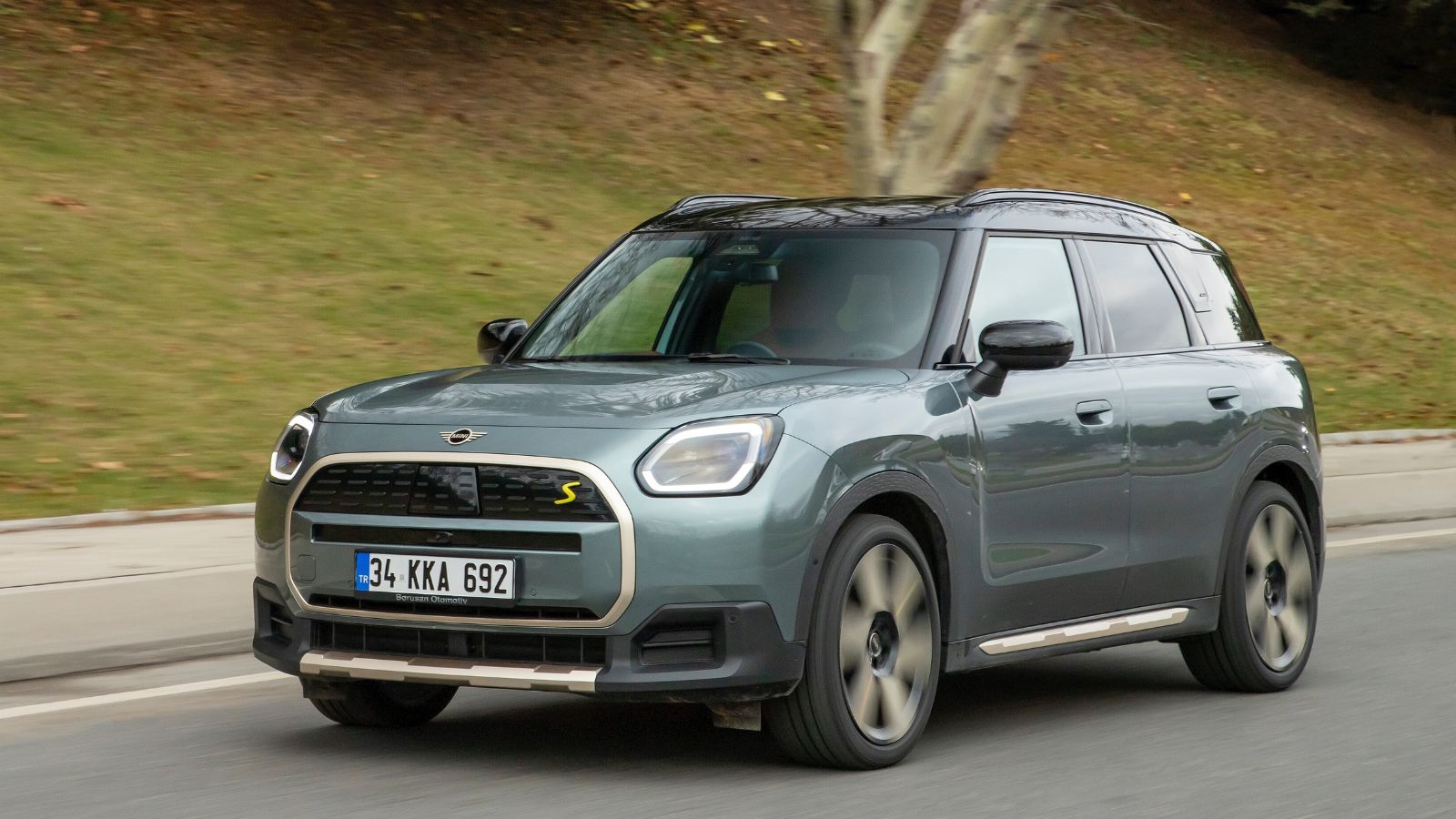
The electric Countryman has plenty going for it. It feels stylish, it carries MINI’s playful design language into a larger format, and it gives buyers a premium-badge EV that does not take itself too seriously. That has value. In a sea of lookalike electric crossovers, personality still counts. The problem is that the official EPA range sits at 212 miles, which is not disastrous, but it also does not create much breathing room in a market moving toward stronger range expectations.
Charging does not fully rescue the story. Reporting around the model points to 11-kW AC charging and middling DC fast-charging performance, which means the Countryman can feel a little more charming than cutting-edge. That might be enough today, especially for buyers choosing with their heart. But once new Chinese EVs arrive offering more dramatic dashboards, better range-per-dollar, and a stronger sense of tech spectacle, the Countryman risks being seen as a cool-looking premium EV that is a beat behind where the class is headed.
Mazda MX-30
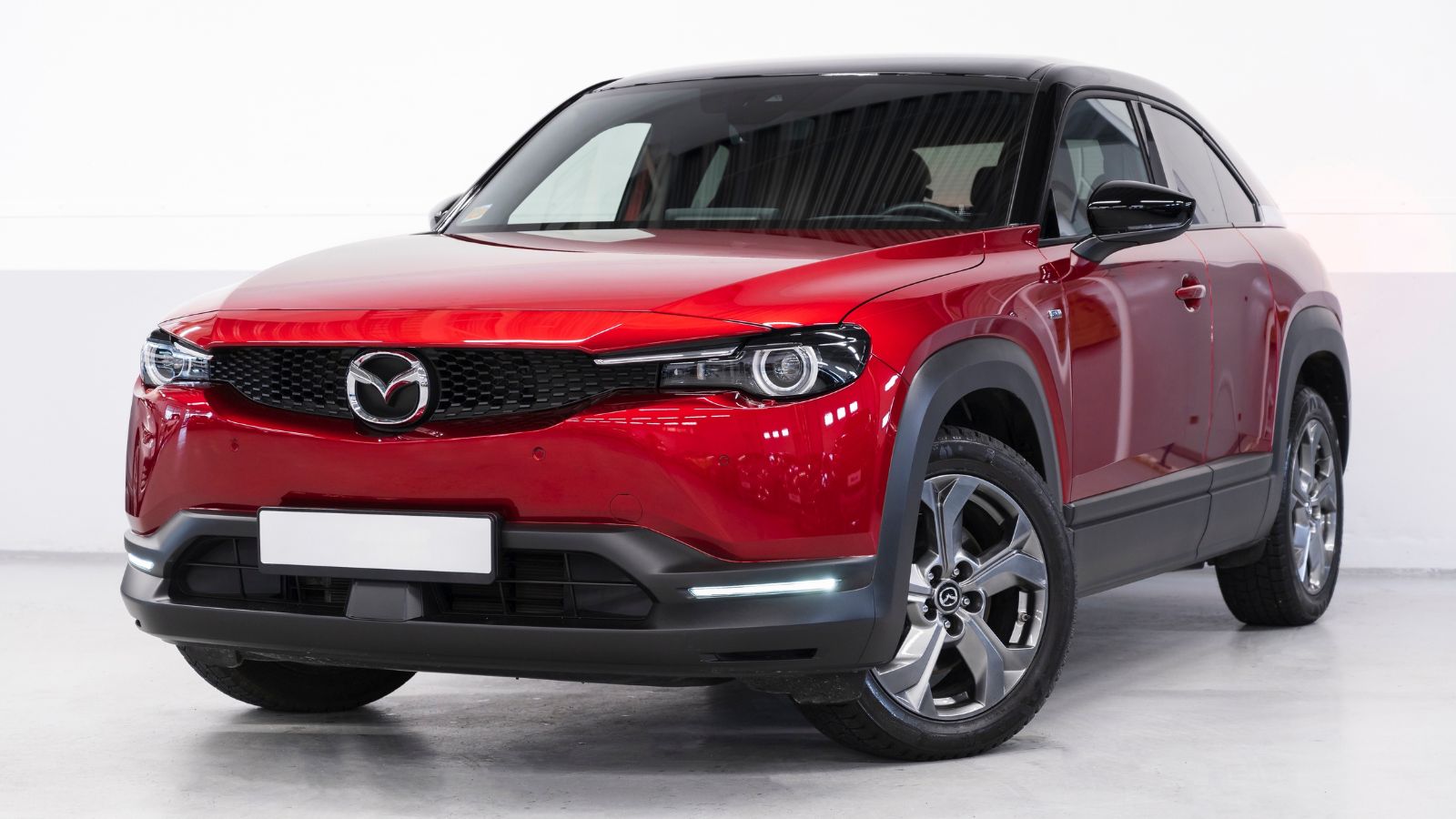
The MX-30 almost feels like it was designed as an argument that EVs do not need to be oversized gadgets. It has a beautifully considered interior, unusual freestyle doors, and a kind of restraint that many current EVs completely lack. In person, it can be more memorable than far more powerful vehicles. That is why it remains oddly lovable. Mazda treated it like a design object, and that care is still visible years after launch.
Unfortunately, the market has moved far beyond the MX-30’s hardware. Independent specifications and charging guides place it at roughly a 35.5-kWh battery, about 209 kilometres or around 124 miles of range, and roughly 30 to 40 minutes for a 20% to 80% charge on DC power. Those are simply first-wave EV numbers now. Against Chinese EVs that are pushing faster charging, stronger range, and more advanced interfaces at startling speed, the MX-30 will not just feel a little dated. It will feel like a snapshot from a much earlier stage of the electric transition.
22 Things Canadians Do to Their Cars in Spring That Mechanics Hate

Spring brings relief to many Canadian drivers after months of snow, freezing temperatures, and icy roads that put serious strain on vehicles. As temperatures rise across the country, drivers begin washing cars, switching tires, and preparing vehicles for warmer weather and upcoming road trips. However, mechanics across Canada notice the same mistakes every spring when drivers attempt to recover from winter damage. Road salt, potholes, and harsh winter driving conditions often leave vehicles with hidden problems that drivers ignore. Some spring habits even create new mechanical issues that could have been avoided with proper maintenance. Here are 22 things Canadians do to their cars in spring that mechanics hate.