























Car prices in Canada keep climbing. Buyers already pay a premium for new vehicles. Now, many brands add subscription fees on top of that. Heated seats, remote start, and driver aids often sit behind paywalls. These features used to be included in the purchase price. Drivers feel frustrated paying monthly for hardware already installed. Some cancel these services after the trial ends. Others avoid brands that rely on subscriptions. This shift is changing buying decisions across the country. Here are 23 cars with subscription features Canadians refuse to pay for.
BMW X5
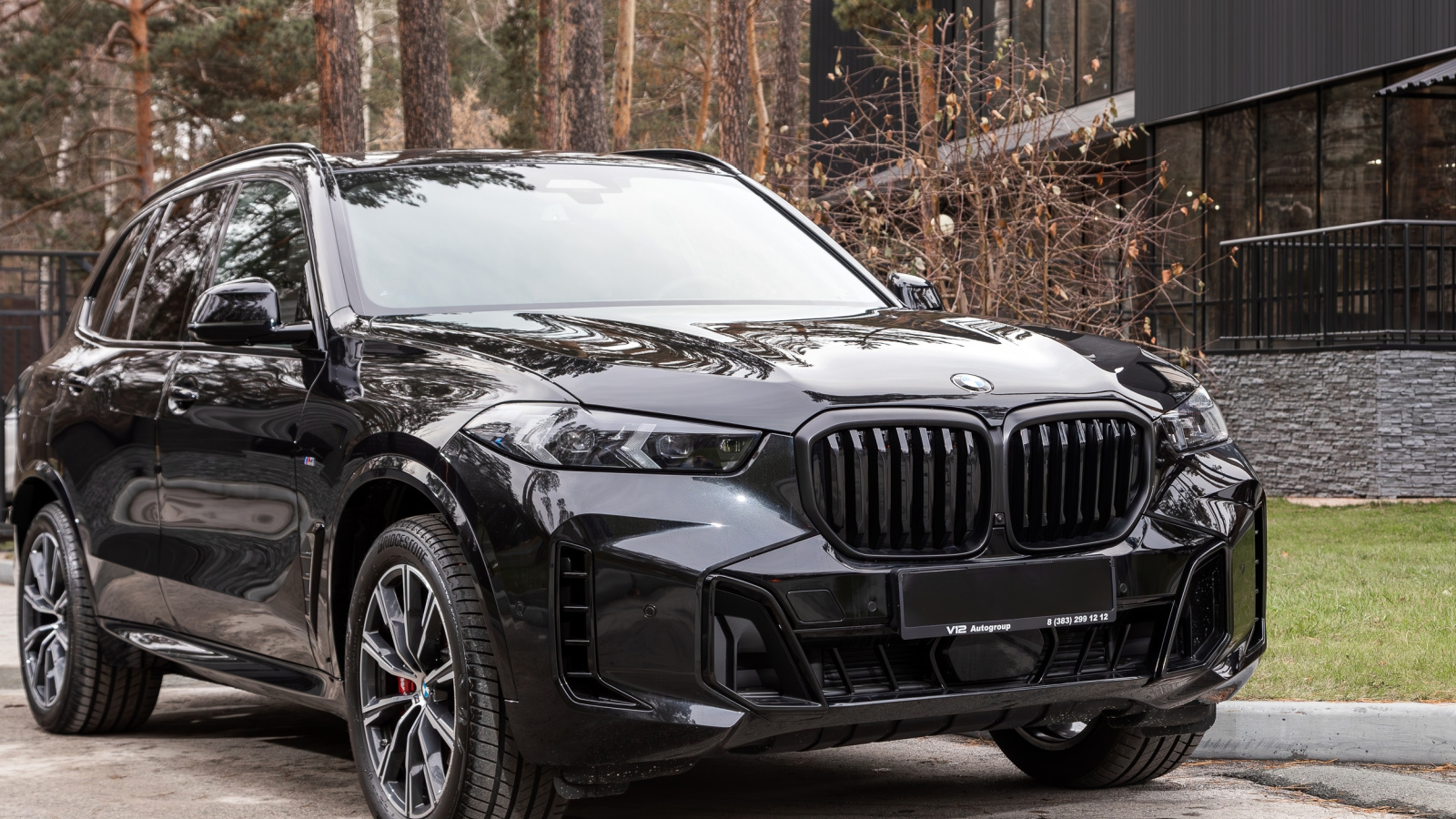
The BMW X5 starts at $85,000 in Canada. Buyers expect premium features to be included. Yet BMW has experimented with charging for heated seats. Some markets saw monthly fees for basic comfort features. Canadian drivers reacted strongly to the idea. Many saw it as double-charging. The hardware already exists in the car. Paying extra feels unnecessary. Some dealers now bundle features again after backlash. Still, the damage remains. Buyers remain cautious about future updates. Subscription fatigue hits hard in this segment. Luxury buyers want simplicity, not extra billing.
Mercedes-Benz EQS
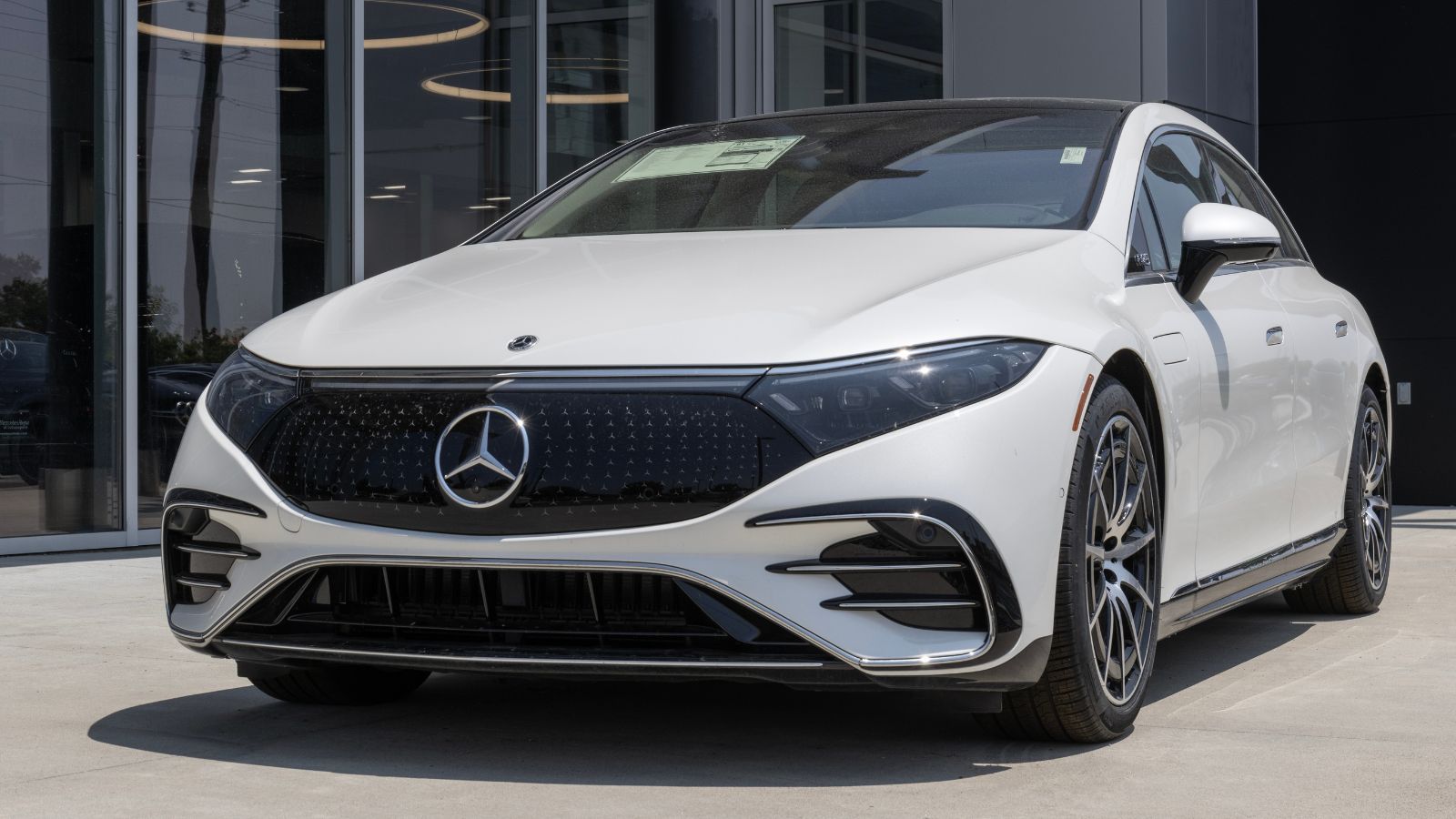
The Mercedes-Benz EQS can exceed $140,000. That price suggests everything should be included. Yet acceleration upgrades come through subscriptions. The brand offers performance boosts for a fee. Drivers question paying more for unlocked software. The car already has the capability installed. Many see this as an artificial restriction. Owners expect full performance from day one. Subscription upgrades feel like a paywall. Some buyers skip optional packages entirely. Others move to competitors without such systems. This approach risks alienating loyal customers. High prices leave little room for added charges.
Audi Q8 e-tron
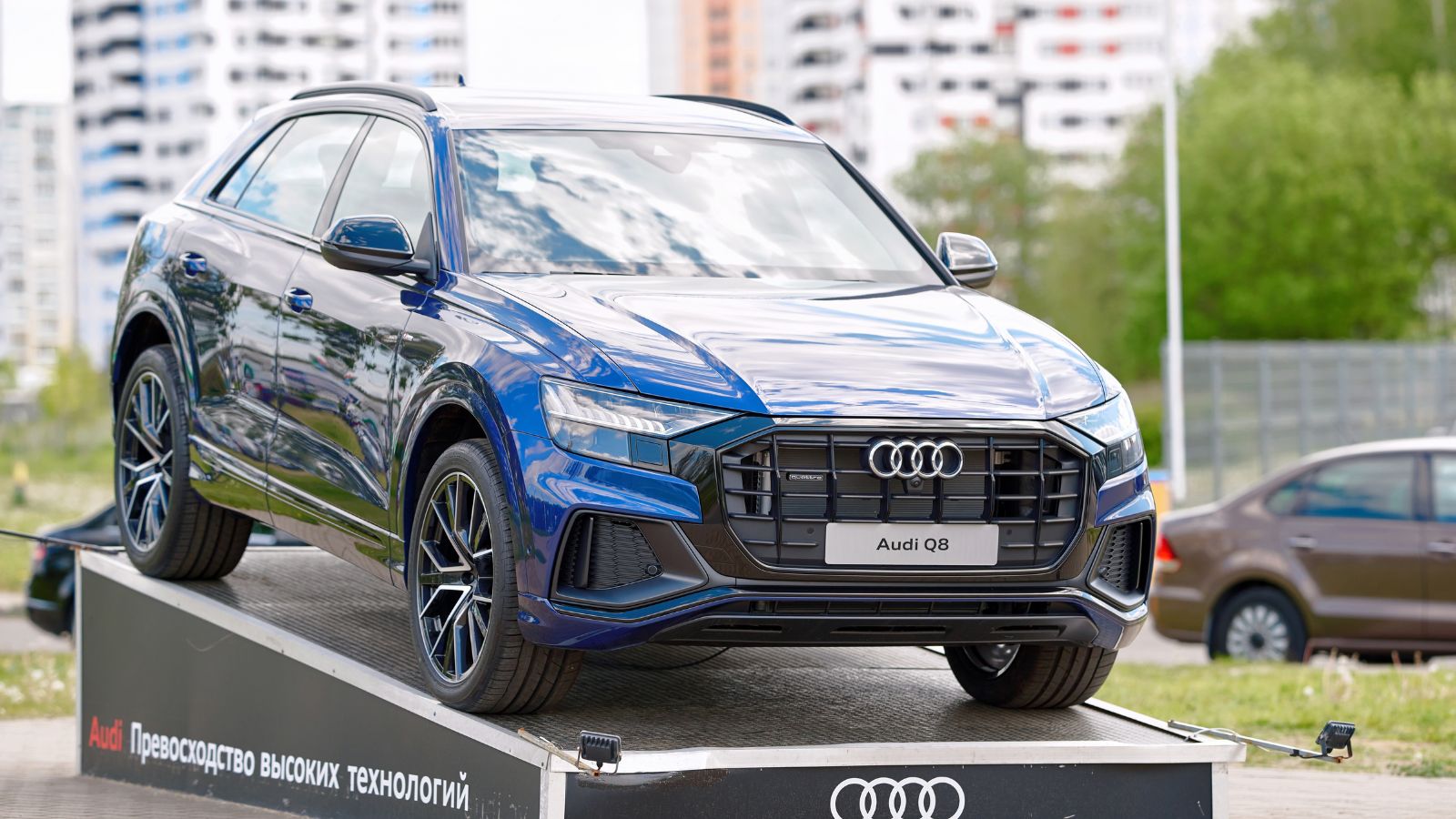
The Audi Q8 e-tron starts around $90,000. It offers advanced lighting and infotainment features. Some functions require paid activation over time. This includes certain driver assistance tools. Buyers feel uneasy about locked features. They already paid a premium upfront. Monthly or yearly fees add pressure. Canadian winters make features like remote climate vital. Drivers expect them to work without limits. Subscription access creates frustration. Many disable or ignore these options. Some choose trims with fewer restrictions. Others consider rival EVs with simpler ownership costs.
Tesla Model Y
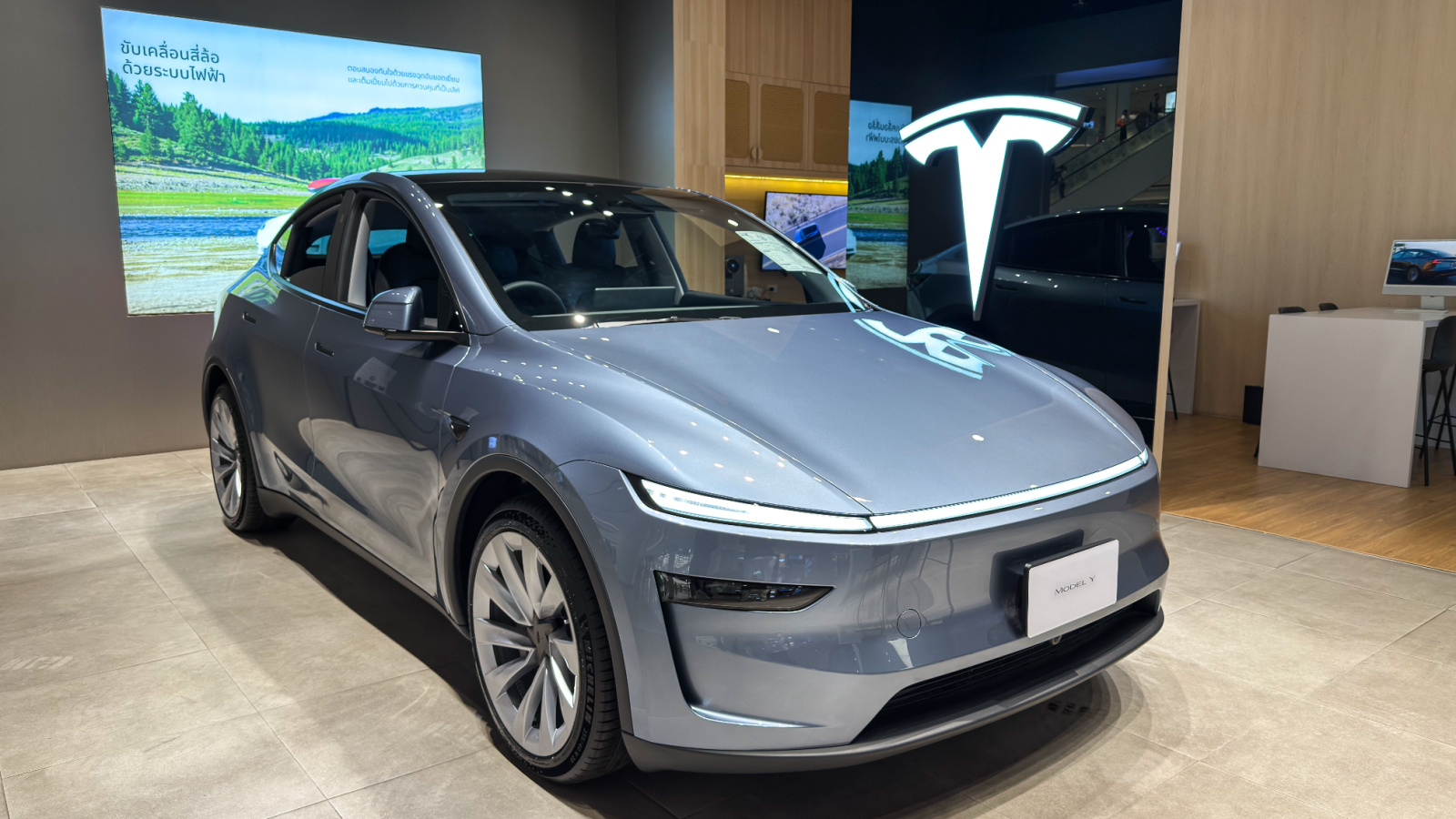
The Tesla Model Y begins near $60,000. Its Full Self-Driving package costs thousands upfront. Tesla also offers it as a subscription. The feature still lacks full autonomy. Many Canadians hesitate to pay monthly. Performance varies based on conditions. Winter driving reduces reliability. Drivers question ongoing fees for unfinished tech. Some try it briefly, then cancel. Others avoid it entirely. Basic Autopilot often feels enough. Subscription fatigue grows with each update. Buyers prefer clear pricing. Constant upselling does not appeal to practical drivers.
Toyota Crown
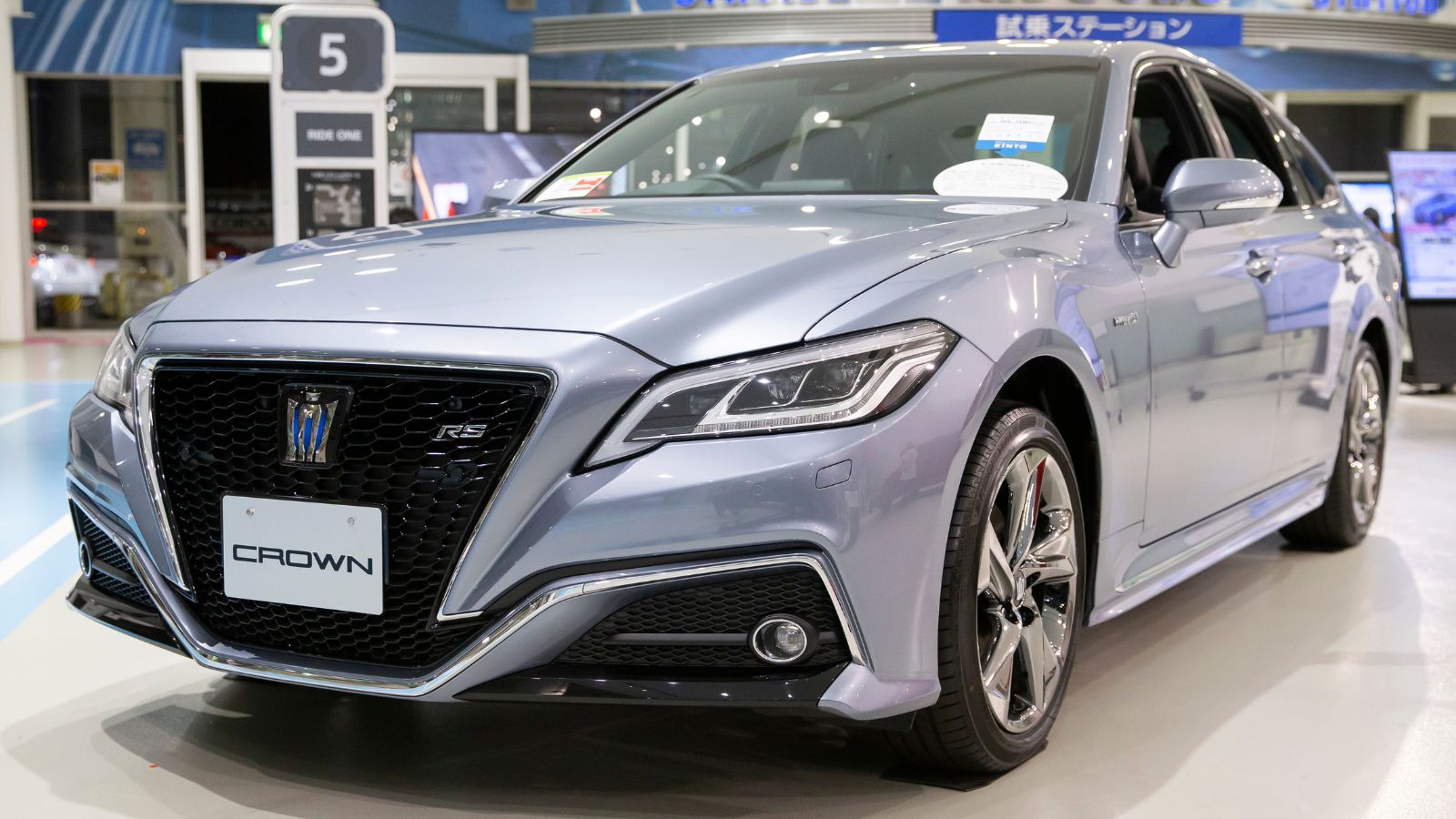
The Toyota Crown starts around $55,000. It includes advanced driver aids and connectivity features. Some services rely on paid subscriptions after trials. This includes remote access and navigation upgrades. Toyota built a reputation for reliability and value. Subscription fees feel out of place here. Owners expect long-term usability without extra cost. Many cancel after the free period ends. The car still drives well without them. Yet the added layer creates friction. Buyers may reconsider future purchases. Simplicity remains a key expectation in this segment.
Ford F-150
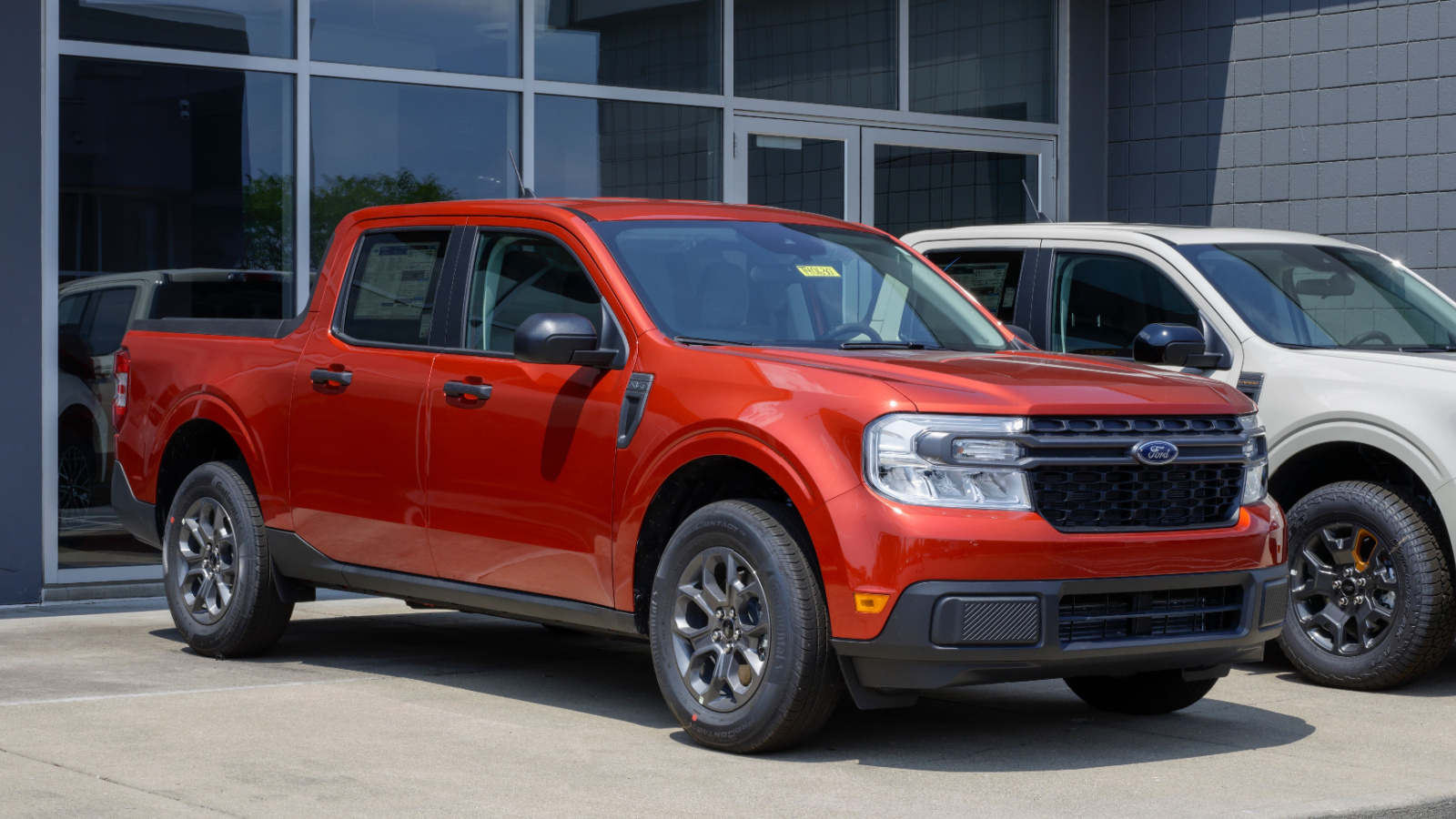
The Ford F-150 starts at $50,000. Higher trims easily exceed $80,000. Ford offers BlueCruise hands-free driving as a subscription. It includes a trial period for new buyers. After that, fees apply for continued use. Many drivers enjoy the feature initially. Few want to keep paying for it. Highway driving already demands attention. Paying monthly feels unnecessary. Some let the subscription lapse. Others avoid activating it altogether. Truck buyers often value practicality. Extra fees clash with that mindset. Ownership costs matter in this segment.
General Motors Silverado
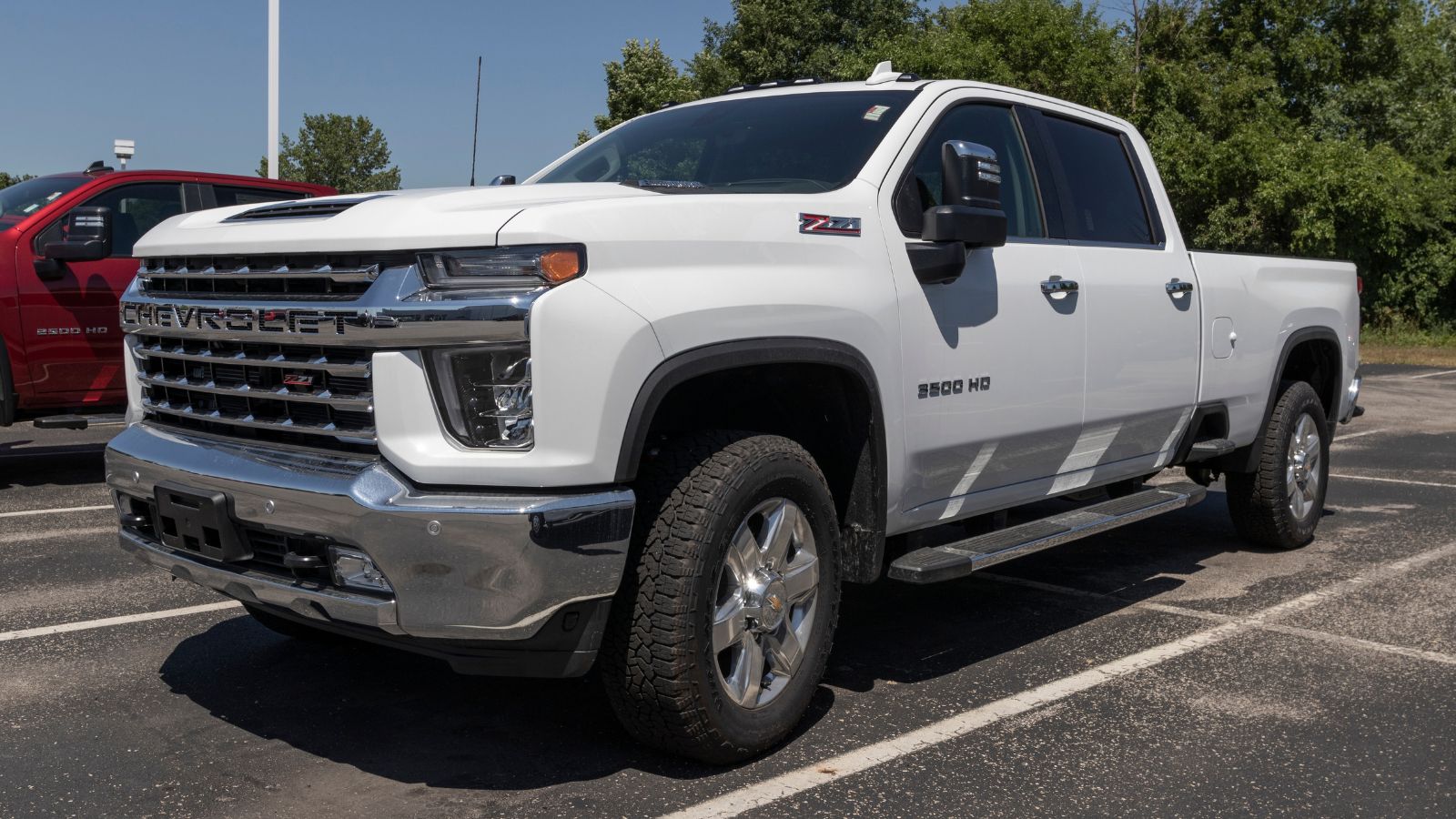
The Chevrolet Silverado starts around $48,000. Higher trims push well past $70,000. GM offers Super Cruise with subscription renewals. It works on mapped highways only. Drivers appreciate the technology at first. Ongoing fees reduce long-term appeal. Many question the limited usability. Canadian roads vary widely by region. Coverage gaps reduce value. Owners often skip renewal after trials. Others never activate the feature. Subscription fatigue grows quickly here. Truck buyers expect durability and value. Extra costs weaken that perception over time.
Hyundai Ioniq 5
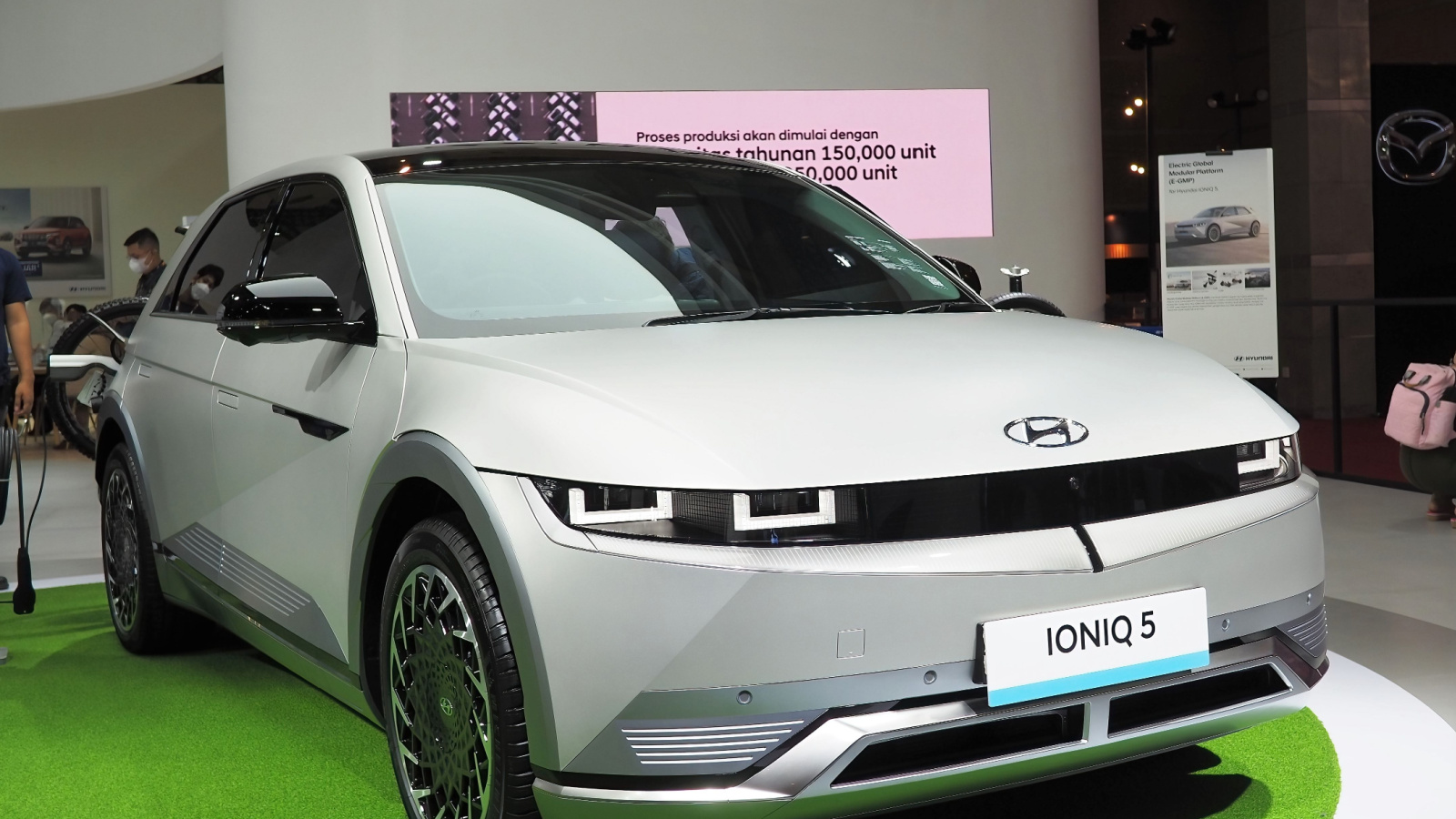
The Hyundai Ioniq 5 starts at $52,000. It offers strong value for an electric crossover. Some connected features require paid plans later. This includes remote services and advanced navigation tools. Buyers like the design and range. Subscription layers create hesitation. Many prefer a one-time purchase model. Monthly fees feel unnecessary for basic convenience. Owners often rely on smartphone alternatives instead. This reduces dependence on paid services. Hyundai still attracts buyers with pricing. Yet subscription concerns remain part of the conversation.
Kia EV6
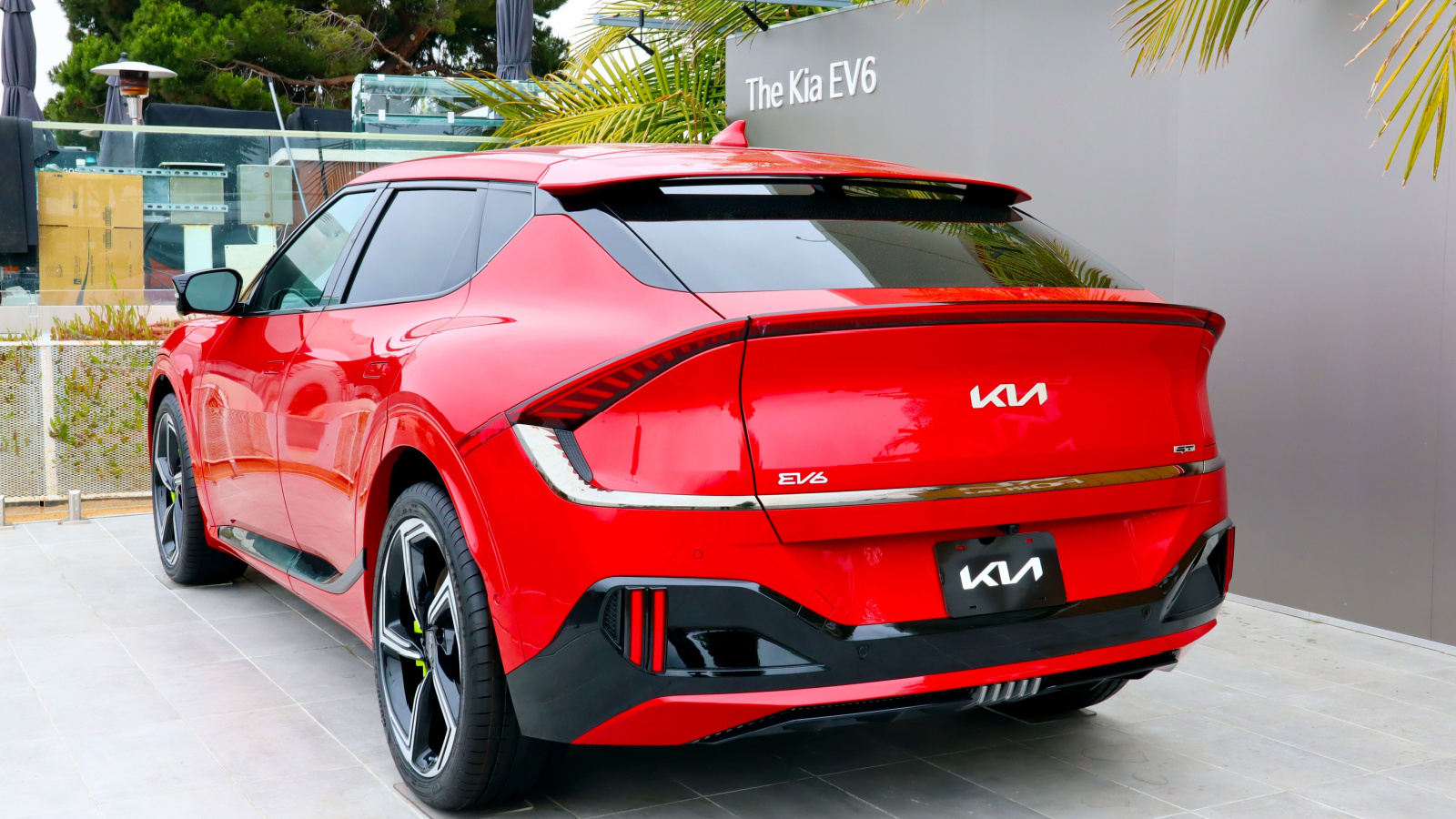
The Kia EV6 starts around $55,000. It shares many systems with the Ioniq 5. Some digital services require subscription renewals. Remote functions and app features fall into this category. Drivers appreciate the performance and styling. Subscription costs feel like an afterthought. Many skip renewing after trials expire. Others use third-party apps instead. The car still performs well without extras. Buyers expect better integration without fees. Competitive pricing helps offset concerns. Still, subscriptions leave a negative impression on some owners.
Volkswagen ID.4
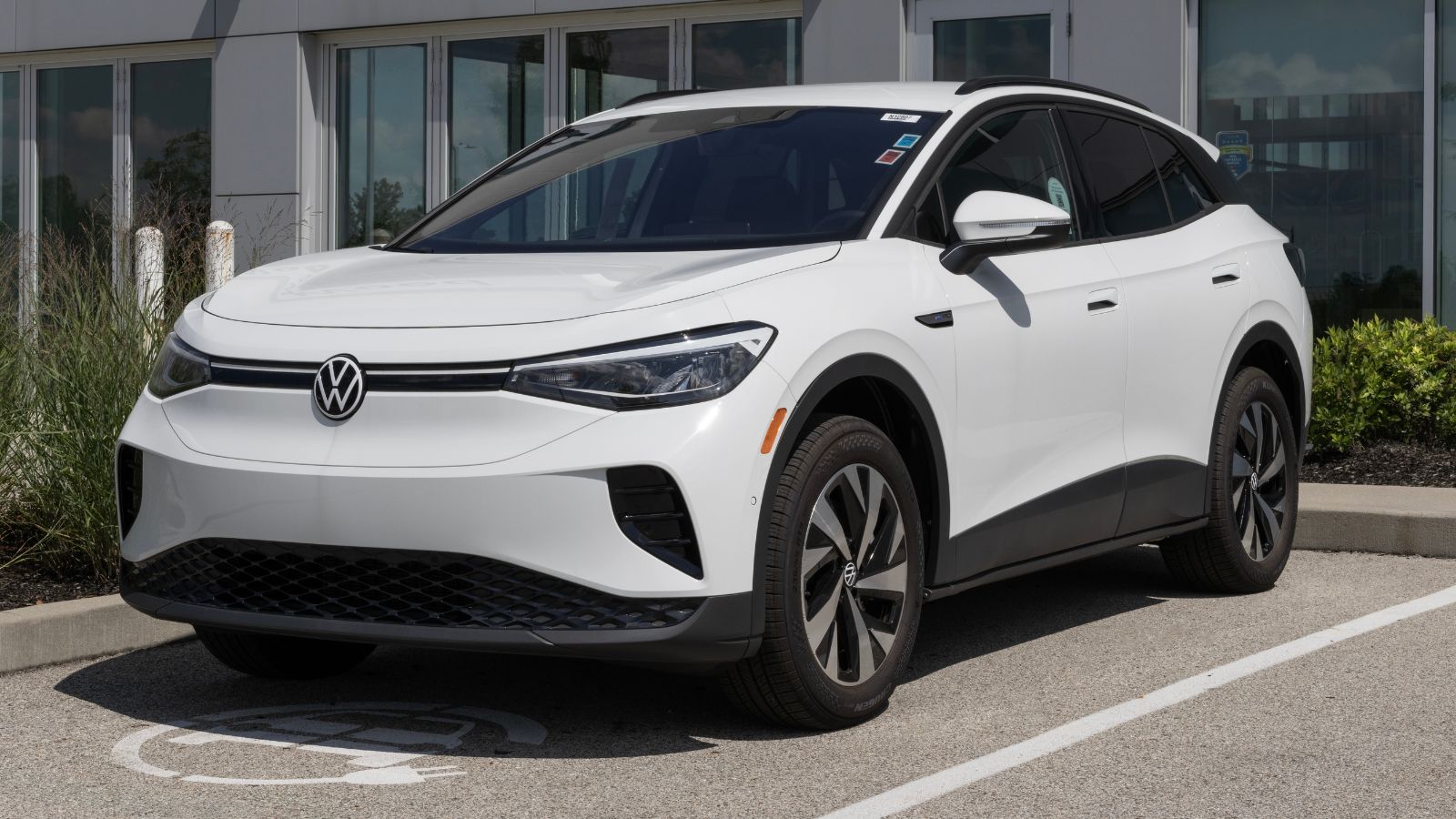
The Volkswagen ID.4 starts near $50,000. It focuses on practicality and comfort. Some features rely on software updates and paid services. Navigation and connectivity may require ongoing fees. Buyers expect straightforward ownership. Subscription layers complicate the experience. Many drivers avoid activating optional services. Others cancel after initial trials. The ID.4 still delivers solid value overall. Yet added costs reduce its appeal slightly. Canadians prefer predictable expenses. Monthly fees create uncertainty. Simpler alternatives often win attention in this segment.
Subaru Outback
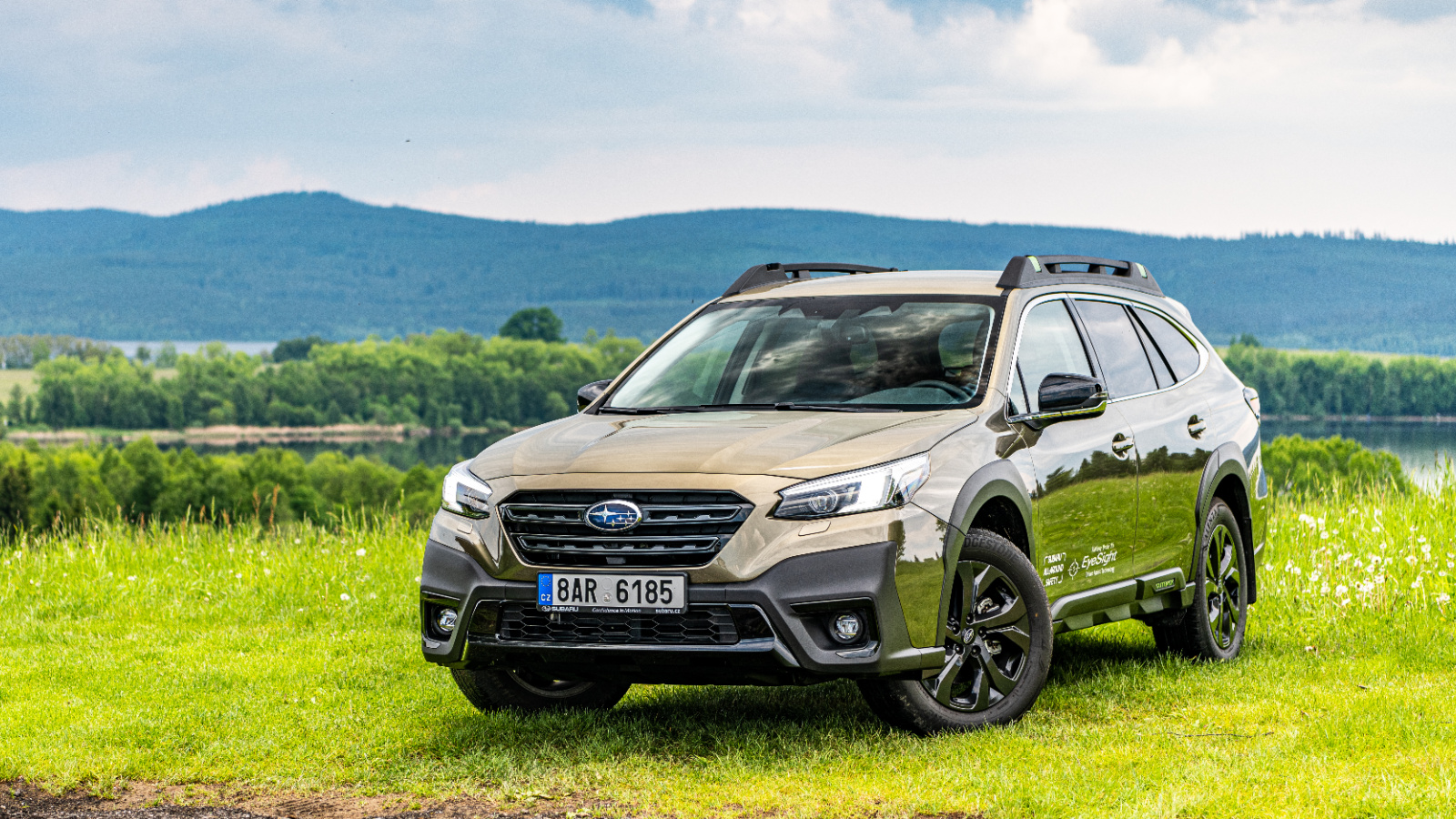
The Subaru Outback starts around $32,000. Higher trims reach over $45,000. Subaru offers Starlink services with subscription plans. These include remote start and safety features. Cold climates make a remote start essential. Drivers expect it without extra cost. Subscription requirements frustrate many owners. Some cancel after the free period. Others avoid using the app entirely. The vehicle still performs well in harsh conditions. Yet the added fee feels unnecessary. Subaru loyalists notice this shift. It changes how buyers view long-term ownership.
Jeep Grand Cherokee
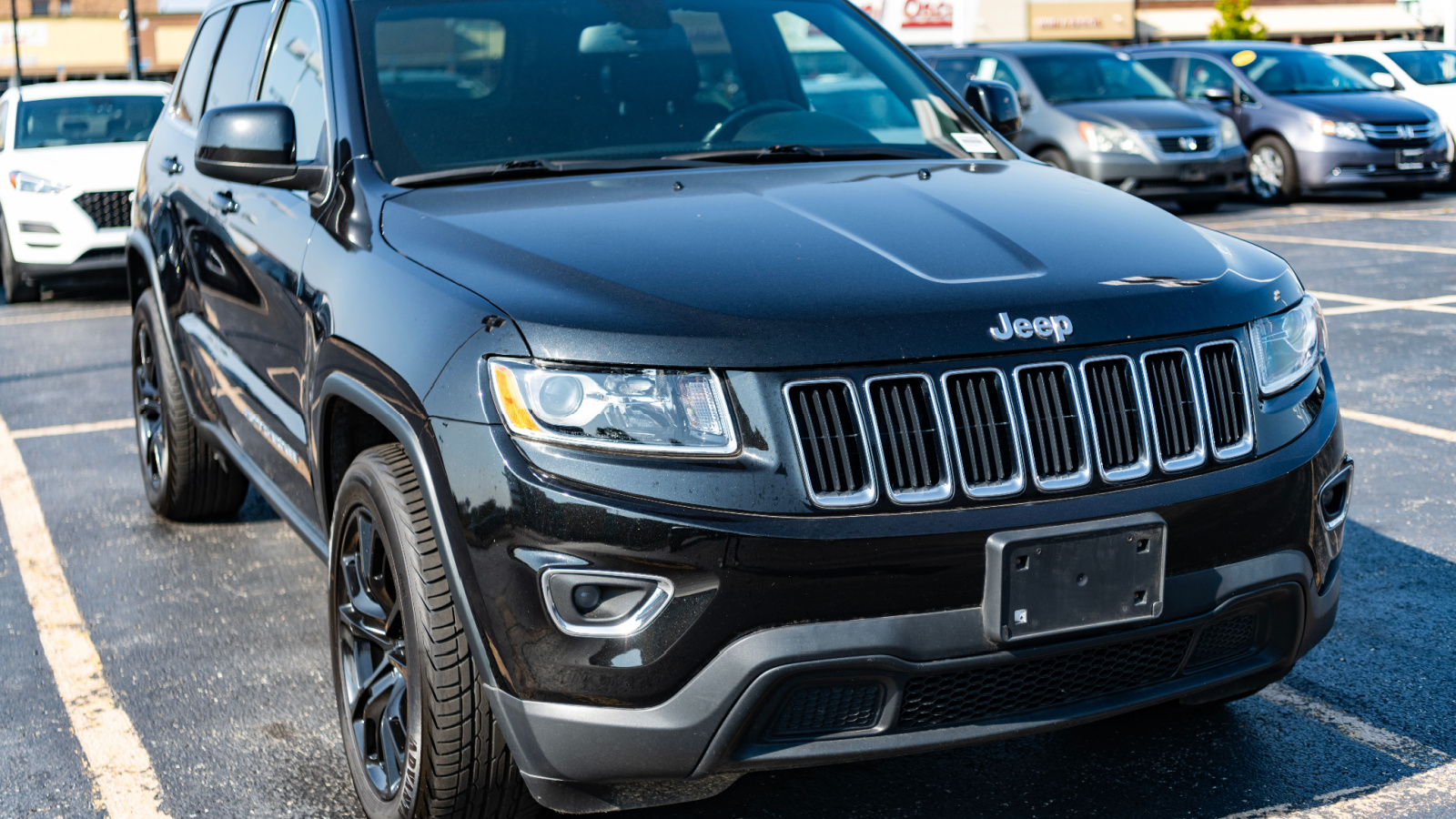
The Jeep Grand Cherokee starts at $48,000. Premium trims exceed $70,000. Jeep offers connected services through subscription plans. These include remote access and navigation tools. Off-road buyers focus on capability and durability. Subscription features feel less important. Many skip them after trials end. Others never activate them at all. The vehicle remains capable without extras. Yet the added layer complicates ownership. Buyers expect rugged simplicity. Monthly fees do not align with that image. This creates hesitation among traditional Jeep customers.
Nissan Ariya
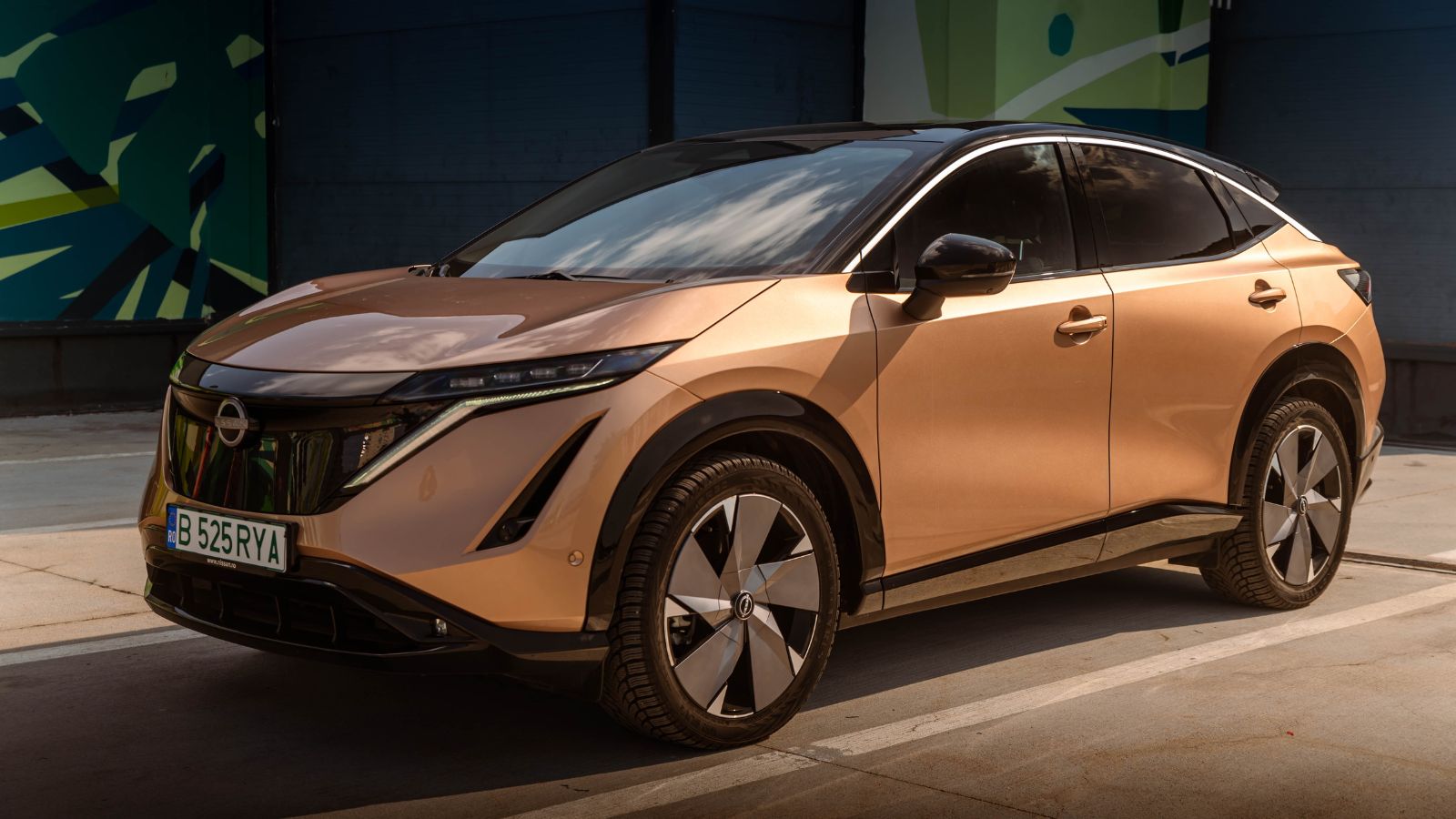
The Nissan Ariya starts around $55,000. It targets buyers entering the EV market. Some connected services require paid renewals. This includes app-based controls and navigation upgrades. Drivers enjoy the quiet ride and design. Subscription costs feel like an added burden. Many prefer using smartphones instead. Built-in systems lose relevance quickly. Owners often skip renewals after trials. The car still functions well without them. Yet the added fees affect perception. Buyers expect value at this price point.
Volvo XC60
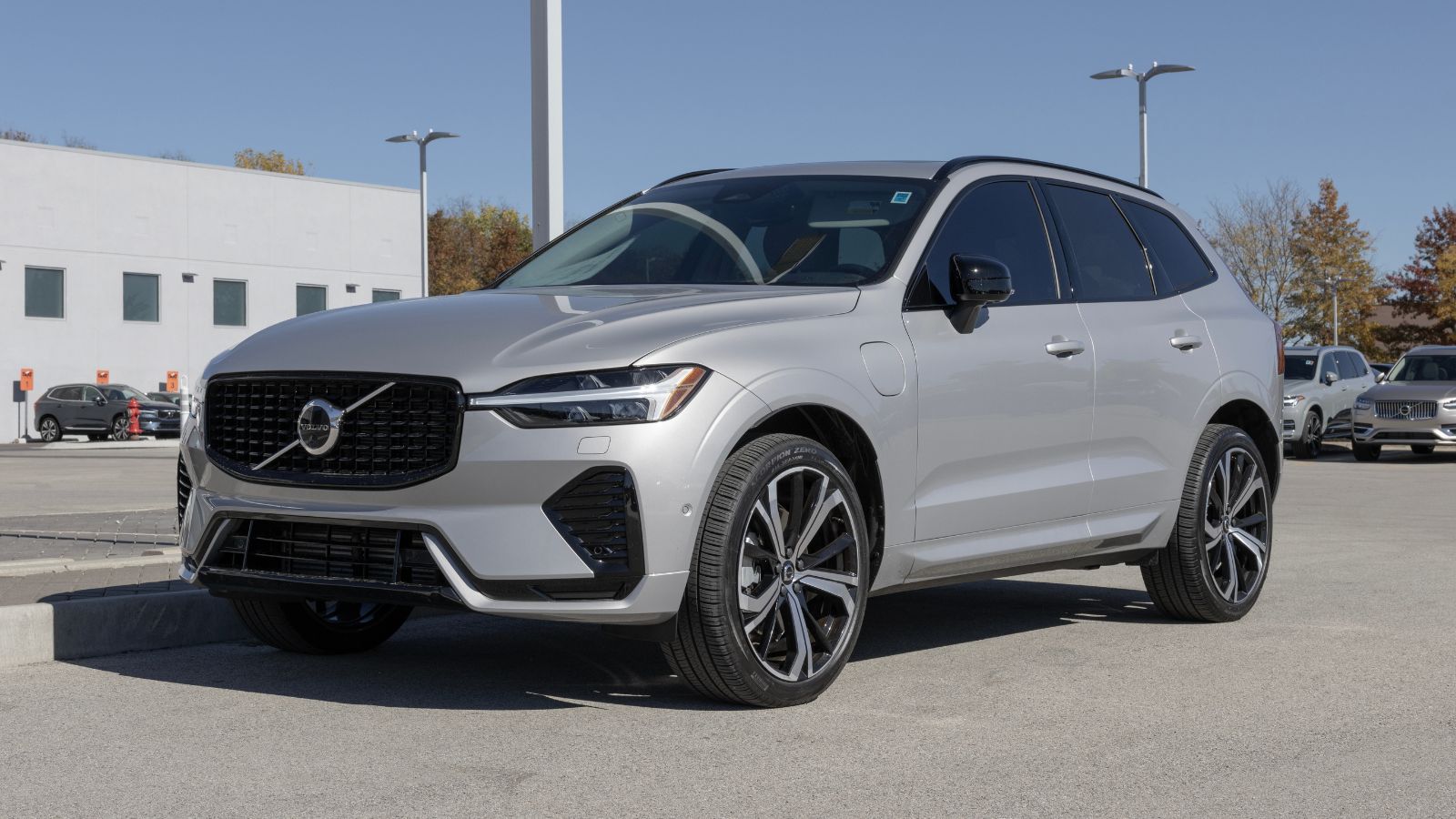
The Volvo XC60 starts at $55,000. Higher trims approach $70,000. Volvo includes many safety features as standard. Some digital services still require subscriptions. This includes app access and remote functions. Buyers appreciate the safety focus. Subscription fees feel unnecessary in this context. Many cancel after trial periods end. Others rely on manual controls instead. The vehicle still offers strong performance. Yet the added cost creates friction. Buyers expect premium ownership without recurring fees. Volvo must balance innovation with simplicity.
Polestar 2
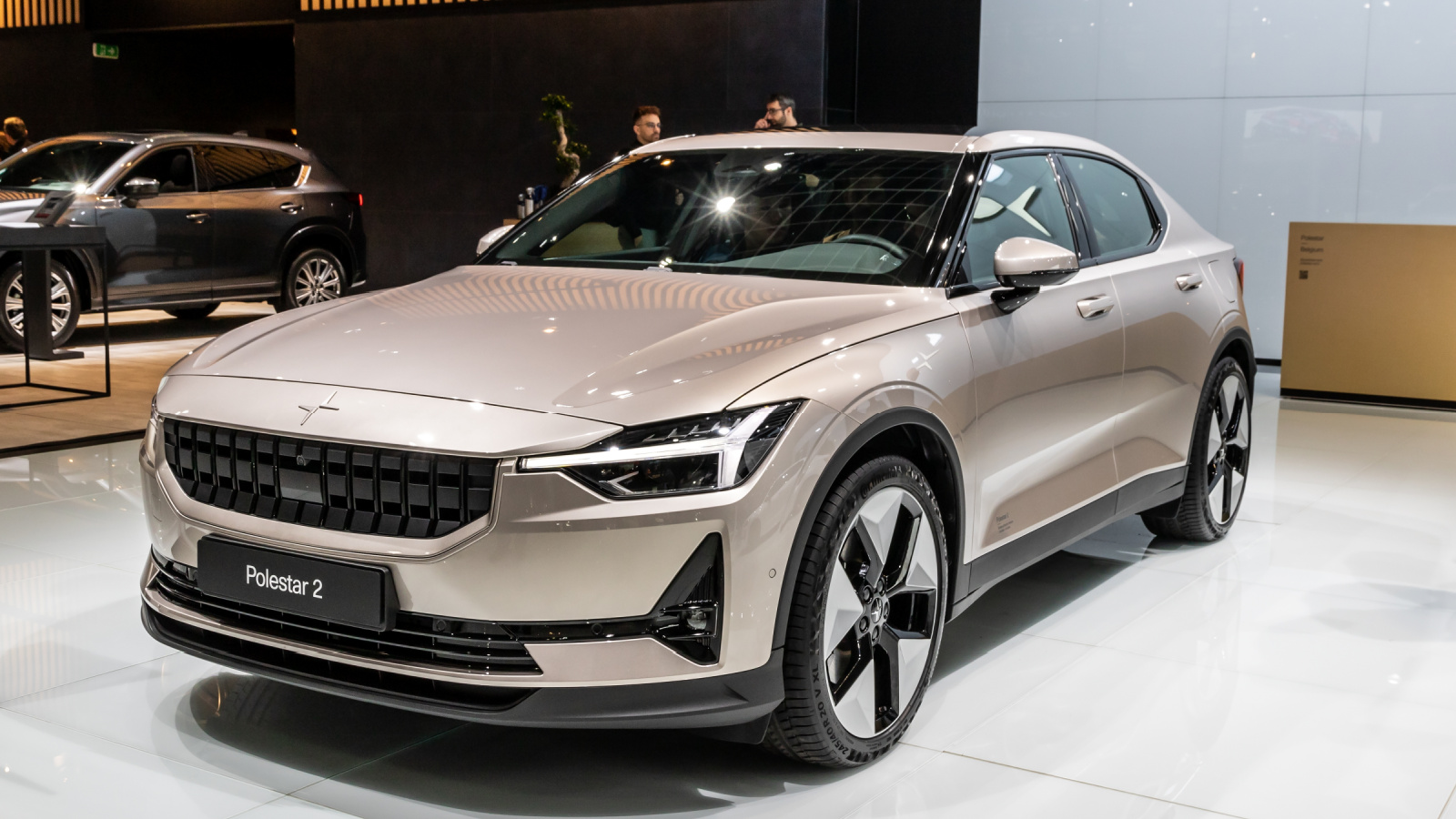
The Polestar 2 starts around $53,000. It offers a minimalist design and strong performance. Some features rely on software upgrades and paid services. This includes enhanced driving modes and connectivity tools. Buyers like the clean interface. Subscription layers disrupt that simplicity. Many avoid optional upgrades entirely. Others test them briefly, then cancel. The car still delivers a strong driving experience. Yet added costs reduce long-term appeal. Buyers expect clarity in pricing. Subscription models complicate that expectation.
Porsche Taycan
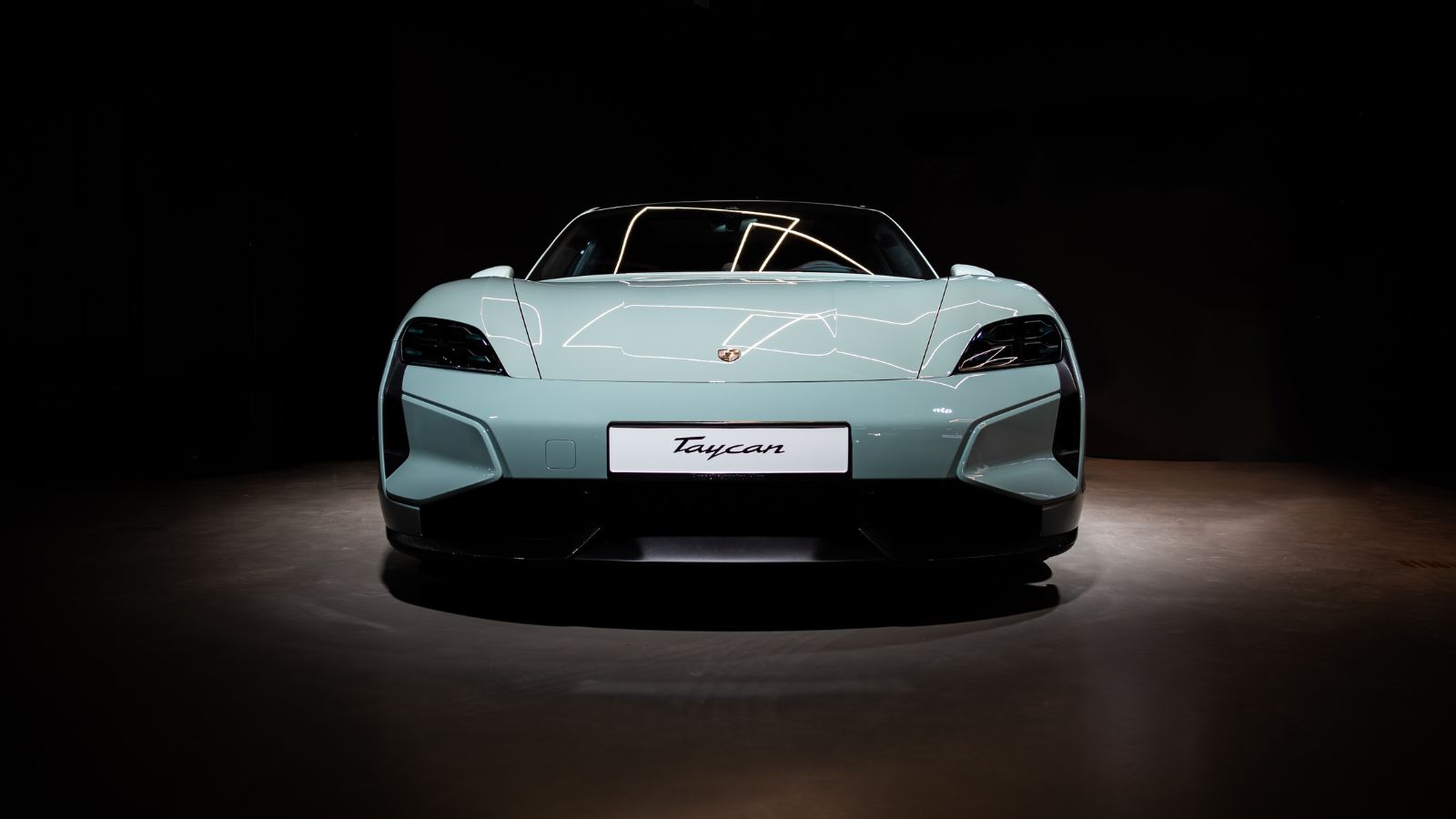
The Porsche Taycan starts at $120,000. Higher trims exceed $200,000. Porsche offers features on demand through subscriptions. This includes performance upgrades and comfort features. Buyers expect everything included at this price. Paying extra feels unreasonable. Many skip optional services entirely. Others purchase upgrades once, not monthly. Subscription fatigue hits even luxury buyers. Ownership should feel complete from the start. Added fees create frustration. Porsche must balance flexibility with value. High-end buyers expect fewer compromises.
Cadillac Escalade
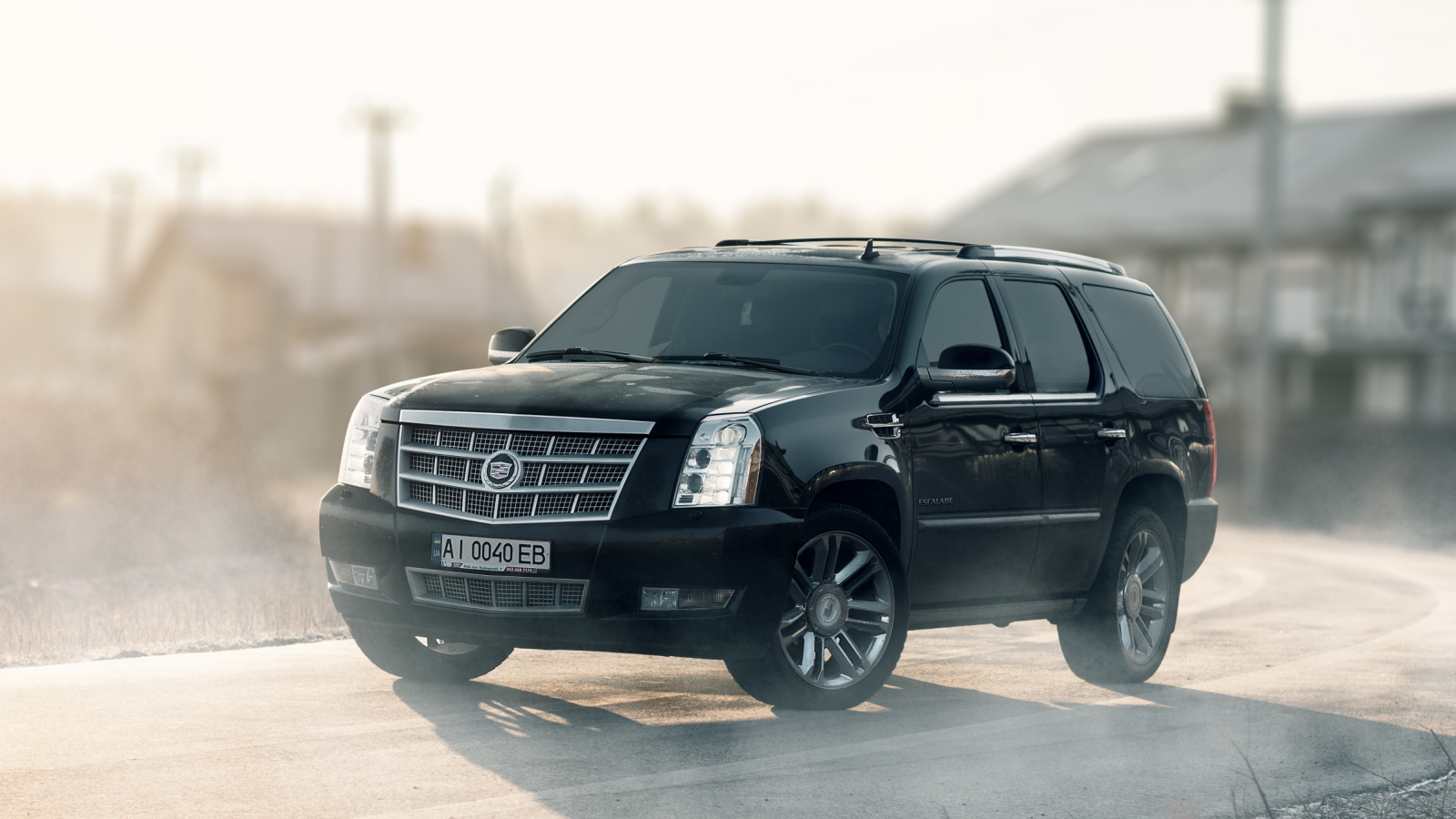
The Cadillac Escalade starts around $100,000. It includes advanced technology and luxury features. GM offers Super Cruise with subscription renewals here, too. Drivers enjoy the system on long trips. Many do not renew after trials end. The feature works only on certain highways. Limited coverage reduces value. Buyers expect full access at this price. Subscription costs feel excessive. Some disable the feature entirely. Others ignore it after expiration. Luxury buyers want convenience, not extra billing cycles.
Lexus RX
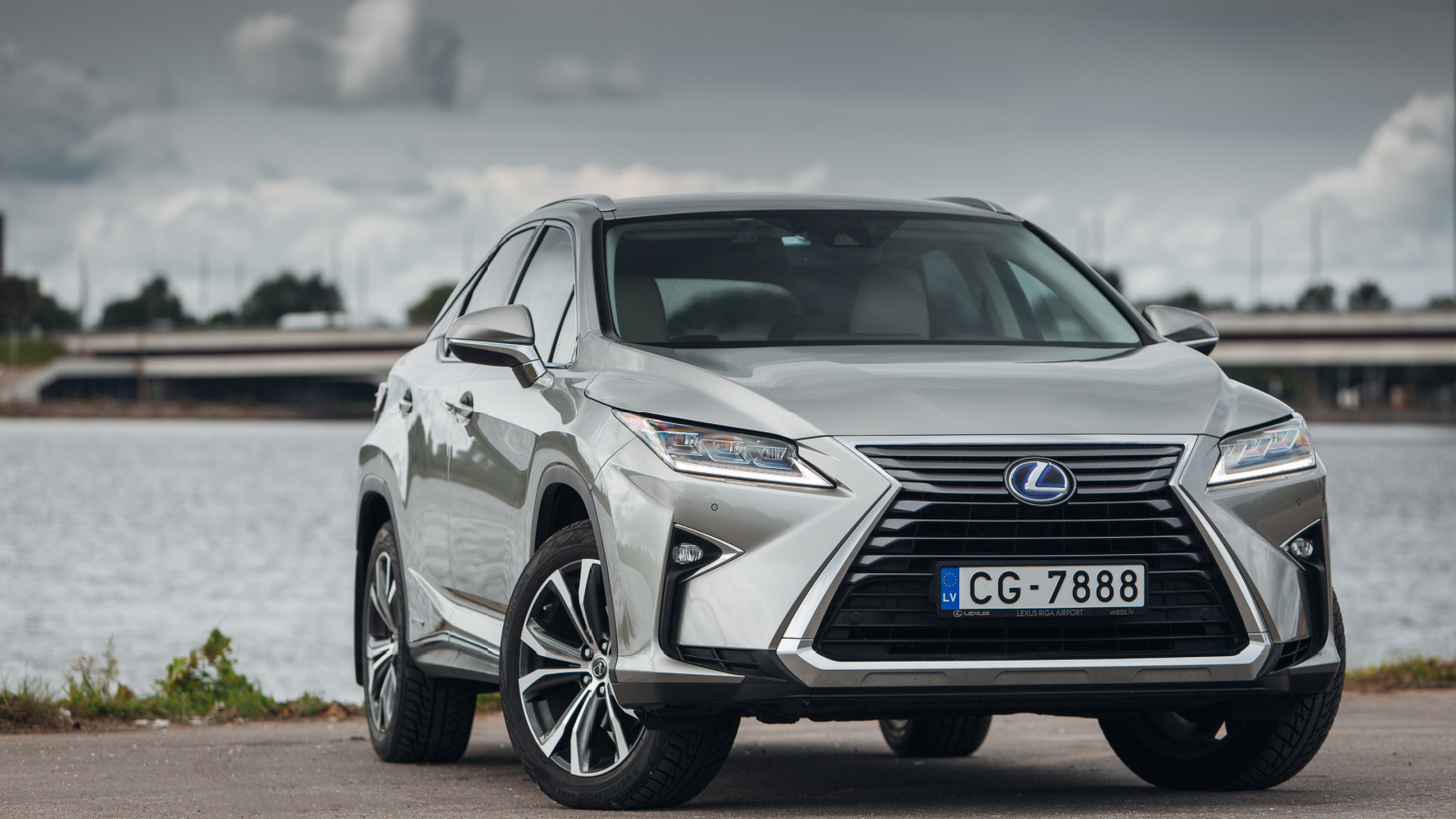
The Lexus RX starts at $58,000. It emphasizes comfort and reliability. Lexus offers connected services through subscription plans. These include remote access and safety alerts. Buyers expect long-term dependability. Subscription fees feel out of place. Many cancel after trial periods. Others avoid using the app entirely. The vehicle remains reliable without extras. Yet the added cost affects perception. Lexus built its reputation on simplicity. Subscription layers challenge that image. Buyers notice the shift quickly.
Honda CR-V
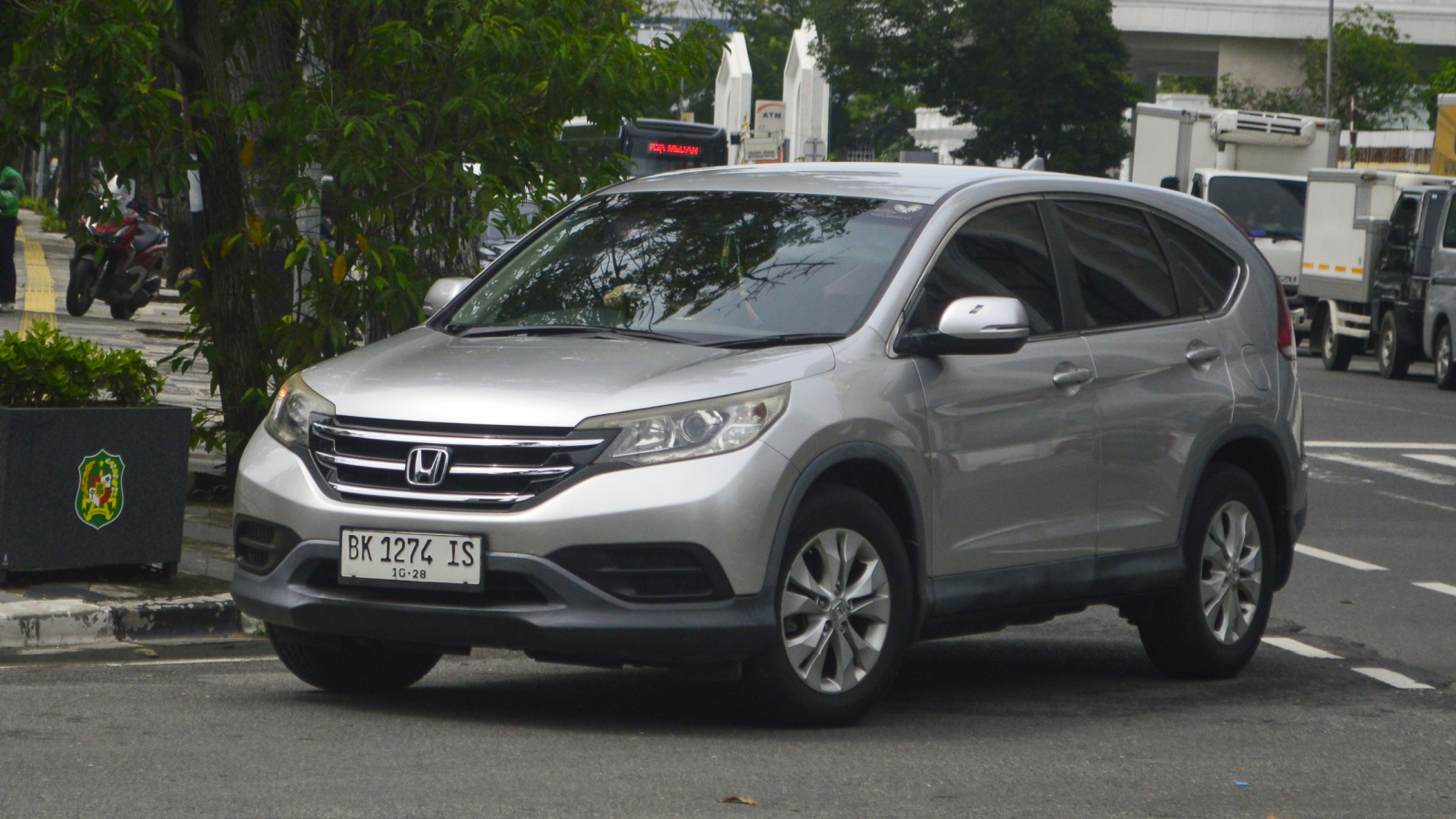
The Honda CR-V starts around $34,000. Higher trims reach near $45,000. Honda offers connected services with subscription requirements. These include remote features and navigation tools. Buyers value practicality and affordability. Subscription fees feel unnecessary here. Many skip activation after trials end. Others rely on smartphones instead. The vehicle still meets daily needs well. Yet added costs reduce its appeal slightly. Canadians prefer predictable expenses. Monthly fees create hesitation. Simplicity remains a key strength for this model.
Mazda CX-90
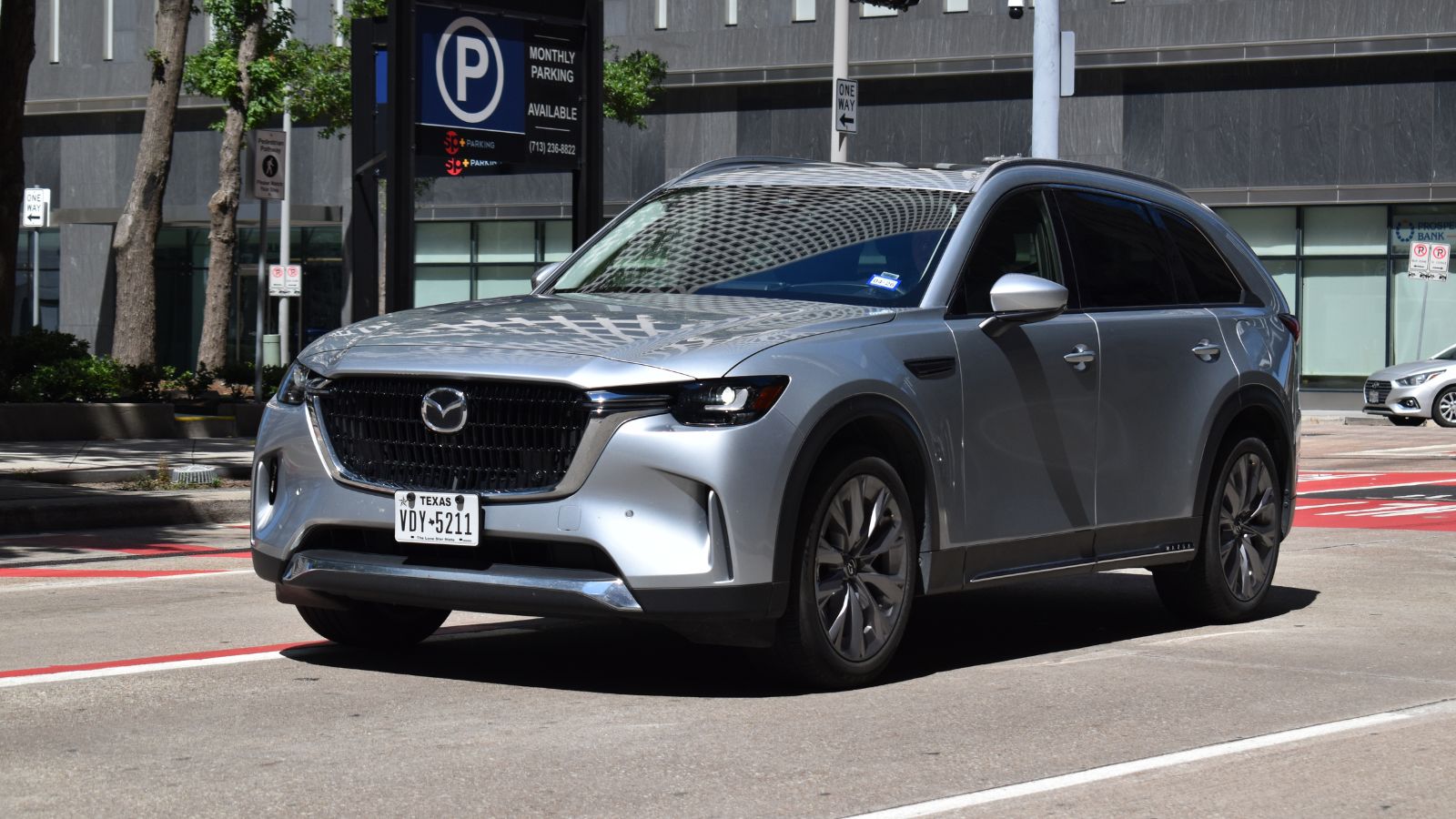
The Mazda CX-90 starts at $45,000. Top trims approach $60,000. Mazda offers connected services with subscription renewals. These include remote start and app features. Buyers appreciate the premium feel. Subscription costs feel like a mismatch. Many cancel after initial trials. Others avoid using the system entirely. The vehicle still delivers strong performance. Yet added fees create friction. Buyers expect value without recurring costs. Mazda must balance premium positioning with ownership simplicity.
Rivian R1T
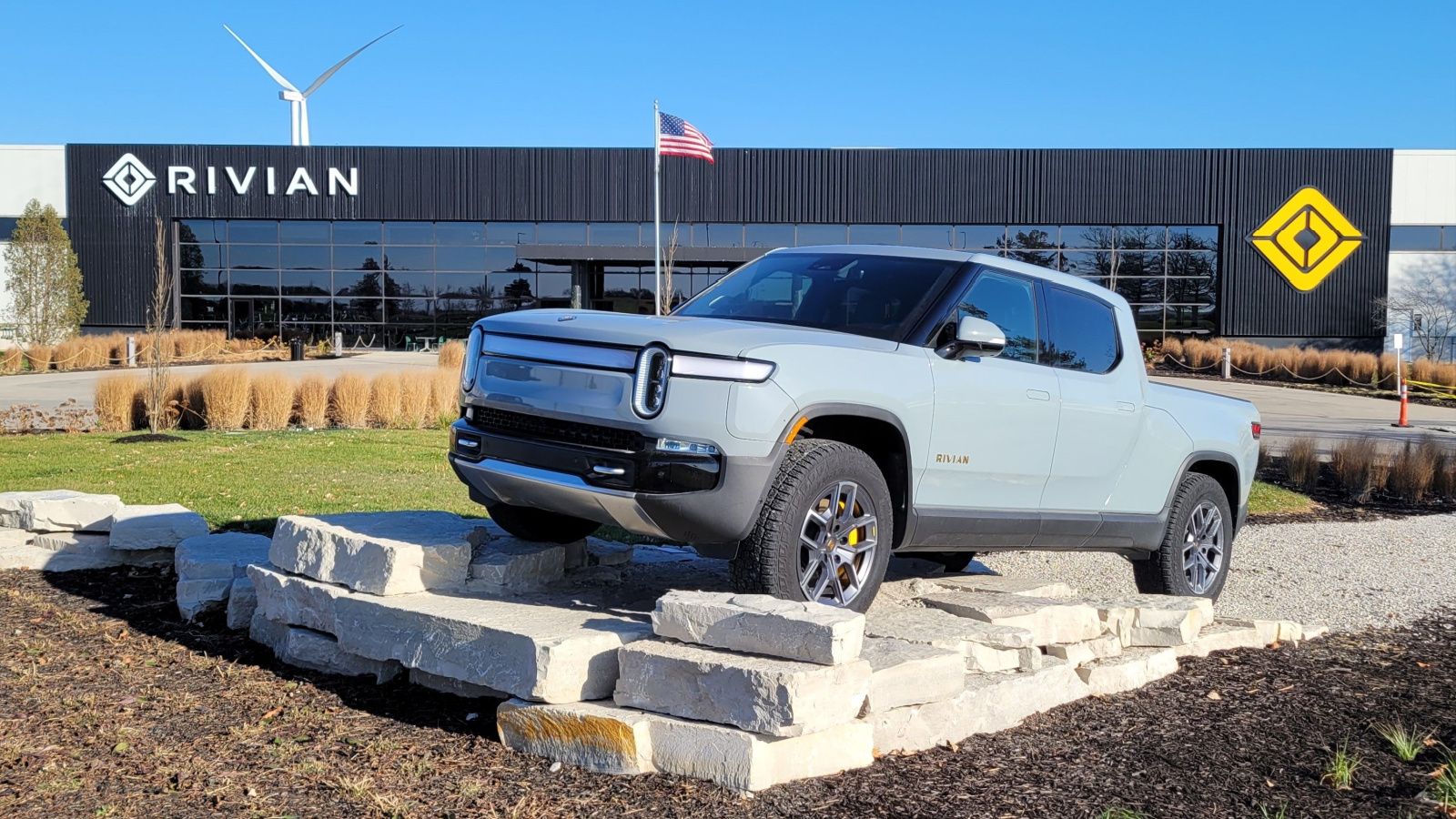
The Rivian R1T starts around $95,000. It targets adventure-focused buyers. Rivian plans subscription-based features in the future. This includes connectivity and advanced driver aids. Early adopters watch closely. Many prefer upfront pricing. Subscription uncertainty creates concern. Buyers want clarity before committing. The truck offers strong performance already. Added fees may reduce appeal later. Rivian must manage expectations carefully. Canadian buyers value transparency. Subscription models can challenge that trust.
Lucid Air
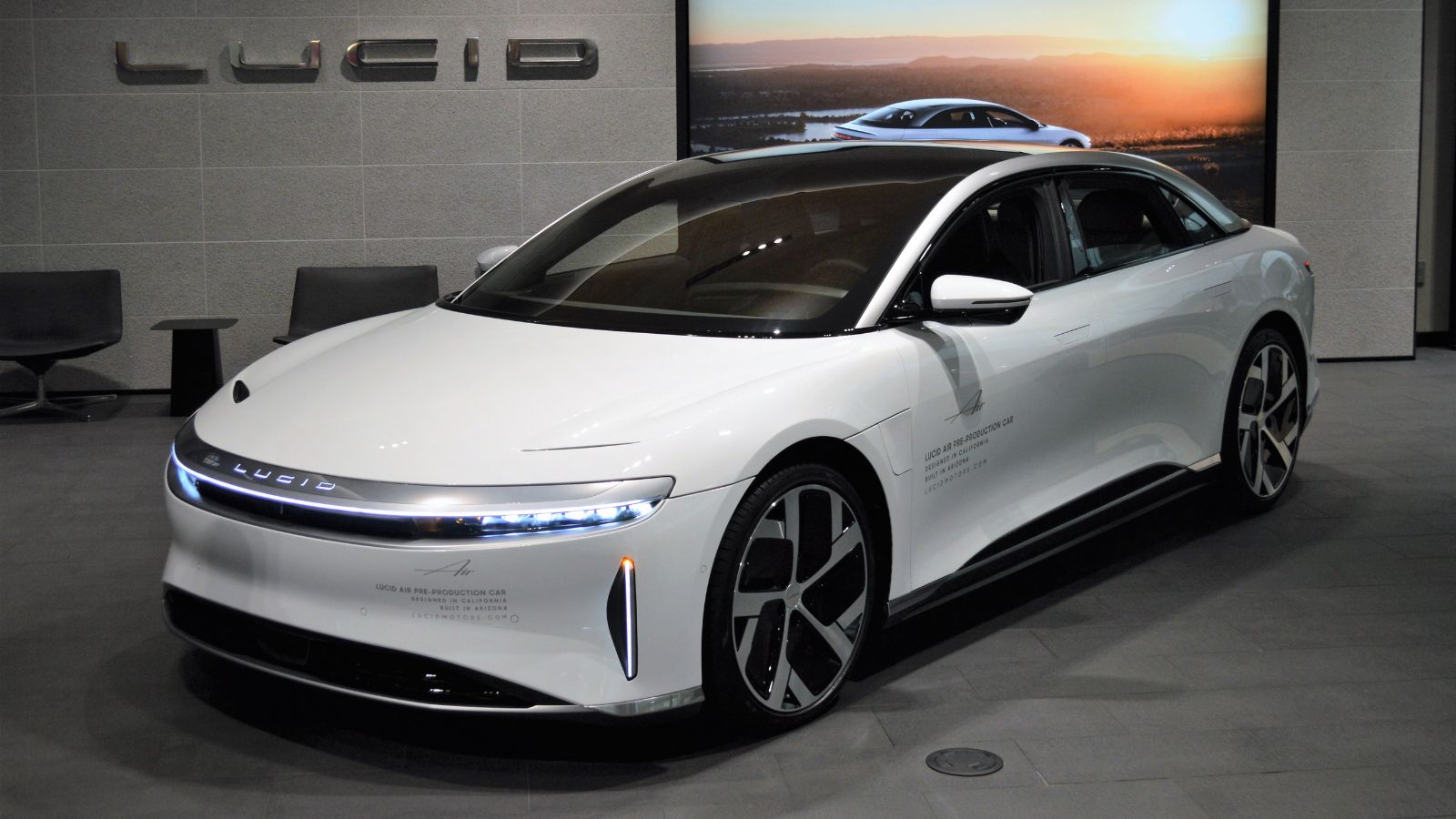
The Lucid Air starts near $110,000. Higher trims exceed $200,000. Lucid offers advanced software features and upgrades. Some may shift toward subscription models over time. Buyers expect cutting-edge technology to be included. Monthly fees feel excessive at this price. Many prefer one-time purchases. The vehicle already commands a high premium. Added costs reduce perceived value. Early adopters remain cautious. Lucid must balance innovation with ownership experience. Subscription fatigue affects even luxury EV buyers.
Genesis GV70
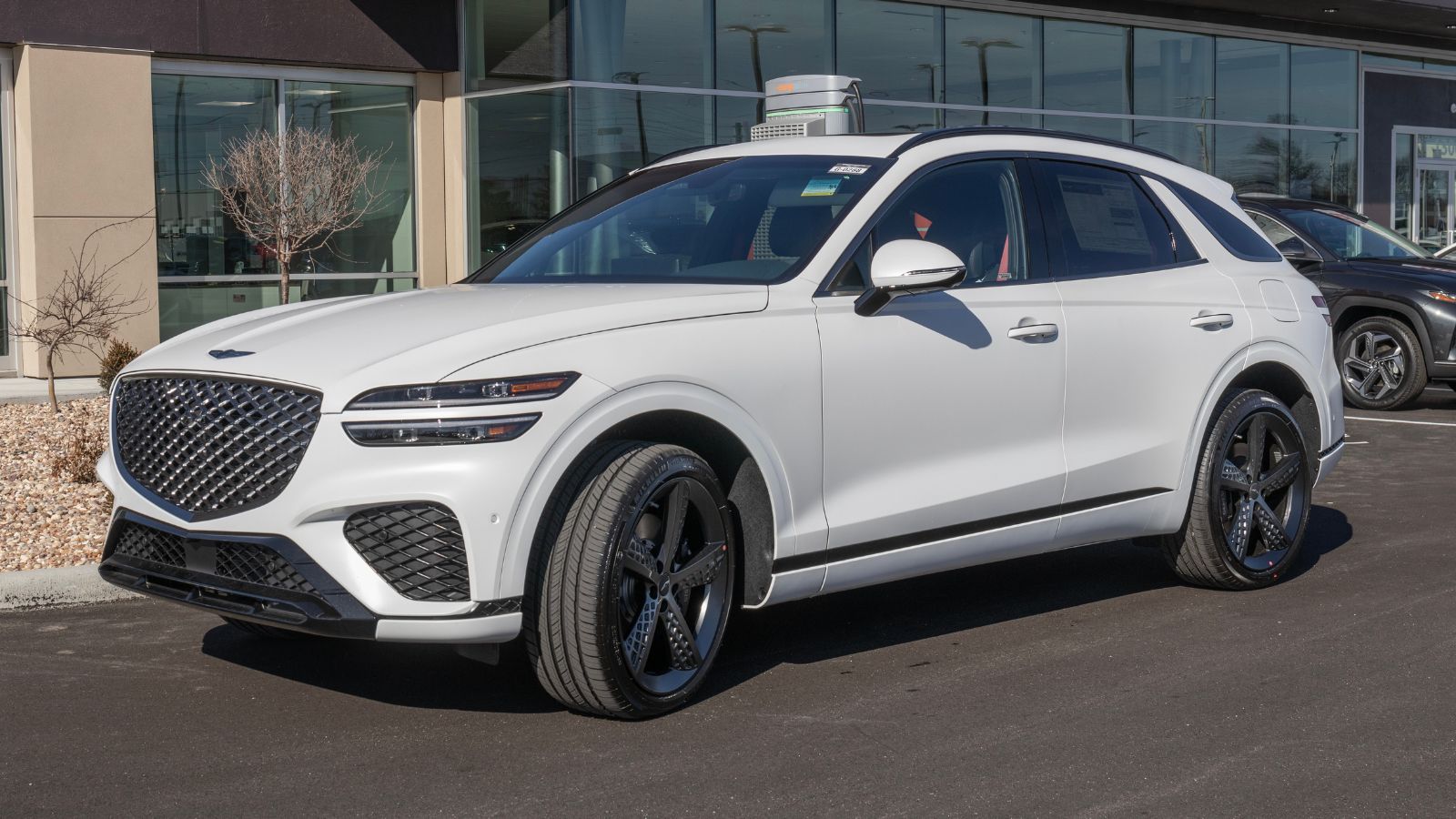
The Genesis GV70 starts around $50,000. Higher trims approach $65,000. Genesis offers connected services through subscription plans. These include remote access and navigation features. Buyers appreciate the luxury feel for the price. Subscription costs feel like an unnecessary addition. Many cancel after trial periods end. Others rely on alternative tools instead. The vehicle still delivers strong value. Yet added fees create hesitation. Buyers expect simplicity in ownership. Genesis must maintain trust as it grows.
22 Things Canadians Do to Their Cars in Spring That Mechanics Hate

Spring brings relief to many Canadian drivers after months of snow, freezing temperatures, and icy roads that put serious strain on vehicles. As temperatures rise across the country, drivers begin washing cars, switching tires, and preparing vehicles for warmer weather and upcoming road trips. However, mechanics across Canada notice the same mistakes every spring when drivers attempt to recover from winter damage. Road salt, potholes, and harsh winter driving conditions often leave vehicles with hidden problems that drivers ignore. Some spring habits even create new mechanical issues that could have been avoided with proper maintenance. Here are 22 things Canadians do to their cars in spring that mechanics hate.