

























Canadian roads are not kind. Freeze-thaw cycles tear up asphalt every winter. Spring reveals craters that feel like traps. Some vehicles handle this chaos better than others. Ride height, suspension tuning, tire profiles, and wheel size all matter more than most buyers expect. Many popular cars look great on paper but struggle on rough pavement. Repairs add up quickly when wheels bend or suspensions wear out early. This list focuses on vehicles that feel out of place on broken roads. Here are 19 vehicles that are shockingly bad on pothole-ridden Canadian roads.
Tesla Model 3
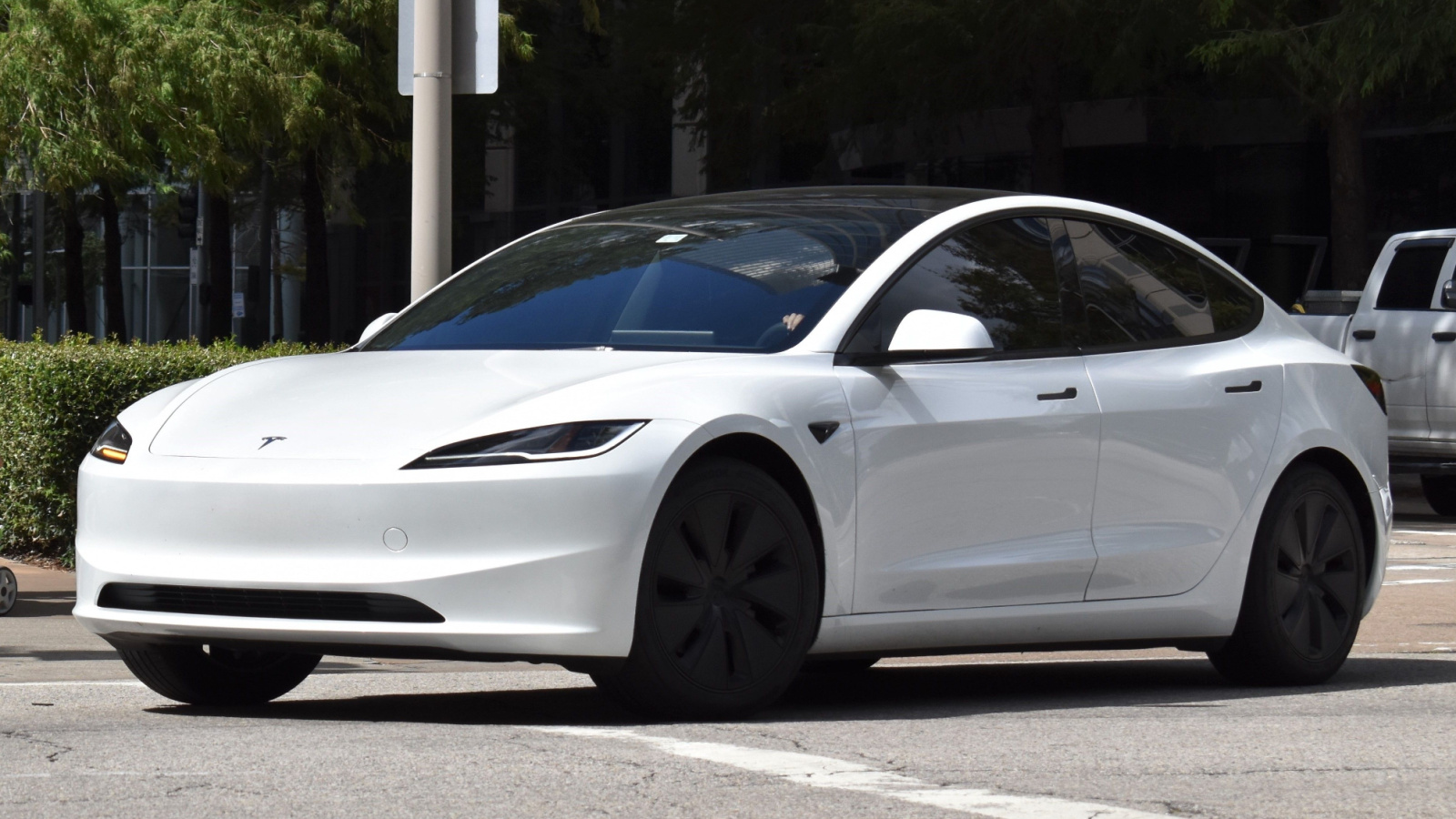
The Model 3 starts near $55,000 CAD before options. It rides low and uses stiff suspension tuning. Large wheels and thin tires make impacts harsher. Potholes send sharp jolts through the cabin. Owners report bent rims after one bad hit. Repair costs are not small. Replacement wheels and tires add up fast. The battery placement limits suspension travel. That makes deep road damage more noticeable. Smooth roads feel fine. Broken ones feel punishing. This car suits cities with clean pavement. Canadian back roads are not its strength. Comfort drops quickly when surfaces deteriorate.
BMW 3 Series
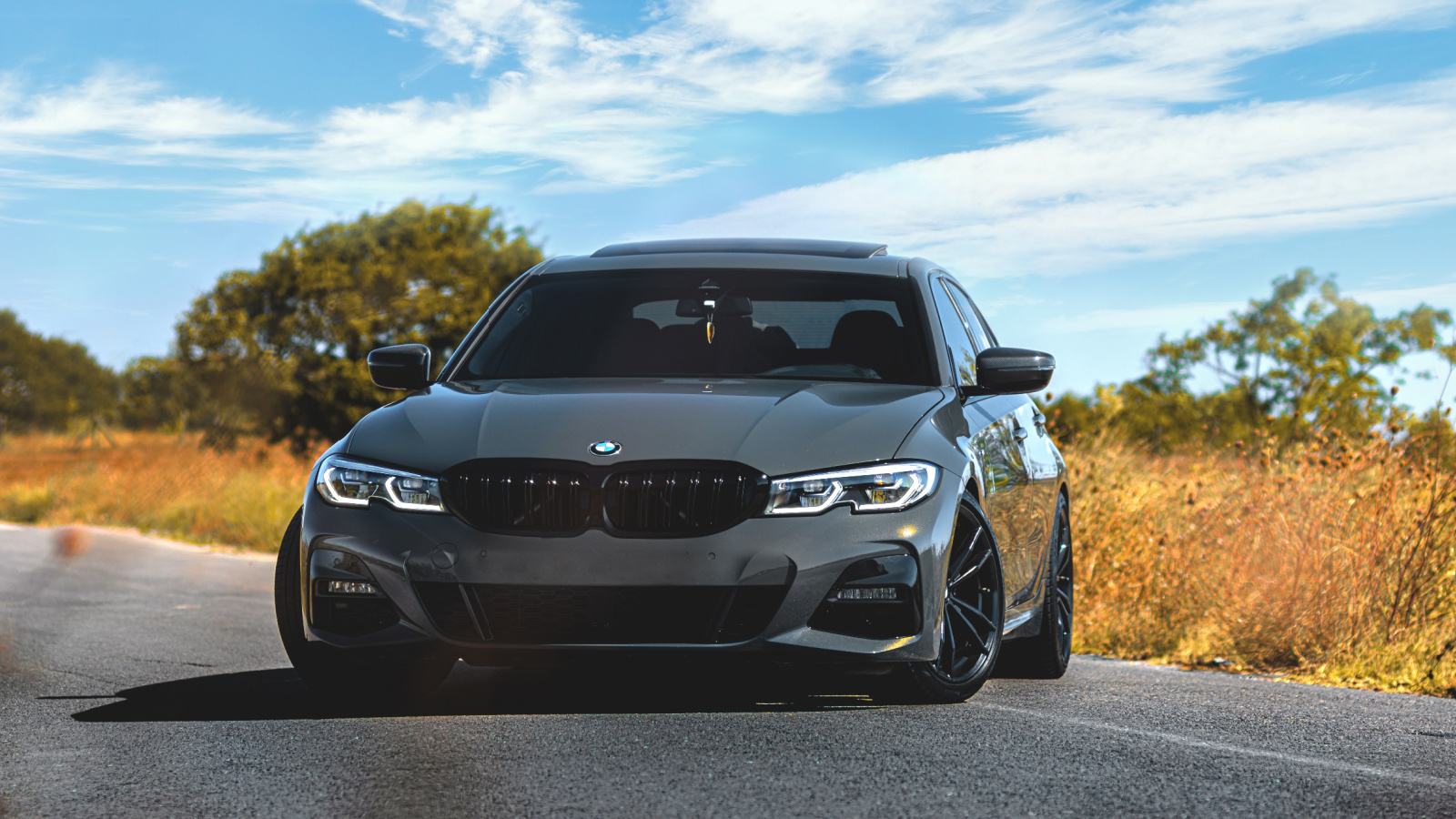
A new 3 Series often crosses $60,000, CAD. Sport trims use firm suspension setups. Run-flat tires worsen ride comfort on rough roads. These tires transmit every bump. Potholes feel sharper than expected for a luxury car. Wheel damage is common in the winter months. Repairs are expensive due to premium parts. Low ground clearance does not help. Urban streets with patchwork asphalt expose their weaknesses. The car handles well on smooth highways. That balance disappears on broken city roads. Drivers often switch to smaller wheels. Even then, the ride remains firm for Canadian conditions.
Mercedes-Benz C-Class
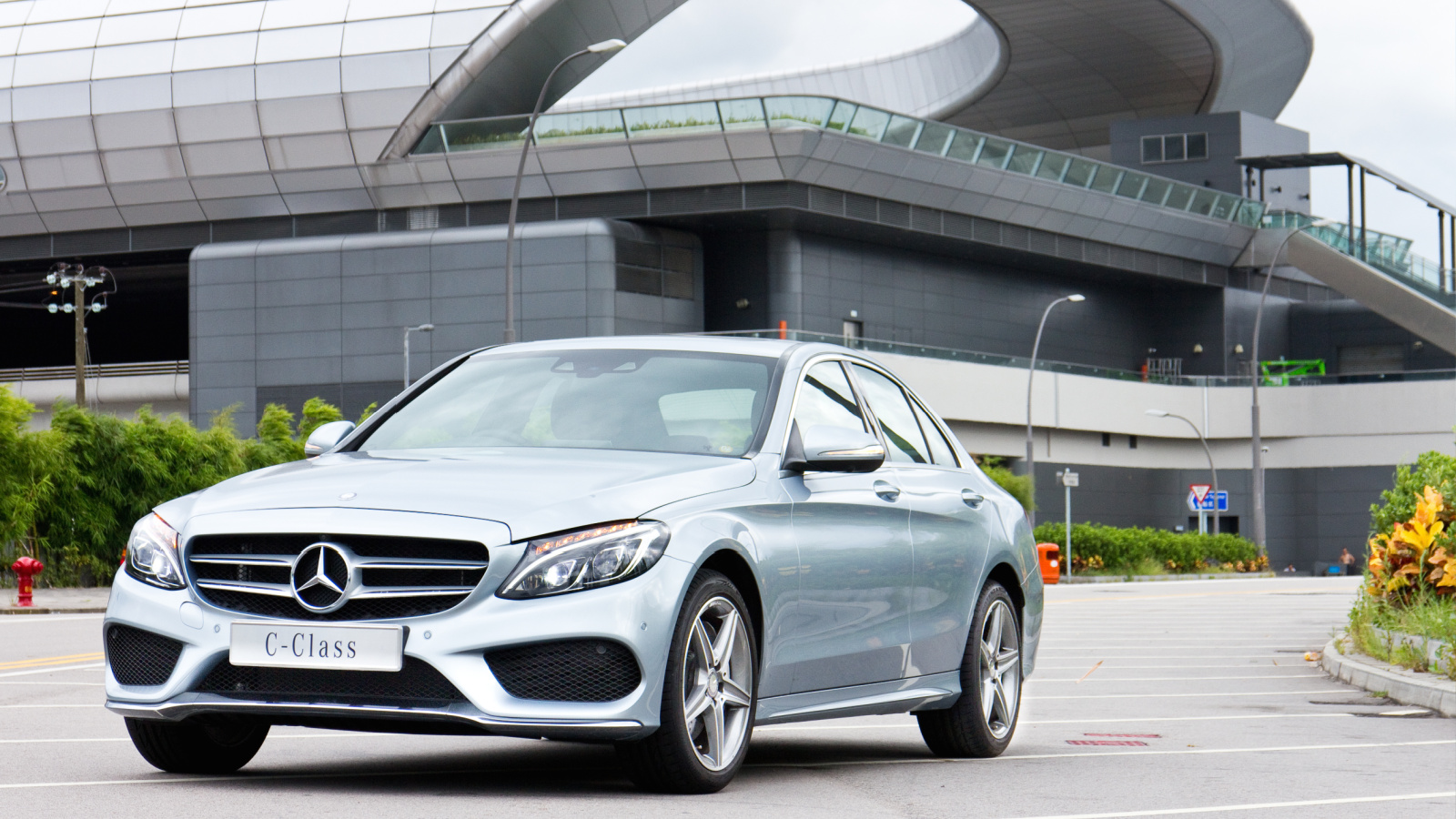
The C-Class starts around $58,000 CAD. It focuses on style and tech upgrades. Ride quality suffers on uneven pavement. Larger wheels reduce tire cushioning. Canadian potholes feel intrusive inside the cabin. Suspension tuning leans toward sporty firmness. That trade-off hurts comfort on damaged roads. Owners report frequent alignment issues. Tire replacements come sooner than expected. Repairs are rarely cheap with this badge. It excels on smooth highways and suburban roads. Downtown winter streets tell a different story. Buyers expect luxury softness. They often get a harsher experience instead.
Audi A4
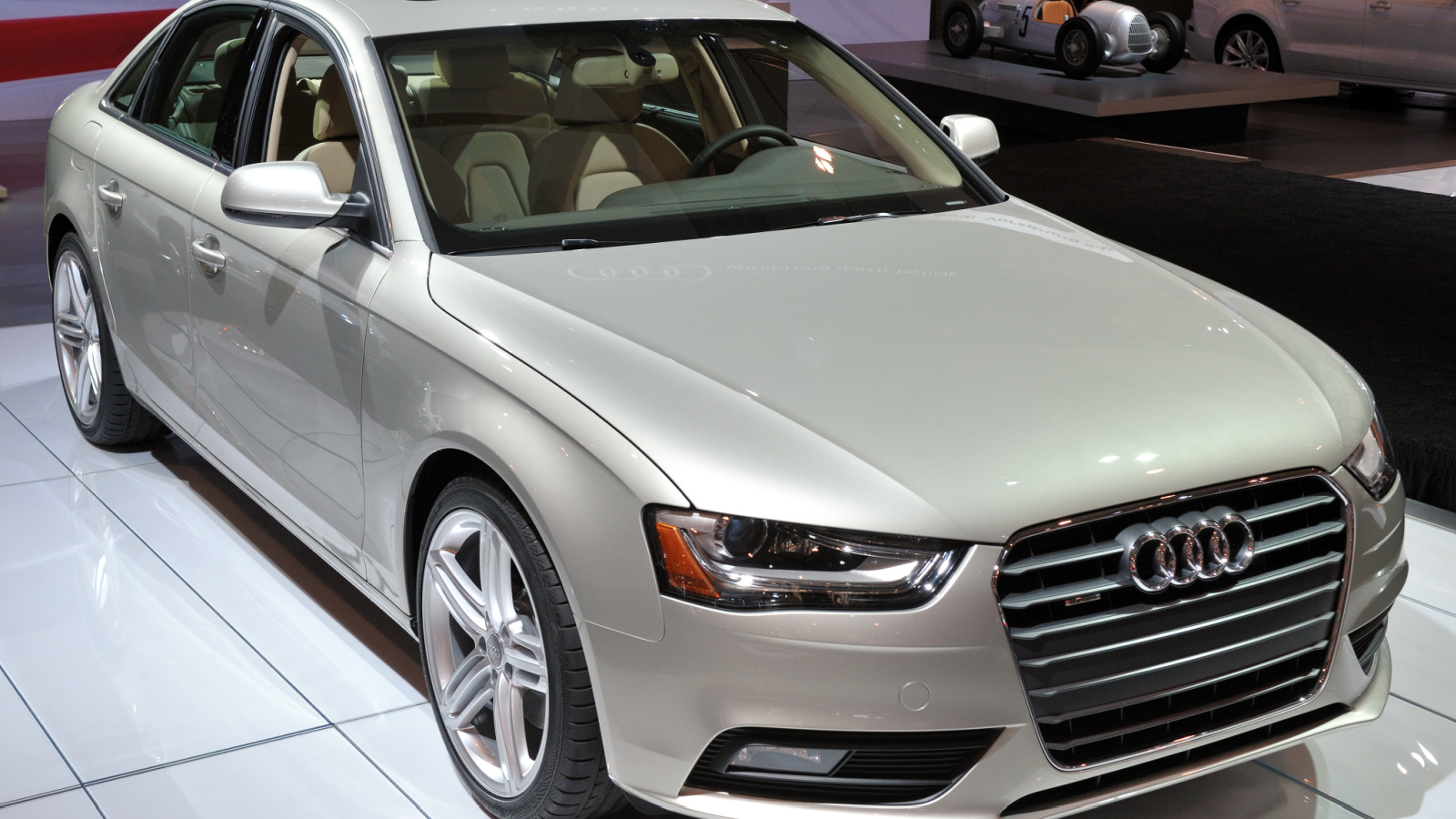
The Audi A4 starts at $57,000 CAD. Quattro helps in snow but not in potholes. The suspension leans firm in many trims. Larger alloy wheels reduce tire sidewall height. Impacts feel more pronounced on rough surfaces. Cabin isolation does not fully mask sharp bumps. Repairs for wheels and tires are costly. Low ride height increases the risk of underbody contact. Winter roads expose these issues quickly. It performs well on clean highways. Broken asphalt highlights its limits. Many drivers notice fatigue on long, rough commutes. Comfort becomes secondary to handling precision.
Toyota Corolla Hatchback
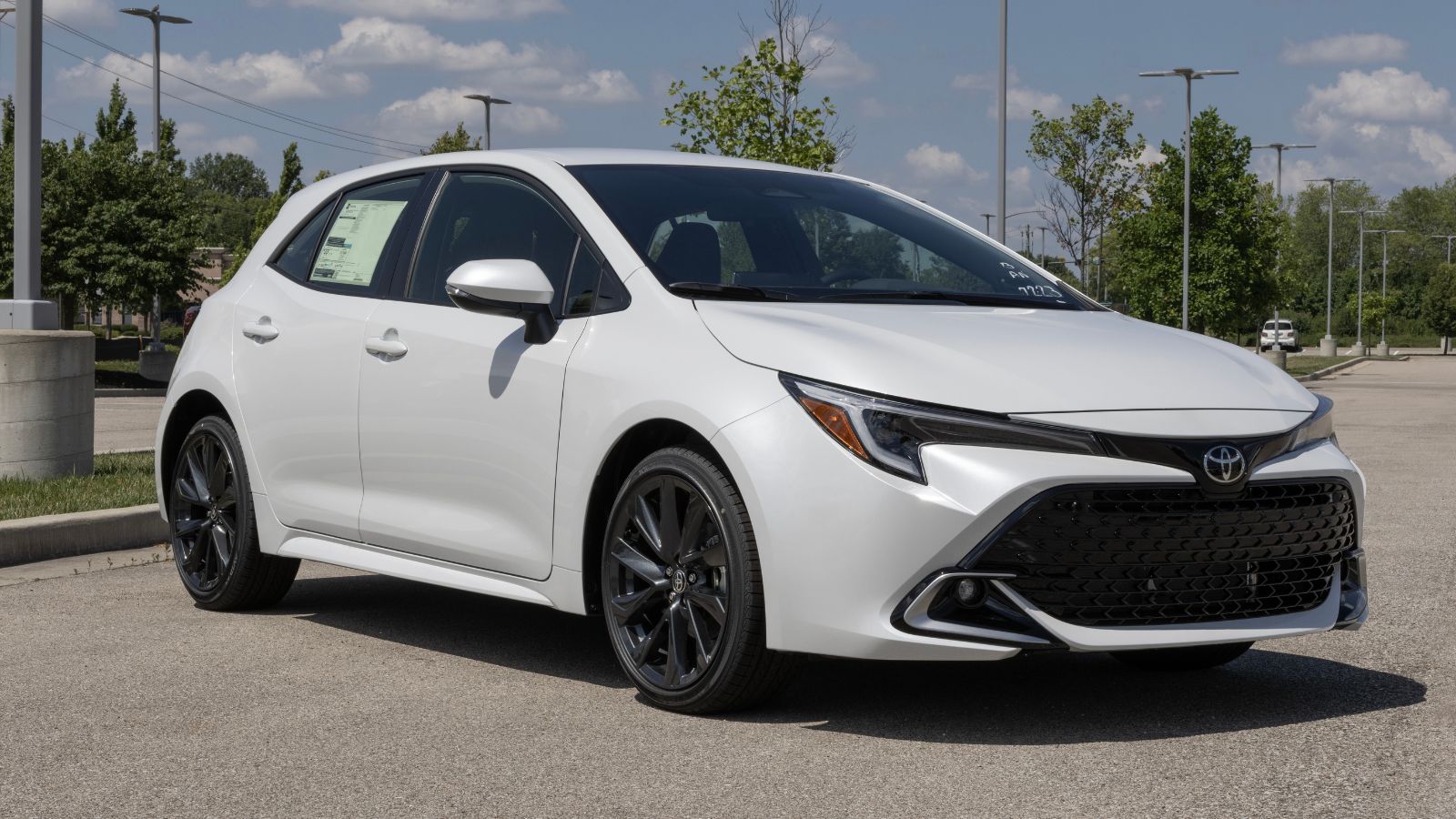
The Corolla Hatchback starts around $25,000 CAD. It seems like a safe budget choice. Sportier trims use firmer suspension tuning. Larger wheels reduce ride comfort further. Potholes feel sharper than expected in this segment. Cabin noise increases over rough pavement. The car sits lower than the sedan version. That reduces clearance on damaged roads. Tire damage can happen with deep impacts. Repairs stay cheaper than luxury cars but still add up. It works well in moderate conditions. Harsh Canadian streets expose their limits. Comfort takes a hit on daily commutes.
Honda Civic Touring
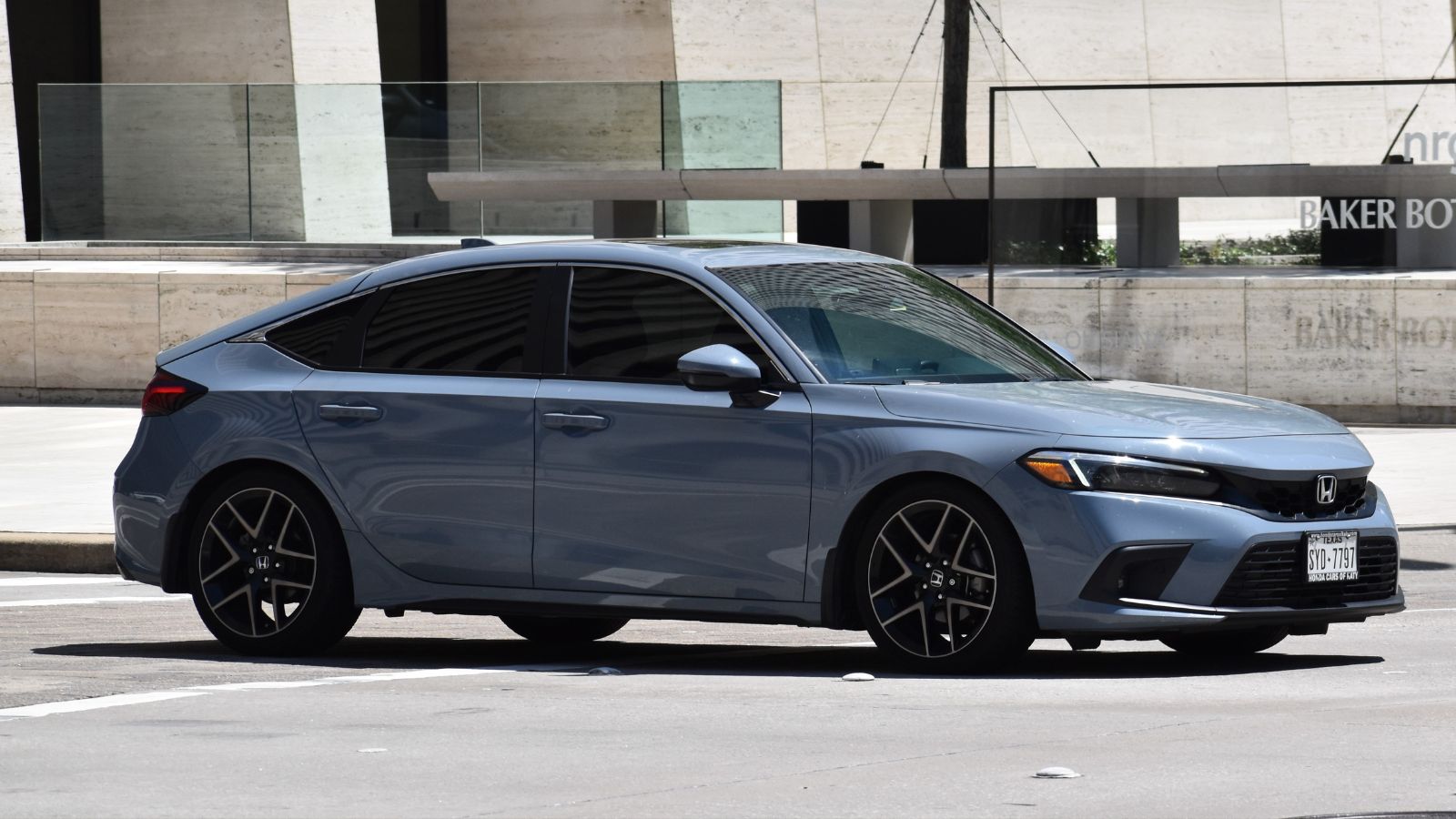
The Civic Touring pushes near $33,000 CAD. It adds larger wheels and thinner tires. Those changes reduce comfort on rough roads. The suspension feels firm over broken pavement. Potholes create noticeable jolts. Cabin noise increases during rough drives. The low ride height adds risk in deep craters. Wheel damage can happen with aggressive impacts. Repairs remain manageable, but frequent issues frustrate owners. The car shines on smooth highways. Canadian city streets tell another story. Daily driving comfort depends heavily on road quality. That makes it less forgiving than expected.
Mazda3
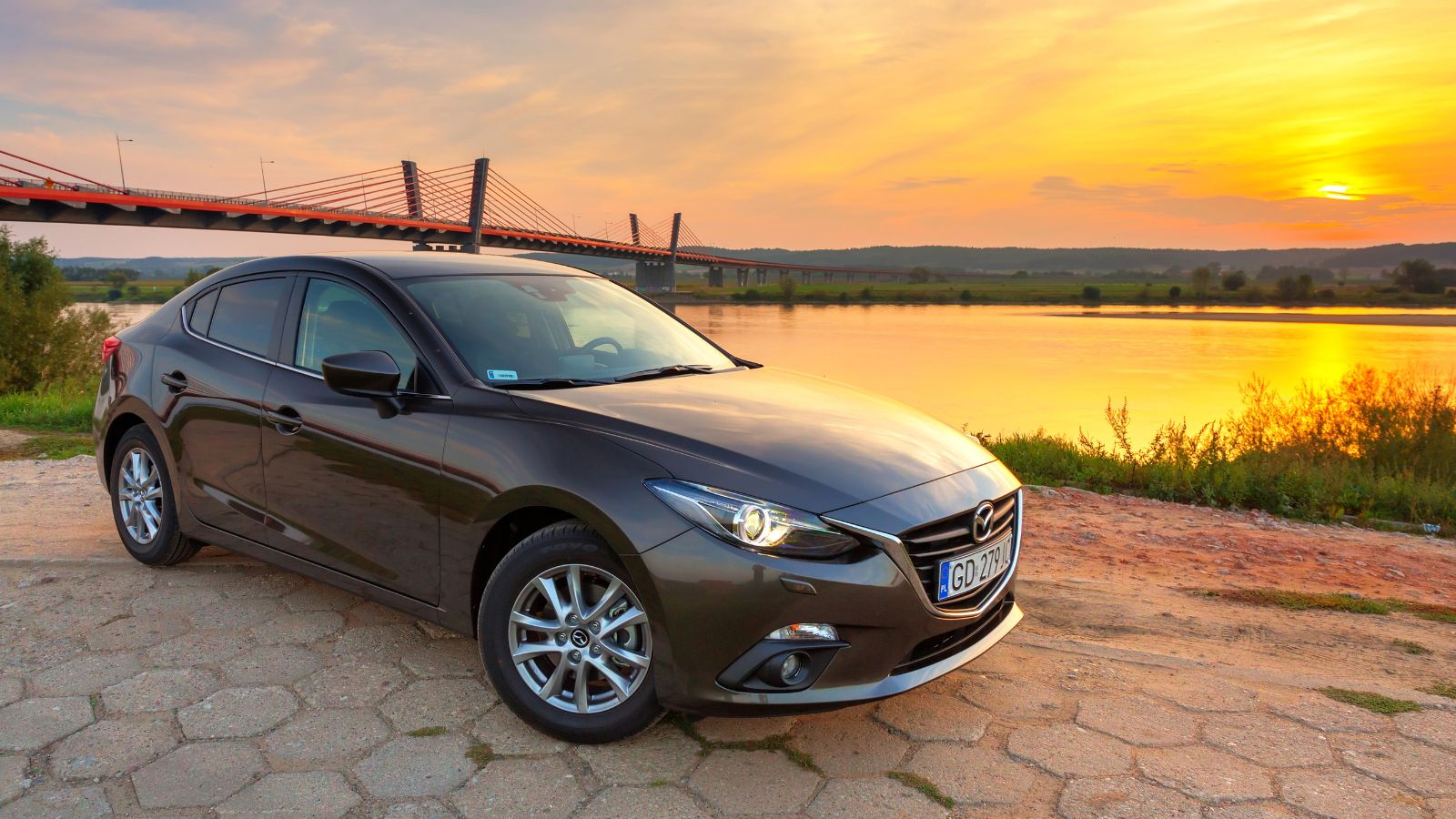
A Mazda3 costs about $26,000 to $35,000 CAD. It focuses on handling and interior quality. Suspension tuning leans toward firmness. Larger trims use 18-inch wheels. Thin sidewalls reduce cushioning over potholes. Impacts feel sharper than rivals. The car sits relatively low. That increases underbody risk on broken roads. Drivers often feel road imperfections clearly. Tire wear can accelerate on rough surfaces. Repairs remain moderate, but frequent visits add cost. It feels refined on smooth pavement. Canadian winter damage changes that experience quickly. Comfort takes a back seat to driving feel.
Hyundai Elantra N Line
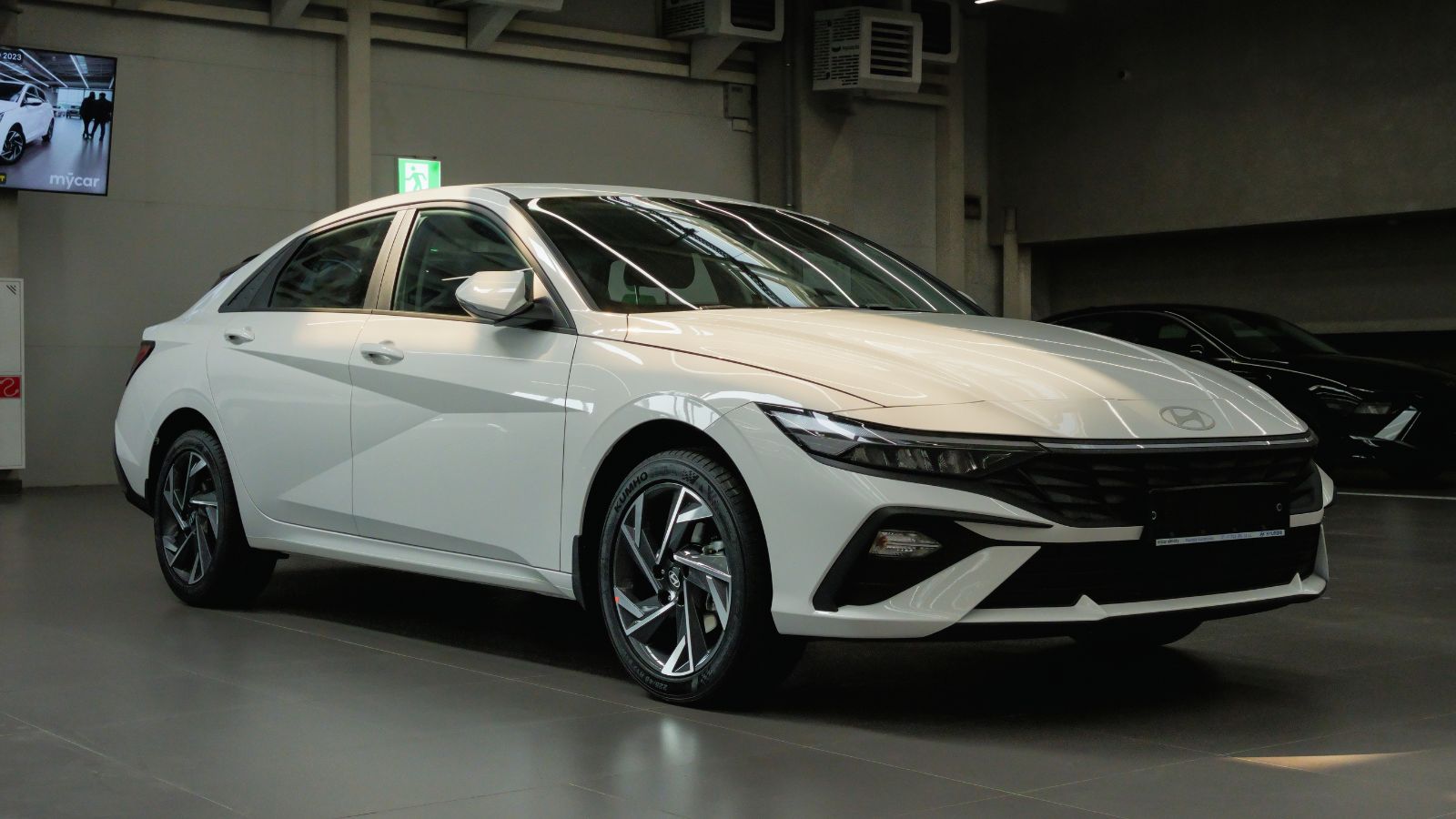
The Elantra N Line starts near $33,000 CAD. It targets drivers who want sporty handling. Suspension tuning is firm and reactive. Large wheels and low-profile tires amplify bumps. Potholes feel aggressive inside the cabin. Ride comfort drops quickly on rough roads. Tire damage risk increases in winter. Repairs stay affordable, but frequent issues annoy owners. Ground clearance is limited for harsh conditions. It performs well on smooth surfaces. Broken roads reveal their harsh ride. Daily commuting becomes tiring in poor conditions. This trim favors performance over comfort.
Volkswagen Jetta GLI
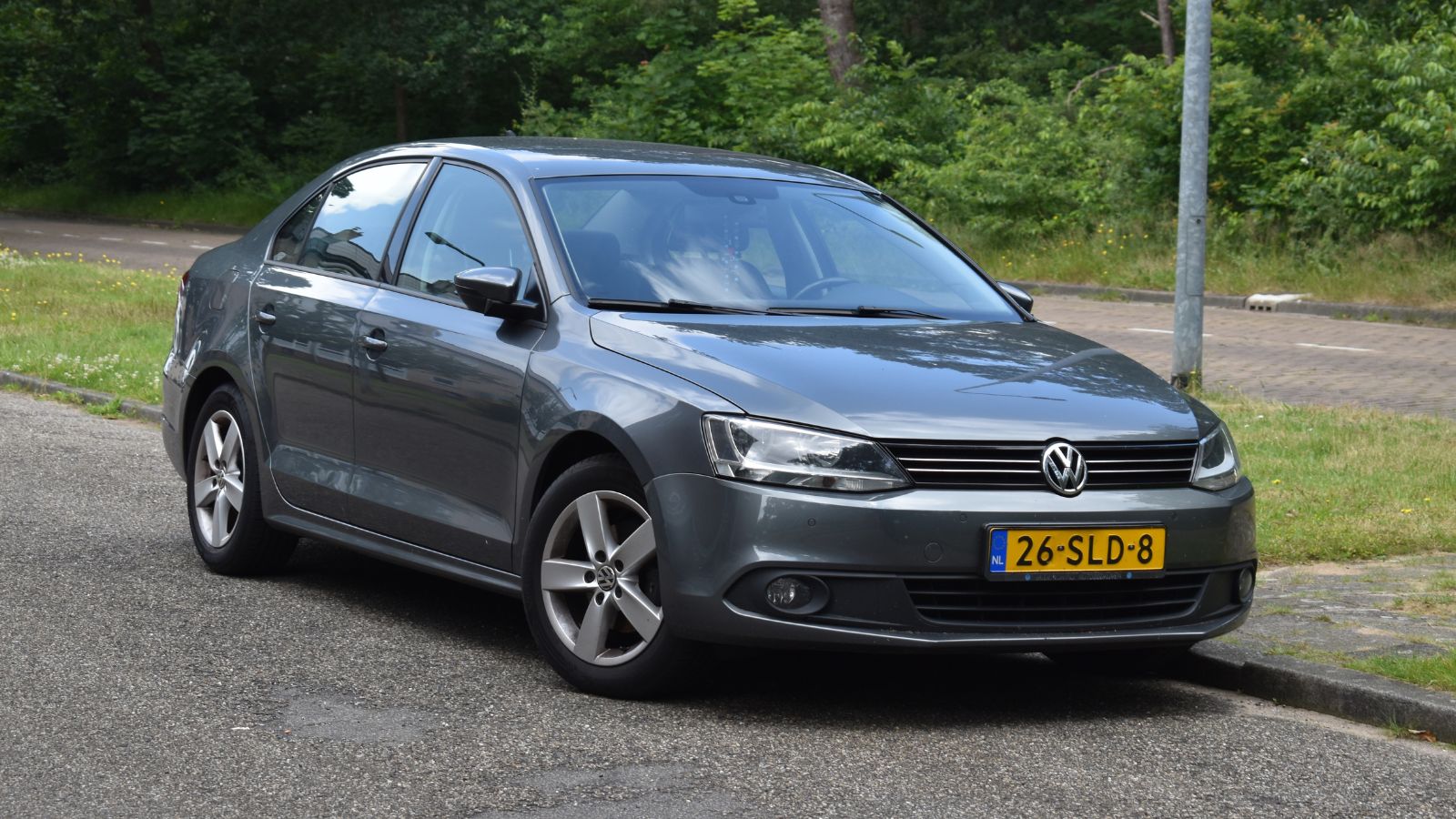
The GLI starts around $35,000 CAD. It features sport suspension and larger wheels. Ride comfort suffers on damaged pavement. Potholes create a strong impact inside the cabin. Adaptive dampers help, but cannot fix everything. Low-profile tires add risk of rim damage. Repairs can become costly over time. The car sits lower than regular Jetta models. That reduces clearance for deep potholes. It excels on smooth highways and twisty roads. Canadian city streets challenge their setup. Long commutes on rough roads feel tiring. Comfort is not its main focus.
Kia Forte GT
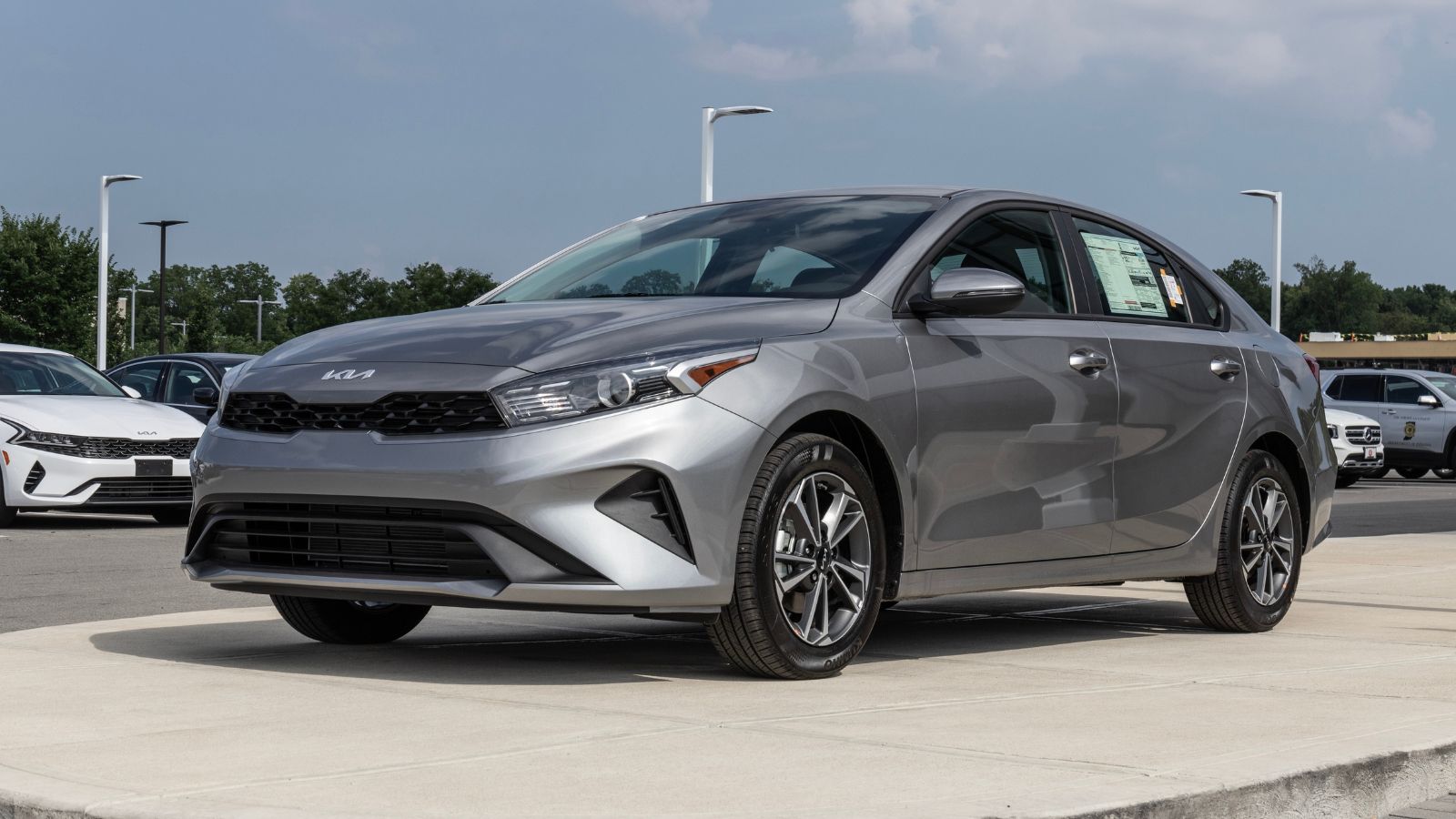
The Forte GT costs about $30,000 CAD. It adds sport tuning and larger wheels. Suspension stiffness increases compared to base trims. That affects ride comfort on rough roads. Potholes feel sharper than expected. Cabin noise rises during uneven drives. Tire damage becomes more likely in winter. Repairs stay reasonable but can add up. The car sits low for its segment. That limits protection against deep craters. It performs well on smooth roads. Canadian conditions expose its weaknesses quickly. Daily comfort depends on road quality more than expected.
Chevrolet Camaro
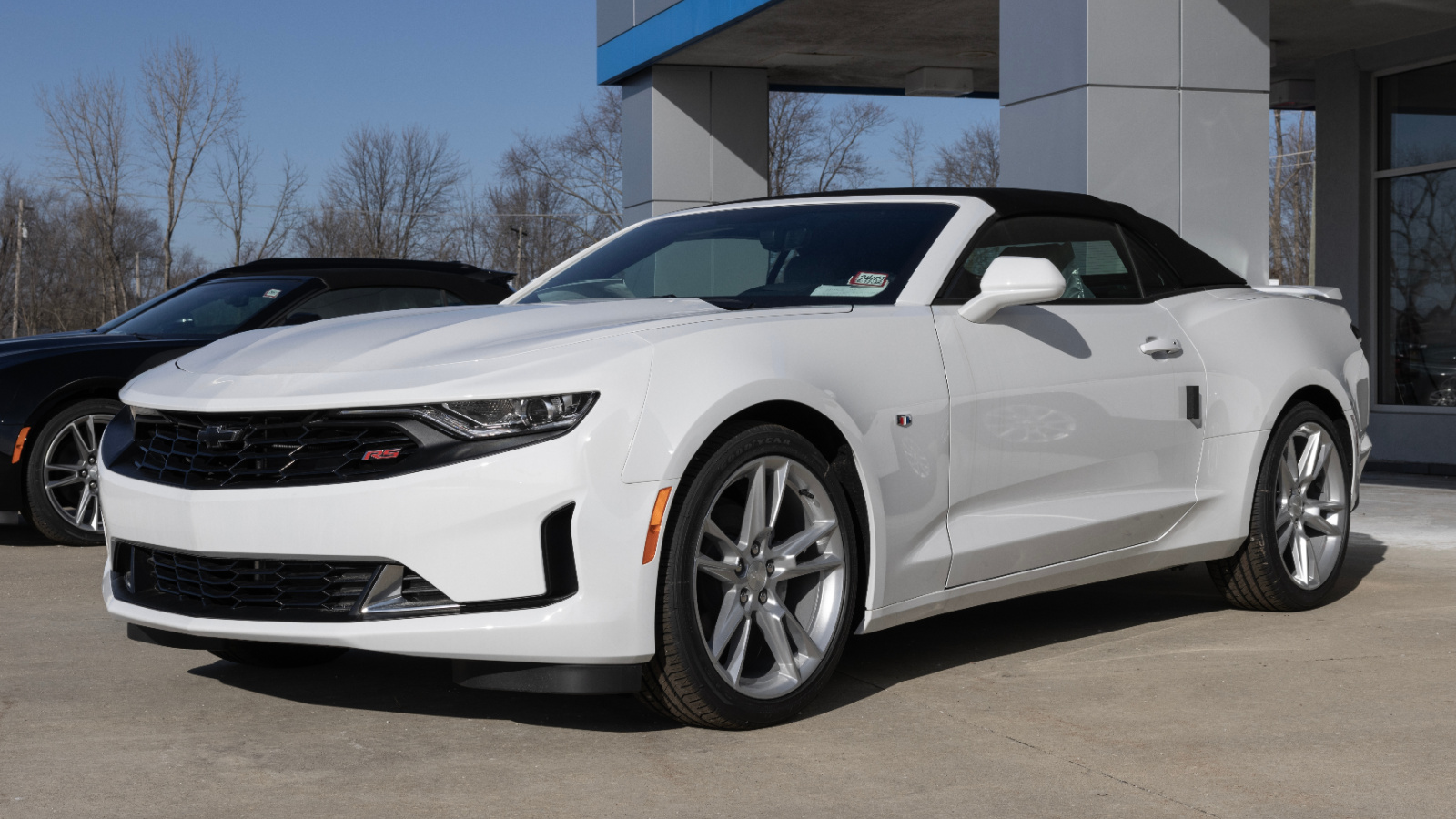
A Camaro starts near $38,000 CAD. It sits low with stiff suspension tuning. Large wheels and thin tires worsen impacts. Potholes feel severe inside the cabin. Ground clearance is very limited. Deep road damage can scrape the underbody. Repairs for wheels and tires are not cheap. Visibility is also limited, making avoidance harder. It thrives on smooth performance roads. Canadian city streets are not ideal. Daily driving becomes stressful on rough pavement. Comfort is clearly not the priority. This car suits better road conditions.
Ford Mustang GT
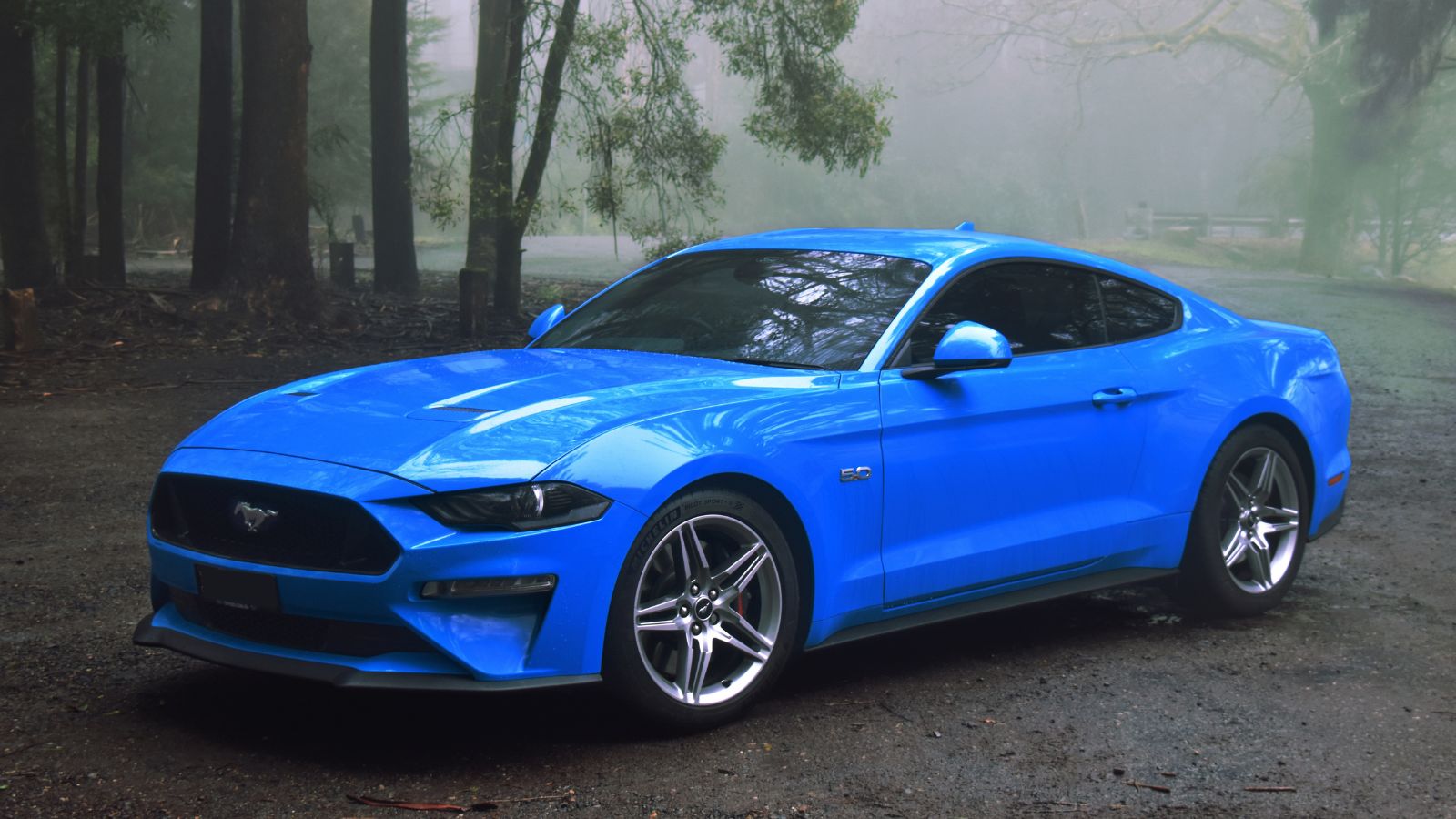
The Mustang GT starts around $55,000 CAD. It uses a firm suspension for performance driving. Larger wheels reduce ride cushioning. Potholes feel harsh and intrusive. Ground clearance remains low. That increases the risk of damaged roads. Tire replacements can be expensive. Repairs add up with repeated impacts. The car performs well on highways. Broken city streets reduce comfort significantly. Daily driving can feel tiring over time. It delivers strong performance but struggles with poor pavement. Canadian winters highlight its weaknesses. Owners often avoid rough routes when possible.
Subaru BRZ
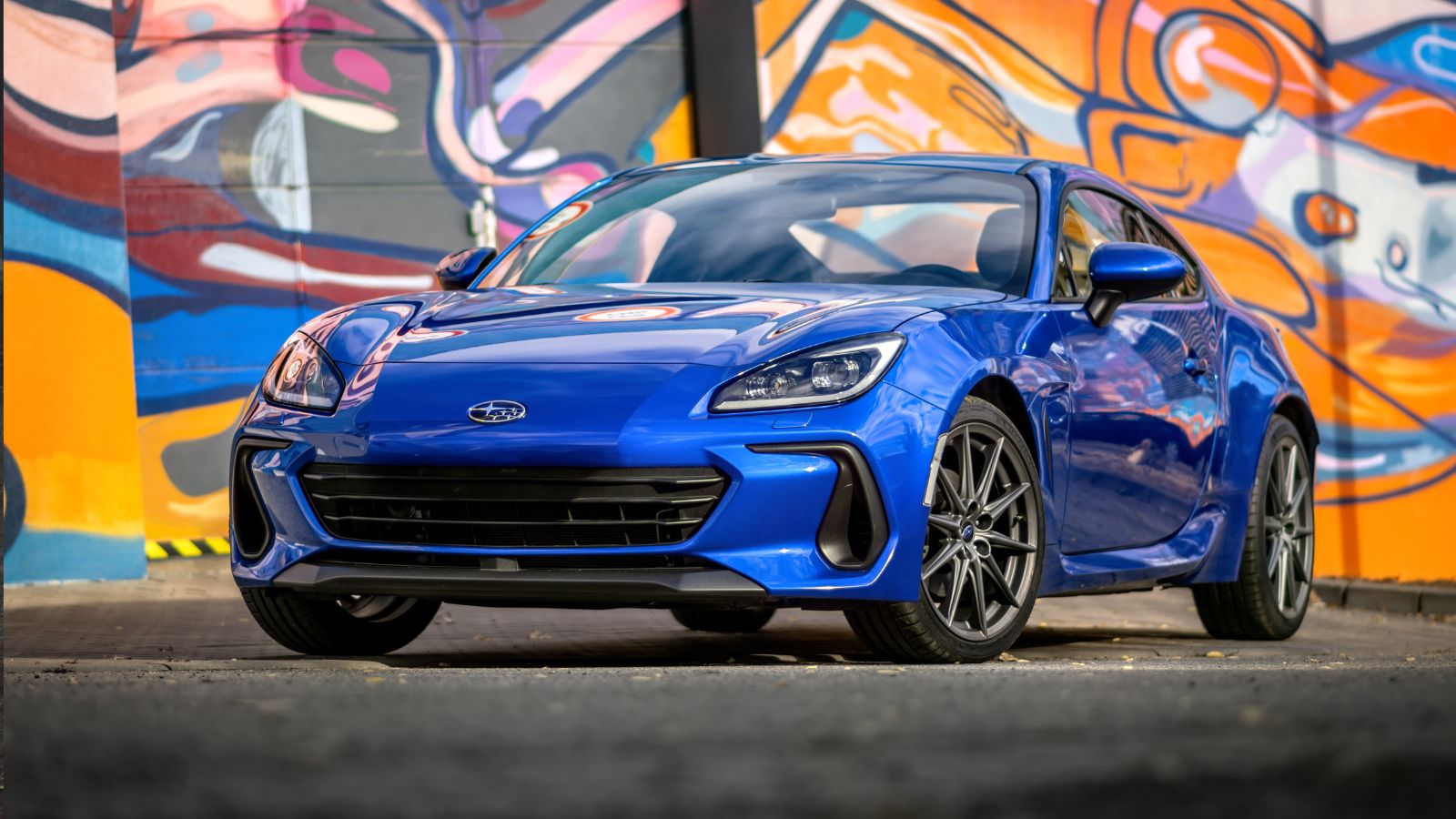
The BRZ starts near $33,000 CAD. It focuses on lightweight handling. Suspension tuning is firm and direct. Low ride height limits clearance. Potholes create sharp impacts inside the cabin. Tire sidewalls offer little cushioning. Wheel damage risk increases on rough roads. Repairs remain moderate, but frequent hits cause concern. The car excels on smooth twisty roads. Canadian urban streets are not ideal. Daily use becomes uncomfortable in poor conditions. Drivers must stay alert constantly. Comfort is not its strength on broken pavement.
Toyota Prius
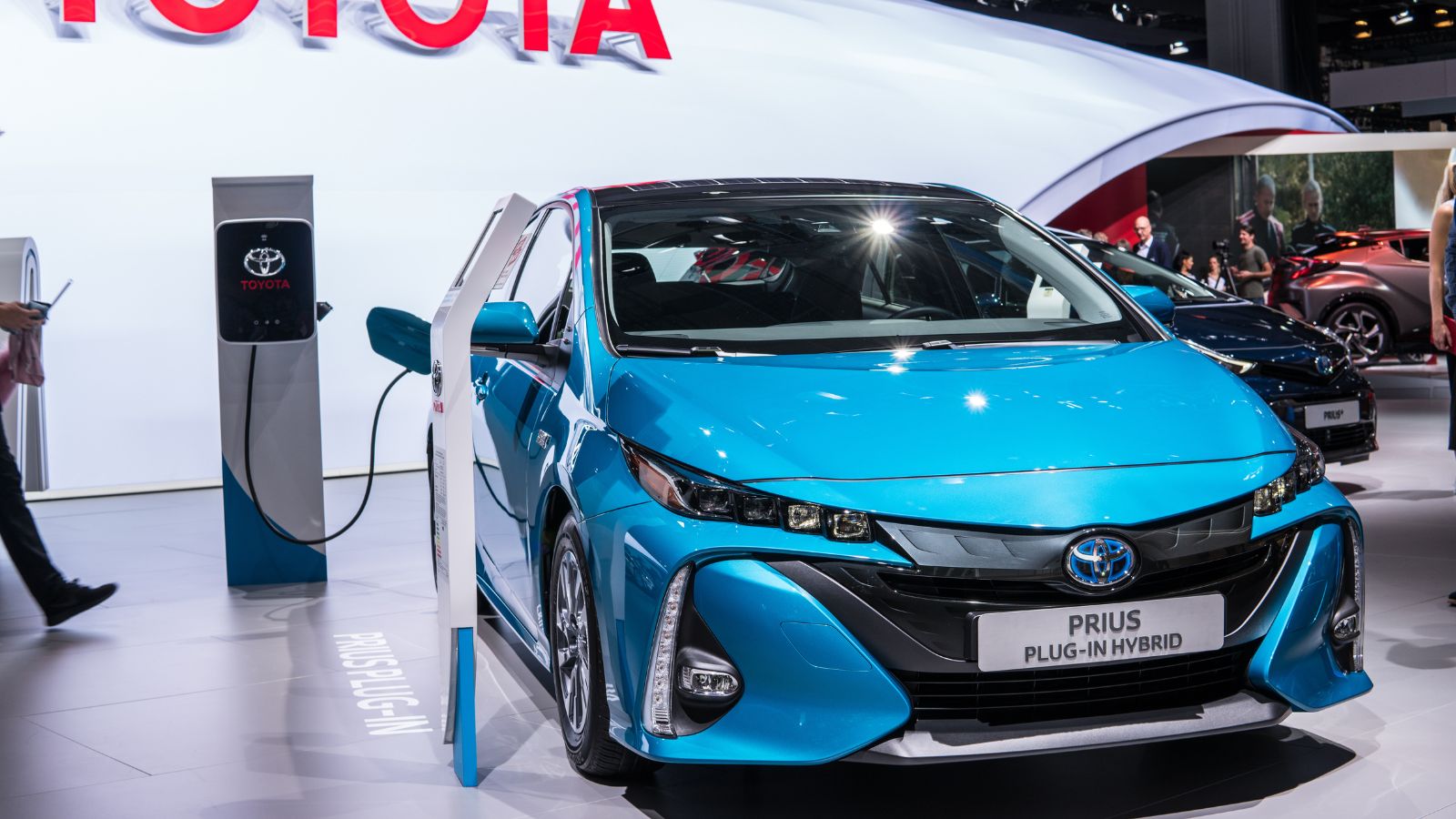
The Prius starts around $37,000 CAD. It focuses on efficiency and low emissions. The low stance reduces ground clearance. Suspension tuning feels firm over rough roads. Potholes create noticeable jolts. Cabin comfort drops on uneven pavement. Tire damage can occur with deeper impacts. Repairs remain manageable but inconvenient. The car works well on clean urban roads. Canadian winter damage exposes its limits. Daily driving comfort depends on route choice. It performs best on maintained streets. Rough roads reduce its appeal quickly.
Nissan Altima
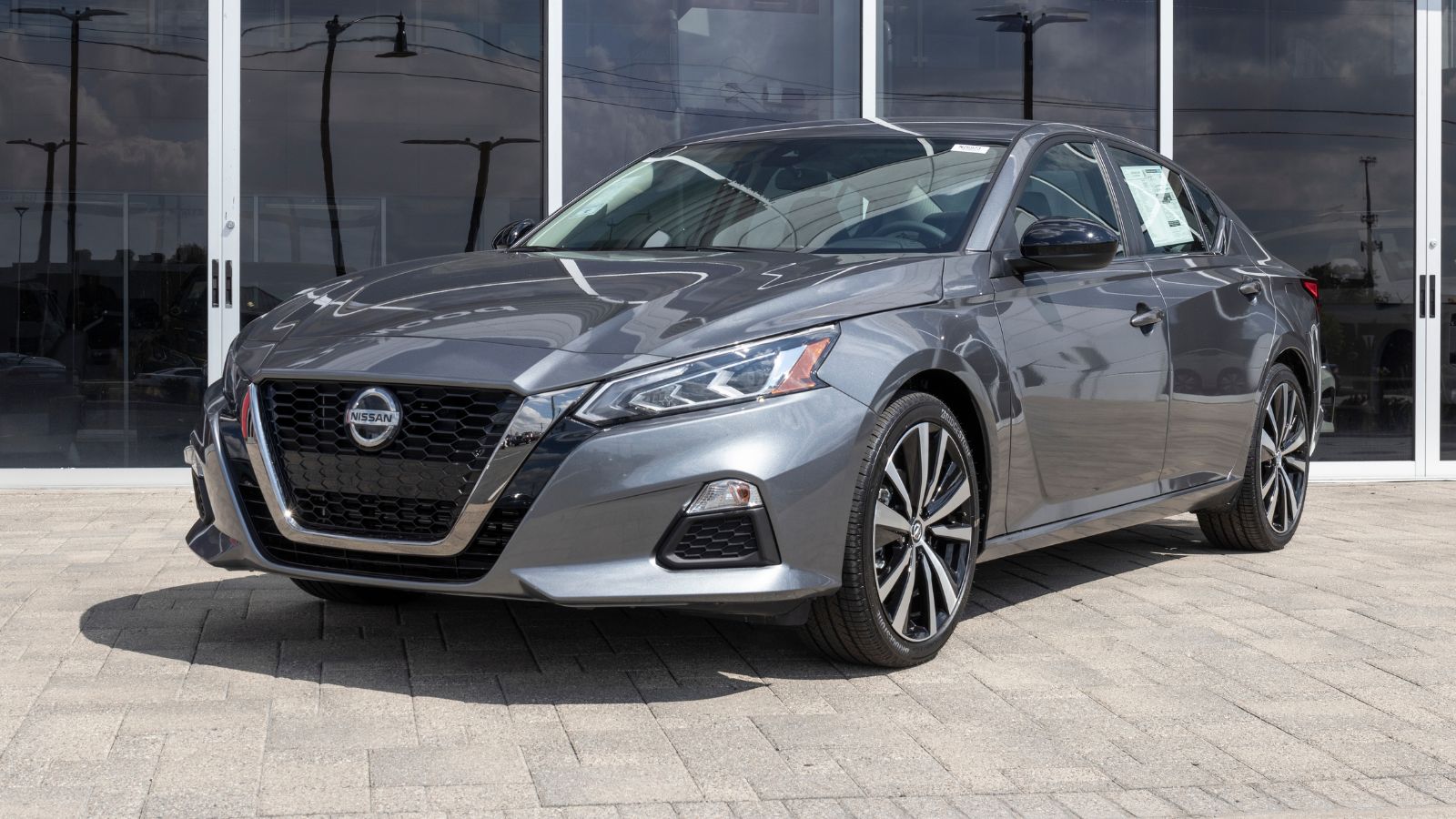
The Altima starts near $34,000 CAD. It offers all-wheel drive for winter traction. Suspension tuning remains firm in many trims. Larger wheels reduce ride comfort. Potholes feel more noticeable than expected. Cabin noise increases on rough surfaces. Tire wear can accelerate in poor conditions. Repairs stay moderate, but frequent issues add cost. Ground clearance is not generous. That limits protection against deep road damage. It performs well on highways. Canadian city streets challenge its comfort. Daily driving can feel less refined over time.
Acura TLX

The TLX starts around $56,000 CAD. It uses sporty suspension tuning. Larger wheels reduce ride cushioning. Potholes create sharp impacts inside the cabin. Ground clearance remains limited. Repairs for wheels and tires are expensive. The car feels composed on smooth highways. Broken roads reveal their stiffness. Daily commuting comfort drops in poor conditions. Tire replacements can come sooner than expected. It delivers strong handling performance. That comes at the cost of ride softness. Canadian streets expose this trade-off clearly.
Infiniti Q50
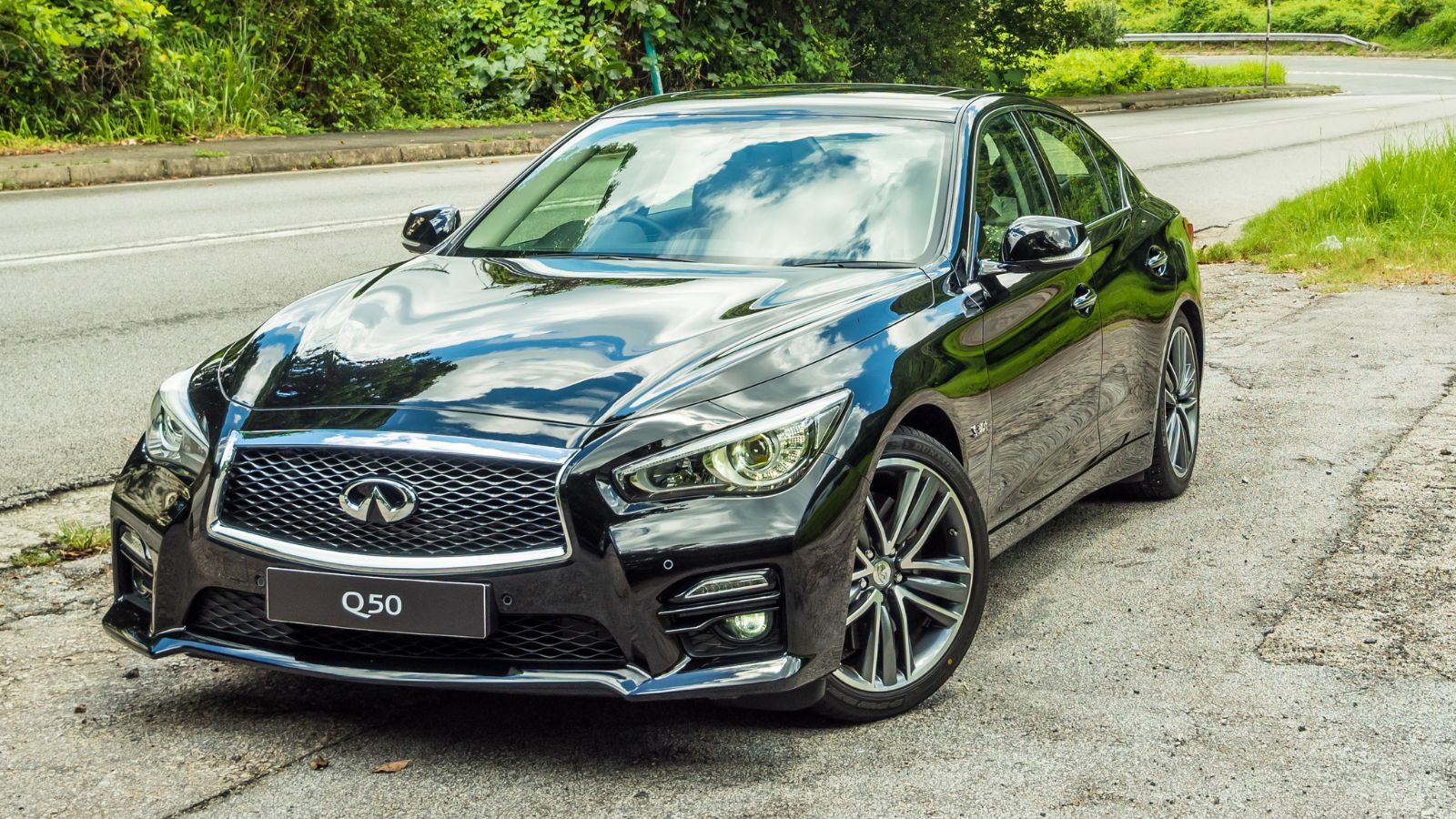
The Q50 starts near $50,000 CAD. It uses firm suspension tuning. Larger wheels worsen ride comfort. Potholes feel intrusive inside the cabin. Cabin noise increases on rough pavement. Repairs can be costly due to premium parts. Ground clearance is not generous. That increases the risk of damaged roads. The car performs well on highways. Canadian city streets highlight its weaknesses. Daily comfort depends on road quality. Long commutes can feel tiring. It struggles to balance luxury and rough-road comfort effectively.
Genesis G70
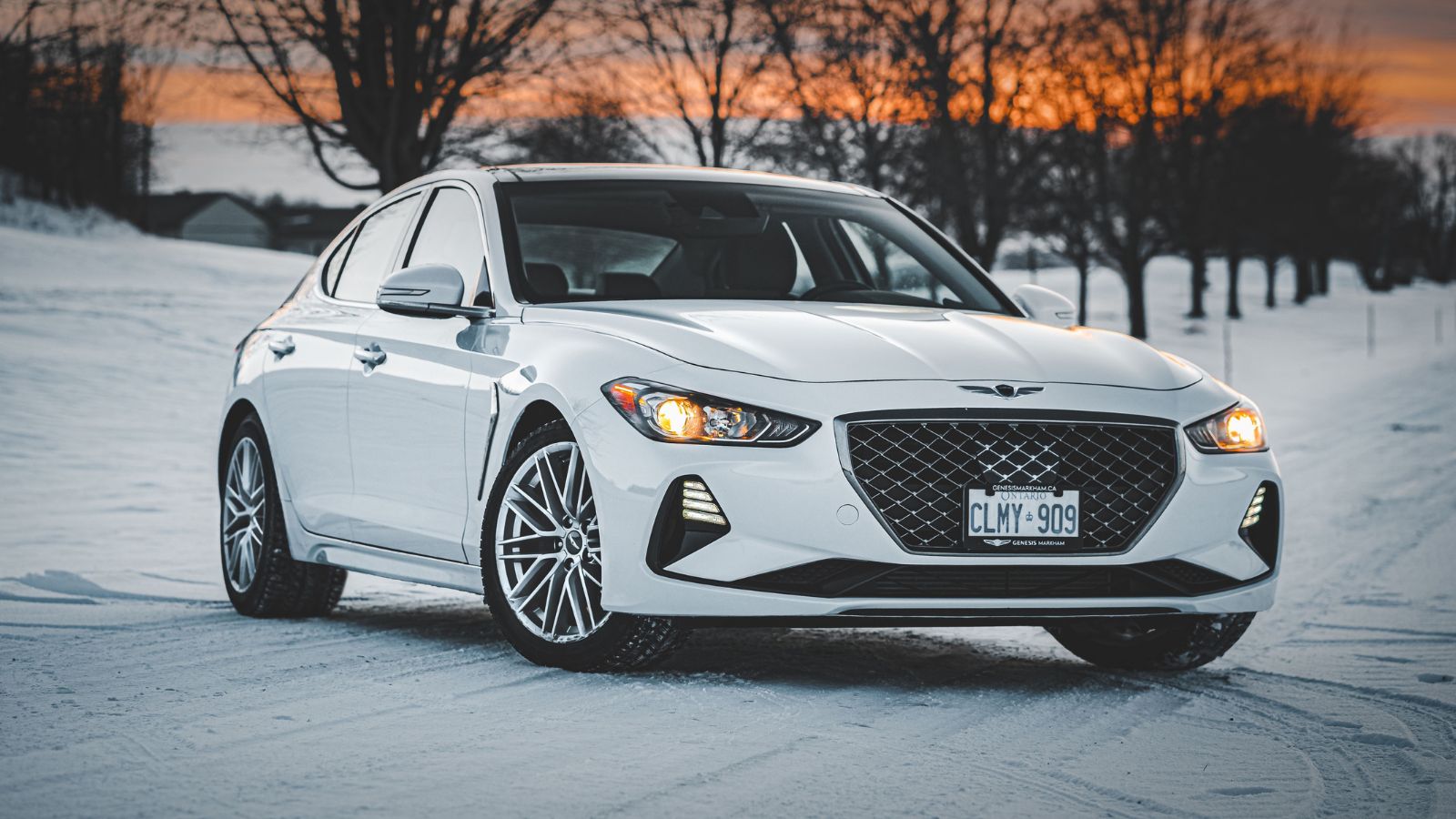
The G70 starts around $52,000 CAD. It emphasizes sporty handling and design. Suspension tuning is firm in most trims. Larger wheels reduce tire cushioning. Potholes feel sharp and noticeable. Repairs can be expensive with premium components. Ground clearance remains limited. That increases the risk of broken roads. The car excels on smooth highways. Canadian city streets challenge its comfort. Daily driving can feel less refined. It offers strong performance but struggles with poor pavement. Comfort is not its main strength.
Mini Cooper S
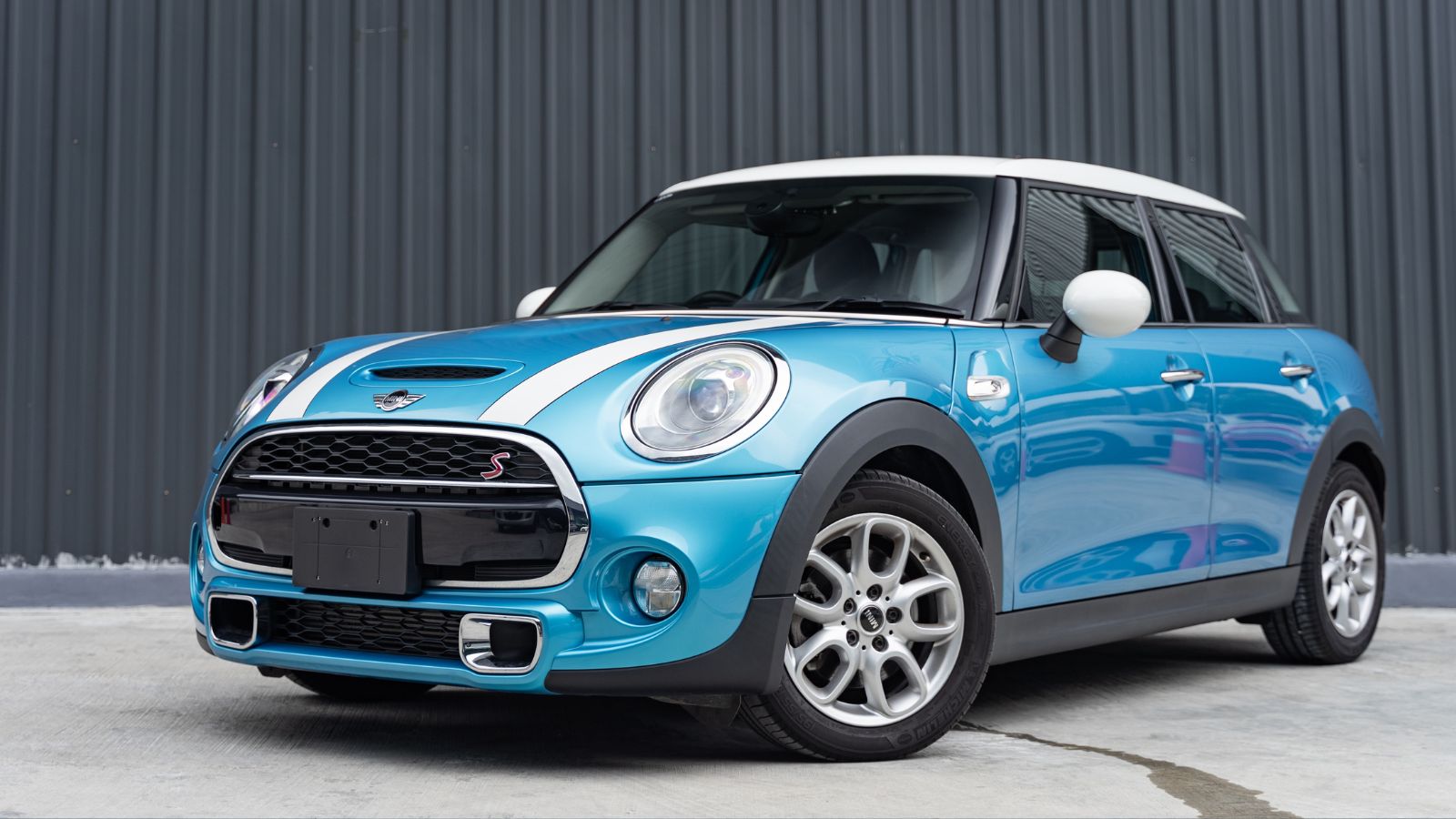
The Mini Cooper S starts at $34,000 CAD. It uses a stiff suspension for sharp handling. Short wheelbase amplifies bumps. Potholes feel severe inside the cabin. Larger wheels reduce cushioning further. Tire damage risk increases on rough roads. Repairs can become frequent and costly. Ground clearance remains limited. That increases the risk of damaged surfaces. It feels fun on smooth streets. Canadian winter roads expose their limits quickly. Daily comfort drops significantly. Drivers often avoid rough routes to protect the car.
22 Things Canadians Do to Their Cars in Spring That Mechanics Hate

Spring brings relief to many Canadian drivers after months of snow, freezing temperatures, and icy roads that put serious strain on vehicles. As temperatures rise across the country, drivers begin washing cars, switching tires, and preparing vehicles for warmer weather and upcoming road trips. However, mechanics across Canada notice the same mistakes every spring when drivers attempt to recover from winter damage. Road salt, potholes, and harsh winter driving conditions often leave vehicles with hidden problems that drivers ignore. Some spring habits even create new mechanical issues that could have been avoided with proper maintenance. Here are 22 things Canadians do to their cars in spring that mechanics hate.