
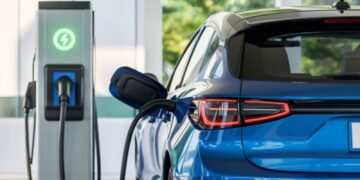
























Cold weather changes how vehicles behave, especially electric ones. Batteries slow down, heaters pull power, and range drops faster than most expect. Real-world winter driving in Canada often results in losses of 20 to 50 percent. That gap matters when planning commutes or road trips. Premium EVs are not immune, despite high price tags and advanced tech. Some models handle winter better, while others struggle more than buyers expect. This list focuses on real-world winter range drops and their effects on daily use. Here are 22 vehicles that lose the most range in a Canadian winter (real-world).
Tesla Model 3
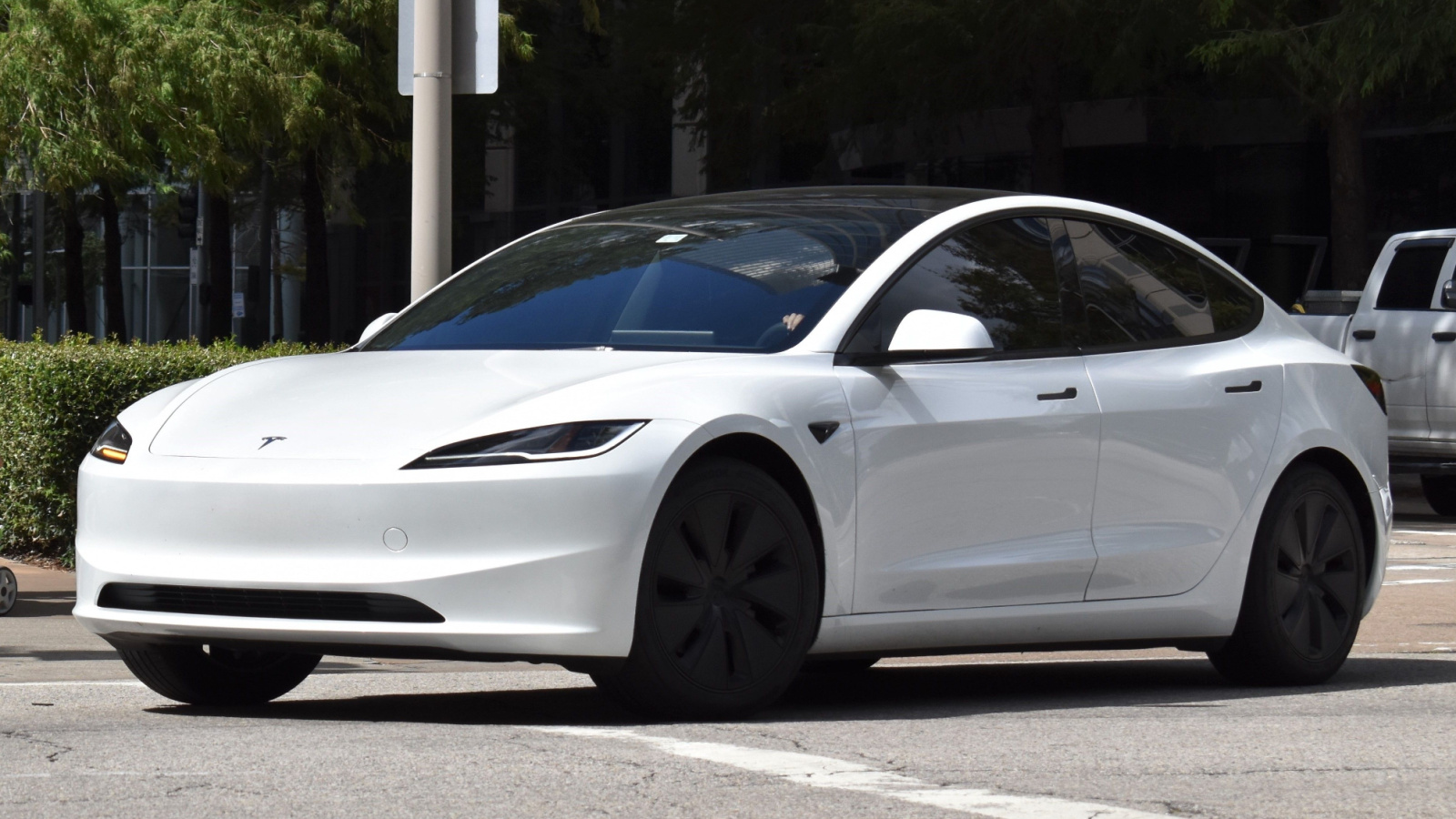
The Model 3 is popular for efficiency, but winter exposes its limits. Owners report a 30 percent range drop in freezing temperatures. Cabin heating uses battery power instead of waste heat. Short trips feel worse because the battery stays cold longer. Real-world winter range can fall from 438 km to under 300 km. Prices start near CAD 55,000 for newer models. Preconditioning helps, but requires planning. Highway driving in cold air increases drag and consumption. It still performs well overall, but expectations need adjusting during Canadian winters.
Tesla Model Y
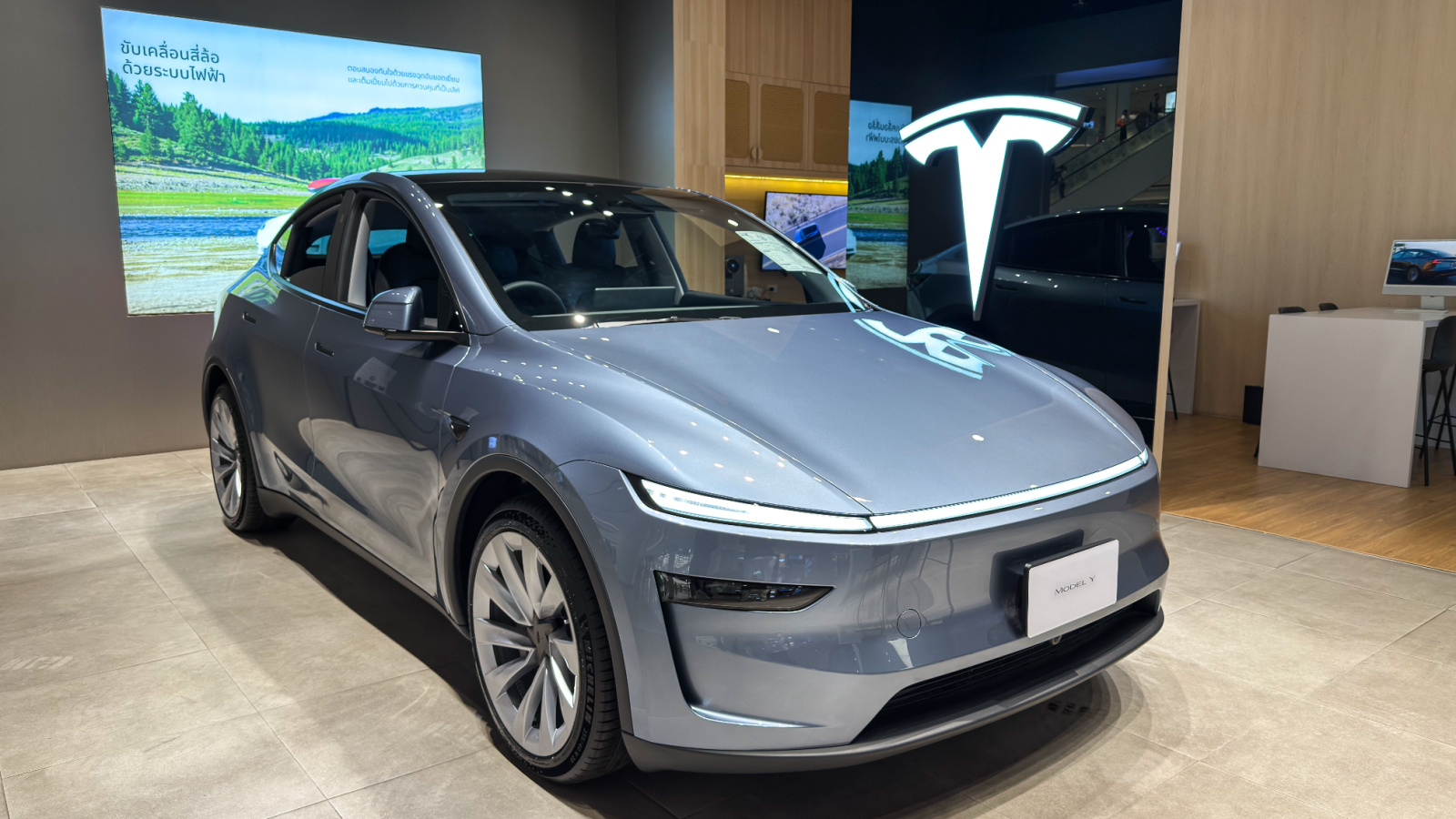
The Model Y shares much with the Model 3 but adds weight and height. Those factors increase winter energy use. Owners often report losses of around 25 to 35 percent. Real-world range can drop from 500 km to roughly 330 km. The heat pump helps, but extreme cold still hurts efficiency. Prices in Canada start near CAD 65,000. Snow tires also add rolling resistance. The higher driving position feels great in winter, but range anxiety rises on longer trips. Charging stops become more frequent than expected.
Ford Mustang Mach-E
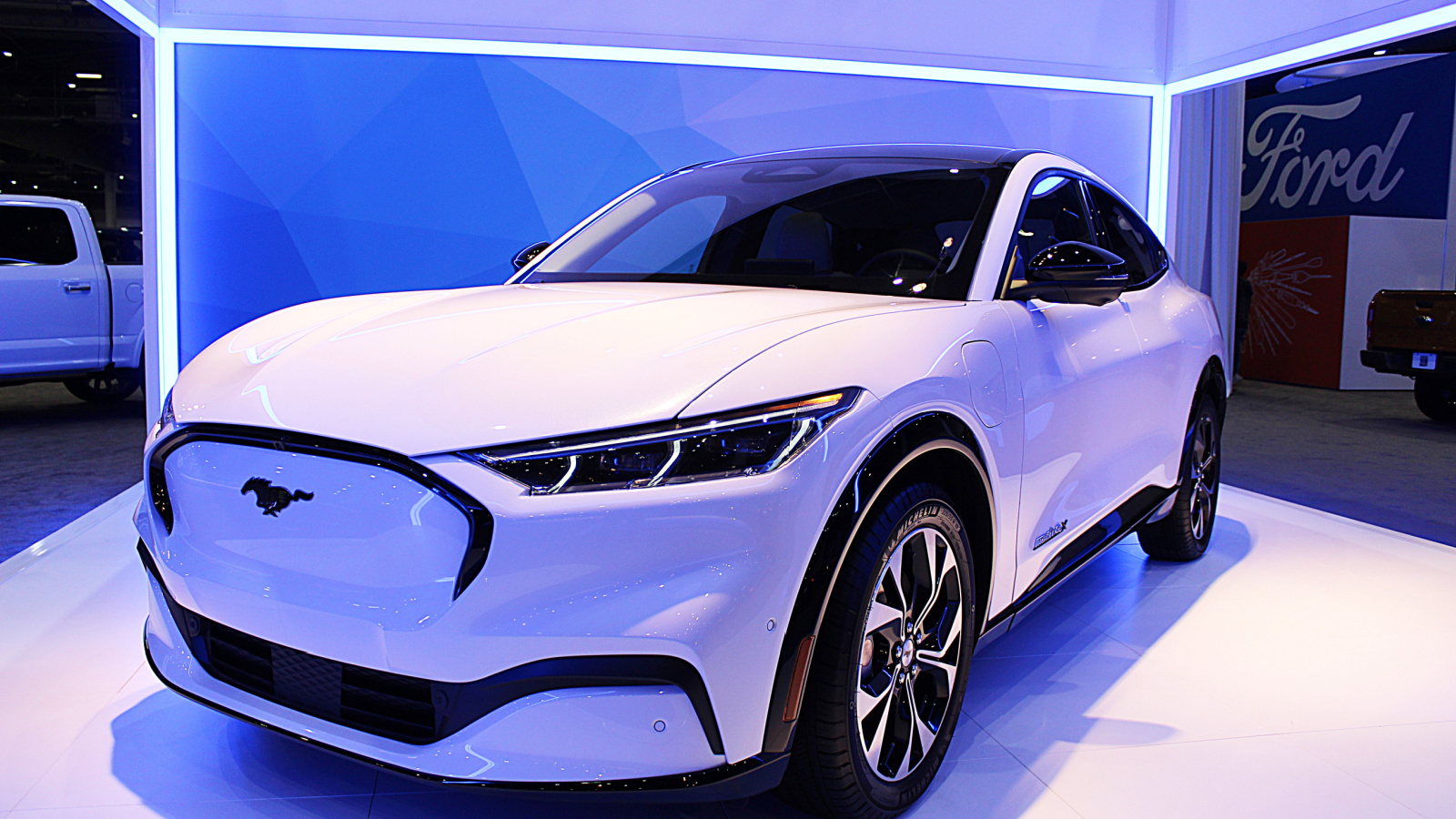
The Mach-E delivers strong performance, but winter cuts its range noticeably. Many drivers report losses of 30 percent or more. Real-world numbers drop from 435 km to around 300 km. Heating demand and battery conditioning both consume energy. Prices start at around CAD 60,000 and rise for AWD versions. Cold weather also slows charging speeds at times. The cabin stays warm and comfortable, which drivers appreciate. Still, long winter drives require careful planning and extra stops.
Hyundai Kona Electric
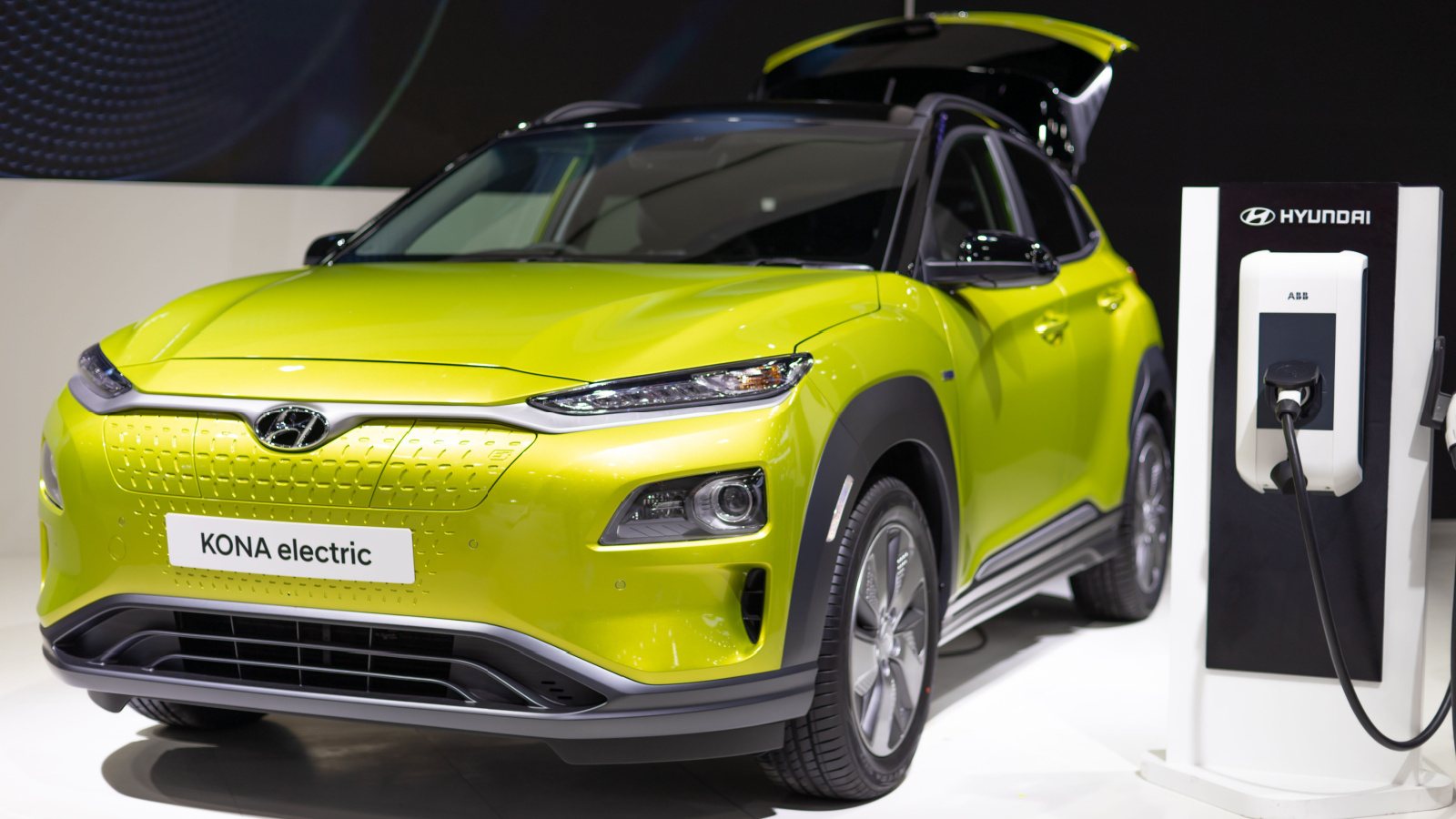
The Kona Electric is known for strong efficiency in mild weather. Winter changes that quickly. Owners often see range losses close to 35 percent. A 415 km rating can fall below 270 km in cold conditions. Prices start near CAD 45,000. The smaller battery struggles more in freezing temperatures. Cabin heating impacts range significantly during short trips. It works well as a city car, but longer winter drives feel limiting. Drivers often rely more on public charging.
Chevrolet Bolt EV
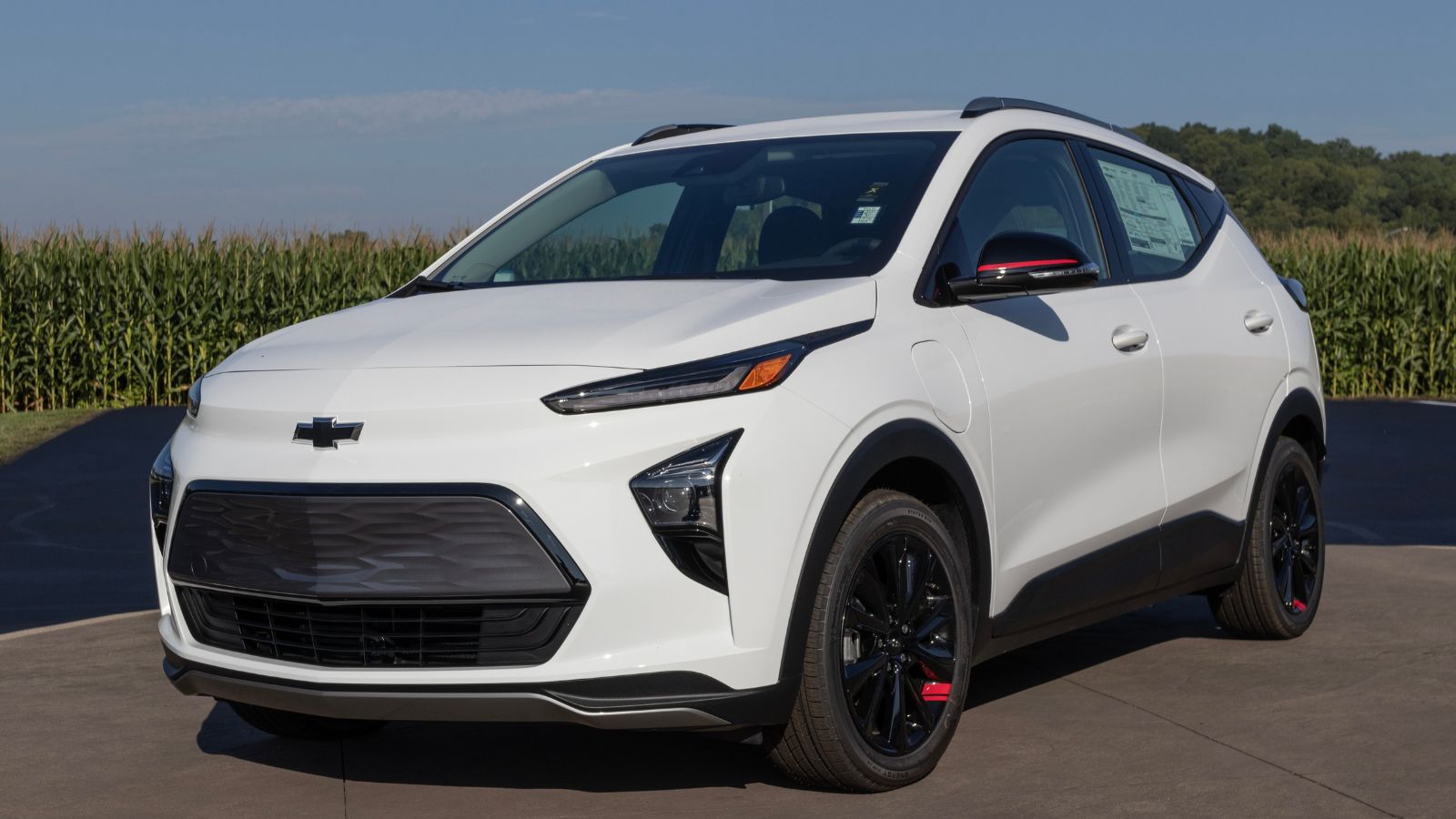
The Bolt EV remains one of the most affordable electric options, but winter exposes its limits clearly. Owners often report range losses of 30-40 percent under Canadian conditions. A rated range of 417 km can drop closer to 250 km during colder months. Prices sit around CAD 42,000 when available. Older versions lack a heat pump, which increases energy use for cabin heating. Short trips drain range quickly due to repeated warmups. It works well for city driving, but longer winter routes require planning and frequent charging stops.
Volkswagen ID.4
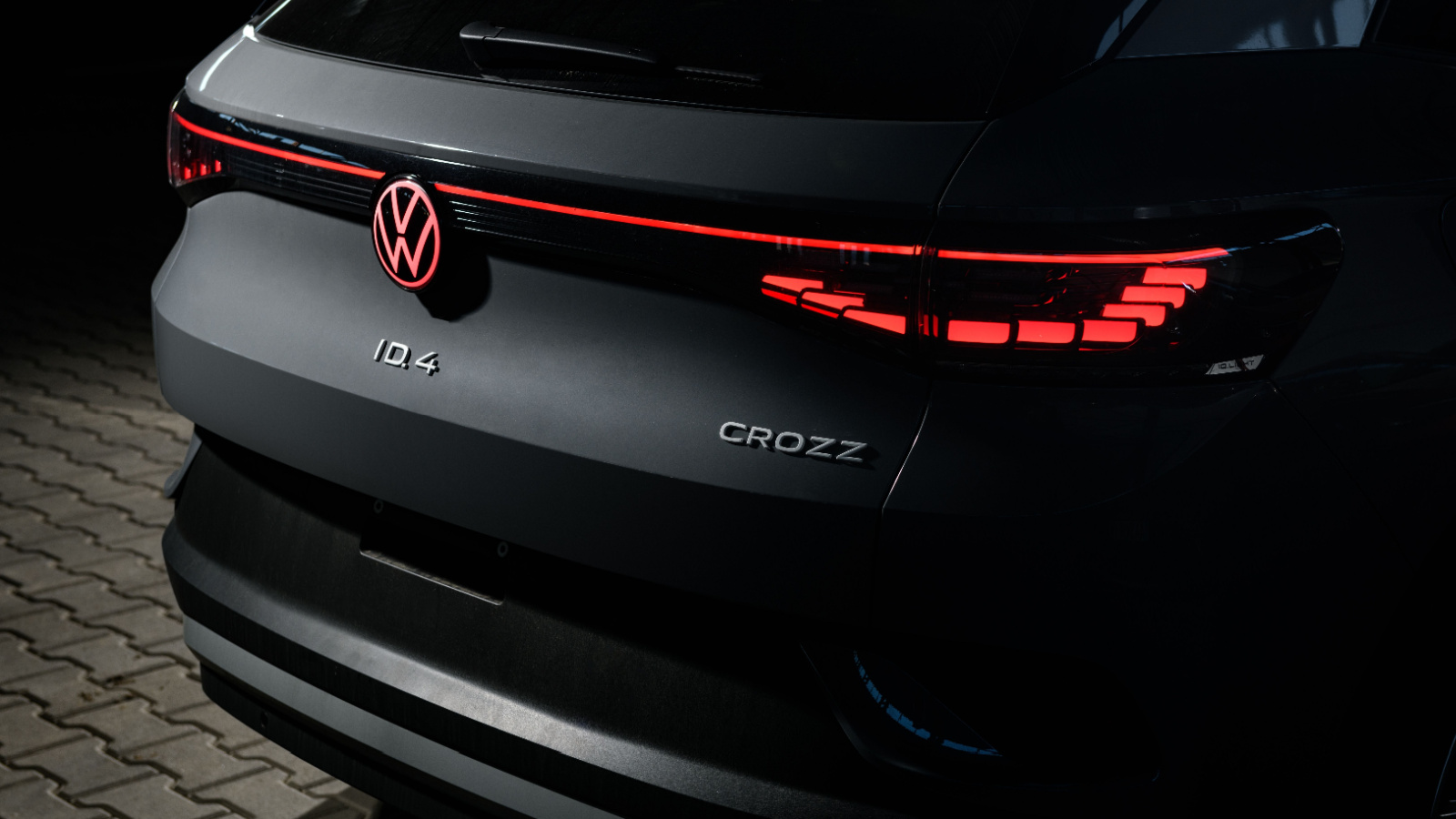
The ID.4 focuses on comfort and practicality, though winter reduces its range noticeably. Owners commonly report losses of around 30 percent in cold conditions. A rated 400 km can fall closer to 280 km during freezing weather. Prices begin near CAD 50,000. The cabin heating system draws steady energy, especially on longer drives. AWD versions consume more fuel in snowy conditions. Highway driving in dense cold air further impacts efficiency. It remains a solid family vehicle, but winter travel requires more frequent stops and thoughtful route planning.
Nissan Leaf
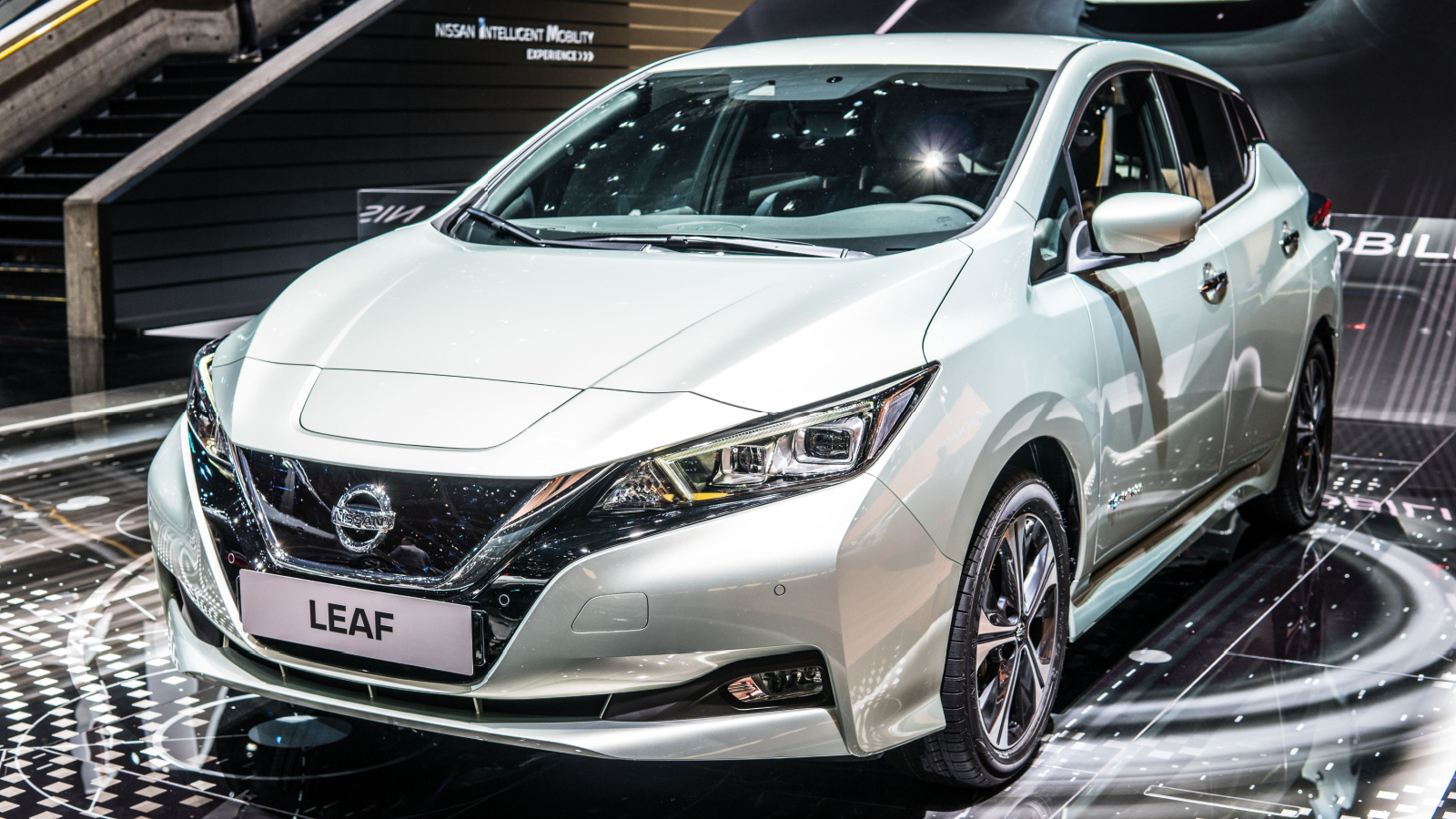
The Leaf shows clear limitations when temperatures drop below freezing. Owners often report range losses approaching 40 percent in harsher climates. A rated 363 km can drop to near 220 km during the winter months. Prices start around CAD 41,000. The lack of active battery temperature management affects consistency. Cabin heating also consumes significant power on cold mornings. It performs best on short urban commutes. Longer winter drives need careful planning, as charging speed and range both suffer compared to newer electric models on the market today.
Kia EV6
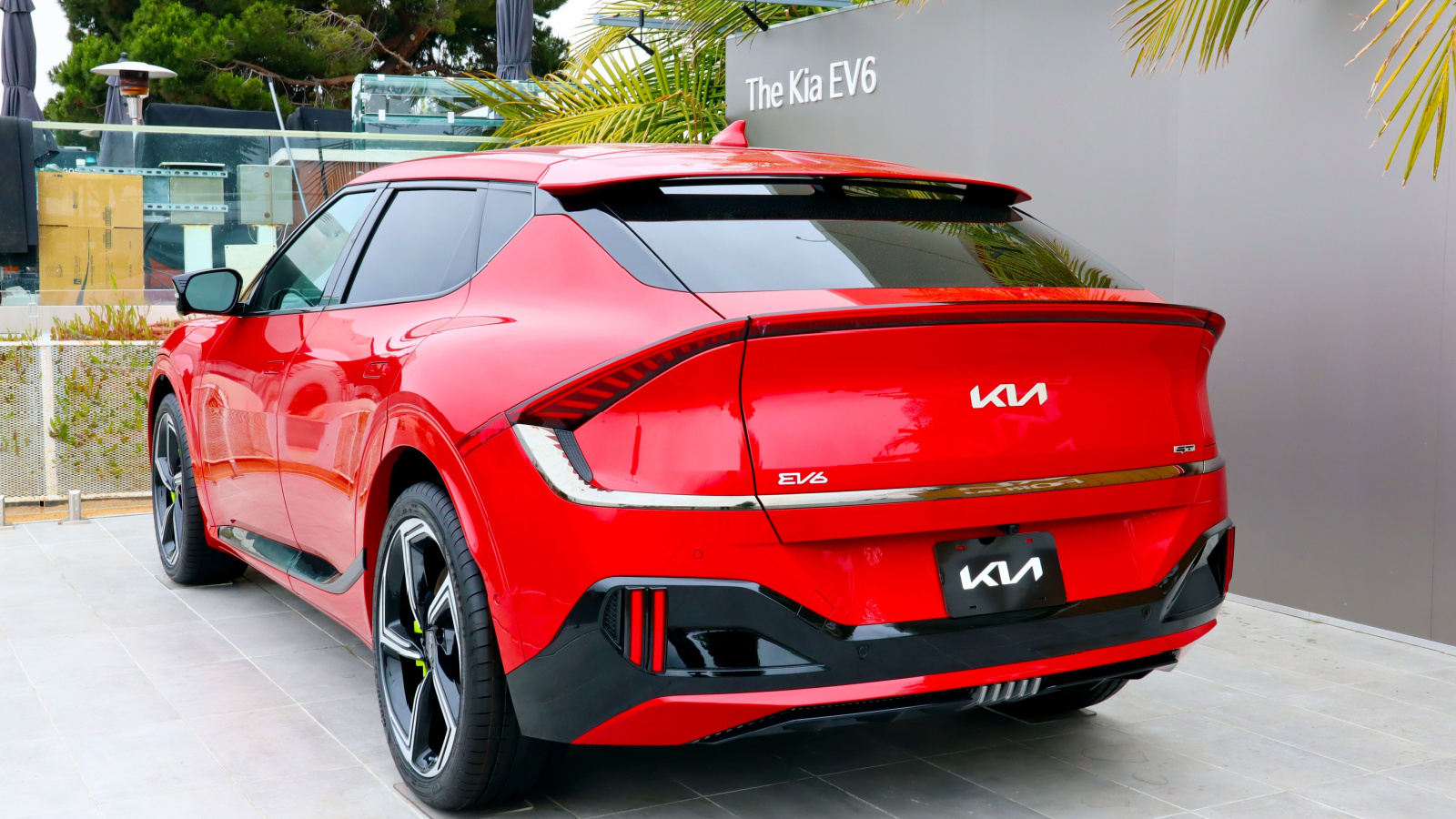
The EV6 benefits from newer technology, though winter still reduces its usable range. Drivers report losses of around 25 to 30 percent in colder regions. A rated 499 km can drop to roughly 350 km. Prices start near CAD 55,000. The heat pump system helps limit energy loss compared to older EVs. AWD versions increase consumption slightly in snow. Fast charging remains strong, which helps during longer trips. It handles winter better than many rivals, though drivers still need to plan routes more carefully during colder months.
Hyundai Ioniq 5
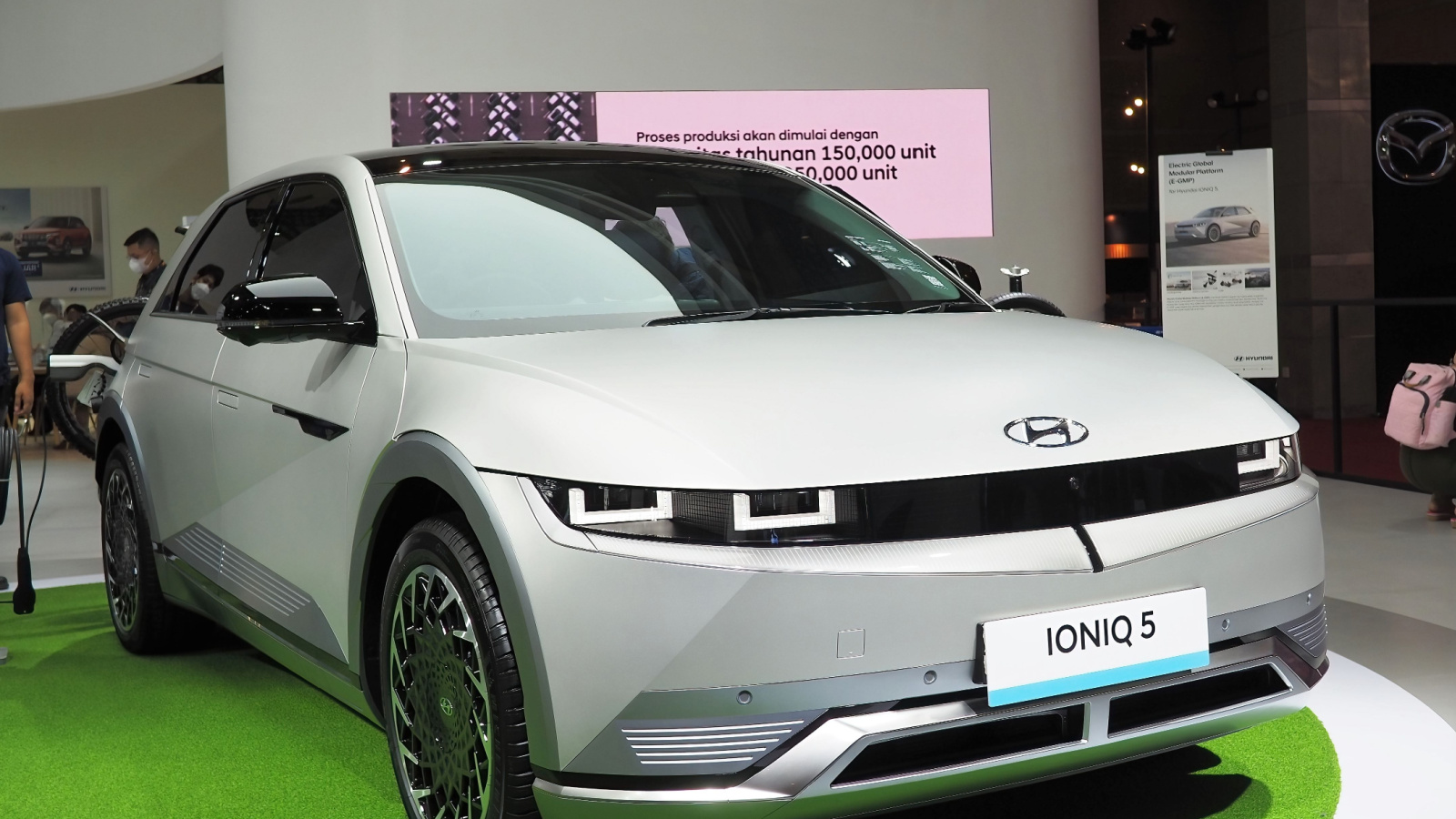
The Ioniq 5 shares much with the EV6, including similar winter challenges. Owners typically report range losses between 25 and 30 percent. A rated 480 km can drop to about 340 km in cold conditions. Prices begin near CAD 52,000. The spacious cabin remains warm, but heating still uses steady power. Flat-floor design adds comfort, though not efficiency. Fast charging helps reduce downtime during road trips. Winter tires and snow conditions increase rolling resistance, making longer drives feel more demanding than expected.
Audi e-tron
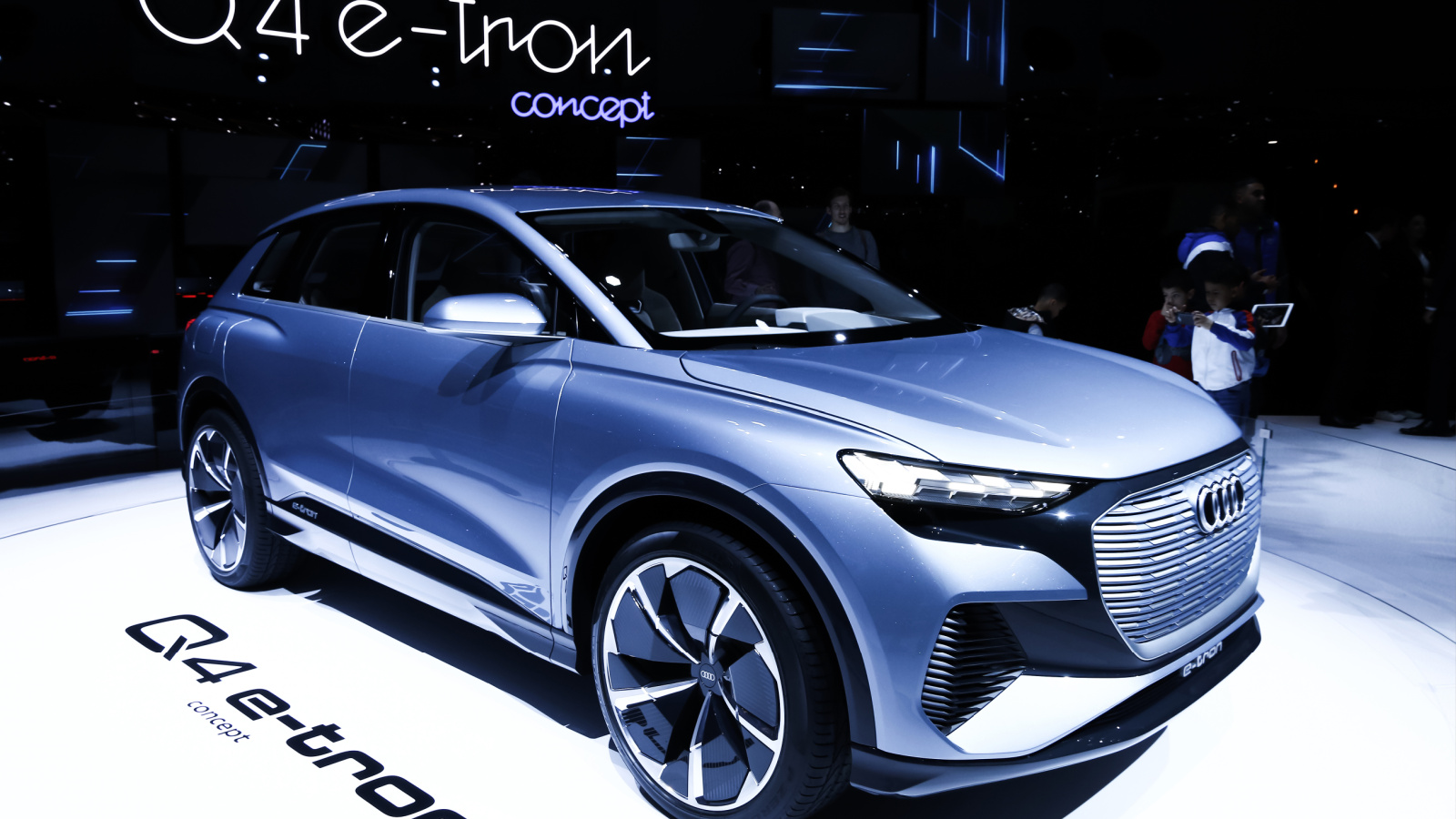
The e-tron emphasizes comfort and luxury, but efficiency suffers in winter conditions. Owners report range losses near 35 percent or more. A rated 357 km can drop to around 230 km during cold months. Prices start near CAD 85,000. The heavy body increases energy demand in snow and low temperatures. Heating a large interior adds further strain on the battery. It feels stable and secure on winter roads. However, frequent charging becomes necessary, especially during longer trips in colder Canadian climates.
Jaguar I-PACE
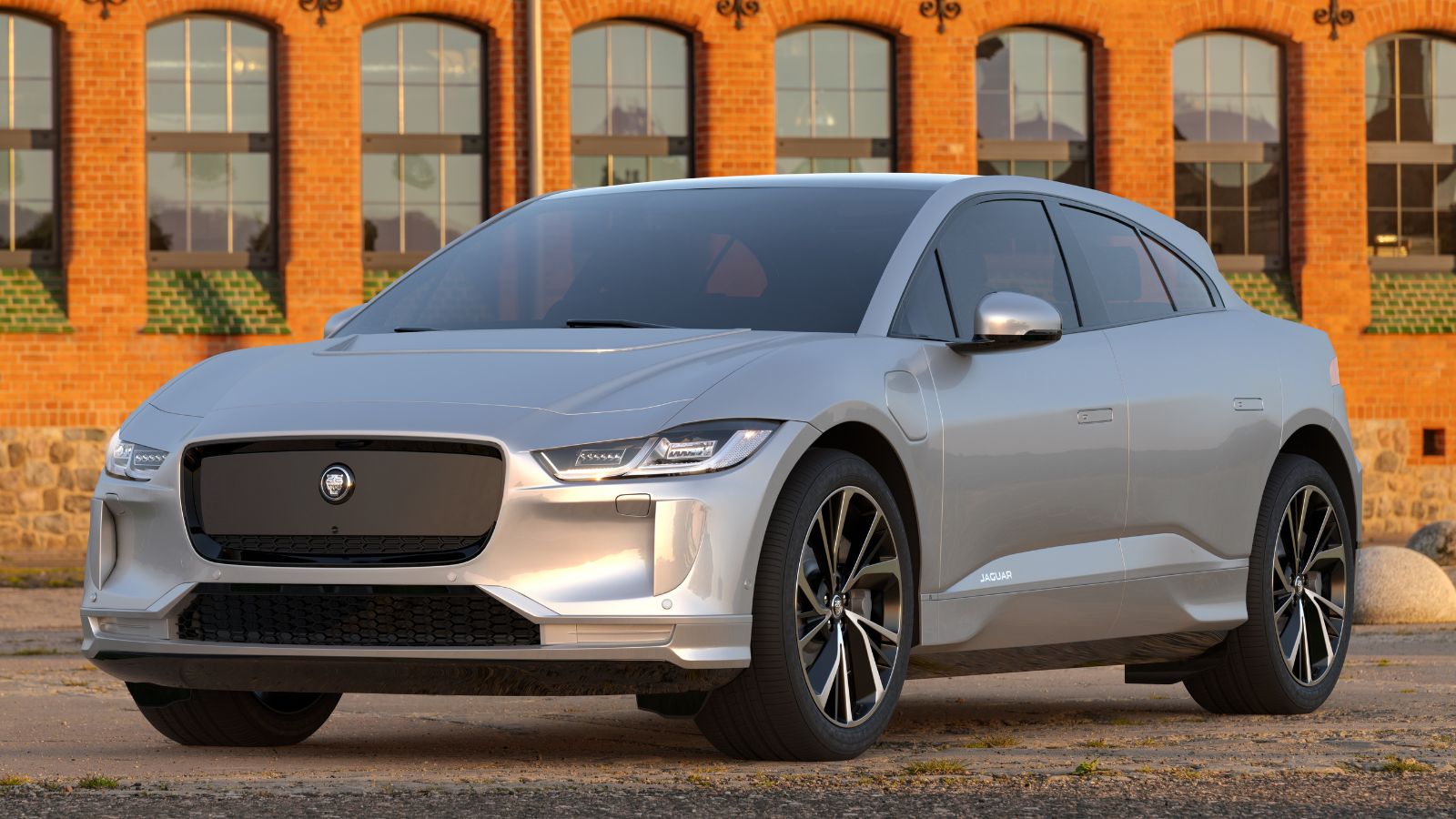
The I-PACE delivers sporty handling, though winter conditions significantly impact its efficiency. Drivers report a 35 percent range loss in real-world conditions. A rated 377 km can fall to near 250 km in cold weather. Prices start around CAD 90,000. The heavy battery and performance tuning increase energy consumption. Cabin heating and AWD systems add further load. It remains engaging to drive, even in the snow. Still, the range drops, reducing its practicality for longer winter journeys and requiring more frequent charging stops.
BMW i4
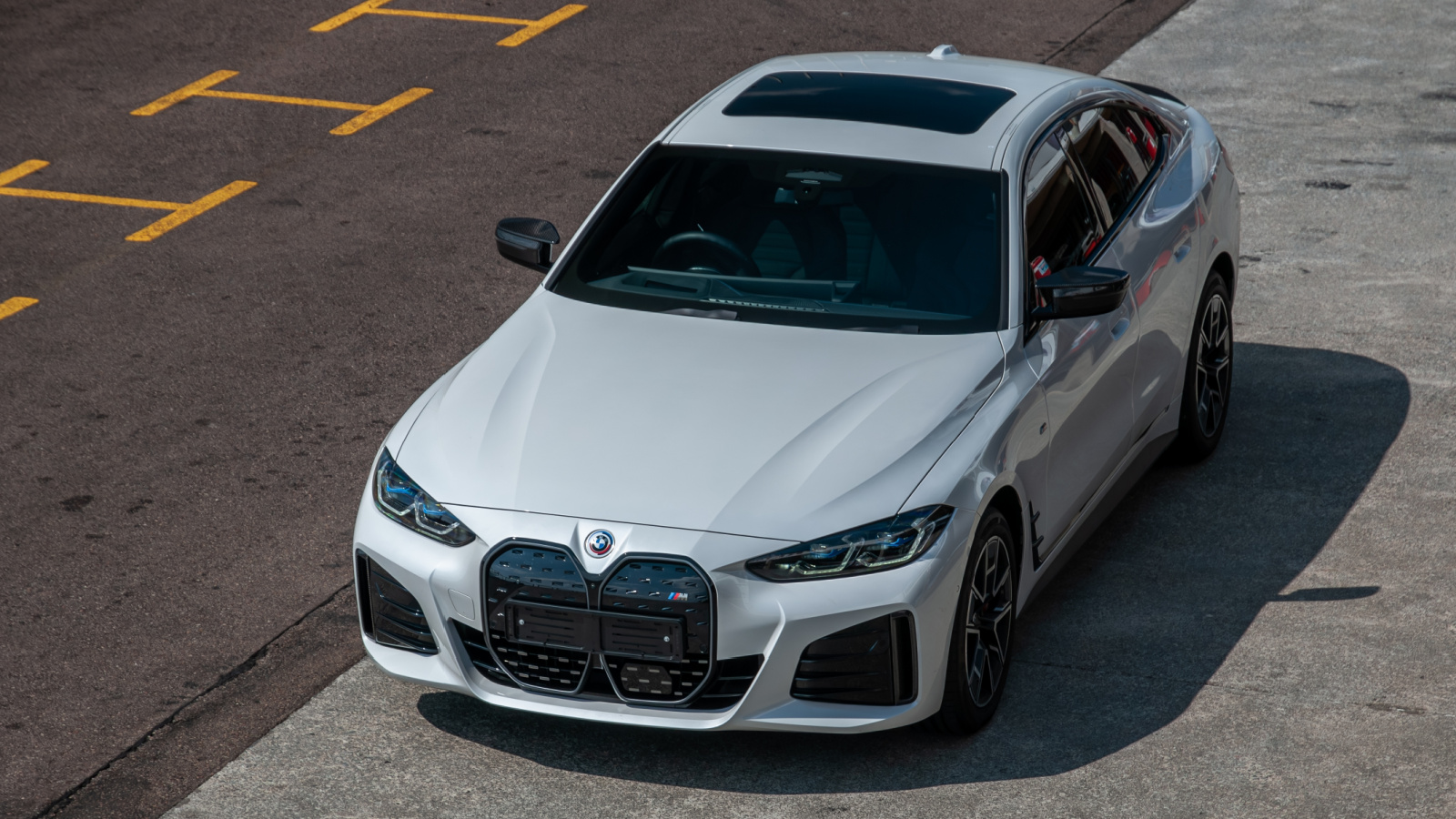
The i4 balances performance with efficiency, though winter reduces both. Owners typically report losses of 25-30 percent in colder regions. A rated 484 km can drop to around 340 km. Prices begin near CAD 60,000. The cabin stays warm and comfortable, though the heating draws a steady power. Performance variants consume more energy during aggressive driving. Cold air and highway speeds increase overall consumption. It remains practical for daily use, but longer winter trips need more planning and careful route management.
BMW iX
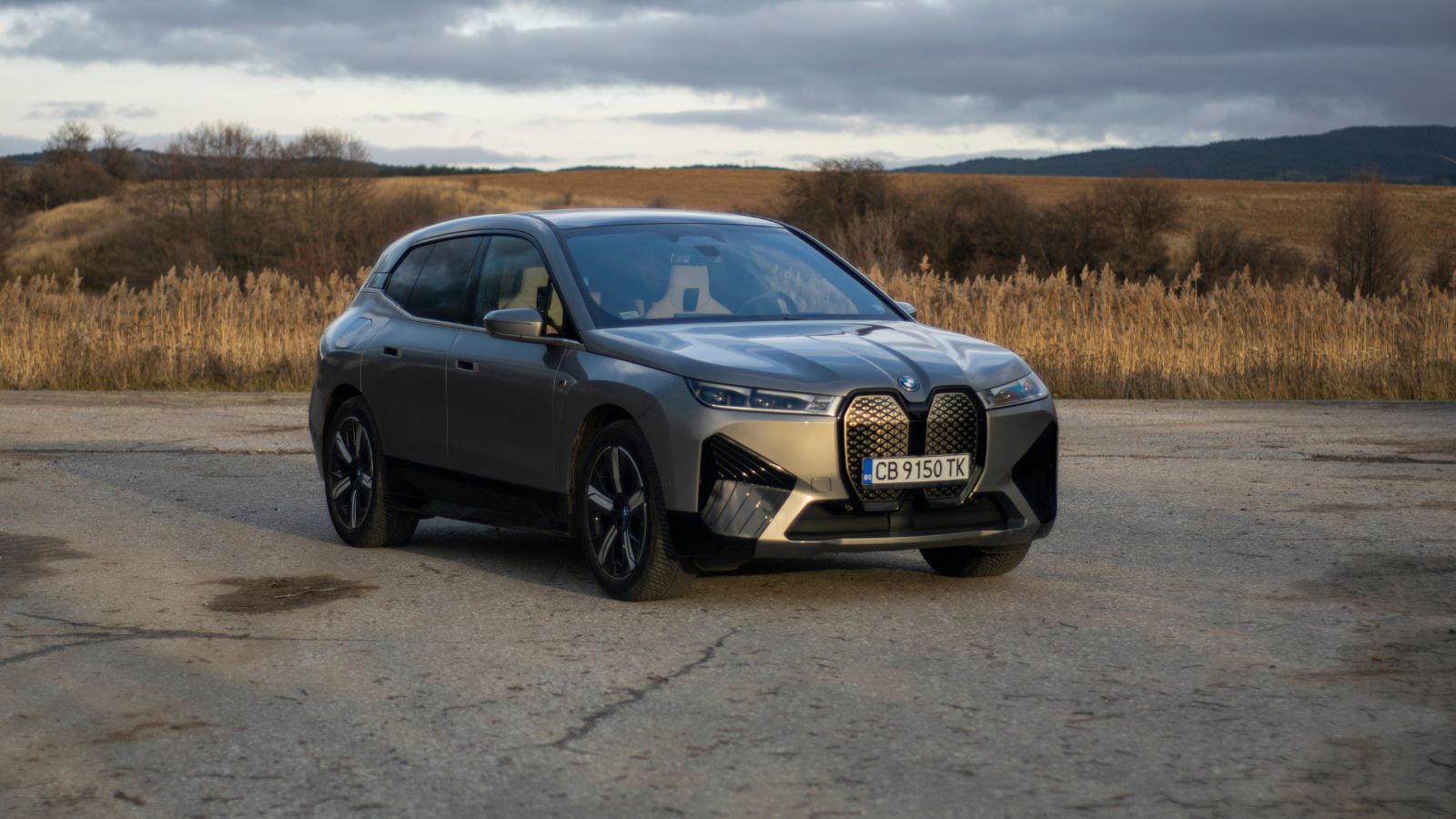
The iX is large and luxurious, which impacts winter efficiency more than expected. Owners report a range of losses around 30 percent. A rated 521 km can fall to roughly 360 km in cold conditions. Prices start above CAD 95,000. Heating a large cabin requires steady energy output. The heavy body increases rolling resistance on snowy roads. It feels composed and quiet in winter driving. However, range drops become noticeable on longer trips, making charging infrastructure more important during colder months.
Rivian R1T
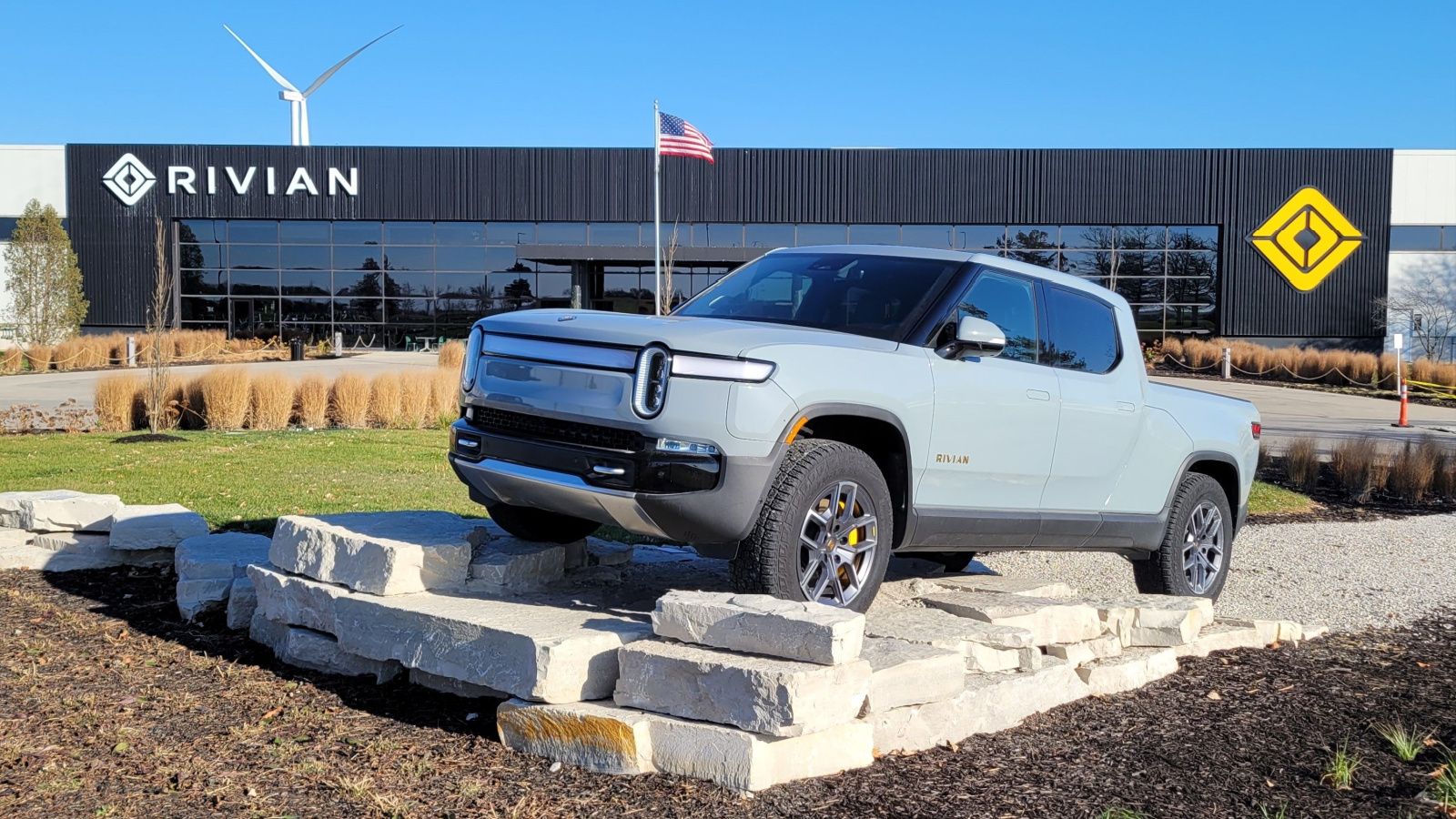
The R1T offers strong capability, though winter conditions reduce its range sharply. Owners report losses between 30 and 40 percent. A rated 505 km can drop to near 320 km in colder climates. Prices begin around CAD 95,000. The large battery helps, but the heavy build increases consumption. Cold air and off-road conditions add further demand. It performs well in snow, with strong traction and control. Still, range planning becomes essential, especially for longer drives in harsh winter environments.
Rivian R1S
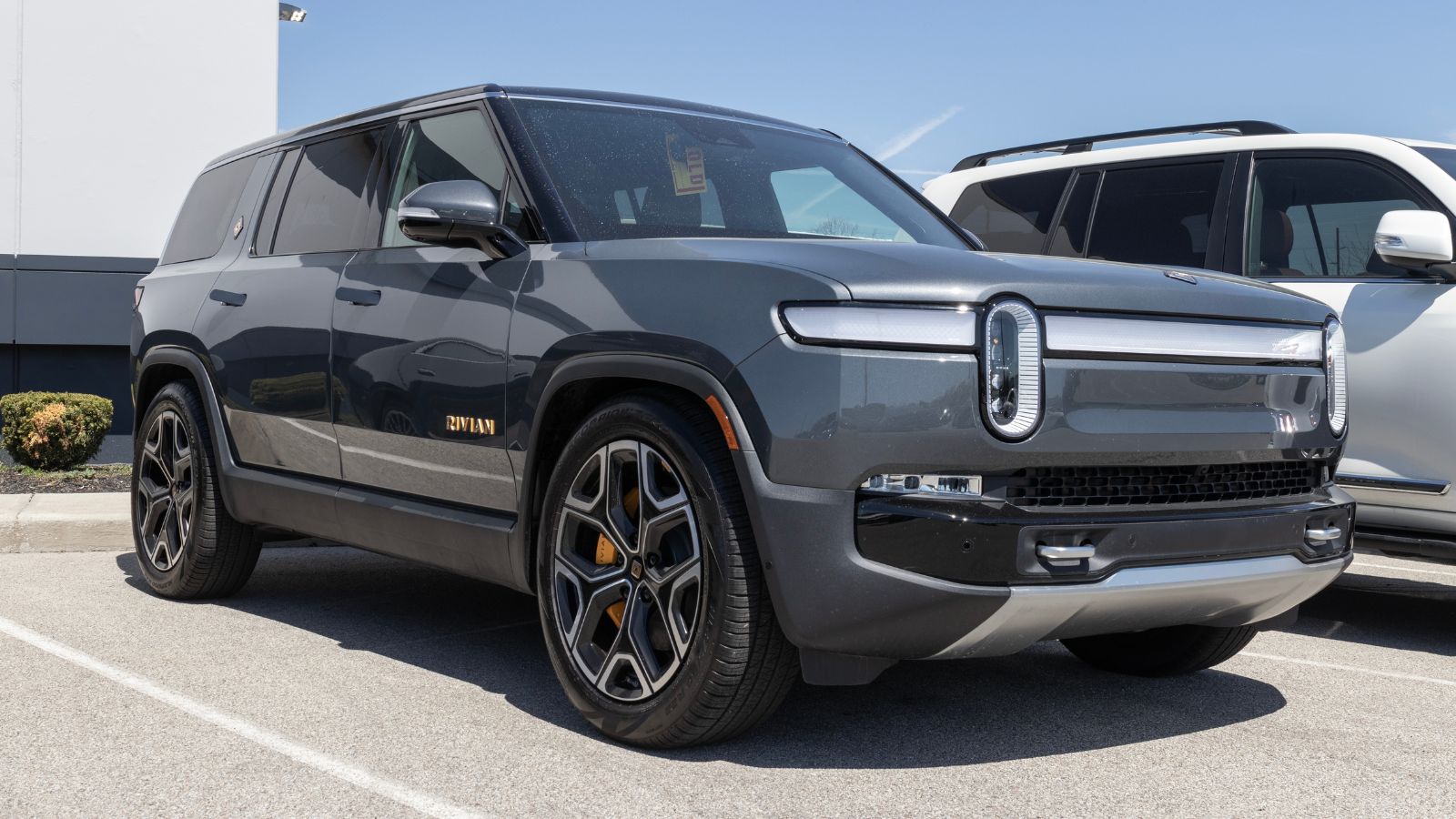
The R1S shares much with the R1T, including similar winter performance challenges. Owners report losses of around 30 to 40 percent in real-world use. A rated 515 km can fall to near 330 km in cold weather. Prices exceed CAD 100,000. The large size increases aerodynamic drag and energy use. Heating demand remains high in colder climates. It performs confidently in snow, offering strong control and stability. However, efficiency drops quickly, making charging stops a regular part of longer winter journeys.
Polestar 2
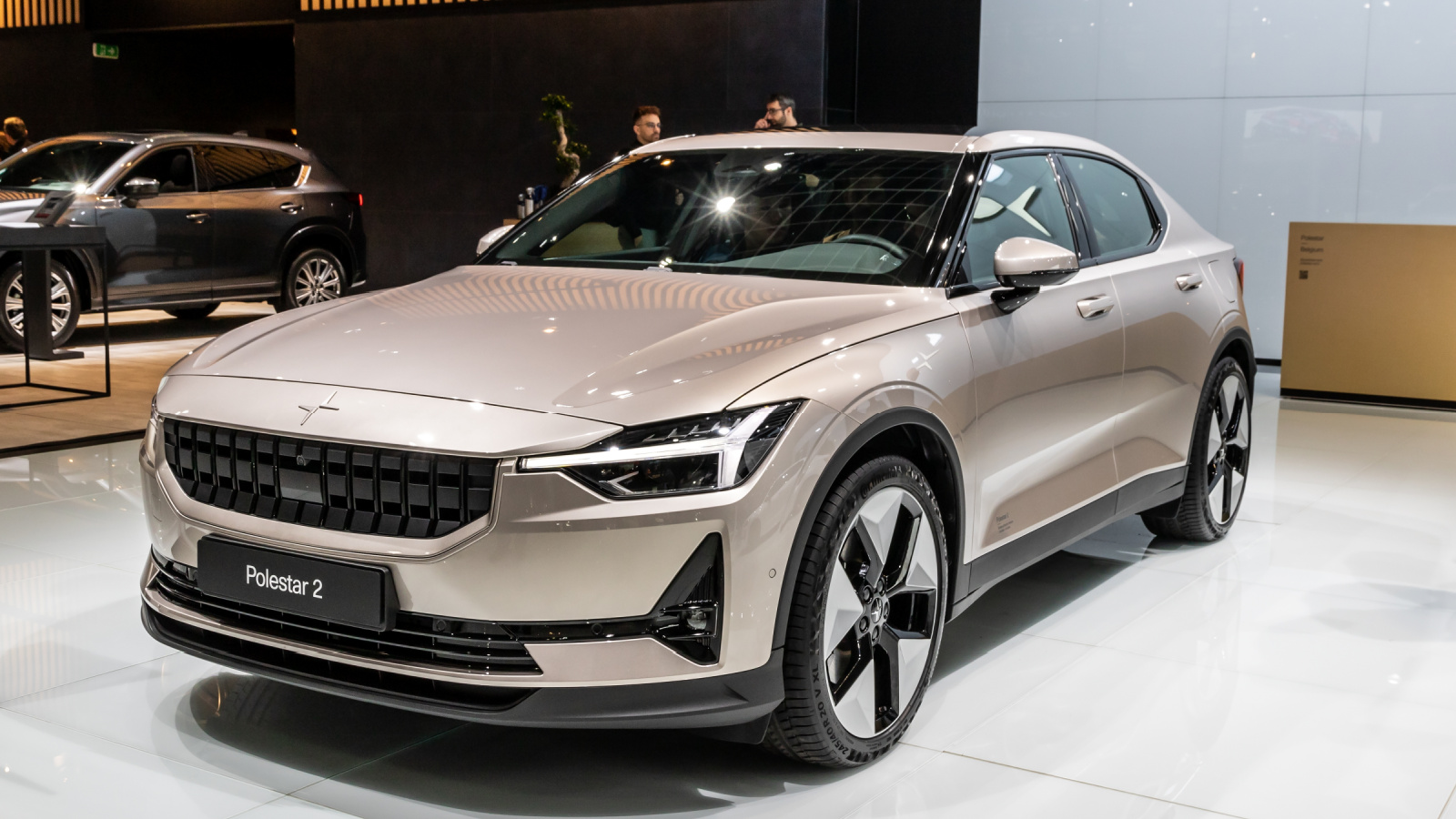
The Polestar 2 combines style with performance, though winter reduces its usable range. Drivers report losses of nearly 30 percent in colder conditions. A rated 435 km can drop to about 300 km. Prices begin near CAD 55,000. The cabin remains warm, though heating draws steady power. AWD versions increase consumption slightly in snow. It remains enjoyable to drive, even during the winter months. However, the range feels tighter during longer trips, requiring more attention to charging locations and planning.
Mercedes-Benz EQE
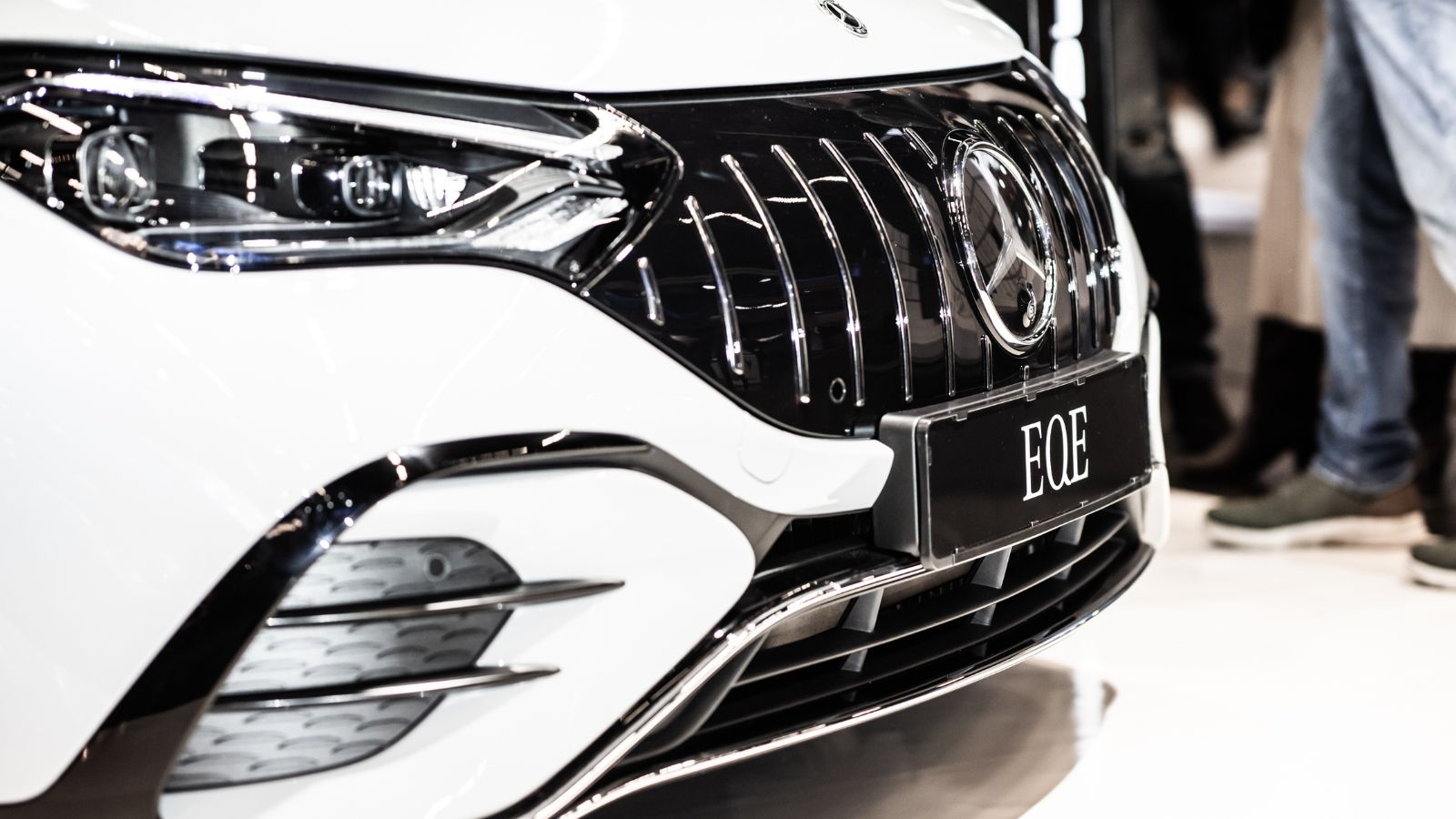
The EQE focuses on comfort and refinement, though winter affects its efficiency. Owners report losses ranging from 25 to 30 percent. A rated 550 km can drop to near 380 km in colder temperatures. Prices start near CAD 85,000. The cabin stays quiet and warm, though heating impacts energy use. Highway driving increases consumption further in cold air. It remains a smooth daily driver. Still, range expectations need to be adjusted for longer winter travel.
Mercedes-Benz EQS
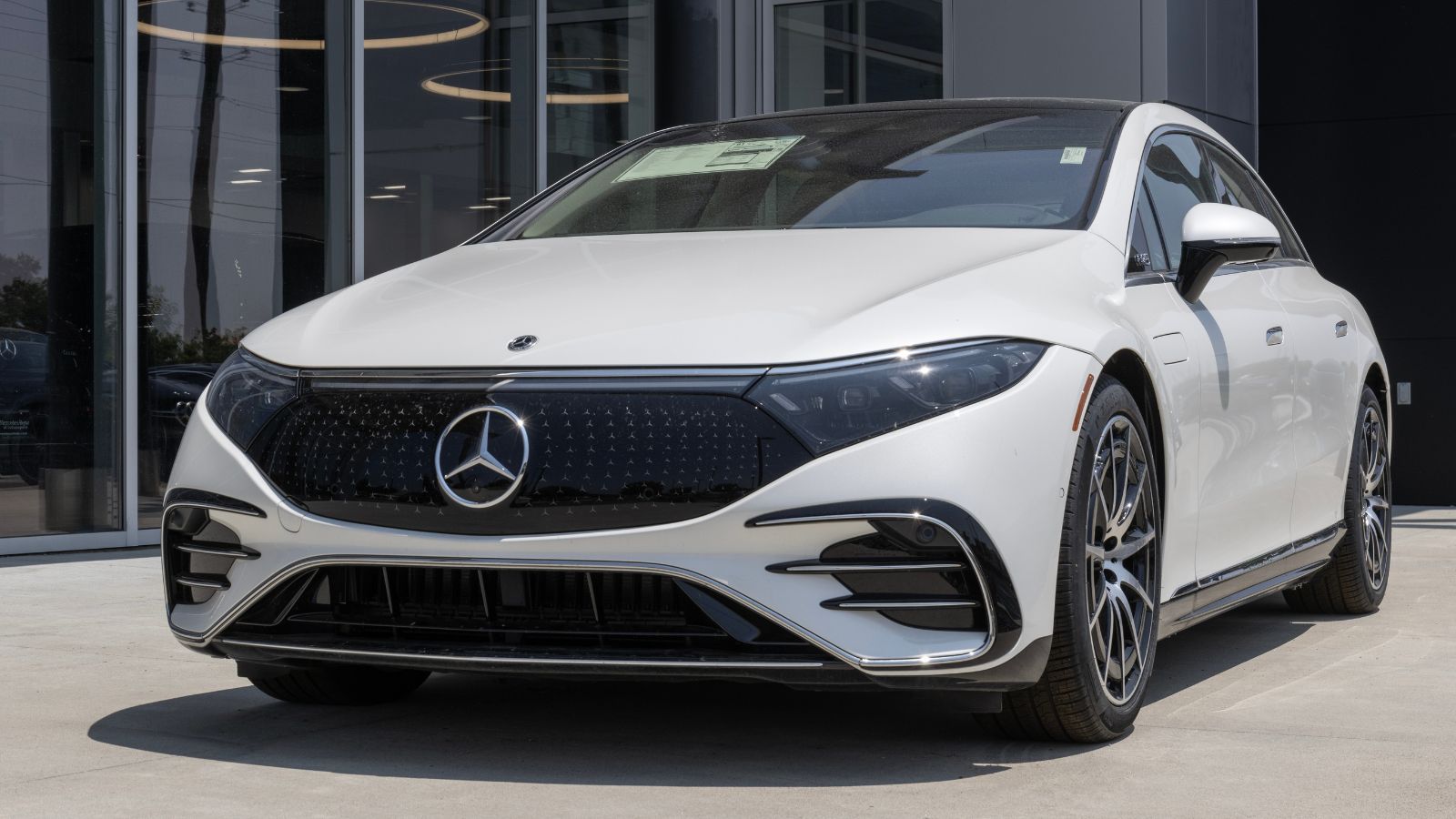
The EQS offers one of the longest ranges among EVs, though winter reduces it noticeably. Drivers report losses of nearly 25 percent. A rated 640 km can drop to around 480 km in cold weather. Prices exceed CAD 110,000. The large battery helps maintain a strong overall range. Heating and luxury features still draw power consistently. It remains one of the better winter performers in its class. However, range drops remain noticeable during extended highway drives in freezing conditions.
Toyota bZ4X
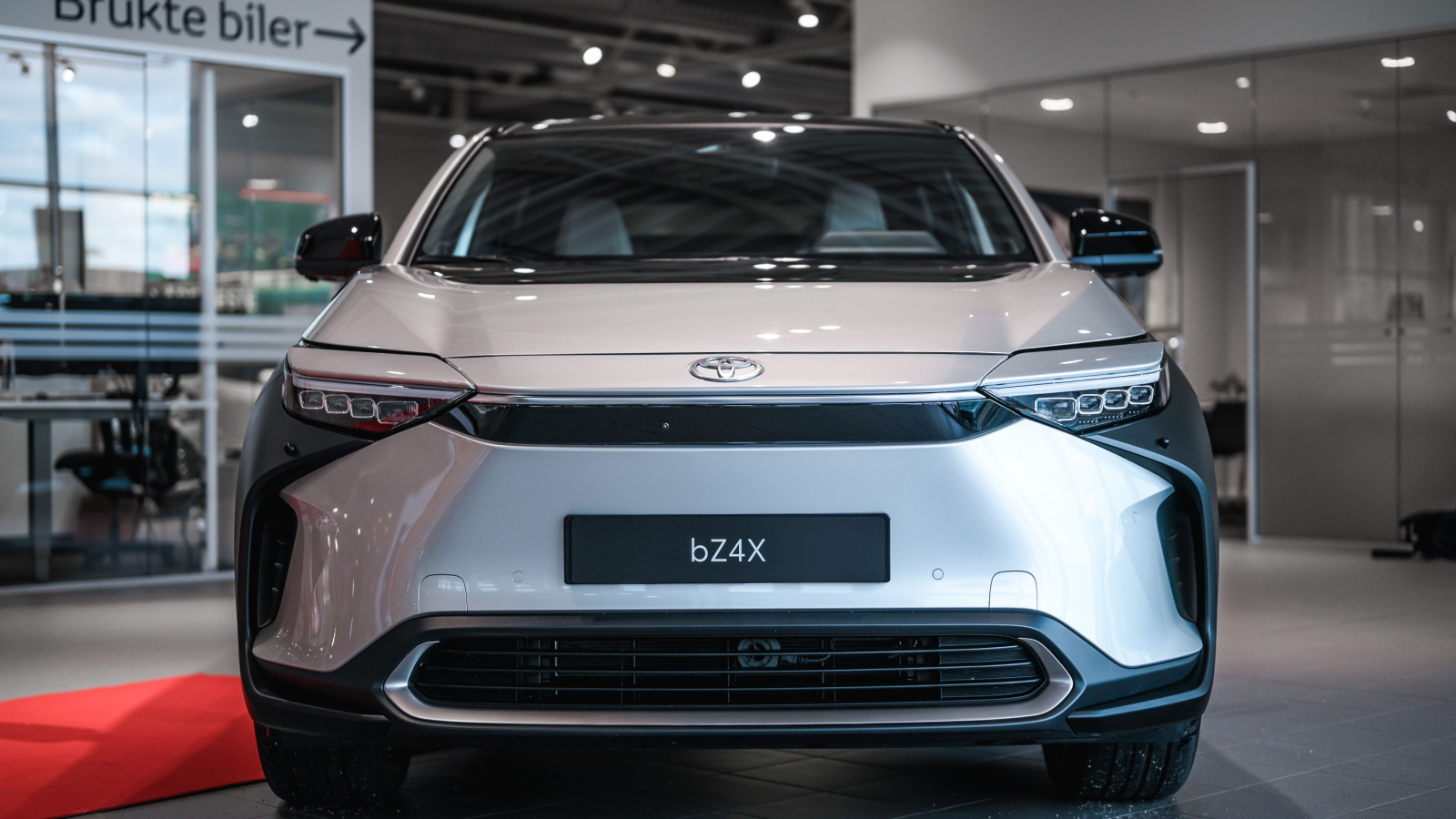
The bZ4X drew attention for its early-winter performance concerns. Owners report losses of 30 percent or more in cold climates. A rated 406 km can fall to about 280 km. Prices start around CAD 50,000. Charging speeds also slow in freezing temperatures. The cabin remains comfortable, though efficiency declines. It works well for daily commuting. However, longer winter trips require careful planning due to reduced range and slower charging performance.
Subaru Solterra
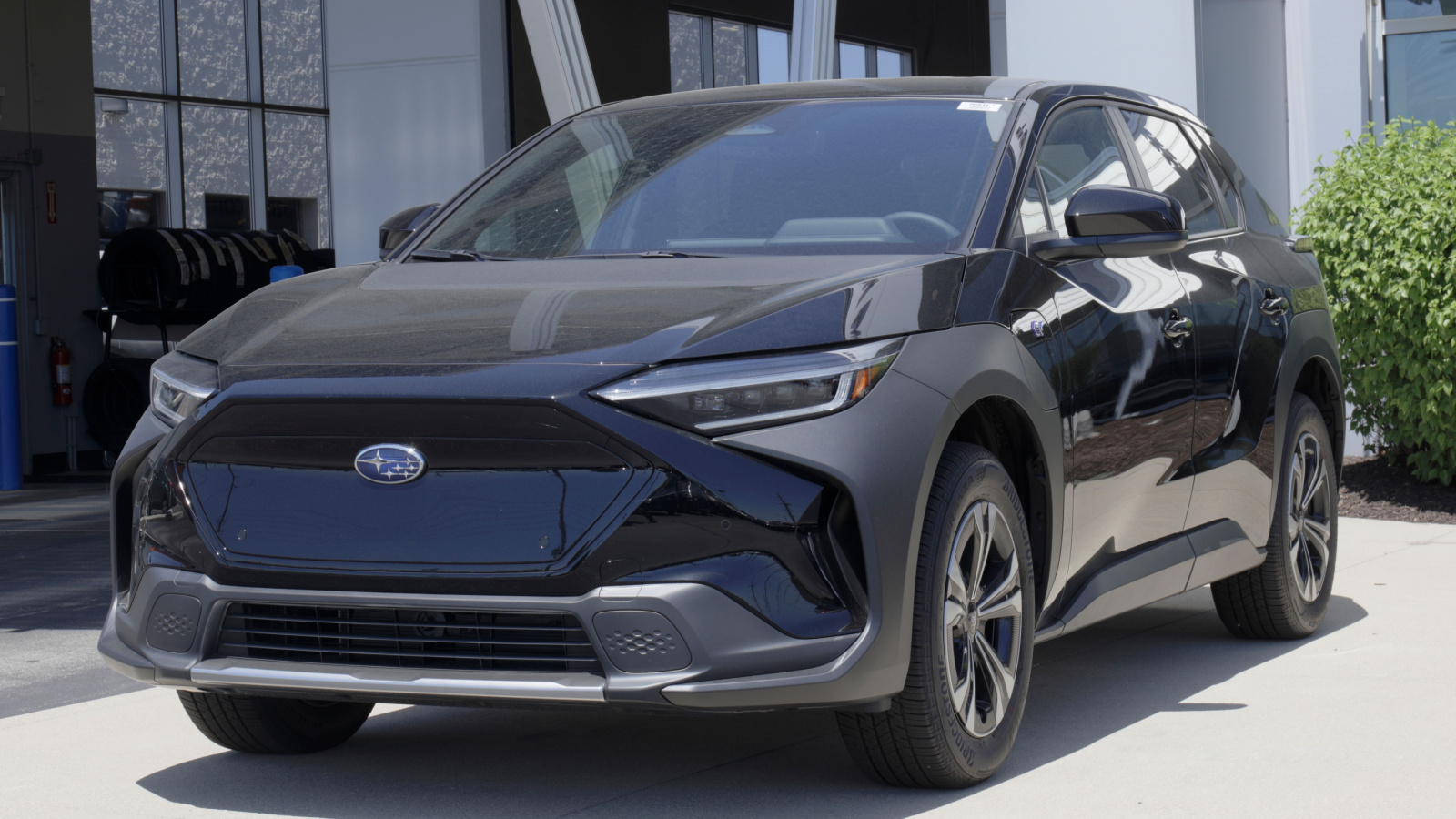
The Solterra shares its platform with the bZ4X, including similar winter behavior. Owners report losses of around 30 percent. A rated 360 km can drop to near 250 km in colder months. Prices begin near CAD 52,000. AWD improves traction in snow but increases energy use. Charging limitations remain a concern during winter. It performs confidently on icy roads. However, range drops reduce its practicality for longer drives without frequent charging stops.
Lucid Air
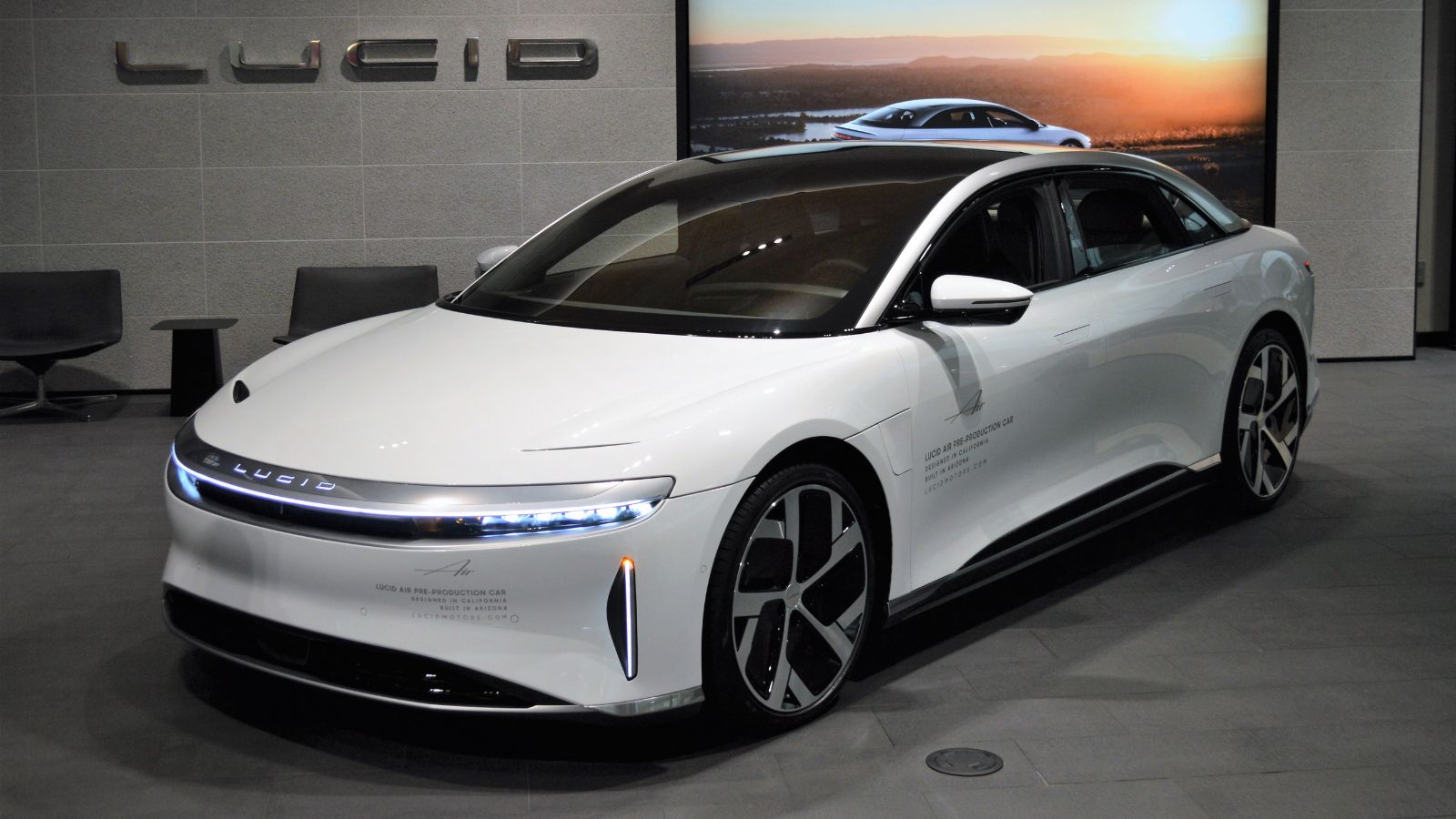
The Lucid Air delivers impressive range in ideal conditions, though winter reduces its advantage. Owners report losses of around 20 to 25 percent. An air temperature of 830 km can drop to near 620 km in cold weather. Prices start above CAD 120,000. The large battery helps maintain strong real-world performance. Heating demand still impacts efficiency during shorter trips. It remains one of the better performers in winter. However, drivers still notice reduced range during long highway journeys in colder climates.
Volvo XC40 Recharge
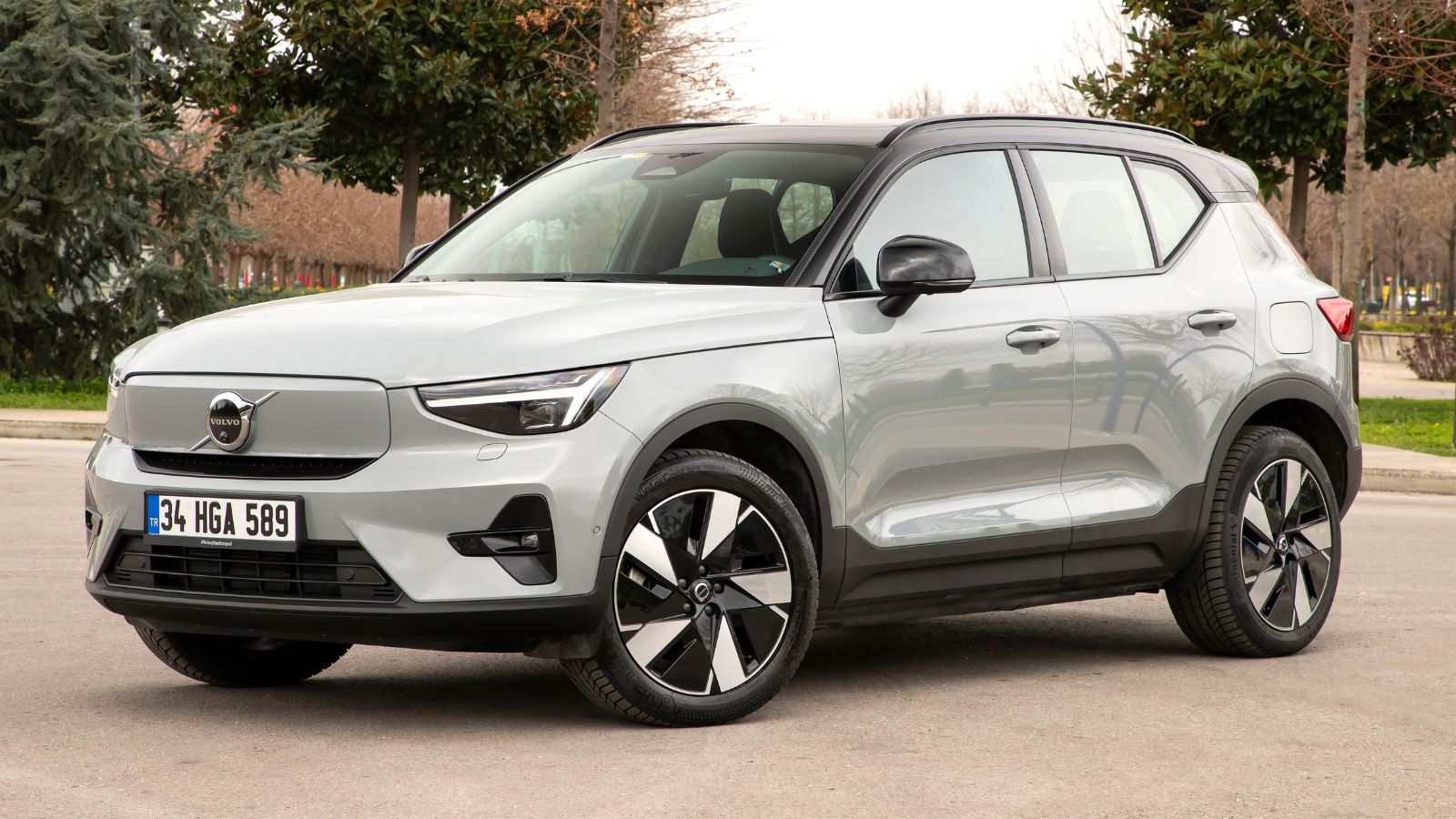
The XC40 Recharge offers strong design and safety, though winter affects its range. Owners report losses of nearly 30 percent in colder regions. A rated 409 km can fall to about 280 km. Prices begin near CAD 60,000. The boxy shape increases aerodynamic drag in cold air. Heating demand further strains the battery. It works well for city driving and short commutes. However, longer winter trips require planning, as range drops become noticeable in freezing temperatures.
22 Things Canadians Do to Their Cars in Spring That Mechanics Hate

Spring brings relief to many Canadian drivers after months of snow, freezing temperatures, and icy roads that put serious strain on vehicles. As temperatures rise across the country, drivers begin washing cars, switching tires, and preparing vehicles for warmer weather and upcoming road trips. However, mechanics across Canada notice the same mistakes every spring when drivers attempt to recover from winter damage. Road salt, potholes, and harsh winter driving conditions often leave vehicles with hidden problems that drivers ignore. Some spring habits even create new mechanical issues that could have been avoided with proper maintenance. Here are 22 things Canadians do to their cars in spring that mechanics hate.