
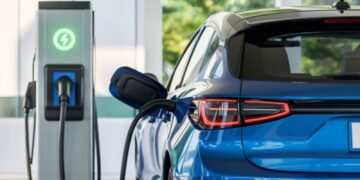
























Electric vehicles once carried premium price tags in Canada. That reality is shifting fast. Global EV production is rising, and Chinese automakers now build some of the world’s cheapest electric cars. Several brands are preparing to enter Western markets with aggressive pricing. Canadian buyers already face rising living costs, expensive insurance, and higher interest rates. A sudden flood of cheaper EVs could disrupt the market quickly. Traditional automakers may need to cut prices or offer incentives to compete. Dealers, regulators, and buyers are watching closely. The next few years could reshape Canada’s auto market. Here is why the next wave of Chinese EVs could force Canada’s biggest price war yet.
Lower Manufacturing Costs Give Chinese EVs a Huge Price Advantage
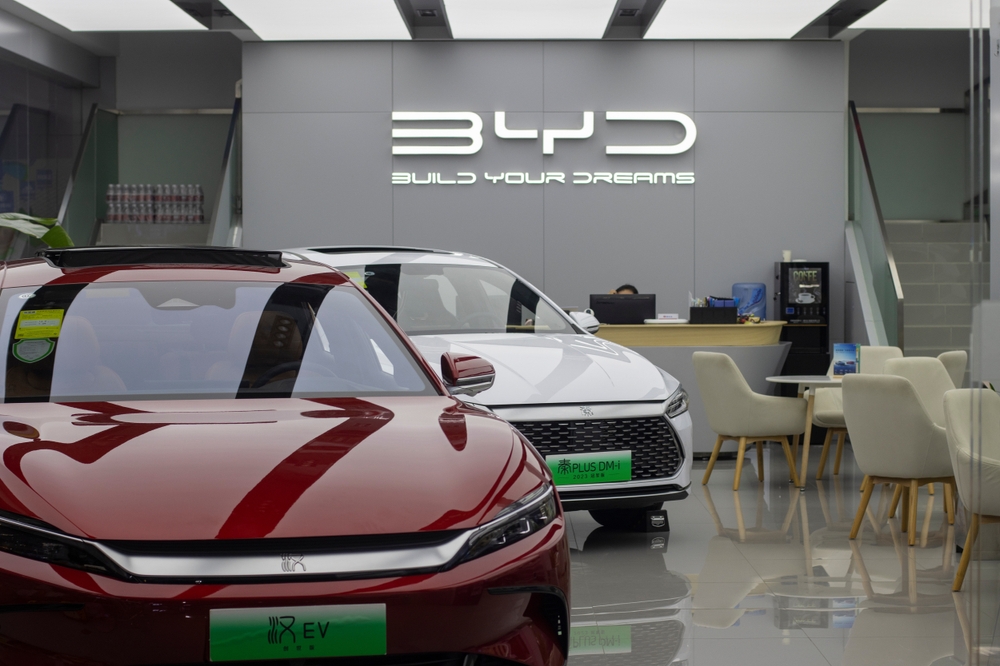
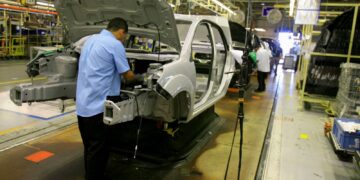
Chinese automakers build electric vehicles far cheaper than most Western brands. Labor costs remain lower than in North America. Supply chains also sit close to battery factories and raw material sources. China controls large portions of the global battery supply. Many manufacturers also build batteries in-house. This cuts supplier margins and reduces production costs. Some Chinese EVs already sell overseas for under $30,000 Canadian. Comparable North American models often cost far more. If those vehicles reach Canada, the gap will be obvious. Established brands may face pressure to reduce prices. That pressure could trigger aggressive discounting across the market.
Canada’s EV Market Is Still Expensive for Many Buyers
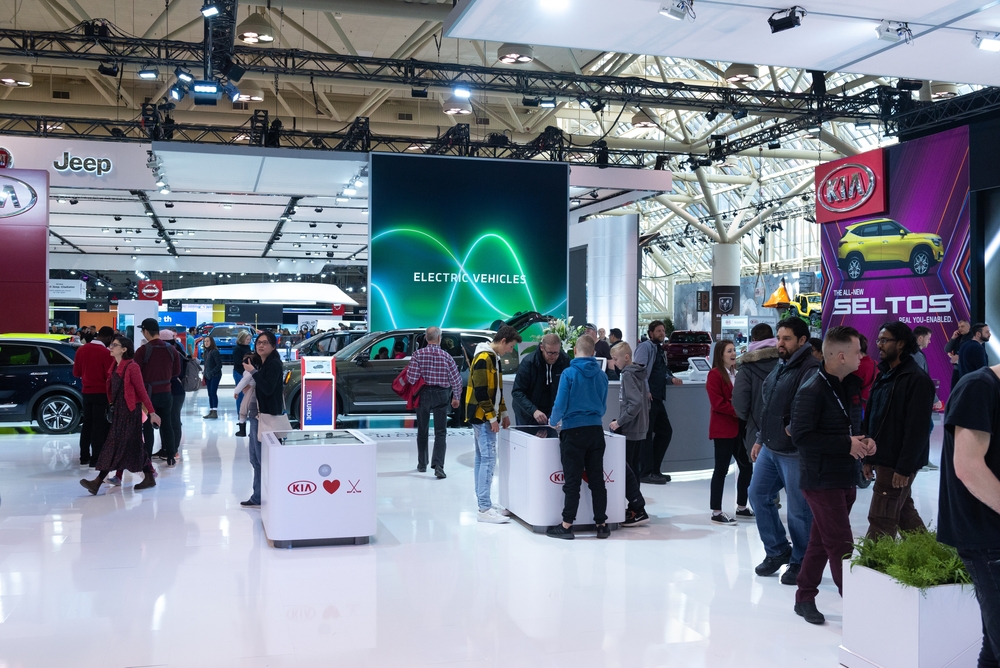
Electric vehicle prices remain high for the average Canadian household. Many new EVs still cost more than $45,000. That price pushes them beyond the reach of many buyers. Federal incentives can lower costs, but eligibility rules limit some models. Provincial rebates vary widely across the country. Interest rates have also raised monthly payments during the last two years. Cheaper Chinese EVs could change the equation quickly. A new electric car under $35,000 would attract attention. Buyers who delayed EV purchases might finally enter the market. Other automakers may respond with lower prices or stronger incentives to stay competitive.
Tesla’s Earlier Price Cuts Already Showed How Fast Prices Can Drop
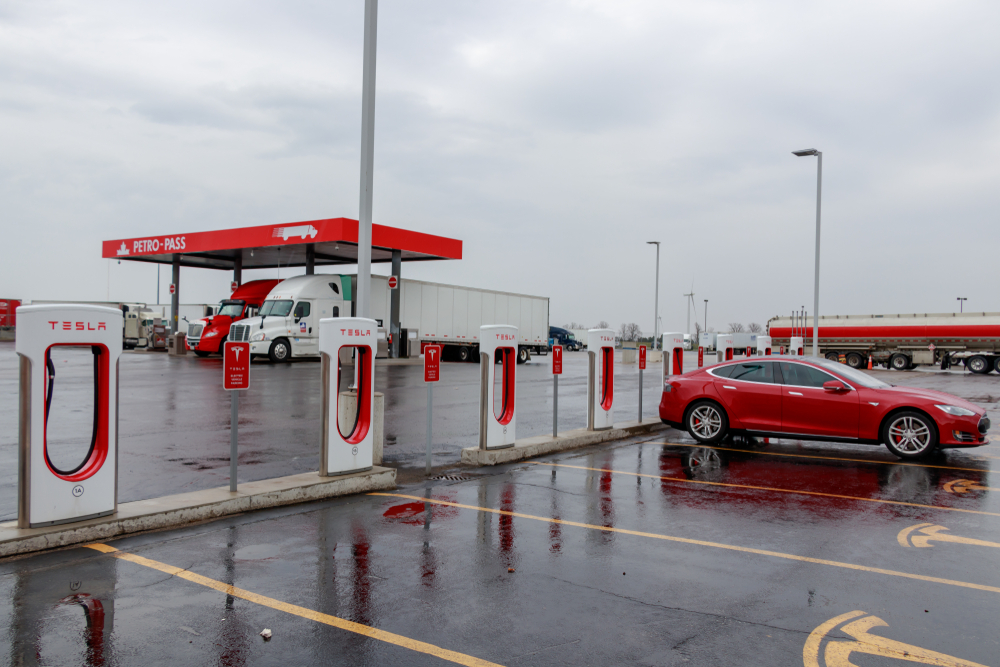
Tesla shook the global EV market with sudden price cuts during 2023 and 2024. Some models dropped by thousands of dollars within months. Other automakers quickly felt the pressure. Several brands introduced rebates or financing deals to protect sales. That reaction showed how fragile EV pricing can be. Profit margins shrink when competition intensifies. Chinese automakers could trigger similar reactions in Canada. If low-priced EVs arrive, competitors may follow Tesla’s playbook again. Buyers might see rapid price changes across several brands. Dealers could struggle to predict resale values and inventory demand during that period.
Massive Production Capacity in China Could Flood Global Markets
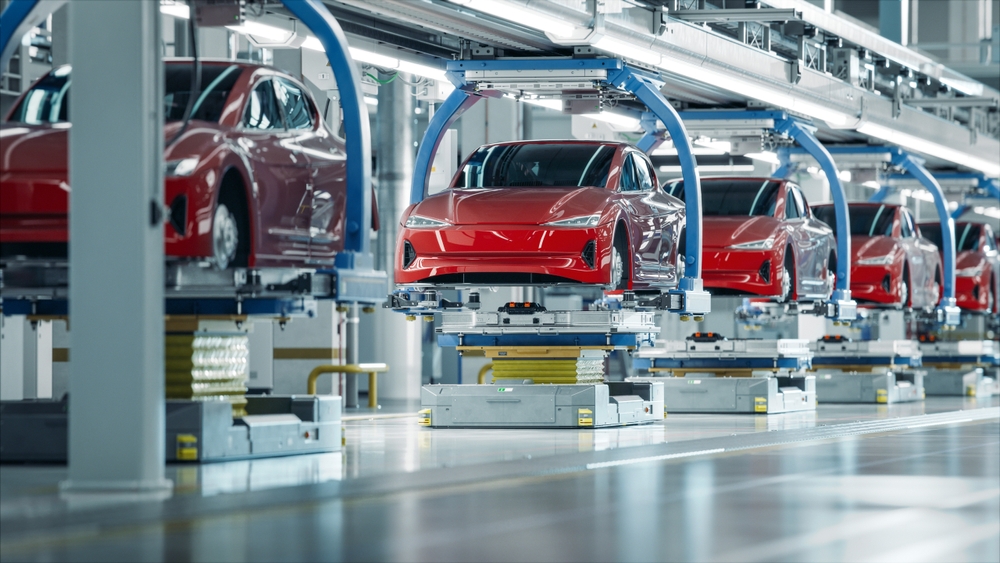
China produces more electric vehicles than any other country. Many factories now build far more cars than domestic demand requires. Automakers, therefore, seek buyers overseas. Europe already saw a surge of Chinese EV exports in recent years. Some models quickly gained attention due to aggressive pricing. Canada could experience similar pressure if imports increase. High production volume lets manufacturers spread costs across more vehicles. That often results in lower retail prices. Canadian brands cannot easily match that scale today. The result may be a steady flow of cheaper vehicles entering the market and pushing prices downward.
Battery Supply Chains Give Chinese Automakers Another Edge
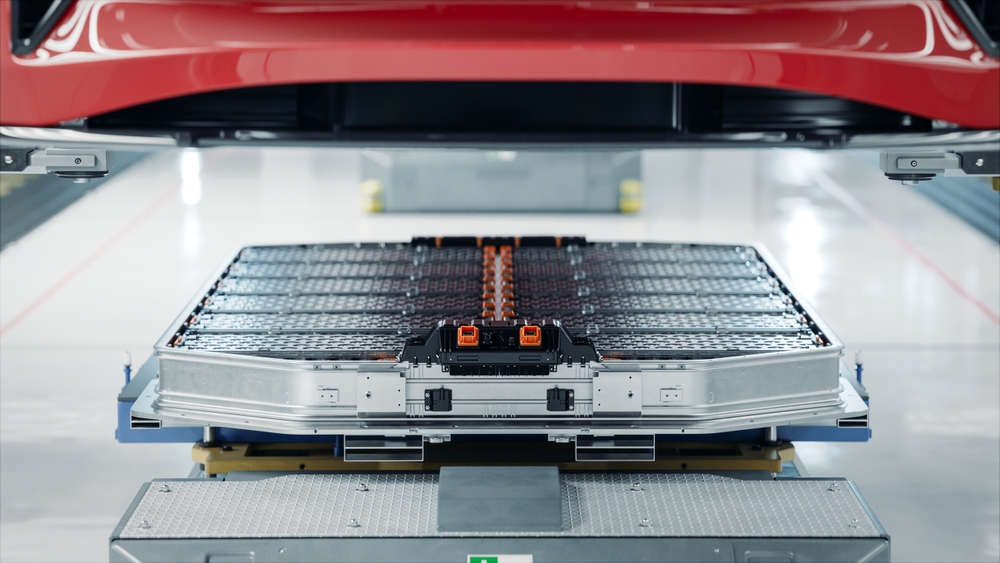
Batteries represent the most expensive component inside an electric vehicle. Chinese companies dominate global battery production. Firms such as CATL and BYD supply many automakers worldwide. These companies control large portions of lithium processing and battery cell manufacturing. Close supply relationships reduce transportation costs and delays. Chinese EV makers, therefore, build vehicles with cheaper battery packs. Western automakers often pay higher prices for battery components. That difference directly affects final vehicle pricing. Lower battery costs give Chinese manufacturers flexibility. They can sell vehicles cheaply while still maintaining profit margins that competitors might struggle to match.
Some Chinese EVs Already Compete with Gas Car Prices
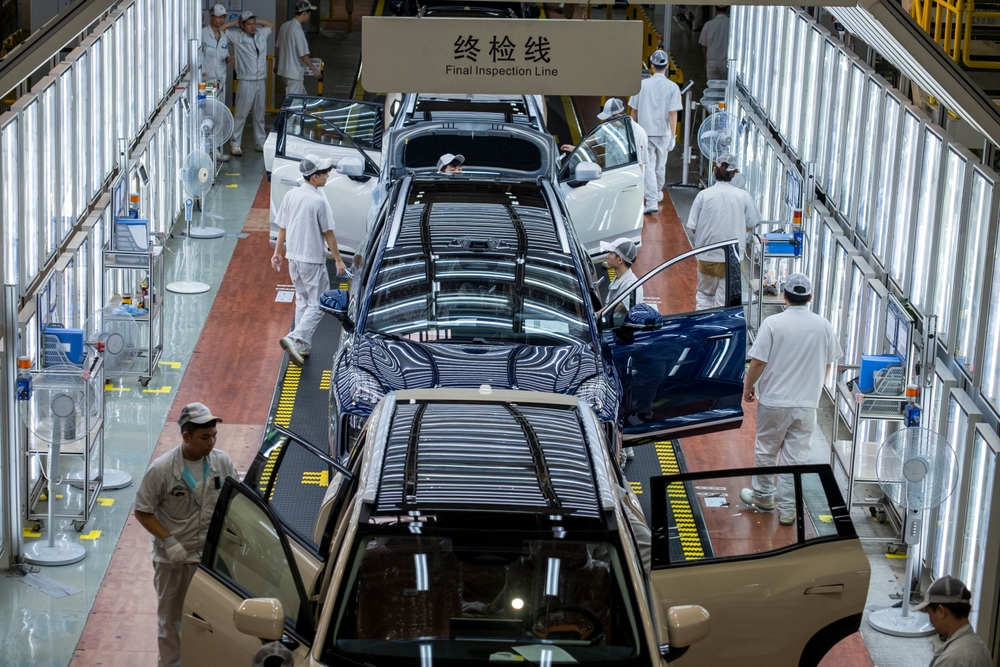
A growing number of Chinese electric cars now match the cost of gasoline vehicles. In parts of Asia and Europe, some EVs sell for under $25,000 Canadian. Those prices challenge the long-held idea that electric vehicles cost more. If similar vehicles arrive in Canada, buyers may rethink their options. A cheap EV with low charging costs becomes appealing quickly. That shift could affect compact car and crossover sales. Gas-powered vehicles may lose price advantages. Traditional automakers could face pressure to reduce prices across several segments. The result might resemble a broad price battle across dealerships.
Government Policy Could Decide How Fast the Price War Begins

Trade policy will shape how Chinese EVs enter the Canadian market. Governments sometimes apply tariffs to protect domestic industries. Canada already monitors EV imports from several countries. Officials worry about unfair subsidies and manufacturing advantages. Similar debates are happening in Europe and the United States. If tariffs remain low, cheaper EVs could reach Canada sooner. Higher tariffs would slow their arrival. Policy decisions, therefore, carry huge influence over pricing trends. Even the possibility of imports may pressure automakers to adjust prices. Buyers could still benefit through incentives, discounts, or expanded entry-level electric models.
Canadian Consumers Are More Price Sensitive Than Before

Economic pressure changed how Canadians shop for vehicles. Inflation increased housing, food, and fuel costs during recent years. Many households now focus heavily on affordability. That shift affects the car market directly. Buyers compare monthly payments more closely than before. Expensive EV models often struggle to attract mainstream buyers. Lower-priced Chinese EVs could gain attention quickly. A few thousand dollars in savings can sway decisions. Automakers already notice slower sales in higher price brackets. If cheaper electric vehicles appear, demand may shift rapidly. Competitors could respond with promotions, financing deals, or permanent price reductions.
Legacy Automakers May Respond with Aggressive Discounts

Traditional automakers spent billions developing electric vehicles. Many still depend on higher prices to recover those investments. Cheap competition threatens that strategy. Manufacturers might respond with temporary discounts or long-term price adjustments. Dealers could offer stronger incentives to clear inventory. Leasing deals may also become more attractive. Some companies could simplify features to lower production costs. Others might release smaller EV models aimed at budget buyers. These reactions would spread across the market quickly. Buyers may see frequent promotions and limited-time pricing offers. That environment often signals the beginning of a price war.
More Competition Could Finally Speed Up EV Adoption in Canada
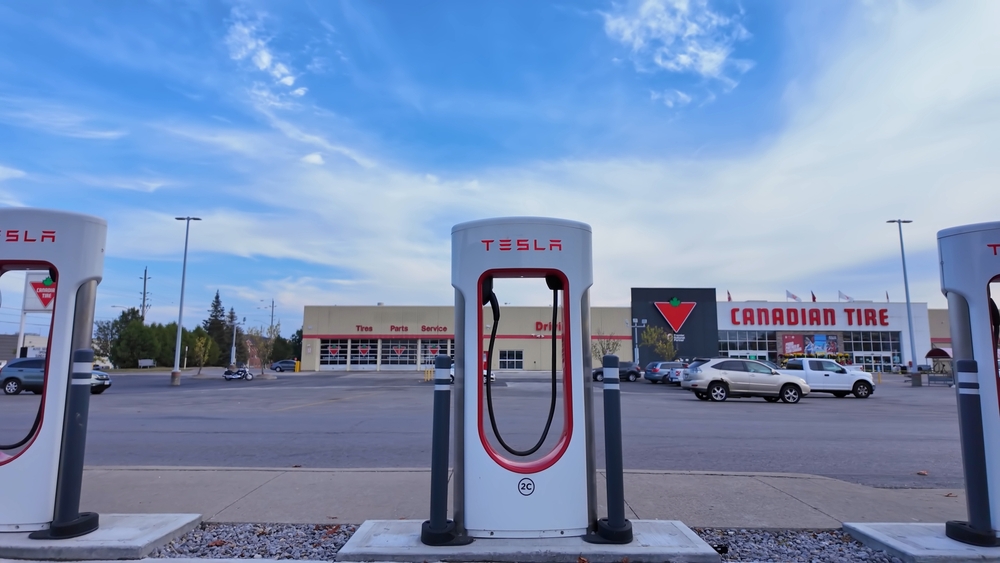
Price remains one of the biggest barriers to EV adoption in Canada. Surveys often show cost concerns among potential buyers. Lower prices could change those attitudes. A wider range of affordable electric vehicles would reach new customers. Urban drivers, younger buyers, and commuters may join the market sooner. Increased demand could also expand charging networks and service infrastructure. That growth would support even more EV sales later. Competition usually drives progress in the auto industry. Cheaper vehicles may push the market forward faster. The result could reshape how Canadians shop for cars during the next decade.
Canada’s EV market is approaching a turning point. Production costs, global supply chains, and new competitors are shifting the balance. Chinese automakers already sell affordable electric cars in several regions. If those vehicles enter Canada, pricing pressure will spread quickly. Established brands may respond with discounts, incentives, and new entry-level models. Government trade policy will also influence how quickly the shift happens. One thing remains clear. Buyers stand to gain the most from stronger competition. Lower prices and better options may finally make EV ownership easier for many households across the country.
22 Things Canadians Do to Their Cars in Spring That Mechanics Hate

Spring brings relief to many Canadian drivers after months of snow, freezing temperatures, and icy roads that put serious strain on vehicles. As temperatures rise across the country, drivers begin washing cars, switching tires, and preparing vehicles for warmer weather and upcoming road trips. However, mechanics across Canada notice the same mistakes every spring when drivers attempt to recover from winter damage. Road salt, potholes, and harsh winter driving conditions often leave vehicles with hidden problems that drivers ignore. Some spring habits even create new mechanical issues that could have been avoided with proper maintenance. Here are 22 things Canadians do to their cars in spring that mechanics hate.