






















Canadian winter driving has a way of exposing bad assumptions quickly. A habit that seems harmless in a mild November parking lot can become expensive, dangerous, or both once freezing rain, black ice, road salt, weak batteries, and poor visibility enter the picture.
These 15 winter driving myths focus on the misunderstandings that can cost Canadians money through repairs, fuel, tickets, insurance headaches, or premature tire wear, while also raising the risk of collisions during the harshest months of the year.
All-Season Tires Are Good Enough for Most Winter Days
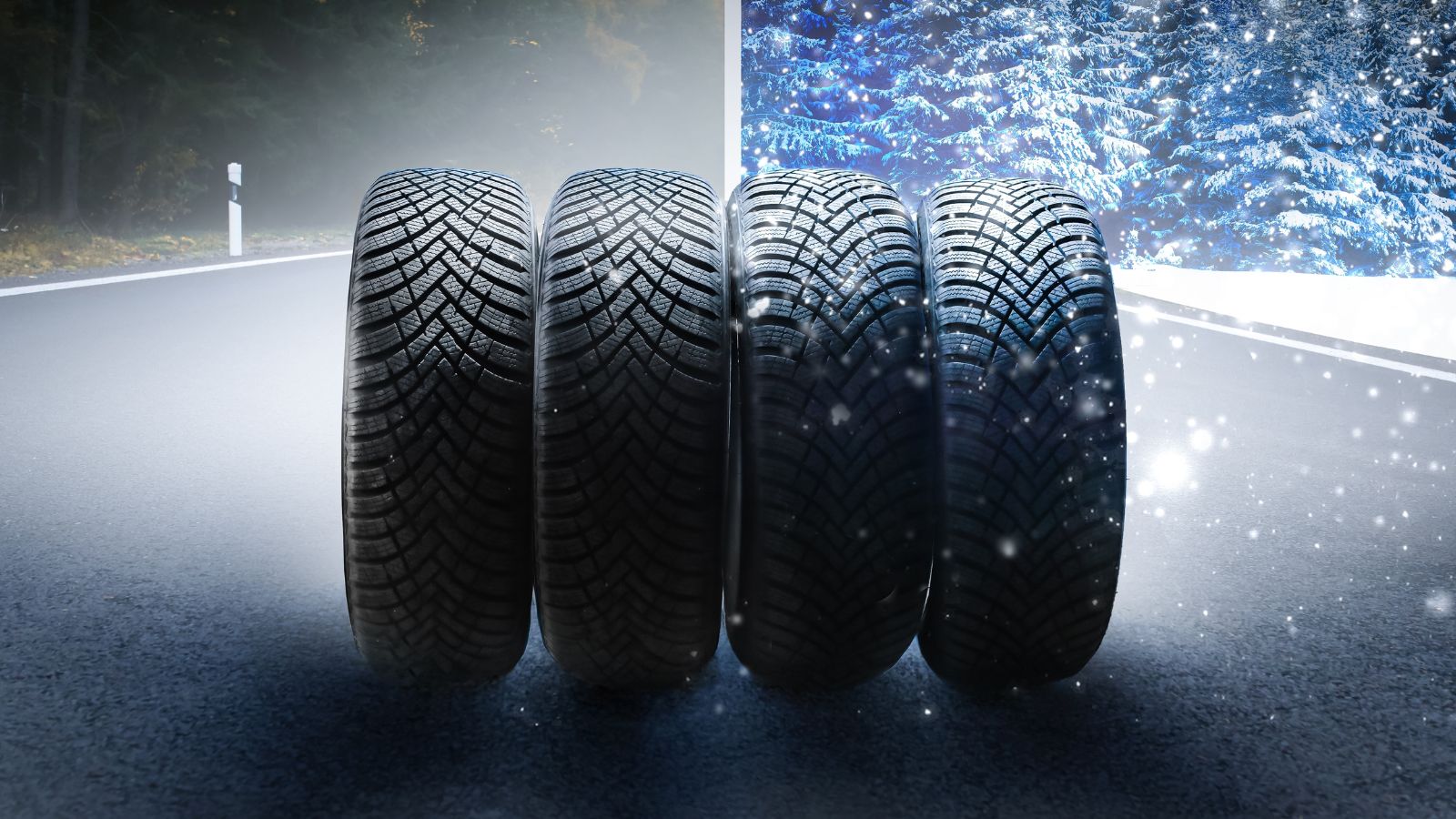
The term “all-season” sounds reassuring, but Canadian winter conditions often stretch that label past its limits. The biggest issue is temperature, not just snowfall. Around 7°C and below, many all-season compounds begin to harden, reducing grip on cold pavement, slush, ice, and packed snow. That matters during ordinary commuting, when a road can look wet but behave like a skating rink near intersections, shaded corners, or rural stretches.
The money risk comes from treating winter tires as an optional luxury rather than a preventive expense. A single slide into a curb can mean alignment work, suspension damage, wheel replacement, or an insurance claim. In provinces where winter tires can reduce insurance premiums, skipping them may also mean missing savings. For drivers in Quebec, the myth can be even more costly because winter tires are legally required during the official winter tire period.
AWD Means Winter Tires Are Less Important
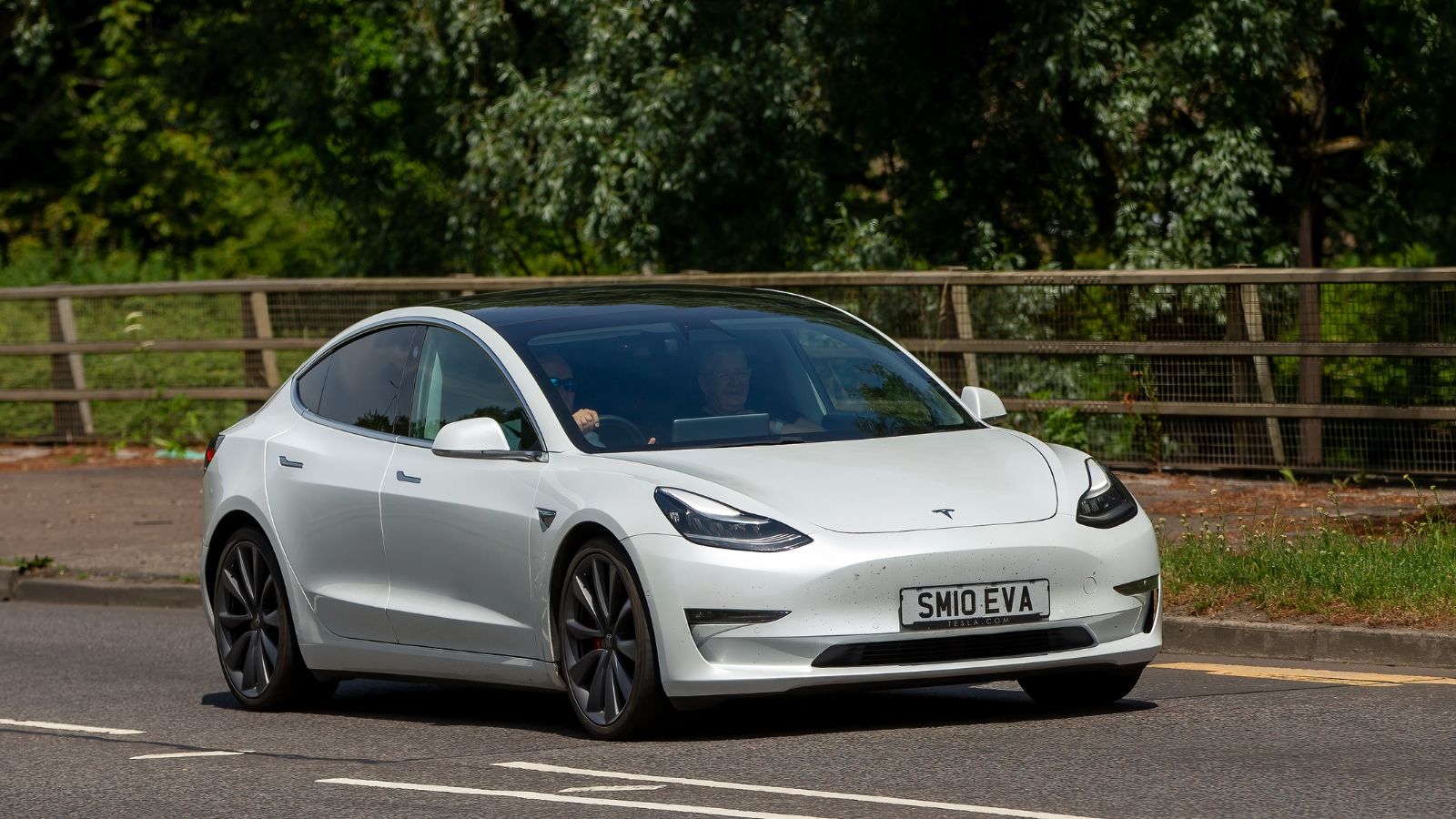
All-wheel drive helps a vehicle get moving, which is why it can feel so convincing in fresh snow. The problem appears when the vehicle needs to stop or turn. Braking and steering still depend heavily on the four tire contact patches touching the road. A driver in an AWD SUV may pull away from a snowy curb with confidence, then discover at the next downhill stop sign that extra driven wheels do not shorten icy stopping distance.
This myth can be expensive because AWD vehicles often cost more to buy, insure, and maintain, yet some owners still underinvest in proper tires. That trade-off is backward. AWD can assist with acceleration, but winter tires support grip in acceleration, braking, and cornering. A front-wheel-drive car on good winter tires can often feel more predictable than an AWD crossover on worn or unsuitable rubber, especially on polished intersections and packed residential streets.
Winter Tires Only Matter When Snow Is Falling
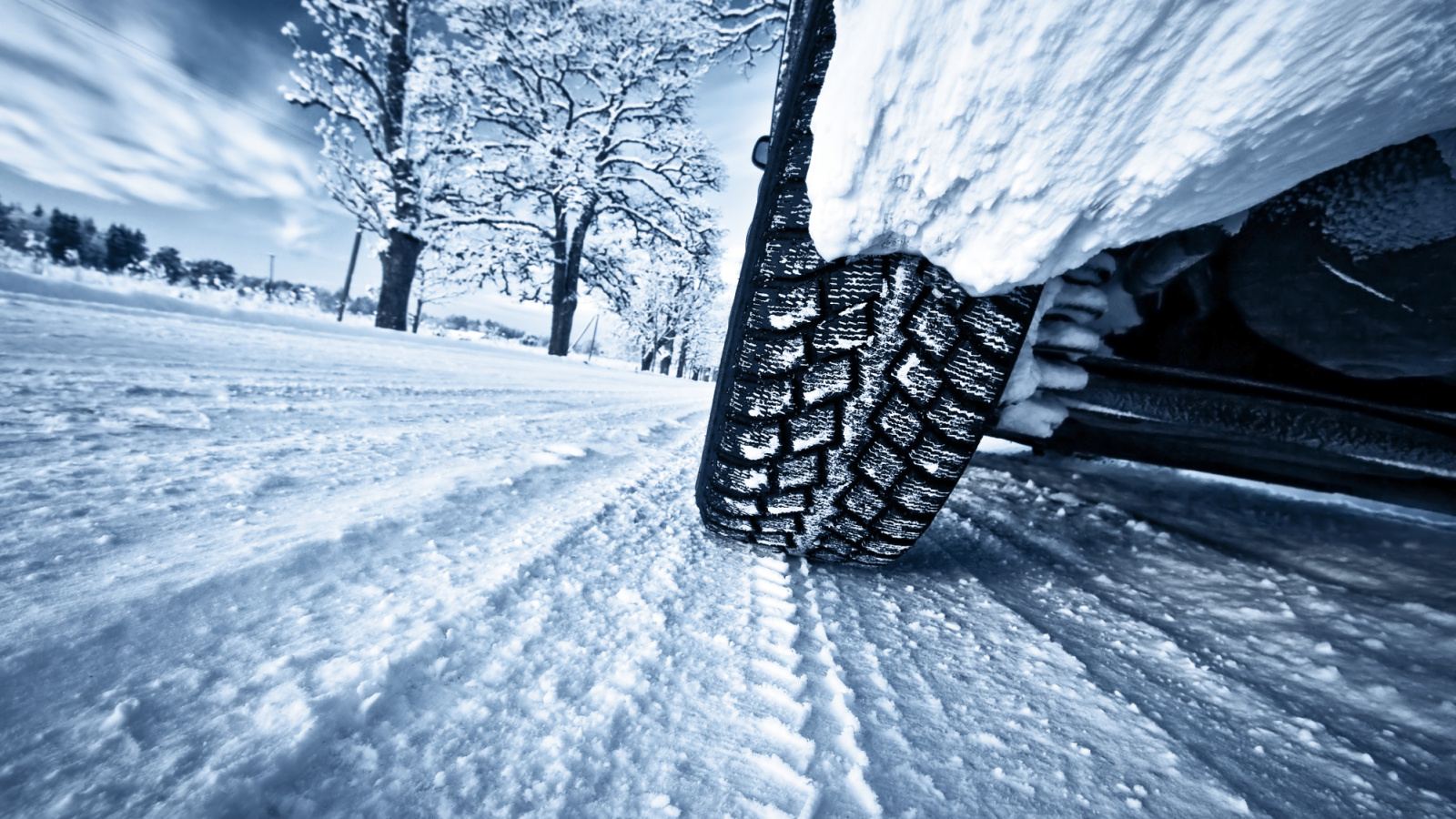
Many Canadian drivers wait for the first major snowfall before booking a tire change, but winter tire performance is tied to cold weather as much as visible snow. Cold, dry pavement can still reduce traction when tires are too stiff. Early-morning frost, freezing drizzle, and slush near intersections can arrive before a full winter storm. That is why tire shops often get overwhelmed after the first snow warning, when the safer window has already narrowed.
Waiting can also cost money. Last-minute appointments may be harder to find, and driving on unsuitable tires during early cold snaps increases the chance of avoidable damage. A short slide into a curb or a longer-than-expected stop in traffic can be more expensive than planning the seasonal change ahead of time. The practical lesson is simple: temperature trends matter more than waiting for a driveway full of snow.
Extra Tread Means Old Winter Tires Are Still Fine
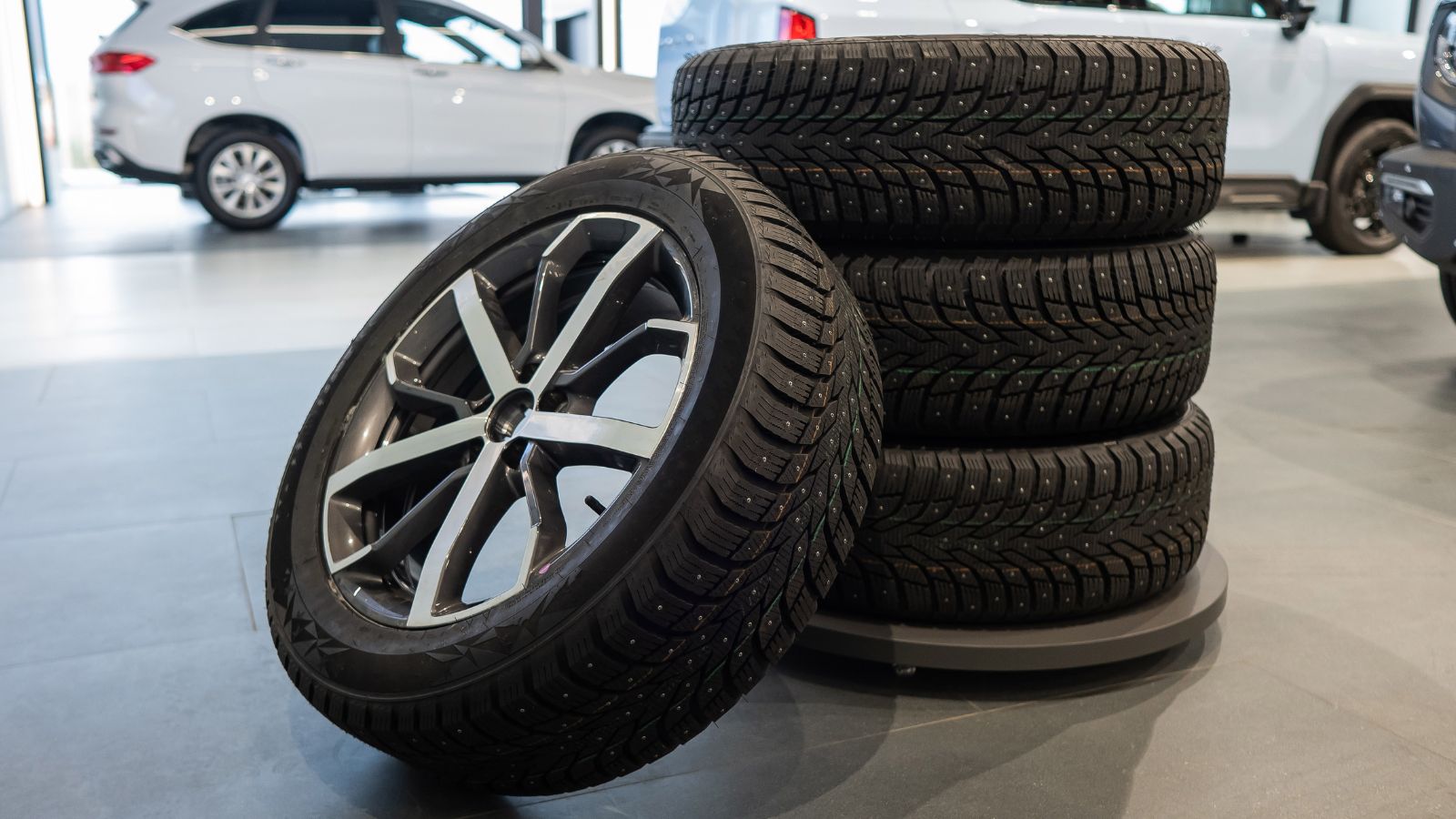
A winter tire with visible tread can still be past its best. Rubber ages, hardens, and loses flexibility over time, especially after years of heat cycles, storage mistakes, road salt, potholes, and underinflation. Tread depth matters because worn winter tires lose snow traction, but age and condition matter too. Cracks, uneven wear, vibration, and declining grip are warning signs that “still has tread” is not the same as “still performs well.”
This myth often saves money only on paper. Keeping tired winter tires for one more season can increase stopping distance and reduce control when conditions deteriorate. It can also hide alignment or suspension issues if the tires are wearing unevenly. A driver who checks only the tread blocks may miss sidewall damage or old date codes. The safer and more economical approach is to inspect tread depth, age, pressure, and overall condition before winter sets in.
Tire Pressure Can Wait Until Spring
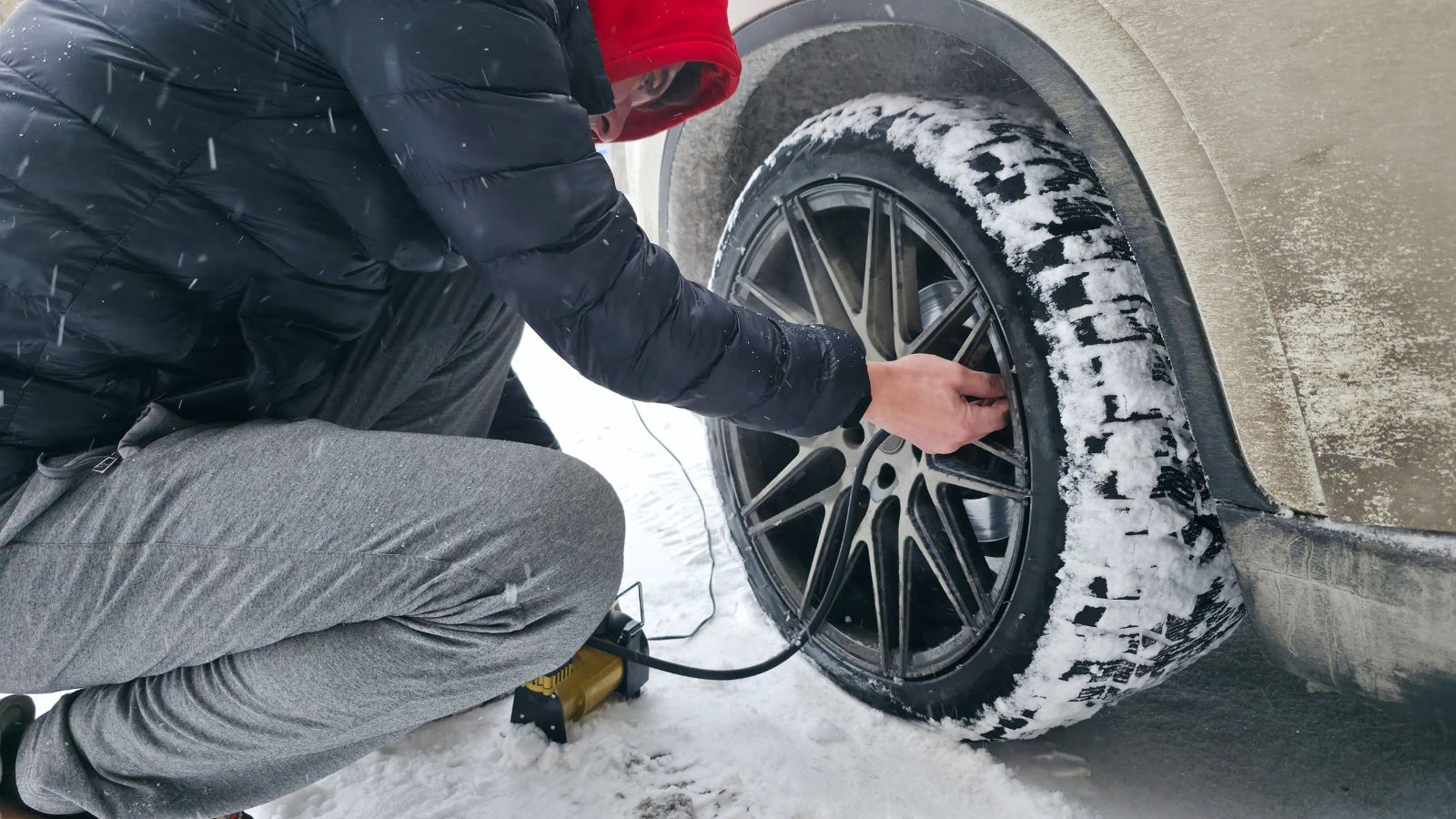
Cold weather quietly changes tire pressure, and that can become both a safety and fuel-cost issue. As temperatures drop, tire pressure drops too. Underinflated tires can wear faster, reduce fuel efficiency, and make handling less predictable. A vehicle that felt normal in October may feel sluggish, noisy, or unstable in January simply because the tires are no longer at the recommended pressure.
This myth is common because tire pressure loss is invisible until it becomes serious. The dashboard warning light may not appear immediately, and some drivers assume the tire is fine if it does not look flat. Monthly checks with a reliable gauge are a low-cost habit that can prevent premature tire replacement and improve winter control. The spare tire also deserves attention, because discovering a soft spare during a roadside emergency turns a manageable inconvenience into a far colder problem.
Long Idling Is the Best Way to Warm Up a Car
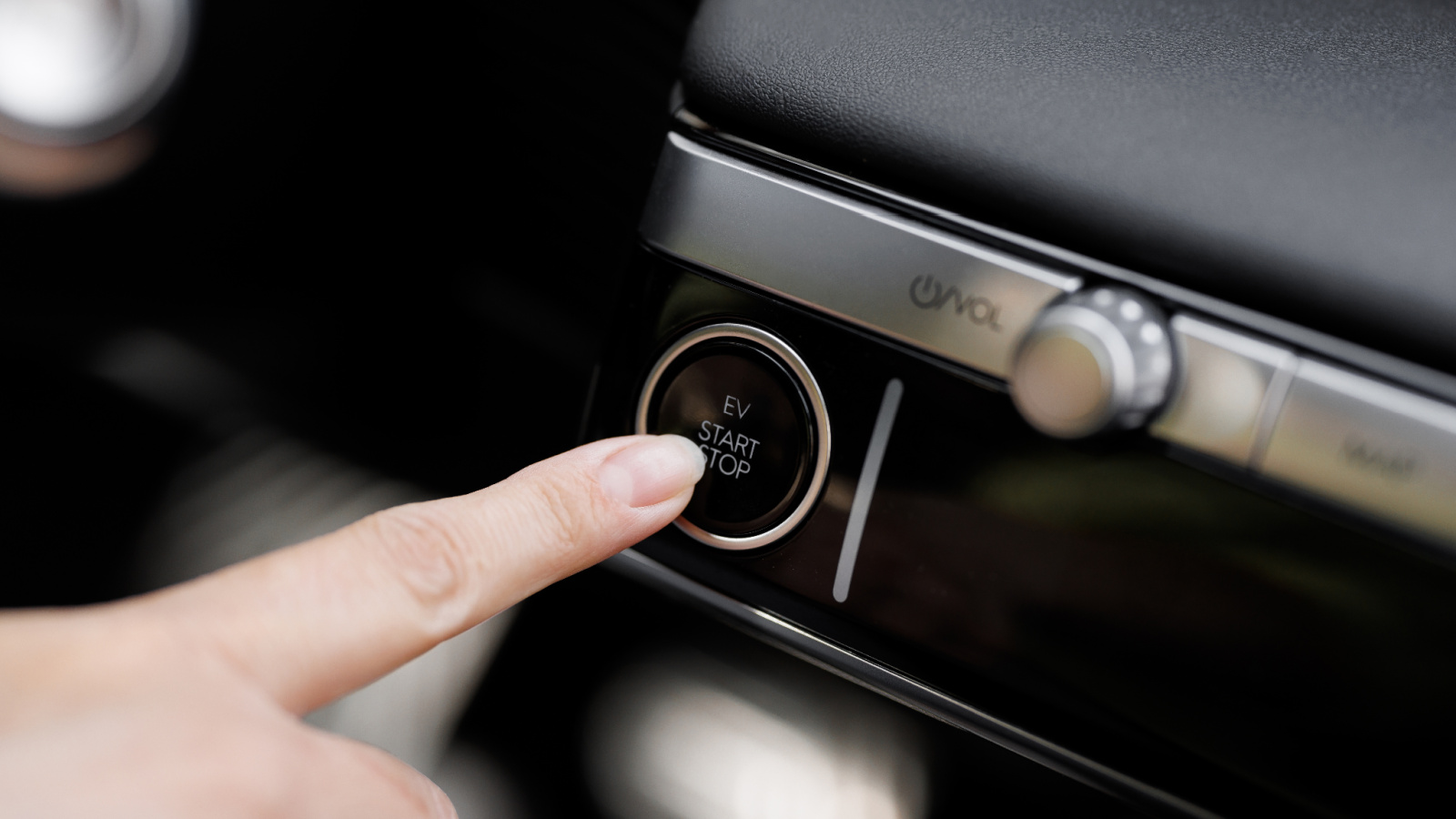
Older advice about warming up a vehicle often comes from the carburetor era, not modern fuel-injected engines. For most modern vehicles, extended idling is not the most efficient way to warm the engine. Gentle driving after a short warm-up usually brings the engine and drivetrain up to operating temperature more effectively. Defrosting and visibility still matter, but leaving a vehicle running for long stretches burns fuel without providing the benefit many drivers imagine.
The cost adds up in small, repetitive losses. Ten or fifteen minutes of idling on every cold morning can consume extra fuel over a long winter, while also increasing emissions. In some communities, anti-idling bylaws may create another financial risk. A better routine is to start the car, clear all snow and ice, ensure full visibility, and drive gently until temperatures normalize. Comfort is understandable, but using fuel as a driveway heater is rarely economical.
A Clear Windshield Is Enough
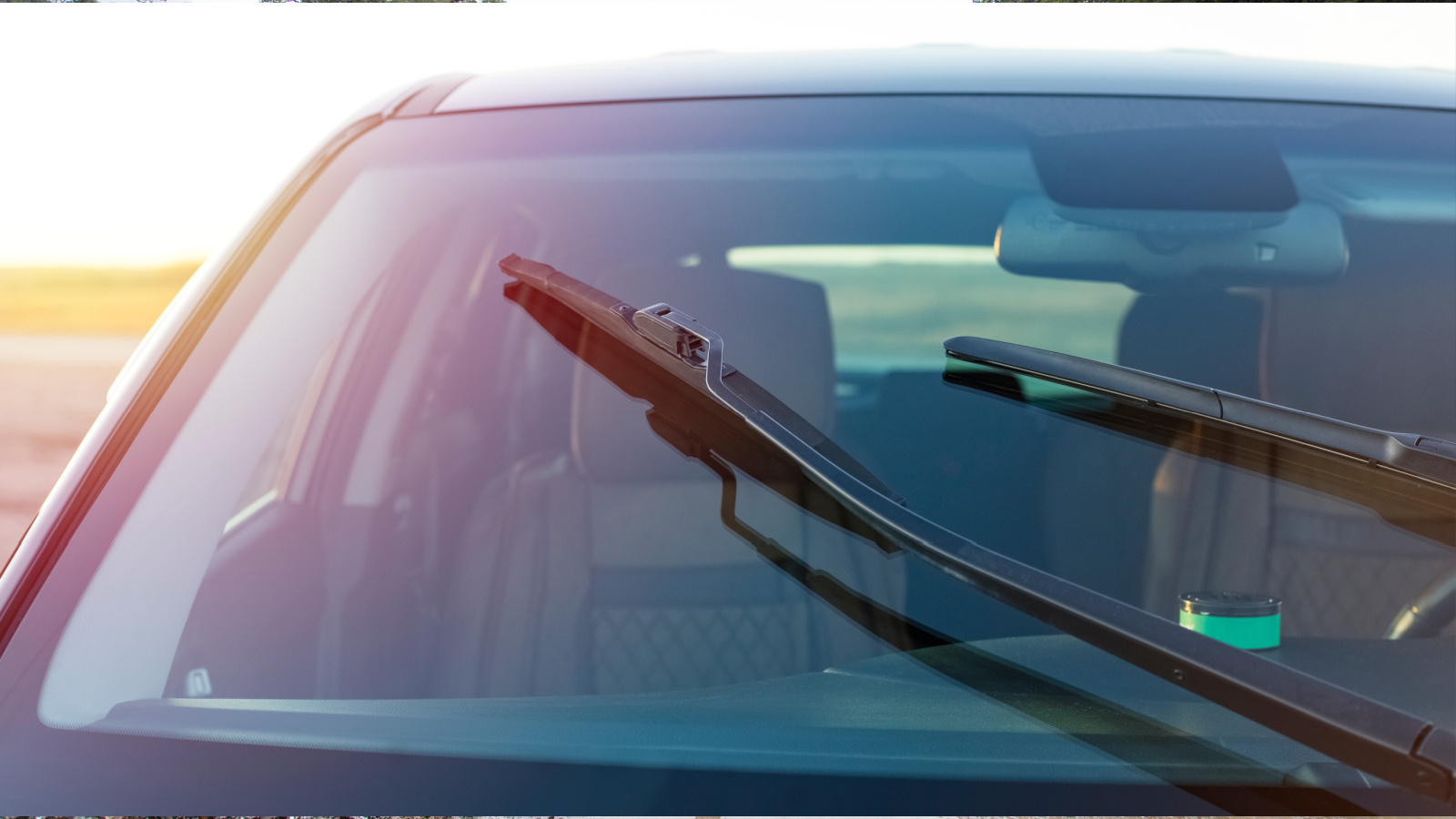
Clearing only a small viewing patch may feel faster during a rushed morning, but winter visibility is broader than the driver’s direct line of sight. Side windows, mirrors, lights, licence plates, roof snow, hood snow, and rear glass all affect safety. Snow left on a roof can slide forward during braking or fly backward into traffic, creating danger for the driver or someone behind.
The financial risk is not theoretical. Drivers can be ticketed for obstructed views or unsafe snow and ice buildup depending on provincial rules and enforcement. Even without a fine, poor visibility can contribute to collisions in parking lots, lane changes, and intersections. The five minutes saved by half-clearing a vehicle can disappear quickly if snow blocks a brake light, covers a mirror, or slides over the windshield at the first hard stop.
Cruise Control Is Fine on Clear-Looking Winter Highways

Cruise control can be useful in dry, stable conditions, but winter roads change too quickly for it to be trusted on wet, snowy, icy, or slushy pavement. A clear-looking highway can still include black ice, bridge frost, drifting snow, or sudden slush in a lane. Cruise control may try to maintain speed at the very moment the driver needs a gentler response.
This myth is especially risky on long drives, where fatigue and routine make automation tempting. A driver may set the speed on a mostly bare highway, then hit a shaded overpass or an icy patch near a passing lane. Maintaining direct control of the accelerator allows smoother adjustments and better feel for traction. The cost of leaving cruise control on can be severe: a skid, a spin, a collision, or a claim that could affect premiums long after the road has been cleared.
ABS Makes Stopping on Ice Simple
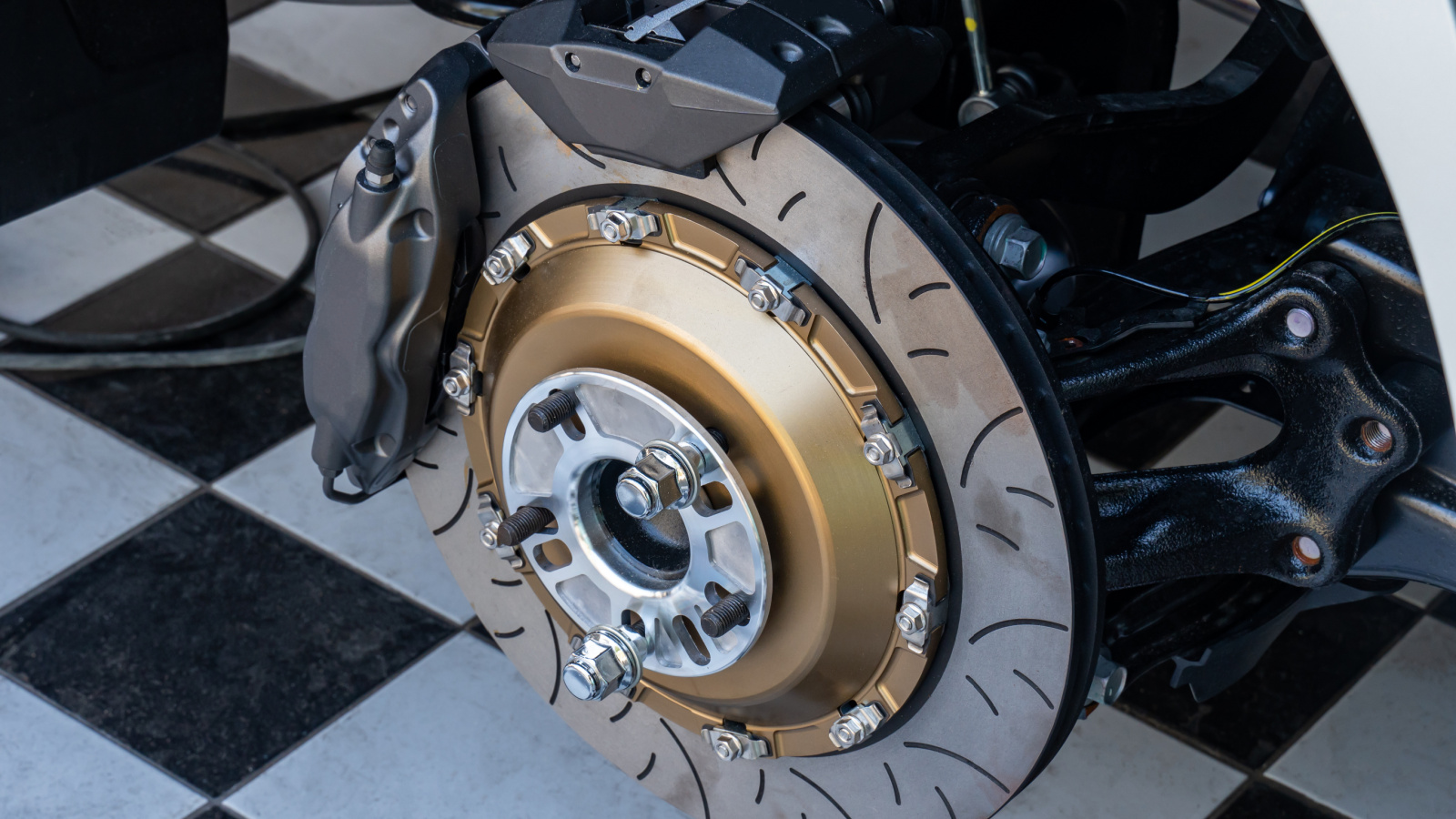
Anti-lock braking systems are valuable because they help prevent wheel lockup and preserve steering control during hard braking. That does not mean they can overcome physics. On ice, even a properly functioning ABS-equipped vehicle still needs more distance to stop. The pulsing sensation under the brake pedal can surprise drivers who do not know what it is, leading some to release pressure at the worst possible moment.
The myth can cost safety because it encourages late braking. ABS should be treated as a backup system, not a permission slip to follow closely. In a real winter stop, the best result usually starts earlier: lower speed, more distance, gentle inputs, and attention to road surface changes. A driver who understands ABS is less likely to panic when it activates and more likely to steer calmly around a hazard while maintaining firm brake pressure.
Black Ice Is Easy to Spot
Black ice is dangerous partly because it often looks like ordinary pavement. It can form after melting snow refreezes, freezing rain falls on cold surfaces, or moisture freezes overnight. Early mornings, shaded roads, bridges, overpasses, and areas near water can become slick even when surrounding pavement appears normal. The word “black” is misleading; the ice is usually transparent, allowing the road surface to show through.
Believing black ice is easy to see can lead to expensive overconfidence. A driver may approach a bridge at normal speed because the road “looks fine,” then lose traction before there is time to correct. Repair bills after a curb strike, guardrail scrape, or rear-end collision can dwarf the cost of slowing down. The safer assumption is that suspiciously shiny pavement, freezing temperatures, and shaded areas deserve caution before the tires reveal the truth.
Bridges Freeze at the Same Time as the Road
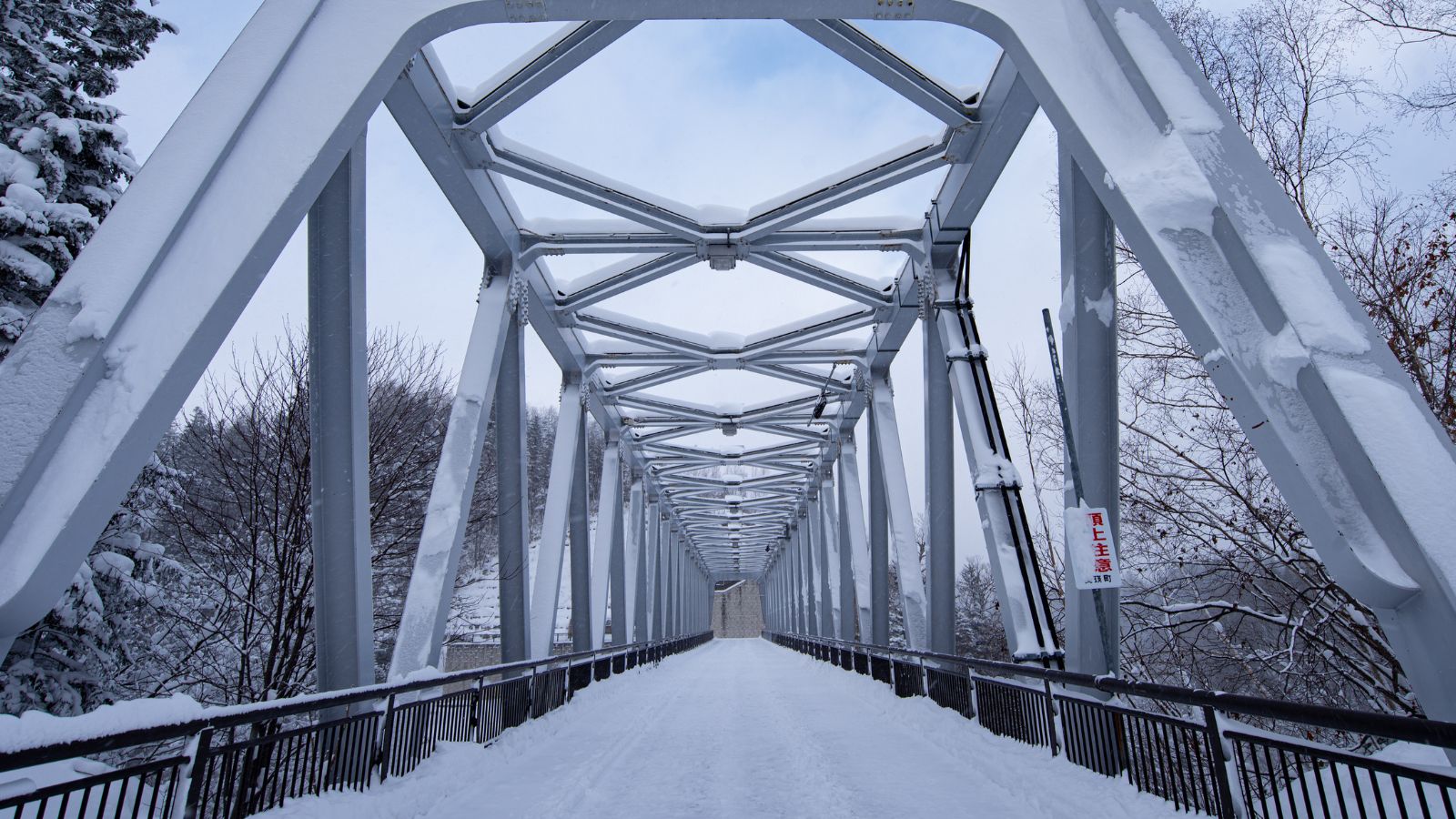
Bridges and overpasses can freeze faster than regular roads because cold air circulates above and below the deck. Unlike ground-level pavement, a bridge does not benefit as much from warmth stored in the earth. That is why a highway can feel manageable for kilometres, then suddenly turn slick at an overpass, river crossing, or elevated ramp.
This myth catches drivers because bridges are short. By the time traction disappears, there may be little room to brake or steer safely. The smart move is to reduce speed before reaching the bridge, avoid sudden inputs while crossing, and leave extra space from other vehicles. Ignoring bridge-warning signs can cost far more than a few seconds of travel time, especially when traffic compresses near ramps, merges, and downhill approaches.
More Speed Helps Power Through Snow
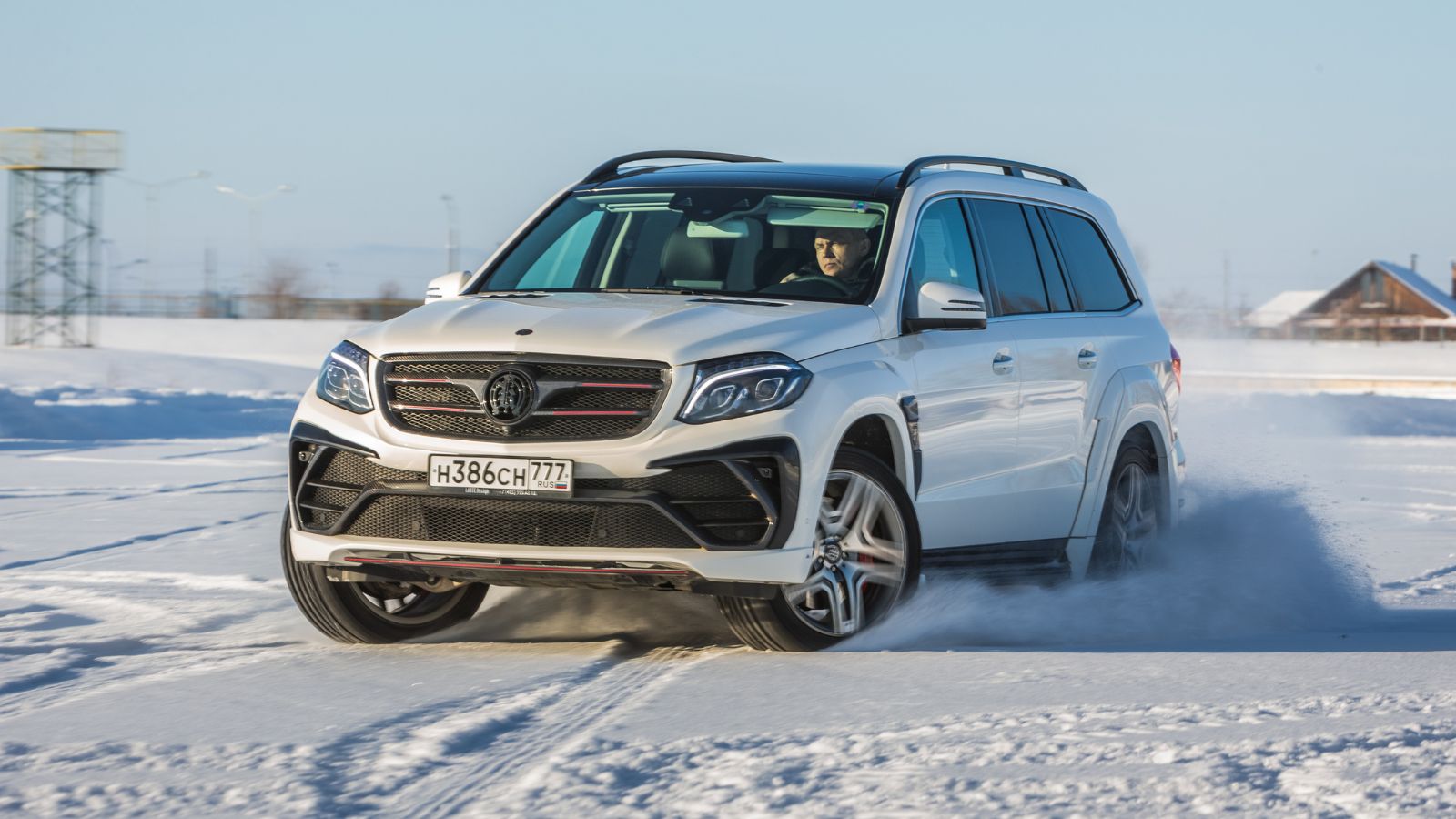
Momentum has a place when a vehicle is already stuck, but using speed as a general winter strategy is dangerous. Higher speed increases stopping distance and leaves less time to react when tires hit slush, ruts, or ice. Snow can also hide potholes, curbs, lane markings, and debris. The driver who “powers through” may feel in control until the vehicle begins to float, plow, or slide.
The money risk shows up in ways that are easy to underestimate. Striking a hidden pothole can bend a wheel, damage a tire, or knock alignment out. Sliding through deep slush can pull a vehicle sideways into another lane. Even minor collisions can bring deductibles, rental costs, and higher premiums. Winter driving is less about force and more about smoothness: slower acceleration, earlier braking, wider following distances, and patience when road crews are still catching up.
A Small Emergency Kit Is Overkill for City Drivers
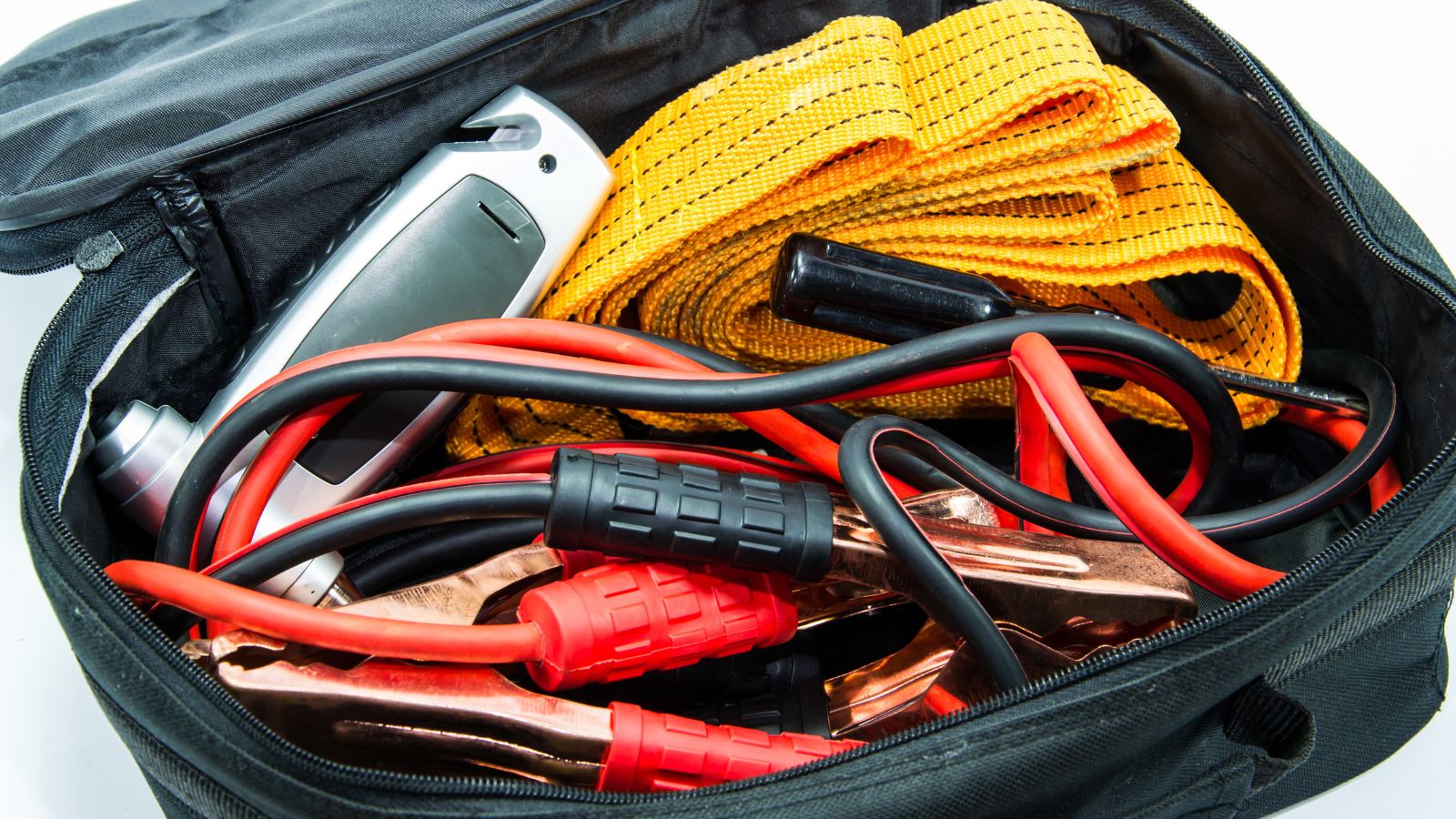
Urban drivers often assume winter emergency kits are only for remote highways, but delays happen in cities too. A crash can close a bridge, a snow squall can trap traffic for hours, and a dead battery can turn a quick grocery stop into a cold wait for help. Basic supplies such as warm clothing, a flashlight, booster cables, water, a scraper, a shovel, and traction material can make a long delay safer and less stressful.
This myth costs money when a minor problem becomes a paid rescue. A driver without booster cables, gloves, or a shovel may need a tow for a situation that could have been solved in minutes. Emergency kits do not need to be elaborate, but they should match the climate and the trip. A commuter crossing town in January still benefits from preparation, especially when children, older passengers, or poorly plowed parking areas are involved.
Windshield Washer Fluid Is All the Same
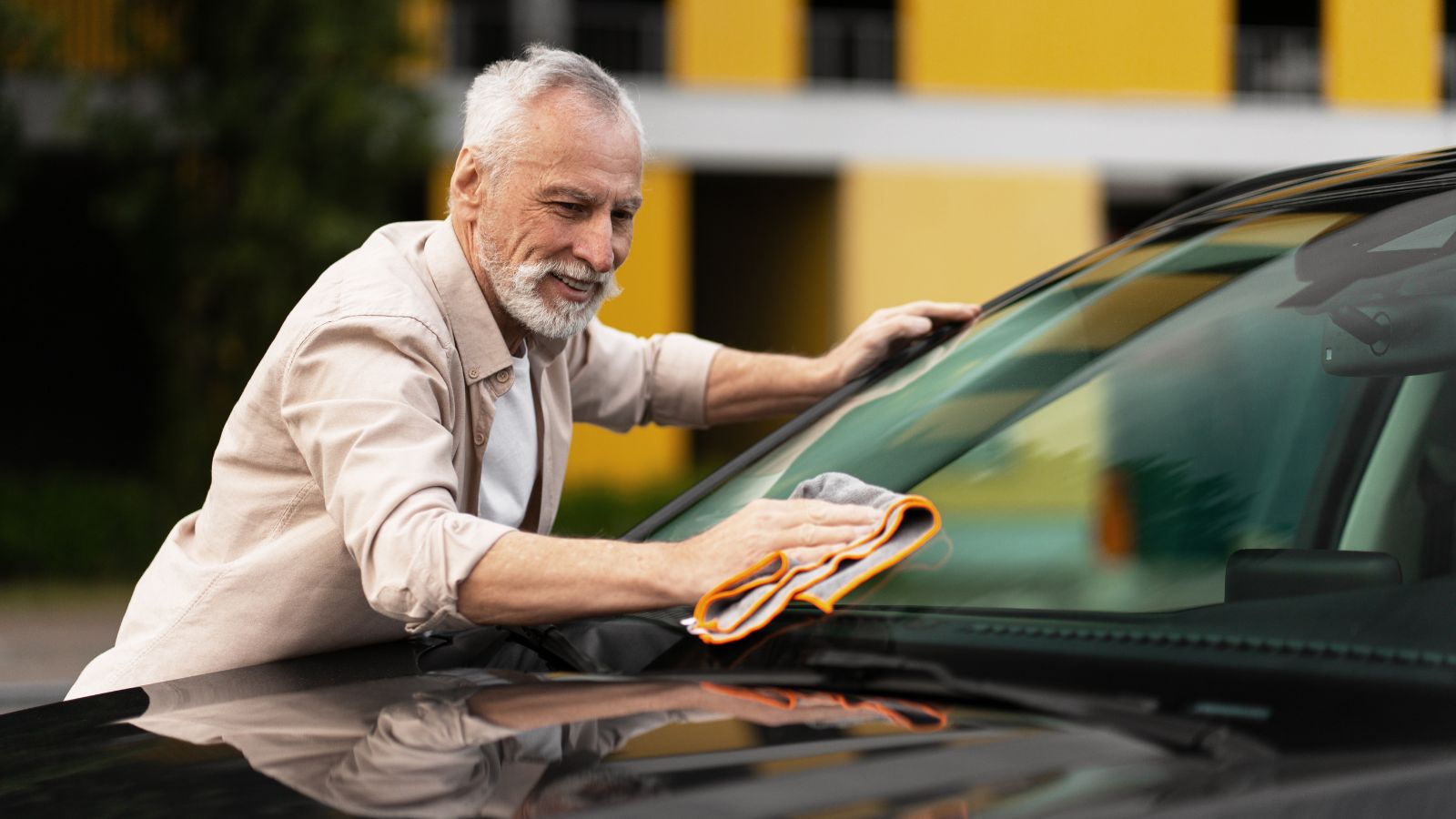
Summer washer fluid can freeze in winter conditions, leaving drivers with smeared glass and limited visibility when road spray hits. Canadian winter driving often involves salt, sand, slush, and grime thrown up by trucks and buses. A windshield can go from clear to opaque within seconds on a wet, salted highway, especially at dusk when glare makes streaks worse.
The cost of this myth can be immediate. Pulling over to clear frozen nozzles or a smeared windshield may be inconvenient on a city street and dangerous on a freeway shoulder. Using winter-rated washer fluid and keeping extra fluid in the vehicle are small expenses compared with the risk of driving blind through spray. Wiper blades also matter; old blades can chatter, streak, and leave ice buildup exactly where clear vision is needed most.
A Weak Battery Can Probably Last One More Winter
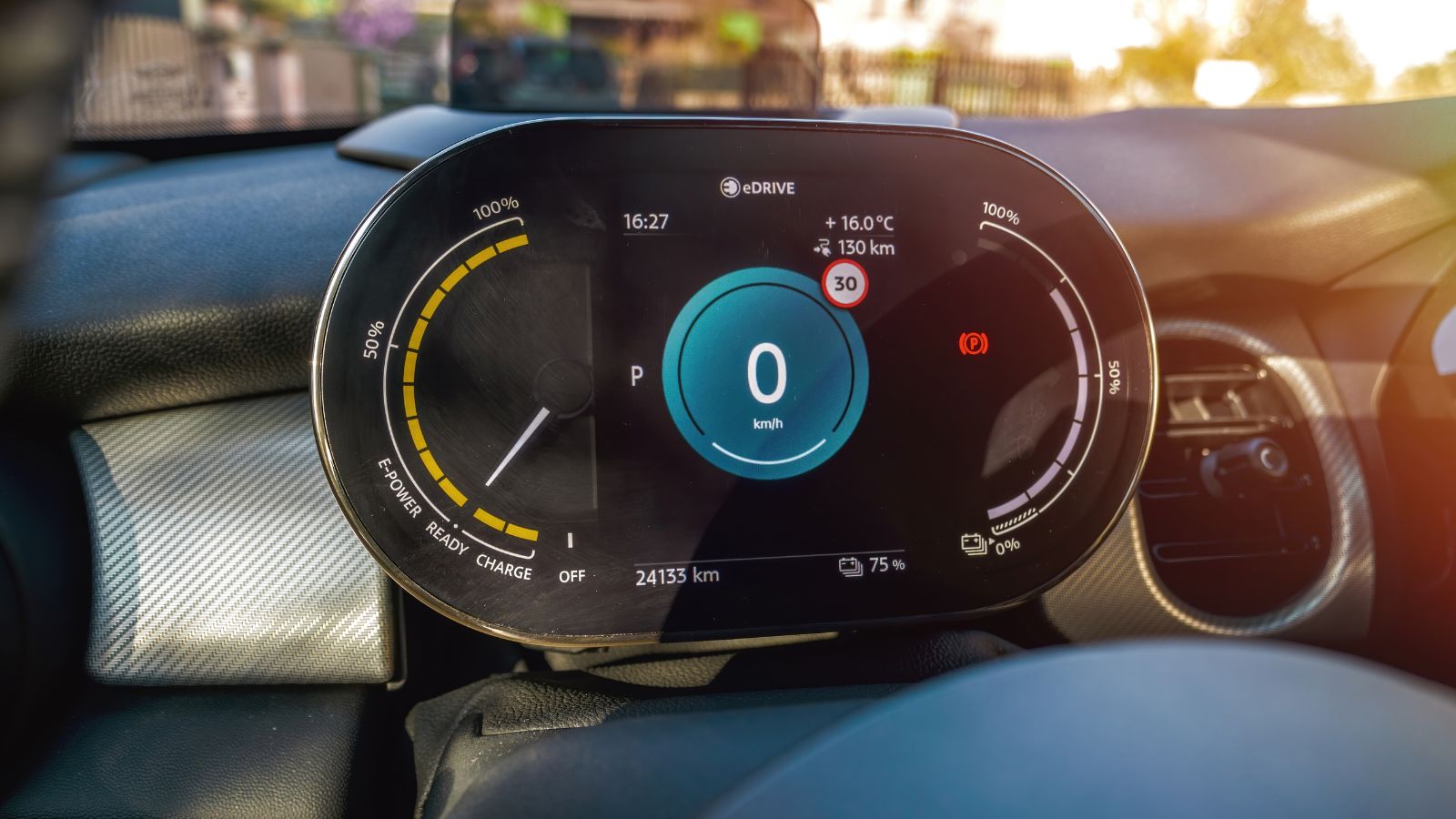
Cold weather makes batteries work harder, and an older or weak battery may fail suddenly during a cold snap. Many drivers treat slow cranking as a minor annoyance until the vehicle will not start at all. Batteries between three and five years old deserve attention before winter, especially if there are signs of corrosion, swelling, leakage, or repeated hesitation when starting.
The financial impact often arrives at the least convenient time. A no-start morning can mean towing, missed work, emergency replacement pricing, or paying for rides while the vehicle is stranded. Cold starts also place extra strain on vehicles that are already overdue for maintenance. Testing the battery before winter is usually cheaper than discovering the problem in a frozen parking lot. In very cold regions, a block heater can also reduce strain and improve cold-start reliability.
Winter Tires Can Stay on All Year to Save Money
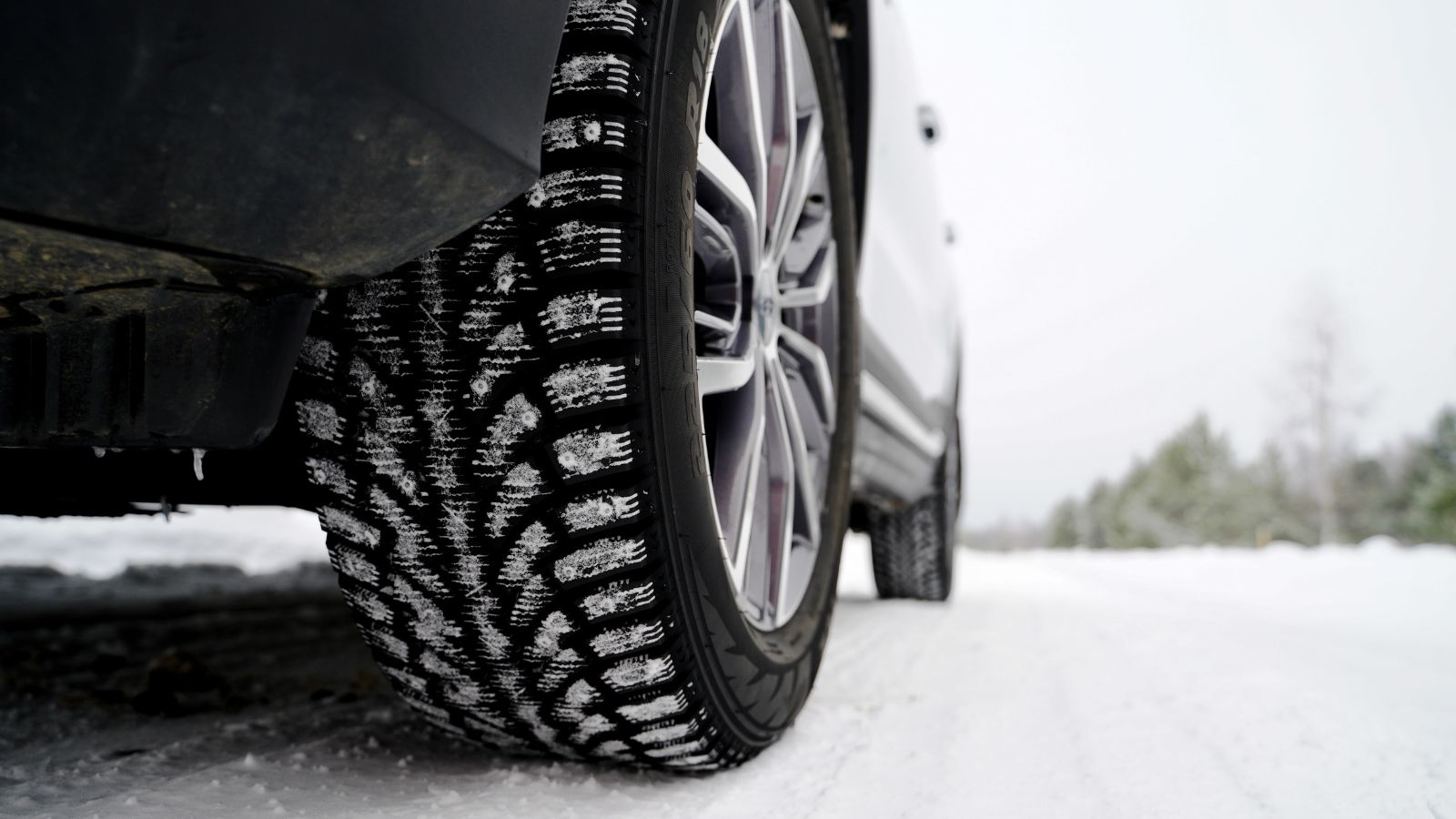
Leaving winter tires on through warm months may seem economical because it avoids seasonal changeover costs. In reality, winter tires are made with softer compounds designed for cold conditions, and they can wear faster in warm weather. Handling and braking feel can also change when soft winter rubber is used on hot pavement. Saving one appointment can shorten the life of a tire set that was supposed to last multiple seasons.
This myth turns convenience into false economy. Premature wear means earlier replacement, and poor warm-weather performance can create its own safety concerns. The better money strategy is to use the right tire for the season, store off-season tires properly, and monitor tread and pressure. Drivers who want fewer seasonal changes may consider all-weather tires where appropriate, but winter tires used year-round are rarely the bargain they appear to be.
22 Things Canadians Do to Their Cars in Spring That Mechanics Hate
Spring brings relief to many Canadian drivers after months of snow, freezing temperatures, and icy roads that put serious strain on vehicles. As temperatures rise across the country, drivers begin washing cars, switching tires, and preparing vehicles for warmer weather and upcoming road trips. However, mechanics across Canada notice the same mistakes every spring when drivers attempt to recover from winter damage. Road salt, potholes, and harsh winter driving conditions often leave vehicles with hidden problems that drivers ignore. Some spring habits even create new mechanical issues that could have been avoided with proper maintenance. Here are 22 things Canadians do to their cars in spring that mechanics hate.