

























Trade-in disappointment usually starts long before a dealer writes down a number. Owners tend to remember what they paid, what they still owe, or what similar vehicles appear to list for online. The appraisal process, however, is built on a colder formula: current demand, resale risk, repair cost, vehicle history, and how quickly the car can be turned into something another buyer will actually want.
That gap between memory and market is why a trade-in can feel personal even when it is mostly arithmetic. In many cases, the offer is not a verdict on whether the vehicle was a smart purchase. It is simply the result of 15 forces that tend to drag expectations lower than most people expect.
Depreciation Is Still Doing the Talking

The first reason a trade-in can sting is that many owners are still mentally anchored to an earlier stage of the car’s life. A vehicle may still feel modern, reliable, and expensive to replace, yet the market may have already moved on. That disconnect gets worse when the owner remembers the monthly payment more vividly than the current resale reality. A clean car that still drives beautifully can look like a high-value asset in daily life while behaving like a fast-depreciating used vehicle on paper.
That is especially true in the early ownership years, when value tends to fall hardest. A driver might assume careful ownership protected more of the original price than it really did. By the time trade-in season arrives, the market is not comparing the vehicle to the day it came home. It is comparing it to thousands of similar used units, each with age, mileage, and newer competition working against them.
A Trade-In Is a Wholesale Number, Not a Retail Dream
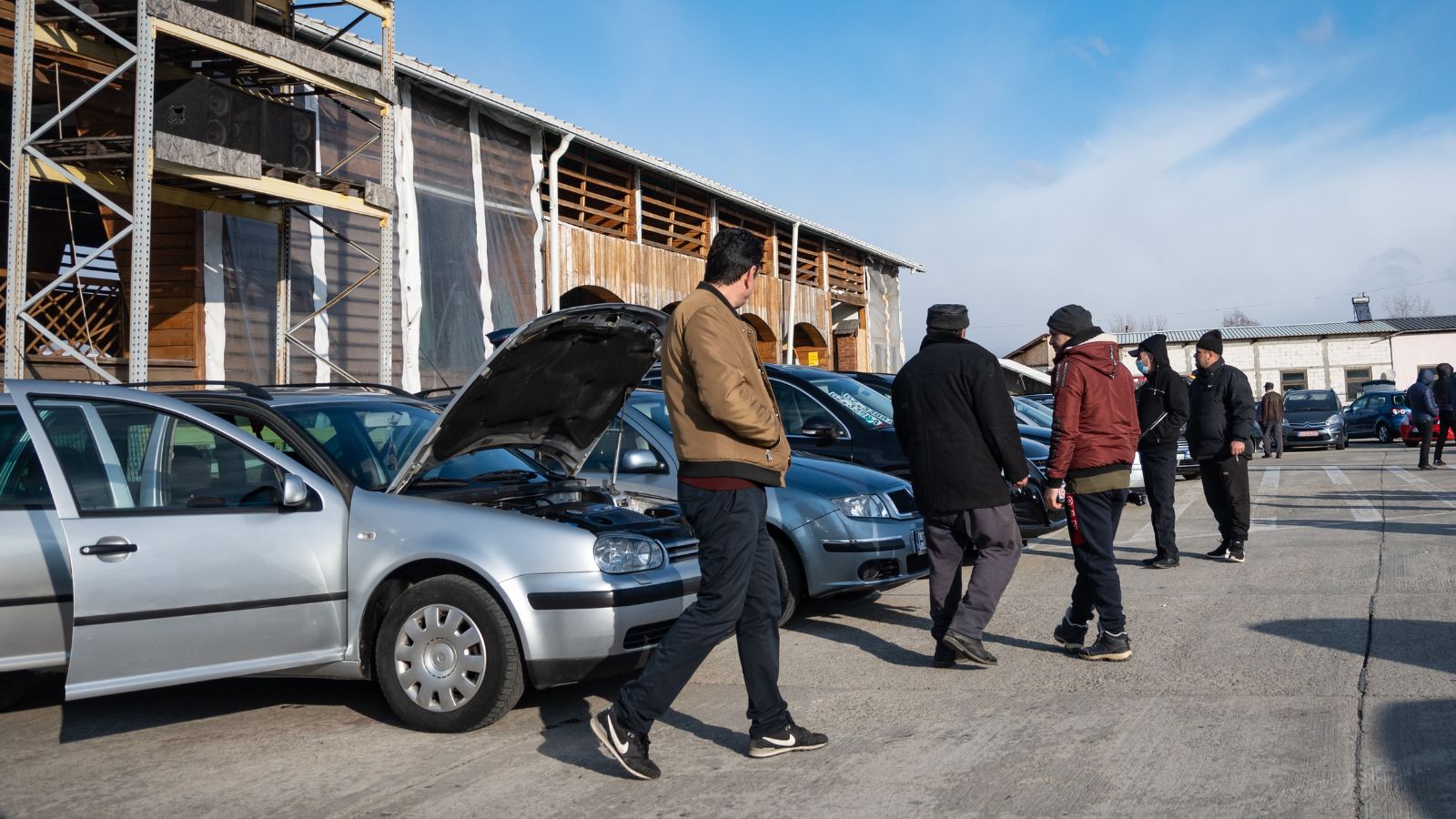
Many owners look at dealer listings and assume their own vehicle should be worth something close to that asking price. That is one of the biggest expectation traps in the trade-in process. A listed price is a retail number built for the next buyer. A trade-in number is a buy figure built for the dealer. Those two figures live in different worlds, even when they refer to the same car on the same lot.
That spread exists because a dealer is not buying a finished product. The store is buying an inventory unit that still has to be inspected, cleaned, repaired, marketed, financed, and carried until it sells. Retail value can look flattering because it reflects what the dealership hopes to collect later. Trade-in value reflects what it can risk today. When owners compare those two numbers directly, the offer can feel insulting even when it falls within normal market logic.
Reconditioning Costs Quietly Eat Into the Offer
A used vehicle almost never moves straight from the previous owner’s driveway to the next buyer without spending money first. Even a well-kept car usually needs some level of recon work: detailing, paint correction, tires, brakes, glass, fluids, battery service, or a diagnostic check to catch small problems before they turn into larger ones. That cost is invisible to the owner but very visible to the appraisal desk.
This is where many fair-looking cars lose ground. A small scratch, a chipped windshield, two worn tires, and an overdue service may not seem serious in isolation, yet together they become a real expense line. In the current used-car business, that expense line is not trivial. Dealers know that every extra dollar spent before resale reduces margin. So instead of absorbing that hit later, they often subtract for it upfront, making the trade figure feel harsher than the vehicle’s everyday usefulness would suggest.
Mileage Adds Up Faster Than Owners Realize
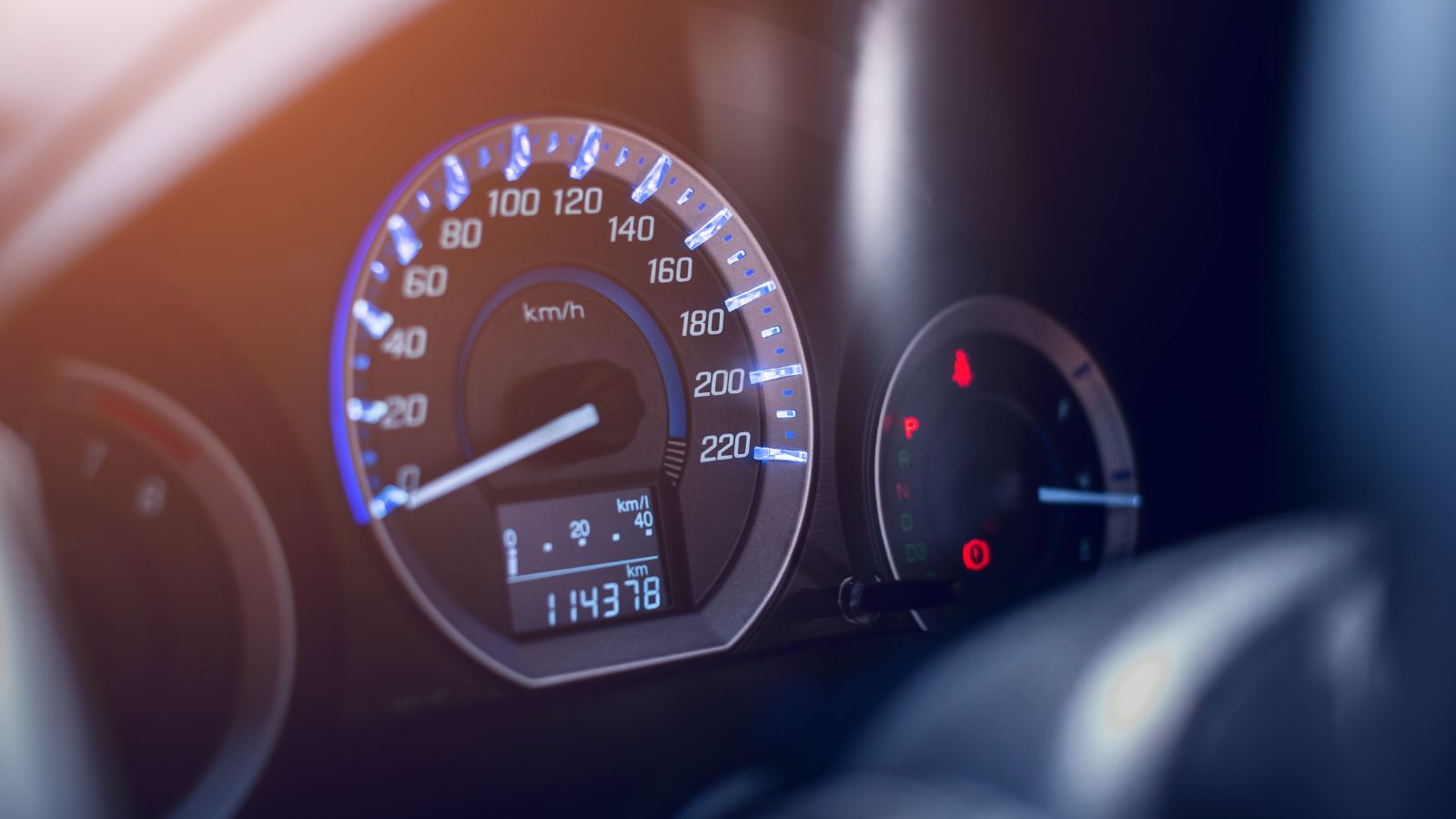
Mileage is one of those factors drivers understand in theory but often underestimate in practice. The extra 3,000 or 4,000 miles from weekend trips, commuting changes, or a long-distance move may not feel dramatic behind the wheel. On an appraisal sheet, though, mileage is one of the simplest ways to sort one used vehicle from another. Once a car sits clearly above average for its age, the market begins to treat it as a higher-risk purchase.
That is why two otherwise identical vehicles can produce noticeably different offers. Higher mileage suggests more wear on the drivetrain, suspension, interior, and electronics, even before anything is visibly broken. It also shortens the emotional runway for the next buyer, who may prefer the lower-mile version parked across town. Dealers know that mileage is one of the first filters consumers use online, so they price defensively. The owner sees a dependable car; the market sees a unit that may need to be discounted faster.
Accident History Leaves a Long Shadow

One of the most frustrating trade-in realities is that a repaired vehicle and an unblemished vehicle rarely carry the same value. Owners often assume that once good bodywork is complete, the issue is over. The market rarely agrees. A recorded accident becomes part of the vehicle’s permanent story, and that story shapes how future buyers, dealers, and lenders see the car.
This is why an offer can feel unfairly low even when the repair was done properly. The deduction is not always about visible damage anymore. It is about stigma, uncertainty, and diminished value. Buyers worry about hidden structural issues, paint-match inconsistencies, or long-term effects that may never show up during a short test drive. Dealers know those questions will surface later, so they buy with caution now. From the owner’s perspective, the car may be “good as new.” From the market’s perspective, it is no longer the same asset.
Title Trouble Can Crush Confidence Instantly

A title brand changes the conversation immediately. Words like salvage, rebuilt, flood, or theft recovery are not minor technicalities in the used-car business. They are warning labels. Even if the vehicle currently looks presentable and drives without complaint, that branded history can narrow the buyer pool, complicate financing, and create serious hesitation during resale.
That is why trade-in offers can drop so sharply once title history enters the equation. Dealers know many shoppers will not even consider branded-title vehicles, while others will only do so at a steep discount. Flood history is especially damaging because water intrusion can create electrical and corrosion problems long after cosmetic cleanup is finished. A seller may focus on how much money was spent making the vehicle usable again. The appraiser is focused on how hard it may be to convince the next customer that the risk has truly passed.
Open Recalls and Warning Lights Signal Extra Risk

An open recall or illuminated warning light can change the mood of an appraisal fast. Even when the fix is theoretically simple, the issue tells the dealer that the vehicle is not quite ready for easy resale. A recall can mean scheduling delays, parts shortages, or added paperwork. A check-engine light can mean anything from a modest sensor problem to a repair that makes the whole unit less attractive to keep in inventory.
Owners often view these issues as temporary inconveniences. Dealers view them as uncertainty. That uncertainty matters because used vehicles are judged partly on how quickly they can be front-line ready. A car with unresolved issues may sit longer, generate more buyer questions, or require the store to spend time arranging a remedy before it can be marketed confidently. The result is often a lower offer now rather than a gamble later, which is exactly why the number can feel worse than expected.
Small Flaws Are Not Cheap Flaws Anymore

A lot of trade-in frustration comes from the phrase “it only needs a few little things.” In today’s repair environment, little things can be surprisingly expensive. Windshield replacement is a good example. On older vehicles, glass used to feel like a manageable nuisance. On newer ones, driver-assistance systems and calibration requirements can push the bill far higher than many owners expect. The same pattern shows up with paint work, wheel damage, worn tires, or interior cleanup.
That is why seemingly ordinary wear can create an outsized deduction. Dealers do not just ask whether a flaw is visible; they ask what it will cost to erase it to retail standards. A scratch that runs too long, cracked glass, or tires worn below accepted thresholds are no longer cosmetic footnotes. They are budget items. Owners tend to value a vehicle based on how well it still serves them day to day. Appraisers value it based on what it will take to make the next buyer feel confident immediately.
Missing Maintenance Records Make the Story Harder to Believe
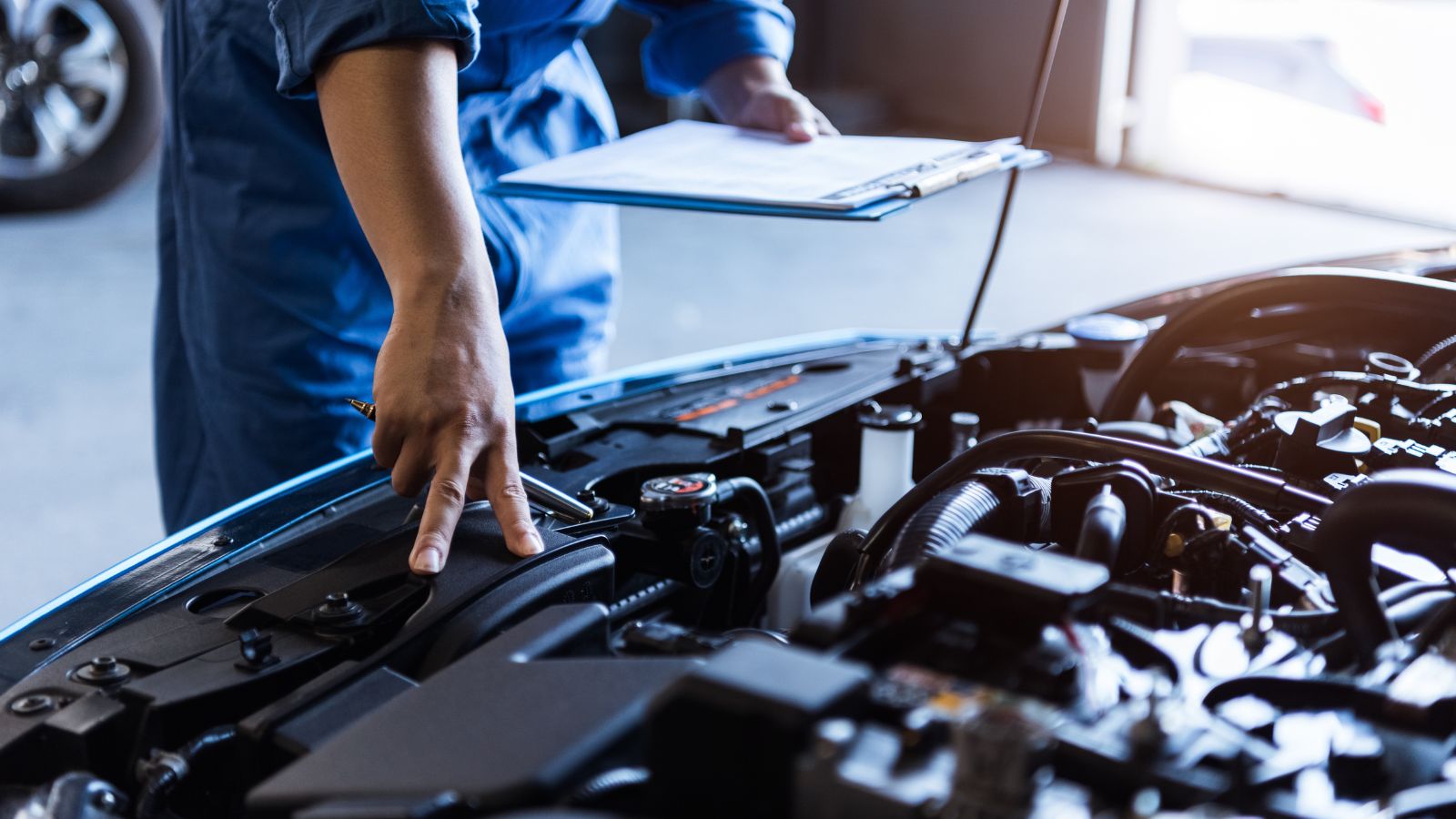
A car may have been serviced responsibly for years and still lose ground at appraisal if the proof is thin. That is because maintenance records do more than document oil changes and routine work. They help tell a credibility story. They show that the owner was proactive, that big intervals were not skipped, and that the vehicle did not simply receive attention when something went wrong.
Without that paper trail, the dealer is left to guess. Guesswork usually does not increase value. It pushes the store toward a more conservative number because there is less concrete evidence to use when reassuring the next buyer. This is one reason owners who took care of their cars can still feel underappreciated at trade-in time. The care may have happened. But if the next buyer cannot easily see it, the market often discounts the claim. In used-car appraisals, documentation does not create value out of nowhere, but it often protects the value already there.
Modifications Can Make the Vehicle Harder to Resell
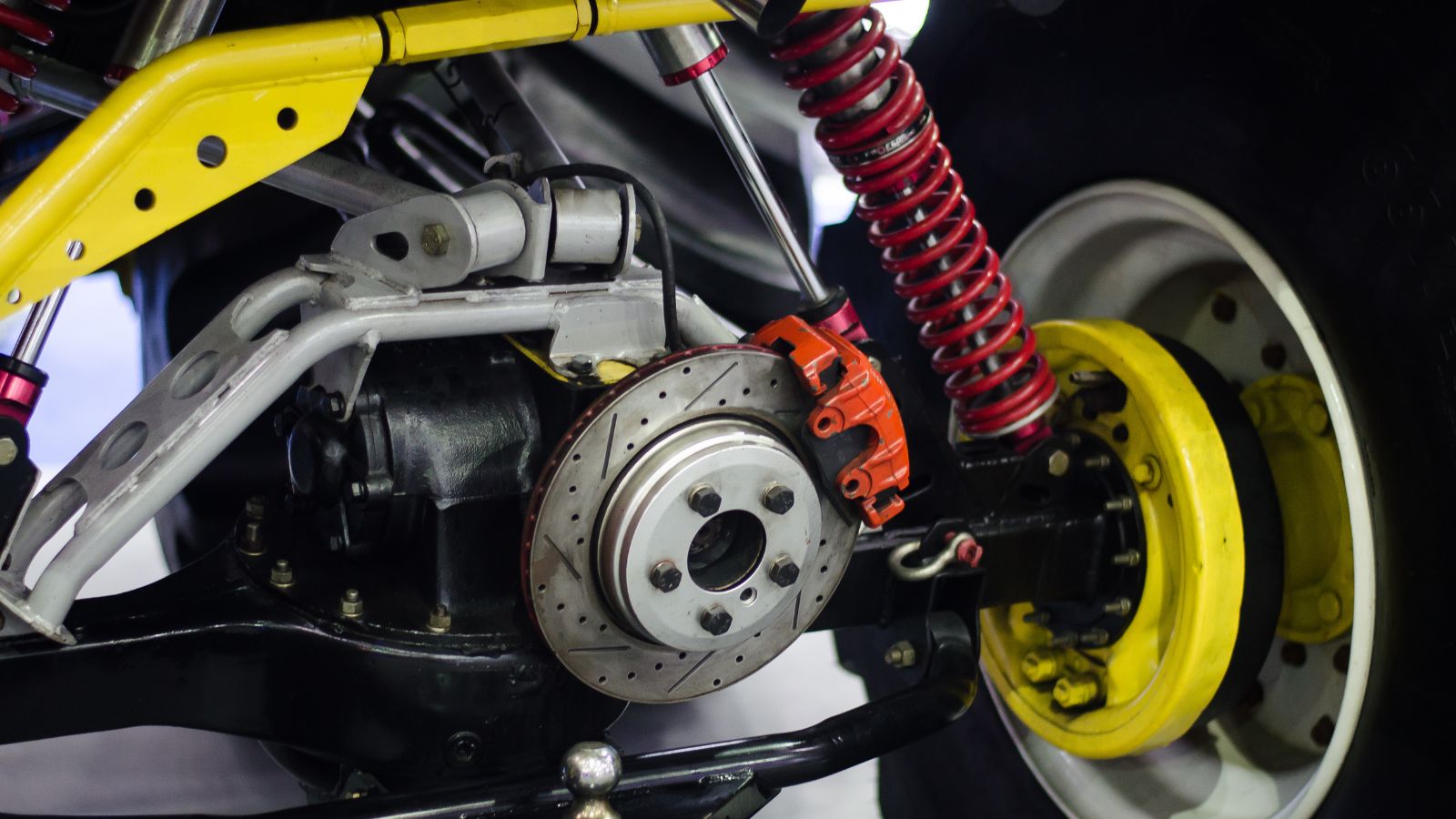
Owners who invest in their cars often expect those upgrades to be respected. That expectation makes emotional sense. A suspension kit, exhaust system, wheel package, or custom tuning might have cost real money and made the vehicle more enjoyable to own. The problem is that the trade-in market is not paying for personal enjoyment. It is paying for broad resale appeal.
Many modifications do the opposite of broadening appeal. They can make buyers worry about how the vehicle was driven, whether factory parts were stressed, or whether warranty questions may arise later. Even tasteful changes can narrow the audience enough to hurt the appraisal. A dealer generally prefers something close to stock because stock is easier to price, advertise, finance, and sell. So the owner sees added value; the store sees a specialized unit with fewer ready buyers. That mismatch is one of the fastest ways for a trade offer to feel colder than expected.
Color and Options Matter Only If the Market Wants Them
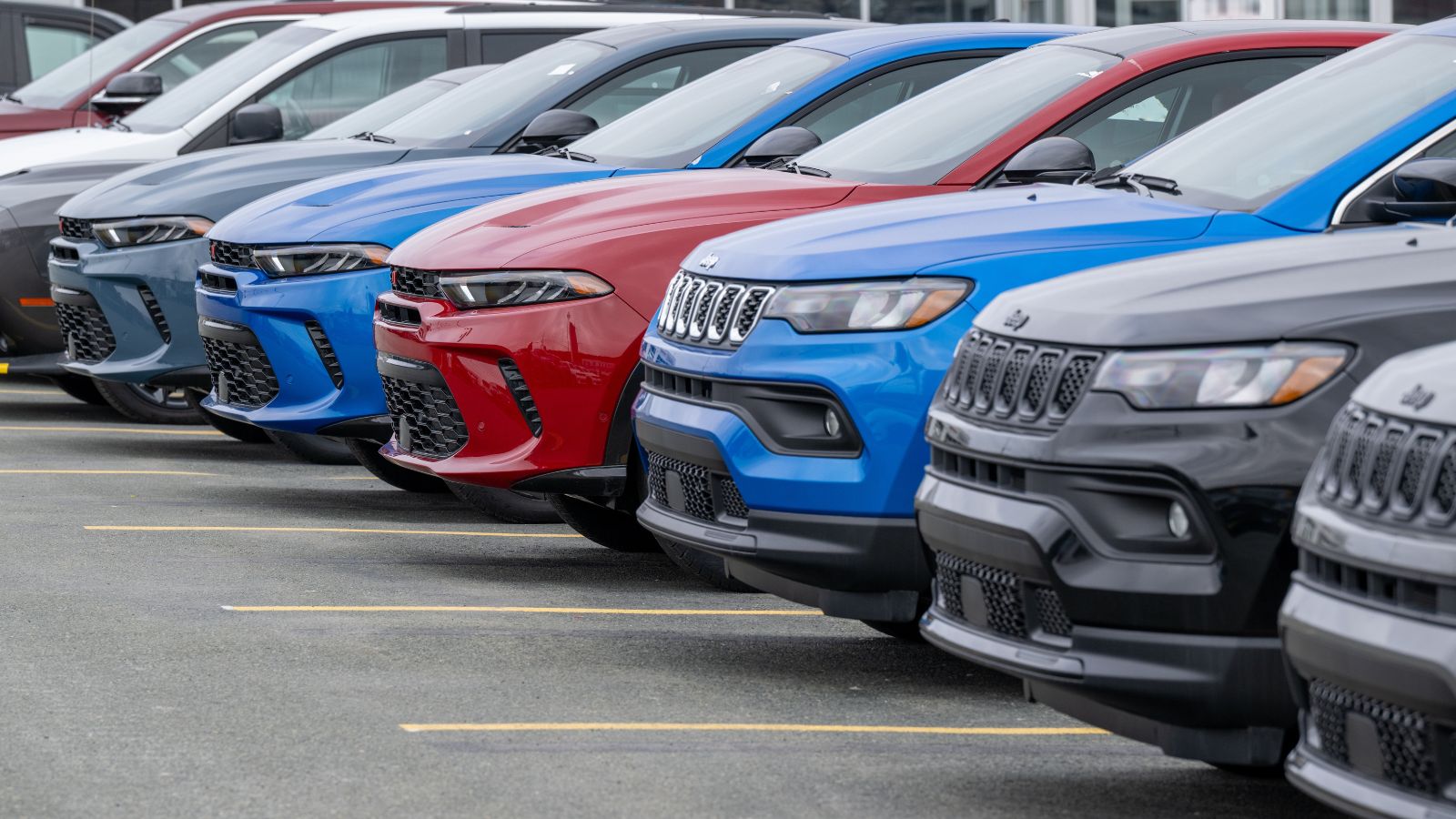
Some owners are surprised to learn that equipment and appearance choices do not carry equal weight forever. A premium color, an expensive option package, or a once-exciting tech feature may have made the car easier to justify when it was new. At trade-in time, those same choices are judged by a much simpler standard: do they help sell the vehicle quickly now?
That is where market taste can be ruthless. Neutral colors usually hold appeal because they are easy to place with a wide range of buyers. Niche colors can be loved by the current owner and shrugged at by everyone else. The same is true of features. Practical, widely desired equipment tends to help. Very specific add-ons may not. Owners often remember what they paid for the extras. Dealers care more about what a future shopper will pay today. When those numbers fail to line up, the trade-in can feel like it is ignoring money that was clearly spent.
Market Timing Can Change the Number More Than Expected
A trade-in is not judged in a vacuum. It is tied to market timing, and market timing can move quickly. Some models become more desirable when supply tightens. Others soften when similar inventory builds up or when incentives on newer vehicles pull buyers away. A vehicle that would have drawn a strong offer months earlier can suddenly look ordinary if demand cools or competing supply becomes easier to find.
This is one reason owners sometimes hear wildly different figures from one season to another. The car did not necessarily get dramatically worse. The market changed around it. Local demand matters, wholesale auction trends matter, and inventory pressure matters. Dealers price with those conditions in mind because they have to guess what the vehicle will be worth by the time it is reconditioned and listed. For the seller, that moving target can feel arbitrary. For the business side of the used-car market, it is routine, which does not make the surprise any less painful.
Online Estimates Can Shrink Under Real-World Inspection

Digital appraisal tools are useful, but they can also create expectation gaps. An online estimate often feels official, especially when it arrives quickly and lands on a flattering number. The catch is that those figures are usually tied to assumptions about the vehicle’s exact condition, equipment, mileage accuracy, and local demand. Once a real inspection happens, the offer can change.
That adjustment is where disappointment often spikes. The owner may feel the number was “bait,” while the dealer sees it as normal refinement. A small dent, faded trim, curb damage, a warning light, mismatched tires, or undocumented equipment changes can all alter the final figure. Even honest owners can be caught off guard because they live with the vehicle every day and stop noticing the details. Appraisers are trained to notice exactly those details. So the gap between the digital estimate and the in-person offer often feels personal, even when it is rooted in condition assumptions that were never fully tested online.
Negative Equity Distorts the Emotional Picture

Sometimes the trade-in offer is not especially low at all. It only feels disastrous because the owner owes more than the vehicle is worth. That is negative equity, and it changes the emotional math immediately. A reasonable market value can still produce a miserable outcome if the loan payoff is higher than the appraisal. In that situation, the number on the offer sheet becomes a reminder of debt, not just depreciation.
This is why trade-ins can feel harsher than a valuation guide suggests they should. The owner is not only reacting to what the vehicle is worth now. The owner is also reacting to what remains owed from the past purchase. If payments were stretched, the down payment was small, or the vehicle depreciated quickly, that gap can linger longer than expected. A dealer may be appraising the car correctly, but the seller experiences the result as a financial setback. That emotional collision is one of the most common reasons a trade figure feels worse than expected.
The Dealer Still Needs Room to Make the Deal Work

The final reason is the least dramatic and often the most important: the store needs margin. That does not always mean a dealer is trying to be greedy. It means the business has to leave room for repair costs, carrying costs, advertising, financing risk, negotiation, and the possibility that the vehicle will take longer to sell than hoped. A trade-in number that feels stingy to the owner may feel prudent to the dealership.
This is also why “top market value” is rare in real trade situations. If a dealer pays too aggressively, one unexpected repair or one price drop on competing inventory can wipe out the deal. Most stores would rather miss a trade than own it wrong. Owners see the present condition and the emotional value of the car they know. Dealers see an inventory bet. Once that difference is understood, the number often makes more sense. It still may not feel good, but at least the logic behind the disappointment becomes easier to recognize.
22 Things Canadians Do to Their Cars in Spring That Mechanics Hate

Spring brings relief to many Canadian drivers after months of snow, freezing temperatures, and icy roads that put serious strain on vehicles. As temperatures rise across the country, drivers begin washing cars, switching tires, and preparing vehicles for warmer weather and upcoming road trips. However, mechanics across Canada notice the same mistakes every spring when drivers attempt to recover from winter damage. Road salt, potholes, and harsh winter driving conditions often leave vehicles with hidden problems that drivers ignore. Some spring habits even create new mechanical issues that could have been avoided with proper maintenance. Here are 22 things Canadians do to their cars in spring that mechanics hate.