



















• About
  • Contact
AutoIgloo
  • News & Trends
    22 Spring Car Mistakes Canadians Make Every Year (That Cost Hundreds)

    15 Things That Can Make Police Pay Closer Attention to Your Car

    Why So Many Drivers Are Ditching EVs for Hybrids Again

    Canada’s EV Rebates Pass 44,700—Tesla Captures Just 1,009

    20 Used SUVs Canadians Should Think Twice About Buying

    20 Car Colours That Can Be Harder to Live With Than Expected

    The Road Trip Mistake That Can Overload Your Car Without You Knowing

    The Road Trip Mistake That Can Overload Your Car Without You Knowing

    23 Features That Are Making New Cars Harder (and Pricier) to Repair in Canada

    Nearly 75% of Canadians Want Mandatory Anti-Theft Technology in New Vehicles: Survey

    Why the Next Wave of Chinese EVs Could Force Canada’s Biggest Price War Yet

    Chinese-Made EV Imports Jump 41% in 10 Days as Canada’s Quota Reaches 9,235 Vehicles

  • Car Reviews
    21 Cars Canadians Are Starting to Regret Buying

    Why Some Drivers Regret Buying Big Wheels and Low-Profile Tires

    17 Vehicles That Are Quietly Getting Crushed by Insurance Costs in Canada

    Why So Many Drivers Are Nervous About Chinese-Made EV Batteries

    20 Used SUVs Canadians Should Think Twice About Buying

    20 Used SUVs Canadians Should Think Twice About Buying

    15 Vehicles That Are Starting to Feel Like a Bad Deal Around May Long Weekend

    15 Vehicles That Are Starting to Feel Like a Bad Deal Around May Long Weekend

    15 Vehicles That Are Starting to Scare Off Canadian Buyers

    15 Vehicles That Are Starting to Scare Off Canadian Buyers

    25 Vehicles That Make the Most Sense for Canadian Families in 2026

    16 Vehicles That Suddenly Look Smart for a Canadian Summer Road Trip

  • Buying Guides
    21 Used Car Features That Can Become Expensive Problems Later

    Why Some Canadians Are Choosing Front-Wheel Drive Over All-Wheel Drive

    20 Things Police Notice First When They Pull Over a Driver

    Why Some Buyers Regret Skipping the Test Drive

    15 Ways a Low Monthly Payment Can Fool Canadian Car Buyers

    16 Ways a Car Dealership Can Make a Monthly Payment Look Cheaper

    20 Things Police Notice First When They Pull Over a Driver

    The Simple Reason Your Car Windows Keep Fogging Up

    The Driving Position Mistake That Makes Long Trips More Painful

    22 Mistakes People Make During a Dealership Test Drive

    20 Cars Canadians Love Buying but Hate Owning Long Term

    Why Some Vehicles Are Nearly Impossible to Insure in Certain Canadian Cities

  • Comparisons
    21 Used Car Features That Can Become Expensive Problems Later

    Why Some Canadians Are Choosing Front-Wheel Drive Over All-Wheel Drive

    Canada’s Auto Fight Gets Uglier as BYD Threatens to Sue Trump Administration

    Tesla Vs. BYD: Are Chinese EV’s Actually Better for Canadians?

    17 Vehicles That Are Quietly Getting Crushed by Insurance Costs in Canada

    Why So Many Drivers Are Nervous About Chinese-Made EV Batteries

    20 Used SUVs Canadians Should Think Twice About Buying

    20 Used SUVs Canadians Should Think Twice About Buying

    16 Cars That Are a Nightmare to Repair Because Parts Are Backordered

    23 Cars Canadians Love That Have One Deal-Breaker Flaw

    21 Vehicles Insurance Companies Are Quietly Flagging as “High Risk” in Canada (2026 Update)

    19 Vehicles Canadians Regret Leasing (And the Ones They Don’t)

  • EVs & Hybrids
    16 Used-EV Surprises Canadians Don’t See Coming Until After They Buy

    The EV Charging Habit That Can Annoy Everyone Around You

    17 SUVs That Are Losing Their Appeal Fast in Canada

    GM Canada Says EV Sales Jumped More Than 30% as CUSMA Uncertainty Hangs Over Showrooms

    9 Auto Brands Canadians Are Watching Much More Closely Right Now

    Toyota Canada Says Electrified Vehicles Are Now Nearly 70% of Its Q2 Sales

    25 EV Charging Mistakes Canadians Make in March (That Wreck Range)

    Ottawa Orders New Study on Whether Canada’s EV Grid Can Handle the Next Wave of Chargers

    23 Features That Are Making New Cars Harder (and Pricier) to Repair in Canada

    Why the Cheapest EVs May Not Be the Best Deal After Three Winters

    Canada’s Auto Fight Gets Uglier as BYD Threatens to Sue Trump Administration

    Tesla Vs. BYD: Are Chinese EV’s Actually Better for Canadians?

  • More
    • Pricing & Deals
    • Winter Driving
    • Ownership & Maintenance
No Result
View All Result
AutoIgloo
  • News & Trends
    22 Spring Car Mistakes Canadians Make Every Year (That Cost Hundreds)

    15 Things That Can Make Police Pay Closer Attention to Your Car

    Why So Many Drivers Are Ditching EVs for Hybrids Again

    Canada’s EV Rebates Pass 44,700—Tesla Captures Just 1,009

    20 Used SUVs Canadians Should Think Twice About Buying

    20 Car Colours That Can Be Harder to Live With Than Expected

    The Road Trip Mistake That Can Overload Your Car Without You Knowing

    The Road Trip Mistake That Can Overload Your Car Without You Knowing

    23 Features That Are Making New Cars Harder (and Pricier) to Repair in Canada

    Nearly 75% of Canadians Want Mandatory Anti-Theft Technology in New Vehicles: Survey

    Why the Next Wave of Chinese EVs Could Force Canada’s Biggest Price War Yet

    Chinese-Made EV Imports Jump 41% in 10 Days as Canada’s Quota Reaches 9,235 Vehicles

  • Car Reviews
    21 Cars Canadians Are Starting to Regret Buying

    Why Some Drivers Regret Buying Big Wheels and Low-Profile Tires

    17 Vehicles That Are Quietly Getting Crushed by Insurance Costs in Canada

    Why So Many Drivers Are Nervous About Chinese-Made EV Batteries

    20 Used SUVs Canadians Should Think Twice About Buying

    20 Used SUVs Canadians Should Think Twice About Buying

    15 Vehicles That Are Starting to Feel Like a Bad Deal Around May Long Weekend

    15 Vehicles That Are Starting to Feel Like a Bad Deal Around May Long Weekend

    15 Vehicles That Are Starting to Scare Off Canadian Buyers

    15 Vehicles That Are Starting to Scare Off Canadian Buyers

    25 Vehicles That Make the Most Sense for Canadian Families in 2026

    16 Vehicles That Suddenly Look Smart for a Canadian Summer Road Trip

  • Buying Guides
    21 Used Car Features That Can Become Expensive Problems Later

    Why Some Canadians Are Choosing Front-Wheel Drive Over All-Wheel Drive

    20 Things Police Notice First When They Pull Over a Driver

    Why Some Buyers Regret Skipping the Test Drive

    15 Ways a Low Monthly Payment Can Fool Canadian Car Buyers

    16 Ways a Car Dealership Can Make a Monthly Payment Look Cheaper

    20 Things Police Notice First When They Pull Over a Driver

    The Simple Reason Your Car Windows Keep Fogging Up

    The Driving Position Mistake That Makes Long Trips More Painful

    22 Mistakes People Make During a Dealership Test Drive

    20 Cars Canadians Love Buying but Hate Owning Long Term

    Why Some Vehicles Are Nearly Impossible to Insure in Certain Canadian Cities

  • Comparisons
    21 Used Car Features That Can Become Expensive Problems Later

    Why Some Canadians Are Choosing Front-Wheel Drive Over All-Wheel Drive

    Canada’s Auto Fight Gets Uglier as BYD Threatens to Sue Trump Administration

    Tesla Vs. BYD: Are Chinese EV’s Actually Better for Canadians?

    17 Vehicles That Are Quietly Getting Crushed by Insurance Costs in Canada

    Why So Many Drivers Are Nervous About Chinese-Made EV Batteries

    20 Used SUVs Canadians Should Think Twice About Buying

    20 Used SUVs Canadians Should Think Twice About Buying

    16 Cars That Are a Nightmare to Repair Because Parts Are Backordered

    23 Cars Canadians Love That Have One Deal-Breaker Flaw

    21 Vehicles Insurance Companies Are Quietly Flagging as “High Risk” in Canada (2026 Update)

    19 Vehicles Canadians Regret Leasing (And the Ones They Don’t)

  • EVs & Hybrids
    16 Used-EV Surprises Canadians Don’t See Coming Until After They Buy

    The EV Charging Habit That Can Annoy Everyone Around You

    17 SUVs That Are Losing Their Appeal Fast in Canada

    GM Canada Says EV Sales Jumped More Than 30% as CUSMA Uncertainty Hangs Over Showrooms

    9 Auto Brands Canadians Are Watching Much More Closely Right Now

    Toyota Canada Says Electrified Vehicles Are Now Nearly 70% of Its Q2 Sales

    25 EV Charging Mistakes Canadians Make in March (That Wreck Range)

    Ottawa Orders New Study on Whether Canada’s EV Grid Can Handle the Next Wave of Chargers

    23 Features That Are Making New Cars Harder (and Pricier) to Repair in Canada

    Why the Cheapest EVs May Not Be the Best Deal After Three Winters

    Canada’s Auto Fight Gets Uglier as BYD Threatens to Sue Trump Administration

    Tesla Vs. BYD: Are Chinese EV’s Actually Better for Canadians?

  • More
    • Pricing & Deals
    • Winter Driving
    • Ownership & Maintenance
No Result
View All Result
AutoIgloo
No Result
View All Result

Home » News & Trends

The Car Theft Prevention Mistakes Canadians Keep Making

Nate Brewer by Nate Brewer
July 16, 2026
Reading Time: 7 mins read
A A
Image Credit: Shutterstock

Image Credit: Shutterstock

469
SHARES
1.5k
VIEWS
Share on FacebookShare on Twitter

Across Canada, vehicle theft has become less about random joyrides and more about organized, fast-moving criminal activity. Even as national theft numbers have started to decline, the financial damage remains heavy, and thieves continue to adapt with new tactics. A locked door still matters, but it is no longer enough on its own.

Twelve common prevention mistakes keep leaving Canadian drivers exposed. Many are ordinary habits: where keys are stored, how a vehicle is parked, what is left inside, and whether anti-theft tools are used properly. Small changes can make a vehicle slower, riskier, and less attractive to steal.

Assuming Theft Only Happens to Luxury Vehicles
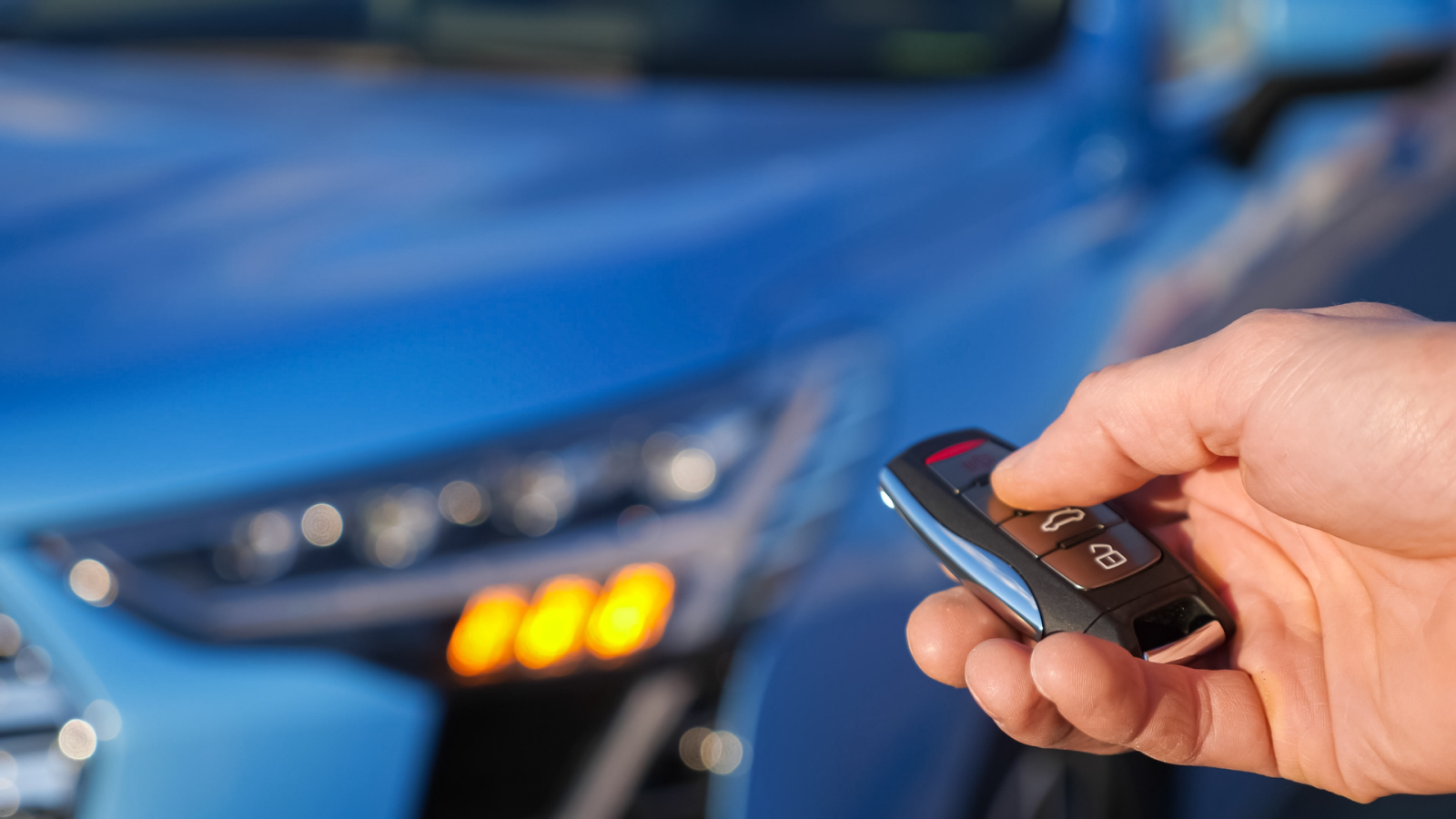
Image Credit: Shutterstock

Many Canadians still imagine auto theft as a problem reserved for exotic cars, luxury SUVs, or vehicles parked in wealthy neighbourhoods. That assumption can lead owners of popular family crossovers, pickups, and sedans to skip basic protections. In reality, thieves often target vehicles that are easy to resell, easy to export, or useful for parts. High demand matters as much as sticker price.

This is why everyday models keep appearing on most-stolen lists. A Honda CR-V, Toyota Highlander, Ford F-150, or Lexus RX may attract attention for different reasons, but the pattern is similar: broad demand, useful parts, and recognizable resale value. A commuter vehicle in a quiet driveway can be just as appealing as a premium SUV downtown, especially when it can be taken quickly and moved before anyone notices.

Leaving Key Fobs Near the Front Door
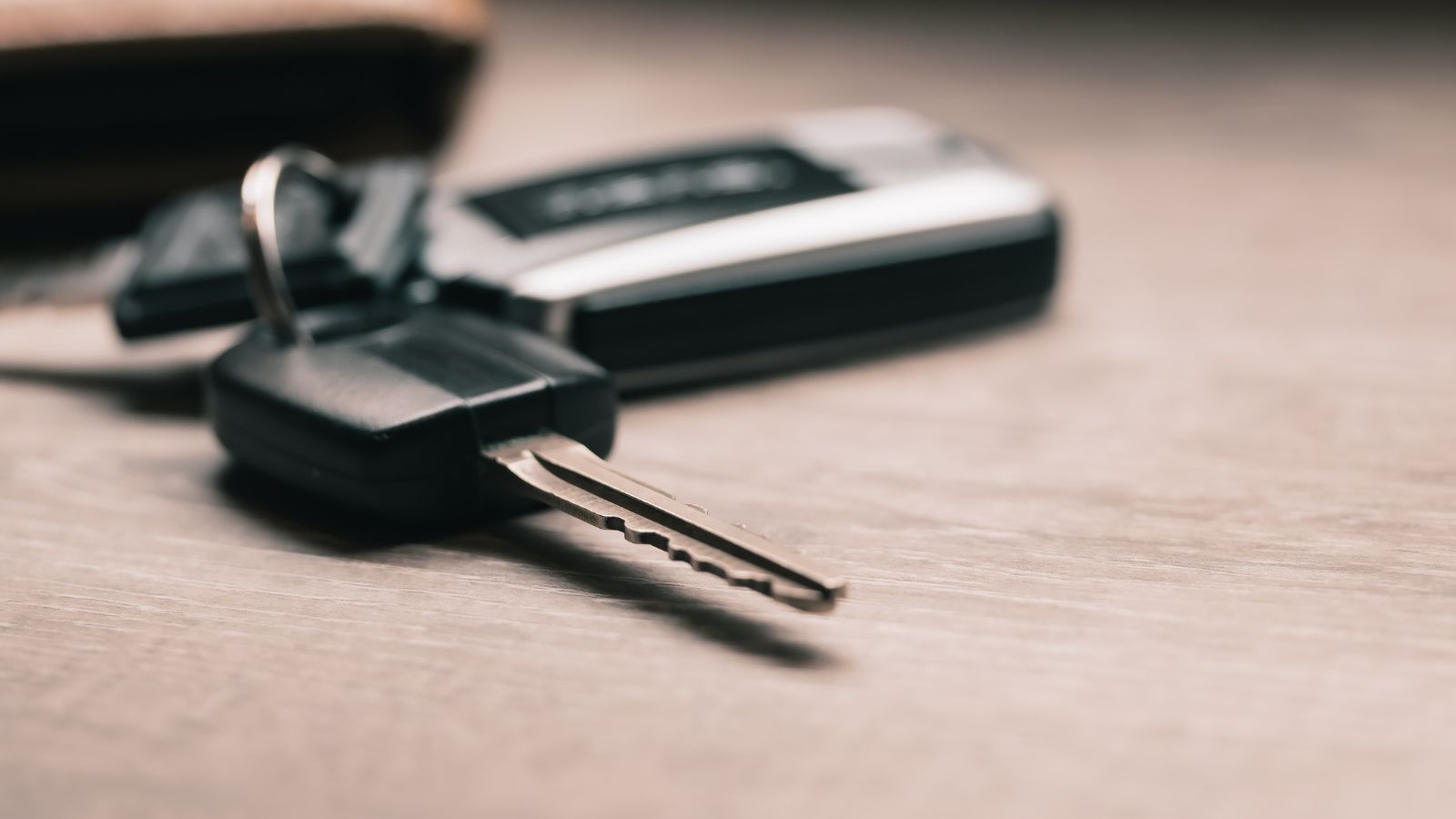
Photo Credit: Shutterstock

A key fob tossed into a hallway bowl may feel harmless, but it can create an opening for relay-style theft. In these cases, thieves use equipment to extend or mimic the signal from a nearby fob, making the vehicle respond as though the key is present. Doors, windows, and exterior walls do not always provide enough distance.

This mistake is common because it blends into normal home routines. Keys land near coats, shoes, mail, and dog leashes because that is where they are easiest to grab. For a thief working outside at night, convenience becomes vulnerability. Storing fobs farther from the driveway, away from exterior doors, and inside a signal-blocking container can add a useful barrier, especially for push-button-start vehicles parked close to the house.

Trusting a Faraday Pouch Without Testing It
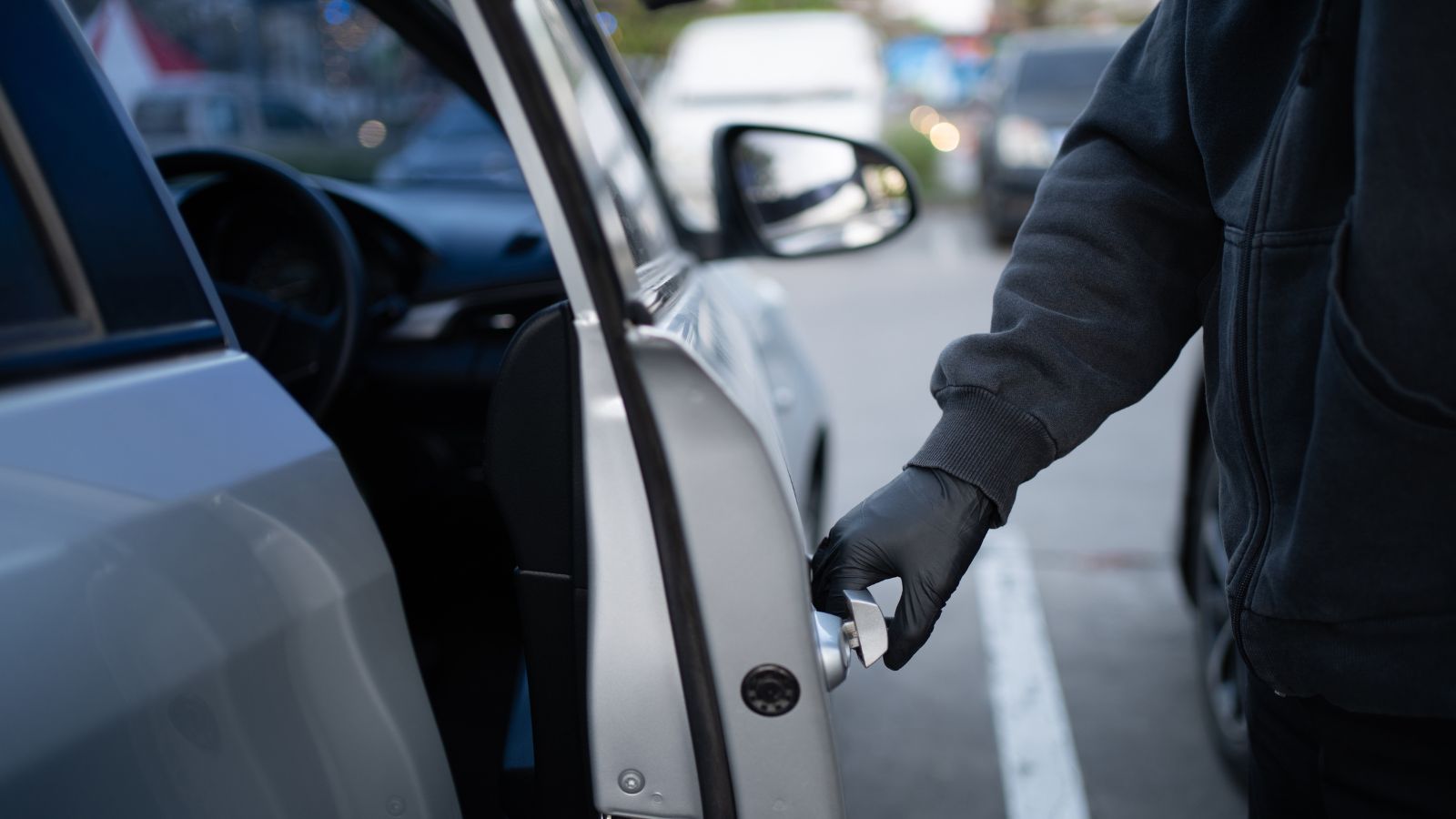
Photo Credit: Shutterstock

Buying a Faraday pouch is not the same as using one correctly. Some owners place the fob inside but forget to close the pouch fully. Others keep only the primary key protected while the spare sits in a drawer near the garage. Over time, cheaper pouches may also wear out, leaving drivers with a false sense of security.

A simple test can expose the problem. Place the fob inside the pouch, seal it, then stand beside the locked vehicle and check whether the doors still unlock normally. If the vehicle responds, the signal is not being blocked well enough. The best prevention habits are practical, not decorative. A Faraday box on a kitchen counter only helps when every active fob is inside it, sealed properly, and checked periodically.

Ignoring the OBD or ECM Port
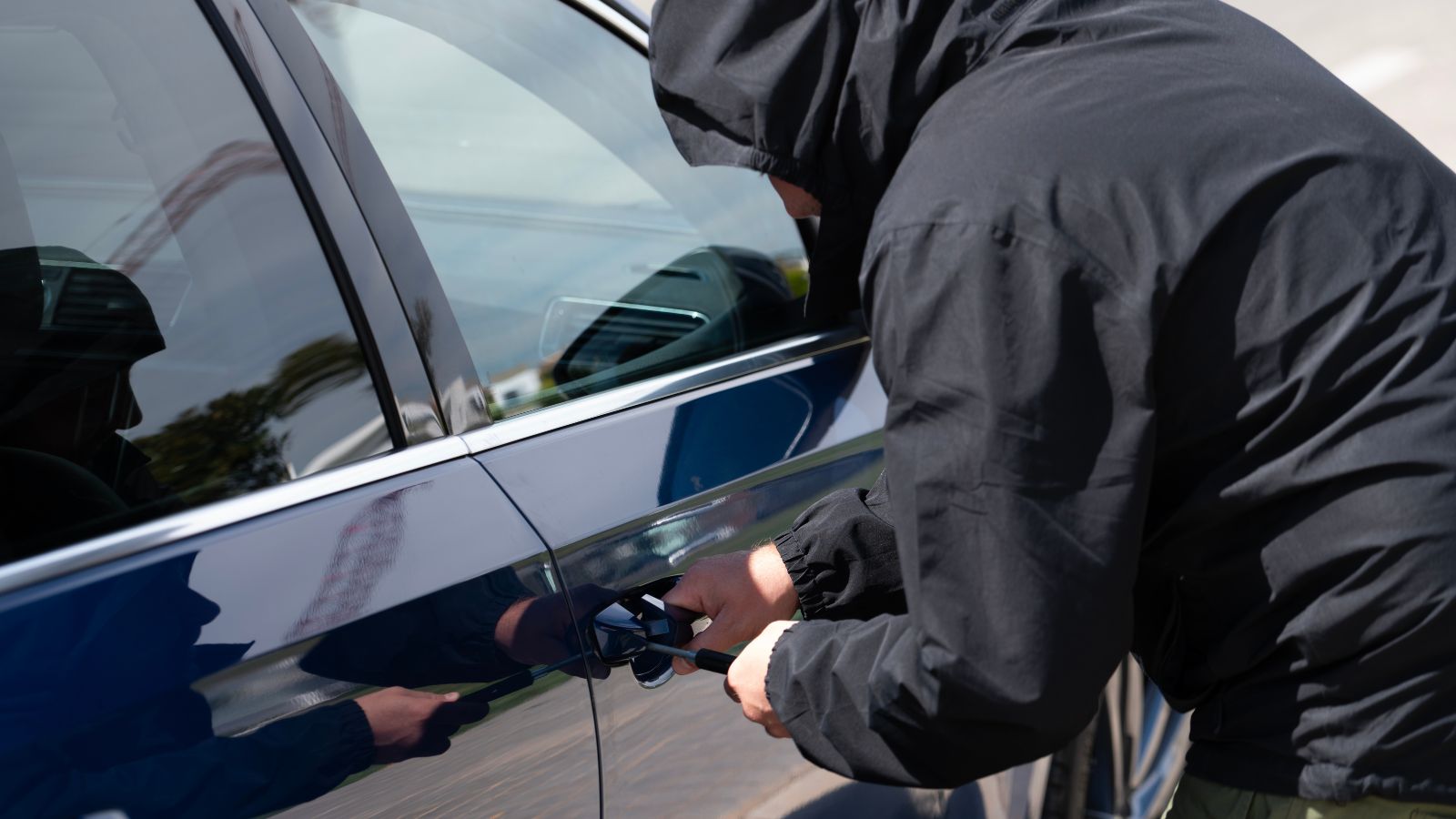
Photo Credit: Shutterstock

Many drivers focus only on key-fob theft and miss another major weakness: access to the vehicle’s onboard electronics. Some thieves break into the vehicle, reach the diagnostic or engine control port, and use tools to program a new key. A Faraday pouch cannot stop that type of attack because the thief is no longer trying to capture the original key signal.

This is where layered protection matters. An OBD or ECM port lock can make the electronic reprogramming step harder and slower. The goal is not to create an impossible fortress; it is to make the vehicle less convenient than another target nearby. A thief who expects to plug in, program, and leave within minutes may move on when the port is physically protected and a visible deterrent is also present.

Relying on the Factory Alarm Alone
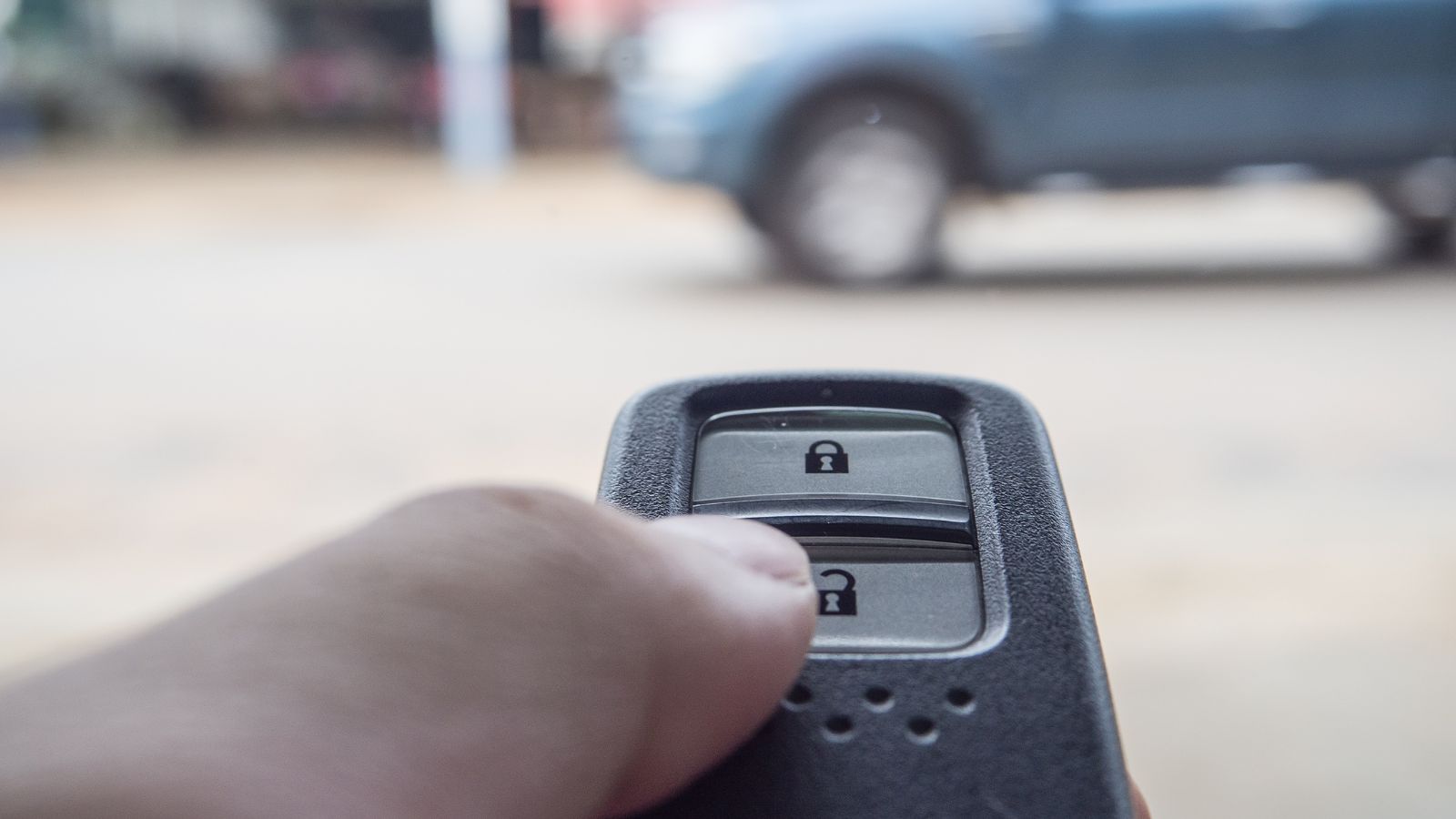
Photo Credit: Shutterstock

Factory alarms are useful, but many Canadians expect too much from them. A flashing light or quick horn burst may not stop a practiced theft crew, especially in areas where neighbours have become used to car alarms going off. Some thieves also know which vehicles can be defeated quickly despite built-in security systems.

Aftermarket immobilizers, kill switches, tracking devices, and steering-wheel locks all serve different roles. One device may delay entry. Another may prevent the vehicle from starting. A third may help recovery. The mistake is treating any single tool as a complete solution. Better protection usually comes from stacking obstacles so the thief must spend more time, make more noise, and accept more risk before the vehicle can be moved.

Skipping Visible Deterrents Because They Look Old-Fashioned

Photo Credit: Shutterstock

Steering-wheel locks can seem outdated next to app-based security systems and factory telematics, but visibility still matters. A bright physical lock tells a thief that stealing the vehicle will take extra time. It may not be unbeatable, yet it changes the calculation before the door is even opened.

This matters because many theft attempts are quick comparisons. A thief walking a street may see two similar SUVs: one with no obvious barrier and one with a steering-wheel lock, lights, cameras, and another vehicle blocking it in. The easier choice is obvious. Old-fashioned does not mean useless. A visible deterrent works best when combined with hidden measures, creating both a psychological warning and a practical delay.

Treating the Driveway Like a Safe Zone
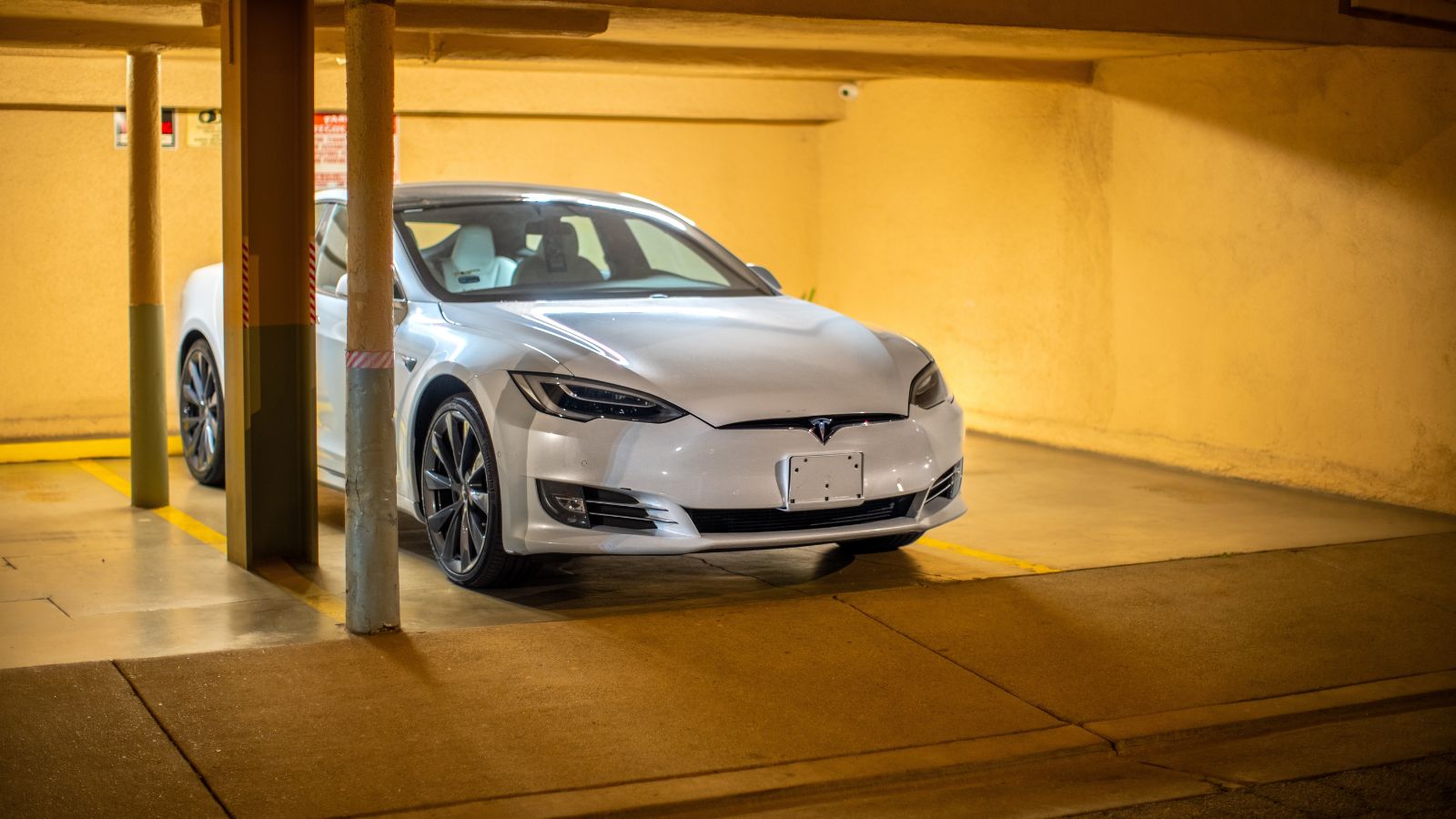
Image Credit: Shutterstock

A driveway can feel private, but many stolen vehicles are taken from residential properties. The mistake is assuming that a vehicle beside the house is automatically safer than one in a public lot. Darkness, hedges, fences, and quiet side streets can give thieves privacy rather than protection.

Parking strategy can make a difference. A locked garage is usually better than a driveway when available. If a garage is not an option, lighting, cameras, and clear sightlines can reduce cover. Some police services also suggest parking a less-targeted vehicle behind a more desirable one. The point is to interrupt the clean exit. Thieves often want speed and silence; a blocked-in vehicle under lights is a less attractive project.

Leaving a Vehicle Running “Just for a Minute”

Photo Credit: Shutterstock

Cold mornings make this mistake especially tempting. A driver starts the vehicle, heads back inside for coffee or a forgotten bag, and assumes the short gap is harmless. Thieves know that routine. A running, unattended vehicle requires almost no technical skill to steal, and the window of opportunity can be measured in seconds.

Remote starters can reduce risk, but only when the system prevents the vehicle from being driven without the fob present. Not every owner understands how their system works. Push-button vehicles can also create confusion because the vehicle may continue moving even after the key is no longer nearby. The safer habit is simple: if the engine is running, the vehicle should not be left unattended.

Keeping Garage Remotes, Spare Keys, and Documents Inside
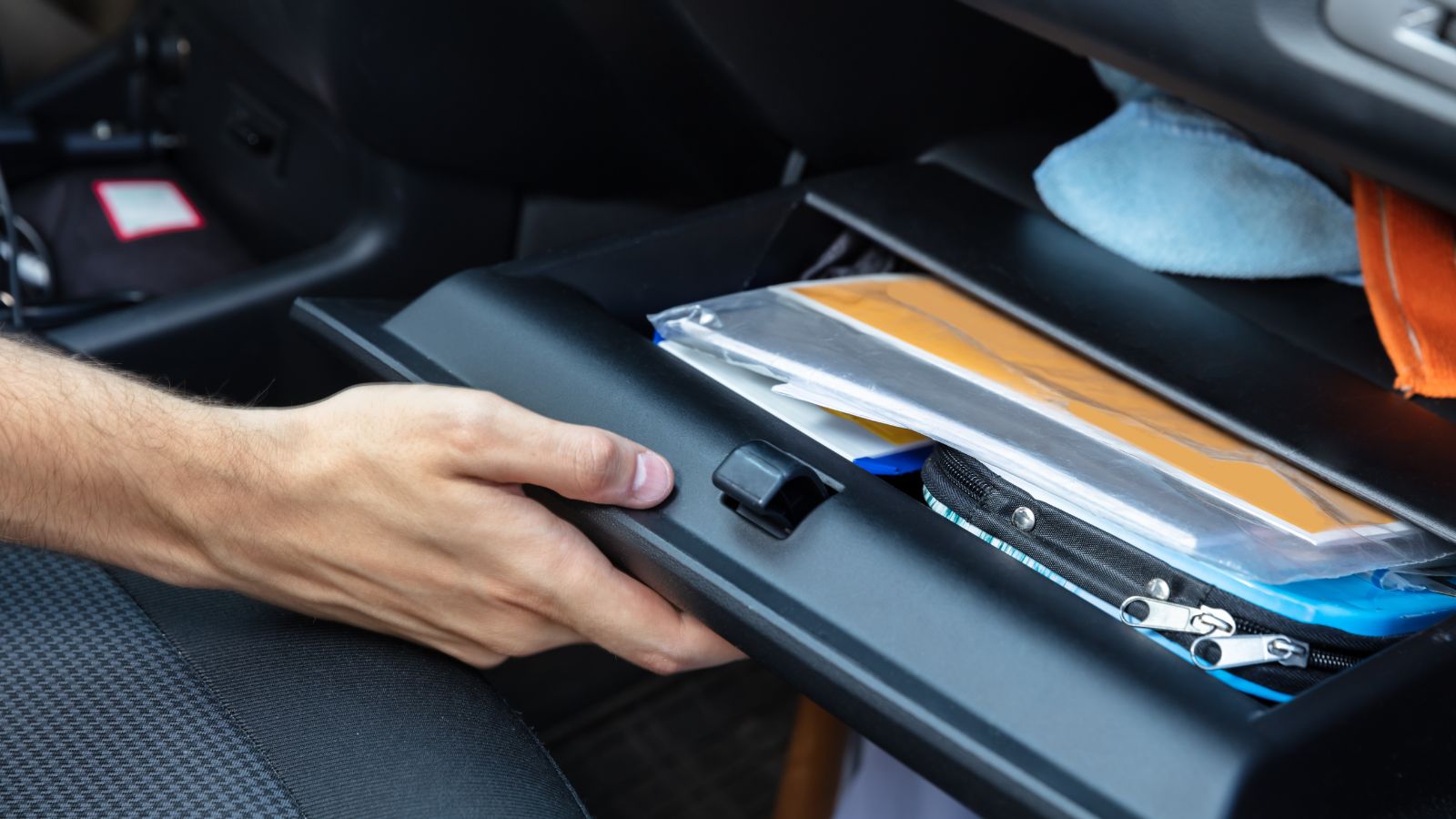
Photo Credit: Shutterstock

The items inside a vehicle can increase the damage after a theft or break-in. Garage remotes may lead thieves to a second target. Spare keys can turn a break-in into a full vehicle theft. Personal documents can expose addresses, ownership details, and other information that helps criminals understand who owns the vehicle and where it belongs.

This mistake often happens because drivers treat the glove box as long-term storage. Registration papers, insurance slips, parking passes, spare fobs, and old mail pile up slowly. A cleaner cabin is a safer cabin. Essential documents should be handled according to provincial requirements, but unnecessary personal paperwork, spare keys, and garage controls should not be left waiting for someone who already has access to the vehicle.

Forgetting That a Replacement Vehicle May Be Targeted Too

Image Credit: Shutterstock


After a theft, many owners focus on the insurance claim, replacement vehicle, and emotional frustration. Once a new vehicle arrives, the sense of relief can hide a continuing risk. Some police services warn that thieves may return to steal a replacement, especially when the same driveway, routine, and security gaps remain unchanged.

That can feel unfair, but it reflects how organized theft works. A driveway that produced one desirable vehicle may be watched again. The replacement may be the same model, newer, or equally useful for export or resale. The strongest response is to change the pattern immediately: improve lighting, move keys, add visible deterrents, consider an immobilizer, and avoid parking the replacement exactly where the first vehicle disappeared.

Using Trackers Poorly or Too Obviously
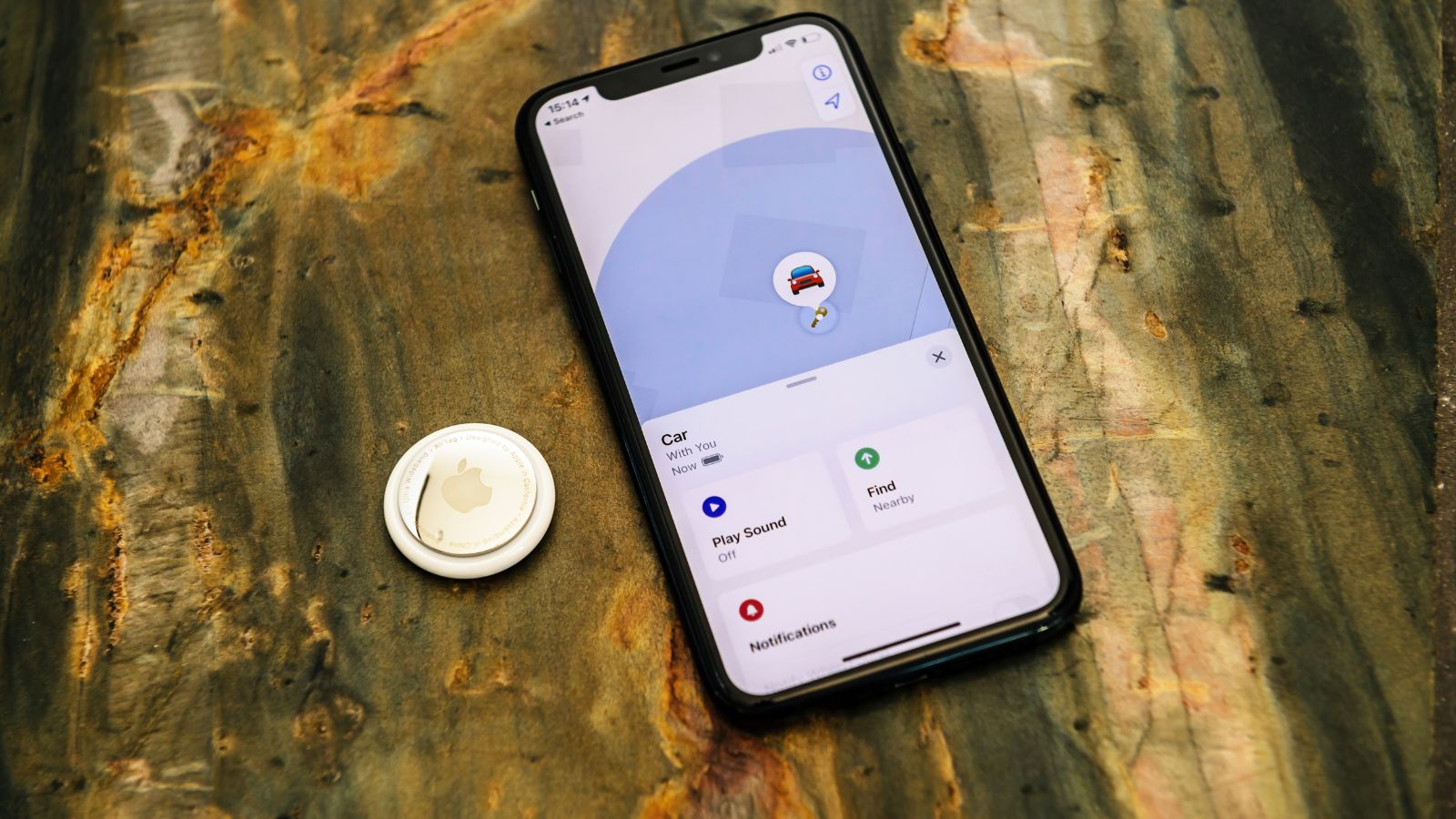
Photo Credit: Shutterstock

Tracking devices can help with recovery, but they are not magic. Some drivers place a tag in an obvious console, door pocket, or cargo compartment. Others rely on one consumer tracker that may alert a thief carrying a compatible phone. If the device is found and tossed away, the vehicle keeps moving without it.

A better approach treats tracking as one layer among several. Professionally installed systems, hidden secondary devices, and geofencing alerts can improve the odds of quick action. Still, recovery should be left to law enforcement rather than the owner chasing a live location. The human side matters here: a vehicle is replaceable, but confronting thieves near a driveway, warehouse, rail yard, or shipping container can turn a property crime into a personal safety crisis.

Skipping VIN Checks When Buying or Selling
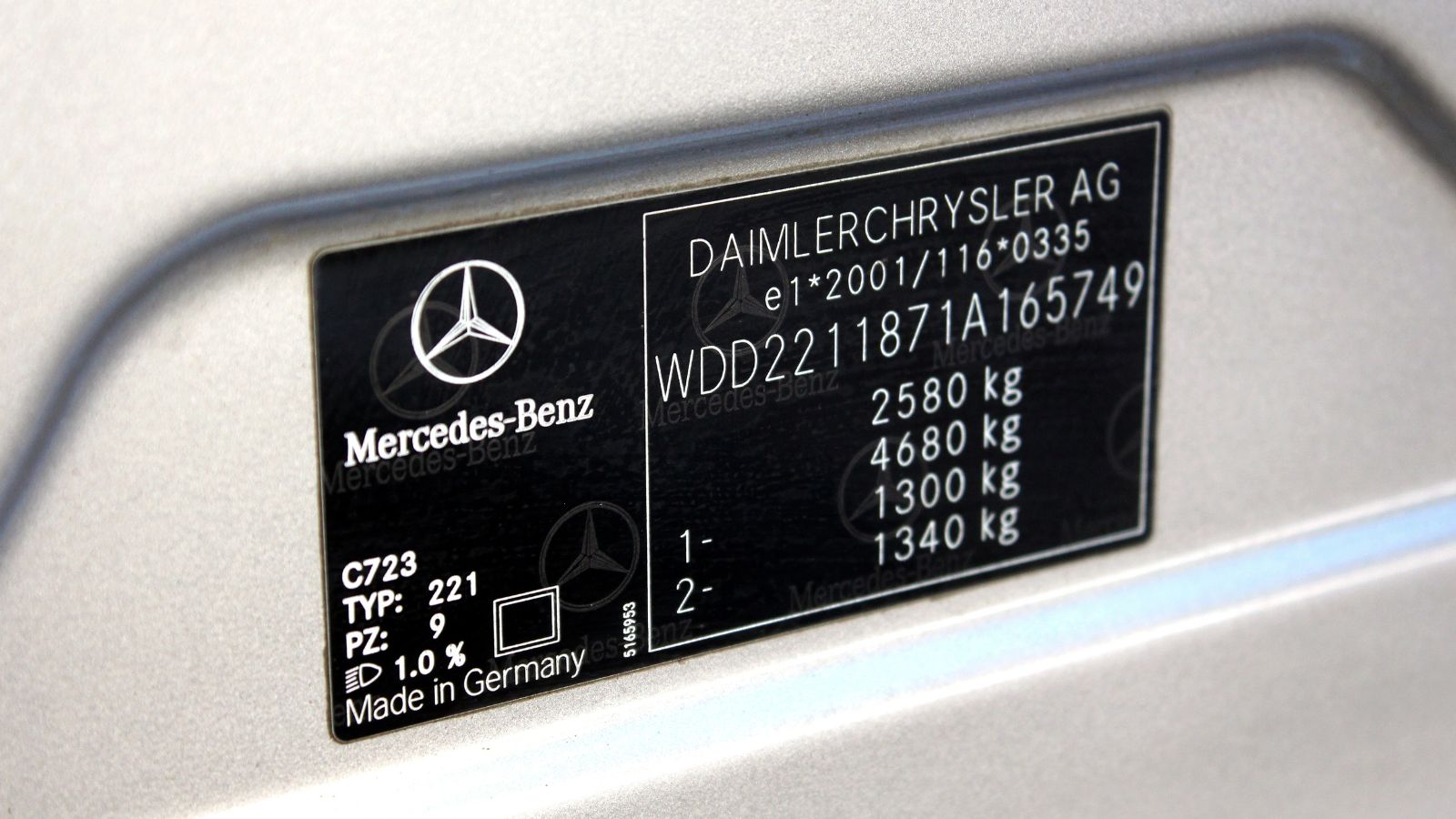
Photo Credit: Shutterstock

Car theft prevention is not only about stopping a vehicle from leaving the driveway. It also includes avoiding stolen or re-VINed vehicles in the used market. Re-VINing happens when criminals alter or clone a vehicle identification number to make a stolen vehicle look legitimate. A buyer may not discover the problem until police, an insurer, or a registry flags the vehicle.

The mistake is trusting a clean-looking listing, a convincing seller, or a bargain price without checking the details. VINs should match across the dashboard, door jamb, registration, vehicle history report, and other records. Buyers should be wary of mismatched paperwork, unusually low prices, rushed sellers, and signs of tampering around VIN plates. A stolen vehicle sold with fake identity can create a second victim long after the original theft.

22 Things Canadians Do to Their Cars in Spring That Mechanics Hate

Image Credit: Shutterstock

Spring brings relief to many Canadian drivers after months of snow, freezing temperatures, and icy roads that put serious strain on vehicles. As temperatures rise across the country, drivers begin washing cars, switching tires, and preparing vehicles for warmer weather and upcoming road trips. However, mechanics across Canada notice the same mistakes every spring when drivers attempt to recover from winter damage. Road salt, potholes, and harsh winter driving conditions often leave vehicles with hidden problems that drivers ignore. Some spring habits even create new mechanical issues that could have been avoided with proper maintenance. Here are 22 things Canadians do to their cars in spring that mechanics hate.


Recommended.

Why the Next Wave of Chinese EVs Could Force Canada’s Biggest Price War Yet

Why the Next Wave of Chinese EVs Could Force Canada’s Biggest Price War Yet

March 28, 2026
22 Cars That Are Shockingly Cheap to Own for 3 Years in Canada

22 Cars That Are Shockingly Cheap to Own for 3 Years in Canada

April 14, 2026

Trending.

9 Auto Brands Canadians Are Watching Much More Closely Right Now

Toyota Canada Says Electrified Vehicles Are Now Nearly 70% of Its Q2 Sales

July 7, 2026
Canada’s Auto Fight Gets Uglier as BYD Threatens to Sue Trump Administration

Tesla Vs. BYD: Are Chinese EV’s Actually Better for Canadians?

June 19, 2026
16 Vehicles That Are Going to Plummet in Resale Value If Chinese EVs Flood the Market

Polestar Abandons Fight Against Trump’s U.S. Ban, Leaving Canada as Its North American Lifeline

July 20, 2026
Why the Next Wave of Chinese EVs Could Force Canada’s Biggest Price War Yet

Chinese-Made EV Imports Jump 41% in 10 Days as Canada’s Quota Reaches 9,235 Vehicles

July 20, 2026
20 Things Police Notice First When They Pull Over a Driver

Why Some Buyers Regret Skipping the Test Drive

July 27, 2026
  • About
  • Contact
  • Privacy Policy
  • Disclaimer
  • Editorial Policies
  • Terms and Conditions
A Revir Media Group Website

2026 Autoigloo - © All rights reserved

No Result
View All Result
  • News & Trends
  • Car Reviews
  • Buying Guides
  • Comparisons
  • EVs & Hybrids
  • More
    • Pricing & Deals
    • Winter Driving
    • Ownership & Maintenance

2026 Autoigloo - © All rights reserved

This website uses cookies. By continuing to use this website you are giving consent to cookies being used. Visit our Privacy and Cookie Policy.