





















• About
  • Contact
AutoIgloo
  • News & Trends
    Bosch Workers Demand ‘Made in EU’ Rules as Supplier Plans 13,000 Auto Job Cuts

    Bosch Workers Demand ‘Made in EU’ Rules as Supplier Plans 13,000 Auto Job Cuts

    Buick Is Refreshing Its Electra E7 Just Five Months After Launch as China’s EV Cycle Speeds Up

    Buick Is Refreshing Its Electra E7 Just Five Months After Launch as China’s EV Cycle Speeds Up

    Leapmotor Unveils Next-Generation EV Platform and Promises a Second Brand in 2027

    Leapmotor Unveils Next-Generation EV Platform and Promises a Second Brand in 2027

    18 Vehicles That Could Trigger Buyer’s Remorse Faster Than Expected in Canada

    Maserati Reportedly Turns to Huawei and JAC for Two New EVs as Luxury Brand Fights Sales Slump

    The EV Charging Habit That Can Annoy Everyone Around You

    Leapmotor and FAW Team Up on Solid-State and Sodium-Ion Batteries as China’s EV Tech Race Accelerates

    Chinese EV Price Pressure Gets a New Benchmark as Voyah Opens $63,420 Luxury MPV Orders

    Europe’s EV Share Jumps to 30.5% as Electric-Car Sales Blow Past Forecasts

  • Car Reviews
    Honda Asked Suppliers for 30% Parts Cost Cuts as $9.4-Billion Savings Drive Hits Global Supply Chain

    Why Some Buyers Are Choosing Older Hondas Over Newer SUVs

    18 Things That Can Make a Car Unsafe for Winter Road Trips

    Why Some Drivers Are Avoiding Vehicles With Complex Infotainment Systems

    21 Cars Canadians Are Starting to Regret Buying

    Why Some Drivers Regret Buying Big Wheels and Low-Profile Tires

    17 Vehicles That Are Quietly Getting Crushed by Insurance Costs in Canada

    Why So Many Drivers Are Nervous About Chinese-Made EV Batteries

    20 Used SUVs Canadians Should Think Twice About Buying

    20 Used SUVs Canadians Should Think Twice About Buying

    15 Vehicles That Are Starting to Feel Like a Bad Deal Around May Long Weekend

    15 Vehicles That Are Starting to Feel Like a Bad Deal Around May Long Weekend

  • Buying Guides
    18 Things That Can Make a Car Harder to Park Than Expected

    Why Some Buyers Regret Choosing the Sport Package

    The Traffic Stop Mistake That Can Turn a Warning Into a Ticket

    20 Things Canadians Should Check Before Buying a Vehicle With a Loan Still Owing

    The Dealership Fee That Buyers Should Always Ask About

    The Dealership Fee That Buyers Should Always Ask About

    23 Features That Are Making New Cars Harder (and Pricier) to Repair in Canada

    Why Some Canadians Are Avoiding Cars With Expensive Windshields

    18 Red Flags a Used Vehicle May Be a Money Pit

    The Car Buying Mistake That Makes Negotiating Almost Impossible

    Why Some Canadians Are Regretting Buying Vehicles With No Spare Tire

    Why Some Canadians Are Regretting Buying Vehicles With No Spare Tire

  • Comparisons
    Honda Asked Suppliers for 30% Parts Cost Cuts as $9.4-Billion Savings Drive Hits Global Supply Chain

    Why Some Buyers Are Choosing Older Hondas Over Newer SUVs

    25 EV Charging Mistakes Canadians Make in March (That Wreck Range)

    Why Some Canadians Are Choosing Hybrids Over Full EVs Again

    21 Used Car Features That Can Become Expensive Problems Later

    Why Some Canadians Are Choosing Front-Wheel Drive Over All-Wheel Drive

    Canada’s Auto Fight Gets Uglier as BYD Threatens to Sue Trump Administration

    Tesla Vs. BYD: Are Chinese EV’s Actually Better for Canadians?

    17 Vehicles That Are Quietly Getting Crushed by Insurance Costs in Canada

    Why So Many Drivers Are Nervous About Chinese-Made EV Batteries

    20 Used SUVs Canadians Should Think Twice About Buying

    20 Used SUVs Canadians Should Think Twice About Buying

  • EVs & Hybrids
    The Used EV Question Canadians Should Ask Before Buying One

    The Used EV Question Canadians Should Ask Before Buying One

    Why Some EV Owners Are Getting Sticker Shock From Home Charging Setups

    Why Some EV Owners Are Getting Sticker Shock From Home Charging Setups

    20 Signs Your Car Battery Is About to Leave You Stranded

    Canadian Auto Jobs Become a Central Fault Line as Ottawa Reveals Why It Rejected U.S. Vehicle Terms

    25 EV Charging Mistakes Canadians Make in March (That Wreck Range)

    Why Some Canadians Are Choosing Hybrids Over Full EVs Again

    The EV Charging Habit That Can Annoy Everyone Around You

    Canada Is Missing an EV-Battery Export Opening as EU Lithium Demand Heads for a 9-to-12-Fold Jump: Report

    16 Used-EV Surprises Canadians Don’t See Coming Until After They Buy

    The EV Charging Habit That Can Annoy Everyone Around You

  • More
    • Pricing & Deals
    • Winter Driving
    • Ownership & Maintenance
No Result
View All Result
AutoIgloo
  • News & Trends
    Bosch Workers Demand ‘Made in EU’ Rules as Supplier Plans 13,000 Auto Job Cuts

    Bosch Workers Demand ‘Made in EU’ Rules as Supplier Plans 13,000 Auto Job Cuts

    Buick Is Refreshing Its Electra E7 Just Five Months After Launch as China’s EV Cycle Speeds Up

    Buick Is Refreshing Its Electra E7 Just Five Months After Launch as China’s EV Cycle Speeds Up

    Leapmotor Unveils Next-Generation EV Platform and Promises a Second Brand in 2027

    Leapmotor Unveils Next-Generation EV Platform and Promises a Second Brand in 2027

    18 Vehicles That Could Trigger Buyer’s Remorse Faster Than Expected in Canada

    Maserati Reportedly Turns to Huawei and JAC for Two New EVs as Luxury Brand Fights Sales Slump

    The EV Charging Habit That Can Annoy Everyone Around You

    Leapmotor and FAW Team Up on Solid-State and Sodium-Ion Batteries as China’s EV Tech Race Accelerates

    Chinese EV Price Pressure Gets a New Benchmark as Voyah Opens $63,420 Luxury MPV Orders

    Europe’s EV Share Jumps to 30.5% as Electric-Car Sales Blow Past Forecasts

  • Car Reviews
    Honda Asked Suppliers for 30% Parts Cost Cuts as $9.4-Billion Savings Drive Hits Global Supply Chain

    Why Some Buyers Are Choosing Older Hondas Over Newer SUVs

    18 Things That Can Make a Car Unsafe for Winter Road Trips

    Why Some Drivers Are Avoiding Vehicles With Complex Infotainment Systems

    21 Cars Canadians Are Starting to Regret Buying

    Why Some Drivers Regret Buying Big Wheels and Low-Profile Tires

    17 Vehicles That Are Quietly Getting Crushed by Insurance Costs in Canada

    Why So Many Drivers Are Nervous About Chinese-Made EV Batteries

    20 Used SUVs Canadians Should Think Twice About Buying

    20 Used SUVs Canadians Should Think Twice About Buying

    15 Vehicles That Are Starting to Feel Like a Bad Deal Around May Long Weekend

    15 Vehicles That Are Starting to Feel Like a Bad Deal Around May Long Weekend

  • Buying Guides
    18 Things That Can Make a Car Harder to Park Than Expected

    Why Some Buyers Regret Choosing the Sport Package

    The Traffic Stop Mistake That Can Turn a Warning Into a Ticket

    20 Things Canadians Should Check Before Buying a Vehicle With a Loan Still Owing

    The Dealership Fee That Buyers Should Always Ask About

    The Dealership Fee That Buyers Should Always Ask About

    23 Features That Are Making New Cars Harder (and Pricier) to Repair in Canada

    Why Some Canadians Are Avoiding Cars With Expensive Windshields

    18 Red Flags a Used Vehicle May Be a Money Pit

    The Car Buying Mistake That Makes Negotiating Almost Impossible

    Why Some Canadians Are Regretting Buying Vehicles With No Spare Tire

    Why Some Canadians Are Regretting Buying Vehicles With No Spare Tire

  • Comparisons
    Honda Asked Suppliers for 30% Parts Cost Cuts as $9.4-Billion Savings Drive Hits Global Supply Chain

    Why Some Buyers Are Choosing Older Hondas Over Newer SUVs

    25 EV Charging Mistakes Canadians Make in March (That Wreck Range)

    Why Some Canadians Are Choosing Hybrids Over Full EVs Again

    21 Used Car Features That Can Become Expensive Problems Later

    Why Some Canadians Are Choosing Front-Wheel Drive Over All-Wheel Drive

    Canada’s Auto Fight Gets Uglier as BYD Threatens to Sue Trump Administration

    Tesla Vs. BYD: Are Chinese EV’s Actually Better for Canadians?

    17 Vehicles That Are Quietly Getting Crushed by Insurance Costs in Canada

    Why So Many Drivers Are Nervous About Chinese-Made EV Batteries

    20 Used SUVs Canadians Should Think Twice About Buying

    20 Used SUVs Canadians Should Think Twice About Buying

  • EVs & Hybrids
    The Used EV Question Canadians Should Ask Before Buying One

    The Used EV Question Canadians Should Ask Before Buying One

    Why Some EV Owners Are Getting Sticker Shock From Home Charging Setups

    Why Some EV Owners Are Getting Sticker Shock From Home Charging Setups

    20 Signs Your Car Battery Is About to Leave You Stranded

    Canadian Auto Jobs Become a Central Fault Line as Ottawa Reveals Why It Rejected U.S. Vehicle Terms

    25 EV Charging Mistakes Canadians Make in March (That Wreck Range)

    Why Some Canadians Are Choosing Hybrids Over Full EVs Again

    The EV Charging Habit That Can Annoy Everyone Around You

    Canada Is Missing an EV-Battery Export Opening as EU Lithium Demand Heads for a 9-to-12-Fold Jump: Report

    16 Used-EV Surprises Canadians Don’t See Coming Until After They Buy

    The EV Charging Habit That Can Annoy Everyone Around You

  • More
    • Pricing & Deals
    • Winter Driving
    • Ownership & Maintenance
No Result
View All Result
AutoIgloo
No Result
View All Result

Home » News & Trends

Oil Nears $100 as Tanker Attacks Raise New Gas-Price Risk for Canadian Drivers

Nate Brewer by Nate Brewer
September 7, 2026
Reading Time: 6 mins read
A A
Image Credit: Shutterstock

Image Credit: Shutterstock

465
SHARES
1.5k
VIEWS
Share on FacebookShare on Twitter

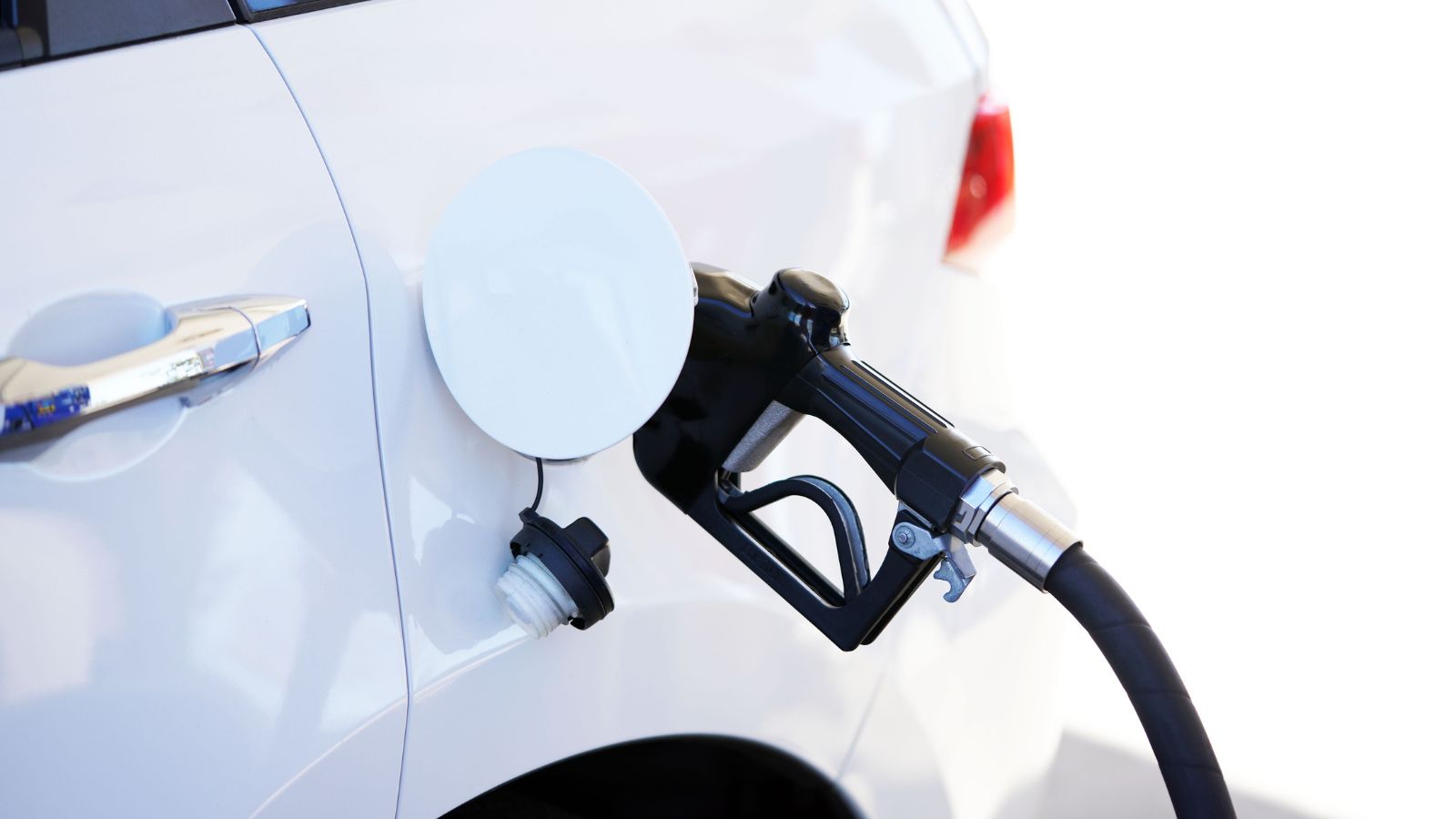
Oil markets are again flashing a warning sign for Canadian motorists. Brent crude climbed toward US$100 a barrel on September 7 as attacks involving oil tankers and renewed U.S.-Iran fighting intensified fears that already-restricted Middle East supplies could tighten further. The concern is especially acute around the Strait of Hormuz, where commodity-vessel traffic has fallen to its lowest level since May.

For Canada, the timing is awkward. Gasoline has already been one of the biggest forces keeping inflation near 3%, and the federal government’s temporary fuel-excise-tax suspension ends after September 7. That leaves drivers facing two pressures at once: a renewed global crude shock and the return of a 10-cent-per-litre federal gasoline tax on September 8. Neither guarantees an identical increase at every station, but together they raise the risk of another expensive stretch at the pump.

Oil’s Push Toward $100 Is More Than a Headline

Brent crude was trading around US$97 a barrel on September 7 after touching US$97.93, while West Texas Intermediate hovered above US$92. The move put the international benchmark near a six-week high and within sight of the psychologically important US$100 mark. Just days earlier, Brent and WTI had posted weekly gains of 7.6% and 10%, respectively, as renewed U.S.-Iran strikes revived supply fears.

This rise is not being driven only by rhetoric. U.S. forces struck Iranian tankers, Iran retaliated against vessels it considered unauthorized, and a Saudi-owned tanker was hit amid the broader escalation. Ship-tracking data showed average commodity-vessel traffic through Hormuz falling to about 10 transits a day over the prior 10 days, the lowest rate since May. When ships, crews and insurers face higher physical risk, oil markets quickly add a security premium to every barrel moving through the region. That premium can emerge before actual shortages reach refineries.

Hormuz Remains the Oil Market’s Pressure Point

The Strait of Hormuz remains a crucial energy chokepoint because Gulf producers depend on it to reach international markets. Before the current conflict disrupted flows, roughly one-fifth of global oil shipments moved through the waterway. That concentration means even a partial slowdown can matter far beyond the Gulf, especially when spare shipping capacity and alternative routes are limited.

The latest escalation has made that vulnerability more visible. Iran says it plans a new restricted maritime zone near the strait, while the United Arab Emirates is expanding pipelines, eastern port capacity and other routes designed to reduce dependence on Hormuz. Those workarounds can soften a disruption, but they cannot instantly replace the scale of normal Gulf traffic. For Canadian drivers, the crucial point is that gasoline prices respond to the global marginal barrel. A disruption thousands of kilometres away can therefore raise the benchmark used by refiners and wholesalers serving Canadian cities.

Canada Produces Oil, but Drivers Are Not Insulated

Canada’s status as a major oil producer does not isolate motorists from a global price shock. The Canada Energy Regulator says the country exported 4.3 million barrels of crude daily in 2025, with 90% going to the United States. Canada imported about 500,000 barrels per day, three-quarters of it from the U.S., showing how tightly their refining and pipeline systems are linked.

Retail gasoline is priced through that broader North American and global market, not simply from the cost of producing a barrel in Alberta. Natural Resources Canada says pump prices reflect crude oil, refining, marketing and taxes. During the first Middle East price surge in March, the Canadian Fuels Association estimated crude represented about 41% of the final pump price. That means a crude rally matters greatly, but it is only one layer. Refinery margins, transport costs, local competition and taxes can amplify or offset part of the move.

4. Higher Crude Can Reach the Pump Quickly

Higher crude prices can reach Canadian service stations quickly, but the relationship is not a simple one-for-one conversion. Natural Resources Canada notes that wars, severe weather and refinery outages can immediately alter expectations for the availability of crude or gasoline, causing markets to react. Pump prices often follow wholesale changes with a short lag, though geopolitical shocks can make timing less predictable.

Refining is the second part of the equation. The Bank of Canada said in July that reduced refining capacity was keeping gasoline refinery margins elevated even after crude had retreated from earlier highs. That matters because a driver can see expensive gasoline even when the headline oil price is easing. If Brent remains near US$100 while refinery margins stay wide, the combination can be more painful than crude alone suggests. Conversely, a sudden easing in refining margins could cushion part of the impact from a higher barrel price.

Canada Has Already Seen How Fast Prices Can Jump

Canada has already had a preview of how quickly a Middle East oil shock can move household fuel costs. In early March, regular gasoline averaged around $1.36 per litre nationally as crude reacted to the conflict. By May 14, a federal fuel-price report recorded a three-month peak of $1.984 per litre. The three-month average rose to $1.735, up 28% compared with the preceding period.

Those changes showed up in inflation data as well. Statistics Canada reported that headline CPI was 3.0% in July, with transportation prices up 7.8% year over year and gasoline among the factors pushing the index higher. Earlier in the spring, gasoline prices had climbed sharply as the war disrupted oil and refined-product shipments. The Bank of Canada has since emphasized that gasoline remains the main reason headline inflation is running above its 2% target, making another sustained oil jump more than a problem for motorists alone.

A Separate 10-Cent Tax Pressure Arrives September 8

The timing of the latest oil rally creates an additional complication: Ottawa’s temporary federal fuel-excise-tax suspension ends after September 7. Introduced in April during the first war-driven fuel spike, it reduced the federal rate to zero. On September 8, the rate returns to 10 cents per litre on gasoline and 4 cents per litre on diesel under the Excise Tax Act.

That does not necessarily mean every station will raise its posted price by exactly 10 cents overnight. The tax is generally payable when fuel is delivered by a manufacturer or wholesaler, and federal guidance says inventory already held when the temporary reduction ends is not retroactively taxed. Retail timing can vary. Still, the policy change removes a cushion that the federal government estimated would provide more than $2.4 billion in relief during 2026. A tax reset arriving alongside a fresh crude rally makes the near-term price outlook unusually sensitive.

The Impact Will Look Different Across Canada

Any renewed increase will not look the same across the country. Natural Resources Canada identifies taxes, local competition, sales volumes and station location as major reasons gasoline prices vary between provinces and cities. Remote markets face higher transport costs, while cities can have regional taxes or different wholesale conditions. Those differences remain even when every station is reacting to the same global crude benchmark.

The spring surge illustrated the spread. In late March, Metro Vancouver gasoline averaged above $2.08 per litre and some prices exceeded $2.14, while the Greater Toronto Area was around $1.78 per litre. The gap reflected different cost layers added after crude enters the pricing chain. The same pattern could repeat now. A US$100 barrel may lift the national floor, but local taxes, refinery access and competition will determine how high individual markets climb. That makes national averages useful benchmarks, but poor predictors of any driver’s receipt.

Diesel Could Create the Bigger Economic Shock

Gasoline gets the most attention because prices are posted on roadside signs, but diesel may create the larger economic spillover. U.S. diesel prices hit a record in early September as Middle East disruptions and Russian refinery attacks tightened supplies. Reuters reported Gulf producers had supplied 900,000 barrels daily of diesel before the conflict, 10% of global supply, while refining margins surged.

For Canada, costly diesel can travel through the economy in freight rates, farm expenses, construction costs and delivery surcharges. The Bank of Canada has already warned that war-related energy and shipping disruptions are feeding into business costs beyond the pump. Its July analysis estimated that these indirect pressures could add about 0.4 percentage points to CPI inflation at their peak in early 2027. A renewed oil spike therefore matters even to households that drive little, because fuel is embedded in the cost of moving food, materials and consumer goods.

Higher Oil Is a Mixed Blessing for Canada

Expensive oil is not uniformly bad for Canada. Higher benchmark prices can improve revenues and cash flow for domestic producers, and the country’s energy exports are economically significant. The Canada Energy Regulator says crude oil, refined products, natural gas and natural-gas-liquid exports to the United States were worth $157.5 billion in 2025, equal to just over one-fifth of Canada’s global goods exports.

That creates the familiar Canadian split: producing regions and energy companies can benefit from stronger commodity prices while consumers and fuel-intensive businesses absorb higher costs. Earlier in 2026, Canadian oil producers told Reuters they expected war-driven prices to lift profits, although many planned to return cash to shareholders rather than launch major new projects. The result is not a simple national windfall. A higher barrel can improve trade income and royalties while squeezing households, trucking firms, airlines and manufacturers whose costs rise with petroleum products. Both effects matter.

What Could Send Prices Toward $120 — or Back to $80

The next move depends less on whether Brent briefly touches US$100 than on whether physical flows worsen. Goldman Sachs has said oil could climb toward US$120 if attacks on Middle East vessels intensify. The same analysis suggested prices could retreat toward US$80 if regional exports normalize. That range shows why tanker movements and military developments now matter as much as traditional supply-demand forecasts.

There are also limits to how quickly producers can offset a disruption. OPEC+ decided on September 6 to keep its October production policy unchanged, while Gulf states are building alternative export routes. For Canadian drivers, three signals matter most: tanker traffic through Hormuz, refining margins for gasoline and diesel, and the effect of the federal excise tax returning September 8. If shipping stabilizes and refinery pressure eases, pump prices could retreat. If vessel attacks expand while the tax cushion disappears, another sharp increase becomes much more plausible.


Recommended.

Honda Indy Leaves Toronto Behind as Markham’s New 3.52-km Street Circuit Opens Today

Honda Indy Leaves Toronto Behind as Markham’s New 3.52-km Street Circuit Opens Today

August 17, 2026
15 “Hidden Fees” Canadians Keep Paying at Dealerships in 2026

15 “Hidden Fees” Canadians Keep Paying at Dealerships in 2026

March 30, 2026

Trending.

⁠$28 Billion in Canadian Goods Face 50% Trump Tariffs at Midnight as Deal Still Isn’t Final

Canada-U.S. Trade Deal Fell Apart After Washington Left Ontario-Built Ford and GM Trucks Out of Auto Tariff Relief

August 23, 2026
Doug Ford Says U.S. ‘Wasn’t Budging’ on 25% Auto Tariffs as Ontario Puts ‘Every Single Tool’ on the Table

Doug Ford Says U.S. ‘Wasn’t Budging’ on 25% Auto Tariffs as Ontario Puts ‘Every Single Tool’ on the Table

August 23, 2026
Chinese EV Price Pressure Gets a New Benchmark as Voyah Opens $63,420 Luxury MPV Orders

Ottawa EV Owners Put Electric Cars on Display as Gas Prices Push Back Toward $2 a Litre

September 5, 2026
Mexico Pushes U.S. to Cut Auto Tariff From 25% to 5%–10% — and Give Canadian Parts More Room

Ottawa’s Chinese-EV Quota Opens Canada to 6.1% Tariffs Instead of the Former 100% Surtax

August 22, 2026
16 Cars That Could Lose Their Cool Factor Fast in Canada This Summer

Tesla Raises Canadian Prices by as Much as $30,000 as U.S. Auto Tariffs Hit Buyers

September 4, 2026
  • About
  • Contact
  • Privacy Policy
  • Disclaimer
  • Editorial Policies
  • Terms and Conditions
A Revir Media Group Website

2026 Autoigloo - © All rights reserved

No Result
View All Result
  • News & Trends
  • Car Reviews
  • Buying Guides
  • Comparisons
  • EVs & Hybrids
  • More
    • Pricing & Deals
    • Winter Driving
    • Ownership & Maintenance

2026 Autoigloo - © All rights reserved

This website uses cookies. By continuing to use this website you are giving consent to cookies being used. Visit our Privacy and Cookie Policy.