






















Night driving has become a strangely familiar frustration: a vehicle appears over a hill, rounds a bend, or pulls up behind, and its headlights feel more like a spotlight than a safety feature. The concern is not simply that modern lights are brighter, but that they often appear sharper, whiter, higher, and harder for the human eye to tolerate in real-world traffic.
This piece examines 12 reasons some drivers say new headlights are getting too bright, from LED color and SUV height to alignment problems, aging eyes, regulations, and the slow rollout of smarter lighting technology. The issue sits in an uncomfortable middle ground: better headlights can help drivers see farther, yet the same technology can make everyone else feel temporarily dazzled.
LEDs Changed the Look of the Road
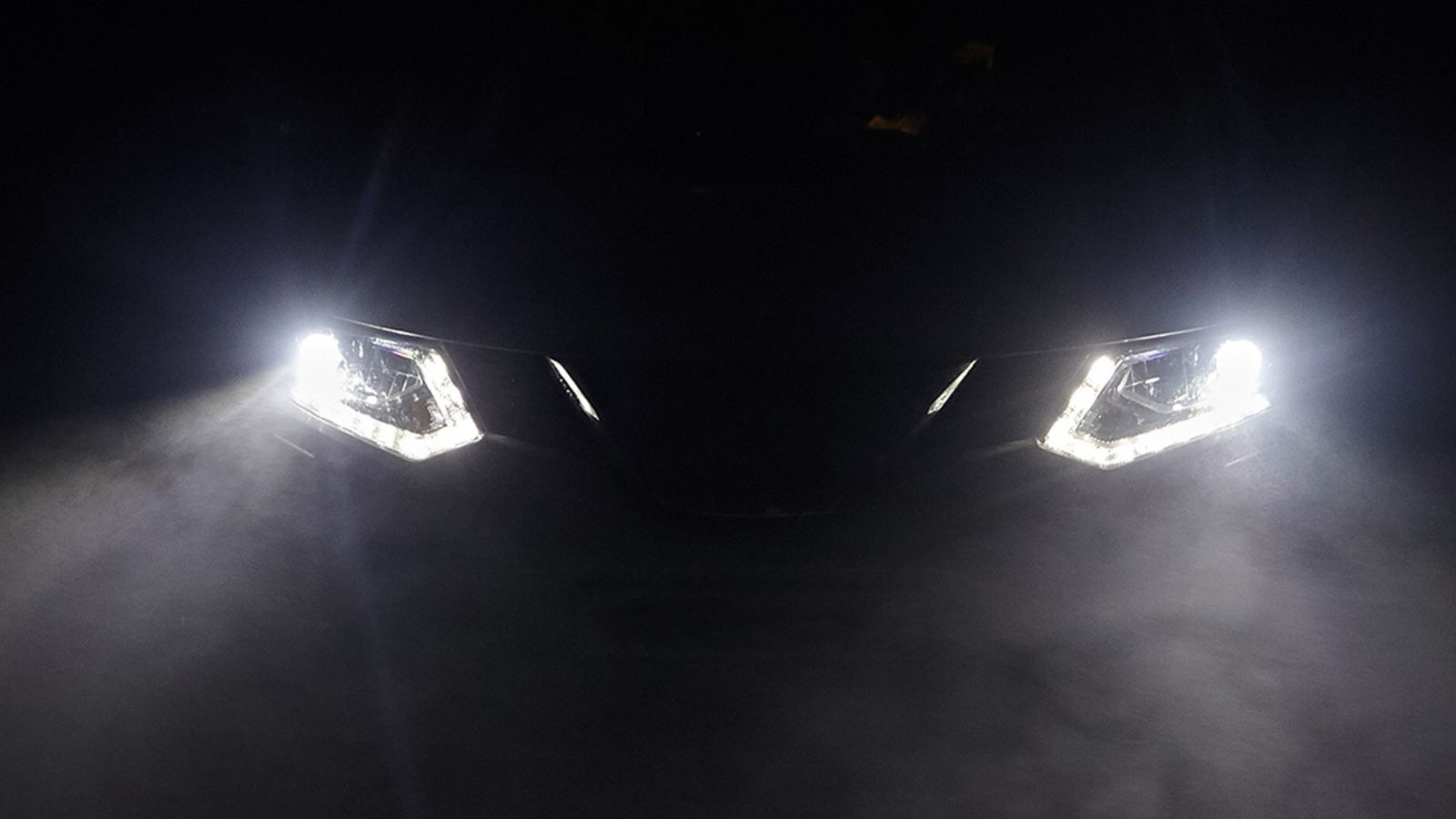
Modern LED headlights are one of the biggest reasons drivers notice a harsher nighttime glare. Compared with older halogen bulbs, LEDs often produce a whiter, more concentrated beam that can feel sharper to the eye. Even when a headlight meets legal brightness limits, the color and focus of the beam can make it seem more intense. A driver passing an older sedan with warm halogen lamps may barely notice the lights, then feel startled moments later by a newer crossover with crisp white LEDs.
The change is also psychological. Older headlights tended to spread light more softly, while many newer lamps create a defined, high-contrast beam pattern. That can help the driver behind the wheel see lane edges, signs, pedestrians, and animals sooner. For oncoming traffic, however, the light can feel less forgiving, especially on dark rural roads where the eye has adjusted to low light. The same improvement that helps one driver spot a hazard can make another driver blink, squint, or look away.
Better Visibility Can Create More Glare
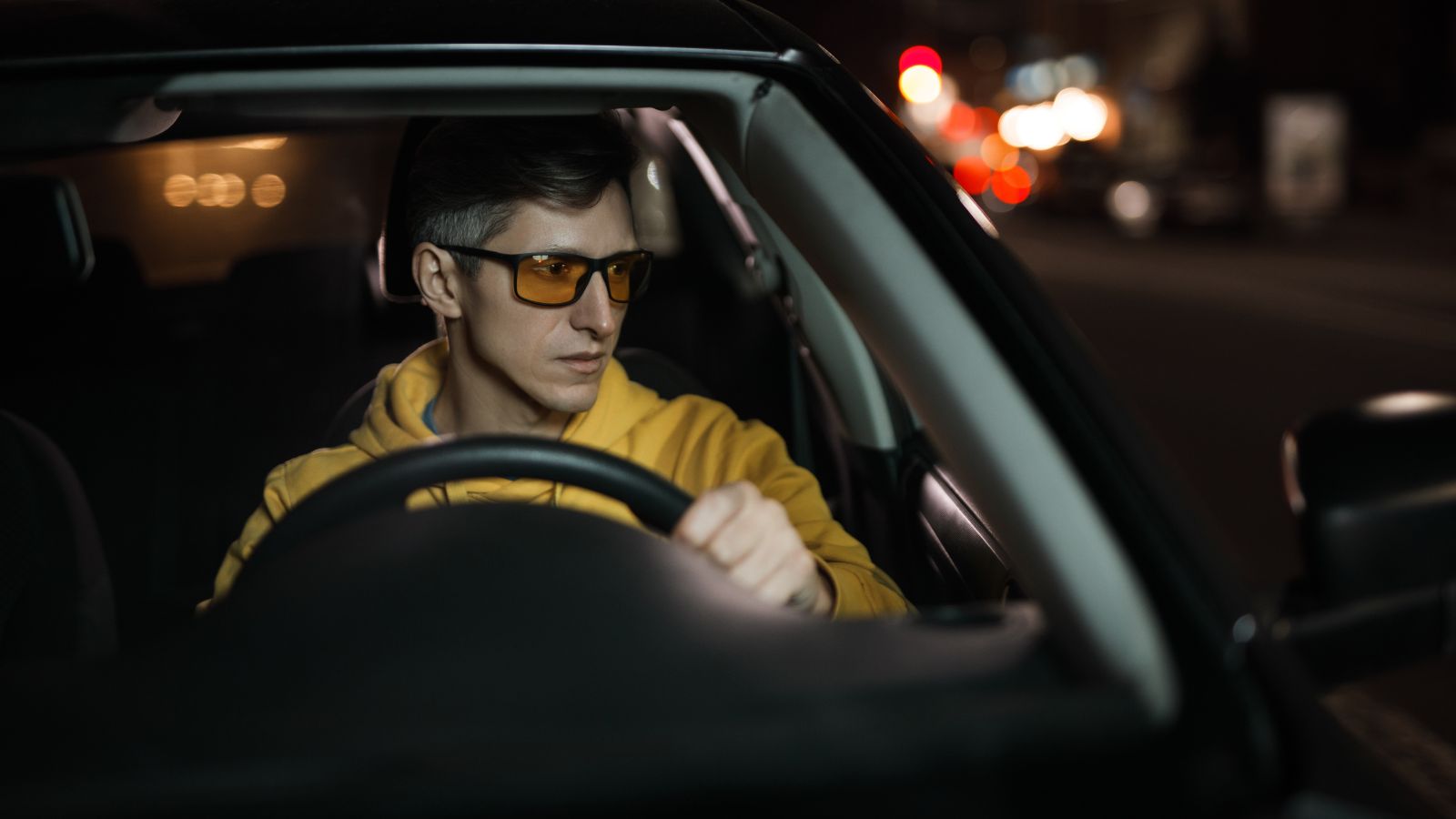
The uncomfortable truth is that brighter-feeling headlights often exist because automakers are trying to solve a real safety problem. Night driving is more demanding than daytime driving, and poor illumination can limit how quickly a driver spots a pedestrian, cyclist, debris, or an animal near the road. Safety organizations have found that vehicles with stronger headlight performance can be associated with lower nighttime crash rates.
That does not erase the glare problem. It explains why the issue is difficult to fix with a simple “make them dimmer” rule. Headlights must illuminate the road far enough ahead for safe stopping distance while also avoiding excessive light in the eyes of other road users. A poorly designed lamp can throw too much light where it bothers others and not enough where the driver actually needs it. The best systems are not merely bright; they place light carefully.
Taller Vehicles Put Light Closer to Eye Level
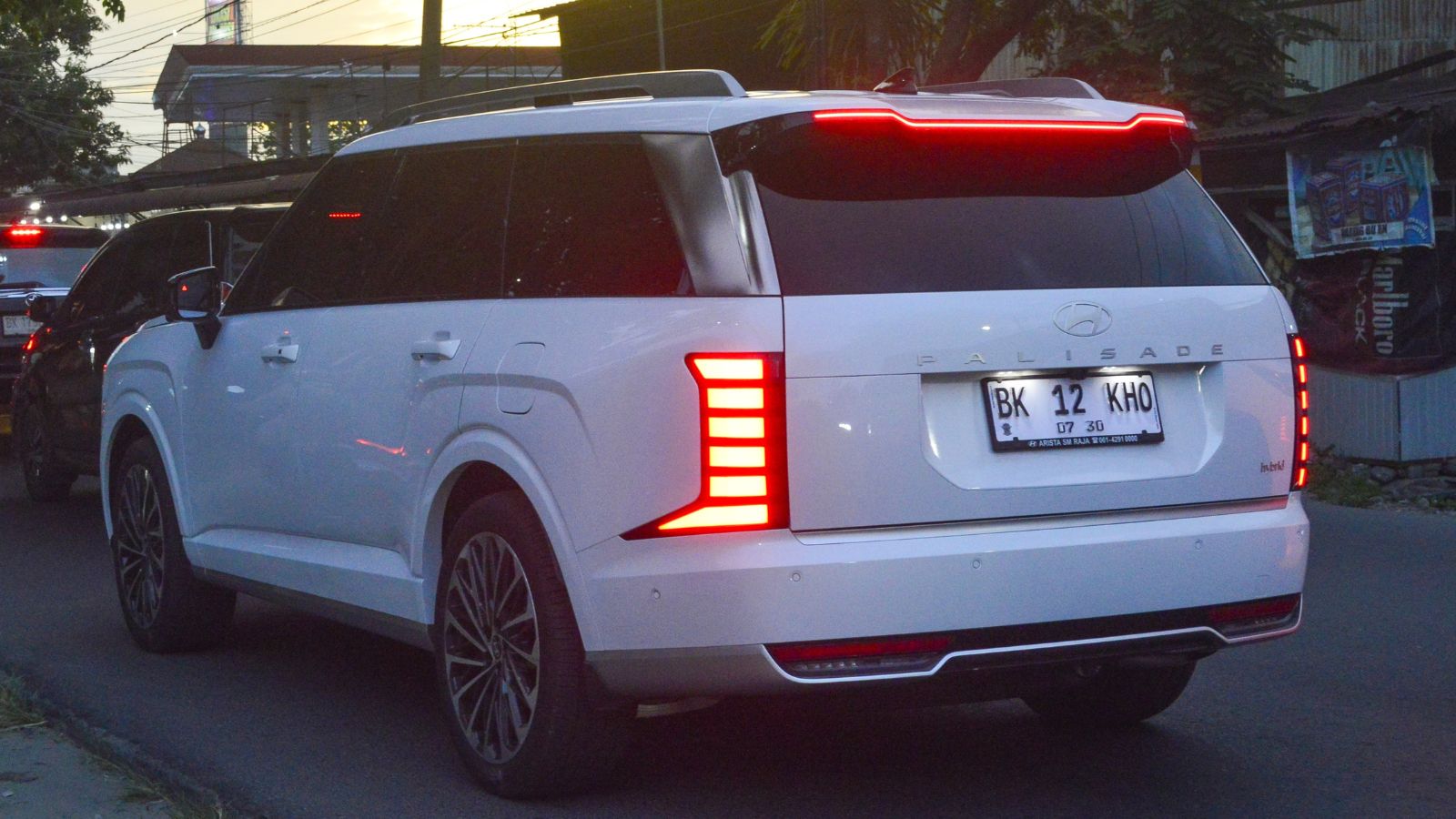
The growing popularity of SUVs, pickups, and tall crossovers has changed the geometry of nighttime driving. When headlights sit higher off the ground, the beam can line up more directly with the eyes and mirrors of drivers in lower cars. A compact sedan waiting at a light may feel boxed in by high-mounted lamps from the vehicle behind, even when those lamps are technically on low beam.
This is why some drivers insist the problem has worsened even if regulations have not dramatically changed. A headlight’s aim, height, and beam pattern matter as much as its raw output. On a flat road, the light may seem tolerable. On a hill, driveway, speed bump, or uneven intersection, the angle can shift just enough to become blinding. The rise of taller vehicles means more drivers are experiencing headlight glare not as a rare nuisance, but as a routine part of evening traffic.
Misalignment Turns Normal Lights Into a Problem
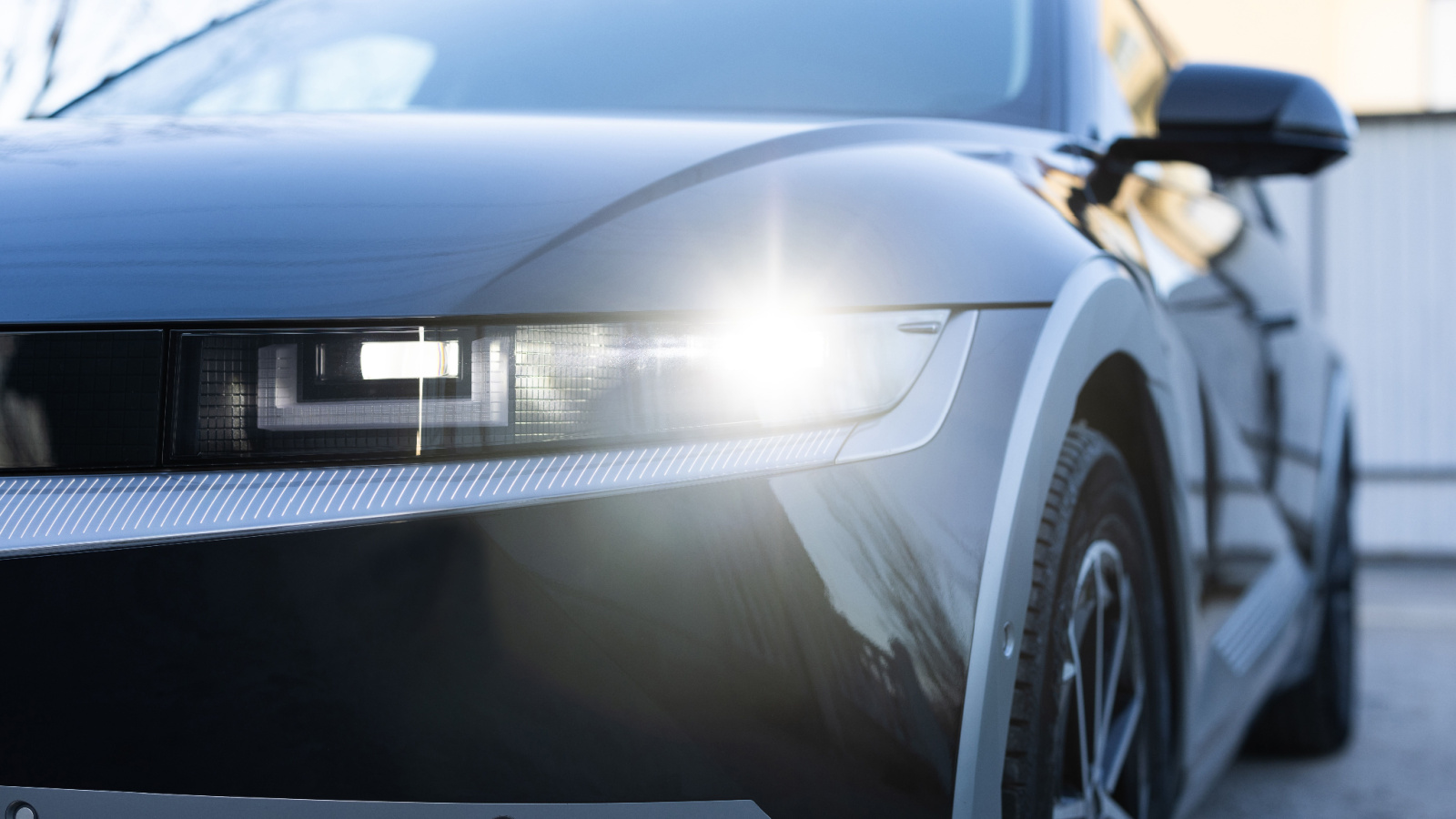
Headlights do not need to be illegally bright to cause trouble. A lamp that is aimed too high can create intense glare for oncoming drivers while still looking normal to the person driving the vehicle. Alignment can be affected by repairs, worn suspension parts, cargo weight, trailer use, bulb replacement, or minor collisions. Even a small change in aim can send light above the intended cutoff line.
This is especially frustrating because the driver causing the glare may have no idea anything is wrong. After a bulb change, a vehicle might pass inspection in everyday use yet still dazzle traffic on dark roads. A family loading the rear cargo area for a trip can also tilt the front of the vehicle upward, raising the beam. Headlight aim is one of the least glamorous maintenance items, but it can make the difference between clear visibility and a wall of light in another driver’s windshield.
Aging Eyes Recover More Slowly From Glare
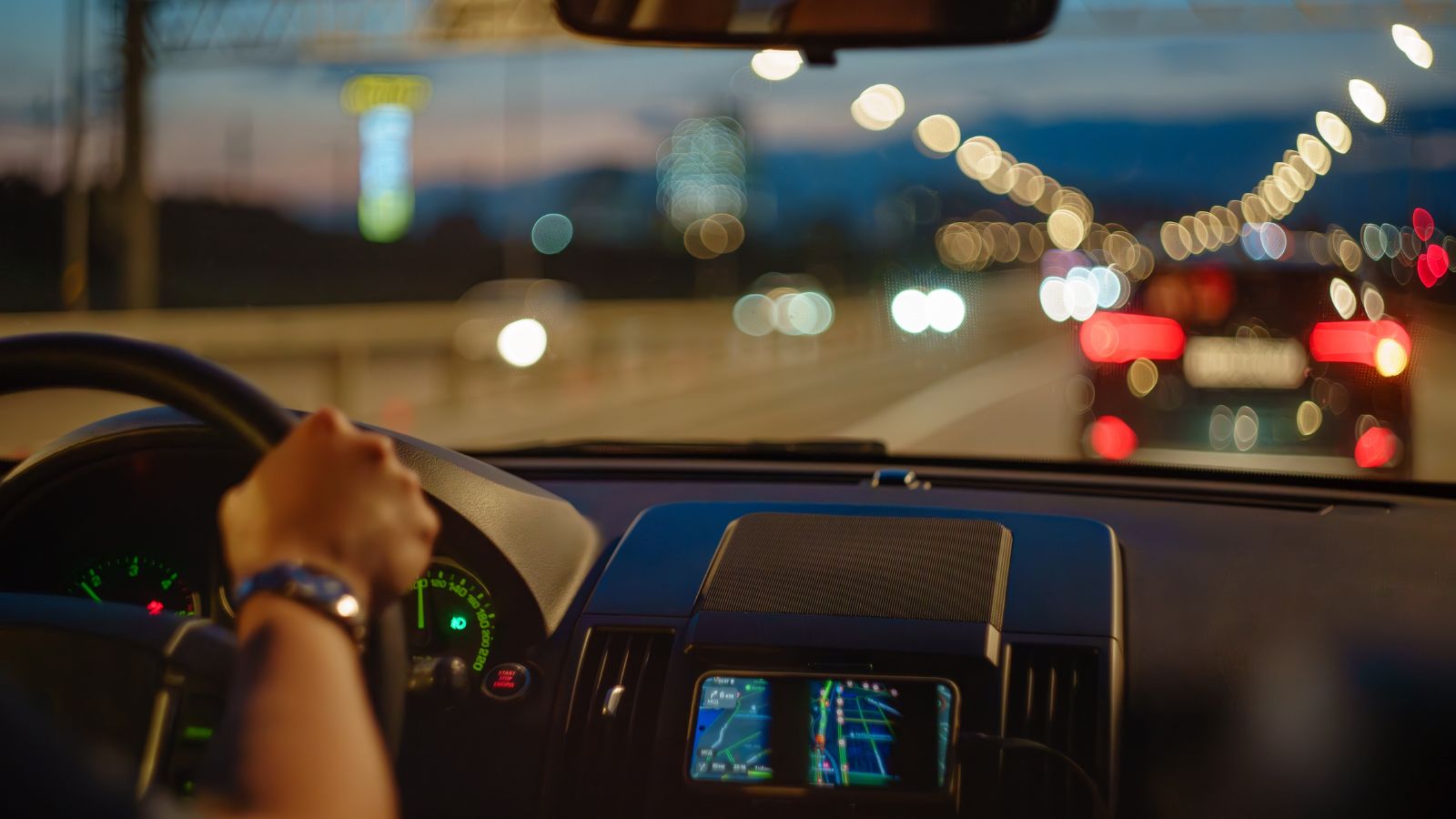
Headlight glare affects people differently, and age is a major reason. As eyes age, they often become more sensitive to scattered light. Cataracts, dry eyes, scratched lenses, and certain vision conditions can make bright oncoming lights feel stronger and recovery slower. A younger driver may glance away from a bright headlamp and recover almost immediately. An older driver may need several seconds before the road looks clear again.
Those seconds matter. At highway speeds, a vehicle covers a long distance while the driver’s vision is partially disrupted. This is one reason many people begin avoiding night driving as they get older, even if they remain confident during the day. The issue is not simply discomfort. It can change driving behaviour, leading to slower speeds, tense lane positioning, or hesitation at intersections. Modern headlight design increasingly has to account for a population that includes many older road users.
Blue-White Light Can Feel More Uncomfortable
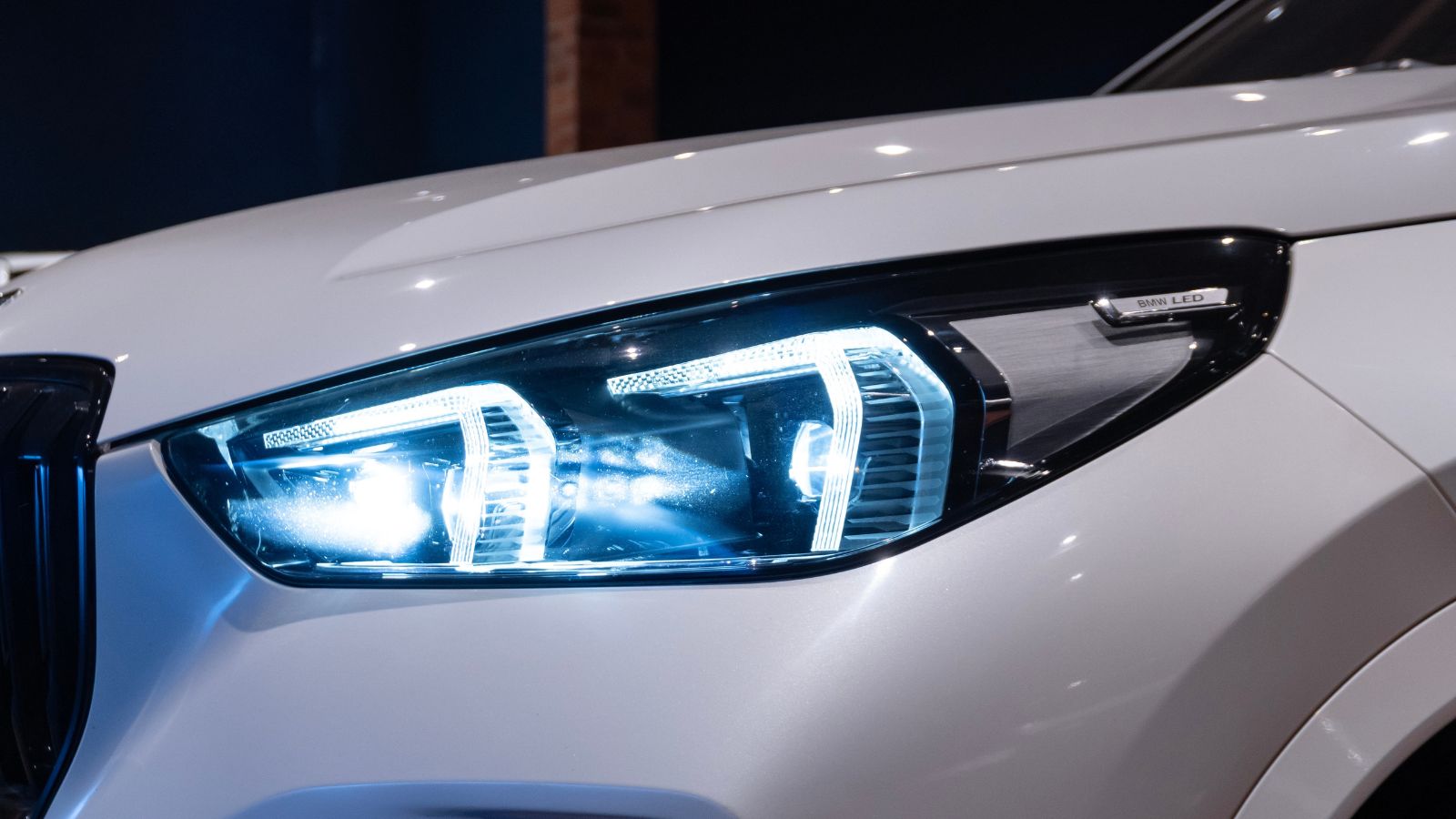
Many drivers describe newer headlights as “blue” or “ice white,” even when they are legally classified as white. That color matters because cooler-looking light can feel more intense than warmer light at the same measured level. The human eye does not experience every wavelength equally, and blue-rich light is often perceived as harsher in dark conditions. This helps explain why some headlights seem piercing even when their official output is not extreme.
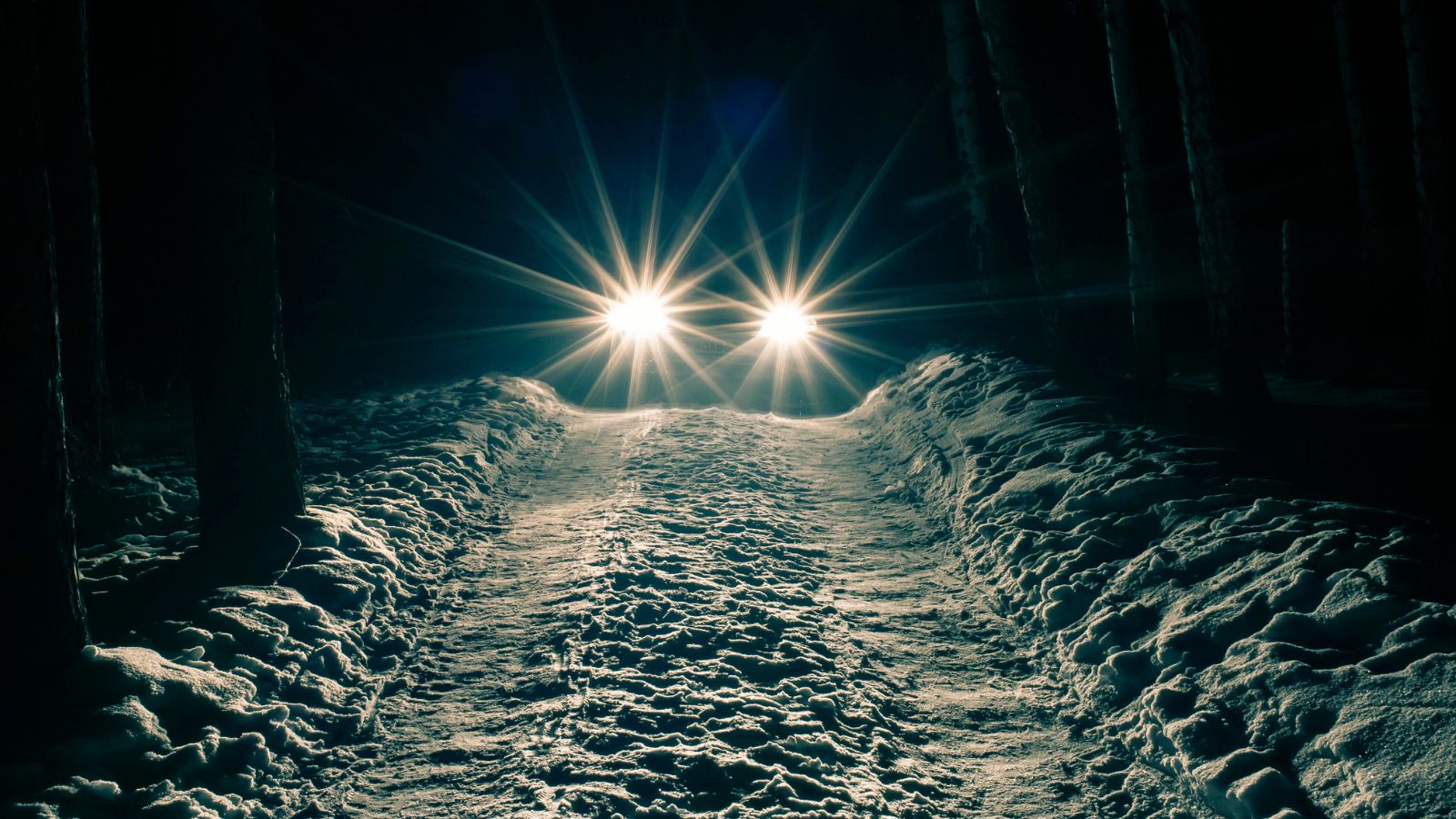
The effect becomes more obvious on wet pavement, fresh snow, or foggy nights. Cool white light reflecting from road markings, rain droplets, or mirrors can create a sharp glare field that feels wider than the headlamp itself. In cities, that light competes with signs, traffic signals, and storefront LEDs. On rural roads, it cuts through darkness abruptly. For drivers already dealing with astigmatism or night-vision difficulty, the color of the light can be almost as important as the brightness.
Automatic High Beams Do Not Always Feel Automatic Enough
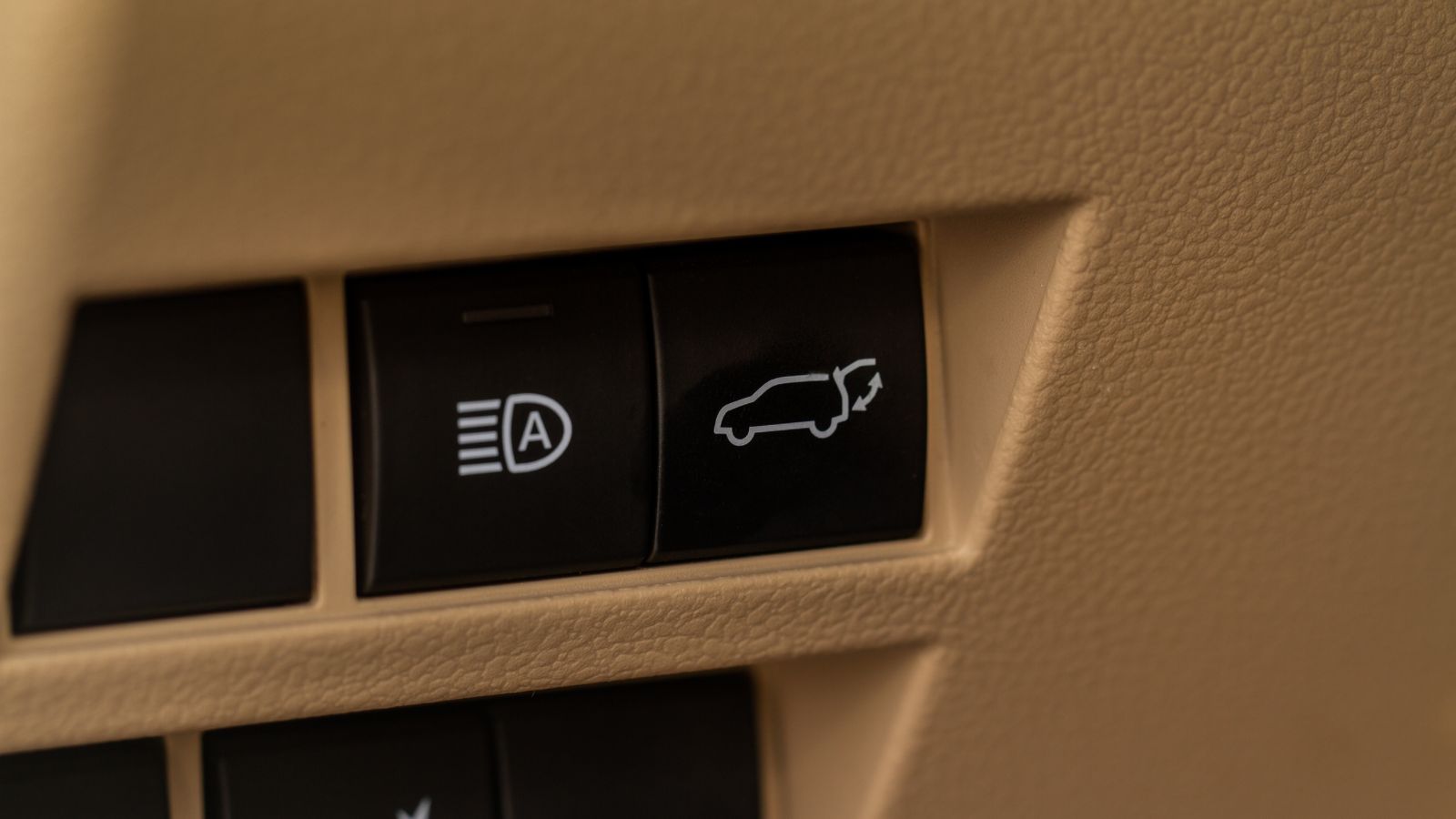
Automatic high-beam systems are meant to reduce driver workload by switching between high and low beams when traffic is detected. In ideal conditions, they improve visibility on dark roads and dim before another driver is dazzled. In real driving, however, hills, curves, divided roads, dirty sensors, reflective signs, or slow detection can make the system feel late. To the oncoming driver, even a brief delay can seem like being flashed by high beams.
This creates a trust problem. Some drivers rely on the system and forget to intervene manually, while others disable it because they have seen it behave awkwardly. The technology is improving, but it is not magic. It depends on sensors correctly recognizing vehicles, motorcycles, cyclists, streetlights, and changing road geometry. When it works, it is nearly invisible. When it fails, the driver on the receiving end remembers the moment far more than all the times the system dimmed correctly.
Adaptive Driving Beams Are Promising but Not Universal
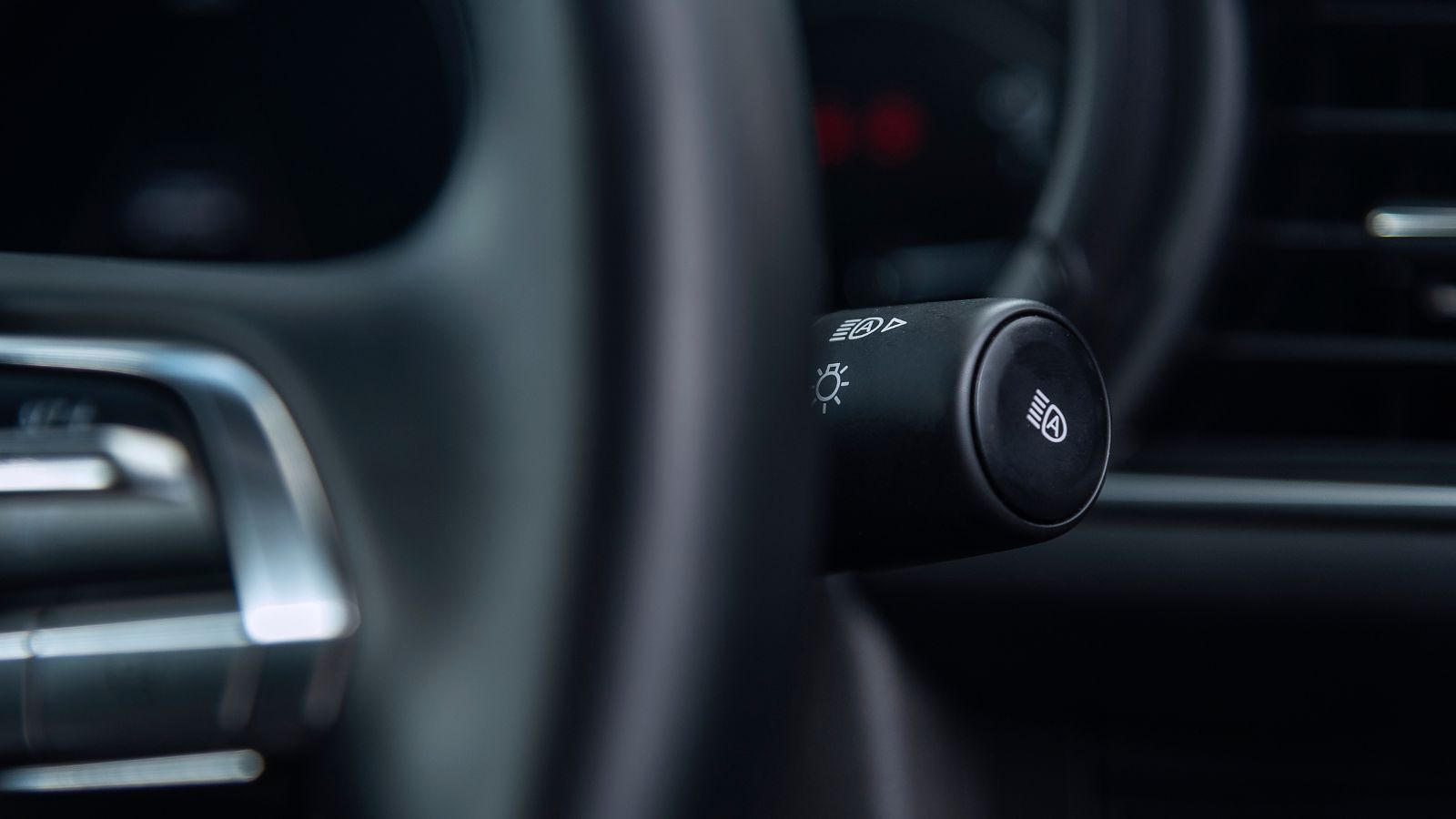
Adaptive driving beams offer a more sophisticated answer than traditional high and low beams. Instead of simply switching the entire beam down, these systems can reshape light around other road users while keeping more illumination on empty parts of the road. In theory, that means better visibility for the driver without blasting oncoming traffic. This is one of the most promising technologies in the headlight debate.
The catch is availability and regulation. Some markets moved earlier toward advanced adaptive lighting, while approval and certification in North America have taken longer and remain complex. Even where the technology is allowed, it may appear first on higher-priced trims or luxury models. That means many drivers still encounter a mix of old halogens, bright LEDs, automatic high beams, misaligned lamps, and only a limited number of truly adaptive systems. The road fleet changes slowly, so solutions can take years to feel common.
Dirty Windshields Make Glare Worse
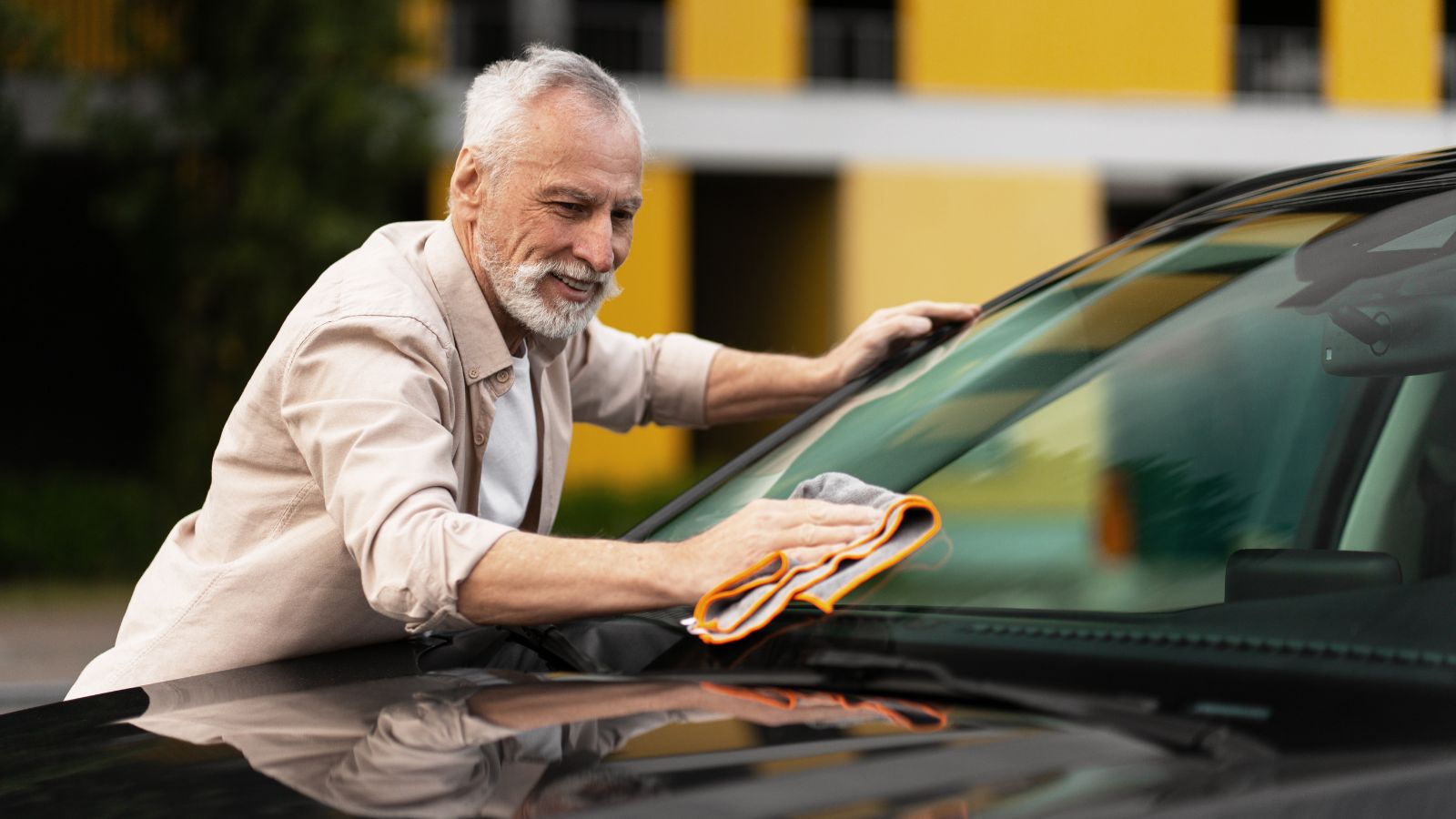
Sometimes the headlight is only part of the problem. A dirty windshield, worn wiper blades, fogged glass, scratched lenses, or greasy interior film can scatter incoming light and turn a single headlamp into a glowing smear. Drivers often notice this most in winter, when salt spray dries on the windshield and low sun, streetlights, and headlights all become harder to manage.
This is an overlooked reason glare feels worse during certain seasons. A vehicle may have legal, properly aimed headlights, but the receiving driver’s windshield can amplify the discomfort. Eyeglasses can do the same if they are scratched or smudged. Regular cleaning will not solve every issue with modern headlights, but it can reduce halos and streaks enough to make night driving less tiring. The small maintenance habits that seem cosmetic during the day can become safety-related after dark.
Aftermarket Bulbs Can Upset the Beam Pattern
Some glare problems come from replacement bulbs that were never meant for a vehicle’s headlamp housing. A driver may install an LED or HID conversion bulb in a housing designed for halogen light, expecting a simple upgrade. The result can be a beam that looks powerful from the driver’s seat but scatters light above the cutoff line. That creates glare without necessarily improving useful road illumination.
This is why headlight design is more complicated than bulb brightness. The reflector, projector lens, cutoff shield, bulb position, and housing shape are engineered as a system. Changing one part can throw the beam out of balance. Oncoming drivers do not care whether the glare comes from a factory option, a cheap online bulb, or a rushed repair; the effect is the same. Enforcement can be difficult, but poorly matched aftermarket lighting remains a common suspect in harsh nighttime glare complaints.
Road Conditions Can Magnify the Problem
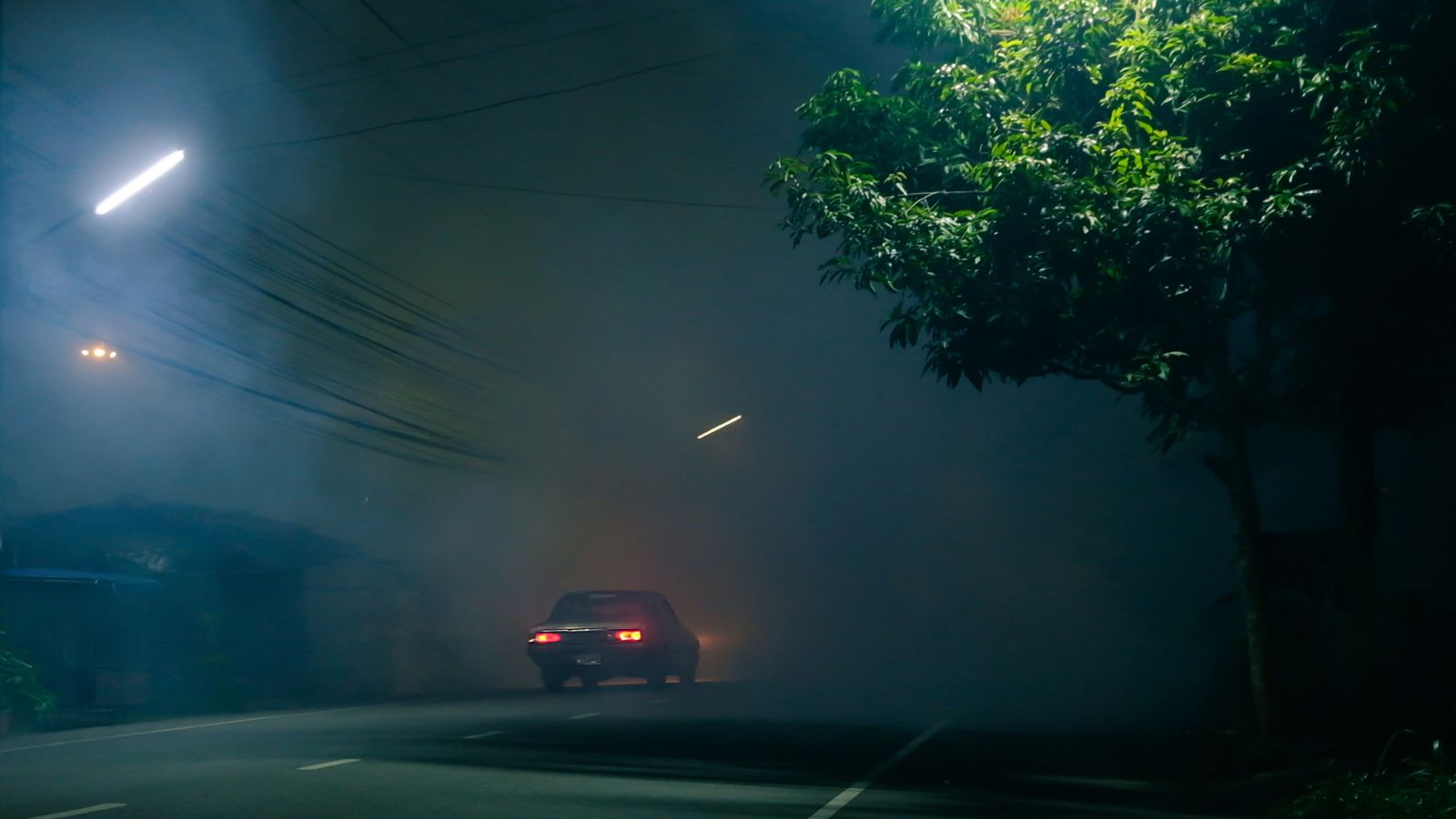
Modern headlights feel most aggressive in the exact conditions where drivers need them most: rain, fog, snow, and darkness. Wet pavement reflects light upward, road spray scatters it, and snowbanks can bounce it sideways. A headlight that seems acceptable on a dry suburban street may feel overwhelming on a two-lane road during freezing rain. The light is not just coming from the lamp; it is returning from every reflective surface nearby.
This is why the same vehicle can seem fine one night and unbearable the next. Fresh lane markings, construction cones, reflective signs, and wet blacktop can all intensify the visual effect. Drivers often interpret that as headlights getting brighter, and in practice their experience is valid. Brightness is not only a specification measured in a lab. It is also what the eye experiences through weather, glass, mirrors, road surface, and traffic angle.
Regulations Are Trying to Balance Two Risks
Headlight rules have to manage two competing dangers: not enough light and too much glare. Too little illumination can leave pedestrians, cyclists, animals, and road hazards hidden until it is too late. Too much stray light can distract or temporarily blind other road users. Regulators, safety groups, automakers, and lighting engineers are all trying to find a balance that works across different vehicles, roads, ages, and weather conditions.
That balance is becoming harder as lighting technology advances faster than the vehicle fleet turns over. LEDs, adaptive systems, automatic high beams, and taller vehicles have changed the nighttime environment. Meanwhile, older cars, aftermarket bulbs, and uneven maintenance remain on the road. The result is a messy transition period where some headlights are genuinely better, some are poorly aimed, some are too harsh, and many drivers are left wondering why every night drive feels brighter than it used to.
22 Things Canadians Do to Their Cars in Spring That Mechanics Hate

Spring brings relief to many Canadian drivers after months of snow, freezing temperatures, and icy roads that put serious strain on vehicles. As temperatures rise across the country, drivers begin washing cars, switching tires, and preparing vehicles for warmer weather and upcoming road trips. However, mechanics across Canada notice the same mistakes every spring when drivers attempt to recover from winter damage. Road salt, potholes, and harsh winter driving conditions often leave vehicles with hidden problems that drivers ignore. Some spring habits even create new mechanical issues that could have been avoided with proper maintenance. Here are 22 things Canadians do to their cars in spring that mechanics hate.