


















• About
  • Contact
AutoIgloo
  • News & Trends
    Canada’s Auto Fight Gets Uglier as BYD Threatens to Sue Trump Administration

    Canada’s Auto Fight Gets Uglier as BYD Threatens to Sue Trump Administration

    19 Signs a Used SUV That Looks Like a Deal Probably Isn’t

    21 Things That Can Kill a Car’s Resale Value Fast

    18 Red Flags a Used Vehicle May Be a Money Pit

    The Real Reason Small Cars Are Disappearing From Canadian Roads

    Mistakes That Make Road Rage Worse in Heavy Traffic

    15 Driving Moves That Make Other Drivers Instantly Angry

    25 Cars with Tech That Breaks Often—and Costs a Fortune to Fix

    Why Some Luxury SUVs Depreciate So Fast in Canada

    23 Features That Are Making New Cars Harder (and Pricier) to Repair in Canada

    Nearly 380,000 Canadians Tell Ottawa Their Headlights Are Too Bright

  • Car Reviews
    15 Vehicles That Are Starting to Feel Like a Bad Deal Around May Long Weekend

    15 Vehicles That Are Starting to Feel Like a Bad Deal Around May Long Weekend

    15 Vehicles That Are Starting to Scare Off Canadian Buyers

    15 Vehicles That Are Starting to Scare Off Canadian Buyers

    25 Vehicles That Make the Most Sense for Canadian Families in 2026

    16 Vehicles That Suddenly Look Smart for a Canadian Summer Road Trip

    16 Cars That Are Easy to Steal Without the Right Updates (And How to Check Yours)

    17 Cars That Are Starting to Feel Too Expensive to Keep in 2026

    18 “Affordable” Vehicles Canadians Realize Weren’t Affordable at All

    18 “Affordable” Vehicles Canadians Realize Weren’t Affordable at All

    19 Cars That Stop Feeling Affordable the Second Fuel Prices Rise

    19 Cars That Stop Feeling Affordable the Second Fuel Prices Rise

  • Buying Guides
    21 Driving Habits That Could Get Canadians Fined Without Realizing It

    The New Car Feature Drivers Love at First — Then Turn Off Forever

    20 Things Canadians Should Check Before Buying a Vehicle From Facebook Marketplace

    20 Things Canadians Should Check Before Buying a Vehicle From Facebook Marketplace

    18 Red Flags a Used Vehicle May Be a Money Pit

    23 Car Buying Traps That Look Like Good Deals at First

    18 Red Flags a Used Vehicle May Be a Money Pit

    16 Car Insurance Mistakes Canadians Make After Buying a New Vehicle

    15 “Hidden Fees” Canadians Keep Paying at Dealerships in 2026

    22 Car Dealer Fees Canadians Should Question Before Signing

    16 Used SUVs That Suddenly Don’t Look Like Smart Buys in Canada

    16 Used SUVs That Suddenly Don’t Look Like Smart Buys in Canada

  • Comparisons
    16 Cars That Are a Nightmare to Repair Because Parts Are Backordered

    23 Cars Canadians Love That Have One Deal-Breaker Flaw

    21 Vehicles Insurance Companies Are Quietly Flagging as “High Risk” in Canada (2026 Update)

    19 Vehicles Canadians Regret Leasing (And the Ones They Don’t)

    Why the Next Wave of Chinese EVs Could Force Canada’s Biggest Price War Yet

    Why the Next Wave of Chinese EVs Could Force Canada’s Biggest Price War Yet

    15 Cars Canadians Will Miss Once They’re Gone (And What’s Replacing Them)

    15 Cars Canadians Will Miss Once They’re Gone (And What’s Replacing Them)

    17 Vehicles With Infotainment Systems Canadians Complain About the Most

    17 Vehicles With Infotainment Systems Canadians Complain About the Most

    The Quiet Reason Chinese EVs Could Upend Canadian Leasing Deals in 2026

    19 EVs That Hold Their Value Best in Canada (And 10 That Don’t)

  • EVs & Hybrids
    25 EV Charging Mistakes Canadians Make in March (That Wreck Range)

    Why EV Range Drops So Quickly in Cold Weather

    14 Vehicles That Look Premium but Age Terribly in Canadian Winters

    More Than Half of Used EVs in Canada Are Now Selling Below $35,000

    25 EV Charging Mistakes Canadians Make in March (That Wreck Range)

    Why So Many Drivers Are Ditching EVs for Hybrids Again

    18 Cars That Will Feel Dated Fast as New Chinese EVs Arrive

    11 New EVs That Are Quietly Putting Pressure on Gas Models in Canada

    17 SUVs With Third Rows That Are Basically Useless (Canada Edition)

    17 SUVs With Third Rows That Are Basically Useless (Canada Edition)

    18 Cars That Will Feel Dated Fast as New Chinese EVs Arrive

    24 EVs That Are Great… If You Have Home Charging (And Not If You Don’t)

  • More
    • Pricing & Deals
    • Winter Driving
    • Ownership & Maintenance
No Result
View All Result
AutoIgloo
  • News & Trends
    Canada’s Auto Fight Gets Uglier as BYD Threatens to Sue Trump Administration

    Canada’s Auto Fight Gets Uglier as BYD Threatens to Sue Trump Administration

    19 Signs a Used SUV That Looks Like a Deal Probably Isn’t

    21 Things That Can Kill a Car’s Resale Value Fast

    18 Red Flags a Used Vehicle May Be a Money Pit

    The Real Reason Small Cars Are Disappearing From Canadian Roads

    Mistakes That Make Road Rage Worse in Heavy Traffic

    15 Driving Moves That Make Other Drivers Instantly Angry

    25 Cars with Tech That Breaks Often—and Costs a Fortune to Fix

    Why Some Luxury SUVs Depreciate So Fast in Canada

    23 Features That Are Making New Cars Harder (and Pricier) to Repair in Canada

    Nearly 380,000 Canadians Tell Ottawa Their Headlights Are Too Bright

  • Car Reviews
    15 Vehicles That Are Starting to Feel Like a Bad Deal Around May Long Weekend

    15 Vehicles That Are Starting to Feel Like a Bad Deal Around May Long Weekend

    15 Vehicles That Are Starting to Scare Off Canadian Buyers

    15 Vehicles That Are Starting to Scare Off Canadian Buyers

    25 Vehicles That Make the Most Sense for Canadian Families in 2026

    16 Vehicles That Suddenly Look Smart for a Canadian Summer Road Trip

    16 Cars That Are Easy to Steal Without the Right Updates (And How to Check Yours)

    17 Cars That Are Starting to Feel Too Expensive to Keep in 2026

    18 “Affordable” Vehicles Canadians Realize Weren’t Affordable at All

    18 “Affordable” Vehicles Canadians Realize Weren’t Affordable at All

    19 Cars That Stop Feeling Affordable the Second Fuel Prices Rise

    19 Cars That Stop Feeling Affordable the Second Fuel Prices Rise

  • Buying Guides
    21 Driving Habits That Could Get Canadians Fined Without Realizing It

    The New Car Feature Drivers Love at First — Then Turn Off Forever

    20 Things Canadians Should Check Before Buying a Vehicle From Facebook Marketplace

    20 Things Canadians Should Check Before Buying a Vehicle From Facebook Marketplace

    18 Red Flags a Used Vehicle May Be a Money Pit

    23 Car Buying Traps That Look Like Good Deals at First

    18 Red Flags a Used Vehicle May Be a Money Pit

    16 Car Insurance Mistakes Canadians Make After Buying a New Vehicle

    15 “Hidden Fees” Canadians Keep Paying at Dealerships in 2026

    22 Car Dealer Fees Canadians Should Question Before Signing

    16 Used SUVs That Suddenly Don’t Look Like Smart Buys in Canada

    16 Used SUVs That Suddenly Don’t Look Like Smart Buys in Canada

  • Comparisons
    16 Cars That Are a Nightmare to Repair Because Parts Are Backordered

    23 Cars Canadians Love That Have One Deal-Breaker Flaw

    21 Vehicles Insurance Companies Are Quietly Flagging as “High Risk” in Canada (2026 Update)

    19 Vehicles Canadians Regret Leasing (And the Ones They Don’t)

    Why the Next Wave of Chinese EVs Could Force Canada’s Biggest Price War Yet

    Why the Next Wave of Chinese EVs Could Force Canada’s Biggest Price War Yet

    15 Cars Canadians Will Miss Once They’re Gone (And What’s Replacing Them)

    15 Cars Canadians Will Miss Once They’re Gone (And What’s Replacing Them)

    17 Vehicles With Infotainment Systems Canadians Complain About the Most

    17 Vehicles With Infotainment Systems Canadians Complain About the Most

    The Quiet Reason Chinese EVs Could Upend Canadian Leasing Deals in 2026

    19 EVs That Hold Their Value Best in Canada (And 10 That Don’t)

  • EVs & Hybrids
    25 EV Charging Mistakes Canadians Make in March (That Wreck Range)

    Why EV Range Drops So Quickly in Cold Weather

    14 Vehicles That Look Premium but Age Terribly in Canadian Winters

    More Than Half of Used EVs in Canada Are Now Selling Below $35,000

    25 EV Charging Mistakes Canadians Make in March (That Wreck Range)

    Why So Many Drivers Are Ditching EVs for Hybrids Again

    18 Cars That Will Feel Dated Fast as New Chinese EVs Arrive

    11 New EVs That Are Quietly Putting Pressure on Gas Models in Canada

    17 SUVs With Third Rows That Are Basically Useless (Canada Edition)

    17 SUVs With Third Rows That Are Basically Useless (Canada Edition)

    18 Cars That Will Feel Dated Fast as New Chinese EVs Arrive

    24 EVs That Are Great… If You Have Home Charging (And Not If You Don’t)

  • More
    • Pricing & Deals
    • Winter Driving
    • Ownership & Maintenance
No Result
View All Result
AutoIgloo
No Result
View All Result

Home » EVs & Hybrids

Why EV Range Drops So Quickly in Cold Weather

Nate Brewer by Nate Brewer
June 11, 2026
Reading Time: 6 mins read
A A
Photo Credit: Shutterstock

Photo Credit: Shutterstock

465
SHARES
1.5k
VIEWS
Share on FacebookShare on Twitter

A winter morning can make an electric vehicle feel like a different machine. A range estimate that looked comfortable the night before may shrink once the battery, cabin, tires, and road surface meet freezing air. The drop is not caused by one single flaw; it is the result of several systems demanding more energy at the same time.

Here are 12 reasons EV range can fall quickly in cold weather, from battery chemistry and cabin heating to charging behavior, highway speed, and winter tires. Together, they explain why the cold-weather experience often feels sharper and more sudden than many drivers expect.

Battery Chemistry Moves More Slowly
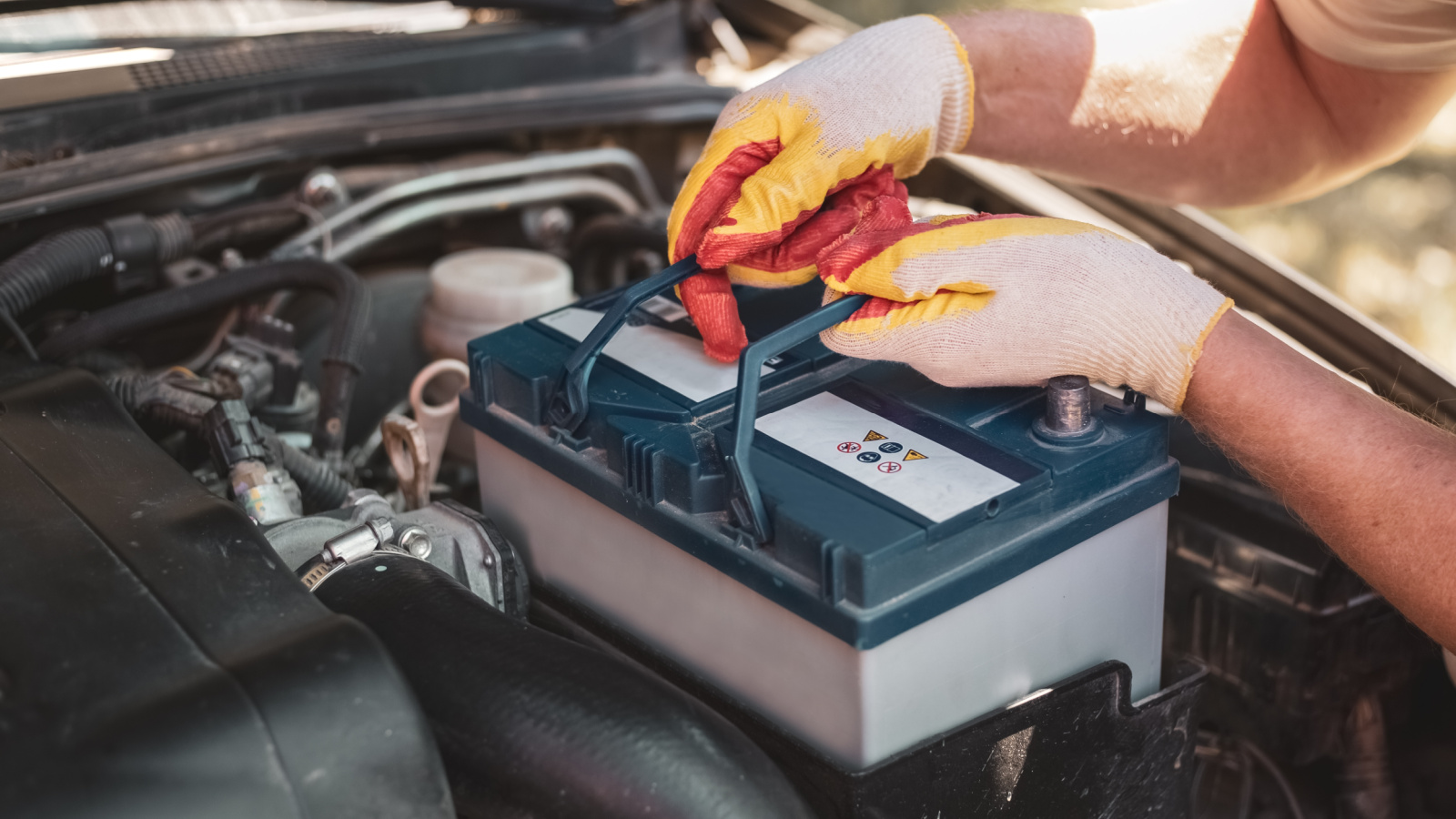
Photo Credit: Shutterstock

Lithium-ion batteries rely on chemical reactions that move ions between the battery’s electrodes. In cold weather, those reactions slow down, which means the battery cannot deliver energy as freely as it does in mild conditions. The energy is still physically inside the pack, but less of it may be available for driving at the same speed, acceleration, or comfort setting. That is why a vehicle can show a lower range estimate even before the trip begins.

This effect becomes more obvious when temperatures drop below freezing. A driver leaving a warm garage may notice only a mild reduction, while the same vehicle parked outside overnight can feel far less efficient. Laboratory and real-world testing have repeatedly shown that low temperatures reduce usable battery energy, increase energy consumption, and place extra demands on thermal management systems.

Cabin Heat Uses the Same Battery as Driving
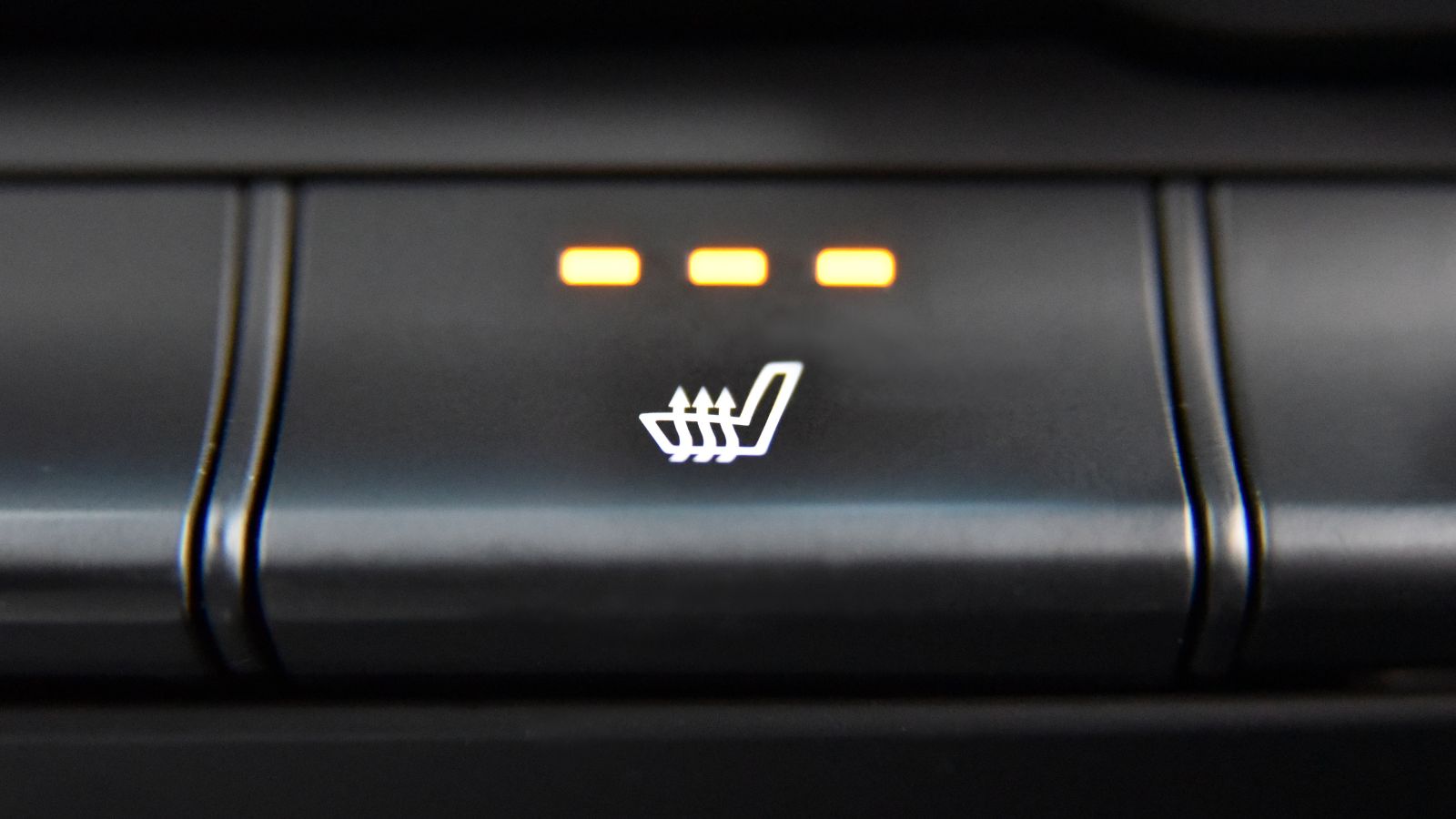
Photo Credit: Shutterstock

A gasoline vehicle produces large amounts of waste heat from its engine, so warming the cabin often feels almost free once the engine is running. An EV does not have that same waste-heat supply. When the cabin heater is turned on, the energy usually comes from the high-voltage battery that also powers the motor. In deep cold, that demand can be significant.

This is one reason winter range loss can feel dramatic during short errands. The cabin may need several minutes of strong heating just to clear frost and reach a comfortable temperature, but the trip itself might be only ten or fifteen minutes long. A commuter who repeats that pattern several times a day may use a surprising amount of energy on comfort instead of distance.

Heat Pumps Help, But They Are Not Magic
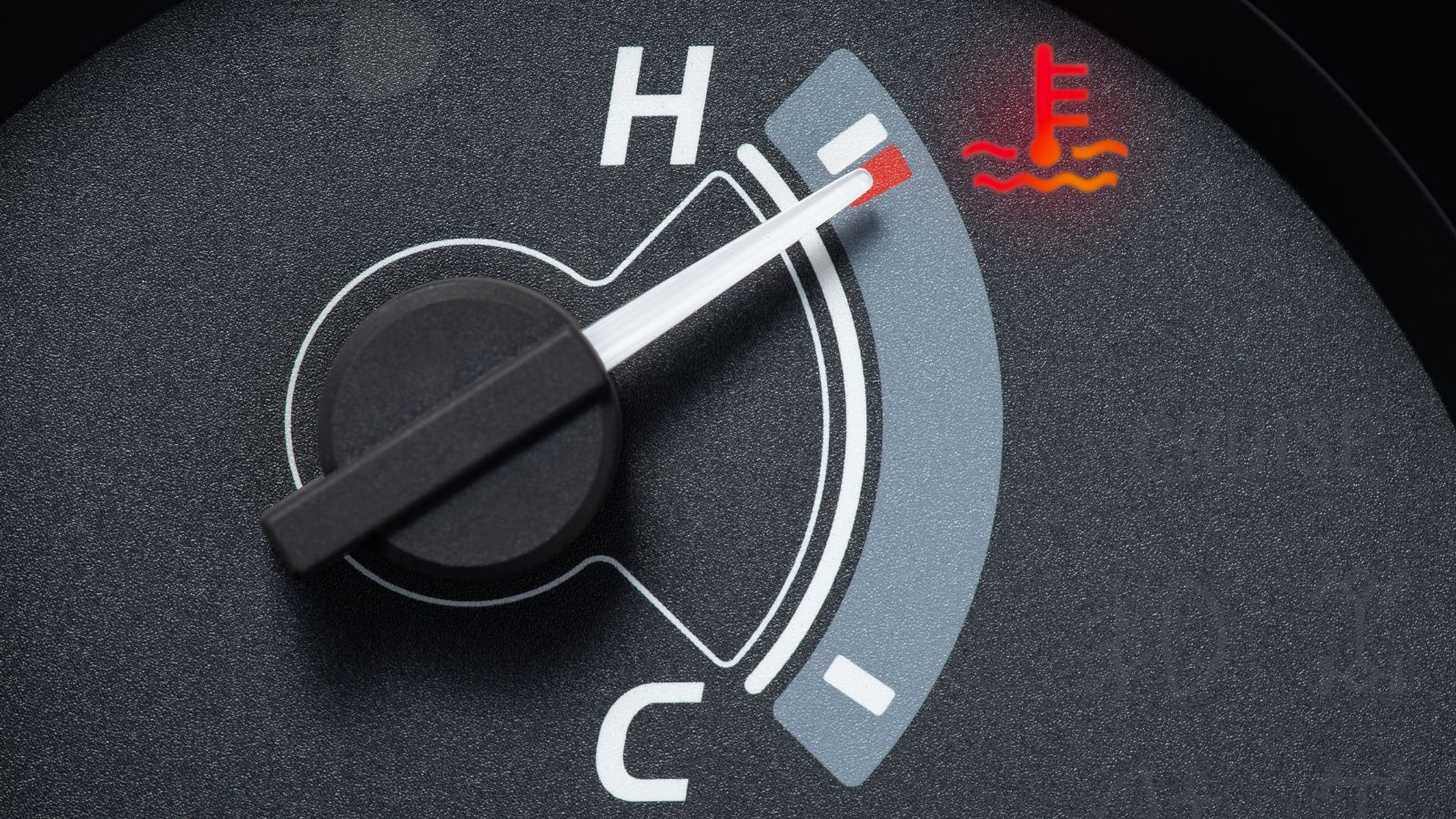
Photo Credit: Shutterstock

Many newer EVs use heat pumps because they can move heat more efficiently than traditional resistance heaters. Instead of simply converting electricity into heat, a heat pump transfers available heat from outside air, the battery system, or drivetrain components. In mild winter conditions, this can preserve meaningful range and make the vehicle feel less sensitive to cold.

The advantage depends heavily on temperature, vehicle design, and how the system is calibrated. Heat pumps tend to be most helpful around freezing and moderately cold temperatures. In more extreme cold, they may rely more often on supplemental resistance heat, which draws more battery energy. That is why two EVs with similar advertised range can behave very differently in winter driving.

The Battery May Heat Itself Before It Helps You
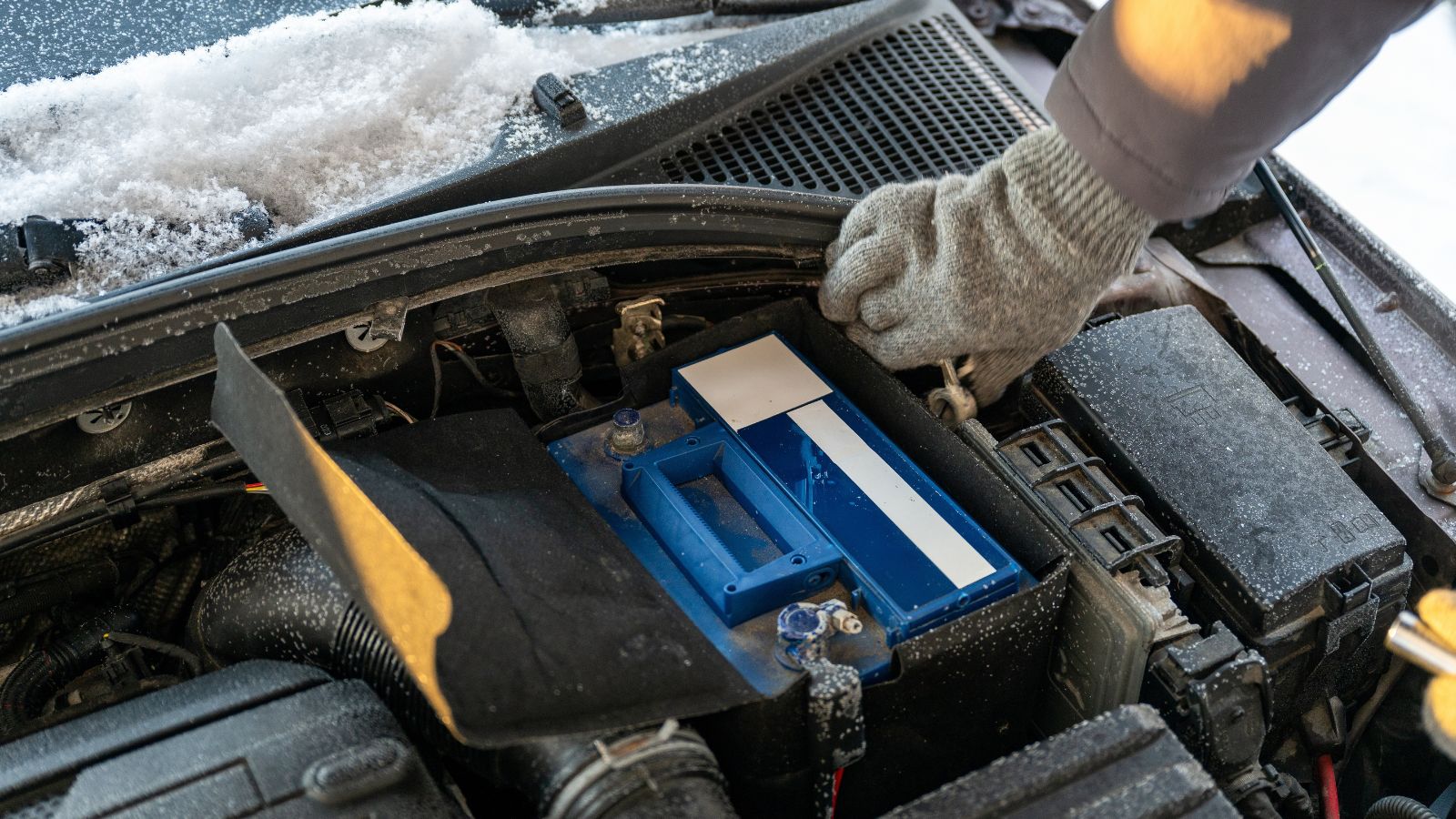
Photo Credit: Shutterstock

Cold-weather driving is not only about warming people inside the cabin. The vehicle may also spend energy warming the battery pack to a safer and more efficient operating temperature. This can happen before driving, during driving, or before fast charging. The goal is to protect the battery, improve power delivery, and allow faster charging when needed.

From a driver’s perspective, battery conditioning can feel like invisible range loss. The car is using energy for a technical reason that may not be obvious from the dashboard. On very cold mornings, some of the battery’s available energy goes toward making the vehicle ready to perform properly, especially if the route includes highway driving or a public fast-charging stop.

Short Trips Make the Loss Look Worse
Photo Credit: Shutterstock

Cold-weather range loss can be especially noticeable on short trips because the warm-up phase takes up a larger share of the drive. A vehicle may use a burst of energy to heat the cabin, clear the windshield, warm seats, condition the battery, and run defrosters. If the drive is only a few kilometres, there may not be enough time for efficiency to recover.

This is why a school drop-off, grocery run, or quick coffee stop can appear inefficient compared with a longer steady drive. The vehicle pays the energy cost of getting comfortable every time it starts cold. Drivers who make several short winter trips with long parking breaks between them may see a much steeper range decline than those who complete one continuous journey.

Regenerative Braking Can Be Limited

Photo Credit: Shutterstock

Regenerative braking is one of the features that makes EVs efficient in city driving. When the driver slows down, the motor acts as a generator and sends some energy back into the battery. In cold weather, however, a battery may not be ready to accept that energy quickly. To protect the pack, the vehicle can temporarily reduce regenerative braking.

That limitation changes both efficiency and driving feel. A driver used to one-pedal driving may notice the car coasts more than expected at the start of a winter trip. More friction braking may be needed until the battery warms up. The lost regeneration may not seem huge on one stop, but in stop-and-go winter traffic, the effect can add up.

Charging Takes Longer in the Cold
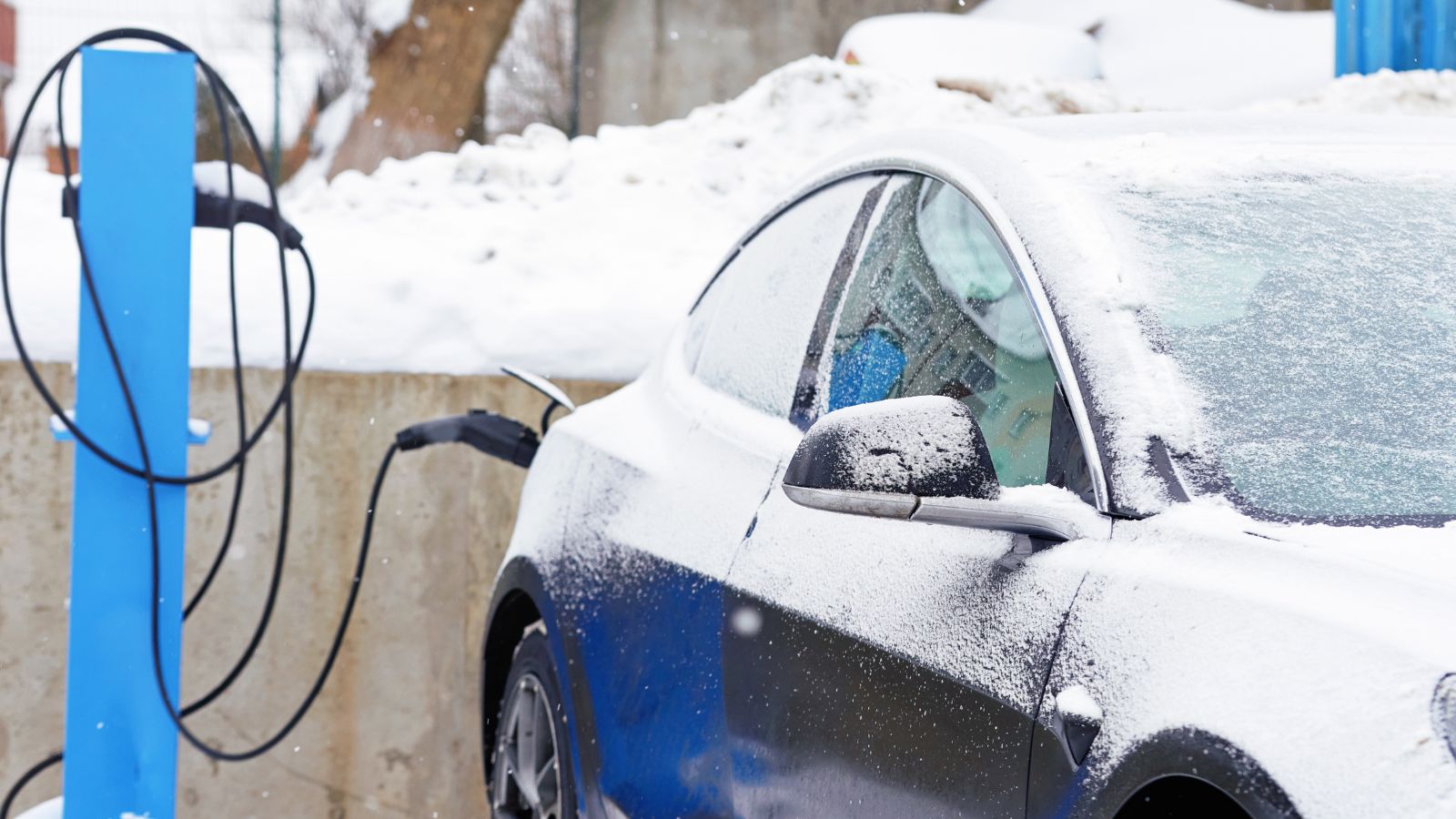
Photo Credit: Shutterstock

Cold batteries generally charge more slowly, especially at fast chargers. The vehicle may limit charging speed until the pack reaches a suitable temperature, which protects the battery from stress and reduces the risk of damage. This can turn a planned quick stop into a longer pause, particularly when the vehicle arrives at the charger cold and with a low state of charge.

The range problem is not only about how far the EV can drive; it is also about how quickly that range can be restored. Taxi fleets, delivery vehicles, road-trippers, and commuters without home charging feel this more sharply. In winter, charging time can become part of the range equation because slower replenishment makes every lost kilometre feel more important.

Highway Speed Magnifies Winter Losses

Image Credit: Shutterstock

Cold air is denser than warm air, and dense air increases aerodynamic drag. At city speeds, this may be modest. At highway speeds, the effect grows quickly because aerodynamic resistance rises sharply as speed increases. An EV cruising on a cold, open highway must push through thicker air while also heating the cabin and managing the battery.

That combination explains why winter road trips can feel more range-sensitive than daily commuting. A vehicle that performs comfortably in town may consume energy much faster at 110 km/h on a cold day with the heat running. Add headwinds, slush, roof racks, or snow buildup, and the displayed range can fall faster than expected.

Tires and Road Conditions Add Resistance
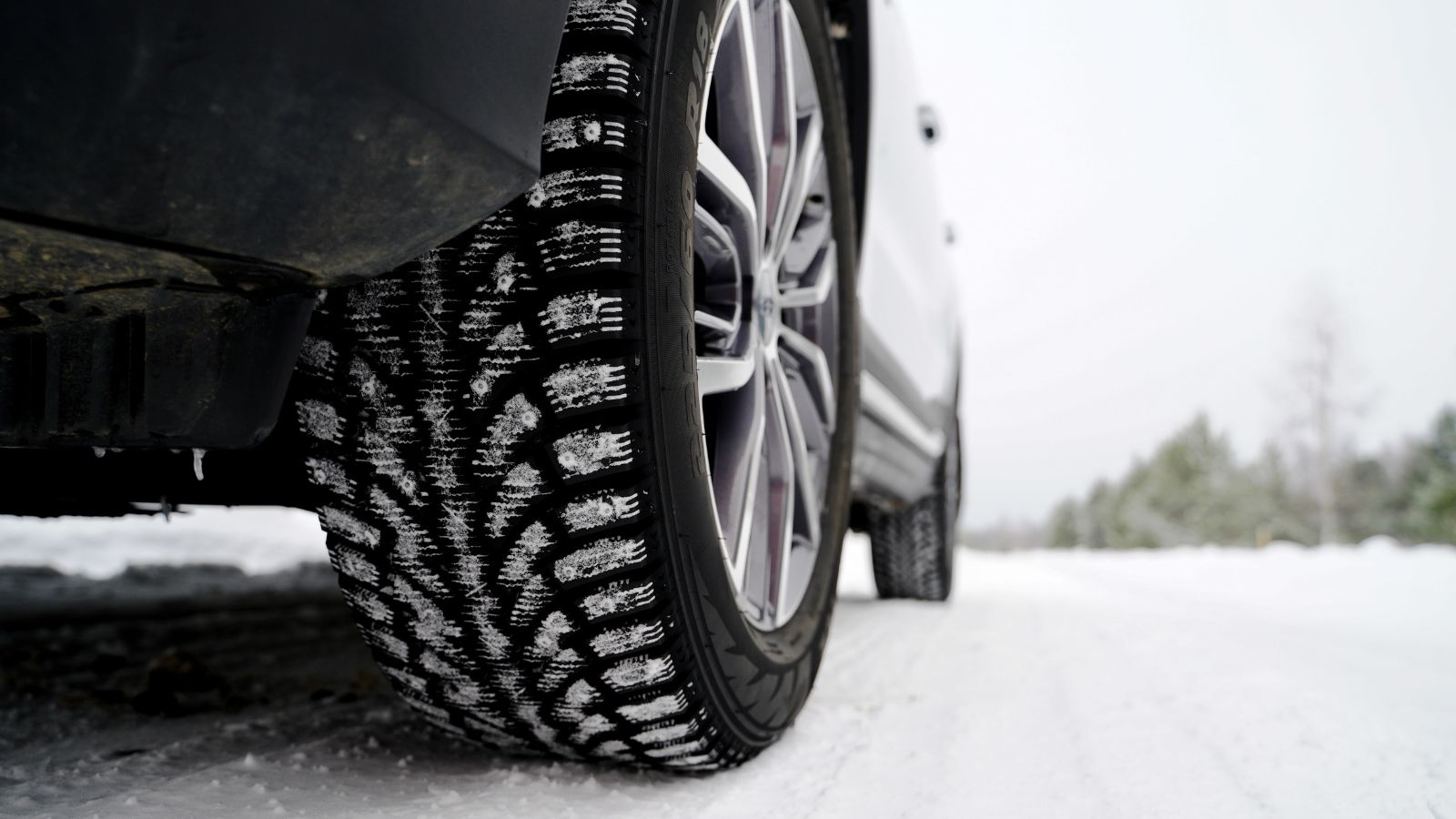
Photo Credit: Shutterstock

Winter tires improve grip in cold, snowy, and icy conditions, but they can also increase rolling resistance compared with low-resistance all-season tires. Cold temperatures can reduce tire pressure as well, and underinflated tires require more energy to roll. EVs are efficient enough that these smaller losses become more visible on the range estimate.

Road surface matters too. Driving through slush, standing snow, or rough winter pavement takes more energy than rolling across clean, dry asphalt. Even when the battery and heater are doing their jobs properly, the vehicle may still use more power simply because the tires are working harder. For drivers in snowy regions, road conditions can be just as important as the temperature reading.

Range Estimates React to Recent Driving
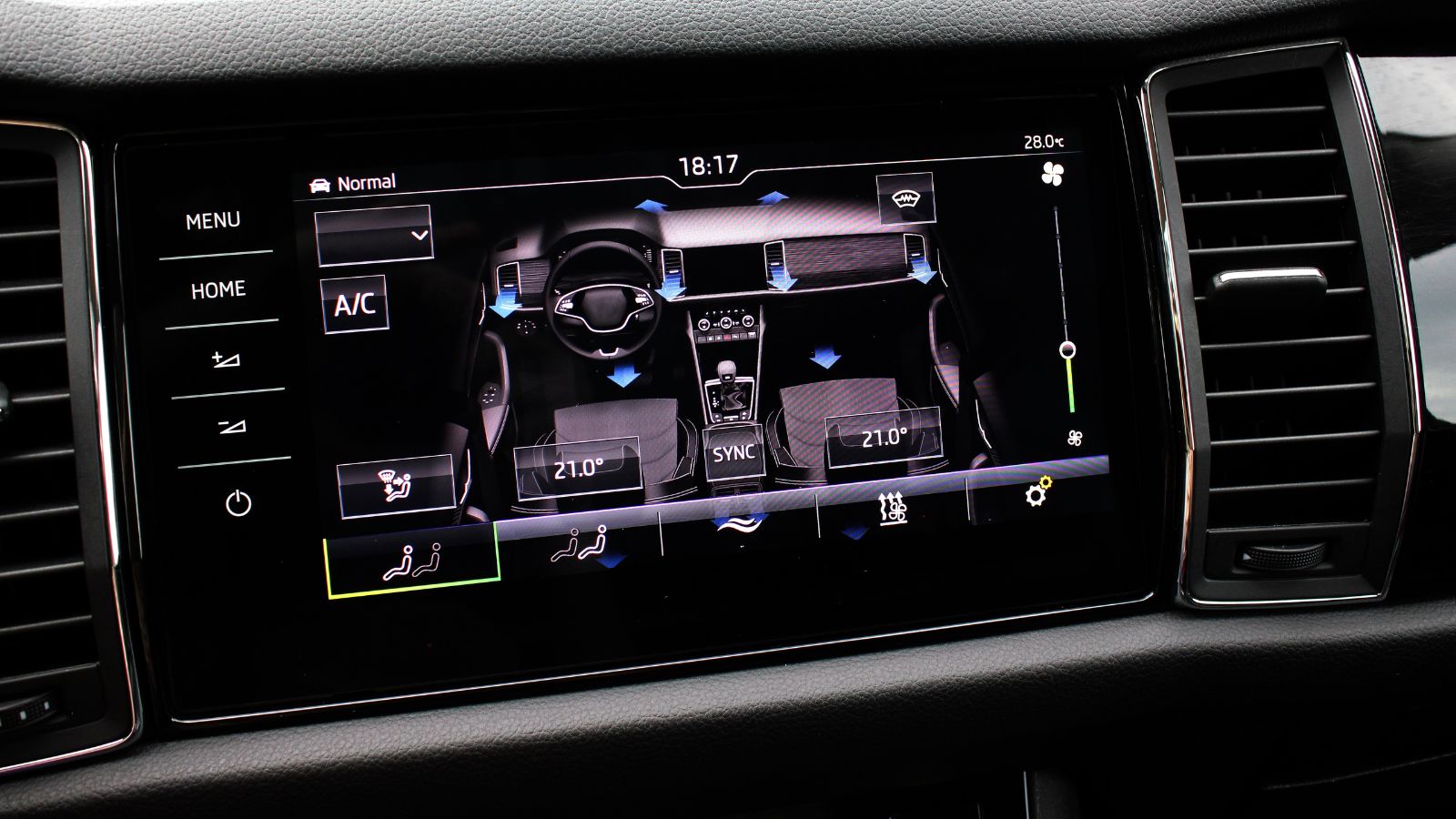
Photo Credit: Shutterstock

The number shown on the dashboard is not a fixed promise. Most EV range estimates adjust based on recent energy use, temperature, battery condition, climate-control settings, and sometimes navigation data. If the vehicle has just completed several cold, inefficient trips, the estimate may become more conservative the next time it starts.

That can make winter range loss feel sudden. A driver may see a large drop after the car recalculates based on heating demand, highway use, or freezing temperatures. The battery has not necessarily lost permanent capacity; the vehicle is trying to predict how far it can travel under current conditions. In winter, that prediction often becomes cautious because energy demand is more variable.

Parking Outside Makes the First Kilometres Costly
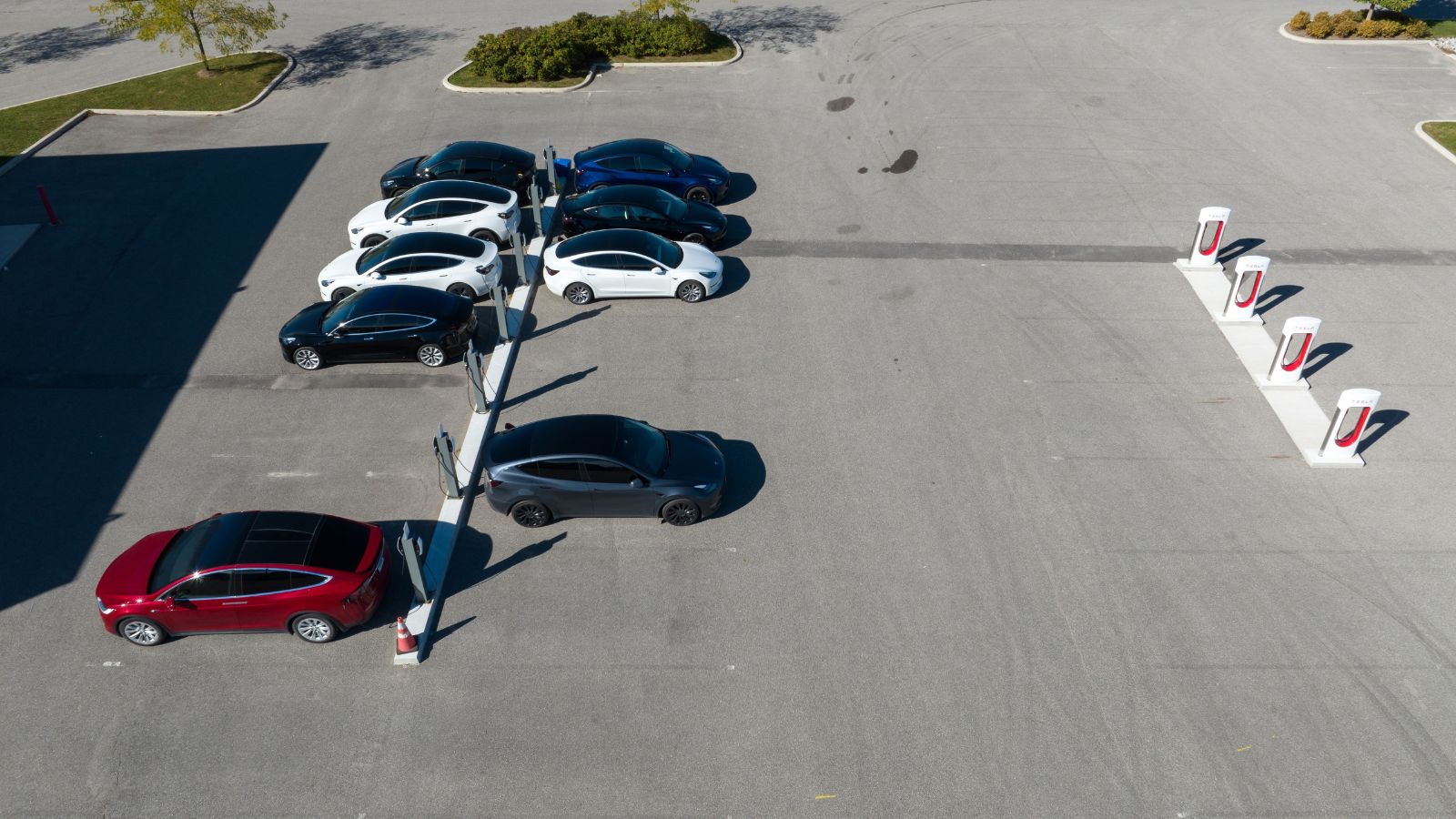
Photo Credit: Shutterstock

Where an EV sits overnight can shape the next morning’s range. A vehicle parked in a garage may begin the day with a warmer battery and cabin than one left outdoors in freezing wind. Even an unheated garage can reduce exposure to frost, snow buildup, and extreme temperature swings. That small thermal advantage can save energy during the first part of the drive.

Outdoor parking can make the vehicle spend more energy before it even feels ready. The windshield may need defrosting, the seats may be colder, and the battery pack may require more conditioning. In apartment lots, workplace parking areas, and curbside spaces, this is part of everyday winter EV ownership. The difference is rarely dramatic on one morning, but it can become noticeable over a full season.

Preconditioning Changes the Winter Experience
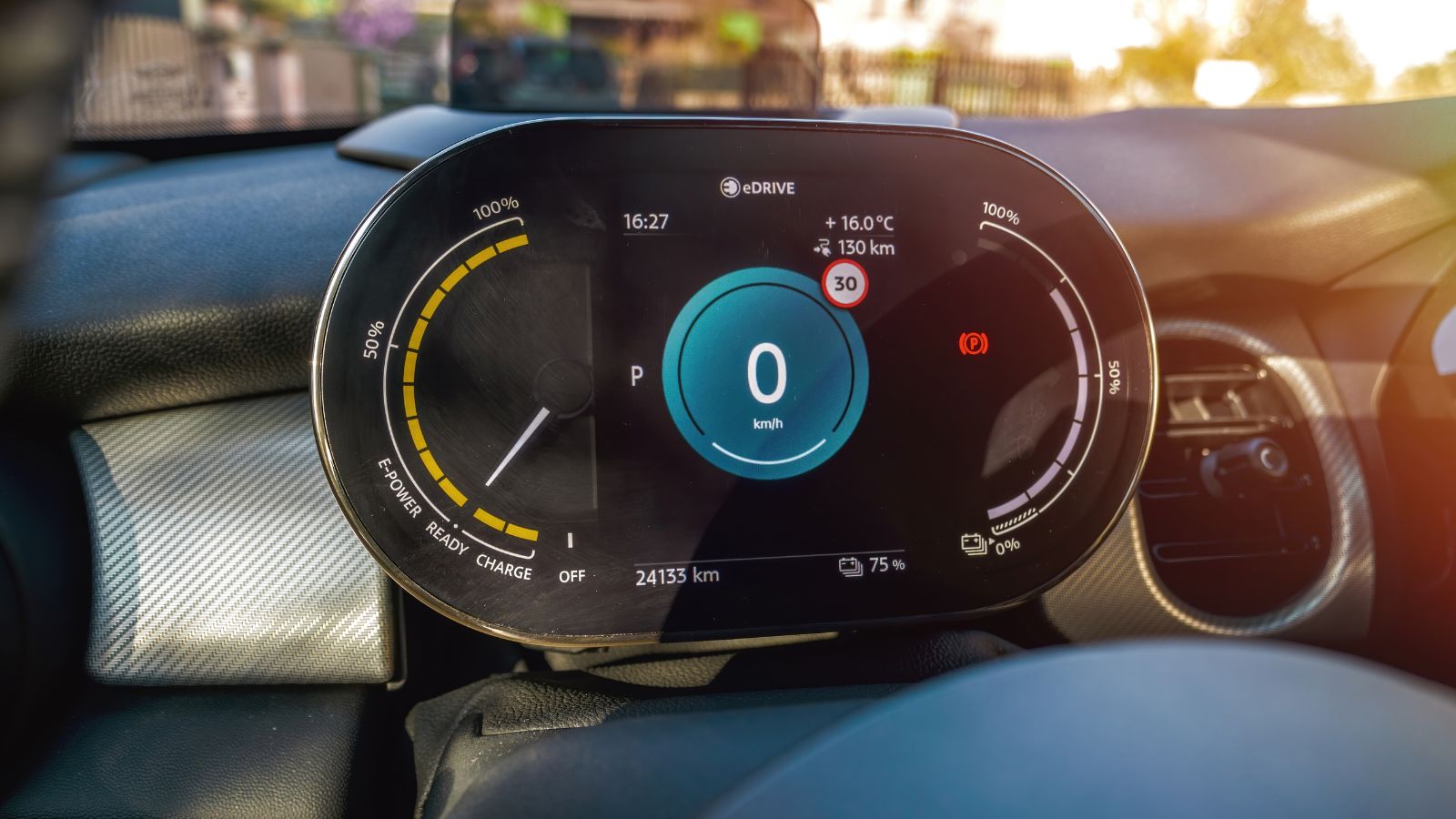
Photo Credit: Shutterstock

Preconditioning allows an EV to warm the cabin and, in many models, the battery while the vehicle is still plugged in. When done before departure, some of the energy needed for heating comes from the grid rather than from the battery during the trip. This can preserve driving range and make the vehicle more comfortable from the start.

The benefit is especially clear for predictable routines. A commuter who leaves at the same time every morning can schedule the car to warm up before departure. A road-tripper can use navigation-based battery preconditioning before a fast-charging stop. These habits do not eliminate cold-weather range loss, but they can make it more manageable and less surprising.

22 Things Canadians Do to Their Cars in Spring That Mechanics Hate

Image Credit: Shutterstock

Spring brings relief to many Canadian drivers after months of snow, freezing temperatures, and icy roads that put serious strain on vehicles. As temperatures rise across the country, drivers begin washing cars, switching tires, and preparing vehicles for warmer weather and upcoming road trips. However, mechanics across Canada notice the same mistakes every spring when drivers attempt to recover from winter damage. Road salt, potholes, and harsh winter driving conditions often leave vehicles with hidden problems that drivers ignore. Some spring habits even create new mechanical issues that could have been avoided with proper maintenance. Here are 22 things Canadians do to their cars in spring that mechanics hate.


Recommended.

24 Vehicles That Look Cheap… Until You Try to Finance Them in Canada

18 Cars Canadians Thought Would Save Money — But Didn’t

May 13, 2026
16 Gas Cars That Might Be “Bad Buys” Now That Canada’s EV Rules Are Shifting

16 Gas Cars That Might Be “Bad Buys” Now That Canada’s EV Rules Are Shifting

March 19, 2026

Trending.

15 Vehicles That Are Starting to Scare Off Canadian Buyers

GM Bets on Ontario Trucks Even as Canada-U.S. Auto Tensions Simmer

May 21, 2026
14 Vehicles That Look Premium but Age Terribly in Canadian Winters

More Than Half of Used EVs in Canada Are Now Selling Below $35,000

June 3, 2026
Got a Car in Ontario? These 16 Insurance Changes Could Blindside Drivers

10 Best EV Lease Deals in Canada Right Now

April 21, 2026
20 Car Features Canadians Pay For Then Barely Use

Canada’s Auto Future Now Hinges on One Thing: Keeping Free Trade With the U.S.

May 14, 2026
16 Vehicles That Are About to Become the New “Best Value” Picks in Canada

16 Vehicles That Are About to Become the New “Best Value” Picks in Canada

March 30, 2026
  • About
  • Contact
  • Privacy Policy
  • Disclaimer
  • Editorial Policies
  • Terms and Conditions
A Revir Media Group Website

2026 Autoigloo - © All rights reserved

No Result
View All Result
  • News & Trends
  • Car Reviews
  • Buying Guides
  • Comparisons
  • EVs & Hybrids
  • More
    • Pricing & Deals
    • Winter Driving
    • Ownership & Maintenance

2026 Autoigloo - © All rights reserved

This website uses cookies. By continuing to use this website you are giving consent to cookies being used. Visit our Privacy and Cookie Policy.