























A new vehicle can feel settled once the colour, trim, and monthly payment look right. Then the final paperwork arrives, and the price can quietly swell through line items that were barely discussed. In Canada, dealer-fee rules vary by province, but the practical question is often the same: is this charge mandatory, properly disclosed, and genuinely worth paying?
These 22 dealer fees deserve closer attention before any signature lands on the bill of sale. Some may be legitimate government charges, some may already be built into an advertised all-in price, and others are optional products dressed up as routine paperwork. The safest habit is simple but powerful: compare the advertised price, the negotiated price, and the full out-the-door total before agreeing to anything.
Documentation Fee

The documentation fee is one of the most common charges on a Canadian dealer worksheet. It may be described as paperwork processing, file preparation, administration support, or contract handling. A buyer might see a vehicle advertised at one price, then find several hundred dollars added under a “doc fee” label near the end of negotiations. The fee can sound official because every vehicle sale involves paperwork, registration steps, financing documents, and compliance checks.
The important question is not whether paperwork exists, but whether the charge was already included in the advertised price or clearly disclosed before negotiations became serious. In provinces with all-in pricing rules, mandatory dealer charges generally cannot appear as surprise extras after the advertised price has done its job. A customer sitting in the finance office should ask whether the fee is optional, negotiable, or already reflected in the price that brought them into the showroom.
Administration Fee

An administration fee can overlap with a documentation fee, which is exactly why it deserves scrutiny. Some bills of sale show both, even though both may point to back-office work. The label may be broad enough to cover internal accounting, staff time, software systems, financing coordination, or vehicle delivery paperwork. That vagueness can make it difficult for shoppers to know whether they are paying for a real outside cost or simply padding the gross profit.
A practical test is to ask for a plain-language explanation of what the administration fee covers and why it was not included in the advertised price. If the dealer says every customer must pay it, that strengthens the case that it should have been disclosed upfront wherever all-in pricing applies. If the amount changes during negotiations, that is another warning sign. Fees that appear fixed and unavoidable should not feel like moving targets.
Freight Charge

Freight is a familiar line on new-vehicle pricing because manufacturers charge to transport vehicles from the factory or port to the dealership network. Canadian manufacturer websites often list destination, delivery, freight, or similar charges separately from MSRP, which can make the fee look unavoidable. In many cases, freight is a real cost connected to new-vehicle distribution rather than a made-up showroom add-on.
Still, shoppers should question freight when it appears twice, changes from the manufacturer’s published amount, or gets added after an advertised dealer price. If a vehicle was advertised with an all-in price, the buyer should check whether freight was already included. A dealer may itemize freight on the bill of sale for transparency, but itemization is different from adding it on top after the fact. The final question should be whether the out-the-door price still matches the price representation that started the deal.
Pre-Delivery Inspection Fee

Pre-delivery inspection, often shortened to PDI or PDE, covers the process of preparing a new vehicle for sale. That can include inspections, fluid checks, software updates, removing shipping materials, and confirming that accessories or safety systems are ready. It sounds highly technical, and buyers often accept it because a new car clearly does need preparation before delivery.
The fee deserves a closer look because PDI is frequently treated as part of the normal cost of selling a new vehicle. Regulators in provinces with all-in advertised pricing commonly identify PDI-type charges as fees that must be included when they are mandatory. A buyer should ask whether the PDI charge is manufacturer-set, dealer-set, or already included in the advertised amount. If the dealership cannot explain why the advertised price excluded a mandatory PDI amount, the charge should be challenged before signing.
Dealer Preparation Fee

Dealer preparation can sound like PDI, but it is often less precise. It may refer to cleaning, removing protective wrap, installing licence plate brackets, filling fluids, charging the battery, or simply getting the car ready for the handover appointment. On used vehicles, it might include detailing, inspection coordination, or basic reconditioning. None of those tasks are unusual in a dealership, which is exactly why the extra fee can be questionable.
A customer should ask what preparation is included in the negotiated vehicle price and what is being charged separately. If the vehicle was already displayed, test-driven, advertised, and offered for sale, a last-minute preparation fee can feel like paying twice for the dealer’s ordinary selling process. The fee may be legal if clearly disclosed, but legality is not the same as value. A buyer can ask for it to be removed or offset with a price reduction.
Market Adjustment Fee

A market adjustment fee is usually a dealer markup tied to demand, inventory shortages, rare trims, or popular models. It may appear as “market adjustment,” “availability premium,” “dealer adjustment,” or “limited supply surcharge.” During periods of tight supply, buyers have seen these charges attached to hybrids, electric vehicles, pickup trucks, and newly redesigned models. Unlike taxes or registration charges, this is not a government fee.
The key issue is disclosure. A dealer can generally set the selling price of a vehicle, but a mandatory markup should not be hidden until the buyer reaches the contract stage. In all-in pricing provinces, an advertised price that excludes a required market adjustment can raise the same concern as any other drip-style charge. Shoppers should ask whether the fee is optional, whether the vehicle can be purchased without it, and whether the same model is available from another dealer without the surcharge.
Finance Placement Fee

A finance placement fee may appear when a dealer arranges a loan through a bank, credit union, captive lender, or third-party finance company. The fee can be framed as compensation for preparing the credit application, coordinating approval, or placing the loan. This deserves attention because the dealership may already receive compensation through the financing structure, reserve, or lender relationship, depending on the deal.
British Columbia’s vehicle regulator has specifically flagged compliance concerns around disclosure of finance placement fees and other non-interest borrowing costs. That makes this fee especially important to question before signing. Buyers should ask whether the amount is included in the cost of borrowing, whether it affects the annual percentage rate, and whether the same vehicle price is available with outside financing. If the fee is mandatory for financed buyers, it should be disclosed clearly enough to compare cash, dealer financing, and bank financing on equal footing.
Loan Origination or Credit Application Fee

Some buyers encounter a loan origination, credit application, or lender processing fee. Unlike a dealer’s own administration fee, this may be presented as a charge connected to the finance company. It can be legitimate in some financing arrangements, but the buyer should not assume that every credit-related line item is unavoidable. The same vehicle can look affordable on a monthly-payment basis while hidden borrowing costs quietly raise the total amount financed.
The right question is whether the fee is charged by the lender, the dealer, or a third-party broker. It should also be clear whether the fee is paid upfront or rolled into the loan, because financing a fee means paying interest on it over time. A modest-looking charge can become more expensive over a 72-, 84-, or 96-month term. Buyers should request a full cost-of-borrowing breakdown, not just a monthly payment that hides the details.
Cash Buyer Surcharge

A cash buyer surcharge can surprise shoppers who assumed paying without financing would make the transaction simpler. Some dealers prefer financing deals because financing can produce lender compensation or create room to sell protection products in the finance office. When a dealer adds a charge because the buyer refuses dealer-arranged financing, the fee deserves immediate questioning.
The issue is not whether a dealer may offer a better price for financed purchases under clearly disclosed terms. The issue is whether a cash penalty appears late or contradicts the advertised price. A buyer should ask for the cash price and finance price in writing before committing to either route. If a discount depends on financing, the terms should be transparent, including any minimum loan duration, early payout restrictions, or lost incentives. A cash surcharge hidden at signing is a red flag.
VIN Etching Fee
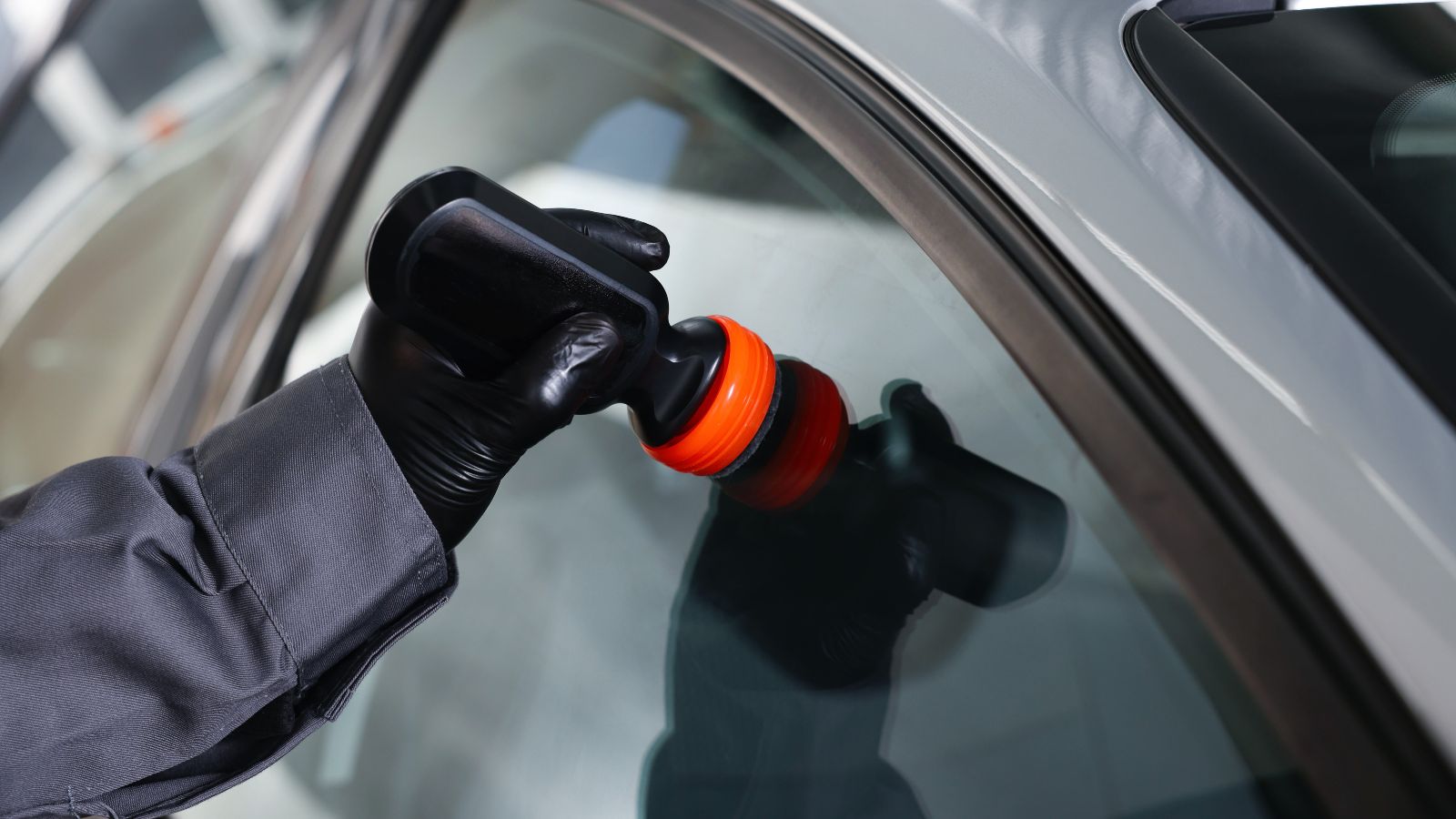
VIN etching involves marking the vehicle identification number on glass or other parts as a theft deterrent. The concept is not imaginary; vehicle identification can help trace stolen parts. The problem is price and presentation. Shoppers may find VIN etching added automatically, sometimes after the dealer says the service has already been installed and cannot be removed.
That is when the fee should be challenged. Many vehicles already carry VIN labels or identifying information from the factory, and aftermarket etching can often be purchased elsewhere for far less than some dealer packages. If the product is optional, buyers should be allowed to decline it. If it was pre-installed and mandatory, it should have been disclosed as part of the advertised price where all-in pricing rules apply. The strongest question is simple: can the vehicle be purchased without paying for this product?
Anti-Theft Protection Package

Anti-theft packages can include stickers, tracking registration, theft recovery assistance, insurance-style benefits, or replacement credits if the vehicle is stolen. These products are often sold with urgent language, especially in areas where vehicle theft has become a major concern. For a nervous buyer, a few hundred dollars can seem reasonable compared with the cost and stress of losing a vehicle.
The package still deserves careful review. Some benefits may duplicate comprehensive auto insurance, manufacturer-connected services, or existing anti-theft features built into the vehicle. Others may be limited by conditions, deductibles, claim procedures, or expiration dates. Buyers should ask for the contract before agreeing, not after the charge appears on the final paperwork. If the dealer claims the package is mandatory, the buyer should ask where that requirement was disclosed and whether the advertised price already included it.
Nitrogen Tire Fee
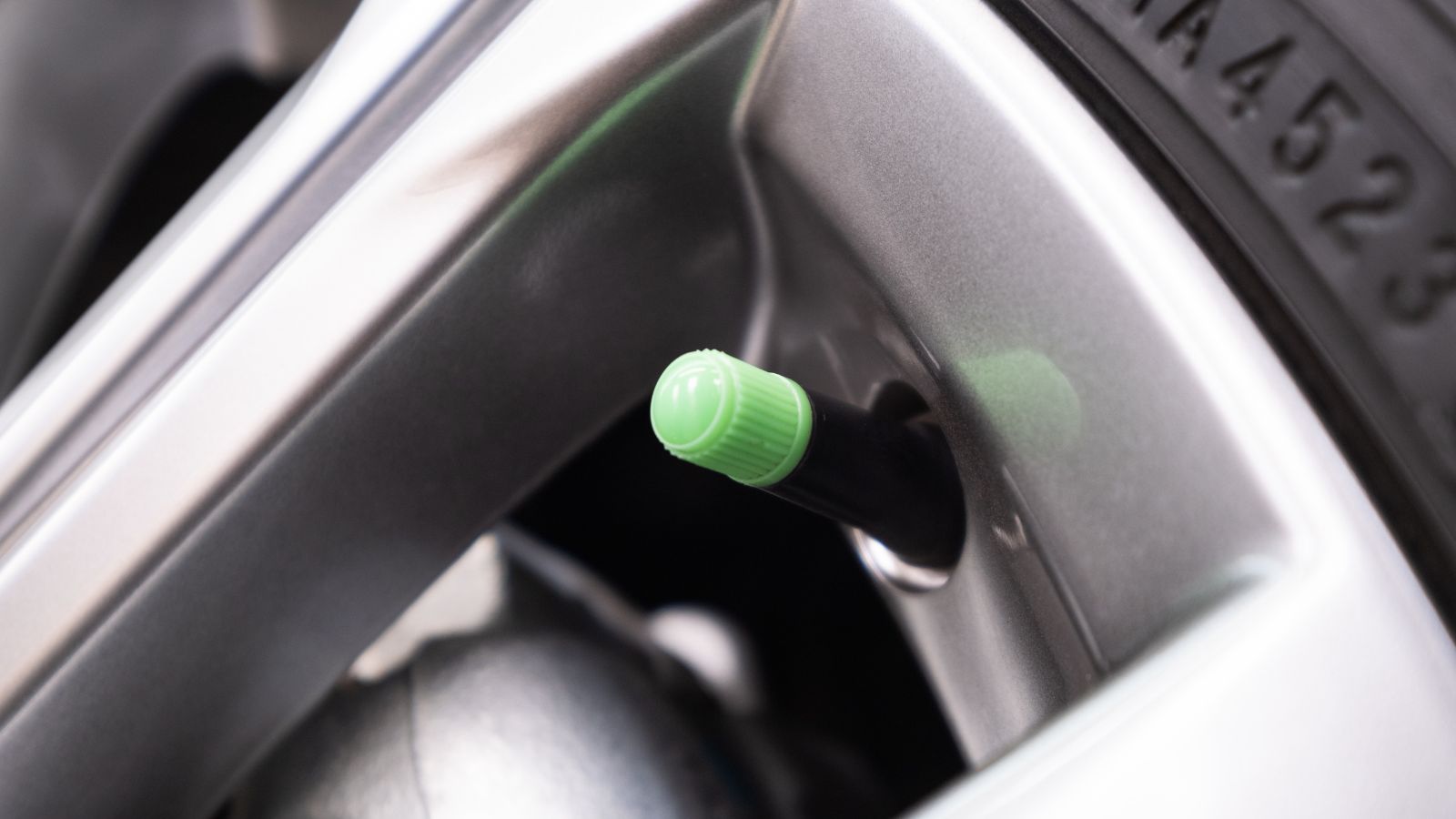
Nitrogen-filled tires are a classic dealership add-on because the sales pitch sounds scientific. Nitrogen can reduce pressure loss in certain controlled settings, and it is used in some commercial, aircraft, or racing applications. For ordinary passenger vehicles, however, regular air is already mostly nitrogen, and proper tire-pressure maintenance matters far more than the label on the invoice.
A nitrogen fee is worth questioning when it costs hundreds of dollars or appears as a mandatory package. Many drivers can check and adjust tire pressure at gas stations, tire shops, or at home for little or no cost. If the dealer says nitrogen has already been installed, the buyer can ask why that optional feature was not disclosed upfront. A practical compromise is to focus on the final price: if the dealer wants to include nitrogen, it should not inflate the agreed out-the-door total.
Tire and Rim Protection Fee

Tire and rim protection covers certain damage from potholes, road hazards, punctures, or bent wheels. In provinces with rough winter roads, the pitch can feel persuasive. A single low-profile tire or alloy wheel replacement can be expensive, and anyone who has hit a spring pothole understands the appeal of a safety net.
The weakness is in the exclusions. Some plans limit cosmetic damage, curb rash, winter tire sets, pre-existing wear, commercial use, or claims above a certain amount. Others require repairs at approved facilities or deny coverage if the tire is considered worn. Buyers should compare the plan price with the cost of their actual tires and wheels, not a generic worst-case example. It may be useful for some vehicles, but it should be a deliberate purchase, not a quiet fee buried in the payment.
Paint Protection Fee
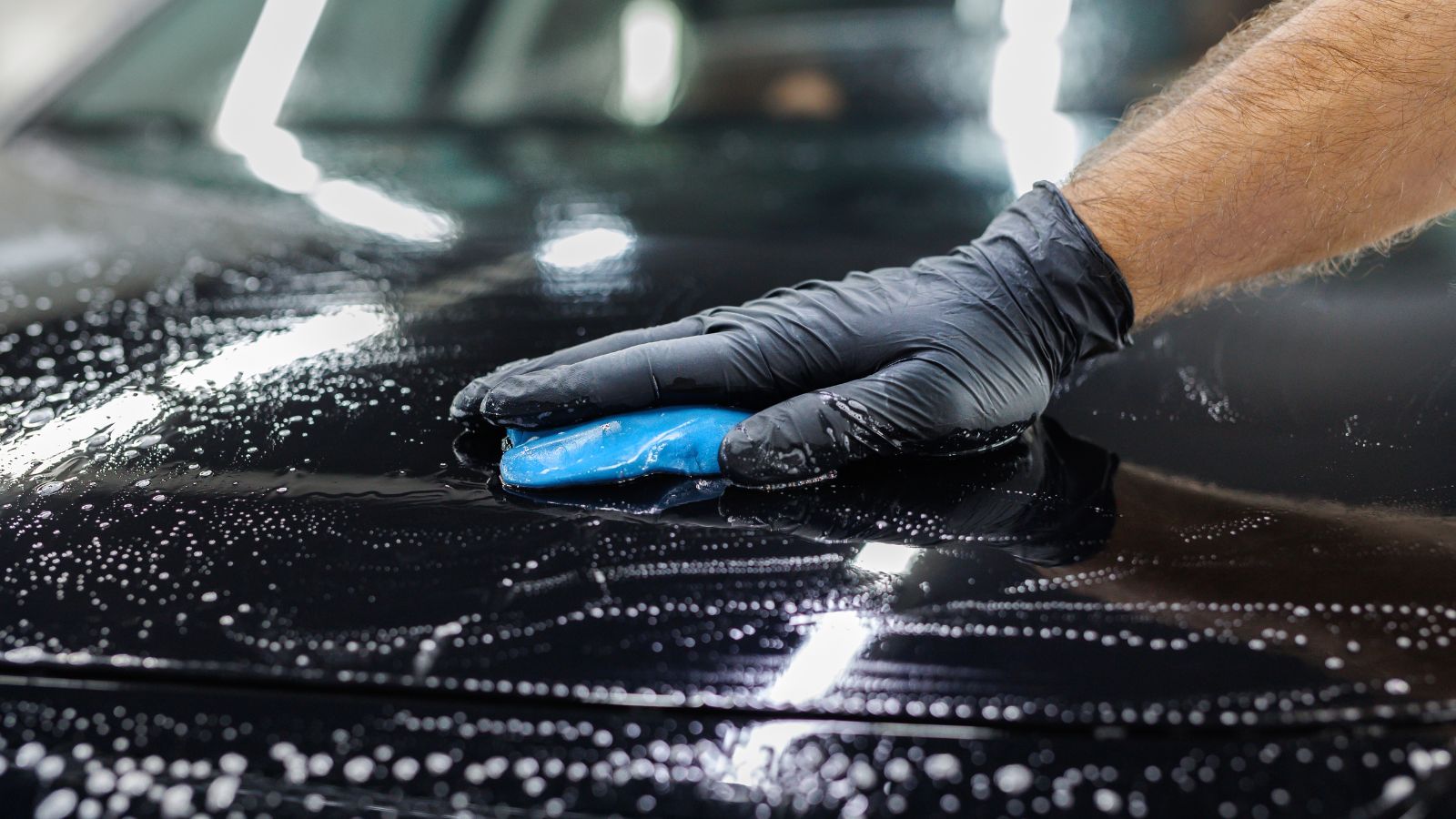
Paint protection may refer to wax, sealant, ceramic-style coating, film on high-impact areas, or a branded appearance package. The price range can be wide, from a modest dealer-applied coating to a four-figure package. The product may be described as essential against road salt, tree sap, bird droppings, UV damage, or winter grime.
The buyer should ask exactly what is being applied, who applies it, how long it lasts, and what the warranty actually covers. A true paint protection film on vulnerable panels is very different from a quick sealant applied during detailing. Dealer products can also overlap with regular washing, waxing, or professional detailing available elsewhere. If the package is already on the car, the buyer can still question whether it was disclosed in the advertised price. Appearance products should not become mandatory surprises.
Fabric or Interior Protection Fee
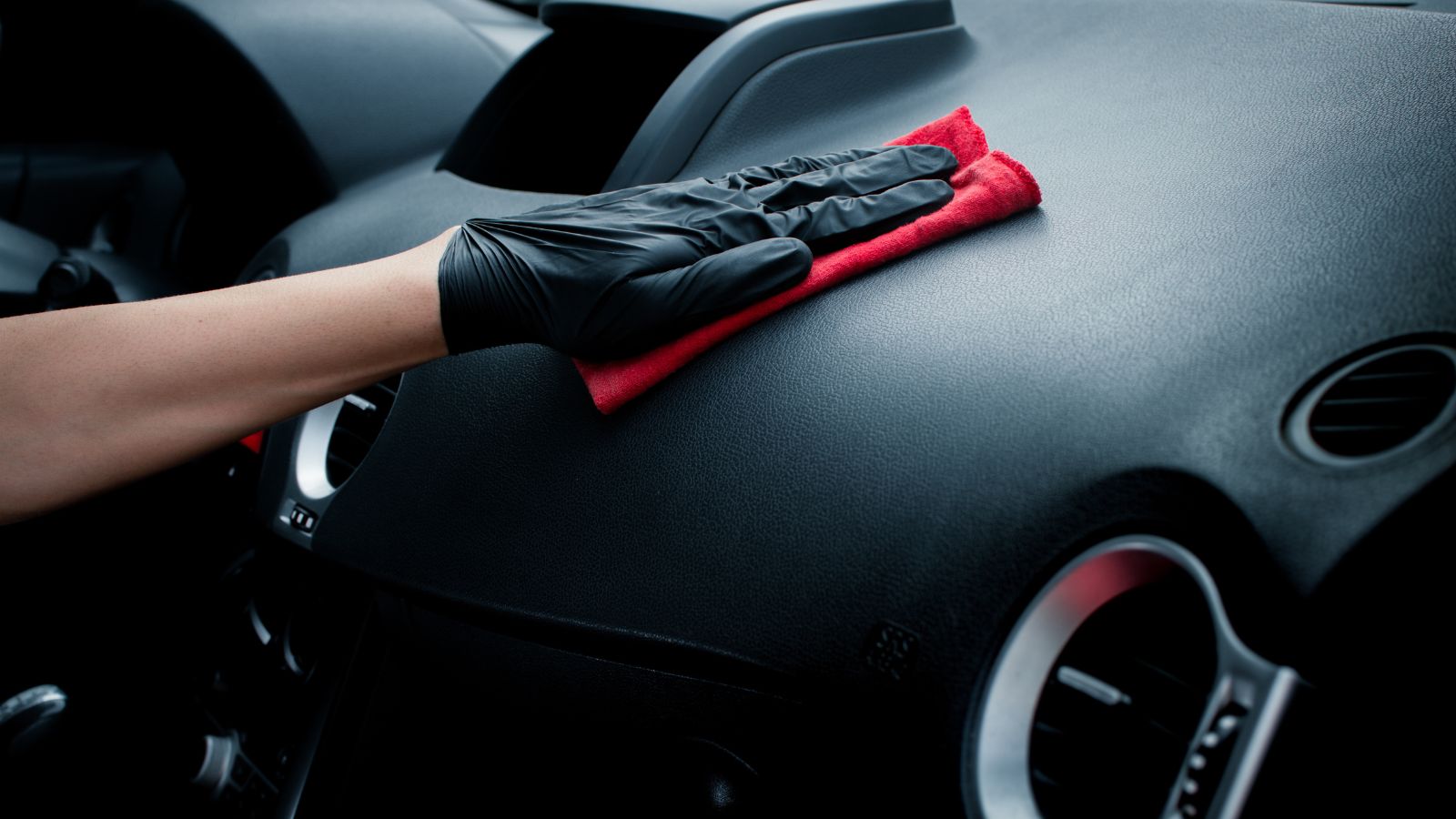
Fabric and interior protection packages are often sold to families, pet owners, commuters, and anyone choosing a light-coloured cabin. The pitch is easy to understand: spills happen, coffee leaks, winter boots track in salt, and resale value can suffer when seats look tired. The fee may cover a stain-resistant treatment, leather conditioner, odour protection, or a limited interior warranty.
The details matter more than the promise. Some interiors already use durable treated materials, while many stains can be handled with ordinary cleaning products. Warranty coverage may exclude damage from neglect, dye transfer, burns, punctures, or commercial use. Buyers should ask whether the protection is a physical treatment, an insurance-style contract, or both. If the interior package is optional, it should be presented as optional. If it is preloaded, its cost should be visible before negotiations reach the signature stage.
Rustproofing or Undercoating Fee
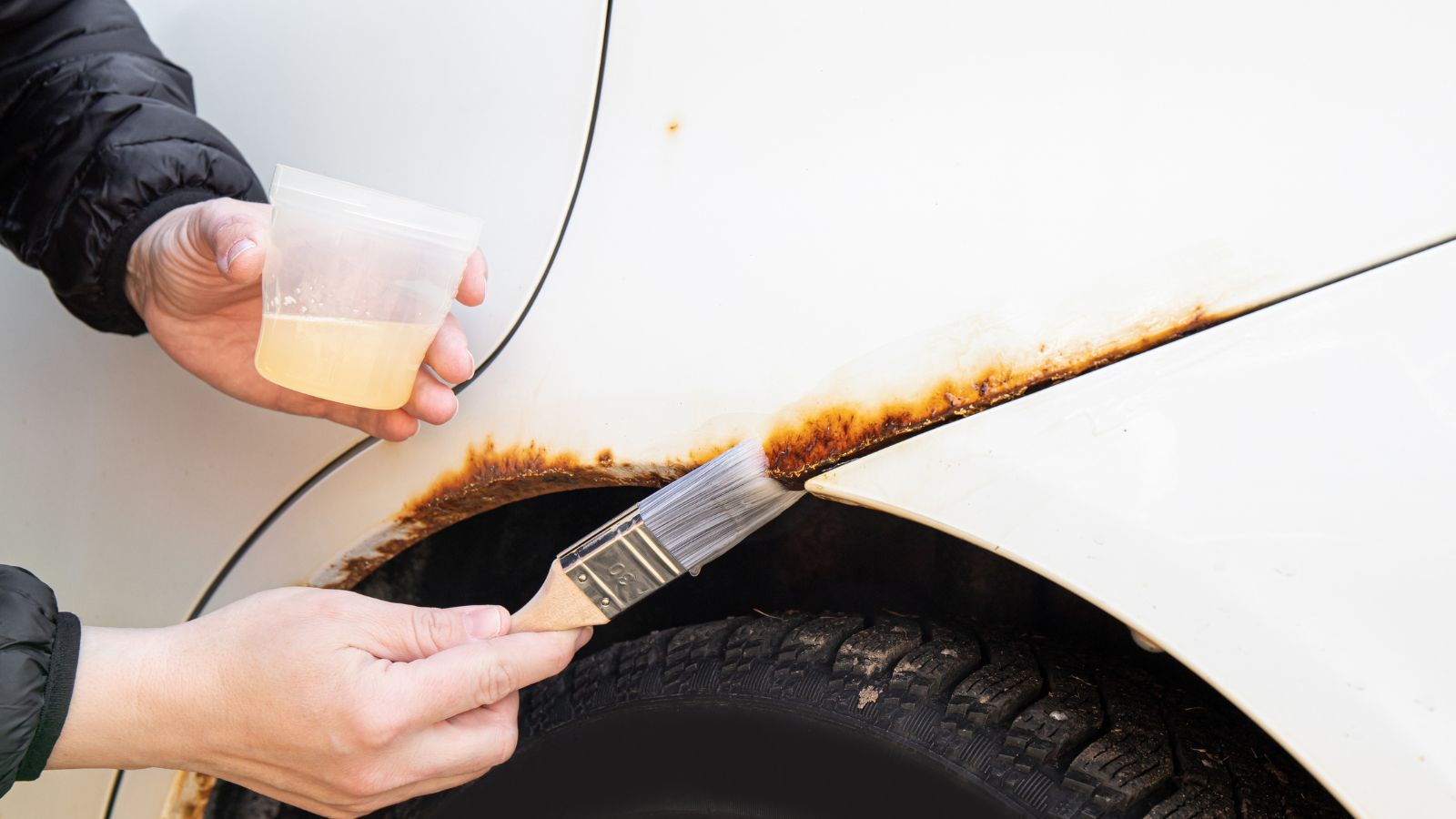
Rustproofing has a strong Canadian sales pitch because winter salt, slush, and freeze-thaw cycles are real. Dealers may offer oil spray, electronic rust modules, rubberized undercoating, corrosion warranties, or bundled protection packages. For drivers keeping a vehicle long-term, corrosion prevention can be worth considering, especially in regions with heavy road salt.
That does not mean every dealer rustproofing fee is a good deal. Some new vehicles already come with manufacturer corrosion coverage, and certain aftermarket applications may require maintenance or inspections to keep coverage valid. Rubberized coatings can also be controversial if moisture gets trapped underneath. Buyers should compare the dealer price with reputable independent rustproofing providers and read the warranty terms closely. A useful product becomes questionable when it is overpriced, duplicated, or added without a clear explanation.
Ceramic Coating Fee
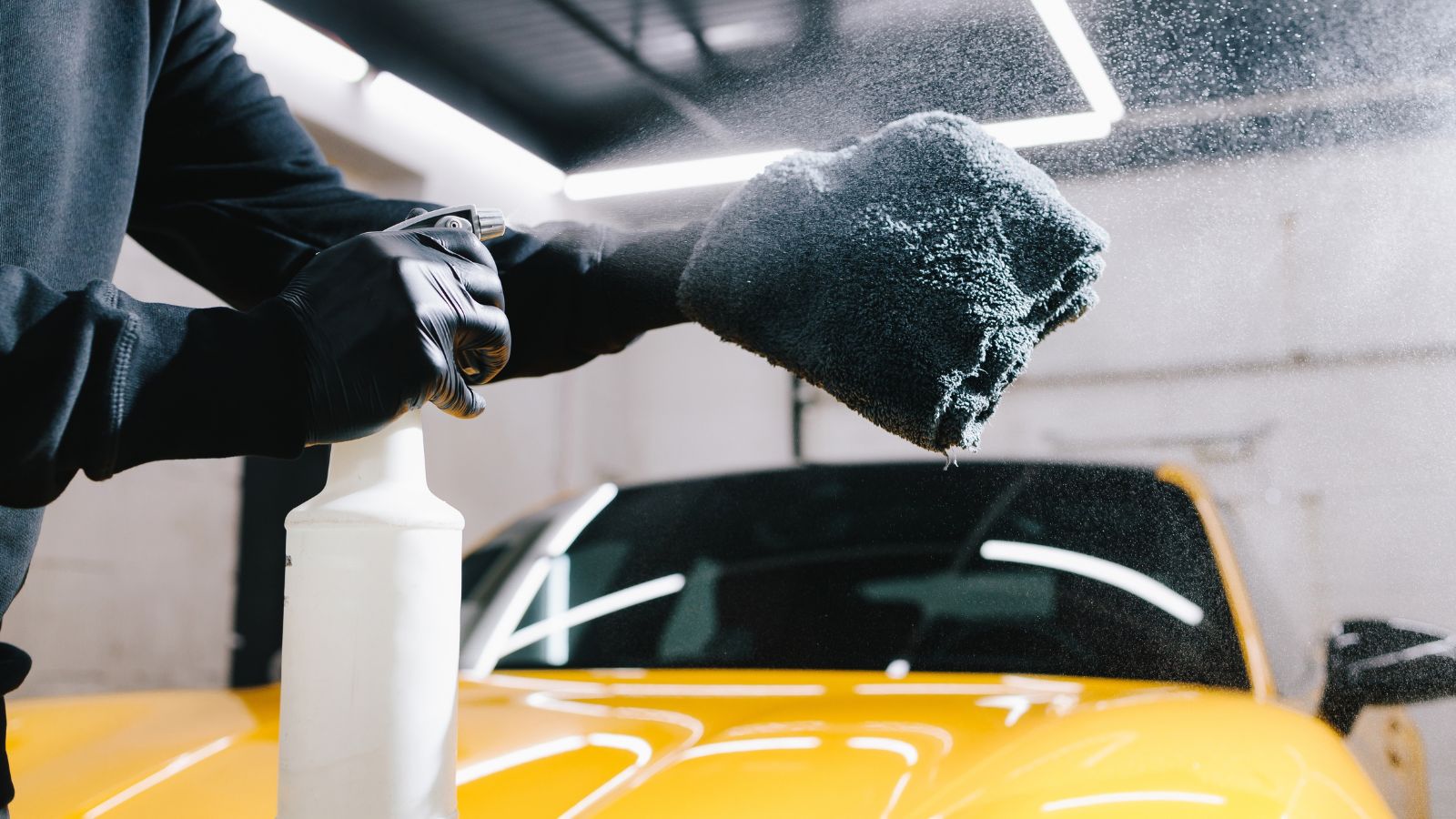
Ceramic coating is often marketed as a premium shield that makes paint glossier, easier to wash, and more resistant to contamination. Professional ceramic coatings can provide real benefits when paint is properly prepared and the coating is correctly applied. That preparation can include washing, decontamination, polishing, and controlled curing, which is why high-quality work is not simply a quick wipe-on product.
At a dealership, the buyer should ask who performs the coating and what preparation is included. A costly “ceramic” line item may not mean the same thing as a specialist detailer’s multi-stage coating service. The warranty may require approved soaps, inspections, or maintenance boosters. If a buyer wants ceramic protection, comparing local detailer pricing can reveal whether the dealer package is competitive. If the fee is mandatory, it belongs in the all-in price discussion rather than appearing as a late-stage upgrade.
Window Tint Fee

Window tinting can improve comfort, reduce glare, and give a vehicle a finished look. Dealers may install tint before delivery or sell it as part of an appearance package. The fee can be reasonable when the film is high quality, professionally installed, and compliant with provincial rules. The problem is that buyers may not know what film brand, darkness level, or warranty they are paying for.
Tint rules can vary by province and by window location, so the buyer should confirm that the tint is legal where the vehicle will be registered and driven. Cheap tint can bubble, fade, or interfere with visibility, while premium film may be worth more. A dealer should be able to provide specifications and warranty terms. If the tint was added before consent, the buyer should ask whether it can be removed from the price or offset in the negotiated total.
Accessory Package Fee
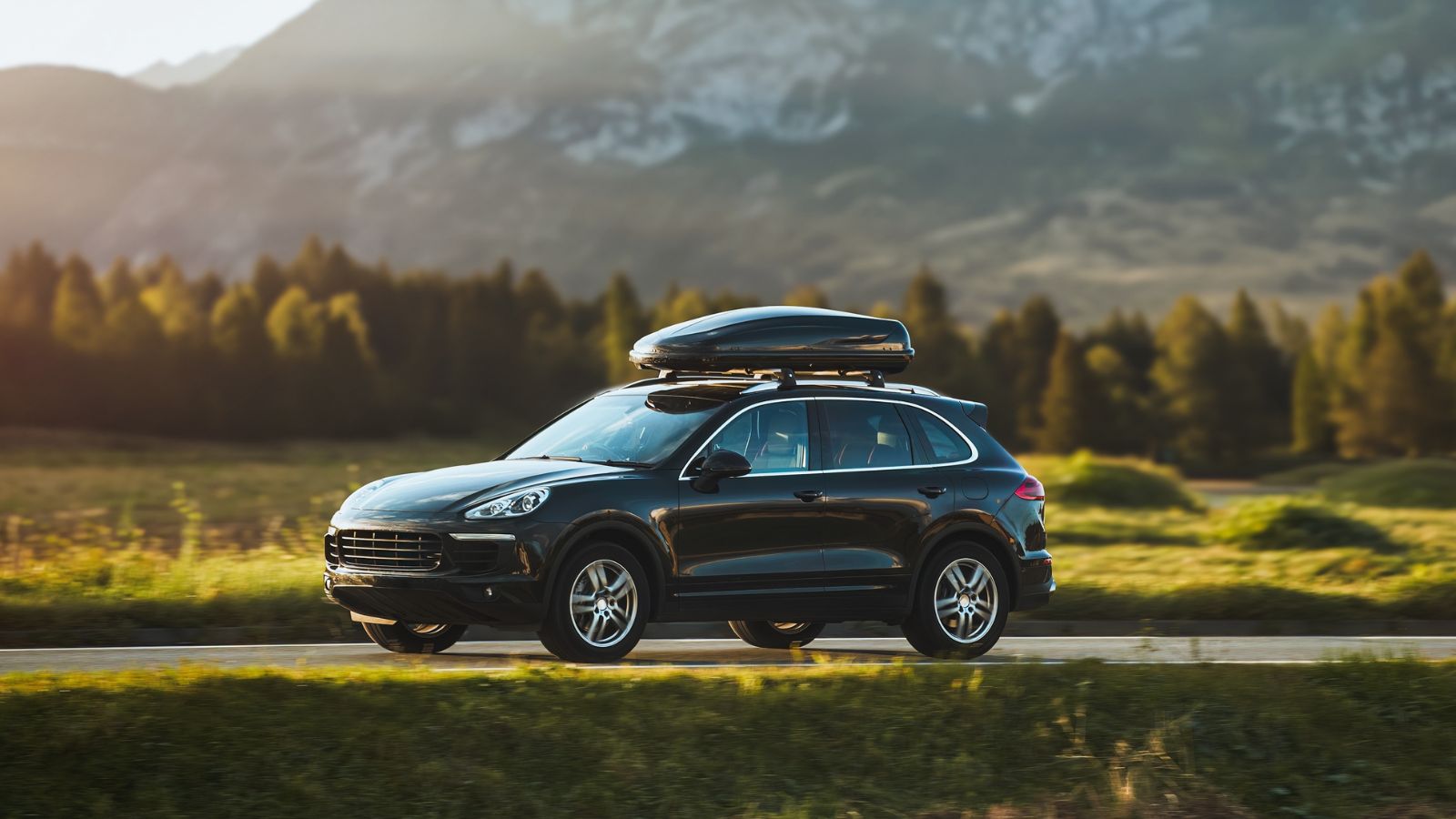
Accessory packages can include roof racks, cargo trays, splash guards, running boards, all-weather mats, block heaters, tonneau covers, or appearance trim. Some accessories are genuinely useful in Canada. A block heater in a cold region or winter mats in a slushy commute can make daily ownership easier. The issue is whether the package matches the buyer’s needs and whether the price is competitive.
A bundled accessory fee can hide markups because individual item prices disappear inside one neat line. Buyers should ask for a parts-and-labour breakdown and compare the total with manufacturer accessory pricing or aftermarket options. If the vehicle was advertised with the accessories already installed, any mandatory charge should have been reflected upfront in all-in pricing provinces. A customer should not be forced to pay for roof crossbars, cargo liners, or trim pieces that were never requested simply because they are already bolted on.
Wheel Locks, Mud Flaps, and Floor Mats Fee
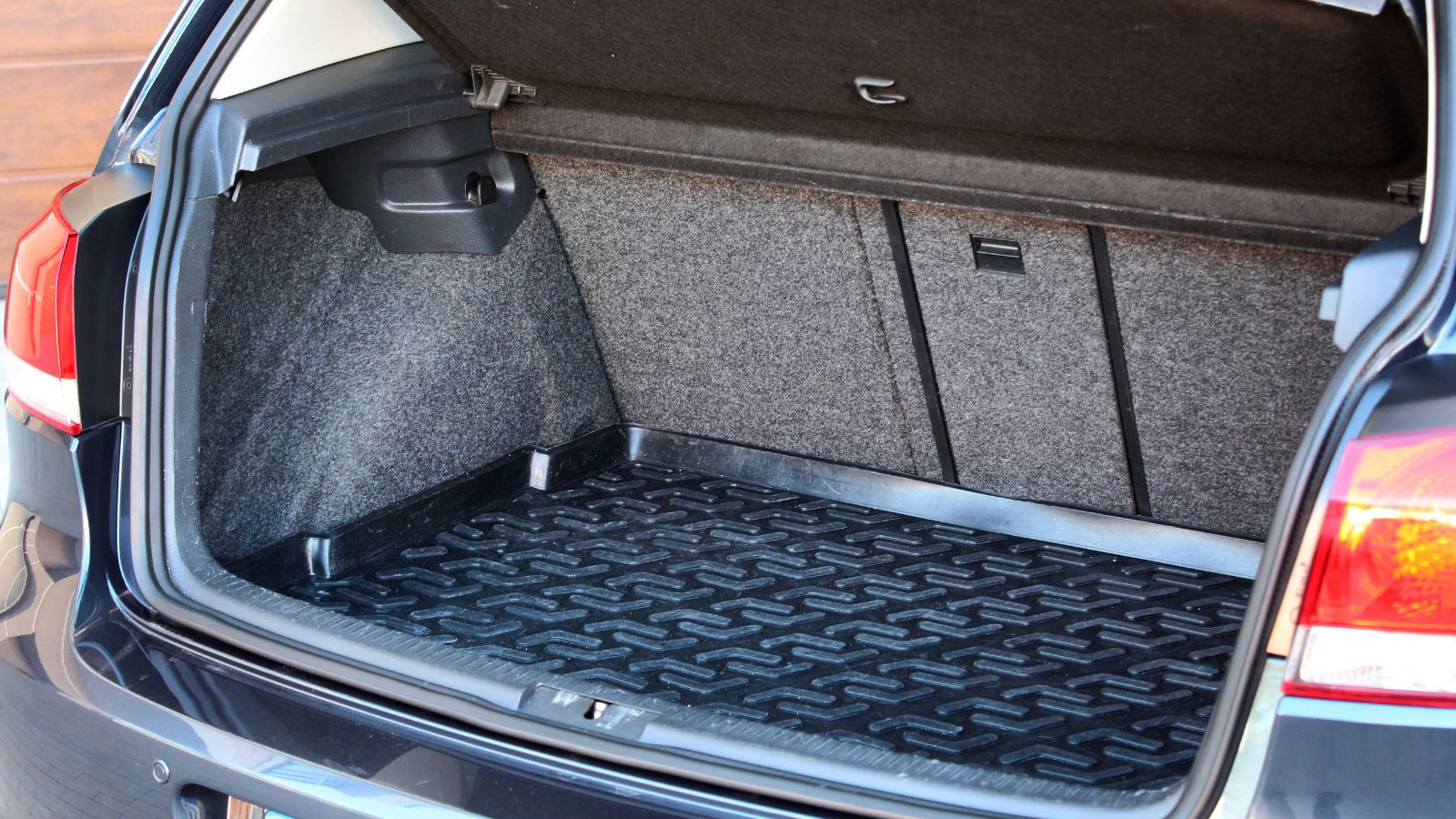
Small accessories can create big irritation because they often appear late and seem too minor to fight over. Wheel locks, mud flaps, cargo trays, nitrogen caps, and floor mats may each look inexpensive beside the vehicle price. Combined, they can add hundreds or even more than a thousand dollars to the deal. A buyer tired from negotiating may sign just to finish.
These items should be judged like any other purchase. Are they wanted? Are they priced fairly? Were they disclosed before the final contract? Factory floor mats may already come with some trims, while dealer-branded mats or mud flaps may be optional add-ons. Wheel locks can be useful, but they are widely available outside the dealership. The best response is not to debate every small item emotionally; it is to ask for the full accessory list and negotiate the total out-the-door price.
Extended Warranty Fee

Extended warranties and vehicle service contracts are among the most expensive finance-office products. They promise protection after the factory warranty ends, which can sound comforting as vehicles become more complex. Electronics, turbochargers, hybrid components, infotainment systems, and advanced driver-assistance sensors can be costly to repair. For some buyers, extended coverage may provide useful risk management.
The fee still needs careful questioning. Coverage may overlap with the manufacturer’s original warranty for the first years, and exclusions can limit what is actually covered. Deductibles, claim approvals, maintenance records, transfer rules, and cancellation terms all matter. Buyers should ask whether the warranty is backed by the manufacturer or a third party, whether it can be purchased later, and how much interest will be paid if it is rolled into the loan. A warranty should be chosen, not smuggled into a payment.
GAP Insurance Fee

GAP insurance, or guaranteed asset protection, is designed to cover the gap between an insurance settlement and the remaining loan balance if a vehicle is written off or stolen. It can be relevant when a buyer makes a small down payment, chooses a long loan term, rolls negative equity into a new deal, or buys a vehicle that may depreciate quickly.
The product is not automatically necessary for everyone. A large down payment, shorter loan, strong trade-in equity, or replacement-cost coverage through an auto insurer may reduce the need. Buyers should compare the dealer’s GAP price with options from their own insurance provider or lender. They should also check limits, exclusions, maximum benefit, and whether the premium is refundable if the loan is paid early. GAP can be sensible in the right case, but it should not be treated as a universal closing fee.
22 Things Canadians Do to Their Cars in Spring That Mechanics Hate
Spring brings relief to many Canadian drivers after months of snow, freezing temperatures, and icy roads that put serious strain on vehicles. As temperatures rise across the country, drivers begin washing cars, switching tires, and preparing vehicles for warmer weather and upcoming road trips. However, mechanics across Canada notice the same mistakes every spring when drivers attempt to recover from winter damage. Road salt, potholes, and harsh winter driving conditions often leave vehicles with hidden problems that drivers ignore. Some spring habits even create new mechanical issues that could have been avoided with proper maintenance. Here are 22 things Canadians do to their cars in spring that mechanics hate.