
























Cheap used cars often look like financial relief at first glance. The purchase price is low, the monthly payment seems manageable, and the thought of avoiding new-car depreciation feels sensible. Yet the real cost of an older vehicle usually begins after the keys change hands, when skipped maintenance, worn parts, insurance, financing, taxes, and inspection issues start arriving one bill at a time.
This breakdown covers 12 hidden costs that can turn an inexpensive used car into a fast-moving expense. Some are obvious only to mechanics, while others hide in paperwork, fuel consumption, or dealer add-ons. The lowest sticker price can still be the wrong deal when the vehicle needs immediate repairs or carries financial risks that were never visible in the listing.
Deferred Maintenance That Comes Due Immediately
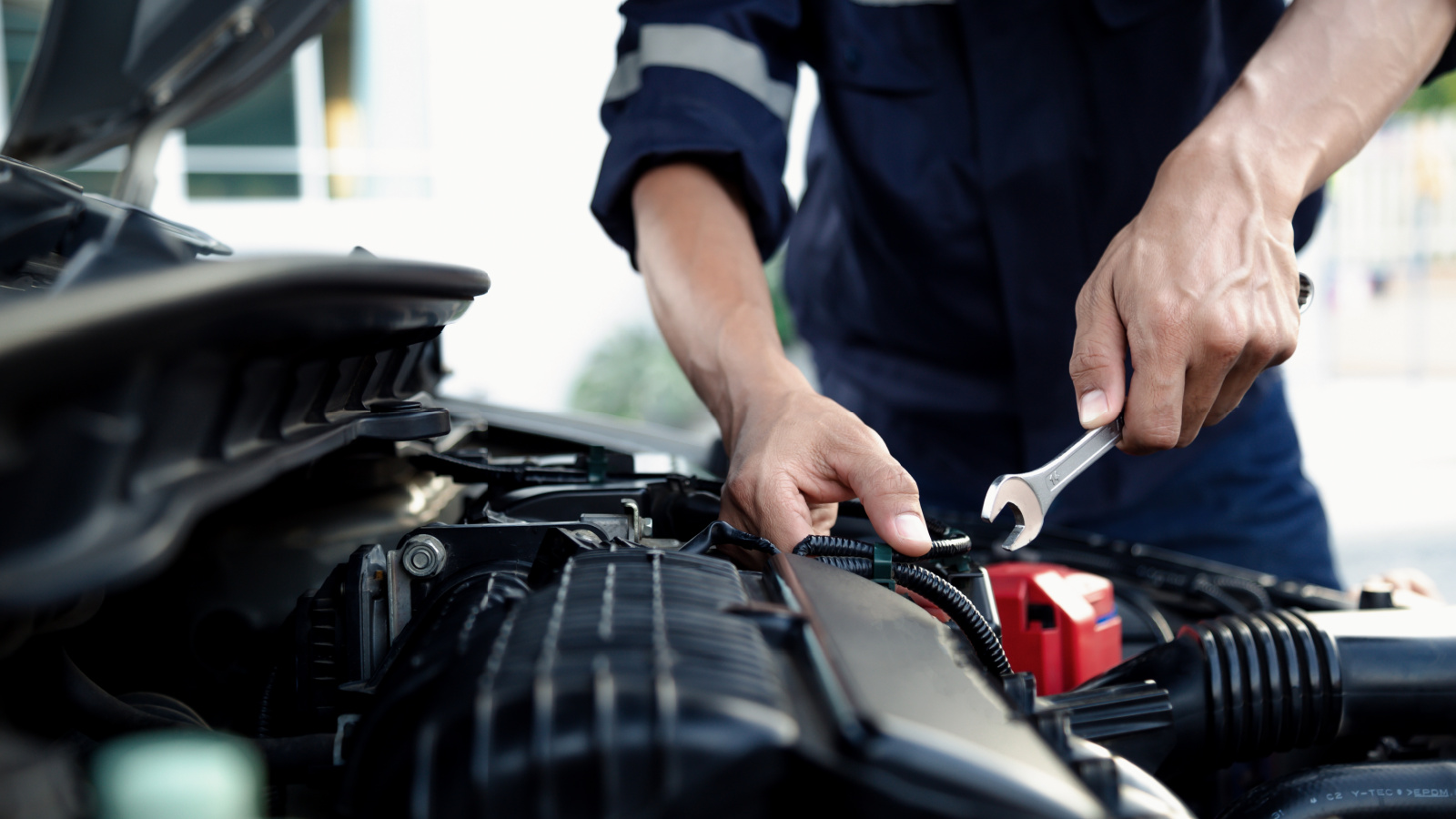
A cheap used car is often cheap for a reason: the previous owner may have delayed work that was not urgent enough to stop the sale but serious enough to become the next buyer’s problem. Oil changes, coolant service, spark plugs, filters, brake fluid, and transmission service do not disappear just because the car still starts. When several skipped items land at once, the first month of ownership can feel like paying a second down payment.
This is especially common with vehicles sold after a major service interval is approaching. A car listed at a tempting price may need tires, brakes, fluids, and a battery within weeks. Service records matter because they show whether the vehicle was maintained on schedule or simply cleaned up for sale. A buyer who sees a shiny exterior but no maintenance history may be looking at a car that is inexpensive only until the first shop visit.
Tires That Look Fine but Are Near the End
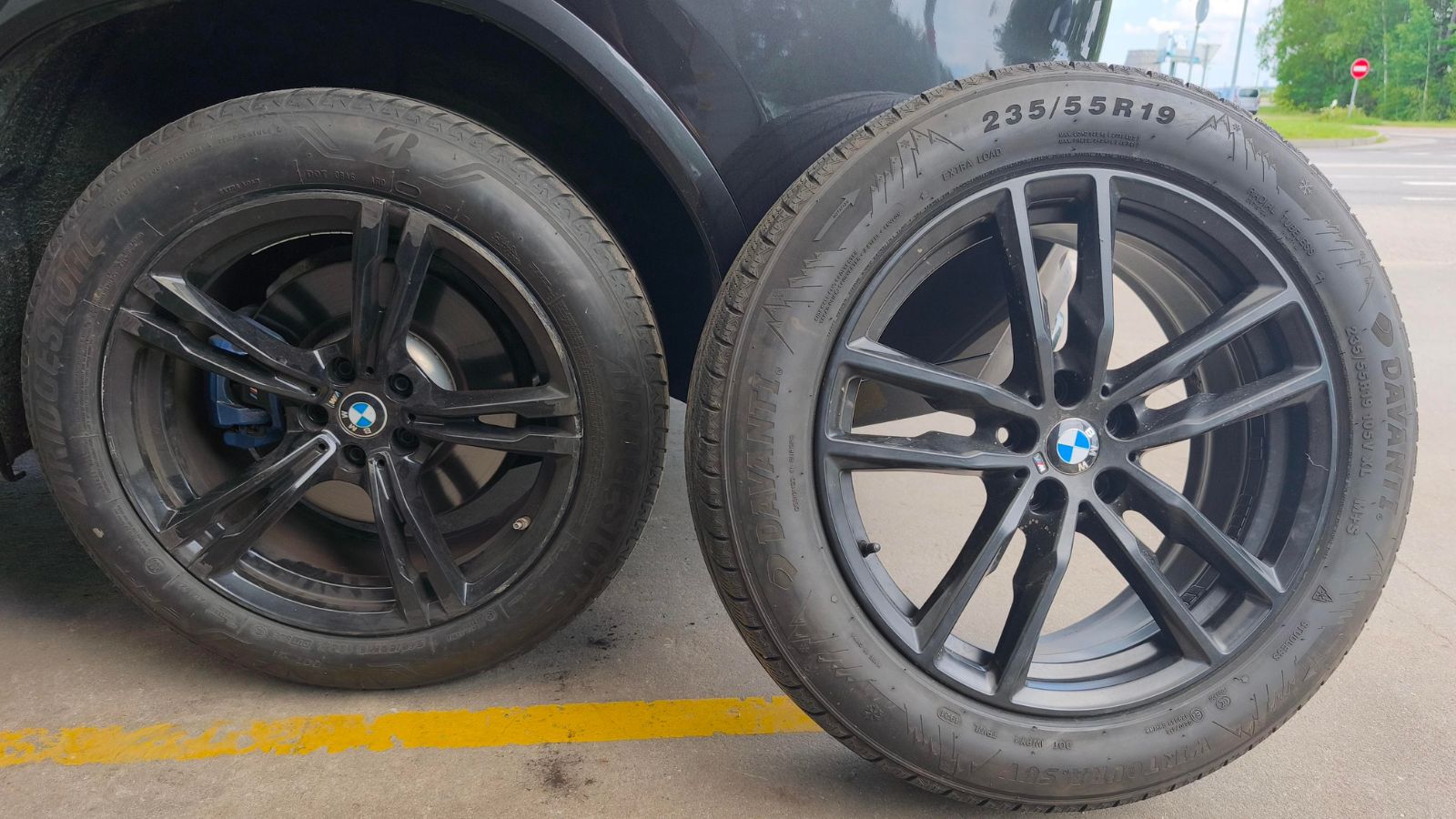
Tires are easy to underestimate because they can still look acceptable from a distance. A used car with evenly polished sidewalls and clean wheels may still have shallow tread, uneven wear, old rubber, or mismatched brands. Those details matter because tires affect braking, wet-road grip, steering feel, and safety. Replacing a full set can quickly erase the savings from buying a lower-priced vehicle.
Uneven tire wear can also hint at deeper problems. A car that pulls to one side or shows feathered tread may need an alignment, suspension parts, or steering repairs. In colder regions, a cheap car may also require winter tires, adding another ownership cost before the first snowstorm. The tires are often the first clue that the “deal” is not just about the asking price. They reveal how the vehicle was driven, maintained, and prepared for sale.
Brakes That Are Legal but Nearly Finished
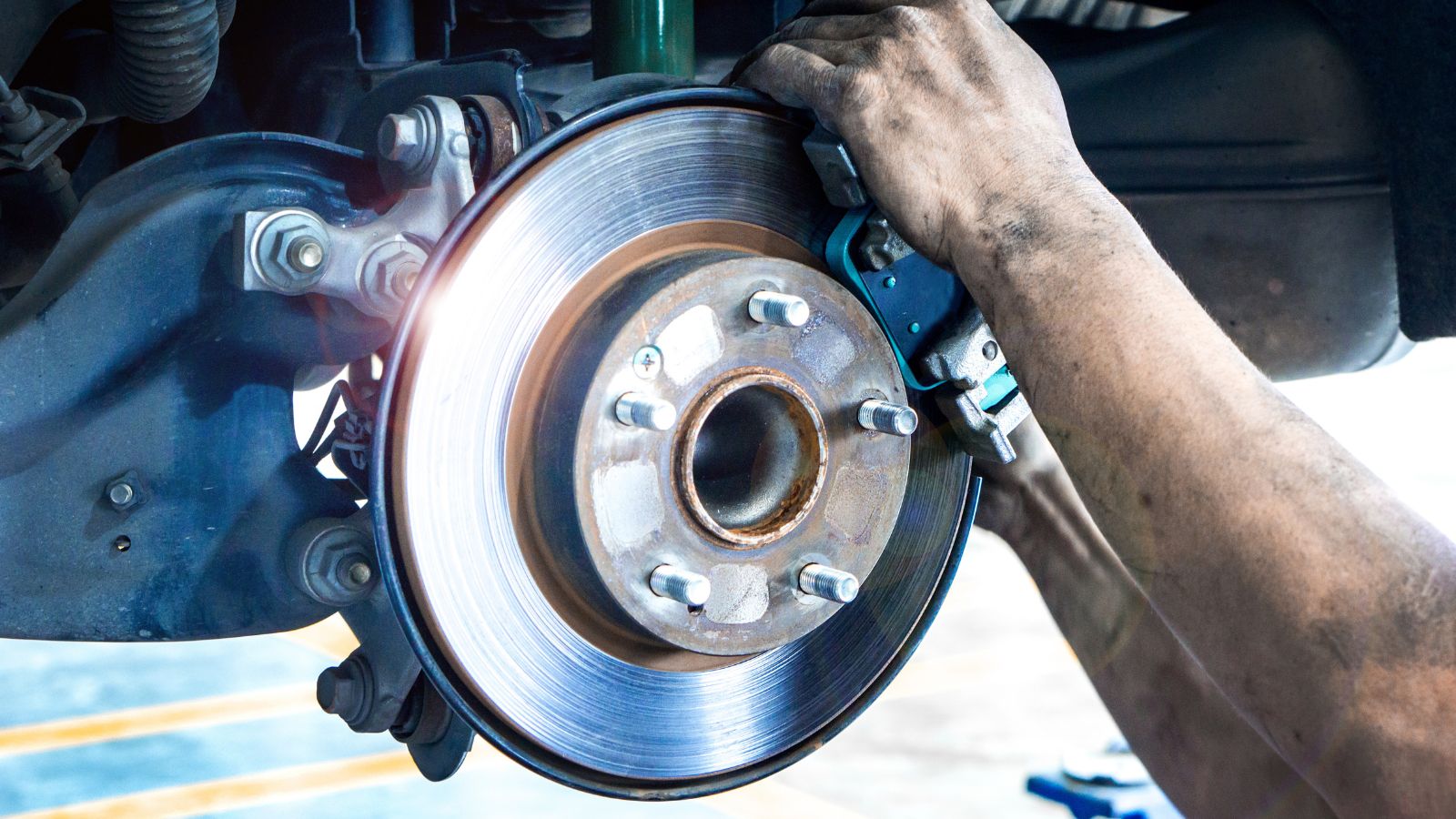
A used car can pass a basic inspection and still be close to needing brake work. Pads may be thin, rotors may be grooved, calipers may be sticking, and brake fluid may be old enough to affect performance. The car may stop during a short test drive, but that does not mean the braking system is healthy for another year. Cheap cars often carry these borderline repairs because sellers know the vehicle is still technically drivable.
Brake costs can rise quickly when multiple parts are involved. Replacing pads alone is one thing; adding rotors, calipers, brake hoses, or parking-brake hardware is another. For buyers trying to stay within a tight budget, the difference can be painful. A faint squeal, pulsing pedal, or grinding noise should not be dismissed as normal wear. On a used car, brake symptoms often mean the lowest-cost maintenance window has already passed.
Fluids, Belts, and Filters That Nobody Mentions
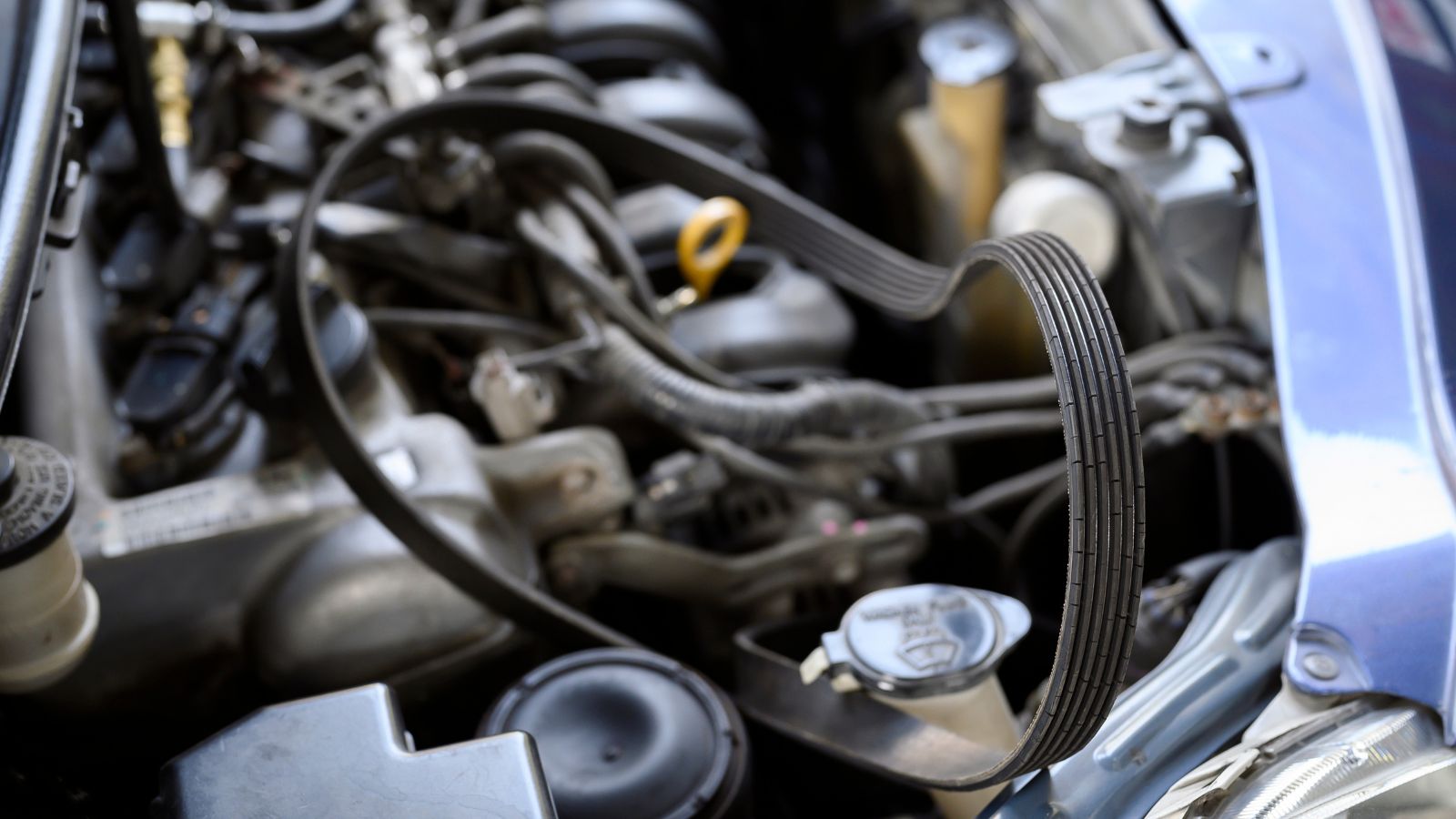
The hidden cost of a used car is not always a dramatic engine failure. Sometimes it is the quiet accumulation of neglected fluids, aging belts, and overdue filters. Coolant, transmission fluid, brake fluid, differential oil, and power-steering fluid all have service lives. When ignored, they can contribute to overheating, shifting problems, brake corrosion, or expensive drivetrain wear.
Timing belts deserve special attention on vehicles that use them. If a timing belt fails on an interference engine, the repair can move from routine maintenance to major engine damage. Even less dramatic parts, such as cabin filters or engine air filters, can point to how carefully the vehicle was maintained. A seller may advertise “runs great,” but a stack of overdue maintenance items can make the car expensive before anything actually breaks.
Warning Lights That Turn Into Diagnostic Bills

A glowing check-engine light is not a small detail just because the car still drives. It can signal something inexpensive, such as a loose gas cap, or something costly, such as catalytic converter trouble, sensor failures, fuel-system faults, or emissions issues. The real problem is uncertainty. Until a proper diagnostic scan and inspection are done, the buyer does not know whether the light is a minor nuisance or a repair that changes the entire deal.
Some sellers clear warning codes before a showing, allowing the light to stay off temporarily. That is why a short test drive is not always enough. Readiness monitors, recent battery resets, or incomplete emissions checks can expose whether the car has been recently cleared. Cheap used cars become expensive fast when warning lights are treated as bargaining points rather than mechanical questions that need answers before purchase.
Suspension and Steering Wear That Hides in the Drive
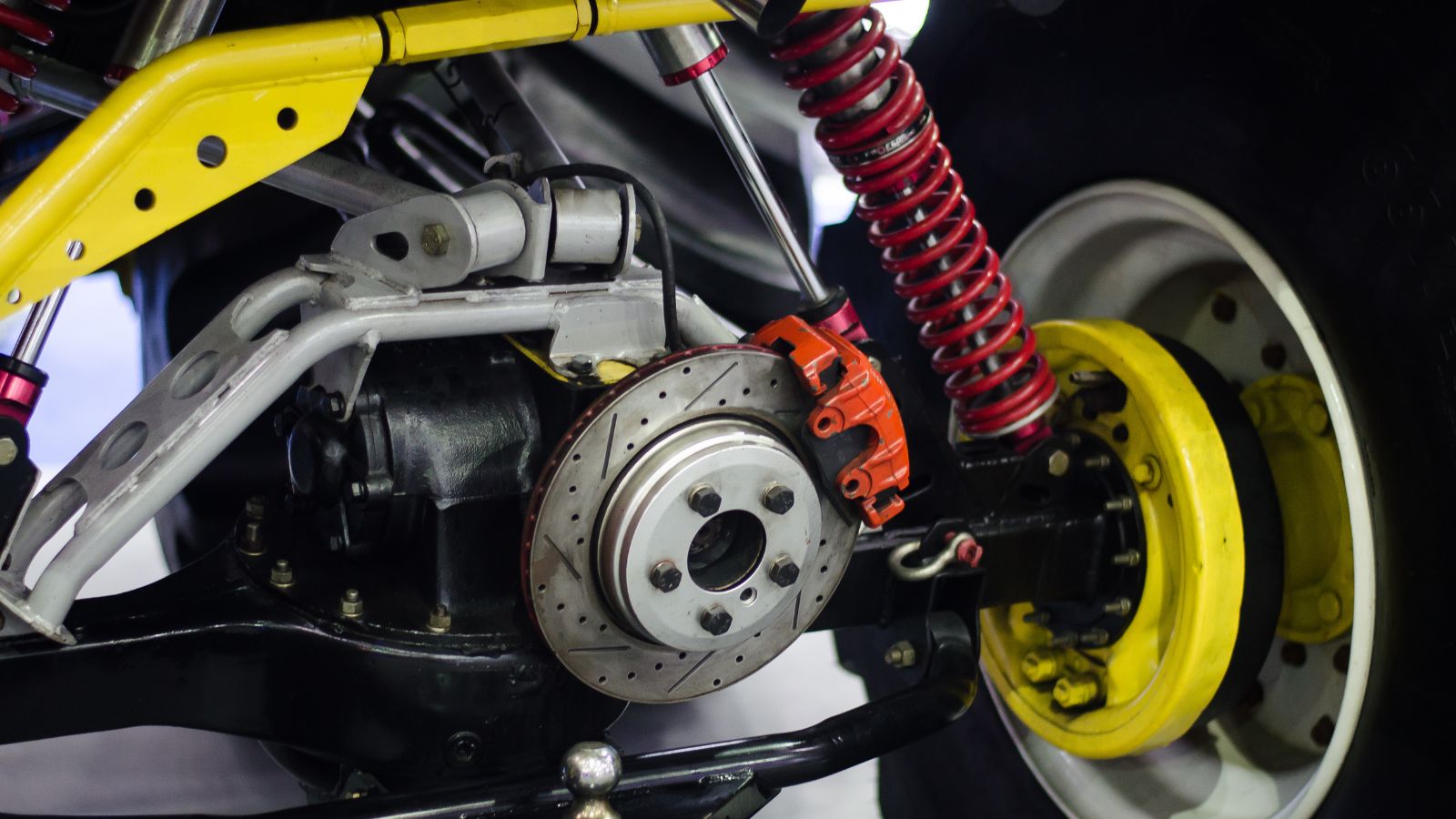
Suspension problems can be subtle during a casual test drive, especially on smooth roads. Worn shocks, struts, ball joints, control arms, bushings, tie rods, and wheel bearings may reveal themselves only over bumps, during braking, or at highway speeds. A car may feel acceptable around the block while still needing hundreds or thousands in work to restore safe handling and proper tire wear.
The human side of this cost is familiar: the buyer hears a small clunk and assumes it is harmless, then later learns that several related parts must be replaced together. Suspension wear also spreads costs into other areas. Bad alignment can ruin tires, worn shocks can affect braking stability, and loose steering components can become safety concerns. A low purchase price cannot compensate for a car that needs a full undercarriage refresh.
Rust That Starts as Cosmetic and Becomes Structural
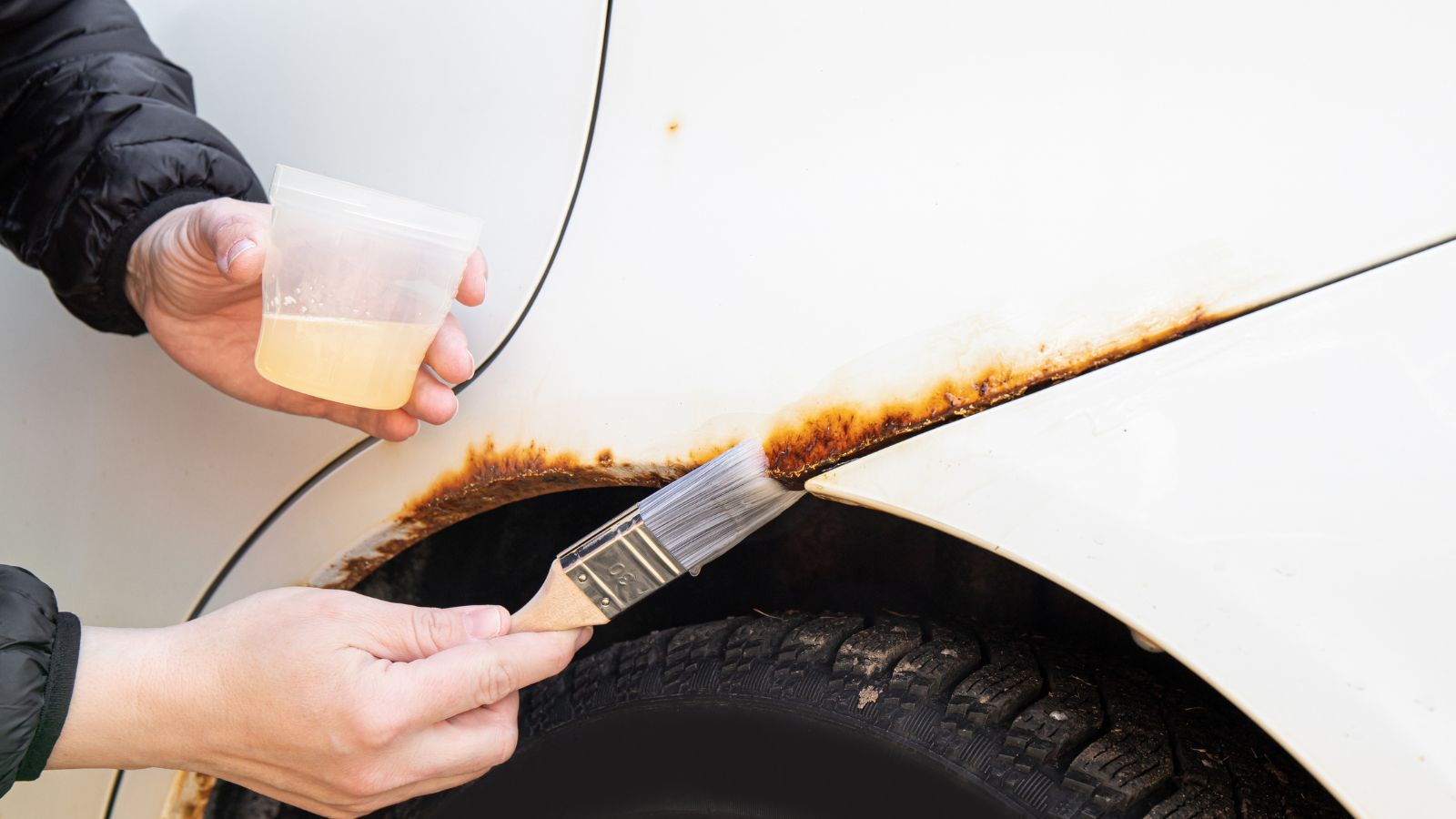
Rust is one of the most expensive hidden costs because it does not always look serious at first. A small bubble around a wheel arch, a flaky rocker panel, or corrosion under the doors may seem cosmetic. Underneath, however, rust can affect brake lines, fuel lines, suspension mounts, frame rails, and structural areas. Once corrosion reaches safety-related components, repair costs can climb beyond the value of an older vehicle.
Rust is especially important in regions that use road salt. A freshly washed car can hide years of winter exposure, and undercoating can sometimes conceal rather than solve problems. Buyers often notice paint shine before they look under the vehicle, which is exactly where the expensive evidence sits. A cheap used car with serious corrosion may not be a bargain; it may be a short-term vehicle with a long-term repair bill.
Insurance Premiums That Do Not Match the Sticker Price

A low purchase price does not guarantee low insurance. Insurers look at more than market value. Make, model, year, repair costs, theft risk, claim history, location, driver profile, coverage type, and parts availability can all affect premiums. Some older vehicles are surprisingly costly to insure because they are frequently stolen, expensive to repair after crashes, or associated with higher claim severity.
This catches buyers off guard when they quote insurance only after agreeing to buy. A cheap sporty coupe, older luxury model, or theft-prone SUV can cost more per month than expected. For households buying used to save money, that recurring cost matters more than a one-time discount. Insurance should be checked before the purchase, not after. A car that saves money at the dealership can quietly give it back through higher premiums.
Taxes, Registration, and Inspection Costs
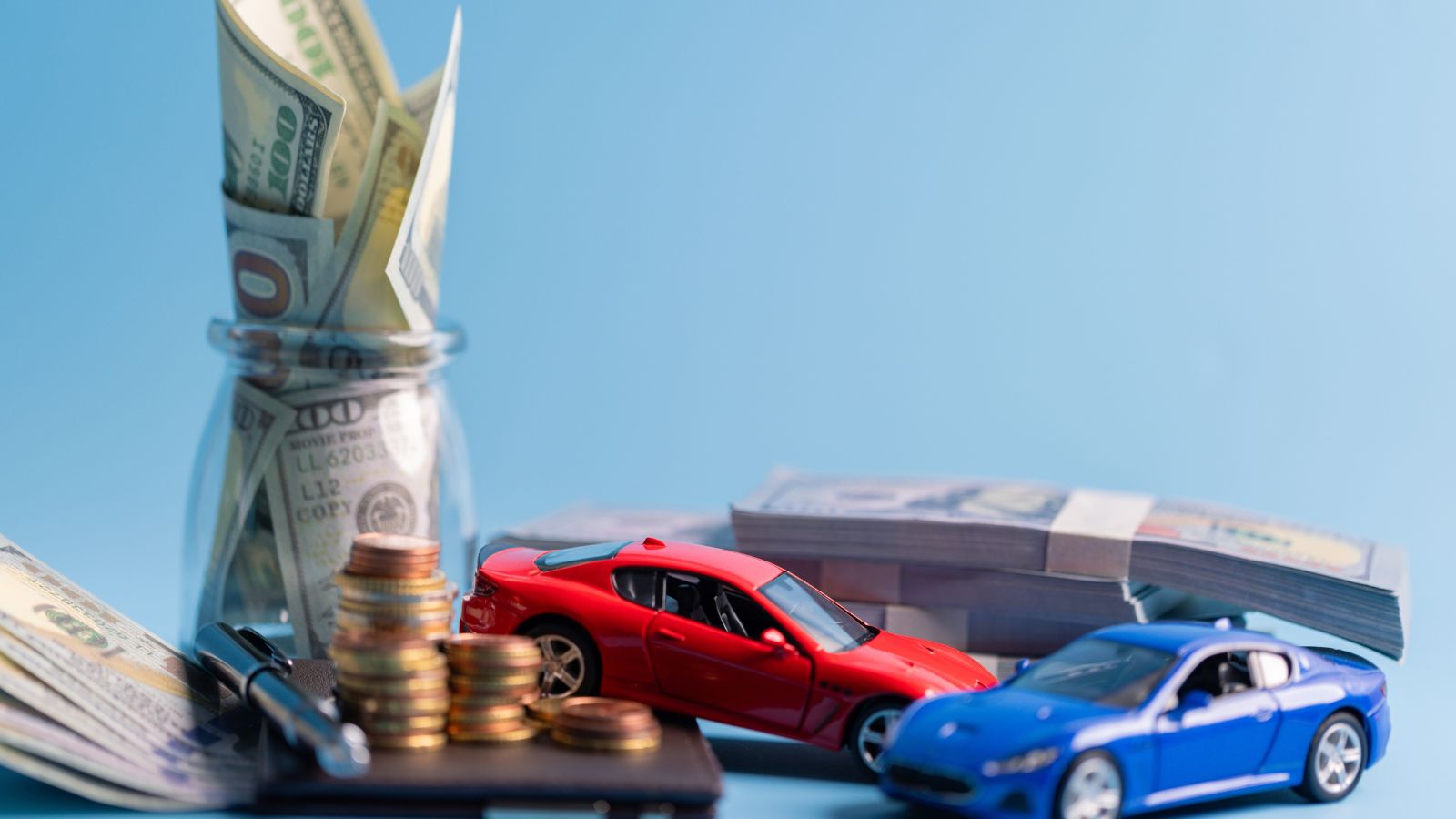
The price on a used-car listing rarely represents the full amount needed to put the vehicle legally on the road. Taxes, registration, title transfer fees, licence plates, inspection certificates, emissions requirements, and provincial or state rules can add meaningful costs. In some places, the tax may be based on a book value rather than the price a buyer says they paid, which can surprise anyone expecting the bill to match the handshake deal.
Inspection rules can also turn a cheap car into a repair project. A vehicle sold “as is” may be legal to sell but not legal to register or drive until it passes required checks. That distinction matters. A bargain car that needs tires, brakes, lights, windshield work, or exhaust repairs before certification may not be road-ready at all. The hidden cost is not just the inspection fee; it is everything required to pass.
Financing That Makes a Cheap Car Cost More

Financing can make an inexpensive car far more expensive than it appears. Buyers often focus on the monthly payment, but the total cost depends on the amount financed, interest rate, loan term, down payment, fees, and whether taxes or add-ons are rolled into the loan. A longer term can make payments look manageable while increasing total interest and keeping the borrower in debt long after the car starts needing age-related repairs.
Older used cars can also carry higher financing risks. Some lenders charge higher rates on older vehicles, smaller loans, or buyers with weaker credit. A low sticker price loses its advantage if the loan is expensive. The danger is most obvious when a buyer stretches the term to afford repairs, warranty products, or dealer extras. The car may be cheap, but the financing structure can make ownership feel costly month after month.
Dealer Add-Ons and Fees That Inflate the Deal

A used car can be advertised cheaply and still become expensive in the finance office. Documentation fees, preparation fees, anti-theft products, fabric protection, rustproofing, VIN etching, service contracts, tire-and-wheel plans, and guaranteed asset protection can all push the final price higher. Some products may be useful in specific cases, but others are optional and should not be treated as unavoidable.
The problem is timing. After negotiating the vehicle price, many buyers are tired and eager to finish. That is when add-ons can be presented as routine, already installed, or bundled into the payment. Even a small monthly increase can become a large cost over the life of a loan. A cheap used car should be judged by the out-the-door price, not the advertised price. The final contract is where hidden costs often stop hiding.
Vehicle History Problems, Liens, and Recalls

A low price can reflect a complicated history. Accident damage, rebuilt or salvage branding, odometer concerns, past fleet use, open recalls, flood exposure, theft records, or unresolved liens can all affect value and risk. A clean-looking car may still carry paperwork issues that make it harder to insure, finance, register, repair, or resell. The cheapest listing in town may simply be priced to move a problem quickly.
Vehicle history reports and recall checks are not perfect, but they are important filters. They can reveal events tied to the vehicle identification number and help buyers ask sharper questions. Still, a clean report does not replace a mechanical inspection because not every repair or incident is recorded. The safest approach is to combine paperwork, inspection, test drive, and seller documentation. Hidden history can become one of the fastest ways a cheap car turns expensive.
Fuel Consumption That Eats the Savings
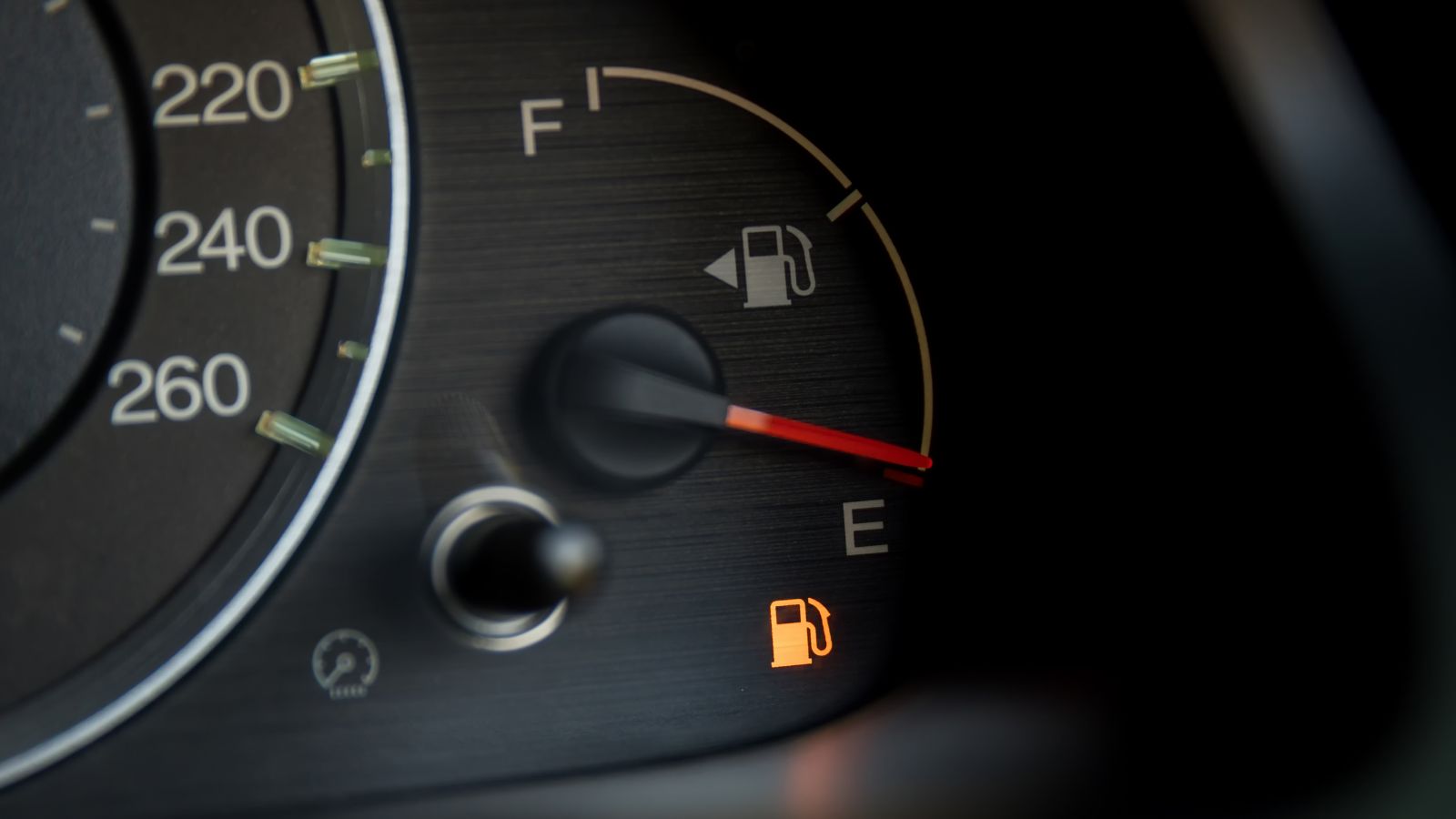
Fuel cost is one of the easiest hidden expenses to ignore because it arrives in small payments. A cheap used SUV, pickup, or older sedan may cost less upfront but consume far more fuel than a smaller or more efficient model. Over a year, the difference can become substantial, especially for commuters, delivery drivers, students, or families making frequent long trips.
Official fuel-consumption tools make this easier to compare before buying. The issue is that many shoppers compare purchase prices but not litres per 100 kilometres, miles per gallon, or annual fuel estimates. A less efficient bargain can cost more every week, and rising fuel prices magnify the gap. For buyers trying to control total ownership costs, fuel economy is not a side detail. It is one of the recurring expenses that determines whether a cheap used car stays cheap.
22 Things Canadians Do to Their Cars in Spring That Mechanics Hate
Spring brings relief to many Canadian drivers after months of snow, freezing temperatures, and icy roads that put serious strain on vehicles. As temperatures rise across the country, drivers begin washing cars, switching tires, and preparing vehicles for warmer weather and upcoming road trips. However, mechanics across Canada notice the same mistakes every spring when drivers attempt to recover from winter damage. Road salt, potholes, and harsh winter driving conditions often leave vehicles with hidden problems that drivers ignore. Some spring habits even create new mechanical issues that could have been avoided with proper maintenance. Here are 22 things Canadians do to their cars in spring that mechanics hate.