
























The cheapest pump on the route can feel like a small victory, especially when fuel prices keep changing and every fill-up seems to cost more than expected. But the lowest posted price is only one part of the real cost. Fuel quality, distance, octane needs, payment rules, station maintenance, and driving habits can all change whether that bargain actually saves money. These twelve factors show why the least expensive gas is sometimes a smart buy—and sometimes a choice that quietly costs more later.
The Detour Can Eat the Discount
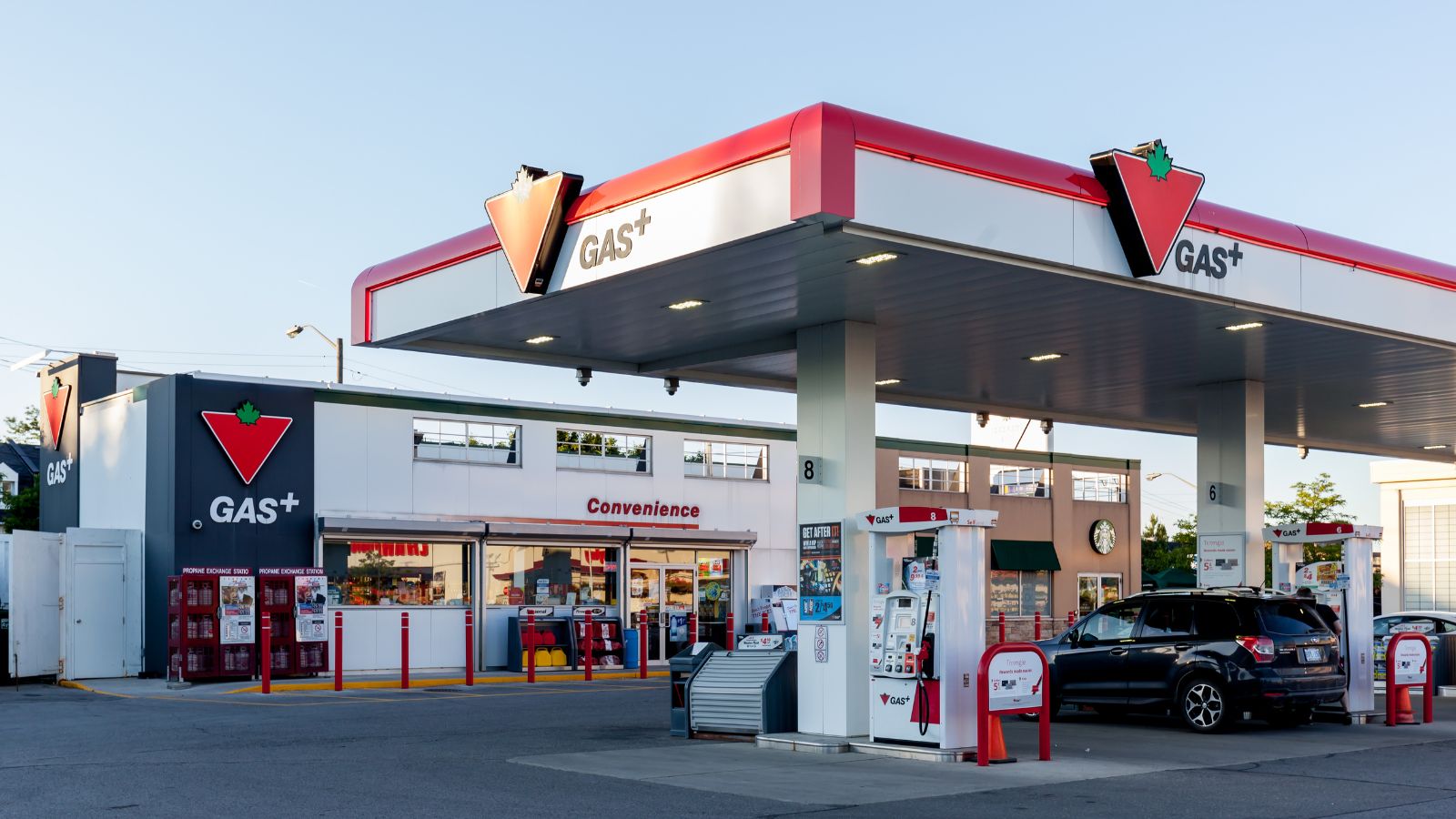
A lower pump price loses its appeal quickly when reaching it requires extra kilometres, extra traffic lights, or a long loop through a busy commercial strip. A driver saving a few cents per litre may burn much of that savings just getting to the station. The math is especially unforgiving for larger vehicles, winter driving, and short errand trips where stop-and-go traffic uses more fuel than steady cruising.
Consider a family SUV that goes several kilometres out of the way to save a small amount on a tank. The posted price may look better, but the real bill includes fuel burned during the detour and the time spent getting there. A cheaper station that already fits into a normal route can make sense. One that turns a routine drive into a special trip may be more expensive than it looks.
Low-Detergent Fuel Can Create Long-Term Costs
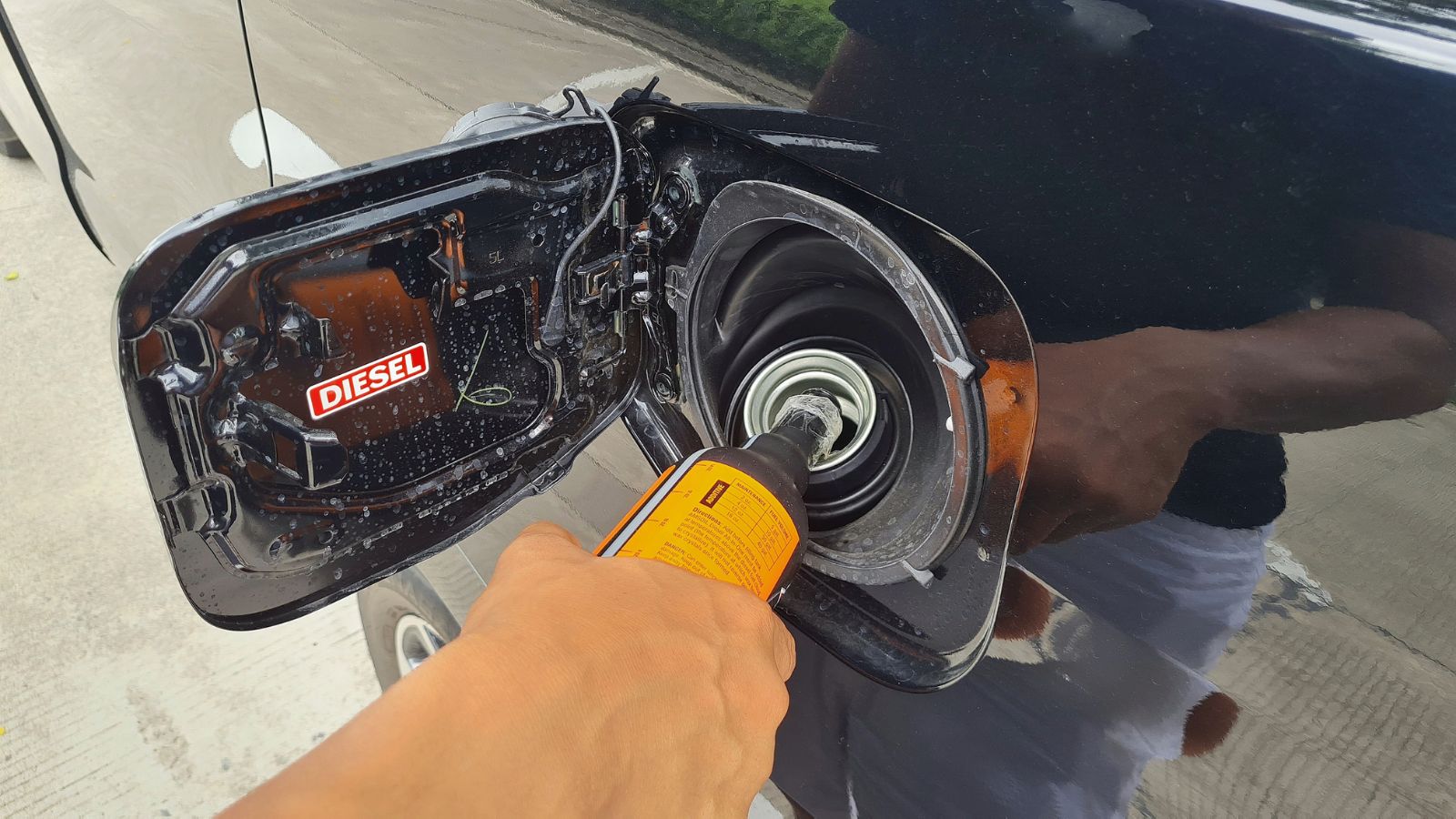
Not all gasoline is equal once it enters the engine. Modern fuel systems depend on detergents to help control deposits on injectors, intake valves, and combustion chambers. A bargain fuel may meet minimum legal requirements, but that does not always mean it offers the same deposit-control performance as higher-detergent fuels. Over time, deposits can interfere with fuel spray, combustion quality, and engine smoothness.
AAA testing found a striking difference between Top Tier and non-Top Tier fuels in controlled testing, with non-Top Tier gasoline leaving far more deposits after simulated driving. The practical concern is not that every cheap station sells poor fuel, because many discount brands meet high standards. The concern is assuming price alone proves value. A few cents saved at the pump can feel hollow if the result is rough idling, lower efficiency, or a cleaning service later.
The Wrong Octane Can Be a False Economy
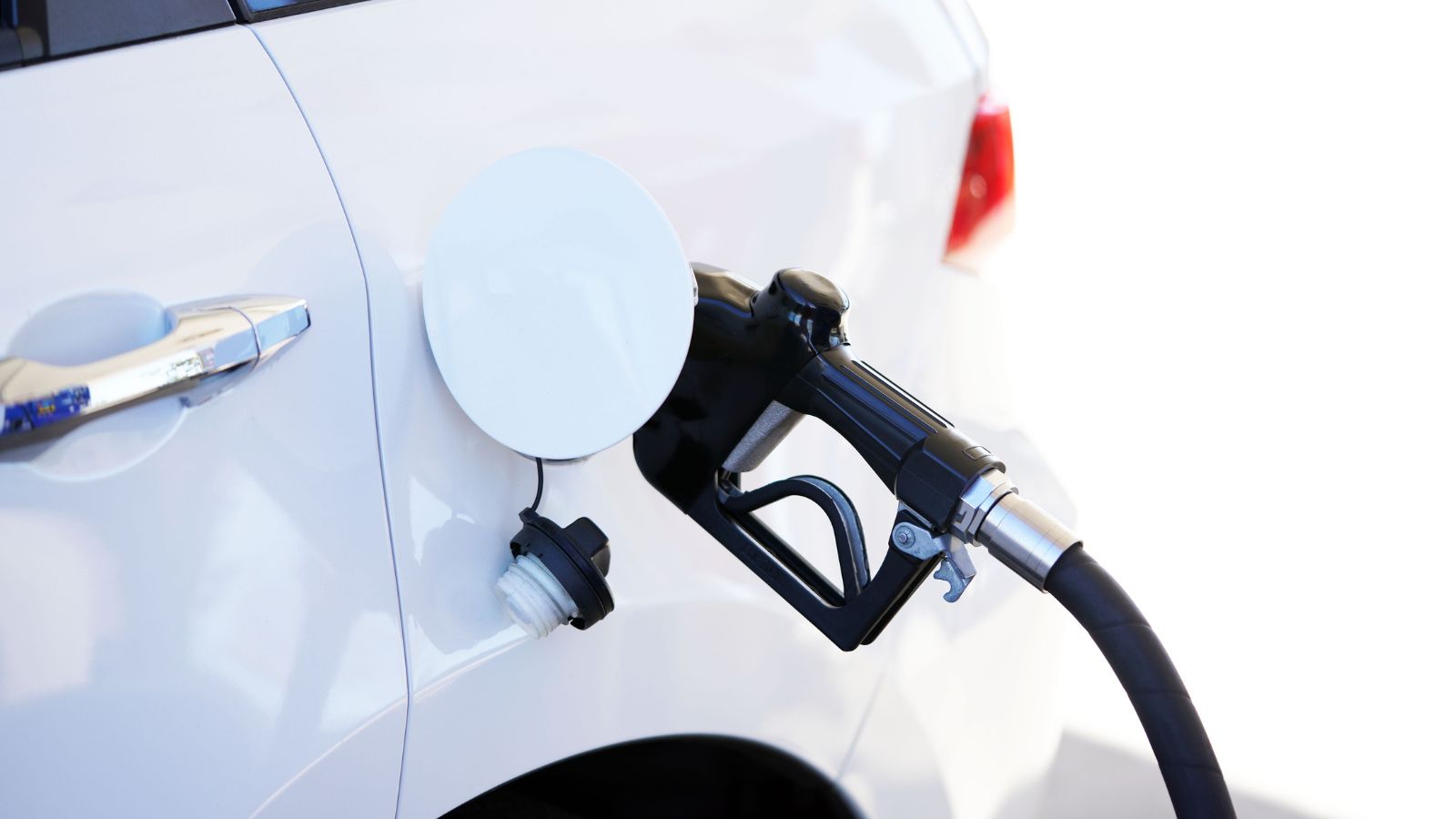
The cheapest gas is usually regular grade, and regular is the right choice for many vehicles. But some engines require mid-grade or premium fuel to prevent knock, especially high-compression or turbocharged engines. When a vehicle truly requires higher octane, buying the cheapest grade can force the engine computer to pull timing, reduce performance, or protect the engine in ways that may hurt efficiency.
There is also a reverse mistake: assuming premium is always better. Higher octane does not automatically mean more energy or a cleaner engine. For most vehicles designed for regular, premium usually offers no meaningful advantage. The cheapest smart choice is the lowest octane grade the vehicle can safely use according to the owner’s manual—not simply the lowest number on the pump.
Ethanol Blends Can Change the Real Cost Per Kilometre
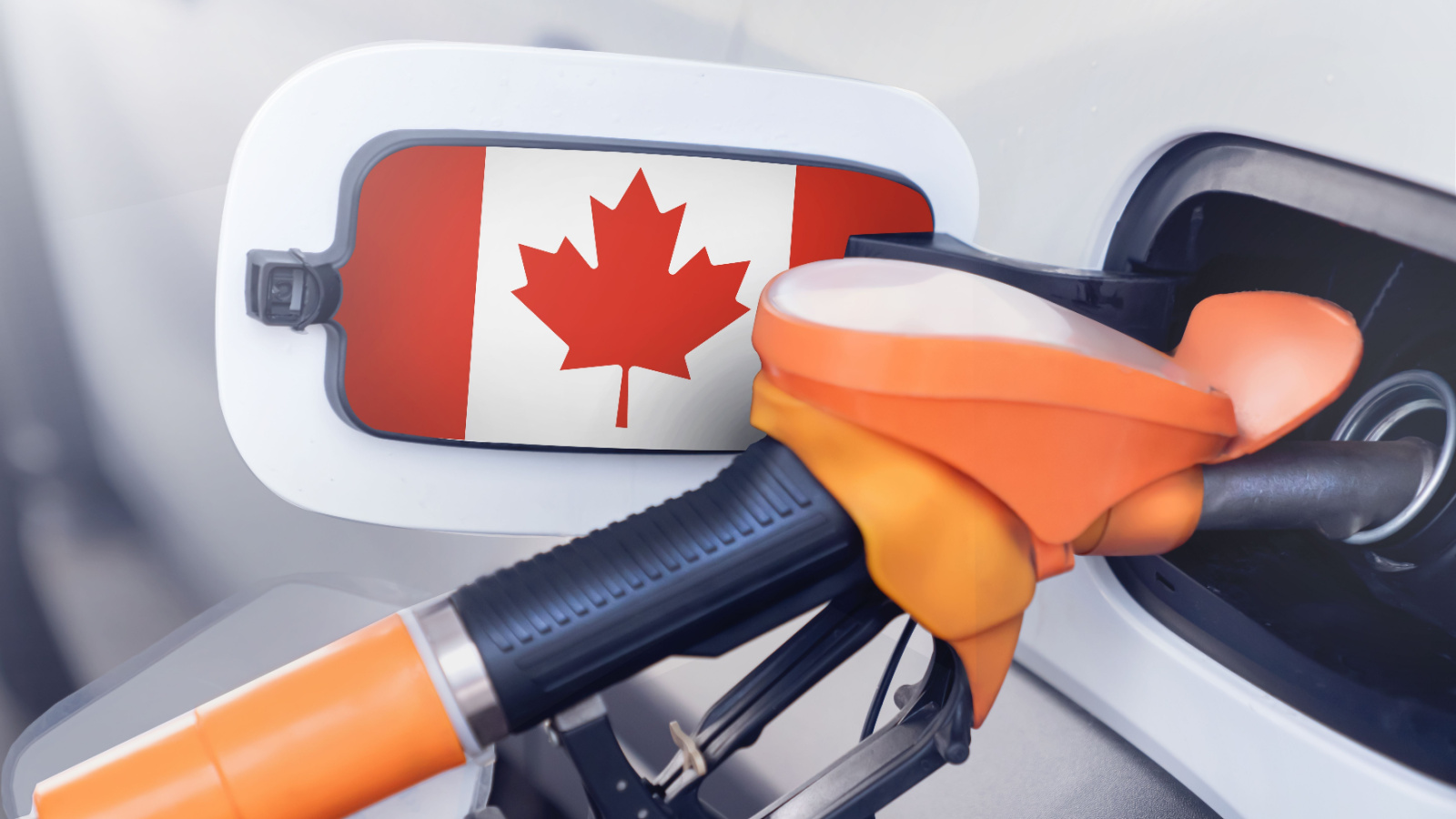
Some cheaper fuels contain more ethanol, depending on local regulations and station offerings. Ethanol can be useful as a blending component because it raises octane, but it also contains less energy per gallon than gasoline. That means a blend with substantially more ethanol can reduce range, even if the pump price is lower. The cheaper litre may not take the vehicle as far.
This matters most when comparing fuels such as regular gasoline and high-ethanol blends in a flex-fuel vehicle. A driver may see a lower price and assume the savings are automatic, only to notice more frequent fill-ups. The better comparison is cost per kilometre, not cost per litre. A lower price can still be worthwhile, but only when the reduced fuel economy does not erase the discount.
Slow-Moving Fuel May Not Be the Best Bargain
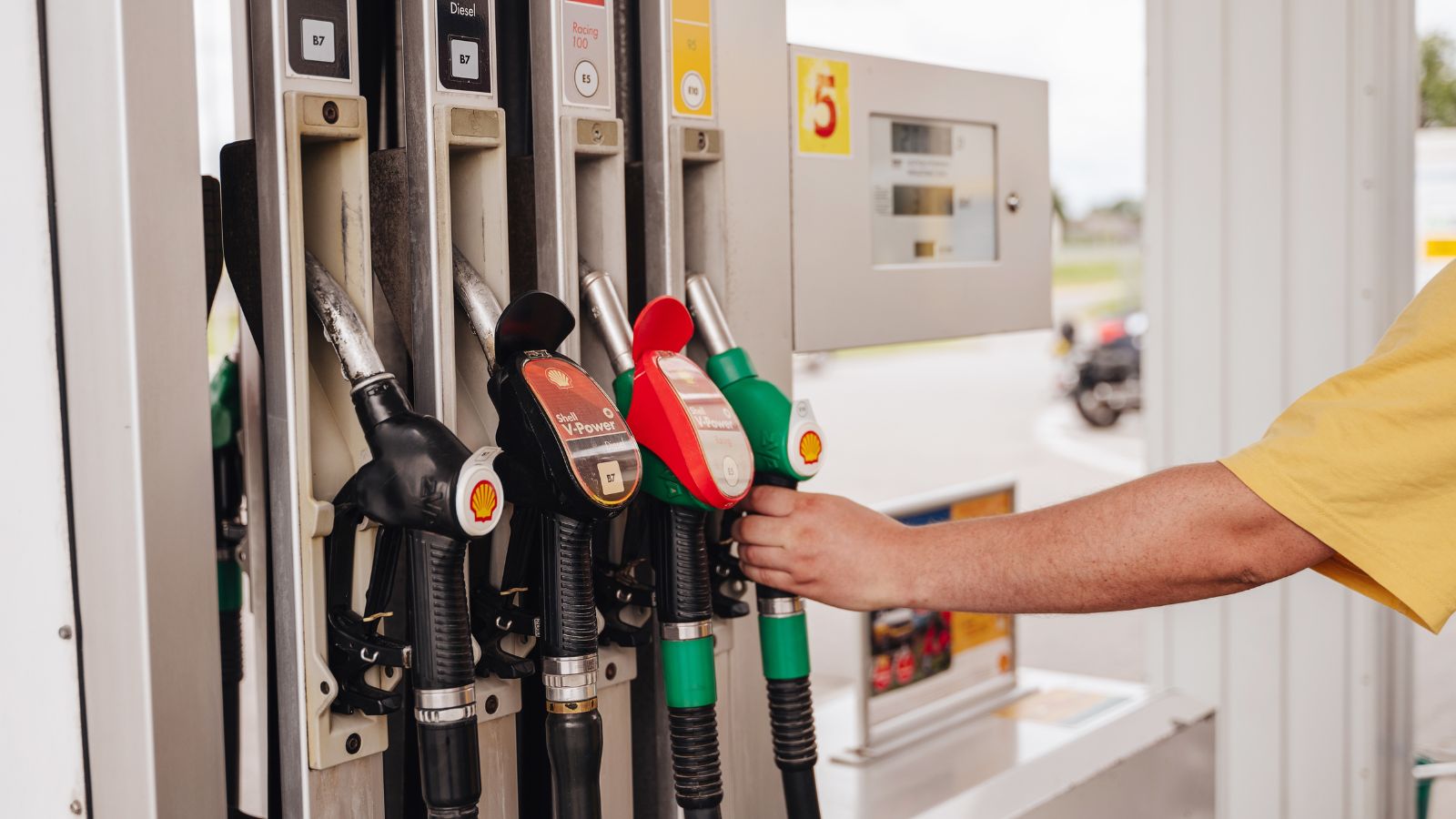
Stations with very low traffic can raise another concern: fuel turnover. Gasoline is generally designed to remain stable under normal conditions, and properly stored fuel can stay within specifications for a meaningful period. Still, fuel age, storage conditions, temperature changes, and moisture exposure matter. A station with little demand, poor tank management, or old inventory may not be the safest bargain.
This does not mean every quiet station should be avoided. Many small stations are well maintained and sell perfectly good fuel. The risk is greater when a low price appears at an isolated location that rarely has customers, especially if the pump area looks neglected. Fresh, properly stored fuel from a busy, reputable station often provides a better value than slightly cheaper fuel from a place where turnover is uncertain.
Contaminated Fuel Can Turn Savings Into Repairs
Fuel contamination is rare compared with ordinary fill-ups, but when it happens, the repair bill can overwhelm years of tiny pump savings. Water, sediment, or other contaminants can enter storage systems through leaks, delivery errors, poor tank condition, or storm-related problems. Once contaminated fuel reaches a vehicle, symptoms can include stalling, misfiring, hard starting, or damaged fuel-system components.
Government agencies regulate underground storage tanks and fuel dispensing systems because fuel storage is not a trivial matter. A well-run station monitors tanks, maintains equipment, and responds quickly to suspected problems. A bargain price should not outweigh visible warning signs such as broken pumps, missing inspection labels, dirty nozzles, or repeated complaints from other drivers. Saving a few dollars on a tank is not worth gambling with injectors, pumps, and sensors.
Pump Accuracy Still Matters
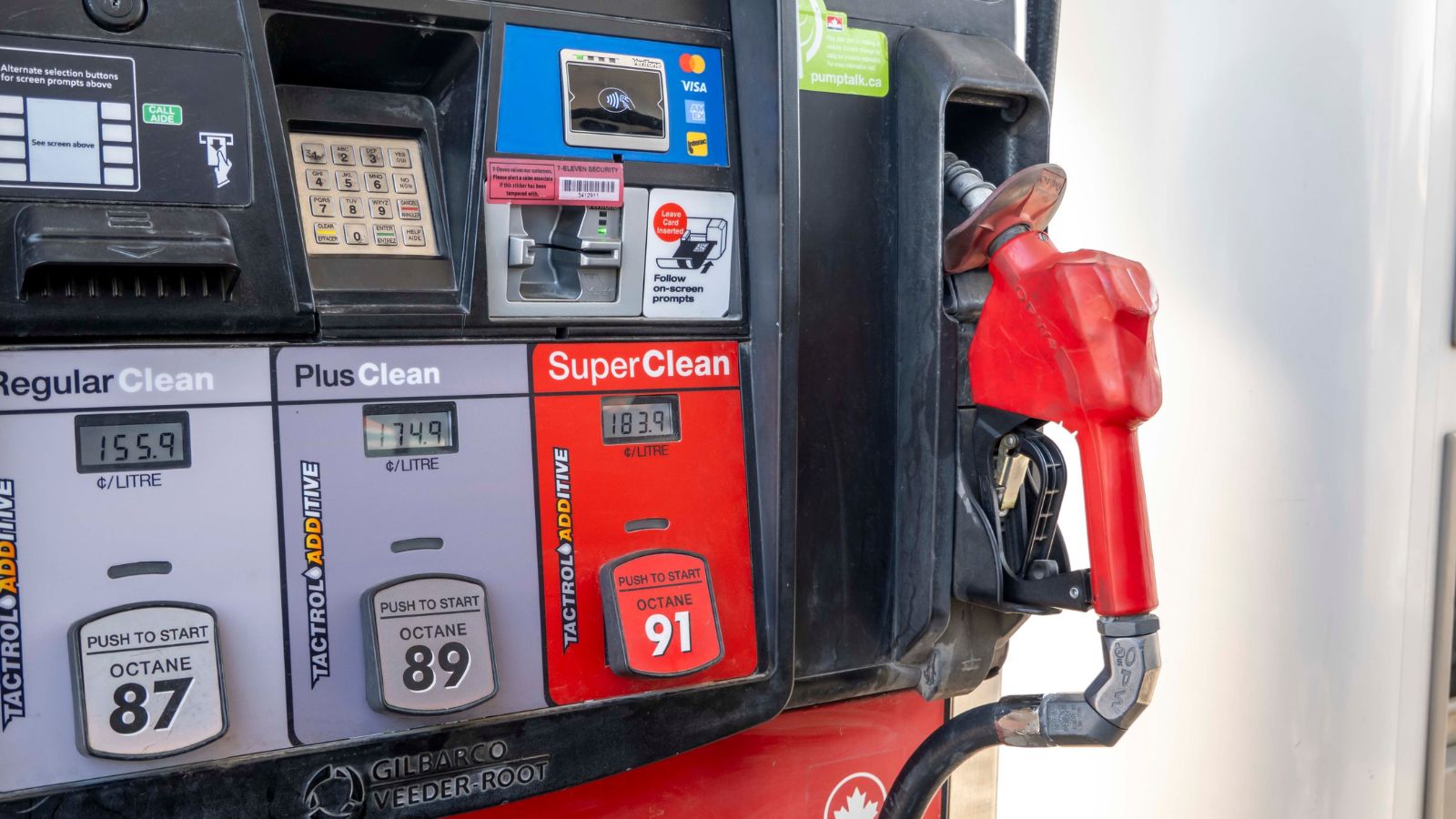
A low price only helps if the pump is accurately measuring what it dispenses. Fuel pumps are regulated because even small measurement errors can add up across thousands of transactions. In Canada, for example, Measurement Canada notes that pumps must be approved, inspected before use, and reinspected on a schedule. A pump that is not measuring accurately must be repaired or can be removed from service.
For drivers, this turns a simple price comparison into a quality check. A station with clear inspection stickers, maintained equipment, and consistent receipts inspires more confidence than a neglected site with damaged displays or questionable metering. The posted price may be lower, but the real question is whether the litres delivered match the litres charged. Fair measurement is part of the true cost of fuel.
Cash Prices and Card Prices Can Change the Deal
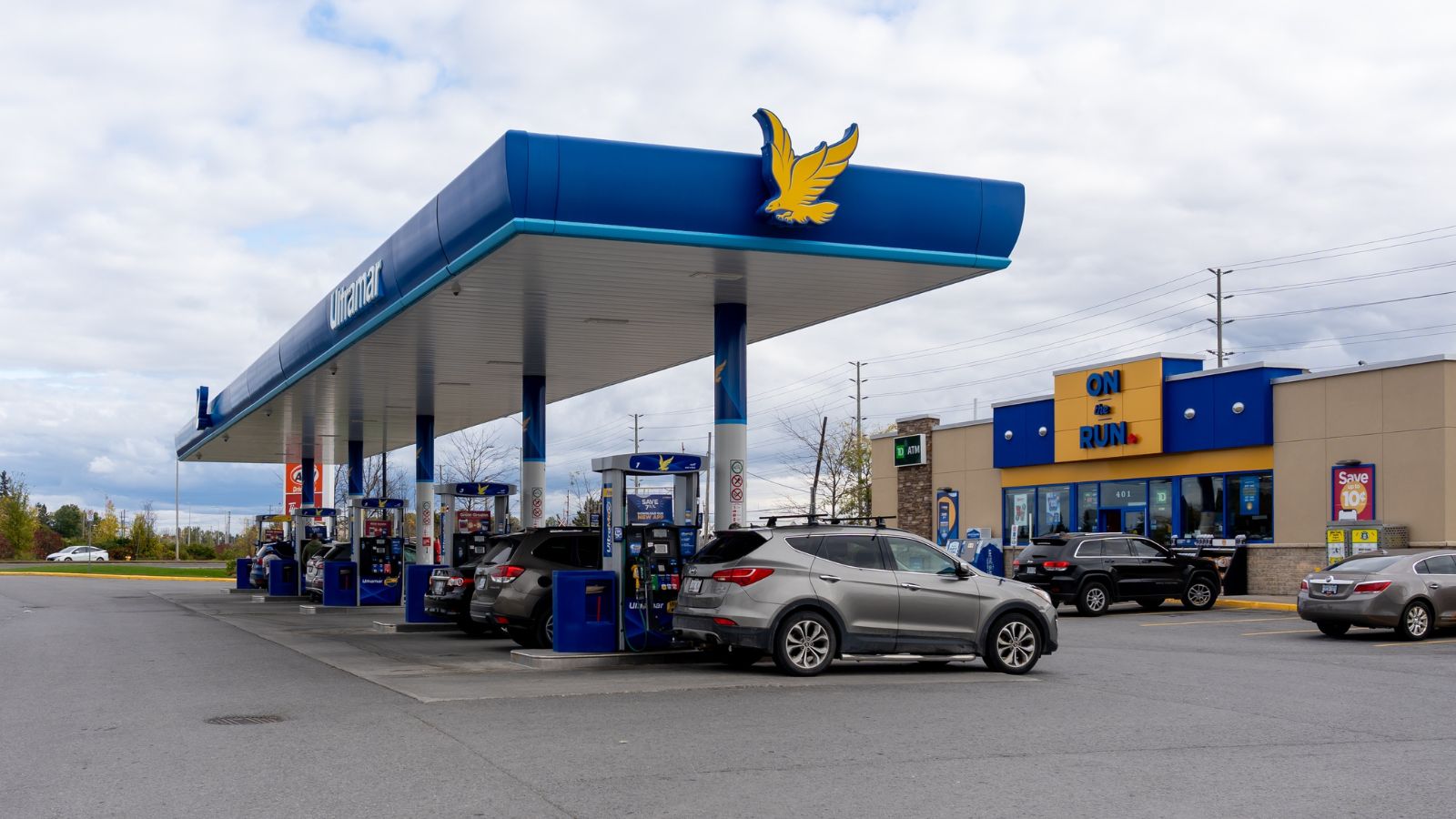
The cheapest price on the sign may not be the price every driver pays. Some stations advertise a cash price prominently while charging more for credit card transactions. Others use loyalty discounts, prepaid cards, or app-only pricing that may not apply at the pump unless certain steps are followed. A driver who pulls in for the advertised bargain can discover the real price is higher at checkout.
Payment differences can be perfectly legitimate when properly disclosed, but they complicate comparison shopping. A station that is five cents cheaper for cash may not beat another station if the driver pays by card and earns fuel rewards elsewhere. The smartest comparison uses the final price after payment method, rewards, and fees—not the largest number printed on the roadside sign.
Waiting in Line Burns More Than Patience
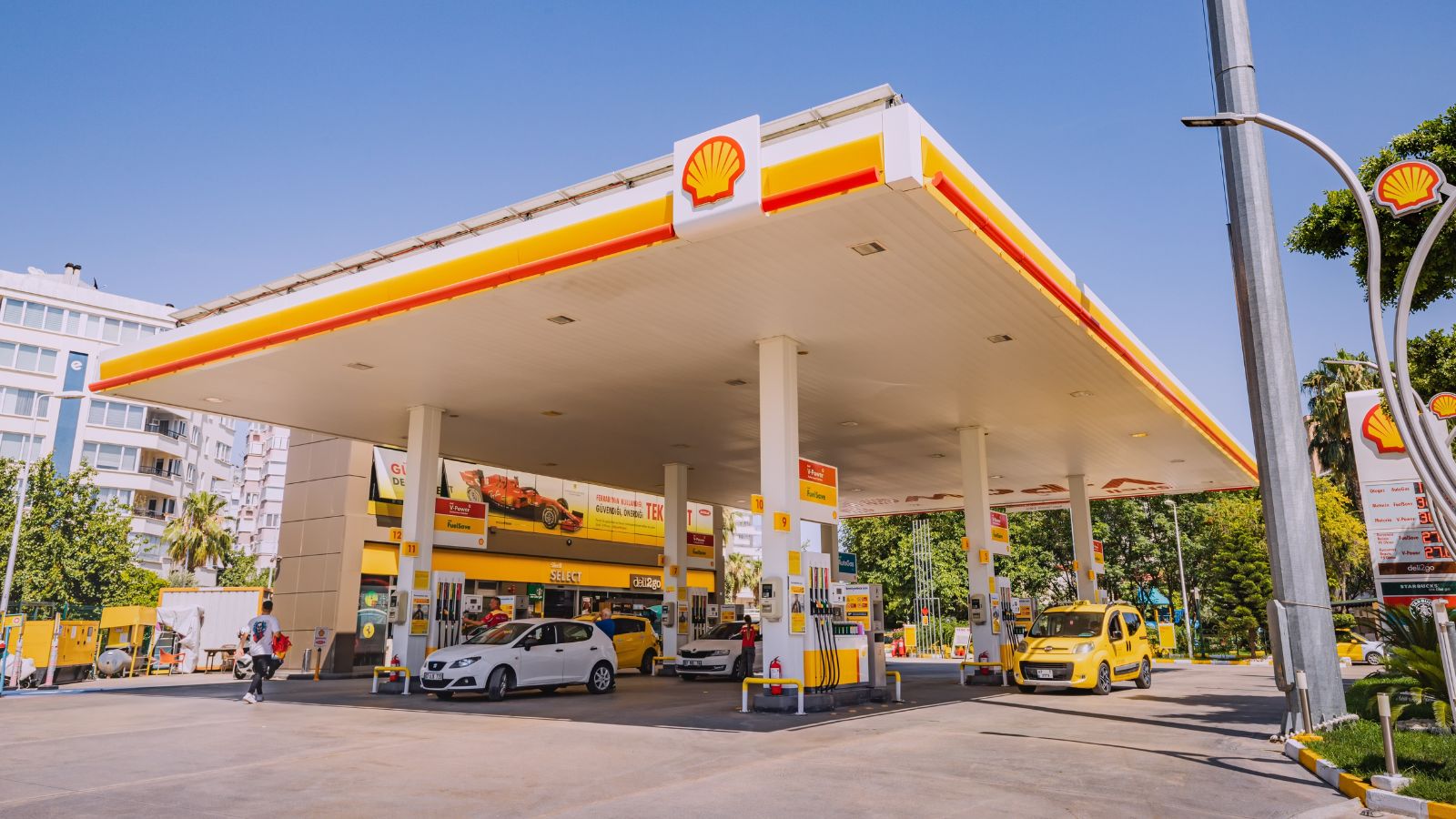
A bargain station can attract a line, especially before long weekends, price increases, or bad weather. While the posted price may be lower, waiting with the engine running adds fuel cost. Idling does not move the vehicle, but it still burns gasoline, and the cost rises when air conditioning or other accessories are running. The savings from a small discount can disappear in a slow queue.
The human side is familiar: drivers inch forward at a crowded station because the price looks unbeatable, then leave ten minutes later having saved less than expected. If the tank is nearly empty, the stop may still be necessary. But when the choice is optional, a slightly higher-priced station with open pumps can be the better buy. Time, idling, and frustration belong in the calculation.
Cheap Gas Cannot Fix Wasteful Driving
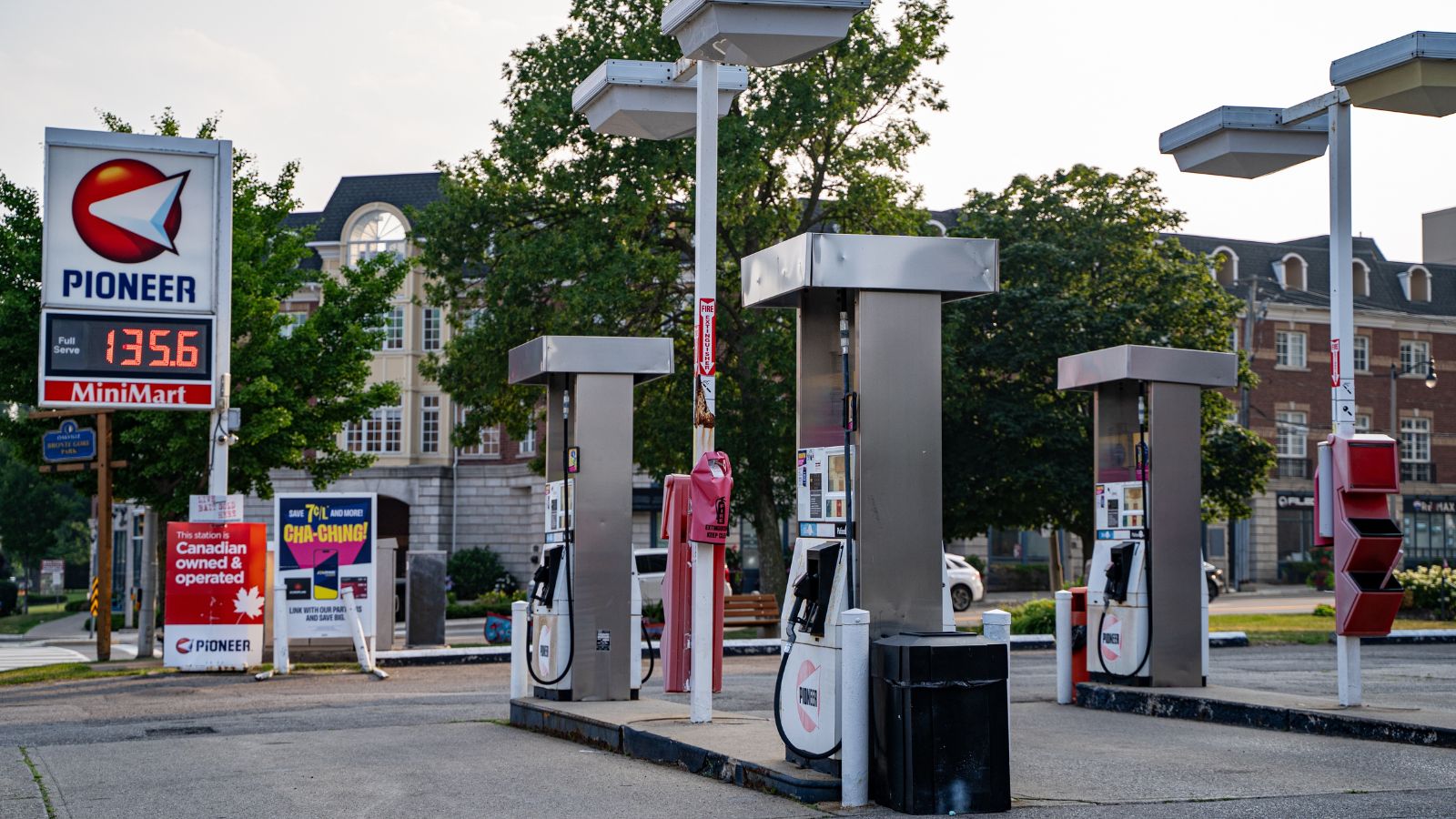
Drivers sometimes focus intensely on finding the cheapest fuel while ignoring habits that cost far more. Aggressive acceleration, late braking, speeding, underinflated tires, and extra weight can reduce fuel economy enough to dwarf a small pump discount. A driver who saves a few cents per litre but drives hard away from every light may spend more overall than a smoother driver using a slightly pricier station.
This is where the cheapest fuel strategy becomes misleading. The price per litre is visible, while wasted fuel is invisible until the tank empties faster than expected. Proper tire pressure, steady speeds, and fewer unnecessary trips often produce more reliable savings than chasing the lowest sign in town. The best bargain is not just cheaper gas; it is using less of it.
Seasonal Fuel Differences Can Affect Value
Gasoline is not a single unchanging product throughout the year. In many markets, fuel volatility is adjusted seasonally to support drivability and reduce evaporative emissions. Summer-grade gasoline is designed to evaporate less readily in warm weather, while winter formulations help cold starts. These changes can affect refining costs, supply, and sometimes price differences between regions.
A suspiciously cheap price during a seasonal transition may be harmless, but it is worth paying attention to whether the station is reputable and busy. Regulations exist to keep fuel suitable for the market and season, yet consumers rarely see the details behind the pump. The key point is simple: gasoline quality includes formulation, not just octane and price. A reliable station selling the correct seasonal fuel is part of the value equation.
The Cheapest Choice Is the Best Total Value
Buying the cheapest gas is not automatically wrong. Many discount stations sell properly regulated, high-quality fuel at competitive prices, and drivers should not assume a higher price always means a better product. The mistake is treating the posted price as the only cost. Fuel quality, route efficiency, octane requirements, payment method, station condition, and driving behaviour all shape the real outcome.
A practical rule works better than brand loyalty or bargain hunting alone: choose a busy, well-maintained station that fits the route, sells the correct octane, clearly posts payment terms, and has a good reputation for fuel quality. When the cheapest option meets those standards, it can be a genuine win. When it fails several of them, the lowest pump price may simply be the most expensive shortcut.
22 Things Canadians Do to Their Cars in Spring That Mechanics Hate

Spring brings relief to many Canadian drivers after months of snow, freezing temperatures, and icy roads that put serious strain on vehicles. As temperatures rise across the country, drivers begin washing cars, switching tires, and preparing vehicles for warmer weather and upcoming road trips. However, mechanics across Canada notice the same mistakes every spring when drivers attempt to recover from winter damage. Road salt, potholes, and harsh winter driving conditions often leave vehicles with hidden problems that drivers ignore. Some spring habits even create new mechanical issues that could have been avoided with proper maintenance. Here are 22 things Canadians do to their cars in spring that mechanics hate.