


























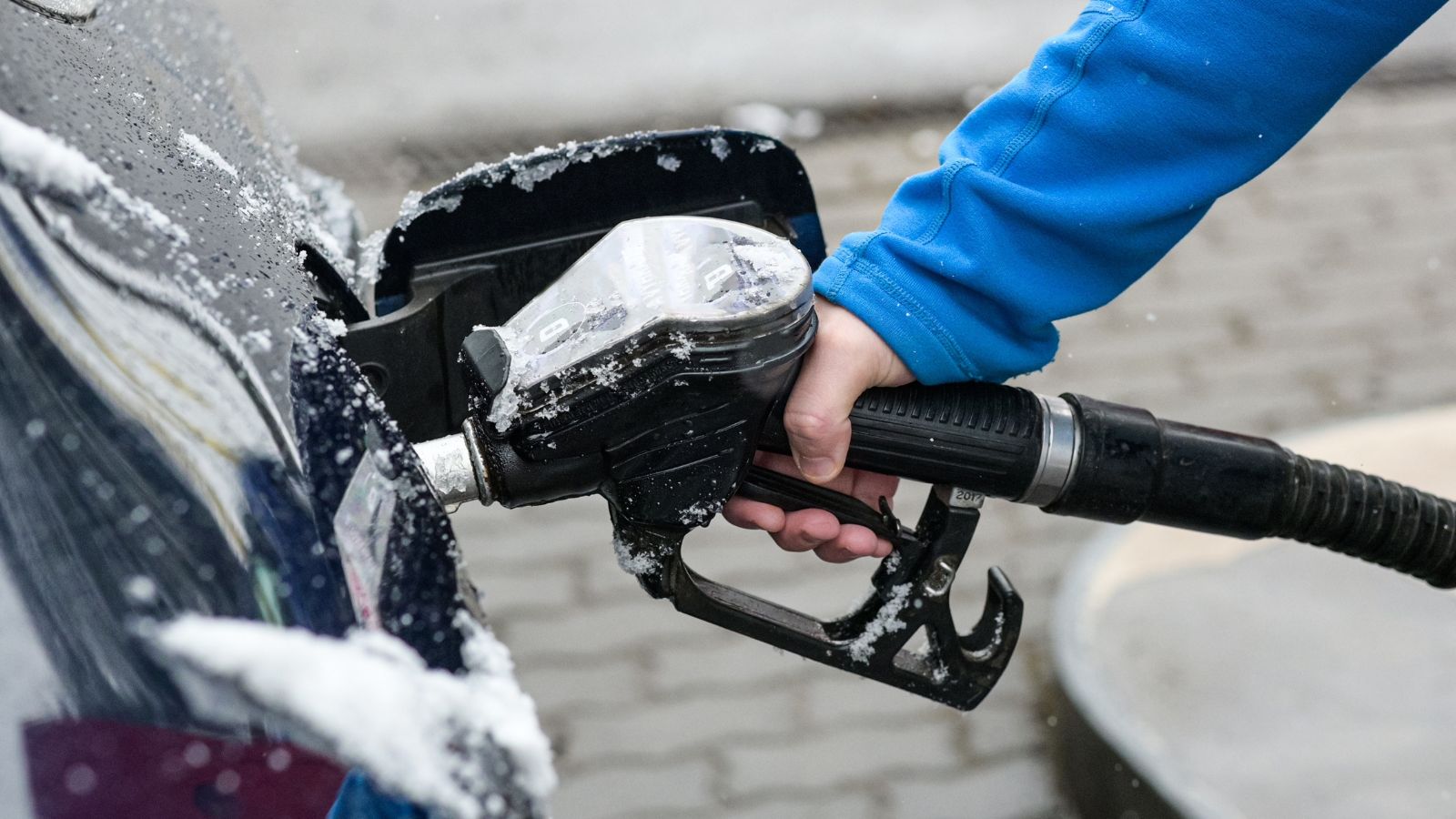
Toronto drivers woke up to another small but unwelcome change at the pump on Saturday, September 5, with the average price of regular gasoline forecast to rise one cent overnight to 183.9 cents a litre. On its own, a penny may look minor. Against a summer of sharp swings, however, it keeps fuel costs near some of the highest levels Toronto has seen this year.
The increase arrives as global oil markets remain unsettled by conflict in the Middle East and tight refined-fuel supplies. It also comes just days after Ottawa extended its federal fuel-excise-tax holiday, removing what had been a looming 10-cent-per-litre tax increase after Labour Day. For households already absorbing higher transportation costs, the latest move is another reminder that pump prices can change quickly even when governments are trying to soften the blow.
Toronto Returns to 183.9¢ After an Overnight Increase
En-Pro’s Toronto forecast called for regular gasoline to rise by one cent at 12:01 a.m. on September 5, bringing the citywide average to 183.9 cents a litre. That followed an average of 182.9 cents on September 4. The number matters because it puts Toronto back near the upper end of its recent range rather than marking an isolated spike. CityNews data show the city moved through 182.9 cents on September 1, 181.9 on September 2, 184.9 on September 3 and 182.9 on September 4 before the latest increase.
For a driver filling a 50-litre tank, 183.9 cents works out to about $91.95 before any loyalty discounts. A 60-litre fill is roughly $110.34. Those totals make the overnight penny increase less dramatic than the broader level itself. The real pressure comes from paying close to $1.84 a litre repeatedly, especially for commuters, tradespeople and families whose weekly routines leave little room to cut driving.
The Bigger Story Is the Volatility Around the Pump Price
Toronto’s recent price history shows why a single-day increase does not tell the whole story. CityNews recorded an August high of 182.9 cents a litre and a low of 162.9, a 20-cent spread within one month. July ranged from 163.9 to 183.9, while May reached as high as 192.9. Gas Wizard’s current Toronto data put the 30-day average around 173 cents a litre and the year-to-date average near 162.9, making today’s 183.9-cent level notably higher than both benchmarks.
That volatility changes how drivers experience fuel inflation. Someone who filled up near the August low could pay roughly $10 more for the same 50 litres at 183.9 cents. The rapid moves also make timing unusually visible: a household may notice a difference simply by filling a day earlier or later. Retail gasoline is one of the few everyday products whose price is displayed in giant roadside numbers, so even modest changes become immediate, public signals of broader cost pressures.
Global Crude Oil Prices Are Keeping Pressure on Fuel Markets
The Toronto increase is unfolding against a far more unsettled global oil market than Canada faced a year ago. Reuters reported that Brent crude ended September 4 at $96.28 a barrel, up 7.6 per cent for the week, while West Texas Intermediate closed at $91.48, nearly 10 per cent higher on the week. Renewed U.S.-Iran fighting and continued disruption to Middle Eastern shipping routes have kept traders focused on supply risk rather than the usual post-summer easing in demand.
The U.S. Energy Information Administration had already warned in its August outlook that flows through the Strait of Hormuz remained severely constrained and that global inventories were drawing down sharply. It estimated that crude and petroleum liquids moving through Hormuz had fallen dramatically from pre-conflict levels. Toronto does not buy gasoline directly from a global crude benchmark, but Canadian wholesale fuel costs are still connected to international crude and refined-product markets. When those markets jump, the pressure can eventually appear on local station signs.
Refining Costs Are Adding Another Layer of Pressure
Crude oil is only part of the pump-price equation. Refining conditions have become unusually important because motorists buy gasoline, not crude. Reuters reported this week that European gasoline refining margins climbed to roughly $62 a barrel over Brent, near record territory, as global fuel supplies tightened. Low inventories in a major European trading hub and disruptions affecting refineries and exports in several regions have added another layer of pressure beyond the underlying price of oil.
Natural Resources Canada explains retail gasoline as four broad components: crude-oil cost, refining margin, retail margin and taxes. Transportation, inventory levels, local supply disruptions and competition can all move the final price as well. That helps explain why Toronto can see a one-cent overnight change even when crude itself moves by several dollars a barrel. The connection is real, but it is not one-for-one. Wholesale gasoline markets, refinery availability and local retail competition determine how much of a global shock reaches drivers and how quickly it arrives.
Taxes Matter, but They Do Not Explain the Current Spike
Taxes remain an important part of Toronto’s pump price, but the current tax picture is different from what many drivers may remember. Ontario’s gasoline tax is 9 cents a litre, a reduced rate the province made permanent in 2025. Ontario also applies the 13 per cent Harmonized Sales Tax to gasoline. Normally, the federal government adds a 10-cent-per-litre excise tax on regular gasoline, while the consumer fuel charge that once applied under federal carbon pricing was removed effective April 1, 2025.
At the moment, however, the federal excise tax on gasoline is suspended. That means the 183.9-cent Toronto price is being posted without the usual 10-cent federal excise levy. The distinction is important because it shows that today’s elevated pump price cannot simply be explained by a new federal gasoline tax. Taxes still contribute to the final bill, particularly Ontario’s levy and HST, but much of the present strain is tied to the underlying market cost of producing, supplying and selling fuel.
Ottawa’s Tax Extension Removes a Looming 10-Cent Shock
Only days ago, Toronto drivers appeared to be heading toward an additional tax shock after Labour Day. The federal excise-tax suspension had originally been scheduled to expire on September 7, which would have restored 10 cents a litre on gasoline. On September 2, Finance Minister François-Philippe Champagne announced that Ottawa would instead extend the full suspension through January 31, 2027. The government then plans to restore half the regular rate from February 1 through March 31 before returning to the full rate on April 1, 2027.
The extension changes the near-term outlook considerably. Without it, a market price around 183.9 cents could have been hit by a substantial tax increase almost immediately, although retail pass-through can vary. The government estimates the extended relief adds about $2.9 billion in tax relief, bringing total 2026-27 fuel-excise relief to about $5.3 billion. For motorists, the practical takeaway is simpler: the next major move at Toronto pumps is more likely to come from energy markets than from the previously scheduled September tax reset.
A Routine Fill-Up Now Shows the Household Cost Clearly
The household impact becomes clearer when today’s price is compared with recent benchmarks. Gas Wizard lists Toronto’s price one year ago at about 144.9 cents a litre. At that level, a 60-litre fill would have cost roughly $86.94. At 183.9 cents, the same volume costs about $110.34, a difference of $23.40. Even a smaller 50-litre purchase is about $19.50 more expensive than at the year-ago price. For a household buying several tanks a month, that gap can quickly become a three-figure budget item.
Official inflation data point in the same direction. Statistics Canada reported that gasoline prices nationwide were 25.7 per cent higher in July 2026 than a year earlier, while transportation prices were up 7.8 per cent. Gasoline was a major reason the national Consumer Price Index accelerated to 3.0 per cent. The Toronto pump sign therefore represents more than a motoring expense; it is one visible piece of a broader affordability problem feeding into household budgets.
Expensive Gas Is Complicating the Bank of Canada’s Inflation Fight
Higher gasoline prices are also showing up in the Bank of Canada’s inflation debate. On September 2, the central bank held its policy rate at 2.25 per cent and said the continuing Middle East conflict was keeping energy prices high. The decision came after Statistics Canada reported July inflation of 3.0 per cent, while the CPI excluding gasoline was 2.2 per cent. That gap illustrates how strongly fuel can distort the headline inflation number when oil markets move abruptly.
The central bank does not raise or cut interest rates because Toronto gasoline changes by a cent overnight. It watches whether energy shocks spread into transportation, goods, wages and inflation expectations. For households, though, the interaction can feel immediate. Fuel costs hit the weekly budget directly, while persistent inflation can influence borrowing costs more broadly. A commuter facing a $100-plus fill-up may therefore be experiencing the same energy shock that policymakers are trying to separate into temporary and lasting components when setting interest rates.
Toronto Is Expensive, but Other Canadian Cities Are Paying More
Toronto’s 183.9-cent price is expensive, but it is not the highest among major Canadian markets tracked by Gas Wizard. Its September 5 data put Vancouver at about 208.9 cents a litre, while Edmonton was around 164.9. Those gaps are a reminder that there is no single Canadian pump price. Provincial and municipal taxes, transportation distances, regional wholesale markets, competition and the type and location of stations all contribute to differences from one city to another.
Natural Resources Canada notes that gasoline-price variation reflects taxes as well as local competition, sales volumes and station characteristics. Vancouver, for example, carries substantial regional fuel levies that Toronto does not. Ontario’s provincial gasoline tax, by contrast, is 9 cents a litre. For Toronto drivers, the comparison offers only limited comfort: being cheaper than Vancouver does not make a $110 fill inexpensive. But it does show why national headlines about “the Canadian gas price” can obscure the much more local way motorists actually experience fuel costs.
What Happens Next Depends More on Markets Than Tax Policy
The next direction for Toronto gasoline will depend on several moving parts rather than one predictable trigger. The biggest is the global oil and refined-fuel market. The EIA’s August outlook expected elevated prices to ease as disrupted production and shipping gradually recover, forecasting Brent to average about $78 a barrel in the fourth quarter. Yet Brent closed above $96 on September 4 after another week of geopolitical escalation, demonstrating how quickly assumptions can be overtaken by events.
Refinery maintenance, gasoline inventories, the Canadian dollar and local wholesale competition will also matter. Seasonal demand often softens after summer, which can help prices, but supply disruptions can overwhelm that normal pattern. Ottawa’s decision to extend the excise-tax suspension removes one known near-term upward shock, giving drivers at least some policy certainty. What remains is market uncertainty. At 183.9 cents a litre, Toronto is already pricing in a world where energy supply is fragile, and any sustained improvement will likely require calmer crude markets and healthier refined-fuel availability.