


























The most intelligent vehicle purchase is not always the newest crossover, the longest-range EV, or the model dominating social media. In many Canadian households, the stronger value may be a two- to four-year-old mainstream sedan or hatchback—especially one with a proven hybrid powertrain, a clean history, and ordinary-sized wheels. It lacks the theatre of a trendy launch, but that is precisely where opportunity can appear.
These 12 reasons explain why an unfashionable, lightly used passenger car can deliver a rare combination of lower depreciation, manageable running costs, modern safety equipment, and less financial risk. The idea is not that every sedan is automatically wise. The smart buy is a carefully inspected example that fits real daily needs without charging extra for an image, capability, or payment structure that may never provide equal value.
The Overlooked Target Is a Lightly Used Mainstream Sedan

The vehicle hiding in plain sight is often a two- to four-year-old compact or midsize sedan, or a practical hatchback built on the same formula. It may have come off a lease, accumulated ordinary commuting kilometres, and lost the new-car smell without losing the features most owners use every day. Models in this age range can offer smartphone integration, heated seats, driver-assistance systems, efficient engines, and remaining warranty coverage, depending on the brand and original in-service date.
What makes the category interesting is not one magical model. It is the combination of age, body style, powertrain maturity, and buyer discipline. A carefully chosen Corolla, Civic, Mazda3, Elantra, Camry, Accord, Prius, or similar vehicle may look less exciting beside a new crossover, yet still handle commuting, grocery runs, school drop-offs, and highway travel comfortably. The catch is important: maintenance records, collision history, tire condition, recall status, and an independent inspection still matter more than the badge on the trunk.
The First Owner Absorbs the Sharpest Depreciation

Depreciation is usually the largest ownership cost that drivers do not see leaving their bank account each month. The Financial Consumer Agency of Canada says a new vehicle may be worth about 25 per cent less after one year, followed by further annual declines. Canadian Black Book’s 2026 outlook also projects continued used-vehicle depreciation and average four-year retained values of 54.7 per cent. Those figures vary by model, but they show why buying after the first steep drop can be powerful.
A lightly used sedan does not eliminate depreciation; it changes who pays the most painful portion. Consider a commuter who keeps a vehicle for six years. Buying at age three means the original owner absorbed the earliest fall while the second owner receives many of the vehicle’s useful years. The strategy works best when the purchase price reflects actual market value, not an inflated dealer add-on package. A “nearly new” car priced too close to a new one is no bargain, so the gap between new, used, and certified prices must be compared carefully.
SUV Popularity Can Create a Pricing Blind Spot
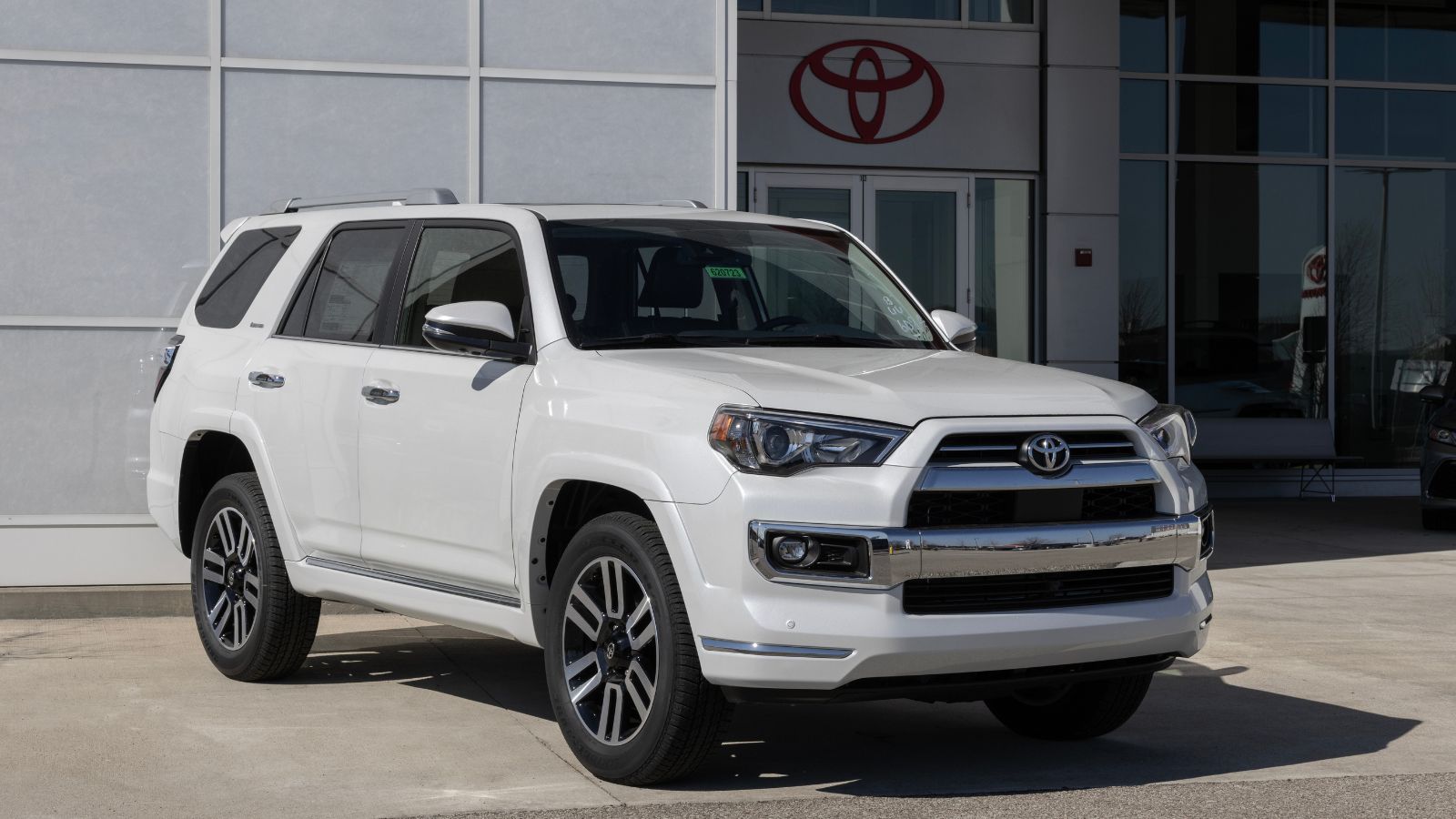
Canadian showrooms have spent years shifting attention toward crossovers, multipurpose vehicles, and trucks. Statistics Canada’s registration data reflect how central those categories have become, while passenger-car registrations continued to weaken in the first quarter of 2026. When fewer shoppers begin their search with “sedan,” perfectly capable cars can receive less attention than similarly equipped crossovers. Lower attention does not guarantee a lower price, but it can create more room to compare inventory and negotiate.
This is classic demand psychology. A buyer who insists on the body style everyone else wants may compete for the same small group of popular trims, colours, and all-wheel-drive packages. Someone willing to consider a conventional sedan can shop a less emotional part of the market. The result may be a newer model year, lower kilometres, or a higher trim for the same budget. The advantage disappears when supply is unusually tight, so local listings still need to be tracked. “Unpopular” only becomes valuable when the discount is real and the vehicle still matches the household’s space and winter-driving needs.
Passenger-Car Costs Can Be Quietly Lower

The purchase price is only the opening line of a vehicle budget. Fuel, depreciation, maintenance, repairs, insurance, tires, registration, and financing continue long after delivery day. A Canadian Automobile Association analysis using Vincentric data compared more than 1,100 vehicle types and found lower average per-kilometre fuel and depreciation costs for passenger cars than for SUVs, crossovers, pickups, and vans. The exact dollar amounts have changed with time, but the cost pattern remains a useful warning against buying more vehicle than daily life requires.
That difference becomes meaningful through repetition. A few cents per kilometre sounds trivial until it is multiplied by years of commuting, errands, and highway travel. A smaller car can also mean less mass to accelerate, less expensive consumables in many configurations, and fewer capability features being paid for but rarely used. None of this makes a passenger car ideal for a family that regularly hauls bulky equipment or travels unplowed rural roads. It means the body style should be chosen from actual usage. Paying every month for theoretical utility is one of the easiest ways to turn convenience into permanent overhead.
A Proven Hybrid Can Multiply the Savings
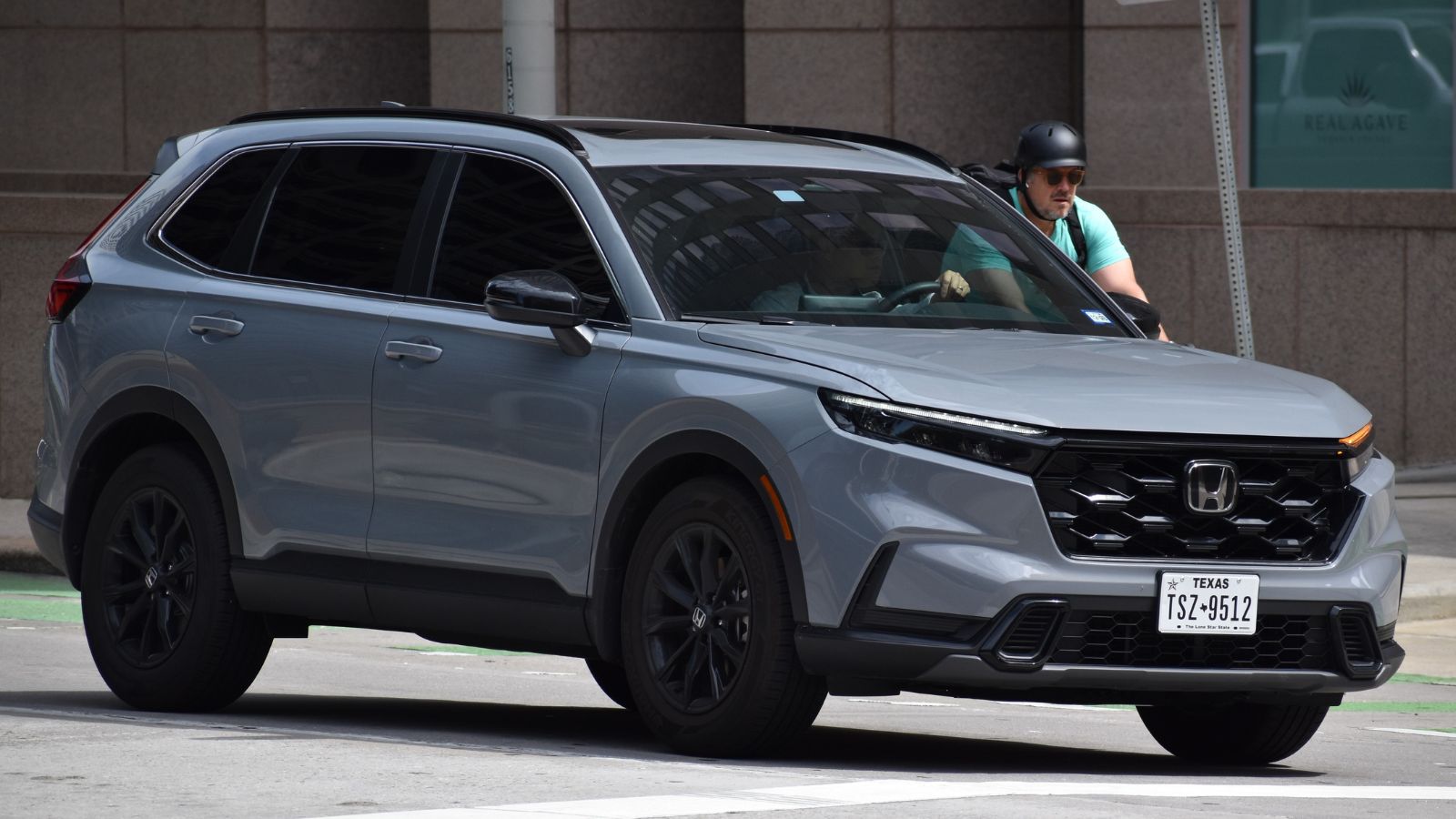
A mainstream hybrid sedan can strengthen the argument because it combines used-car depreciation with lower fuel consumption. Natural Resources Canada’s 2026 guide identifies the Toyota Corolla Hybrid as the most fuel-efficient compact car, and its published combined ratings are below five litres per 100 kilometres in some configurations. NRCan also notes that hybrid systems can improve fuel efficiency by roughly 20 to 40 per cent compared with equivalent internal-combustion vehicles, although real savings depend on the model and operating conditions.
The best candidates are not necessarily the newest hybrid designs. A mature system with several years of service history can be easier to evaluate than an all-new powertrain with little long-term data. City-heavy drivers often benefit most because hybrids can recover energy during braking and use electric assistance at low speeds. Highway-only drivers may see a smaller advantage. Battery condition, cooling-system maintenance, warranty terms, and service history still deserve attention. The smartest calculation compares the hybrid’s price premium with expected fuel savings rather than assuming every electrified badge will pay for itself automatically.
Insurance Often Rewards the Boring Choice

Insurance premiums are not determined by body style alone, but the vehicle itself matters. Insurance Bureau of Canada explains that insurers consider the make, model, year, value, potential repair costs, safety performance, and claims experience when setting rates. Its Canadian Loss Experience Automobile Rating system helps insurers estimate the frequency and size of future claims. That means a less expensive, lower-claim model can sometimes cost meaningfully less to insure than a fashionable vehicle with expensive parts or high theft losses.
This is where the unglamorous car can score another quiet win. A buyer comparing two similarly priced vehicles should obtain insurance quotes before signing, because the premium gap may erase an apparent purchase discount. Modern bumpers can contain cameras, radar units, sensors, brackets, and calibration requirements; IBC has documented how repair complexity can sharply increase collision costs even within the same model line. The lesson is not that every sedan is cheap to insure. It is that insurance should be treated as a model-specific operating expense, not a number discovered after the financing contract is already signed.
A Smaller Loan Reduces Financial Fragility

The smartest vehicle is often the one that does not require financial gymnastics. The Financial Consumer Agency of Canada warns that loans of 72 months or longer lower the monthly payment while increasing total interest and the risk of negative equity. In its illustrative example, financing $25,000 at five per cent costs substantially more interest over 84 months than over 36 months. A lower purchase price can make a shorter, more manageable term possible without producing an impossible monthly bill.
That flexibility matters when life changes. A household may face a move, job disruption, insurance write-off, growing family, or unexpected repair before an eight-year loan ends. Owing less than the vehicle is worth gives the owner more options; owing thousands more can trap the next purchase inside the previous debt. A lightly used sedan cannot protect anyone from every financial shock, but it can reduce the amount exposed to depreciation. The sensible target is not merely the lowest payment. It is a loan balance, interest cost, and repayment schedule that remain reasonable even when the car stops feeling new.
Recent Used Cars Can Still Have Modern Safety Tech

Buying used no longer automatically means surrendering the safety technology associated with new vehicles. Highway Loss Data Institute data show that front crash prevention, automatic emergency braking, lane-departure warning, blind-spot monitoring, rear cameras, and parking sensors spread rapidly across the market during the late 2010s and early 2020s. By the 2024 model year, front automatic emergency braking was standard on 87 per cent of vehicle series, while blind-spot monitoring was standard or optional on most series.
The important word is “equipped.” A feature may have been optional in a given year, limited to a higher trim, or deleted because of supply shortages. Used-car shoppers therefore need to verify the actual vehicle rather than trusting a generic model description. A dashboard button, windshield camera housing, or sales listing is not enough; the original build data and a proper road test are stronger evidence. Crash-test ratings should also be checked for the exact model year because designs and test standards change. A recent used sedan with the right equipment can provide substantial protection without requiring the price of a brand-new redesign.
A Few Model Years Reveal Reliability Patterns
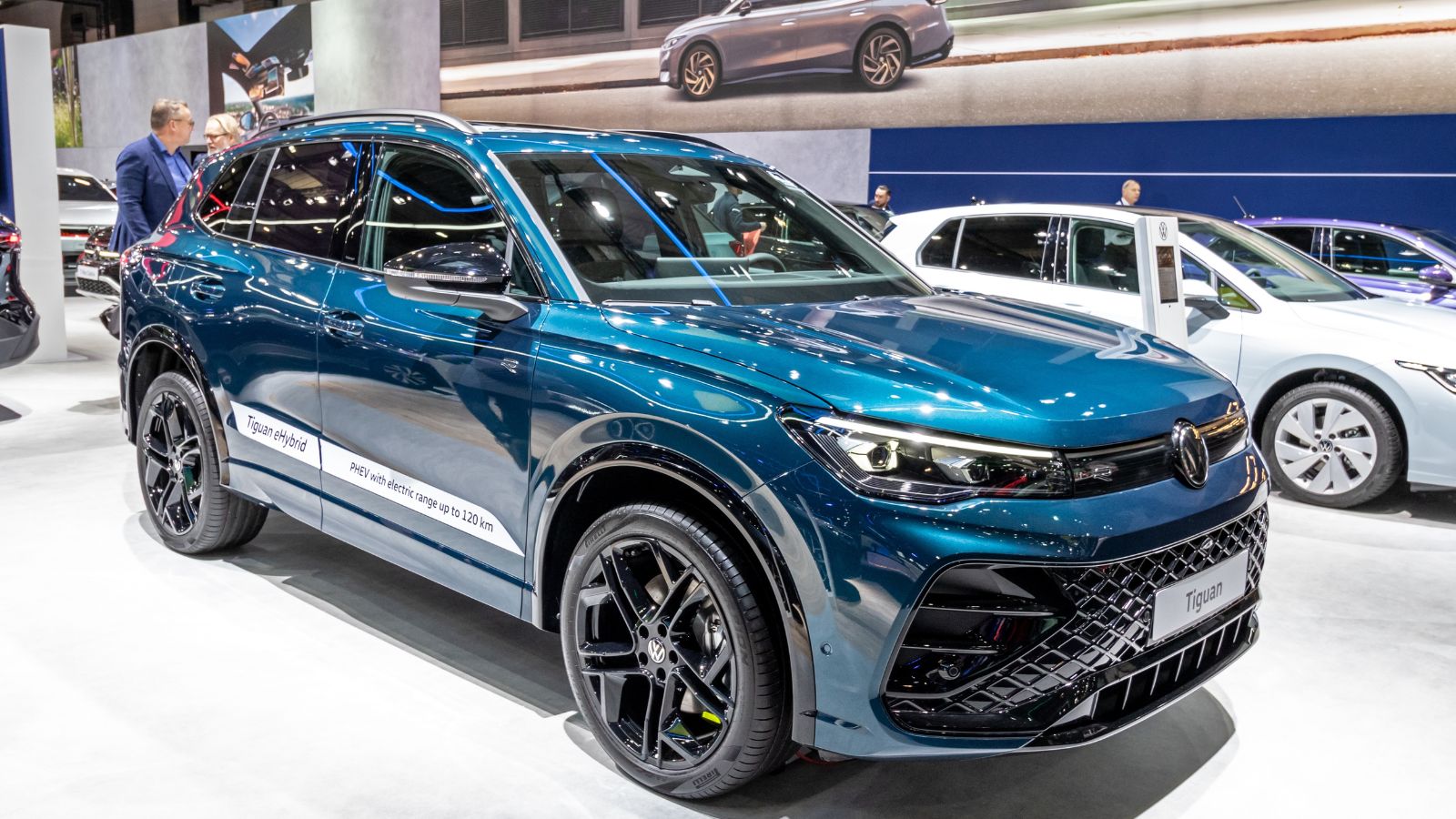
A new model arrives with promises, engineering presentations, and a warranty, but little real-world history. A three-year-old vehicle arrives with owner experiences, repair patterns, technical service bulletins, resale data, and independent reliability information. Consumer Reports says its 2025 reliability work drew responses covering about 380,000 vehicles across model years 2000 through 2025. That kind of model-year evidence helps separate a durable nameplate from a specific version that suffered early problems.
This is one reason the quiet used car can be smarter than the heavily promoted first-year redesign. The buyer can look for repeated complaints involving transmissions, infotainment systems, oil consumption, hybrid components, climate control, or electrical faults before money changes hands. Reliability rankings are not guarantees, and a neglected “reliable” model can be worse than a carefully maintained average one. The useful approach combines population-level data with the individual car’s records and inspection. A proven model year reduces uncertainty; it does not replace due diligence. In practical terms, history turns marketing claims into evidence that can be questioned.
Recall and Defect History Becomes Searchable

Time gives safety issues a chance to surface. Transport Canada maintains a national recall database and provides tools for checking recalls by vehicle identification number. It also records defect investigations and advises used-vehicle owners to register with the manufacturer so future notices can reach them. For a vehicle that has been on the road several years, buyers can often see whether major campaigns were issued and whether the manufacturer developed a repair.
That transparency can be more valuable than being first to own a newly introduced design. Before purchase, the VIN should be checked with Transport Canada and the manufacturer, while the seller should provide proof that outstanding work was completed. A recall is not automatically a reason to reject a car; many are repaired at no charge. An unresolved safety campaign, repeated defect complaints, or unavailable parts deserve more caution. The larger point is that a lightly used vehicle comes with a public record that did not exist on launch day. Smart buyers use that record as leverage for inspection, negotiation, or a decision to walk away.
Certified Programs Can Reduce Uncertainty

Certified pre-owned programs occupy the middle ground between ordinary used inventory and a new vehicle. Their value depends entirely on the program, but manufacturer-backed examples can include prescribed inspections, vehicle-history reports, warranty extensions, roadside assistance, or exchange privileges. Honda Canada, for example, advertises a 125-point inspection, a vehicle-history report, and powertrain coverage lasting seven years or 160,000 kilometres from the original in-service date for eligible certified vehicles.
Certification is not a substitute for reading the contract. Coverage may exclude wear items, begin from the original sale date rather than the used purchase date, and require service through authorized facilities. A certified car may also carry a price premium large enough to weaken the used-car advantage. The buyer should compare that premium with the remaining factory warranty and the cost of an independent inspection. When the numbers work, certification can make an overlooked sedan easier to buy with confidence. When the badge is mostly marketing, a well-documented non-certified car inspected by a trusted technician may offer better value.
Total-Cost Math Matters More Than the Badge

The strongest case for the overlooked car appears only after every cost is placed on the same page. CAA’s current Driving Costs Calculator is designed to compare ownership and operating expenses across gasoline, hybrid, and electric vehicles. That broader view matters because a discounted purchase can be offset by expensive insurance, rapid depreciation, poor fuel economy, costly tires, high interest, or a history of repairs. Conversely, a slightly higher purchase price can be justified when the vehicle retains value, uses less fuel, and avoids a punishing loan.
A disciplined comparison should include purchase price, taxes and fees, financing cost, expected depreciation, insurance quotes, fuel or electricity, scheduled maintenance, winter tires, likely repairs, and resale assumptions. It should also assign value to capability that will genuinely be used. A sedan that meets 95 per cent of a household’s needs may be financially smarter than an SUV purchased for two hypothetical weekends a year. The final answer will differ by family, province, parking situation, and annual kilometres. That is the point: the smartest car is rarely the loudest recommendation. It is the one whose total-cost story remains convincing after the excitement disappears.
16 Costco Canada Habits That Could Be Costing Shoppers More Than They Save

The Executive Membership can feel like an obvious upgrade because the 2% annual reward sounds straightforward. For households that spend heavily at Costco Canada, the extra fee may be easy to justify. But the habit becomes costly when shoppers upgrade first and calculate later. A Gold Star Membership costs less, while Executive costs more and only pays off if eligible annual spending is high enough to offset the difference.
16 Costco Canada Habits That Could Be Costing Shoppers More Than They Save