




















• About
  • Contact
AutoIgloo
  • News & Trends
    Nissan Sales Plunge 32% in Canada Even as U.S. Sales Rise, New July Figures Show

    Nissan Sales Plunge 32% in Canada Even as U.S. Sales Rise, New July Figures Show

    Mexico Pushes U.S. to Cut Auto Tariff From 25% to 5%–10% — and Give Canadian Parts More Room

    Equipment Dealers Warn Canada-U.S. Tariff Fight Is Damaging Both Sides as Trade Talks Stay Frozen

    9 Auto Brands Canadians Are Watching Much More Closely Right Now

    Kia Refreshes Sportage, Sorento and Carnival With New Black Editions — Canadian Launch Not Confirmed

    Tesla Shuts Hamilton’s 20-Stall Supercharger as 16-Stall V4 Replacement Goes Up

    Tesla Pulls Factory Wrap Listings From Its Online Shop With No Word on Whether the Service Is Gone for Good

    9 Auto Brands Canadians Are Watching Much More Closely Right Now

    Hyundai Puts $350,000 Into B.C. Childhood Cancer Care as Canadian Program Tops $4.1 Million

    BYD Quietly Adds Canada to Its Global Website With a ‘Coming Soon’ Page as U.S. Auto Fight Deepens

    BYD Unveils Smaller Mako Plug-In Hybrid Pickup as Its Global Truck Push Expands — Canada Still Unconfirmed

  • Car Reviews
    18 Things That Can Make a Car Unsafe for Winter Road Trips

    Why Some Drivers Are Avoiding Vehicles With Complex Infotainment Systems

    21 Cars Canadians Are Starting to Regret Buying

    Why Some Drivers Regret Buying Big Wheels and Low-Profile Tires

    17 Vehicles That Are Quietly Getting Crushed by Insurance Costs in Canada

    Why So Many Drivers Are Nervous About Chinese-Made EV Batteries

    20 Used SUVs Canadians Should Think Twice About Buying

    20 Used SUVs Canadians Should Think Twice About Buying

    15 Vehicles That Are Starting to Feel Like a Bad Deal Around May Long Weekend

    15 Vehicles That Are Starting to Feel Like a Bad Deal Around May Long Weekend

    15 Vehicles That Are Starting to Scare Off Canadian Buyers

    15 Vehicles That Are Starting to Scare Off Canadian Buyers

  • Buying Guides
    17 Things That Make Car Leasing in Canada Feel More Expensive Than It Looks

    20 Reasons a Cheap Monthly Payment Can Still Be a Bad Deal

    27 Things Canadian Drivers Should Do Before Pothole Season Destroys Their Suspension

    The Bad Habit That Makes Your Engine Work Harder Than It Should

    19 Signs a Used SUV That Looks Like a Deal Probably Isn’t

    17 Things Drivers Should Check Before Buying a Car at Auction

    25 EV Charging Mistakes Canadians Make in March (That Wreck Range)

    Why Some Canadians Are Choosing Hybrids Over Full EVs Again

    22 Signs a Car Has Been in a Serious Crash Even if the Report Looks Clean

    21 Things That Make a Used Car Listing Seem Suspicious

    23 Features That Are Making New Cars Harder (and Pricier) to Repair in Canada

    Why Some Buyers Regret Choosing the Cheapest Trim Level

  • Comparisons
    25 EV Charging Mistakes Canadians Make in March (That Wreck Range)

    Why Some Canadians Are Choosing Hybrids Over Full EVs Again

    21 Used Car Features That Can Become Expensive Problems Later

    Why Some Canadians Are Choosing Front-Wheel Drive Over All-Wheel Drive

    Canada’s Auto Fight Gets Uglier as BYD Threatens to Sue Trump Administration

    Tesla Vs. BYD: Are Chinese EV’s Actually Better for Canadians?

    17 Vehicles That Are Quietly Getting Crushed by Insurance Costs in Canada

    Why So Many Drivers Are Nervous About Chinese-Made EV Batteries

    20 Used SUVs Canadians Should Think Twice About Buying

    20 Used SUVs Canadians Should Think Twice About Buying

    16 Cars That Are a Nightmare to Repair Because Parts Are Backordered

    23 Cars Canadians Love That Have One Deal-Breaker Flaw

  • EVs & Hybrids
    20 Signs Your Car Battery Is About to Leave You Stranded

    Canadian Auto Jobs Become a Central Fault Line as Ottawa Reveals Why It Rejected U.S. Vehicle Terms

    25 EV Charging Mistakes Canadians Make in March (That Wreck Range)

    Why Some Canadians Are Choosing Hybrids Over Full EVs Again

    The EV Charging Habit That Can Annoy Everyone Around You

    Canada Is Missing an EV-Battery Export Opening as EU Lithium Demand Heads for a 9-to-12-Fold Jump: Report

    16 Used-EV Surprises Canadians Don’t See Coming Until After They Buy

    The EV Charging Habit That Can Annoy Everyone Around You

    17 SUVs That Are Losing Their Appeal Fast in Canada

    GM Canada Says EV Sales Jumped More Than 30% as CUSMA Uncertainty Hangs Over Showrooms

    9 Auto Brands Canadians Are Watching Much More Closely Right Now

    Toyota Canada Says Electrified Vehicles Are Now Nearly 70% of Its Q2 Sales

  • More
    • Pricing & Deals
    • Winter Driving
    • Ownership & Maintenance
No Result
View All Result
AutoIgloo
  • News & Trends
    Nissan Sales Plunge 32% in Canada Even as U.S. Sales Rise, New July Figures Show

    Nissan Sales Plunge 32% in Canada Even as U.S. Sales Rise, New July Figures Show

    Mexico Pushes U.S. to Cut Auto Tariff From 25% to 5%–10% — and Give Canadian Parts More Room

    Equipment Dealers Warn Canada-U.S. Tariff Fight Is Damaging Both Sides as Trade Talks Stay Frozen

    9 Auto Brands Canadians Are Watching Much More Closely Right Now

    Kia Refreshes Sportage, Sorento and Carnival With New Black Editions — Canadian Launch Not Confirmed

    Tesla Shuts Hamilton’s 20-Stall Supercharger as 16-Stall V4 Replacement Goes Up

    Tesla Pulls Factory Wrap Listings From Its Online Shop With No Word on Whether the Service Is Gone for Good

    9 Auto Brands Canadians Are Watching Much More Closely Right Now

    Hyundai Puts $350,000 Into B.C. Childhood Cancer Care as Canadian Program Tops $4.1 Million

    BYD Quietly Adds Canada to Its Global Website With a ‘Coming Soon’ Page as U.S. Auto Fight Deepens

    BYD Unveils Smaller Mako Plug-In Hybrid Pickup as Its Global Truck Push Expands — Canada Still Unconfirmed

  • Car Reviews
    18 Things That Can Make a Car Unsafe for Winter Road Trips

    Why Some Drivers Are Avoiding Vehicles With Complex Infotainment Systems

    21 Cars Canadians Are Starting to Regret Buying

    Why Some Drivers Regret Buying Big Wheels and Low-Profile Tires

    17 Vehicles That Are Quietly Getting Crushed by Insurance Costs in Canada

    Why So Many Drivers Are Nervous About Chinese-Made EV Batteries

    20 Used SUVs Canadians Should Think Twice About Buying

    20 Used SUVs Canadians Should Think Twice About Buying

    15 Vehicles That Are Starting to Feel Like a Bad Deal Around May Long Weekend

    15 Vehicles That Are Starting to Feel Like a Bad Deal Around May Long Weekend

    15 Vehicles That Are Starting to Scare Off Canadian Buyers

    15 Vehicles That Are Starting to Scare Off Canadian Buyers

  • Buying Guides
    17 Things That Make Car Leasing in Canada Feel More Expensive Than It Looks

    20 Reasons a Cheap Monthly Payment Can Still Be a Bad Deal

    27 Things Canadian Drivers Should Do Before Pothole Season Destroys Their Suspension

    The Bad Habit That Makes Your Engine Work Harder Than It Should

    19 Signs a Used SUV That Looks Like a Deal Probably Isn’t

    17 Things Drivers Should Check Before Buying a Car at Auction

    25 EV Charging Mistakes Canadians Make in March (That Wreck Range)

    Why Some Canadians Are Choosing Hybrids Over Full EVs Again

    22 Signs a Car Has Been in a Serious Crash Even if the Report Looks Clean

    21 Things That Make a Used Car Listing Seem Suspicious

    23 Features That Are Making New Cars Harder (and Pricier) to Repair in Canada

    Why Some Buyers Regret Choosing the Cheapest Trim Level

  • Comparisons
    25 EV Charging Mistakes Canadians Make in March (That Wreck Range)

    Why Some Canadians Are Choosing Hybrids Over Full EVs Again

    21 Used Car Features That Can Become Expensive Problems Later

    Why Some Canadians Are Choosing Front-Wheel Drive Over All-Wheel Drive

    Canada’s Auto Fight Gets Uglier as BYD Threatens to Sue Trump Administration

    Tesla Vs. BYD: Are Chinese EV’s Actually Better for Canadians?

    17 Vehicles That Are Quietly Getting Crushed by Insurance Costs in Canada

    Why So Many Drivers Are Nervous About Chinese-Made EV Batteries

    20 Used SUVs Canadians Should Think Twice About Buying

    20 Used SUVs Canadians Should Think Twice About Buying

    16 Cars That Are a Nightmare to Repair Because Parts Are Backordered

    23 Cars Canadians Love That Have One Deal-Breaker Flaw

  • EVs & Hybrids
    20 Signs Your Car Battery Is About to Leave You Stranded

    Canadian Auto Jobs Become a Central Fault Line as Ottawa Reveals Why It Rejected U.S. Vehicle Terms

    25 EV Charging Mistakes Canadians Make in March (That Wreck Range)

    Why Some Canadians Are Choosing Hybrids Over Full EVs Again

    The EV Charging Habit That Can Annoy Everyone Around You

    Canada Is Missing an EV-Battery Export Opening as EU Lithium Demand Heads for a 9-to-12-Fold Jump: Report

    16 Used-EV Surprises Canadians Don’t See Coming Until After They Buy

    The EV Charging Habit That Can Annoy Everyone Around You

    17 SUVs That Are Losing Their Appeal Fast in Canada

    GM Canada Says EV Sales Jumped More Than 30% as CUSMA Uncertainty Hangs Over Showrooms

    9 Auto Brands Canadians Are Watching Much More Closely Right Now

    Toyota Canada Says Electrified Vehicles Are Now Nearly 70% of Its Q2 Sales

  • More
    • Pricing & Deals
    • Winter Driving
    • Ownership & Maintenance
No Result
View All Result
AutoIgloo
No Result
View All Result

Home » News & Trends

Equipment Dealers Warn Canada-U.S. Tariff Fight Is Damaging Both Sides as Trade Talks Stay Frozen

Nate Brewer by Nate Brewer
August 27, 2026
Reading Time: 6 mins read
A A
Photo Credit: Shutterstock

Photo Credit: Shutterstock

466
SHARES
1.5k
VIEWS
Share on FacebookShare on Twitter

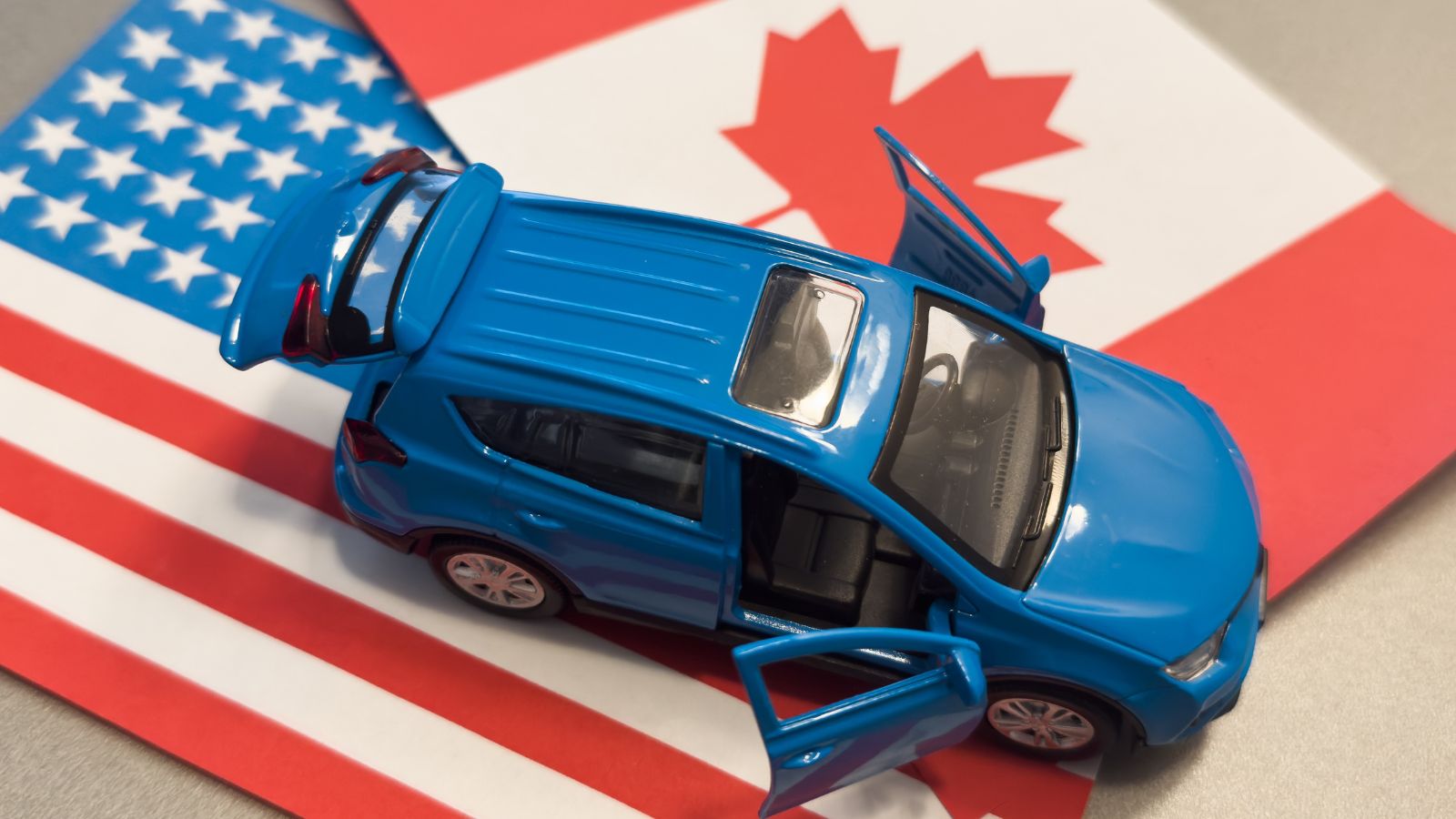
Heavy equipment dealers were warning about the consequences of a Canada-U.S. tariff fight before the latest negotiations fell apart. Now the uncertainty they feared is becoming harder to avoid. New American tariffs are in effect, Canadian counter-tariffs are coming, and there is no timetable for another negotiating round. For businesses selling the machinery used on farms, construction sites, mines and forestry operations, that uncertainty can be almost as damaging as the duties themselves. Equipment is expensive, orders are often planned months ahead, and many machines depend on parts, metals and distribution networks stretching across the border. Industry groups increasingly argue that neither country can shield itself cleanly from the fallout because the North American equipment market was built around integration rather than economic separation.

Equipment Dealers Were Warning Both Governments Before Talks Collapsed

Associated Equipment Distributors had already taken its concerns directly to political leaders before the latest negotiations failed. The organization urged Prime Minister Mark Carney and U.S. President Donald Trump to pursue a predictable and mutually beneficial trade relationship, arguing that equipment dealers need stability to invest, hire and serve customers. The association represents businesses selling, renting and servicing equipment used in construction, agriculture, mining, forestry, infrastructure and other industries that are difficult to insulate from changes in cross-border costs.

The scale of that network helps explain the concern. AED says its members in Canada and the United States operate more than 7,200 locations, employ over 140,000 people and generate more than $100 billion in annual revenue. Those businesses do not simply sell bulldozers and tractors. They supply parts, repairs, rentals and technical support to customers whose own investment decisions depend on confidence. When a contractor postpones buying an excavator or a farmer keeps an aging combine another season, the effects move through dealerships, manufacturers, lenders and suppliers.

The Failed Negotiations Turned Uncertainty Into New Tariffs

The risk became more concrete when Canada-U.S. trade negotiations broke down on August 21. Washington proceeded with a 50 per cent tariff on roughly C$27.6 billion worth of Canadian products beginning August 22. Carney then suspended negotiations and announced that Canada would answer dollar for dollar. Ottawa’s countermeasures are scheduled to take effect September 8, with rates of 15, 25 or 50 per cent depending on the product.

Agricultural equipment is among the sectors included in Canada’s retaliation package, alongside steel, dairy, appliances, pulp and paper and electronics. Ottawa has also announced $7.5 billion in new and enhanced support for workers and businesses affected by the dispute. The assistance may soften some of the immediate strain, but it does not solve the problem equipment dealers repeatedly emphasize: businesses cannot confidently price inventory, negotiate future orders or decide where to invest when tariff rules can shift between the time a machine is ordered and the day it arrives.

North America’s Equipment Business Was Built Around the Border

The equipment market is unusually exposed because machinery can embody inputs, components and services from several places before reaching a customer. A Canadian-built implement can use American components or imported steel, move through a cross-border dealer network and eventually operate on a U.S. farm. An American machine sold in Saskatchewan may depend on Canadian-made attachments or replacement components over its working life. Tariffs introduced at one point in that chain can therefore create costs far beyond the company formally paying the duty.

Trade figures illustrate the depth of those connections. Canadian government databases show substantial U.S. involvement in categories ranging from haymaking machinery and agricultural equipment to machinery used in public works and construction. Major brands such as John Deere, CNH and AGCO also operate through Canadian distribution networks. AED describes the existing continental trade framework as an important foundation for keeping machinery cost-effective. That helps explain why dealers resist policies that treat Canadian and American equipment markets as easily separable national systems.

Ottawa Spared Much of Big Farm Machinery — But Not Everything

Canadian farmers initially had reason to fear that tractors, combines and other expensive machines imported from the United States could be swept broadly into Ottawa’s retaliation. The final list was considerably narrower. Most major farm machinery categories were left off, reducing the risk of an immediate across-the-board price shock on some of the largest purchases made by Canadian agricultural operations.

Still, agricultural equipment did not escape entirely. Ottawa’s list includes selected machinery and parts, including some mowers, harvesting-equipment components and machinery parts, at rates generally ranging from 15 to 25 per cent. That distinction matters because a machine does not need to be fully tariffed for ownership costs to rise. Replacement parts, attachments and maintenance components can become more expensive over years of operation. Canadian dealer and farm groups had already warned that counter-tariffs on machinery could compound the financial pressure facing producers, particularly when high borrowing costs and weak crop economics had already encouraged farmers to postpone major purchases.

Powersports Dealers Show How Fast Tariffs Reach Main Street

The powersports sector provides another example of how trade friction can land directly at local dealerships. Moto Canada, which represents manufacturers and distributors of motorcycles, ATVs and side-by-sides, says the industry supports approximately 900 Canadian dealers and more than 88,000 jobs. Roughly 140,000 powersports vehicles sold in Canada annually come from 15 countries, but U.S.-assembled products still represent a significant part of the market.

Moto Canada estimates that approximately 50,000 to 60,000 U.S.-assembled motorcycles, ATVs and side-by-sides are sold in Canada each year, equivalent to around 40 per cent of the Canadian market. The organization has argued that retaliatory tariffs on those products could raise costs primarily for Canadian consumers and dealers while providing limited leverage over Washington. It also points to earlier tariff episodes that contributed to higher prices and weaker sales. For a dealership in a smaller community, a trade dispute negotiated hundreds of kilometres away can quickly become a question of inventory, financing and whether customers delay replacing a work ATV.

Metal Tariffs Can Raise Costs Before a Machine Crosses the Border

Equipment dealers are also dealing with tariffs indirectly. Heavy machinery consumes large amounts of steel and other metals, meaning duties on industrial inputs can raise manufacturing costs even when the finished machine itself receives preferential treatment. The Association of Equipment Manufacturers said earlier in 2026 that roughly 85 per cent of Canadian machinery was CUSMA-compliant, which provided an important degree of protection. Yet it also warned that tariffs and trade uncertainty were creating economic headwinds.

Manufacturers have reported substantial exposure. John Deere expected roughly $1.2 billion in tariff-related costs during 2026, while agricultural machinery companies were already facing customers reluctant to buy expensive equipment. That combination is particularly difficult: input expenses rise at the same time buyers become more price-sensitive. Manufacturers may absorb part of the increase, raise prices or reduce production. Dealers then face tighter margins or slower turnover. The result demonstrates why an equipment tariff dispute cannot be measured only by checking which finished tractors or excavators appear on a customs list.

Uncertainty Can Stop Purchases Even Before a Tariff Is Collected

A large equipment purchase is rarely an impulse decision. A new combine can cost hundreds of thousands of dollars, while high-end construction and mining machinery can involve even larger commitments. That makes uncertainty unusually powerful. During earlier phases of the tariff dispute, farmers and equipment sellers described buyers delaying decisions because they did not know what a machine might ultimately cost when delivered.

The broader farm-equipment market was already soft heading into the latest confrontation. Farm Credit Canada reported that Canadian agricultural implement manufacturing sales declined sharply in 2025, while new orders also fell. In the United States, sales of some large agricultural machines were down sharply in early 2026 as farmers confronted weaker crop economics and higher costs. Tariffs add another reason to wait. Keeping an older tractor, repairing a combine for another harvest or renting equipment can look safer than signing a large purchase contract whose final cost might change. That hesitation then feeds back into factory production and dealership inventories.

Retaliation Means American Equipment Suppliers Can Lose Too

The economic pain is not confined to Canadian importers. Canada’s counter-tariffs deliberately include products made in the United States, meaning some American manufacturers and exporters now risk becoming less competitive in one of their closest markets. Reporting on Ottawa’s measures has identified farm equipment produced in Midwestern states among the goods facing new pressure, alongside dairy, steel, appliances, motorcycles and other products.

That is the mechanism behind dealers’ argument that tariffs damage both sides. A Canadian company may pay more to bring in an American product, but the American factory also faces the possibility of a smaller order. If Canadian customers substitute another supplier, buy used machinery or postpone the purchase entirely, no tariff revenue can restore the lost sale to the manufacturer. The effect can then reach workers and component suppliers in U.S. manufacturing communities. Canada remains a major customer for American goods, making retaliation commercially meaningful even though the Canadian economy is much smaller than that of the United States.

Frozen Talks Leave Dealers Planning Around Politics Instead of Demand

For now, equipment companies have no clear date to circle on the calendar. U.S. Trade Representative Jamieson Greer said after the negotiations broke down that no new talks with Canada were planned. Carney has said Canada will return when Washington approaches negotiations as a genuine economic partner. That leaves businesses preparing for the September 8 counter-tariffs while also watching for further U.S. measures, including threats affecting automotive and industrial products.

The longer-term backdrop is equally uncertain. CUSMA remains legally in force, but the United States declined to extend it during the July 2026 joint review. That decision triggered annual reviews that can continue until 2036 unless all three countries eventually agree to an extension. For equipment dealers, the central issue is therefore bigger than any individual tariff line. Machinery businesses make investments that last years, not weeks. Dealers are effectively asking governments to restore something increasingly scarce in North American trade: confidence that the commercial rules in place when a company invests will still exist when that investment begins paying off.


Recommended.

TSXV-Listed Lithium Company Says Its Extraction Technology Is Moving Closer to Commercial Deployment

TSXV-Listed Lithium Company Says Its Extraction Technology Is Moving Closer to Commercial Deployment

August 17, 2026
14 Vehicles That Look Premium but Age Terribly in Canadian Winters

More Than Half of Used EVs in Canada Are Now Selling Below $35,000

June 3, 2026

Trending.

⁠$28 Billion in Canadian Goods Face 50% Trump Tariffs at Midnight as Deal Still Isn’t Final

Canada-U.S. Trade Deal Fell Apart After Washington Left Ontario-Built Ford and GM Trucks Out of Auto Tariff Relief

August 23, 2026
Quebec’s BRP Prepares 2027 Vehicle Reveal Tonight as Canadian Manufacturer Pushes New Can-Am Lineup

Quebec’s BRP Prepares 2027 Vehicle Reveal Tonight as Canadian Manufacturer Pushes New Can-Am Lineup

August 17, 2026
Doug Ford Says U.S. ‘Wasn’t Budging’ on 25% Auto Tariffs as Ontario Puts ‘Every Single Tool’ on the Table

Doug Ford Says U.S. ‘Wasn’t Budging’ on 25% Auto Tariffs as Ontario Puts ‘Every Single Tool’ on the Table

August 23, 2026
Mexico Pushes U.S. to Cut Auto Tariff From 25% to 5%–10% — and Give Canadian Parts More Room

Ottawa’s Chinese-EV Quota Opens Canada to 6.1% Tariffs Instead of the Former 100% Surtax

August 22, 2026
19 Things That Can Make Your Car Insurance Claim Get Denied

Foreign Insurer Can Apply to Enter Canada’s Auto-Insurance Market Starting Today

August 17, 2026
  • About
  • Contact
  • Privacy Policy
  • Disclaimer
  • Editorial Policies
  • Terms and Conditions
A Revir Media Group Website

2026 Autoigloo - © All rights reserved

No Result
View All Result
  • News & Trends
  • Car Reviews
  • Buying Guides
  • Comparisons
  • EVs & Hybrids
  • More
    • Pricing & Deals
    • Winter Driving
    • Ownership & Maintenance

2026 Autoigloo - © All rights reserved

This website uses cookies. By continuing to use this website you are giving consent to cookies being used. Visit our Privacy and Cookie Policy.