


























A used-car advertisement can look polished and still leave behind small clues that something is wrong. The danger is rarely a misspelled word or one imperfect photograph. Suspicion grows when the price, ownership story, vehicle history, inspection access, and payment instructions refuse to line up.
These 21 warning signs cover the most common ways a questionable listing creates trust without providing proof. Some point to an illegal dealer or a badly misrepresented vehicle; others match patterns used in online sales of cars that do not exist. None should be treated as automatic proof of fraud in isolation. Together, however, they show where a buyer should slow down, request documents, verify the VIN, arrange an independent inspection, and be prepared to walk away before money changes hands.
The Price Is Far Below Comparable Cars

A bargain price is not automatically dishonest, but a listing that sits dramatically below similar cars deserves more than excitement. Illegal dealers and online scammers often use unusually low prices to pull buyers into quick conversations before basic checks begin. The discount may conceal a rebuilt write-off, odometer tampering, stolen parts, a hidden lien, or a vehicle that does not exist at all.
A sensible comparison should include the same model year, trim, mileage, drivetrain, condition, and region. One cheap example among dozens of normally priced vehicles is not proof of fraud, yet it shifts the burden onto the seller to explain the difference with documents. A believable reason might be cosmetic damage supported by photographs and estimates. A vague claim such as “moving tomorrow” explains urgency, not value. When the price only makes sense if every risk is ignored, the listing is selling emotion before it sells a car.
The VIN Is Missing or Partly Hidden
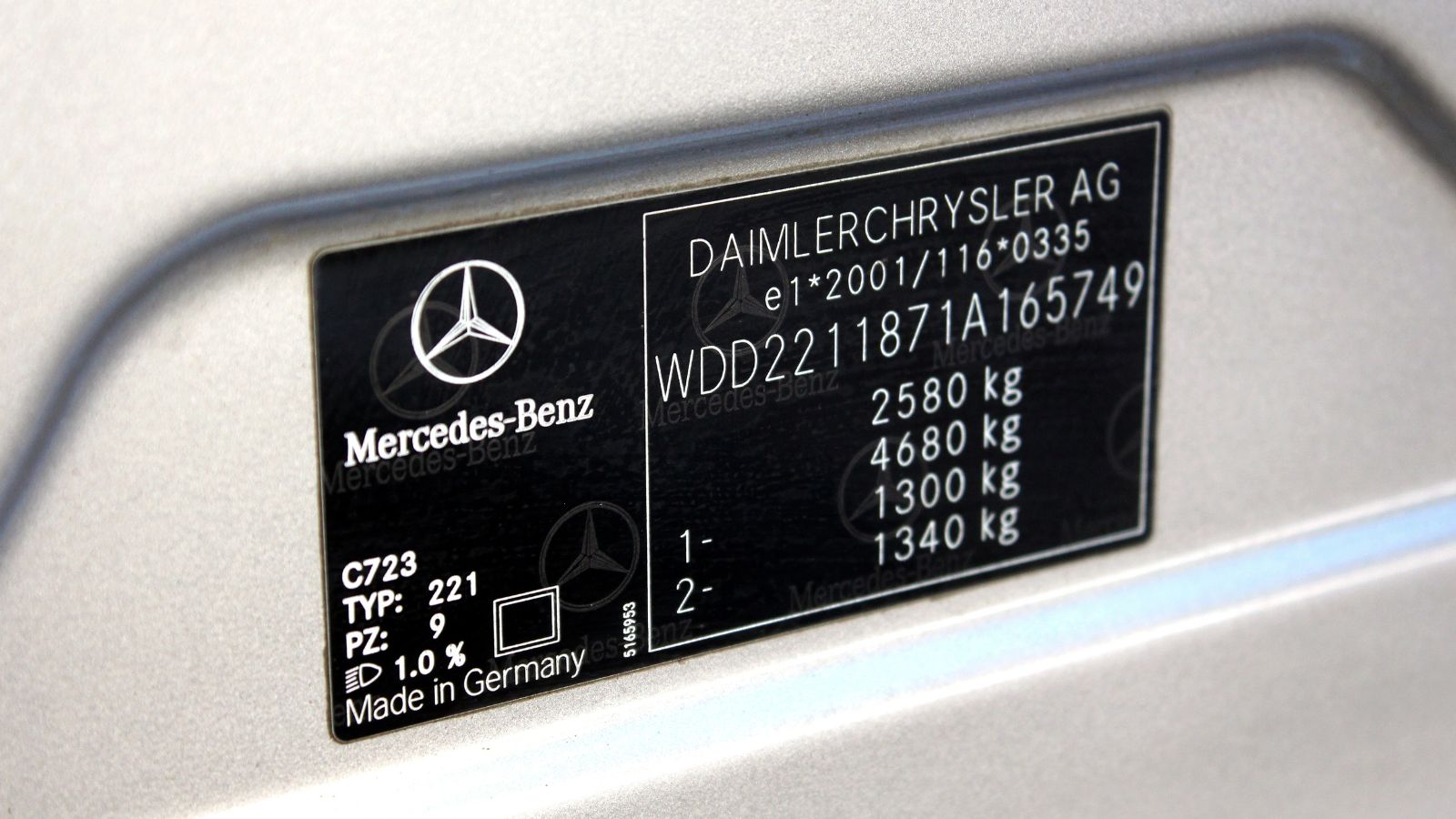
A serious used-car listing should make the vehicle easy to identify. When the 17-character vehicle identification number is omitted, blurred, cropped out, or promised only after a deposit, the buyer cannot perform basic history, theft, title, odometer, or recall checks. That removes a useful tool for separating a vehicle from a recycled advertisement.
Privacy is sometimes offered as an excuse, but a VIN is routinely visible through the lower windshield and appears on registration documents. It is the identifier required by major government and industry databases. A cautious buyer can ask for a photograph of the dashboard VIN and the driver-door label, then compare both with the listing and ownership paperwork. A typo can happen, especially in a long string of letters and numbers. Continued resistance is different. If the seller wants money while withholding the one code needed to verify the car, the sequence of the transaction is backwards.
The VIN Does Not Match Across Records
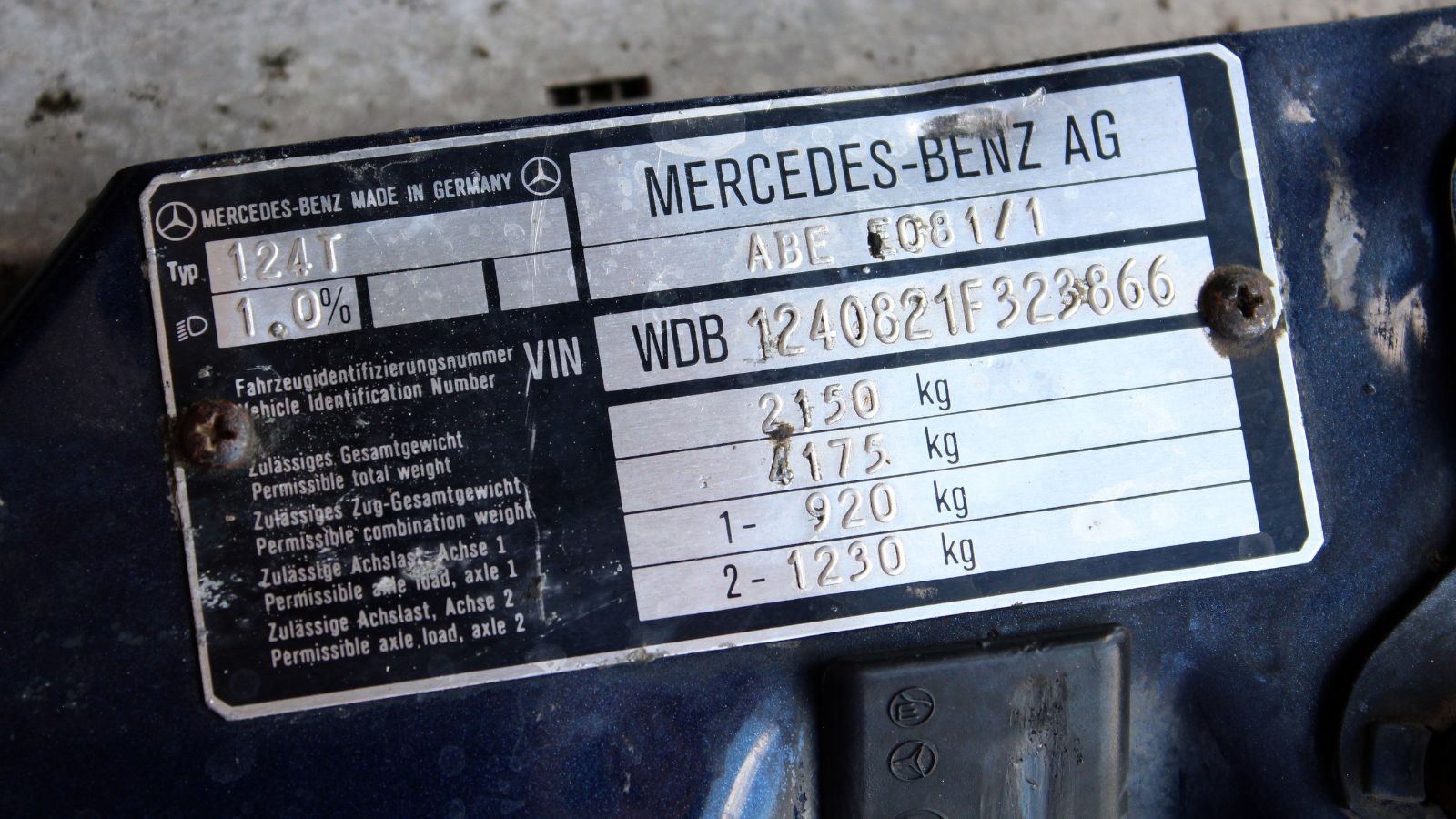
A VIN in an advertisement must consistently identify the same car. Warning signs include one VIN in the listing, another on a history report, and a different number on the dashboard, door label, registration, or bill of sale. One different character can indicate a careless listing, the wrong report, or something more serious.
Online scams use VINs copied from legitimate cars to make nonexistent listings credible. Stolen vehicles can also be disguised through identity changes commonly described as re-VINning or VIN cloning. The safest response is not to guess which number is correct. Buyers should decode the VIN, confirm that its year and model match the advertised vehicle, and inspect every accessible VIN location before payment. A seller who quickly corrects an honest mistake and supplies matching documents may restore confidence. A seller who changes the explanation, pressures the buyer, or dismisses the mismatch has created a reason to leave.
The Seller Is Not the Registered Owner
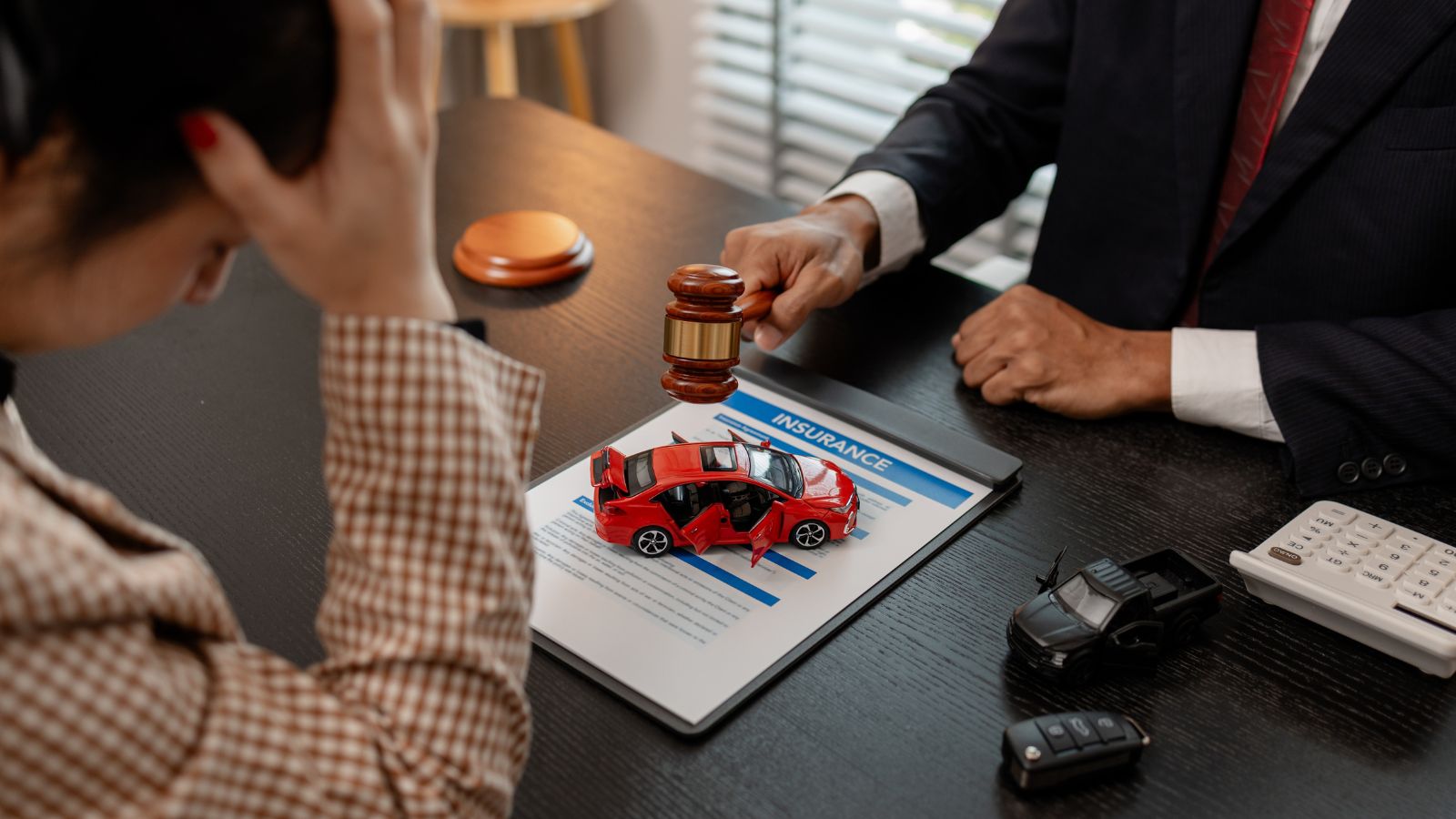
A private sale is harder to trust when the ownership document names someone other than the advertiser. Explanations involving a cousin, former roommate, employer, deceased relative, or friend may be genuine, but they also create distance between the buyer and the person legally connected to the vehicle. That distance complicates signatures, liens, title transfer, and accountability.
Vehicle regulators warn that illegal dealers often pose as private owners while selling cars that were never registered in their names. A buyer should compare government-issued identification with the registration or title and ask why any mismatch exists. Proper estate, power-of-attorney, dealership, or family-transfer paperwork should support unusual circumstances. Documentation matters as much as the story. Someone who says, “The owner is busy, but I handle everything,” is asking the buyer to accept responsibility without authority. When identity and ownership cannot be connected on paper, the listing is not ready for a legitimate transaction.
A “Private Seller” Has Several Cars Listed

Most genuine private sellers are disposing of one personal vehicle. An account advertising a rotating collection of sedans, pickups, and SUVs while claiming each is a personal car may actually belong to an unlicensed dealer, sometimes called a curbsider. These operators may evade rules and protections applying to registered businesses.
The pattern often becomes visible by checking the seller’s profile, phone number, email address, or repeated wording across listings. Different backgrounds, temporary plates, and stories about relatives strengthen the concern. Multiple listings do not prove wrongdoing; collectors, small fleets, and family businesses exist. The important question is whether the seller is accurately presenting the nature of the business and legally authorized to sell. A buyer should verify dealer registration where applicable and insist on complete ownership records for the specific vehicle. A “private deal” should not function like a hidden car lot with none of a dealer’s obligations. Context matters.
The Car Was Registered to the Seller Very Recently

A seller who owned a car for only days or weeks may have a reasonable explanation, such as an unexpected move. Still, very short ownership can indicate flipping, title problems, undisclosed repairs, or an unlicensed dealer moving inventory.
The timeline should match the story. Someone claiming years of dependable commuting should be able to show registration history, maintenance receipts, insurance records, or dated photographs consistent with long ownership. If the paperwork shows a transfer last month, the contradiction matters. Buyers should ask when and why the vehicle was acquired, what work was completed afterward, and whether taxes and registration were properly handled. Short ownership is especially concerning beside a low price, missing records, and inspection resistance. The issue is not that quick resale is inherently improper. It is that the seller has had little time to know the vehicle yet may describe it with absolute confidence. The timeline deserves proof.
The Seller Discourages a History Report

A history report is imperfect, but a seller discouraging one removes an important verification layer. Claims that reports are scams or pointless may keep collisions, title brands, liens, theft recovery, registration changes, or odometer readings hidden.
Government and consumer agencies recommend checking official title information and reputable history sources before purchase. In Ontario, for example, private sellers are generally required to provide a Used Vehicle Information Package containing ownership, lien, odometer, and market-value information when available. Elsewhere, comparable title and lien searches serve the same purpose. A seller may refuse to buy a commercial report, but should not block an independent check. Reports also have limits and do not replace a mechanical inspection. The suspicious behavior is not a missing glossy document; it is hostility toward any record that could test the listing’s claims. Independent records matter because advertisements cannot establish how a vehicle was titled, used, repaired, or damaged.
The Mileage Does Not Fit the Paper Trail

Low mileage can raise a used car’s value, so inconsistencies deserve attention. The listing may show fewer kilometres or miles than an older service receipt, inspection, auction record, or registration entry. Other clues include unusually worn pedals, seats, controls, and tires, though wear alone is inconclusive.
Odometer fraud remains substantial. The U.S. National Highway Traffic Safety Administration estimates that more than 450,000 vehicles are sold each year with false odometer readings, costing buyers more than $1 billion annually. Buyers should compare the dashboard reading with title records, history reports, maintenance invoices, and electronic diagnostic data when available. A dashboard replacement should come with documentation showing the previous mileage and reason for replacement. Occasional clerical errors happen, especially when kilometres and miles are confused. A seller who cannot reconcile the numbers should not receive the benefit of a higher low-mileage price. Numbers should agree before negotiations, deposits, or price premiums begin.
The Listing Hides Title Branding or Accident History

Phrases such as “clean car” or “no major issues” can avoid questions that matter. A vehicle may have been declared salvage, rebuilt after a total loss, damaged by flood or fire, used as a rental, or involved in a serious collision. If broad praise replaces title status or damage history, caution is justified.
Title brands exist because certain events materially affect a vehicle’s history and potential safety. Government-backed history systems can reveal brands, insurance total-loss information, odometer readings, and salvage records, although no database captures every incident. Buyers should ask direct questions in writing: Is the title normal, rebuilt, salvage, or otherwise branded? Has the vehicle sustained structural, flood, or fire damage? Was an insurance claim made? A repaired vehicle is not automatically a bad purchase, but its condition and price should reflect its history. Concealment is more troubling than the event itself. Specific disclosures make comparisons fairer for buyers.
The Seller Refuses an Independent Inspection

Allowing a qualified mechanic to inspect the car reveals a seller’s confidence. Refusal, endless excuses, or insisting on the seller’s shop means the description should not be accepted at face value. History reports can identify recorded events, but they often do not reveal current mechanical problems.
Consumer agencies recommend an independent pre-purchase inspection even when a vehicle is advertised as certified, dealer-inspected, or covered by a warranty. If insurance rules prevent the car from leaving a dealership, a mobile inspector or an agreed facility may provide an alternative. The mechanic should identify the car by VIN and provide a written report with estimated repair costs. Reasonable test-drive safeguards should not eliminate scrutiny. A buyer who is asked to spend thousands while being denied a professional examination is being asked to assume risks the seller will not help measure. Inspection resistance transfers uncertainty and possible repair costs directly to the buyer.
The Photos Look Generic, Reused, or Incomplete

Photos help only when they show the actual vehicle. Manufacturer images, stock photos, tight crops, or inconsistent backgrounds give little proof the seller possesses the car. The concern grows when the same images appear in advertisements from other cities, under different names, or with different prices.
The FTC advises marketplace buyers to seek several photos of the actual item, not stock imagery. Investigations into fake vehicle sales have found scammers copying photographs and descriptions from older legitimate advertisements. A reverse-image search, or a search using a distinctive sentence from the description, can expose duplicates. Buyers can also request a new photograph showing a specific harmless detail, such as the car beside a handwritten date or with the trunk open. This cannot replace inspection, but it tests possession. A seller who supplies only polished images while resisting simple verification may be marketing a picture, not a vehicle. Original images simplify verification.
The Description Appears Copied or Internally Inconsistent

Fraudulent listings can look convincing because the description came from a real advertisement. Closer reading may reveal mismatched trims, transmissions, options, mileage, or colour. Location can also drift, with a local car supposedly stored far away.
Small errors are common in ordinary classified ads, so one typo should not condemn a seller. A pattern of contradictions is different. Buyers can paste a distinctive sentence into a search engine and check whether identical text appears in older or distant listings. They can decode the VIN to confirm the model year, engine, plant, and details. Questions should be specific: Which trim is it? Is the transmission automatic or manual? Where is the car physically located now? A legitimate owner usually answers from experience. A scammer working from copied material may repeat the advertisement, avoid details, or produce a new version of the story. Consistency matters because reliable ownership should produce firsthand knowledge.
Direct Questions Get Vague or Changing Answers

A trustworthy listing becomes clearer as questions get specific. Suspicion rises when direct requests produce evasive replies about ownership, collisions, maintenance, liens, title, warning lights, or the sale. The seller may answer differently, offer generic reassurance, or change details between messages and calls.
Written communication is useful because it preserves what was represented before the sale. Buyers can repeat essential questions and compare responses with documents. “Never had a problem” is not an answer to whether the transmission was replaced. “Everything is clean” does not confirm that no lien exists. Regulators advise walking away when sellers give vague answers or resist proper paperwork, because those behaviours make later accountability difficult. An honest owner may forget a service date or lack technical vocabulary, but should normally be willing to check records or say what is unknown. Confidence without verifiable detail is marketing, not disclosure. Answers should grow clearer as questions continue.
The Seller Will Not Meet in Person

A seller who cannot meet, provide access, or permit inspection presents a clear online-sale warning. Common stories involve deployment, job transfer, divorce, bereavement, travel, or a relative handling the transaction. Those events can be real, but scammers use them to explain why neither seller nor vehicle appears.
The FTC and FBI have warned about criminals advertising vehicles they do not own and supporting the story with photographs, invoices, and recognizable company names. For a high-value purchase, buyers should speak with the seller, confirm the vehicle’s physical location, and inspect it before sending money. A legitimate remote sale may use a licensed dealer, verified inspector, and secure platform, all independently confirmed. The promise that a car will arrive after payment is not equivalent to seeing it. When every practical route to the vehicle is blocked, the listing may be selling an explanation for its absence. Distance should increase, not reduce, verification.
The Story Creates Artificial Urgency

Urgency turns verification into a risk: pause and someone else may buy the bargain. Suspicious listings mention tomorrow’s deployment, a weekend move, expiring storage, divorce, or eager buyers. Personal details can make caution feel impolite.
Consumer regulators specifically identify high-pressure tactics as a warning sign in vehicle scams and curbsider sales. A legitimate seller may want a quick transaction, but should still allow time for identity checks, title research, a history report, and an inspection. Documents do not become less necessary because the seller is in a hurry. A useful test is slowing down and requesting one verifiable item at a time. Honest sellers may decline to hold the car, yet they can still answer clearly. Scammers often intensify pressure, demand a deposit, or threaten to end contact. A deadline created by the seller should never become the buyer’s emergency. Real deadlines never erase ordinary safeguards or careful due diligence.
A Deposit Is Demanded Before Viewing

A documented deposit may be legitimate, but an unknown private seller demanding money before viewing creates substantial risk. The request may supposedly remove the ad, reserve the car, prove seriousness, or beat another buyer. Once the money is sent, the seller may disappear or invent another fee.
Canadian vehicle regulators have warned about impostors collecting deposits on cars that do not exist or are not actually controlled by the person advertising them. Major marketplace safety guidance likewise advises against sending money before seeing the vehicle. A buyer should verify identity, location, ownership, and any refund terms. Payment should generate a proper receipt identifying both parties, the VIN, the amount, and the conditions for refund or completion. A deposit is not a substitute for due diligence. When the seller’s first verifiable asset is the buyer’s money, the transaction is dangerously unbalanced. Money should follow verification and never replace careful due diligence.
Payment Must Be Made by Gift Card, Wire, Crypto, or App

Payment instructions can expose an obvious scam. Gift cards, cryptocurrency, wires, and some payment apps move quickly and may be hard to recover. A seller insisting on these methods is not offering ordinary convenience.
The FTC states that demands for gift-card or wire-transfer payment in phony online car sales are scam indicators. Fraudsters may send professional-looking invoices and direct buyers to read card numbers over the phone or photograph the backs of cards. Others route transfers to accounts unrelated to the seller or location. Buyers should use a payment process they independently understand, verify the recipient’s legal identity, and keep complete records. Even familiar logos do not validate instructions received by email or text. The payment method should follow verified ownership and a written agreement. It should never be the mechanism used to prevent the buyer from reversing a fraudulent transaction. Recoverability matters when a transaction involves thousands of dollars.
A Supposed Escrow or Buyer-Protection Program Appears Outside the Platform

Fake listings borrow trusted companies’ reputations. A seller may claim eBay, a shipper, or escrow service guarantees a refund although the deal happened elsewhere. The buyer receives an official-looking invoice, link, or number controlled by the scammer.
Investigations by the FTC, FBI, and Better Business Bureau have documented fabricated escrow companies and false claims of marketplace protection. Genuine protection depends on the platform’s actual rules and normally requires the transaction to remain inside its system. Buyers should open the platform independently and confirm the transaction in their account. They should also verify the escrow company’s registration, address, domain history, and contact information through independent sources. Encryption and polished branding prove little; fraudulent websites can use both. When protection exists only in documents supplied by the seller, it is not protection. It is part of the sales pitch. Independent confirmation matters whenever protection exists only in documents supplied by the seller.
Extra Shipping or Insurance Charges Appear After Agreement

A suspicious transaction often grows costlier after the buyer has committed. The seller or shipper may demand insurance, customs charges, storage, taxes, or a refundable security payment. The charge becomes the final obstacle before delivery, encouraging protection of money already sent.
The FTC specifically warns that phony vehicle sellers may demand additional shipping or transportation money after the sale. BBB investigations have documented victims receiving repeated requests for insurance and other invented fees after initial payment. Legitimate transport costs should be disclosed, documented, and independently verified before funds move. Buyers should contact the carrier through independently found information. A genuine fee belongs in a written agreement identifying its recipient and purpose. Fraudsters exploit the sunk-cost effect: once someone has paid, another smaller payment can feel easier than accepting the first loss. Surprise delivery charges are therefore a major signal to stop, not continue. Added charges deserve scrutiny before money moves.
The Listing Avoids Proper Paperwork or a Written Receipt

A seller eager for payment but reluctant to provide ownership documents, a bill of sale, or receipt offers only half a transaction. Paperwork should connect both parties, the VIN, price, date, conditions, and warranties.
Requirements vary by jurisdiction, but regulators consistently emphasize written records. Ontario’s private-sale process, for example, generally requires the seller to provide a Used Vehicle Information Package, while OMVIC identifies refusal to provide a receipt containing the seller’s name and address as a curbsider warning. In dealer sales, the FTC advises buyers to obtain promises and out-the-door prices in writing because spoken assurances can be difficult to enforce. A receipt proves little alone, yet refusing one removes accountability. If the seller wants anonymity after receiving thousands of dollars, the listing should be treated as unfinished and unsafe. Without a complete paper trail, even a friendly transaction can become difficult to prove, transfer, challenge, or unwind successfully afterward.
Important Risks Such as Liens, Flood Damage, or Recalls Are Ignored

Some listings are suspicious because of what they leave out. A description may praise tires and cleanliness while ignoring liens, floods, title brands, recalls, or major repairs. These issues can affect ownership, safety, insurance, resale value, or repair costs.
No single report catches everything. A proper review combines title and lien searches, theft and salvage databases, recall tools, maintenance records, and an independent inspection. Flood-damaged cars may show hidden mud, rust, mismatched carpet, mold, or strong cleaning smells. Recall status can be checked by VIN through government tools, and recall repairs are generally completed without charge by the manufacturer. A seller need not volunteer every minor flaw in the first sentence, but should answer direct material questions honestly. When the listing remains silent and the seller blocks verification, the omissions form a pattern rather than an oversight. Material silence should prompt checks before any agreement, deposit, or payment is made.
16 Costco Canada Habits That Could Be Costing Shoppers More Than They Save
The Executive Membership can feel like an obvious upgrade because the 2% annual reward sounds straightforward. For households that spend heavily at Costco Canada, the extra fee may be easy to justify. But the habit becomes costly when shoppers upgrade first and calculate later. A Gold Star Membership costs less, while Executive costs more and only pays off if eligible annual spending is high enough to offset the difference.
16 Costco Canada Habits That Could Be Costing Shoppers More Than They Save