


























The cheapest trim can look like the disciplined choice: the same badge, the same basic body, and a noticeably lower price. Regret often arrives later, however, when daily use exposes what the window sticker did not emphasize. A missing safety aid, an uncomfortable seat, weak headlights, or a liftgate that must be wrestled open with full hands can matter more over several years than it did during a short test drive. Trim structures also vary widely, so an entry model may be generous in one vehicle and deliberately stripped in another. These 12 reasons explain why some buyers eventually wish they had moved one step above the cheapest version—and why the best-value trim is not always the one with the lowest advertised price.
Important Safety Equipment May Be Missing
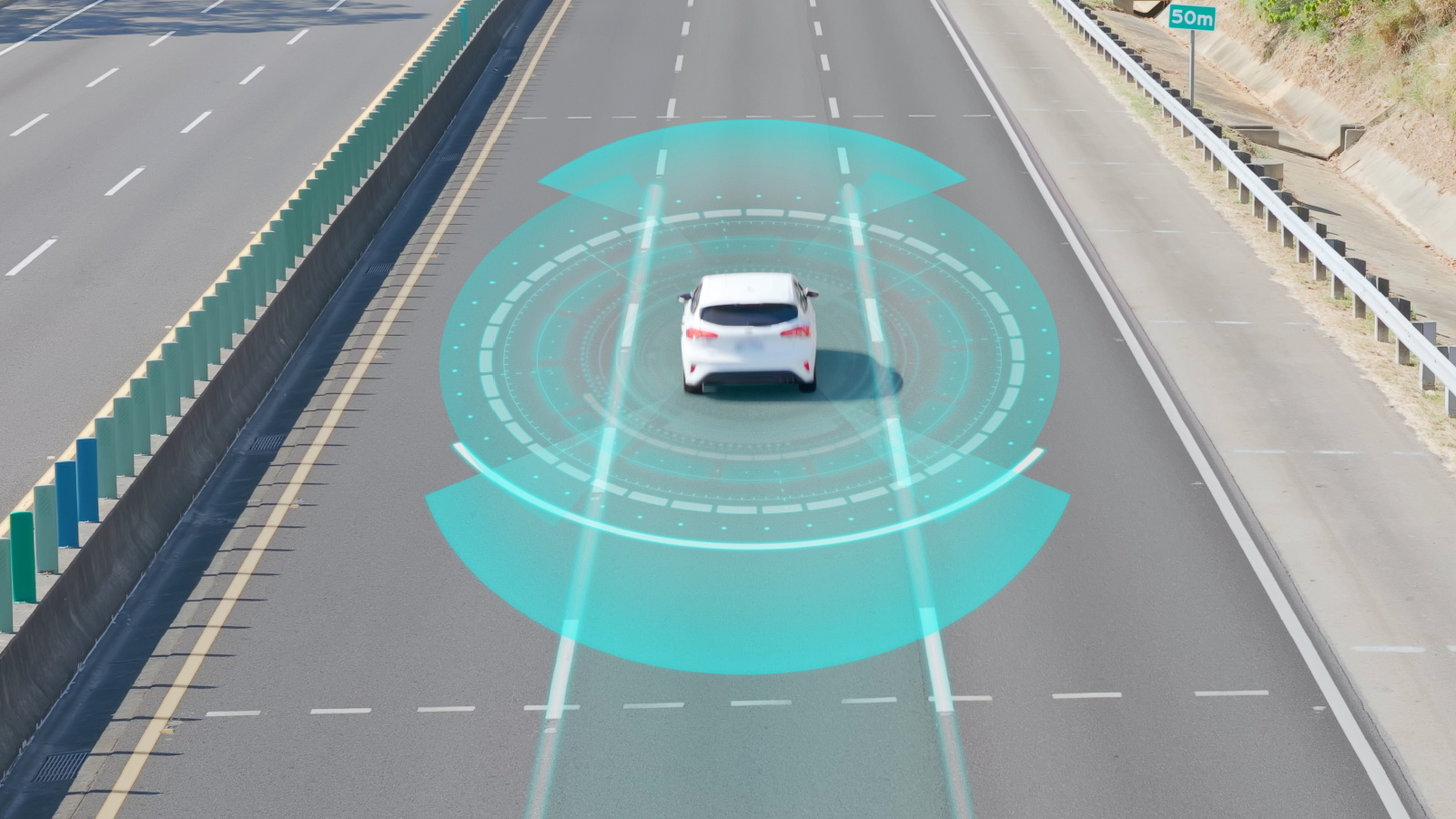
The least expensive trim sometimes preserves the core crash structure while deleting driver-assistance features that are standard higher in the range. That distinction can be easy to miss because brochures group every available technology under one model name. A buyer may assume blind-spot warning, rear cross-traffic alert, or automatic emergency braking is included, then discover after delivery that the icons never appear. Consumer Reports, for example, noted that the base 2026 Honda CR-V LX lacks blind-spot warning and rear cross-traffic warning.
That omission can feel serious after months of dense highway traffic or crowded parking lots. Insurance Institute for Highway Safety research found that forward-collision warning paired with automatic emergency braking reduced rear-end striking crash involvement by 50 percent, while injury crashes of that type fell 56 percent. No system replaces an attentive driver, but choosing a trim without useful assistance can turn an attractive saving into a lasting sense that the vehicle is incomplete.
The Headlights Can Be Noticeably Worse
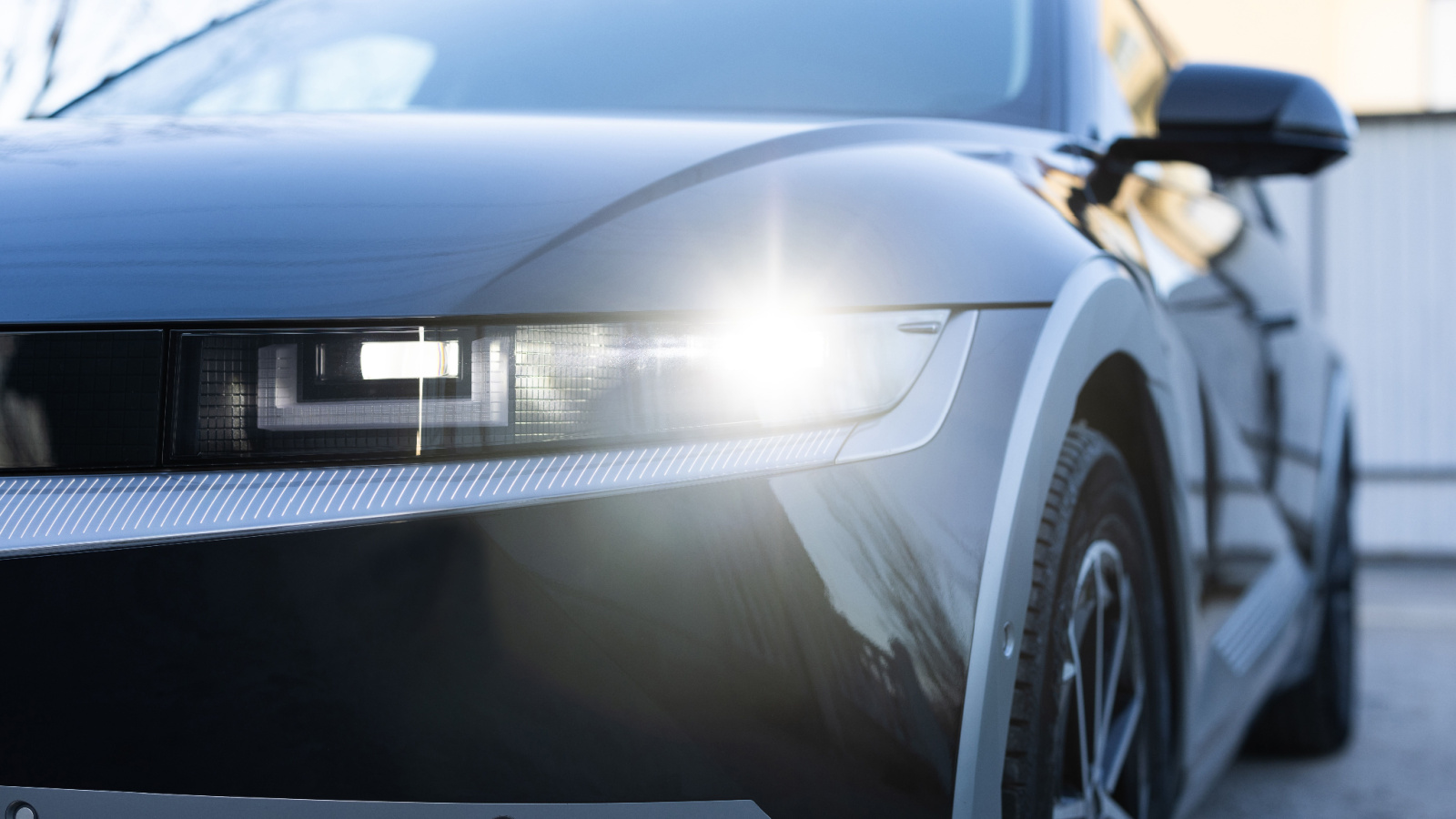
Headlights are a clear example of equipment that can change beneath nearly identical bodywork. A base trim may use halogen reflector lamps, while a higher version receives LED projectors, automatic high beams, or curve-adaptive lighting. The difference is not merely cosmetic. The Insurance Institute for Highway Safety evaluates each system separately because illumination distance, glare, and performance through curves can vary within one model line. In a documented example, the halogen reflector setup used on several 2017 Ford F-150 trims received a poor rating.
This weakness often becomes obvious only after purchase, especially on dark rural roads, wet highways, or winter commutes before sunrise. A daytime test drive will not reveal how much confidence better lighting can add. IIHS now treats acceptable or good headlights across all trims as an important criterion in its strongest used-vehicle recommendations for teenagers. Buyers may regret saving on equipment that affects every night journey and is difficult to upgrade properly later.
The Driver’s Seat May Never Feel Quite Right
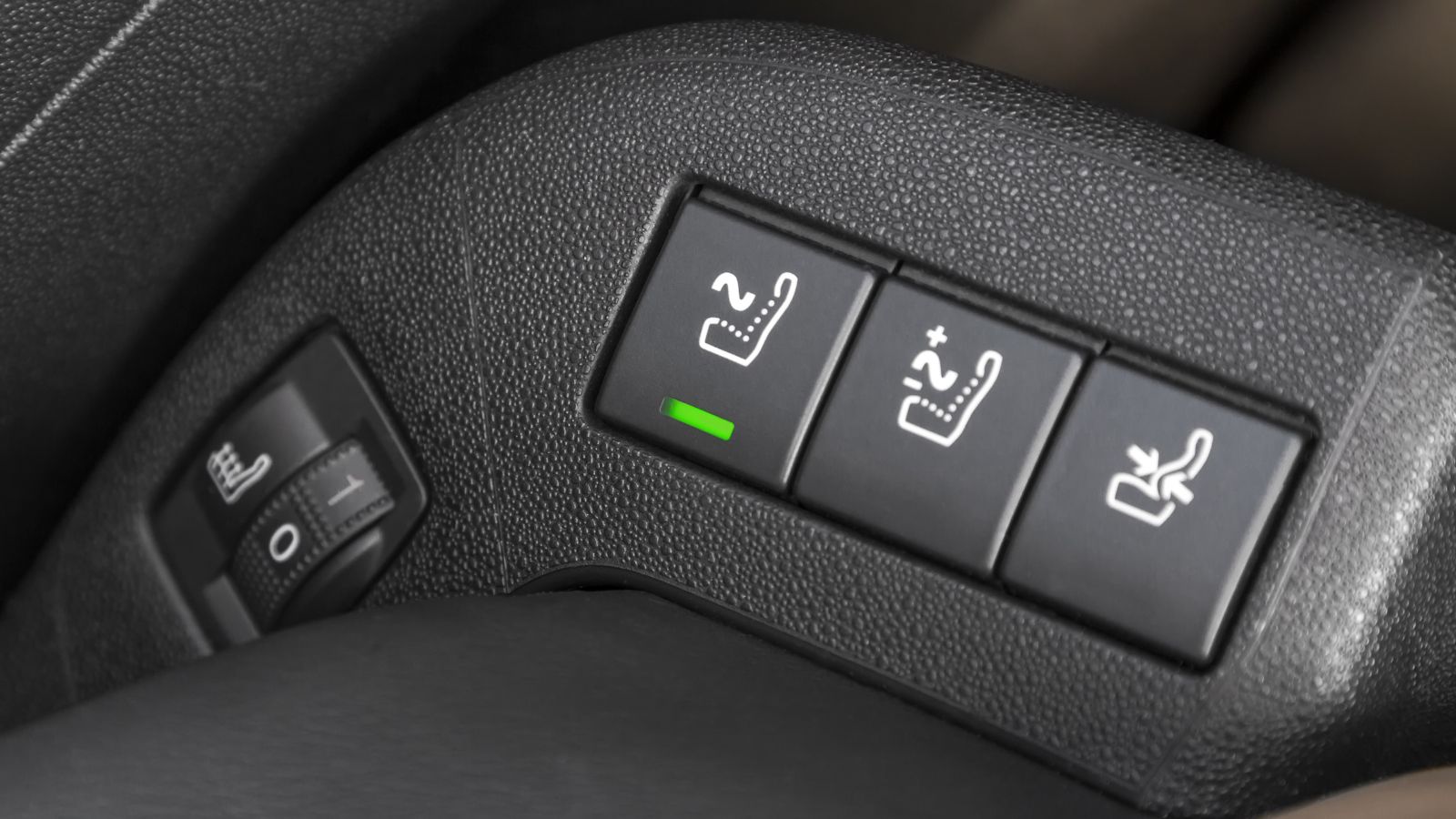
A manually adjusted seat can seem adequate during 15 minutes at a dealership. Over a two-hour commute or family trip, limited height, tilt, lumbar, or cushion-angle adjustment may become harder to ignore. Seat fit is individual, and small changes in support can affect fatigue, posture, and reach to the wheel and pedals. J.D. Power’s 2025 U.S. Seat Quality and Satisfaction Study, based on 92,694 purchasers and lessees, identified adjustment range and headrest comfort among the most frequently reported seat problems.
Trim comparisons show why moving up can matter. The 2026 Hyundai Santa Fe SEL, for example, adds a power-adjustable driver’s seat and heated front seats over the base SE. A buyer who cannot settle into the cheapest trim may spend years compensating with cushions or awkward positions. Seats are difficult to upgrade properly after purchase because airbags, occupancy sensors, wiring, and interior matching are involved. A harmless-looking deletion can become noticeable on every drive.
Cold and Hot Weather Comfort Feels Too Basic
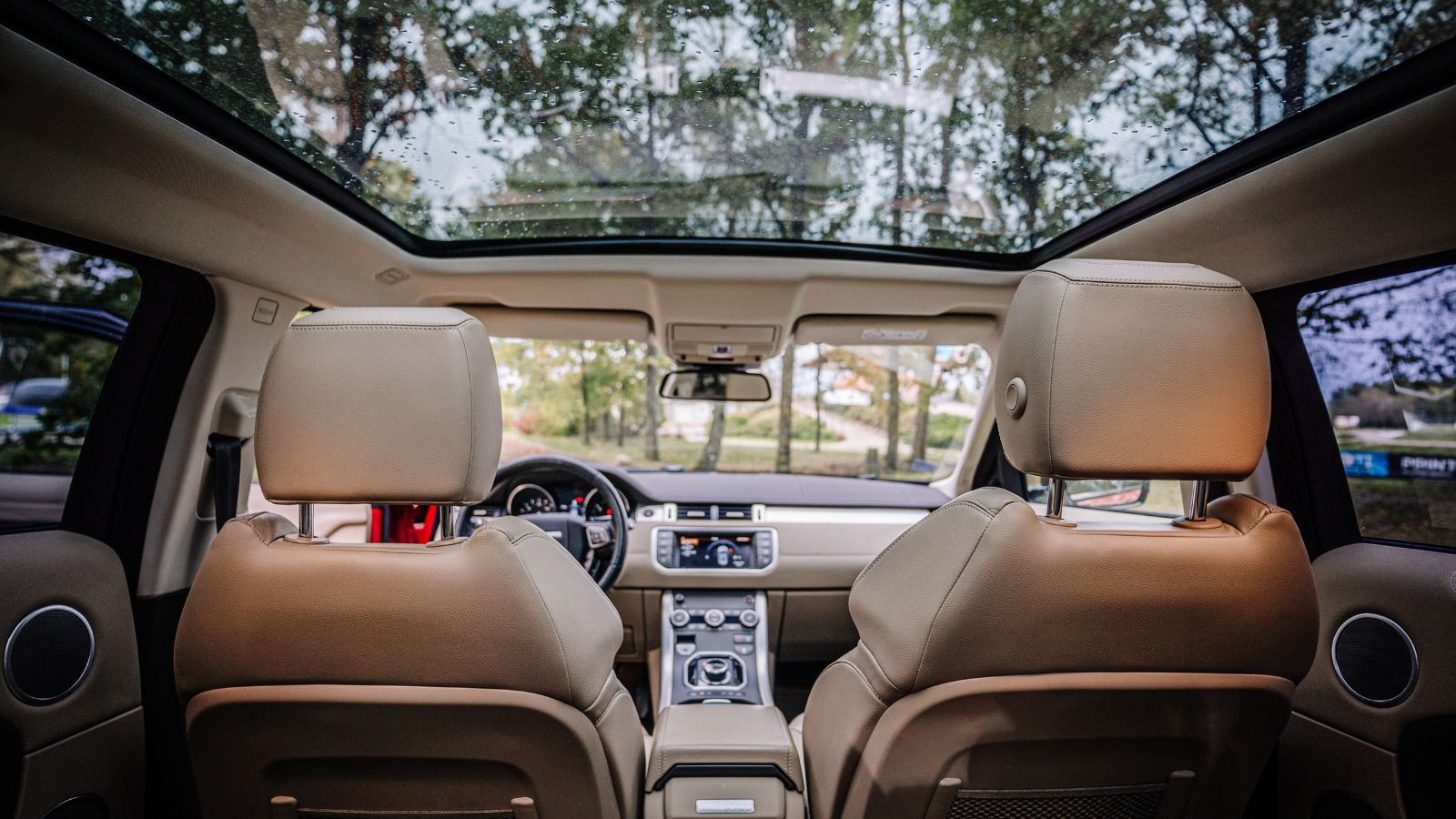
Entry trims often remove features that make extreme weather easier to tolerate: heated seats, a heated steering wheel, ventilated upholstery, remote start, rear air vents, or dual-zone climate control. None is essential to moving the vehicle, so each is easy to dismiss while negotiating. Their value becomes clearer during a freezing morning, humid school pickup, or summer trip with passengers disagreeing over one temperature setting. The 2026 Mazda CX-5 illustrates the ladder: higher trims add heated front seats, a heated steering wheel, and a windshield-wiper de-icer.
Targeted heating can be more efficient than warming an entire cabin, particularly in an electric vehicle. AAA advises using heated seats and a heated steering wheel where available because they warm occupants directly with less energy demand than cabin heat alone. That does not make every climate feature mandatory, but it explains why some owners regret treating them as indulgences. Repeated seasonal discomfort can make a modest trim premium look smaller over time.
The Infotainment System Ages Faster
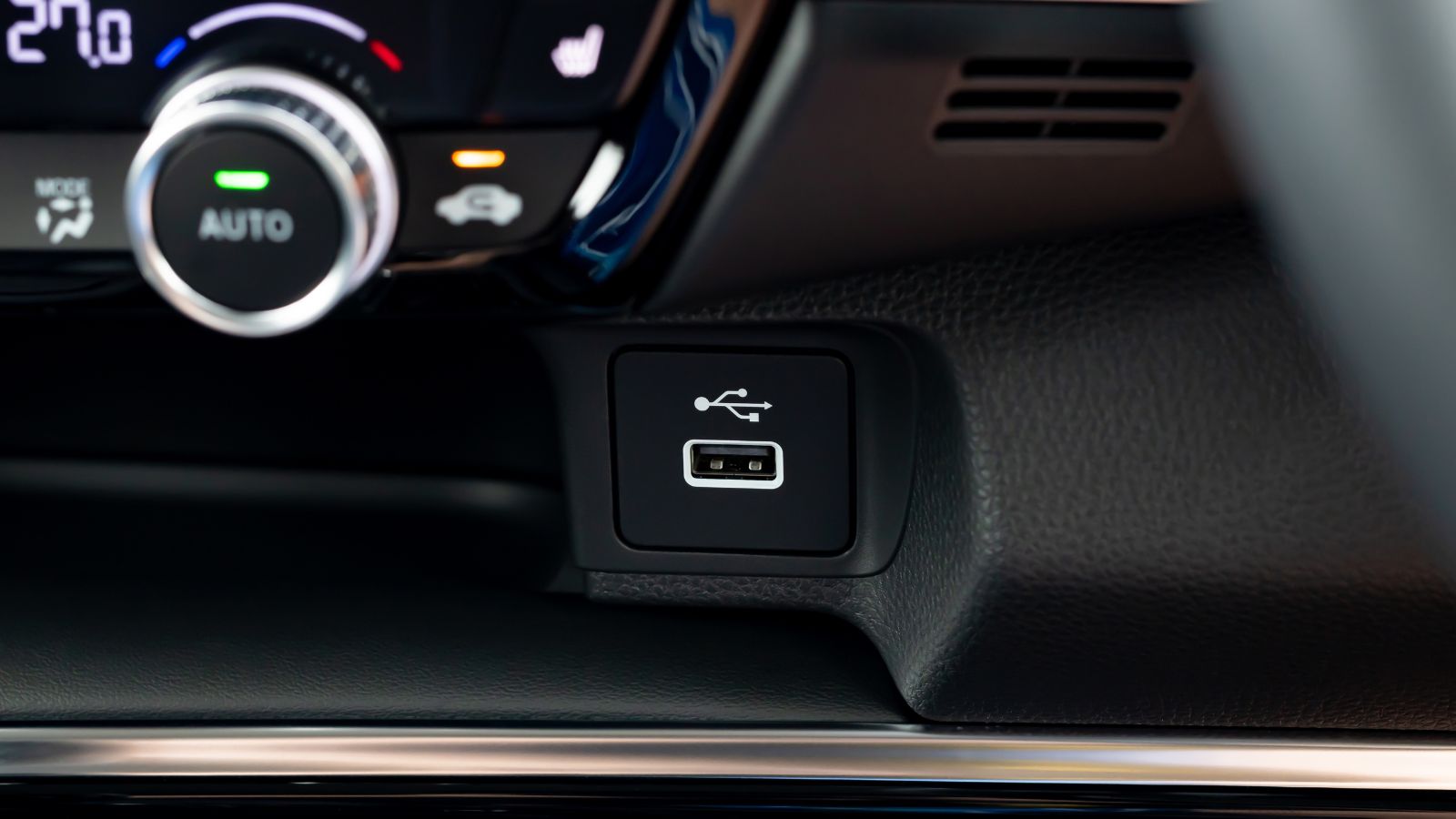
The cheapest version may receive a smaller screen, fewer speakers, limited USB ports, or wired rather than wireless smartphone integration. Those differences can seem superficial, yet infotainment is frequently used in a modern vehicle. It controls audio, navigation prompts, calls, settings, and sometimes climate functions. J.D. Power’s 2026 U.S. Initial Quality Study found infotainment was the only category with increased reported problems that year, reaching 44.4 problems per 100 mass-market vehicles.
A low trim is not automatically less reliable; simpler hardware can sometimes be easier to live with. Regret usually comes from capability and presentation. Current trim comparisons show midlevel models adding larger displays, wireless Apple CarPlay and Android Auto, extra charging points, and better audio. The 2026 Santa Fe SEL adds a panoramic 12.3-inch display arrangement, while the Mazda CX-5 Select is the least expensive version offering wireless phone integration. After several years, the base interface may feel dated sooner.
Parking Becomes More Stressful Than Expected
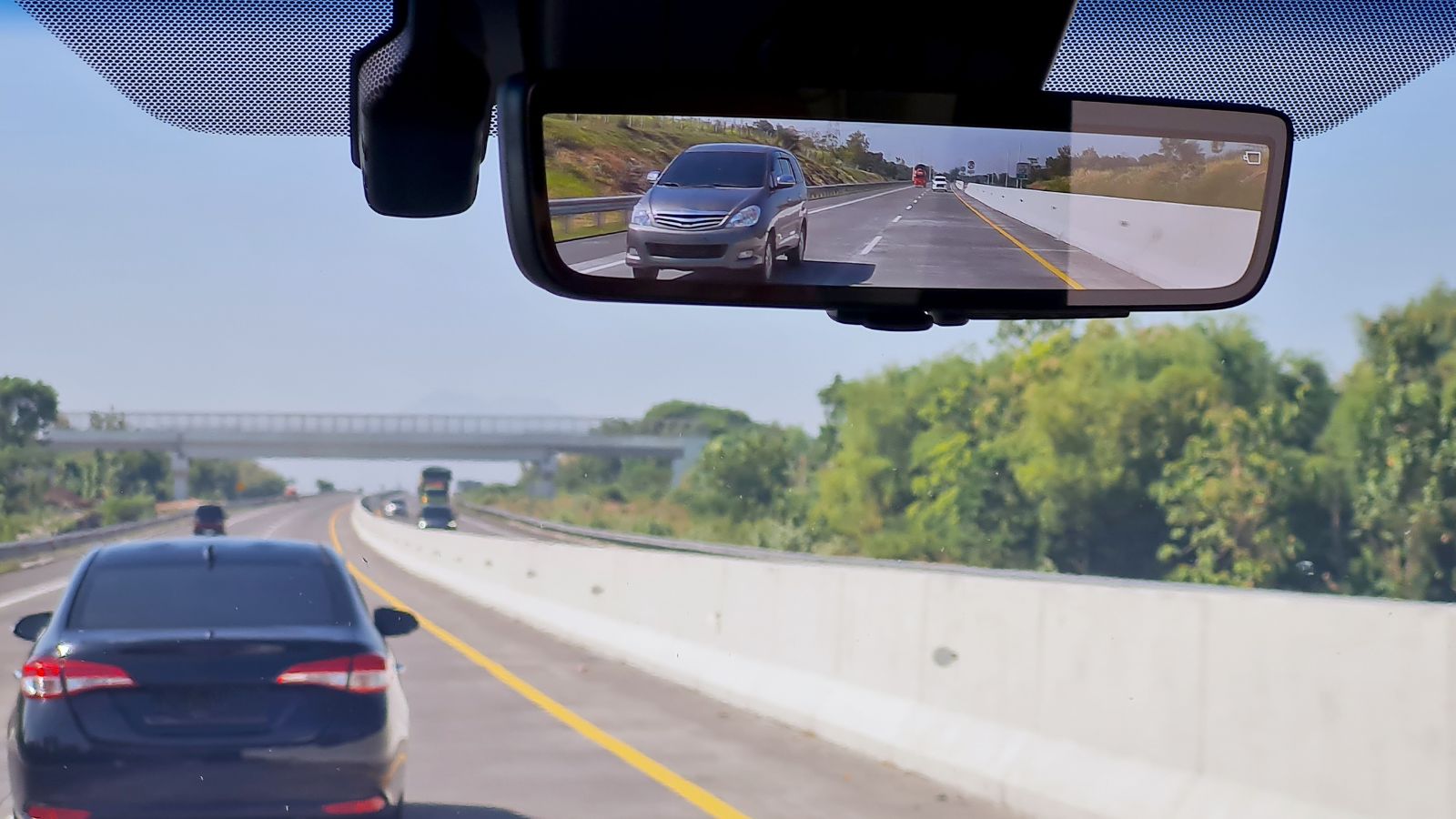
A rearview camera is required equipment on new vehicles in the United States, but a camera alone is not a full parking-assistance package. Base trims may omit front and rear sensors, rear cross-traffic warning, a surround-view display, or rear automatic braking. Those features become useful in taller SUVs, wide pickups, tight garages, and crowded shopping-centre lots. NHTSA explains that rear automatic braking uses sensors and the backup camera to detect an imminent collision and can apply the brakes if the driver does not react.
Real-world data show why the missing hardware matters. IIHS reported that combining a rear camera, parking sensors, and rear automatic braking reduced police-reported backing crashes by 78 percent, while rear cross-traffic alert alone reduced them by 22 percent. A buyer can still park safely with care, but the daily experience may feel tense. Regret often grows after discovering that a higher trim bundled several aids that cannot be replicated neatly aftermarket.
Highway Driving Requires More Effort
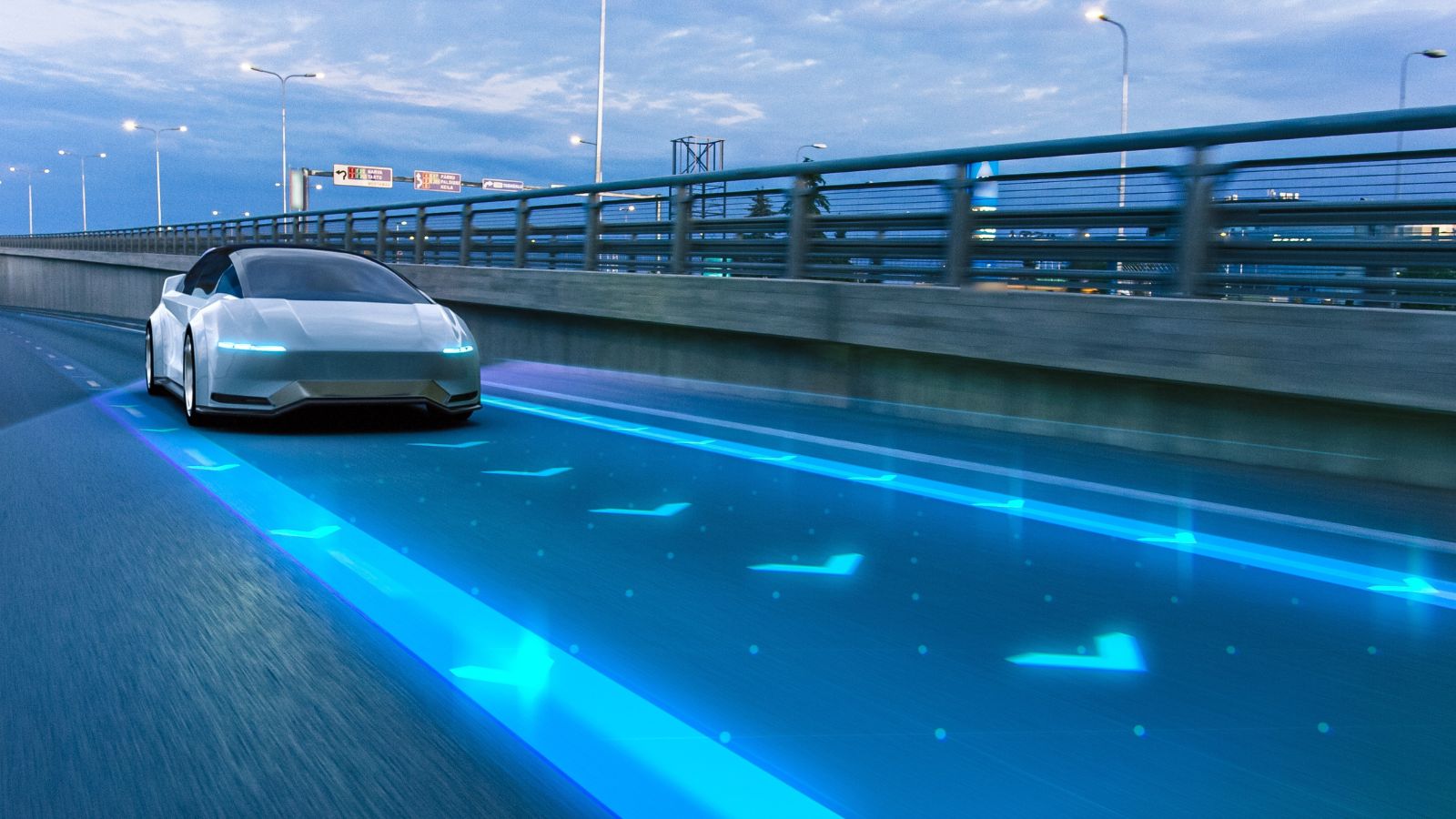
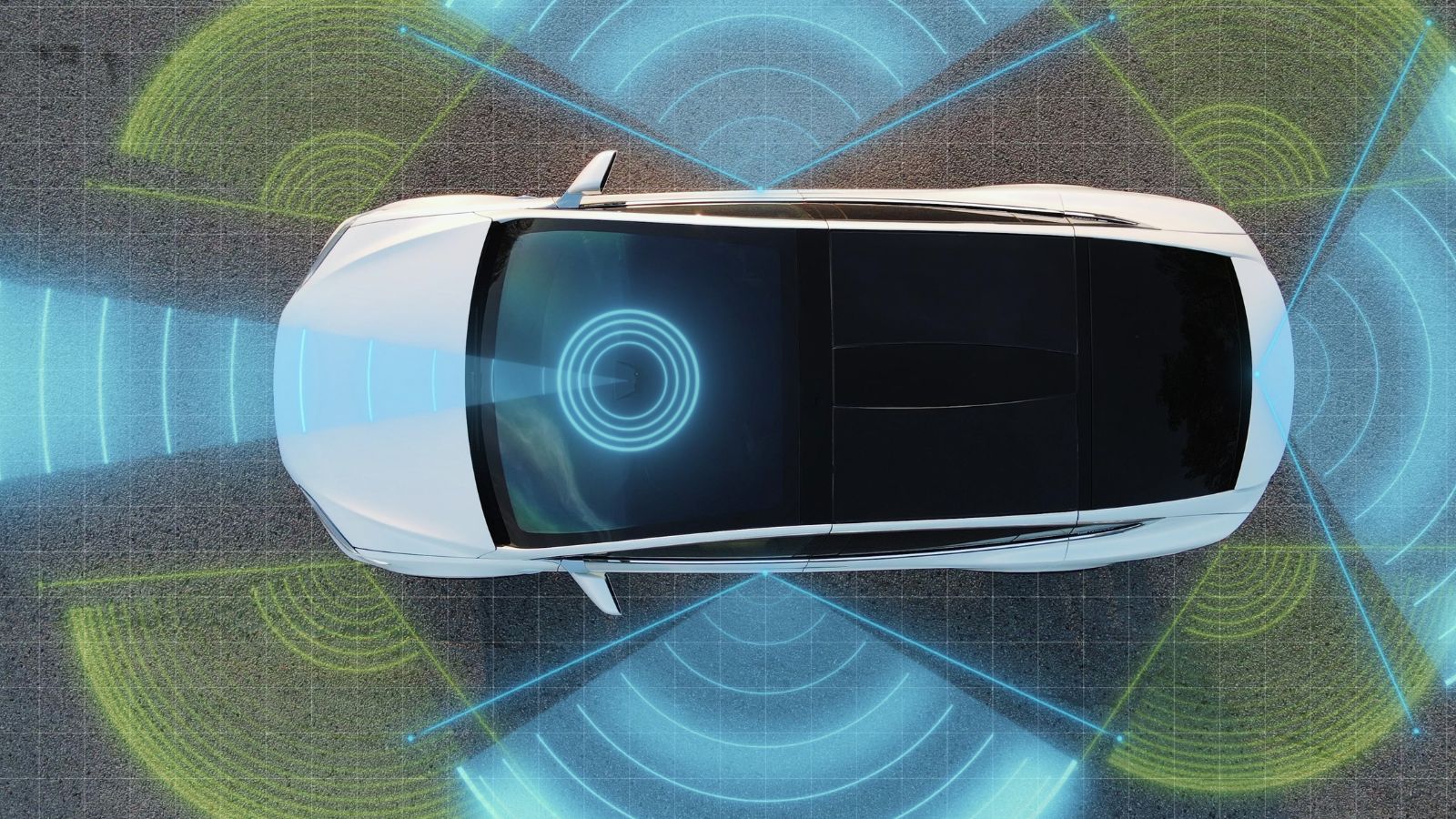
Basic cruise control holds a selected speed, but adaptive cruise control can adjust speed to maintain a preset gap from traffic ahead. Lane-centering assistance can help position a vehicle within its lane, although the driver must remain attentive. These systems are increasingly common, yet they are not always included on the cheapest trim. The omission may barely matter in short urban trips. For a commuter facing stop-and-go traffic or a family making frequent highway journeys, it can become one of the most noticeable trim differences.
NHTSA classifies these technologies as driver assistance, not self-driving capability, and stresses that the person behind the wheel remains responsible. Within those limits, IIHS reported in 2026 that safety benefits can compound when automatic emergency braking, lane-departure prevention, and high-beam assistance are bundled. Owners often describe the advantage less dramatically: long trips require fewer repetitive speed corrections. Discovering that the higher trim included these systems can make the base version feel falsely economical.
The Cabin Feels Cheaper Every Day
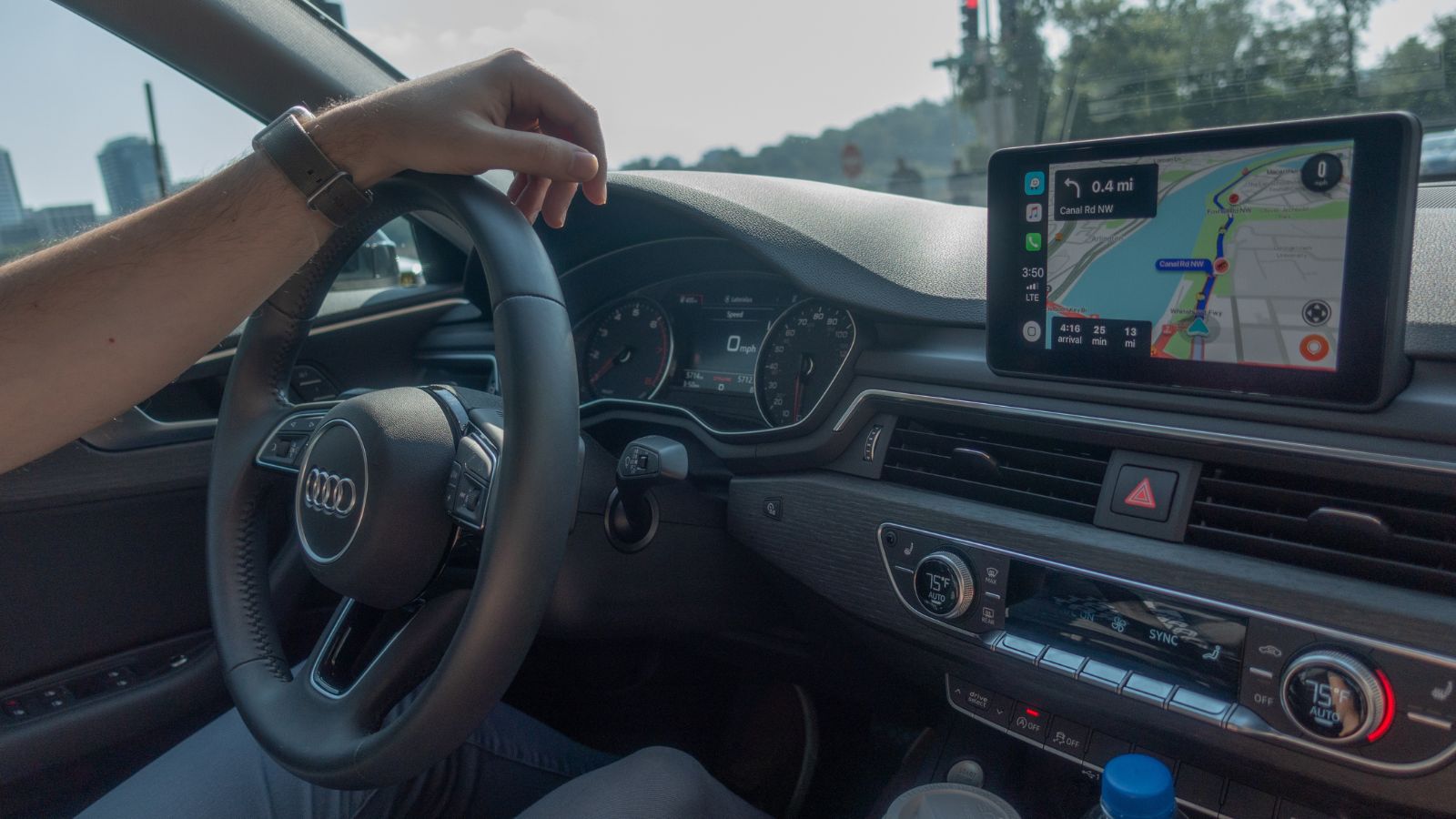
A base trim may share the same dashboard shape as the expensive version while substituting harder plastics, plain cloth, fewer padded surfaces, a basic steering wheel, and less decorative lighting. None changes the vehicle’s transportation ability, but these are surfaces occupants see and touch thousands of times. The difference is noticeable when a showroom displays a well-equipped model and the delivered entry trim looks flatter or more utilitarian. Some midlevel trims also add easier-to-clean synthetic upholstery, an advantage for families carrying children, pets, or sports equipment.
Quietness can create a similar reaction. Consumer Reports identifies a smooth ride, quiet interior, supportive seats, and useful adjustability as core elements of comfort. Noise can vary with tires, glass, insulation, and powertrain, and manufacturers do not always publish every trim-level difference. A back-to-back road test is important. Because replacing trim panels or adding factory-grade sound insulation is rarely economical, a cheap-feeling cabin can remain disappointing for years.
The Base Engine May Feel Overworked
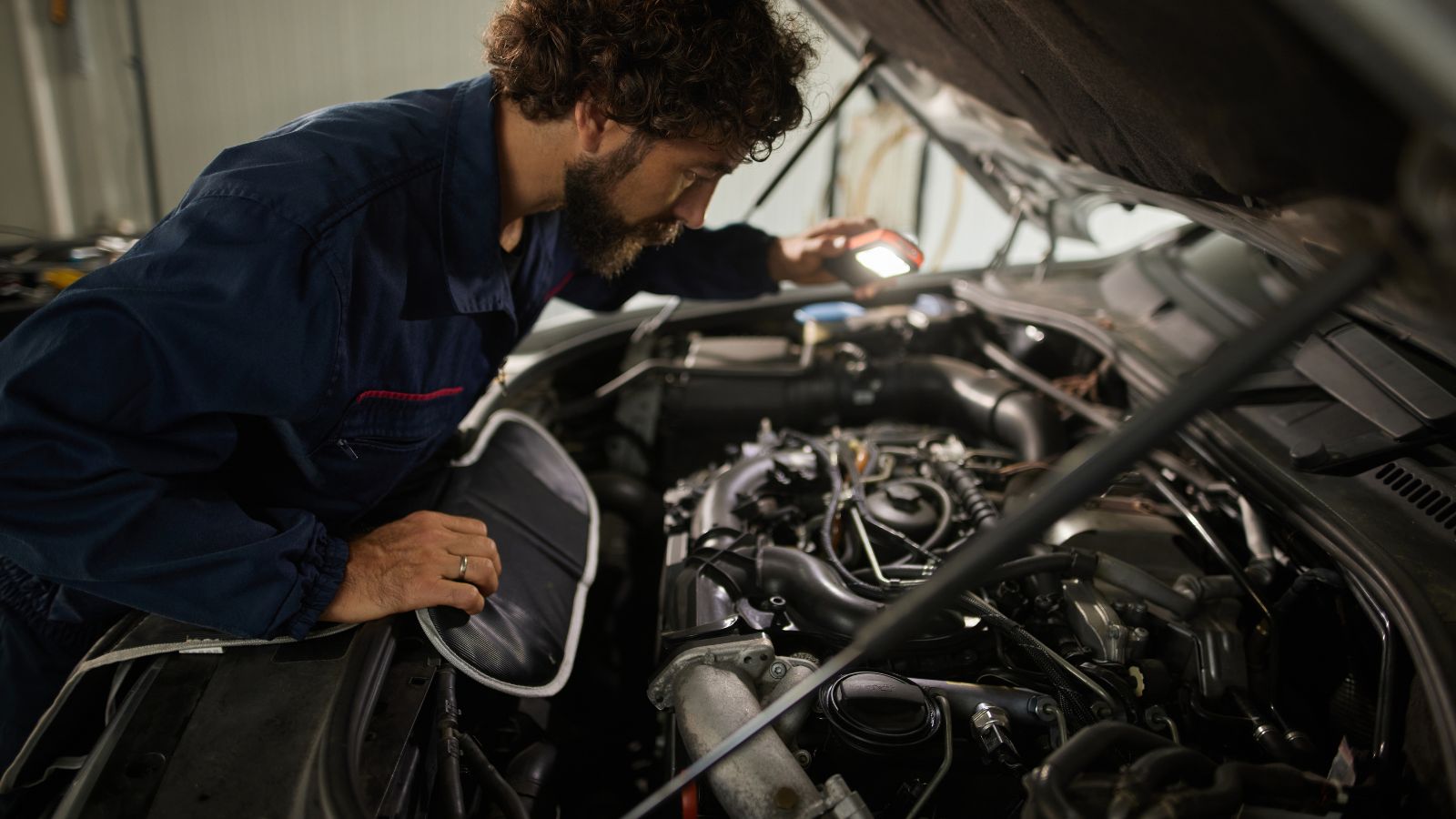
The least expensive trim is often paired with the least powerful engine or a restricted version of the standard powertrain. Around town with one occupant, performance may seem acceptable. Add passengers, luggage, steep grades, highway merging, or a trailer, and the vehicle can feel strained. The strongest engine is not always the wisest choice because extra power can bring higher purchase, fuel, maintenance, or insurance costs. Regret develops when the buyer never tested the vehicle under conditions resembling real ownership.
Current lineups show how large the gap can become. The 2026 Toyota Tundra SR uses a lower-output version of its twin-turbo V6, producing 348 horsepower and 405 pound-feet of torque, while other trims reach 389 horsepower and 479 pound-feet. The 2026 Chevrolet Suburban withholds its available diesel engine from the base LS. These are model-specific examples, but they show why the badge alone does not define performance. Checking output, gearing, and payload before purchase can prevent disappointment.
Towing and All-Terrain Capability Can Be Restricted
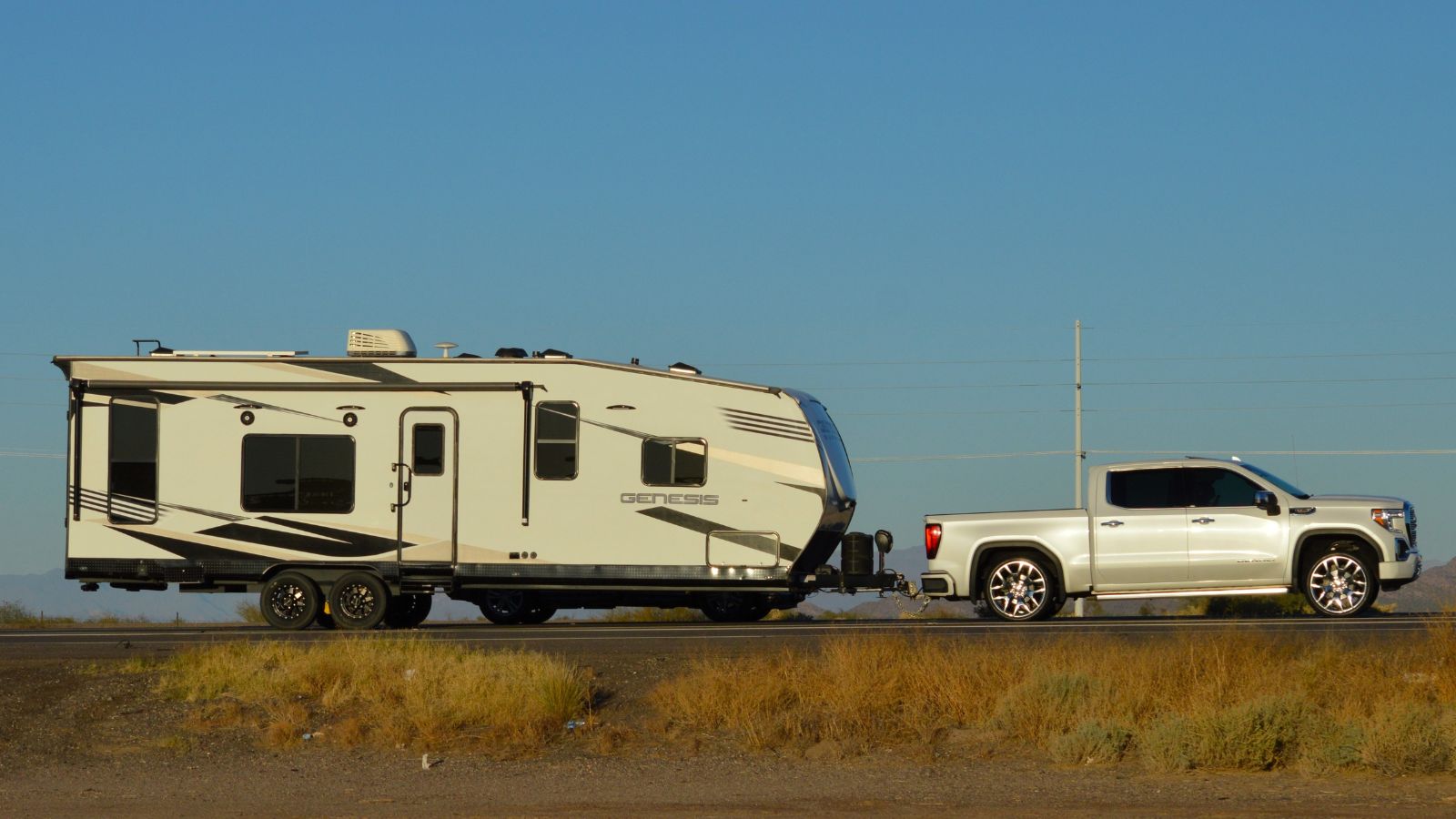
Capability figures in advertising usually highlight the maximum achieved by one carefully configured version, not every vehicle wearing the nameplate. The cheapest trim may have a lower tow rating, different axle ratio, reduced cooling equipment, basic tires, no two-speed transfer case, or limited access to a factory tow package. Cars.com advises shoppers to verify the exact configuration because trim, engine, drivetrain, transmission, cab, and bed choices can change towing and payload limits.
The differences can be substantial. For the 2026 Toyota Tundra, Cars.com lists the base SR at a maximum 8,300 pounds, compared with as much as 12,000 pounds for certain SR5 configurations. The 2026 Subaru Forester Wilderness can tow 3,500 pounds, 2,000 more than the standard Forester. A buyer may not plan to tow immediately, then later purchase a camper, boat, or utility trailer and discover the entry trim is limiting. Similar regret appears when off-road equipment is costly to recreate afterward.
Small Convenience Omissions Become Constant Irritations
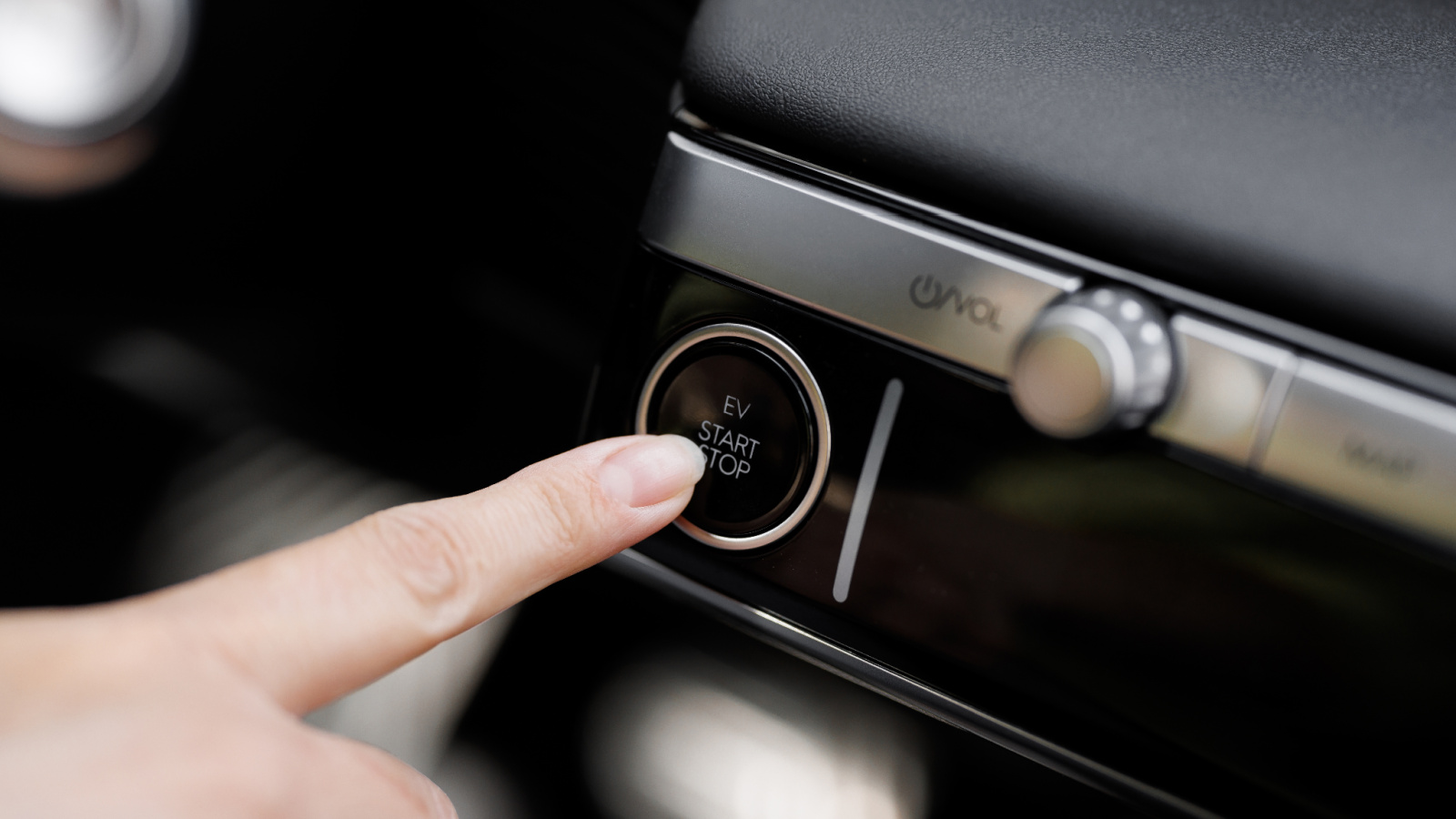
Proximity keyless entry, push-button start, a power liftgate, auto-dimming mirrors, rain-sensing wipers, wireless charging, and rear USB ports rarely decide a purchase alone. Their absence is felt through repetition. Unlocking a door with full hands, raising a heavy liftgate, or passing one charging cable around the cabin can happen hundreds of times each year. Kelley Blue Book describes a hands-free liftgate as useful when an owner approaches the cargo area carrying bags, equipment, or groceries.
Trim recommendations frequently move buyers one level above base for this reason. Edmunds favors the 2026 Volkswagen Tiguan SE because it adds synthetic upholstery, a power liftgate, remote start, and other equipment over the S. Its recommended 2026 Hyundai Ioniq 5 SEL similarly adds a power rear liftgate, wireless charging, and upgraded materials over the SE. These features are not necessities, but repeated small friction can create more regret than one dramatic omission because the reminder appears almost every time the vehicle is used.
Adding Features Later Can Erase the Original Savings
The cheapest trim is convincing when it contains everything the buyer genuinely needs. Trouble begins when desired items require option packages, dealer accessories, or aftermarket work. Consumer Reports has warned that options and trim upgrades can raise a vehicle’s price by $10,000 or more, but piecemeal additions are not automatically cheaper. Factory features may require different wiring, control modules, sensors, upholstery, mirrors, or software. Retrofitting them later can be expensive, visually inconsistent, or impossible to integrate fully.
Resale adds another complication. Kelley Blue Book says trim level, factory equipment, condition, mileage, and local demand affect vehicle value, while many aftermarket additions do not have a consistent reportable value. An owner can spend heavily upgrading a base vehicle without recovering much of the cost when sold. The better calculation is not simply base price versus midlevel price. It is the total cost of obtaining the required equipment, financing the difference, and living with the result over years.
19 Used Cars Canadians Should Avoid in 2026 (Based on Owner Complaints)
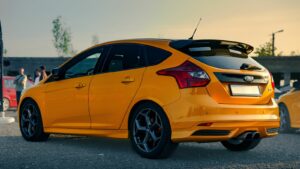
Buying a used car in Canada can feel safe until repair bills start stacking up. Owner complaints tell a different story than glossy listings. Transmission failures, electrical problems, and weak winter reliability show up again and again in consumer reports. Many of these issues appear after warranties expire, when owners least expect them. Some vehicles look affordable upfront, but become expensive to keep on the road. Others struggle in cold weather, urban driving, or long highway commutes. Here are 19 used cars Canadians should avoid in 2026 (based on owner complaints).
19 Used Cars Canadians Should Avoid in 2026 (Based on Owner Complaints)