






















Premium vehicle features are designed to create desire long before they become part of a daily routine. A dramatic screen, automated manoeuvre, wellness programme, or performance setting can make a test drive feel futuristic, yet ownership often rewards simpler controls that work immediately. Industry research increasingly shows that drivers value technology most when it solves a frequent problem, operates reliably, and requires little explanation.
These 20 vehicle features are not necessarily useless. Several can be excellent in the right household, climate, road, or driving situation. Their weakness is frequency: the circumstances that justify them may occur only a few times each year, while their complexity, subscriptions, setup steps, or familiar alternatives quietly push them out of regular use.
Interior Gesture Controls
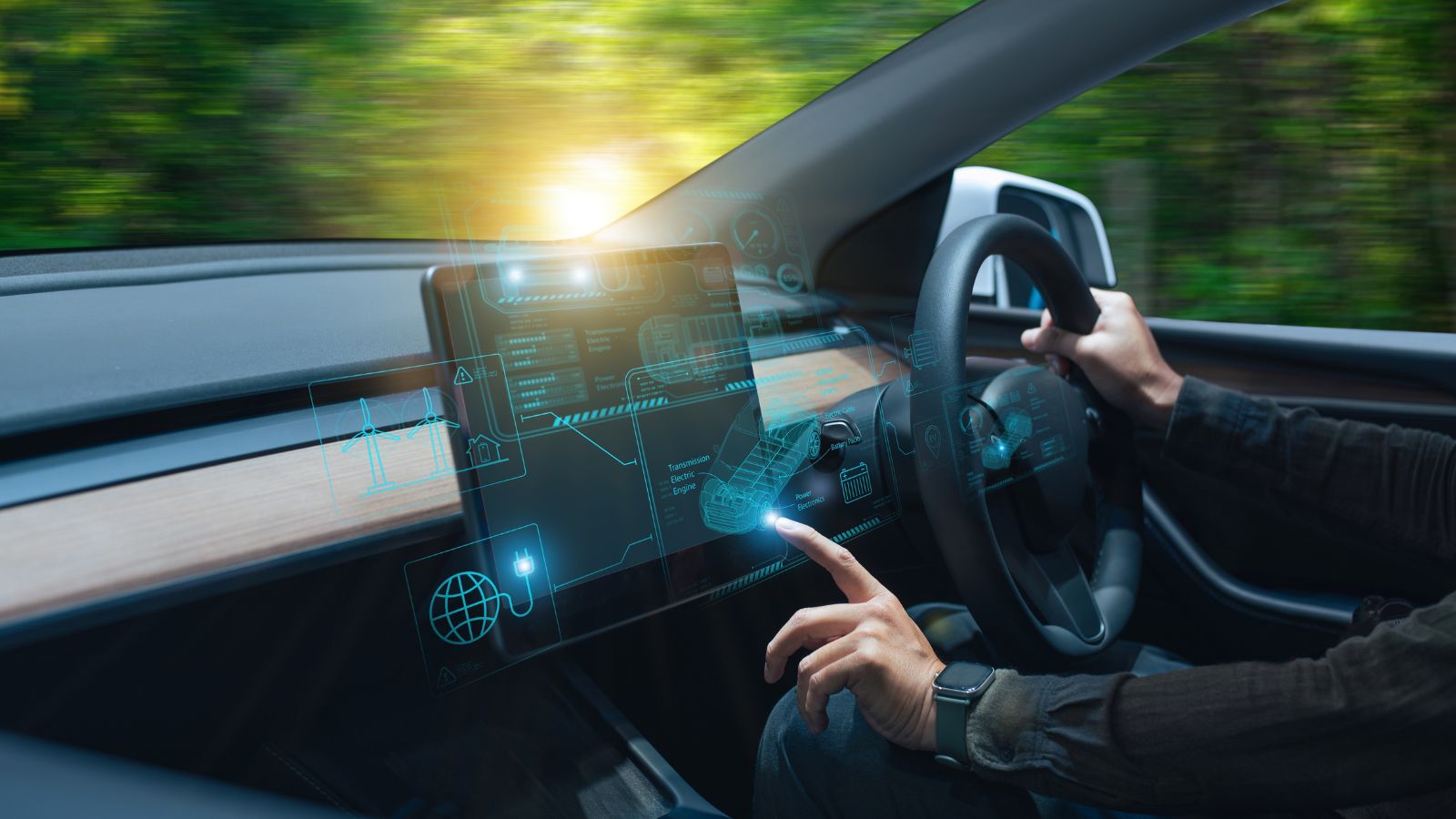
Gesture control makes a dramatic showroom demonstration: rotate a finger to change volume, swipe to reject a call, or point toward a screen. In daily driving, however, a steering-wheel button or physical knob is usually faster, more precise, and less likely to trigger accidentally. J.D. Power’s 2024 technology study recorded 43.4 problems per 100 vehicles equipped with interior gesture controls, while 21% of owners said the feature lacked functionality.
That gap between spectacle and habit explains why the feature often becomes forgotten after the first week. A driver wearing gloves, reaching toward a cupholder, or talking with animated hands may not get the intended response. Even when the system works, the gesture must be remembered and performed within the sensor’s viewing area. The technology can still help someone with limited reach, but for most owners, the familiar volume wheel remains the dependable choice during a busy, demanding urban commute today.
Automatic Parking Assistance
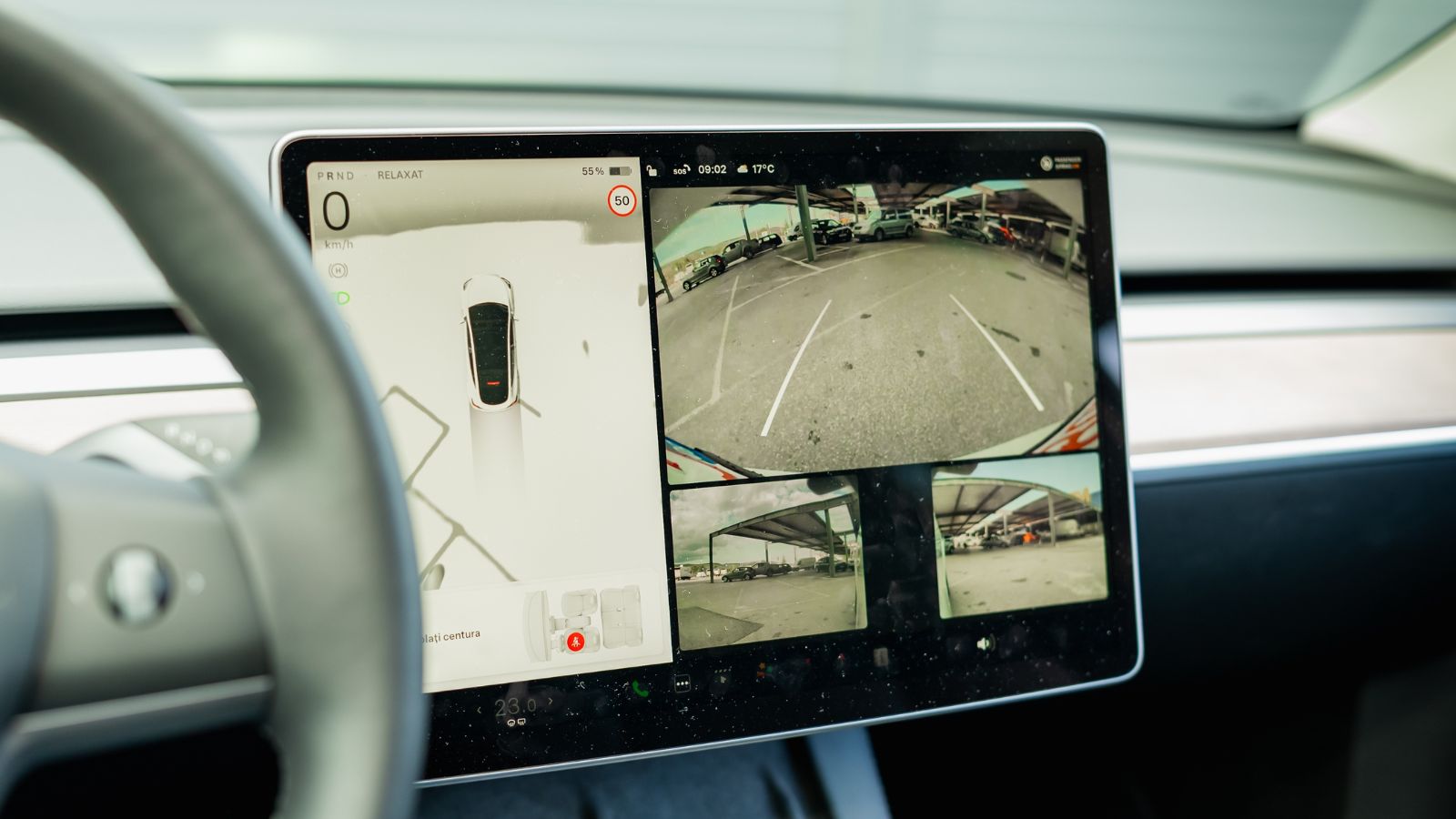
Automatic parking assistance sounds like a personal valet built into the car. Depending on the system, cameras and ultrasonic sensors can identify a suitable space, steer the vehicle, and sometimes control braking while the driver follows prompts. The appeal is obvious, especially for a large sedan or SUV. Yet the process can feel slower than simply parking, particularly when traffic is waiting and the driver already knows the manoeuvre.
The feature also needs the right environment. Parking lines must be visible, the space must be large enough, and nearby objects cannot confuse the sensors. Cadillac’s guidance, for example, tells drivers to search below a specified speed, select the parking type, shift gears as instructed, and remain ready to override the system. Those steps are reasonable safeguards, but they reduce spontaneity. Owners may demonstrate the feature to friends, then rely on cameras and mirrors for everyday spaces near home or work.
Remote-Control Parking
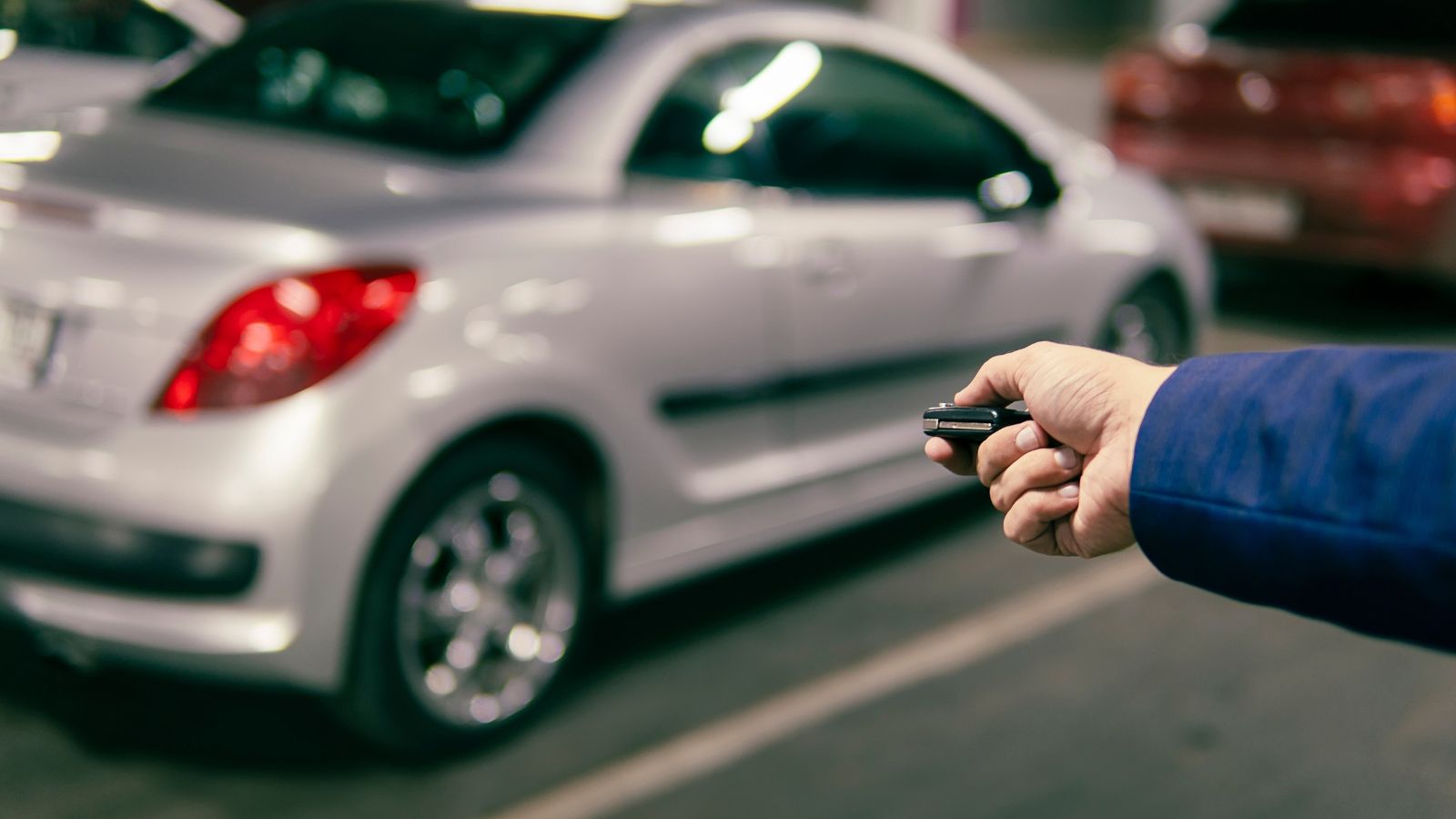
Remote-control parking goes a step further by moving the vehicle while the driver stands outside. It can be genuinely useful when a neighbouring car leaves only a narrow opening, and the sight of a vehicle creeping forward from a key fob feels undeniably premium. Hyundai’s system can control steering, speed, braking, and shifting, but it requires the key to remain within roughly four metres and the control button to be held continuously.
Real parking areas rarely resemble a clean demonstration zone. Manufacturer guidance lists limitations involving slopes, snow, gravel, narrow pillars, diagonal spaces, shopping carts, pedestrians, and vehicles with high ground clearance. It may pause or cancel, leaving the driver to complete the manoeuvre. J.D. Power has also reported notable problem rates for remote parking assistance. For owners who seldom face extremely tight garages, the feature can become an impressive solution waiting for a problem that rarely appears anyway.
Front-Passenger Display Screens
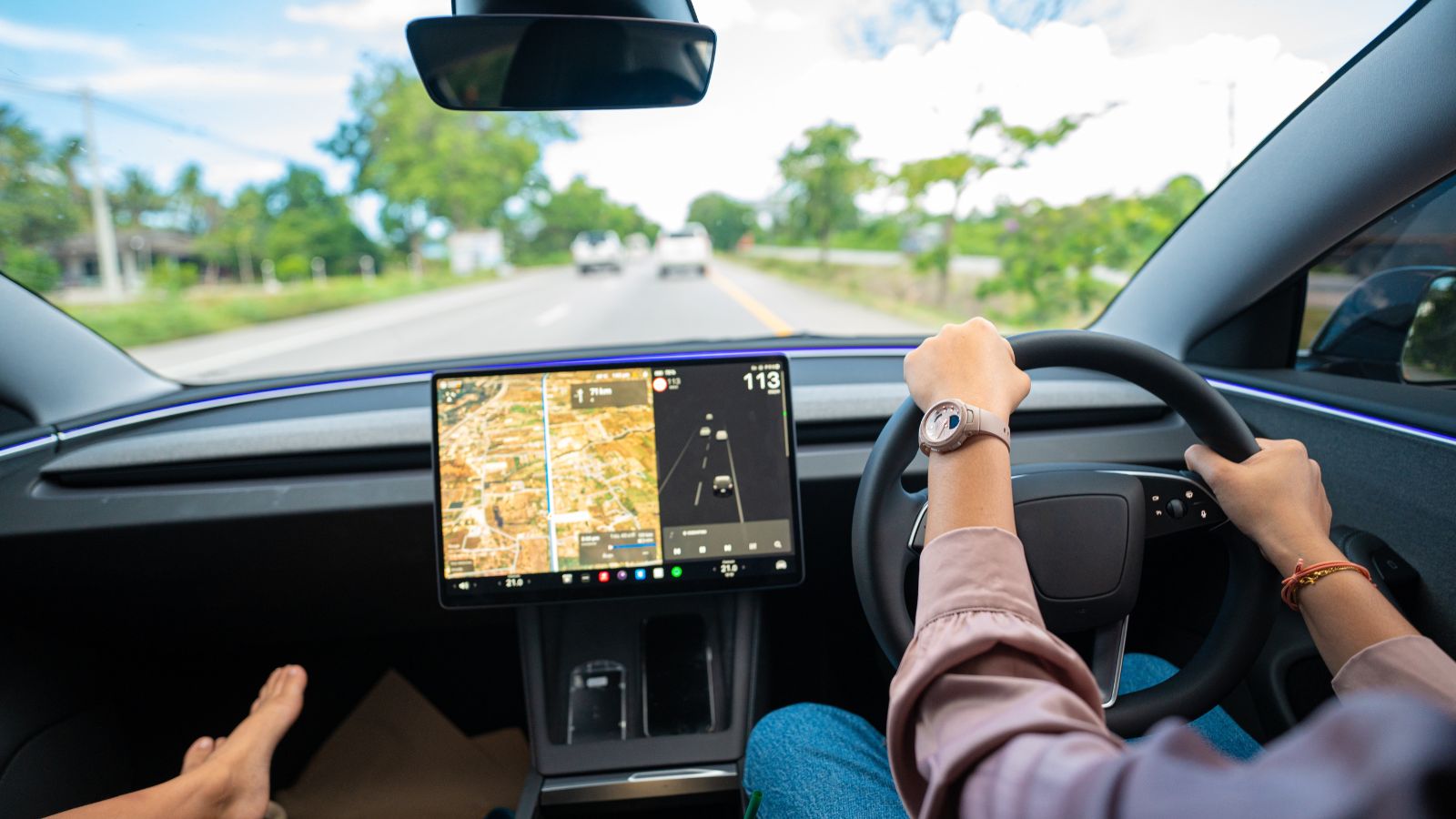
A dedicated front-passenger display turns the dashboard into a digital lounge. The passenger may browse media, adjust entertainment, or follow navigation without taking over the centre screen. Mercedes-Benz, for example, integrates a third display into its wide Hyperscreen layout. The arrangement photographs beautifully and gives a luxury cabin the appearance of an aircraft cockpit, especially when the screens illuminate together at night.
The practical audience is narrower than the appearance suggests. Many trips are made alone, while passengers already carry phones or tablets with familiar accounts, headphones, and apps. J.D. Power’s 2024 technology study found that owners commonly classified passenger display screens as unnecessary. It may still be valuable on long journeys or in vehicles regularly used by two adults, but offers little on a solo commute. After the initial novelty fades, it can remain dark while the passenger uses a device that leaves the vehicle after the trip ends.
Biometric Driver Recognition
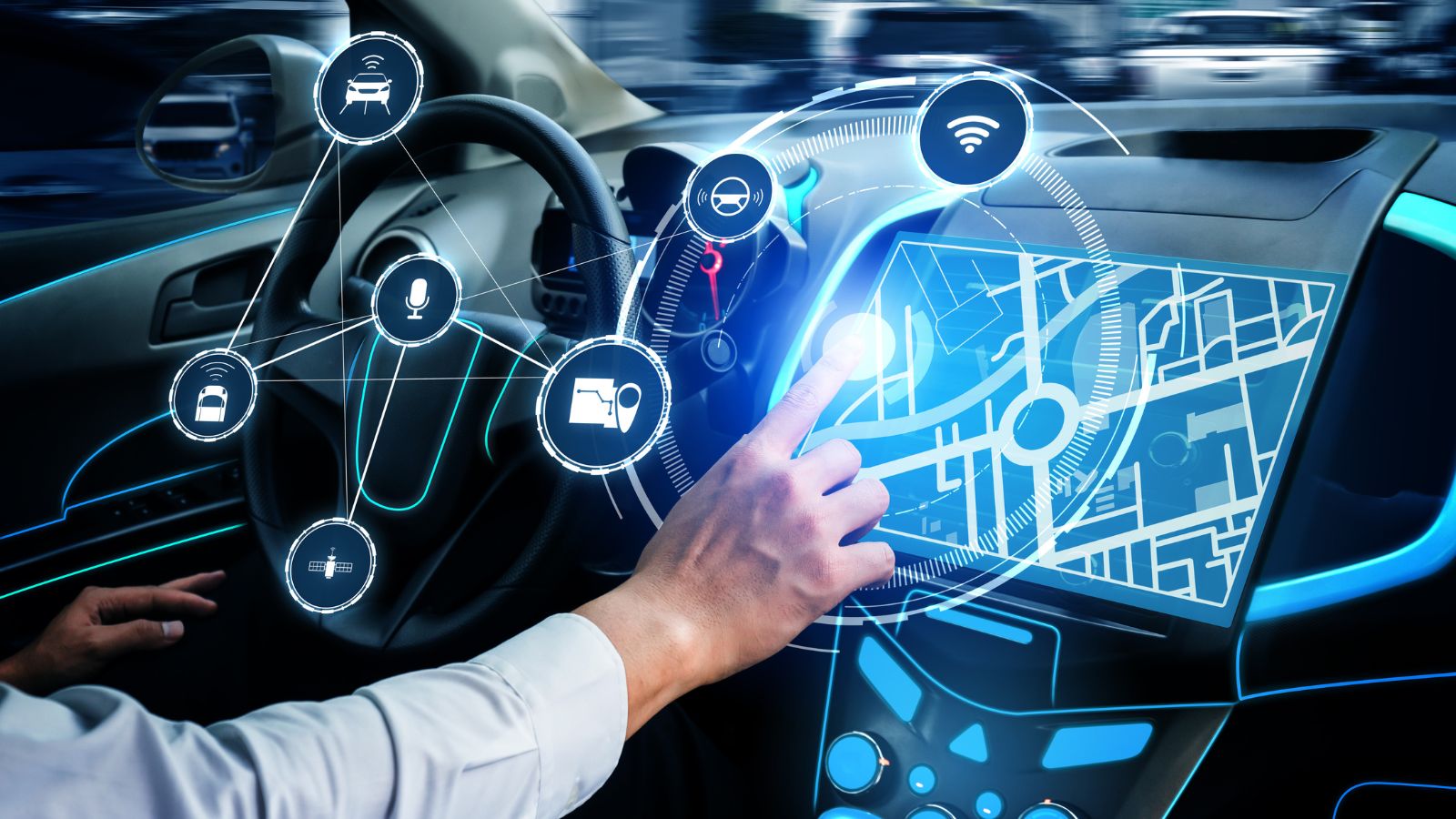
Fingerprint readers and facial recognition promise a seamless transition between drivers. A stored identity can call up seat positions, climate preferences, media accounts, and other settings without searching through menus. Mercedes-Benz uses fingerprint recognition to retrieve MBUX profiles, while some vehicles connect biometric authentication with digital keys. In a household with several regular drivers, that level of personalization can feel polished and genuinely convenient.
The difficulty is that many cars have one principal driver, and profile selection already solves the problem with fewer steps. J.D. Power found that owners rated fingerprint and facial recognition lower in perceived usefulness than several other technologies, and its 2024 study said recognition systems attempt to solve a problem owners did not know they had. A failed scan can feel more irritating than pressing a profile icon. Unless the vehicle changes hands frequently, the sensor becomes a premium piece of hardware used mainly during setup.
Built-In Voice Assistants
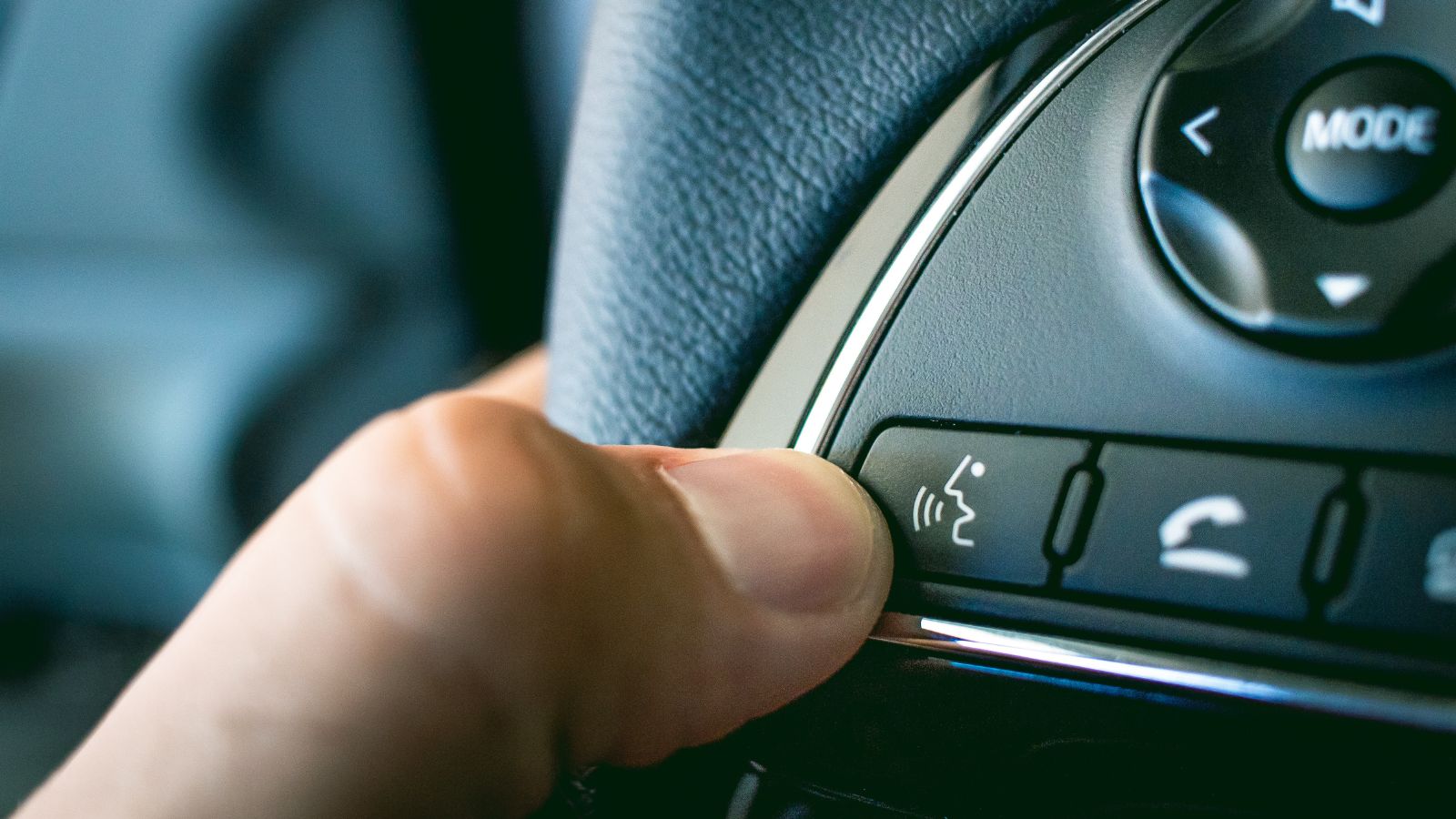
Built-in voice assistants are marketed as a natural way to control navigation, audio, calling, and cabin settings without touching a screen. When recognition is accurate, a spoken request can reduce menu hunting. The problem is inconsistency: accents, contact names, background noise, phrasing, and weak connectivity can turn a simple request into a conversation with the dashboard. J.D. Power continues to list built-in voice recognition among the more common infotainment trouble areas.
AAA Foundation research has shown that voice interaction is not automatically effortless or distraction-free. In one vehicle assessment, interpreting errors increased attention demands, while some tasks took well beyond the recommended interaction time. Drivers quickly learn which commands work, but many stop experimenting and return to steering-wheel controls or phone-based assistants. It remains useful for familiar requests, yet the grand promise of controlling the whole vehicle by speech often shrinks to changing temperature or calling one familiar contact reliably.
Factory Navigation
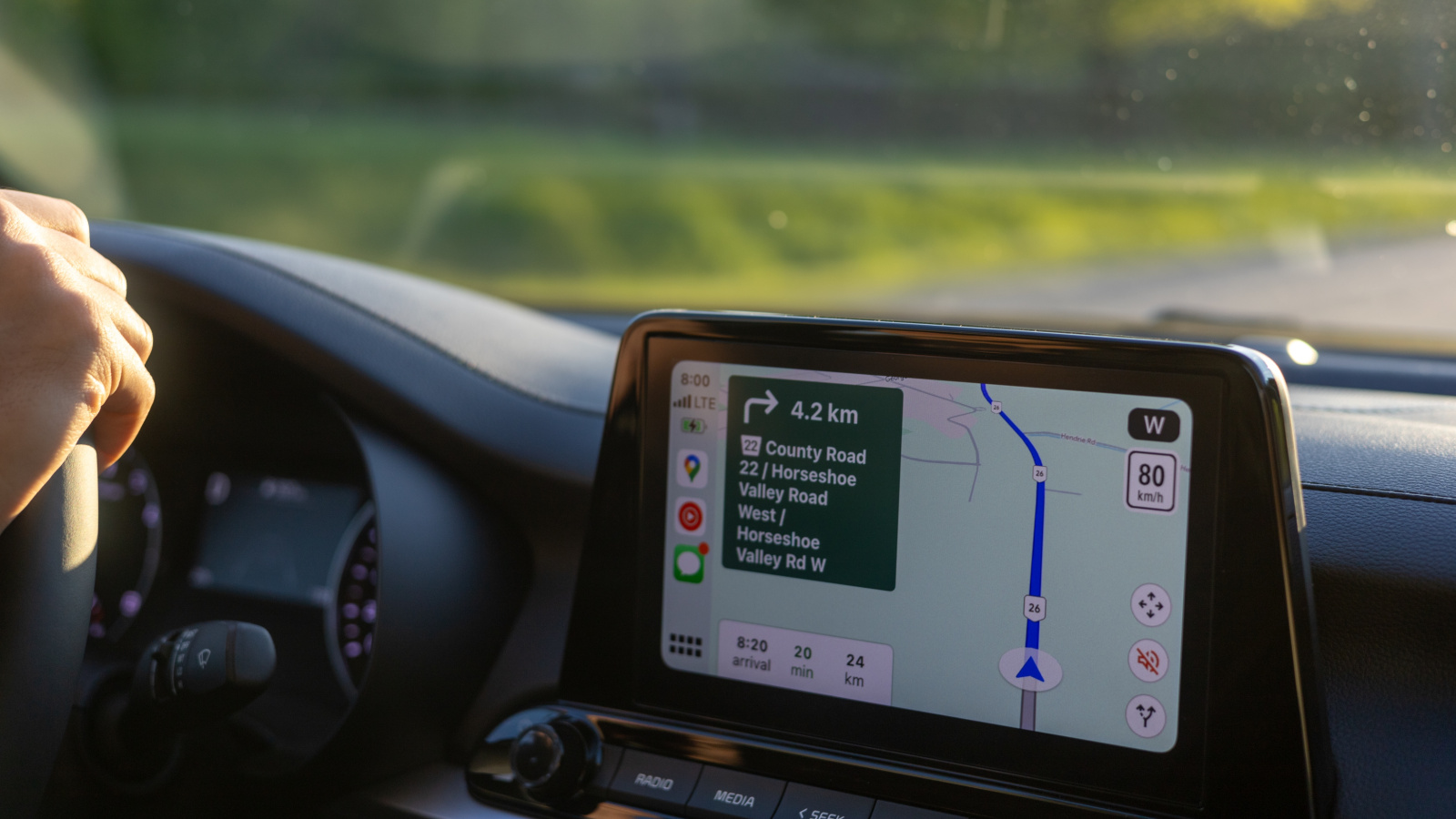
Factory navigation once represented obvious luxury because it replaced paper maps and portable GPS units. Today, Apple CarPlay and Android Auto place familiar phone mapping on the dashboard, often with live traffic, saved destinations, and continuously updated points of interest. S&P Global Mobility has noted that consumers are accustomed to using smartphones for navigation and entertainment, and that duplicated connected services are especially vulnerable when owners reconsider subscriptions.
Built-in navigation still has important advantages in some vehicles. An electric model may use battery state, consumption, and charging availability to plan a route more intelligently than a generic phone app. It can work where cellular reception is weak. For many gasoline-vehicle owners, however, entering an address into an unfamiliar manufacturer interface feels unnecessary when the phone already knows home, work, and recent searches. The premium map may therefore appear during the test drive, then spend most journeys hidden behind smartphone mirroring.
In-Car Wi-Fi Hotspots
An in-car Wi-Fi hotspot sounds ideal for family travel, mobile work, and keeping several devices connected. Ford says some equipped vehicles can support up to ten devices, while Toyota systems commonly support five. The catch arrives after the included trial: continued service generally requires a separate data plan or connected-services subscription. For households with generous mobile plans, phone tethering can cover occasional needs without another account.
Usage also depends heavily on who rides in the vehicle. A commuter travelling alone gains little from a rolling hotspot, and children may already have downloaded entertainment before a trip. The feature earns its keep for frequent road travel, weak phone antennas, or passengers who must work online, but many owners never activate it after delivery. What sounded like permanent luxury can become another trial-expiry email, another password, and another monthly decision. The hardware remains even when passengers return to personal cellular data again.
Smartphone Digital Keys
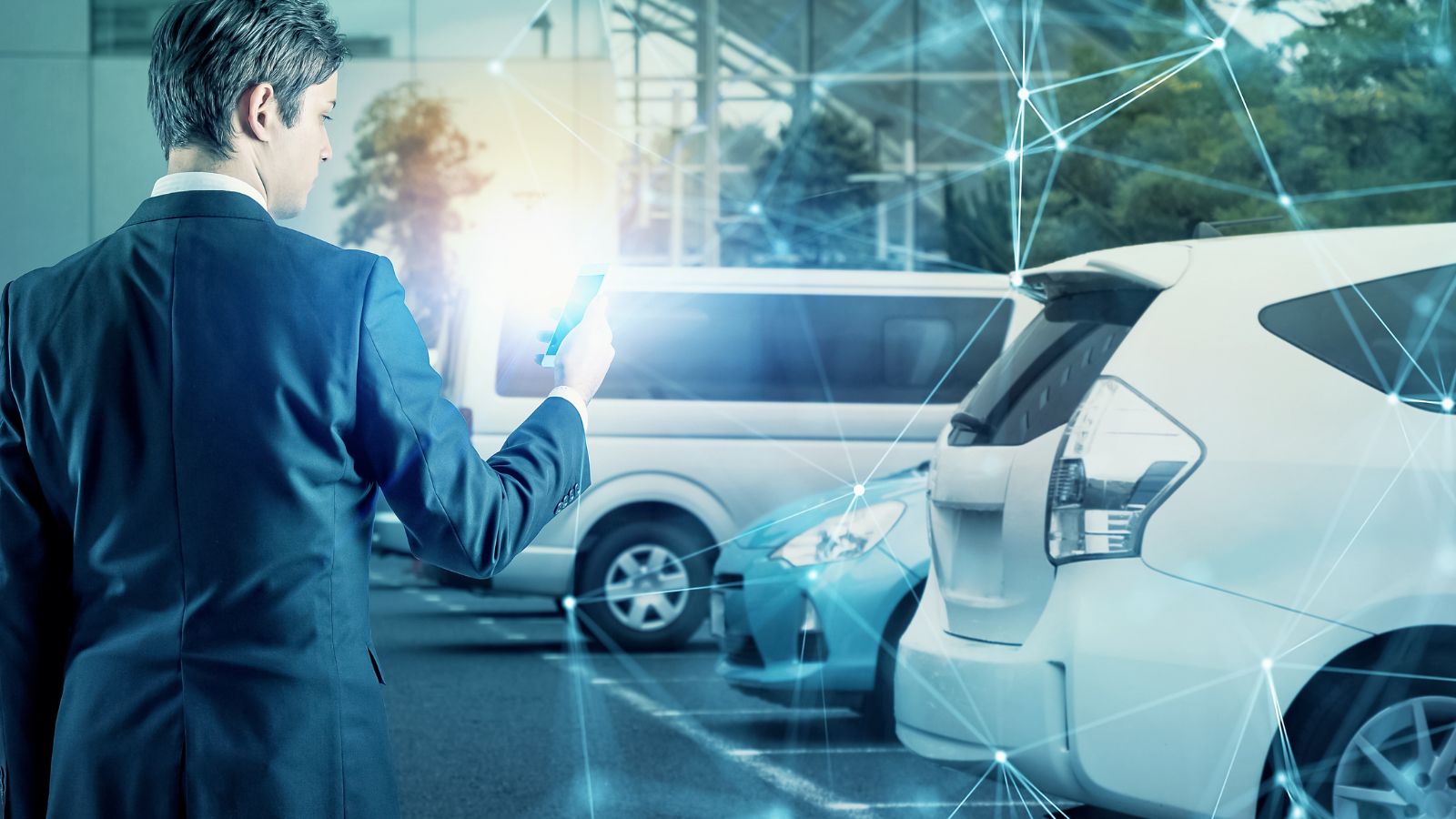
A phone-based digital key can unlock and start a vehicle, and some systems allow access to be shared remotely with family members. BMW says Digital Key Plus can use ultra-wideband technology for approach unlocking, while compatible keys may be shared with multiple recipients and revoked later. That is useful when a household member needs the car unexpectedly or when carrying a phone feels easier than carrying a separate fob.
In practice, many owners take the key fob because it works without considering phone compatibility, battery level, software updates, account access, or settings. Sharing is also an occasional event in households where one person drives the vehicle almost exclusively. The digital key may be configured at delivery, then used only when the fob is forgotten. It is a legitimate convenience rather than pure gimmickry, but its premium promise depends on changing an established habit: reaching for the same keys before departure.
Massaging Seats
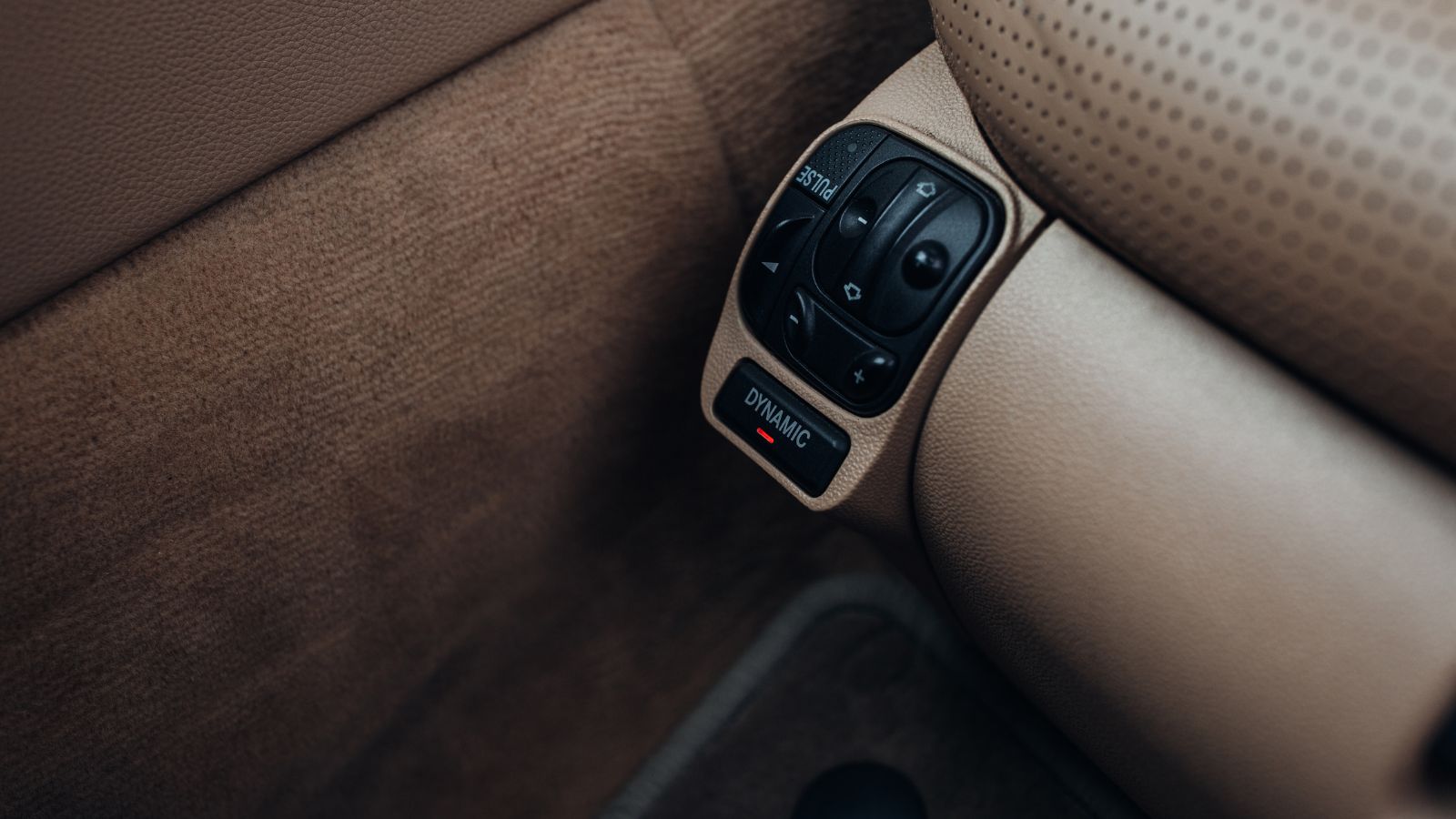
Massaging seats can transform a long highway journey by moving pressure points through the backrest and cushion. Luxury manufacturers now offer multiple programmes, intensities, and targeted areas; Range Rover has advertised as many as 25 massage programmes in certain models. It is far more substantial than a vibrating office chair, and drivers dealing with hours of travel may appreciate the changing support.
Daily trips are usually too short for the benefit to become meaningful. Activating the massage can require opening a seat menu, choosing a programme, and adjusting intensity, all for a commute that may end minutes later. Some drivers also find the motion distracting or prefer a fixed lumbar setting. Massage often becomes a road-trip feature rather than an everyday one. It contributes strongly to the impression of luxury during a demonstration, but heated or ventilated seats tend to deliver faster, more obvious comfort in daily weather and traffic.
Cabin Fragrance Programs
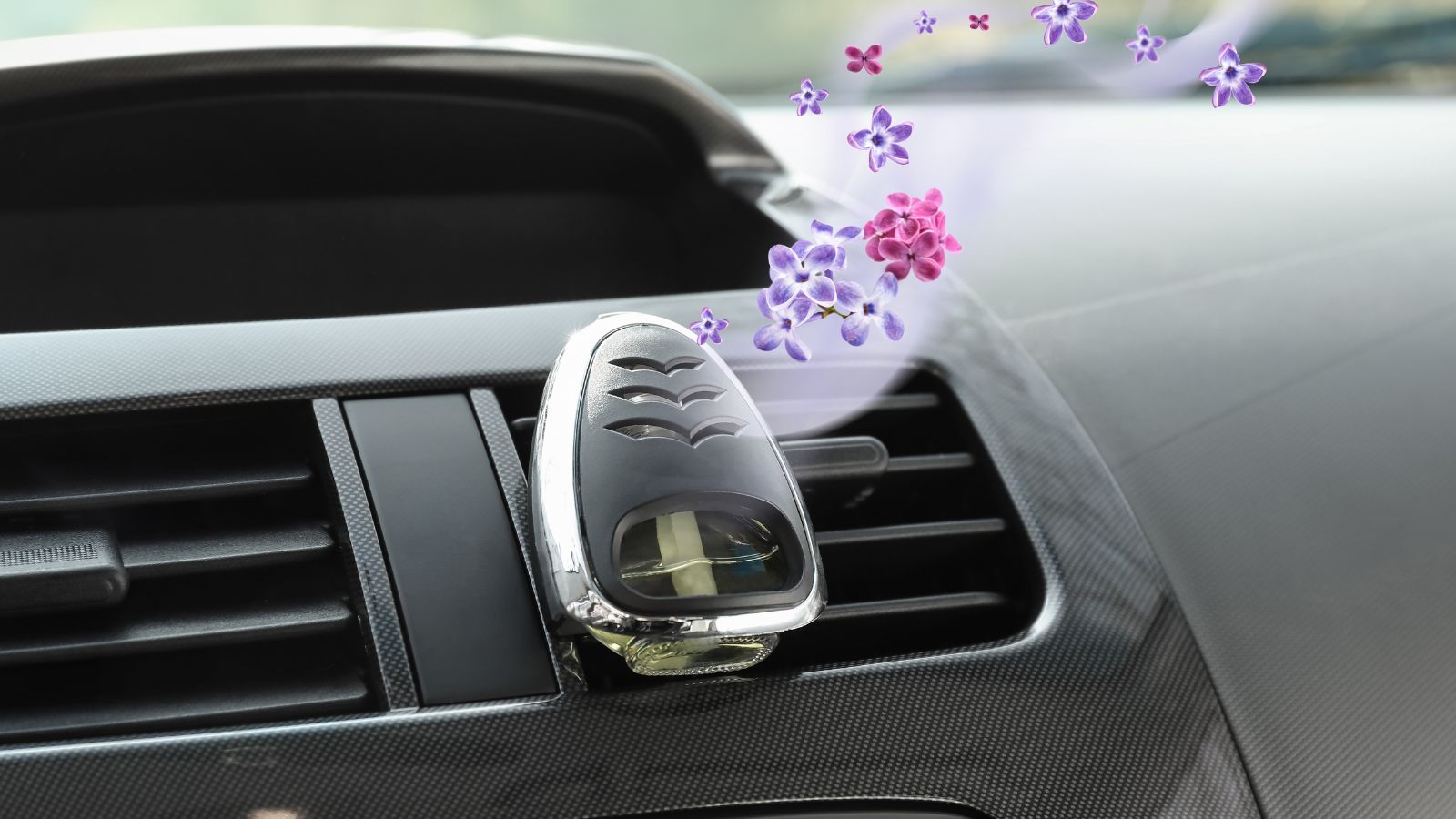
Cabin fragrance systems promise a carefully curated atmosphere rather than an ordinary air freshener hanging from the mirror. Mercedes-Benz offers an Air Balance fragrance system, while some premium vehicles combine scent with ionisation, filtration, lighting, climate, and seat functions in coordinated wellness programmes. It can feel like stepping into a hotel lobby, and replaceable cartridges keep the presentation integrated and discreet.
It is overlooked because clean air and pleasant scent are usually background concerns. Owners may dislike the supplied fragrance, prefer an unscented cabin, or stop replacing the cartridge after it empties. Passengers with sensitivities can make regular use impractical, while ordinary cleaning removes the odours drivers actually notice. Air filtration itself may remain valuable, especially in polluted or dusty areas, but the scent programme is more likely to be reserved for special drives. It sounds bespoke in a brochure, yet often becomes another setting buried inside a comfort menu.
Multi-Colour Ambient Lighting
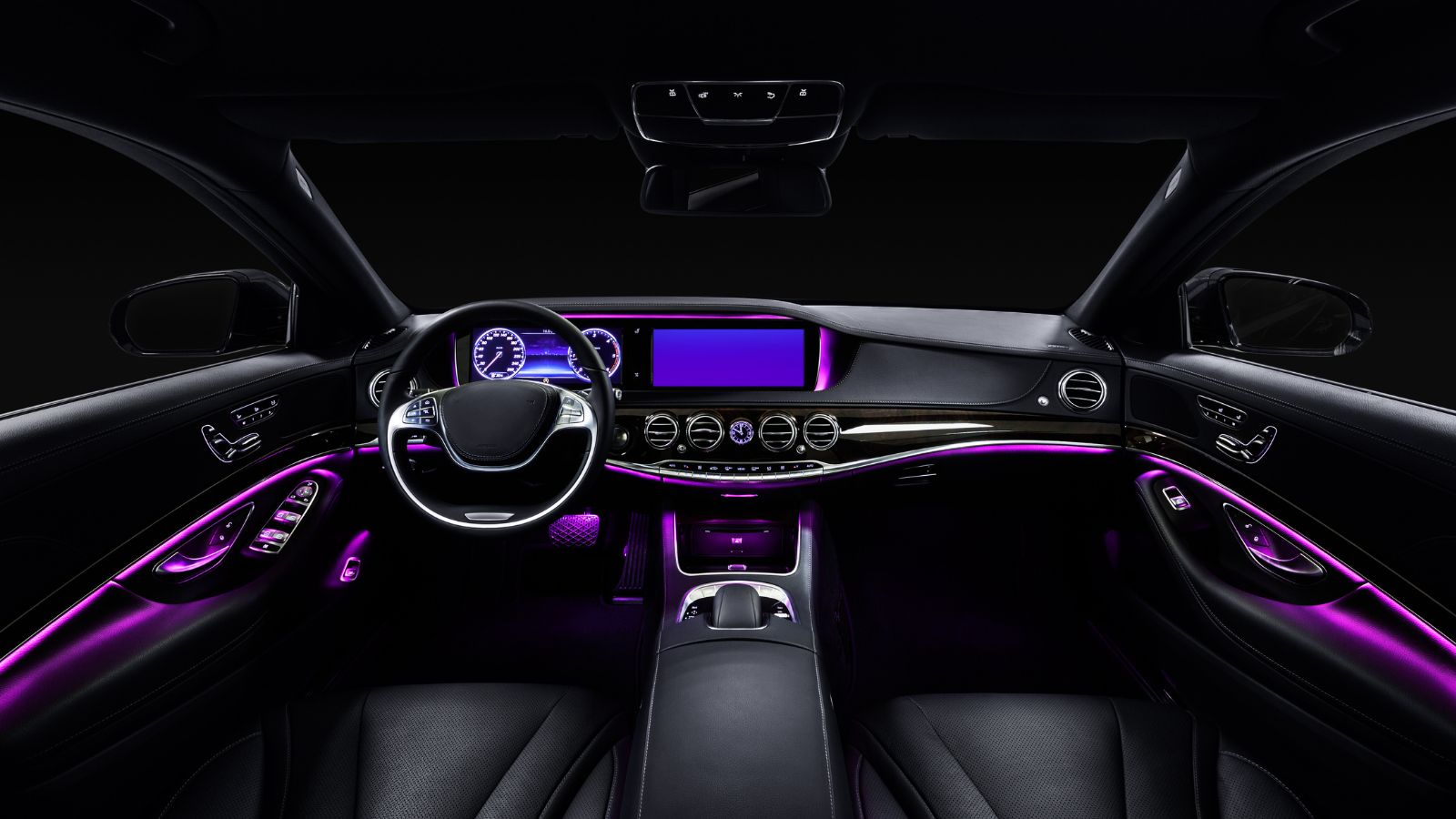
Multi-colour ambient lighting has moved from a thin luxury-car accent to dashboards glowing in dozens of colours and animated themes. BMW offers systems that coordinate lighting with selected drive or cabin modes, and some models provide 15 colours or more. The first evening drive feels special, when light strips trace the doors, console, and dashboard without creating harsh glare.
After owners settle on one colour, the large menu of themes may receive little attention. Constantly changing the cabin from blue to violet to red does not improve the commute, and bright animations can become distracting or childish to occupants. The most useful functions are automatic, such as warning flashes or subtle temperature cues, rather than the customization catalogue itself. Ambient lighting still enhances perceived quality, but the premium claim usually rests on how many choices exist, while everyday use often reduces those choices to one favourite setting and a dimmer.
Rear-Seat Theatre Screens
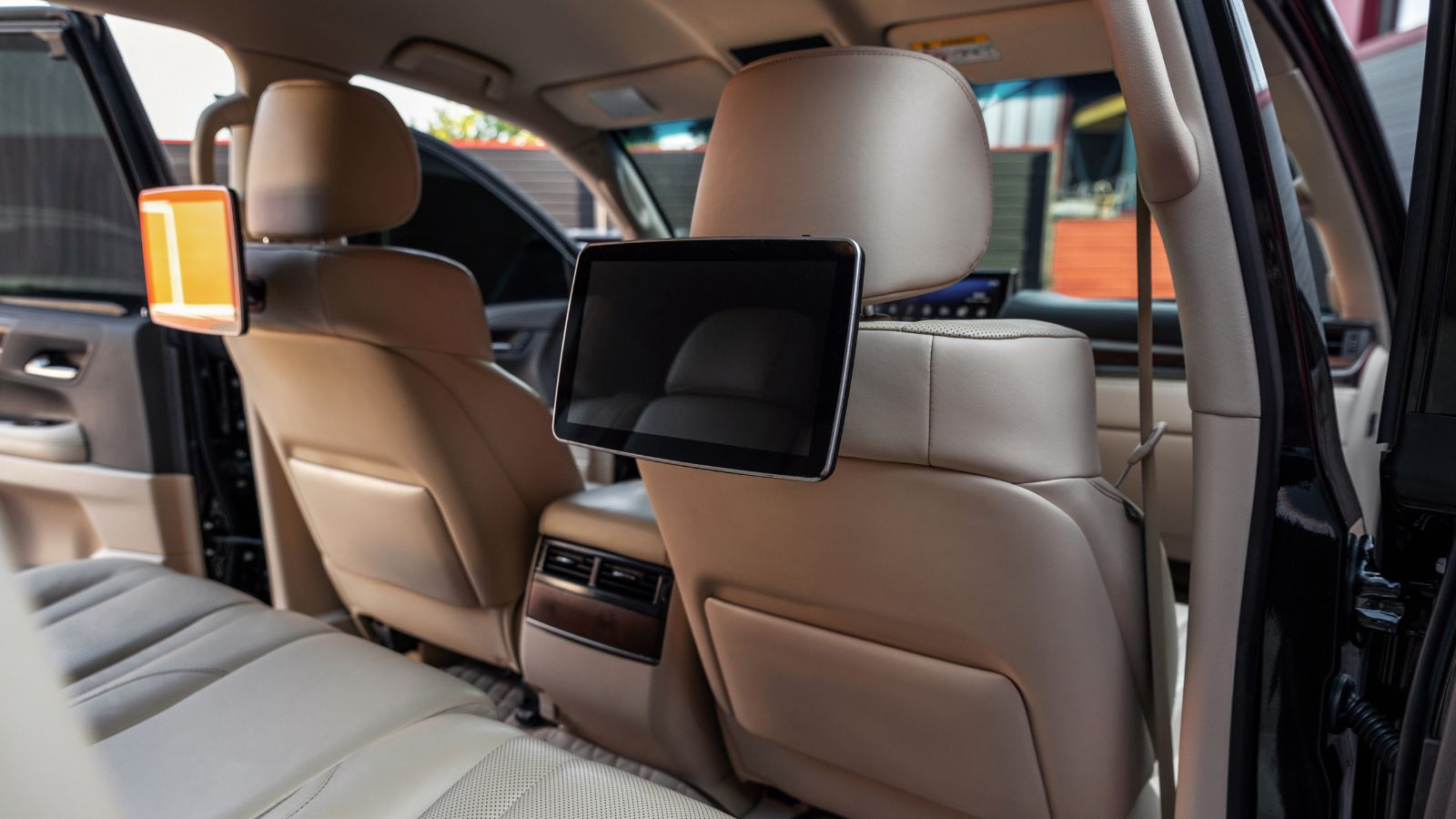
Rear-seat entertainment screens once solved a clear problem: keeping children occupied before tablets became common. Modern systems can be spectacular. BMW’s available Theatre Screen measures 31.3 inches, has 8K resolution, drops from the roof, and supports streaming, Bluetooth headphones, game controllers, and video conferencing. In a chauffeur-driven flagship or on a cross-country family journey, that equipment can create a genuine private cinema.
For many families, portable tablets are simpler. Each child can carry personal downloads, games, headphones, parental controls, and viewing history into the hotel or house after the drive. Built-in screens may require a data connection, account logins, compatible services, or an added subscription, and they stay with the car when the journey ends. Short trips do not justify lowering a screen and choosing content. It delivers enormous visual theatre at purchase time, yet may be activated only on the longest journeys or when someone specifically remembers it exists.
Night-Vision Displays
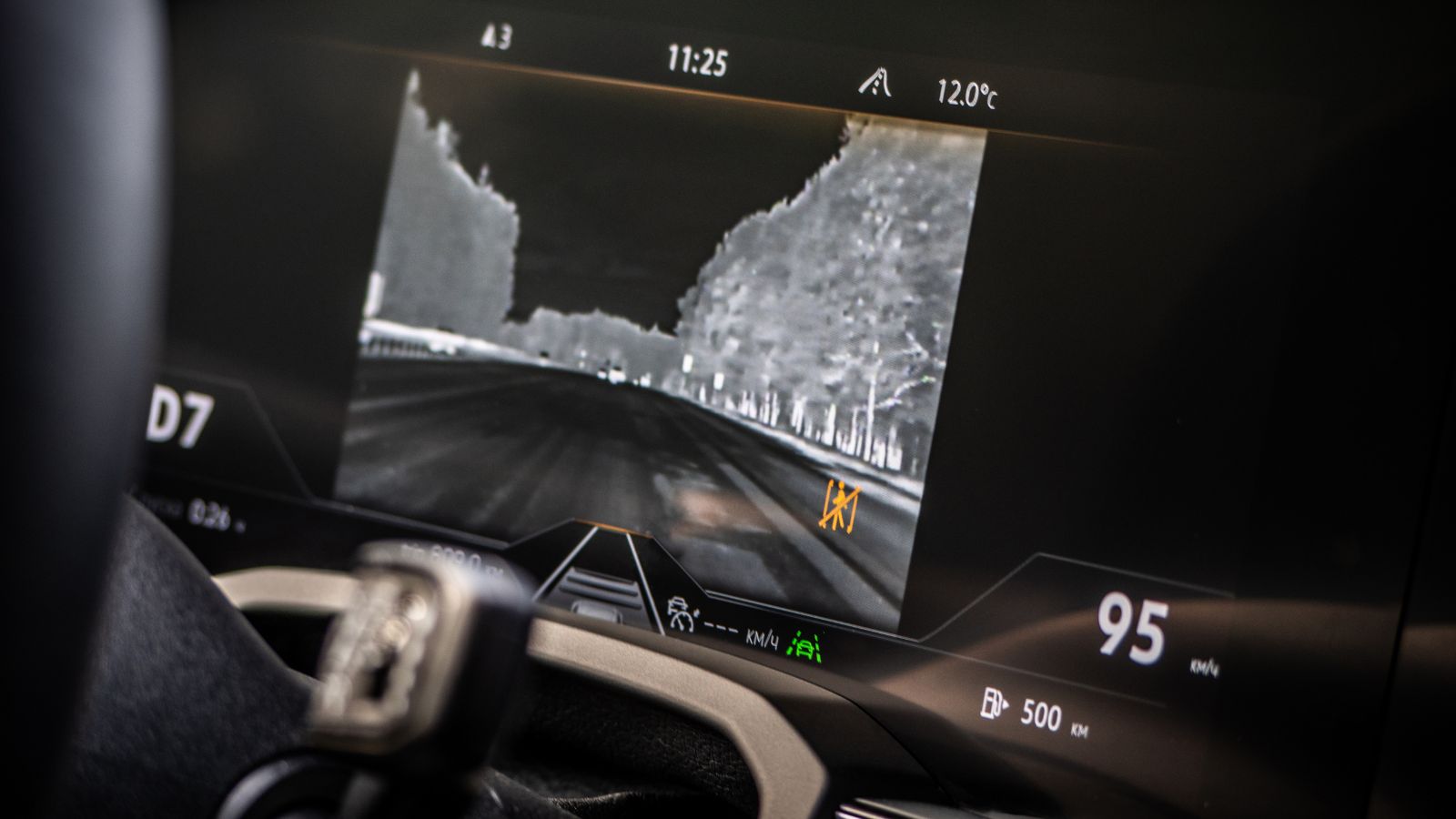
Automotive night vision uses an infrared camera to reveal pedestrians, animals, or warm objects beyond the reach of ordinary headlights, then presents it in the cluster or another display. Cadillac continues to offer Night Vision on high-end Escalade trims, where drivers can select it as a cluster view. On a dark rural road, it can provide information that ordinary visible-light cameras may miss.
Most owners spend more time under streetlights, in daylight, or on familiar suburban roads. Watching a separate thermal image also competes with looking through the windshield, so drivers may leave the system inactive unless conditions are unusually dark. Modern automatic high beams, pedestrian detection, and strong LED headlights already handle many routine situations without requiring a special display. Night vision remains impressive and may be valuable for rural night driving, but its narrow operating advantage means that the sensor can sit unused through weeks of ordinary commuting.
Augmented-Reality Navigation
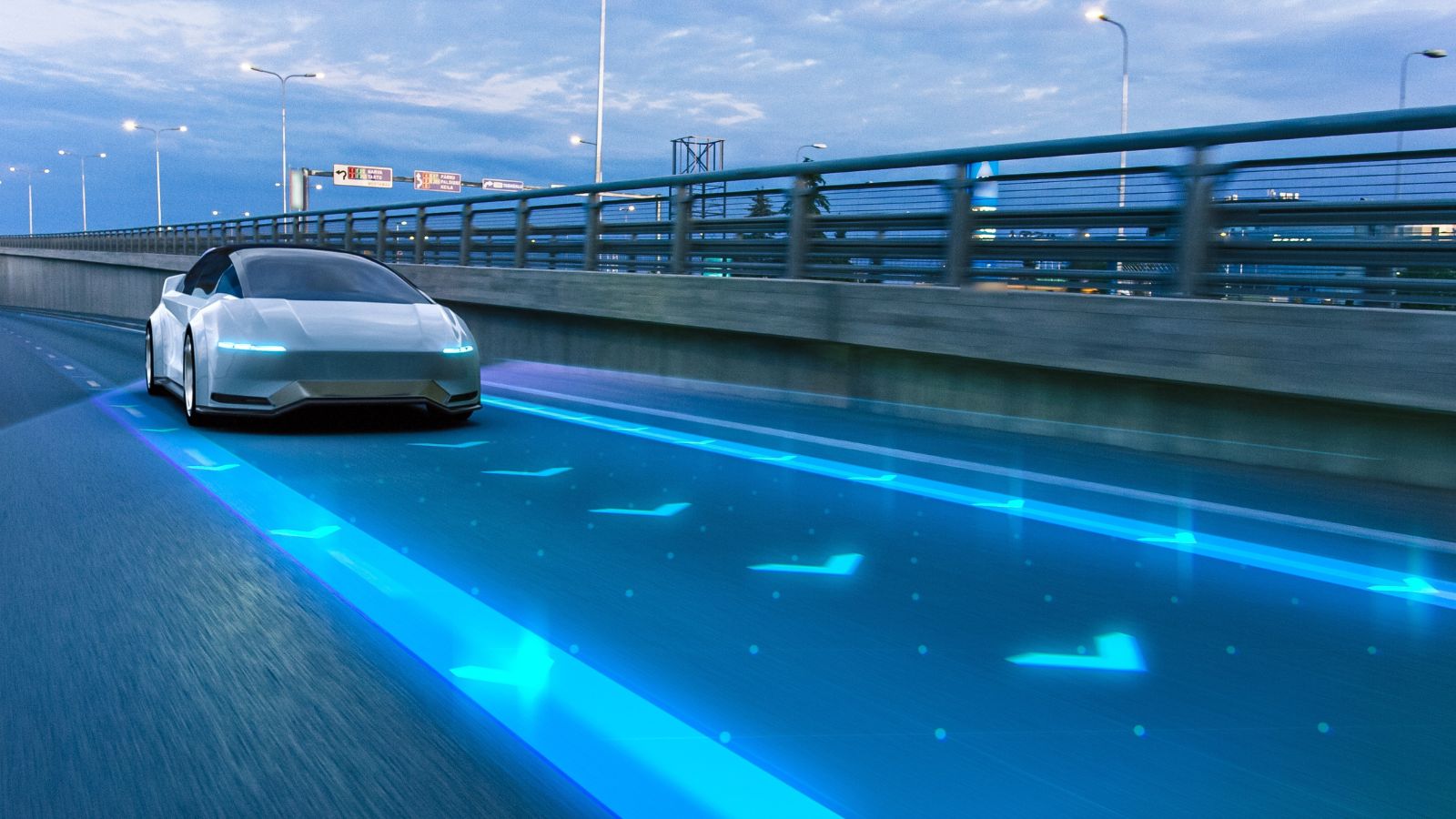
Augmented-reality navigation projects or overlays guidance so an arrow appears connected to the real road ahead. Mercedes-Benz can superimpose street names, house numbers, and directional arrows on a live camera image, while other systems place guidance in a head-up display. The effect is futuristic and can clarify a confusing junction when several exits appear close together.
It is less compelling on familiar routes, which account for much daily driving. It may also be unavailable with certain eyewear, seating positions, lighting conditions, or display preferences, by design. Auto-industry research cited by major publications has placed augmented-reality windshield features near the bottom of some shopper wish lists. A conventional map and spoken direction already handle most turns, so owners may disable the graphics after novelty fades. Technology is most useful precisely when the road is unfamiliar and complex, making it a premium aid that can remain dormant for long stretches between trips.
Launch Control
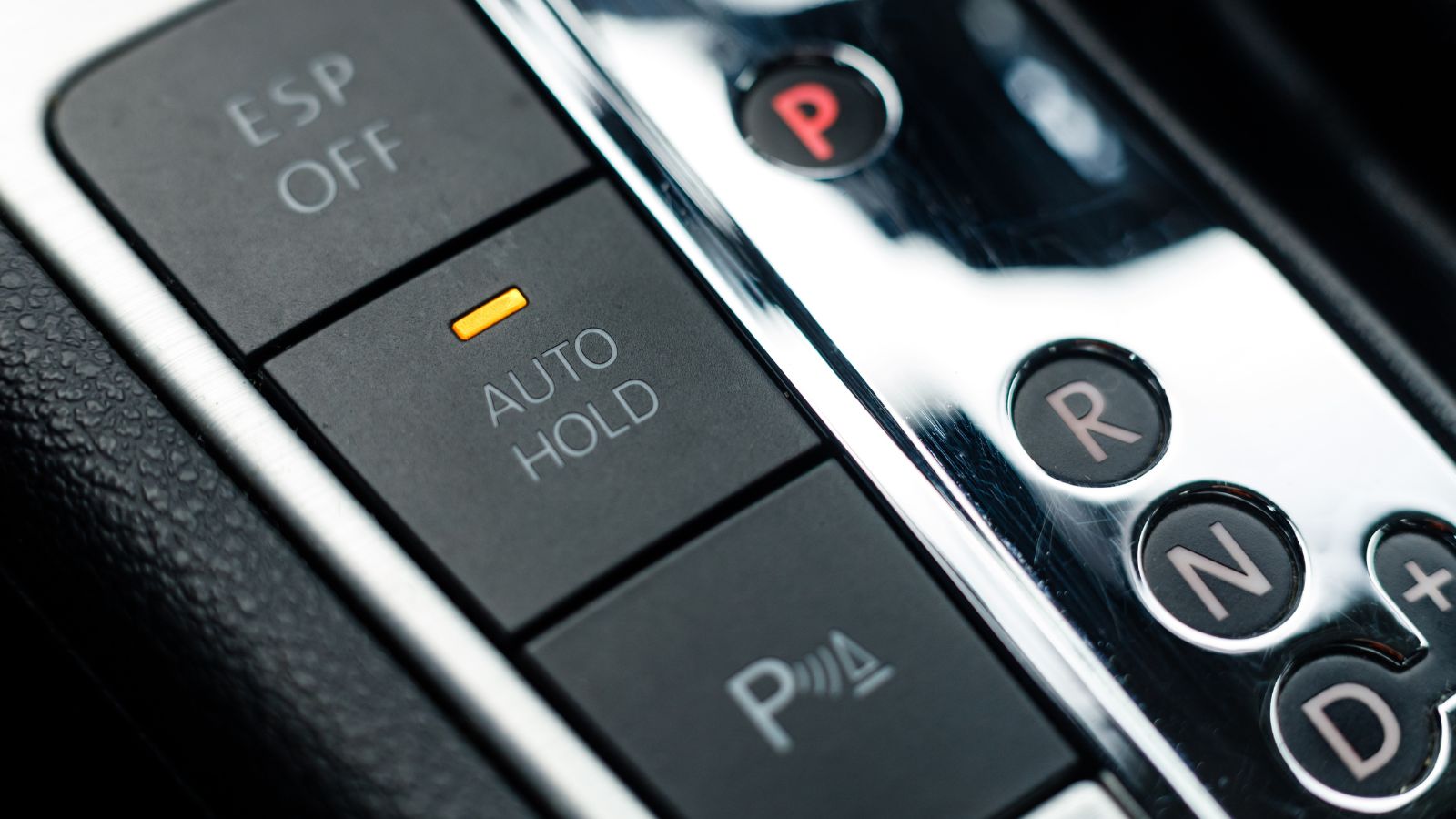
Launch control coordinates engine speed, transmission behaviour, and traction systems to produce the quickest possible acceleration from a standstill. In a performance car, it can deliver a repeatable start once associated with drag racing. Ford and BMW both document launch-control functions, but their guidance makes the intended context clear: strong traction, correct vehicle settings, and a controlled environment are essential.
Public roads rarely offer a safe or legal reason to use maximum acceleration. The procedure may require several steps, warmed components, and deliberate pedal inputs, while passengers may find the result uncomfortable. BMW also warns that launch control places a heavy load on the vehicle and can cause premature component wear. Owners may try it once at a track event or demonstrate it after purchase, then leave it untouched for months. It remains a credible performance tool, but it is premium capability designed for an occasion rather than ordinary transportation.
Lap Timers and Performance Telemetry
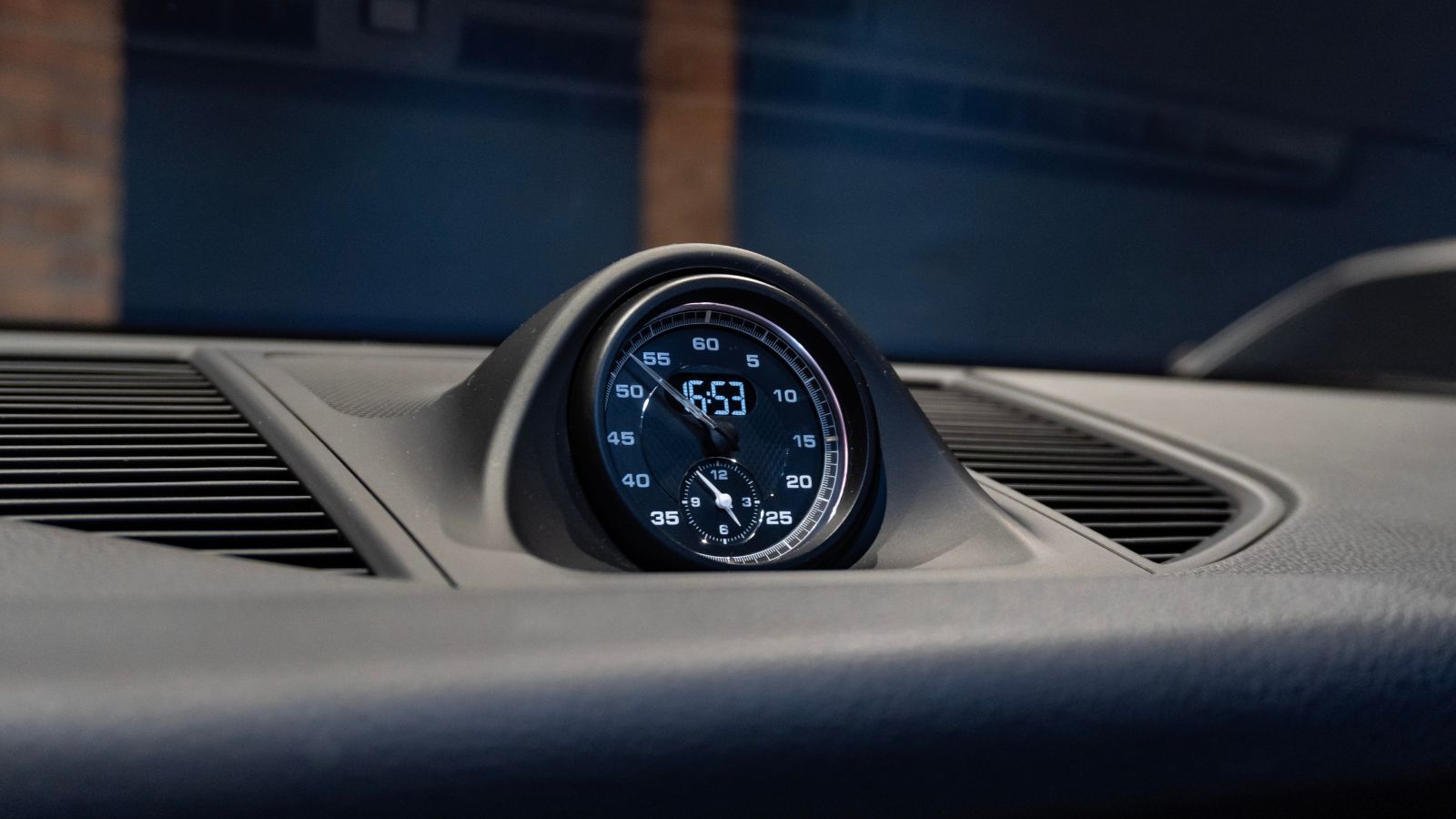
Lap timers, g-force meters, acceleration clocks, and performance telemetry turn a dashboard into a miniature pit wall. Ford’s Track Apps can record lap times, braking performance, acceleration, and launch settings, while Porsche systems can capture detailed vehicle data for later analysis. For a driver who regularly attends circuit days, the data can reveal consistency, braking points, and improvement.
Most performance cars spend their lives on public roads, where timing a lap has no practical meaning. Even an enthusiastic owner may visit a circuit only once or twice a year, making the menus irrelevant during ordinary commuting. Phones and dedicated data loggers may also offer richer analysis for serious track users. The built-in telemetry remains an authentic connection to motorsport, not merely decoration, but its value depends entirely on access to a safe venue. Without that venue, the most exciting screen in the car becomes a rarely opened digital trophy display.
Selectable Exhaust and Synthetic Sound
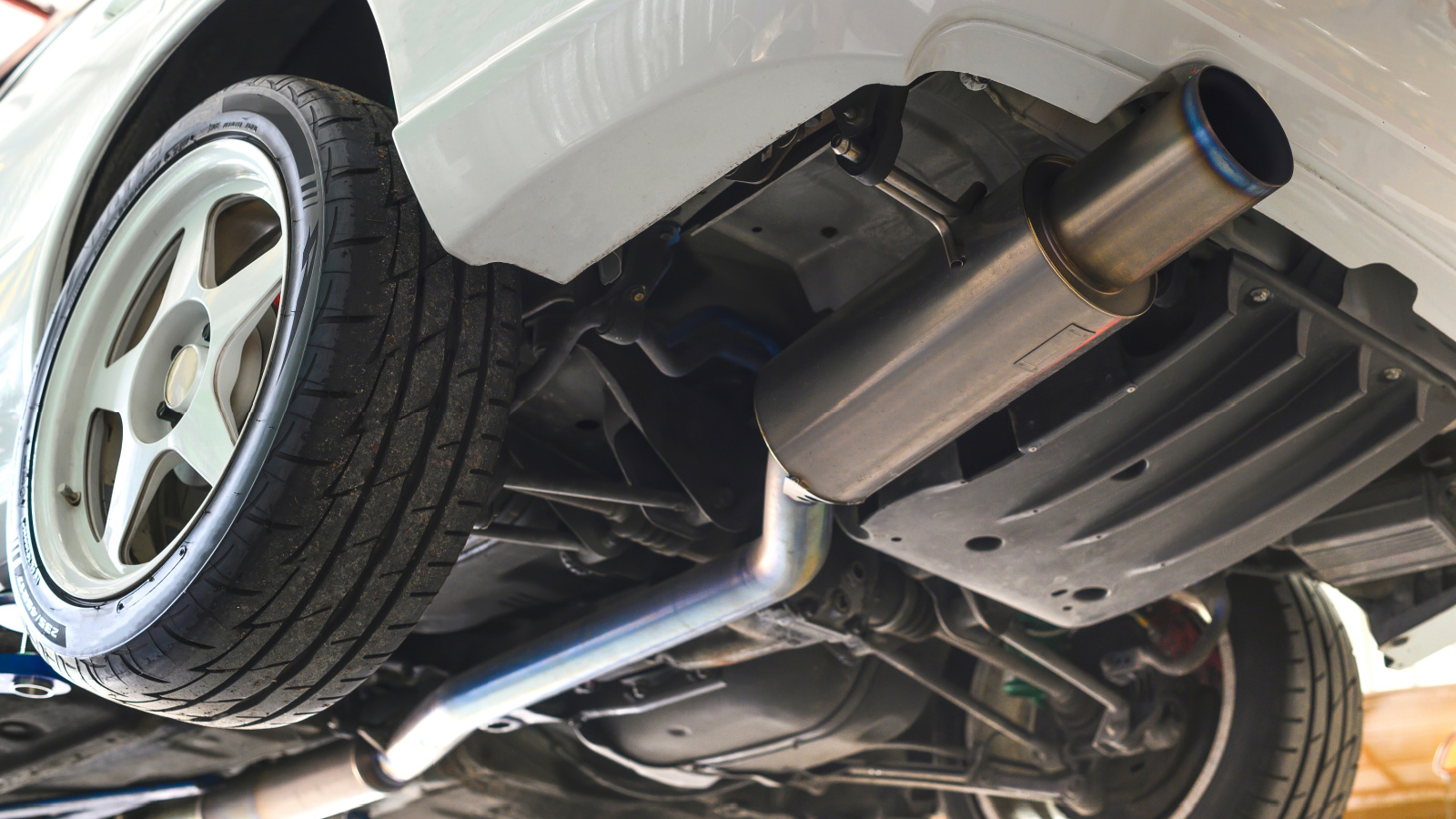
Selectable exhaust modes and synthesized engine sounds let a vehicle change its personality without changing its destination. A performance mode may open exhaust valves, amplify cabin sound, or create a new soundtrack through speakers. Hyundai’s N systems allow drivers to select exhaust or active-sound settings, while BMW offers drive-mode-linked sound enhancement, including composed electric-vehicle soundscapes.
Many owners experiment with every option during the first few drives, then settle on one restrained setting. Loud modes can create drone on highways, wake neighbours during early departures, attract unwanted attention, or feel artificial when the sound comes through speakers. Some systems revert to a default at each restart, adding another step before the preferred effect returns. The feature still adds theatre on a favourite road or closed course, but it rarely needs constant adjustment. Its menu depth sounds premium; daily life usually reduces it to quiet for commuting and loud for occasional entertainment.
Terrain-Management Modes
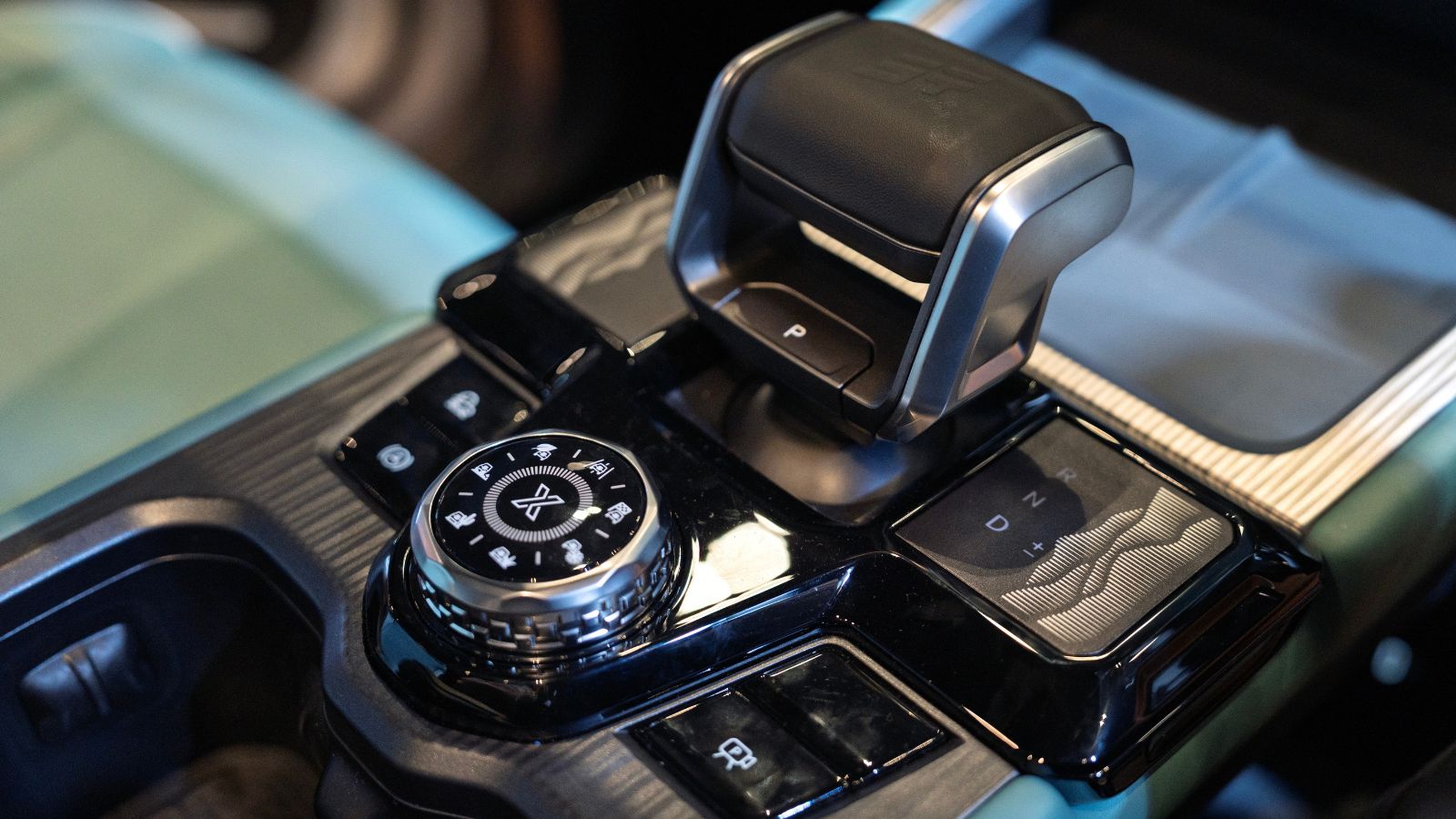
Terrain-management systems can alter throttle response, transmission shifts, traction control, differential behaviour, and suspension settings for sand, mud, snow, rocks, or ruts. Land Rover’s Terrain Response 2 offers several named programmes and can automatically select settings, while Toyota’s Multi-Terrain Select adjusts wheel slip for specific loose surfaces. Off-road, these systems provide meaningful capability rather than cosmetic branding.
The mismatch is when a highly equipped SUV spends nearly every day on paved streets. Urban owners may never encounter rock crawl terrain, deep sand, or muddy ruts, and automatic mode can handle the occasional slippery road automatically. The icons help sell an adventurous image, but some drivers hesitate to choose a mode because they are unsure which surface qualifies. For commuters, Normal, Comfort, or Snow may be the only settings ever touched. Other modes become digital proof of adventures the vehicle is prepared to take, even if its schedule never includes them.
Hands-Free Kick-Activated Liftgates

A hands-free liftgate uses a sensor beneath the rear bumper to open the cargo door when someone makes a foot movement while carrying the key. It can be genuinely helpful with grocery bags, luggage, or a sleeping child in both arms. It also produces satisfying automotive theatre: a small kick, a confirmation beep, and a powered panel rising without touch.
The sensor requires the correct motion and position, which may not be obvious. Owners may wave, step too close, or simply press the key-fob button after a failed attempt. Some manufacturer instructions warn that the system can activate unexpectedly in places such as car washes when the key is nearby. Once hands are free, an exterior button is usually quicker and more predictable. The kick sensor remains useful in the situation it was designed for, but those moments may be too occasional to turn the trick into a daily habit.
22 Things Canadians Do to Their Cars in Spring That Mechanics Hate

Spring brings relief to many Canadian drivers after months of snow, freezing temperatures, and icy roads that put serious strain on vehicles. As temperatures rise across the country, drivers begin washing cars, switching tires, and preparing vehicles for warmer weather and upcoming road trips. However, mechanics across Canada notice the same mistakes every spring when drivers attempt to recover from winter damage. Road salt, potholes, and harsh winter driving conditions often leave vehicles with hidden problems that drivers ignore. Some spring habits even create new mechanical issues that could have been avoided with proper maintenance. Here are 22 things Canadians do to their cars in spring that mechanics hate.