























Frameless windows give a vehicle the clean, uninterrupted profile associated with coupes, convertibles, premium sedans, and many newer electric models. Without a metal frame surrounding the glass, a door can look lighter and more dramatic when opened. The appeal is immediate, but the engineering behind that appearance is more complicated than it seems.
The glass must move, align, and seal correctly through changing temperatures, battery conditions, repairs, and thousands of door cycles. When any part of that process becomes inconsistent, the inconvenience can outweigh the visual payoff. These 12 reasons explain why some drivers eventually regret choosing vehicles with frameless windows, from frozen seals and calibration problems to wind noise, emergency-release concerns, and precision repair requirements.
Every Door Opening Becomes an Electronic Sequence
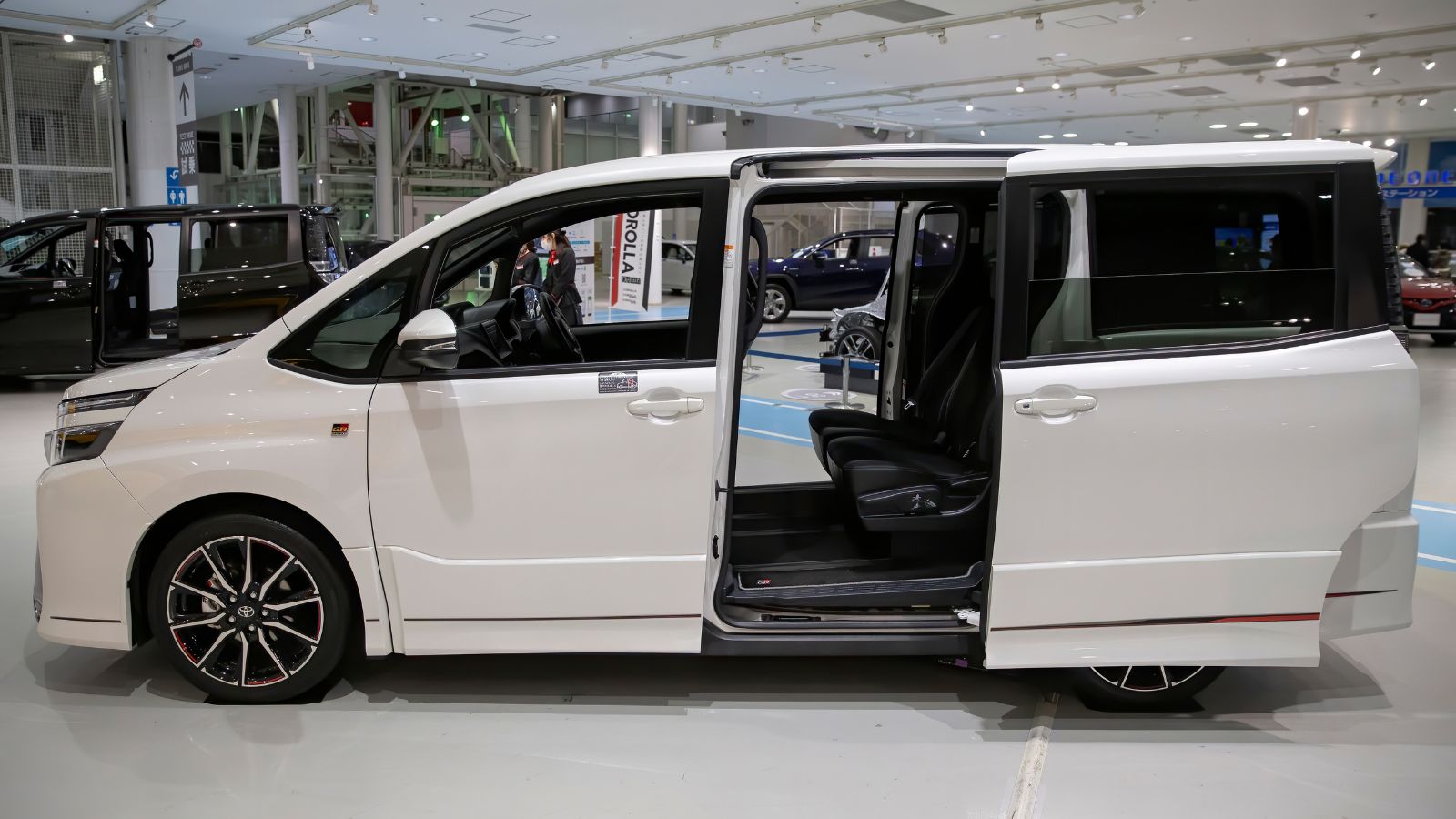
Frameless windows do not simply sit in a fixed opening. On many vehicles, the glass must drop when the door handle is pulled, then rise after the door closes. Ford calls this a “short drop” system and explains that the movement helps create a tight, weather-resistant seal. Tesla uses a similar automatic lowering action to prevent the glass from striking trim.
That extra choreography can feel impressive in a showroom, yet it adds a dependency to an action as ordinary as opening a door. A conventional framed window remains guided by metal around its upper edge, while frameless glass depends more heavily on sensors, switches, motors, regulators, alignment, and software logic. Ford’s 2026 Mustang manual even lists operating-speed limits for the short-drop feature. For owners expecting simplicity, discovering that every door opening involves a powered sequence can make the elegant design feel unnecessarily complicated over many years of ordinary ownership.
Freezing Weather Can Trap the Glass
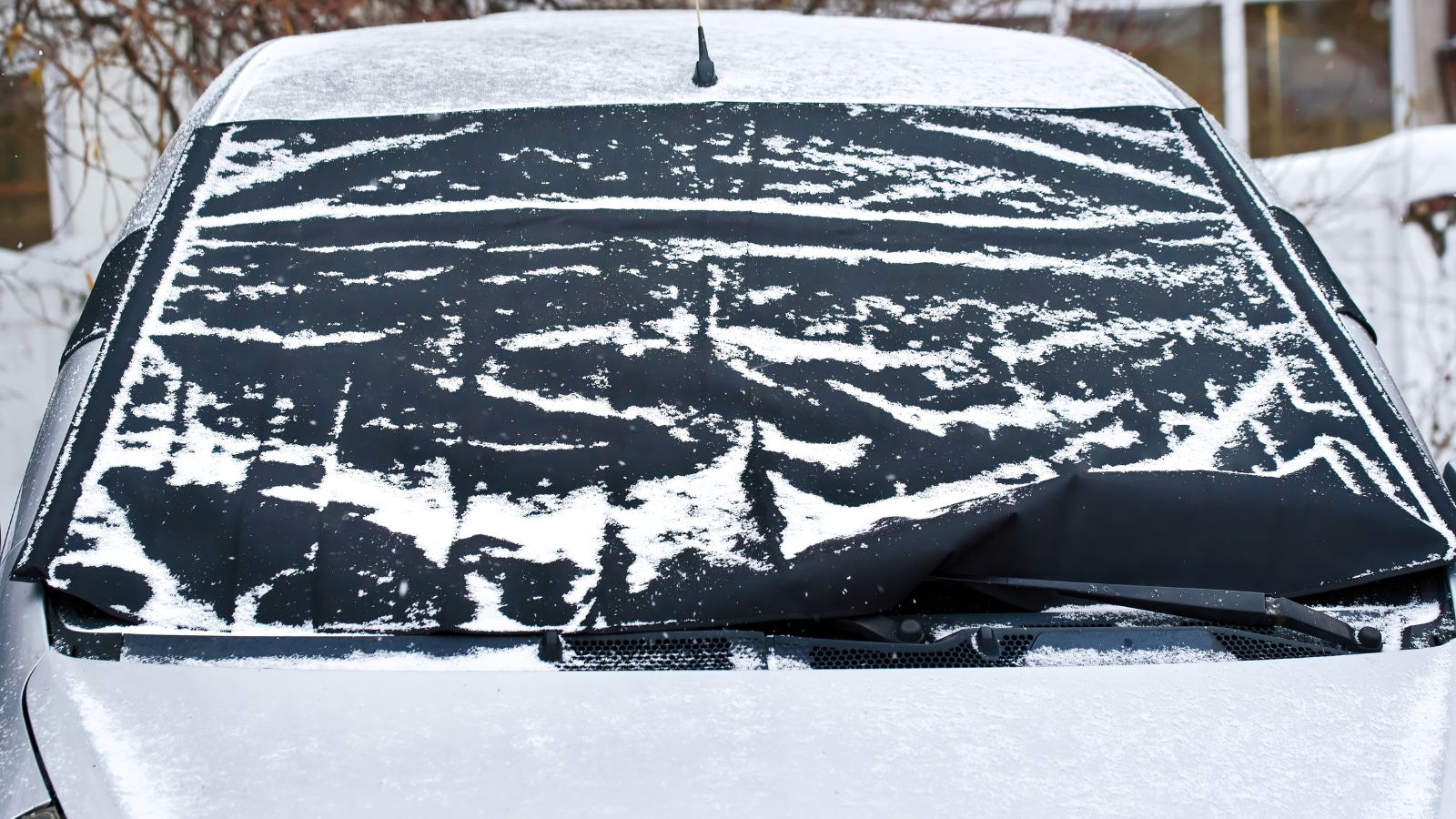
Cold weather is where the design’s weaknesses become visible. Moisture can freeze the glass to the weather seal, preventing downward movement required before the door swings outward. BMW warns owners not to force a door when frost keeps the window from lowering, because doing so creates a risk of property damage. Ford advises clearing ice or preheating the vehicle when extreme cold temporarily disables short-drop operation.
Some vehicles change their behaviour to reduce risk. Tesla notes that, in low temperatures, its windows may stop slightly below the upper trim so the doors are easier to open. That gap can surprise owners who expect the glass to close identically year-round. A driver leaving work after freezing rain may need to thaw the seal, brush away snow, and verify movement before opening the door. What looked like a sleek styling detail in summer can become a winter procedure requiring patience and care.
A Weak Battery Can Affect Basic Entry
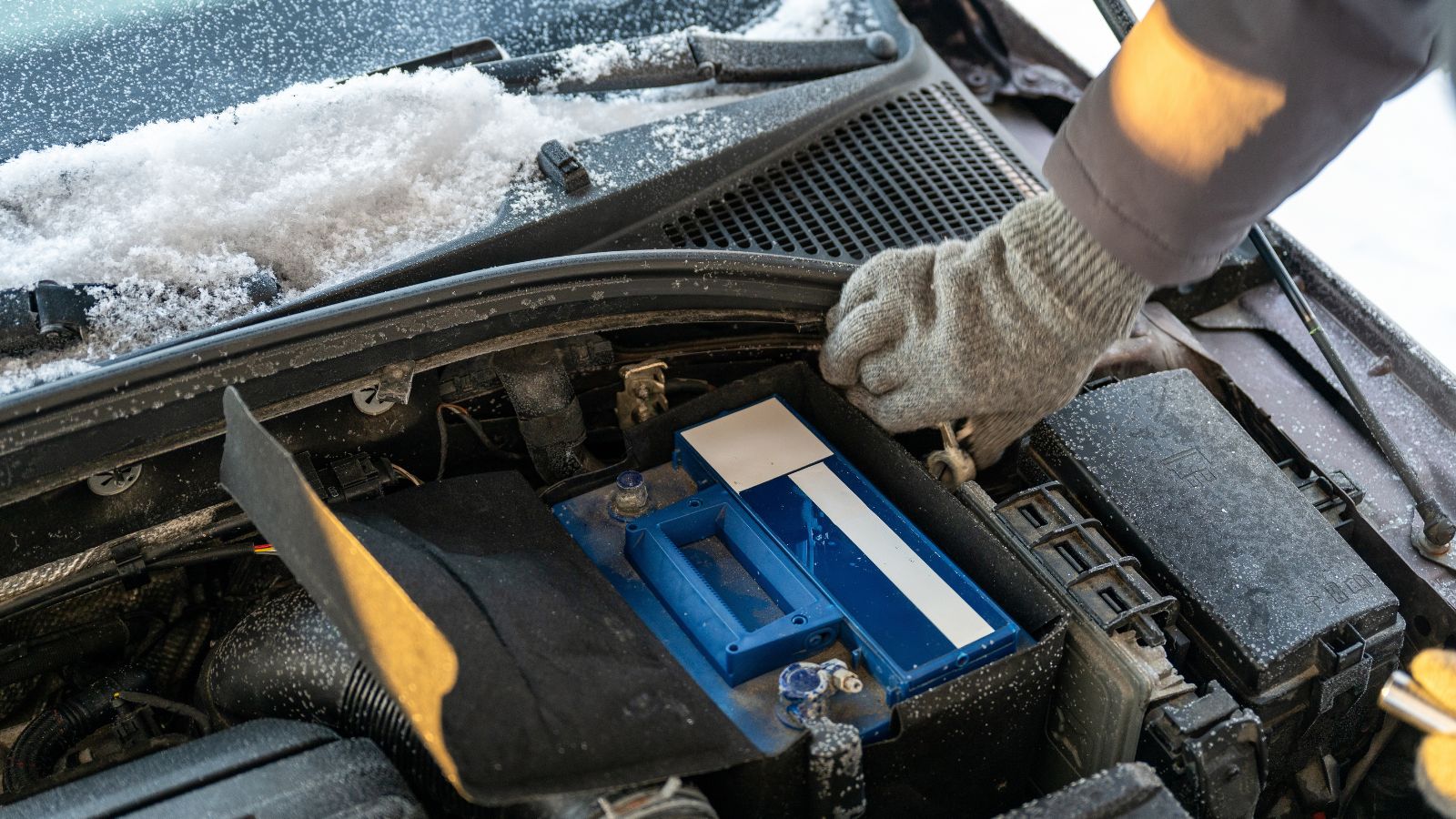
Because the glass movement is powered, a low-voltage battery can affect door operation in ways framed-window owners may not consider. Ford states that its short-drop feature may temporarily disable itself to conserve battery power. The door can appear mechanically normal, yet the glass may remain seated in the upper seal instead of moving clear before it opens.
The concern becomes more obvious when a vehicle loses power. Tesla provides mechanical releases for such situations, but warns that the window will not automatically lower when a manual release is used. Opening the door can damage the glass or surrounding trim if the owner is careless. This creates a trade-off: the emergency method grants access while bypassing the movement that protects the window. A discharged battery already brings inconvenience, towing, and diagnostic work. With frameless glass, it can also turn entry into a delicate operation requiring knowledge that passengers may not have.
Window Calibration Becomes Another Chore
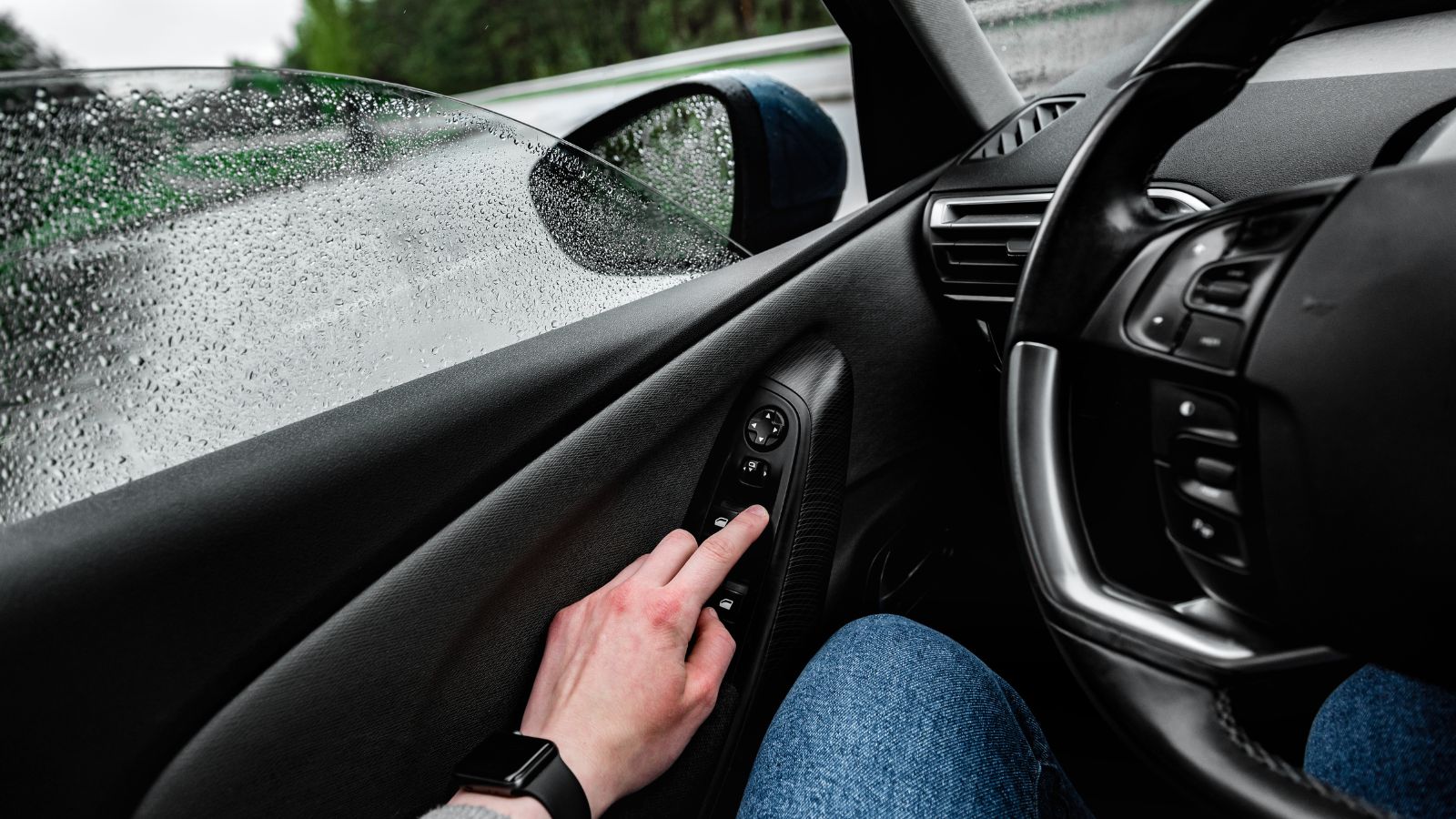
Frameless glass must know its upper and lower positions. After battery interruption, repair, obstruction, or control fault, the learned position can be lost. The result may be a window that drops too far, touches exterior molding, refuses to close correctly, or fails to return into the seal after the door shuts. Tesla’s owner guidance describes these behaviours as reasons to recalibrate the window.
Calibration is generally manageable, but it is still another ownership task. Tesla instructs the driver to cycle the affected window down and up in a specific sequence. Ford directs owners to reset one-touch windows when short-drop operation fails. For someone unfamiliar with the system, the first sign may be wind noise, a warning message, or glass sitting visibly low after parking. The vehicle may not need a major repair, but the experience can feel like an electronic fault attached to a component that once seemed purely mechanical.
Tiny Alignment Errors Can Create Wind Noise
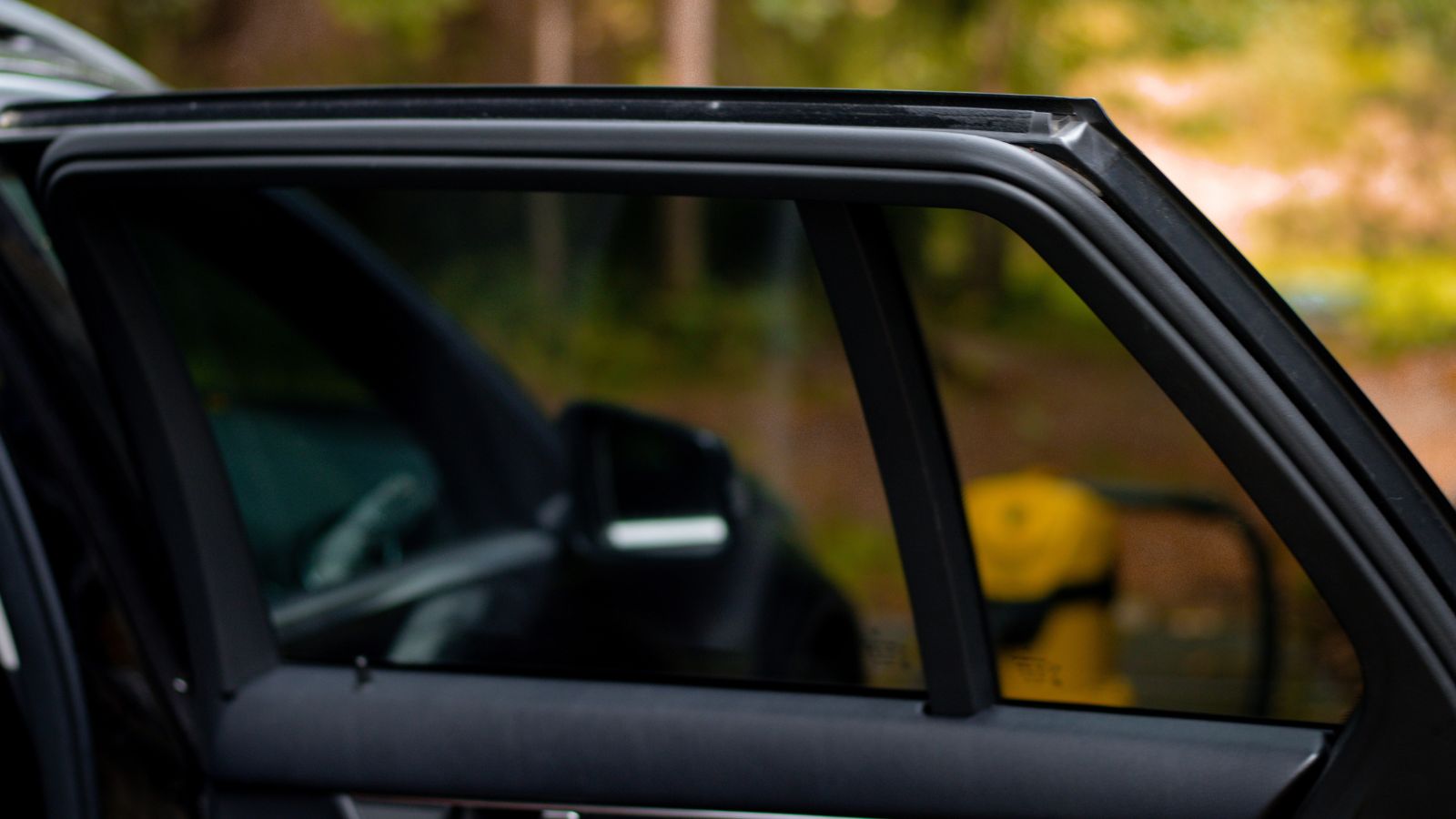
A frameless window has limited tolerance for poor alignment because glass must meet the roof and body seals. A change in height, angle, or inward pressure can alter how the pane contacts the weather stripping. Aerodynamic-noise research identifies door gaps and imperfect window seals as paths through which airflow becomes cabin noise as speed increases.
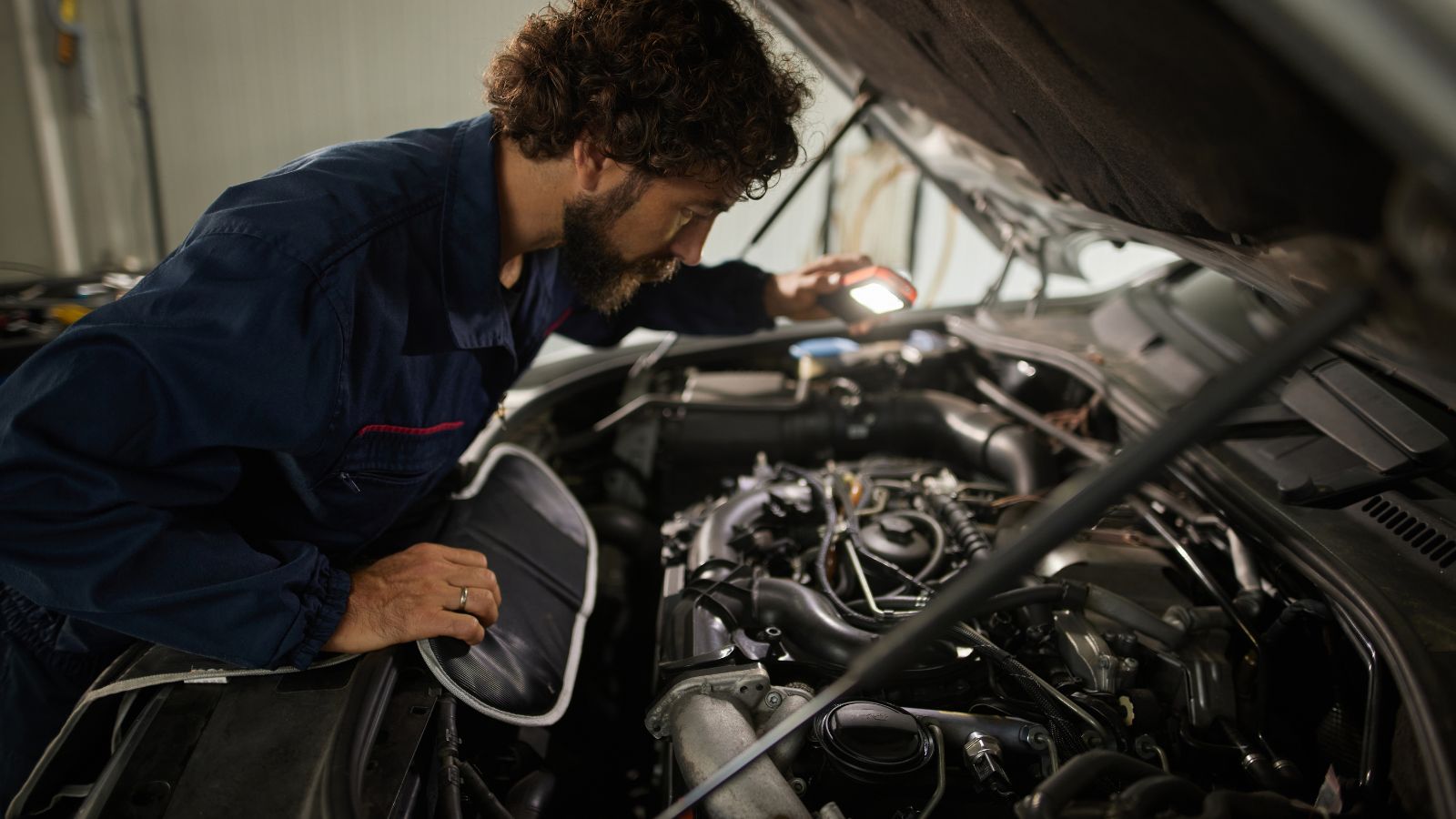
Manufacturer service procedures show how precise the adjustment can be. Tesla’s service manual requires technicians to check glass gap and flush, adjust guide blocks, reposition regulator clamps, and alter regulator angle precisely. One rotation of an adjustment stud moves the glass by roughly one millimetre. That is a tiny measurement with an audible consequence. An owner may hear a whistle at highway speed, during a crosswind, or after body work. Tracking down the cause can involve repeated testing and adjustment rather than replacing one broken part, making a stylish door unexpectedly sensitive in real use.
Water Sealing Depends on Exact Fitment
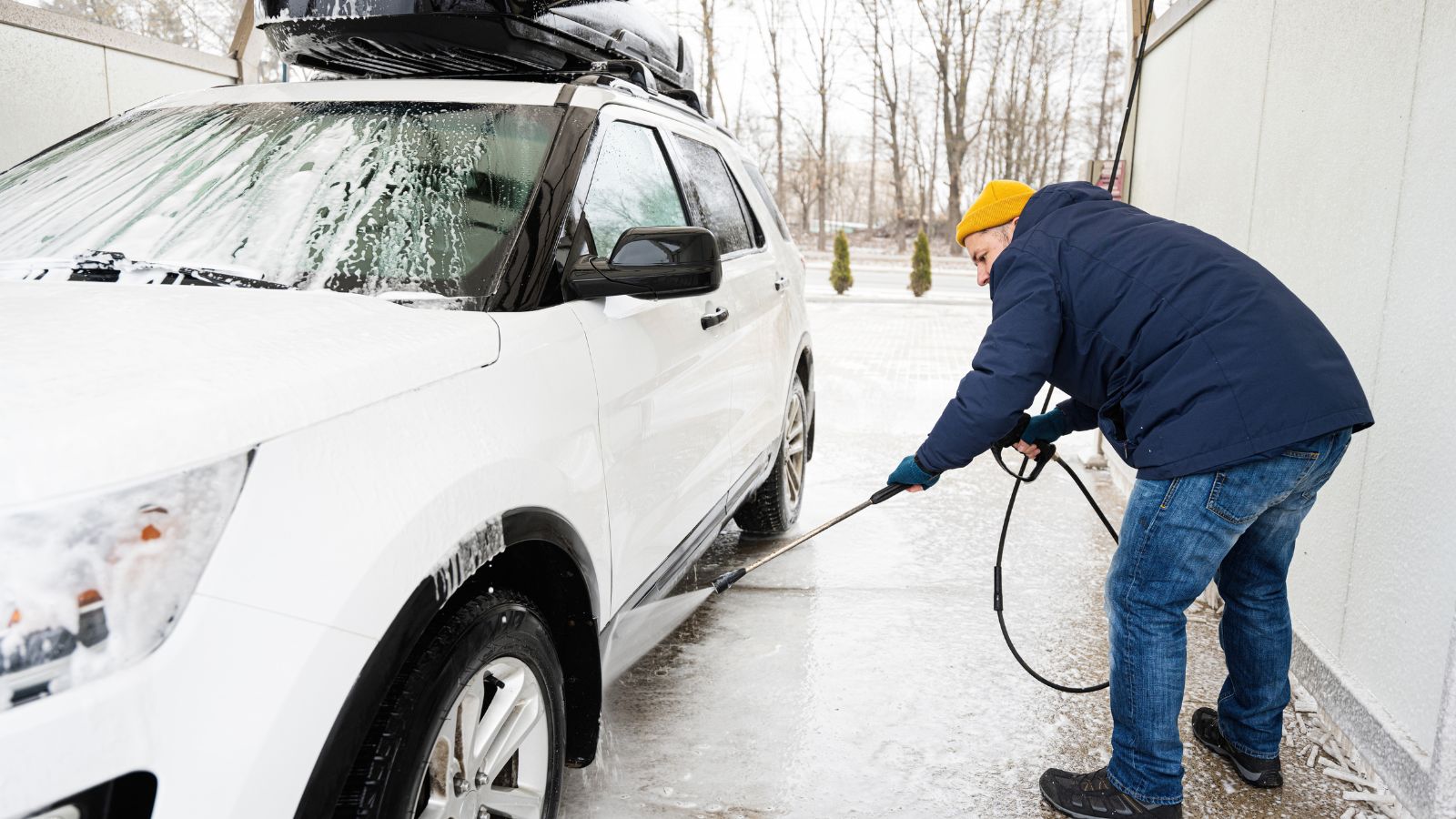
Keeping water outside depends on more than pushing the glass against one strip of rubber. Suppliers describe frameless systems as assemblies with shaped seals around movable panes. The glass must reach the correct height and angle so seals compress consistently. If it sits too far outward, too low, or unevenly, rainwater can find a path not apparent while the vehicle was parked indoors.
This is why service manuals treat fitment as a measured procedure rather than a visual guess. Tesla directs technicians to check gap and flush repeatedly as they alter the glass, clamps, and regulator angle. Symptoms may be intermittent: a few drops after a pressure wash, dampness after wind-driven rain, or moisture appearing only on one corner of the seal. Leaks frustrate because the window may look closed and operate normally otherwise. Proper repair may require alignment work, seal inspection, or both, rather than simply replacing weather stripping.
The Rubber Seals Need More Attention
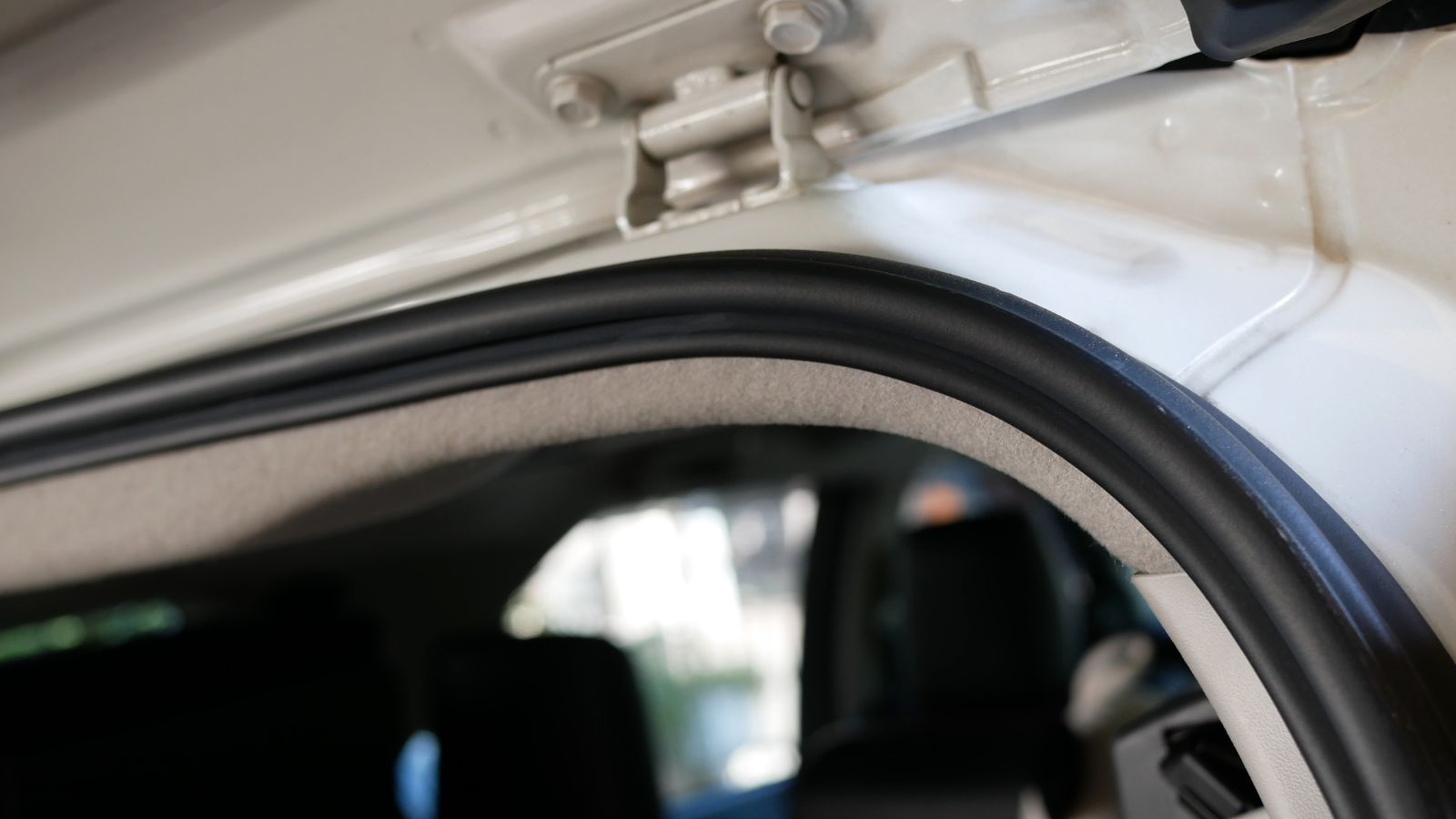
The rubber surrounding frameless glass does more work than owners realize. It guides the pane into position, controls noise, and keeps water and debris outside. Because the glass slides against these seals, contamination or inappropriate cleaners can affect operation. Tesla tells owners to wipe door seals with a damp cloth, remove debris, and avoid alcohol wipes or chemicals that may deteriorate the seal’s coating.
Maintenance is easy to overlook. Dust, road salt, sand, tree residue, and moisture can collect where the glass meets the body. A driver washing the paint may ignore the narrow sealing channel until squeaks, sticking, or marks appear. Frameless windows leave the upper glass edge exposed whenever the door is open, inviting fingerprints and accidental contact. Owners may clean and inspect seals more often than expected. The premium appearance remains, yet preserving quiet, consistently smooth operation requires attention to an area rarely considered on framed doors.
Motors and Regulators Work More Often
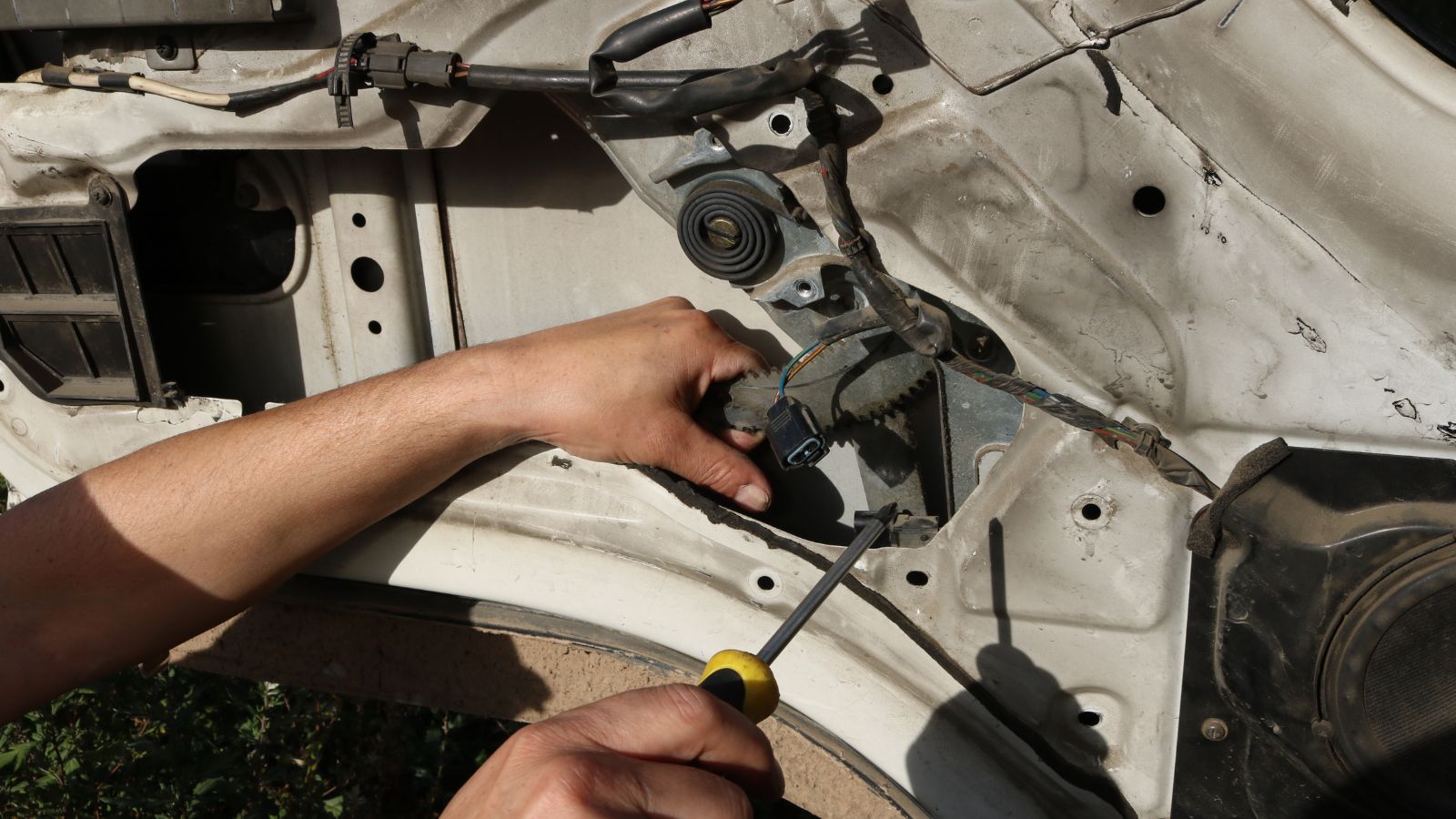
When a frameless door opens, the window motor may perform a movement absent from conventional framed designs. The travel is small, but the system must recognize the request, move the regulator, stop correctly, and reverse after closing. Ford’s guidance acknowledges the workload by noting that repeated operation can temporarily pause the short-drop feature while the motor cools.
That pause is not proof of poor durability, and manufacturers design these systems for normal daily use. Still, it illustrates why some owners become uneasy about long-term complexity. A delivery driver, a family loading several passengers, or a detailing shop repeatedly opening doors can cycle it many times quickly. When operation becomes slow or inconsistent, the cause could involve temperature, battery voltage, calibration, a switch, a motor, or mechanical resistance. The wider list makes diagnosis less intuitive. The owner may miss the simplicity of a door whose glass never needed to move first.
Emergency Releases Require Extra Care
Emergency access is complicated when the glass depends on electricity to clear the seal. During a power failure, occupants may need a mechanical release, yet it can bypass the automatic window drop. Tesla cautions that using the manual release when power is available can allow the glass to strike the trim, and recommends reserving it when electronic opening is unavailable.
New passengers may not understand the distinction. An unfamiliar passenger can see a lever and assume it is the ordinary handle, in darkness or during stress. If the glass is fully raised, opening the door abruptly can press it against a surface it was designed to avoid. Frameless windows do not prevent escape; mechanical releases exist for emergencies. The regret comes from adding instructions to an action people assume to be instinctive. Owners may need to explain the correct button, backup release, and risk of misuse to every new passenger.
An Incorrect Glass Position Can Cause Contact
Closing a frameless door requires slightly lowered glass until the door is seated. Tesla warns that if a window has been manually raised while the door is open, lower it before the door is closed. Otherwise, the pane may contact trim instead of clearing it. The mistake is easy: someone operates the switch while cleaning, repairing, or waiting with the door open, then habitually shuts the door.
That vulnerability can make owners protective when other people handle the vehicle. Valets, technicians, children, and passengers may not know glass position matters. Without breakage, hard contact can create anxiety about chipped edges, scratched molding, or disturbed alignment. The exposed upper edge naturally makes owners wary of accidental strikes or pressure during handling. A framed door provides a metal boundary that makes its structure obvious. Frameless glass looks lighter and cleaner, yet it demands much greater everyday awareness during less common door-and-window combinations.
Repairs Demand More Precision
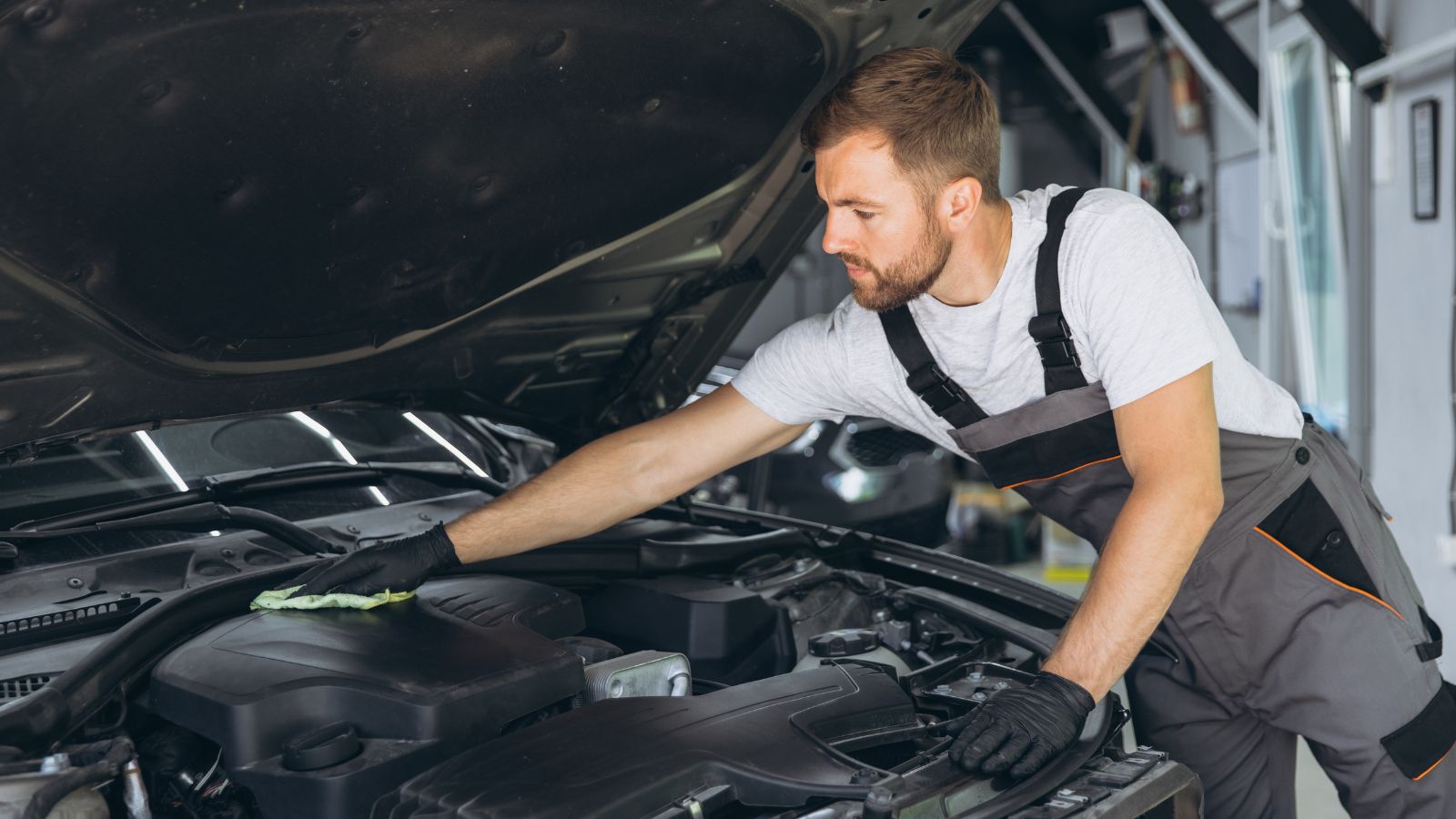
Replacing or adjusting frameless door glass requires more than installing a pane and tightening two bolts. Glass must sit at the correct height, fore-and-aft position, angle, and pressure against the seals. Tesla’s service procedure includes guide-block adjustments, regulator-clamp positioning, angle changes, gap-and-flush checks, and a final electronic calibration cycle afterward.
That complexity can translate into diagnostic time when a repair is imperfect. A replacement pane may rise and fall, yet still create wind noise, rub molding, close too high, or seal unevenly. Tesla’s procedure calls for inspecting clamps for splinters or debris because contamination can damage replacement glass. Owners choosing a repair facility need more than someone fitting the correct part; they need careful, accurate alignment and thorough testing. After collision work, regulator replacement, or broken glass, the drive home may reveal problems completely invisible inside the workshop. Precision becomes part of the repair bill, not merely a factory concern.
Squeaks Can Undermine the Premium Feel
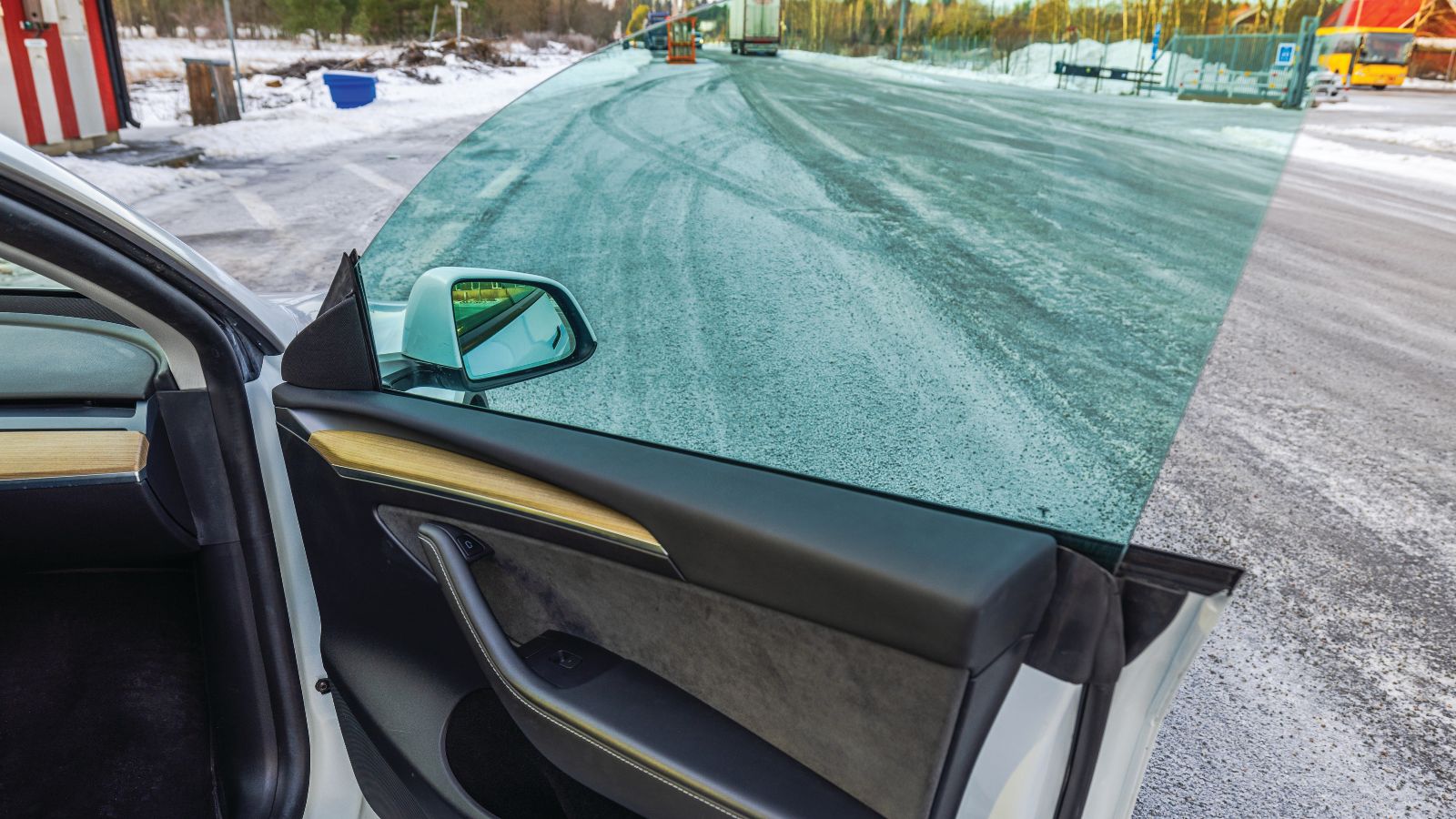
Not every complaint involves a leak or malfunction. Frameless sealing strips produce squeaks or rubbing noises as doors move over uneven pavement. A 2026 Applied Acoustics study examined seal squeak in a frameless-door car on rough roads, modelling seal movement and exploring suppression methods. The research shows this is a real engineering problem, not merely an owner imagining a faint, harmless, occasional noise.
Such sounds irritate in a premium coupe or quiet electric vehicle, with high refinement expectations. The noise may appear during cold weather, after seal contamination, on angled driveways, or while the body twists over broken pavement. Inconsistency makes it harder to demonstrate during a dealership service appointment. Cleaning or adjustment may help, while other cases require seal treatment or replacement. Owners who chose frameless glass for elegance can understandably feel disappointed when the same tightly loaded contact surfaces introduce creaks that many conventional framed doors may avoid.
22 Things Canadians Do to Their Cars in Spring That Mechanics Hate

Spring brings relief to many Canadian drivers after months of snow, freezing temperatures, and icy roads that put serious strain on vehicles. As temperatures rise across the country, drivers begin washing cars, switching tires, and preparing vehicles for warmer weather and upcoming road trips. However, mechanics across Canada notice the same mistakes every spring when drivers attempt to recover from winter damage. Road salt, potholes, and harsh winter driving conditions often leave vehicles with hidden problems that drivers ignore. Some spring habits even create new mechanical issues that could have been avoided with proper maintenance. Here are 22 things Canadians do to their cars in spring that mechanics hate.