


























A modern car can arrive with the hardware for a feature, the software to control it, and a payment screen standing between the driver and the final result. That shift has turned subscription-based vehicle features into one of the industry’s most contentious experiments. Automakers argue that recurring plans can fund connectivity, updates and flexible access to expensive technology. Many drivers see something else: a growing list of bills attached to a vehicle they believed they had already purchased.
The debate now reaches far beyond heated seats, touching remote start, hands-free driving, performance upgrades, entertainment, navigation and vehicle data. These 12 reasons explain why subscription-based car features are generating resistance, where recurring fees can make legitimate sense, and why manufacturers are increasingly being pushed to prove that a subscription delivers continuing value rather than simply unlocking capability already built into the car.
Paying Twice for Hardware Already in the Car

The fastest way to make a driver resent a subscription is to charge for hardware already installed. BMW learned that lesson after offering heated-seat activation through its Functions on Demand program. In 2023, BMW executive Pieter Nota said the company stopped offering seat heating that way because customer acceptance was low and some buyers felt they were paying twice for the same equipment.
That reaction goes beyond one luxury brand. Cox Automotive found that 92% of surveyed consumers thought heated and cooled seats should be included in a vehicle’s purchase price rather than billed separately. The emotional logic is simple: a streaming subscription pays for a continuing flow of new content, while a heating element beneath a seat feels like something the owner already bought. Once that distinction becomes visible, recurring charges can feel less like flexibility and more like a lock placed on property already sitting in the driveway.
Ownership Starts Feeling Like Renting

For many buyers, subscription pricing clashes with the idea of owning a car. Buyers usually pay once for an option package, financing it with the vehicle, and keeping that capability while the hardware works. Features on Demand replace that certainty with a continuing decision about whether a function is worth another monthly or annual charge.
That is a difficult sell when expectations remain anchored to ownership. Cox Automotive’s 2022 research found that three-quarters of respondents were unwilling to pay recurring fees for most vehicle features and services, while 89% expected remote start to be included in the purchase price. A later Cox study found that 69% of in-market shoppers would likely shop elsewhere if certain features were available only by subscription. For automakers, recurring software revenue may look predictable. For drivers, it can look like a permanent surcharge attached to a product that already cost tens of thousands of dollars.
Free Trials Turn Into Delayed Bills

Free trials can make subscription features clearer, but they can create an awkward moment after the vehicle leaves the showroom. Ford Canada says eligible BlueCruise-equipped vehicles receive a complimentary trial before owners decide whether to keep the hands-free highway system. Toyota Canada likewise lists multi-year trials for Remote Connect on 2026 models, after which continued access can require a paid subscription.
The frustration arrives when a feature becomes part of everyday life and then expires. A driver who has spent years starting a vehicle from an app during winter mornings may experience the end of a trial differently from someone choosing an optional package on day one. Cox Automotive found that 65% of respondents considered a free trial a positive selling point. That helps explain why trials work commercially, but it also shows how subscription decisions can be postponed until long after the excitement of buying the car has faded.
Driver Assistance Becomes a Renewable Expense

Advanced driver-assistance subscriptions create a sensitive debate because they touch safety directly. Ford Canada lists BlueCruise at $64.99 per month or $650 per year after the included trial, while OnStar Canada lists Super Cruise at $39.99 per month after the three-year connectivity period on eligible vehicles. Both provide hands-free driving assistance on compatible roads rather than fully autonomous driving.
Many owners understand paying for mapping, cloud data and continuing software development, yet the recurring bill feels different when the feature changes how the vehicle handles a long highway trip. Cox Automotive found strong resistance to placing familiar safety-related technologies behind recurring fees: 89% of respondents said lane-keeping assist should be included in the purchase price and 87% said the same about automatic emergency braking. Those systems are not identical to BlueCruise or Super Cruise, but the results show why drivers can be uneasy when capable assistance becomes another renewable service.
The Car Joins the Monthly Connectivity Stack
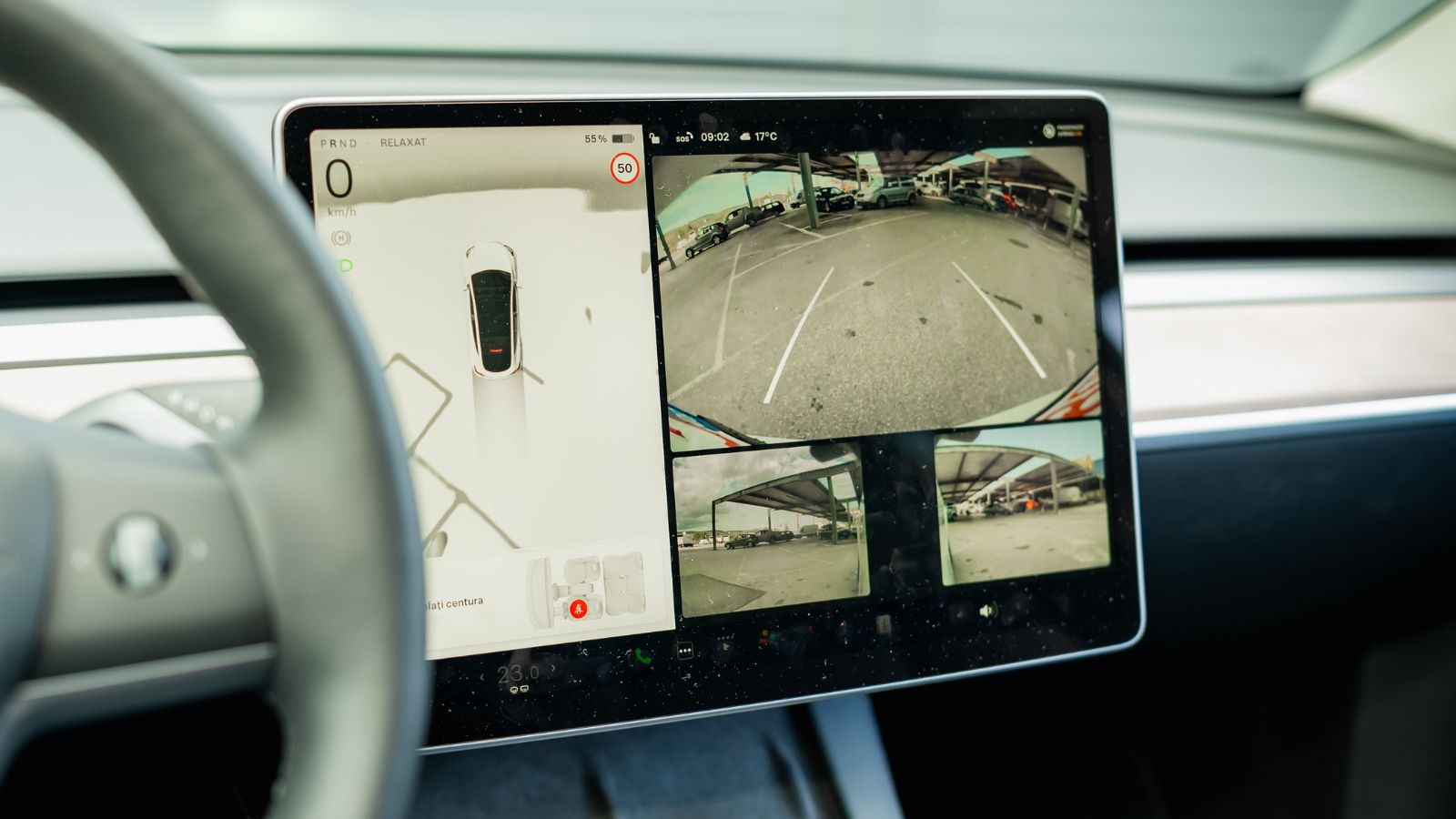
Connectivity subscriptions are easier to defend because cellular data costs money, yet they still add another bill to vehicle ownership. Tesla Canada lists Premium Connectivity at $13.99 per month plus tax. The service adds cellular access for features including live traffic visualization, satellite-view maps, media streaming and remote camera functions that otherwise rely more on Wi-Fi or basic connectivity.
The irritation often comes from stacking. A driver may pay for a phone plan, music service, video service and home internet, then discover that the car needs a recurring data package to deliver the full infotainment experience. Tesla notes that a paid third-party streaming account may still be required for some media services. In isolation, one modest fee may not appear significant. Across digital services, however, the car starts to resemble a connected device with a recurring household budget line rather than a machine whose major functions were settled at purchase.
Remote Start Can Become a Winter Paywall

Remote-start subscriptions are controversial in cold climates because the feature can feel less like entertainment and more like winter convenience. Toyota Canada says Remote Connect can provide functions such as remote start, lock and unlock on compatible vehicles, with trials followed by a paid monthly subscription. The 2026 RAV4 Plug-in Hybrid, for example, lists a three-year Remote Connect trial.
The model can make sense because app-based remote commands rely on cellular connectivity, backend systems and account infrastructure. Still, expectations differ. Cox Automotive found that 89% of respondents believed remote start should be included in the vehicle’s purchase price. For someone using remote start before a January commute, the distinction between a physical key-fob function and a cloud-enabled app function may matter less than this: the vehicle can start remotely only while the relevant service remains active. That gap between technical cost and perceived ownership value is where resentment often grows.
Even Horsepower Can Be Software-Locked
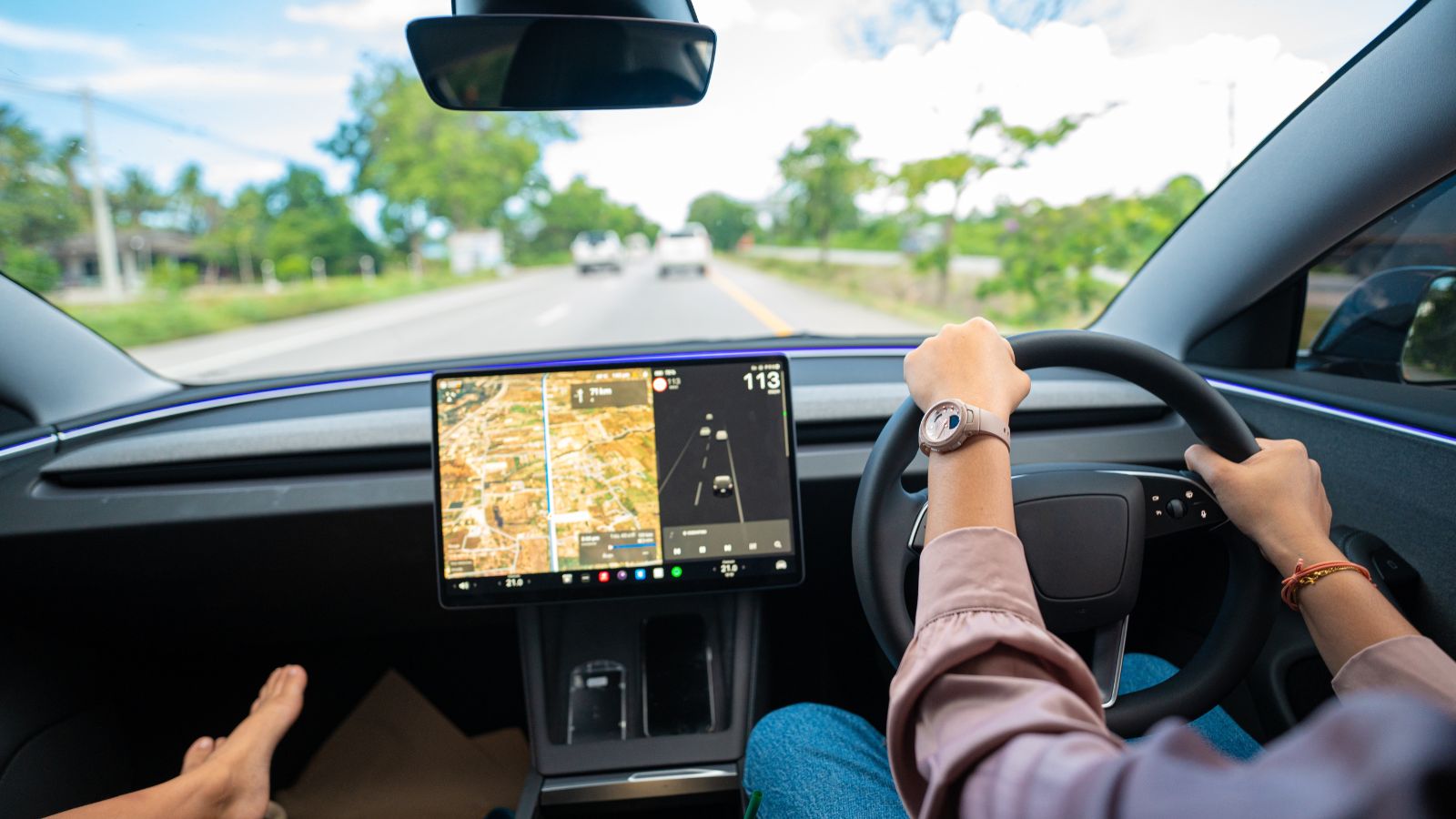
Performance subscriptions push the argument further because software can determine how much power a vehicle delivers. Mercedes-Benz has offered an Acceleration Increase digital extra for EQE and EQS electric models. Mercedes-Benz terms describe it as available through monthly, yearly or lifetime purchase options, while earlier North American pricing offered horsepower gains through an over-the-air change rather than a mechanical modification.
For enthusiasts, that feels different from paying for navigation data. The motors, battery and power electronics are already in the vehicle; software changes the permitted output. A lifetime purchase softens the recurring-fee objection, but the concept shows how software-defined cars blur the boundary between hardware and service. A buyer may reasonably ask whether the vehicle price reflects the full capability of its components or only the capability the manufacturer has chosen to unlock. Once horsepower becomes a renewable entitlement, ideas about trim levels and mechanical ownership become harder to justify.
Used-Car Buyers Inherit Digital Fine Print
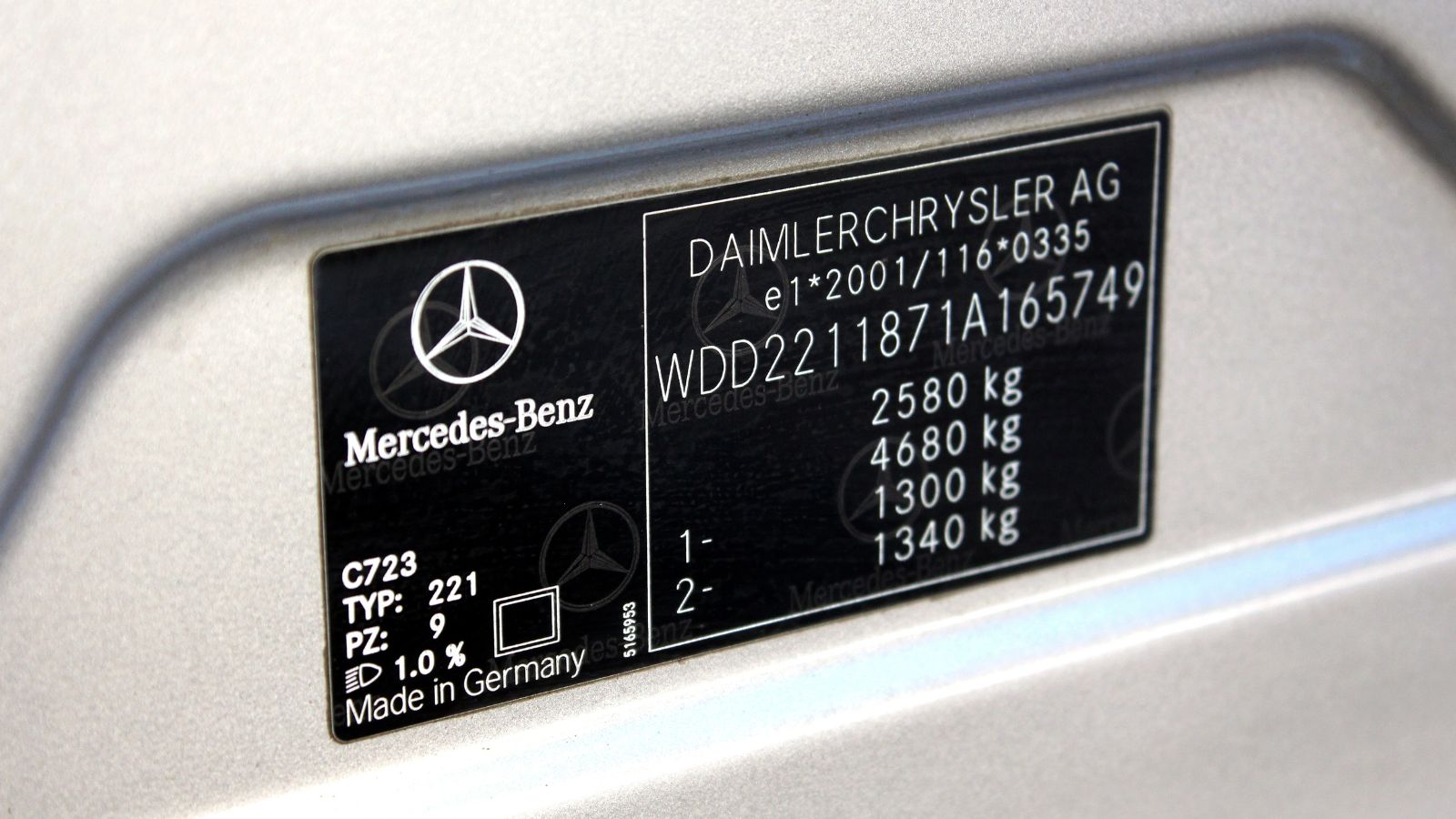
Subscriptions complicate used-car shopping because digital features follow different ownership rules. Ford Canada says a one-time BlueCruise purchase is tied to the VIN, so it remains with the vehicle when sold to another owner. Tesla varies by product: Premium Connectivity is canceled when ownership transfers, while outright-purchased FSD can remain with the car in qualifying circumstances.
That means a used-car listing that says “equipped with” a feature may not tell the whole story. The hardware can be present while the service is expired, account-bound or awaiting a new subscription. Tesla advises that FSD availability on a used vehicle depends on whether the previous owner subscribed or purchased it outright. For shoppers accustomed to checking leather seats, sunroofs and engine size, software entitlements create another layer of due diligence. The question is no longer just what equipment the car has, but what digital rights remain active after the keys change hands.
Network Shutdowns Can Outlive the Subscription
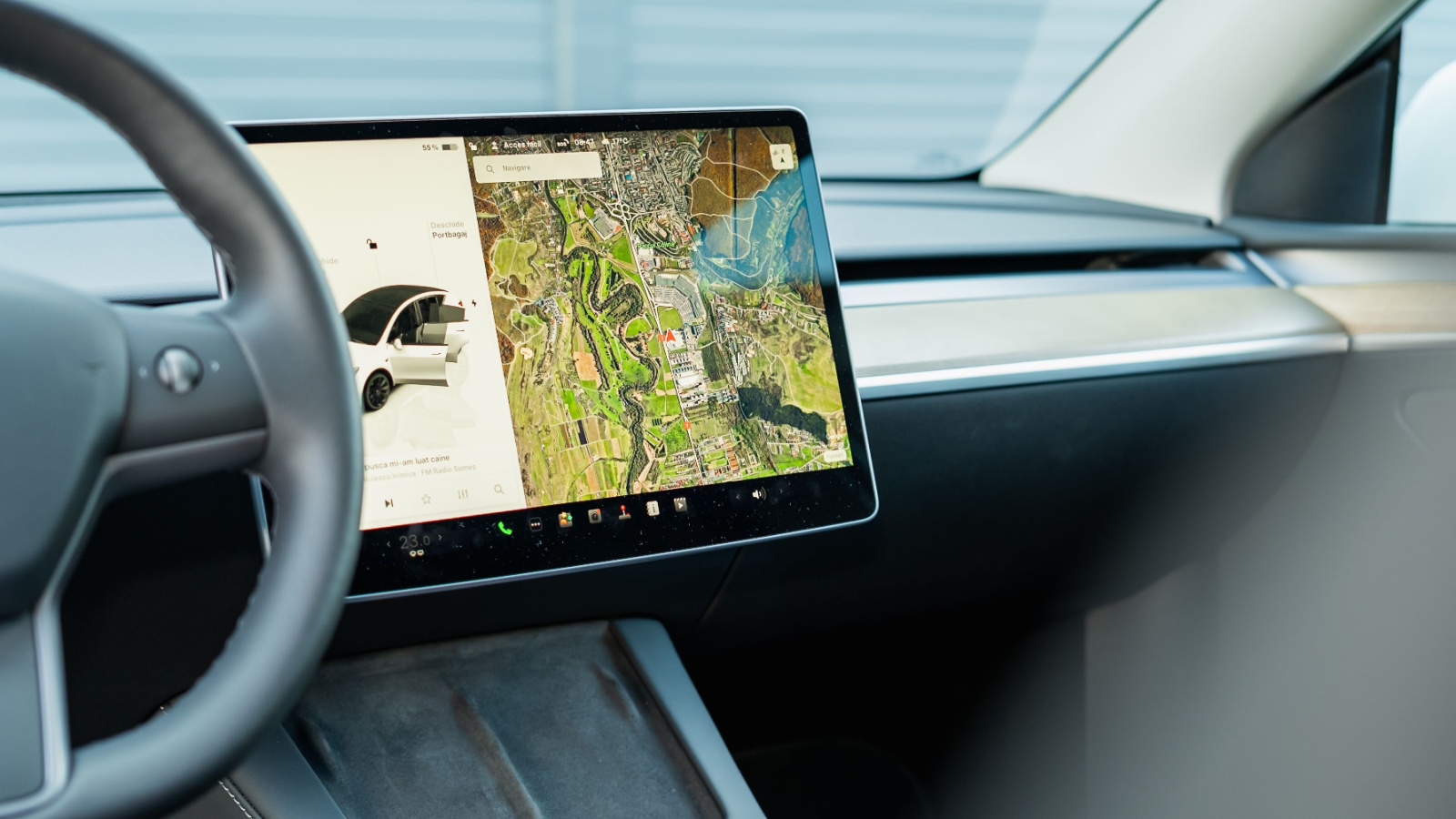
Connected features rely on outside technology, so a paid service can age differently from a mechanical option. North America’s 3G shutdown showed the risk. Ford service documentation warned that vehicles using 3G telematics would lose mobile-app functionality and connectivity as the network was decommissioned. BMW documentation likewise listed affected ConnectedDrive functions including emergency calling, remote services, stolen-vehicle recovery and real-time traffic information.
Some manufacturers offered upgrades or retrofits, but the episode exposed a reality: a car can remain mechanically healthy while a digital service becomes obsolete because the telecommunications network underneath it disappears. Toyota Canada states that connected services depend on third-party wireless networks and that network discontinuation can affect availability. Drivers accept that phones lose support, but cars are often kept far longer. When a feature is sold as an ongoing subscription, owners expect the ecosystem to last, and frustration rises when service life is shorter than the vehicle’s.
Paying More While Sharing More Data

Privacy concerns can make subscription fatigue feel more serious than pricing. In January 2026, the U.S. Federal Trade Commission finalized an order settling allegations that General Motors and OnStar collected and sold precise geolocation and driving-behavior data from millions of vehicles without adequately informing consumers or gaining affirmative consent. The order requires consent, deletion and opt-out mechanisms and restricts certain sharing with consumer reporting agencies.
The case matters because connected-car subscriptions often require accounts, cellular links and data exchange. The FTC complaint said data could include hard braking, acceleration, speeding and precise location. That does not mean every service or automaker uses data the same way, but it changes the trust equation. A driver paying monthly for a connected feature may want to know what data is collected, who receives it and whether the data could affect other costs. Recurring fees feel less attractive when paired with uncertainty about surveillance.
Automakers Have Billions of Reasons to Push Subscriptions
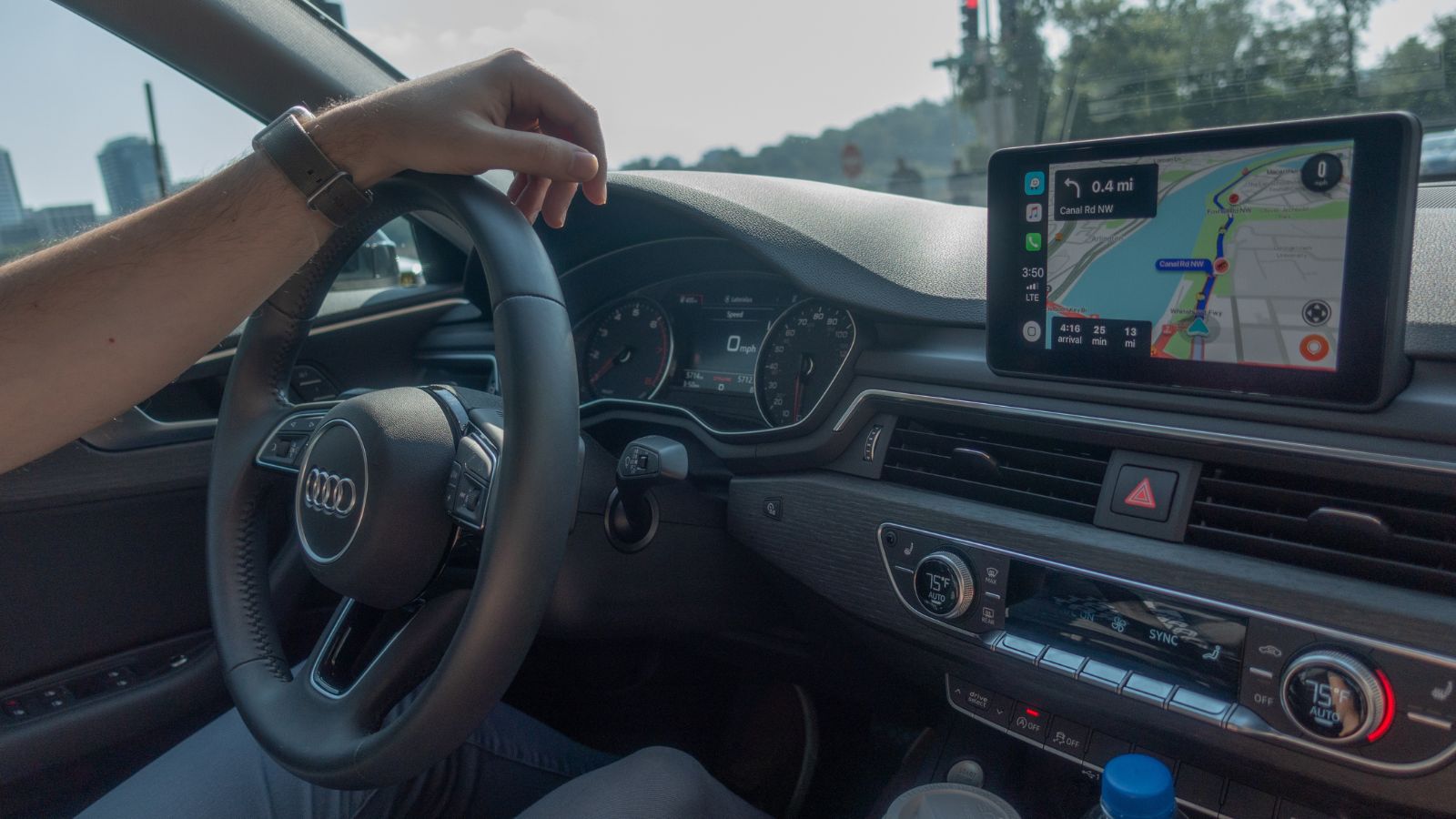
Automakers have financial reasons to keep experimenting with subscriptions. General Motors told investors in 2021 that it saw a potential $20 billion to $25 billion in annual software and services revenue by 2030 from a projected 30 million connected vehicles. Audi follows the same software-defined direction: its Functions on Demand model allows selected features to be activated after purchase for periods ranging from a month to several years or permanently.
For the industry, the appeal is obvious. A vehicle produces most revenue when sold; software can create revenue years later. For drivers, that model can make every dormant capability look like a future invoice. The conflict is not about software itself. Many owners pay for services that keep improving. The backlash appears strongest when the business goal becomes clearly visible before customer value does. Once buyers suspect a feature was designed around recurring revenue first, trust becomes harder to recover.
Backlash Is Forcing More Pay-Once Options
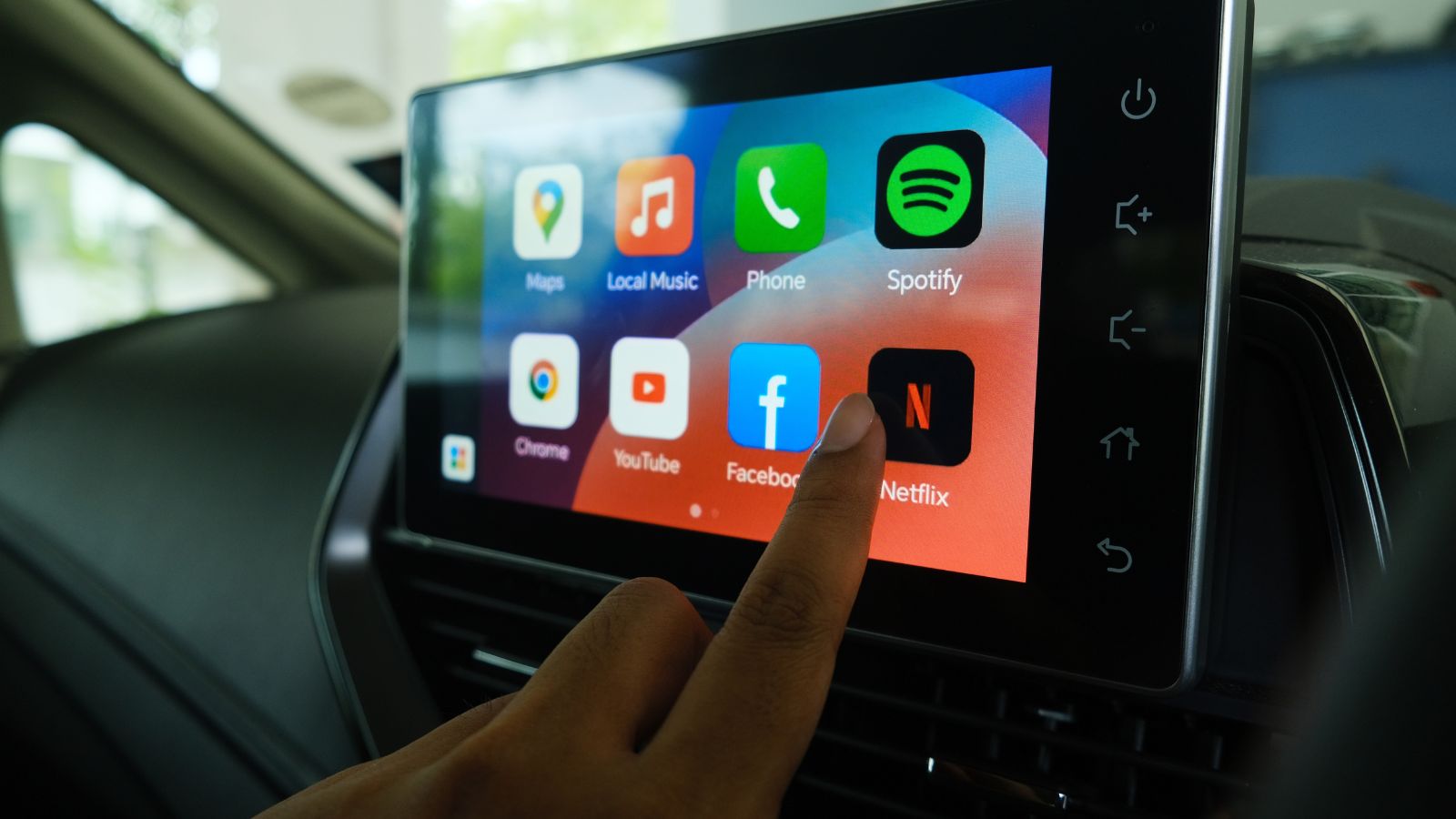
The subscription model is unlikely to disappear, but backlash is shaping how automakers package it. BMW stopped using the model for heated seats after acknowledging weak customer acceptance. Ford Canada offers BlueCruise by month, year or one-time purchase on eligible vehicles. Audi similarly offers permanent activation for some Functions on Demand. Those options suggest manufacturers recognize that drivers want a way to pay once.
The broader subscription economy explains why that choice matters. Deloitte’s March 2026 research found nearly three-quarters of consumers frustrated by rising entertainment-subscription prices, while about 40% had cut subscriptions over financial concerns. Cars enter an environment where households already manage streaming, cloud storage, apps and connectivity plans. Drivers may accept recurring fees when the service is truly ongoing, optional and valuable. What they increasingly resist is the feeling that ownership itself has become temporary—that a purchased vehicle can keep asking for permission, passwords and another payment.
19 Used Cars Canadians Should Avoid in 2026 (Based on Owner Complaints)

Buying a used car in Canada can feel safe until repair bills start stacking up. Owner complaints tell a different story than glossy listings. Transmission failures, electrical problems, and weak winter reliability show up again and again in consumer reports. Many of these issues appear after warranties expire, when owners least expect them. Some vehicles look affordable upfront, but become expensive to keep on the road. Others struggle in cold weather, urban driving, or long highway commutes. Here are 19 used cars Canadians should avoid in 2026 (based on owner complaints).
19 Used Cars Canadians Should Avoid in 2026 (Based on Owner Complaints)