

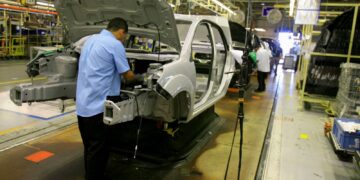























A striking wheel design can make an ordinary vehicle look far more desirable, but the long-term cost rarely appears on the window sticker. Large diameters, unusual sizes, performance compounds, run-flat construction, and all-wheel-drive requirements can transform routine tire replacement into a major household expense.
For Canadians, the calculation becomes more complicated because winter driving may require a second complete set. Potholes, long travel distances, seasonal changeovers, and limited availability outside major cities can add further costs. These 12 reasons explain why some buyers are looking beyond showroom styling and choosing vehicles with tires that are easier to replace, maintain, and find.
Replacement Costs Can Arrive Like a Second Car Payment
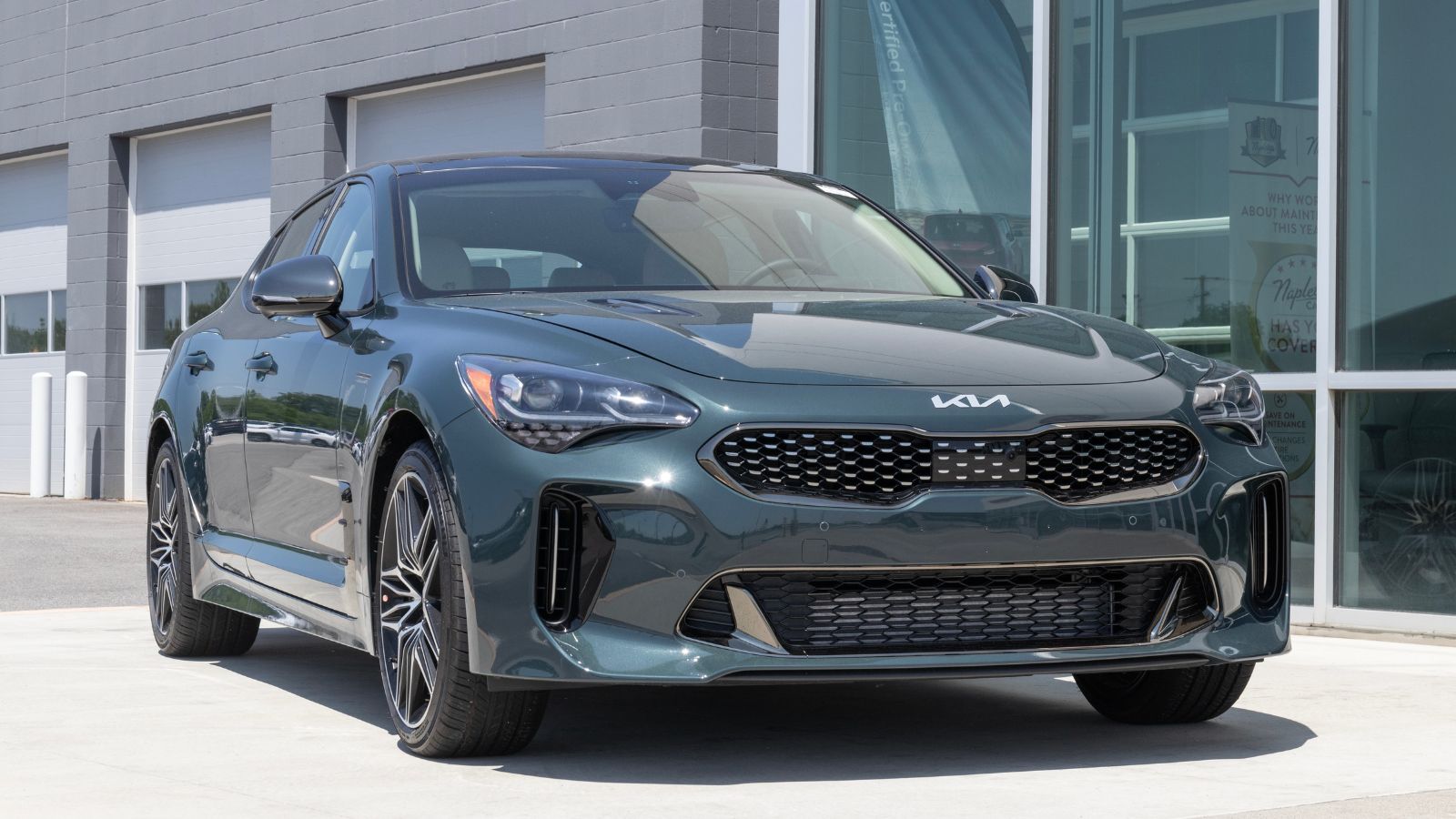
A vehicle can feel affordable until the first full set of tires is priced. Consumer Reports reported that its members paid an average of US$212 per tire in a 2025 survey, before accounting for installation, balancing, disposal fees, taxes, or extra charges connected with specialized sizes. That average already makes routine replacement a meaningful household expense, while premium SUV, performance, and large-diameter tires can climb considerably higher.
The surprise is often psychological as much as financial. Buyers negotiate the purchase price, financing rate, fuel economy, and insurance premium, yet the tires may receive only a quick glance in the showroom. A family keeping a vehicle for several years could purchase multiple sets, especially when annual mileage is high. Some Canadians therefore treat the sidewall size as seriously as the engine specification. A less dramatic wheel package can provide the same basic transportation while making future replacements much easier to absorb.
Canadian Winters Can Mean Buying Two Complete Sets

In much of Canada, tire planning is not limited to one set. The Tire and Rubber Association of Canada reported that 80 per cent of Canadian drivers used winter tires in its 2025 study. Quebec requires winter tires on most provincially registered vehicles from December 1 through March 15, while designated British Columbia routes generally require qualifying winter tires or chains during specified fall, winter, and spring periods.
That seasonal reality changes the economics of an expensive factory fitment. A vehicle wearing costly 20-, 21-, or 22-inch tires may need an equally costly winter package, along with wheels, mounting, changeovers, and storage. Although each set accumulates fewer kilometres because annual driving is divided between seasons, the initial winter bill still arrives early in ownership. When comparing two similar crossovers, a household may favour the model with a common tire size even when its appearance is less dramatic. In Canada, ordinary wheel dimensions can function like a long-term winter discount.
Large Wheels Often Shrink the Affordable Replacement Pool
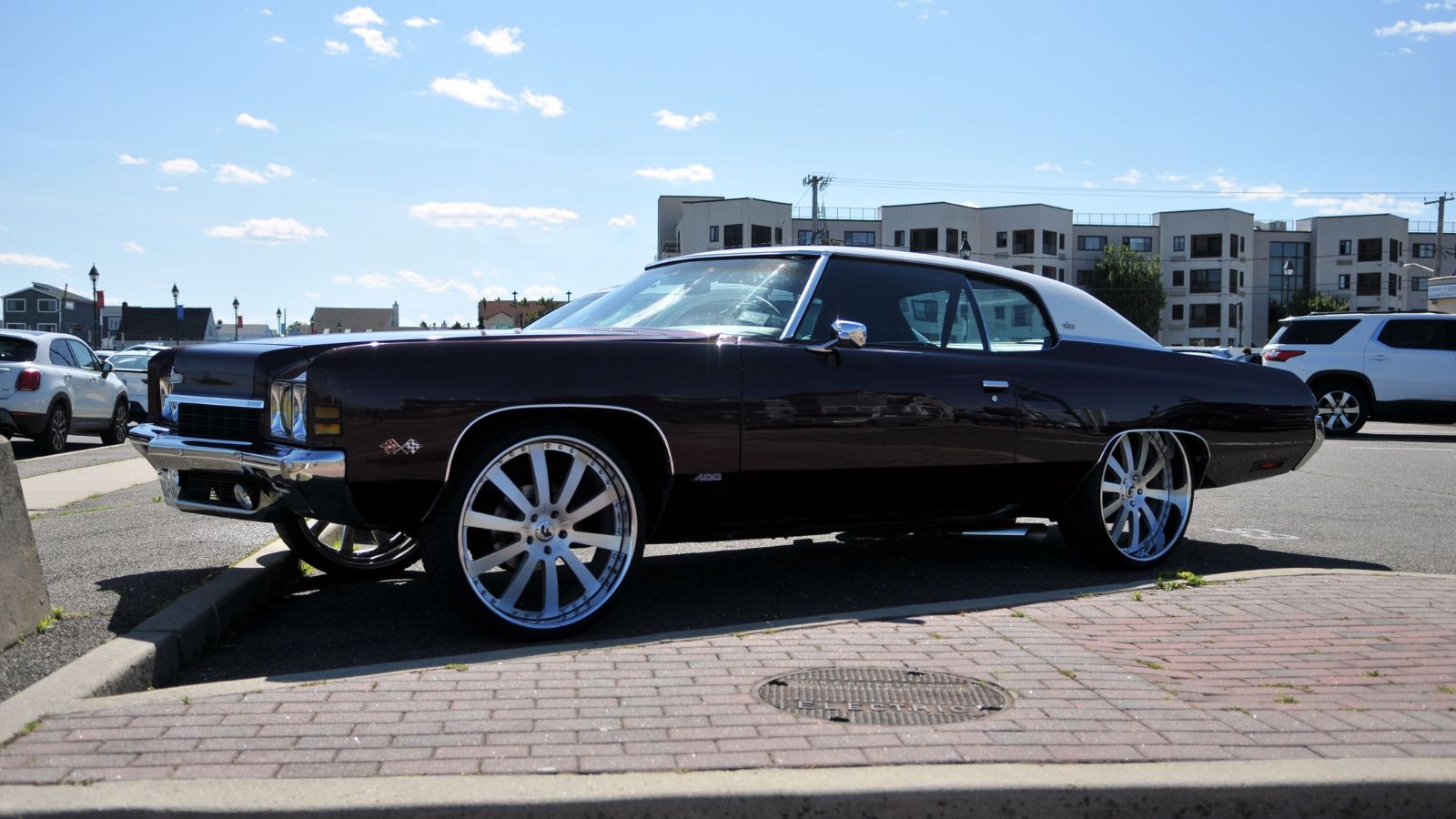
Bigger wheels are easy to market because they fill the wheel openings and give a vehicle a more expensive stance. The less visible trade-off is that the tire normally becomes wider or lower in profile to preserve the correct overall diameter. Consumer Reports has repeatedly advised prospective buyers to examine tire size and replacement cost because unusual or performance-oriented fitments can offer fewer choices than common family-car sizes.
Fewer choices matter when a household is trying to balance price, winter traction, tread life, road noise, and availability. A popular 17- or 18-inch size may be produced by numerous brands in several categories, while an uncommon 21-inch specification might have only a small selection of suitable products. That limits comparison shopping and reduces the chance of finding a timely promotion. The vehicle may also require replacements that preserve specific load and speed ratings. Owners can consequently become locked into a narrow group of premium options instead of selecting a genuinely affordable alternative.
Low-Profile Tires Are Less Forgiving of Rough Roads
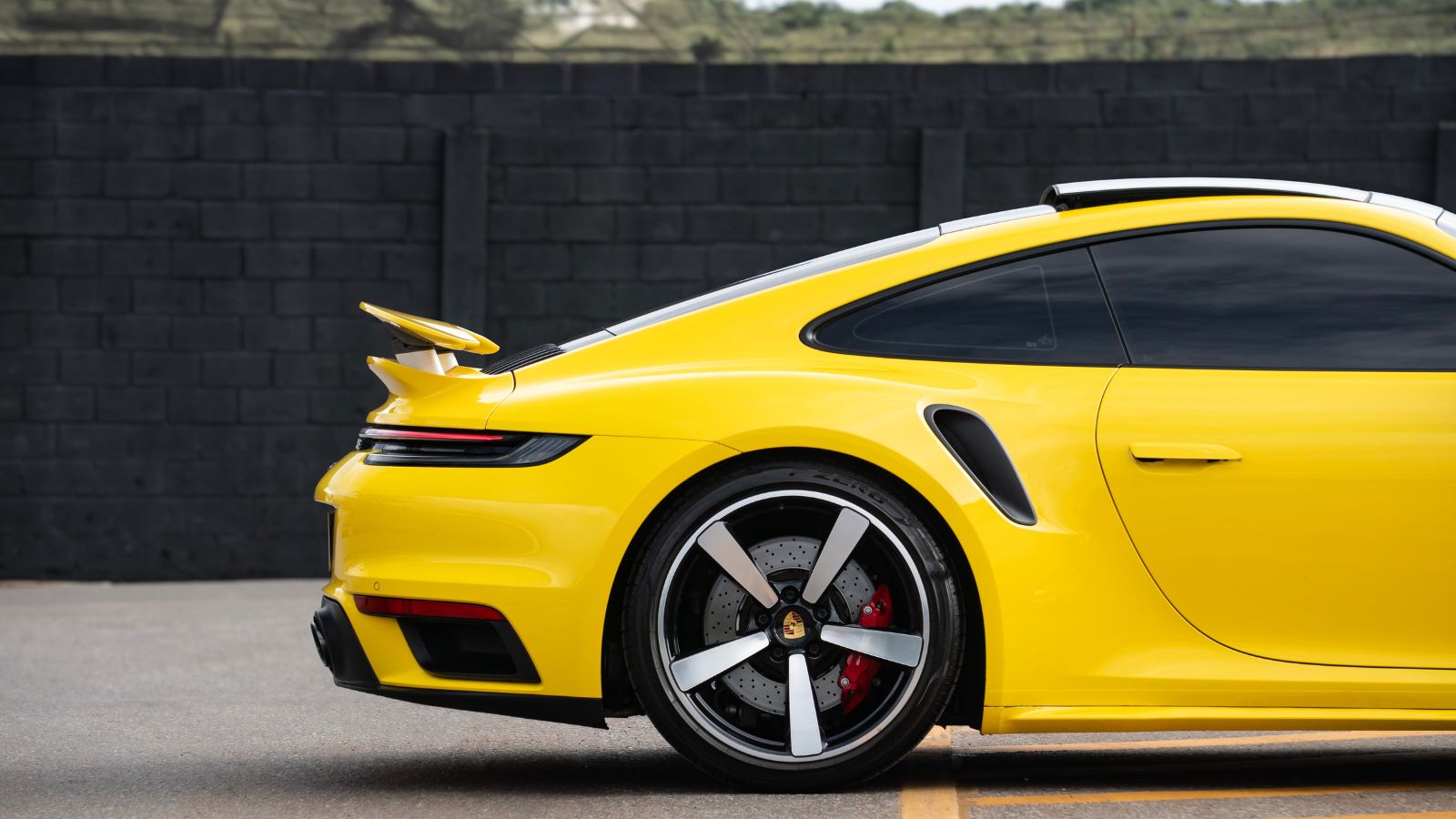
Canada’s freeze-thaw cycles are hard on pavement, and shallow sidewalls leave less air and rubber between an alloy wheel and a sharp road impact. Consumer Reports and AAA identify low-profile performance tires as particularly vulnerable to pothole damage. The Canadian Automobile Association estimated that poor roads add an average of $126 per vehicle annually in operating costs, with the nationwide burden reaching approximately $3 billion in its analysis.
Those averages do not capture the sting of one serious impact. A deep pothole can cut a sidewall, bend a wheel, disturb the alignment, or damage suspension components at the same time. With an expensive tire package, the repair can move quickly from irritating to financially disruptive. Drivers in cities known for rough spring pavement may decide that a smaller wheel and taller sidewall provide a better daily compromise. The appearance may be less aggressive, but the additional cushioning can make the vehicle more comfortable and more tolerant of actual Canadian road conditions.
All-Wheel Drive Can Turn One Damaged Tire Into Four

All-wheel-drive systems generally perform best when all four tires closely match in diameter and tread depth. A substantially newer tire rotates at a slightly different rate from three worn tires, and that mismatch can place unwanted strain on certain driveline systems. Subaru owner guidance has long emphasized matching tire diameters, while Consumer Reports notes that manufacturers establish different tolerances and may recommend replacing all four tires after one is damaged.
Alternatives are available in some circumstances. A new tire can occasionally be shaved to match the tread depth of the remaining three, provided the identical tire is available and a qualified supplier offers the service. That solution may not be practical during a road trip or when the original product is uncommon. For Canadians considering an AWD vehicle with costly rubber, the risk is clear: one unrepairable sidewall cut could trigger a decision involving an entire set. The same damage on a common, inexpensive fitment is considerably less intimidating.
Staggered Fitments Limit Tire Rotation
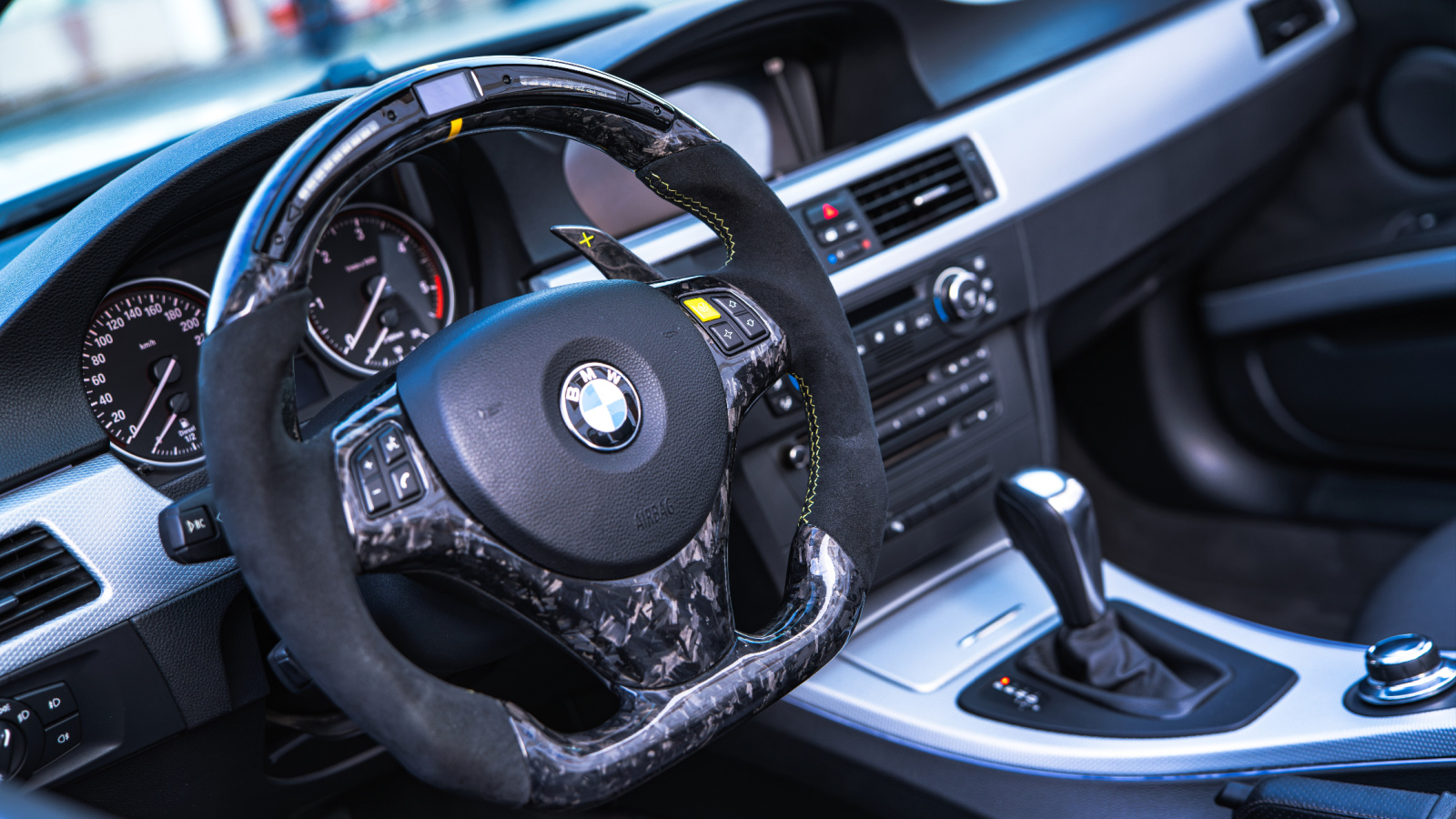
Some performance cars and premium crossovers use staggered fitments, meaning the rear tires are wider than those at the front. The arrangement can improve traction, styling, and handling balance, but it also removes one of the simplest methods of extending tire life. Michelin notes that staggered setups may not permit ordinary front-to-rear rotation because the tires are different sizes. Directional tread designs can create additional restrictions.
Rotation matters because tires at each axle perform different jobs. Steering, braking, acceleration, weight distribution, and alignment can produce uneven wear, while regular rotation helps distribute that workload on conventional matched sets. When rotation is impossible, one axle may reach its replacement point earlier, requiring owners to purchase a pair while monitoring another pair of a different size. A Canadian seeking practical transportation may see that complication as unnecessary. The vehicle can remain enjoyable, but its tire schedule becomes more fragmented, less flexible, and potentially more expensive than its showroom appearance suggests.
Run-Flat Convenience Comes With Expensive Conditions
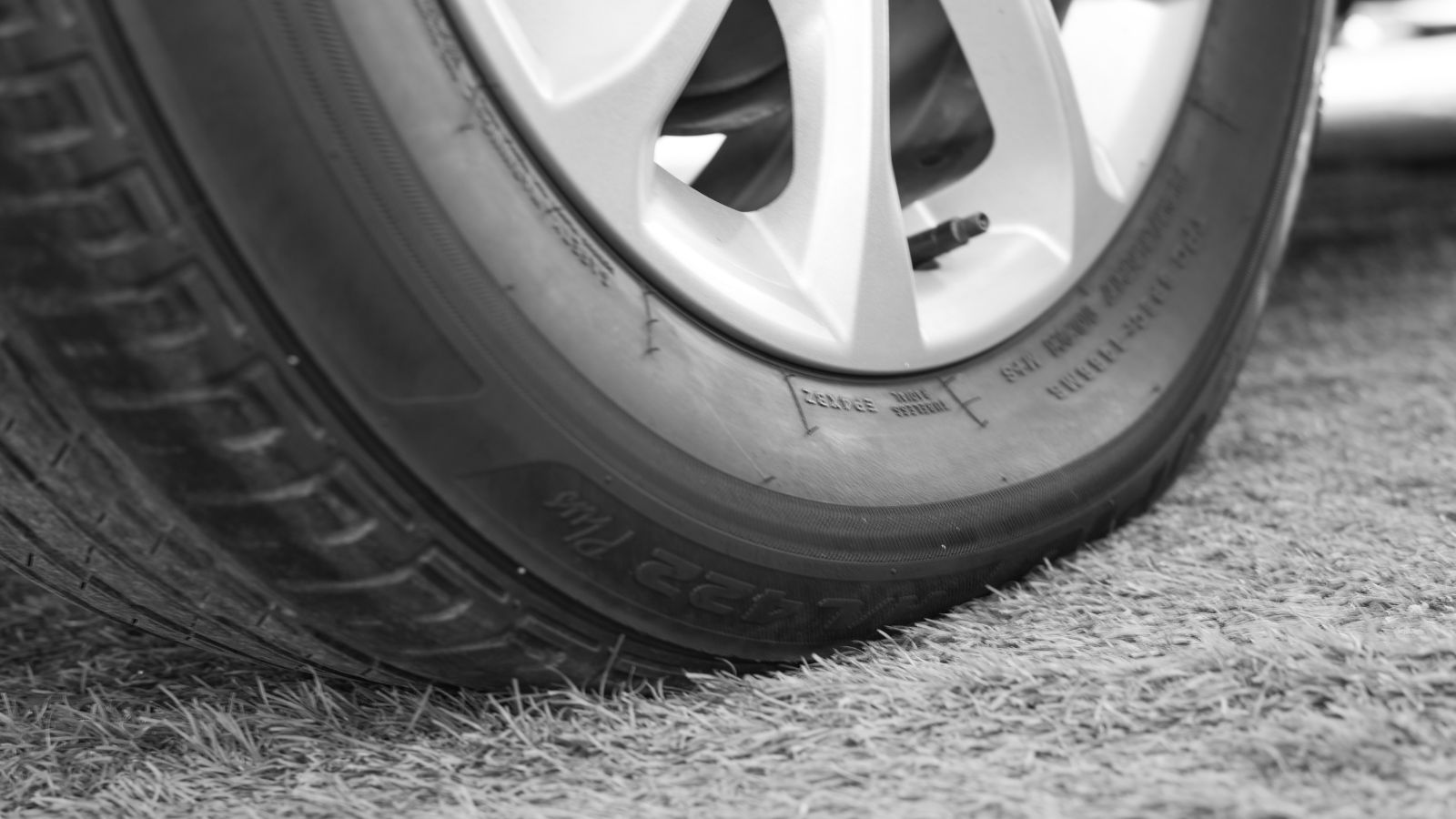
Run-flat tires provide a genuine convenience and safety advantage. After certain pressure losses, some designs can continue for as far as 80 kilometres at speeds no higher than approximately 80 km/h, depending on the manufacturer, damage, load, and driving conditions. That capability can help someone avoid stopping on a dangerous highway shoulder. However, Consumer Reports has documented complaints involving high replacement costs, firm ride quality, uneven wear in some applications, and limited availability.
The repair rules can also be stricter than many owners anticipate. Michelin advises that sidewall punctures are not repairable and that a tire driven while flat may require replacement following a professional inspection. Run-flats use reinforced structures, so switching only one tire to a conventional design could affect handling consistency. In a large Canadian city, locating the correct replacement may be manageable. In a smaller community or during holiday travel, it could require a special order. Some buyers would rather carry a spare and use conventional tires that are cheaper, repairable in more circumstances, and more widely stocked.
Electric Vehicles Can Put More Demand on Their Tires
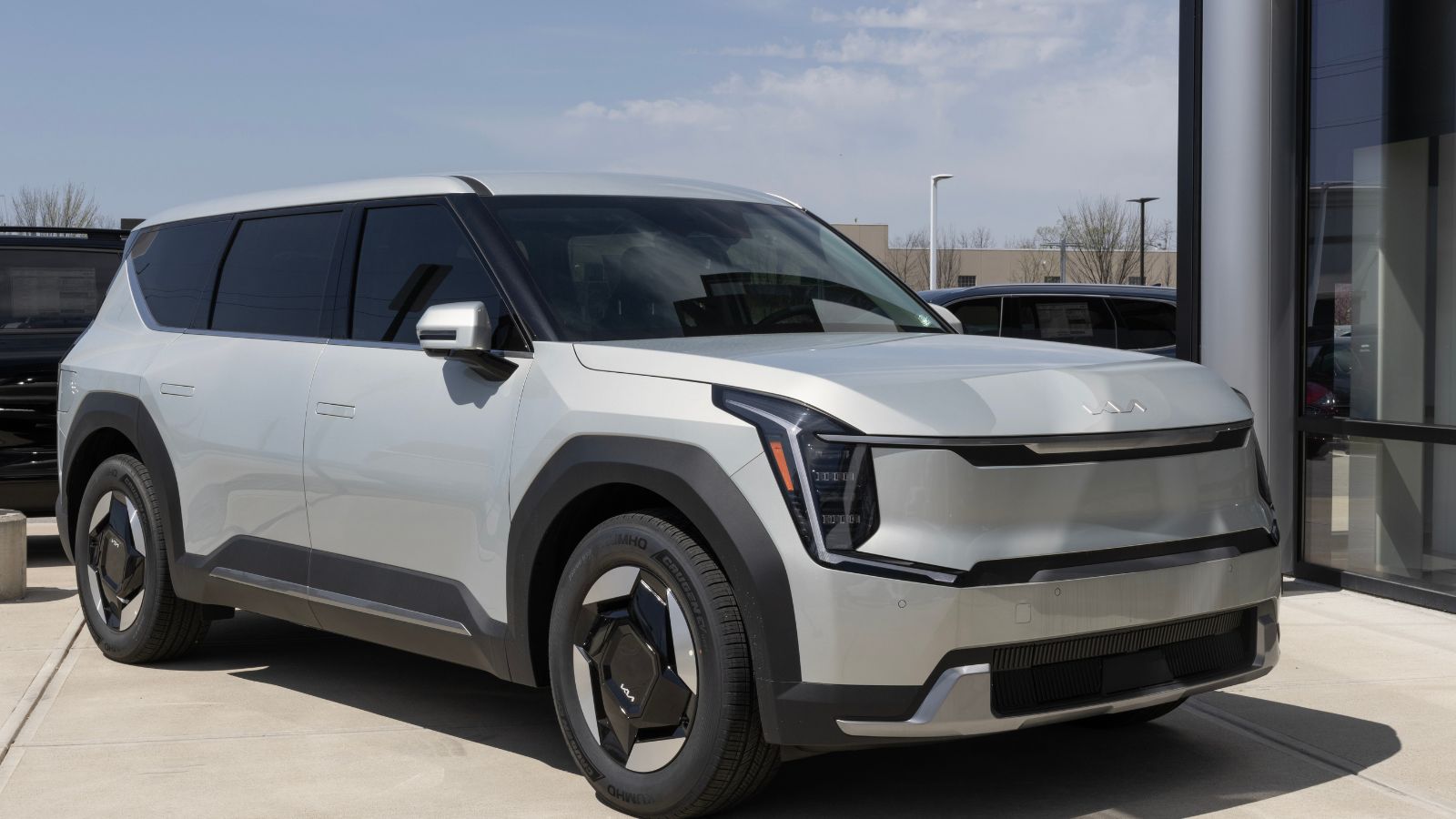
Electric vehicles eliminate many familiar engine-maintenance items, but tires remain a significant wear component. Consumer Reports and Michelin point to the combination of battery weight, high load requirements, and immediate electric-motor torque as factors that can increase tire stress. J.D. Power’s 2024 original-equipment tire study also found that EV owners reported faster wear despite having expectations similar to those of gasoline-vehicle owners.
Not every EV wears through tires unusually quickly. Driving style, alignment, inflation pressure, tire construction, climate, and vehicle weight all influence longevity. Nevertheless, an electric crossover equipped with large, specialized, low-rolling-resistance tires can create an ownership expense that was easy to overlook while concentrating on fuel savings. Quiet electric cabins can also make tire noise more noticeable, encouraging the use of specially tuned products that may cost more. For budget-conscious Canadians, an EV with common wheel dimensions and several durable replacement options can be more appealing than a higher trim with enormous wheels and maximum acceleration.
High-Performance Grip Can Come With Shorter Tread Life
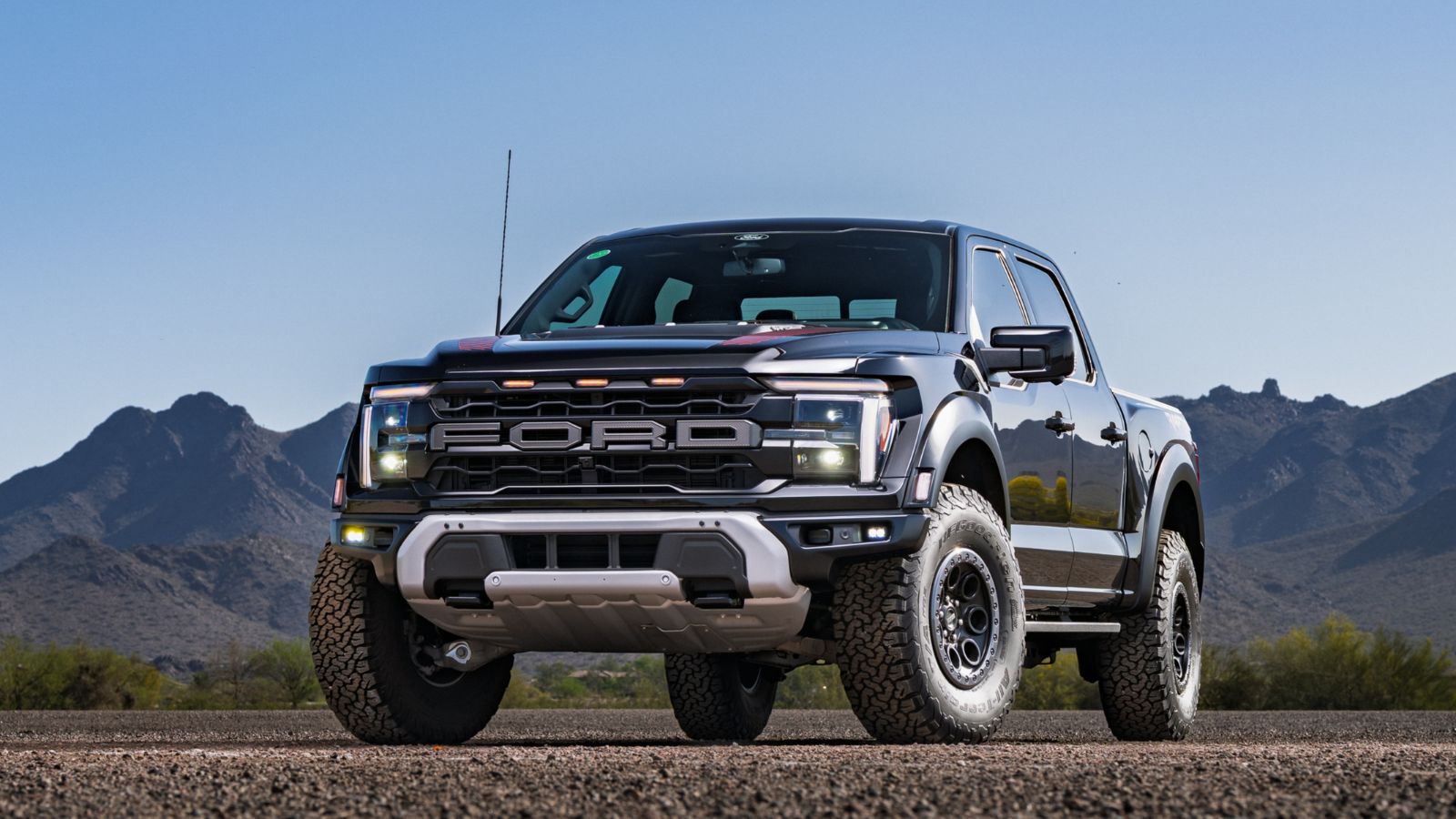
Performance tires are developed to deliver responsive steering, strong braking grip, and greater cornering capability. Their compounds and construction may prioritize traction over maximum longevity. The Uniform Tire Quality Grading system used in the United States provides comparative treadwear, traction, and temperature grades for many passenger tires, but regulators caution that treadwear grades are not guarantees of actual mileage. Roads, maintenance, climate, and driving habits can produce substantially different results.
That distinction matters when an expensive vehicle arrives on summer or ultra-high-performance tires. A buyer may assume that a premium price also guarantees exceptional durability, even though the product may have been optimized for an entirely different purpose. Repeated hard acceleration, aggressive cornering, and hot pavement can consume tread quickly. In many Canadian regions, those tires must also be removed and stored for winter, creating another set to purchase and manage. Drivers who rarely approach the vehicle’s performance limits may conclude that they are repeatedly paying for grip they seldom use.
Uncommon Sizes Can Turn a Flat Into a Travel Delay
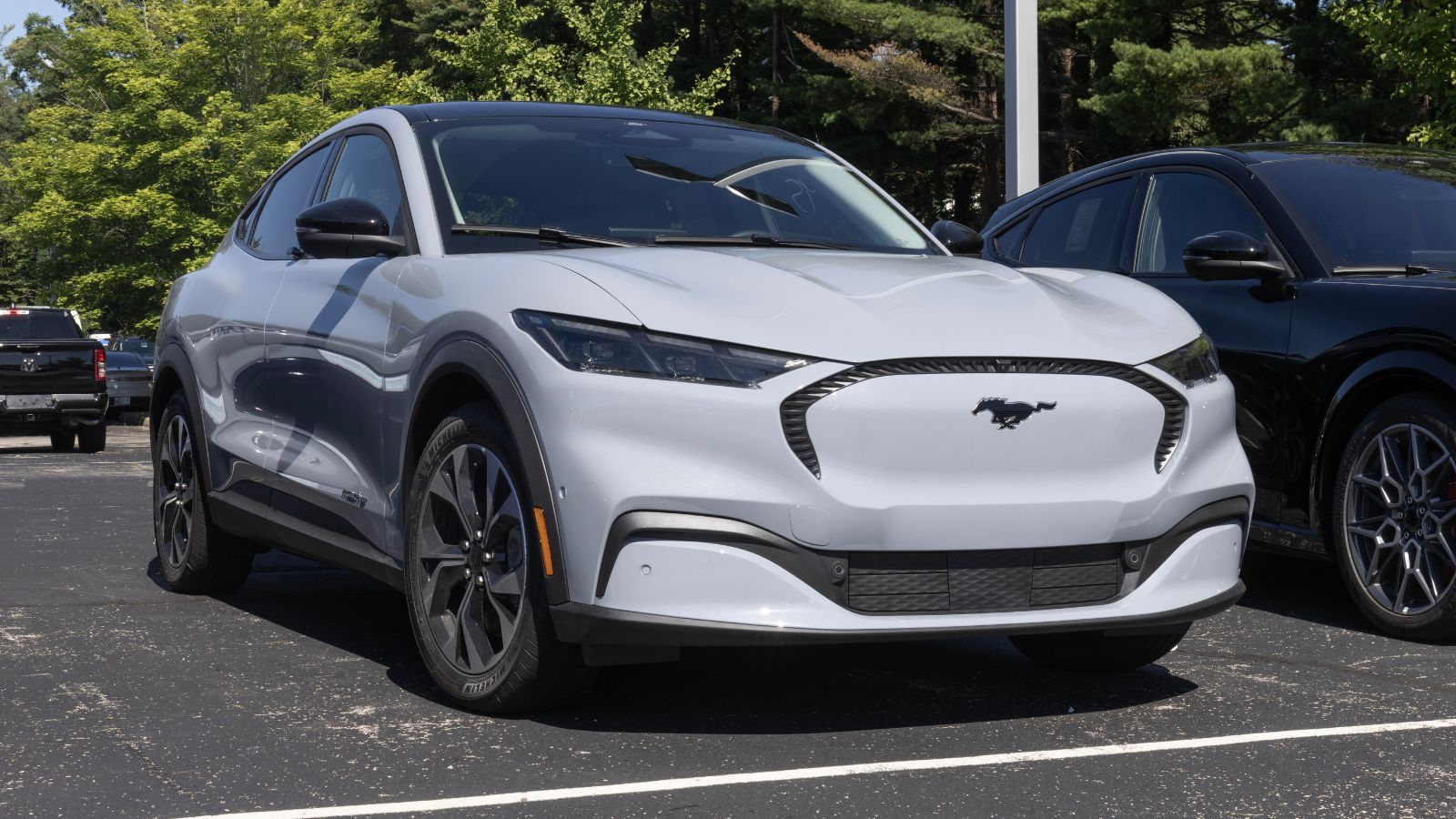
A common tire size can usually be sourced through national chains, dealerships, independent shops, and online suppliers. An unusual size might be stocked only in major centres or require a special order. Consumer Reports has warned that rare factory sizes can leave owners with very few replacement options. Run-flat construction, staggered dimensions, and high-performance specifications can narrow the field further because the correct size, load rating, speed rating, and type must still be respected.
The difference becomes obvious during travel. A driver who damages a widely used tire near a regional town may be moving again that afternoon. Someone requiring an uncommon 21-inch run-flat or specialized rear tire could face towing, an overnight stay, or several days of waiting. Canada’s long distances magnify that inconvenience, particularly on northern routes and between smaller communities. Avoiding an expensive tire package is therefore not exclusively about lowering replacement costs. It can also be a reliability decision, since common tires make it easier to return a disabled vehicle to service wherever the damage occurs.
Small Maintenance Mistakes Become More Expensive
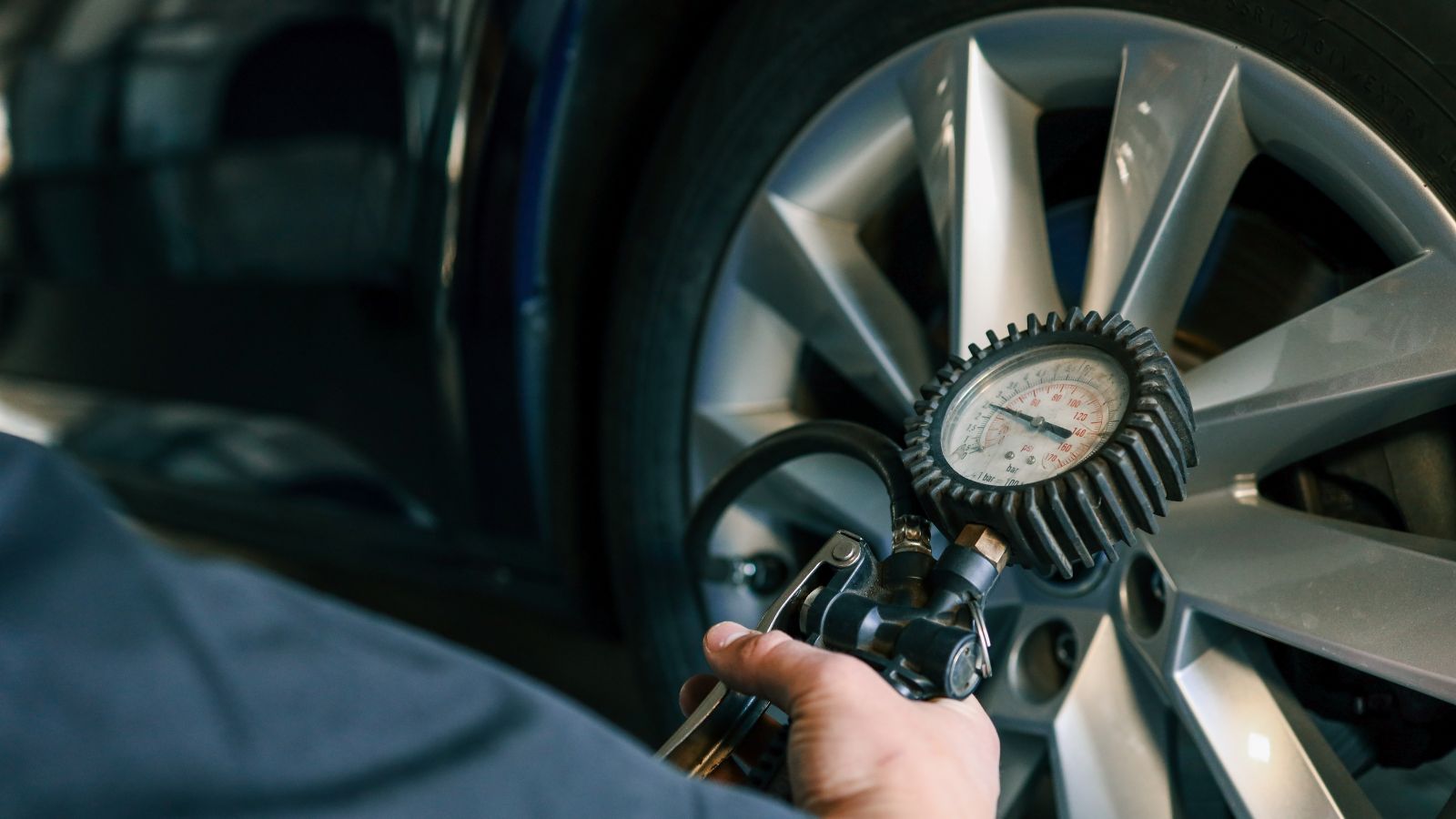
Tire pressure and alignment affect every vehicle, but neglect becomes more painful when each tire carries a premium price. Natural Resources Canada states that driving with tires underinflated by 56 kilopascals, or 8 psi, can shorten tire life by more than 10,000 kilometres and increase fuel consumption by as much as four per cent. One unnoticed pressure problem can therefore waste tread and energy simultaneously.
Pothole impacts, curb strikes, heavy loads, alignment problems, and missed rotations can also cause uneven wear before the tread is uniformly exhausted. On an inexpensive common size, early replacement is frustrating. On a specialized set, it can disrupt a household budget. Some Canadians prefer vehicles whose tires are affordable enough that routine driving does not feel like protecting a luxury item. That does not eliminate the need for monthly pressure checks, inspections, or timely alignment work. It simply reduces the financial consequences when ordinary wear, rough pavement, or an overlooked maintenance issue intervenes.
Tire Pricing Has Become Part of the Ownership Calculation
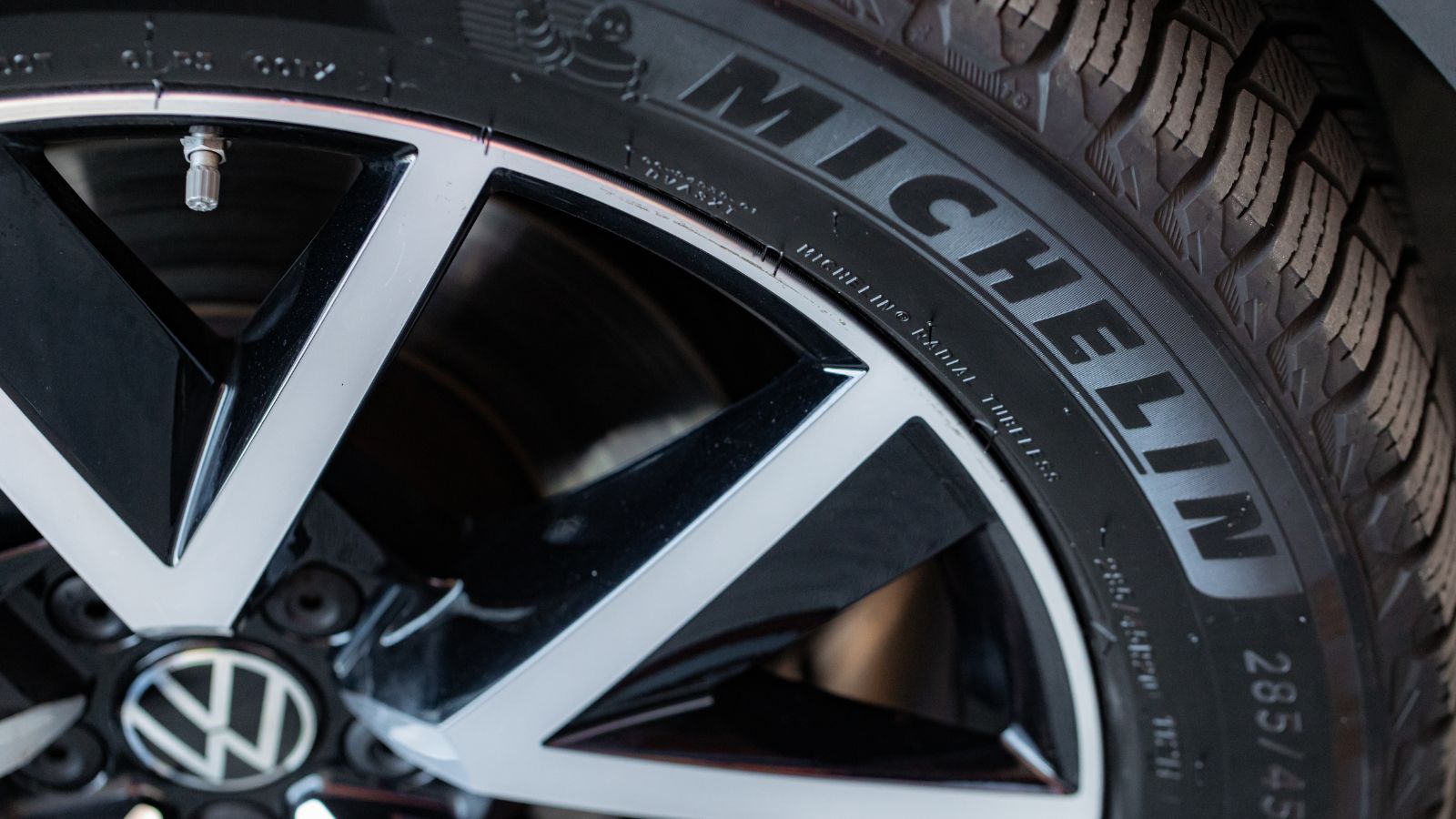
The strongest reason for avoiding expensive tires is cumulative rather than dramatic. A vehicle may require several all-season sets over a long ownership period, a separate winter package, seasonal servicing, storage, puncture repairs, and occasional early replacement following road damage. Consumer Reports advises shoppers to examine the tires already installed on a prospective vehicle because replacement cost and availability are part of the purchase, not unrelated expenses discovered years afterward.
That thinking is especially relevant while broader vehicle expenses remain elevated. Statistics Canada reported that passenger-vehicle prices increased by an annual average of 3.1 per cent in 2025, adding pressure to financing, insurance, depreciation, and maintenance budgets. Selecting a lower trim with smaller wheels can sometimes preserve the same cabin, powertrain, safety structure, and essential capability while reducing future tire exposure. For some Canadians, that is not excessive penny-pinching. It is disciplined ownership planning, based on the recognition that the most attractive vehicle may be the one that remains affordable after the showroom shine has faded.
22 Things Canadians Do to Their Cars in Spring That Mechanics Hate

Spring brings relief to many Canadian drivers after months of snow, freezing temperatures, and icy roads that put serious strain on vehicles. As temperatures rise across the country, drivers begin washing cars, switching tires, and preparing vehicles for warmer weather and upcoming road trips. However, mechanics across Canada notice the same mistakes every spring when drivers attempt to recover from winter damage. Road salt, potholes, and harsh winter driving conditions often leave vehicles with hidden problems that drivers ignore. Some spring habits even create new mechanical issues that could have been avoided with proper maintenance. Here are 22 things Canadians do to their cars in spring that mechanics hate.