

























A freshly washed vehicle can look perfectly prepared for winter, only to become inaccessible a few hours later. The problem is often not the cold alone, but moisture left around the handles, locks, door edges, and rubber seals just before temperatures fall below freezing. Water settles into narrow spaces, turns to ice, and binds parts that normally move independently.
The result may be a handle that refuses to lift, a lock that will not turn, or an entire door frozen against its weatherstripping. Twelve practical points explain how this surprisingly common mistake happens, why modern handle designs are not immune, and how careful washing, drying, prevention, and thawing can keep a routine winter morning from beginning with a broken handle or an unwanted roadside-assistance call.
The Real Mistake Is Leaving the Door Area Wet
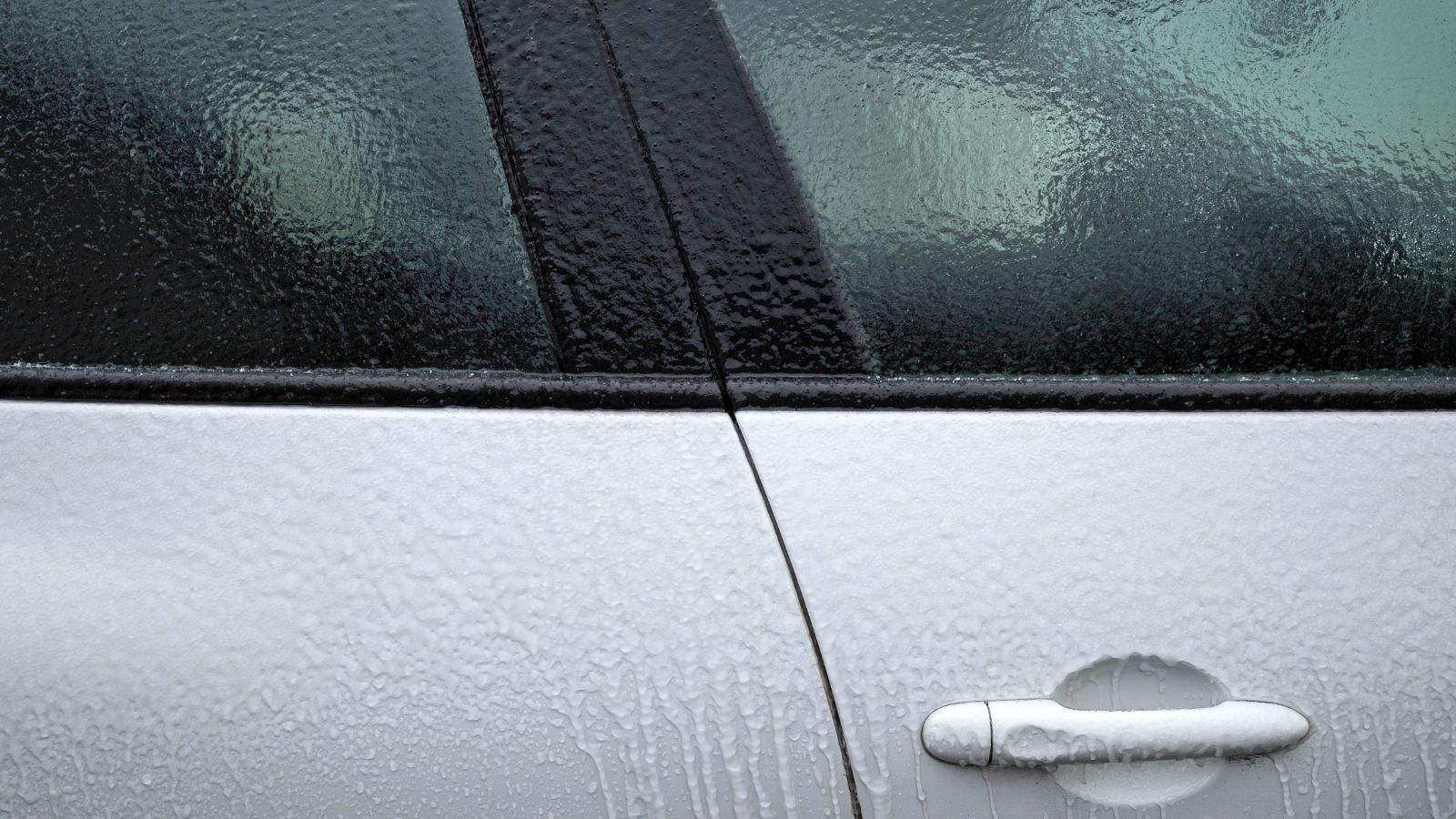
Washing a vehicle during winter is not inherently a mistake. In fact, removing road salt and grime can help protect painted panels, exposed metal, and the undercarriage. Trouble begins when the vehicle is washed shortly before a temperature drop and the water around its doors is not thoroughly removed. The body may appear dry while moisture remains behind handles, inside keyholes, beneath trim pieces, and along the rubber weatherstripping.
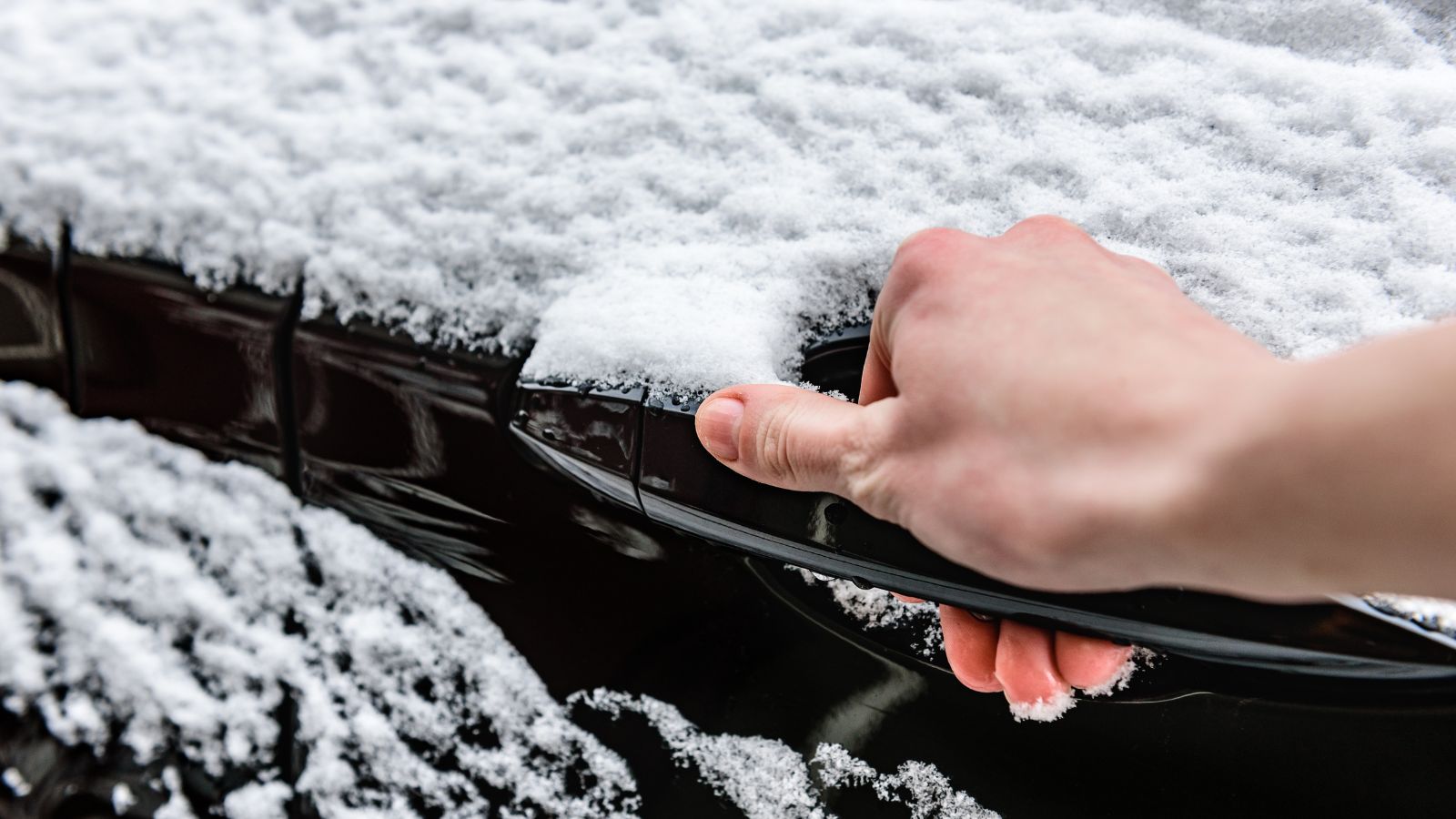
Once the vehicle is parked outside, that hidden water can freeze and connect surfaces that are supposed to move separately. A conventional pull handle may become fixed against its housing, while a flush-mounted handle can remain trapped inside the door. At the same time, wet weatherstripping may freeze to the painted door frame. A driver arriving the next morning may therefore unlock the vehicle successfully but still be unable to operate the handle or pull the door open.
A Very Small Amount of Water Can Become a Strong Obstruction
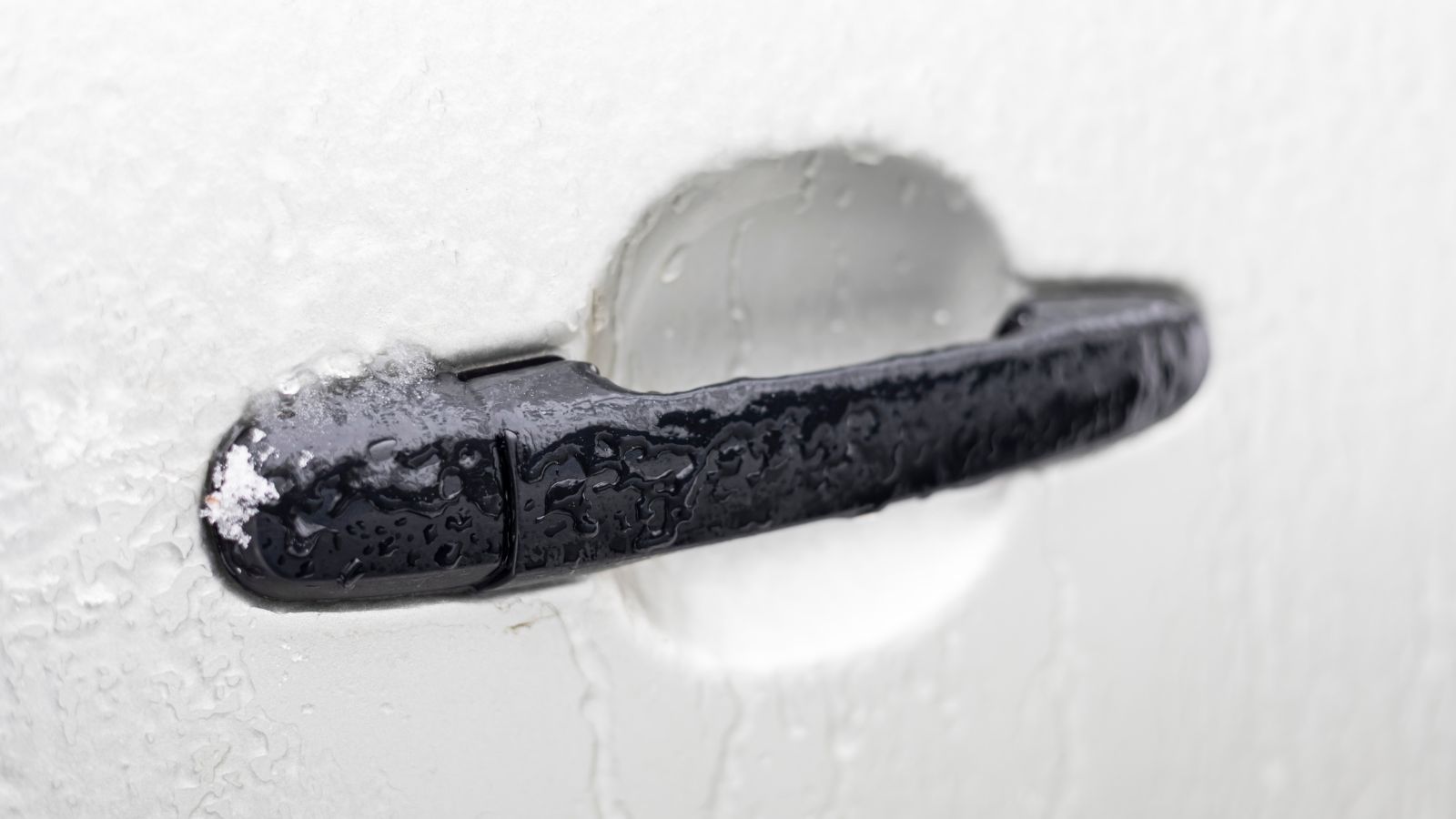
A frozen handle does not require a large block of visible ice. Water naturally flows into seams and narrow gaps, including the space between a handle and its surrounding housing. As it freezes, liquid water forms a less dense crystalline structure. The density of ice is roughly nine percent lower than that of liquid water, which helps explain why freezing moisture can press against the confined surfaces around a moving component.
The ice also acts as an adhesive bridge. It can join a handle to its housing or bond a rubber seal to the metal around the door opening. Because the space is narrow, the obstruction may be almost invisible from outside. The handle simply feels unusually stiff. Pulling harder does not remove the underlying ice; it transfers additional force into plastic pivots, painted components, cables, or electronic mechanisms that were designed for ordinary operation rather than breaking a frozen bond.
Car-Wash Timing Matters More Than Many Drivers Realize
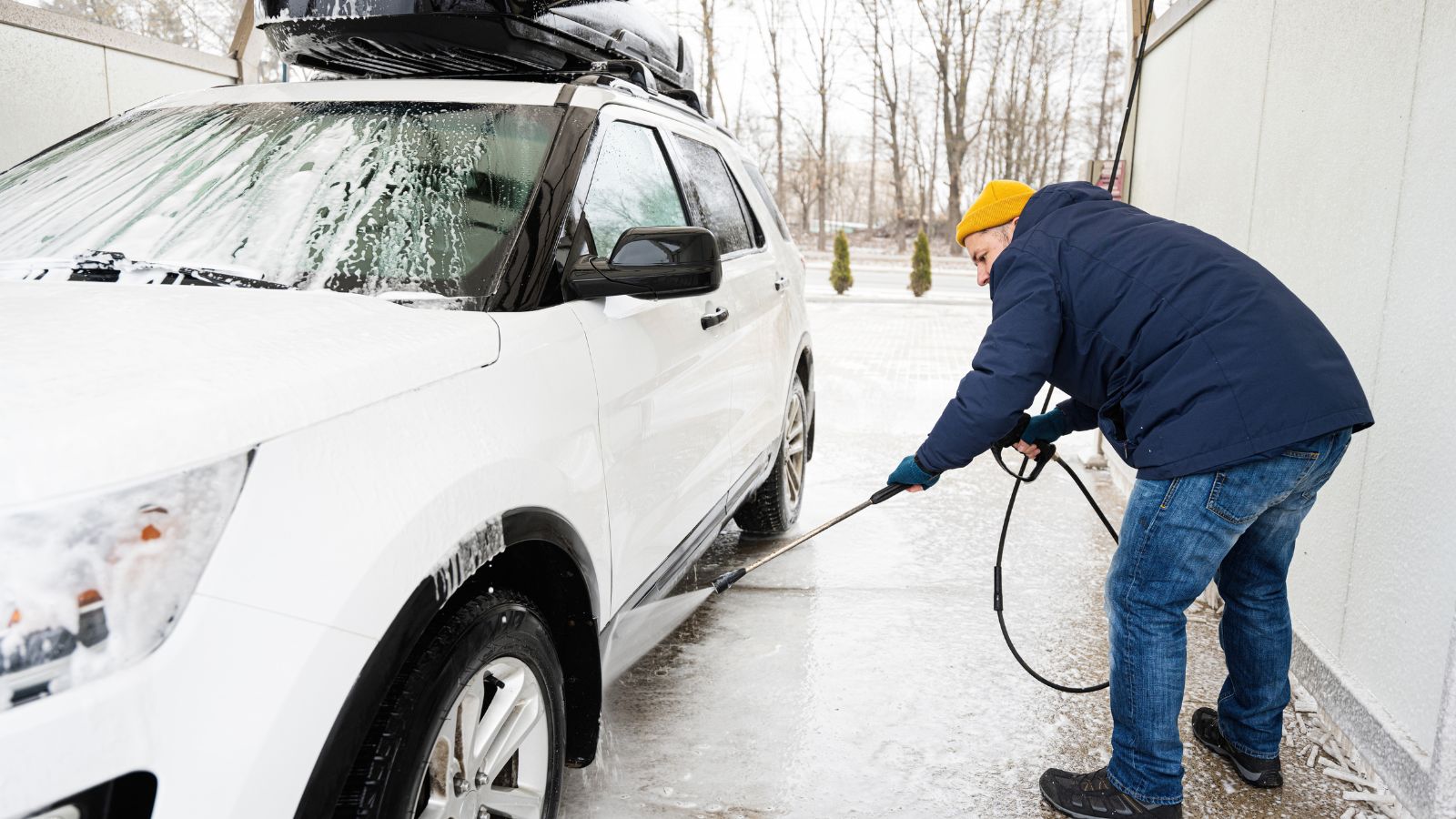
The safest winter washing window is generally during the warmer portion of the day, ideally when temperatures are above freezing and expected to remain there long enough for residual water to evaporate or be removed. Washing near sunset can be riskier because the temperature may fall quickly after the vehicle leaves the wash bay. A door that operates normally at 2 p.m. can be frozen several hours later.
This is especially important when a mild afternoon is expected to give way to a sharp overnight freeze. Automated dryers remove much of the water from exterior panels, but they may not fully dry recessed handles, key cylinders, weatherstripping, and the lower edges of doors. After a winter wash, opening every passenger door and the liftgate creates an opportunity to wipe hidden moisture away. A few minutes of drying can prevent the inconvenience of discovering that every commonly used entrance has frozen shut.
The Handle May Not Be the Part Holding the Door Closed
Drivers often assume a frozen door must have an immobilized handle. Sometimes the handle works perfectly, the latch releases, and the door still refuses to move. In that situation, the rubber gasket around the door may have frozen to the body. Melted snow, freezing rain, or wash water can remain on the gasket and form a continuous strip of ice when the vehicle is parked.
This distinction matters because pulling harder on the handle may accomplish nothing. The resistance is distributed around the entire door opening rather than concentrated inside the handle. A vehicle may even produce its normal unlocking sound, making the problem appear mechanical or electrical when it is simply frozen weatherstripping. Testing another door can help identify the difference. If a less frequently used rear door opens, the cabin can sometimes be accessed without forcing the affected handle while the heating system gradually warms the frozen door from inside.
Modern Handles Can Freeze in More Than One Position
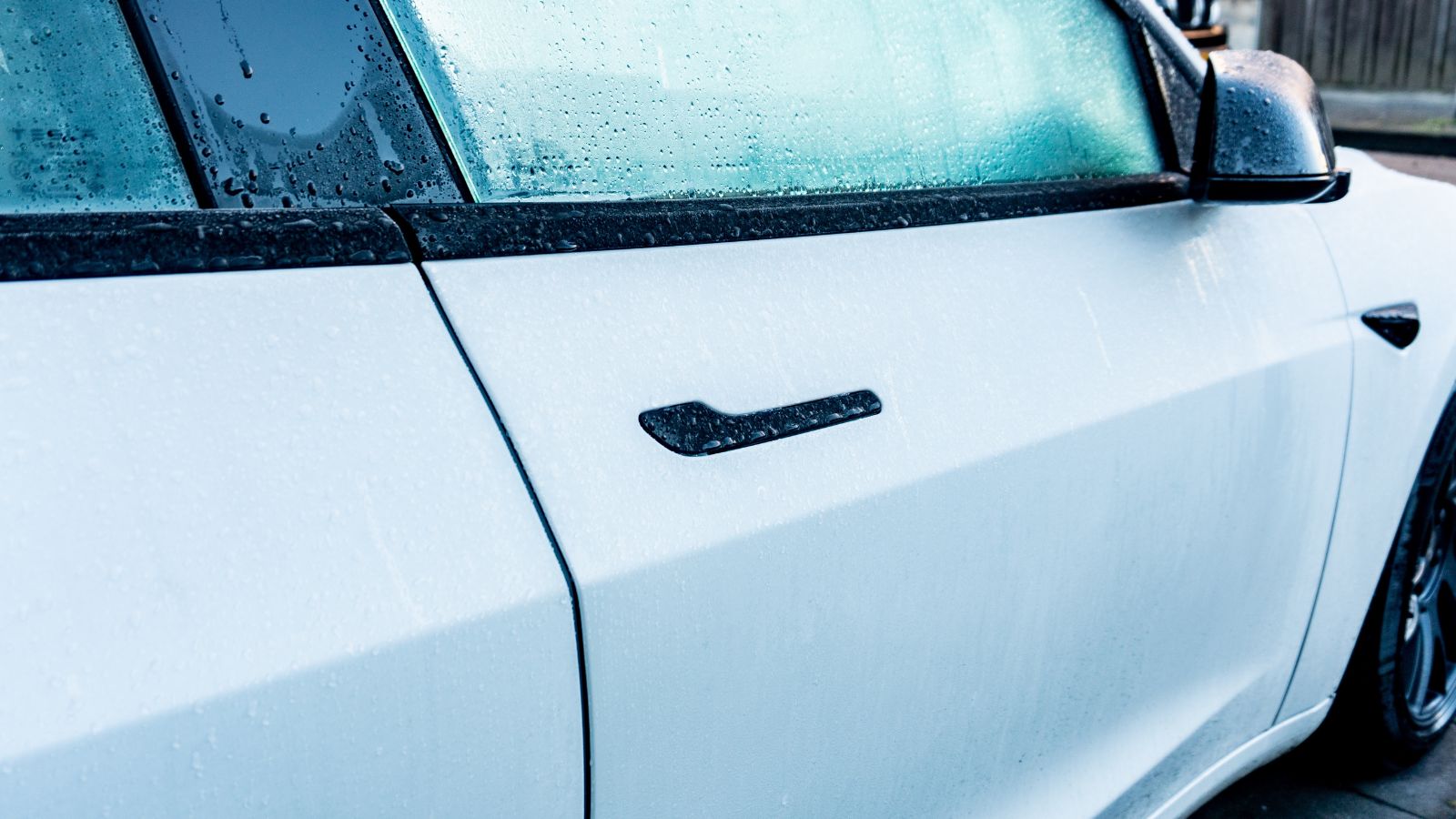
Traditional handles usually protrude from the door, making external ice relatively easy to see. Modern vehicles increasingly use handles that sit nearly flush with the body, extend electronically, pivot at one end, or present themselves when the driver approaches. These designs can reduce aerodynamic drag and create a cleaner appearance, but they still contain moving joints and small clearances where water or slush can freeze.
Manufacturers acknowledge that cold and wet conditions can interfere with door handles, locks, and related mechanisms. Some provide model-specific instructions for gently tapping or pressing a particular part of the handle to break accumulated ice. Those instructions should be followed carefully because the correct motion differs between designs. A technique that works on a conventional mechanical handle may be unsuitable for an electrically presented one. The owner’s manual is therefore more useful than guesswork, especially when the handle appears partly extended, uneven, or trapped beneath a layer of ice.
Drying the Visible Paint Is Not Enough
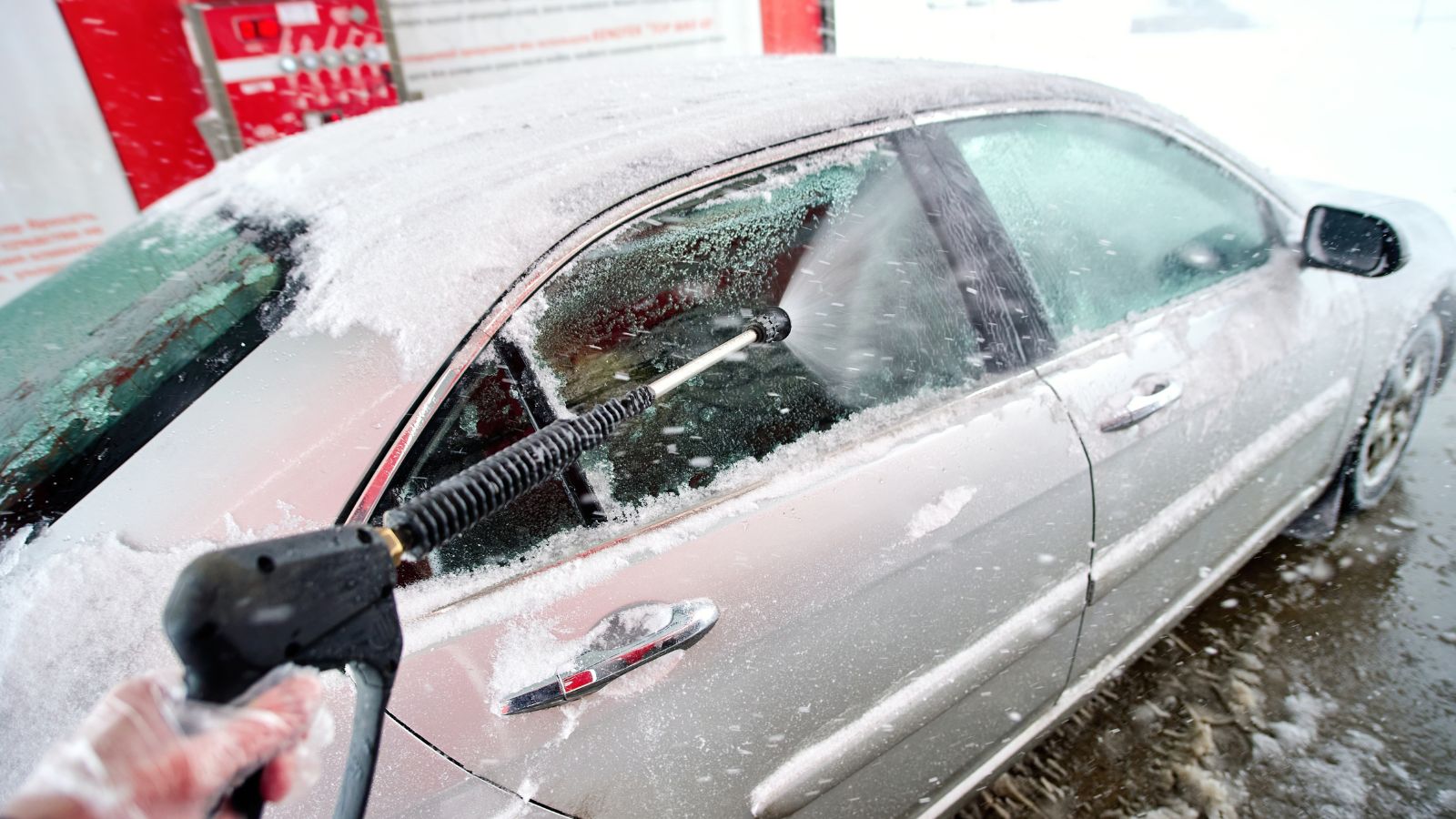
After a winter wash, attention usually goes to the hood, roof, windows, and large painted panels. Those areas are visually prominent, but they are not necessarily where freezing causes the greatest inconvenience. The priority areas should include the underside of every handle, the seam surrounding the handle housing, each keyhole, the door-latch area, the rubber gasket, and the painted surface against which the gasket closes.
A clean microfibre cloth can absorb water from the seals and door jambs without leaving abrasive debris behind. Each door should be opened, wiped, closed, and opened once more to confirm that it is moving freely. The liftgate and fuel-filler door also deserve attention because they contain similar gaps and seals. On vehicles with frameless windows, the glass edge should be checked as well, since some doors depend on the window dropping slightly before opening. Drying these overlooked areas is what separates a winter-safe wash from a frozen morning surprise.
A Suitable Seal Treatment Adds Another Layer of Protection

Clean, dry rubber weatherstripping is less likely to freeze than a gasket covered with moisture and winter grime. Automotive organizations commonly recommend applying an appropriate silicone-based product to door seals because it can help displace moisture and reduce sticking. The treatment should be applied sparingly with a cloth rather than sprayed indiscriminately across paint, glass, upholstery, or braking surfaces.
Product compatibility still matters. Vehicle manufacturers may specify particular lubricants or prohibit substances that can discolor trim, attract dirt, or degrade certain rubber compounds. The owner’s manual should take priority over generic advice. Before application, the seal should be cleaned and allowed to dry; coating a wet or dirty gasket can trap contaminants instead of solving the problem. Periodic treatment before the coldest weather is usually more effective than trying to apply a product after the door has already frozen. Prevention also avoids placing unnecessary strain on handles and latch mechanisms.
Handle Ice and Lock Ice Require Different Responses
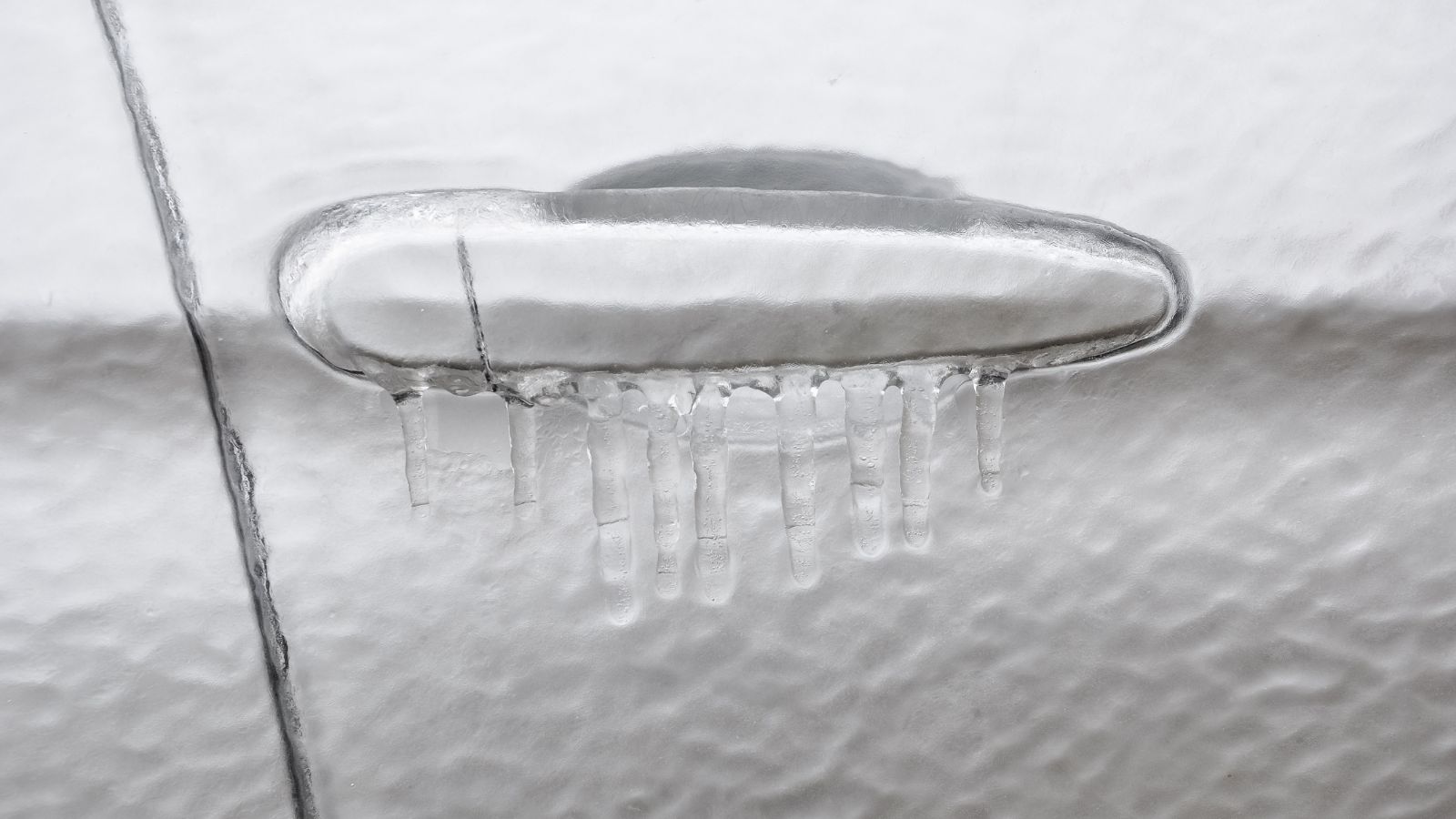
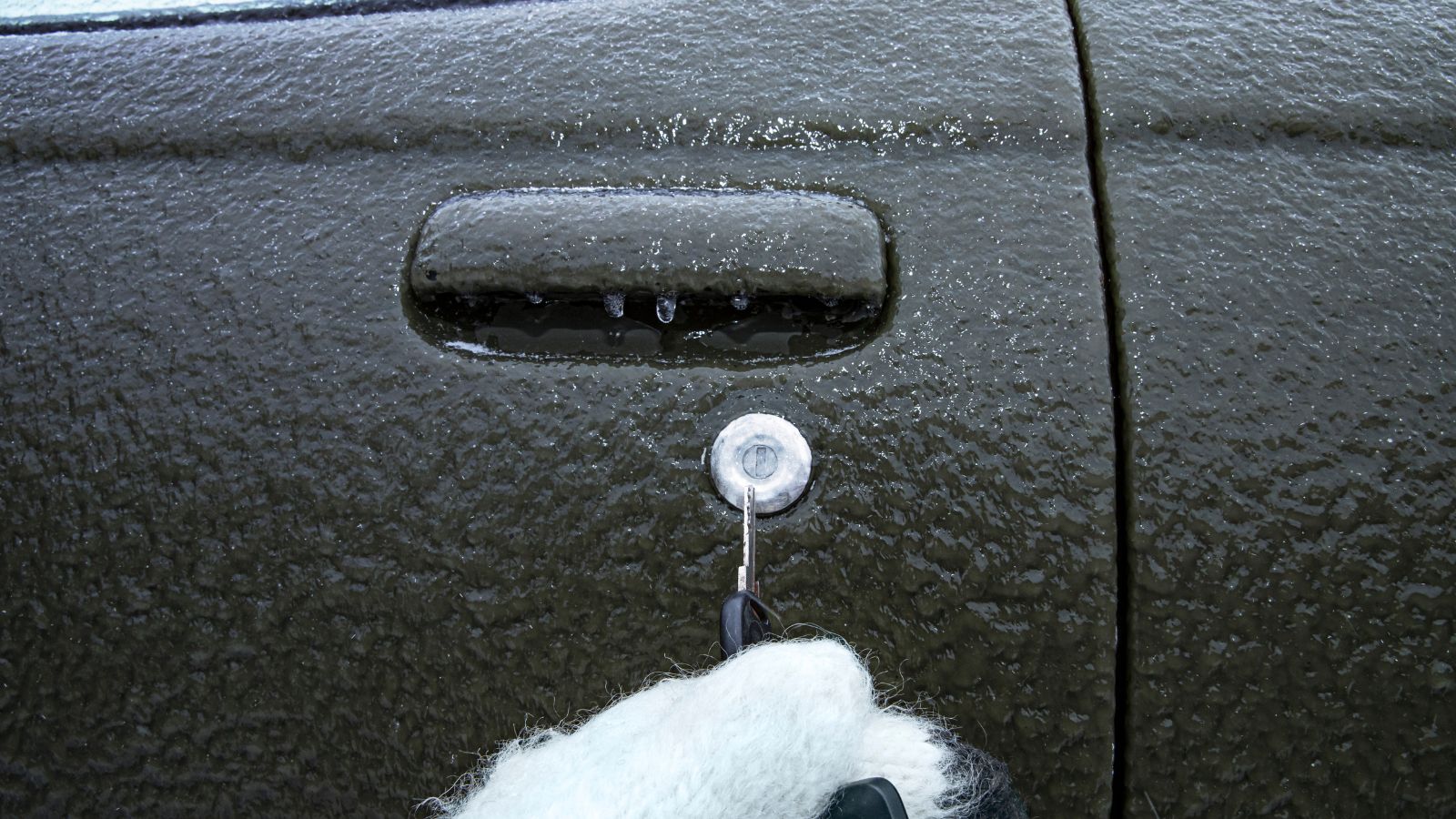
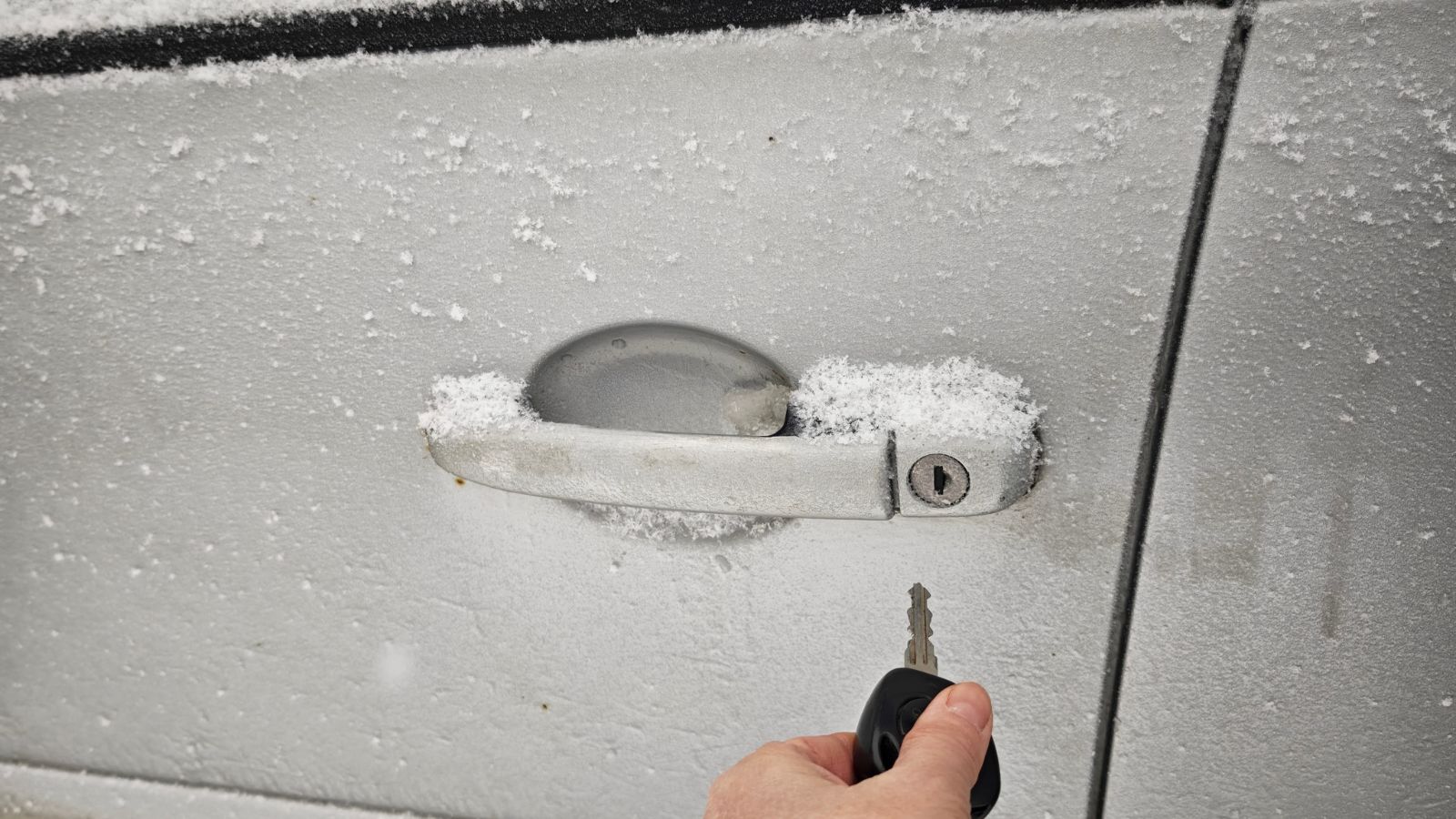
A door handle can be frozen even though the vehicle has unlocked electronically. Conversely, a physical key cylinder may be frozen while the handle and door seal remain free. Recognizing which component is affected prevents the wrong remedy from being used. Approved lock de-icer is intended for a frozen key cylinder, whereas brushing, gentle tapping, controlled warming, or manufacturer-specific movements may be more appropriate for an iced handle.
CAA recommends keeping lock de-icer with the driver rather than inside the vehicle, where it becomes useless when the doors cannot be opened. That small detail has rescued many winter mornings. Drivers of keyless vehicles should not assume the product has no value because a concealed mechanical key cylinder may still be provided for emergencies. Radiator antifreeze should never be substituted for an approved de-icing product. A properly labelled automotive de-icer is formulated for the task and is less likely to create an additional maintenance or surface-contamination problem.
Pulling Harder Can Turn Ice Into a Repair Bill
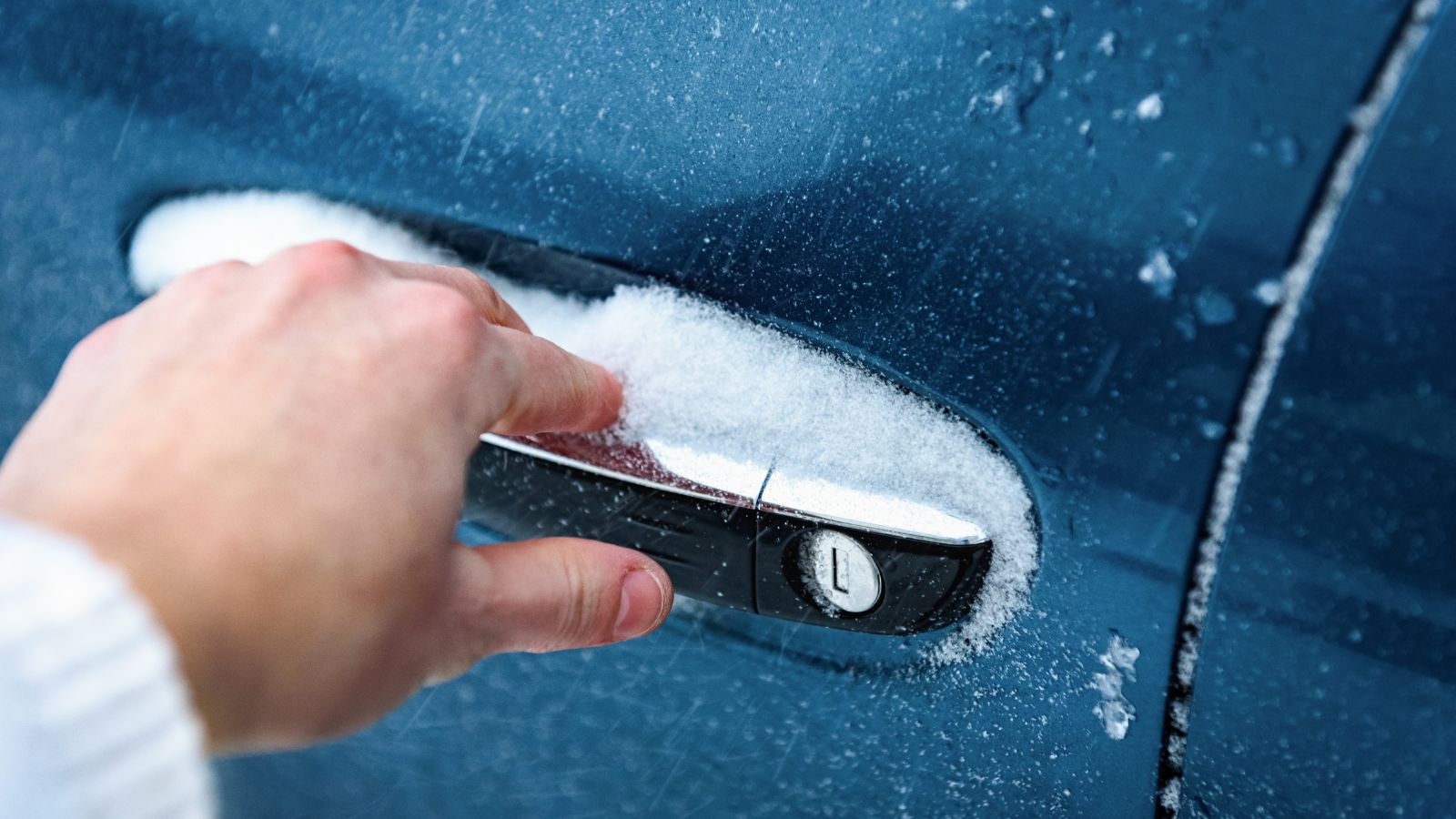
A frozen handle often creates the impression that one determined pull will break the ice loose. That approach can break the handle instead. Exterior handles may contain plastic supports, pivots, return springs, cables, sensors, wiring, or small electric motors. These components can manage thousands of normal opening cycles but may not tolerate a sudden, high-force pull against solid ice.
The safer first step is to stop when the handle feels abnormally rigid. Loose snow should be brushed away, and visible ice can be gently broken according to the vehicle manufacturer’s instructions. Some manufacturers recommend carefully tapping the handle with the lower part of a fist or pressing a specific end of a flush handle. The technique should be controlled rather than forceful. Sharp tools, screwdrivers, and metal scrapers can chip paint, scratch trim, puncture seals, or damage touch-sensitive surfaces. When uncertainty remains, patience is considerably cheaper than replacing a colour-matched or electronically equipped handle assembly.
Hot Water Can Create a Second Freeze
Pouring hot water over a frozen handle may produce an immediate and satisfying result, but it introduces new risks. Sudden temperature changes can stress cold glass and nearby materials, particularly when very hot or boiling water reaches a window. The newly added water can also run deeper into the handle, lock, door seam, or weatherstripping and freeze again after the temporary warmth disappears.
That second freeze may be worse than the first because the water has reached spaces that were previously dry. Automotive organizations commonly favour a purpose-made de-icer, gradual warming, or model-specific mechanical ice-removal techniques instead. When water is used under guidance that permits it, it should never be boiling, and the treated area must be dried immediately. Even then, de-icer and controlled warming are generally more practical. The objective is not merely to open the door once; it is to remove or displace the moisture so the same door does not freeze shut again minutes later.
Gentle Heat and an Alternate Entrance Are Safer Options
When available, remote climate preconditioning can gradually warm the cabin and the inner surface of the doors before anyone touches the handles. It may not instantly melt thick exterior ice, but it can reduce the frozen bond around seals and moving parts. Some electric and newer connected vehicles allow a door or climate system to be operated through a mobile application, although the exact capabilities vary by model.
Vehicles without remote preconditioning still offer alternatives. Trying every passenger door and the liftgate may reveal an entrance that received less water or sunlight. Once inside, the heater can be used to warm the affected area gradually. Manufacturers also describe indirect warming, including warmth from a hand, for some frozen handles or keyholes. Any portable heat source must be used cautiously, away from paint damage, flammable products, and concentrated heat that could deform plastic. Slow, controlled thawing is safer than an open flame, boiling water, or aggressive pulling.
A Five-Minute Post-Wash Routine Can Prevent the Problem
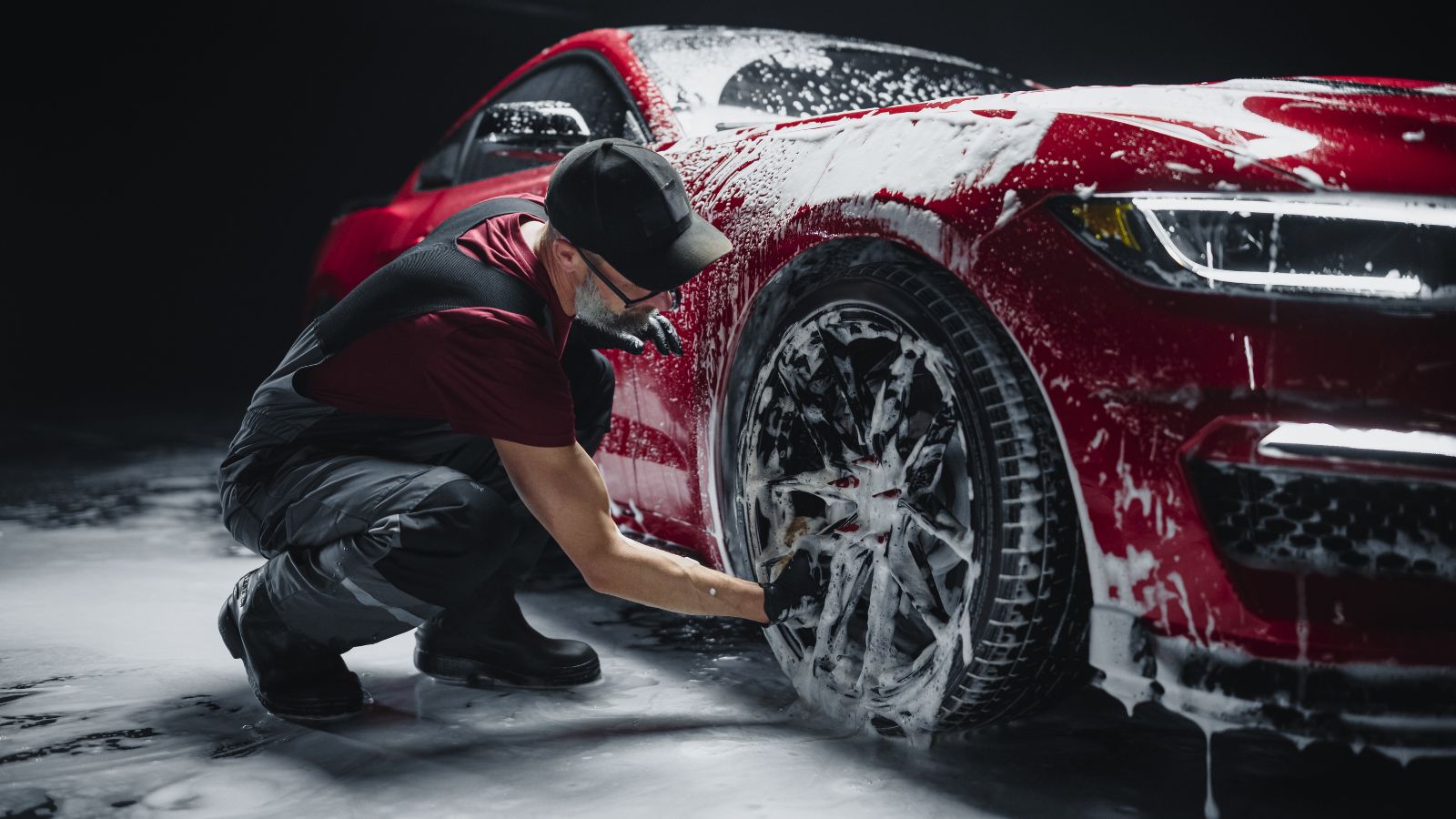
A practical routine begins before the wash. Check the forecast, choose the warmest available part of the day, and avoid washing immediately before a rapid freeze whenever possible. Afterward, open every door, wipe the handles and surrounding seams, dry the rubber gaskets, inspect the latch areas, and operate each handle several times. The liftgate, fuel door, and concealed key cylinder should receive the same attention.
An approved seal treatment and a lock de-icer kept outside the vehicle complete the basic preparation. Repeated freezing despite careful drying may justify inspecting the weatherstripping, handle movement, drains, and latch mechanism for damage or trapped moisture. A technician can determine whether a seal has become loose, torn, or distorted or whether a handle mechanism is no longer returning normally. Winter car washing remains valuable, especially where corrosive road salt is used. The essential lesson is simple: the wash is not finished until the door openings and moving components are dry.
22 Things Canadians Do to Their Cars in Spring That Mechanics Hate

Spring brings relief to many Canadian drivers after months of snow, freezing temperatures, and icy roads that put serious strain on vehicles. As temperatures rise across the country, drivers begin washing cars, switching tires, and preparing vehicles for warmer weather and upcoming road trips. However, mechanics across Canada notice the same mistakes every spring when drivers attempt to recover from winter damage. Road salt, potholes, and harsh winter driving conditions often leave vehicles with hidden problems that drivers ignore. Some spring habits even create new mechanical issues that could have been avoided with proper maintenance. Here are 22 things Canadians do to their cars in spring that mechanics hate.