

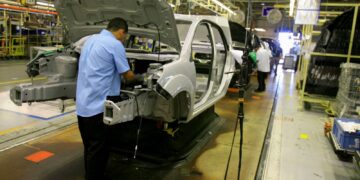























Automatic car washes are built around convenience, and the upgrade menu often makes a few extra dollars sound like a small price for lasting protection. One of the most common choices is spray-on wax, sometimes marketed as clear-coat protectant, hot wax, polymer shield, or even a ceramic-style finish. The treatment can make a freshly washed vehicle look glossier and help water move off the surface, but its value is easy to overestimate. These 12 points explain what the add-on actually does, why its benefits may fade quickly, how repeated charges add up, and when paying for it can still be reasonable.
It Is Not the Same as a Proper Wax Job
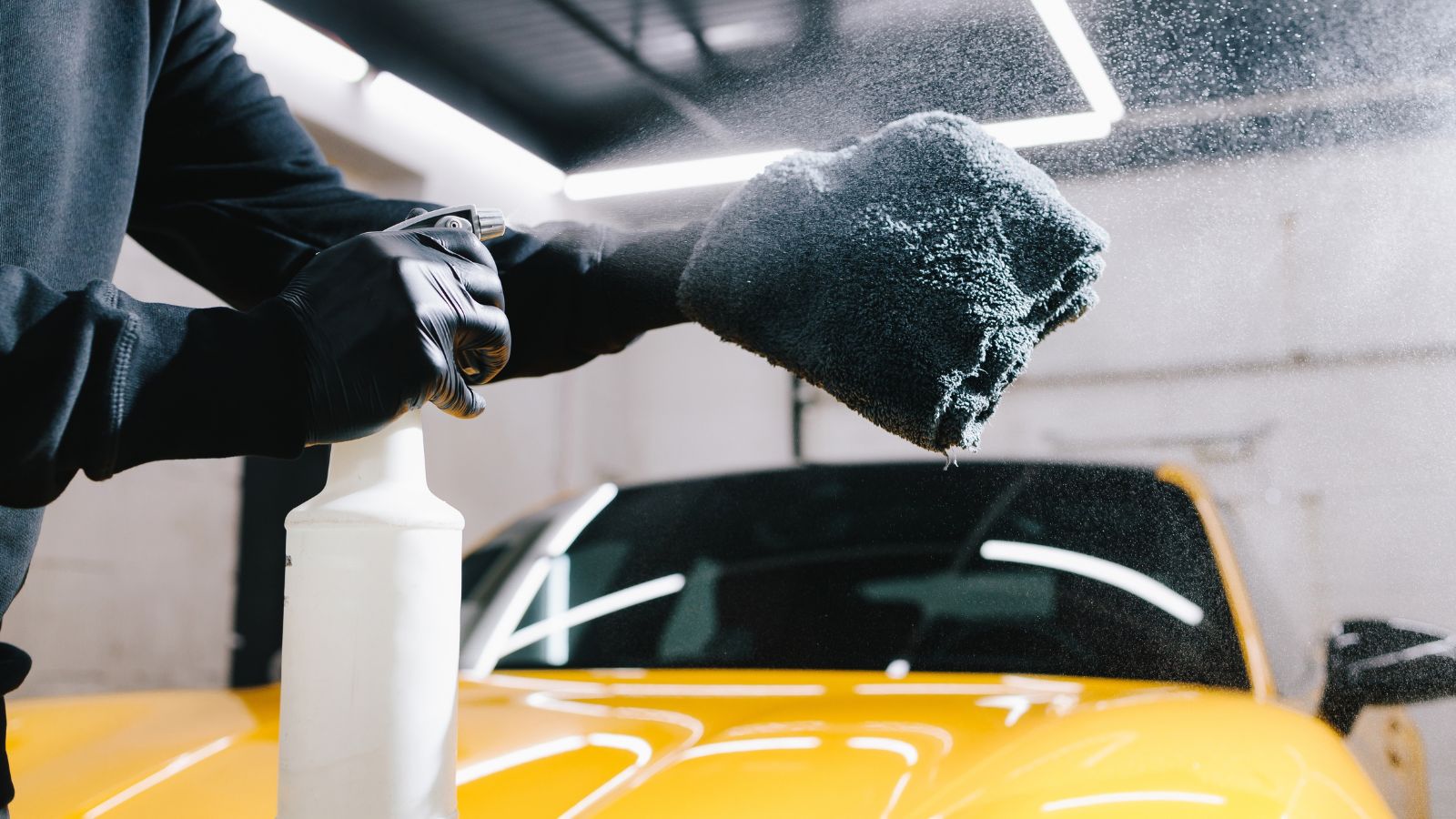
The word “wax” creates an image of a carefully detailed vehicle: clean paint, an even coat applied panel by panel, a brief curing period, and a final buff with a microfiber towel. The automatic-wash version is far simpler. It is usually a diluted spray protectant delivered near the end of the wash, often while the vehicle is still wet. Its main jobs are to improve gloss, encourage water to bead or sheet, and assist the drying stage.
That does not make the product useless, but it places it in a different category. Consumer Reports has described automatic spray wax as offering primarily cosmetic benefits, while Meguiar’s identifies spray waxes as convenient booster products and says liquid or paste wax generally provides the strongest protection. A commuter may notice a brighter finish in the parking lot immediately afterward, yet that result should not be confused with a hand-applied protective layer designed to remain on the paint through repeated weather exposure and washing.
Surface Preparation Is Mostly Missing
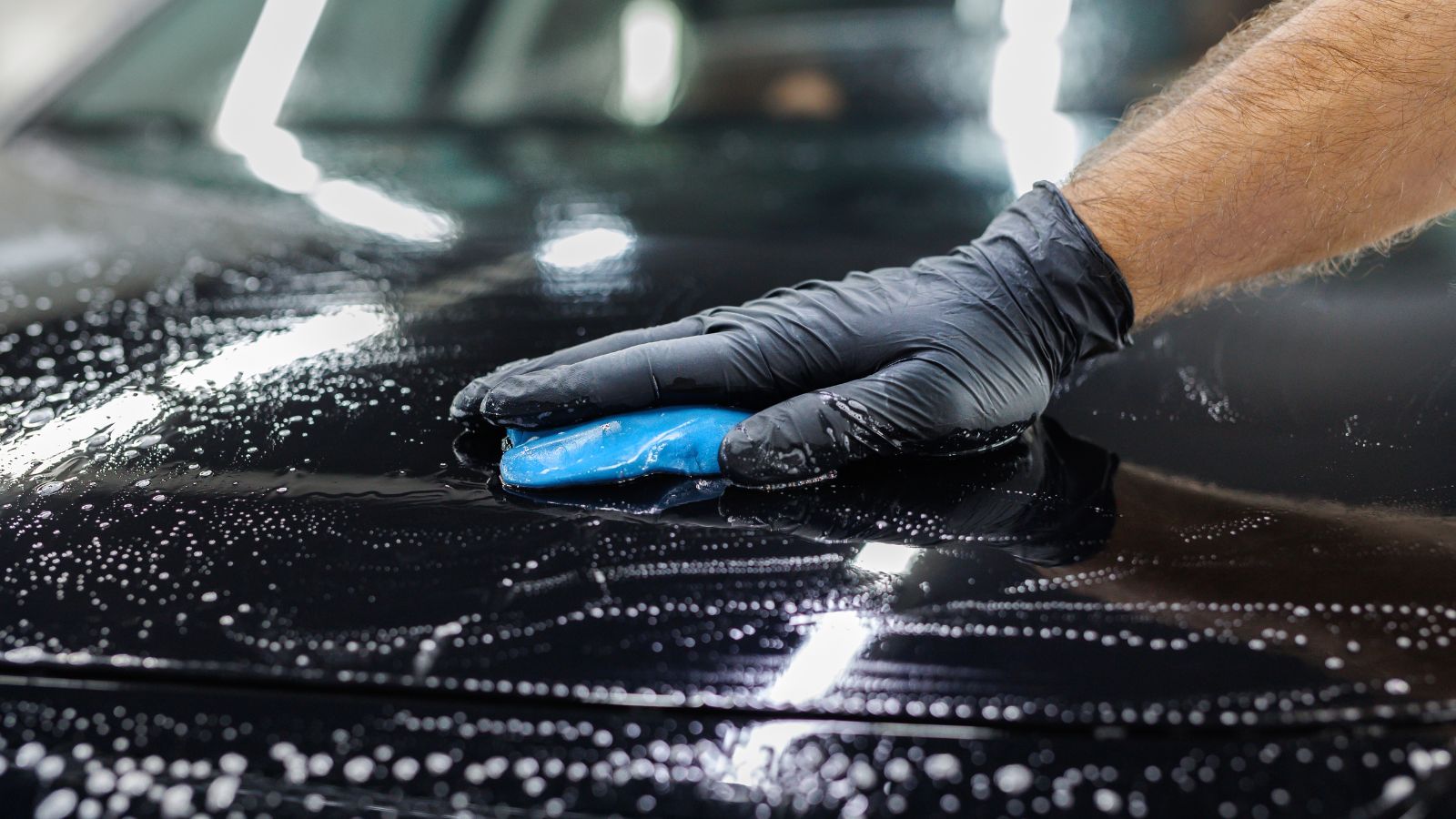
Longer-lasting paint protection depends heavily on what happens before the product is applied. Car-care guidance commonly recommends washing and drying the vehicle thoroughly, checking whether the paint feels rough, and removing bonded contamination when necessary. Professional-grade ceramic products may call for even more preparation, including clay treatment, compounding, polishing, and careful panel wiping so the coating can bond consistently.
A tunnel wash has neither the time nor the inspection process for that level of preparation. The vehicle may be cleaner than when it entered, but traces of road film, minerals, old product, insect residue, or embedded contamination can remain. Imagine spraying furniture polish over a table that has been quickly wiped but still feels gritty in places: some shine may appear, but the finish will not be uniform. The same limitation affects spray-on car-wash wax. A clean-looking surface is not always a properly prepared surface, and the difference matters most when durability is the reason for paying extra.
The Product Has Only Seconds to Work
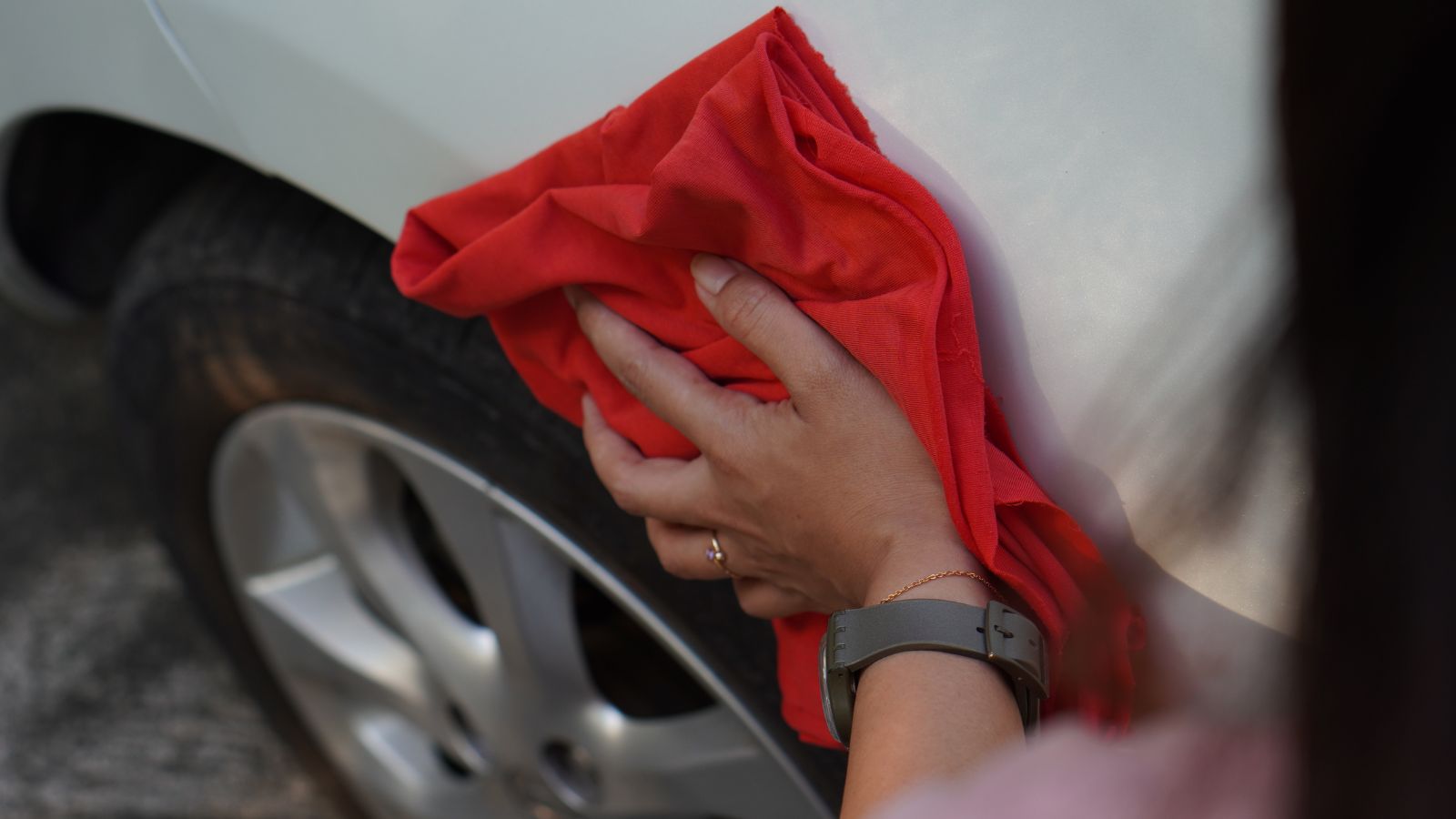
Traditional waxes and sealants are usually spread deliberately so every painted panel receives a thin, even layer. Some products must haze, flash, cure, or be wiped with a second towel. Even modern spray-and-rinse formulas sold for home use include specific directions on coverage, rinsing, drying, and application conditions. Those steps exist because chemistry performs better when the amount, surface condition, and removal process are controlled.
Inside an automatic wash, the protectant may be sprayed as the vehicle moves beneath an arch, followed shortly by rinsing, drying agents, or forced air. Coverage can vary with nozzle condition, vehicle shape, speed, water flow, and how the wash equipment is maintained. A tall SUV’s rear hatch, a pickup’s bed sides, and the complex surfaces around mirrors or spoilers may not receive identical exposure. The process is excellent for speed, but speed is also the reason it cannot duplicate the deliberate application of a wax or sealant performed one section at a time.
Much of the Appeal Is Immediate Shine
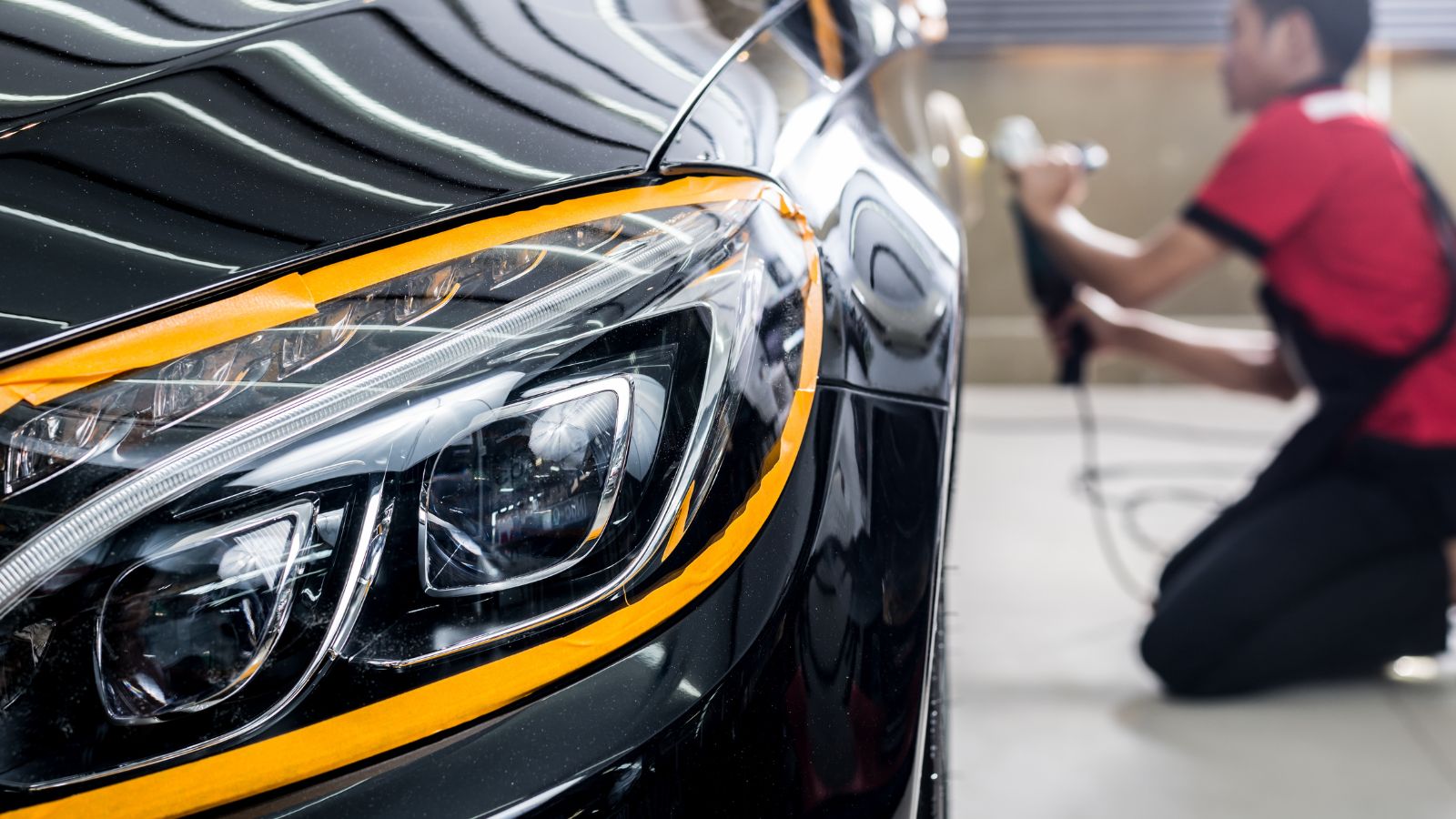
Spray wax can produce a visible improvement, especially on darker paint that has just been washed. Silicone- or polymer-based ingredients can increase slickness and reflectivity, while a clean surface naturally looks richer because dust and road film no longer scatter light. The combination can create a convincing “just detailed” effect as the car exits the tunnel, even when the protective layer itself is thin.
That immediate transformation is part of what makes the upgrade easy to sell. A driver sees the foam, coloured lights, and water beading, then notices a shinier hood under the station canopy. The result is real, but the source of the improvement is shared among washing, rinsing, drying, and the protectant. Consumer Reports notes that spray wax can freshen a vehicle’s appearance, while also observing that wax does not truly increase the underlying shine of a newer finish that is already in good condition. The add-on may enhance presentation without meaningfully changing the paint beneath it.
Water Beading Can Be Misleading
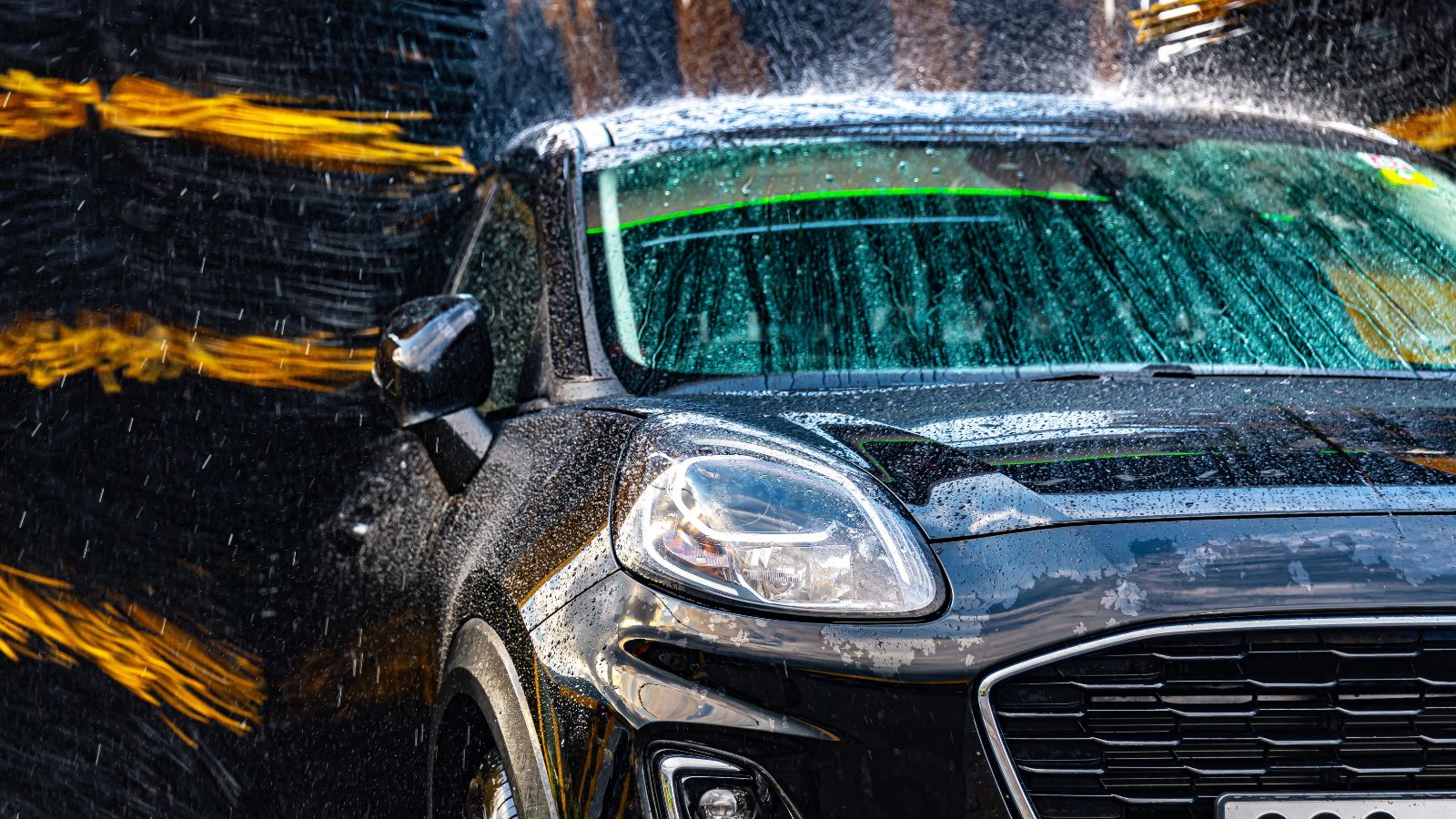
Water beading is often treated as visual proof that a car has been strongly protected. It does show that the surface has become more water-repellent, and a hydrophobic surface can make drying easier. However, beading alone does not reveal how thick the product is, how evenly it was applied, how well it bonded, or how long it will survive detergents, abrasion, heat, sunlight, and weather.
Researchers and coating manufacturers evaluate durability separately from initial water behaviour for this reason. A professionally applied ceramic coating may bead water and carry a multiyear durability claim when maintained properly, while a spray booster can create obvious beading for a much shorter period. Both may look impressive during the first rinse. The difference appears later. A vehicle can bead beautifully on Monday and lose much of that behaviour after several storms or washes. Water behaviour is therefore a useful sign of surface chemistry, but it is not a reliable standalone measure of long-term paint protection or value.
It Cannot Repair Scratches or Faded Paint
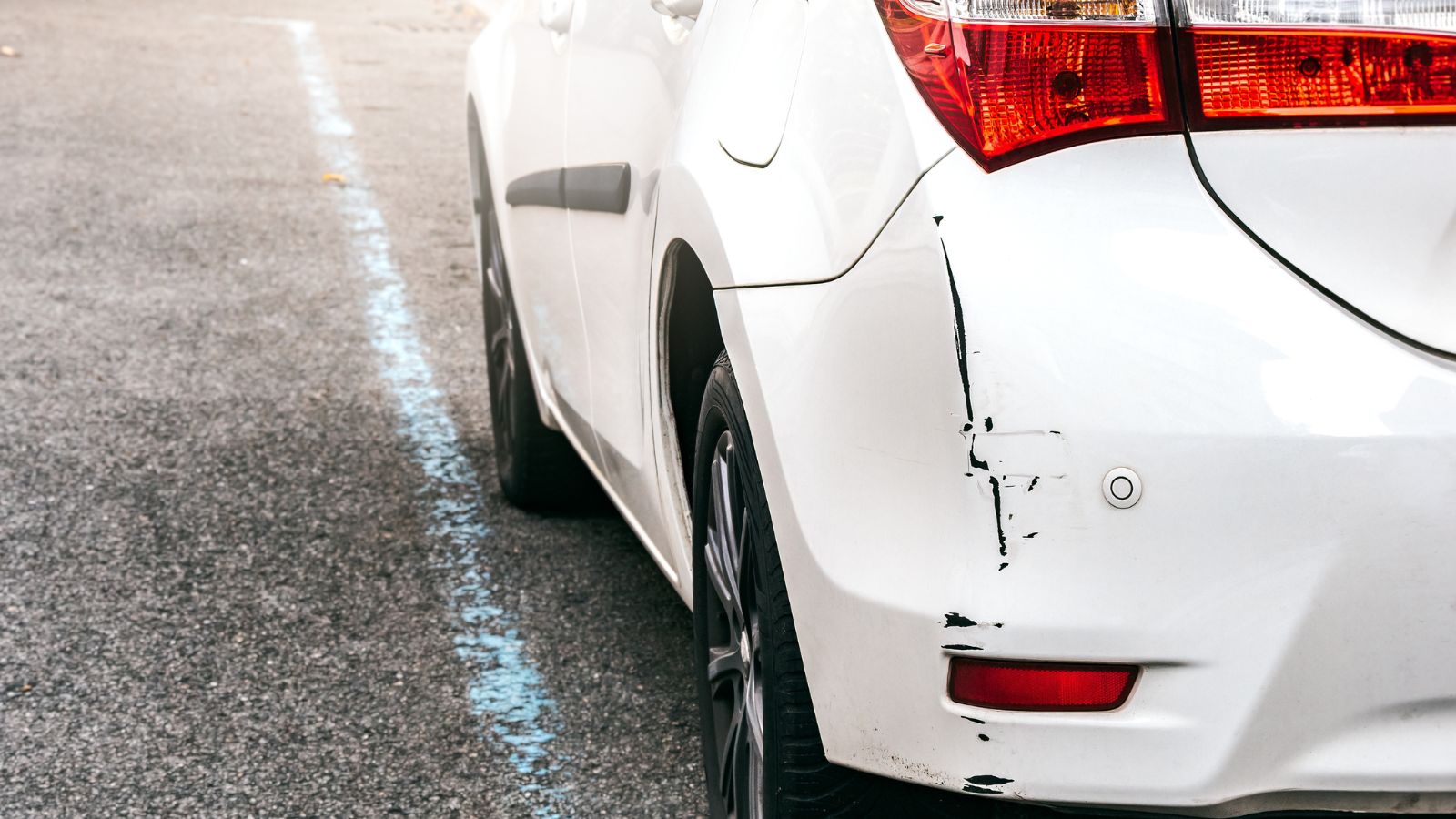
The upgrade menu may use words such as “polish,” “shine,” or “paint renewal,” but a sprayed protectant cannot remove meaningful defects from the clear coat. Fine scratches, oxidation, etched water spots, and swirl marks require corrective processes that physically level or clean the affected surface. Professional systems use combinations of sanding, compounding, and polishing, depending on the depth and type of damage.
This distinction matters because shine can temporarily disguise defects without correcting them. A black sedan covered in light swirls may look darker and wetter immediately after the wash because the surface is clean and slick. Under direct afternoon sun, however, the circular marks will still be visible. A deeper scratch that catches a fingernail may require professional repair rather than any wax product. Paying extra for spray wax with the expectation that it will restore neglected paint is therefore likely to disappoint. Protection can help preserve a sound finish, but it cannot reverse clear-coat damage that already exists.
Durability Is Usually the Weakest Benefit
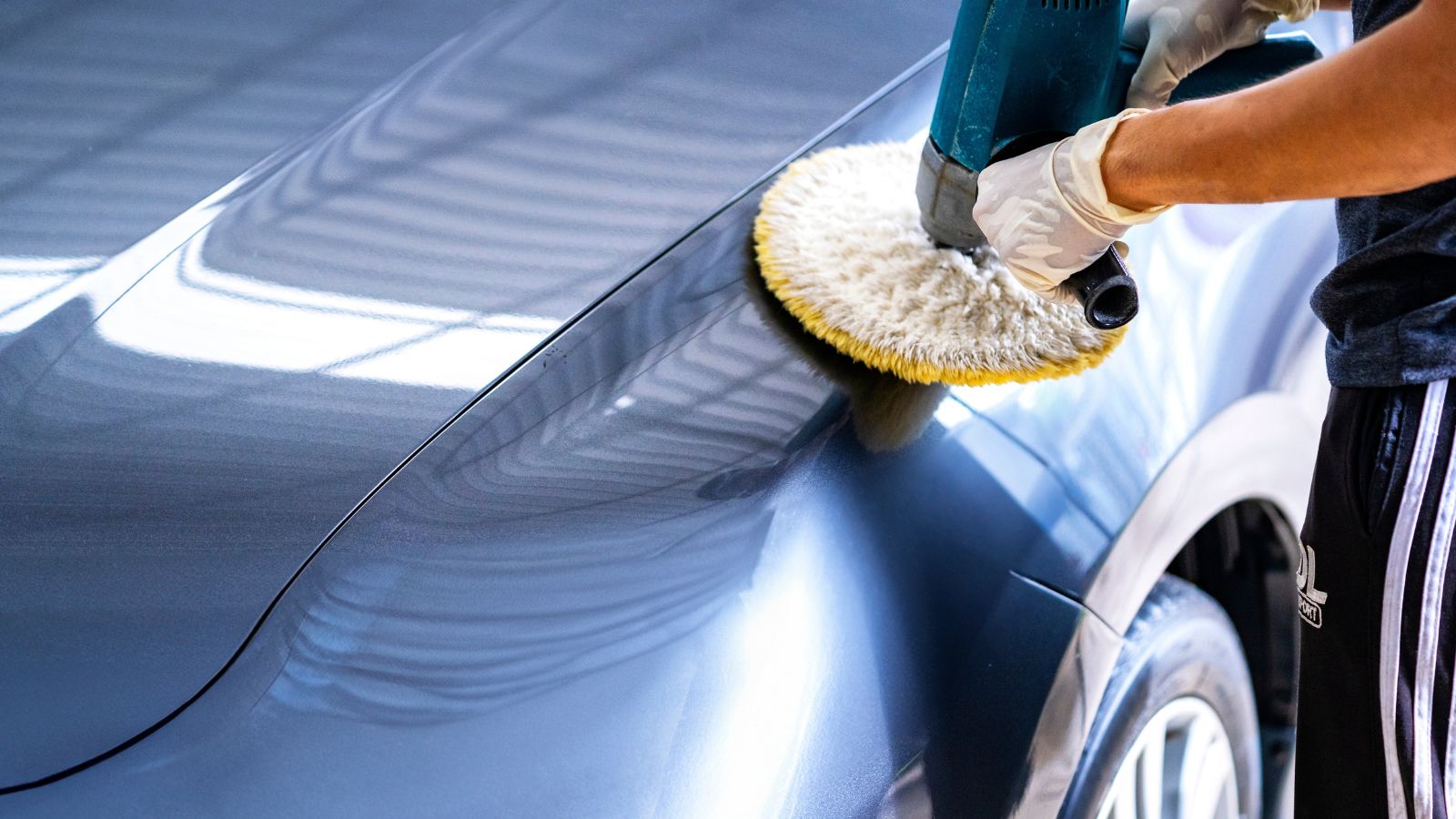
Even carefully applied consumer waxes are not permanent. Consumer Reports has found that the protective effects of many waxes fade after several weeks, which is why seasonal reapplication is commonly recommended. Spray waxes are generally positioned as faster, easier boosters rather than the most durable category. Automatic-wash versions face additional challenges because they are applied quickly, often to wet paint, without panel-by-panel preparation or buffing.
Real-world exposure accelerates the decline. A vehicle parked outdoors may face intense sun, rain, road dust, bird droppings, tree sap, and frequent washing. A highway commuter may also collect more abrasive grime than a garage-kept weekend car. The spray layer can still provide a short period of slickness or improved water behaviour, but the owner may have little way to know when it has substantially worn away. That uncertainty makes the add-on harder to value than a product with a documented application date, known preparation steps, and a realistic maintenance schedule.
Small Charges Become a Yearly Expense

The add-on often feels inexpensive because it is presented as only a few dollars above the basic wash. Frequency changes the calculation. A $4 spray-wax upgrade purchased every two weeks costs $104 over a year. At $6 per visit, the same habit reaches $156. That amount can exceed the cost of several bottles of reputable consumer wax or spray sealant, microfiber towels, and basic preparation supplies.
The comparison is not perfectly equal because the car-wash customer is paying for convenience rather than only chemicals. Still, repeated spending deserves attention. A person who washes weekly through a subscription may unknowingly pay for the protectant dozens of times, even when the vehicle still beads water from a previous application. Another owner might achieve better-controlled coverage by applying a retail spray sealant a few times per year after a proper wash. The upgrade is most questionable when it becomes automatic behaviour rather than a deliberate purchase based on the condition of the paint.
It May Be Redundant on an Already Protected Car
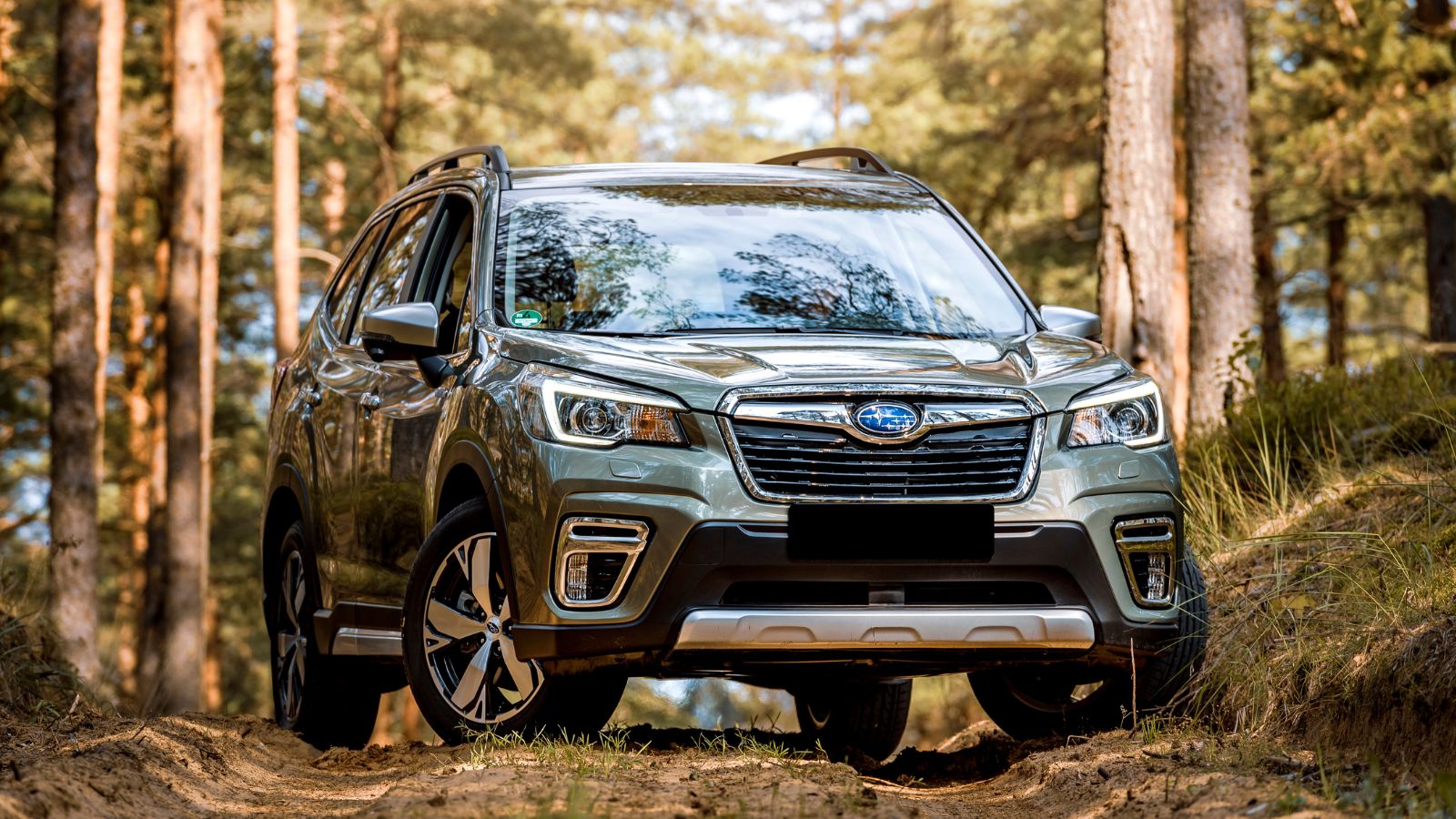
Vehicles with a recently applied wax, paint sealant, ceramic coating, or paint-protection film may not need another generic protectant at every wash. Professional coating systems typically have their own maintenance instructions and compatible booster products. Some specify a particular spray to restore hydrophobic behaviour, while others recommend gentle washing and periodic inspection rather than layering unrelated chemicals.
Redundancy does not always mean immediate harm, but it can make results unpredictable. The car-wash spray may sit temporarily on top of the existing protection, alter water behaviour, or create streaking if the chemistry does not spread evenly. More importantly, the driver may pay for a benefit already being provided by a better-performing product. A ceramic-coated crossover that still beads and sheets water strongly is a good example: the sensible maintenance step is usually to follow the coating manufacturer’s care plan. Choosing every protectant offered by the wash can become an expensive substitute for knowing what is already on the paint.
Other Upgrades May Matter More in Harsh Conditions
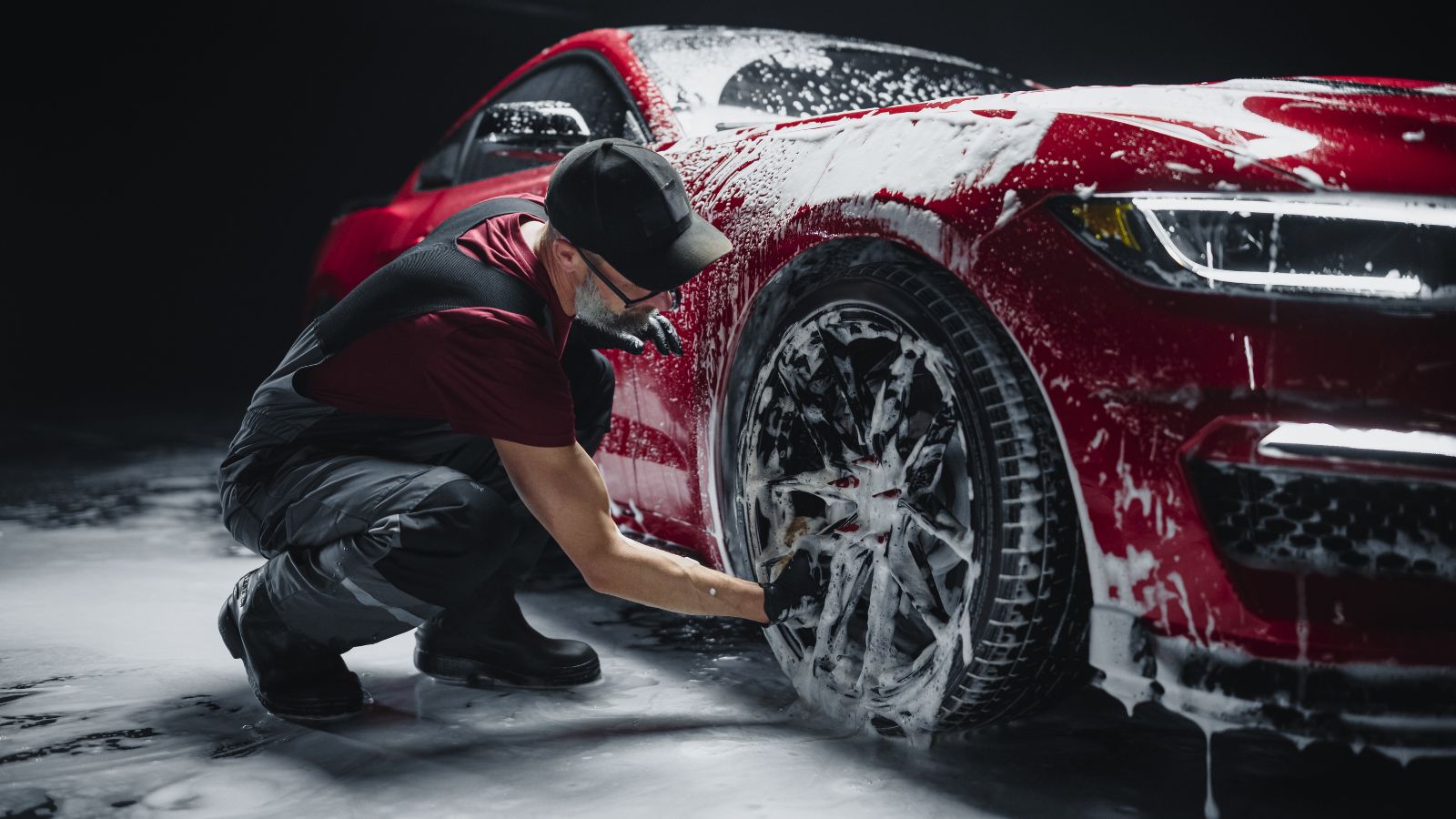
In regions that use road salt or de-icing chemicals, removing contamination can be more urgent than adding a light cosmetic layer to the upper body. Consumer Reports recommends washing salt-covered vehicles during winter and specifically favours a wash that reaches the undercarriage. Automakers such as Kia also advise cleaning the underside when a vehicle has been exposed to road salt, dirt, and moisture that can accumulate around structural and mechanical components.
That creates a practical priority test. When the budget allows only one upgrade, an underbody rinse may offer more meaningful maintenance value than spray wax after a week of slushy driving. The same logic applies to heavy mud, coastal salt exposure, or brake-dust buildup: removing damaging or stubborn contamination comes before improving gloss. A shiny hood does little for salt packed around seams and suspension parts. The best car-wash purchase is therefore not always the most visually dramatic option; it is the service aimed at the contamination the vehicle actually carries.
“Ceramic” on the Menu Can Create False Expectations
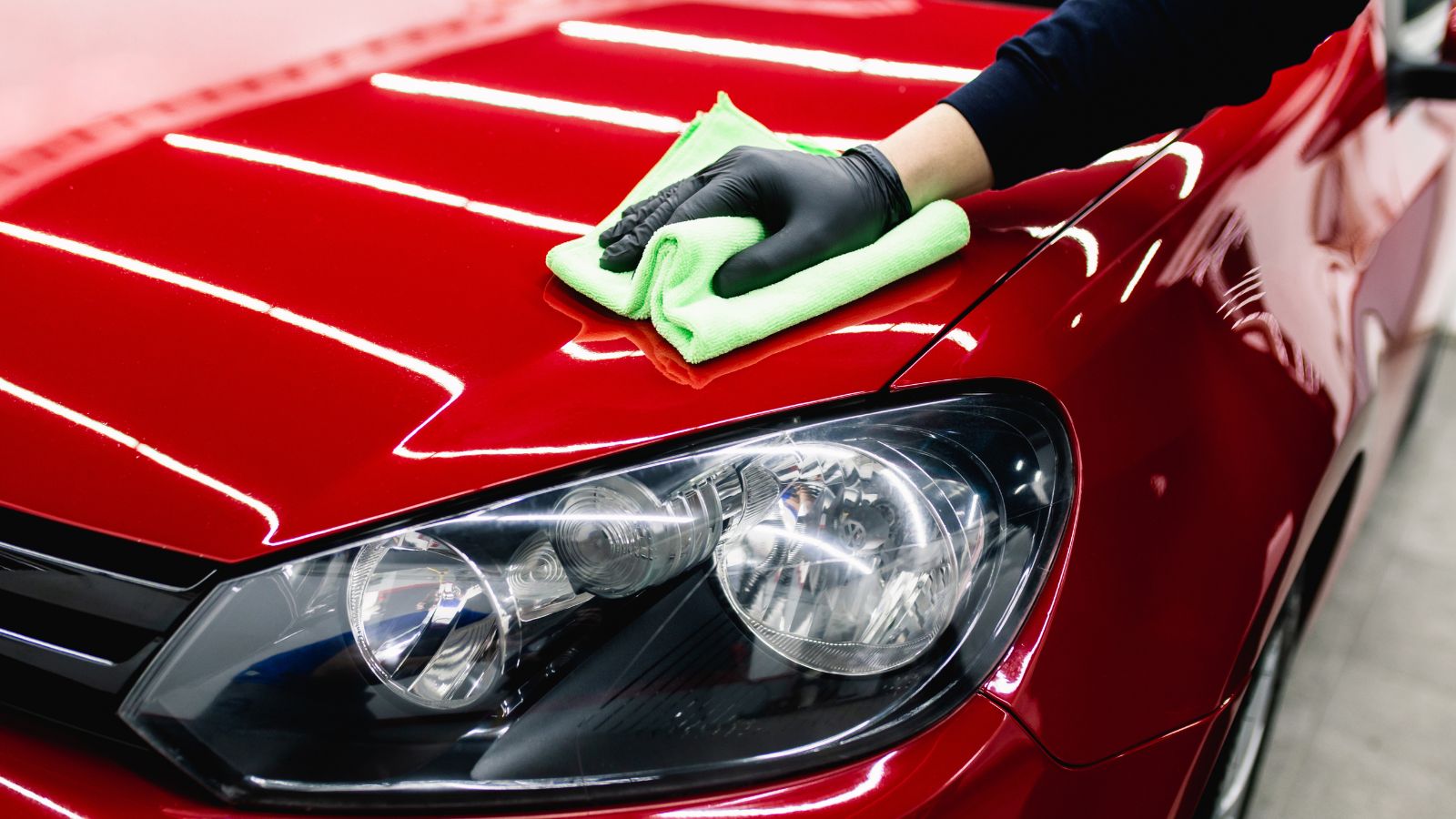
Modern wash menus increasingly use premium terms such as ceramic shield, graphene infusion, hot wax, and clear-coat protection. These names can describe genuine chemical differences, but they do not automatically place a tunnel-applied product in the same category as a professionally installed coating. A true professional ceramic treatment may require paint correction, controlled application, careful wiping, curing, and ongoing maintenance. Some professional products advertise durability measured in years when those conditions are met.
A wash-tunnel “ceramic” service is usually designed for rapid application and immediate hydrophobic or gloss effects. That can be useful, but the process itself signals a different performance level. The colourful foam and premium name may encourage customers to assume they are buying a miniature version of a high-end detailing service. A more realistic comparison is a maintenance topper or quick protectant. The label should be judged by documented durability, application method, and care instructions—not by the technological impression created on the payment screen.
There Are Situations Where It Still Makes Sense
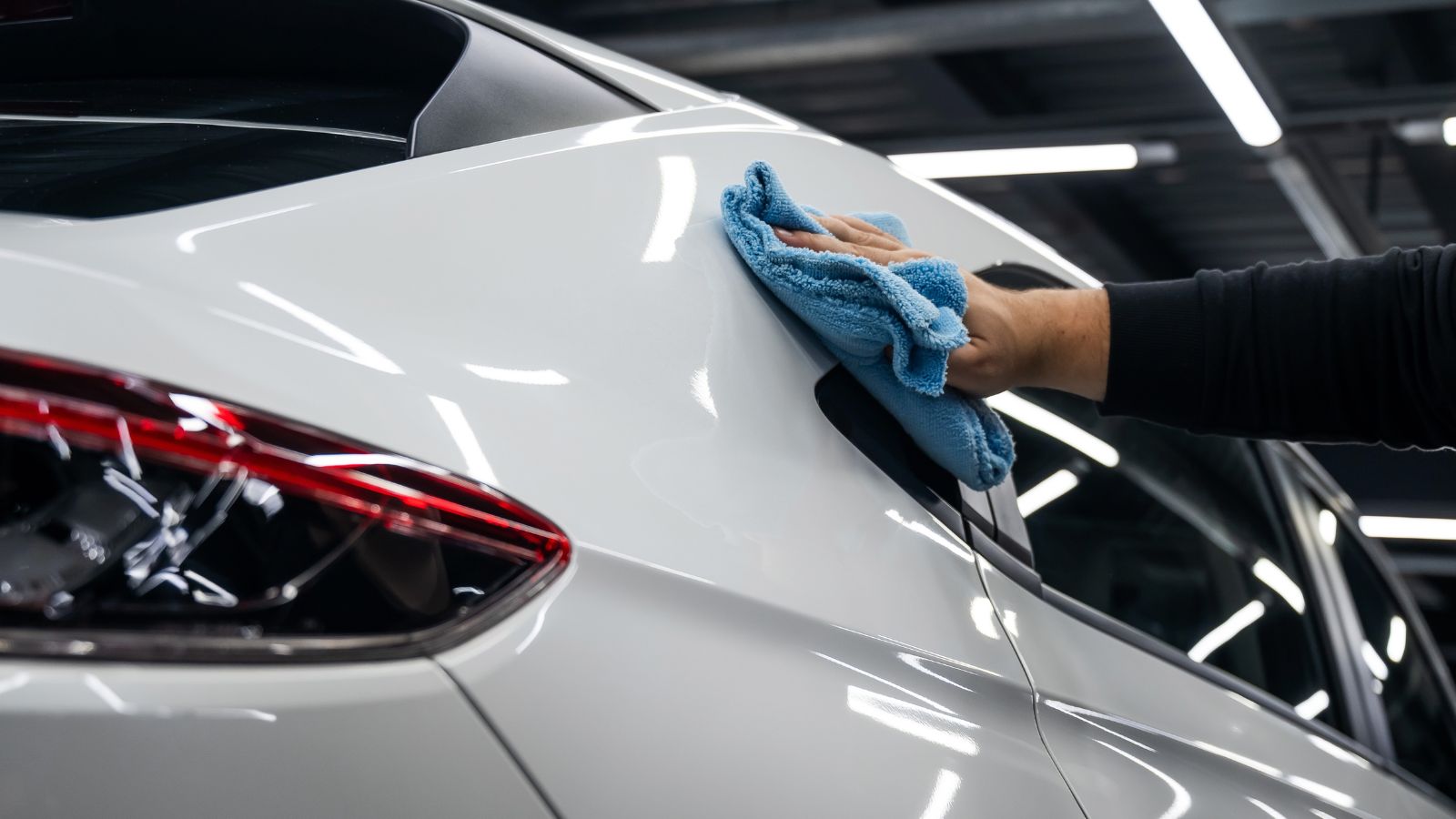
The strongest argument for the add-on is convenience. A driver without a driveway, garage, detailing tools, or spare time may reasonably value a quick gloss boost and easier drying. Spray protectants can make the surface feel slicker, enhance water behaviour, and reduce the chance of visible spotting immediately after the wash. For a rental return, special event, road-trip stop, or occasional appearance refresh, the small upgrade may deliver exactly the result expected.
The key is matching the purchase to the goal. It makes more sense as a short-term finishing touch than as a major preservation strategy. Drivers who want lasting protection should prioritize proper cleaning, surface preparation, a suitable wax or sealant, and a realistic reapplication schedule. Those who simply want the car to look a little better before dinner may be satisfied. The add-on is not necessarily worthless; it becomes poor value when a temporary cosmetic booster is repeatedly purchased under the assumption that it replaces thorough paint care.
22 Things Canadians Do to Their Cars in Spring That Mechanics Hate

Spring brings relief to many Canadian drivers after months of snow, freezing temperatures, and icy roads that put serious strain on vehicles. As temperatures rise across the country, drivers begin washing cars, switching tires, and preparing vehicles for warmer weather and upcoming road trips. However, mechanics across Canada notice the same mistakes every spring when drivers attempt to recover from winter damage. Road salt, potholes, and harsh winter driving conditions often leave vehicles with hidden problems that drivers ignore. Some spring habits even create new mechanical issues that could have been avoided with proper maintenance. Here are 22 things Canadians do to their cars in spring that mechanics hate.