

























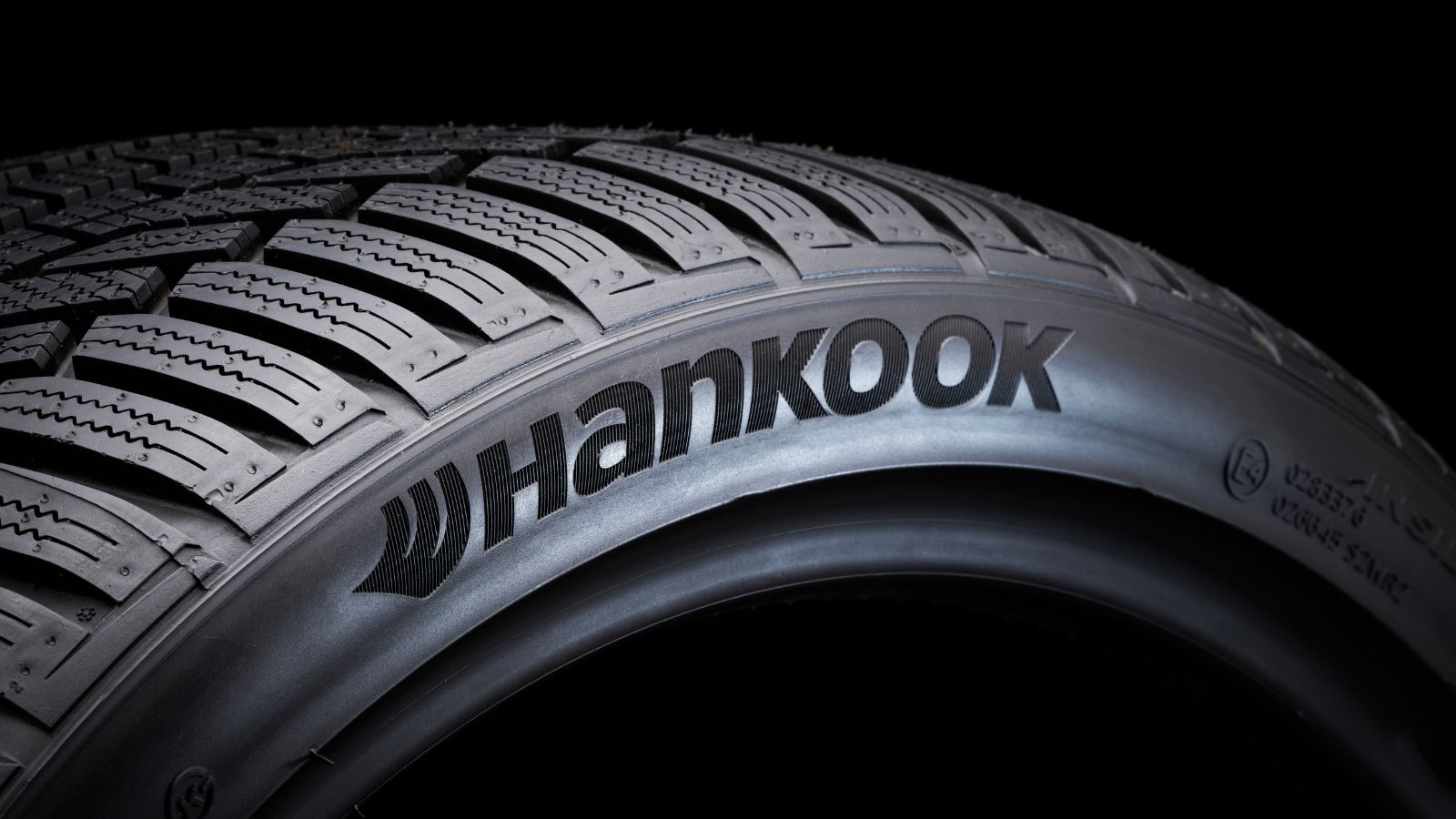
Hankook is making a distinctly Canadian play with its newest all-terrain tire. The Dynapro Total Terrain is set to arrive exclusively at Canadian Tire on August 14, 2026, targeting drivers who want something tougher than a conventional highway tire without accepting the compromises of a highly aggressive off-road setup. The new model combines all-terrain construction with severe-snow certification, a broad range of truck and SUV sizes, and treadwear warranties reaching 113,000 kilometres. Early evaluations conducted in Alberta also suggest Hankook has put considerable emphasis on keeping the tire quiet and composed during ordinary paved-road driving. That combination could matter in Canada, where a pickup or SUV may spend Monday on a highway, Saturday on a gravel road and winter dealing with snow and slush.
Canadian Tire Gets the New Tire to Itself
The Dynapro Total Terrain officially becomes available on Friday, August 14, and Hankook is launching it exclusively through Canadian Tire in Canada. That means shoppers will not simply be comparing prices for this exact model across several competing tire chains. The arrangement gives Canadian Tire a differentiated product while giving Hankook access to a retailer deeply associated with tires, automotive service and vehicle accessories. Canadian Tire is already listing the Dynapro Total Terrain within its Road Rated comparison program alongside established all-terrain competitors.
Exclusivity is particularly notable because the Dynapro name itself is not exclusive to the retailer. Hankook already sells other Dynapro products, including the more aggressive Dynapro AT2 Xtreme, through the broader Canadian market. The Total Terrain has a different mission. Rather than replacing every existing Dynapro model, it effectively creates a Canadian Tire-specific choice for customers whose vehicles spend substantial time on pavement but still encounter cottages, campsites, logging roads, muddy access routes or unpaved recreational areas.
“Total Terrain” Is Meant to Sit Between Two Worlds
Traditional all-terrain tires involve a balancing act. Larger tread blocks and tougher construction can improve durability and traction away from pavement, but aggressive designs can also introduce additional noise, vibration or compromises during everyday highway driving. Hankook has positioned the Dynapro Total Terrain around avoiding as much of that trade-off as possible. Company representatives describe the objective as giving drivers rugged-terrain capability without forcing them to surrender the comfort expected from an everyday vehicle.
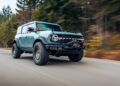
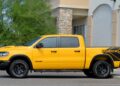
That distinction helps explain why early testing took place using mainstream midsize and full-size pickups rather than specialized rock-crawling machines. Vehicles from Chevrolet, Ford and Toyota were driven on paved roads before being taken onto muddy and wet terrain near Bragg Creek, Alberta. The course was not presented as an extreme torture test, and that is important context. This tire is aimed more squarely at a truck or SUV owner who occasionally leaves the asphalt than someone building a dedicated off-road rig for severe rock crawling.
Severe-Snow Certification Adds Important Canadian Relevance
One of the most significant details on the Dynapro Total Terrain’s sidewall is the three-peak mountain snowflake, commonly abbreviated 3PMSF. The symbol is more than decorative branding. Transport Canada says tires carrying the mountain-and-snowflake mark meet specified snow-traction performance requirements and are designed for severe snow conditions. That gives the new Hankook considerably more winter credibility than an ordinary tire carrying only broad all-season positioning.
The distinction matters in provinces with specific winter requirements. Quebec requires most registered passenger vehicles to use compliant winter tires from December 1 through March 15, and its rules recognize tires displaying the official winter pictogram, subject to the applicable conditions and exemptions. Transport Canada also notes that conventional summer and all-season compounds begin losing elasticity as temperatures fall below 7°C. The 3PMSF mark does not mean every severe-snow-rated all-terrain tire will outperform a specialized winter tire on every icy surface, but it gives Canadians a meaningful, standardized indication of tested snow capability.
The Tread Is Designed to Control Both Dirt and Noise
Hankook has given the Total Terrain several features intended to deal with the conflicting demands of loose surfaces and paved roads. Its multidirectional grooves and sipes create edges working in several directions rather than concentrating traction in a single orientation. Cross-combined shoulder elements are intended to provide additional bite in mud and slush, while the sidewall construction is designed to better withstand the abrasions and impacts that can occur when a vehicle moves from pavement onto gravel, rocks and uneven trails.
The quieter side of the engineering is just as important. Integrated tie bars help stabilize the tread blocks, a strategy intended to reduce unwanted movement, road noise and vibration as the tire rolls across pavement. That became noticeable during the Alberta evaluation. Auto123 reported little intrusive hum or vibration while driving an F-150 on the highway, while DoubleClutch similarly described the tire as notably quiet and refined considering its rugged appearance. For daily-driven pickups, that characteristic may prove more valuable than extreme off-road ability that owners rarely use.
Twenty Sizes Target Popular Pickups, SUVs and Crossovers
Hankook plans to offer the Dynapro Total Terrain in 20 sizes at launch, spanning both passenger-oriented and light-truck applications. Reported tread widths run from 245 to 285, while wheel diameters range from 16 to 20 inches. Speed ratings extend from S through T. Together, those specifications place the tire squarely in the territory occupied by many pickups, SUVs and utility-focused crossovers rather than performance cars or highly specialized off-road builds.
The distinction between P-metric and LT-metric versions is worth understanding. P-metric tires are generally associated with passenger-vehicle applications, including many SUVs and lighter-duty pickups, while LT-metric tires are engineered for light-truck applications where load and durability requirements can be greater. Buyers still need to match the exact size, load index and other specifications required by the vehicle manufacturer rather than selecting a tire because its diameter looks correct. The 20-size range nevertheless gives the launch substantially broader relevance than a specialty product offered only for a handful of modified trucks.
The Warranty Reaches 113,000 Kilometres
Longevity is another major part of Hankook’s pitch. P-metric versions of the Dynapro Total Terrain carry a limited treadwear warranty of 113,000 kilometres, while LT-metric versions are backed for 97,000 kilometres. The difference reflects the distinct applications of passenger-oriented and light-truck tires. The headline number is particularly significant for an all-terrain product because aggressive driving surfaces, vehicle weight and towing duties can all make tire life an important ownership-cost consideration.
A mileage warranty should not be interpreted as a promise that every set will automatically reach the stated distance regardless of use. Treadwear warranties are subject to manufacturer terms, maintenance requirements and eligibility conditions. Tire pressure, alignment, rotation practices, vehicle loading and driving environment can all influence how quickly a tread wears. Transport Canada specifically emphasizes correct tire pressure because it affects tread life, safety and fuel consumption. Still, a warranty extending beyond 100,000 kilometres on the P-metric versions gives Hankook a concrete way to support its argument that this is intended as an everyday long-distance tire, not merely a weekend trail accessory.
Alberta Testing Showed What the Tire Is — and What It Is Not
Early media testing west of Calgary offered a useful picture of the Dynapro Total Terrain’s intended operating envelope. Drivers first used trucks equipped with the Hankooks on normal paved roads and highways before moving into forested terrain around Bragg Creek. Rain from the previous day provided mud and standing water, allowing the tires to be evaluated away from dry pavement. Testers reported maintaining traction through mud, gravel and water while travelling at sensible off-road speeds.
Just as revealing was what the test did not attempt. Auto123 specifically noted that the route did not include extremely difficult rock-crawling terrain and characterized the product as more suitable for owners who occasionally take trucks such as a Toyota Tacoma or Tundra off pavement. That makes the evaluation more relevant to the likely customer. A Canadian household may use the same vehicle for commuting, towing, camping and reaching a cottage road. For that driver, predictable highway behaviour followed by dependable performance on moderate trails may matter more than maximum capability on obstacles the vehicle will never encounter.
Canadian Tire’s Testing Highlights Its On-Road Priorities
Canadian Tire has already placed the Dynapro Total Terrain in its On/Off Road category within the retailer’s Road Rated testing system. The current comparative results give the Hankook a 95.0 overall Road Rated score. Within that category, it scores 99.8 for dry performance, 100.0 for fuel economy and 99.9 for comfort. Its displayed scores also include 89.6 for wet performance, 92.3 for ice and 96.6 for snow. Those figures are comparative scores rather than percentages of absolute performance.
That distinction is crucial. Canadian Tire explains that its 100-point figures compare tires only against other products in the same category. Testing is conducted at professional facilities using drivers, testing specialists and third-party auditors, with categories including braking, handling, rolling resistance, cabin noise and winter traction where applicable. The retailer says it repeats testing as new tires arrive. The Total Terrain’s particularly strong displayed dry, comfort and fuel-economy scores reinforce the same theme seen during the Alberta drive: Hankook appears to have prioritized everyday road manners rather than designing the most uncompromising off-road tire possible.
Hankook Is Launching Into Growing Interest in Off-Road Driving
The timing is not accidental. Hankook’s latest Gauge Index found substantially increased interest in all-terrain and off-road driving among the American motorists it surveyed. In research conducted from June 5 through June 8, 2026, among 1,000 U.S. drivers aged 18 and older, 64% said they were interested in an all-terrain or off-road adventure, compared with 34% in the previous year’s measurement. Interest reached 74% among Gen Z respondents and 72% among Millennials.
Those figures describe American attitudes and should not be automatically treated as Canadian consumer statistics. They nevertheless help explain the product strategy behind Hankook’s expanding Dynapro portfolio. Among respondents, 42% identified traction across varying surfaces as their most important attribute in an off-road tire, and 52% said an SUV would be their ideal vehicle for an off-road trip, compared with 36% choosing a pickup. The Total Terrain arrives as trucks and SUVs increasingly serve multiple roles, and its Canadian Tire exclusivity gives Hankook a focused way to test that appetite in the Canadian replacement-tire market.