


























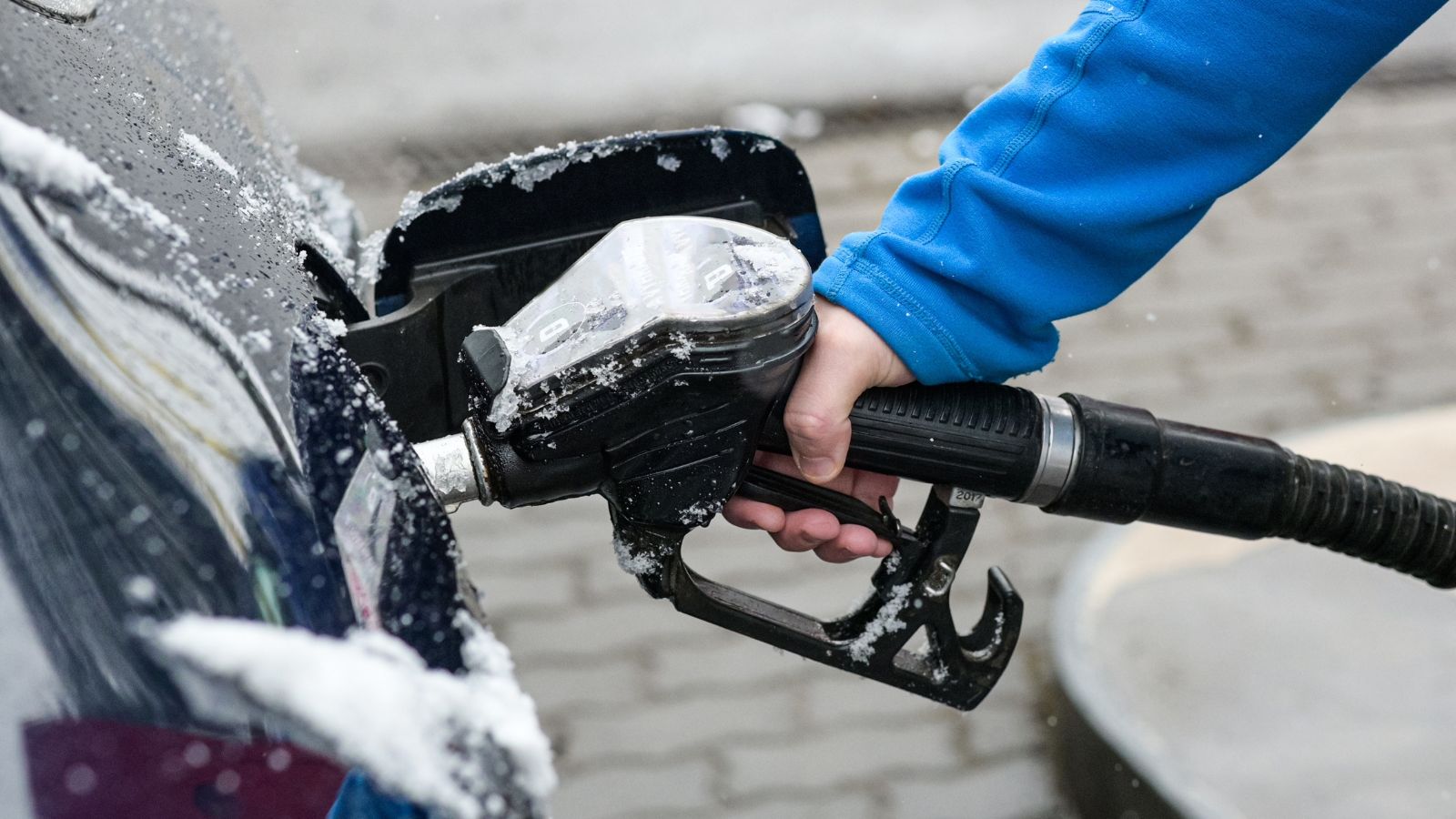
Gasoline prices delivered another jolt to Canadian drivers heading into the final stretch of summer, with Toronto-area prices jumping five cents overnight while two of the country’s other major cities moved into considerably more expensive territory. The GTA benchmark reached 183.9 cents per litre on August 30, while a Toronto-specific measure was 182.9 cents. Montreal climbed to 205.9 cents and Vancouver reached 217.9 cents, or almost $2.18 a litre.
The increases arrived even as international crude prices ended the week lower, underscoring an important reality about what appears on gas-station signs. Retail gasoline is influenced by crude oil, but also by wholesale fuel markets, refinery conditions, transportation networks, taxes and local competition. For households already facing elevated transportation costs, even a few cents can quickly become noticeable.
The Overnight Increase Was Big Enough to Feel Immediately
Toronto’s Sunday increase was unusually easy to spot because the change occurred in a single night. Gas Wizard data cited in reporting showed its Toronto regular-gas benchmark moving from 177.9 cents per litre on Saturday, August 29, to 182.9 cents on Sunday. Canadians for Affordable Energy, which measures the broader GTA, recorded the same five-cent increase but put its regional benchmark slightly higher at 183.9 cents. Its Monday forecast held at that level.
That seemingly small five-cent movement adds $2.50 to a 50-litre fill. At the GTA benchmark, 50 litres costs roughly $91.95. Montreal’s 205.9-cent level raises the same purchase to about $102.95, while Vancouver’s 217.9-cent benchmark produces a bill of approximately $108.95. Those figures are benchmarks rather than promises about every station; individual retailers can post noticeably different prices. Still, they illustrate how geographic differences that look modest on a roadside sign can translate into substantial monthly differences for drivers who fill their tanks repeatedly.
Three Cities Are Experiencing Three Different Gasoline Markets
The roughly 34-cent gap between the GTA and Vancouver is a reminder that there is no single Canadian gasoline market. Crude oil may be priced internationally, but gasoline must still be refined, transported to regional terminals and delivered by tanker truck to individual stations. The Canada Energy Regulator notes that retail prices ultimately reflect crude costs, refining margins, marketing and transportation expenses, taxes and local market conditions.
Montreal sits between Toronto and Vancouver in this comparison, but at 205.9 cents per litre it was still about 22 cents above the GTA benchmark. A 50-litre Montreal fill therefore costs roughly $11 more. Vancouver’s equivalent fill costs about $17 more than in the GTA. Regional differences can persist even when all three cities are reacting to the same international oil-market news because their refining networks, fuel-tax systems and sources of replacement supply are different. That makes national crude-price movements only part of the explanation for what motorists encounter locally.
Vancouver’s $2.18 Price Reflects a Structural West Coast Premium
Metro Vancouver carries one of Canada’s most distinctive fuel-tax structures. British Columbia’s provincial and regional motor-fuel taxes on gasoline within the South Coast transportation region total 27 cents per litre. That consists of a 1.75-cent general provincial component, a 6.75-cent levy for the B.C. Transportation Financing Authority and an 18.5-cent TransLink levy. Those charges create a higher starting point than in several other major Canadian cities.
Supply geography matters as well. British Columbia has a relatively limited local refining base and depends on a broader western supply network involving Alberta refineries, pipelines, rail, trucks and marine shipments. The Canada Energy Regulator has documented how the Trans Mountain system connects Edmonton-area supply with terminals in British Columbia, while additional refined product can enter coastal markets from elsewhere. That makes Vancouver more sensitive to tight refining conditions on the West Coast. Importantly, the normal 10-cent federal gasoline excise tax is currently suspended nationwide through September 7, so it is not part of the present late-August tax burden.
Montreal’s Move Above $2 Has Its Own Regional Drivers
Montreal’s 205.9-cent benchmark puts the city firmly above the psychologically important $2-a-litre threshold. Quebec imposes a regular provincial gasoline tax of 19.2 cents per litre, and Revenu Québec notes that rates are increased or reduced in certain areas. Montreal is within the jurisdiction of the Autorité régionale de transport métropolitain, one of the regions where an increased fuel-tax structure applies. GST and Quebec sales tax also apply to fuel purchases.
Quebec’s physical fuel market differs from western Canada’s as well. Canadian refining infrastructure is regional, and Quebec has historically been supplied through local refineries, pipelines, marine transportation and imported petroleum products moving through the St. Lawrence system. That provides several potential sources of supply but does not isolate Montreal from international refined-fuel prices. When wholesale gasoline becomes more expensive, a higher regional tax base can make the final retail number especially noticeable. For a household buying 200 litres over a month, every additional 10 cents per litre represents another $20 in fuel spending.
Toronto Is Cheaper Than Montreal and Vancouver — But Hardly Cheap
Ontario’s gasoline-tax structure helps explain part of Toronto’s relative advantage. The provincial gasoline tax is permanently set at nine cents per litre, substantially below the 27-cent provincial-and-regional motor-fuel burden applied in Metro Vancouver. Ontario gasoline is also subject to HST. These structural differences do not explain the sudden five-cent Sunday increase because provincial tax rates did not change overnight, but they influence the price from which market-driven increases begin.
For Toronto-area households, the more immediate problem is accumulation. One isolated five-cent increase adds only $2.50 to a 50-litre purchase, but repeated increases matter considerably more when gasoline is already approaching $1.84 a litre. A vehicle requiring 200 litres during a month would cost about $368 to fuel at 183.9 cents, before parking, insurance or maintenance enter the household transportation budget. The jump also matters to contractors, delivery operators and other businesses that consume much larger volumes, where a few cents per litre can multiply across entire fleets.
Crude Oil Fell While Canadian Pump Prices Rose
Perhaps the most counterintuitive feature of the weekend increase is what happened in the crude market. Brent crude settled Friday at US$89.31 a barrel and West Texas Intermediate at US$83.40. Both declined on the day, while Brent lost more than five per cent for the week and WTI fell more than four per cent as traders evaluated prospects for greater shipping activity through the Strait of Hormuz and signals from U.S. monetary policy.
Pump prices can move in the opposite direction because gasoline has its own wholesale market. Retailers purchase refined fuel rather than barrels of crude, and wholesale gasoline prices incorporate refinery availability, inventories, distribution costs and regional supply conditions. There can also be a delay between a change in crude futures and a corresponding movement through refineries, wholesale terminals and retail stations. In other words, falling oil prices on Friday did not require Canadian gas stations to lower prices on Sunday. The weekend spike is a clear example of why crude prices and retail gasoline should not be treated as interchangeable.
Another Major Fuel-Price Date Is Already Approaching
Current forecasts suggest the weekend increase may not disappear immediately. Canadians for Affordable Energy listed GTA regular gasoline at 183.9 cents per litre for August 31 and September 1, with Vancouver at 217.9 cents. Montreal was listed at 205.9 cents. Forecasts can change as wholesale markets move, and individual stations often compete below or above regional benchmarks, but the figures indicate little immediate reversal of Sunday’s jump.
There is also a known policy change approaching. Ottawa suspended the federal excise tax on gasoline from April 20 through September 7 as a temporary response to unusually high energy costs. The normal 10-cent-per-litre gasoline tax is scheduled to return September 8. That does not necessarily mean every station will raise its posted price by exactly 10 cents that morning, but it adds another cost factor to the wholesale system. Statistics Canada had already reported gasoline prices 25.7 per cent higher year over year in July, helping push headline inflation to 3.0 per cent.