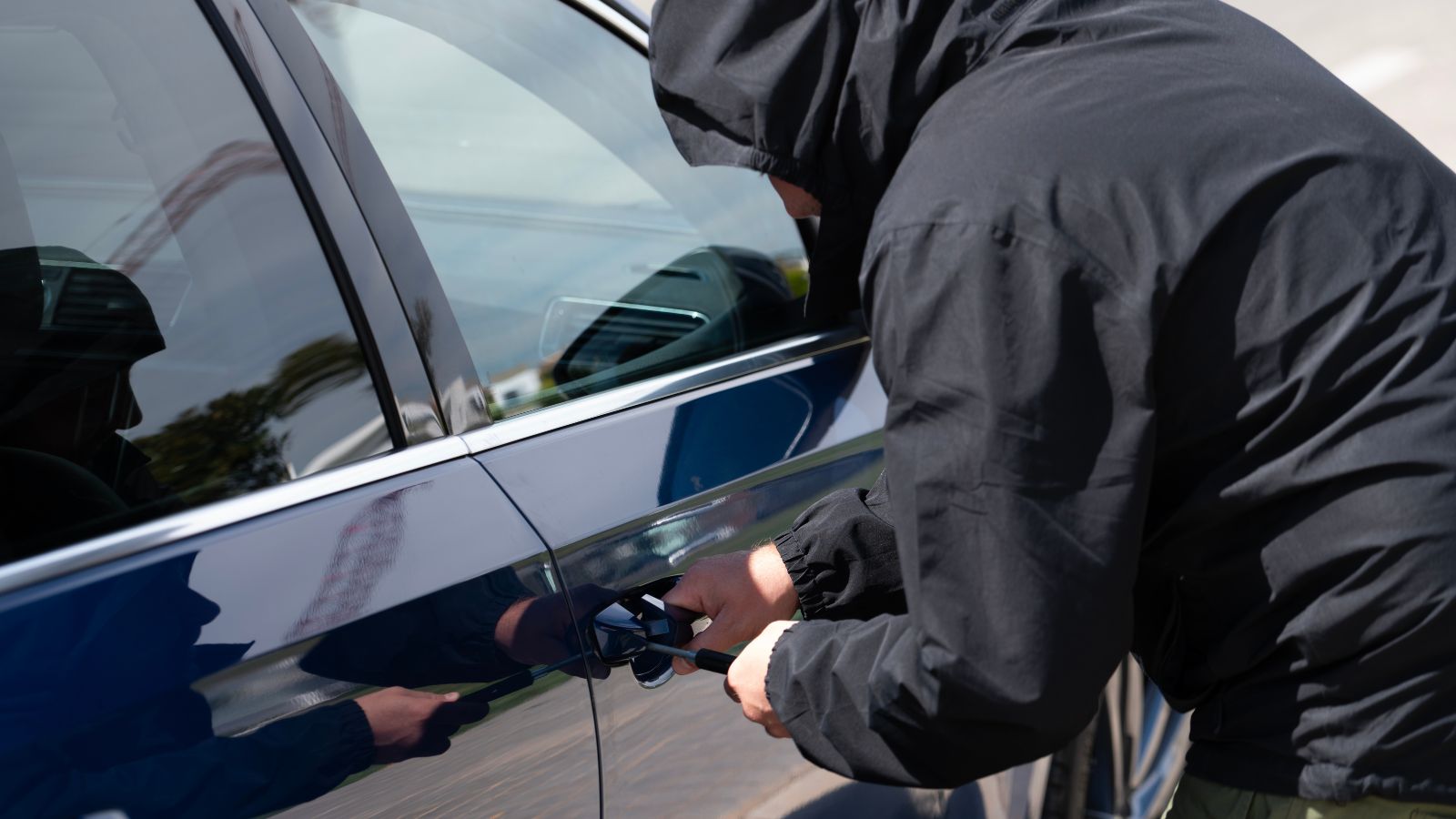
Canada’s auto-theft crisis may be cooling, but its financial consequences are still being felt by drivers across the country. A new economic analysis from Desjardins suggests that the dramatic increase in vehicle theft following the pandemic contributed to rising automobile insurance premiums, even as more recent statistics point toward a sustained decline in theft.
Released October 13, 2026, the findings highlight an uncomfortable reality for Canadian households: fewer stolen vehicles do not necessarily translate into immediate insurance savings. Years of expensive claims, rising vehicle replacement costs and broader inflation have left insurers adjusting their prices to a changing risk environment.
With national theft numbers improving and regulators demanding closer scrutiny of insurance pricing, the question is whether Canadian motorists will finally begin seeing meaningful relief when their policies come up for renewal.
Desjardins Identifies Auto Theft as a Major Source of Insurance Pressure
Desjardins Deputy Chief Economist Randall Bartlett identified the post-pandemic increase in vehicle theft as an important contributor to rising transportation-related insurance premiums in an economic analysis released October 13. The report examined how inflation, employment, household wealth and changing risks influence Canadians’ spending on different types of insurance. Bartlett found that auto theft added pressure to insurers already dealing with higher operating expenses and more expensive claims. Although recent indicators suggest theft activity has stabilized or started declining, the financial consequences of the earlier surge remain significant.
The study also provides a broader picture of household insurance costs. Canadian consumers spent approximately $38.4 billion on insurance in 2025, equivalent to roughly $2,200 per household, compared with about $1,850 in 2019. Importantly, these figures include life, health, property and transportation insurance rather than automobile coverage alone. Desjardins found that automobile insurance prices broadly followed overall inflation after the pandemic, while home insurance costs rose considerably faster. The findings suggest that auto theft contributed to increasing costs without being the only reason premiums became more expensive.
Canada’s Auto-Theft Crisis Created Record Insurance Losses
The severity of Canada’s vehicle-theft problem became particularly apparent in 2023. According to the Insurance Bureau of Canada, insurance claims related to stolen vehicles exceeded $1.5 billion that year, establishing a record in its historical dataset. For comparison, the same dataset recorded approximately $441.5 million in theft claims during 2019. The rapid increase reflected both a growing number of theft-related claims and the higher financial cost of replacing stolen vehicles. Insurers were facing a problem that was becoming more expensive with each passing year.
Statistics Canada’s April 2025 examination of automobile insurance found that comprehensive coverage was particularly affected. In Ontario, the comprehensive claims ratio reached approximately 190% in 2023, meaning insurers incurred around $1.90 in claims for every dollar of premiums earned from that category of coverage. Comprehensive insurance generally covers theft and certain other non-collision losses. Although the ratio does not represent an insurer’s overall profitability, it illustrates why companies faced pressure to adjust premiums. The combination of expensive vehicles, organized theft and higher replacement costs created a substantial financial burden that could not be resolved simply by reducing the number of future thefts.
Vehicle Theft Is Falling Again Across Canada in 2026
Recent figures provide encouraging evidence that the country’s efforts to combat automobile theft are producing results. Équité Association reported that 20,759 private passenger vehicles were stolen nationwide during the first six months of 2026. That represented a 10.1% decline from the 23,093 vehicles recorded during the corresponding period in 2025. The improvement followed an 18% annual reduction in thefts during 2025, when approximately 47,000 vehicles were reported stolen. These are meaningful changes after several years in which organized vehicle theft became a major public safety concern.
The latest numbers are also approaching levels recorded before the crisis intensified. Équité reported approximately 20,313 private passenger vehicle thefts during the first half of 2021, only slightly below the 2026 total. The figures suggest Canada is moving closer to its earlier theft levels, although the problem has not disappeared. Government agencies, police forces, insurers and port authorities have expanded efforts to recover vehicles and disrupt criminal networks. These initiatives may be contributing to the improvement, but lower national totals do not establish that every community is becoming safer at the same pace. Regional patterns and the value of the vehicles still being stolen remain important.
Insurance Claims Remain Expensive Despite Fewer Stolen Vehicles
The financial burden of vehicle theft remains substantial even after the recent decline. Insurance Bureau of Canada figures show approximately 25,834 theft-related insurance claims in 2025, with associated losses of about $724 million. That represented a 24% reduction in claims and a 30% decrease in claim costs compared with 2024, when losses reached approximately $1.04 billion. Nevertheless, the 2025 total remained 169% higher than the roughly $269 million recorded in 2015. The numbers demonstrate how much more expensive theft claims have become over the longer term.
An important qualification is that the Insurance Bureau of Canada’s dataset covers Ontario, Quebec, Alberta and the Atlantic provinces but excludes British Columbia, Manitoba and Saskatchewan. Équité Association separately estimated approximately $900 million in Canadian theft-related insurance claims costs for 2025. Because these reports do not use identical reporting coverage, their totals should not be treated as directly interchangeable. Both nevertheless point toward the same conclusion: progress against theft has reduced financial losses, but the remaining costs are still significant. For drivers, the consequences can include premiums influenced by their vehicle’s theft risk, coverage choices and the claims experience of their insurer.
Why Falling Theft Numbers Do Not Immediately Reduce Insurance Premiums
Insurance premiums do not necessarily respond to falling theft statistics as quickly as motorists might expect. Desjardins explained that premium increases often lag broader inflation because insurers incorporate higher claim payments and operating expenses into pricing over time. The same delay can work in reverse when losses begin declining. Companies must assess whether reductions are sustainable, evaluate their expected future costs and, where required, secure regulatory approval for changes. A favourable six-month theft report therefore does not automatically produce an equivalent reduction when an individual driver renews a policy.
Theft is also only one component of automobile insurance expenses. Statistics Canada’s research identified rising vehicle prices, increasingly complicated automotive technology, expensive replacement parts and higher repair costs as additional factors affecting claims. Modern vehicles contain electronic sensors, cameras and specialized components that can make seemingly minor damage costly to repair. Insurers must also account for collisions, injury claims, liability expenses and weather-related damage. Even if theft losses continue declining, these other costs may remain elevated. That helps explain why an improvement in one category of insurance claims can coexist with rising premiums for customers whose overall risk profiles have not materially changed.
Ontario Drivers Are Still Paying More as Theft Claims Decline
Ontario provides a particularly clear example of the disconnect between improving theft figures and rising insurance costs. Data published by the Financial Services Regulatory Authority of Ontario show that the average annual private passenger automobile premium reached $2,218 as of June 2026, compared with $2,120 in June 2025. In the Greater Toronto Area, the average increased from $2,765 to $2,868. These figures represent rolling 12-month averages rather than the price every driver pays, but they demonstrate that provincial insurance costs continued climbing while vehicle theft was already declining.
The province nevertheless recorded meaningful progress against theft-related losses. According to Insurance Bureau of Canada data released in May, Ontario’s automobile theft claims costs fell to approximately $485 million in 2025 from $723 million the previous year. Toronto remained the most expensive municipality for theft claims, recording approximately $114.5 million, followed by Brampton at $43.2 million and Mississauga at $31.6 million. Those amounts reflect insurance claims costs, not the number of vehicles stolen. Their concentration in large urban communities helps explain why drivers in certain areas may continue facing elevated prices despite improving provincial statistics. Individual premiums also depend on driving records, vehicle characteristics and coverage.
Quebec and Western Canada Are Experiencing Different Theft Trends
The improvement in automobile theft is not evenly distributed across the country. During the first half of 2026, Ontario reported 8,796 stolen private passenger vehicles, an 8.4% decrease from the same period in 2025. Quebec recorded 3,641 thefts, down 6.4%. Western Canada experienced a larger regional decline of 14.3%, while Alberta alone reported a 15.1% reduction. Atlantic Canada recorded the smallest improvement, with thefts falling 4.1% to 873 vehicles. These differences show why national trends cannot fully describe the risks faced by individual communities.
Recovery rates provide another important perspective. Équité Association’s full-year 2025 report found that approximately 51% of stolen vehicles were recovered in Ontario, compared with 48% in Quebec. Alberta’s recovery rate was higher, at approximately 71%. These statistics suggest that a considerable share of stolen vehicles in Ontario and Quebec continued to disappear permanently, potentially through illegal exports or dismantling operations. Insurance structures also vary across Canada. British Columbia, Manitoba and Saskatchewan use public insurers for mandatory automobile coverage, while Quebec combines public bodily-injury protection with private coverage for other risks. Consequently, the relationship between theft trends and premiums differs depending on where vehicles are registered and insured.
Organized Crime Is Changing Tactics as Enforcement Improves
Canada’s automobile-theft problem increasingly involves sophisticated criminal operations rather than simply vehicles being taken for personal use. Équité Association reported that organized groups were adapting to stronger enforcement by using methods such as vehicle identification number manipulation, dismantling operations and fraudulent vehicle financing. Its 2025 analysis identified a 72% year-over-year increase in vehicle finance fraud detected at the ports of Montreal and Halifax. These schemes can involve stolen identities or fraudulent financing arrangements to acquire vehicles that are subsequently moved or exported. Such activity creates additional challenges for police, financial institutions and insurance investigators.
Government enforcement operations have nevertheless produced measurable results. In August 2026, federal authorities reported that Project NoCargo, an investigation involving the RCMP, INTERPOL Ottawa, the Canada Border Services Agency and financial-sector partners, had recovered 392 fraudulently obtained vehicles valued at approximately $28 million. Separately, federal data show that border authorities intercepted 1,590 stolen vehicles at railyards and ports during 2025. These operations demonstrate the importance of targeting criminal networks beyond the initial theft. Preventing illegal exports and identifying fraud before vehicles disappear can reduce financial losses and disrupt the business models supporting organized theft. However, authorities caution that criminal methods continue evolving as enforcement techniques improve.
Canadians Are Demanding Stronger Anti-Theft Technology
Vehicle security has become an increasingly important concern for Canadian motorists. A 2026 survey commissioned by Équité Association found that only 18% of respondents believed vehicles currently being sold offered adequate protection against modern technology-based theft. Approximately 72% wanted stronger anti-theft protections included as standard vehicle equipment rather than purchased separately. The survey involved 2,503 Canadian adults and was conducted through the Angus Reid Forum in June. The findings suggest that declining theft statistics have not fully restored public confidence in automobile security.
Federal regulators are responding to concerns about outdated security requirements. Transport Canada published proposed amendments to its Motor Vehicle Safety Regulations in December 2025, seeking to modernize vehicle immobilizer standards and align them more closely with contemporary international requirements. The proposal would replace references to the older CAN/ULC-S338-98 standard with a newer 2025 standard, while incorporating updated international provisions. As of October 2026, these changes remained part of the regulatory process rather than a fully implemented new requirement. Their purpose is to make vehicles harder to steal through improved security design. If successfully implemented, stronger factory-installed protections could help reduce theft opportunities, although their eventual effect on insurance pricing would depend on measurable improvements in claims experience.
Drivers Can Take Practical Steps to Reduce Their Exposure
Motorists do not have to wait for new federal regulations to improve vehicle security. The Insurance Bureau of Canada recommends a layered approach that combines basic precautions with visible theft deterrents and more advanced technology. Measures include locking vehicles, parking in secure or well-lit locations, using steering-wheel locks, installing suitable immobilizers and considering onboard diagnostic port protection. For vehicles with keyless entry systems, storing electronic key fobs in properly functioning signal-blocking pouches may provide an additional layer of protection against certain theft techniques.
Insurance decisions deserve equal attention. Drivers can review whether comprehensive coverage includes theft protection, examine applicable deductibles and compare quotations from different providers where competition is available. Some insurers may recognize approved anti-theft devices or tracking systems when assessing premiums, but discounts are not guaranteed and eligibility varies. Vehicle choice also matters. The Insurance Bureau of Canada’s vehicle-rating resources show how different models compare on insurance claims frequency and costs. Before purchasing a vehicle, obtaining an insurance quote can reveal expenses that are not obvious from its sticker price. These steps cannot eliminate organized theft, but they can help reduce exposure and make insurance decisions more informed.
Lower Theft Claims Could Eventually Bring Relief, but Not Automatically
There are signs that regulators expect improving theft figures to influence pricing. Ontario’s Financial Services Regulatory Authority has told insurers that high-theft vehicle rates, surcharges and cost-mitigation incentives should reflect current and forecast risks. Its guidance calls for updated actuarial justification for high-theft-risk vehicle pricing as soon as practicable before January 1, 2027. Insurers are expected to evaluate whether vehicle models, model years and geographical areas previously classified as particularly vulnerable still warrant their existing risk assessments. That creates a clearer regulatory pathway for lower theft exposure to be recognized in future insurance pricing.
Desjardins nevertheless expects overall Canadian insurance spending to continue increasing in the coming years, driven by economic growth, employment trends, household demand and continuing cost pressures. Its outlook does not mean automobile premiums must rise indefinitely, nor does it predict a uniform decline. The critical question is whether lower theft volumes translate into sustained reductions in claim costs while other insurance expenses remain manageable. For Canadian households, the encouraging development is that fewer vehicles are disappearing and more stolen vehicles are being intercepted. The unresolved issue is how quickly those improvements will appear in insurance renewal notices. Lasting relief will require continued progress against theft, stronger vehicle security and pricing that accurately reflects the changing risks faced by Canadian motorists.