























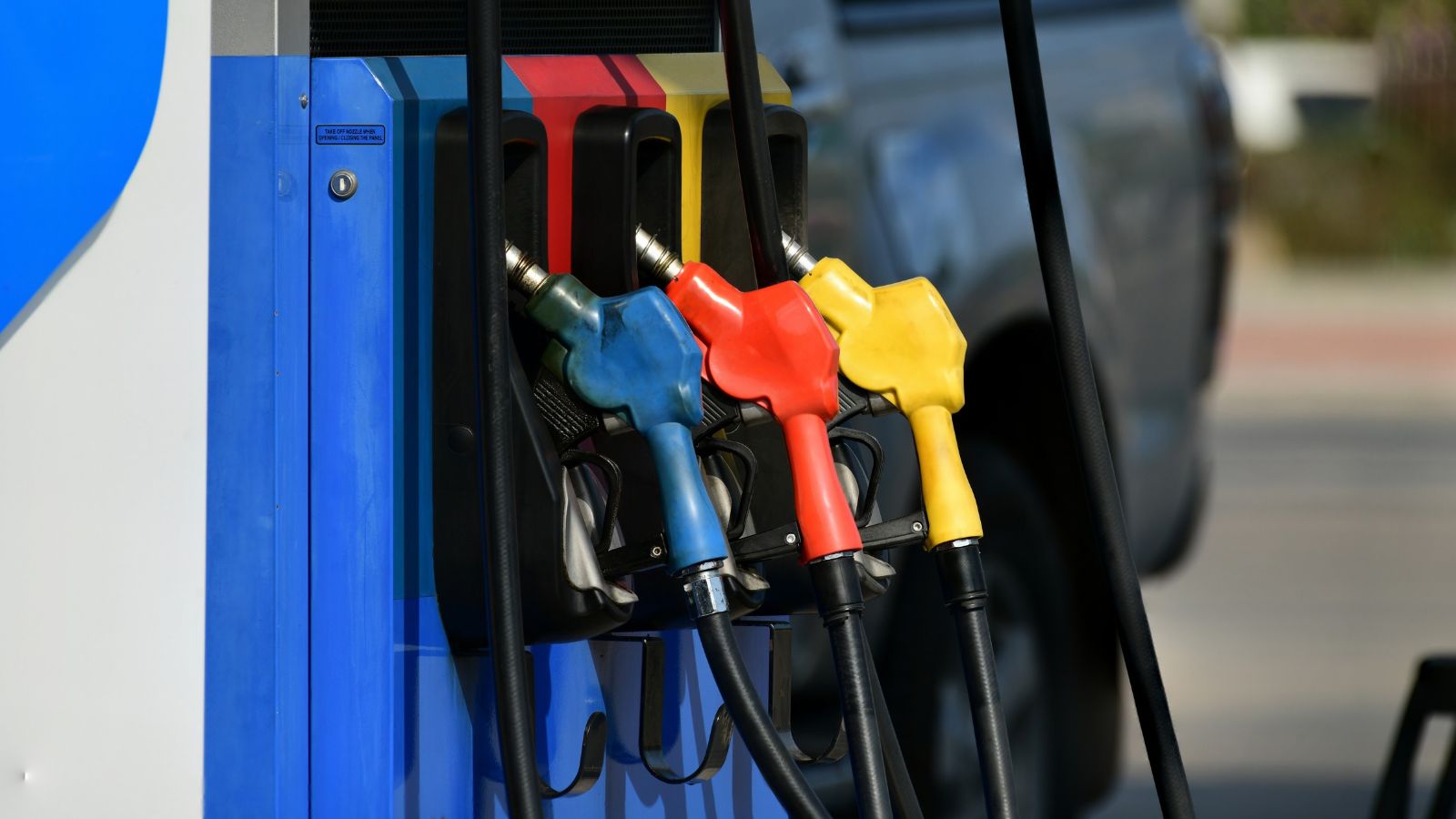
Atlantic Canadian motorists received welcome relief at the pumps on Friday, November 20, 2026, as significant overnight fuel-price reductions took effect in Prince Edward Island and Nova Scotia. Regular gasoline in P.E.I. dropped by 8 cents per litre, while Nova Scotia drivers saw diesel prices fall by 11.9 cents per litre.
The adjustments offer some breathing room for households, commuters, truck operators, and businesses dealing with elevated transportation costs. Gasoline, premium fuel, diesel, and heating oil all became cheaper in P.E.I., while Nova Scotia recorded reductions in both gasoline and diesel. However, despite the immediate savings, fuel prices remain relatively high, highlighting the continuing pressure global energy markets place on Atlantic Canadian consumers.
Prince Edward Island Cuts Regular Gasoline Prices by 8 Cents
Prince Edward Island drivers woke up to significantly lower gasoline prices after the Island Regulatory and Appeals Commission introduced its latest adjustment at 12:01 a.m. on November 20. Regular gasoline decreased by 8 cents per litre, bringing self-serve prices to between 159.7 and 160.9 cents per litre. The reduction provides welcome relief for residents who depend on personal vehicles for commuting, shopping, medical appointments, and everyday travel. For households operating multiple vehicles, even modest changes in fuel prices can make a noticeable difference over several fill-ups.
The adjustment comes after a period of considerable volatility in Atlantic Canadian fuel markets. Earlier in November, Island motorists experienced both increases and decreases as regulators responded to changing petroleum costs. The latest reduction reverses some of that pressure, although gasoline remains above the levels recorded during comparable periods in 2025. With transportation essential to daily life across many rural Island communities, lower pump prices provide an immediate, if potentially temporary, improvement in household affordability.
Nova Scotia Diesel Prices Drop Nearly 12 Cents Overnight
Nova Scotia recorded an even larger reduction in diesel prices, with the province’s regulated minimum falling by 11.9 cents per litre on November 20. In Zone 1, which includes the Halifax area, the minimum self-serve diesel price decreased from 245.3 cents to 233.4 cents per litre. The maximum self-serve price now stands at 236.4 cents per litre. Regular gasoline also became cheaper, declining by 3.7 cents per litre to a minimum of 156.0 cents. Premium gasoline recorded a smaller reduction of 3.4 cents, bringing its minimum to 169.0 cents per litre.
The diesel adjustment is particularly meaningful for the commercial transportation sector. Delivery companies, trucking operators, construction contractors, and other businesses that depend on diesel-powered equipment can experience substantial fuel expenses throughout a normal working week. A reduction approaching 12 cents per litre can translate into meaningful savings when vehicles consume hundreds of litres. Although diesel remains considerably more expensive than regular gasoline, Friday’s adjustment offers businesses a chance to recover some of the additional operating costs accumulated during recent periods of elevated fuel prices.
Falling Market Prices and Winter Blending Help Explain the Diesel Drop
Nova Scotia’s significant diesel reduction reflects several changes within the province’s regulated fuel-pricing formula. According to the Nova Scotia Energy Board’s November 20 breakdown, the diesel benchmark price declined from 161.87 to 157.35 cents per litre, a decrease of 4.52 cents. The forward-averaging correction also became more negative, while the allowance for winter diesel blending dropped from 8.54 to 4.40 cents per litre. Together, these adjustments helped produce a substantial reduction in the underlying wholesale selling price. The final minimum pump price fell by 11.9 cents after retail adjustments and applicable sales tax were included.
Winter blending plays an important role in diesel pricing because fuel must remain usable under cold-weather operating conditions. Refineries and distributors use blending practices intended to help diesel function reliably when temperatures fall. However, the additional allowance assigned to that process can change from one pricing period to another. The latest adjustment demonstrates why diesel prices do not always move at the same pace as gasoline. Separate refined-product markets, different pricing components, and seasonal operating requirements can produce noticeably different results for motorists and commercial vehicle operators.
P.E.I. Premium Gasoline, Diesel, and Furnace Oil Also Become Cheaper
The November 20 adjustment in Prince Edward Island extended beyond regular gasoline. The Island Regulatory and Appeals Commission also approved reductions of 6 cents per litre for premium gasoline, diesel, and furnace oil. After the changes, premium gasoline at self-serve stations ranges from 175.3 to 176.4 cents per litre, while diesel ranges from 233.1 to 234.3 cents. These reductions provide additional relief for motorists whose vehicles require premium gasoline and for businesses that use diesel-powered trucks, agricultural machinery, or other equipment. The changes are especially relevant in a province where transportation and agriculture remain essential to many communities.
Furnace oil prices also declined, an important development as Atlantic Canada moves further into the heating season. P.E.I.’s regulated maximum furnace oil price now stands at 176.6 cents per litre before applicable taxes, or 185.4 cents after tax. For households relying on oil-fired heating systems, even a small reduction can affect the cost of a substantial delivery. A 500-litre delivery, for example, would cost $30 less before tax if the full 6-cent reduction were reflected in the price. Heating expenses remain a significant concern as colder weather approaches, making the timing of this reduction particularly relevant.
What the Price Reductions Mean for Household Fuel Costs
The financial benefits become clearer when the new prices are compared with the previous regulated rates. In Prince Edward Island, the minimum self-serve gasoline price fell from 168.9 to 159.7 cents per litre. Although the regulator announced an 8-cent reduction, the tax-inclusive difference at the pump is actually 9.2 cents per litre because of the effect of HST. At those minimum prices, filling a 50-litre tank costs $4.60 less than before the adjustment. A 60-litre purchase produces savings of $5.52. For households that regularly refuel more than one vehicle, the immediate savings can add up.
Nova Scotia diesel customers can experience larger savings because the price reduction is more substantial. Purchasing 70 litres at the new Zone 1 minimum costs $8.33 less than the same amount at the previous minimum. A 100-litre purchase produces savings of $11.90, while 300 litres represents a $35.70 difference. These examples assume comparable station pricing and identical quantities purchased. Actual savings may vary because retailers can charge different amounts within their permitted price ranges. Nevertheless, the calculations demonstrate how an overnight adjustment can meaningfully reduce transportation expenses.
Different Provincial Taxes Help Explain Atlantic Canada’s Fuel-Price Gap
Although Prince Edward Island and Nova Scotia share many economic and transportation challenges, their gasoline prices are influenced by different provincial tax policies. P.E.I. suspended its provincial gasoline and diesel taxes on September 26, 2026, as part of an affordability initiative. The suspension removed provincial levies of 8.47 cents per litre on gasoline and 14.15 cents on diesel, with the measure scheduled to remain in place until January 31, 2027. This tax relief was already in effect before Friday’s fuel-price reductions and should not be confused with the latest market-driven adjustments.
Nova Scotia’s November 20 regulated pricing schedule, meanwhile, includes provincial fuel taxes of 15.5 cents per litre on gasoline and 15.4 cents on diesel. The two provinces also have different harmonized sales tax rates: 15% in P.E.I. and 14% in Nova Scotia. Transportation expenses, wholesale costs, retailer margins, and market conditions further influence the final numbers. Within Nova Scotia itself, six pricing zones account for geographic differences, with minimum regular gasoline prices ranging from 156.0 cents in Zone 1 to 157.9 cents in Zone 6. Consequently, comparing fuel prices between provinces requires more than examining a single tax or commodity-price change.
Fuel Prices Remain Elevated Despite the Latest Reductions
Friday’s decreases are encouraging, but they do not erase the broader increase in fuel costs experienced over the past year. In its November 17 petroleum notice, Prince Edward Island’s regulator compared mid-November 2026 prices with figures from approximately the same period in 2025. Brent crude oil was listed at US$95.84 per barrel on November 16, 2026, compared with US$64.39 on November 14, 2025. That represented an increase of approximately 48.8%. The regulator’s comparison also showed diesel at 240 cents per litre in the 2026 snapshot, against 175.1 cents in the 2025 period.
Those figures help explain why consumers may still feel frustrated despite the latest decreases. A driver paying approximately $2.33 per litre for diesel continues to face substantial fuel expenses, even after a reduction approaching 12 cents. Importantly, crude oil is not the only factor determining retail prices. Refined gasoline and diesel trade in separate markets, and their prices can respond differently to supply conditions, demand, and currency fluctuations. The latest reductions therefore represent meaningful short-term relief rather than proof that the longer period of elevated fuel costs has ended.
More Price Changes Could Arrive as Atlantic Regulators Monitor Markets
The November 20 adjustments may not be the final changes Atlantic motorists experience this month. Prince Edward Island currently follows a twice-weekly pricing schedule, with gasoline, diesel, and furnace oil adjustments taking effect at 12:01 a.m. every Tuesday and Friday. Its next scheduled adjustment is Tuesday, November 24. Nova Scotia generally updates regulated gasoline and diesel prices every Friday, making November 27 its next regular pricing date. However, the province’s Energy Board also has authority to introduce unscheduled changes when significant movements in petroleum markets justify an earlier adjustment.
For motorists and businesses, the immediate benefit is straightforward: fuel purchases made at the newly regulated prices cost less than comparable purchases before Friday’s reductions. Whether those savings continue will depend on developments in refined petroleum markets, exchange rates, and the other components used by provincial regulators. Recent fluctuations demonstrate how quickly the situation can change. Atlantic Canadians can welcome the latest relief while recognizing that one favourable adjustment does not guarantee a sustained decline. For now, lower gasoline and diesel prices provide an important measure of financial breathing room as households and businesses prepare for the remainder of the year.