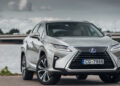
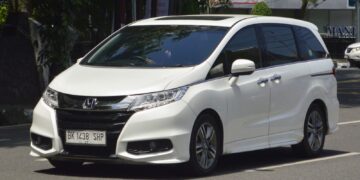
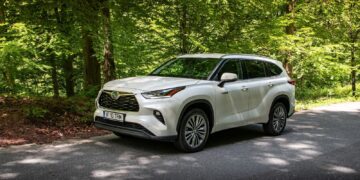















For Canadian families, the minivan argument is less about image and more about what happens during a normal week: school runs, hockey bags, grocery stops, highway trips, winter mornings, and a fuel bill that never seems to disappear. The Toyota Sienna and Honda Odyssey remain two of the strongest answers, but they approach the job very differently. The Sienna leans heavily on hybrid efficiency and available all-wheel drive, while the Odyssey sticks with a powerful V6 and exceptionally flexible interior.
Using Canadian-spec 2026 models for a consistent comparison, 12 key areas reveal where each van has an advantage. From fuel economy and winter traction to seating, cargo room, technology, safety, pricing, and long-term ownership, the better choice depends heavily on how a family actually plans to use it.
Two Very Different Powertrain Philosophies
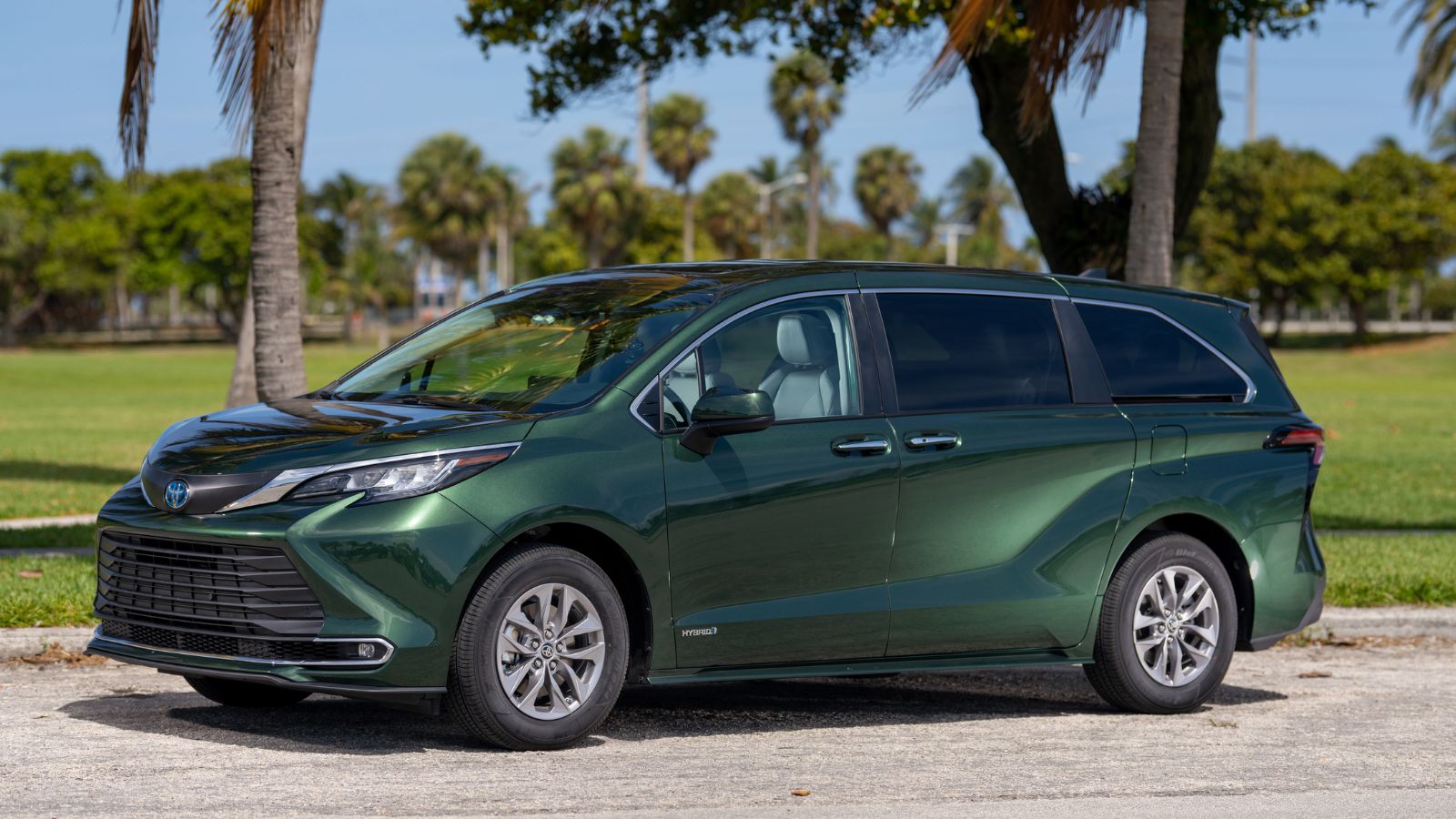
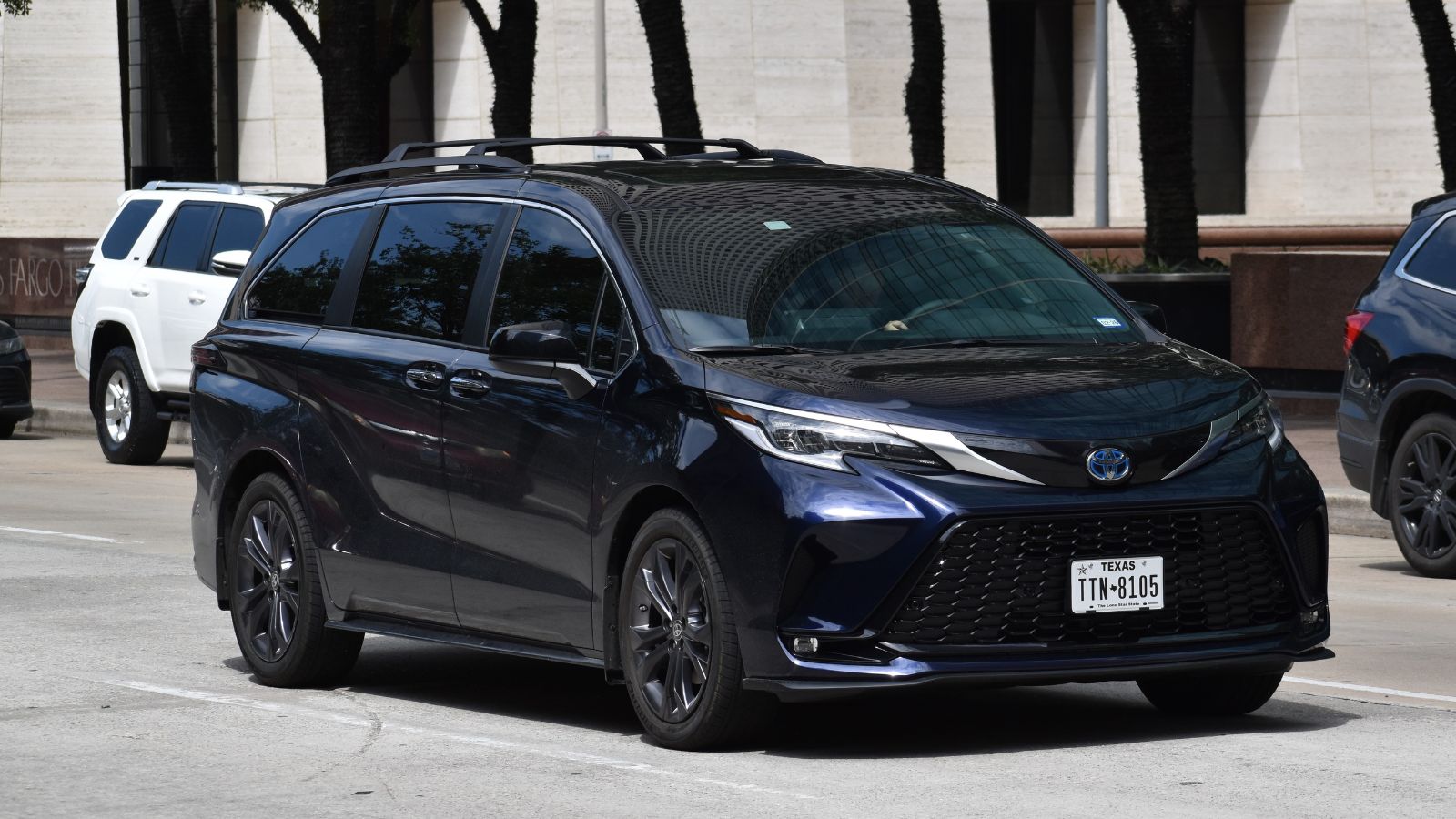
Toyota has committed completely to electrification with the Sienna. Every 2026 Canadian model uses a 2.5-litre four-cylinder hybrid system producing 245 net horsepower, paired with an electronically controlled continuously variable transmission. Buyers can choose front-wheel drive on several models or Toyota’s electronic on-demand all-wheel-drive system on selected trims. There is no conventional gasoline-only Sienna sitting elsewhere in the lineup.
Honda takes almost the opposite approach. Every 2026 Odyssey uses a naturally aspirated 3.5-litre V6 producing 280 horsepower and 262 lb-ft of torque, connected to a 10-speed automatic transmission. All Canadian Odyssey trims are front-wheel drive. That makes the Honda the more traditional choice mechanically, with 35 more advertised horsepower and a conventional stepped transmission. The Toyota’s appeal is less about maximum output and more about what its electric motors allow it to accomplish with far less gasoline. That fundamental difference influences almost every other part of this comparison.
The Fuel-Economy Difference Is Difficult to Ignore
Fuel consumption is where the Sienna creates its biggest measurable advantage. Natural Resources Canada rates the 2026 front-wheel-drive Sienna at 6.6 L/100 km combined, while the AWD version is rated at 6.8 L/100 km. The Odyssey is rated at 10.6 L/100 km combined. For a large vehicle designed to spend years hauling children, luggage, sports equipment, and groceries, that gap can become meaningful surprisingly quickly.
NRCan’s 2026 guide estimates annual fuel costs of $1,980 for the Sienna FWD and $2,040 for the Sienna AWD under its standardized assumptions. The corresponding estimate for the Odyssey is $3,180. That amounts to an estimated difference of roughly $1,140 to $1,200 per year. Actual spending will naturally change with kilometres travelled, weather, traffic, driving habits, and fuel prices, but the underlying consumption gap remains substantial. For a family keeping its van for seven or eight years, efficiency alone gives the Toyota a powerful financial argument.
Available AWD Gives the Sienna a Canadian Advantage
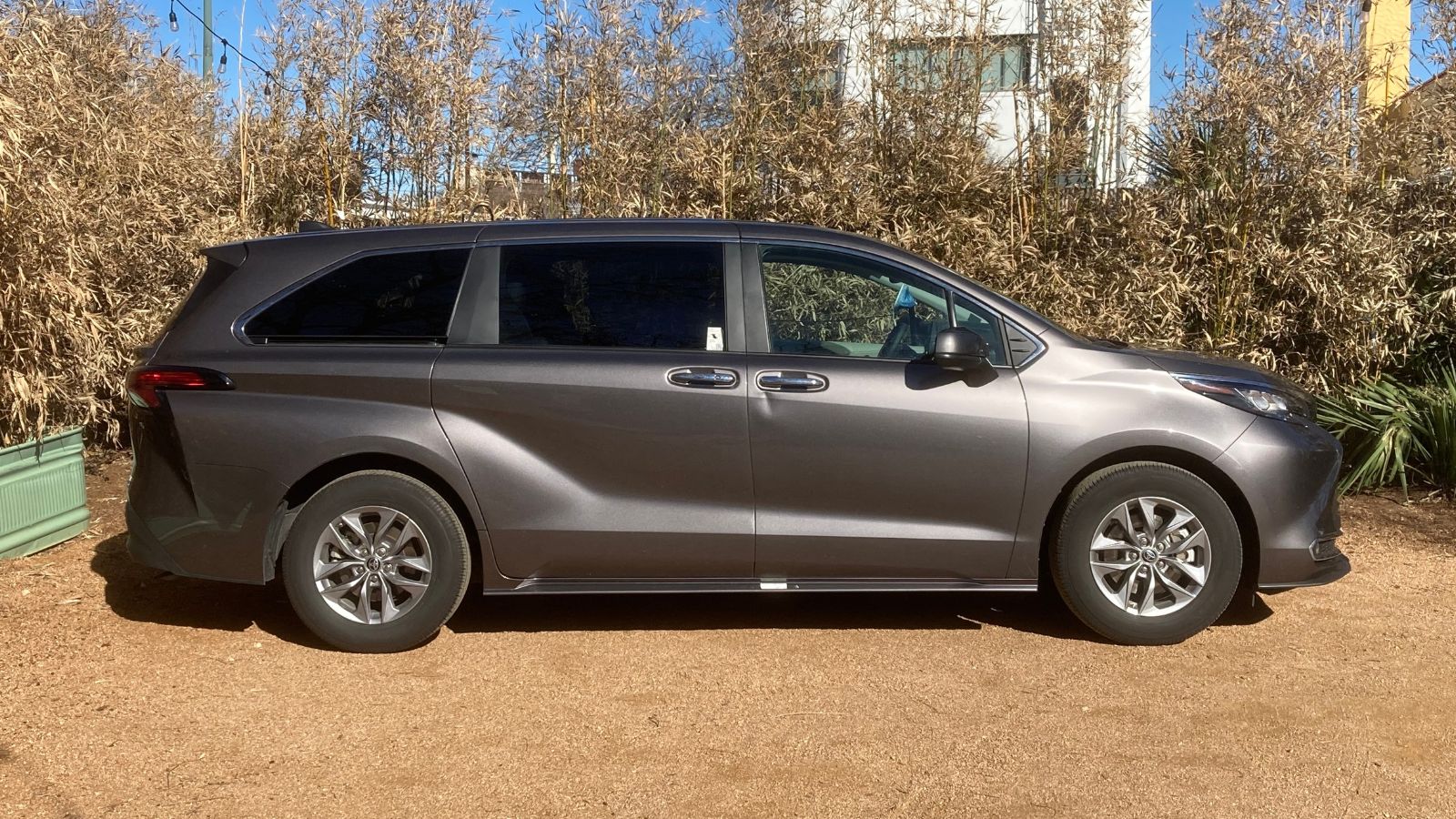
Canadian winters make drivetrain choice more significant than it might be in warmer markets. Toyota offers electronic on-demand AWD on multiple Sienna configurations. Instead of using a conventional driveshaft to power the rear axle, the hybrid system can use an electric motor at the rear when additional traction is required. The arrangement provides four-wheel traction without destroying the Sienna’s efficiency advantage; NRCan’s combined rating rises only from 6.6 to 6.8 L/100 km.
The Odyssey remains front-wheel drive across its Canadian lineup, although Honda includes a Snow drive mode. A well-equipped front-wheel-drive vehicle can still be very capable during winter, particularly with proper tires, so AWD should not be confused with a substitute for winter rubber. Transport Canada recommends winter tires on all four wheels in cold, snowy, or icy conditions and notes their improved traction compared with all-season tires. Even so, for families regularly facing unplowed residential streets, cottage roads, or heavy snowfall, the availability of AWD gives the Sienna an extra layer of versatility the Honda simply cannot match.
Odyssey Makes Eight-Passenger Flexibility Easier
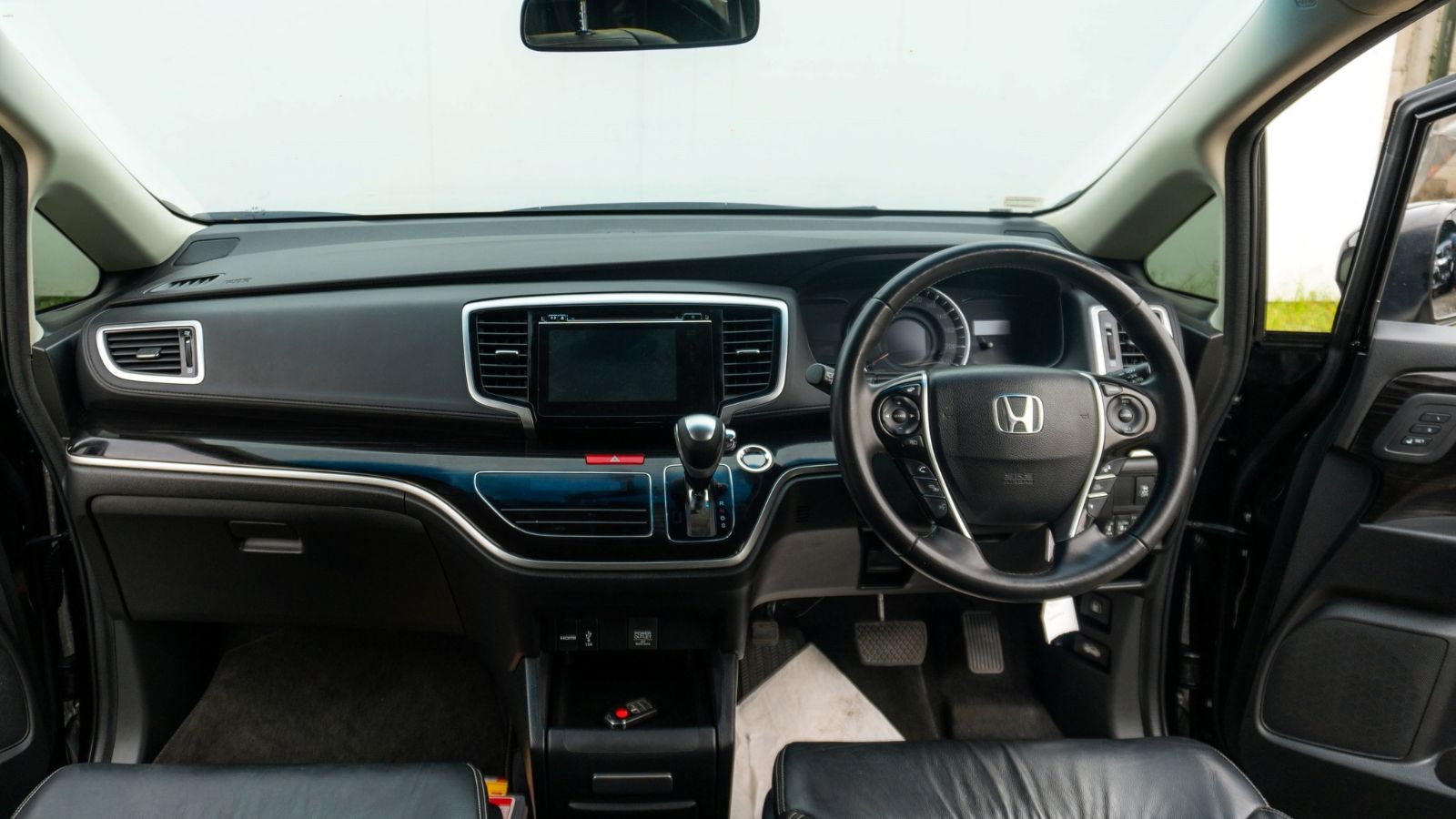
The seating comparison becomes more nuanced than simply counting chairs. Honda gives every 2026 Odyssey seating for eight. Its Magic Slide second-row system allows the outboard seats to move laterally after the centre position is removed, making it easier to create a path to the third row, separate children, or reposition a child seat closer to the side door. The third row uses Honda’s One-Motion 60/40-split Magic Seat design and folds into the floor.
Toyota offers both seven- and eight-passenger Siennas. LE, LE AWD, and XLE models accommodate eight, while XSE and higher configurations generally use second-row captain’s chairs and seat seven. Those captain’s chairs can slide a considerable distance fore and aft, and upper trims add comfort features such as ottomans. For adults relaxing on a long drive, the Toyota arrangement can feel more like a premium lounge. For families constantly rearranging children, car seats, grandparents, and friends, however, the Odyssey’s eight-seat configuration and Magic Slide system offer exceptional day-to-day adaptability.
Honda Wins When Maximum Cargo Space Matters
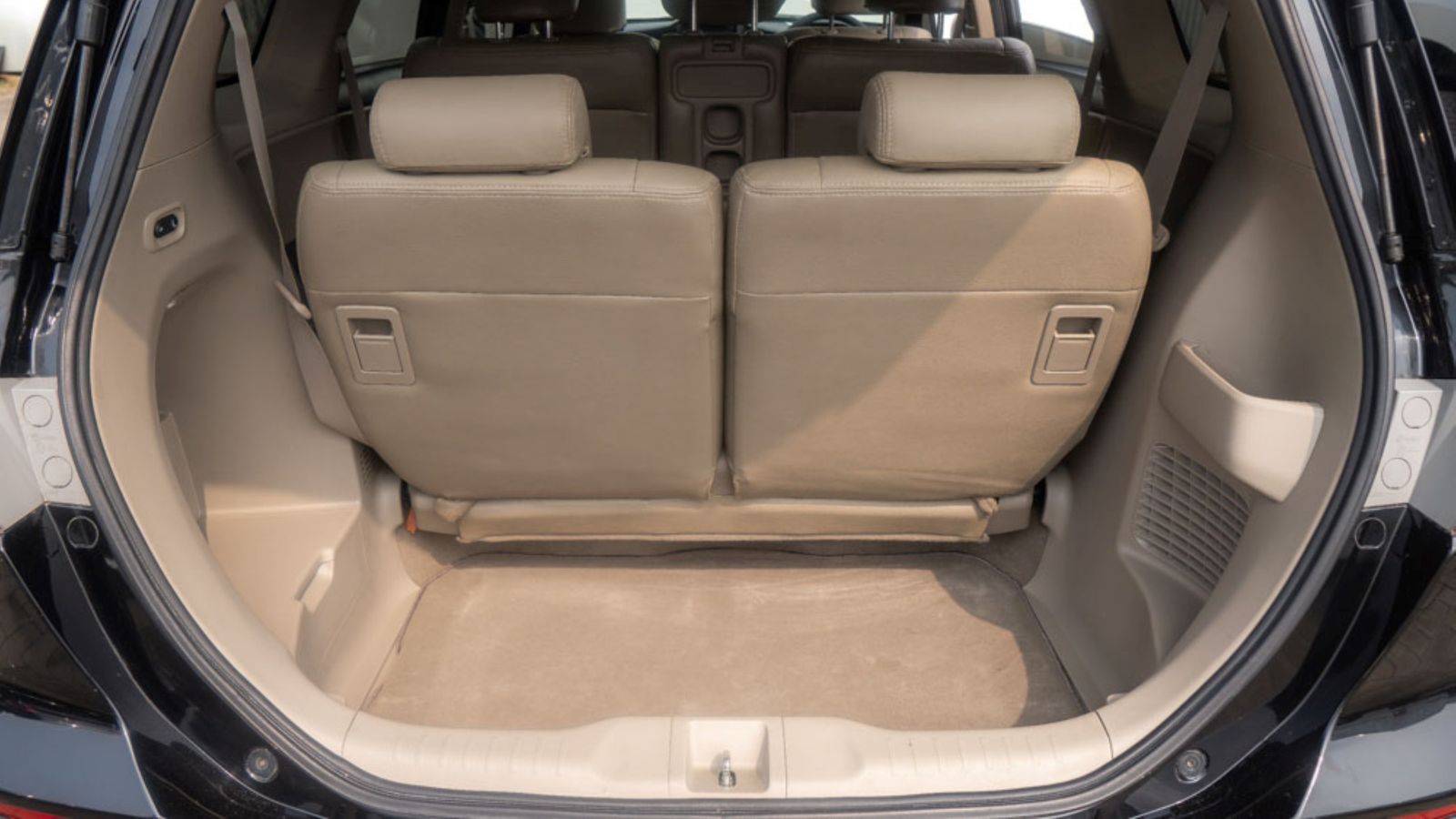
Both vehicles provide the deep cargo well behind the third row that makes minivans so useful, but their published capacities tell an interesting story. Toyota lists 949 litres behind the Sienna’s third row, 2,129 litres behind the second row, and as much as 2,860 litres behind the front seats. Those are substantial numbers, especially considering the Sienna can still deliver crossover-like fuel consumption while moving that much equipment.
Honda lists 929 litres behind the Odyssey’s third row, so Toyota actually has a slight advantage with every seat being used. Fold the third row and the situation reverses: Honda quotes 2,452 litres behind the second row and up to 3,973 litres behind the first row. Honda also specifically promotes the Odyssey’s removable seating and ability to carry 4-by-8-foot sheets of material flat. That distinction matters for a family that occasionally treats its minivan like a cargo van. The Sienna handles everyday luggage beautifully, but the Odyssey has the stronger case when sheer maximum carrying capacity becomes the priority.
Odyssey Has More Power, but Sienna Has a Different Mission
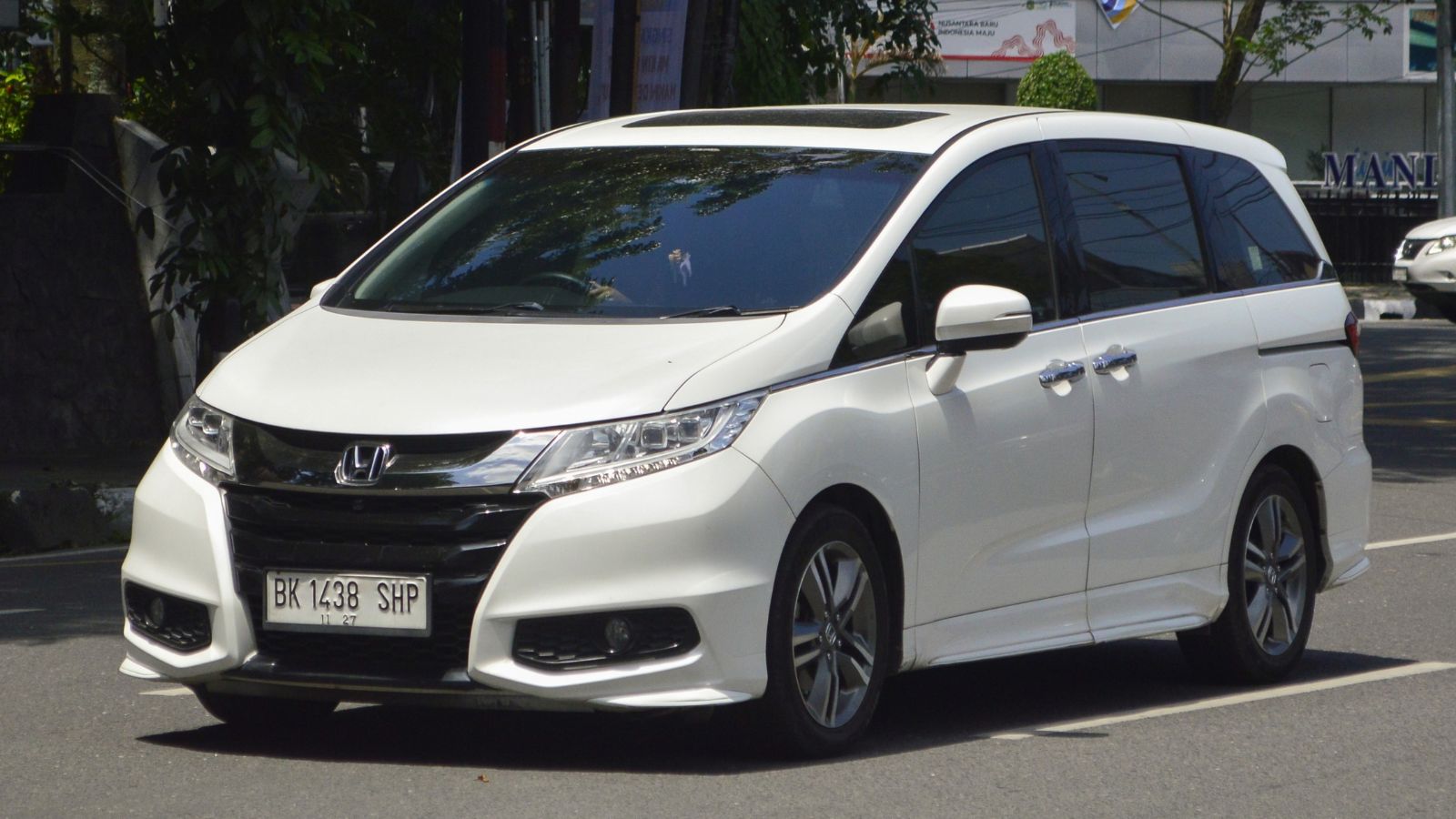
The Odyssey’s 280-horsepower V6 gives it a 35-horsepower advantage over the Sienna’s 245-horsepower hybrid system. Honda pairs that engine with a 10-speed automatic, paddle shifters, and an independent multi-link rear suspension. On paper, it is the more conventional powertrain for drivers who value a naturally aspirated engine, distinct gear changes, and substantial output when merging or passing with a loaded cabin.
Toyota is clearly chasing a different objective. Electric assistance contributes to the Sienna’s low-speed response, while the hybrid system continuously blends gasoline and electric power. Canadian automotive testing has generally found the Sienna easy to drive despite its size, with good visibility and compliant road manners. The XSE adds a sport-tuned suspension, although that configuration can trade some ride softness for sharper responses. Neither van is pretending to be a sports vehicle. The more meaningful distinction is that the Honda provides more traditional V6 muscle, while the Toyota manages family-hauling performance with dramatically lower fuel consumption.
Family Technology Takes Different Forms
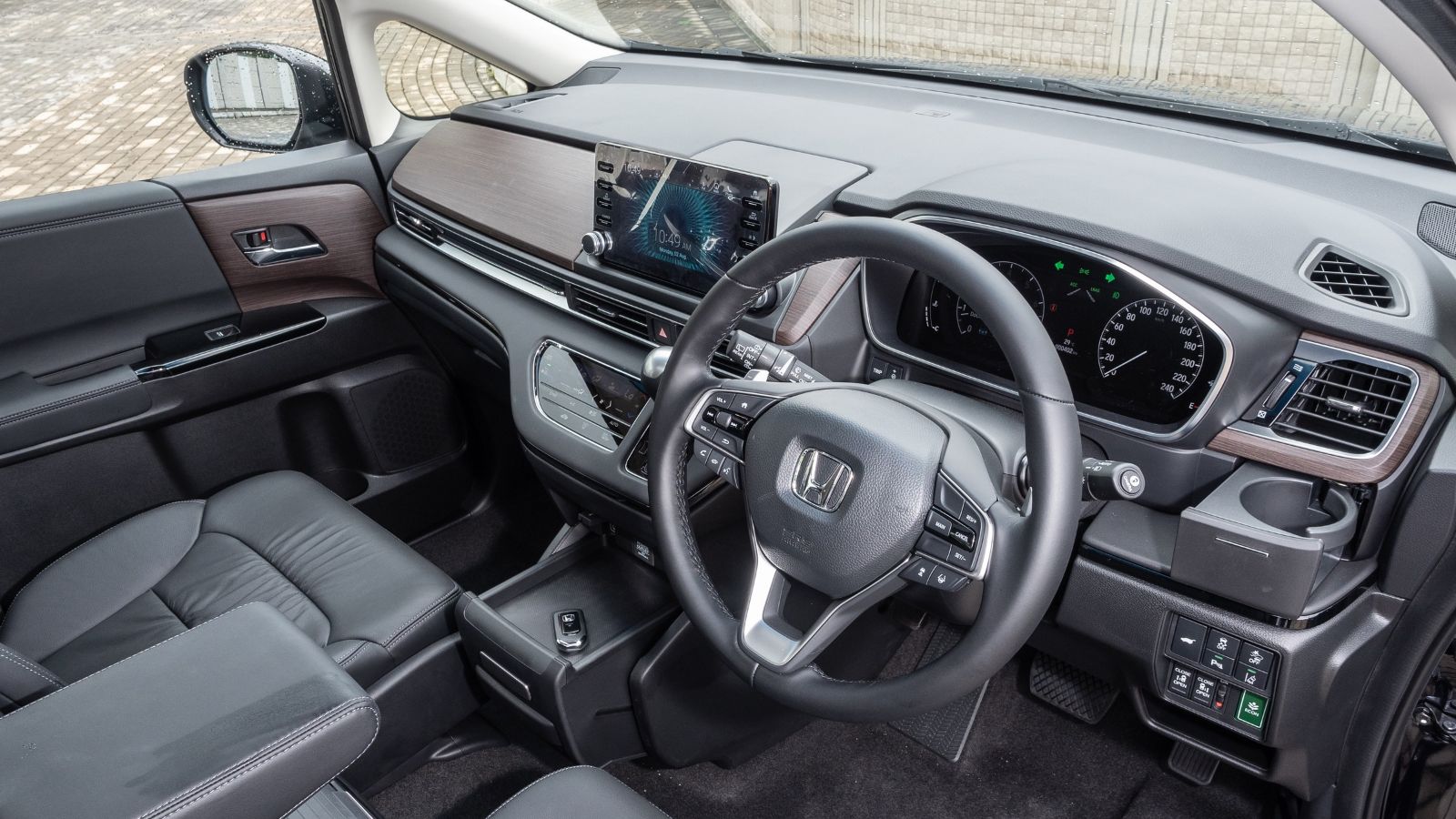
Honda puts several unusually family-focused features into the Odyssey. A 9-inch centre touchscreen is standard, as are wired and wireless Apple CarPlay and Android Auto compatibility. The 2026 specification sheet also lists a 12.8-inch rear entertainment display across the lineup. CabinTalk functions as an in-vehicle public-address system, allowing the driver to speak through the rear speakers or compatible headphones. Touring and Black Edition models add CabinWatch, which uses a camera to show rear passengers on the front display.
Toyota responds with a newer-looking multimedia setup on much of the Sienna range. LE versions use an 8-inch Toyota Multimedia screen, while XLE, XSE, and upper trims receive a 12.3-inch display. Wireless Apple CarPlay and Android Auto are standard, and higher trims can add JBL premium audio and an 11.6-inch rear entertainment system. The Sienna also offers an advanced rear-seat reminder designed to detect rear-cabin occupants. Honda arguably has the more imaginative kid-management tools, while Toyota offers the larger front display on most trims.
Both Offer Strong Safety Suites, but Crash Tests Show Differences
Neither manufacturer reserves its core driver-assistance technology exclusively for expensive trims. Toyota equips the 2026 Sienna with Toyota Safety Sense 2.0, including pre-collision assistance, lane-departure alert with steering assist, lane-tracing assistance, automatic high beams, and full-speed-range adaptive cruise control. Blind-spot monitoring and rear cross-traffic alert are also standard. Honda Sensing includes adaptive cruise control with low-speed follow, collision-mitigation braking, lane-keeping assistance, road-departure mitigation, traffic-sign recognition, blind-spot information, and cross-traffic monitoring.
Independent testing adds useful context. The Insurance Institute for Highway Safety gives both 2026 vans a Good rating in its small-overlap front and updated side evaluations. In the more demanding updated moderate-overlap test, however, the Sienna is rated Marginal while the Odyssey is rated Poor. The Sienna also earns a Good headlight rating compared with Acceptable for the Odyssey. IIHS testing is not a Canadian regulatory program, but it provides another useful comparison point beyond manufacturers’ equipment lists. Neither result eliminates the need for careful driving, proper child-seat installation, and suitable tires.
Pricing Is Closer Than the Powertrains Suggest
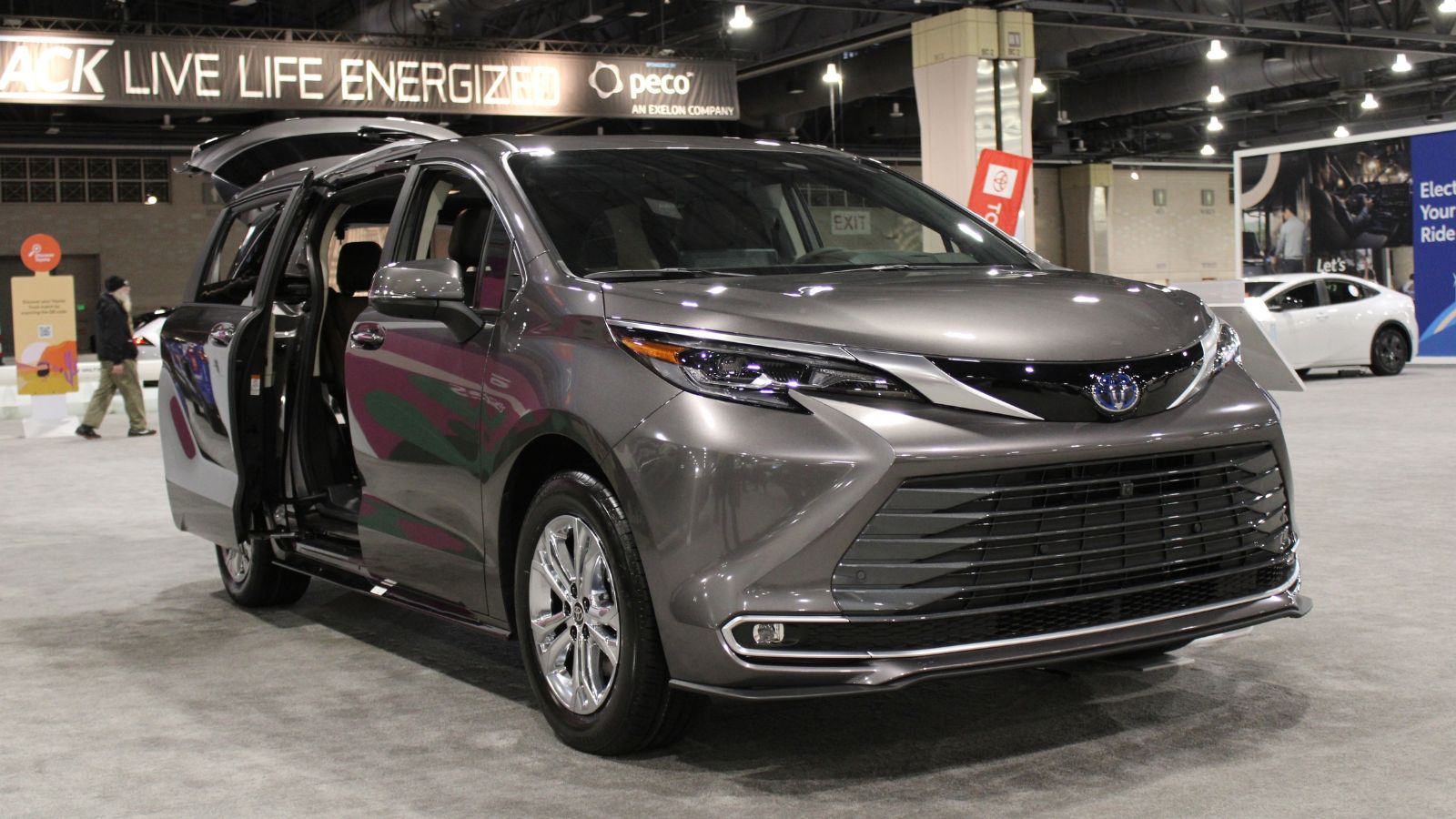
At the time of this comparison, Toyota Canada’s online configurator showed the 2026 Sienna LE FWD from approximately $53,547, while Honda Canada listed the 2026 Odyssey Sport at a selling price of $54,673. Manufacturer website pricing can change and varies with provincial charges, fees, accessories, incentives, and the way each company presents estimated vehicle prices, so buyers should compare actual dealer quotes rather than assuming a thousand-dollar website gap will survive the purchasing process.
Where the lineups separate is in configuration. Toyota lets buyers move from an eight-passenger FWD hybrid to an eight-passenger AWD model, sport-oriented seven-seat XSE versions, and expensive luxury-oriented AWD configurations. Honda keeps things simpler with Sport, Sport-L, Touring, and Black Edition models, all using the same V6 and front-wheel-drive layout. High-end Siennas can become considerably more expensive than the priciest Odyssey. At the lower end, however, Toyota does not require a huge entry-price premium for the hybrid powertrain, which strengthens its value argument.
Both Can Tow, but Their Dimensions Tell Another Story
Families sometimes need a minivan to handle more than passengers, and neither vehicle gives up much ground in towing ability. Toyota lists roughly 1,585 kg, or about 3,500 pounds, of towing capacity for most Sienna configurations. Honda rates the Odyssey at 1,587 kg. Appropriate equipment, loading limits, trailer brakes, and manufacturer instructions still matter, but their advertised maximums are effectively a tie for practical comparison purposes.
Their exterior dimensions reveal more subtle differences. The Sienna measures about 5,175 mm long in most trims, while the Odyssey stretches to 5,251 mm. Toyota also lists 163 mm of ground clearance versus Honda’s 148 mm. The Sienna therefore manages to be somewhat shorter while sitting slightly farther from the ground, characteristics that can be welcome in crowded parking lots and during snowy conditions. Yet the longer Odyssey converts its packaging into notably greater maximum cargo volume. Neither approach is inherently better: the Toyota emphasizes efficiency and all-weather versatility, while the Honda makes exceptionally effective use of its interior footprint.
Warranty Coverage Is Similar Until the Hybrid Components Enter the Picture
The basic factory warranty picture is remarkably even. Honda Canada provides a three-year/60,000-km distributor’s warranty and five-year/100,000-km powertrain coverage. Toyota’s Canadian new-vehicle warranty likewise provides three years or 60,000 km of basic coverage and five years or 100,000 km for the powertrain. That means choosing between these two purely on their basic warranty periods does not produce much separation.
The Sienna’s electrified hardware receives additional protection because there is more hybrid-specific equipment to cover. Toyota specifies eight years or 160,000 km for designated hybrid-related components and 10 years or 240,000 km for the hybrid battery, whichever comes first. That extended coverage is useful reassurance for someone planning to keep the van well beyond a typical financing term. It should not be interpreted as proof that one van will necessarily be more reliable than the other, but it does reduce uncertainty surrounding some of the Sienna’s most expensive electrified components during long-term ownership.
The Sienna Makes More Sense for Most Canadian Families
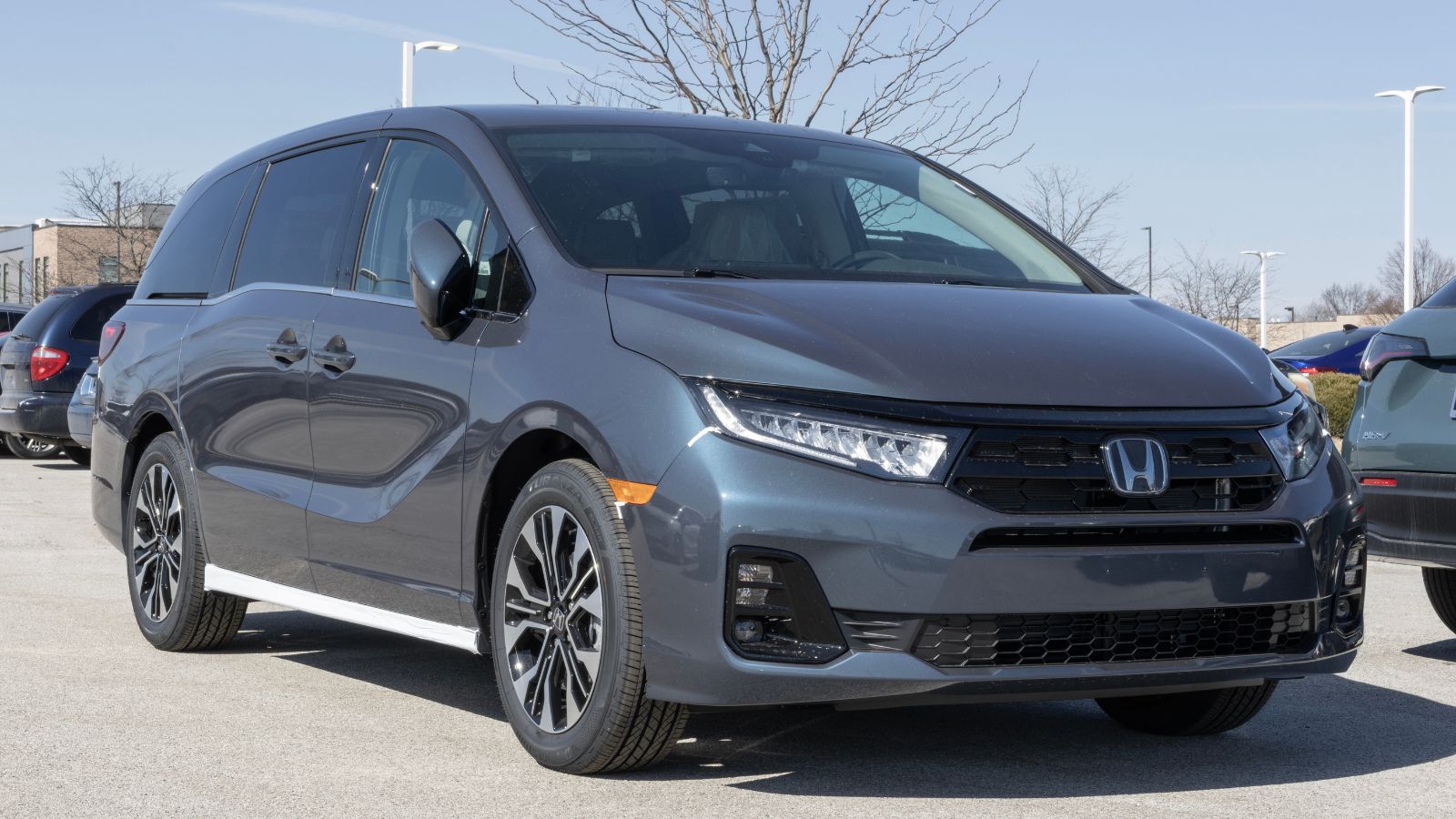
There is no weak vehicle here. The Odyssey deserves serious consideration for a family that values eight-passenger seating on every trim, clever Magic Slide seats, enormous maximum cargo capacity, a smooth conventional V6 powertrain, and family-focused features such as CabinTalk and CabinWatch. Someone who regularly removes seats to haul bulky equipment may find the Honda’s layout more useful than the Toyota’s impressive efficiency ever could be.
For the broader Canadian use case, however, the Sienna has the stronger overall argument. Its government-rated fuel consumption is dramatically lower, AWD is available without a severe efficiency penalty, and entry pricing remains in roughly the same neighbourhood as the Odyssey. Toyota can also seat eight in its lower trims and tow roughly the same amount as the Honda. AutoTrader’s Canadian expert panel named the Sienna its 2026 Best Minivan, emphasizing many of those same strengths. For most Canadian families, the Sienna is the more rational all-round purchase; the Odyssey wins when maximum interior flexibility and traditional V6 performance matter more than AWD and fuel savings.
19 Used Cars Canadians Should Avoid in 2026 (Based on Owner Complaints)
Buying a used car in Canada can feel safe until repair bills start stacking up. Owner complaints tell a different story than glossy listings. Transmission failures, electrical problems, and weak winter reliability show up again and again in consumer reports. Many of these issues appear after warranties expire, when owners least expect them. Some vehicles look affordable upfront, but become expensive to keep on the road. Others struggle in cold weather, urban driving, or long highway commutes. Here are 19 used cars Canadians should avoid in 2026 (based on owner complaints).
19 Used Cars Canadians Should Avoid in 2026 (Based on Owner Complaints)