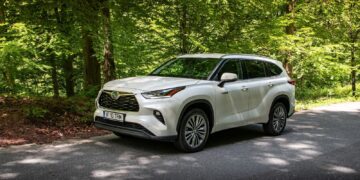
















Toyota created the Grand Highlander for families who liked the Highlander formula but wanted noticeably more usable space. The interesting part is that the financial difference between the two has become surprisingly small in comparable 2026 configurations. In some cases, the larger model can even start for less because Toyota offers front-wheel-drive Grand Highlanders while the 2026 Highlander lineup comes with all-wheel drive.
That turns this into more than a simple question of whether bigger is better. Twelve key comparisons show how the Highlander and Grand Highlander differ in price, dimensions, third-row comfort, cargo capacity, performance, hybrids, fuel economy, towing, maneuverability, technology, safety equipment and overall value.
The Price Difference Is Much Smaller Than the Names Suggest
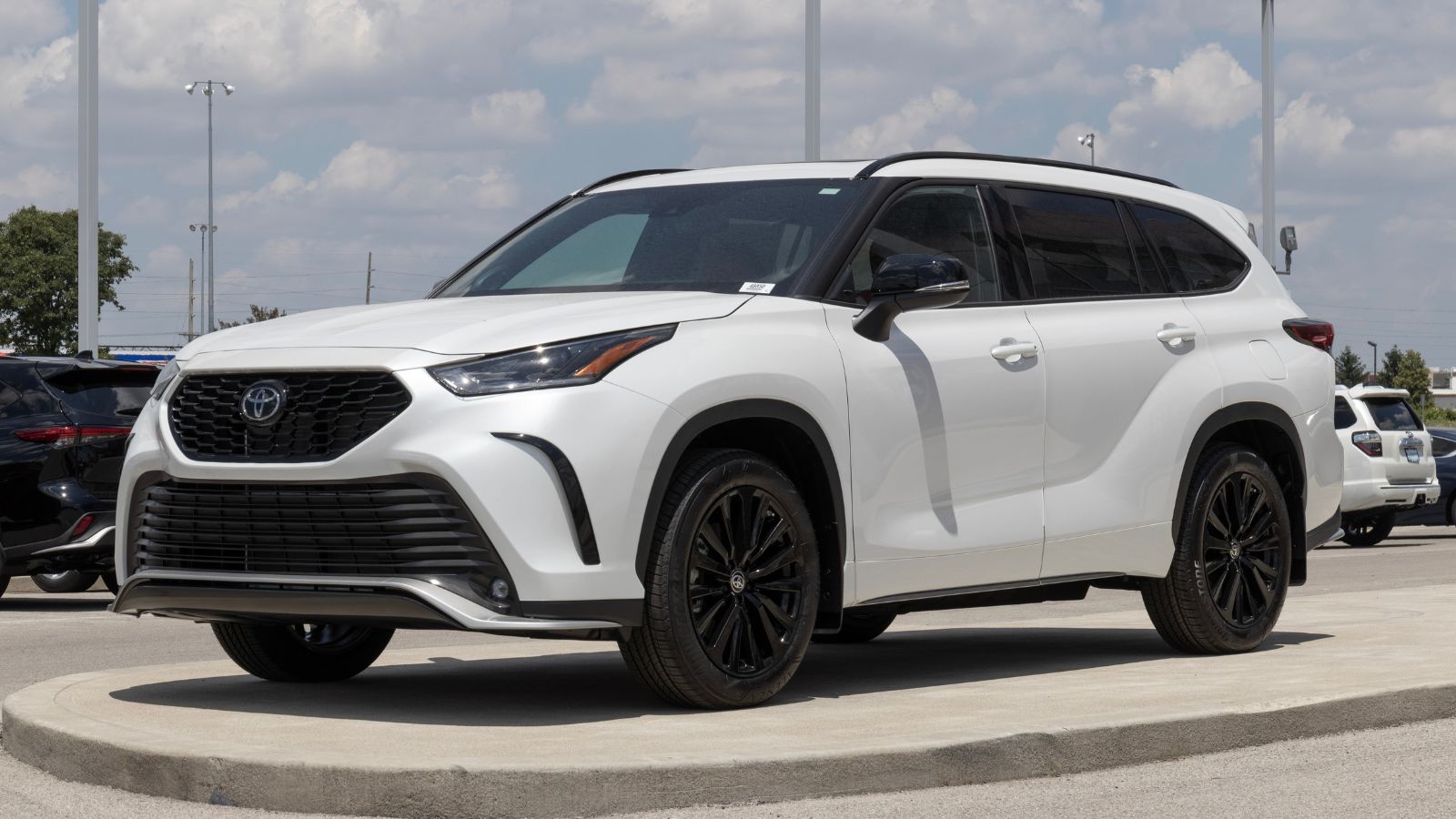
Anyone assuming the Grand Highlander requires a major jump in budget may be surprised by Toyota’s 2026 pricing. A Highlander XLE with its standard all-wheel drive carries a listed base MSRP of $46,270. A Grand Highlander XLE with all-wheel drive is $46,630. That works out to only $360 more for the larger SUV when the two are compared with similar drivetrains. The gap is almost insignificant relative to the total price of either vehicle.
The situation becomes more unusual at the bottom of the lineup. Toyota offers the Grand Highlander LE with front-wheel drive starting at $42,260, meaning the larger vehicle technically has a lower advertised entry price than the Highlander. Its XLE is also available with front-wheel drive for $45,030. Buyers should therefore avoid assuming the word “Grand” automatically means thousands of dollars more. For anyone who already wants AWD and an XLE-level vehicle, however, the real question is whether the Grand Highlander’s extra size is worth roughly the cost of a few monthly fuel stops rather than a major upgrade.
The Grand Highlander Is Noticeably Bigger Outside
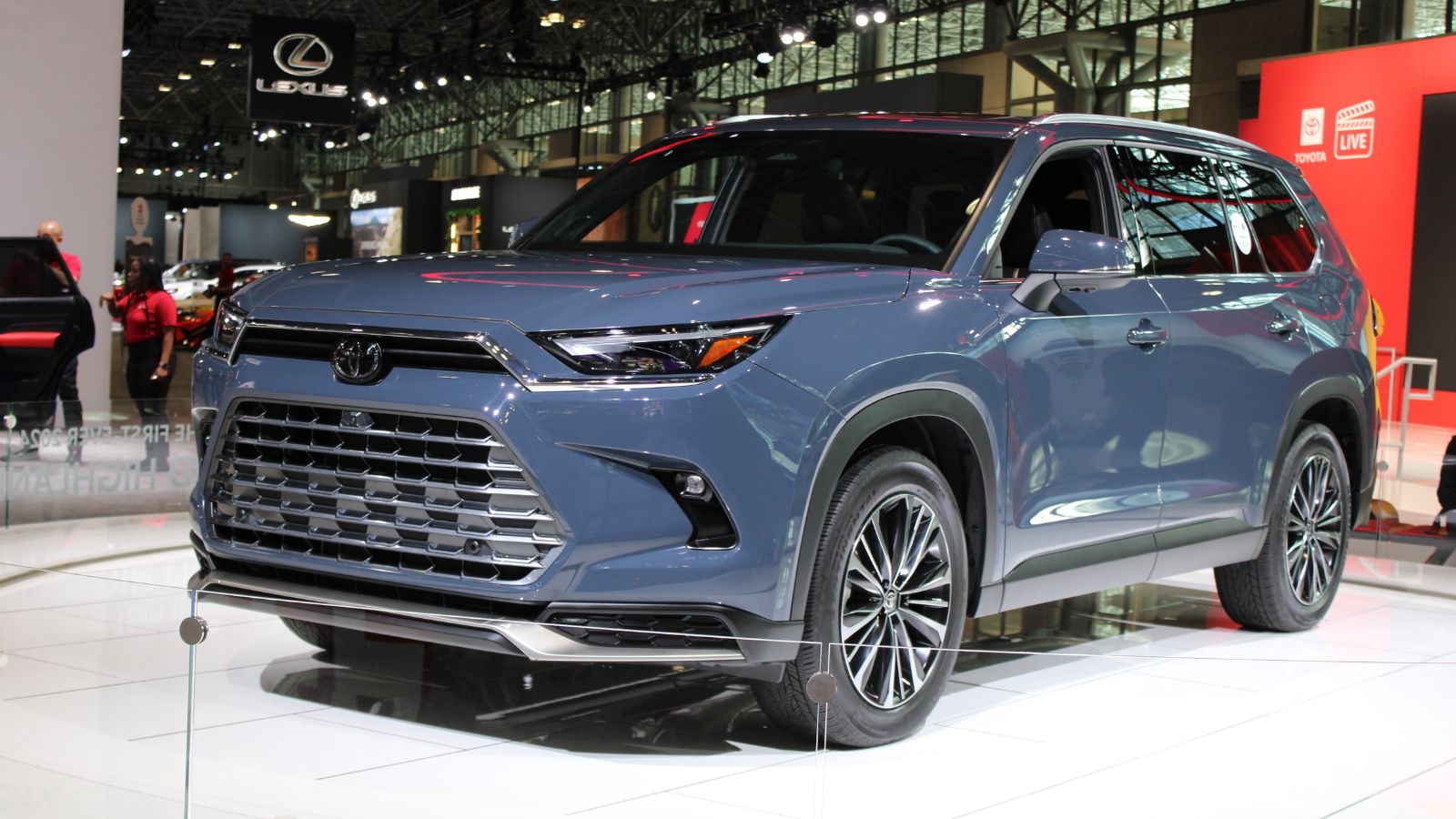
Toyota did not create the Grand Highlander simply by reshaping the Highlander’s bumpers. The larger SUV stretches approximately 201.4 inches from nose to tail, while the Highlander measures about 194.9 inches. That is roughly six and a half additional inches of vehicle. The Grand Highlander is also 78.3 inches wide compared with the Highlander’s 76 inches, making the difference noticeable when squeezing into a narrow garage or an older parking structure.
The wheelbases tell an equally important story. The Grand Highlander spans 116.1 inches between its axles, while the Highlander uses a 112.2-inch wheelbase. A longer wheelbase gives Toyota more physical space to distribute between passengers and cargo, particularly toward the back of the cabin. Both vehicles still maintain roughly eight inches of ground clearance, so the Grand’s extra dimensions are primarily about interior packaging rather than dramatically greater off-road clearance. Families moving from a sedan or compact crossover should keep those measurements in mind because the Grand Highlander genuinely occupies more road and parking-space real estate.
The Third Row Is Where the Grand Highlander Justifies Its Existence
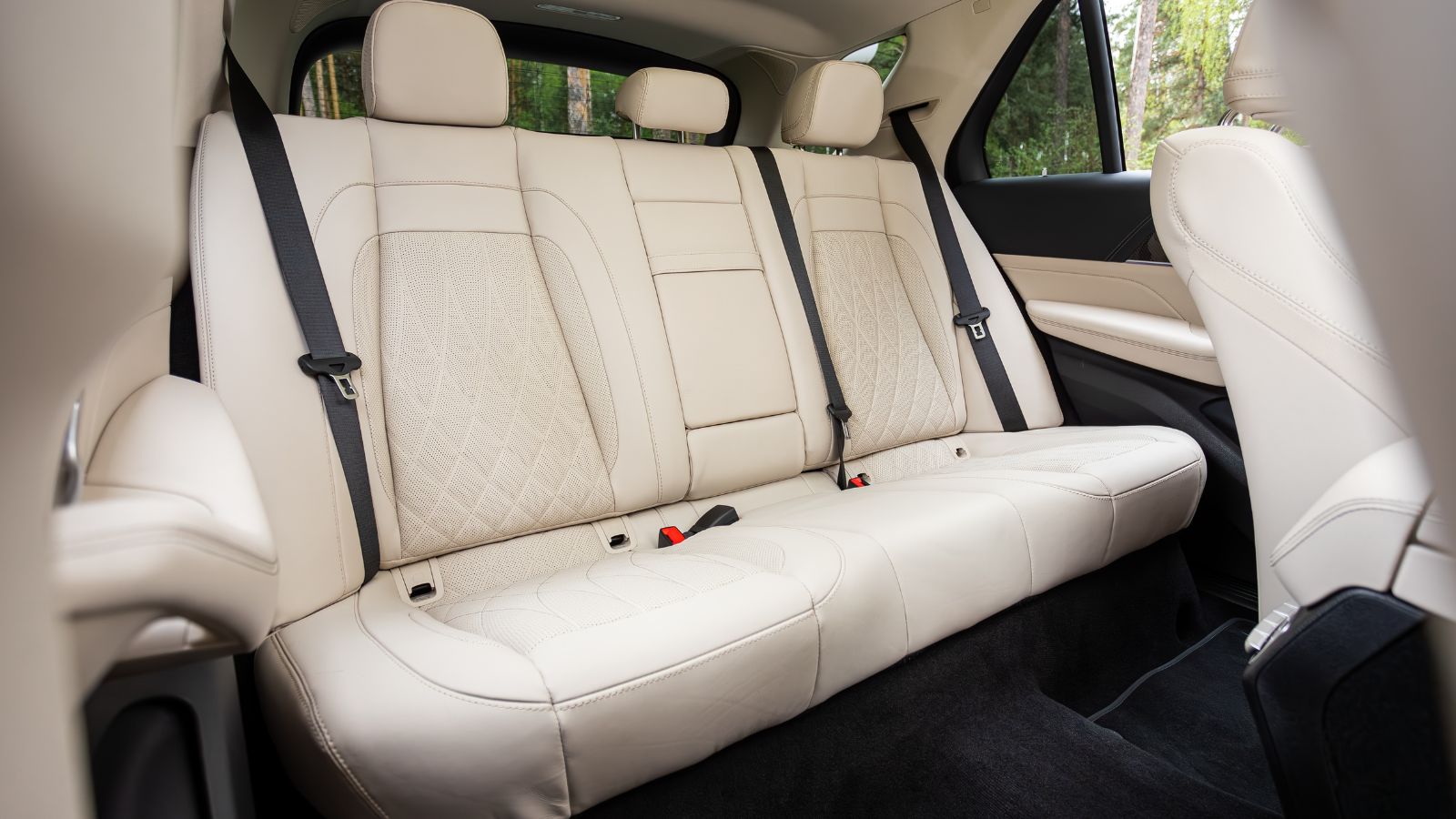
The most convincing argument for the Grand Highlander appears after opening the rear doors and climbing into the third row. Toyota gives the Grand Highlander approximately 33.5 inches of third-row legroom. The conventional Highlander has about 27.7 inches. A difference of 5.8 inches is enormous in a part of the cabin where every inch matters, especially when teenagers or adults rather than young children occupy the rear seats.
Toyota specifically describes the Grand Highlander’s third row as adult-sized, and the dimensions explain why. It also provides approximately 37.2 inches of third-row headroom. Both SUVs can accommodate seven or eight occupants depending on trim and second-row seating configuration, but identical seat counts do not mean identical passenger experiences. A family using the third row twice a year for a short restaurant trip may be perfectly satisfied with the Highlander. A household routinely carrying six, seven or eight people on road trips has a much stronger reason to choose the Grand Highlander because its rearmost seats function more like permanent passenger space instead of occasional overflow seating.
Cargo Space Makes the Grand Even More Convincing
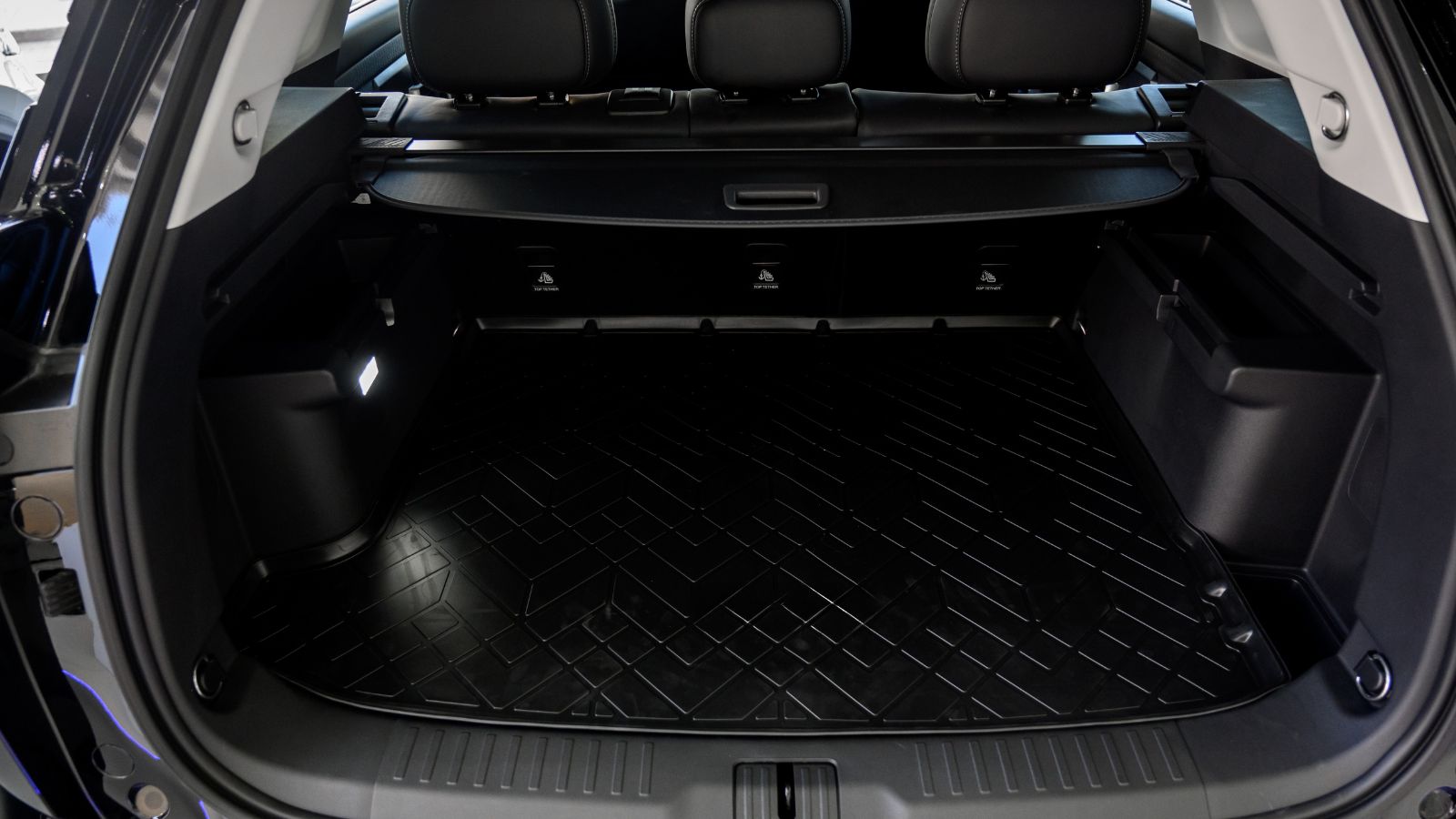
The extra exterior length pays another dividend behind the third row. With all three rows in use, the Grand Highlander provides approximately 20.6 cubic feet of cargo capacity. The Highlander offers 16 cubic feet. That additional 4.6 cubic feet represents nearly 29% more room behind the rearmost passengers, precisely where families tend to notice a shortage when every seat is occupied.
The difference becomes even larger when the passenger seats are folded. Toyota lists maximum cargo capacity at 97.5 cubic feet for the Grand Highlander versus 84.3 cubic feet for the Highlander, a 13.2-cubic-foot advantage. That can matter when carrying strollers, hockey equipment, luggage, furniture boxes or the mountain of belongings that often accompanies a family vacation. Toyota says the Grand Highlander can accommodate seven carry-on suitcases with its third row still upright. For households that rarely fill the vehicle, the Highlander’s 84.3-cubic-foot maximum remains substantial. For buyers who regularly combine passengers and luggage, though, the Grand Highlander’s extra space is arguably its single strongest value proposition.
Gas-Engine Performance Is Almost Identical
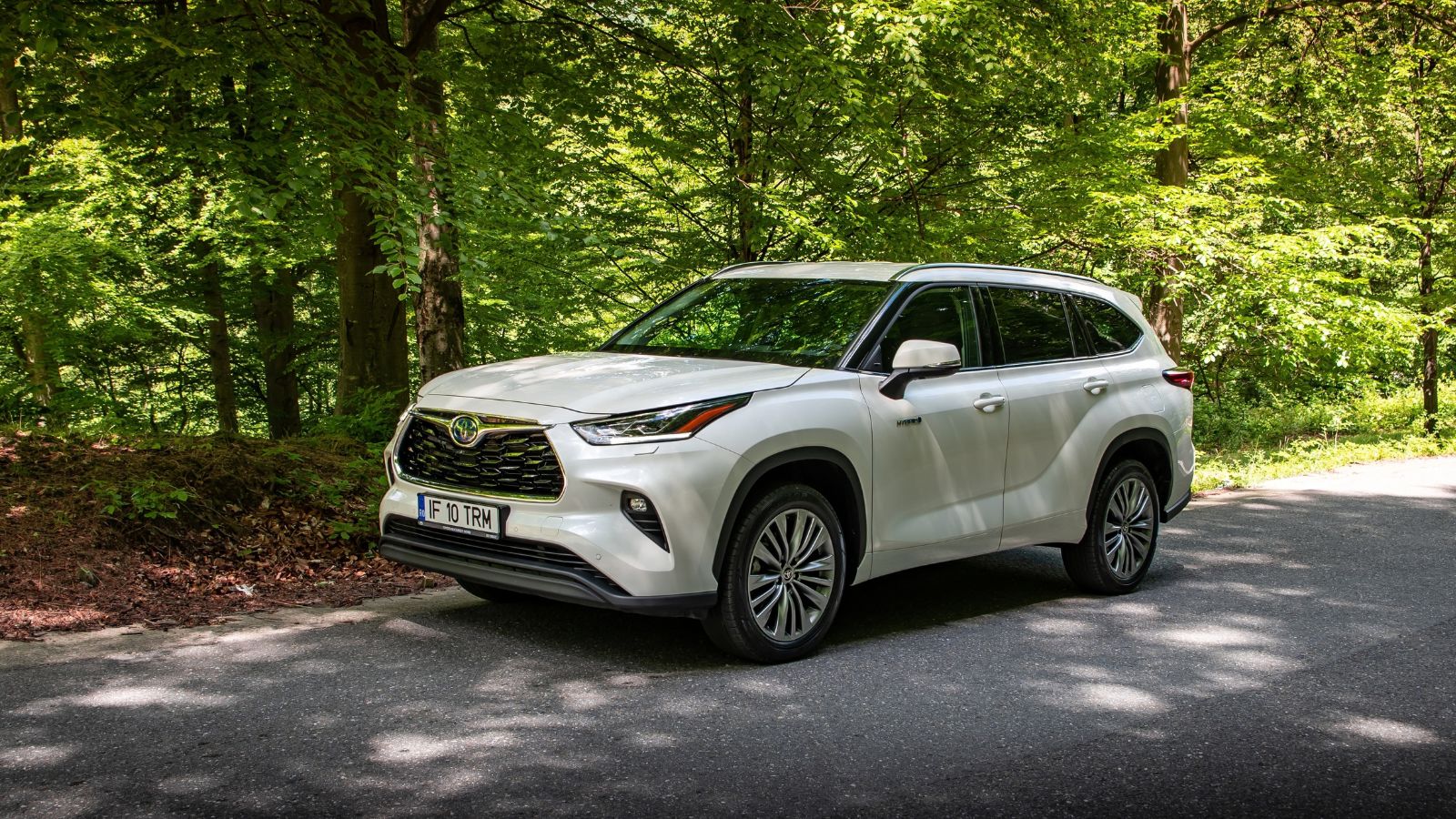
Buying the larger Toyota does not automatically mean buying a more powerful engine. Both SUVs offer a 2.4-litre turbocharged four-cylinder producing 265 horsepower and 310 pound-feet of torque. Toyota pairs the gas engine with an eight-speed automatic transmission, giving the Highlander and conventional gas Grand Highlander fundamentally similar power figures despite their different dimensions.
Where they differ is drivetrain strategy. Toyota made AWD standard throughout the 2026 Highlander lineup. The Grand Highlander continues to offer front-wheel drive on several gas configurations, with AWD available for buyers who want additional traction. That explains some of the confusing price comparisons between the two vehicles. A cheaper Grand Highlander may not be equipped the same way as the Highlander sitting beside it. Drivers shopping in snowy regions may therefore want to compare AWD with AWD rather than simply looking at the lowest advertised MSRP. The Highlander does not give up meaningful gas-engine output by being smaller, while the Grand’s advantage is the ability to package essentially the same output into a much roomier vehicle.
The Grand Highlander Offers Far More Powertrain Variety
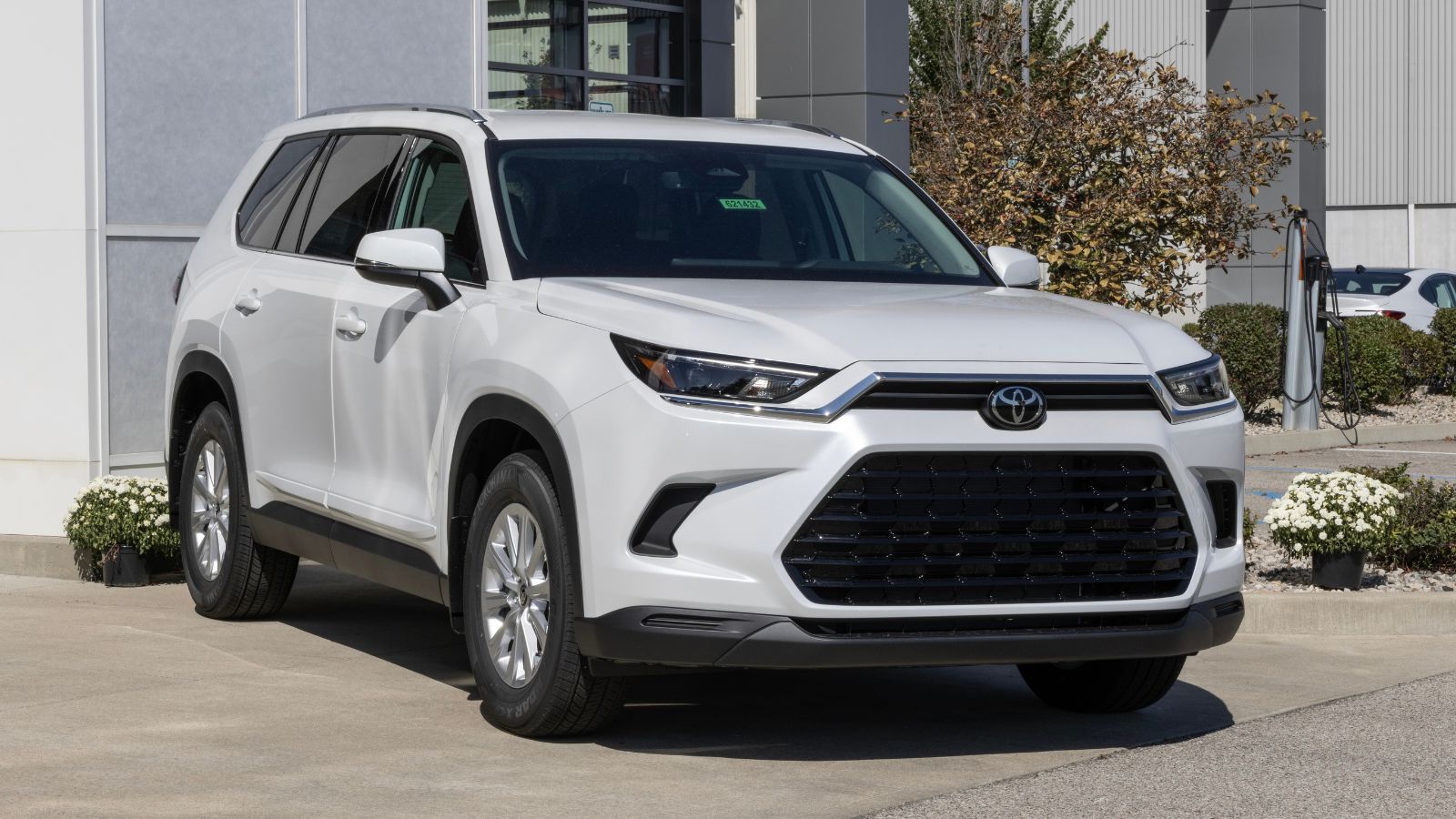
The Highlander keeps its electrified choice relatively simple. Its 2.5-litre hybrid system produces 243 combined horsepower, uses electronic on-demand all-wheel drive and is rated to tow up to 3,500 pounds. Toyota estimates combined fuel economy at about 35 mpg for the 2026 Highlander Hybrid. It is an efficiency-focused setup rather than a performance hybrid, which fits the vehicle’s family-oriented mission.
The Grand Highlander expands the menu considerably. Its conventional hybrid produces 245 combined horsepower, putting it extremely close to the Highlander Hybrid. But Toyota also offers the Hybrid MAX, which combines a turbocharged engine and electrification for 362 horsepower and 400 pound-feet of torque. That creates a version of the Grand Highlander with performance the smaller Highlander simply cannot match. Buyers interested mainly in fuel savings do not necessarily gain much horsepower by choosing the regular Grand Highlander Hybrid. Those who want three-row space without giving up stronger acceleration, however, have an option unavailable in the standard Highlander range. Powertrain choice is therefore one of the Grand Highlander’s less obvious advantages.
The Highlander Hybrid Still Has an Efficiency Argument
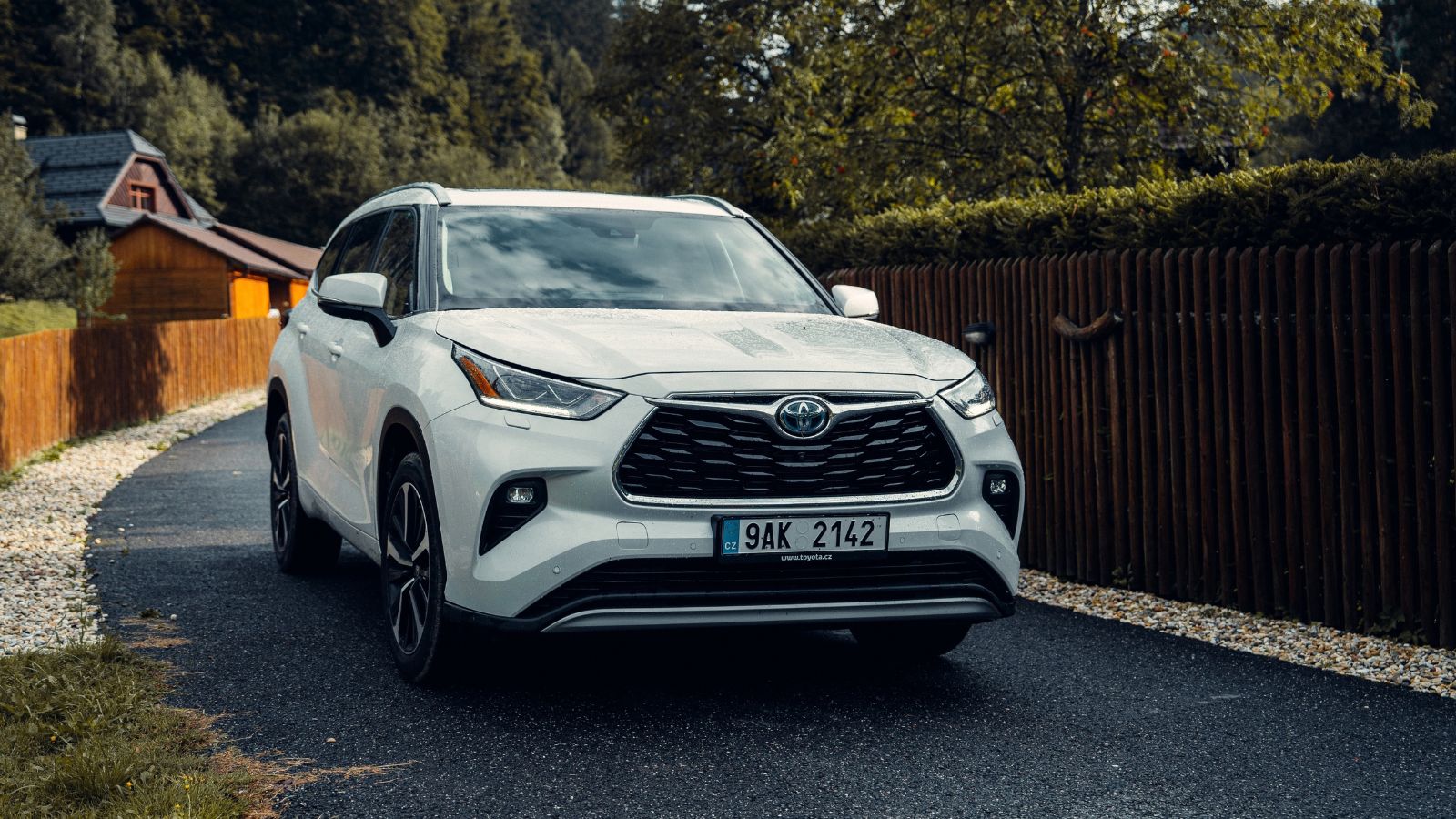
Bigger does not always mean drastically thirstier, particularly with Toyota’s hybrids. The AWD Highlander Hybrid XLE is rated at approximately 35 mpg combined. An AWD Grand Highlander Hybrid XLE comes in around 34 mpg combined, with ratings of roughly 36 mpg city and 32 highway. The larger vehicle therefore comes surprisingly close to the smaller Highlander despite carrying more bodywork and providing significantly more interior room.
The Grand Highlander can do even better when configured with front-wheel drive. Toyota lists its front-drive Hybrid XLE at 37 mpg city and 34 mpg highway, or roughly 36 mpg combined. That is a useful reminder that drivetrain configuration matters almost as much as vehicle size when comparing efficiency. Gas-powered AWD models are closer to the low-to-mid-20-mpg range, with the Highlander XLE listed at 21 mpg city and 28 highway and the AWD Grand Highlander XLE at 21 city and 27 highway. For buyers committed to AWD, the smaller Highlander retains a modest efficiency advantage. It is real, but not large enough to erase the Grand Highlander’s space advantage for families that genuinely need it.
Towing Capacity Is More Similar Than Expected
The Grand Highlander’s larger proportions might suggest substantially higher towing capability, yet the gas-powered versions of both Toyotas top out at 5,000 pounds when properly equipped. The Highlander’s 2.4-litre turbo can tow up to 5,000 pounds, and Toyota gives the gas Grand Highlander the same maximum. Someone pulling a modest travel trailer, utility trailer or recreational equipment therefore does not need to move to the Grand solely to obtain a higher conventional gas tow rating.
The hybrids tell a similar story until Hybrid MAX enters the discussion. The regular Highlander Hybrid is rated for up to 3,500 pounds, as is the standard Grand Highlander Hybrid. Grand Highlander Hybrid MAX models can reach a 5,000-pound maximum, restoring the gas model’s capability while adding significantly more system output. That makes Hybrid MAX interesting for households wanting both electrification and heavier towing ability. Otherwise, towing alone is not a compelling reason to pay more for the bigger Toyota. Passenger room and cargo capacity remain much stronger reasons to make the move.
The Smaller Highlander Is Easier to Live With in Tight Spaces
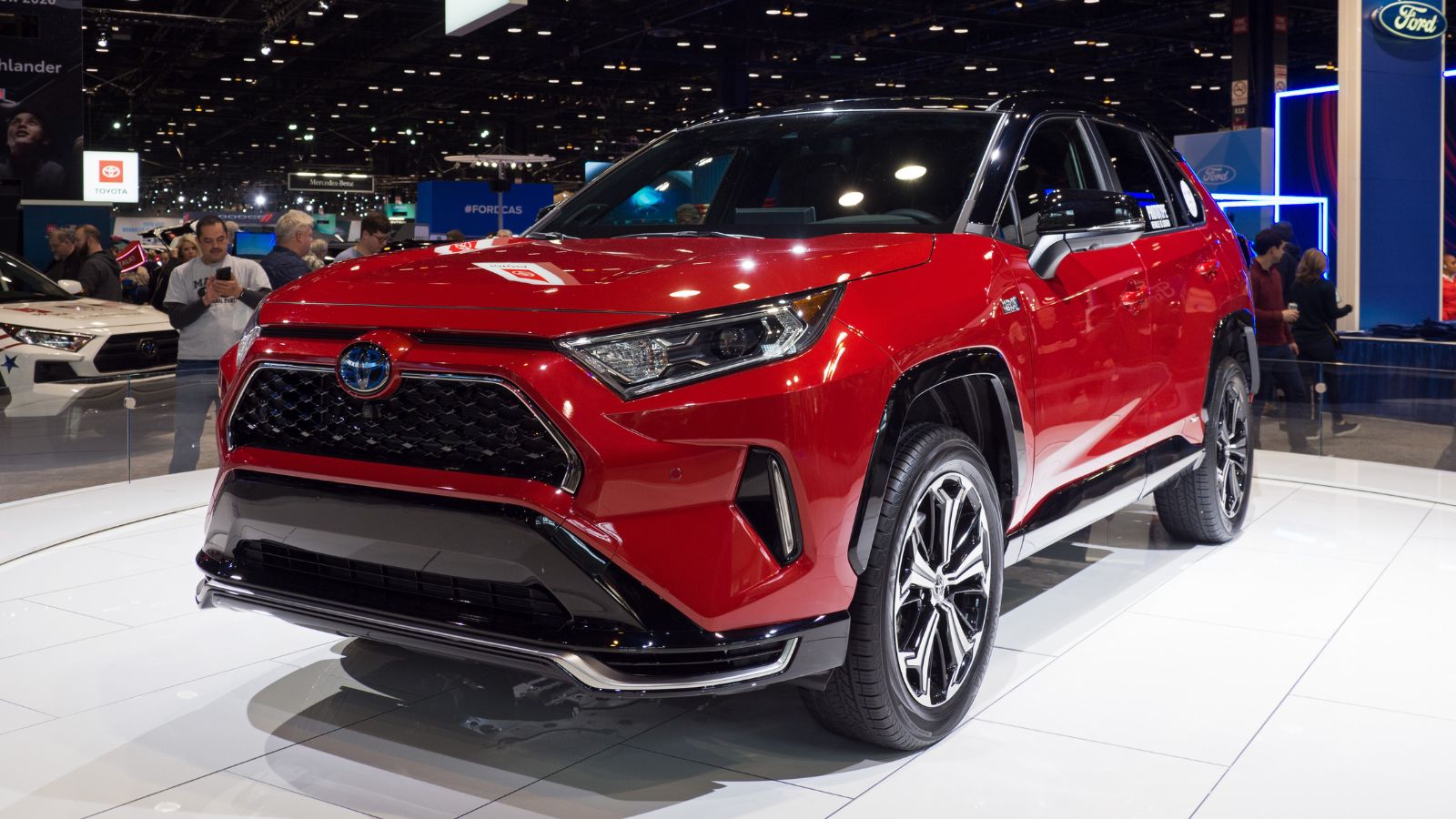
The Highlander’s reduced size creates an advantage that may become apparent every single day. At 194.9 inches long and 76 inches wide, it takes up less space than the 201.4-inch-long and 78.3-inch-wide Grand Highlander. That difference may seem modest on paper, but adding several inches in both length and width can matter in underground garages, narrow driveways, busy school pickup lanes and older urban parking lots.
Its turning measurements also slightly favour the smaller model. Toyota lists a turning circle of roughly 37.4 feet for the Highlander and about 38.1 feet for the Grand Highlander. Neither is dramatically difficult to maneuver for a three-row SUV, but the Highlander requires less physical space. Both retain approximately eight inches of ground clearance, so choosing the more compact Toyota does not mean giving up basic clearance for snow-covered roads or rough entrances. Buyers who use the third row only occasionally may find the smaller exterior dimensions more valuable than additional rear-seat room they rarely exploit. The Highlander’s strongest argument is not that it can carry more, but that it asks the driver to manage less vehicle.
The Grand Highlander Starts With More Cabin Technology
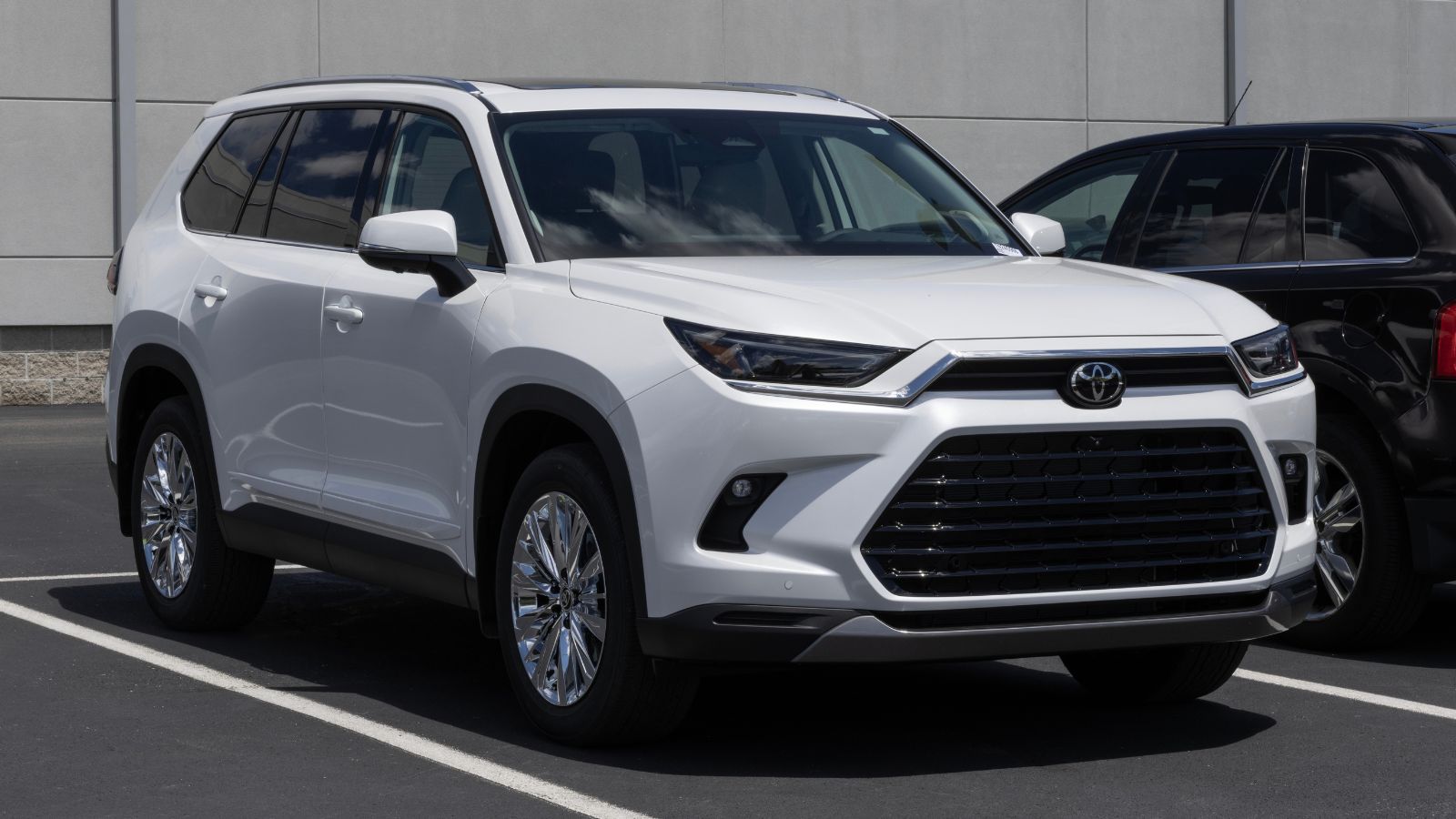
Interior technology gives the larger SUV another meaningful advantage. The Grand Highlander comes with a 12.3-inch Toyota Audio Multimedia touchscreen across the lineup, along with wireless Apple CarPlay and Android Auto compatibility. Toyota also equips it with seven USB-C ports, giving passengers in a full cabin considerably more charging flexibility. In a vehicle designed to carry as many as eight people, having charging access throughout the cabin is more than a small convenience.
The Highlander’s equipment varies more by trim. XLE, Hybrid XLE and XSE versions use an 8-inch multimedia screen as standard, while a 12.3-inch display appears on higher grades or as available equipment depending on configuration. Toyota lists five USB ports in the Highlander: one USB-A media connection and four USB-C charging ports. Both models can become quite luxurious higher in their respective ranges, with features such as digital gauge clusters, panoramic roofs, premium JBL audio and surround-view cameras. At comparable lower and mid-level trims, however, the Grand Highlander’s standard 12.3-inch screen and additional charging ports make its cabin feel more generously equipped from the outset.
The Grand Highlander Also Gets Toyota’s Newer Safety Suite
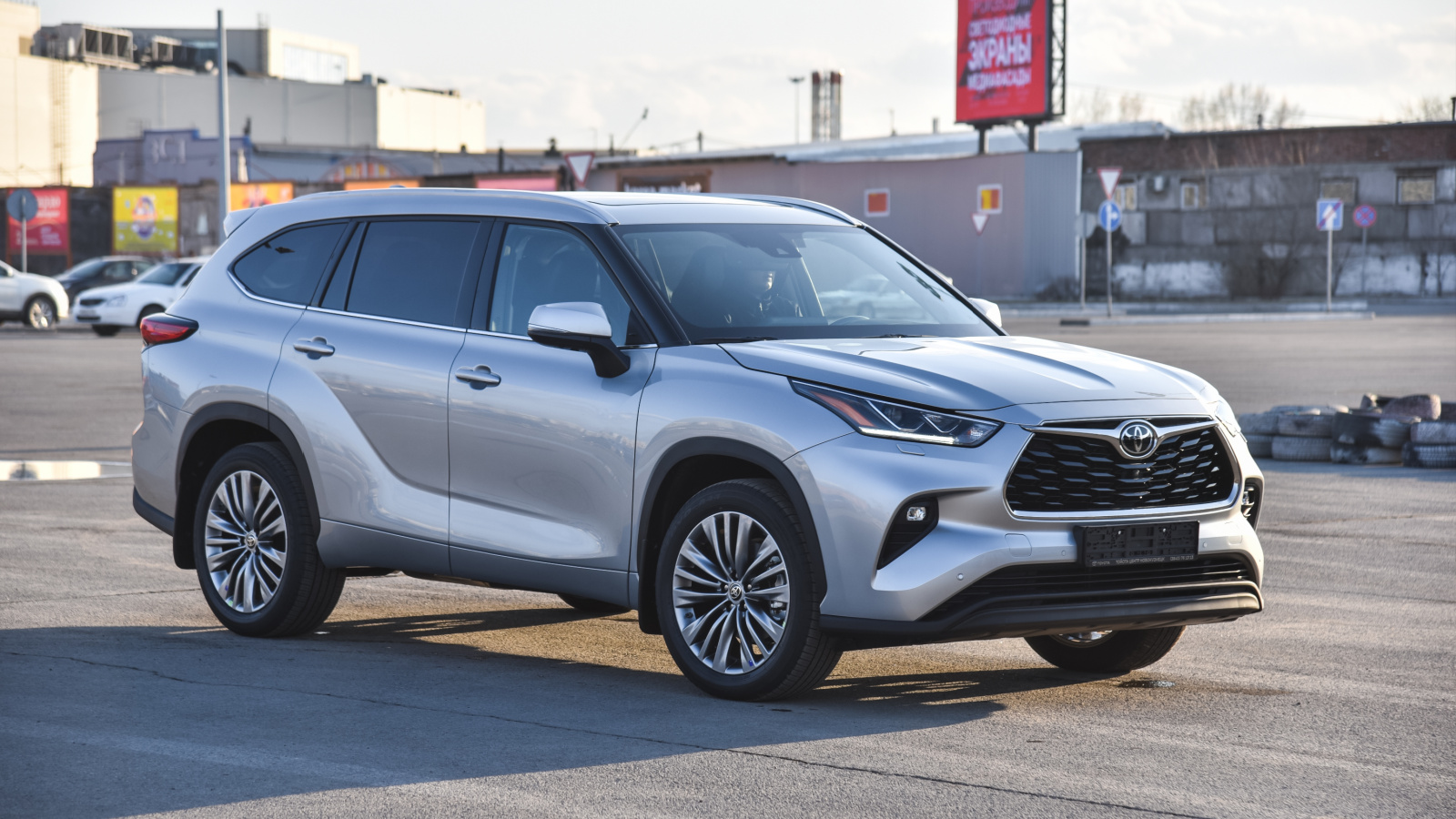
Toyota equips both SUVs with extensive driver-assistance technology, but they do not use the same generation of Toyota Safety Sense. The 2026 Highlander carries Toyota Safety Sense 2.5+, while the 2026 Grand Highlander uses Toyota Safety Sense 3.0. Both systems include important functions such as pre-collision assistance, adaptive cruise control, lane-related assistance and automatic high beams, but the Grand Highlander uses Toyota’s newer-generation package.
That distinction should not be interpreted as proof that one vehicle will necessarily protect occupants better in every collision. Driver-assistance software generations and crashworthiness ratings measure different things. What it does mean is that buyers paying similar money can obtain Toyota’s newer active-safety technology in the Grand Highlander. The Grand also includes features such as Blind Spot Monitor with Rear Cross-Traffic Alert, while upper trims add equipment including parking assistance, panoramic-view cameras and, on certain versions, Traffic Jam Assist. For technology-focused buyers planning to keep the SUV for many years, the newer electronic architecture gives the Grand Highlander another point in its favour.
So, Is the Grand Highlander Worth the Extra Money?
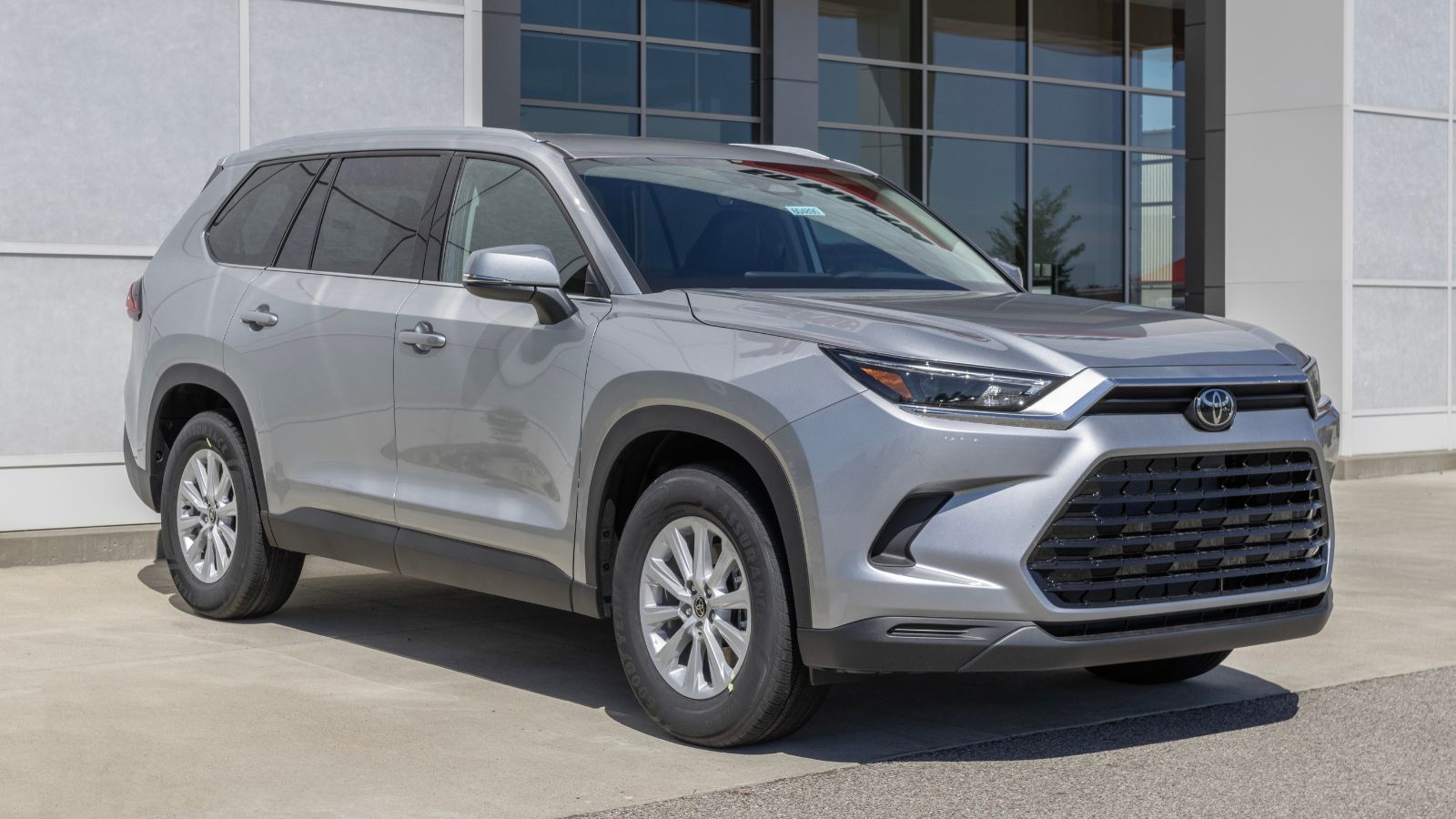
For a family that regularly uses all three rows, the answer is difficult to avoid: the Grand Highlander offers a lot for very little additional money in comparable configurations. The AWD gas XLE is only about $360 more than the 2026 Highlander XLE at Toyota’s current listed prices. In exchange, the Grand provides 33.5 inches of third-row legroom instead of roughly 27.7, 20.6 cubic feet of cargo space behind all three rows instead of 16, and 97.5 cubic feet of maximum cargo capacity instead of 84.3. It also brings a standard 12.3-inch touchscreen, more USB ports and Toyota Safety Sense 3.0.
The Highlander still makes sense for a different buyer. It is shorter, narrower, slightly easier to maneuver, includes AWD across the 2026 lineup and can deliver marginally better efficiency in comparable AWD hybrid configurations. Families that rarely use the third row may appreciate those advantages every day. But when passenger and cargo space genuinely matter, the Grand Highlander is the stronger value. At current pricing, the surprising question is not whether the extra room is worth thousands more. It is whether saving a few hundred dollars is worth giving that room up.
19 Used Cars Canadians Should Avoid in 2026 (Based on Owner Complaints)
Buying a used car in Canada can feel safe until repair bills start stacking up. Owner complaints tell a different story than glossy listings. Transmission failures, electrical problems, and weak winter reliability show up again and again in consumer reports. Many of these issues appear after warranties expire, when owners least expect them. Some vehicles look affordable upfront, but become expensive to keep on the road. Others struggle in cold weather, urban driving, or long highway commutes. Here are 19 used cars Canadians should avoid in 2026 (based on owner complaints).
19 Used Cars Canadians Should Avoid in 2026 (Based on Owner Complaints)