
























Modern luxury is increasingly defined by what a car can do automatically. Doors present themselves, screens replace rows of switches, suspension adjusts to the road, and cameras create views that once seemed impossible. Many of these technologies genuinely improve comfort, safety, or convenience. The problem is that sophistication often brings another layer of menus, motors, sensors, software, and maintenance.
A feature that produces an impressive showroom demonstration can feel very different after hundreds of commutes, winter mornings, parking-garage visits, and repair appointments. These 20 car features show how seemingly premium equipment can sometimes create everyday frustrations that a simpler design avoids.
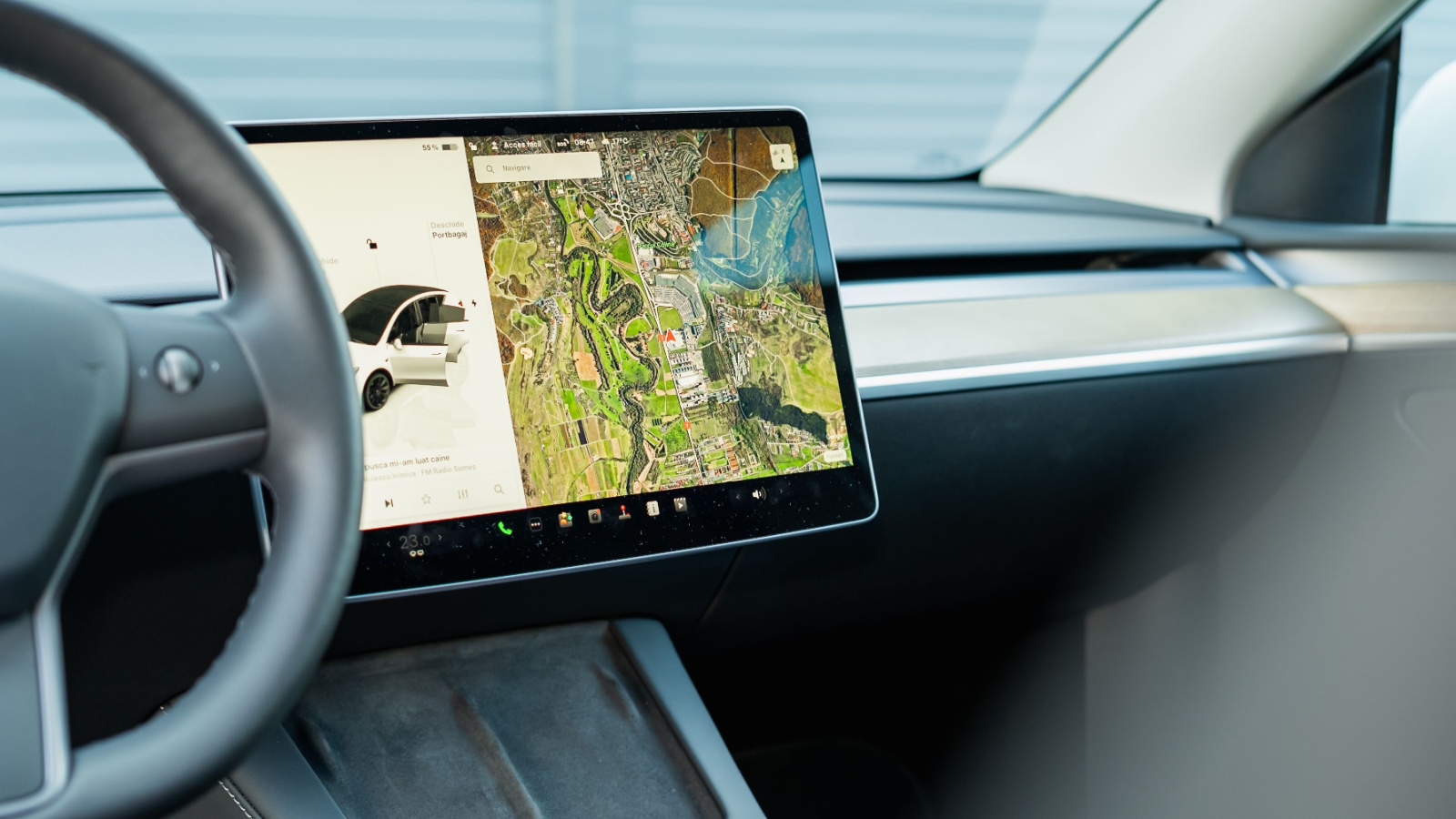
Giant Touchscreens That Control Almost Everything

A huge center display can make a dashboard resemble the cockpit of an expensive concept car. It also gives automakers enormous flexibility because navigation, entertainment, drive settings, climate controls, seat functions, and vehicle preferences can all live in one place. The downside becomes obvious when something as basic as changing the cabin temperature requires looking down, finding the correct menu, and tapping a small virtual target. AAA Foundation research has repeatedly found that interactions with in-vehicle information systems can place substantial visual and cognitive demands on drivers.
The difference between impressive and irritating often comes down to what remains physical. A volume knob or temperature dial can usually be located by touch without searching the dashboard. A virtual button cannot. Consumer Reports has criticized vehicles that bury frequently used functions such as climate, audio, mirrors, or even windshield-wiper adjustments inside screens. The giant display may remain beautiful, but after the novelty fades, a well-positioned knob can start feeling more luxurious than another submenu.
Touch-Sensitive Steering-Wheel Controls

A steering wheel covered in smooth black touchpads looks cleaner than one filled with conventional buttons. Capacitive controls also allow automakers to assign several functions to the same surface. That flexibility can become a usability problem because drivers lose the tactile landmarks provided by raised buttons, rollers, and switches. Instead of knowing where a control is by feel, a driver may need to glance at the steering wheel or instrument screen to confirm what a finger is touching.
Recent Consumer Reports testing has repeatedly called out this problem. On some luxury-oriented models, touching the wrong portion of a multifunction pad can bring up an unwanted menu, change a display, or require another attempt because the first input did not register. Some automakers have even started restoring conventional rollers and switches after introducing heavily touch-sensitive layouts. That reversal illustrates the basic problem: controls mounted inches from a driver’s hands should ideally reduce workload. When the prettier solution requires more attention than an old-fashioned button, the premium effect wears thin remarkably quickly.
Unconventional Electronic Gear Selectors

Buttons, rotary dials, tiny toggles, dashboard-mounted switches, and joystick-like shifters can free valuable space around the center console. They also provide designers with an easy way to make a cabin look different from an ordinary family car. Unfortunately, selecting Drive, Reverse, Neutral, and Park is one area where originality is not always an advantage. Drivers build years of muscle memory around familiar controls, and unconventional layouts can demand extra attention during parking maneuvers or quick direction changes.
Consumer Reports collected data covering roughly 19,000 vehicles from the 2017 through 2020 model years and found lower satisfaction associated with several nontraditional selector designs. Luxury brands were particularly likely to use arrangements that owners found confusing. Modern safeguards can automatically select Park or apply a parking brake in certain situations, reducing some risks, but they do not necessarily make a strange shifter pleasant to use. A distinctive selector can create a memorable first impression. Having to stop and think about how to put an expensive car into Reverse creates a different kind of memory.
Panoramic Glass Roofs
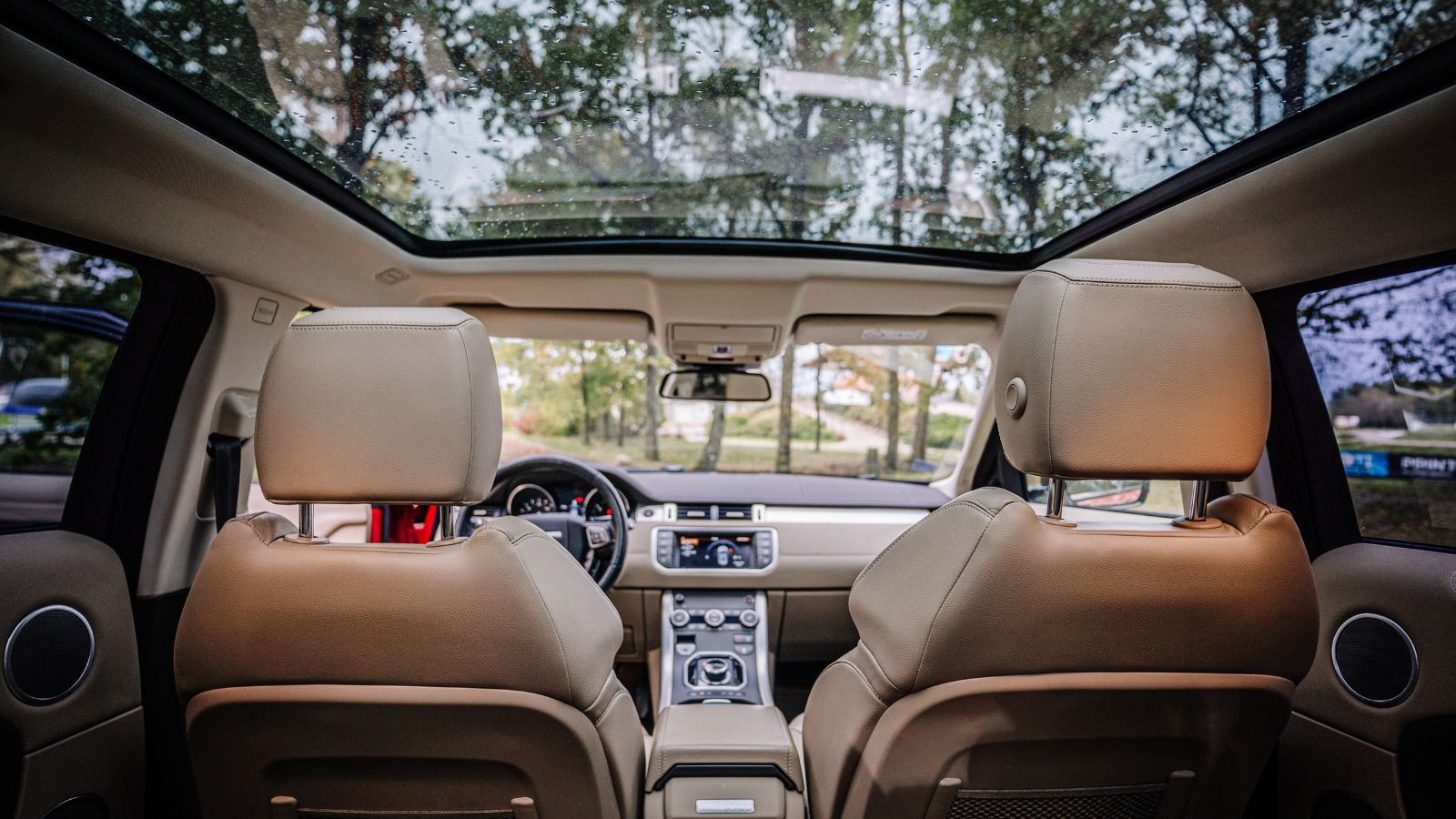
Few options transform a cabin as dramatically as a panoramic roof. The extra daylight can make even a relatively small interior feel open, airy, and expensive. Passengers get a better view, and a dark cabin can feel considerably less enclosed. Yet the glass, surrounding frame, shade mechanism, tracks, and associated structure occupy space that a simple metal roof does not. Current vehicle comparisons demonstrate that ordering a panoramic roof can reduce available headroom by around an inch in some models and considerably more in certain seating positions.
There is also an engineering trade-off. Weight placed at roof level raises a vehicle’s center of gravity compared with placing the same mass lower down, which is why performance engineers generally prefer to keep heavy components low. That does not make panoramic roofs unsafe; modern vehicles are engineered to meet applicable structural requirements. The everyday annoyance is simpler. A tall passenger who brushes the headliner, a driver who keeps the shade closed during hot weather, or an owner worried about an enormous piece of overhead glass may eventually wonder whether the spectacular showroom view justified the compromise.
Huge Wheels With Low-Profile Tires

Large alloy wheels can completely change a vehicle’s appearance. Twenty-, 21-, and 22-inch wheels visually fill the wheel arches, expose expensive brake hardware, and frequently accompany the highest trim levels. The trade-off is that maintaining roughly the same overall tire diameter requires shorter sidewalls. That means there is less flexible rubber between the wheel and the road, reducing the tire’s ability to absorb sharp impacts before they reach the suspension and occupants.
Consumer Reports specifically recommends thinking carefully about larger wheels and low-profile tires because they can produce a firmer ride and are more vulnerable to damage from potholes and curbs. The irony is difficult to miss. A buyer may spend thousands upgrading a luxury SUV specifically to obtain dramatic wheels, only to discover that a lower trim with smaller wheels actually rides more comfortably. Damaging a large wheel or low-profile tire on a deep pothole makes the situation even less glamorous. On rough Canadian and northern U.S. roads, extra sidewall can sometimes feel like the more premium feature.
Adaptive Air Suspension
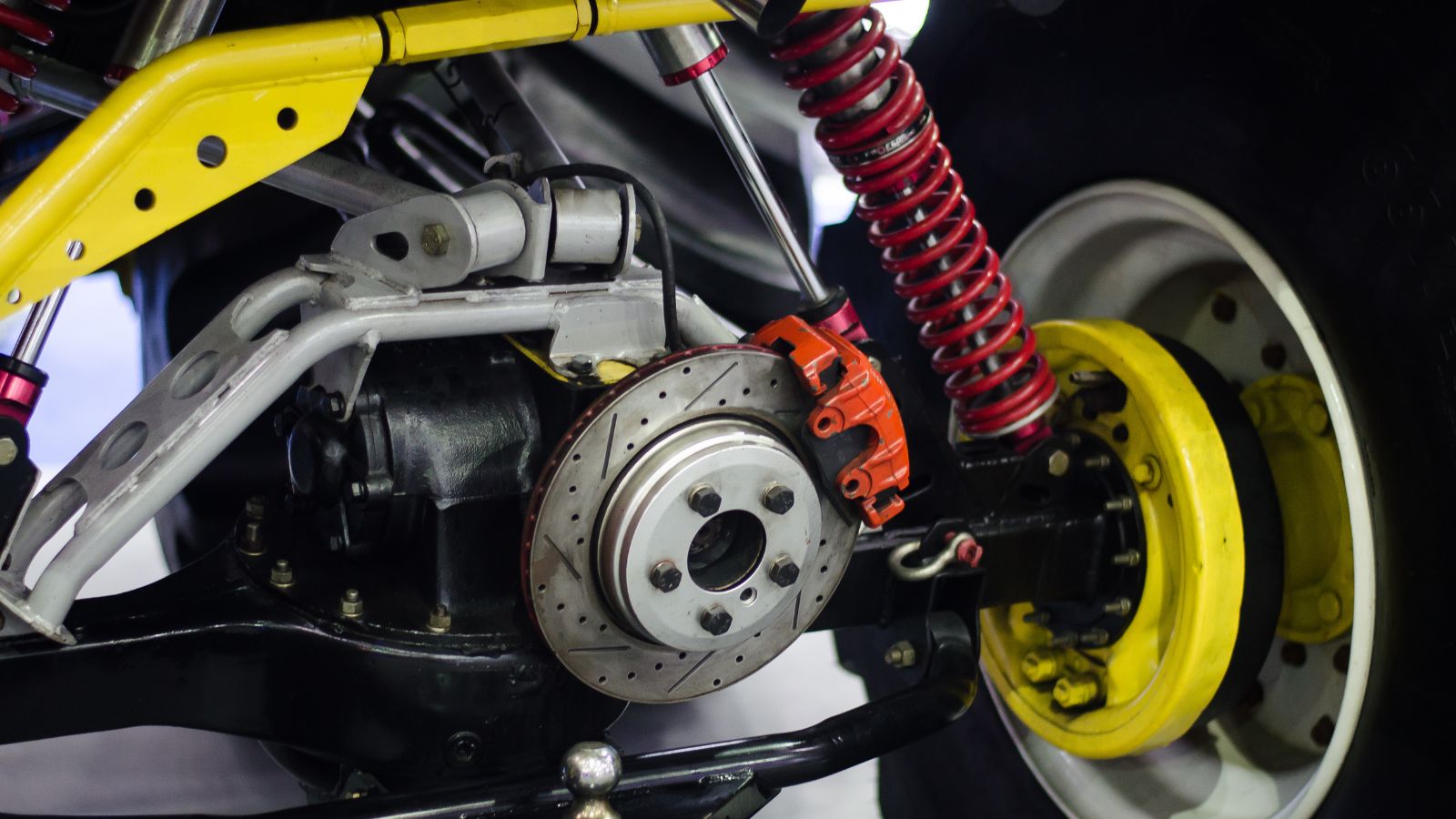
Air suspension can produce one of the most convincing luxury-car experiences available. Instead of relying only on conventional steel springs, the vehicle can use air springs, compressors, valves, sensors, and electronic controls to alter ride characteristics or vehicle height. Well-executed systems can smooth rough pavement, lower a vehicle at highway speed, or raise an SUV when additional clearance is needed. Reviews of vehicles such as the Audi Q7 consistently show why buyers are attracted to the technology: an optional air suspension can noticeably improve ride comfort.
Complexity is the price of that capability. An ordinary coil spring is comparatively simple, whereas an air system depends on several additional components remaining airtight and operational. Consumer Reports owner data contains examples of air-suspension leaks and module failures that resulted in harsh ride quality, warning messages, dealership visits, or expensive repairs. These examples do not mean every air suspension is unreliable, but they illustrate the ownership risk. A system designed to make bumps disappear feels extremely luxurious—right until a failed component leaves one corner of the vehicle sitting suspiciously low overnight.
Flush-Mounted Electronic Door Handles
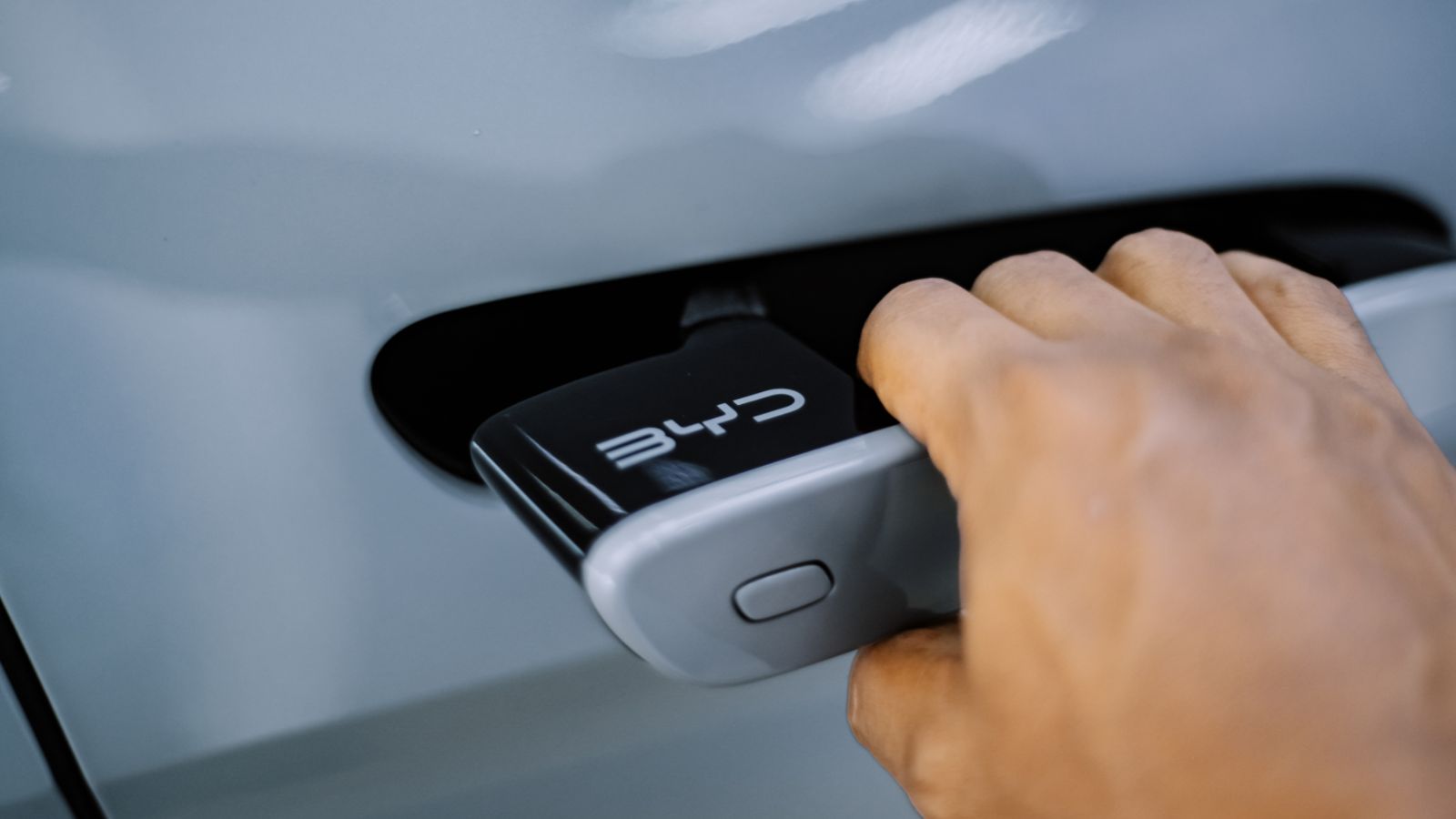
Retracting door handles are automotive theatre. Approach some vehicles with the key nearby and elegant handles motor outward from otherwise uninterrupted bodywork. Besides looking futuristic, flush designs can contribute to aerodynamic efficiency. The frustration arrives when opening a door becomes more complicated than pulling a conventional handle. Consumer Reports has documented retractable handles that are awkward to grip, slow to present themselves, or vulnerable to becoming covered by winter ice.
Electronic releases introduce another consideration. If a vehicle loses low-voltage electrical power, normal powered door operation may not work, leaving occupants dependent on mechanical emergency releases whose locations and operation vary by vehicle. NHTSA opened a preliminary evaluation involving certain Tesla Model Y vehicles after receiving reports concerning exterior handles becoming inoperative when low-voltage battery power was insufficient. These issues should not be generalized to every electronic handle, but they highlight the unnecessary complexity. A door handle is used thousands of times during ownership. When passengers need a tutorial before they can get into or out of the car, futuristic design has arguably become less convenient than the mechanism it replaced.
Phone-as-Key Digital Access
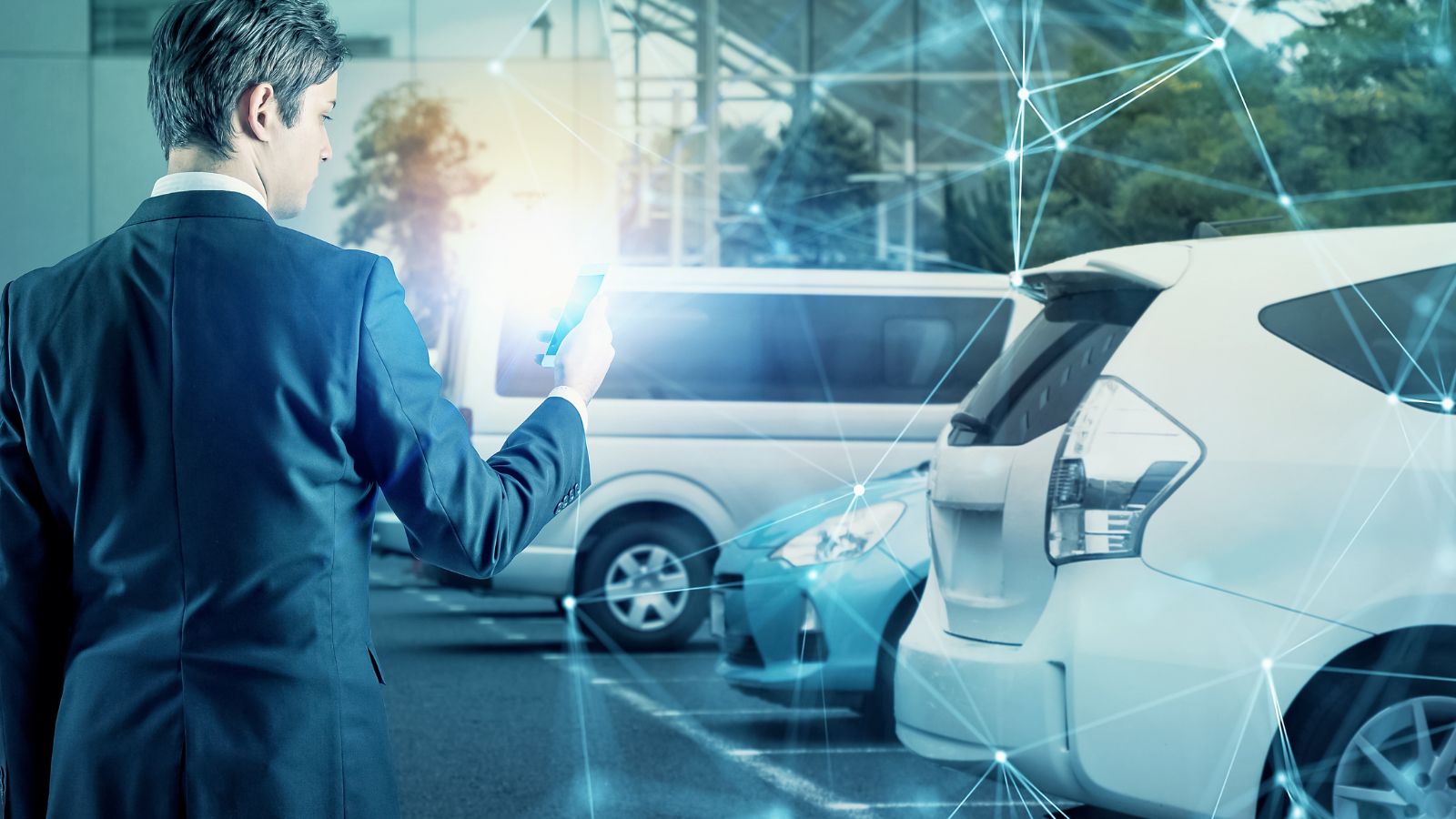
Using a smartphone as the car key sounds wonderfully seamless. There is one fewer object to carry, temporary access can sometimes be shared digitally, and the vehicle may recognize its owner automatically when the phone approaches. Newer systems have become considerably more sophisticated, but the basic convenience still depends on several pieces of technology cooperating: the phone, its operating system, wireless communication, the vehicle’s software, account credentials, and sometimes a manufacturer app.
Consumer Reports testing has documented situations in which smartphone keys were not as predictable as conventional key fobs, including instances where the vehicle failed to recognize a nearby phone immediately. Owner reports also continue to show occasional recognition or connectivity complaints. That is why many vehicles provide a card, fob, or other backup. The inconvenience is especially noticeable when the driver is standing outside in rain or cold, repeatedly trying to persuade a car to notice a phone that is already in a pocket. Carrying a backup key partially defeats the minimalist promise, but it remains sensible whenever access to the vehicle depends heavily on software.
Hands-Free Power Liftgates

Walking toward an SUV with both arms filled and opening the cargo door with a foot movement feels genuinely useful. A powered liftgate can also be convenient for shorter drivers dealing with a tall hatch. The irritation begins when the sensor fails to recognize the intended gesture—or recognizes something that was never intended. Because hands-free systems combine proximity sensing, key detection, body-control electronics, powered struts, and software logic, there are several opportunities for unexpected behaviour.
A General Motors technical service document provides an unusually clear example. Engineers addressed a condition in certain vehicles where the hands-free liftgate module could repeatedly send false wake-up requests to the body-control module. Under the correct conditions, the liftgate might even open without the owner intentionally commanding it, while the repeated wake-ups could contribute to significant battery draw. That was a specific technical issue rather than a condemnation of all power hatches, but it demonstrates the complexity involved. When the feature works, loading groceries looks effortless. When it does not, owners often end up performing increasingly theatrical kicks beneath the bumper while holding several shopping bags.
Automatic Parking Systems
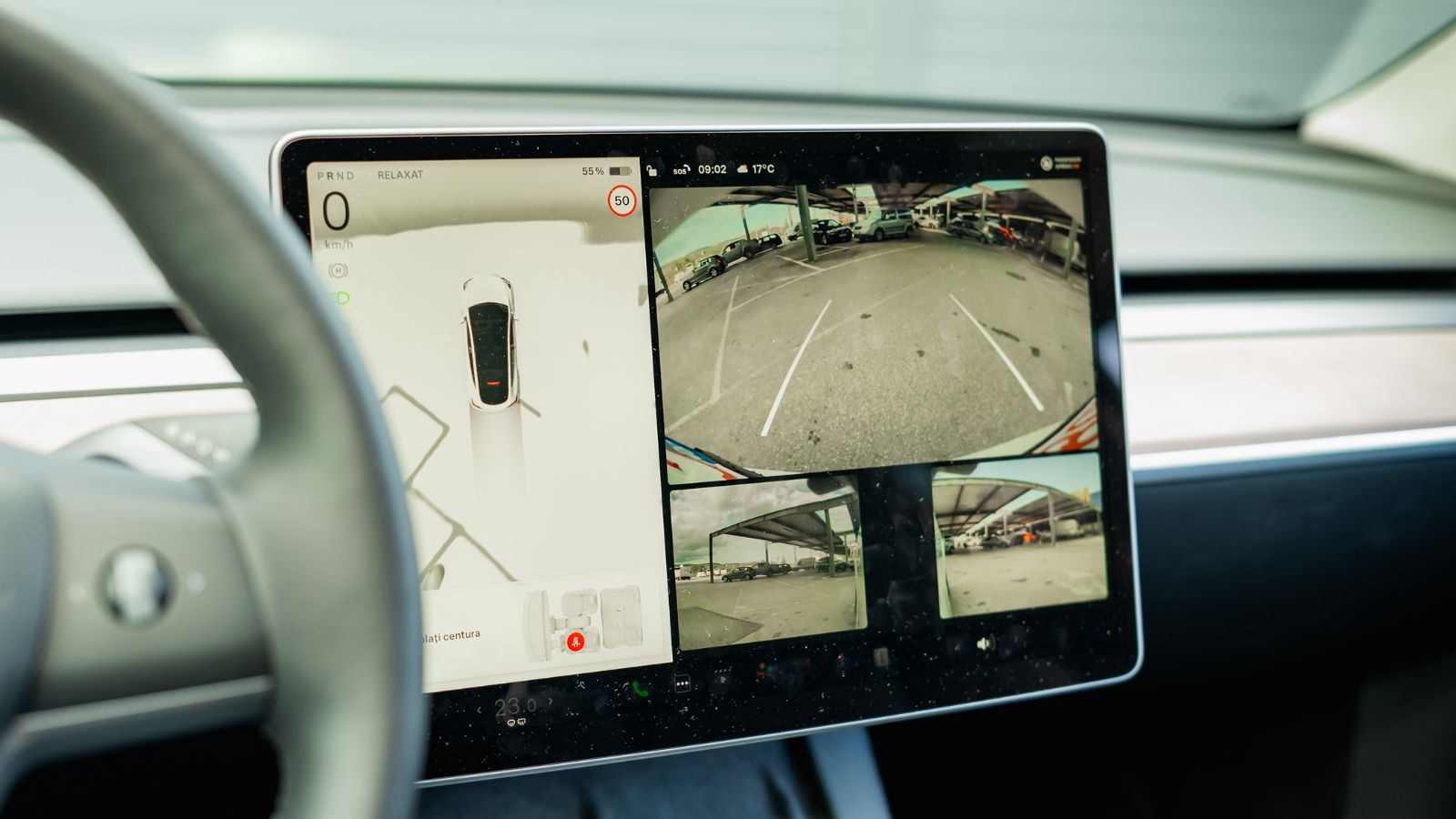
Self-parking technology makes for an excellent dealership demonstration. Cameras, ultrasonic sensors, steering assistance, and electronic controls can identify an appropriate parking space and handle much of the steering work. The technology is more capable than many skeptics assume. In AAA testing involving five vehicles, automated parking produced 81 percent fewer curb strikes than manually parking with a backup camera, required 47 percent fewer maneuvers, and completed parking about 10 percent faster.
That does not mean the experience is always relaxing. AAA also found that some systems parked extremely close to the curb, in one case leaving as little as half an inch of clearance—close enough to make expensive wheels and tires vulnerable. Drivers must also learn each vehicle’s activation procedure, understand what the system controls, and remain prepared to intervene. In a busy parking environment, simply steering into an obvious space may feel easier than initiating automation and supervising it. Automatic parking is impressive engineering, but for confident drivers it can become a feature demonstrated to friends far more often than it is actually used.
Head-Up Displays
Projecting speed, navigation instructions, and driver-assistance information into the windshield can genuinely reduce the need to look down at the instrument cluster. A well-designed head-up display feels almost aircraft-like, particularly at night. Position, brightness, seat height, and windshield optics, however, matter enormously. A display that looks perfectly centered for one driver may be partially clipped or awkwardly positioned for another, especially when several people regularly share the same vehicle.
Polarized sunglasses create another variable. BMW specifically notes that certain polarization filters can affect head-up-display visibility, while Mazda warns that polarized sunglasses can reduce visibility of its active driving display. Volvo gives similar guidance for some vehicles. Manufacturers can engineer around the issue—some systems are specifically designed to remain visible through polarized lenses—but performance is not universal. The result can be mildly absurd: an expensive feature intended to place information directly in the driver’s line of sight becomes difficult to see while wearing sunglasses designed to improve daytime visibility. Fortunately, most systems allow brightness and position adjustments, but finding the ideal setup can require more experimentation than expected.
Built-In Wireless Phone Chargers
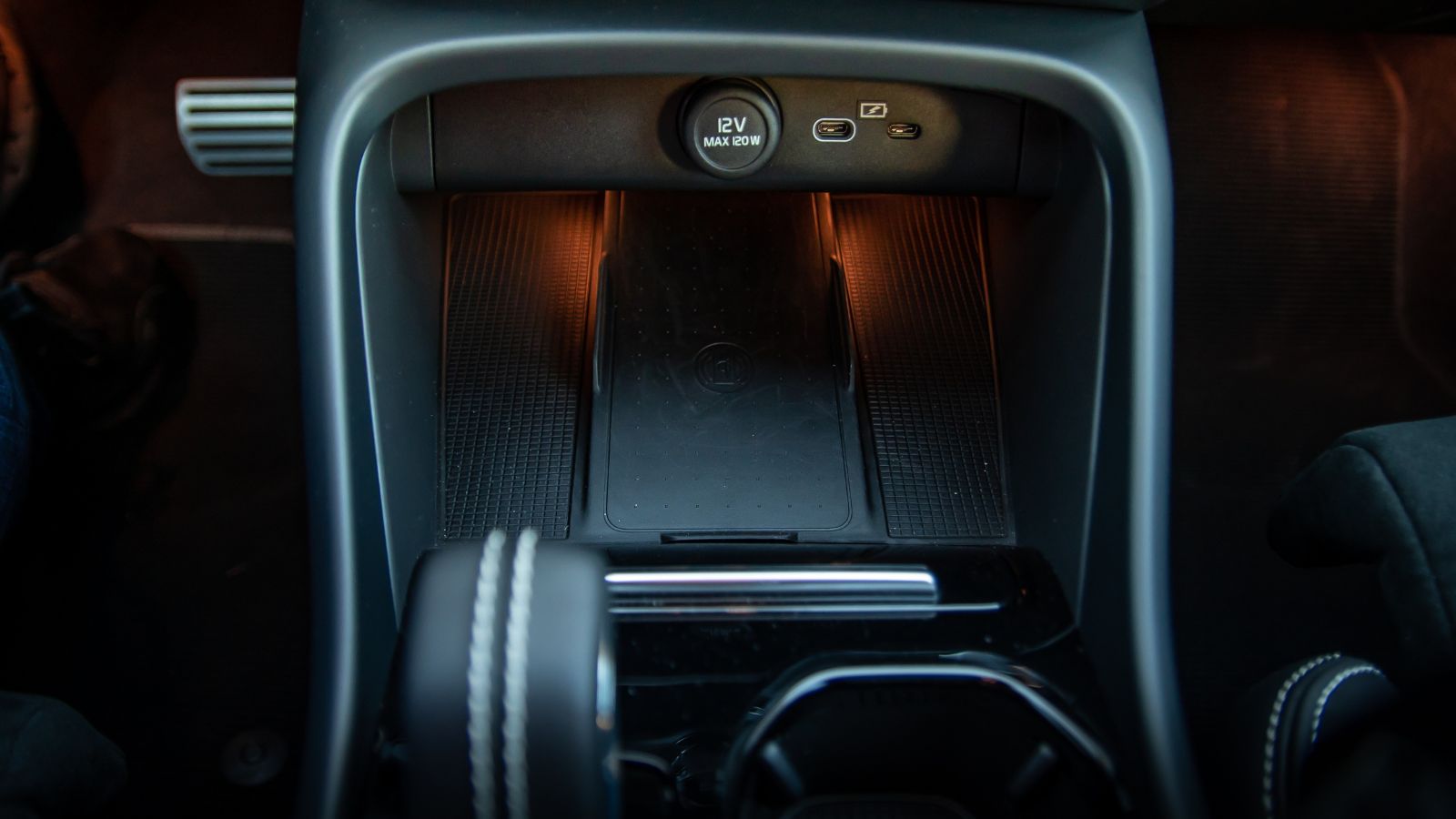
A beautifully integrated charging pad seems more elegant than a cable dangling across the center console. Drop the phone into the tray and charging begins automatically—at least in theory. Real-world performance depends on alignment, the phone case, the charging standard, available power, and temperature. A phone that slides slightly during enthusiastic cornering can also move away from the charger’s ideal position on pads that lack magnetic alignment.
Heat is the more important limitation. Apple notes that wireless charging can make an iPhone warmer and that charging may slow or pause when the device becomes too hot. The company also says faster wired charging can outperform lower-powered wireless charging configurations. Cars create a particularly difficult environment because a charging pad may be sitting in a warm cabin while the phone simultaneously runs wireless smartphone projection, navigation, cellular data, and music streaming. The supposedly effortless solution can therefore leave a phone hot but only modestly charged after a trip. For drivers who need substantial battery recovery quickly, plugging in a cable can remain less elegant but more dependable.
Automatic Engine Stop-Start
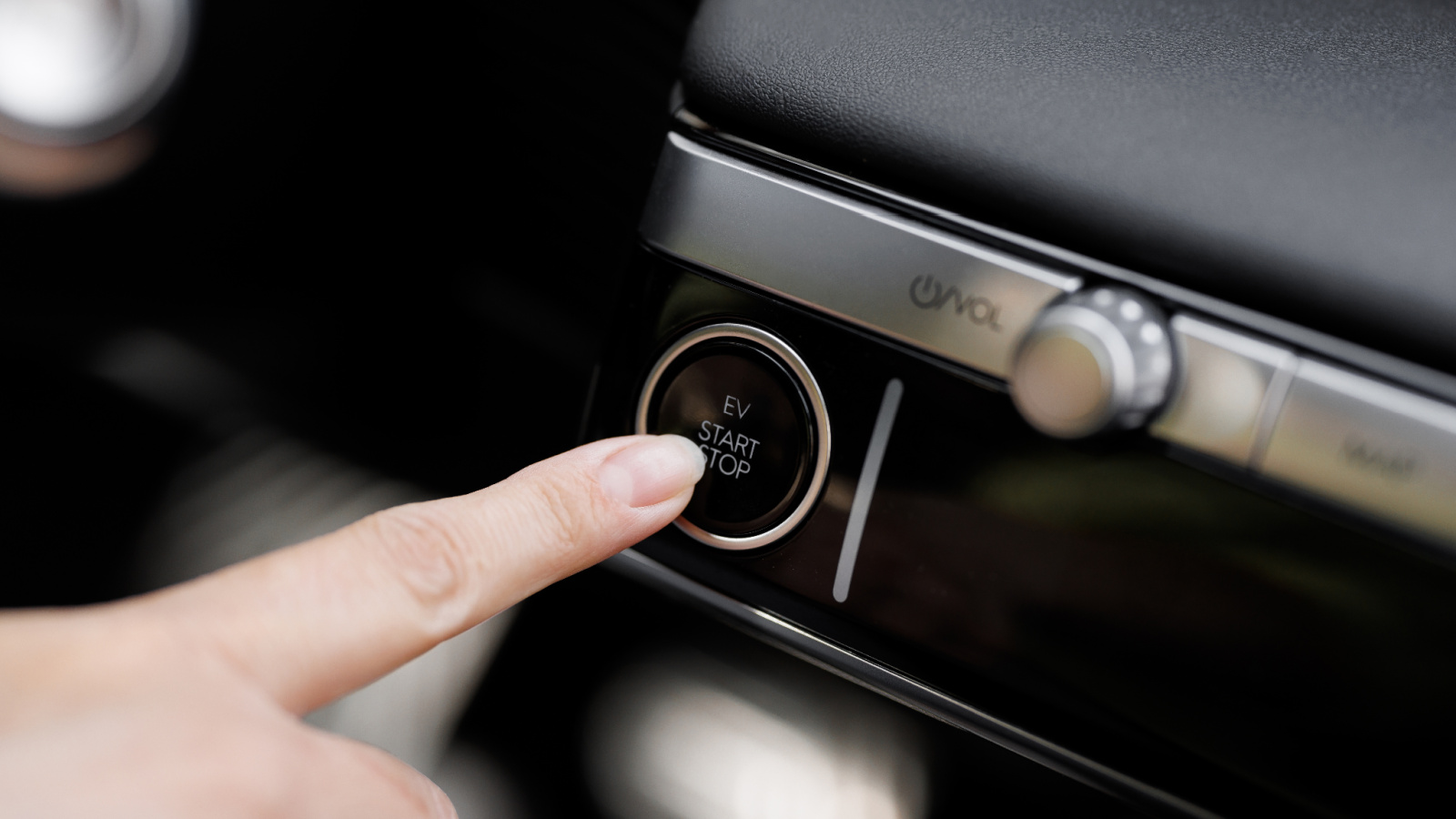
The engine shutting itself off at a red light can initially make a conventional gasoline car feel unusually advanced. Stop-start technology has a legitimate purpose: eliminating unnecessary idling can reduce fuel use, particularly in urban driving. Consumer Reports cited SAE testing showing substantial reductions in fuel consumption under certain test conditions, while earlier AAA testing found roughly 5 to 7 percent improvement in an urban driving cycle when the technology was active.
The frustration is largely about refinement. Some engines restart almost imperceptibly; others respond with an obvious vibration or a slight pause just as the driver wants to move into traffic. Consumer Reports continues to find examples of systems whose restart shudder or hesitation encourages drivers to press the disable button. Another common complaint is that the setting may return every time the vehicle is restarted, forcing the driver to switch it off repeatedly. Modern starters, batteries, and associated components are designed around frequent stop-start cycles, so the feature should not automatically be treated as harmful. Even so, fuel saved scientifically does not necessarily make an intrusive restart feel luxurious.
Rain-Sensing Windshield Wipers
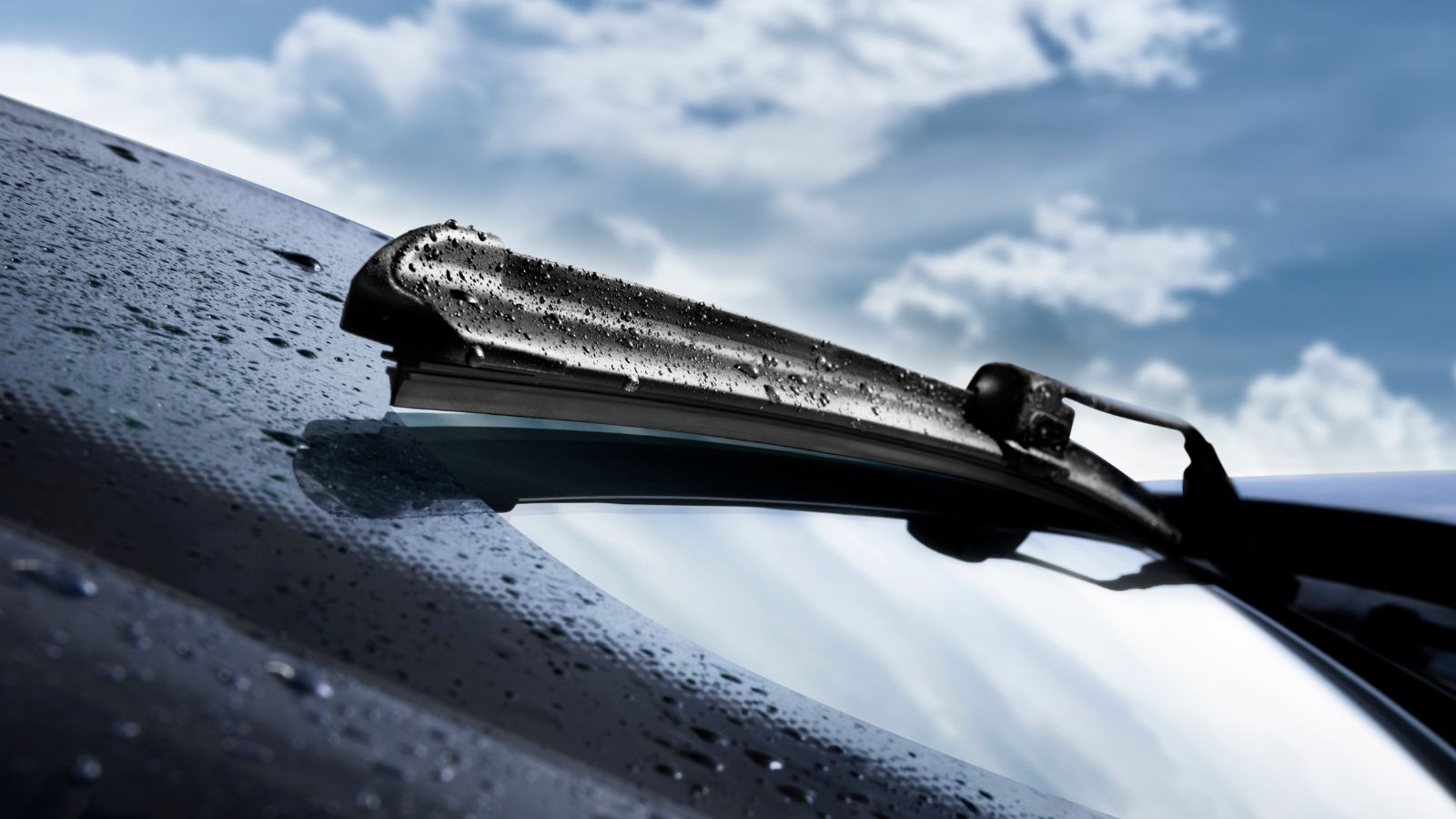
Automatic wipers seem like the definition of a small luxury. An optical sensor monitors moisture on the windshield, allowing the vehicle to start the wipers and vary their speed without constant adjustment from the driver. In a steady rain, the system can be excellent. Real weather is rarely steady, however. Road spray, mist, snow, ice, streaks from other vehicles, and changing light conditions make the sensor’s task much more difficult.
Manufacturer instructions reveal how many variables can affect operation. Mazda warns that dirt or ice around the sensor can disrupt automatic wiping, certain windshield coatings can affect detection, and strong light sources or other external influences may cause unexpected operation. Sensitivity can usually be adjusted, but there is inevitably a gap between what software considers the correct wiping frequency and what a particular driver wants at that exact moment. That is when the premium feature becomes irritating: blades race across barely damp glass or wait too long while fine spray slowly obscures visibility. A simple intermittent-wiper dial suddenly feels refreshingly decisive.
Automatic High Beams
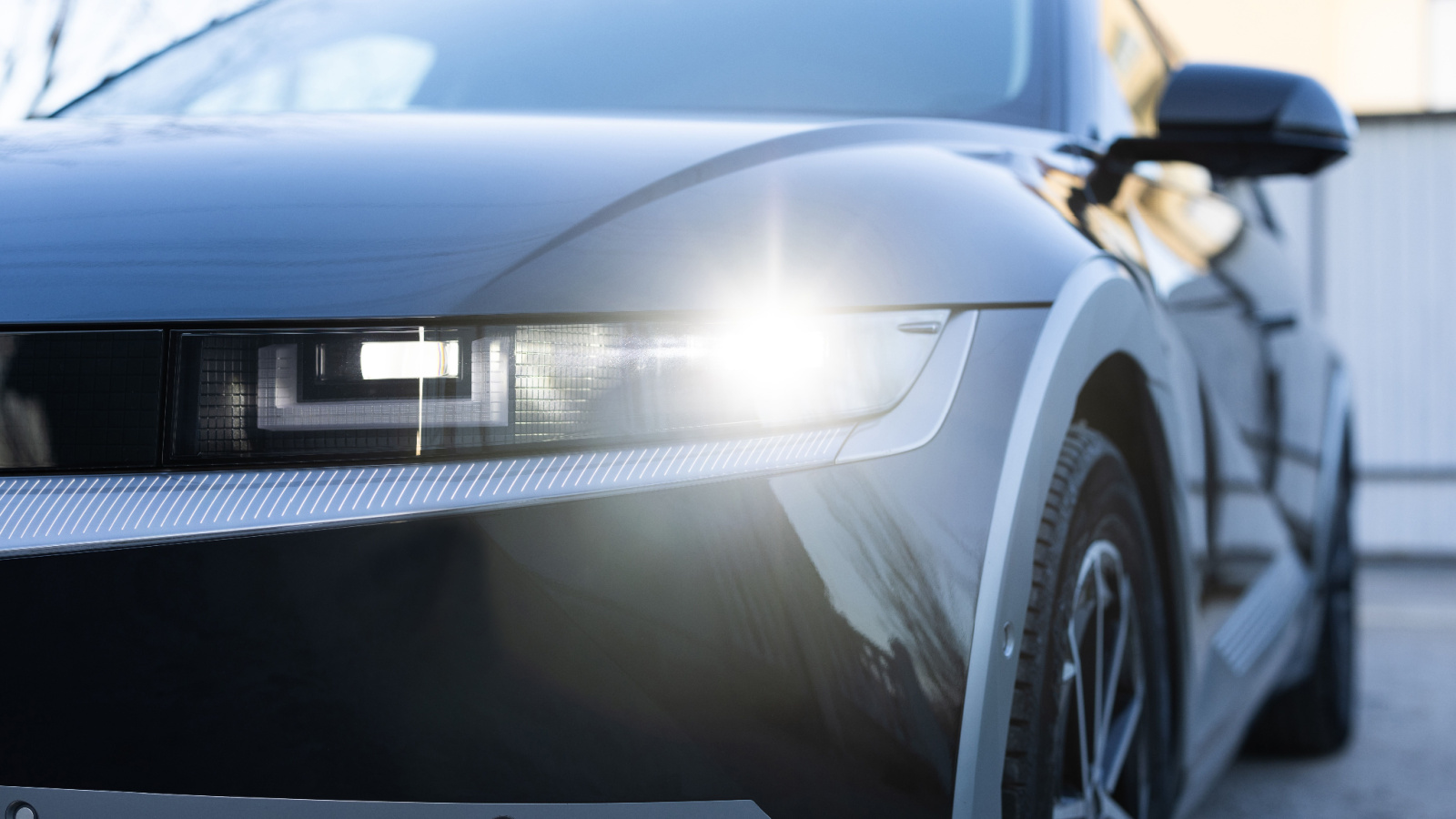
Automatic high beams address a genuine safety opportunity. High beams dramatically extend useful nighttime illumination, yet many drivers do not use them as frequently as they could. High-beam assist attempts to solve that by automatically switching to low beams when another vehicle is detected and restoring high beams when conditions permit. IIHS gives credit to vehicles equipped with effective high-beam assist because greater high-beam usage can improve visibility, and research has associated some systems with reductions in nighttime crashes.
The annoyance occurs in ambiguous situations. A driver may want high beams on a very dark road while the system detects reflective signs, distant lights, or surrounding traffic differently. On another road, the driver may decide the beams should dip before the software does. Performance also varies among vehicles, because good lighting depends on far more than simply installing LEDs or adding an “Auto” setting. IIHS testing continues to find substantial variation in headlight performance across new models. Automatic high beams can therefore be valuable technology while still producing moments when the person behind the wheel reaches for manual control.
Gesture-Control Infotainment
Few cabin technologies have produced more memorable demonstrations than gesture control. Rotate a finger in the air and the stereo volume changes. Swipe a hand and a phone call is dismissed. The idea seems perfectly suited to an expensive car because nothing needs to be physically touched. Unfortunately, hand movements inside vehicles are rarely as deliberate as laboratory gestures. Drivers reach for drinks, talk with their hands, adjust clothing, point toward things outside, and interact with passengers.
Long-term testing has repeatedly exposed the weakness. Car and Driver found BMW’s gesture system less precise and more troublesome than simply using the vehicle’s conventional buttons and controller. Road & Track described accidental inputs caused by ordinary hand movements during conversation. BMW eventually removed Gesture Control from its newest infotainment direction after usage failed to justify carrying the feature forward. That history is almost a perfect summary of showroom technology versus ownership technology. Gesture control creates a memorable five-minute demonstration, but a physical volume control works whether a driver is wearing gloves, holding a conversation, or simply wants the volume changed immediately.
Driver-Monitoring Alerts

Modern vehicles increasingly watch the driver as well as the road. Cameras may track gaze and head position, while steering-wheel sensors can determine whether the driver appears engaged. These safeguards become particularly important when adaptive cruise control and lane-centering systems are operating because partial automation still requires human supervision. IIHS now specifically evaluates driver monitoring, escalating attention reminders, and emergency procedures when rating partial-automation safeguards.
Necessary does not always mean unobtrusive. In an IIHS study involving Tesla Autopilot, drivers covered a little more than 12,000 miles and triggered 3,858 attention-related warnings. About half occurred while they apparently had at least one hand on the steering wheel but were not applying enough movement for the torque-sensing system to recognize engagement. That illustrates the tension manufacturers face. A monitoring system that rarely complains may permit dangerous inattention; one tuned aggressively may repeatedly nag an attentive driver. The chimes, flashing messages, steering-wheel demands, and escalating warnings can therefore feel irritating even though the underlying reason for their existence is legitimate.
Adaptive Cruise With Lane Centering

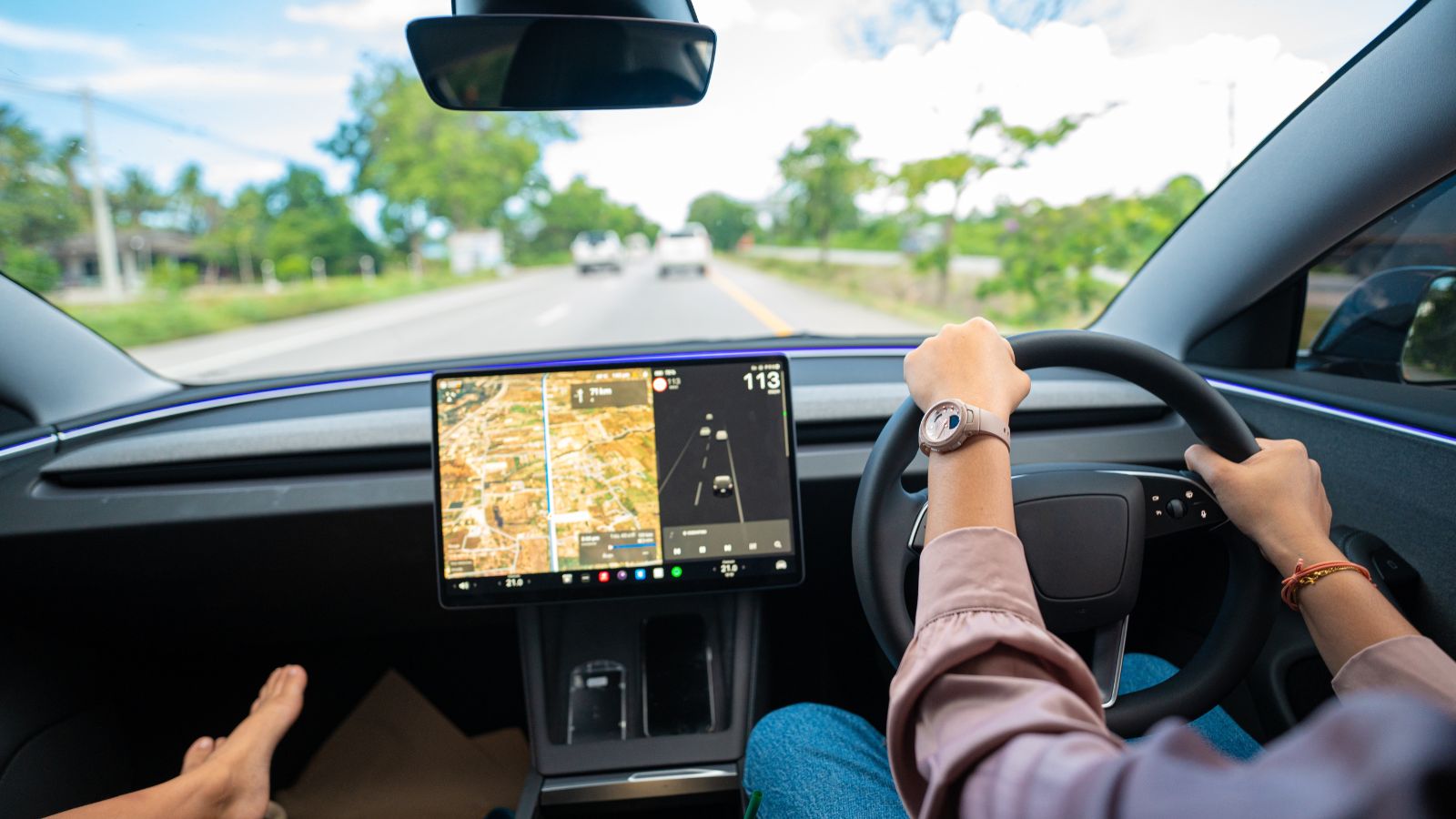
Combining adaptive cruise control with lane centering can make a long motorway trip feel dramatically less tiring. The car maintains a selected following distance, changes speed with surrounding traffic, and adds steering assistance to remain near the middle of the lane. This is often marketed as one of a vehicle’s most sophisticated convenience packages, but current systems remain driver assistance rather than replacements for an attentive human.
Real-world testing shows why supervision matters. In 2025, AAA evaluated low-speed active driving assistance in heavy traffic and recorded notable events roughly every 3.2 miles, or about every 9.1 minutes on average. Cut-ins and inadequate lane centering were prominent concerns, and researchers often had to intervene. Earlier AAA testing also found lane-position problems and abrupt system disengagements. These technologies continue to improve, and individual systems differ substantially, but their limitations can turn relaxation into constant supervision. Drivers may find themselves correcting steering, overriding conservative braking, or responding to repeated alerts. The car is technically helping, yet sometimes creates a new job: monitoring the helper.
360-Degree Surround-View Cameras
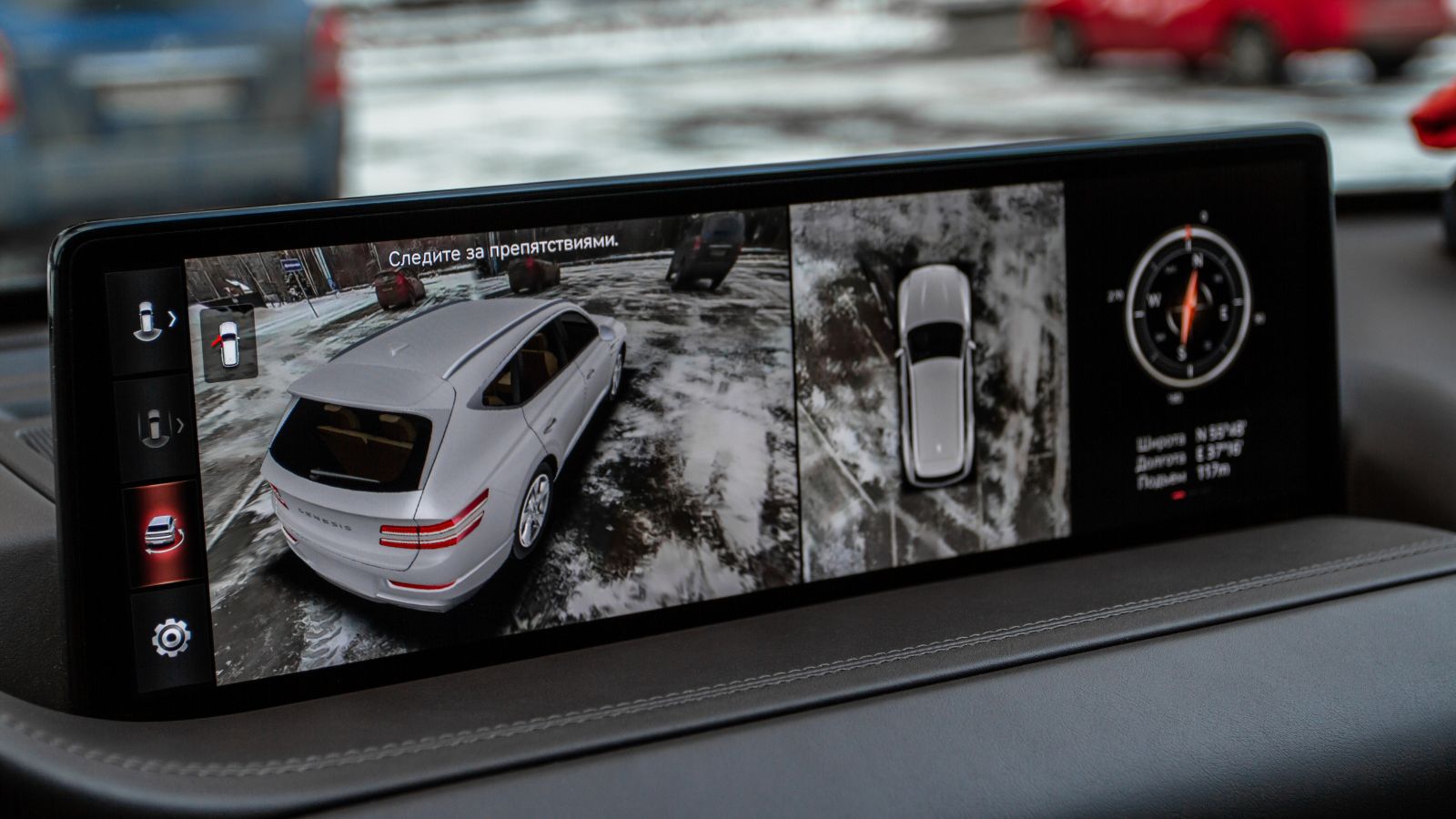
A stitched bird’s-eye view of a vehicle remains one of the most useful pieces of modern parking technology. Multiple cameras show curbs, parking lines, nearby objects, and areas that mirrors cannot reveal easily. On a large luxury SUV, the feature can prevent wheel damage and remove much of the anxiety from tight garages. The image can look so convincing that it is easy to forget it depends on several exposed cameras, image-processing electronics, displays, wiring, and software.
Those components can fail or become obstructed. NHTSA documented a Ford recall affecting approximately 277,000 vehicles equipped with 360-degree camera systems after degradation of a rear camera’s anti-reflective coating could produce a cloudy image and reduce rear visibility. Less dramatic everyday problems include road grime, water droplets, snow, and salt covering external lenses. None of this makes surround-view cameras undesirable—they are often enormously helpful. It simply means the expensive technology works best when drivers remember that the seemingly magical overhead image is being constructed from small cameras mounted in some of the dirtiest locations on the vehicle.
Power-Deployable Running Boards

Retractable running boards solve an obvious luxury-truck dilemma. A tall pickup or SUV benefits from a convenient step when passengers climb aboard, but permanently exposed running boards can reduce ground clearance and disturb the vehicle’s clean appearance. Powered boards hide against the rocker panels while driving and automatically swing down when a door opens. On a clean vehicle in warm weather, the effect is polished and impressively mechanical.
Winter exposes the compromise. Ford owner documentation for power-deployable running boards warns that excessive ice can prevent deployment. It also notes that the boards can operate more slowly in cold temperatures and that mud, dirt, and road salt may collect in the mechanism and produce unwanted noise. Owners may need to clear blockages or flush the hinge areas to restore normal operation. None of that is surprising considering where the motors and hinges live—directly beside wet, dirty roads. Still, it creates an amusing contradiction. The feature exists to make entering a vehicle effortless, yet during the conditions when a tall step may be hardest to negotiate, the elegant powered board can occasionally decide not to appear.
19 Used Cars Canadians Should Avoid in 2026 (Based on Owner Complaints)

Buying a used car in Canada can feel safe until repair bills start stacking up. Owner complaints tell a different story than glossy listings. Transmission failures, electrical problems, and weak winter reliability show up again and again in consumer reports. Many of these issues appear after warranties expire, when owners least expect them. Some vehicles look affordable upfront, but become expensive to keep on the road. Others struggle in cold weather, urban driving, or long highway commutes. Here are 19 used cars Canadians should avoid in 2026 (based on owner complaints).
19 Used Cars Canadians Should Avoid in 2026 (Based on Owner Complaints)