















• About
  • Contact
AutoIgloo
  • News & Trends
    Bosch Workers Demand ‘Made in EU’ Rules as Supplier Plans 13,000 Auto Job Cuts

    Bosch Workers Demand ‘Made in EU’ Rules as Supplier Plans 13,000 Auto Job Cuts

    Buick Is Refreshing Its Electra E7 Just Five Months After Launch as China’s EV Cycle Speeds Up

    Buick Is Refreshing Its Electra E7 Just Five Months After Launch as China’s EV Cycle Speeds Up

    Leapmotor Unveils Next-Generation EV Platform and Promises a Second Brand in 2027

    Leapmotor Unveils Next-Generation EV Platform and Promises a Second Brand in 2027

    18 Vehicles That Could Trigger Buyer’s Remorse Faster Than Expected in Canada

    Maserati Reportedly Turns to Huawei and JAC for Two New EVs as Luxury Brand Fights Sales Slump

    The EV Charging Habit That Can Annoy Everyone Around You

    Leapmotor and FAW Team Up on Solid-State and Sodium-Ion Batteries as China’s EV Tech Race Accelerates

    Chinese EV Price Pressure Gets a New Benchmark as Voyah Opens $63,420 Luxury MPV Orders

    Europe’s EV Share Jumps to 30.5% as Electric-Car Sales Blow Past Forecasts

  • Car Reviews
    Honda Asked Suppliers for 30% Parts Cost Cuts as $9.4-Billion Savings Drive Hits Global Supply Chain

    Why Some Buyers Are Choosing Older Hondas Over Newer SUVs

    18 Things That Can Make a Car Unsafe for Winter Road Trips

    Why Some Drivers Are Avoiding Vehicles With Complex Infotainment Systems

    21 Cars Canadians Are Starting to Regret Buying

    Why Some Drivers Regret Buying Big Wheels and Low-Profile Tires

    17 Vehicles That Are Quietly Getting Crushed by Insurance Costs in Canada

    Why So Many Drivers Are Nervous About Chinese-Made EV Batteries

    20 Used SUVs Canadians Should Think Twice About Buying

    20 Used SUVs Canadians Should Think Twice About Buying

    15 Vehicles That Are Starting to Feel Like a Bad Deal Around May Long Weekend

    15 Vehicles That Are Starting to Feel Like a Bad Deal Around May Long Weekend

  • Buying Guides
    18 Things That Can Make a Car Harder to Park Than Expected

    Why Some Buyers Regret Choosing the Sport Package

    The Traffic Stop Mistake That Can Turn a Warning Into a Ticket

    20 Things Canadians Should Check Before Buying a Vehicle With a Loan Still Owing

    The Dealership Fee That Buyers Should Always Ask About

    The Dealership Fee That Buyers Should Always Ask About

    23 Features That Are Making New Cars Harder (and Pricier) to Repair in Canada

    Why Some Canadians Are Avoiding Cars With Expensive Windshields

    18 Red Flags a Used Vehicle May Be a Money Pit

    The Car Buying Mistake That Makes Negotiating Almost Impossible

    Why Some Canadians Are Regretting Buying Vehicles With No Spare Tire

    Why Some Canadians Are Regretting Buying Vehicles With No Spare Tire

  • Comparisons
    Honda Asked Suppliers for 30% Parts Cost Cuts as $9.4-Billion Savings Drive Hits Global Supply Chain

    Why Some Buyers Are Choosing Older Hondas Over Newer SUVs

    25 EV Charging Mistakes Canadians Make in March (That Wreck Range)

    Why Some Canadians Are Choosing Hybrids Over Full EVs Again

    21 Used Car Features That Can Become Expensive Problems Later

    Why Some Canadians Are Choosing Front-Wheel Drive Over All-Wheel Drive

    Canada’s Auto Fight Gets Uglier as BYD Threatens to Sue Trump Administration

    Tesla Vs. BYD: Are Chinese EV’s Actually Better for Canadians?

    17 Vehicles That Are Quietly Getting Crushed by Insurance Costs in Canada

    Why So Many Drivers Are Nervous About Chinese-Made EV Batteries

    20 Used SUVs Canadians Should Think Twice About Buying

    20 Used SUVs Canadians Should Think Twice About Buying

  • EVs & Hybrids
    The Used EV Question Canadians Should Ask Before Buying One

    The Used EV Question Canadians Should Ask Before Buying One

    Why Some EV Owners Are Getting Sticker Shock From Home Charging Setups

    Why Some EV Owners Are Getting Sticker Shock From Home Charging Setups

    20 Signs Your Car Battery Is About to Leave You Stranded

    Canadian Auto Jobs Become a Central Fault Line as Ottawa Reveals Why It Rejected U.S. Vehicle Terms

    25 EV Charging Mistakes Canadians Make in March (That Wreck Range)

    Why Some Canadians Are Choosing Hybrids Over Full EVs Again

    The EV Charging Habit That Can Annoy Everyone Around You

    Canada Is Missing an EV-Battery Export Opening as EU Lithium Demand Heads for a 9-to-12-Fold Jump: Report

    16 Used-EV Surprises Canadians Don’t See Coming Until After They Buy

    The EV Charging Habit That Can Annoy Everyone Around You

  • More
    • Pricing & Deals
    • Winter Driving
    • Ownership & Maintenance
No Result
View All Result
AutoIgloo
  • News & Trends
    Bosch Workers Demand ‘Made in EU’ Rules as Supplier Plans 13,000 Auto Job Cuts

    Bosch Workers Demand ‘Made in EU’ Rules as Supplier Plans 13,000 Auto Job Cuts

    Buick Is Refreshing Its Electra E7 Just Five Months After Launch as China’s EV Cycle Speeds Up

    Buick Is Refreshing Its Electra E7 Just Five Months After Launch as China’s EV Cycle Speeds Up

    Leapmotor Unveils Next-Generation EV Platform and Promises a Second Brand in 2027

    Leapmotor Unveils Next-Generation EV Platform and Promises a Second Brand in 2027

    18 Vehicles That Could Trigger Buyer’s Remorse Faster Than Expected in Canada

    Maserati Reportedly Turns to Huawei and JAC for Two New EVs as Luxury Brand Fights Sales Slump

    The EV Charging Habit That Can Annoy Everyone Around You

    Leapmotor and FAW Team Up on Solid-State and Sodium-Ion Batteries as China’s EV Tech Race Accelerates

    Chinese EV Price Pressure Gets a New Benchmark as Voyah Opens $63,420 Luxury MPV Orders

    Europe’s EV Share Jumps to 30.5% as Electric-Car Sales Blow Past Forecasts

  • Car Reviews
    Honda Asked Suppliers for 30% Parts Cost Cuts as $9.4-Billion Savings Drive Hits Global Supply Chain

    Why Some Buyers Are Choosing Older Hondas Over Newer SUVs

    18 Things That Can Make a Car Unsafe for Winter Road Trips

    Why Some Drivers Are Avoiding Vehicles With Complex Infotainment Systems

    21 Cars Canadians Are Starting to Regret Buying

    Why Some Drivers Regret Buying Big Wheels and Low-Profile Tires

    17 Vehicles That Are Quietly Getting Crushed by Insurance Costs in Canada

    Why So Many Drivers Are Nervous About Chinese-Made EV Batteries

    20 Used SUVs Canadians Should Think Twice About Buying

    20 Used SUVs Canadians Should Think Twice About Buying

    15 Vehicles That Are Starting to Feel Like a Bad Deal Around May Long Weekend

    15 Vehicles That Are Starting to Feel Like a Bad Deal Around May Long Weekend

  • Buying Guides
    18 Things That Can Make a Car Harder to Park Than Expected

    Why Some Buyers Regret Choosing the Sport Package

    The Traffic Stop Mistake That Can Turn a Warning Into a Ticket

    20 Things Canadians Should Check Before Buying a Vehicle With a Loan Still Owing

    The Dealership Fee That Buyers Should Always Ask About

    The Dealership Fee That Buyers Should Always Ask About

    23 Features That Are Making New Cars Harder (and Pricier) to Repair in Canada

    Why Some Canadians Are Avoiding Cars With Expensive Windshields

    18 Red Flags a Used Vehicle May Be a Money Pit

    The Car Buying Mistake That Makes Negotiating Almost Impossible

    Why Some Canadians Are Regretting Buying Vehicles With No Spare Tire

    Why Some Canadians Are Regretting Buying Vehicles With No Spare Tire

  • Comparisons
    Honda Asked Suppliers for 30% Parts Cost Cuts as $9.4-Billion Savings Drive Hits Global Supply Chain

    Why Some Buyers Are Choosing Older Hondas Over Newer SUVs

    25 EV Charging Mistakes Canadians Make in March (That Wreck Range)

    Why Some Canadians Are Choosing Hybrids Over Full EVs Again

    21 Used Car Features That Can Become Expensive Problems Later

    Why Some Canadians Are Choosing Front-Wheel Drive Over All-Wheel Drive

    Canada’s Auto Fight Gets Uglier as BYD Threatens to Sue Trump Administration

    Tesla Vs. BYD: Are Chinese EV’s Actually Better for Canadians?

    17 Vehicles That Are Quietly Getting Crushed by Insurance Costs in Canada

    Why So Many Drivers Are Nervous About Chinese-Made EV Batteries

    20 Used SUVs Canadians Should Think Twice About Buying

    20 Used SUVs Canadians Should Think Twice About Buying

  • EVs & Hybrids
    The Used EV Question Canadians Should Ask Before Buying One

    The Used EV Question Canadians Should Ask Before Buying One

    Why Some EV Owners Are Getting Sticker Shock From Home Charging Setups

    Why Some EV Owners Are Getting Sticker Shock From Home Charging Setups

    20 Signs Your Car Battery Is About to Leave You Stranded

    Canadian Auto Jobs Become a Central Fault Line as Ottawa Reveals Why It Rejected U.S. Vehicle Terms

    25 EV Charging Mistakes Canadians Make in March (That Wreck Range)

    Why Some Canadians Are Choosing Hybrids Over Full EVs Again

    The EV Charging Habit That Can Annoy Everyone Around You

    Canada Is Missing an EV-Battery Export Opening as EU Lithium Demand Heads for a 9-to-12-Fold Jump: Report

    16 Used-EV Surprises Canadians Don’t See Coming Until After They Buy

    The EV Charging Habit That Can Annoy Everyone Around You

  • More
    • Pricing & Deals
    • Winter Driving
    • Ownership & Maintenance
No Result
View All Result
AutoIgloo
No Result
View All Result

Home » News & Trends

Tesla Retakes 52% of U.S. EV Market as Legacy Automakers Pull Back

Nate Brewer by Nate Brewer
September 14, 2026
Reading Time: 6 mins read
A A
Photo Credit: Shutterstock

Photo Credit: Shutterstock

466
SHARES
1.5k
VIEWS
Share on FacebookShare on Twitter

Tesla is regaining something that looked increasingly fragile only a year ago: majority control of the U.S. electric-vehicle market. Through August 2026, the company accounted for roughly 52% of American EV sales, up sharply from its share a year earlier. Yet the comeback comes with an important catch. Tesla itself is selling fewer vehicles; the rest of the EV market is simply shrinking faster.

The reversal exposes how dramatically the American electric-car business has changed since federal purchase incentives disappeared in September 2025. Several established automakers are cutting investments, cancelling vehicles or redirecting money toward hybrids and gasoline-powered models. Tesla, meanwhile, remains heavily dependent on the Model Y and Model 3 but has preserved enough scale to strengthen its position as competitors reassess how aggressively they want to fight for EV buyers.

Tesla’s 52% Share Is a Different Kind of Comeback

Tesla’s recovery in market share looks striking when compared with where the company stood a year ago. Motor Intelligence data reported in September put Tesla at roughly 52% of U.S. EV sales through August 2026, versus about 43% over the comparable period in 2025. Separate Cox Automotive estimates told much the same story earlier in the year: Tesla sold roughly 242,100 EVs during the first half of 2026, representing approximately 52.3% of the American battery-electric market.

That does not mean Tesla has suddenly returned to rapid growth. Its U.S. sales through August were reported to be down roughly 16%, while the broader EV market had contracted by around 30%. In other words, Tesla has regained share partly because it is shrinking more slowly than many competitors. That distinction matters. A company can become more dominant inside a declining category without selling more products than before. For Tesla, the mathematics of the current market are unusually favourable: even weaker absolute sales can translate into a larger slice of the remaining EV business when rival brands retreat faster.

America’s EV Market Has Become Much Smaller

The wider market provides the clearest explanation for Tesla’s resurgence. U.S. battery-electric vehicles represented just 6.2% of new-vehicle sales in August 2026, according to the National Automobile Dealers Association. A year earlier, when shoppers were racing to use federal incentives before they disappeared, EVs captured 10.1% of the market. The contrast is particularly notable because overall U.S. vehicle demand did not collapse. August light-vehicle sales ran at a seasonally adjusted annual rate of 16.8 million units.

The federal policy change was pivotal. The consumer Clean Vehicle Credit, worth as much as $7,500 for qualifying new EVs, expired after September 30, 2025. The used-EV credit of up to $4,000 disappeared at the same time. Buyers pulled purchases forward before the deadline, helping produce record EV demand in the third quarter of 2025, followed by a sharp correction. Cox Automotive estimated that EV sales were still down 20.5% year over year in the second quarter of 2026, even after improving substantially from the much steeper decline recorded immediately after the credits ended.

Legacy Automakers Are Rewriting Their EV Plans

For traditional manufacturers, the slowdown has turned EV strategy from an expansion race into an exercise in capital discipline. General Motors announced approximately $6 billion in charges connected with reducing EV investments and settling commitments to suppliers after anticipated production volumes failed to materialize. Ford has also absorbed enormous EV-related charges while abandoning or altering projects, including the original battery-only strategy for its F-150 Lightning. Ford says the next Lightning will use an extended-range electric architecture rather than relying solely on its battery.

Honda has made an even more dramatic reset. In 2026, the Japanese manufacturer abandoned long-term targets that had called for EVs to represent 20% of its sales by 2030 and for a complete transition to electric or fuel-cell vehicles by 2040. It also suspended its multibillion-dollar Canadian EV manufacturing project and cancelled planned U.S. electric models. These decisions do not mean established automakers have abandoned electrification altogether. Rather, they show that many are unwilling to keep spending at the pace originally envisioned when U.S. EV demand appeared likely to rise steadily every year.

The Model Y Still Does an Extraordinary Amount of Work

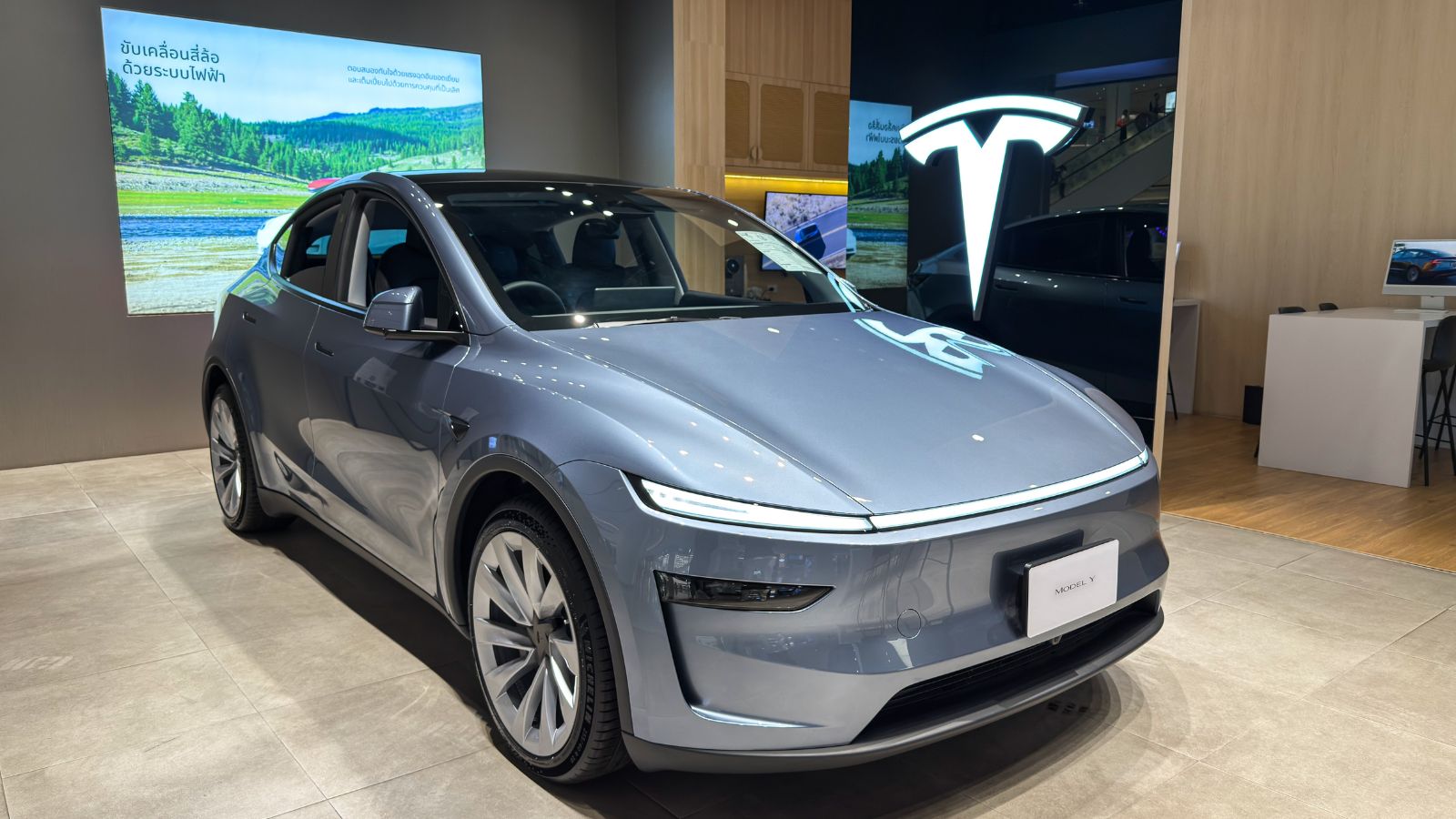
Tesla’s dominance continues to rest overwhelmingly on two vehicles. Cox Automotive estimated that 96% of Tesla’s U.S. sales in May came from the Model Y and Model 3. During the second quarter, Americans bought an estimated 84,863 Model Ys and 34,944 Model 3s. No competing electric model came remotely close. The Hyundai Ioniq 5, third on Kelley Blue Book’s second-quarter ranking, recorded 10,940 sales during the same period.

The Model Y alone represented more than one-third of U.S. EV sales during the second quarter, illustrating both Tesla’s greatest strength and one of its biggest vulnerabilities. Few automakers would complain about having a vehicle with that kind of market power, particularly in the enormous crossover segment. But concentrating so much volume in one product also creates risk when designs age or customer preferences change. Tesla has ended production of its older Model S and Model X flagships, while the Cybertruck has not developed into a Model Y-sized volume product. For now, however, the Model Y’s extraordinary scale continues to give Tesla something rivals lack: one EV capable of supporting an enormous national sales footprint.

Lower Prices Are Helping Tesla Defend Its Ground

Price has become increasingly important since federal incentives disappeared. Kelley Blue Book calculated that the average new EV sold for $54,813 in August 2026, down 2.7% from a year earlier. That left EVs about 9.4% more expensive than the broader market, a sizable improvement from the premium of more than 16% recorded in August 2025. Manufacturers are still spending heavily to close the gap: EV incentives averaged approximately 12% of transaction prices in August, compared with 6.5% across the overall new-vehicle market.

Tesla has played a major role in pulling those averages lower. Its average transaction price fell to $52,616 in August, down 3.4% from the previous year. That was below the $54,813 EV-market average, although still above the roughly $50,089 average paid for a new vehicle of any powertrain. For a household deciding between an EV and a comparable gasoline crossover, several thousand dollars can change the calculation quickly. Without the former $7,500 federal credit, manufacturers increasingly have to deliver that value themselves through lower sticker prices, financing programs or incentives.

Not Every Traditional Automaker Is Retreating

The industry shift is more complicated than a simple Tesla-versus-legacy story. Some established automakers have continued gaining ground even as the overall EV market contracts. Cox Automotive identified Toyota and Subaru as standout performers during the first half of 2026, with both more than doubling their EV volume from a year earlier. Hyundai also remained one of the country’s largest non-Tesla EV sellers and posted a sharp month-over-month improvement in July.

That matters because it suggests American consumers have not rejected EVs as a technology. They have become more selective about price, body style, range, incentives and brand. Toyota, for example, has benefited from new electric products while simultaneously maintaining an enormously successful hybrid business. The result is a market in which manufacturers can slow some EV investments while expanding others. The distinction will become increasingly important as companies decide which electric products deserve continued investment. Tesla’s share gains are substantial, but they are occurring in a competitive environment where weaker products are being eliminated while certain newer vehicles can still attract buyers.

Hybrids Are Giving Automakers Another Place to Put Their Money

One reason traditional manufacturers can afford to pull back from pure EVs is that hybrids are selling well. Kelley Blue Book reported that while total U.S. new-car sales declined 2.2% during the first half of 2026, hybrid sales rose 9%. Automakers have increasingly treated hybrids as a bridge technology that lowers fuel consumption without asking consumers to rely entirely on charging infrastructure. Some high-volume vehicles are now offered exclusively or predominantly with hybrid powertrains.

That creates a strategic challenge for Tesla because it has no gasoline or hybrid portfolio to fall back on. Tesla benefits when customers specifically want a battery-electric vehicle, but manufacturers such as Toyota, Ford, Hyundai and Honda can spread investment across multiple technologies. For a mainstream automaker managing factories, dealers and millions of annual sales, that flexibility is valuable. Tesla’s specialization has made it exceptionally efficient at serving the EV market, but it also means the company’s fortunes are tied more directly to the pace of battery-electric adoption. The current environment rewards Tesla’s scale while simultaneously validating competitors that decided not to make EVs their only answer.

Tesla Is Stronger Inside America’s EV Market, but the Market Is Still in Transition

The biggest mistake would be to interpret Tesla’s 52% share as proof that America’s EV transition has returned to its earlier trajectory. The International Energy Agency estimated that U.S. electric-car sales fell sharply after federal incentives ended in 2025, even as EV adoption continued growing rapidly in many other parts of the world. Globally, electric cars accounted for roughly 24% of vehicle sales during the first half of 2026, and the IEA expects the share to approach 29% for the full year.

The United States is moving differently. Policy changes, affordability concerns and automaker strategy have created a smaller EV market in which Tesla again controls roughly half of sales. That makes the company more dominant, but it also raises the stakes. If American EV demand recovers, Tesla will have a large installed advantage. If adoption remains subdued while rivals emphasize hybrids and other powertrains, holding half of a relatively small market may become less impressive. For the moment, though, the competitive reset is unmistakable: Tesla has regained ground not by escaping the EV slowdown, but by enduring it better than much of the field.


Recommended.

20 Things That Make a Car Look Badly Maintained Even When It Runs Fine

19 Signs Your Car Could Leave You Stranded This Winter

September 14, 2026
21 Signs Your Mechanic May Be Recommending Work You Don’t Need

New Canadian Dealer Report Tracks Repair Revenue, Retention and Technician Productivity Nationwide

August 17, 2026

Trending.

⁠$28 Billion in Canadian Goods Face 50% Trump Tariffs at Midnight as Deal Still Isn’t Final

Canada-U.S. Trade Deal Fell Apart After Washington Left Ontario-Built Ford and GM Trucks Out of Auto Tariff Relief

August 23, 2026
Doug Ford Says U.S. ‘Wasn’t Budging’ on 25% Auto Tariffs as Ontario Puts ‘Every Single Tool’ on the Table

Doug Ford Says U.S. ‘Wasn’t Budging’ on 25% Auto Tariffs as Ontario Puts ‘Every Single Tool’ on the Table

August 23, 2026
Chinese EV Price Pressure Gets a New Benchmark as Voyah Opens $63,420 Luxury MPV Orders

Ottawa EV Owners Put Electric Cars on Display as Gas Prices Push Back Toward $2 a Litre

September 5, 2026
Mexico Pushes U.S. to Cut Auto Tariff From 25% to 5%–10% — and Give Canadian Parts More Room

Ottawa’s Chinese-EV Quota Opens Canada to 6.1% Tariffs Instead of the Former 100% Surtax

August 22, 2026
16 Cars That Could Lose Their Cool Factor Fast in Canada This Summer

Tesla Raises Canadian Prices by as Much as $30,000 as U.S. Auto Tariffs Hit Buyers

September 4, 2026
  • About
  • Contact
  • Privacy Policy
  • Disclaimer
  • Editorial Policies
  • Terms and Conditions
A Revir Media Group Website

2026 Autoigloo - © All rights reserved

No Result
View All Result
  • News & Trends
  • Car Reviews
  • Buying Guides
  • Comparisons
  • EVs & Hybrids
  • More
    • Pricing & Deals
    • Winter Driving
    • Ownership & Maintenance

2026 Autoigloo - © All rights reserved

This website uses cookies. By continuing to use this website you are giving consent to cookies being used. Visit our Privacy and Cookie Policy.