























Cold weather has a way of exposing problems that seemed minor in October. A battery that hesitated once, a tire that slowly lost pressure, or a faint squeal from under the hood can become far more troublesome when temperatures plunge and roads turn hostile.
Many winter breakdowns give at least some warning before the vehicle finally refuses to cooperate. Some clues are obvious, while others are easy to dismiss during a busy morning commute. These 19 signs cover the battery, charging system, ignition, cooling system, tires, brakes, fluids, exhaust, fuel supply, and visibility equipment—the areas where small weaknesses can quickly turn into an unwanted roadside stop.
Slow, Laboured Cranking
One of the clearest early warnings is an engine that suddenly takes longer to turn over. Instead of firing immediately, the starter may sound sluggish, almost as though the entire engine is moving through thick syrup. Cold weather makes that symptom especially important because a battery already operating near the limits of its capacity has less margin when temperatures fall. AAA notes that slow cranking is among the common warning signs of a weakening battery, while colder temperatures reduce a battery’s available starting power.
The change does not have to be dramatic. A vehicle that normally starts almost instantly but suddenly requires several seconds deserves attention, particularly after sitting overnight. A commuter might notice the hesitation only on the coldest morning of the week and assume the temperature alone is responsible. That may be true for a healthy vehicle to a small degree, but a noticeable change from normal behaviour can reveal a battery, charging-system, connection, or starter problem before complete failure occurs.
Battery Is Three to Five Years Old—or Looks Damaged
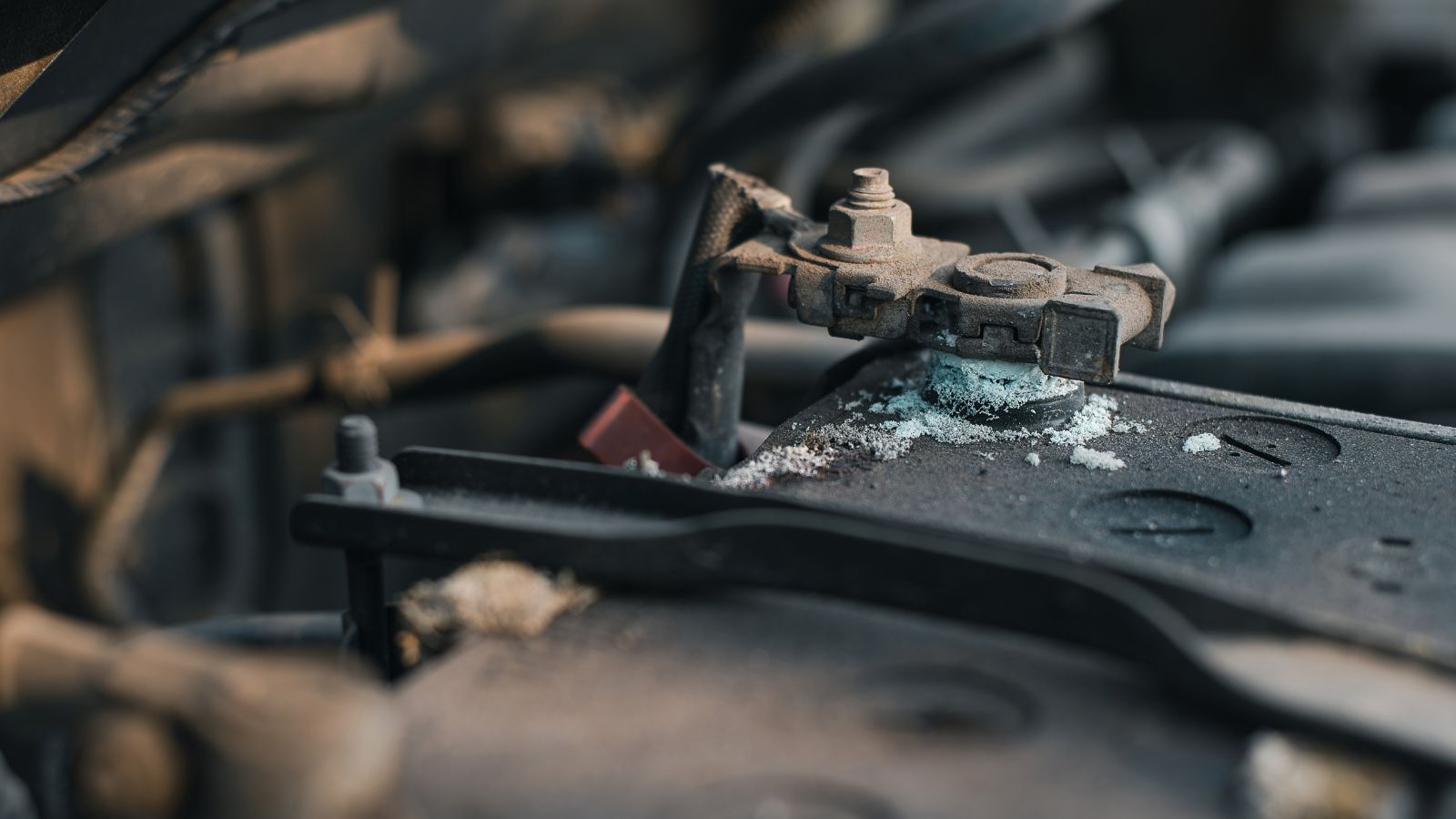
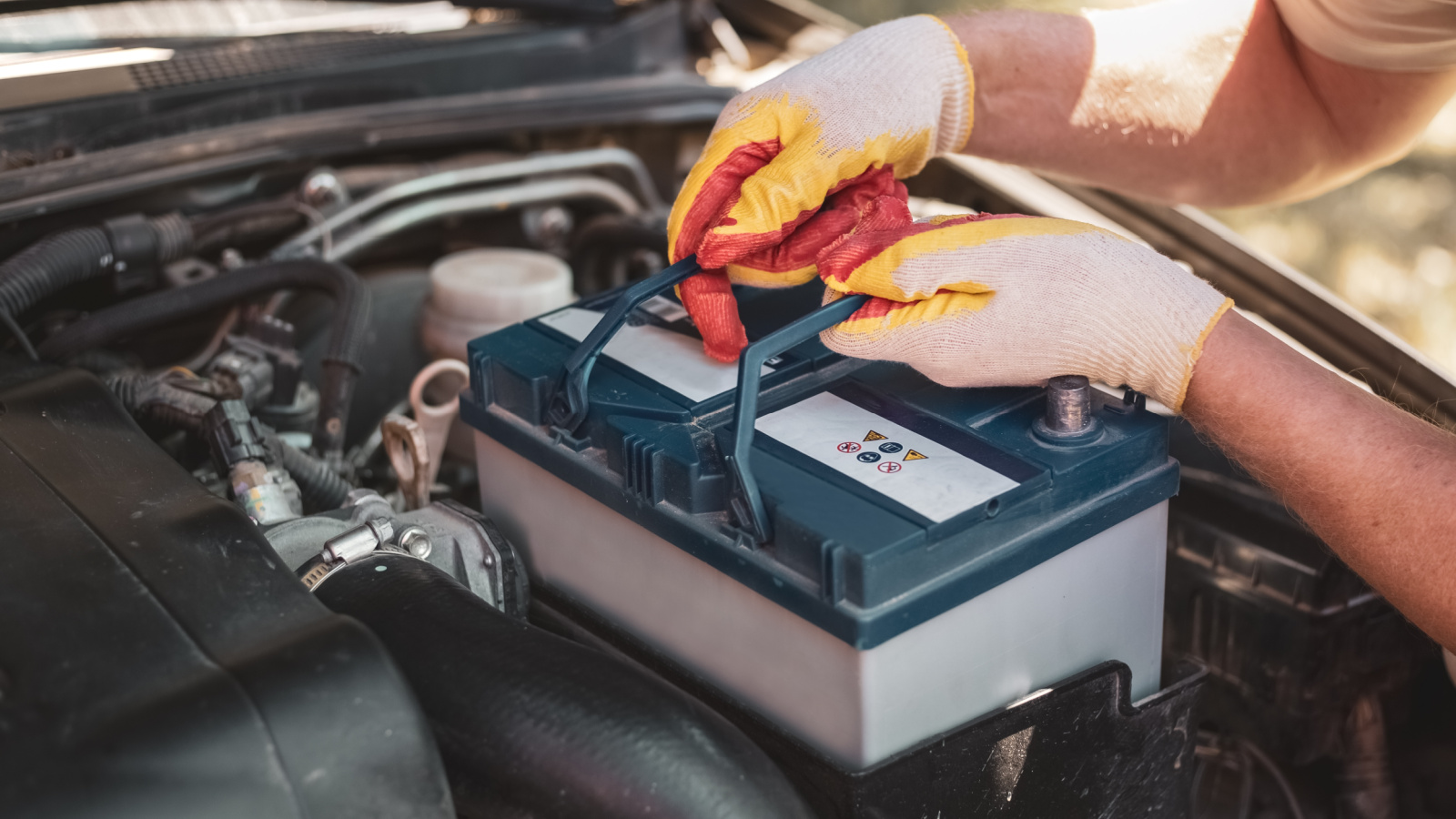
A battery does not need to be completely dead to be a winter liability. CAA and AAA both identify roughly three to five years as a common automotive-battery lifespan, although actual durability depends on climate, driving patterns, heat exposure, vibration, and maintenance. Once a battery enters that age range, cold-weather performance deserves closer attention. Age combined with slow starting or previous boost starts is substantially more concerning than age by itself.
Physical clues matter as well. CAA recommends checking for corrosion around the terminals, wetness, and bulging of the case. Powdery buildup around a terminal can interfere with electrical connections, while a swollen or damaged case is a reason for professional inspection rather than experimentation in the driveway. A four-year-old battery that looks pristine and tests strongly may still have useful life. A similar battery covered in corrosion and already struggling during chilly mornings is sending a different message. Testing it before a deep freeze is far easier than discovering its condition in a dark parking lot.
Headlights or Cabin Electronics Are Dimming
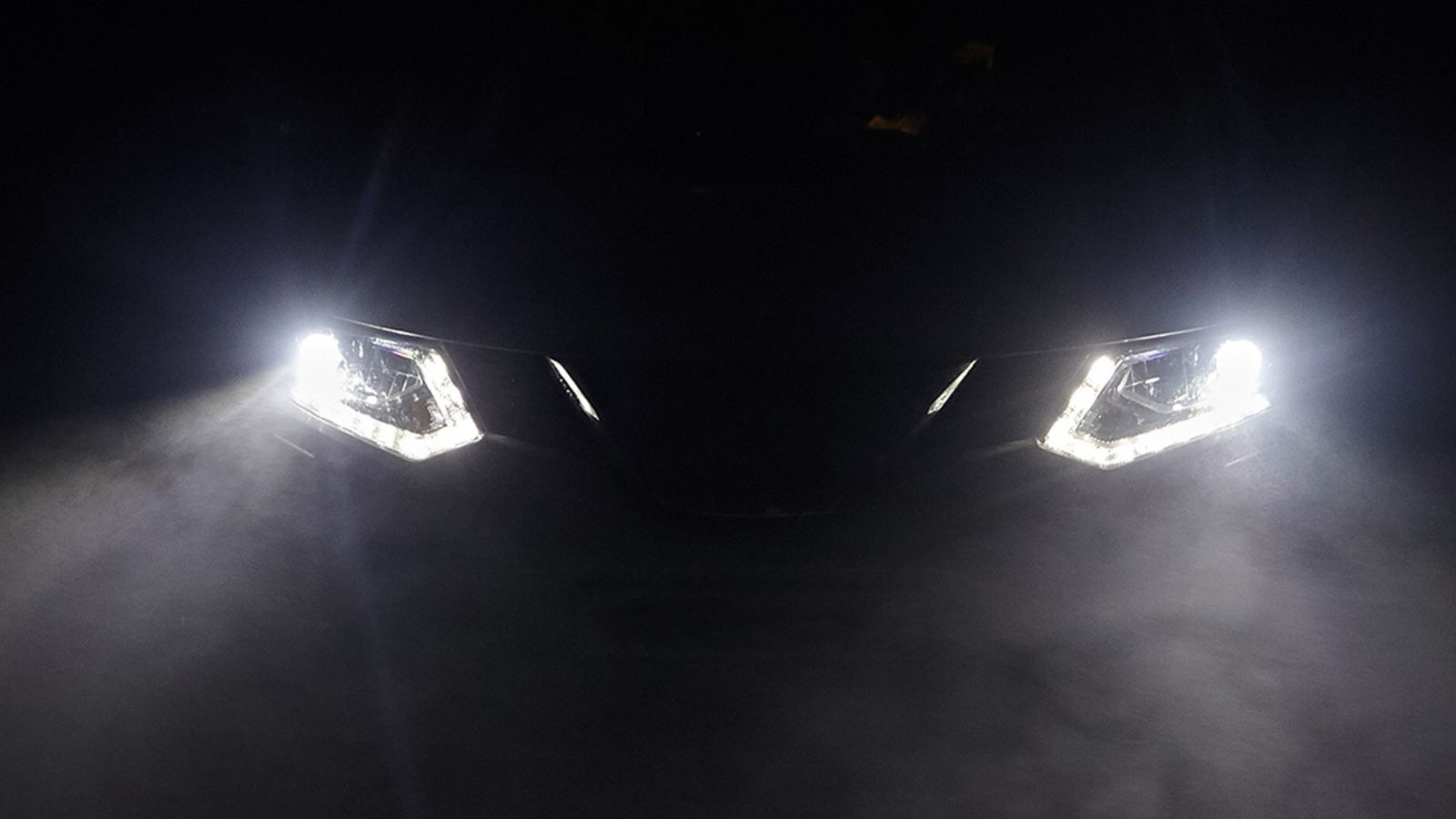
Electrical trouble often appears somewhere other than the starter motor. Headlights that seem unusually dim at idle, interior lights that flicker, power windows that move sluggishly, or an infotainment system that behaves erratically can point toward a battery or charging system that is struggling. AAA identifies dim or flickering lights and malfunctioning accessories among possible symptoms of battery and alternator trouble.
The pattern is particularly worth investigating when several symptoms occur together. Imagine a vehicle whose headlights briefly brighten when the engine is revved, whose blower slows at a stoplight, and whose engine has become slightly harder to start. Individually, each symptom might be dismissed as an aging component. Together, they raise a stronger case for having the battery and charging system tested. Modern vehicles depend heavily on stable electrical voltage, and winter adds major loads from heated seats, rear defrosters, blowers, headlights, and wipers. Electrical weakness that barely registered during mild weather can therefore become much harder to ignore once the cold season arrives.
Battery or Charging Light Comes On

The battery-shaped dashboard symbol is sometimes misunderstood as a simple warning that the battery itself is old. In reality, it generally signals a problem in the vehicle’s charging system. The alternator, wiring, voltage regulation, drive belt, or another electrical component may be involved. AAA warns that when an alternator stops supplying adequate electricity, the vehicle can continue operating temporarily on battery power before eventually stalling.
That makes a charging warning especially important while driving. If the alternator has genuinely failed, simply replacing or boosting the battery does not solve the underlying problem. The vehicle may start again briefly and then shut down after the remaining electrical energy is consumed. The consequences become more serious on a winter highway, where losing engine power, lighting, heating, and other electrically dependent systems can quickly become a roadside emergency. A warning that appears intermittently also deserves investigation; electrical problems do not become harmless simply because the dashboard light goes out again several minutes later.
It Keeps Needing a Boost
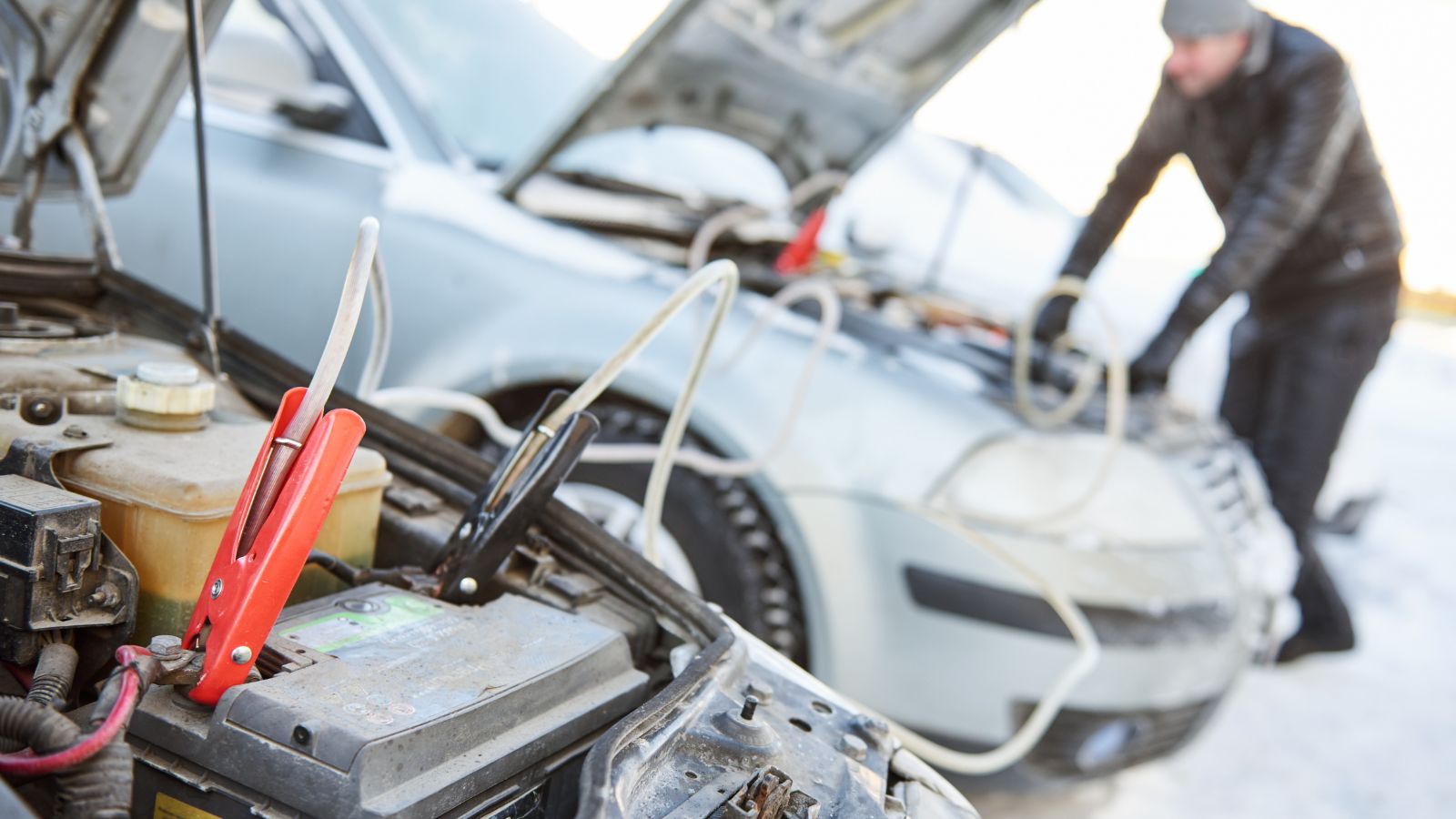
One boost start after a forgotten dome light is different from a vehicle that needs repeated assistance for no obvious reason. AAA lists frequent jump-starts among the warning signs of a deteriorating battery, but it also cautions that another electrical problem—particularly a weak alternator—can leave the battery repeatedly discharged. A boost restores enough energy to start the engine; it does not automatically diagnose or repair whatever caused the battery to become depleted.
The timing can provide useful clues. If the vehicle starts after a boost but soon stalls, AAA notes that alternator trouble becomes a stronger possibility. If it runs normally but is dead again the next morning, the battery may be unable to hold a charge, or something may be drawing power while the vehicle is parked. Either situation becomes especially inconvenient during winter, when every cold start demands more from the electrical system. Repeatedly carrying booster cables and hoping for another willing motorist is not a maintenance strategy. A proper battery-and-charging-system test can identify the actual problem before the next no-start happens somewhere less convenient.
Clicking With No Engine Crank
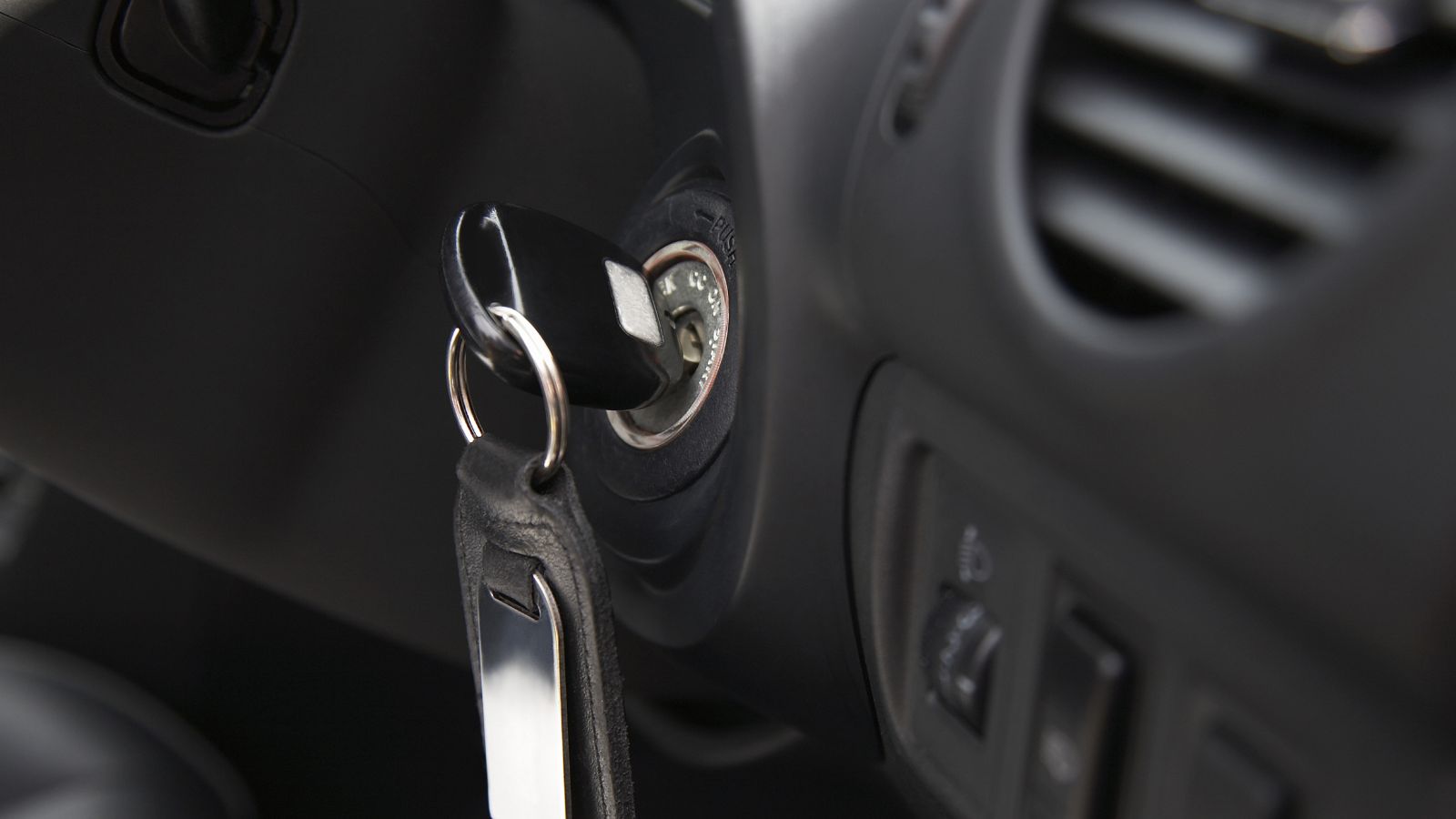
Turning the key or pressing the start button and hearing a click—without the engine actually turning—is a classic warning that something in the starting circuit is unhappy. AAA notes that clicking can result from insufficient battery power, poor electrical connections, or starter problems. If dashboard lights remain bright while the engine refuses to crank, the starter becomes one component that deserves investigation, although diagnosis is necessary before replacing anything.
Starter motors can deteriorate gradually or fail with little warning. A driver may experience one strange click on Monday, normal starts for several days, and complete silence during Friday’s cold commute. That inconsistency is precisely why occasional no-crank episodes should not automatically be ignored once the car finally starts. Batteries, cables, grounds, starter solenoids, and starter motors can produce overlapping symptoms. Winter temperatures merely make an already marginal system less forgiving. Recording what happens—whether lights dim, whether there is one click or rapid clicking, and whether a boost changes anything—can give a technician valuable information before the problem becomes permanent.
Rough Idle, Misfires, or a Flashing Check-Engine Light
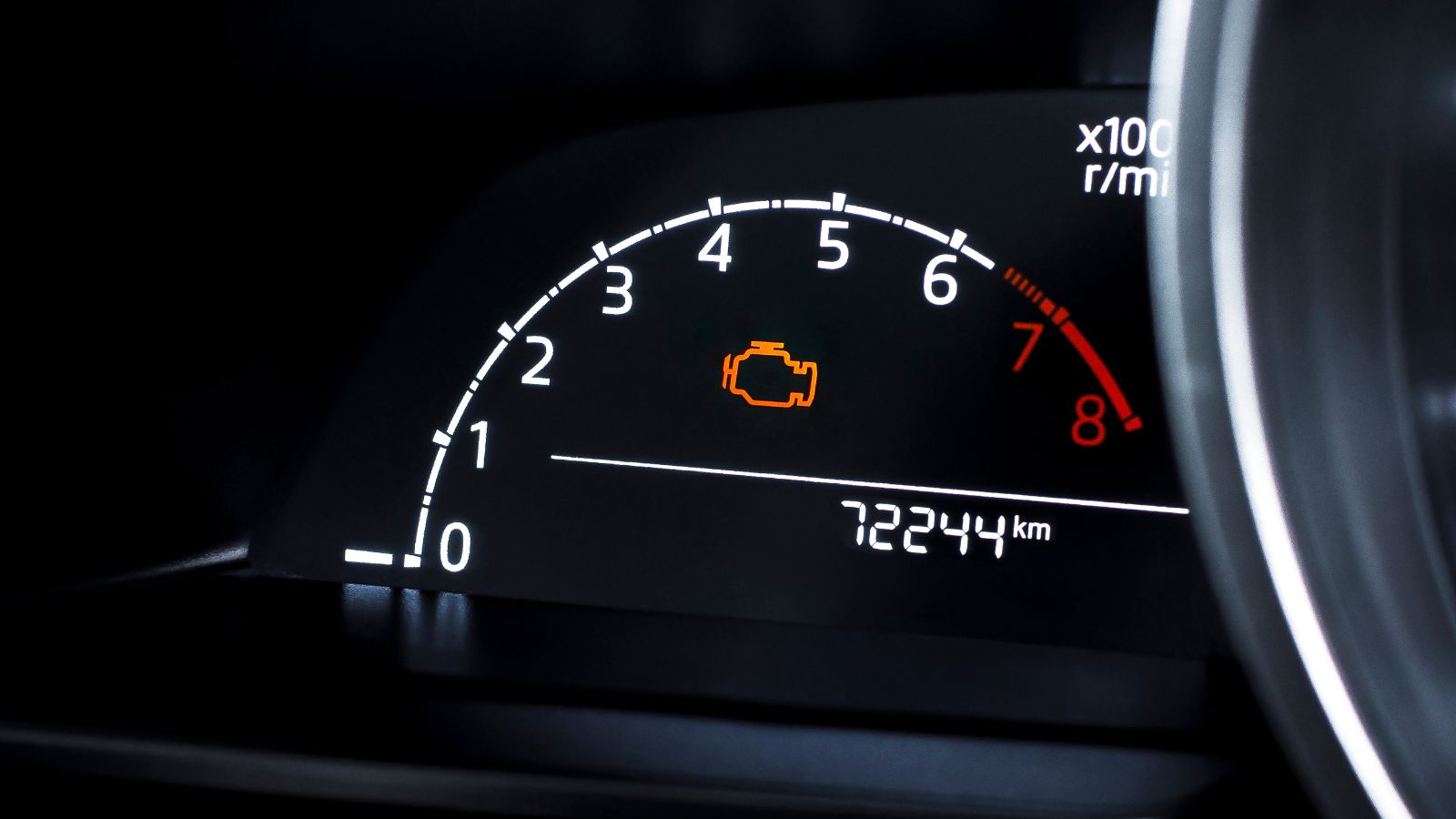
A car that shakes noticeably at idle, hesitates under acceleration, sputters during startup, or begins stalling may be signalling an ignition problem. CAA specifically recommends inspecting ignition components such as spark plugs and related parts before winter because faulty components can make starting unreliable and may contribute to a breakdown. AAA similarly lists rough idling, misfires, difficult starting, and poor acceleration among symptoms associated with worn or fouled spark plugs.
A flashing check-engine light raises the urgency. AAA notes that a flashing light can indicate a severe problem such as an active cylinder misfire and recommends limiting further driving. The important distinction is between a vehicle that simply feels slightly different on a frigid morning and one that repeatedly runs poorly after warming up. An occasional uneven second immediately after a very cold start does not establish a diagnosis. Persistent shaking, power loss, stalling, or warning lights do. Ignition faults that are inconvenient around town can become much more consequential on an isolated winter road where restarting a stalled engine is far from guaranteed.
Squealing, Chirping, or Slapping From the Belt Drive
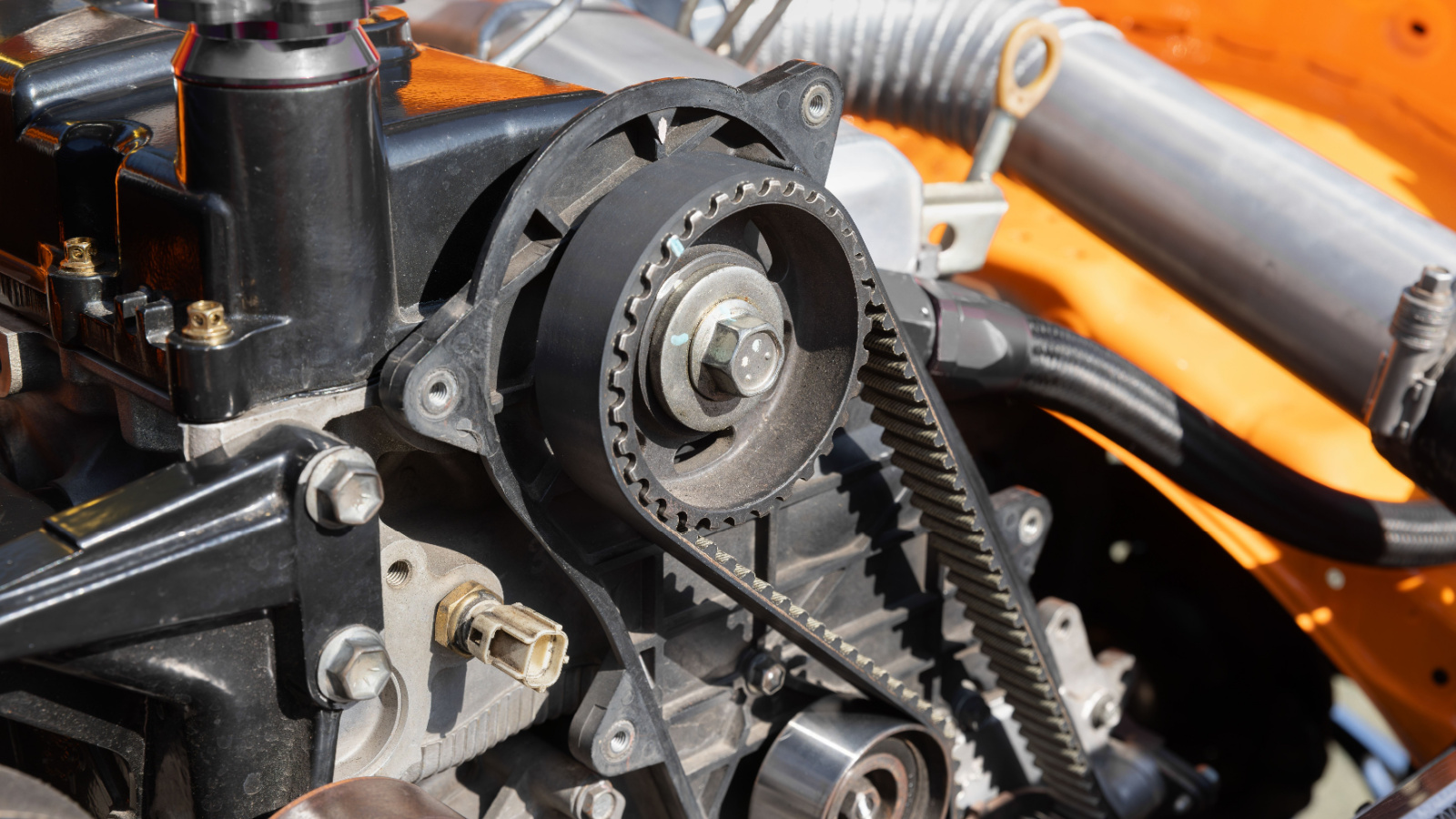
A new noise from the front of the engine should not automatically be written off as “something cars do in winter.” AAA explains that serpentine belts commonly drive essential equipment including the alternator and, on many vehicles, the water pump and power-steering system. If a belt fails, those accessories can stop working immediately. Depending on the vehicle’s design, that can lead to a discharged battery, overheating, or loss of steering assistance.
Squealing or chirping can indicate slipping, improper tension, contamination, or wear, while slapping or knocking that changes with engine speed can indicate more advanced belt or pulley trouble. Modern belts do not always develop obvious cracks before becoming badly worn, so appearance alone is not a perfect test. A vehicle that suddenly squeals during cold starts, shows a charging warning, and develops an overheating tendency should receive prompt professional attention rather than a louder radio. A relatively inexpensive belt, pulley, or tensioner problem can become a tow-truck problem when a crucial accessory stops turning kilometres from home.
Coolant Level Keeps Dropping or a Coloured Puddle Appears
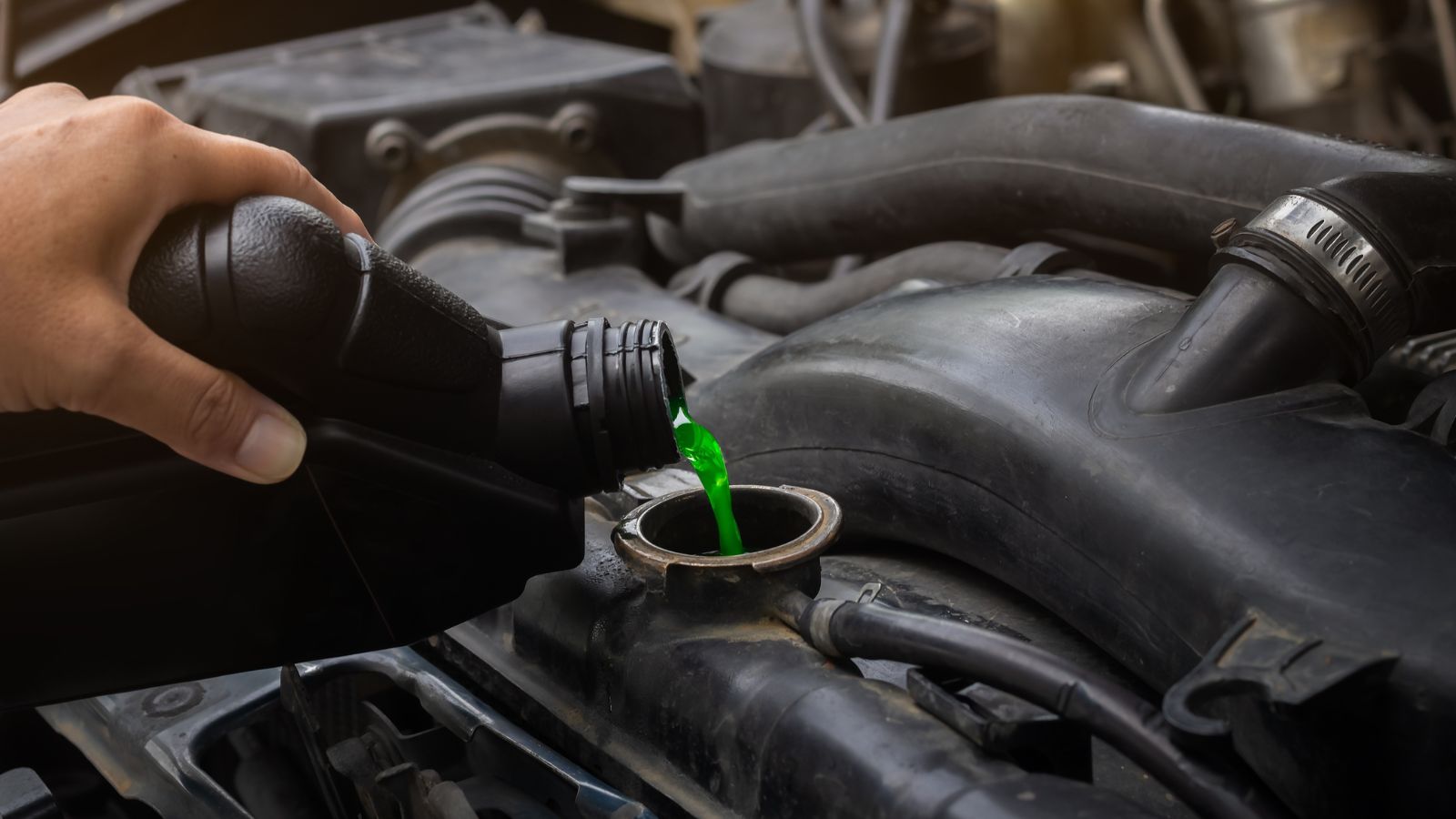
Engine coolant does two critical jobs in winter: it helps prevent freezing and carries heat away from the engine once it reaches operating temperature. AAA notes that a cooling system is designed to be closed, meaning unexplained low coolant often points toward a leak somewhere in the system. Depending on the formulation, leaking coolant may appear green, orange, pink, blue, yellow, or another colour rather than the familiar bright green many drivers expect.
A small puddle can therefore be more significant than its size suggests. A driver may top up the reservoir once, see the warning disappear, and consider the matter solved. If the level falls again, however, the missing fluid has gone somewhere. Radiator damage, loose connections, hoses, a water pump, or other cooling-system components can be involved. Transport Canada recommends checking coolant strength and level, radiator hoses, the water pump, thermostat, and related components before winter. Losing enough coolant can ultimately cause overheating, and an overheated engine may need to be shut down immediately—even when outside temperatures are well below freezing.
Cabin Heat Is Weak and Engine Temperature Is Acting Strangely
A heater that suddenly produces lukewarm or cold air may be more than a comfort problem. Vehicle cabin heat normally depends on hot engine coolant circulating through the heater core. Low coolant, thermostat problems, trapped air, restricted circulation, or other cooling-system faults can interfere with heating. CAA and Transport Canada both recommend confirming that the heating and cooling system, thermostat, coolant level, water pump, heater, and defroster are functioning properly before winter.
Temperature behaviour provides another clue. An engine that takes unusually long to warm up, frequently runs hotter than normal, or triggers a coolant-temperature warning deserves diagnosis. AAA notes that a malfunctioning thermostat can contribute to overheating when coolant circulation is disrupted. Consider the combination of disappearing cabin heat and a rising temperature gauge: that is considerably more concerning than simply wishing the heater were warmer. Continuing to drive an overheating engine can cause extensive damage. In winter, a failed heating system also removes one of the vehicle’s most important tools for keeping occupants warm and windows clear.
Oil-Pressure Light Appears
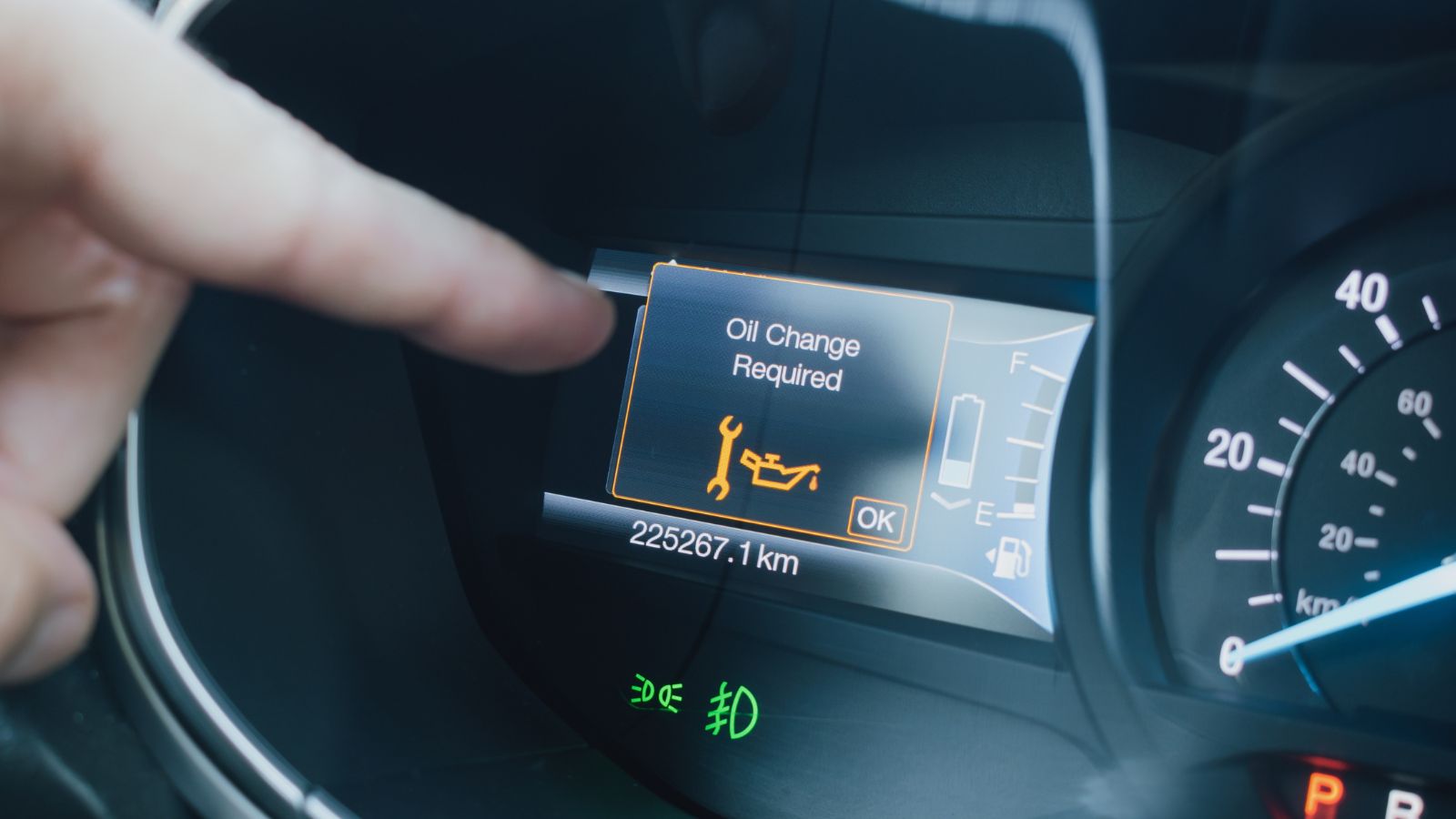
A red oil-pressure warning is not a reminder to schedule an oil change sometime next month. AAA guidance treats it as a stop-driving warning because it can indicate that the engine is not receiving enough oil pressure for proper lubrication. Continuing to operate an engine without adequate lubrication can cause severe damage quickly. Low oil level is one possible cause, but a full diagnosis may involve the pump, sensor, internal engine components, or other faults.
Winter makes proper lubrication especially important because cold engine oil is more resistant to flow until it warms. That does not mean cold weather should cause a healthy vehicle’s red oil-pressure warning to remain illuminated after startup. A light that flickers during turns, acceleration, or braking can also indicate a dangerously low oil level. Drivers sometimes remember the incident only after the warning disappears, assuming the problem corrected itself. It may not have. If the light appears while driving, the safest response is to stop as soon as practical and follow the manufacturer’s instructions rather than hoping the engine survives until the destination.
Tire-Pressure Warning Keeps Returning
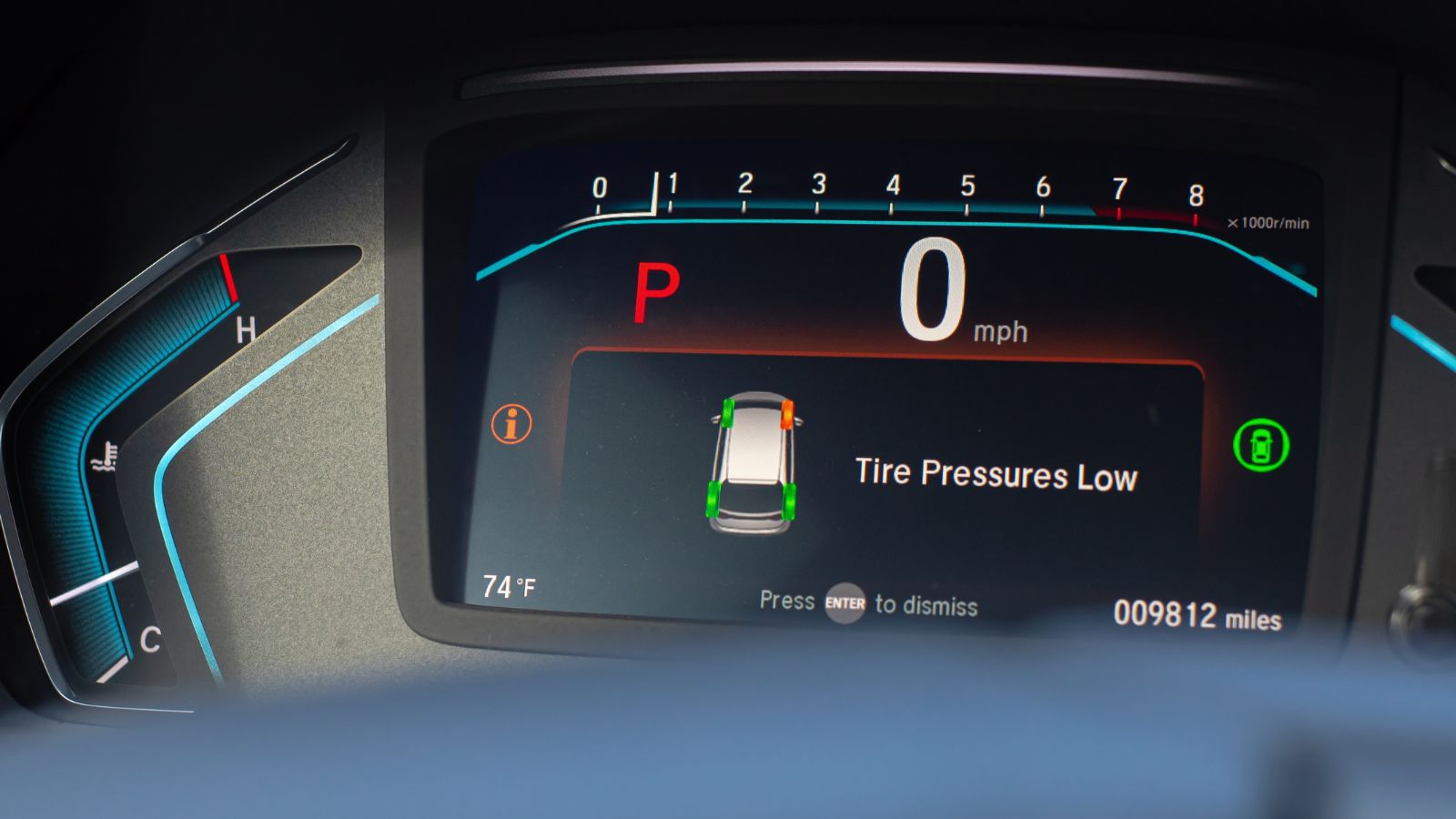
Cold weather can turn a marginal tire-pressure problem into a persistent dashboard warning. Transport Canada states that tire pressure decreases by about 1 psi for every 5°C drop in temperature. Some pressure loss through normal permeability also occurs over time. That means four correctly inflated tires during a warm autumn afternoon may need adjustment after a substantial temperature drop.
What deserves extra attention is a tire that keeps losing pressure after being corrected. Repeatedly adding air to one wheel while the others remain stable can indicate a puncture, leaking valve, damaged wheel, or another problem requiring repair. NHTSA notes that an illuminated tire-pressure-monitoring warning means at least one tire is already significantly underinflated and recommends taking action. Underinflation also changes handling and can damage a tire when driven excessively. A slow leak may feel manageable when the vehicle is parked near home every night; it becomes a different problem when the tire loses enough pressure during a long winter trip to make continued driving unsafe.
Winter Tires Are Worn, Cracked, or Bulging
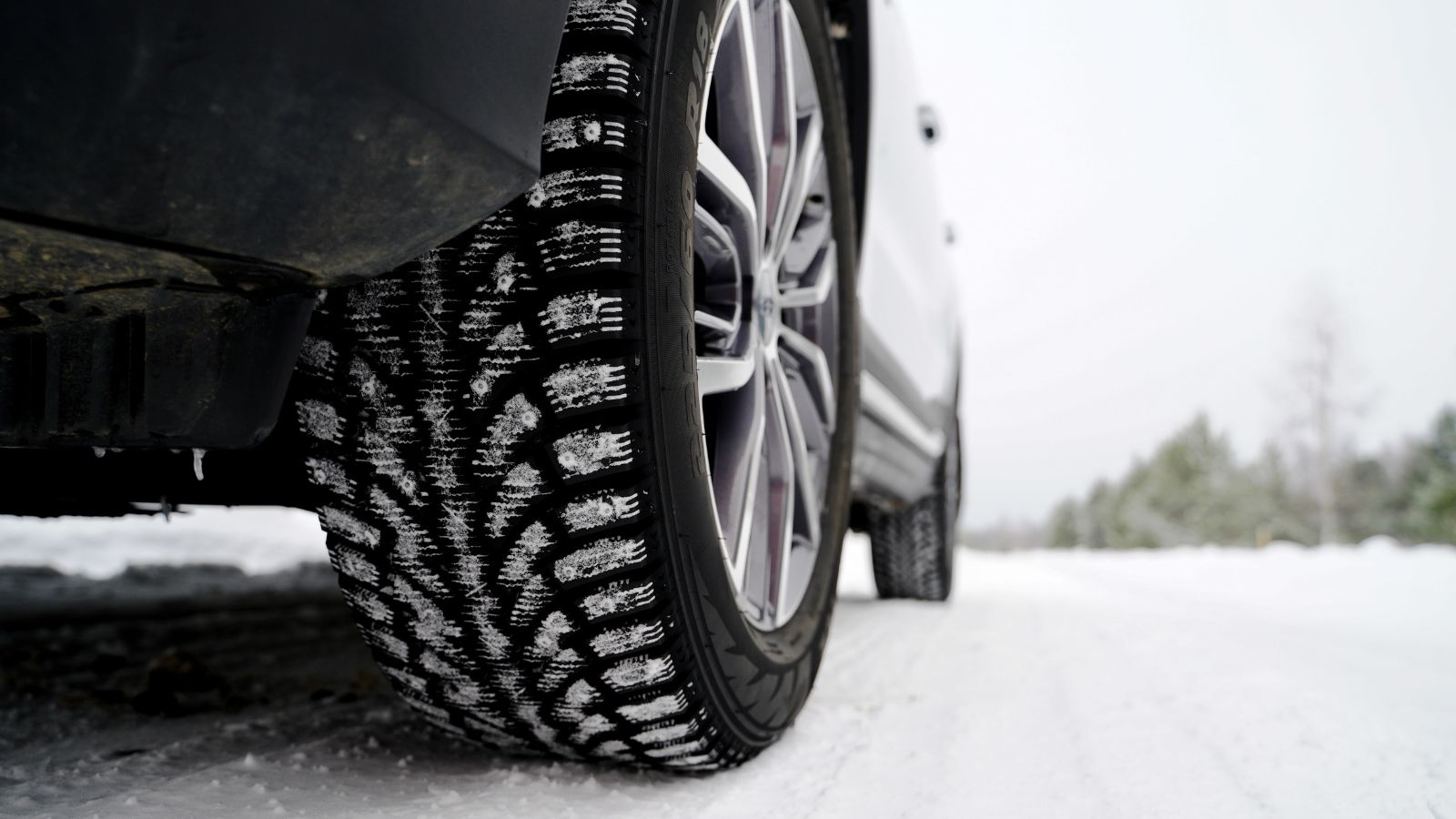
Winter tires can still have visible tread and be unsuitable for demanding snow conditions. Transport Canada recommends at least 4 mm of tread depth for winter driving and warns that traction decreases as tires wear. It also notes that winter compounds remain more flexible in cold weather, while all-season and summer tires begin losing elasticity below approximately 7°C. The mountain-and-snowflake symbol identifies tires designed to meet specific severe-snow traction requirements.
Physical damage deserves just as much attention as tread depth. Cuts, cracks, bulges, punctures, or irregular wear can indicate that a tire should be professionally inspected or replaced. A bulge, for example, is not something to monitor casually until spring. NHTSA also recommends inspecting tread and sidewalls for damage and checking tire age. A winter breakdown caused by a failed tire is especially unpleasant because changing a wheel beside a snow-covered roadway can expose occupants to traffic and severe cold. The time to discover a damaged sidewall is during an inspection, not after the tire can no longer hold air.
Brakes Pull, Grind, Squeal, or Feel Soft
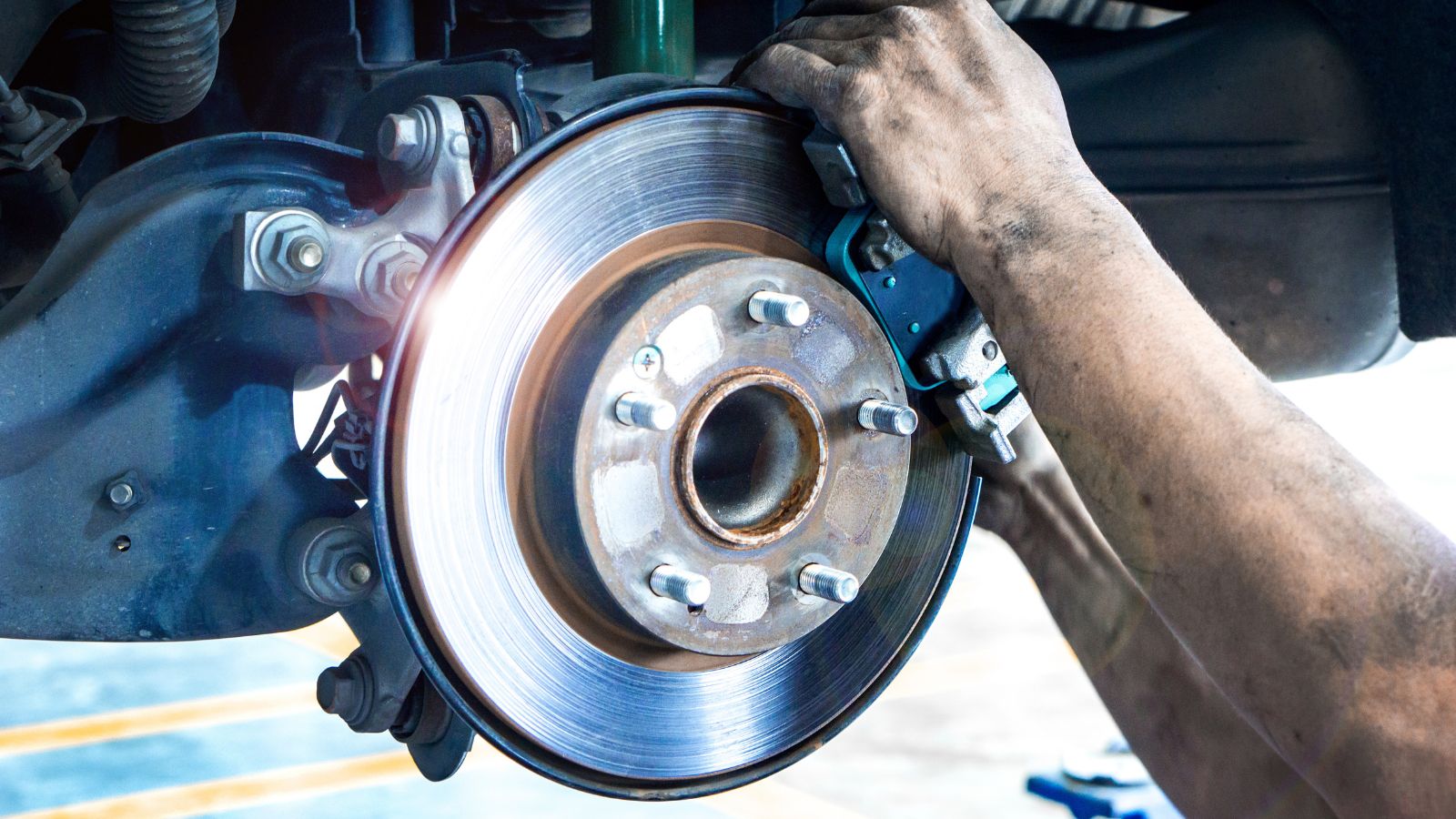
Braking problems become particularly serious when road grip is already limited. Transport Canada specifically identifies pulling, changes in pedal feel, squealing, and grinding as signs that brakes may require repair. AAA adds that a soft or unusually low pedal can indicate a serious hydraulic problem, while fluid leakage can reduce the pressure required for effective braking.
Some brake noises are less urgent than others, especially because moisture and surface rust can occasionally cause temporary sounds after a vehicle has been parked. The concern rises when grinding, pulling, burning smells, or abnormal pedal feel continue after normal driving begins. A vehicle that consistently veers during braking may have uneven brake operation, while a pedal that sinks much farther than normal warrants immediate attention. A winter road is a poor place to discover that the braking system has deteriorated beyond the point of safe operation. Even though brake trouble may not stop the engine from running, it can make the vehicle unsafe to drive and leave towing as the only sensible way home.
New Fluid Puddles Keep Appearing
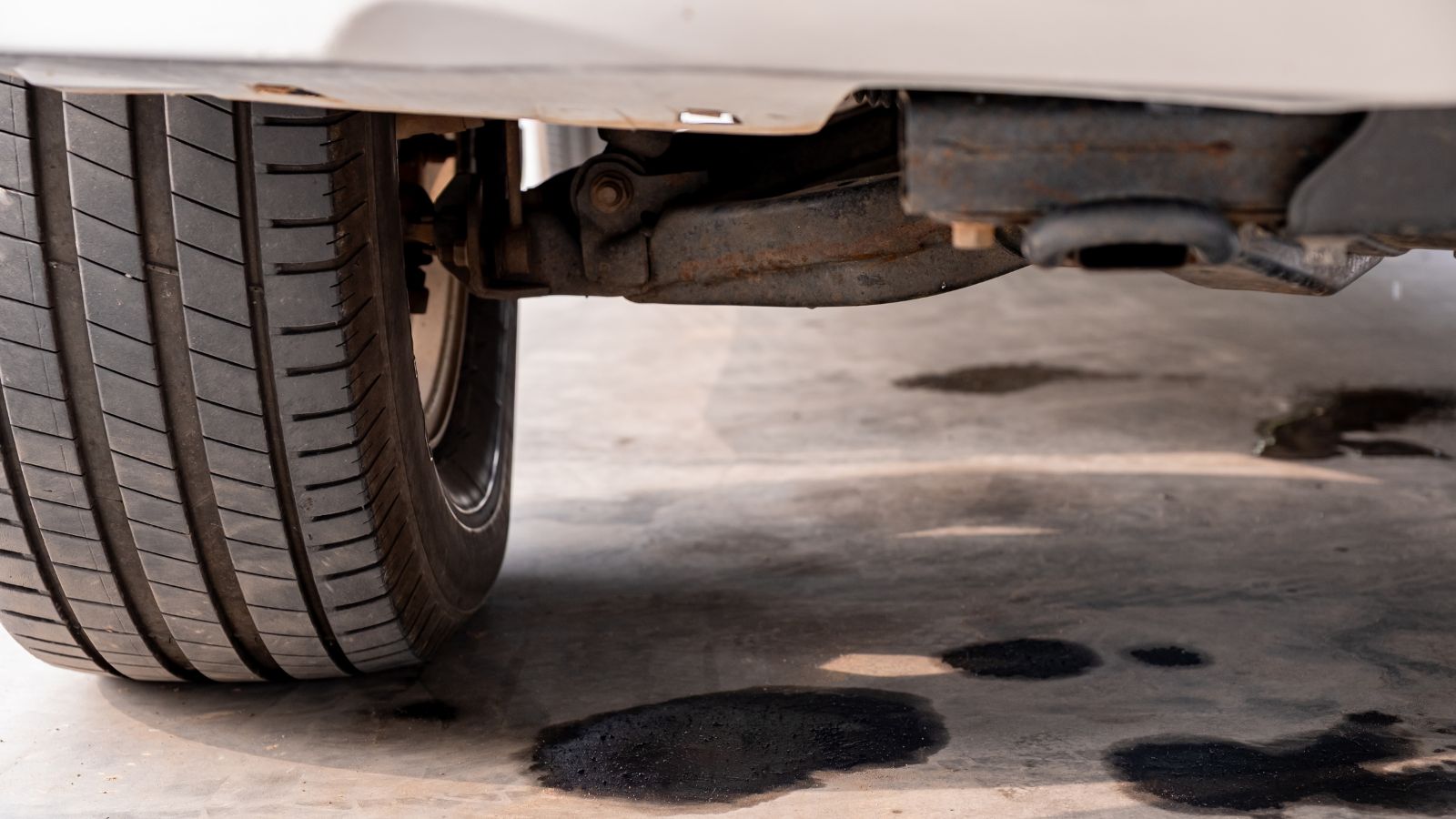
A mysterious spot on the driveway can provide an early warning long before a dashboard message appears. AAA identifies several common automotive fluids by general appearance: engine oil is often brown or black, transmission fluid can appear reddish-brown, coolant comes in several bright colours, and brake fluid is generally light yellow to clear. Plain water underneath a vehicle may simply be normal condensation, but persistent oily or coloured fluid deserves investigation.
The location and colour alone cannot provide a reliable diagnosis because modern fluids vary and can spread after dripping onto underbody components. What matters is recognizing a new pattern. Transmission-fluid loss, for instance, can eventually cause poor shifting or major transmission damage, while brake-fluid loss can compromise braking ability. Oil and coolant leaks can threaten the engine if levels fall far enough. A few drops do not automatically mean the car is about to fail, but a puddle that grows over several mornings is telling a story. Checking fluid levels and identifying the source early can prevent the story from ending beside a winter highway.
Exhaust Suddenly Sounds Louder or Fumes Enter the Cabin
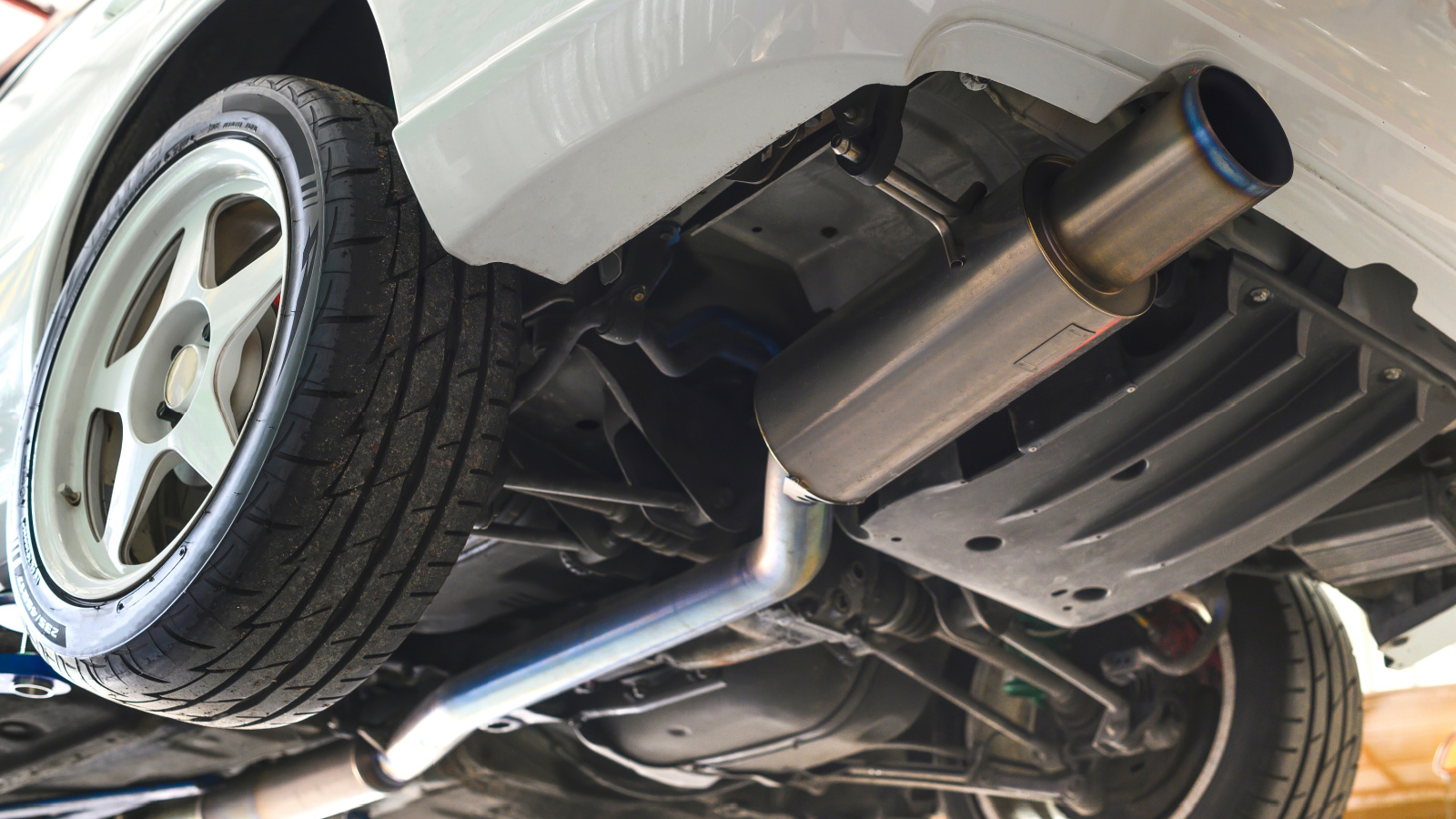
An exhaust system that becomes noticeably louder may have developed a hole, loose connection, or other leak. AAA identifies increased exhaust noise and fumes inside the passenger compartment among possible warning signs of an exhaust leak. Transport Canada specifically recommends checking the exhaust system before winter because leaks can allow dangerous carbon monoxide to enter the vehicle.
Carbon monoxide deserves special emphasis because it cannot be detected reliably by smell: CDC describes it as colourless and odourless. CDC also warns that even a small vehicle-exhaust leak can allow carbon monoxide to build up inside a car. Snow creates another winter-specific danger when it blocks a tailpipe while the engine is running. Headache, dizziness, weakness, nausea, or confusion can be signs of carbon-monoxide exposure rather than simply fatigue from a long drive. A suddenly noisy exhaust, visible damage, or unexplained fumes therefore should not be treated merely as an annoyance. Keeping the tailpipe clear of accumulated snow is equally important whenever a vehicle is idling.
Fuel Tank Is Regularly Near Empty
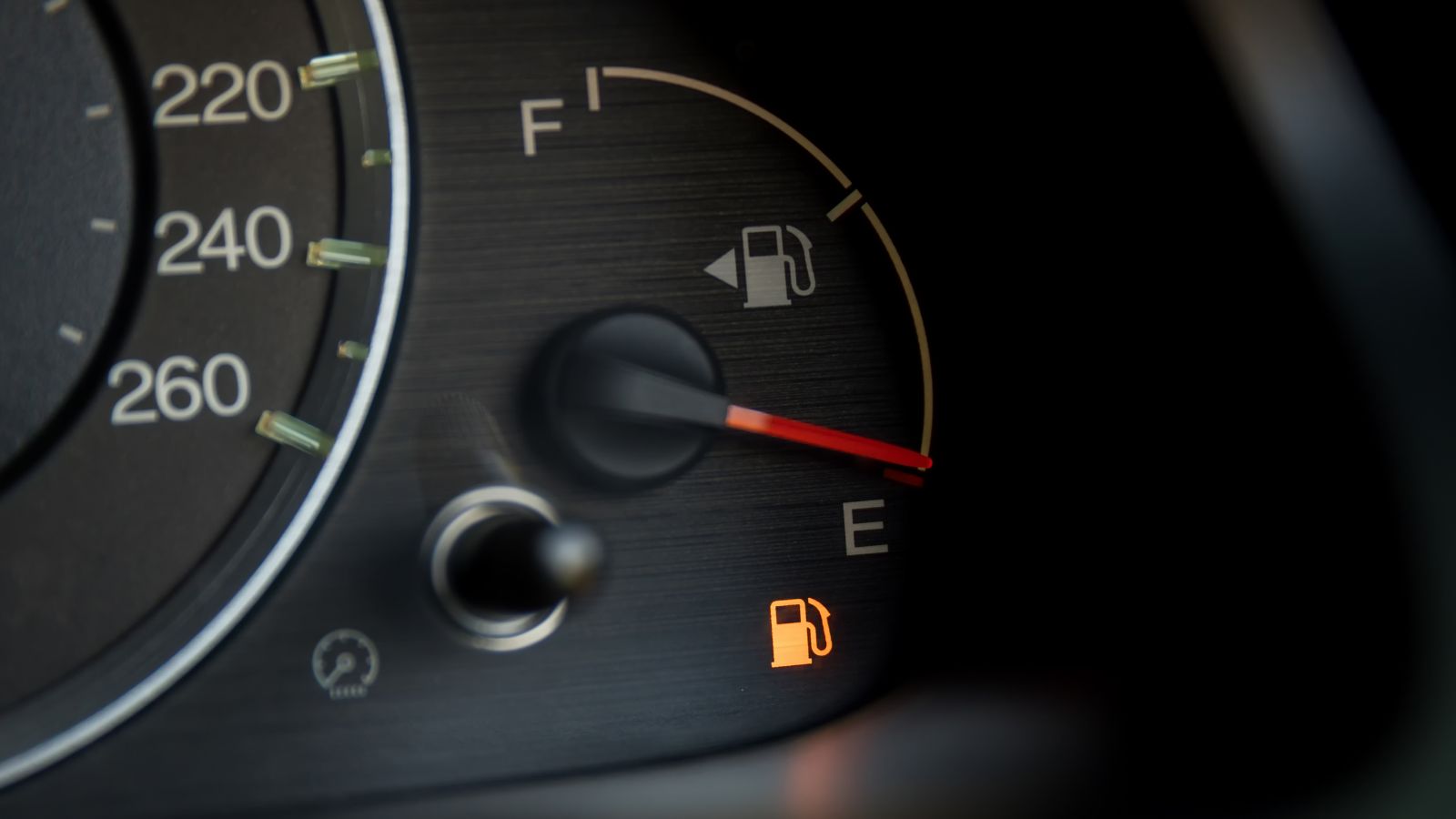
Running close to empty is never ideal, but winter makes the habit less forgiving. CAA recommends keeping at least half a tank of fuel during winter. One reason is practical: snowstorms, road closures, collisions, or severe congestion can turn an ordinary drive into hours of waiting. A nearly empty tank provides little reserve for keeping a stranded vehicle operational when travel takes much longer than expected.
CAA also notes that keeping the tank at least half full can reduce condensation that may contribute to fuel-line freezing under suitable conditions. Modern fuel systems make actual frozen fuel lines less common than they once were, but carrying adequate fuel remains sensible winter preparation. A driver may normally pass several stations on a commute and assume there will always be another opportunity to fill up. During a major storm, stations can be inaccessible, traffic can stop, and detours can add substantial distance. An illuminated low-fuel warning is therefore more than a prompt to shop for the cheapest nearby price when temperatures are plunging and conditions are deteriorating.
Wipers Streak, Chatter, or Fail to Clear Snow
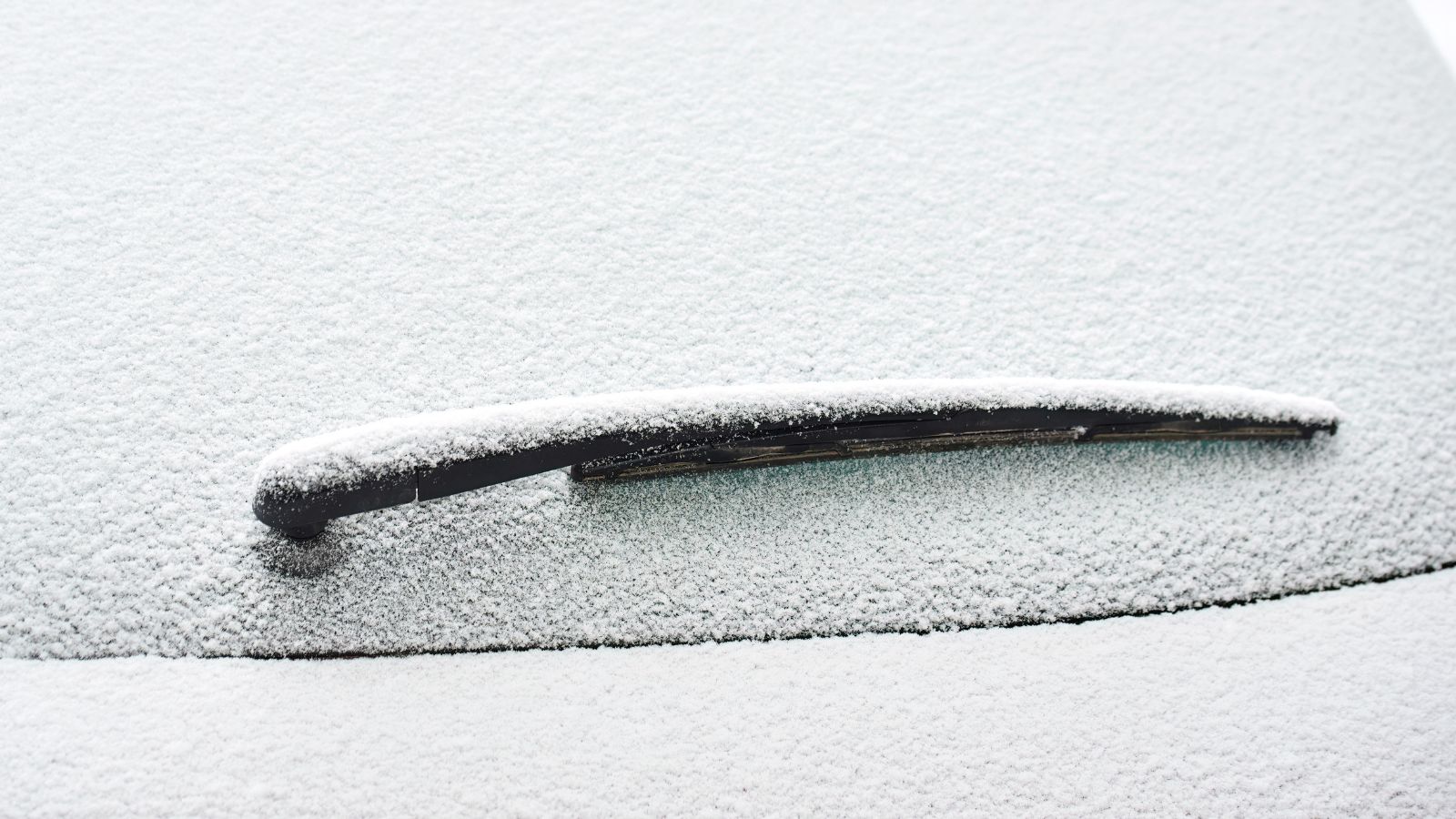
Wiper blades rarely receive much attention until the windshield suddenly becomes difficult to see through. Transport Canada advises replacing blades that streak and recommends ensuring that wipers are in good condition before winter. NHTSA similarly recommends checking every wiper and defroster and notes that drivers can use a large amount of washer fluid during a single snowstorm.
Streaking, skipping, torn rubber, poor contact with the glass, or a wiper that moves unusually slowly can become significant once road salt and slush begin coating the windshield. Snow and ice can also overload a wiper system, particularly when blades are frozen to the glass and the motor is activated before they are freed. Even though defective wipers will not normally shut down an engine, they can make a running car effectively undriveable when visibility deteriorates. A driver discovering failed wipers during heavy highway spray has little responsible choice except to get off the road. That makes deteriorating blades a genuine winter stranding warning rather than a cosmetic maintenance issue.
Washer Fluid or Defroster Cannot Keep the Windshield Clear
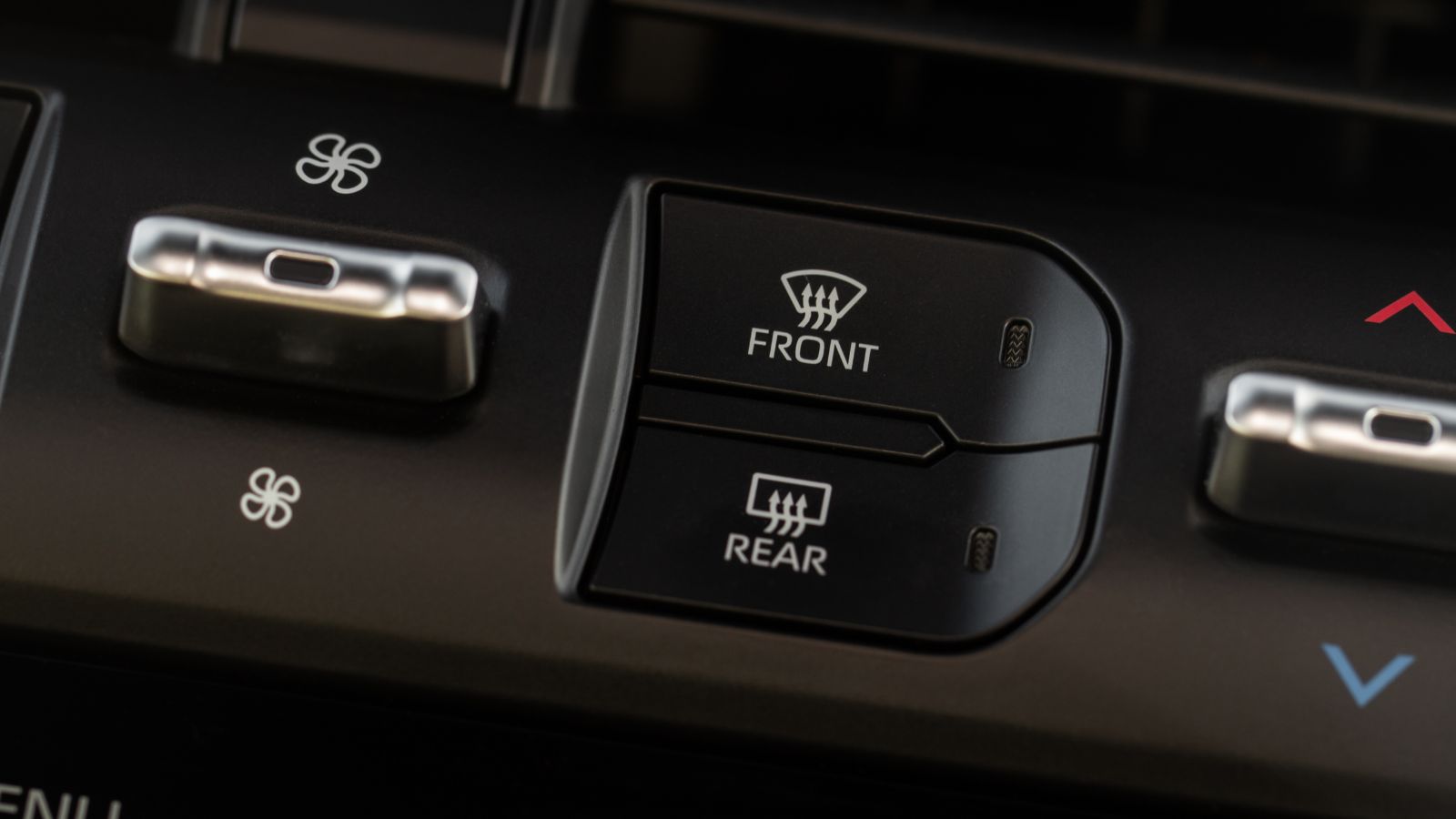
A final warning sign appears when the windshield repeatedly fogs, freezes, or becomes coated with grime faster than the vehicle can clear it. Transport Canada recommends winter washer fluid capable of operating in the -40°C range and advises carrying an extra container. It also recommends confirming that the heater and defroster work properly before winter begins. NHTSA likewise stresses that washer fluid, wipers, and defrosters should be fully functional before winter weather arrives.
Weak washer spray could result from low fluid, frozen fluid, blocked jets, pump trouble, or another fault. A defroster that barely clears the glass can be equally troublesome during freezing rain or when several occupants rapidly increase cabin humidity. The car may continue running perfectly while the driver loses a safe view of the road. That distinction matters: being stranded does not always mean an engine has stopped. Sometimes the safest option is pulling over because the vehicle can no longer provide adequate visibility. Fixing these problems beforehand is considerably easier than attempting to restore a frozen windshield on a dark roadside.
19 Used Cars Canadians Should Avoid in 2026 (Based on Owner Complaints)

Buying a used car in Canada can feel safe until repair bills start stacking up. Owner complaints tell a different story than glossy listings. Transmission failures, electrical problems, and weak winter reliability show up again and again in consumer reports. Many of these issues appear after warranties expire, when owners least expect them. Some vehicles look affordable upfront, but become expensive to keep on the road. Others struggle in cold weather, urban driving, or long highway commutes. Here are 19 used cars Canadians should avoid in 2026 (based on owner complaints).
19 Used Cars Canadians Should Avoid in 2026 (Based on Owner Complaints)